

Kaizan Boss
9.5k Beiträge

Kaizan Boss
Melden
Nutzer blockieren
Trade eröffnen
Regelmäßiger Trader
11.4 Monate
827 Following
22.8K+ Follower
14.3K+ Like gegeben
Beiträge
Portfolio
Alle
Zitierungen
Live
·
--
Bullisch
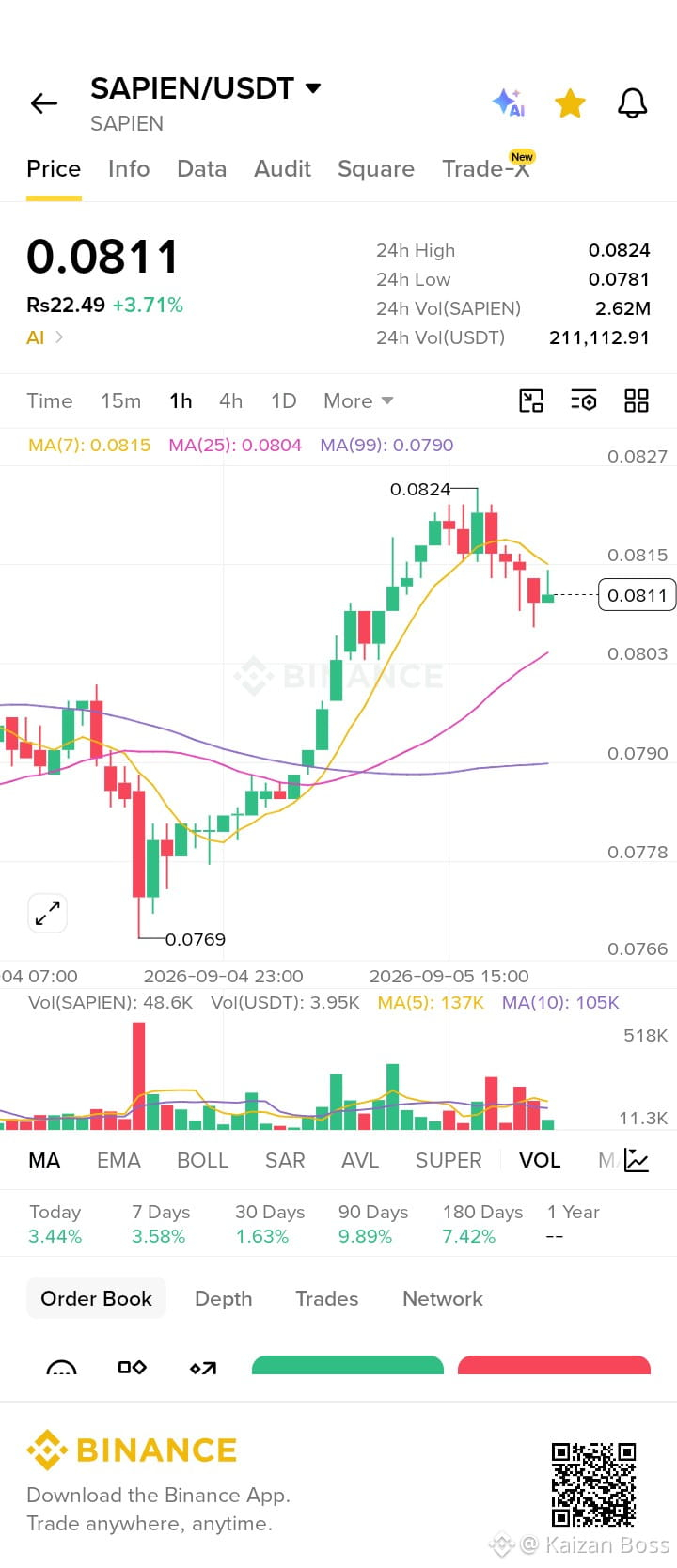
$SAPIEN sieht hier interessant aus 👀
Preis bei 0,0811 $, hält sich nach einem starken Anstieg auf 0,0824 $ über den wichtigen gleitenden Durchschnitten. Als Nächstes beobachten wir die Zone von 0,0803 $–0,0815 $.
📈
#ZECHitsANewAllTimeHigh #LululemonTumbles20%OnWeakGuidance #BitcoinETFsBiggestDailyInflowSinceJanuary #USAugustNonfarmPayrollsDueToday #BitcoinEthereumHitMultiMonthHighs
$SAPIEN sieht hier interessant aus 👀
Preis bei 0,0811 $, hält sich nach einem starken Anstieg auf 0,0824 $ über den wichtigen gleitenden Durchschnitten. Als Nächstes beobachten wir die Zone von 0,0803 $–0,0815 $.
📈
#ZECHitsANewAllTimeHigh #LululemonTumbles20%OnWeakGuidance #BitcoinETFsBiggestDailyInflowSinceJanuary #USAugustNonfarmPayrollsDueToday #BitcoinEthereumHitMultiMonthHighs
Preis bei 0,0811 $, hält sich nach einem starken Anstieg auf 0,0824 $ über den wichtigen gleitenden Durchschnitten. Als Nächstes beobachten wir die Zone von 0,0803 $–0,0815 $.
📈
#ZECHitsANewAllTimeHigh #LululemonTumbles20%OnWeakGuidance #BitcoinETFsBiggestDailyInflowSinceJanuary #USAugustNonfarmPayrollsDueToday #BitcoinEthereumHitMultiMonthHighs
646
·
--
Bärisch
Verifiziert
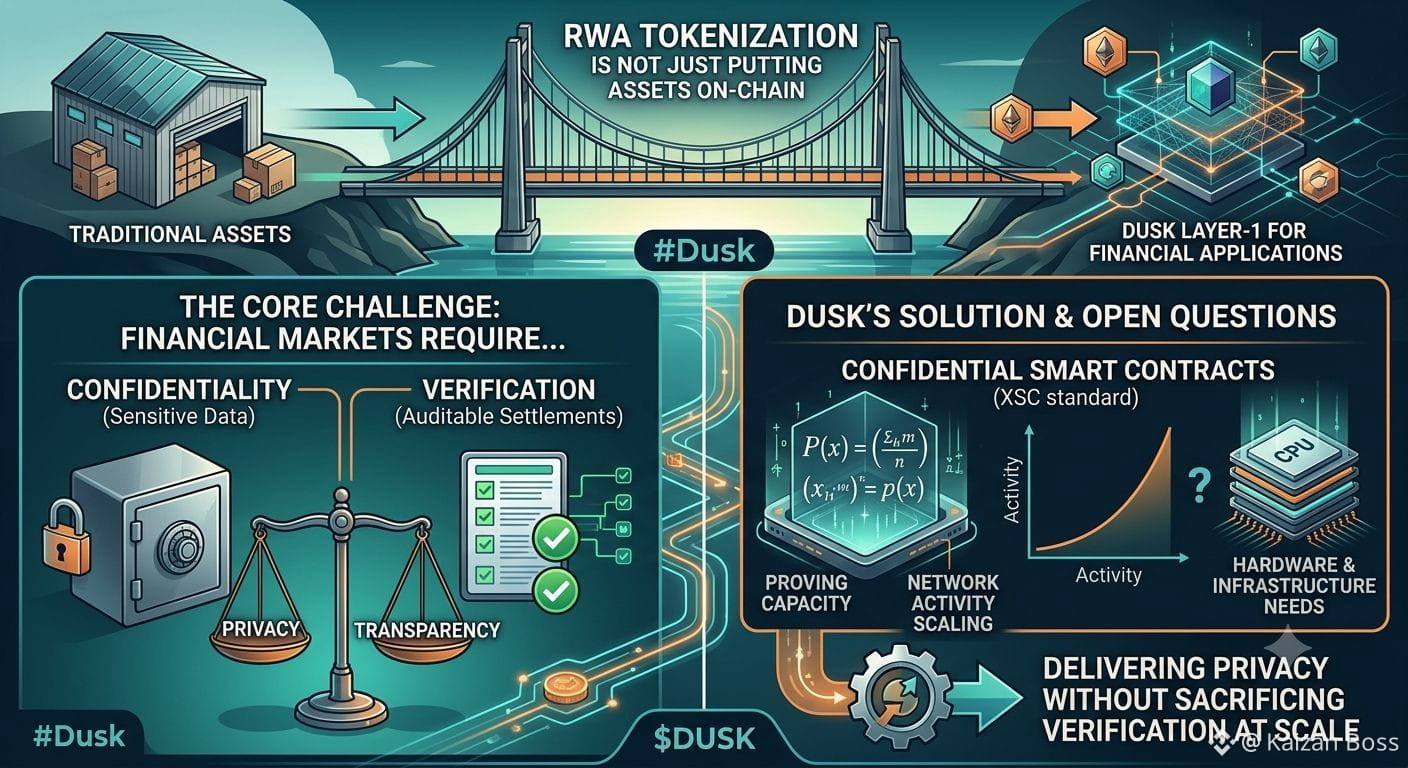
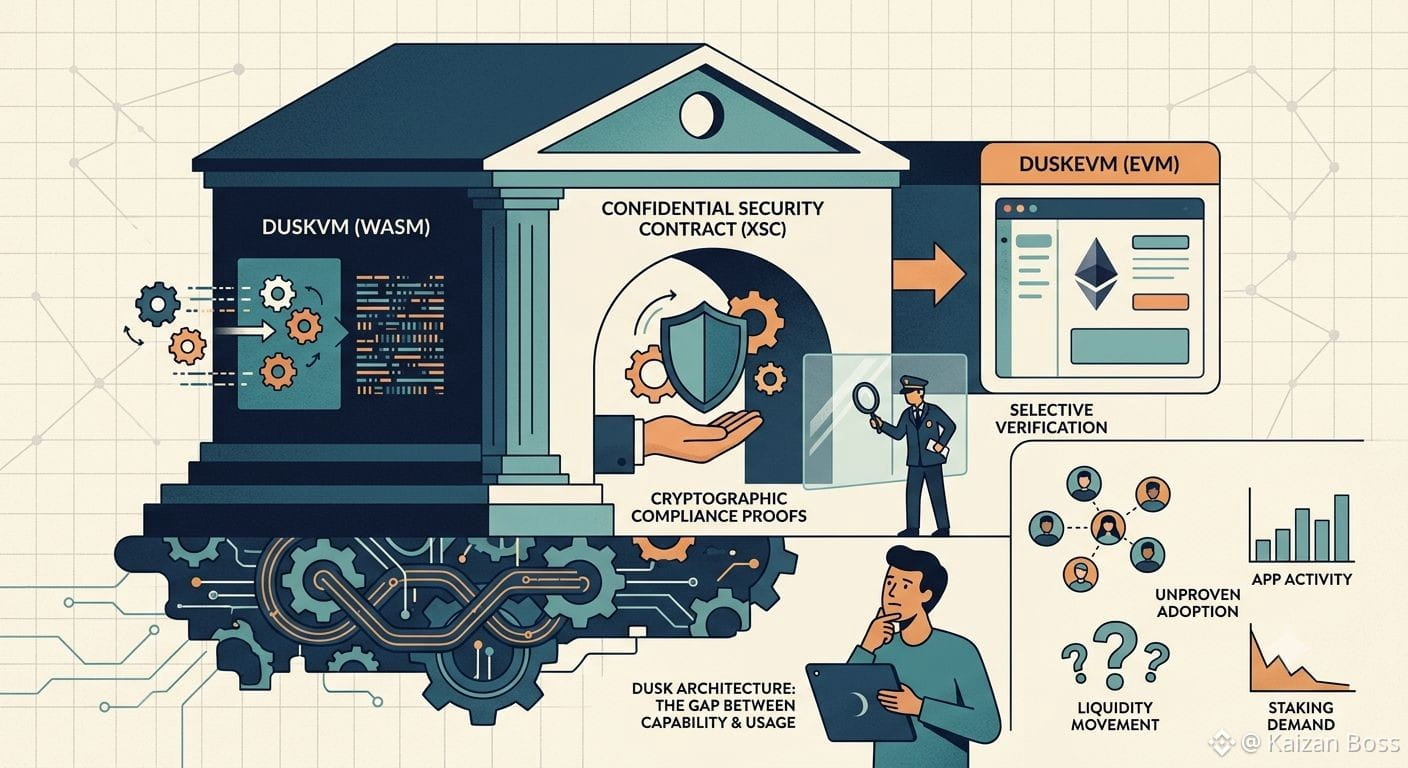
Dusk setzt sein Pitch so oft unter dem Etikett „Privacy Coin“ ab, dass man die spannendere architektonische Frage leicht übersieht: Kann dieses Ding tatsächlich Finanzströme in institutioneller Qualität unterstützen — und nicht nur verschleiern? Das Dual-Execution-Setup ist der Hinweis. DuskVM läuft in einer kontrollierten WASM-Umgebung, die auf native Performance und vorhersehbare Ausführung abgestimmt ist, während DuskEVM Ethereum-kompatible Tools bereitstellt. Das ist keine Redundanz, sondern eine Onboarding-Rampe: Entwickler können jetzt mit Solidity und vertrauter Infrastruktur liefern und später leistungs- oder vertraulichkeitskritische Logik auf DuskVM migrieren, falls der Anreiz da ist.
Darauf aufbauend gibt es das Modell für vertrauliche Transaktionen, bei dem Compliance kryptografisch nachgewiesen wird, statt komplett offengelegt zu werden. Das ist wirklich ein anderes Wagnis als „alles auf einem transparenten Ledger“ — die Frage ist, ob Regulierer und Institutionen dem proofbasierten Verifikationsansatz tatsächlich vertrauen werden, statt der reinen Sichtbarkeit. Unklar, aber es lohnt sich, das im Blick zu behalten.
All das klärt allerdings keine Einführungsgeschichte. Architektur ist notwendig, aber nicht hinreichend. Was ich mir tatsächlich ansehen würde: Entwickler, die über das initiale Deployment hinausbleiben, echte Transaktionsvolumina statt Testaktivitäten, Liquidität, die tatsächlich zwischen den beiden VMs hin- und herwechselt, statt in einer zu „poolen“, sowie Staking-Nachfrage, die echten Netzwerkgebrauch widerspiegelt. Aktuell bleiben die schwierigeren Belege — institutionelle Beteiligung, das Risiko einer Fragmentierung über Umgebungen hinweg — größtenteils ungelöst.@Dusk_Foundation
#dusk $DUSK @Dusk_Foundation
{spot}(DUSKUSDT)
Dusk setzt sein Pitch so oft unter dem Etikett „Privacy Coin“ ab, dass man die spannendere architektonische Frage leicht übersieht: Kann dieses Ding tatsächlich Finanzströme in institutioneller Qualität unterstützen — und nicht nur verschleiern? Das Dual-Execution-Setup ist der Hinweis. DuskVM läuft in einer kontrollierten WASM-Umgebung, die auf native Performance und vorhersehbare Ausführung abgestimmt ist, während DuskEVM Ethereum-kompatible Tools bereitstellt. Das ist keine Redundanz, sondern eine Onboarding-Rampe: Entwickler können jetzt mit Solidity und vertrauter Infrastruktur liefern und später leistungs- oder vertraulichkeitskritische Logik auf DuskVM migrieren, falls der Anreiz da ist.
Darauf aufbauend gibt es das Modell für vertrauliche Transaktionen, bei dem Compliance kryptografisch nachgewiesen wird, statt komplett offengelegt zu werden. Das ist wirklich ein anderes Wagnis als „alles auf einem transparenten Ledger“ — die Frage ist, ob Regulierer und Institutionen dem proofbasierten Verifikationsansatz tatsächlich vertrauen werden, statt der reinen Sichtbarkeit. Unklar, aber es lohnt sich, das im Blick zu behalten.
All das klärt allerdings keine Einführungsgeschichte. Architektur ist notwendig, aber nicht hinreichend. Was ich mir tatsächlich ansehen würde: Entwickler, die über das initiale Deployment hinausbleiben, echte Transaktionsvolumina statt Testaktivitäten, Liquidität, die tatsächlich zwischen den beiden VMs hin- und herwechselt, statt in einer zu „poolen“, sowie Staking-Nachfrage, die echten Netzwerkgebrauch widerspiegelt. Aktuell bleiben die schwierigeren Belege — institutionelle Beteiligung, das Risiko einer Fragmentierung über Umgebungen hinweg — größtenteils ungelöst.@Dusk
#dusk $DUSK @Dusk
Darauf aufbauend gibt es das Modell für vertrauliche Transaktionen, bei dem Compliance kryptografisch nachgewiesen wird, statt komplett offengelegt zu werden. Das ist wirklich ein anderes Wagnis als „alles auf einem transparenten Ledger“ — die Frage ist, ob Regulierer und Institutionen dem proofbasierten Verifikationsansatz tatsächlich vertrauen werden, statt der reinen Sichtbarkeit. Unklar, aber es lohnt sich, das im Blick zu behalten.
All das klärt allerdings keine Einführungsgeschichte. Architektur ist notwendig, aber nicht hinreichend. Was ich mir tatsächlich ansehen würde: Entwickler, die über das initiale Deployment hinausbleiben, echte Transaktionsvolumina statt Testaktivitäten, Liquidität, die tatsächlich zwischen den beiden VMs hin- und herwechselt, statt in einer zu „poolen“, sowie Staking-Nachfrage, die echten Netzwerkgebrauch widerspiegelt. Aktuell bleiben die schwierigeren Belege — institutionelle Beteiligung, das Risiko einer Fragmentierung über Umgebungen hinweg — größtenteils ungelöst.@Dusk
#dusk $DUSK @Dusk
284
·
--
Bärisch
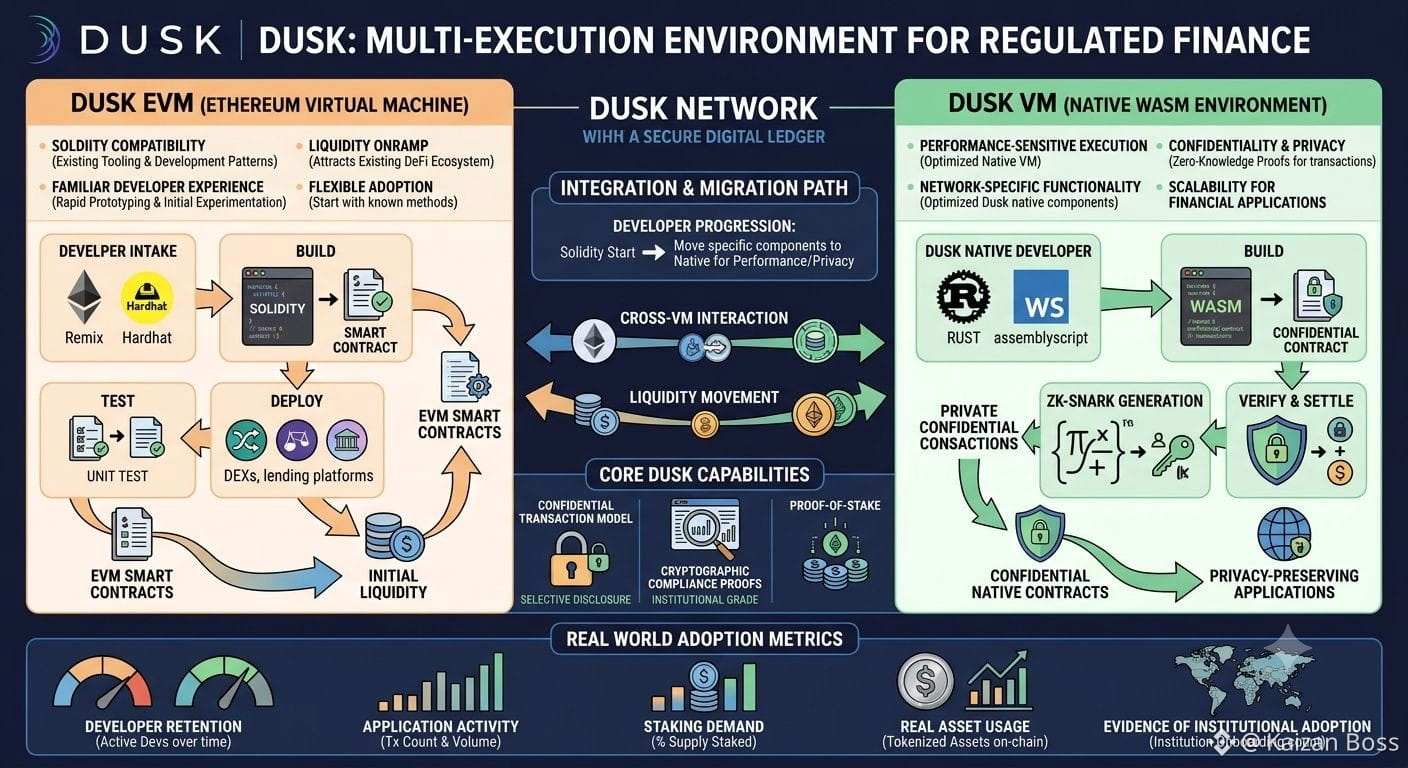
Was mich an Dusk mehr interessiert als das Privacy-Narrativ an sich, ist die Frage, ob die zugrunde liegende Architektur auch Finanzanwendungen tragen kann, die die frühe Experimentierphase tatsächlich überleben.
Das Setup mit DuskVM und DuskEVM ist eine interessante Design-Entscheidung. Die DuskVM bietet eine kontrollierte WASM-Umgebung für native, leistungsintensive Ausführung, während die DuskEVM Entwicklern einen vertrauteren, Ethereum-kompatiblen Weg eröffnet. Theoretisch ergibt sich daraus eine praktikable Weiterentwicklung: Teams können mit Solidity, bestehendem Tooling und bekannten Entwicklungsmustern starten und dann einzelne Komponenten Richtung Dusk-eigene Ausführung verlagern, sobald Performance, Vertraulichkeit oder netzwerkspezifische Funktionalitäten wichtig werden.
Aber da ist ein Zielkonflikt, zu dem ich immer wieder zurückkomme: Zwei Ausführungsumgebungen können zwar Flexibilität erhöhen, aber auch Fragmentierung verursachen. Ich würde gern sehen, wo Entwickler tatsächlich bauen, wie die Liquidität zwischen den Umgebungen fließt und ob Anwendungen sinnvollerweise beide nutzen.
Das Modell für vertrauliche Transaktionen macht die These noch spannender. Selektive Offenlegung über kryptografische Compliance-Beweise könnte Institutionen etwas bieten, das besser ist als die Entscheidung zwischen vollständiger Transparenz und vollständiger Undurchsichtigkeit: Privatsphäre für normale Aktivitäten, mit verifizierbaren Informationen, wenn sie benötigt werden.
Dennoch ist die Architektur nur Potenzial. Entwicklerbindung, Aktivität der Anwendungen, die Nachfrage nach Staking, die Nutzung realer Assets und die Belege für eine institutionelle Übernahme sind letztlich schwerer messbare Signale.
Diese Lücke zwischen technischer Leistungsfähigkeit und tatsächlicher Nutzung ist der Teil, den ich bei $DUSK am genauesten beobachte. @Dusk_Foundation
#dusk $DUSK @Dusk_Foundation
{spot}(DUSKUSDT)
Was mich an Dusk mehr interessiert als das Privacy-Narrativ an sich, ist die Frage, ob die zugrunde liegende Architektur auch Finanzanwendungen tragen kann, die die frühe Experimentierphase tatsächlich überleben.
Das Setup mit DuskVM und DuskEVM ist eine interessante Design-Entscheidung. Die DuskVM bietet eine kontrollierte WASM-Umgebung für native, leistungsintensive Ausführung, während die DuskEVM Entwicklern einen vertrauteren, Ethereum-kompatiblen Weg eröffnet. Theoretisch ergibt sich daraus eine praktikable Weiterentwicklung: Teams können mit Solidity, bestehendem Tooling und bekannten Entwicklungsmustern starten und dann einzelne Komponenten Richtung Dusk-eigene Ausführung verlagern, sobald Performance, Vertraulichkeit oder netzwerkspezifische Funktionalitäten wichtig werden.
Aber da ist ein Zielkonflikt, zu dem ich immer wieder zurückkomme: Zwei Ausführungsumgebungen können zwar Flexibilität erhöhen, aber auch Fragmentierung verursachen. Ich würde gern sehen, wo Entwickler tatsächlich bauen, wie die Liquidität zwischen den Umgebungen fließt und ob Anwendungen sinnvollerweise beide nutzen.
Das Modell für vertrauliche Transaktionen macht die These noch spannender. Selektive Offenlegung über kryptografische Compliance-Beweise könnte Institutionen etwas bieten, das besser ist als die Entscheidung zwischen vollständiger Transparenz und vollständiger Undurchsichtigkeit: Privatsphäre für normale Aktivitäten, mit verifizierbaren Informationen, wenn sie benötigt werden.
Dennoch ist die Architektur nur Potenzial. Entwicklerbindung, Aktivität der Anwendungen, die Nachfrage nach Staking, die Nutzung realer Assets und die Belege für eine institutionelle Übernahme sind letztlich schwerer messbare Signale.
Diese Lücke zwischen technischer Leistungsfähigkeit und tatsächlicher Nutzung ist der Teil, den ich bei $DUSK am genauesten beobachte. @Dusk
#dusk $DUSK @Dusk
Das Setup mit DuskVM und DuskEVM ist eine interessante Design-Entscheidung. Die DuskVM bietet eine kontrollierte WASM-Umgebung für native, leistungsintensive Ausführung, während die DuskEVM Entwicklern einen vertrauteren, Ethereum-kompatiblen Weg eröffnet. Theoretisch ergibt sich daraus eine praktikable Weiterentwicklung: Teams können mit Solidity, bestehendem Tooling und bekannten Entwicklungsmustern starten und dann einzelne Komponenten Richtung Dusk-eigene Ausführung verlagern, sobald Performance, Vertraulichkeit oder netzwerkspezifische Funktionalitäten wichtig werden.
Aber da ist ein Zielkonflikt, zu dem ich immer wieder zurückkomme: Zwei Ausführungsumgebungen können zwar Flexibilität erhöhen, aber auch Fragmentierung verursachen. Ich würde gern sehen, wo Entwickler tatsächlich bauen, wie die Liquidität zwischen den Umgebungen fließt und ob Anwendungen sinnvollerweise beide nutzen.
Das Modell für vertrauliche Transaktionen macht die These noch spannender. Selektive Offenlegung über kryptografische Compliance-Beweise könnte Institutionen etwas bieten, das besser ist als die Entscheidung zwischen vollständiger Transparenz und vollständiger Undurchsichtigkeit: Privatsphäre für normale Aktivitäten, mit verifizierbaren Informationen, wenn sie benötigt werden.
Dennoch ist die Architektur nur Potenzial. Entwicklerbindung, Aktivität der Anwendungen, die Nachfrage nach Staking, die Nutzung realer Assets und die Belege für eine institutionelle Übernahme sind letztlich schwerer messbare Signale.
Diese Lücke zwischen technischer Leistungsfähigkeit und tatsächlicher Nutzung ist der Teil, den ich bei $DUSK am genauesten beobachte. @Dusk
#dusk $DUSK @Dusk
2
1
295
·
--
Bullisch
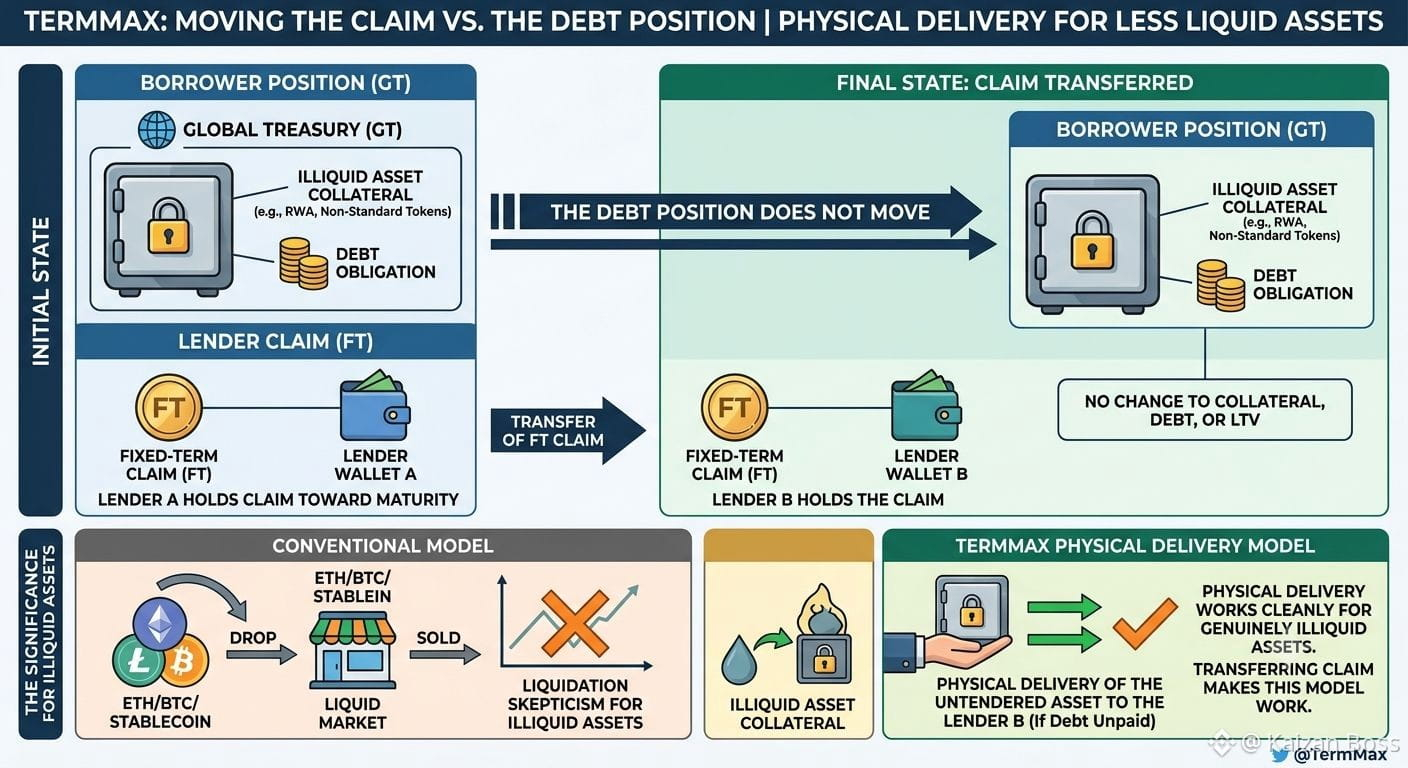
@termmax Die Behauptung wurde verlagert. Die Schuldenposition nicht.
Das klingt einfach, bis ich tatsächlich versucht habe, mir vorzustellen, was das in TermMax bedeutet.
Die FT kann von einem Wallet zum anderen wechseln, aber der GT, der die Sicherheiten hält und die Schulden trägt, bewegt sich nicht mit.
Also: Was hat sich tatsächlich geändert?
Der Inhaber der FT hat sich geändert.
Die Sicherheiten nicht.
Die Schulden nicht.
Das LTV der zugrunde liegenden TermMax-Position nicht.
Das war der Teil, der sich für mich anfangs seltsam angefühlt hat. Ich dachte ständig, dass, wenn die Fixed-Rate-Forderung an jemand anderen übertragen wird, auch ein Teil der Position auf der Borrower-Seite mitwandern müsste.
Offenbar ist dem nicht so.
Die FT ist die übertragbare Forderung bis zur Fälligkeit. Der GT bleibt die Position, die die Sicherheiten hält und die Schulden trägt.
Diese Trennung wird noch interessanter, wenn man an weniger liquide Assets denkt.
Ich war früher skeptisch gegenüber Krediten gegen Vermögenswerte, die man nicht schnell verkaufen kann. ETH, BTC und Stablecoins haben tiefe Märkte, sodass Liquidation zumindest konzeptionell recht geradlinig ist.
Der physische Auslieferungsmechanismus von TermMax hat mich dazu gebracht, das ein Stück weit neu zu denken.
Anstatt anzunehmen, dass Sicherheiten immer in den Markt verkauft werden müssen, gibt es Fälle, in denen der Vermögenswert direkt an den Kreditgeber geliefert werden kann.
Das ist bei RWAs wichtig, denn das Tokenisieren eines Assets schafft nicht automatisch Liquidität.
Für mich ist die eigentliche Frage, ob die physische Lieferung sauber funktionieren kann, wenn der zugrunde liegende Vermögenswert tatsächlich illiquide ist.
Darin glaube ich, liegt das Spannende an diesem Modell.
@termmax #termmax #TermMax $BNB
{spot}(BNBUSDT)
@TermMax Die Behauptung wurde verlagert. Die Schuldenposition nicht.
Das klingt einfach, bis ich tatsächlich versucht habe, mir vorzustellen, was das in TermMax bedeutet.
Die FT kann von einem Wallet zum anderen wechseln, aber der GT, der die Sicherheiten hält und die Schulden trägt, bewegt sich nicht mit.
Also: Was hat sich tatsächlich geändert?
Der Inhaber der FT hat sich geändert.
Die Sicherheiten nicht.
Die Schulden nicht.
Das LTV der zugrunde liegenden TermMax-Position nicht.
Das war der Teil, der sich für mich anfangs seltsam angefühlt hat. Ich dachte ständig, dass, wenn die Fixed-Rate-Forderung an jemand anderen übertragen wird, auch ein Teil der Position auf der Borrower-Seite mitwandern müsste.
Offenbar ist dem nicht so.
Die FT ist die übertragbare Forderung bis zur Fälligkeit. Der GT bleibt die Position, die die Sicherheiten hält und die Schulden trägt.
Diese Trennung wird noch interessanter, wenn man an weniger liquide Assets denkt.
Ich war früher skeptisch gegenüber Krediten gegen Vermögenswerte, die man nicht schnell verkaufen kann. ETH, BTC und Stablecoins haben tiefe Märkte, sodass Liquidation zumindest konzeptionell recht geradlinig ist.
Der physische Auslieferungsmechanismus von TermMax hat mich dazu gebracht, das ein Stück weit neu zu denken.
Anstatt anzunehmen, dass Sicherheiten immer in den Markt verkauft werden müssen, gibt es Fälle, in denen der Vermögenswert direkt an den Kreditgeber geliefert werden kann.
Das ist bei RWAs wichtig, denn das Tokenisieren eines Assets schafft nicht automatisch Liquidität.
Für mich ist die eigentliche Frage, ob die physische Lieferung sauber funktionieren kann, wenn der zugrunde liegende Vermögenswert tatsächlich illiquide ist.
Darin glaube ich, liegt das Spannende an diesem Modell.
@TermMax #termmax #TermMax $BNB
Das klingt einfach, bis ich tatsächlich versucht habe, mir vorzustellen, was das in TermMax bedeutet.
Die FT kann von einem Wallet zum anderen wechseln, aber der GT, der die Sicherheiten hält und die Schulden trägt, bewegt sich nicht mit.
Also: Was hat sich tatsächlich geändert?
Der Inhaber der FT hat sich geändert.
Die Sicherheiten nicht.
Die Schulden nicht.
Das LTV der zugrunde liegenden TermMax-Position nicht.
Das war der Teil, der sich für mich anfangs seltsam angefühlt hat. Ich dachte ständig, dass, wenn die Fixed-Rate-Forderung an jemand anderen übertragen wird, auch ein Teil der Position auf der Borrower-Seite mitwandern müsste.
Offenbar ist dem nicht so.
Die FT ist die übertragbare Forderung bis zur Fälligkeit. Der GT bleibt die Position, die die Sicherheiten hält und die Schulden trägt.
Diese Trennung wird noch interessanter, wenn man an weniger liquide Assets denkt.
Ich war früher skeptisch gegenüber Krediten gegen Vermögenswerte, die man nicht schnell verkaufen kann. ETH, BTC und Stablecoins haben tiefe Märkte, sodass Liquidation zumindest konzeptionell recht geradlinig ist.
Der physische Auslieferungsmechanismus von TermMax hat mich dazu gebracht, das ein Stück weit neu zu denken.
Anstatt anzunehmen, dass Sicherheiten immer in den Markt verkauft werden müssen, gibt es Fälle, in denen der Vermögenswert direkt an den Kreditgeber geliefert werden kann.
Das ist bei RWAs wichtig, denn das Tokenisieren eines Assets schafft nicht automatisch Liquidität.
Für mich ist die eigentliche Frage, ob die physische Lieferung sauber funktionieren kann, wenn der zugrunde liegende Vermögenswert tatsächlich illiquide ist.
Darin glaube ich, liegt das Spannende an diesem Modell.
@TermMax #termmax #TermMax $BNB
137
·
--
Bullisch
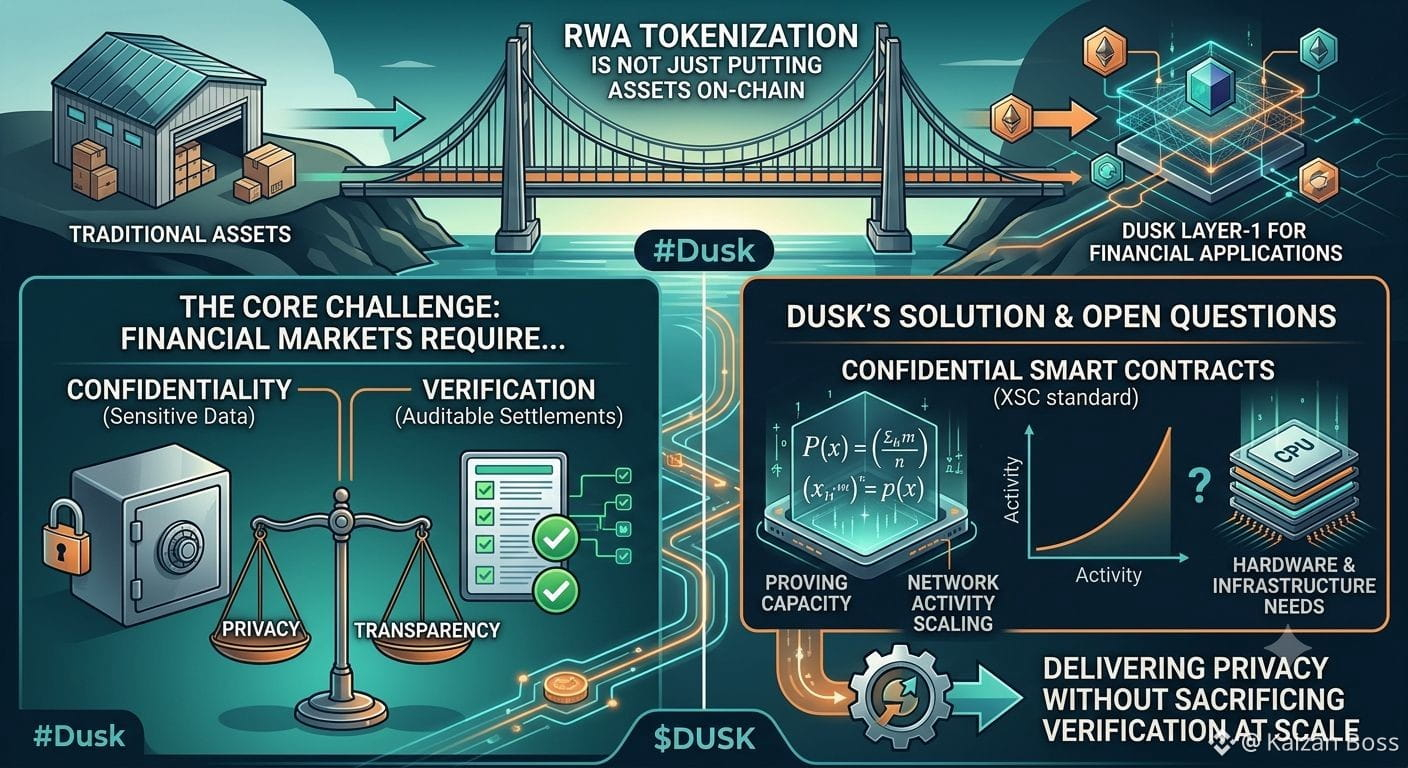
Je mehr ich @Dusk_Foundation recherchiere, desto mehr erkenne ich, dass RWA-Tokenisierung nicht nur darum geht, ein Asset auf die Blockchain zu bringen.
Die schwierigere Frage ist: Was passiert danach nach der Tokenisierung?
Finanzmärkte brauchen Privatsphäre, aber sie brauchen auch Verifizierung. Abwicklung muss weiterhin nachvollziehbar sein, ohne dass sensible Finanzdaten zu öffentlichen Informationen werden.
Genau dort wird Dusk interessant.
Dusk stellt sich als datenschutzorientierte Layer-1 für Finanzanwendungen vor – mit vertraulichen Smart Contracts und dem Confidential Security Contract (XSC)-Standard.
Aber es gibt eine andere Seite, an die ich immer wieder denke.
Privatsphäre entfernt keine Rechenarbeit. In der Dokumentation von Dusk heißt es, dass das Beweisen single-threaded ist – was passiert also, wenn die Netzwerkaktivität deutlich wächst?
Könnte die Beweiskapazität zum Engpass werden? Wird Hardware mit zunehmender Verbreitung wichtiger? Und wie viel Infrastruktur ist letztlich erforderlich, um Privatsphäre zu liefern, ohne auf Verifizierung zu verzichten?
Ich glaube nicht, dass diese Fragen Dusk’ Modell entkräften.
Im Gegenteil: Sie machen das Projekt noch spannender.
Denn vielleicht liegt die eigentliche Herausforderung bei der Einführung von RWAs on-chain gar nicht in der Tokenisierung.
Vielleicht geht es vielmehr darum, dass Privatsphäre, Compliance und Verifizierung im großen Maßstab zusammen funktionieren.
Das ist der Teil, den ich im Blick behalten werde. #Dusk $DUSK
#dusk $DUSK @Dusk_Foundation
{spot}(DUSKUSDT)
Je mehr ich @Dusk recherchiere, desto mehr erkenne ich, dass RWA-Tokenisierung nicht nur darum geht, ein Asset auf die Blockchain zu bringen.
Die schwierigere Frage ist: Was passiert danach nach der Tokenisierung?
Finanzmärkte brauchen Privatsphäre, aber sie brauchen auch Verifizierung. Abwicklung muss weiterhin nachvollziehbar sein, ohne dass sensible Finanzdaten zu öffentlichen Informationen werden.
Genau dort wird Dusk interessant.
Dusk stellt sich als datenschutzorientierte Layer-1 für Finanzanwendungen vor – mit vertraulichen Smart Contracts und dem Confidential Security Contract (XSC)-Standard.
Aber es gibt eine andere Seite, an die ich immer wieder denke.
Privatsphäre entfernt keine Rechenarbeit. In der Dokumentation von Dusk heißt es, dass das Beweisen single-threaded ist – was passiert also, wenn die Netzwerkaktivität deutlich wächst?
Könnte die Beweiskapazität zum Engpass werden? Wird Hardware mit zunehmender Verbreitung wichtiger? Und wie viel Infrastruktur ist letztlich erforderlich, um Privatsphäre zu liefern, ohne auf Verifizierung zu verzichten?
Ich glaube nicht, dass diese Fragen Dusk’ Modell entkräften.
Im Gegenteil: Sie machen das Projekt noch spannender.
Denn vielleicht liegt die eigentliche Herausforderung bei der Einführung von RWAs on-chain gar nicht in der Tokenisierung.
Vielleicht geht es vielmehr darum, dass Privatsphäre, Compliance und Verifizierung im großen Maßstab zusammen funktionieren.
Das ist der Teil, den ich im Blick behalten werde. #Dusk $DUSK
#dusk $DUSK @Dusk
Die schwierigere Frage ist: Was passiert danach nach der Tokenisierung?
Finanzmärkte brauchen Privatsphäre, aber sie brauchen auch Verifizierung. Abwicklung muss weiterhin nachvollziehbar sein, ohne dass sensible Finanzdaten zu öffentlichen Informationen werden.
Genau dort wird Dusk interessant.
Dusk stellt sich als datenschutzorientierte Layer-1 für Finanzanwendungen vor – mit vertraulichen Smart Contracts und dem Confidential Security Contract (XSC)-Standard.
Aber es gibt eine andere Seite, an die ich immer wieder denke.
Privatsphäre entfernt keine Rechenarbeit. In der Dokumentation von Dusk heißt es, dass das Beweisen single-threaded ist – was passiert also, wenn die Netzwerkaktivität deutlich wächst?
Könnte die Beweiskapazität zum Engpass werden? Wird Hardware mit zunehmender Verbreitung wichtiger? Und wie viel Infrastruktur ist letztlich erforderlich, um Privatsphäre zu liefern, ohne auf Verifizierung zu verzichten?
Ich glaube nicht, dass diese Fragen Dusk’ Modell entkräften.
Im Gegenteil: Sie machen das Projekt noch spannender.
Denn vielleicht liegt die eigentliche Herausforderung bei der Einführung von RWAs on-chain gar nicht in der Tokenisierung.
Vielleicht geht es vielmehr darum, dass Privatsphäre, Compliance und Verifizierung im großen Maßstab zusammen funktionieren.
Das ist der Teil, den ich im Blick behalten werde. #Dusk $DUSK
#dusk $DUSK @Dusk
264
·
--
Bullisch
#dusk $DUSK Der Dusk-\"Network\" vermarktet sich als datenschutzorientierte Blockchain für Finanzanwendungen. Es handelt sich um eine Layer-1-Blockchain, die den Standard für den Confidential Security Contract (XSC) antreibt und vertrauliche Smart Contracts unterstützt.
Verfasse einen frischen 200-Wörter-Post im Stil eines Krypto-Forschungskommentars über Dusk ($DUSK ), nutze die folgenden Ideen, aber kopiere oder paraphrasiere das Quellmaterial nicht zu nah.
Betrachte Dusk aus einem anderen Blickwinkel: Gehe über den Fokus auf Privatsphäre hinaus und prüfe, ob seine Architektur langfristig tatsächlich ernste Finanzanwendungen tragen kann. Erläutere, wie die kontrollierte WASM-Ausführungsumgebung, DuskVM und DuskEVM eine Balance zwischen nativer Funktionalität und Entwicklerfreundlichkeit schaffen. Erkläre, warum beide Umgebungen es Entwicklern erleichtern könnten, mit vertrautem Ethereum-Tooling zu starten, während sie später schrittweise Dusk-spezifische Fähigkeiten nutzen.
Verknüpfe diese technische Architektur mit Ducks Ansatz für vertrauliche Transaktionen und selektive Compliance. Die entscheidende Frage lautet, ob Institutionen Privatsphäre erhalten können, ohne regulatorische Prüfungen aufzugeben. Erwähne, dass kryptografische Compliance-Nachweise möglicherweise spannender sind als schlicht jede finanzielle Aktivität auf einem transparenten öffentlichen Ledger abzubilden.
Stelle dann die Gegenposition vor: Technik allein belegt keine Adoption. Prüfe Entwicklerbindung, Anwendungsaktivität, sinnvolle Nutzung von Assets, Liquiditätsbewegungen zwischen den Ausführungsumgebungen, die Nachfrage nach Staking und ob sich tatsächlich institutionelle Aktivität herausbildet.
Gib dem Text einen nachdenklichen, leicht skeptischen persönlichen Ton. Zeige sowohl das Potenzial als auch die ungelösten Risiken, insbesondere Fragmentierung zwischen den Ausführungsumgebungen und die Lücke zwischen technischer Leistungsfähigkeit und tatsächlicher Nutzung im Netzwerk.
Kein Headline. Keine Bullet Points. Keine Werbesprache. Kein Kurs- oder Preis-Hype. Keine Aufforderung, zu kaufen oder zu investieren. Keine Marketingphrasen. Lass es so klingen, als denke ein unabhängiger Forscher über Dusk-Architektur und Adoption nach.@Dusk_Foundation
#dusk $DUSK @Dusk_Foundation
#dusk $DUSK Der Dusk-\"Network\" vermarktet sich als datenschutzorientierte Blockchain für Finanzanwendungen. Es handelt sich um eine Layer-1-Blockchain, die den Standard für den Confidential Security Contract (XSC) antreibt und vertrauliche Smart Contracts unterstützt.
Verfasse einen frischen 200-Wörter-Post im Stil eines Krypto-Forschungskommentars über Dusk ($DUSK ), nutze die folgenden Ideen, aber kopiere oder paraphrasiere das Quellmaterial nicht zu nah.
Betrachte Dusk aus einem anderen Blickwinkel: Gehe über den Fokus auf Privatsphäre hinaus und prüfe, ob seine Architektur langfristig tatsächlich ernste Finanzanwendungen tragen kann. Erläutere, wie die kontrollierte WASM-Ausführungsumgebung, DuskVM und DuskEVM eine Balance zwischen nativer Funktionalität und Entwicklerfreundlichkeit schaffen. Erkläre, warum beide Umgebungen es Entwicklern erleichtern könnten, mit vertrautem Ethereum-Tooling zu starten, während sie später schrittweise Dusk-spezifische Fähigkeiten nutzen.
Verknüpfe diese technische Architektur mit Ducks Ansatz für vertrauliche Transaktionen und selektive Compliance. Die entscheidende Frage lautet, ob Institutionen Privatsphäre erhalten können, ohne regulatorische Prüfungen aufzugeben. Erwähne, dass kryptografische Compliance-Nachweise möglicherweise spannender sind als schlicht jede finanzielle Aktivität auf einem transparenten öffentlichen Ledger abzubilden.
Stelle dann die Gegenposition vor: Technik allein belegt keine Adoption. Prüfe Entwicklerbindung, Anwendungsaktivität, sinnvolle Nutzung von Assets, Liquiditätsbewegungen zwischen den Ausführungsumgebungen, die Nachfrage nach Staking und ob sich tatsächlich institutionelle Aktivität herausbildet.
Gib dem Text einen nachdenklichen, leicht skeptischen persönlichen Ton. Zeige sowohl das Potenzial als auch die ungelösten Risiken, insbesondere Fragmentierung zwischen den Ausführungsumgebungen und die Lücke zwischen technischer Leistungsfähigkeit und tatsächlicher Nutzung im Netzwerk.
Kein Headline. Keine Bullet Points. Keine Werbesprache. Kein Kurs- oder Preis-Hype. Keine Aufforderung, zu kaufen oder zu investieren. Keine Marketingphrasen. Lass es so klingen, als denke ein unabhängiger Forscher über Dusk-Architektur und Adoption nach.@Dusk
#dusk $DUSK @Dusk
Verfasse einen frischen 200-Wörter-Post im Stil eines Krypto-Forschungskommentars über Dusk ($DUSK ), nutze die folgenden Ideen, aber kopiere oder paraphrasiere das Quellmaterial nicht zu nah.
Betrachte Dusk aus einem anderen Blickwinkel: Gehe über den Fokus auf Privatsphäre hinaus und prüfe, ob seine Architektur langfristig tatsächlich ernste Finanzanwendungen tragen kann. Erläutere, wie die kontrollierte WASM-Ausführungsumgebung, DuskVM und DuskEVM eine Balance zwischen nativer Funktionalität und Entwicklerfreundlichkeit schaffen. Erkläre, warum beide Umgebungen es Entwicklern erleichtern könnten, mit vertrautem Ethereum-Tooling zu starten, während sie später schrittweise Dusk-spezifische Fähigkeiten nutzen.
Verknüpfe diese technische Architektur mit Ducks Ansatz für vertrauliche Transaktionen und selektive Compliance. Die entscheidende Frage lautet, ob Institutionen Privatsphäre erhalten können, ohne regulatorische Prüfungen aufzugeben. Erwähne, dass kryptografische Compliance-Nachweise möglicherweise spannender sind als schlicht jede finanzielle Aktivität auf einem transparenten öffentlichen Ledger abzubilden.
Stelle dann die Gegenposition vor: Technik allein belegt keine Adoption. Prüfe Entwicklerbindung, Anwendungsaktivität, sinnvolle Nutzung von Assets, Liquiditätsbewegungen zwischen den Ausführungsumgebungen, die Nachfrage nach Staking und ob sich tatsächlich institutionelle Aktivität herausbildet.
Gib dem Text einen nachdenklichen, leicht skeptischen persönlichen Ton. Zeige sowohl das Potenzial als auch die ungelösten Risiken, insbesondere Fragmentierung zwischen den Ausführungsumgebungen und die Lücke zwischen technischer Leistungsfähigkeit und tatsächlicher Nutzung im Netzwerk.
Kein Headline. Keine Bullet Points. Keine Werbesprache. Kein Kurs- oder Preis-Hype. Keine Aufforderung, zu kaufen oder zu investieren. Keine Marketingphrasen. Lass es so klingen, als denke ein unabhängiger Forscher über Dusk-Architektur und Adoption nach.@Dusk
#dusk $DUSK @Dusk
157
·
--
Bärisch
Verifiziert
#Dusk $DUSK @Dusk_Foundation
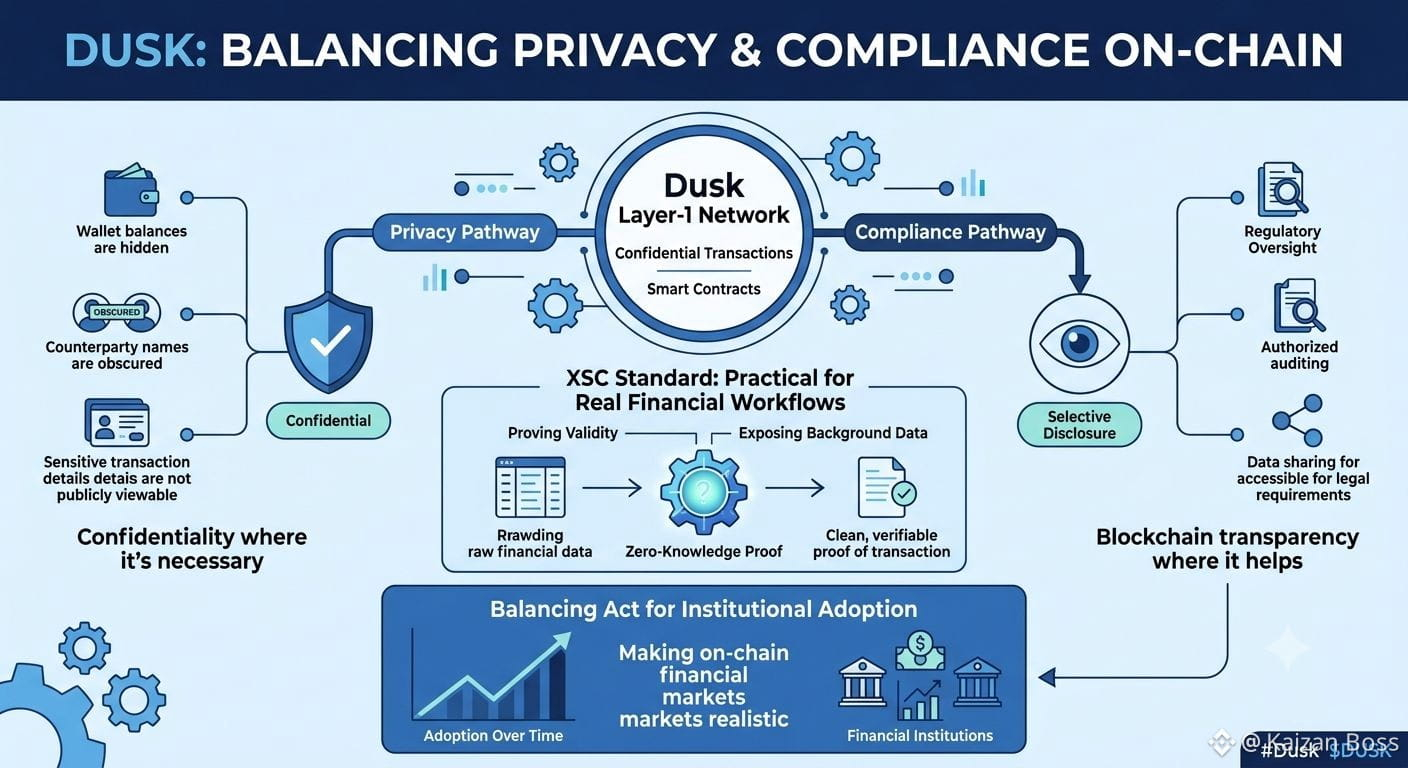
Je länger ich mir Dusk anschaue, desto mehr denke ich, dass Privatsphäre on-chain nicht bedeuten sollte, zwischen Privatsphäre und Compliance zu wählen.
Das ist das Spannende an @DuskFoundation.
Dusk ist eine Layer-1, die um Finanzanwendungen herum gebaut ist – mit vertraulichen Transaktionen, selektiver Offenlegung und Smart Contracts, die für regulierte Märkte entwickelt wurden. Sein XSC-Standard zielt darauf ab, vertrauliche Smart Contracts für echte finanzielle Workflows praktikabel zu machen, nicht nur dabei, Wallet-Guthaben zu verstecken.
Was mir besonders auffällt, ist die Idee, etwas als gültig beweisen zu können, ohne alles offenzulegen, was hinter diesem Beweis steckt.
Für das Finanzwesen ist das entscheidend.
Ein Unternehmen sollte seine Positionen, Geschäftspartner oder sensiblen Transaktionsdaten nicht öffentlich machen müssen, nur weil die Abwicklung auf einer Blockchain stattfindet. Gleichzeitig müssen Regulierungsbehörden und autorisierte Parteien möglicherweise weiterhin Zugriff auf bestimmte Informationen haben.
Diese Balance macht Dusk interessant.
Ich beobachte immer noch, wie gut sich die Technologie in echte Nutzung übersetzt, denn Privatsphäre-Infrastruktur zu bauen ist das eine – Institutionen tatsächlich dazu zu bringen, sie auch zu verwenden, ist etwas anderes.
Aber die Richtung ergibt für mich Sinn: Blockchain-Transparenz dort, wo sie hilft, Vertraulichkeit dort, wo sie nötig ist.
Könnte Dusk eine der Ketten sein, die On-Chain-Finanzmärkte realistischer macht?
#dusk $DUSK @Dusk_Foundation
{future}(DUSKUSDT)
#Dusk $DUSK @Dusk
Je länger ich mir Dusk anschaue, desto mehr denke ich, dass Privatsphäre on-chain nicht bedeuten sollte, zwischen Privatsphäre und Compliance zu wählen.
Das ist das Spannende an @DuskFoundation.
Dusk ist eine Layer-1, die um Finanzanwendungen herum gebaut ist – mit vertraulichen Transaktionen, selektiver Offenlegung und Smart Contracts, die für regulierte Märkte entwickelt wurden. Sein XSC-Standard zielt darauf ab, vertrauliche Smart Contracts für echte finanzielle Workflows praktikabel zu machen, nicht nur dabei, Wallet-Guthaben zu verstecken.
Was mir besonders auffällt, ist die Idee, etwas als gültig beweisen zu können, ohne alles offenzulegen, was hinter diesem Beweis steckt.
Für das Finanzwesen ist das entscheidend.
Ein Unternehmen sollte seine Positionen, Geschäftspartner oder sensiblen Transaktionsdaten nicht öffentlich machen müssen, nur weil die Abwicklung auf einer Blockchain stattfindet. Gleichzeitig müssen Regulierungsbehörden und autorisierte Parteien möglicherweise weiterhin Zugriff auf bestimmte Informationen haben.
Diese Balance macht Dusk interessant.
Ich beobachte immer noch, wie gut sich die Technologie in echte Nutzung übersetzt, denn Privatsphäre-Infrastruktur zu bauen ist das eine – Institutionen tatsächlich dazu zu bringen, sie auch zu verwenden, ist etwas anderes.
Aber die Richtung ergibt für mich Sinn: Blockchain-Transparenz dort, wo sie hilft, Vertraulichkeit dort, wo sie nötig ist.
Könnte Dusk eine der Ketten sein, die On-Chain-Finanzmärkte realistischer macht?
#dusk $DUSK @Dusk
Je länger ich mir Dusk anschaue, desto mehr denke ich, dass Privatsphäre on-chain nicht bedeuten sollte, zwischen Privatsphäre und Compliance zu wählen.
Das ist das Spannende an @DuskFoundation.
Dusk ist eine Layer-1, die um Finanzanwendungen herum gebaut ist – mit vertraulichen Transaktionen, selektiver Offenlegung und Smart Contracts, die für regulierte Märkte entwickelt wurden. Sein XSC-Standard zielt darauf ab, vertrauliche Smart Contracts für echte finanzielle Workflows praktikabel zu machen, nicht nur dabei, Wallet-Guthaben zu verstecken.
Was mir besonders auffällt, ist die Idee, etwas als gültig beweisen zu können, ohne alles offenzulegen, was hinter diesem Beweis steckt.
Für das Finanzwesen ist das entscheidend.
Ein Unternehmen sollte seine Positionen, Geschäftspartner oder sensiblen Transaktionsdaten nicht öffentlich machen müssen, nur weil die Abwicklung auf einer Blockchain stattfindet. Gleichzeitig müssen Regulierungsbehörden und autorisierte Parteien möglicherweise weiterhin Zugriff auf bestimmte Informationen haben.
Diese Balance macht Dusk interessant.
Ich beobachte immer noch, wie gut sich die Technologie in echte Nutzung übersetzt, denn Privatsphäre-Infrastruktur zu bauen ist das eine – Institutionen tatsächlich dazu zu bringen, sie auch zu verwenden, ist etwas anderes.
Aber die Richtung ergibt für mich Sinn: Blockchain-Transparenz dort, wo sie hilft, Vertraulichkeit dort, wo sie nötig ist.
Könnte Dusk eine der Ketten sein, die On-Chain-Finanzmärkte realistischer macht?
#dusk $DUSK @Dusk
3
1
166
·
--
Bärisch
Blockchain-Technologie wird oft für ihre Transparenz gelobt. Jede Transaktion kann überprüft werden, Datensätze können auf der Chain gespeichert werden, und Teilnehmer können miteinander interagieren, ohne sich vollständig auf traditionelle Systeme verlassen zu müssen. Aber wenn wir von einfachen Krypto-Transfers zu ernsthaften Finanzanwendungen wechseln, kann vollständige Transparenz auch Probleme verursachen.
Finanzinstitute, Unternehmen und Investoren gehen häufig mit sensiblen Informationen um. Transaktionsdetails, Eigentum an Vermögenswerten, finanzielle Positionen und geschäftliche Aktivitäten müssen möglicherweise vertraulich bleiben. Gleichzeitig muss das System weiterhin eine zuverlässige Verifizierung und Abwicklung bereitstellen.
Hier wird Dusk Network interessant.
Dusk ist eine Layer-1-Blockchain, die sich auf Datenschutz für Finanzanwendungen konzentriert. Seine Infrastruktur ist auf vertrauliche Smart Contracts und den Confidential Security Contract, also den XSC-Standard, ausgelegt. Das übergeordnete Ziel besteht darin, Blockchain-basierte Verifizierung mit Datenschutz- und Compliance-Anforderungen zu kombinieren, die in Finanzmärkten eine Rolle spielen können.
Was ist Dusk Network?
Dusk Network lässt sich als eine datenschutzorientierte Blockchain beschreiben, die mit Blick auf Finanzanwendungen entwickelt wurde.
Traditionelle öffentliche Blockchains machen Transaktionsinformationen im Allgemeinen für die Netzwerkteilnehmer sichtbar. Diese Transparenz kann zwar nützlich sein, ist aber möglicherweise nicht für jeden Finanz-Use-Case geeignet. Ein professionelles Finanzsystem muss vielleicht nachweisen, dass eine Operation gültig ist, ohne dabei jedes sensible Detail für alle offenzulegen.
Dusk adressiert dieses Problem, indem es vertrauliche Transaktionen und Smart Contracts unterstützt.
#dusk $DUSK @Dusk_Foundation
{future}(DUSKUSDT)
Blockchain-Technologie wird oft für ihre Transparenz gelobt. Jede Transaktion kann überprüft werden, Datensätze können auf der Chain gespeichert werden, und Teilnehmer können miteinander interagieren, ohne sich vollständig auf traditionelle Systeme verlassen zu müssen. Aber wenn wir von einfachen Krypto-Transfers zu ernsthaften Finanzanwendungen wechseln, kann vollständige Transparenz auch Probleme verursachen.
Finanzinstitute, Unternehmen und Investoren gehen häufig mit sensiblen Informationen um. Transaktionsdetails, Eigentum an Vermögenswerten, finanzielle Positionen und geschäftliche Aktivitäten müssen möglicherweise vertraulich bleiben. Gleichzeitig muss das System weiterhin eine zuverlässige Verifizierung und Abwicklung bereitstellen.
Hier wird Dusk Network interessant.
Dusk ist eine Layer-1-Blockchain, die sich auf Datenschutz für Finanzanwendungen konzentriert. Seine Infrastruktur ist auf vertrauliche Smart Contracts und den Confidential Security Contract, also den XSC-Standard, ausgelegt. Das übergeordnete Ziel besteht darin, Blockchain-basierte Verifizierung mit Datenschutz- und Compliance-Anforderungen zu kombinieren, die in Finanzmärkten eine Rolle spielen können.
Was ist Dusk Network?
Dusk Network lässt sich als eine datenschutzorientierte Blockchain beschreiben, die mit Blick auf Finanzanwendungen entwickelt wurde.
Traditionelle öffentliche Blockchains machen Transaktionsinformationen im Allgemeinen für die Netzwerkteilnehmer sichtbar. Diese Transparenz kann zwar nützlich sein, ist aber möglicherweise nicht für jeden Finanz-Use-Case geeignet. Ein professionelles Finanzsystem muss vielleicht nachweisen, dass eine Operation gültig ist, ohne dabei jedes sensible Detail für alle offenzulegen.
Dusk adressiert dieses Problem, indem es vertrauliche Transaktionen und Smart Contracts unterstützt.
#dusk $DUSK @Dusk
Finanzinstitute, Unternehmen und Investoren gehen häufig mit sensiblen Informationen um. Transaktionsdetails, Eigentum an Vermögenswerten, finanzielle Positionen und geschäftliche Aktivitäten müssen möglicherweise vertraulich bleiben. Gleichzeitig muss das System weiterhin eine zuverlässige Verifizierung und Abwicklung bereitstellen.
Hier wird Dusk Network interessant.
Dusk ist eine Layer-1-Blockchain, die sich auf Datenschutz für Finanzanwendungen konzentriert. Seine Infrastruktur ist auf vertrauliche Smart Contracts und den Confidential Security Contract, also den XSC-Standard, ausgelegt. Das übergeordnete Ziel besteht darin, Blockchain-basierte Verifizierung mit Datenschutz- und Compliance-Anforderungen zu kombinieren, die in Finanzmärkten eine Rolle spielen können.
Was ist Dusk Network?
Dusk Network lässt sich als eine datenschutzorientierte Blockchain beschreiben, die mit Blick auf Finanzanwendungen entwickelt wurde.
Traditionelle öffentliche Blockchains machen Transaktionsinformationen im Allgemeinen für die Netzwerkteilnehmer sichtbar. Diese Transparenz kann zwar nützlich sein, ist aber möglicherweise nicht für jeden Finanz-Use-Case geeignet. Ein professionelles Finanzsystem muss vielleicht nachweisen, dass eine Operation gültig ist, ohne dabei jedes sensible Detail für alle offenzulegen.
Dusk adressiert dieses Problem, indem es vertrauliche Transaktionen und Smart Contracts unterstützt.
#dusk $DUSK @Dusk
1
1
127
·
--
Bullisch
Verifiziert
Ich sag’s offen: Wenn ein Projekt loslegt und mit Formulierungen wie „institutional grade“ und „Real-World Assets“ um sich wirft, schalte ich meistens ab.
Aber Dusk hat mich dazu gebracht, das Problem ein bisschen anders zu betrachten.
Spannend ist nicht nur, dass sich damit Wertpapiere onchain bringen oder schneller abwickeln lassen. Entscheidend ist, ob echte Investoren das System tatsächlich nutzen können – ohne dabei auf die Privatsphäre zu verzichten, die Finanzmärkte brauchen.
Genau das ergibt für mich bei Dusk Sinn. Man braucht genug Transparenz, damit Dinge überprüfbar sind, aber man möchte nicht zwingend, dass jedes sensible Detail öffentlich einsehbar herumliegt. Der Fokus auf vertrauliche Smart Contracts und regulierte Finanzinfrastruktur wirkt viel greifbarer als das übliche Privacy-Storytelling. Auf diesen Teil würde ich tatsächlich achten.
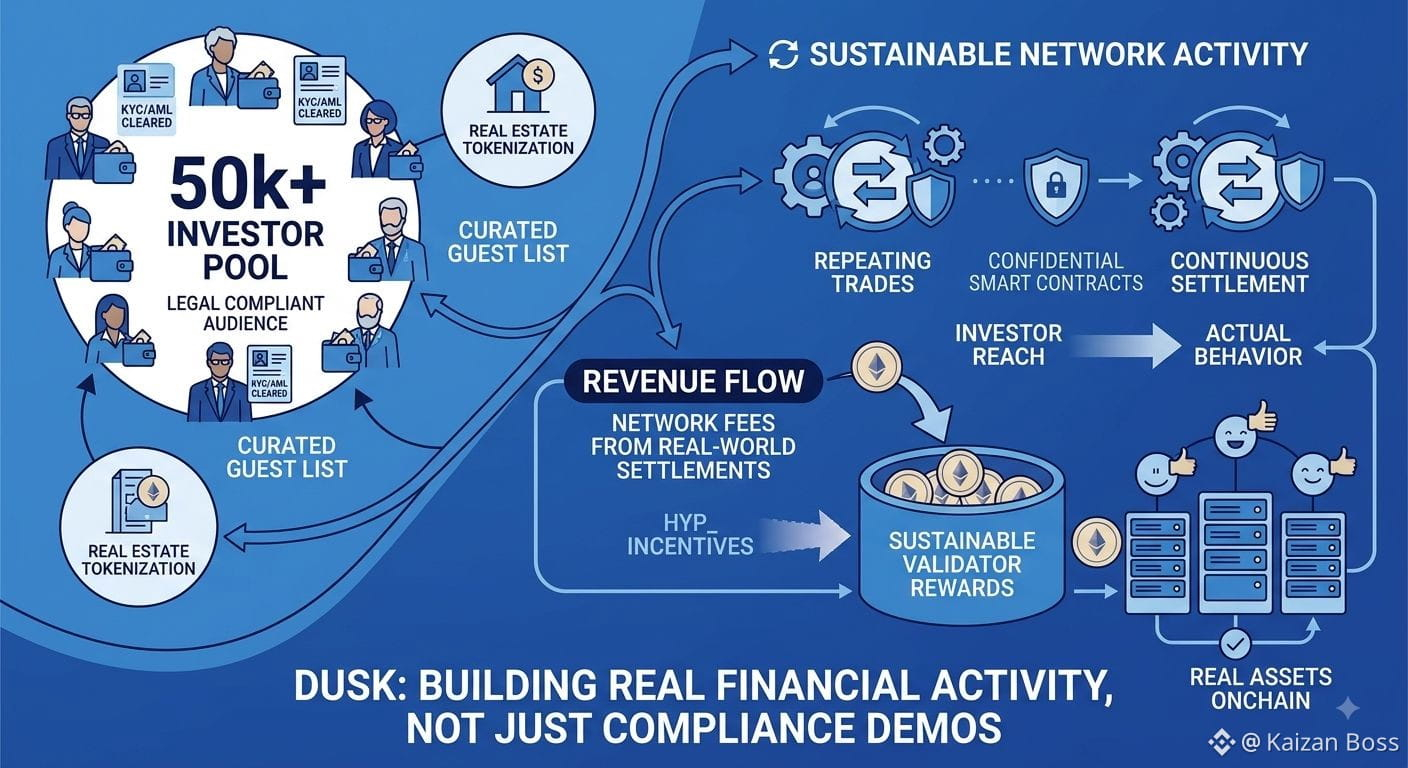
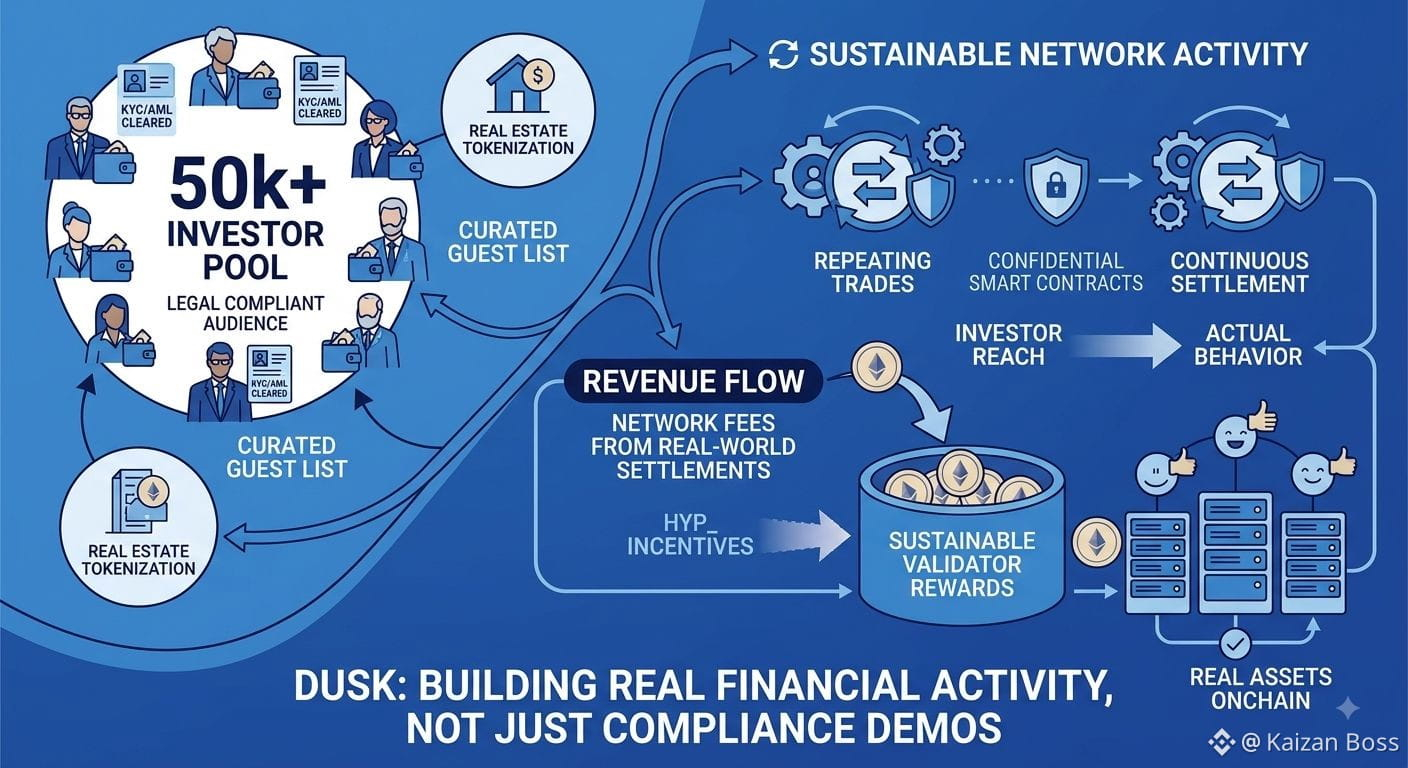
Und dann gibt es da den Pool von 50k+ Investoren.
Diese Zahl klingt beeindruckend, aber mich interessiert mehr, was nach der Schlagzeile passiert. Kaufen diese Investoren wirklich tokenisierte Assets, handeln sie und wickeln sie ab – oder sind sie nur Teil einer großen Registrierungsnummer?
Denn genau das ist der Punkt, der wirklich zählt.
Ein Netzwerk kann solide Technologie haben, starke Compliance-Funktionen und eine große potenzielle Nutzerbasis. Aber wenn die Leute die „Schienen“ nicht wiederholt nutzen, wird es wirtschaftlich schwierig.
Ich komme immer wieder auf eine simple Schleife: Emittenten bringen Assets ein, Investoren nutzen sie, Transaktionen passieren, Gebühren werden generiert – und diese Gebühren helfen, das Netzwerk und seine Teilnehmer am Laufen zu halten.
Die Technologie ist wichtig, aber echte Akzeptanz ist das, was zählt.
Wenn diese Schleife real und wiederholbar wird, wird Dusk sehr interessant.
Wenn Nutzung im Wesentlichen von Anreizen, Airdrops und anfänglicher Euphorie abhängt, wäre ich deutlich weniger überzeugt.
Also verfolge ich den Hype nicht mehr so sehr. Ich beobachte das Verhalten.
Werden diese 50k+ Investoren tatsächlich zu aktiven Marktteilnehmern – und kann echte finanzielle Aktivität genug Gebühren erzeugen, um das Netzwerk langfristig zu stützen?
Diese Antwort sagt uns wahrscheinlich mehr über $DUSK als jede Marketing-Schlagzeile.
@Dusk_Foundation #dusk
#dusk $DUSK
{future}(DUSKUSDT)
Ich sag’s offen: Wenn ein Projekt loslegt und mit Formulierungen wie „institutional grade“ und „Real-World Assets“ um sich wirft, schalte ich meistens ab.
Aber Dusk hat mich dazu gebracht, das Problem ein bisschen anders zu betrachten.
Spannend ist nicht nur, dass sich damit Wertpapiere onchain bringen oder schneller abwickeln lassen. Entscheidend ist, ob echte Investoren das System tatsächlich nutzen können – ohne dabei auf die Privatsphäre zu verzichten, die Finanzmärkte brauchen.
Genau das ergibt für mich bei Dusk Sinn. Man braucht genug Transparenz, damit Dinge überprüfbar sind, aber man möchte nicht zwingend, dass jedes sensible Detail öffentlich einsehbar herumliegt. Der Fokus auf vertrauliche Smart Contracts und regulierte Finanzinfrastruktur wirkt viel greifbarer als das übliche Privacy-Storytelling. Auf diesen Teil würde ich tatsächlich achten.
Und dann gibt es da den Pool von 50k+ Investoren.
Diese Zahl klingt beeindruckend, aber mich interessiert mehr, was nach der Schlagzeile passiert. Kaufen diese Investoren wirklich tokenisierte Assets, handeln sie und wickeln sie ab – oder sind sie nur Teil einer großen Registrierungsnummer?
Denn genau das ist der Punkt, der wirklich zählt.
Ein Netzwerk kann solide Technologie haben, starke Compliance-Funktionen und eine große potenzielle Nutzerbasis. Aber wenn die Leute die „Schienen“ nicht wiederholt nutzen, wird es wirtschaftlich schwierig.
Ich komme immer wieder auf eine simple Schleife: Emittenten bringen Assets ein, Investoren nutzen sie, Transaktionen passieren, Gebühren werden generiert – und diese Gebühren helfen, das Netzwerk und seine Teilnehmer am Laufen zu halten.
Die Technologie ist wichtig, aber echte Akzeptanz ist das, was zählt.
Wenn diese Schleife real und wiederholbar wird, wird Dusk sehr interessant.
Wenn Nutzung im Wesentlichen von Anreizen, Airdrops und anfänglicher Euphorie abhängt, wäre ich deutlich weniger überzeugt.
Also verfolge ich den Hype nicht mehr so sehr. Ich beobachte das Verhalten.
Werden diese 50k+ Investoren tatsächlich zu aktiven Marktteilnehmern – und kann echte finanzielle Aktivität genug Gebühren erzeugen, um das Netzwerk langfristig zu stützen?
Diese Antwort sagt uns wahrscheinlich mehr über $DUSK als jede Marketing-Schlagzeile.
@Dusk #dusk
#dusk $DUSK
Aber Dusk hat mich dazu gebracht, das Problem ein bisschen anders zu betrachten.
Spannend ist nicht nur, dass sich damit Wertpapiere onchain bringen oder schneller abwickeln lassen. Entscheidend ist, ob echte Investoren das System tatsächlich nutzen können – ohne dabei auf die Privatsphäre zu verzichten, die Finanzmärkte brauchen.
Genau das ergibt für mich bei Dusk Sinn. Man braucht genug Transparenz, damit Dinge überprüfbar sind, aber man möchte nicht zwingend, dass jedes sensible Detail öffentlich einsehbar herumliegt. Der Fokus auf vertrauliche Smart Contracts und regulierte Finanzinfrastruktur wirkt viel greifbarer als das übliche Privacy-Storytelling. Auf diesen Teil würde ich tatsächlich achten.
Und dann gibt es da den Pool von 50k+ Investoren.
Diese Zahl klingt beeindruckend, aber mich interessiert mehr, was nach der Schlagzeile passiert. Kaufen diese Investoren wirklich tokenisierte Assets, handeln sie und wickeln sie ab – oder sind sie nur Teil einer großen Registrierungsnummer?
Denn genau das ist der Punkt, der wirklich zählt.
Ein Netzwerk kann solide Technologie haben, starke Compliance-Funktionen und eine große potenzielle Nutzerbasis. Aber wenn die Leute die „Schienen“ nicht wiederholt nutzen, wird es wirtschaftlich schwierig.
Ich komme immer wieder auf eine simple Schleife: Emittenten bringen Assets ein, Investoren nutzen sie, Transaktionen passieren, Gebühren werden generiert – und diese Gebühren helfen, das Netzwerk und seine Teilnehmer am Laufen zu halten.
Die Technologie ist wichtig, aber echte Akzeptanz ist das, was zählt.
Wenn diese Schleife real und wiederholbar wird, wird Dusk sehr interessant.
Wenn Nutzung im Wesentlichen von Anreizen, Airdrops und anfänglicher Euphorie abhängt, wäre ich deutlich weniger überzeugt.
Also verfolge ich den Hype nicht mehr so sehr. Ich beobachte das Verhalten.
Werden diese 50k+ Investoren tatsächlich zu aktiven Marktteilnehmern – und kann echte finanzielle Aktivität genug Gebühren erzeugen, um das Netzwerk langfristig zu stützen?
Diese Antwort sagt uns wahrscheinlich mehr über $DUSK als jede Marketing-Schlagzeile.
@Dusk #dusk
#dusk $DUSK
4
3
214
·
--
Bullisch
Verifiziert
30D-Trade $DUSK 20.6 USDT
Je länger ich mir Zedger anschaue, desto mehr denke ich, dass das Interessante daran nicht nur Privatsphäre ist.
Die Wertpapierbesitzverhältnisse sind viel komplexer als das Verbergen eines Kontostands.
Ein Anteil kann übertragbar, stimmberechtigt, dividendenberechtigt, eingeschränkt sein oder bestimmten Genehmigungsregeln unterliegen. Für die Finanzmärkte ist das schwierige Problem also nicht einfach, zu verbergen, wer was besitzt. Es geht darum nachzuweisen, dass eine Eigentumsänderung tatsächlich gültig ist, ohne alles öffentlich offenzulegen.
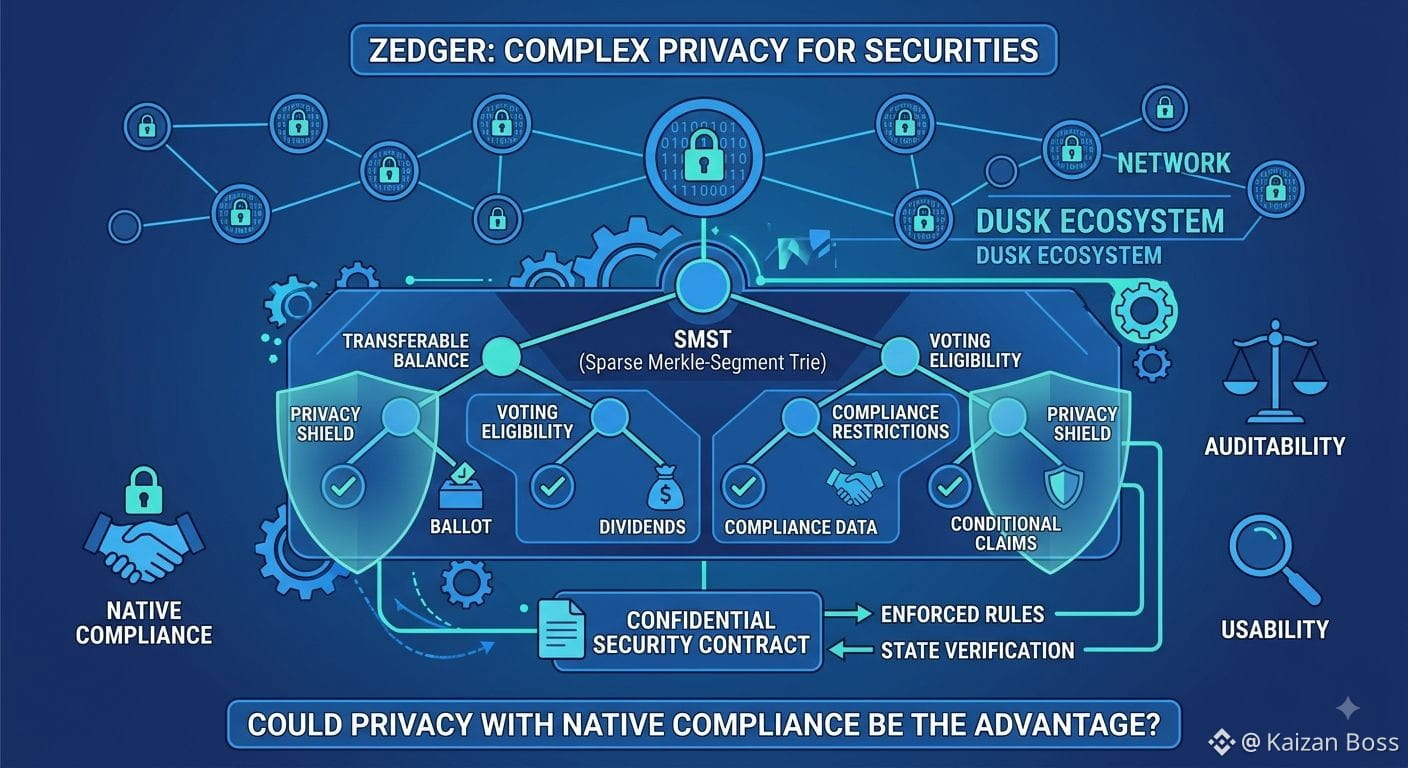
Genau darin sticht Zedger’s Sparse Merkle-Segment Trie, oder SMST, für mich hervor.
SMST kombiniert einen Sparse Merkle Tree mit einem Segment Tree, um den Kontostand festzuschreiben und gleichzeitig verschiedene Kontokategorien innerhalb der Struktur zu halten. Theoretisch ermöglicht das dem Netzwerk, Dinge wie übertragbare, stimmberechtigte, maximale und dividendenbezogene Salden zu unterscheiden, ohne jede Eigentumsdetails in öffentliche Daten zu verwandeln.
Ich finde, das ist ein interessanteres Privatsphärenmodell für Wertpapiere.
Traditionelle Blockchains machen Transparenz oft zum Standard. Aber Institutionen benötigen möglicherweise Verifizierung, ohne Handelspositionen, Zahlungsflüsse oder Aktionärsinformationen für alle offenzulegen.
Dusk geht dieses Problem in eine ähnliche Richtung an: mit einer datenschutzorientierten Layer-1 und dem Confidential Security Contract-Standard. Ziel ist es, dass Finanzanwendungen den Zustand verifizieren können, während sensible Informationen geschützt bleiben.
Trotzdem bin ich vorsichtig.
Mehr Zustandsfelder und mehr Prüfvorschriften bedeuten auch mehr Engineering- und Verifikationskomplexität. Die Architektur kann auf dem Papier elegant wirken und trotzdem schwierig sein, sie sicher und im großen Maßstab umzusetzen.
Der eigentliche Test ist also nicht, ob Zedger Salden verbergen kann.
Es geht darum, ob ein kryptografisches Kontomodell die unübersichtliche Realität des Wertpapierbesitzes abbilden kann, während es gleichzeitig praktisch, auditierbar und dezentral bleibt.
Das ist der Teil, den ich im Blick habe.
Könnte eine konforme Privatsphäre für Finanz-Blockchains irgendwann ein größerer Vorteil werden als reine Anonymität?
#dusk $DUSK @Dusk_Foundation
{future}(DUSKUSDT)
Je länger ich mir Zedger anschaue, desto mehr denke ich, dass das Interessante daran nicht nur Privatsphäre ist.
Die Wertpapierbesitzverhältnisse sind viel komplexer als das Verbergen eines Kontostands.
Ein Anteil kann übertragbar, stimmberechtigt, dividendenberechtigt, eingeschränkt sein oder bestimmten Genehmigungsregeln unterliegen. Für die Finanzmärkte ist das schwierige Problem also nicht einfach, zu verbergen, wer was besitzt. Es geht darum nachzuweisen, dass eine Eigentumsänderung tatsächlich gültig ist, ohne alles öffentlich offenzulegen.
Genau darin sticht Zedger’s Sparse Merkle-Segment Trie, oder SMST, für mich hervor.
SMST kombiniert einen Sparse Merkle Tree mit einem Segment Tree, um den Kontostand festzuschreiben und gleichzeitig verschiedene Kontokategorien innerhalb der Struktur zu halten. Theoretisch ermöglicht das dem Netzwerk, Dinge wie übertragbare, stimmberechtigte, maximale und dividendenbezogene Salden zu unterscheiden, ohne jede Eigentumsdetails in öffentliche Daten zu verwandeln.
Ich finde, das ist ein interessanteres Privatsphärenmodell für Wertpapiere.
Traditionelle Blockchains machen Transparenz oft zum Standard. Aber Institutionen benötigen möglicherweise Verifizierung, ohne Handelspositionen, Zahlungsflüsse oder Aktionärsinformationen für alle offenzulegen.
Dusk geht dieses Problem in eine ähnliche Richtung an: mit einer datenschutzorientierten Layer-1 und dem Confidential Security Contract-Standard. Ziel ist es, dass Finanzanwendungen den Zustand verifizieren können, während sensible Informationen geschützt bleiben.
Trotzdem bin ich vorsichtig.
Mehr Zustandsfelder und mehr Prüfvorschriften bedeuten auch mehr Engineering- und Verifikationskomplexität. Die Architektur kann auf dem Papier elegant wirken und trotzdem schwierig sein, sie sicher und im großen Maßstab umzusetzen.
Der eigentliche Test ist also nicht, ob Zedger Salden verbergen kann.
Es geht darum, ob ein kryptografisches Kontomodell die unübersichtliche Realität des Wertpapierbesitzes abbilden kann, während es gleichzeitig praktisch, auditierbar und dezentral bleibt.
Das ist der Teil, den ich im Blick habe.
Könnte eine konforme Privatsphäre für Finanz-Blockchains irgendwann ein größerer Vorteil werden als reine Anonymität?
#dusk $DUSK @Dusk
Die Wertpapierbesitzverhältnisse sind viel komplexer als das Verbergen eines Kontostands.
Ein Anteil kann übertragbar, stimmberechtigt, dividendenberechtigt, eingeschränkt sein oder bestimmten Genehmigungsregeln unterliegen. Für die Finanzmärkte ist das schwierige Problem also nicht einfach, zu verbergen, wer was besitzt. Es geht darum nachzuweisen, dass eine Eigentumsänderung tatsächlich gültig ist, ohne alles öffentlich offenzulegen.
Genau darin sticht Zedger’s Sparse Merkle-Segment Trie, oder SMST, für mich hervor.
SMST kombiniert einen Sparse Merkle Tree mit einem Segment Tree, um den Kontostand festzuschreiben und gleichzeitig verschiedene Kontokategorien innerhalb der Struktur zu halten. Theoretisch ermöglicht das dem Netzwerk, Dinge wie übertragbare, stimmberechtigte, maximale und dividendenbezogene Salden zu unterscheiden, ohne jede Eigentumsdetails in öffentliche Daten zu verwandeln.
Ich finde, das ist ein interessanteres Privatsphärenmodell für Wertpapiere.
Traditionelle Blockchains machen Transparenz oft zum Standard. Aber Institutionen benötigen möglicherweise Verifizierung, ohne Handelspositionen, Zahlungsflüsse oder Aktionärsinformationen für alle offenzulegen.
Dusk geht dieses Problem in eine ähnliche Richtung an: mit einer datenschutzorientierten Layer-1 und dem Confidential Security Contract-Standard. Ziel ist es, dass Finanzanwendungen den Zustand verifizieren können, während sensible Informationen geschützt bleiben.
Trotzdem bin ich vorsichtig.
Mehr Zustandsfelder und mehr Prüfvorschriften bedeuten auch mehr Engineering- und Verifikationskomplexität. Die Architektur kann auf dem Papier elegant wirken und trotzdem schwierig sein, sie sicher und im großen Maßstab umzusetzen.
Der eigentliche Test ist also nicht, ob Zedger Salden verbergen kann.
Es geht darum, ob ein kryptografisches Kontomodell die unübersichtliche Realität des Wertpapierbesitzes abbilden kann, während es gleichzeitig praktisch, auditierbar und dezentral bleibt.
Das ist der Teil, den ich im Blick habe.
Könnte eine konforme Privatsphäre für Finanz-Blockchains irgendwann ein größerer Vorteil werden als reine Anonymität?
#dusk $DUSK @Dusk
2
349
·
--
Bullisch
Privatsphäre wird zu einer Infrastruktur – nicht nur zu einer Funktion.
Traditionelles Finanzwesen braucht Vertraulichkeit, aber öffentliche Blockchains können deutlich mehr Informationen offenlegen, als Institutionen bereit sind zu teilen. Das ist ein ziemlich naheliegendes Problem, wenn regulierte Vermögenswerte und ernsthafte finanzielle Aktivitäten onchain verlagert werden.
Hier wird $DUSK and und der XSC-Standard für mich interessant.
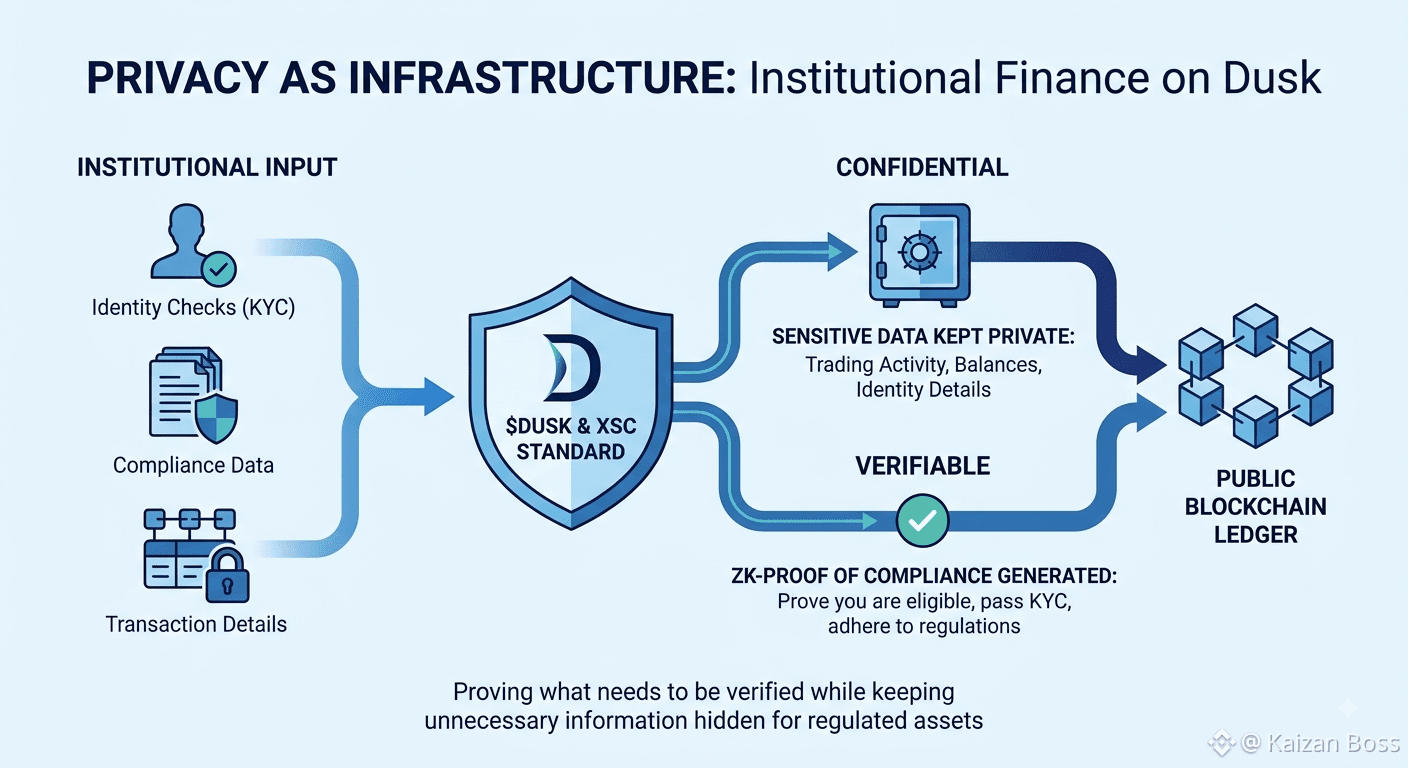
Die Idee ist nicht einfach, alles privat zu machen. Es geht darum, nachzuweisen, was tatsächlich verifiziert werden muss, während unnötige Finanzinformationen verborgen bleiben.
Für Institutionen könnte das sehr viel bedeuten.
Identitätsprüfungen, Compliance, Handelsaktivitäten und Transaktionsdetails müssen möglicherweise verifiziert werden, aber das heißt nicht, dass jeder Teilnehmer das vollständige Bild sehen sollte. Man würde auch nicht erwarten, dass eine Bank Ihre gesamte finanzielle Historie veröffentlicht, nur weil Sie einen Kredit beantragt haben.
Gleichzeitig löst allein die Privatsphärentechnologie keine Verbreitung.
Institutionen müssen der Infrastruktur, dem Compliance-Prozess und der Umsetzung dennoch vertrauen. Entwickler müssen außerdem nützliche Anwendungen bauen können, ohne dass die Nutzererfahrung schmerzhaft oder übermäßig kompliziert wird.
Deshalb beobachte ich echte Nutzung mehr als technische Behauptungen.
Wenn die Liquidität tatsächlich anfängt, sich über DUSK zu bewegen, und nützliche Finanzprodukte auftauchen, dann wird die Privatsphäre-Architektur deutlich relevanter.
Die größere Frage für mich ist, ob private Verifizierung irgendwann zu einer grundlegenden Voraussetzung für ernsthaftes Onchain-Finanzwesen wird – oder ob die Liquidität immer zuerst kommt.
#dusk $DUSK @Dusk_Foundation
{spot}(DUSKUSDT)
Privatsphäre wird zu einer Infrastruktur – nicht nur zu einer Funktion.
Traditionelles Finanzwesen braucht Vertraulichkeit, aber öffentliche Blockchains können deutlich mehr Informationen offenlegen, als Institutionen bereit sind zu teilen. Das ist ein ziemlich naheliegendes Problem, wenn regulierte Vermögenswerte und ernsthafte finanzielle Aktivitäten onchain verlagert werden.
Hier wird $DUSK and und der XSC-Standard für mich interessant.
Die Idee ist nicht einfach, alles privat zu machen. Es geht darum, nachzuweisen, was tatsächlich verifiziert werden muss, während unnötige Finanzinformationen verborgen bleiben.
Für Institutionen könnte das sehr viel bedeuten.
Identitätsprüfungen, Compliance, Handelsaktivitäten und Transaktionsdetails müssen möglicherweise verifiziert werden, aber das heißt nicht, dass jeder Teilnehmer das vollständige Bild sehen sollte. Man würde auch nicht erwarten, dass eine Bank Ihre gesamte finanzielle Historie veröffentlicht, nur weil Sie einen Kredit beantragt haben.
Gleichzeitig löst allein die Privatsphärentechnologie keine Verbreitung.
Institutionen müssen der Infrastruktur, dem Compliance-Prozess und der Umsetzung dennoch vertrauen. Entwickler müssen außerdem nützliche Anwendungen bauen können, ohne dass die Nutzererfahrung schmerzhaft oder übermäßig kompliziert wird.
Deshalb beobachte ich echte Nutzung mehr als technische Behauptungen.
Wenn die Liquidität tatsächlich anfängt, sich über DUSK zu bewegen, und nützliche Finanzprodukte auftauchen, dann wird die Privatsphäre-Architektur deutlich relevanter.
Die größere Frage für mich ist, ob private Verifizierung irgendwann zu einer grundlegenden Voraussetzung für ernsthaftes Onchain-Finanzwesen wird – oder ob die Liquidität immer zuerst kommt.
#dusk $DUSK @Dusk
Traditionelles Finanzwesen braucht Vertraulichkeit, aber öffentliche Blockchains können deutlich mehr Informationen offenlegen, als Institutionen bereit sind zu teilen. Das ist ein ziemlich naheliegendes Problem, wenn regulierte Vermögenswerte und ernsthafte finanzielle Aktivitäten onchain verlagert werden.
Hier wird $DUSK and und der XSC-Standard für mich interessant.
Die Idee ist nicht einfach, alles privat zu machen. Es geht darum, nachzuweisen, was tatsächlich verifiziert werden muss, während unnötige Finanzinformationen verborgen bleiben.
Für Institutionen könnte das sehr viel bedeuten.
Identitätsprüfungen, Compliance, Handelsaktivitäten und Transaktionsdetails müssen möglicherweise verifiziert werden, aber das heißt nicht, dass jeder Teilnehmer das vollständige Bild sehen sollte. Man würde auch nicht erwarten, dass eine Bank Ihre gesamte finanzielle Historie veröffentlicht, nur weil Sie einen Kredit beantragt haben.
Gleichzeitig löst allein die Privatsphärentechnologie keine Verbreitung.
Institutionen müssen der Infrastruktur, dem Compliance-Prozess und der Umsetzung dennoch vertrauen. Entwickler müssen außerdem nützliche Anwendungen bauen können, ohne dass die Nutzererfahrung schmerzhaft oder übermäßig kompliziert wird.
Deshalb beobachte ich echte Nutzung mehr als technische Behauptungen.
Wenn die Liquidität tatsächlich anfängt, sich über DUSK zu bewegen, und nützliche Finanzprodukte auftauchen, dann wird die Privatsphäre-Architektur deutlich relevanter.
Die größere Frage für mich ist, ob private Verifizierung irgendwann zu einer grundlegenden Voraussetzung für ernsthaftes Onchain-Finanzwesen wird – oder ob die Liquidität immer zuerst kommt.
#dusk $DUSK @Dusk
2
216
·
--
Bärisch
Verifiziert
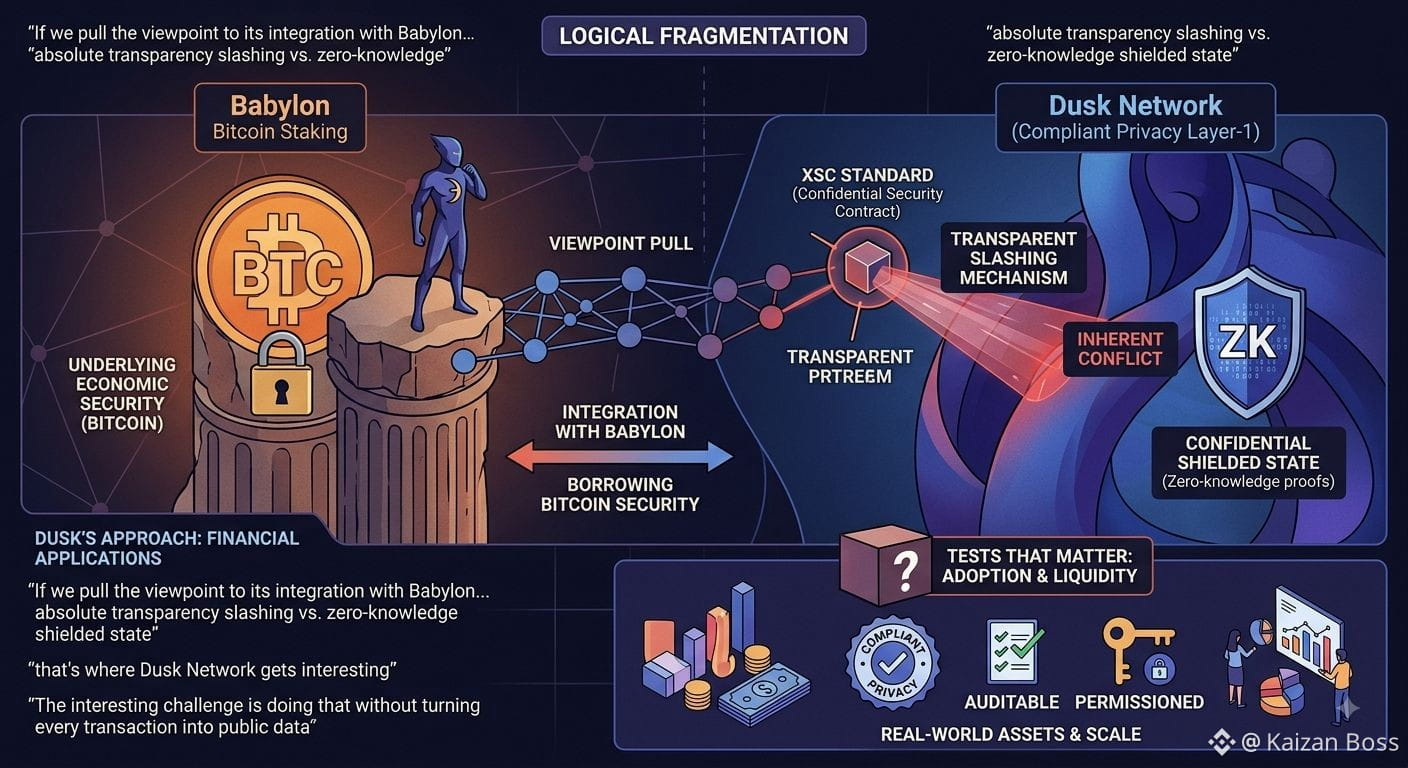
@Dusk_Foundation Wenn wir die Perspektive mit ihrer Integration in Babylon zusammenziehen, wird die Empfindung der logischen Fragmentierung noch deutlicher. Dusk, das verfassungskonforme Privatsphäre als Banner anpreist, ist begierig darauf, Babylon zu leihen, um die zugrunde liegende wirtschaftliche Sicherheit von Bitcoin zu erhalten – aber das wiederum legt den grundlegendsten internen Widerspruch des Projekts offen: den inhärenten Konflikt zwischen einem absolut transparenten Slashing-Mechanismus und der natürlichen Gegenwehr eines durch Zero-Knowledge geschützten Zustands.
Genau hier wird das Dusk Network interessant.
Dusk ist eine auf Privatsphäre ausgerichtete Layer-1, die speziell für Finanzanwendungen und regulierte Vermögenswerte entwickelt wurde. Anstatt Privatsphäre als nachträglichen Gedanken zu behandeln, ist das Netzwerk um die Idee herum konzipiert, dass finanzielles Handeln sowohl überprüfbar als auch vertraulich sein kann.$NVDAB
$BTG
Im Zentrum dieses Ansatzes steht der Confidential Security Contract oder XSC-Standard. Das Ziel ist, regulierten Vermögenswerten und Finanzinstrumenten einen Onchain-Rahmen zu geben, in dem Transaktionen und die Ausführung von Smart Contracts privat bleiben können, ohne dabei die Compliance aus dem Fenster zu werfen.
Der Teil, den ich am wichtigsten finde, ist das Gleichgewicht.
Dusk sagt nicht einfach: Macht alles privat. Finanzmärkte brauchen weiterhin Regeln, Audits, Berechtigungen und Wege, um nachzuweisen, dass bestimmte Bedingungen erfüllt werden. Die spannende Herausforderung besteht darin, das zu erreichen, ohne jede einzelne Transaktion in öffentliche Daten zu verwandeln.
Dadurch werden vertrauliche Smart Contracts viel relevanter als nur eine weitere Datenschutzfunktion. Für reale Finanzanwendungen kann Privatsphäre Teil der Infrastruktur selbst sein.
Die größere Frage für mich ist, ob Entwickler und regulierte Institutionen dieses Modell bevorzugen, sobald sie echte Vermögenswerte in großem Maßstab auf der Kette bauen, herausgeben, handeln und abwickeln müssen – statt lediglich die Idee zu testen.
Ich beobachte weiterhin, wie gut Dusk diese Architektur in tatsächliche Akzeptanz, Liquidität und institutionelle Nutzung übersetzen kann. Die Technologie klingt logisch, aber das sind die Tests, die zählen.
#dusk $DUSK @Dusk_Foundation
{spot}(DUSKUSDT)
@Dusk Wenn wir die Perspektive mit ihrer Integration in Babylon zusammenziehen, wird die Empfindung der logischen Fragmentierung noch deutlicher. Dusk, das verfassungskonforme Privatsphäre als Banner anpreist, ist begierig darauf, Babylon zu leihen, um die zugrunde liegende wirtschaftliche Sicherheit von Bitcoin zu erhalten – aber das wiederum legt den grundlegendsten internen Widerspruch des Projekts offen: den inhärenten Konflikt zwischen einem absolut transparenten Slashing-Mechanismus und der natürlichen Gegenwehr eines durch Zero-Knowledge geschützten Zustands.
Genau hier wird das Dusk Network interessant.
Dusk ist eine auf Privatsphäre ausgerichtete Layer-1, die speziell für Finanzanwendungen und regulierte Vermögenswerte entwickelt wurde. Anstatt Privatsphäre als nachträglichen Gedanken zu behandeln, ist das Netzwerk um die Idee herum konzipiert, dass finanzielles Handeln sowohl überprüfbar als auch vertraulich sein kann.$NVDAB
$BTG
Im Zentrum dieses Ansatzes steht der Confidential Security Contract oder XSC-Standard. Das Ziel ist, regulierten Vermögenswerten und Finanzinstrumenten einen Onchain-Rahmen zu geben, in dem Transaktionen und die Ausführung von Smart Contracts privat bleiben können, ohne dabei die Compliance aus dem Fenster zu werfen.
Der Teil, den ich am wichtigsten finde, ist das Gleichgewicht.
Dusk sagt nicht einfach: Macht alles privat. Finanzmärkte brauchen weiterhin Regeln, Audits, Berechtigungen und Wege, um nachzuweisen, dass bestimmte Bedingungen erfüllt werden. Die spannende Herausforderung besteht darin, das zu erreichen, ohne jede einzelne Transaktion in öffentliche Daten zu verwandeln.
Dadurch werden vertrauliche Smart Contracts viel relevanter als nur eine weitere Datenschutzfunktion. Für reale Finanzanwendungen kann Privatsphäre Teil der Infrastruktur selbst sein.
Die größere Frage für mich ist, ob Entwickler und regulierte Institutionen dieses Modell bevorzugen, sobald sie echte Vermögenswerte in großem Maßstab auf der Kette bauen, herausgeben, handeln und abwickeln müssen – statt lediglich die Idee zu testen.
Ich beobachte weiterhin, wie gut Dusk diese Architektur in tatsächliche Akzeptanz, Liquidität und institutionelle Nutzung übersetzen kann. Die Technologie klingt logisch, aber das sind die Tests, die zählen.
#dusk $DUSK @Dusk
Genau hier wird das Dusk Network interessant.
Dusk ist eine auf Privatsphäre ausgerichtete Layer-1, die speziell für Finanzanwendungen und regulierte Vermögenswerte entwickelt wurde. Anstatt Privatsphäre als nachträglichen Gedanken zu behandeln, ist das Netzwerk um die Idee herum konzipiert, dass finanzielles Handeln sowohl überprüfbar als auch vertraulich sein kann.$NVDAB
$BTG
Im Zentrum dieses Ansatzes steht der Confidential Security Contract oder XSC-Standard. Das Ziel ist, regulierten Vermögenswerten und Finanzinstrumenten einen Onchain-Rahmen zu geben, in dem Transaktionen und die Ausführung von Smart Contracts privat bleiben können, ohne dabei die Compliance aus dem Fenster zu werfen.
Der Teil, den ich am wichtigsten finde, ist das Gleichgewicht.
Dusk sagt nicht einfach: Macht alles privat. Finanzmärkte brauchen weiterhin Regeln, Audits, Berechtigungen und Wege, um nachzuweisen, dass bestimmte Bedingungen erfüllt werden. Die spannende Herausforderung besteht darin, das zu erreichen, ohne jede einzelne Transaktion in öffentliche Daten zu verwandeln.
Dadurch werden vertrauliche Smart Contracts viel relevanter als nur eine weitere Datenschutzfunktion. Für reale Finanzanwendungen kann Privatsphäre Teil der Infrastruktur selbst sein.
Die größere Frage für mich ist, ob Entwickler und regulierte Institutionen dieses Modell bevorzugen, sobald sie echte Vermögenswerte in großem Maßstab auf der Kette bauen, herausgeben, handeln und abwickeln müssen – statt lediglich die Idee zu testen.
Ich beobachte weiterhin, wie gut Dusk diese Architektur in tatsächliche Akzeptanz, Liquidität und institutionelle Nutzung übersetzen kann. Die Technologie klingt logisch, aber das sind die Tests, die zählen.
#dusk $DUSK @Dusk
1
2
578
·
--
Bärisch
Babylon ist eine von wenigen BTC-Ideen, bei denen ich wirklich kurz innehalte und zweimal lese.
Der Kernpunkt ist einfach: Halte Bitcoin selbst in Verwahrung, umschließe es nicht, bridge es nicht, gib es nicht an irgendwelche Zwischenhändler weiter, und lass es dennoch auf nützliche Weise zur Sicherheit beitragen. Genau das ist wichtig. Viel von dem Gerede über „BTC-Yields“ verliert dort sofort den Faden, aber Babylon scheint mit dem Bitcoin-Mindset zu starten, statt zu versuchen, es umzuschreiben.
Was mir auffällt: Das Design fordert Bitcoin nicht dazu auf, etwas anderes zu werden. Es nutzt BTC so, dass die Selbstverwahrung weiterhin respektiert wird, während gleichzeitig PoS-Netzwerke über Babylons Ökosystem abgesichert werden. Das ist ein ganz anderes Gespräch als das übliche „Hinterlege deine Coins und vertraue uns“-Modell.
Ich bin bei all dem trotzdem noch vorsichtig, denn jedes Staking-System hat Trade-offs, Timing-Probleme und Sicherheitsannahmen. Aber die Richtung ist interessant: weniger Vertrauens-Leakage, mehr On-Chain-Klarheit und eine stärkere Verbindung zwischen Bitcoin-Kapital und PoS-Sicherheit.
Das fühlt sich nach einer echten technischen Idee an – nicht nur nach Marketing-Lärm.
Beginnen mehr BTC-Inhaber inzwischen, self-custodial Staking ernsthaft in Betracht zu ziehen, oder ist der Markt immer noch zu sehr damit beschäftigt, einfachen Narrativen hinterherzulaufen?
#baby $BABY @babylonlabs_io
{spot}(BABYUSDT)
Babylon ist eine von wenigen BTC-Ideen, bei denen ich wirklich kurz innehalte und zweimal lese.
Der Kernpunkt ist einfach: Halte Bitcoin selbst in Verwahrung, umschließe es nicht, bridge es nicht, gib es nicht an irgendwelche Zwischenhändler weiter, und lass es dennoch auf nützliche Weise zur Sicherheit beitragen. Genau das ist wichtig. Viel von dem Gerede über „BTC-Yields“ verliert dort sofort den Faden, aber Babylon scheint mit dem Bitcoin-Mindset zu starten, statt zu versuchen, es umzuschreiben.
Was mir auffällt: Das Design fordert Bitcoin nicht dazu auf, etwas anderes zu werden. Es nutzt BTC so, dass die Selbstverwahrung weiterhin respektiert wird, während gleichzeitig PoS-Netzwerke über Babylons Ökosystem abgesichert werden. Das ist ein ganz anderes Gespräch als das übliche „Hinterlege deine Coins und vertraue uns“-Modell.
Ich bin bei all dem trotzdem noch vorsichtig, denn jedes Staking-System hat Trade-offs, Timing-Probleme und Sicherheitsannahmen. Aber die Richtung ist interessant: weniger Vertrauens-Leakage, mehr On-Chain-Klarheit und eine stärkere Verbindung zwischen Bitcoin-Kapital und PoS-Sicherheit.
Das fühlt sich nach einer echten technischen Idee an – nicht nur nach Marketing-Lärm.
Beginnen mehr BTC-Inhaber inzwischen, self-custodial Staking ernsthaft in Betracht zu ziehen, oder ist der Markt immer noch zu sehr damit beschäftigt, einfachen Narrativen hinterherzulaufen?
#baby $BABY @BabylonLabs_io
Der Kernpunkt ist einfach: Halte Bitcoin selbst in Verwahrung, umschließe es nicht, bridge es nicht, gib es nicht an irgendwelche Zwischenhändler weiter, und lass es dennoch auf nützliche Weise zur Sicherheit beitragen. Genau das ist wichtig. Viel von dem Gerede über „BTC-Yields“ verliert dort sofort den Faden, aber Babylon scheint mit dem Bitcoin-Mindset zu starten, statt zu versuchen, es umzuschreiben.
Was mir auffällt: Das Design fordert Bitcoin nicht dazu auf, etwas anderes zu werden. Es nutzt BTC so, dass die Selbstverwahrung weiterhin respektiert wird, während gleichzeitig PoS-Netzwerke über Babylons Ökosystem abgesichert werden. Das ist ein ganz anderes Gespräch als das übliche „Hinterlege deine Coins und vertraue uns“-Modell.
Ich bin bei all dem trotzdem noch vorsichtig, denn jedes Staking-System hat Trade-offs, Timing-Probleme und Sicherheitsannahmen. Aber die Richtung ist interessant: weniger Vertrauens-Leakage, mehr On-Chain-Klarheit und eine stärkere Verbindung zwischen Bitcoin-Kapital und PoS-Sicherheit.
Das fühlt sich nach einer echten technischen Idee an – nicht nur nach Marketing-Lärm.
Beginnen mehr BTC-Inhaber inzwischen, self-custodial Staking ernsthaft in Betracht zu ziehen, oder ist der Markt immer noch zu sehr damit beschäftigt, einfachen Narrativen hinterherzulaufen?
#baby $BABY @BabylonLabs_io
261
·
--
Bärisch
Habe wieder über Babylon (BABY) nachgedacht, und ehrlich gesagt ist der Teil, der mich weiterhin interessiert, immer noch derselbe: Es versucht, BTC mehr in die Pflicht zu nehmen, ohne dass Bitcoin-Inhaber aufhören müssen, Bitcoin-Inhaber zu sein.
Kein Umschichten. Keine Schlüsselübergabe an irgendeine Plattform. Kein komisches „Trust us bro“-Custody-Setup. Das ist viel wichtiger, als viele zugeben.
Babylons Idee ist auf den ersten Blick ziemlich simpel: BTC soll PoS-Systeme absichern können, während es gleichzeitig selbstverwahrt auf Bitcoin bleibt. Anstatt Bitcoin so zu behandeln, als würde man es irgendwo anders abstellen, versucht es, es in eine aktive Absicherung für den breiteren Krypto-Stack zu verwandeln. Das fühlt sich näher an dem an, was „Bitcoin-nativ“ denkt, als viele der üblichen Yield-Erzählungen da draußen.
Natürlich stellt sich die echte Frage, ob die Kompromisse auch dann noch sauber bleiben, wenn das Ganze größer wird. Bleibt das Design genauso stark, wenn mehr Menschen es nutzen? Bleibt die Nutzererfahrung einfach genug für echte BTC-Inhaber – nicht nur für Protokoll-Nerds? Das ist der Teil, den ich weiter beobachte.
Aber ich mag die Richtung. Es ist eine der wenigen Ideen in diesem Bereich, die nicht von Bitcoin verlangt, zuerst zu etwas anderem zu werden.
Bin gespannt, was andere $BTC people denken: Ist das Staking von selbstverwahrtem BTC einer der interessantesten Wege für die Bitcoin-Nützlichkeit, oder nur eine weitere Ebene, die Menschen wieder unnötig verkomplizieren?
#baby $BABY @babylonlabs_io
{future}(BABYUSDT)
#USToCancelIranAttackSubjectToDeal #BerkshireSharesHit8MonthHigh
Habe wieder über Babylon (BABY) nachgedacht, und ehrlich gesagt ist der Teil, der mich weiterhin interessiert, immer noch derselbe: Es versucht, BTC mehr in die Pflicht zu nehmen, ohne dass Bitcoin-Inhaber aufhören müssen, Bitcoin-Inhaber zu sein.
Kein Umschichten. Keine Schlüsselübergabe an irgendeine Plattform. Kein komisches „Trust us bro“-Custody-Setup. Das ist viel wichtiger, als viele zugeben.
Babylons Idee ist auf den ersten Blick ziemlich simpel: BTC soll PoS-Systeme absichern können, während es gleichzeitig selbstverwahrt auf Bitcoin bleibt. Anstatt Bitcoin so zu behandeln, als würde man es irgendwo anders abstellen, versucht es, es in eine aktive Absicherung für den breiteren Krypto-Stack zu verwandeln. Das fühlt sich näher an dem an, was „Bitcoin-nativ“ denkt, als viele der üblichen Yield-Erzählungen da draußen.
Natürlich stellt sich die echte Frage, ob die Kompromisse auch dann noch sauber bleiben, wenn das Ganze größer wird. Bleibt das Design genauso stark, wenn mehr Menschen es nutzen? Bleibt die Nutzererfahrung einfach genug für echte BTC-Inhaber – nicht nur für Protokoll-Nerds? Das ist der Teil, den ich weiter beobachte.
Aber ich mag die Richtung. Es ist eine der wenigen Ideen in diesem Bereich, die nicht von Bitcoin verlangt, zuerst zu etwas anderem zu werden.
Bin gespannt, was andere $BTC people denken: Ist das Staking von selbstverwahrtem BTC einer der interessantesten Wege für die Bitcoin-Nützlichkeit, oder nur eine weitere Ebene, die Menschen wieder unnötig verkomplizieren?
#baby $BABY @BabylonLabs_io
#USToCancelIranAttackSubjectToDeal #BerkshireSharesHit8MonthHigh
Kein Umschichten. Keine Schlüsselübergabe an irgendeine Plattform. Kein komisches „Trust us bro“-Custody-Setup. Das ist viel wichtiger, als viele zugeben.
Babylons Idee ist auf den ersten Blick ziemlich simpel: BTC soll PoS-Systeme absichern können, während es gleichzeitig selbstverwahrt auf Bitcoin bleibt. Anstatt Bitcoin so zu behandeln, als würde man es irgendwo anders abstellen, versucht es, es in eine aktive Absicherung für den breiteren Krypto-Stack zu verwandeln. Das fühlt sich näher an dem an, was „Bitcoin-nativ“ denkt, als viele der üblichen Yield-Erzählungen da draußen.
Natürlich stellt sich die echte Frage, ob die Kompromisse auch dann noch sauber bleiben, wenn das Ganze größer wird. Bleibt das Design genauso stark, wenn mehr Menschen es nutzen? Bleibt die Nutzererfahrung einfach genug für echte BTC-Inhaber – nicht nur für Protokoll-Nerds? Das ist der Teil, den ich weiter beobachte.
Aber ich mag die Richtung. Es ist eine der wenigen Ideen in diesem Bereich, die nicht von Bitcoin verlangt, zuerst zu etwas anderem zu werden.
Bin gespannt, was andere $BTC people denken: Ist das Staking von selbstverwahrtem BTC einer der interessantesten Wege für die Bitcoin-Nützlichkeit, oder nur eine weitere Ebene, die Menschen wieder unnötig verkomplizieren?
#baby $BABY @BabylonLabs_io
#USToCancelIranAttackSubjectToDeal #BerkshireSharesHit8MonthHigh
1
171
·
--
Bullisch
@babylonlabs_io
Je mehr ich über Babylon nachdenke, desto mehr fühlt es sich an wie eine dieser Ideen, die sofort Sinn ergibt, sobald man sie hört – aber erst nachdem Bitcoin dir bereits beigebracht hat, warum das wichtig ist.
Lange Zeit waren BTC-Inhaber zwischen zwei unvollkommenen Entscheidungen festgefahren: ihre Coins sicher und ungenutzt zu verwahren oder sie in Systeme zu verlagern, die zusätzliches Vertrauen, zusätzliches Risiko und oft auch zusätzliche Kompromisse verlangen. Keine der Optionen entsprach wirklich dem Geist von Bitcoin.
Babylon geht einen anderen Weg. Es versucht, das zu bewahren, was Bitcoin an erster Stelle wertvoll macht: die Self-Custody, während es BTC eine Rolle bei der Sicherung von Proof-of-Stake-Blockchains gibt. Das ist eine viel spannendere Richtung als einfach Bitcoin einzuhüllen und darauf zu hoffen, dass Nutzer aufhören, Fragen zu stellen.
Für mich ist die beste Art, es sich vorzustellen, wie der Besitz eines Hauses. Du musst den Eigentum nicht aufgeben, nur weil das Asset nützlicher werden soll. Du findest einen Weg, wie es Werte schaffen kann, während es dennoch in deinen Händen bleibt. Babylon wirkt wie genau so eine Denkweise – nur eben auf Bitcoin angewendet.
Natürlich blende ich die schwierigen Aspekte nicht aus. Jedes Protokoll muss sich durch Sicherheit, Implementierung und echte Akzeptanz beweisen. Krypto hat keine Knappheit an aufregenden Ideen, die in Schlagzeilen besser aussehen als in der Praxis. Gesunder Skeptizismus ist notwendig.
Trotzdem finde ich Babylon erfrischend, weil es versucht, die Nützlichkeit von Bitcoin zu erweitern, ohne die Menschen dazu zu bringen, das Prinzip aufzugeben, das sie überhaupt erst dazu hat, BTC zu halten. Wenn dieses Modell weiter reift, könnte es verändern, wie Bitcoin mit der breiteren Blockchain-Welt interagiert.
#baby $BABY @babylonlabs_io
{spot}(BABYUSDT)
@BabylonLabs_io
Je mehr ich über Babylon nachdenke, desto mehr fühlt es sich an wie eine dieser Ideen, die sofort Sinn ergibt, sobald man sie hört – aber erst nachdem Bitcoin dir bereits beigebracht hat, warum das wichtig ist.
Lange Zeit waren BTC-Inhaber zwischen zwei unvollkommenen Entscheidungen festgefahren: ihre Coins sicher und ungenutzt zu verwahren oder sie in Systeme zu verlagern, die zusätzliches Vertrauen, zusätzliches Risiko und oft auch zusätzliche Kompromisse verlangen. Keine der Optionen entsprach wirklich dem Geist von Bitcoin.
Babylon geht einen anderen Weg. Es versucht, das zu bewahren, was Bitcoin an erster Stelle wertvoll macht: die Self-Custody, während es BTC eine Rolle bei der Sicherung von Proof-of-Stake-Blockchains gibt. Das ist eine viel spannendere Richtung als einfach Bitcoin einzuhüllen und darauf zu hoffen, dass Nutzer aufhören, Fragen zu stellen.
Für mich ist die beste Art, es sich vorzustellen, wie der Besitz eines Hauses. Du musst den Eigentum nicht aufgeben, nur weil das Asset nützlicher werden soll. Du findest einen Weg, wie es Werte schaffen kann, während es dennoch in deinen Händen bleibt. Babylon wirkt wie genau so eine Denkweise – nur eben auf Bitcoin angewendet.
Natürlich blende ich die schwierigen Aspekte nicht aus. Jedes Protokoll muss sich durch Sicherheit, Implementierung und echte Akzeptanz beweisen. Krypto hat keine Knappheit an aufregenden Ideen, die in Schlagzeilen besser aussehen als in der Praxis. Gesunder Skeptizismus ist notwendig.
Trotzdem finde ich Babylon erfrischend, weil es versucht, die Nützlichkeit von Bitcoin zu erweitern, ohne die Menschen dazu zu bringen, das Prinzip aufzugeben, das sie überhaupt erst dazu hat, BTC zu halten. Wenn dieses Modell weiter reift, könnte es verändern, wie Bitcoin mit der breiteren Blockchain-Welt interagiert.
#baby $BABY @BabylonLabs_io
Je mehr ich über Babylon nachdenke, desto mehr fühlt es sich an wie eine dieser Ideen, die sofort Sinn ergibt, sobald man sie hört – aber erst nachdem Bitcoin dir bereits beigebracht hat, warum das wichtig ist.
Lange Zeit waren BTC-Inhaber zwischen zwei unvollkommenen Entscheidungen festgefahren: ihre Coins sicher und ungenutzt zu verwahren oder sie in Systeme zu verlagern, die zusätzliches Vertrauen, zusätzliches Risiko und oft auch zusätzliche Kompromisse verlangen. Keine der Optionen entsprach wirklich dem Geist von Bitcoin.
Babylon geht einen anderen Weg. Es versucht, das zu bewahren, was Bitcoin an erster Stelle wertvoll macht: die Self-Custody, während es BTC eine Rolle bei der Sicherung von Proof-of-Stake-Blockchains gibt. Das ist eine viel spannendere Richtung als einfach Bitcoin einzuhüllen und darauf zu hoffen, dass Nutzer aufhören, Fragen zu stellen.
Für mich ist die beste Art, es sich vorzustellen, wie der Besitz eines Hauses. Du musst den Eigentum nicht aufgeben, nur weil das Asset nützlicher werden soll. Du findest einen Weg, wie es Werte schaffen kann, während es dennoch in deinen Händen bleibt. Babylon wirkt wie genau so eine Denkweise – nur eben auf Bitcoin angewendet.
Natürlich blende ich die schwierigen Aspekte nicht aus. Jedes Protokoll muss sich durch Sicherheit, Implementierung und echte Akzeptanz beweisen. Krypto hat keine Knappheit an aufregenden Ideen, die in Schlagzeilen besser aussehen als in der Praxis. Gesunder Skeptizismus ist notwendig.
Trotzdem finde ich Babylon erfrischend, weil es versucht, die Nützlichkeit von Bitcoin zu erweitern, ohne die Menschen dazu zu bringen, das Prinzip aufzugeben, das sie überhaupt erst dazu hat, BTC zu halten. Wenn dieses Modell weiter reift, könnte es verändern, wie Bitcoin mit der breiteren Blockchain-Welt interagiert.
#baby $BABY @BabylonLabs_io
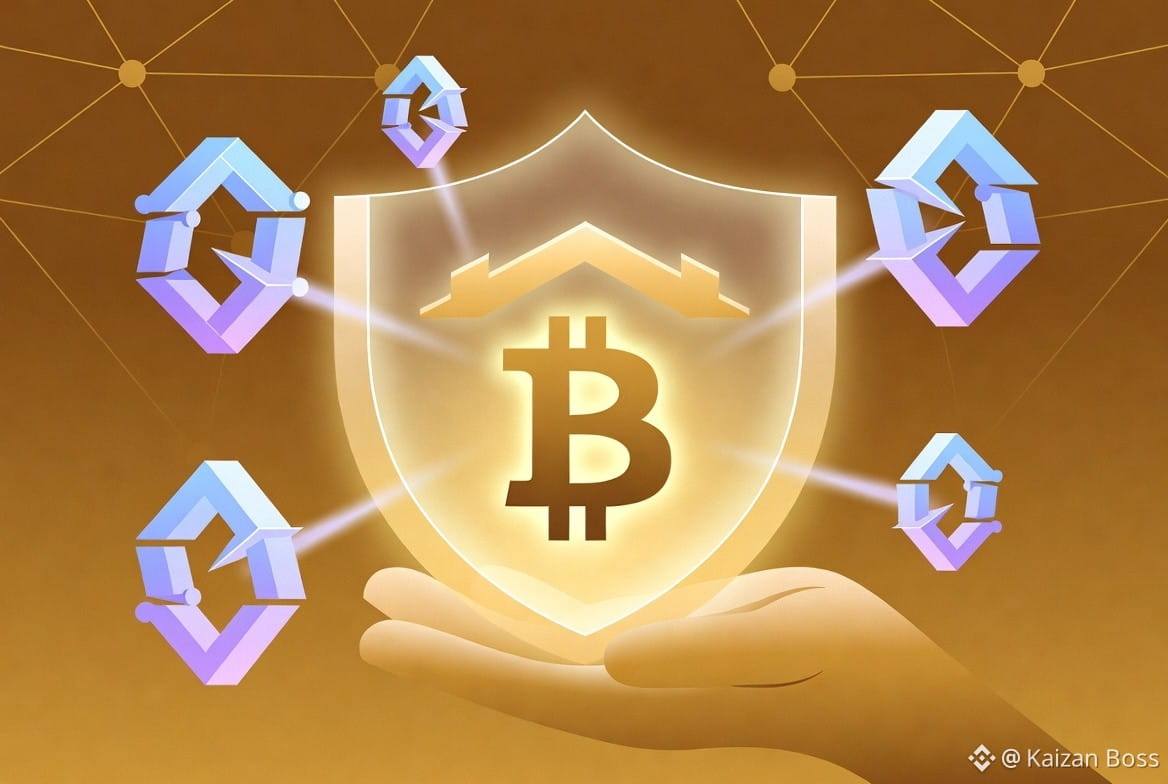
3
1
156
·
--
Bullisch
$BTC @babylonlabs_io Je länger ich mit Babylon zusammenarbeite, desto mehr denke ich, dass die eigentliche Innovation missverstanden wird.
Es geht nicht darum, Vertrauen in einem dramatischen Sprung verschwinden zu lassen. Es geht darum, die Menge an Vertrauen, die das System benötigt, zu verkleinern, bis Nutzer die wichtigen Teile selbst verifizieren können.
Das klingt nach etwas Kleinem, ist aber tatsächlich etwas Großes.
{future}(BTCUSDT)
Die meisten Systeme hängen noch von einer mittleren Ebene des Glaubens ab. Ein Unternehmen sagt, es sei sicher. Eine Plattform sagt, sie sei fair. Ein Protokoll sagt, es werde tun, was es verspricht. Babylon geht in eine andere Richtung: Beweise mehr, frage weniger.
Und ehrlich gesagt fühlt es sich an wie der langlebigere Weg.
Was meine Aufmerksamkeit geweckt hat, war, wie natürlich das zur Bitcoin-Kultur passt. Bitcoin-Menschen kümmern sich bereits um Verifizierung. Sie kümmern sich bereits um Regeln statt um Versprechen, Mathematik statt Marketing und Kontrolle statt Bequemlichkeit. Babylon scheint diese Denkweise in Richtung Staking zu erweitern, ohne dass Nutzer die Prinzipien aufgeben müssen, mit denen sie angefangen haben.
Darum komme ich immer wieder auf die kryptografische Seite zurück. Die Sicherheit soll sich nicht auf Token-Vibes oder den Ruf der Marke verlassen. Sie beruht auf Belegen, die überprüfbar sind. Ein gültiger Beweis interessiert sich nicht dafür, wer beliebt ist. Er interessiert sich nicht dafür, wer laut ist. Es geht nur darum, ob die Behauptung wahr ist.
Dieser Teil verändert für mich die gesamte Diskussion.
Denn sobald ein System um überprüfbaren Beweis herum gebaut ist, wird die Frage größer als Babylon selbst. Vertrauen Nutzer dem lautesten Projekt? Oder geben sie nach und nach mehr Vertrauen dem, das tatsächlich beweisen kann, was es behauptet?
Ich glaube nicht, dass die Antwort schon offensichtlich ist. Aber ich glaube, dass genau dorthin die Zukunft der Blockchain-Infrastruktur geht.
#baby $BABY @babylonlabs_io
{spot}(BABYUSDT)
$BTC @BabylonLabs_io Je länger ich mit Babylon zusammenarbeite, desto mehr denke ich, dass die eigentliche Innovation missverstanden wird.
Es geht nicht darum, Vertrauen in einem dramatischen Sprung verschwinden zu lassen. Es geht darum, die Menge an Vertrauen, die das System benötigt, zu verkleinern, bis Nutzer die wichtigen Teile selbst verifizieren können.
Das klingt nach etwas Kleinem, ist aber tatsächlich etwas Großes.
Die meisten Systeme hängen noch von einer mittleren Ebene des Glaubens ab. Ein Unternehmen sagt, es sei sicher. Eine Plattform sagt, sie sei fair. Ein Protokoll sagt, es werde tun, was es verspricht. Babylon geht in eine andere Richtung: Beweise mehr, frage weniger.
Und ehrlich gesagt fühlt es sich an wie der langlebigere Weg.
Was meine Aufmerksamkeit geweckt hat, war, wie natürlich das zur Bitcoin-Kultur passt. Bitcoin-Menschen kümmern sich bereits um Verifizierung. Sie kümmern sich bereits um Regeln statt um Versprechen, Mathematik statt Marketing und Kontrolle statt Bequemlichkeit. Babylon scheint diese Denkweise in Richtung Staking zu erweitern, ohne dass Nutzer die Prinzipien aufgeben müssen, mit denen sie angefangen haben.
Darum komme ich immer wieder auf die kryptografische Seite zurück. Die Sicherheit soll sich nicht auf Token-Vibes oder den Ruf der Marke verlassen. Sie beruht auf Belegen, die überprüfbar sind. Ein gültiger Beweis interessiert sich nicht dafür, wer beliebt ist. Er interessiert sich nicht dafür, wer laut ist. Es geht nur darum, ob die Behauptung wahr ist.
Dieser Teil verändert für mich die gesamte Diskussion.
Denn sobald ein System um überprüfbaren Beweis herum gebaut ist, wird die Frage größer als Babylon selbst. Vertrauen Nutzer dem lautesten Projekt? Oder geben sie nach und nach mehr Vertrauen dem, das tatsächlich beweisen kann, was es behauptet?
Ich glaube nicht, dass die Antwort schon offensichtlich ist. Aber ich glaube, dass genau dorthin die Zukunft der Blockchain-Infrastruktur geht.
#baby $BABY @BabylonLabs_io
Es geht nicht darum, Vertrauen in einem dramatischen Sprung verschwinden zu lassen. Es geht darum, die Menge an Vertrauen, die das System benötigt, zu verkleinern, bis Nutzer die wichtigen Teile selbst verifizieren können.
Das klingt nach etwas Kleinem, ist aber tatsächlich etwas Großes.
Die meisten Systeme hängen noch von einer mittleren Ebene des Glaubens ab. Ein Unternehmen sagt, es sei sicher. Eine Plattform sagt, sie sei fair. Ein Protokoll sagt, es werde tun, was es verspricht. Babylon geht in eine andere Richtung: Beweise mehr, frage weniger.
Und ehrlich gesagt fühlt es sich an wie der langlebigere Weg.
Was meine Aufmerksamkeit geweckt hat, war, wie natürlich das zur Bitcoin-Kultur passt. Bitcoin-Menschen kümmern sich bereits um Verifizierung. Sie kümmern sich bereits um Regeln statt um Versprechen, Mathematik statt Marketing und Kontrolle statt Bequemlichkeit. Babylon scheint diese Denkweise in Richtung Staking zu erweitern, ohne dass Nutzer die Prinzipien aufgeben müssen, mit denen sie angefangen haben.
Darum komme ich immer wieder auf die kryptografische Seite zurück. Die Sicherheit soll sich nicht auf Token-Vibes oder den Ruf der Marke verlassen. Sie beruht auf Belegen, die überprüfbar sind. Ein gültiger Beweis interessiert sich nicht dafür, wer beliebt ist. Er interessiert sich nicht dafür, wer laut ist. Es geht nur darum, ob die Behauptung wahr ist.
Dieser Teil verändert für mich die gesamte Diskussion.
Denn sobald ein System um überprüfbaren Beweis herum gebaut ist, wird die Frage größer als Babylon selbst. Vertrauen Nutzer dem lautesten Projekt? Oder geben sie nach und nach mehr Vertrauen dem, das tatsächlich beweisen kann, was es behauptet?
Ich glaube nicht, dass die Antwort schon offensichtlich ist. Aber ich glaube, dass genau dorthin die Zukunft der Blockchain-Infrastruktur geht.
#baby $BABY @BabylonLabs_io
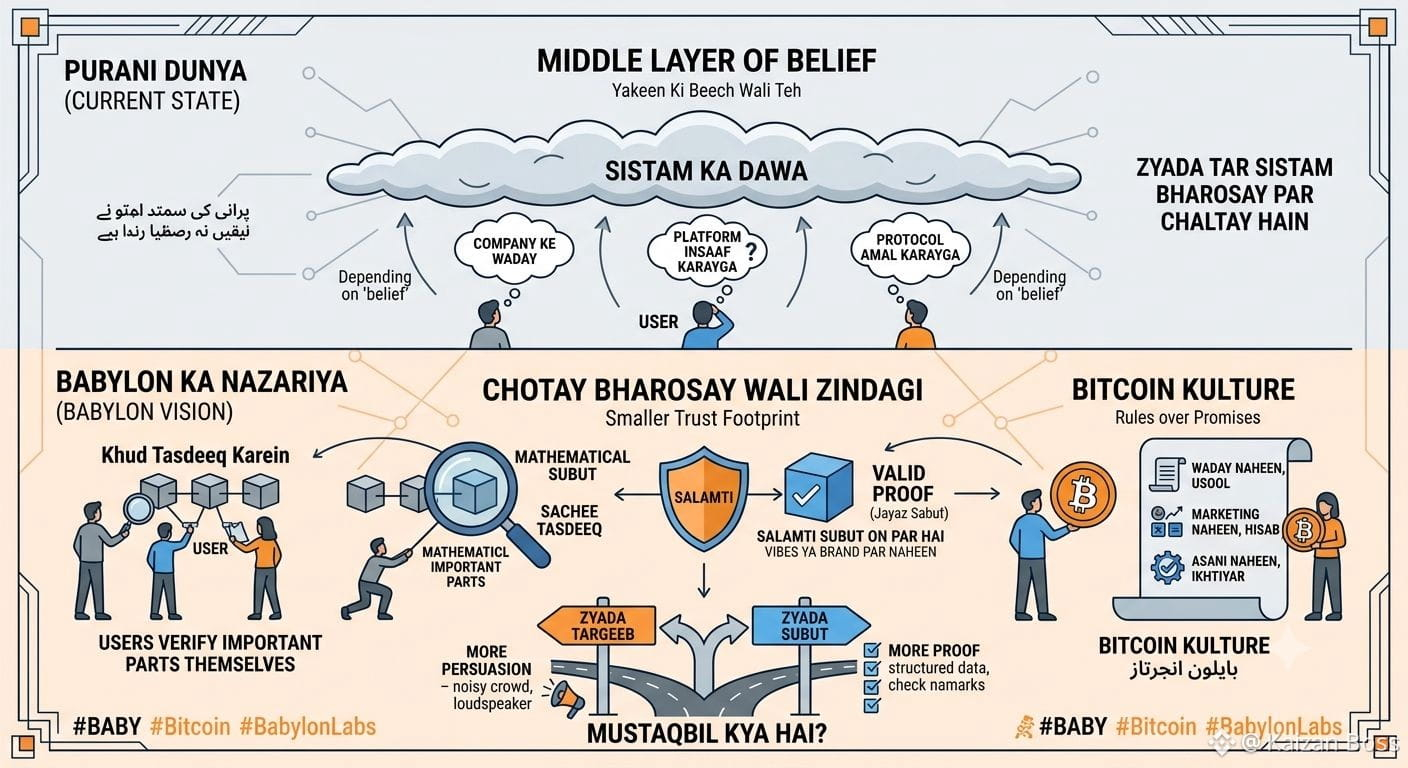
1
244
·
--
Bullisch
@babylonlabs_io $BABY #baby
Babylon ist eine dieser Ideen, die mich zweimal innehalten und lesen lassen – nicht weil es nach außen hin besonders schick klingt, sondern weil es etwas versucht, worum sich BTC-Leute normalerweise kümmern: die Coins dort zu behalten, wo sie hingehören.
Der Teil, der für mich zählt, ist dieses BTC-Staking ohne Aufgabe der Verwahrung. Kein Wrapping, kein Brückenrisiko, kein „schick es hierher und vertraue dem Setup“. Dein Bitcoin bleibt auf Bitcoin, kann aber dennoch dazu beitragen, PoS-Blockchain-Netzwerke abzusichern. Das ist ein deutlich interessanterer Trade-off als die übliche Yield-Story.
Was Babylon wirklich antreibt, ist ein bitcoin-nativer Weg, um BTC-Halter mit umfassenderer Kettensicherheit zu verbinden. Der BTC bleibt self-custodial, während das Protokoll dieses Staking nutzt, um PoS-Netzwerke zu unterstützen. Das klingt simpel, ist aber tatsächlich eine ziemlich große Designentscheidung. So bleibt die Bitcoin-Seite sauber, statt sie in das System von jemand anderem zu zwingen.
Ich denke immer noch, dass die eigentliche Frage nicht ist, ob die Idee clever ist. Sondern ob genug BTC-Halter Self-Custody genug wertschätzen, um sich überhaupt für Staking zu interessieren. Denn dort wird Babylon entweder wirklich nützlich – oder einfach nur noch ein weiteres Projekt, über das man eine Woche lang spricht und dann vergisst.
Für den Moment gefällt mir jedoch, dass es beim Bitcoin-Denken ansetzt, statt dagegen anzukämpfen. Allein das macht es wert, beobachtet zu werden.
#baby $BABY @babylonlabs_io
{spot}(BABYUSDT)
@BabylonLabs_io $BABY #baby
Babylon ist eine dieser Ideen, die mich zweimal innehalten und lesen lassen – nicht weil es nach außen hin besonders schick klingt, sondern weil es etwas versucht, worum sich BTC-Leute normalerweise kümmern: die Coins dort zu behalten, wo sie hingehören.
Der Teil, der für mich zählt, ist dieses BTC-Staking ohne Aufgabe der Verwahrung. Kein Wrapping, kein Brückenrisiko, kein „schick es hierher und vertraue dem Setup“. Dein Bitcoin bleibt auf Bitcoin, kann aber dennoch dazu beitragen, PoS-Blockchain-Netzwerke abzusichern. Das ist ein deutlich interessanterer Trade-off als die übliche Yield-Story.
Was Babylon wirklich antreibt, ist ein bitcoin-nativer Weg, um BTC-Halter mit umfassenderer Kettensicherheit zu verbinden. Der BTC bleibt self-custodial, während das Protokoll dieses Staking nutzt, um PoS-Netzwerke zu unterstützen. Das klingt simpel, ist aber tatsächlich eine ziemlich große Designentscheidung. So bleibt die Bitcoin-Seite sauber, statt sie in das System von jemand anderem zu zwingen.
Ich denke immer noch, dass die eigentliche Frage nicht ist, ob die Idee clever ist. Sondern ob genug BTC-Halter Self-Custody genug wertschätzen, um sich überhaupt für Staking zu interessieren. Denn dort wird Babylon entweder wirklich nützlich – oder einfach nur noch ein weiteres Projekt, über das man eine Woche lang spricht und dann vergisst.
Für den Moment gefällt mir jedoch, dass es beim Bitcoin-Denken ansetzt, statt dagegen anzukämpfen. Allein das macht es wert, beobachtet zu werden.
#baby $BABY @BabylonLabs_io
Babylon ist eine dieser Ideen, die mich zweimal innehalten und lesen lassen – nicht weil es nach außen hin besonders schick klingt, sondern weil es etwas versucht, worum sich BTC-Leute normalerweise kümmern: die Coins dort zu behalten, wo sie hingehören.
Der Teil, der für mich zählt, ist dieses BTC-Staking ohne Aufgabe der Verwahrung. Kein Wrapping, kein Brückenrisiko, kein „schick es hierher und vertraue dem Setup“. Dein Bitcoin bleibt auf Bitcoin, kann aber dennoch dazu beitragen, PoS-Blockchain-Netzwerke abzusichern. Das ist ein deutlich interessanterer Trade-off als die übliche Yield-Story.
Was Babylon wirklich antreibt, ist ein bitcoin-nativer Weg, um BTC-Halter mit umfassenderer Kettensicherheit zu verbinden. Der BTC bleibt self-custodial, während das Protokoll dieses Staking nutzt, um PoS-Netzwerke zu unterstützen. Das klingt simpel, ist aber tatsächlich eine ziemlich große Designentscheidung. So bleibt die Bitcoin-Seite sauber, statt sie in das System von jemand anderem zu zwingen.
Ich denke immer noch, dass die eigentliche Frage nicht ist, ob die Idee clever ist. Sondern ob genug BTC-Halter Self-Custody genug wertschätzen, um sich überhaupt für Staking zu interessieren. Denn dort wird Babylon entweder wirklich nützlich – oder einfach nur noch ein weiteres Projekt, über das man eine Woche lang spricht und dann vergisst.
Für den Moment gefällt mir jedoch, dass es beim Bitcoin-Denken ansetzt, statt dagegen anzukämpfen. Allein das macht es wert, beobachtet zu werden.
#baby $BABY @BabylonLabs_io

2
1
136
·
--
Bärisch
Verifiziert
@babylonlabs_io Die meisten BTC-Yield-Ideen verlieren mich, sobald sie nach meinen Schlüsseln fragen. Das ist normalerweise der Punkt, an dem der ganze Bitcoin-Ansatz beginnt zu zerbrechen. Babylon fühlt sich anders an, weil der BTC auf dem Bitcoin-Netzwerk bleibt. Kein Wrapping, keine Bridge, kein Übergang von Coins an einen Vermittler und die Hoffnung, dass am Ende alles zusammenhält.
Das ist wichtiger, als viele denken.
So wie ich es verstanden habe, versucht Babylon, BTC-Inhaber auf eine Self-Custodial-Art staken zu lassen, während dieser Bitcoin dazu hilft, PoS-Netzwerke zu stärken. Die Grundidee ist also simpel: dein $BTC bleibt immer deiner, aber er kann dennoch nützliche Arbeit leisten, ohne in irgendein neues Vertrauens-Setup verschoben zu werden.
Das ist der Teil, der meine Aufmerksamkeit bekommt.
Ich glaube nicht, dass das Schwierige daran ist, das Konzept zu erklären. Das Schwierige ist, was passiert, wenn das System real wird. Reale Nutzer. Reale Größenordnung. Reale Belastung. Reale Anreize. Denn in Crypto sieht die saubere Version immer leicht aus. Die chaotische Version ist der Ort, an dem die Wahrheit auftaucht.
Deshalb komme ich auch immer wieder auf Babylon zurück. Es ist eine der wenigen Staking-Ideen, die sich nicht sofort so anfühlt, als würde sie BTC-Inhaber dazu bringen, den eigentlichen Grund aufzugeben, Bitcoin überhaupt zu halten.
Es gibt trotzdem noch viel, das ich sehen möchte, um es als bewiesen zu betrachten. Koordinationsverhalten unter Druck, Exit-Dynamiken und ob das Modell ehrlich bleibt, sobald mehr Kapital ins Spiel kommt. Das sind die Fragen, die für mich zählen.
Aber die Richtung ergibt Sinn.
Lasst Bitcoin Bitcoin bleiben. Lasst es self-custodied bleiben. Und dann lasst es eine Rolle für Sicherheit haben, ohne es in etwas anderes zu verwandeln.
Mich würde interessieren, was andere BTC-Leute denken: Passt Babylon tatsächlich zum Bitcoin-Ansatz oder ist es nur ein weiterer alter Tradeoff mit neuem Branding?
#baby $BABY @babylonlabs_io $BNB
{future}(BABYUSDT)
@BabylonLabs_io Die meisten BTC-Yield-Ideen verlieren mich, sobald sie nach meinen Schlüsseln fragen. Das ist normalerweise der Punkt, an dem der ganze Bitcoin-Ansatz beginnt zu zerbrechen. Babylon fühlt sich anders an, weil der BTC auf dem Bitcoin-Netzwerk bleibt. Kein Wrapping, keine Bridge, kein Übergang von Coins an einen Vermittler und die Hoffnung, dass am Ende alles zusammenhält.
Das ist wichtiger, als viele denken.
So wie ich es verstanden habe, versucht Babylon, BTC-Inhaber auf eine Self-Custodial-Art staken zu lassen, während dieser Bitcoin dazu hilft, PoS-Netzwerke zu stärken. Die Grundidee ist also simpel: dein $BTC bleibt immer deiner, aber er kann dennoch nützliche Arbeit leisten, ohne in irgendein neues Vertrauens-Setup verschoben zu werden.
Das ist der Teil, der meine Aufmerksamkeit bekommt.
Ich glaube nicht, dass das Schwierige daran ist, das Konzept zu erklären. Das Schwierige ist, was passiert, wenn das System real wird. Reale Nutzer. Reale Größenordnung. Reale Belastung. Reale Anreize. Denn in Crypto sieht die saubere Version immer leicht aus. Die chaotische Version ist der Ort, an dem die Wahrheit auftaucht.
Deshalb komme ich auch immer wieder auf Babylon zurück. Es ist eine der wenigen Staking-Ideen, die sich nicht sofort so anfühlt, als würde sie BTC-Inhaber dazu bringen, den eigentlichen Grund aufzugeben, Bitcoin überhaupt zu halten.
Es gibt trotzdem noch viel, das ich sehen möchte, um es als bewiesen zu betrachten. Koordinationsverhalten unter Druck, Exit-Dynamiken und ob das Modell ehrlich bleibt, sobald mehr Kapital ins Spiel kommt. Das sind die Fragen, die für mich zählen.
Aber die Richtung ergibt Sinn.
Lasst Bitcoin Bitcoin bleiben. Lasst es self-custodied bleiben. Und dann lasst es eine Rolle für Sicherheit haben, ohne es in etwas anderes zu verwandeln.
Mich würde interessieren, was andere BTC-Leute denken: Passt Babylon tatsächlich zum Bitcoin-Ansatz oder ist es nur ein weiterer alter Tradeoff mit neuem Branding?
#baby $BABY @BabylonLabs_io $BNB
Das ist wichtiger, als viele denken.
So wie ich es verstanden habe, versucht Babylon, BTC-Inhaber auf eine Self-Custodial-Art staken zu lassen, während dieser Bitcoin dazu hilft, PoS-Netzwerke zu stärken. Die Grundidee ist also simpel: dein $BTC bleibt immer deiner, aber er kann dennoch nützliche Arbeit leisten, ohne in irgendein neues Vertrauens-Setup verschoben zu werden.
Das ist der Teil, der meine Aufmerksamkeit bekommt.
Ich glaube nicht, dass das Schwierige daran ist, das Konzept zu erklären. Das Schwierige ist, was passiert, wenn das System real wird. Reale Nutzer. Reale Größenordnung. Reale Belastung. Reale Anreize. Denn in Crypto sieht die saubere Version immer leicht aus. Die chaotische Version ist der Ort, an dem die Wahrheit auftaucht.
Deshalb komme ich auch immer wieder auf Babylon zurück. Es ist eine der wenigen Staking-Ideen, die sich nicht sofort so anfühlt, als würde sie BTC-Inhaber dazu bringen, den eigentlichen Grund aufzugeben, Bitcoin überhaupt zu halten.
Es gibt trotzdem noch viel, das ich sehen möchte, um es als bewiesen zu betrachten. Koordinationsverhalten unter Druck, Exit-Dynamiken und ob das Modell ehrlich bleibt, sobald mehr Kapital ins Spiel kommt. Das sind die Fragen, die für mich zählen.
Aber die Richtung ergibt Sinn.
Lasst Bitcoin Bitcoin bleiben. Lasst es self-custodied bleiben. Und dann lasst es eine Rolle für Sicherheit haben, ohne es in etwas anderes zu verwandeln.
Mich würde interessieren, was andere BTC-Leute denken: Passt Babylon tatsächlich zum Bitcoin-Ansatz oder ist es nur ein weiterer alter Tradeoff mit neuem Branding?
#baby $BABY @BabylonLabs_io $BNB
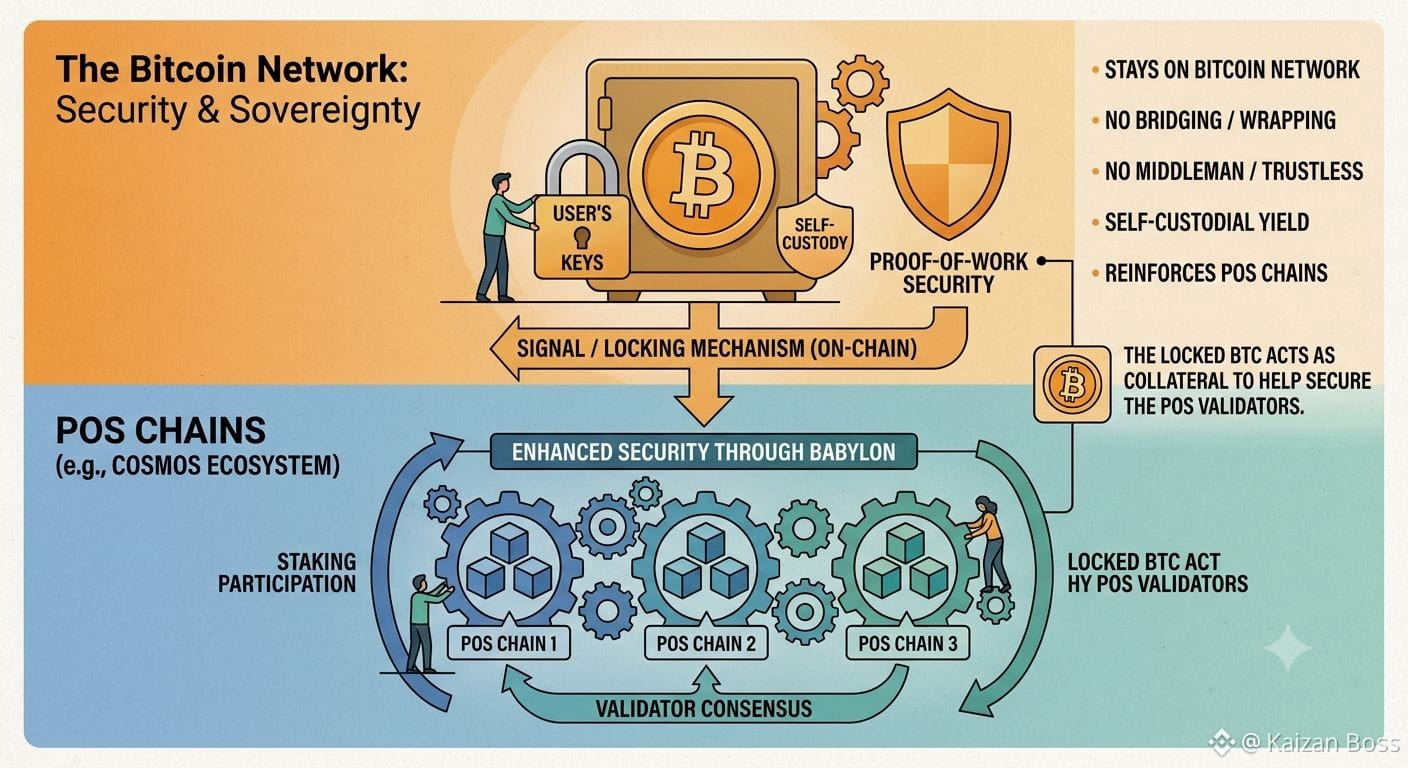
2
2
154
·
--
Bärisch
Ich erwartete, dass Babylon den größten Mehrwert vor allem in Sachen Sicherheit liefert.
Doch das Detail, das bei mir hängen blieb, war die Unbonding-Asymmetrie.
Als ich die Babylon-Genesis-Dokumente und das Staking-Dashboard prüfte, fiel mir etwas auf, das leicht zu übersehen ist, aber kaum zu ignorieren: BTC-Stakes entbinden nach 301 Bitcoin-Blöcken – also ungefähr 2 Tagen –, weil es an die Blockzeit von Bitcoin gekoppelt ist. BABY-Stakes hingegen entbinden in etwa 300 Bitcoin-Blöcken, also rund 1 Stunde, abhängig von Verarbeitung und der Endgültigkeitsfinalität der Checkpoints. Gleiche
Ecosystem. Sehr unterschiedliches Exit-Erlebnis.
Das ist der Teil, den die Leute selten betonen.
Die Marketingzeile ist technisch korrekt: Bitcoin-Timestamping komprimiert das Unbonding von Wochen auf Stunden. Aber diese schnellere Liquidität gilt zuerst für BABY-Staker. $BTC Staker, also die, die die Bitcoin-gestützte Sicherheit tatsächlich verankern, bewegen sich weiterhin nach dem Abrechnungstakt von Bitcoin. Man kann die Finalität auf der Basis-Chain, auf die man aufbaut, nicht beschleunigen.
Dann habe ich mir das Governance-Teil angesehen, und der Kontrast wurde noch deutlicher.
Babylons Governance nutzt das Cosmos-SDK-Modul, und wenn ein Staker nicht abstimmt, wird die Stimme seines Validierers automatisch geerbt. Anders gesagt: Die menschliche Seite kann im Autopilot laufen, sofern man nicht absichtlich eingreift. Das lässt Governance zwar auf dem Papier dezentral wirken, ist in der Praxis aber delegiert – außer die Nutzer nehmen aktiv teil.
Also stelle ich mir jetzt immer wieder dieselbe Frage: Ist das einfach die Kosten für das Verankern von Sicherheit in Bitcoin, oder ist es ein bewusstes Tradeoff, bei dem unterschiedliche Teilnehmer unterschiedliche Profile für Liquidität und Kontrolle akzeptieren?
Vielleicht ist es beides.
Wie auch immer: Das ist die echte Geschichte, zu der ich immer wieder zurückkomme – Babylon hat die harte Kryptografie für Bitcoin gemacht, aber die menschliche Ebene entscheidet weiterhin, wer schneller loskommt, wer länger warten muss und wer am Ende standardmäßig die Entscheidungen trifft.
#baby $BABY @babylonlabs_io
{spot}(BABYUSDT)
Ich erwartete, dass Babylon den größten Mehrwert vor allem in Sachen Sicherheit liefert.
Doch das Detail, das bei mir hängen blieb, war die Unbonding-Asymmetrie.
Als ich die Babylon-Genesis-Dokumente und das Staking-Dashboard prüfte, fiel mir etwas auf, das leicht zu übersehen ist, aber kaum zu ignorieren: BTC-Stakes entbinden nach 301 Bitcoin-Blöcken – also ungefähr 2 Tagen –, weil es an die Blockzeit von Bitcoin gekoppelt ist. BABY-Stakes hingegen entbinden in etwa 300 Bitcoin-Blöcken, also rund 1 Stunde, abhängig von Verarbeitung und der Endgültigkeitsfinalität der Checkpoints. Gleiche
Ecosystem. Sehr unterschiedliches Exit-Erlebnis.
Das ist der Teil, den die Leute selten betonen.
Die Marketingzeile ist technisch korrekt: Bitcoin-Timestamping komprimiert das Unbonding von Wochen auf Stunden. Aber diese schnellere Liquidität gilt zuerst für BABY-Staker. $BTC Staker, also die, die die Bitcoin-gestützte Sicherheit tatsächlich verankern, bewegen sich weiterhin nach dem Abrechnungstakt von Bitcoin. Man kann die Finalität auf der Basis-Chain, auf die man aufbaut, nicht beschleunigen.
Dann habe ich mir das Governance-Teil angesehen, und der Kontrast wurde noch deutlicher.
Babylons Governance nutzt das Cosmos-SDK-Modul, und wenn ein Staker nicht abstimmt, wird die Stimme seines Validierers automatisch geerbt. Anders gesagt: Die menschliche Seite kann im Autopilot laufen, sofern man nicht absichtlich eingreift. Das lässt Governance zwar auf dem Papier dezentral wirken, ist in der Praxis aber delegiert – außer die Nutzer nehmen aktiv teil.
Also stelle ich mir jetzt immer wieder dieselbe Frage: Ist das einfach die Kosten für das Verankern von Sicherheit in Bitcoin, oder ist es ein bewusstes Tradeoff, bei dem unterschiedliche Teilnehmer unterschiedliche Profile für Liquidität und Kontrolle akzeptieren?
Vielleicht ist es beides.
Wie auch immer: Das ist die echte Geschichte, zu der ich immer wieder zurückkomme – Babylon hat die harte Kryptografie für Bitcoin gemacht, aber die menschliche Ebene entscheidet weiterhin, wer schneller loskommt, wer länger warten muss und wer am Ende standardmäßig die Entscheidungen trifft.
#baby $BABY @BabylonLabs_io
Doch das Detail, das bei mir hängen blieb, war die Unbonding-Asymmetrie.
Als ich die Babylon-Genesis-Dokumente und das Staking-Dashboard prüfte, fiel mir etwas auf, das leicht zu übersehen ist, aber kaum zu ignorieren: BTC-Stakes entbinden nach 301 Bitcoin-Blöcken – also ungefähr 2 Tagen –, weil es an die Blockzeit von Bitcoin gekoppelt ist. BABY-Stakes hingegen entbinden in etwa 300 Bitcoin-Blöcken, also rund 1 Stunde, abhängig von Verarbeitung und der Endgültigkeitsfinalität der Checkpoints. Gleiche
Ecosystem. Sehr unterschiedliches Exit-Erlebnis.
Das ist der Teil, den die Leute selten betonen.
Die Marketingzeile ist technisch korrekt: Bitcoin-Timestamping komprimiert das Unbonding von Wochen auf Stunden. Aber diese schnellere Liquidität gilt zuerst für BABY-Staker. $BTC Staker, also die, die die Bitcoin-gestützte Sicherheit tatsächlich verankern, bewegen sich weiterhin nach dem Abrechnungstakt von Bitcoin. Man kann die Finalität auf der Basis-Chain, auf die man aufbaut, nicht beschleunigen.
Dann habe ich mir das Governance-Teil angesehen, und der Kontrast wurde noch deutlicher.
Babylons Governance nutzt das Cosmos-SDK-Modul, und wenn ein Staker nicht abstimmt, wird die Stimme seines Validierers automatisch geerbt. Anders gesagt: Die menschliche Seite kann im Autopilot laufen, sofern man nicht absichtlich eingreift. Das lässt Governance zwar auf dem Papier dezentral wirken, ist in der Praxis aber delegiert – außer die Nutzer nehmen aktiv teil.
Also stelle ich mir jetzt immer wieder dieselbe Frage: Ist das einfach die Kosten für das Verankern von Sicherheit in Bitcoin, oder ist es ein bewusstes Tradeoff, bei dem unterschiedliche Teilnehmer unterschiedliche Profile für Liquidität und Kontrolle akzeptieren?
Vielleicht ist es beides.
Wie auch immer: Das ist die echte Geschichte, zu der ich immer wieder zurückkomme – Babylon hat die harte Kryptografie für Bitcoin gemacht, aber die menschliche Ebene entscheidet weiterhin, wer schneller loskommt, wer länger warten muss und wer am Ende standardmäßig die Entscheidungen trifft.
#baby $BABY @BabylonLabs_io
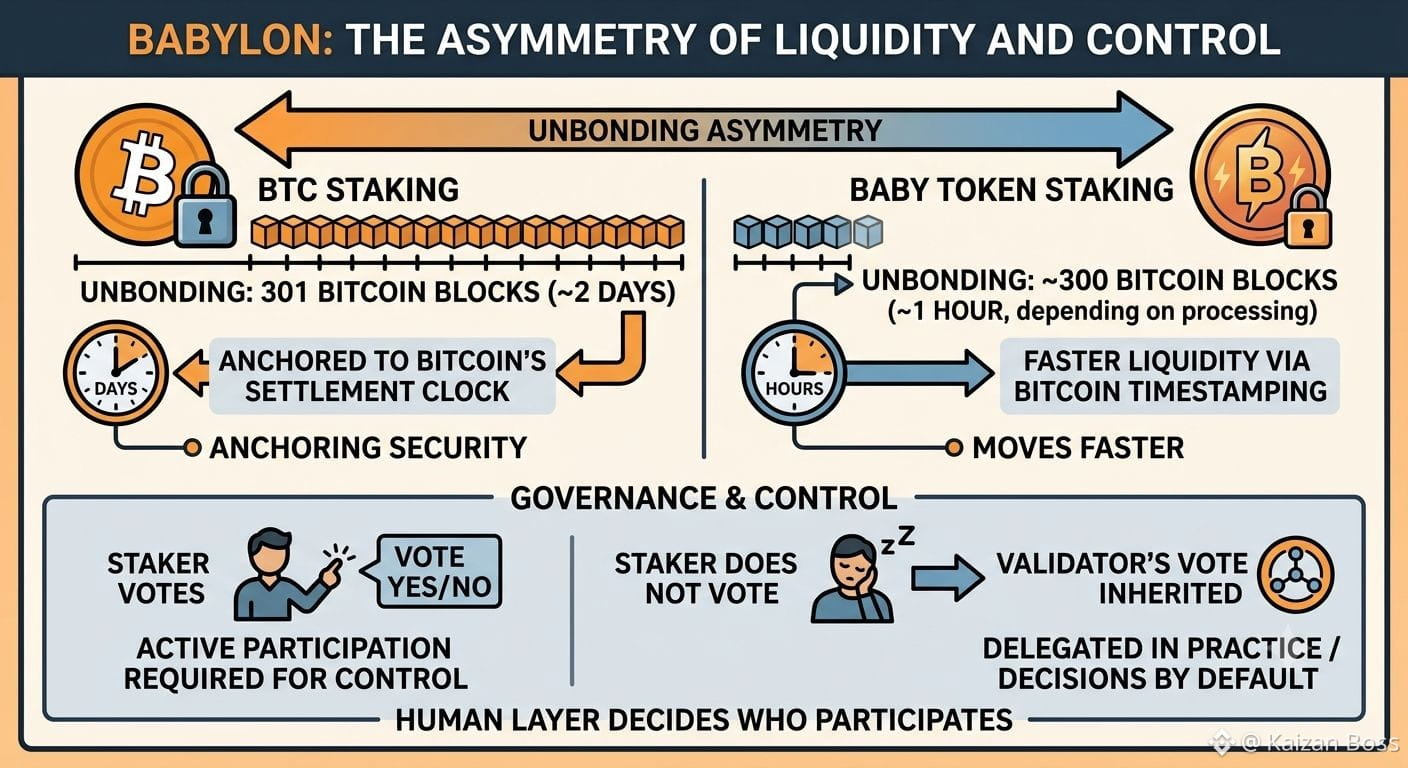
75
·
--
Bullisch
$DEXE Das Token ist über den entscheidenden Widerstand ausgebrochen und Käufer verteidigen weiterhin höhere Preise. Wenn das Volumen stark bleibt, könnte sich der Trend fortsetzen, doch eine Zurückweisung am Widerstand kann einen gesunden Pullback auslösen.
Wichtiger Fokus: • 24H-Gewinn: +28,88% • Bullischer Ausbruch • Starke Käuferaktivität • Widerstand genau beobachten
Verfolge niemals grüne Kerzen ohne Bestätigung.
{future}(DEXEUSDT)
#BitcoinRecoversFromAsianSessionLows #KospiNasdaq100CorrelationHighestSince2021 #KoreanLawmakersWeighStateCompensationForETFLosses #SouthKoreaRetailNetBuysUSStocks5TWon
#SKHynixPlunges13%AsKOSPIDrops10%
$DEXE Das Token ist über den entscheidenden Widerstand ausgebrochen und Käufer verteidigen weiterhin höhere Preise. Wenn das Volumen stark bleibt, könnte sich der Trend fortsetzen, doch eine Zurückweisung am Widerstand kann einen gesunden Pullback auslösen.
Wichtiger Fokus: • 24H-Gewinn: +28,88% • Bullischer Ausbruch • Starke Käuferaktivität • Widerstand genau beobachten
Verfolge niemals grüne Kerzen ohne Bestätigung.
#BitcoinRecoversFromAsianSessionLows #KospiNasdaq100CorrelationHighestSince2021 #KoreanLawmakersWeighStateCompensationForETFLosses #SouthKoreaRetailNetBuysUSStocks5TWon
#SKHynixPlunges13%AsKOSPIDrops10%
Wichtiger Fokus: • 24H-Gewinn: +28,88% • Bullischer Ausbruch • Starke Käuferaktivität • Widerstand genau beobachten
Verfolge niemals grüne Kerzen ohne Bestätigung.
#BitcoinRecoversFromAsianSessionLows #KospiNasdaq100CorrelationHighestSince2021 #KoreanLawmakersWeighStateCompensationForETFLosses #SouthKoreaRetailNetBuysUSStocks5TWon
#SKHynixPlunges13%AsKOSPIDrops10%
2
275
Anmelden und weiter Inhalte entdecken
Krypto-Nutzer weltweit auf Binance Square kennenlernen
⚡️ Bleib in Sachen Krypto stets am Puls.
💬 Die weltgrößte Kryptobörse vertraut darauf.
👍 Erhalte verlässliche Einblicke von verifizierten Creators.
E-Mail-Adresse/Telefonnummer
Trendthemen
QNTRises39%
27,580 Aufrufe
1,001 Kommentare
#qntrises39%
QNT zieht gerade einen Raketen-Sprung mit 39% 🚀 aber steuern wir jetzt den Mars an – oder fallen wir einfach nur vom Bett? 😂
Wenn man sich den Chart ansieht: QNT hat bei 105 USD einen verführerischen Peak erreicht, und jetzt zeigt dieser große rote Abwärtspfeil direkt nach unten Richtung 75 USD. Ist die Party offiziell vorbei – oder nimmt sie nur kurz Luft? 📉
Wenn du jetzt tradest: nicht panisch werden und nicht den Peak kaufen! Achte auf die Support-Level, sichere Gewinne oder warte auf die Erholung. Denk dran: Das ist keine Finanzberatung – mach immer deine eigene Recherche DYOR!
Fortsetzung bitte
Trade $QNTB
$NOM
$TAKE
#qntrises39% #QuantNetwork #CryptoTrading #Altcoins
Shamika Metting
·2 Likes
·2.2k Aufrufe
EthereumBreaksAbove$2700
2,623 Aufrufe
101 Kommentare
BitgetBreachForgedRequestsNotStolenKeys
24,296 Aufrufe
790 Kommentare