
_WHALE_
50 Beiträge

_WHALE_
1% Missing Loading 🤝

FET Halter
Hochfrequenz-Trader
5.2 Jahre
36 Following
1.5K+ Follower
1.8K+ Like gegeben
Beiträge
Zuerst mochte ich den Namen Mitternacht, weil er cool klang, aber die Technik ist es, die mich tatsächlich überzeugt hat. Es ist ein Sicherheitsprojekt, das uns endlich Privatsphäre gibt, anstatt in einem Glashaus zu leben. Mit $NIGHT , das wie eine Batterie für Gebühren wirkt, und großen Partnern wie Worldpay, die beitreten, ist klar, dass dies unseren Lebensstil verändern wird. Ich behalte diesen Monat den Start genau im Auge.
#night $NIGHT @MidnightNetwork
#night $NIGHT @MidnightNetwork
Ich fühle, dass @SignOfficial ein Problem löst, das wir tatsächlich in der realen Welt haben. Die meisten Projekte reden nur über Dinge, die passieren könnten, aber Sign schließt bereits Verträge mit Ministerien ab und baut die Werkzeuge, die wir brauchen. Ich werde weiterhin beobachten, wie sich das in Pakistan entwickelt, denn ich glaube, dass es der Beginn von etwas sehr Großem für unsere digitale Wirtschaft sein könnte.
Glaubst du, dass es an der Zeit ist, dass Pakistan endlich sein eigenes digitales Schicksal in die Hand nimmt?
#SignDigitalSovereignInfra $SIGN
Glaubst du, dass es an der Zeit ist, dass Pakistan endlich sein eigenes digitales Schicksal in die Hand nimmt?
#SignDigitalSovereignInfra $SIGN
Ich habe bemerkt, dass der @SignOfficial CEO im saudischen Fernsehen darüber gesprochen hat, wie sie Ländern mit digitalem Geld und ID helfen.
Ich finde es cool, dass sie im Nahen Osten und in Pakistan daran arbeiten, nationale Systeme aufzubauen. Es ist nicht nur eine weitere Münze, es fühlt sich an wie tatsächliche Werkzeuge für die reale Welt.
$SIGN #SignDigitalSovereignInfra
Ich finde es cool, dass sie im Nahen Osten und in Pakistan daran arbeiten, nationale Systeme aufzubauen. Es ist nicht nur eine weitere Münze, es fühlt sich an wie tatsächliche Werkzeuge für die reale Welt.
$SIGN #SignDigitalSovereignInfra
Mitternacht ist gerade als Binance HODLer Airdrop 61 aufgetaucht und ehrlich gesagt denke ich, dass viele Leute immer noch verwirrt sind, was dieses Projekt eigentlich macht.
Rund 240 Millionen Token gehen an BNB-Inhaber in Simple Earn, also haben die Leute natürlich den Namen bemerkt, aber den technischen Teil hat nicht jeder überprüft.
Ich habe einige Zeit damit verbracht, darüber zu lesen, und Mitternacht ist ein datenschutzfokussiertes Layer 1.
Die Hauptidee ist die Verwendung von Zero-Knowledge-Proofs. Einfach gesagt, Sie können etwas on-chain beweisen, ohne die realen Daten dahinter zu zeigen. So können Sie Identität verifizieren, abstimmen oder den Zugang bestätigen, aber Ihre Informationen bleiben verborgen. Das unterscheidet sich von normalen Blockchains, wo alles öffentlich ist.
Der Token ist $NIGHT und wird für Gebühren, den Betrieb von Apps und die Governance im Netzwerk verwendet. Wenn die Entwickler hier also wirklich private Apps erstellen, wird der Token eine echte Rolle spielen und nicht nur beim Handel.
@MidnightNetwork
#night
Rund 240 Millionen Token gehen an BNB-Inhaber in Simple Earn, also haben die Leute natürlich den Namen bemerkt, aber den technischen Teil hat nicht jeder überprüft.
Ich habe einige Zeit damit verbracht, darüber zu lesen, und Mitternacht ist ein datenschutzfokussiertes Layer 1.
Die Hauptidee ist die Verwendung von Zero-Knowledge-Proofs. Einfach gesagt, Sie können etwas on-chain beweisen, ohne die realen Daten dahinter zu zeigen. So können Sie Identität verifizieren, abstimmen oder den Zugang bestätigen, aber Ihre Informationen bleiben verborgen. Das unterscheidet sich von normalen Blockchains, wo alles öffentlich ist.
Der Token ist $NIGHT und wird für Gebühren, den Betrieb von Apps und die Governance im Netzwerk verwendet. Wenn die Entwickler hier also wirklich private Apps erstellen, wird der Token eine echte Rolle spielen und nicht nur beim Handel.
@MidnightNetwork
#night
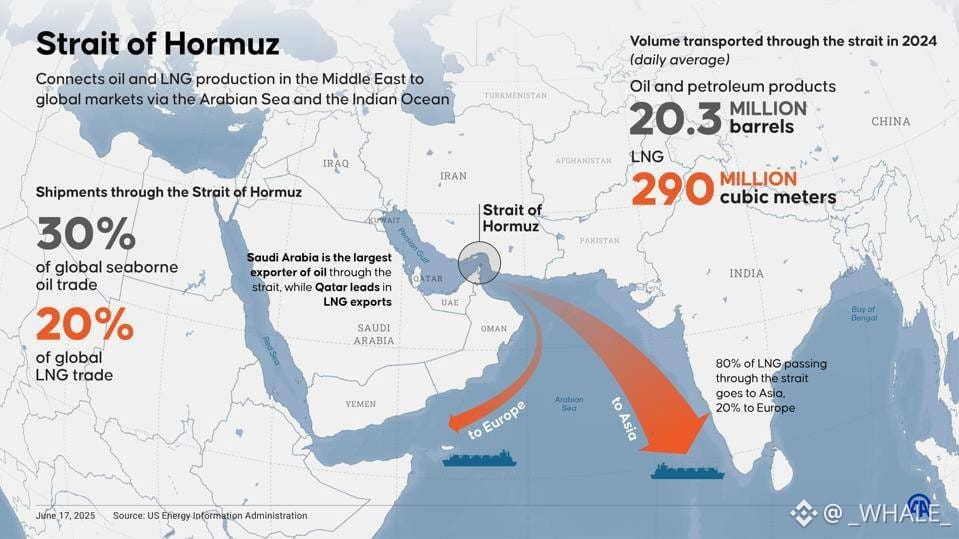
Der gefährlichste Engpass der Welt und die Länder, die davon abhängen
Japan 73%
Südkorea 70%
Indien 42%
China 40 bis 45%
Pakistan 60%
Eine Route kontrolliert die Energieversorgung für die Hälfte Asiens.
#IranAttackIsrael
Japan 73%
Südkorea 70%
Indien 42%
China 40 bis 45%
Pakistan 60%
Eine Route kontrolliert die Energieversorgung für die Hälfte Asiens.
#IranAttackIsrael
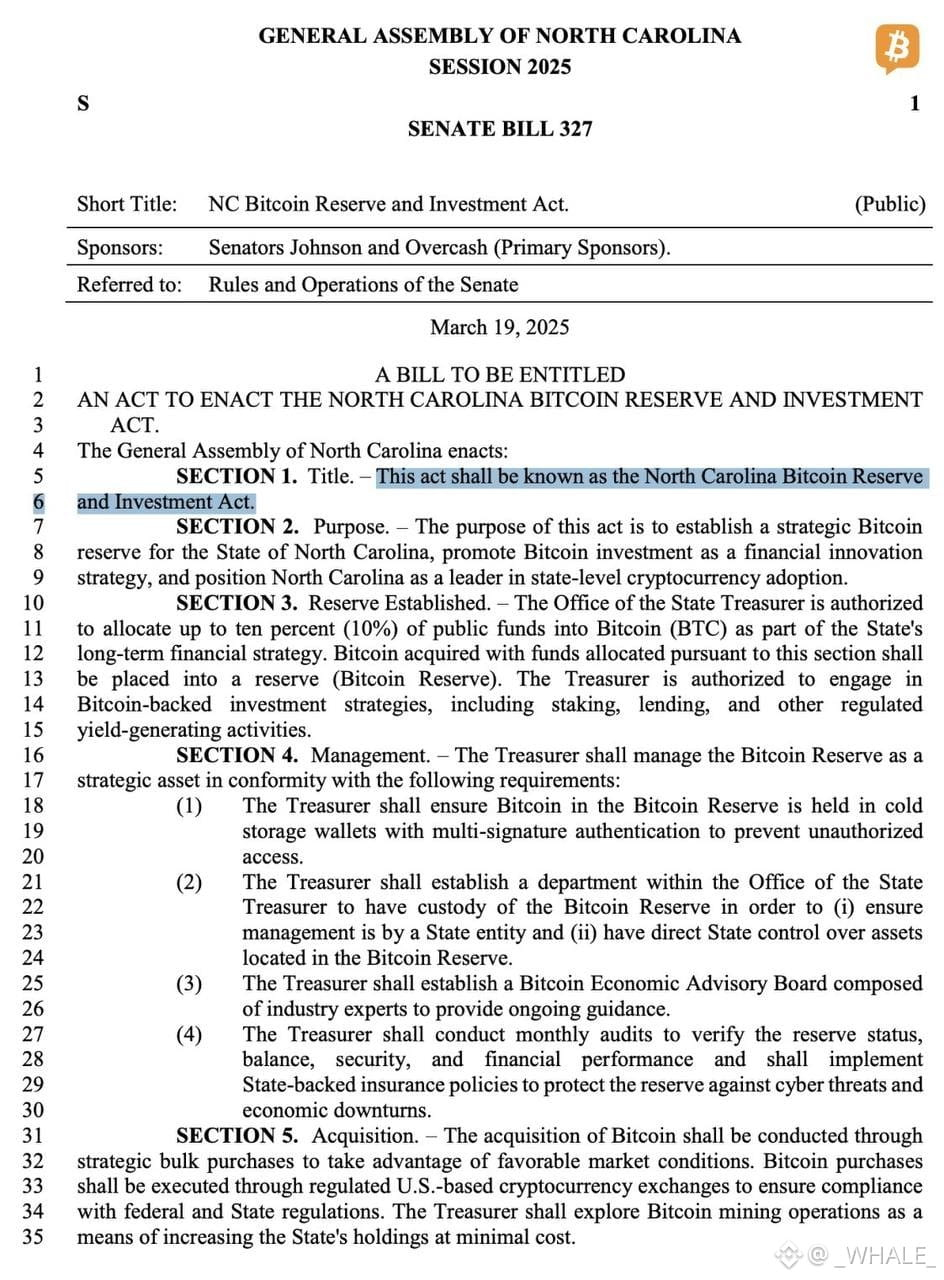
Ich habe bemerkt, dass das Bitcoin-Reservengesetz aus North Carolina jetzt 1 Jahr alt ist. Die Leute sprechen wieder darüber.
Das Gesetz erlaubte 10 % der Mittel in Bitcoin, mit Kaltlagerung, Prüfungen und einem speziellen Gremium, um den Prozess zu überwachen.
Es sieht so aus, als ob sie die Idee von $BTC als Reservevermögen getestet haben.
Das Gesetz erlaubte 10 % der Mittel in Bitcoin, mit Kaltlagerung, Prüfungen und einem speziellen Gremium, um den Prozess zu überwachen.
Es sieht so aus, als ob sie die Idee von $BTC als Reservevermögen getestet haben.
Die $25B Preisschild des Krieges im Iran
Der Krieg mit dem Iran hat die USA seit Beginn der Angriffe bereits etwa $25B gekostet.
Der Krieg mit dem Iran hat die USA seit Beginn der Angriffe bereits etwa $25B gekostet.
Ich bin wirklich begeistert, dass Midnight mit Cardano zusammenarbeitet. Das bedeutet, dass Sie die robuste Sicherheit eines riesigen Netzwerks mit den frischen Datenschutzfunktionen von Midnight kombiniert haben. Es ist, als würde man das Beste aus zwei Welten bekommen! Mit Schwergewichten wie Google und MoneyGram an Bord scheint die reale Welt endlich Aufmerksamkeit darauf zu richten.
Glauben Sie, dass die Verbindung zu Cardano Midnight einen Vorteil gegenüber anderen aufstrebenden Projekten verschafft?
#night $NIGHT @MidnightNetwork
Glauben Sie, dass die Verbindung zu Cardano Midnight einen Vorteil gegenüber anderen aufstrebenden Projekten verschafft?
#night $NIGHT @MidnightNetwork
@MidnightNetwork Manchmal scrolle ich durch DeFi-Dashboards und denke… wie viel davon ist tatsächlich privat? Wir sprechen viel über Eigentum und Freiheit, aber fast alles auf der Blockchain ist sichtbar. Wallets, Trades, Bilanzen, Historie. Nach einiger Zeit beginnt das seltsam zu wirken. Ein System, das für Benutzer gebaut wurde, aber keine echte Privatsphäre bietet.
Deshalb hat die Night-Style-Infrastruktur meine Aufmerksamkeit erregt. Nicht wegen des Hypes, nicht wegen des Marketings, sondern weil sie versucht, etwas Grundlegendes zu reparieren. Zero Knowledge ist hier nicht nur ein Wort, es wird verwendet, um Menschen die Interaktion mit dem Netzwerk zu ermöglichen, ohne alles zu zeigen. Du kannst bauen, handeln und Apps nutzen, während du wichtige Daten verborgen hältst. Es klingt klein, aber es verändert, wie du die Blockchain betrachtest.
Die meisten Layer-1- und Layer-2-Projekte konzentrieren sich auf Geschwindigkeit, Gebühren oder Skalierung. Das macht Sinn, diese Dinge sind wichtig. Aber Privatsphäre wird normalerweise wie ein zusätzliches Feature behandelt, nicht als Teil des Kernsystems. Night fühlt sich anders an, weil die Privatsphäre von Anfang an in das Design integriert ist, nicht später hinzugefügt wird.
Ich mag diesen Ansatz, aber ich weiß auch, dass es nicht einfach sein wird. ZK-Technologie ist stark, aber sie ist nicht einfach. Schwieriger für Entwickler, schwieriger für Benutzer, und die Akzeptanz kann Zeit in Anspruch nehmen. Wenn die Werkzeuge nicht einfach sind, werden die Menschen bei dem bleiben, was sie bereits kennen.
Trotzdem fühlt sich diese Richtung notwendig an. Die Blockchain kann nicht ewig wachsen, während alles vollständig offen ist. Irgendwann braucht der Raum Systeme, in denen du Krypto nutzen kannst, ohne dein gesamtes On-Chain-Leben zu zeigen.
Vielleicht ist das der Ort, an dem die Dinge immer hingehen sollten.
#night
$NIGHT
Deshalb hat die Night-Style-Infrastruktur meine Aufmerksamkeit erregt. Nicht wegen des Hypes, nicht wegen des Marketings, sondern weil sie versucht, etwas Grundlegendes zu reparieren. Zero Knowledge ist hier nicht nur ein Wort, es wird verwendet, um Menschen die Interaktion mit dem Netzwerk zu ermöglichen, ohne alles zu zeigen. Du kannst bauen, handeln und Apps nutzen, während du wichtige Daten verborgen hältst. Es klingt klein, aber es verändert, wie du die Blockchain betrachtest.
Die meisten Layer-1- und Layer-2-Projekte konzentrieren sich auf Geschwindigkeit, Gebühren oder Skalierung. Das macht Sinn, diese Dinge sind wichtig. Aber Privatsphäre wird normalerweise wie ein zusätzliches Feature behandelt, nicht als Teil des Kernsystems. Night fühlt sich anders an, weil die Privatsphäre von Anfang an in das Design integriert ist, nicht später hinzugefügt wird.
Ich mag diesen Ansatz, aber ich weiß auch, dass es nicht einfach sein wird. ZK-Technologie ist stark, aber sie ist nicht einfach. Schwieriger für Entwickler, schwieriger für Benutzer, und die Akzeptanz kann Zeit in Anspruch nehmen. Wenn die Werkzeuge nicht einfach sind, werden die Menschen bei dem bleiben, was sie bereits kennen.
Trotzdem fühlt sich diese Richtung notwendig an. Die Blockchain kann nicht ewig wachsen, während alles vollständig offen ist. Irgendwann braucht der Raum Systeme, in denen du Krypto nutzen kannst, ohne dein gesamtes On-Chain-Leben zu zeigen.
Vielleicht ist das der Ort, an dem die Dinge immer hingehen sollten.
#night
$NIGHT
@MidnightNetwork Mainnet steht kurz bevor, und dies ist die Phase, in der ein Projekt von der Idee zur realen Nutzung übergeht.
Nach dem Mainnet können Entwickler Live-Apps starten, Datenschutzfunktionen können unter realen Bedingungen funktionieren, und das $NIGHT und DUST-System kann mit der eigentlichen Netzwerkarbeit beginnen.
Das Mainnet ist nicht nur ein Update, es ist der Moment, in dem ein Projekt beweist, ob es außerhalb von Tests überleben kann.
Glauben Sie, dass das Midnight-Mainnet echte Akzeptanz bringen kann, oder wird es länger dauern, bis der Markt es bemerkt?
#night
Nach dem Mainnet können Entwickler Live-Apps starten, Datenschutzfunktionen können unter realen Bedingungen funktionieren, und das $NIGHT und DUST-System kann mit der eigentlichen Netzwerkarbeit beginnen.
Das Mainnet ist nicht nur ein Update, es ist der Moment, in dem ein Projekt beweist, ob es außerhalb von Tests überleben kann.
Glauben Sie, dass das Midnight-Mainnet echte Akzeptanz bringen kann, oder wird es länger dauern, bis der Markt es bemerkt?
#night
Ich habe lange beobachtet, wie die meisten öffentlichen Blockchains funktionieren, und eines sticht immer hervor.
Alles bleibt für immer sichtbar.
Jede Transaktion hinterlässt einen Eintrag, jede Wallet-Bewegung kann verfolgt werden, und sogar Aktivitätsmuster können von jedem studiert werden, der tiefer eintauchen möchte.
Transparenz hilft beim Vertrauen, daran besteht kein Zweifel.
Aber gleichzeitig schafft es auch ein Problem, denn nicht jeder Benutzer, jedes Unternehmen oder jede Institution kann in einem System agieren, in dem alles immer offen ist.
Das ist der Grund, warum die Idee hinter dem Midnight Network meine Aufmerksamkeit erregt hat.
Anstatt alle Daten anzuzeigen, verwendet das Netzwerk kryptografische Nachweise, um zu bestätigen, dass etwas gültig ist.
In einfachen Worten kann das System sagen, dass die Regeln befolgt wurden, ohne die privaten Details hinter der Aktion zu zeigen.
Für mich fühlt sich das nach einer realistischeren Richtung für Blockchain an.
Privatsphäre bedeutet nicht, alles zu verbergen, es bedeutet nur, dass du entscheidest, was öffentlich sein sollte und was privat bleiben sollte.
Wenn dezentrale Apps in realen Situationen verwendet werden wollen, benötigen sie diese Art von Balance.
Die Menschen wollen Sicherheit, aber sie wollen auch Kontrolle über ihre eigenen Daten.
@MidnightNetwork
#night
$NIGHT
Alles bleibt für immer sichtbar.
Jede Transaktion hinterlässt einen Eintrag, jede Wallet-Bewegung kann verfolgt werden, und sogar Aktivitätsmuster können von jedem studiert werden, der tiefer eintauchen möchte.
Transparenz hilft beim Vertrauen, daran besteht kein Zweifel.
Aber gleichzeitig schafft es auch ein Problem, denn nicht jeder Benutzer, jedes Unternehmen oder jede Institution kann in einem System agieren, in dem alles immer offen ist.
Das ist der Grund, warum die Idee hinter dem Midnight Network meine Aufmerksamkeit erregt hat.
Anstatt alle Daten anzuzeigen, verwendet das Netzwerk kryptografische Nachweise, um zu bestätigen, dass etwas gültig ist.
In einfachen Worten kann das System sagen, dass die Regeln befolgt wurden, ohne die privaten Details hinter der Aktion zu zeigen.
Für mich fühlt sich das nach einer realistischeren Richtung für Blockchain an.
Privatsphäre bedeutet nicht, alles zu verbergen, es bedeutet nur, dass du entscheidest, was öffentlich sein sollte und was privat bleiben sollte.
Wenn dezentrale Apps in realen Situationen verwendet werden wollen, benötigen sie diese Art von Balance.
Die Menschen wollen Sicherheit, aber sie wollen auch Kontrolle über ihre eigenen Daten.
@MidnightNetwork
#night
$NIGHT
Ich habe mir die Knotenliste für das Midnight-Hauptnetz angesehen und es ist tatsächlich verrückt. Ich habe bemerkt, dass dies nicht nur ein Krypto-Projekt ist, Google Cloud, MoneyGram und Vodafone betreiben offiziell Knoten. Ich denke, das ist ein massives Signal, denn diese Riesen stärken die tatsächliche Infrastruktur und setzen ihren Namen nicht nur auf ein Papier. Für mich beweist das, dass Midnight ein professionelles Werkzeug für die reale Welt aufbaut.
@MidnightNetwork
$NIGHT
#night
@MidnightNetwork
$NIGHT
#night
Anmelden und weiter Inhalte entdecken