
Imran Khan Dahri
845 Beiträge

Imran Khan Dahri
Melden
Nutzer blockieren
📊 Crypto Markets | Charts | Trade Setups 🎯 Real levels. | Selective Trades. No FOMO. 🧠 Analysis • Insights • Disciplines
Trade eröffnen
Regelmäßiger Trader
1.7 Jahre
138 Following
175 Follower
314 Like gegeben
Beiträge
Portfolio
Alle
Zitierungen
Videos
·
--
Bullisch
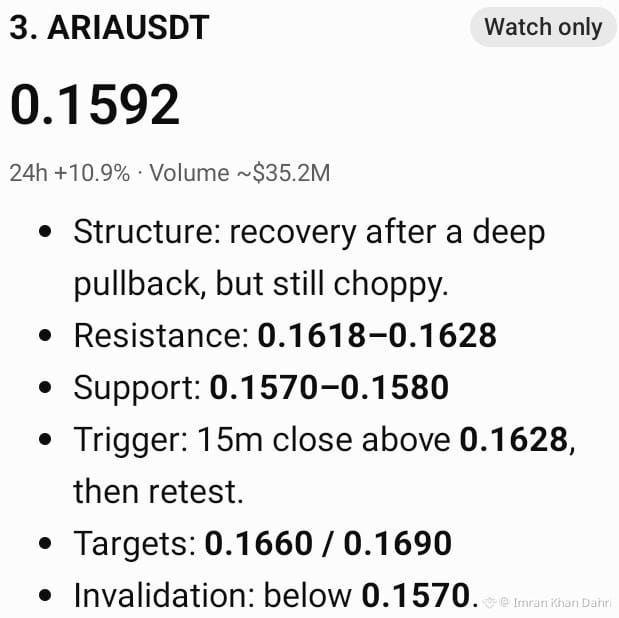
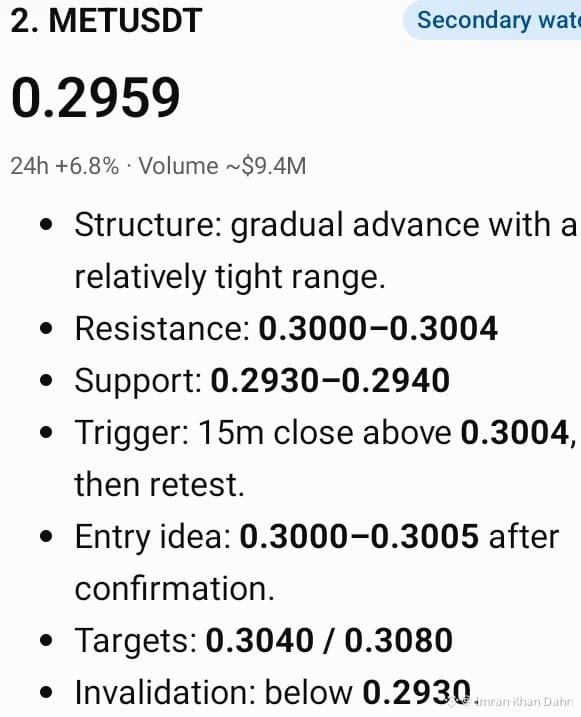
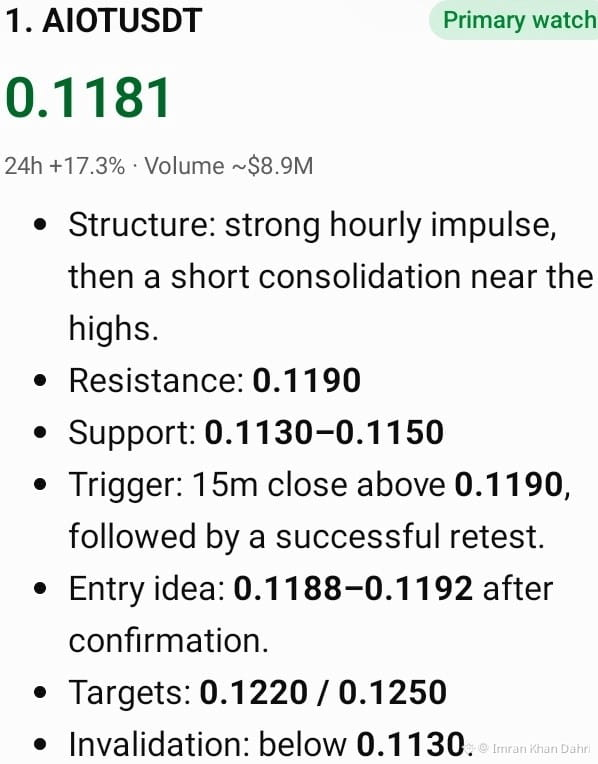
Hallo! Die Signale sind auf den Bildern 👇 Bedankt euch später bei mir 😉 Leute.
$AIOT
{future}(AIOTUSDT)
$MET
{future}(METUSDT)
$ARIA
{future}(ARIAUSDT)
Hallo! Die Signale sind auf den Bildern 👇 Bedankt euch später bei mir 😉 Leute.
$AIOT
$MET
$ARIA
$AIOT
$MET
$ARIA
1
622
·
--
Bullisch
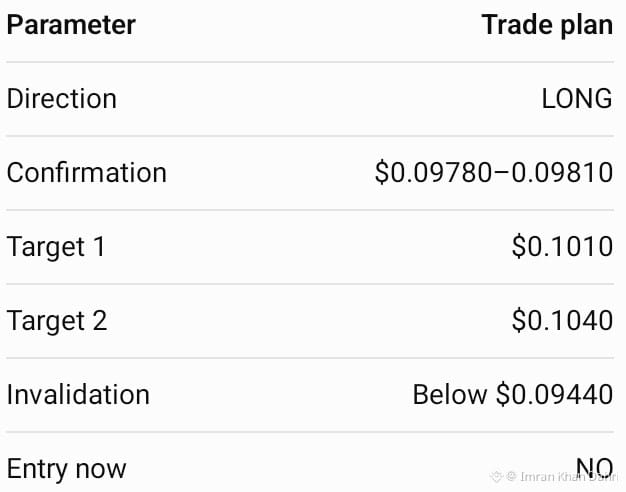
Freunde, das neue Trade-Setup ist da 😀 Signal im Bild 👇
$TA
Warum technische Analyse?
Die 1-Stunden-Kerzen zeigen:
Erster Anstieg in Richtung 0,09799 $.
Rücksetzer in Richtung 0,09112 $.
Die Käufer machten anschließend die Verluste wieder wett.
Der Kurs konsolidierte im Bereich von 0,095–0,097 $.
Die jüngste Aktivität im 15-Minuten-Chart zeigt erneute Käufe.
Einstiegsbedingungen
Warte darauf, dass eine 15-Minuten-Kerze über 0,09810 $ schließt.
Achte auf einen Retest, bei dem der Bereich von 0,0970–0,0980 $ hält.
Steige nur ein, wenn die Käufer diesen Bereich verteidigen.
Steige aus, wenn die Struktur unter 0,09440 $ bricht.
{future}(TAUSDT)
Freunde, das neue Trade-Setup ist da 😀 Signal im Bild 👇
$TA
Warum technische Analyse?
Die 1-Stunden-Kerzen zeigen:
Erster Anstieg in Richtung 0,09799 $.
Rücksetzer in Richtung 0,09112 $.
Die Käufer machten anschließend die Verluste wieder wett.
Der Kurs konsolidierte im Bereich von 0,095–0,097 $.
Die jüngste Aktivität im 15-Minuten-Chart zeigt erneute Käufe.
Einstiegsbedingungen
Warte darauf, dass eine 15-Minuten-Kerze über 0,09810 $ schließt.
Achte auf einen Retest, bei dem der Bereich von 0,0970–0,0980 $ hält.
Steige nur ein, wenn die Käufer diesen Bereich verteidigen.
Steige aus, wenn die Struktur unter 0,09440 $ bricht.
232
Übersetzung ansehen
Choose your Candidate? 😉 👇
$TA
{future}(TAUSDT)
$IDOL
{future}(IDOLUSDT)
$KOMA
{future}(KOMAUSDT)
Choose your Candidate? 😉 👇
$TA
$IDOL
$KOMA
$TA
$IDOL
$KOMA
IDOL
TA
KOMA
18 Stunde(n) übrig
945
·
--
Bullisch
$XRP liegt heute rund 2,5 % im Minus, und ich beobachte ein Niveau: 1,15 $.
Die Käufer haben diesen Bereich bisher verteidigt. Aber ich möchte es nicht allein deshalb als Boden bezeichnen, weil der Kurs vom Tief abgeprallt ist.
Ein Anstieg zurück über 1,18–1,20 $ würde die Erholung interessanter machen. Sollte die Marke von 1,15 $ unterschritten werden, warte ich lieber ab, statt ins fallende Messer zu greifen.
Würdest du einem Abpraller an dieser Stelle vertrauen oder auf eine Bestätigung warten?
{future}(XRPUSDT)
$XRP liegt heute rund 2,5 % im Minus, und ich beobachte ein Niveau: 1,15 $.
Die Käufer haben diesen Bereich bisher verteidigt. Aber ich möchte es nicht allein deshalb als Boden bezeichnen, weil der Kurs vom Tief abgeprallt ist.
Ein Anstieg zurück über 1,18–1,20 $ würde die Erholung interessanter machen. Sollte die Marke von 1,15 $ unterschritten werden, warte ich lieber ab, statt ins fallende Messer zu greifen.
Würdest du einem Abpraller an dieser Stelle vertrauen oder auf eine Bestätigung warten?
80
·
--
Bullisch
Übersetzung ansehen
$BTC bounced from $74,888. But is this recovery real?
It's trading near $76,040, still testing the $76,378 area.
I'm not calling the bottom yet. I want to see buyers hold above resistance before getting bullish.
Would you buy this bounce, or wait for a stronger confirmation?
{future}(BTCUSDT)
$BTC bounced from $74,888. But is this recovery real?
It's trading near $76,040, still testing the $76,378 area.
I'm not calling the bottom yet. I want to see buyers hold above resistance before getting bullish.
Would you buy this bounce, or wait for a stronger confirmation?
It's trading near $76,040, still testing the $76,378 area.
I'm not calling the bottom yet. I want to see buyers hold above resistance before getting bullish.
Would you buy this bounce, or wait for a stronger confirmation?
45
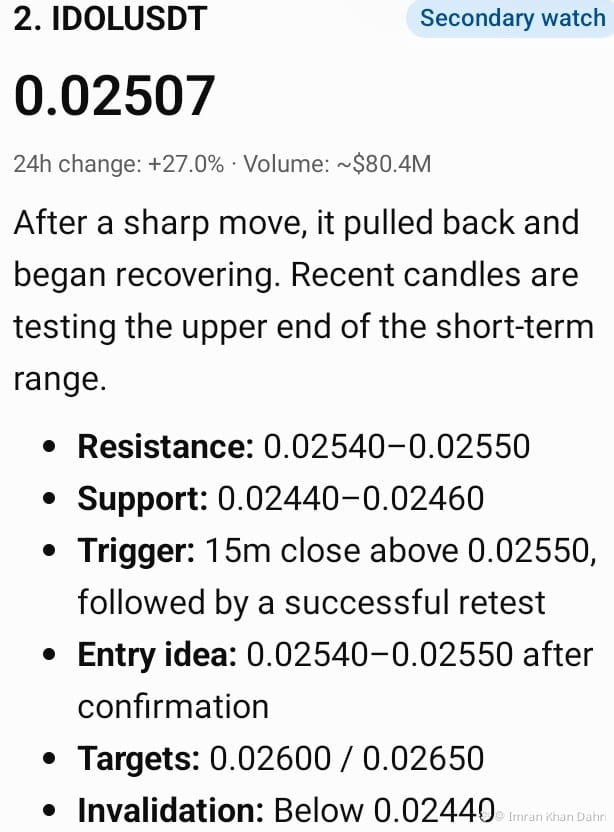
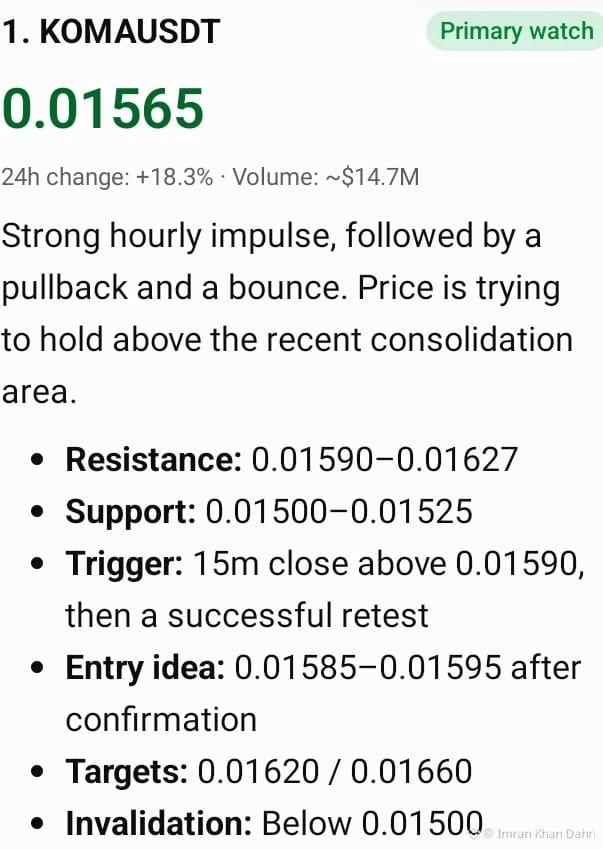
Signale in Bildern 👇 😉
$KOMA
{future}(KOMAUSDT)
$IDOL
{future}(IDOLUSDT)
Signale in Bildern 👇 😉
$KOMA
$IDOL
$KOMA
$IDOL
360
·
--
Bullisch
Übersetzung ansehen
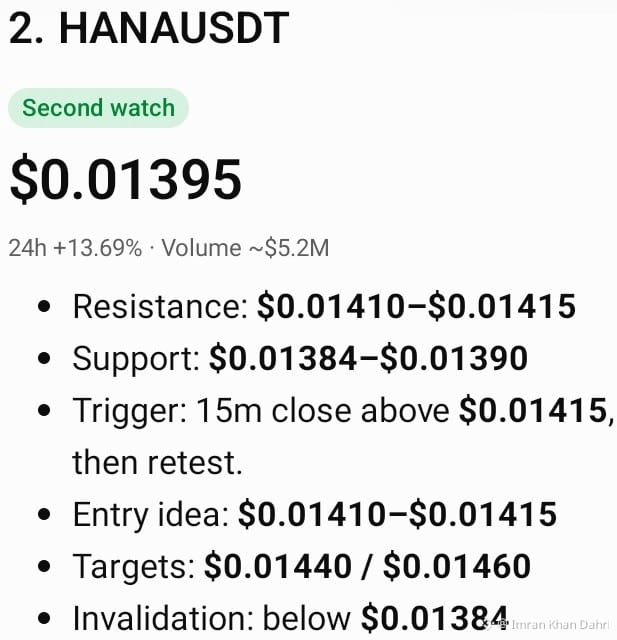
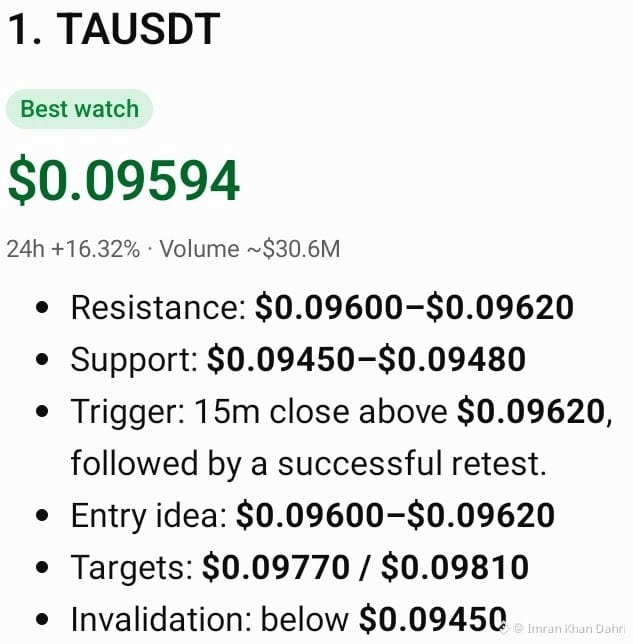
Hi! ☺️ let's have trade together 😜 Signals in images 👇
$TA
{future}(TAUSDT)
$HANA
{future}(HANAUSDT)
Hi! ☺️ let's have trade together 😜 Signals in images 👇
$TA
$HANA
$TA
$HANA
425

Artikel
Übersetzung ansehen
CRYPTO SURVIVAL SCHOOL — EPISODE 11You Have $20. How Much Should You Actually Risk on One Trade?
Imagine you have $20 in your Futures wallet.
You spot a coin moving strongly. The chart looks good, the entry seems clear, and you're thinking about using 10x leverage because, honestly, $20 doesn't feel like much money.
But before you open that position, here's a question most beginners forget to ask:
If this trade goes wrong, how much of your $20 are you prepared to lose?
Not how much profit you hope to make. Not how much leverage Binance allows you to select.
How much can you afford to lose?
That one question can change the way you approach every trade.
First, understand the difference between position size and risk
These two numbers are not the same.
- Account balance: The money you have available.
- Position size: The total value of the trade.
- Risk: The amount you stand to lose if your stop-loss is reached.
For example, you might open a $100 position using $10 of margin.
That doesn't mean you're risking $10. Your potential loss depends on how far price moves against your position, along with fees and execution costs.
This is where many beginners get confused.
Let's calculate it with a real $20 example
Suppose your Futures wallet contains $20.
For this example, let's use a 1% risk guideline. This is an illustrative risk-management rule, not a guarantee that a trade is safe.
Your maximum planned loss would be:
$20 × 1% = $0.20
Now imagine your technical analysis gives you an entry and a stop-loss 2% away.
Your position size can be calculated like this:
Position size = Risk amount ÷ Stop-loss distance
So:
$0.20 ÷ 0.02 = $10
That means a $10 position would lose approximately $0.20 if price moved 2% against you and your stop executed at the expected price.
Notice something important?
You didn't decide to risk $10 just because you had $20.
You worked backwards from the amount you were prepared to lose.
Now let's bring leverage into the picture
Suppose you use 3x leverage.
A $10 position would require approximately $3.33 in initial margin, before fees and other exchange requirements.
But here's the part I really want you to remember:
Leverage determines how much margin you need. Position size and price movement determine your trading loss.
If you keep the same $10 position, a 2% adverse price move is still approximately a $0.20 loss, whether you use 2x or 3x leverage, before costs.
Increasing leverage doesn't magically make the trade better.
It can, however, leave you with less room before liquidation if you use it to open a larger position.
What if your stop-loss needs to be wider?
Let's say the market is volatile. Your setup needs a 4% stop-loss instead of 2%.
You still want to risk only $0.20.
Your calculation changes:
$0.20 ÷ 0.04 = $5 position size
See the relationship?
A wider stop requires a smaller position if you want to keep the same planned loss.
And this is where beginners often make a costly mistake: they keep the same large position and move the stop further away because they don't want to accept a loss.
That's not risk management. That's changing the rules after entering the trade.
Here's a situation where doing nothing is the smarter decision
Suppose your calculation says you should open a $5 position, but the contract's minimum order size is higher than that.
What should you do?
Don't automatically increase your position just to meet the minimum.
Don't move your stop closer to force the numbers to work.
And don't increase your risk simply because you want to participate.
Sometimes the correct decision is to skip that trade, use a suitable lower-risk market, or practise on demo first.
A trade is not automatically worth taking just because Binance lets you open it.
One more thing: your planned loss isn't a guaranteed maximum
A stop-loss helps control risk, but it cannot promise an exact exit price.
Fast market movements, slippage, trading fees and funding costs can make your actual result different from your calculation. A liquidation event can also happen before your intended exit if your position is too heavily leveraged or your margin becomes insufficient.
That's why your risk calculation needs some room for real-world costs.
Before your next trade, ask yourself these four questions
1. How much money is in my trading account?
2. How much am I willing to lose on this trade?
3. Where is the price level that proves my trade idea wrong?
4. Does my calculated position size actually fit my risk limit?
If you cannot answer those questions before entering, you're not ready to open the position.
The lesson to remember
You don't need a huge account to learn risk management.
You need to understand that your first job as a trader isn't to make the biggest possible profit.
It's to avoid letting one bad decision take away the money you need for your next opportunity.
A small account doesn't need bigger risks. It needs better decisions.
Crypto Survival School is an educational series, not a signal service or a promise of profits. Futures trading involves substantial risk, and you can lose your entire margin or more in certain circumstances.
CRYPTO SURVIVAL SCHOOL — EPISODE 11
You Have $20. How Much Should You Actually Risk on One Trade?
Imagine you have $20 in your Futures wallet.
You spot a coin moving strongly. The chart looks good, the entry seems clear, and you're thinking about using 10x leverage because, honestly, $20 doesn't feel like much money.
But before you open that position, here's a question most beginners forget to ask:
If this trade goes wrong, how much of your $20 are you prepared to lose?
Not how much profit you hope to make. Not how much leverage Binance allows you to select.
How much can you afford to lose?
That one question can change the way you approach every trade.
First, understand the difference between position size and risk
These two numbers are not the same.
- Account balance: The money you have available.
- Position size: The total value of the trade.
- Risk: The amount you stand to lose if your stop-loss is reached.
For example, you might open a $100 position using $10 of margin.
That doesn't mean you're risking $10. Your potential loss depends on how far price moves against your position, along with fees and execution costs.
This is where many beginners get confused.
Let's calculate it with a real $20 example
Suppose your Futures wallet contains $20.
For this example, let's use a 1% risk guideline. This is an illustrative risk-management rule, not a guarantee that a trade is safe.
Your maximum planned loss would be:
$20 × 1% = $0.20
Now imagine your technical analysis gives you an entry and a stop-loss 2% away.
Your position size can be calculated like this:
Position size = Risk amount ÷ Stop-loss distance
So:
$0.20 ÷ 0.02 = $10
That means a $10 position would lose approximately $0.20 if price moved 2% against you and your stop executed at the expected price.
Notice something important?
You didn't decide to risk $10 just because you had $20.
You worked backwards from the amount you were prepared to lose.
Now let's bring leverage into the picture
Suppose you use 3x leverage.
A $10 position would require approximately $3.33 in initial margin, before fees and other exchange requirements.
But here's the part I really want you to remember:
Leverage determines how much margin you need. Position size and price movement determine your trading loss.
If you keep the same $10 position, a 2% adverse price move is still approximately a $0.20 loss, whether you use 2x or 3x leverage, before costs.
Increasing leverage doesn't magically make the trade better.
It can, however, leave you with less room before liquidation if you use it to open a larger position.
What if your stop-loss needs to be wider?
Let's say the market is volatile. Your setup needs a 4% stop-loss instead of 2%.
You still want to risk only $0.20.
Your calculation changes:
$0.20 ÷ 0.04 = $5 position size
See the relationship?
A wider stop requires a smaller position if you want to keep the same planned loss.
And this is where beginners often make a costly mistake: they keep the same large position and move the stop further away because they don't want to accept a loss.
That's not risk management. That's changing the rules after entering the trade.
Here's a situation where doing nothing is the smarter decision
Suppose your calculation says you should open a $5 position, but the contract's minimum order size is higher than that.
What should you do?
Don't automatically increase your position just to meet the minimum.
Don't move your stop closer to force the numbers to work.
And don't increase your risk simply because you want to participate.
Sometimes the correct decision is to skip that trade, use a suitable lower-risk market, or practise on demo first.
A trade is not automatically worth taking just because Binance lets you open it.
One more thing: your planned loss isn't a guaranteed maximum
A stop-loss helps control risk, but it cannot promise an exact exit price.
Fast market movements, slippage, trading fees and funding costs can make your actual result different from your calculation. A liquidation event can also happen before your intended exit if your position is too heavily leveraged or your margin becomes insufficient.
That's why your risk calculation needs some room for real-world costs.
Before your next trade, ask yourself these four questions
1. How much money is in my trading account?
2. How much am I willing to lose on this trade?
3. Where is the price level that proves my trade idea wrong?
4. Does my calculated position size actually fit my risk limit?
If you cannot answer those questions before entering, you're not ready to open the position.
The lesson to remember
You don't need a huge account to learn risk management.
You need to understand that your first job as a trader isn't to make the biggest possible profit.
It's to avoid letting one bad decision take away the money you need for your next opportunity.
A small account doesn't need bigger risks. It needs better decisions.
Crypto Survival School is an educational series, not a signal service or a promise of profits. Futures trading involves substantial risk, and you can lose your entire margin or more in certain circumstances.
74
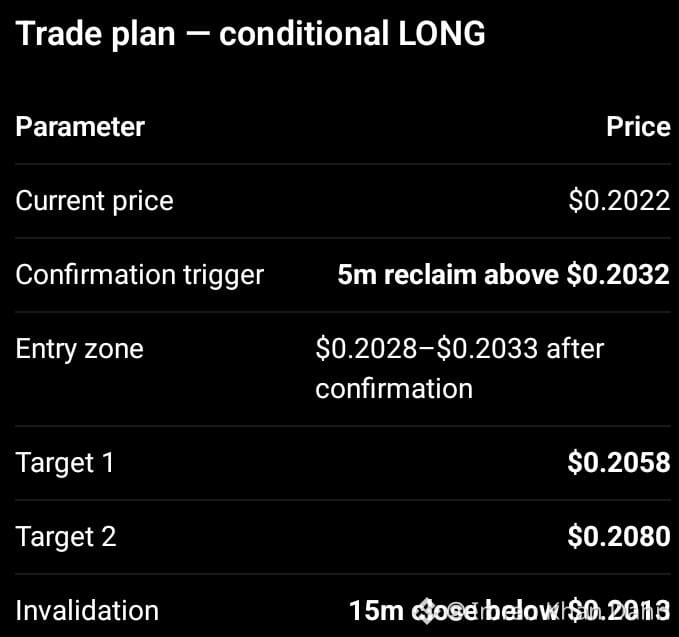
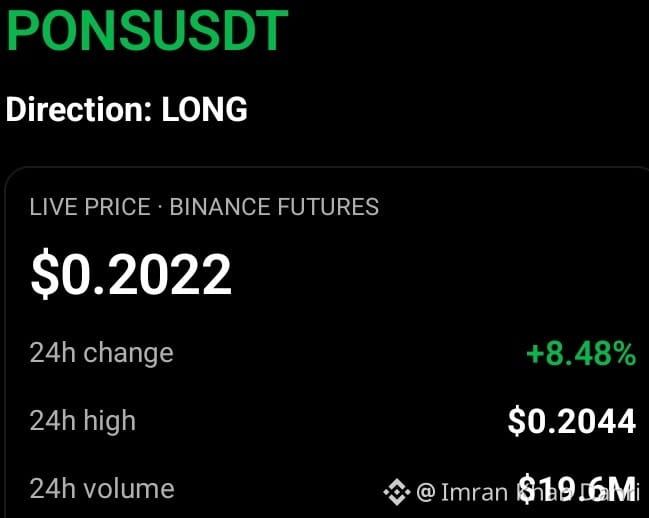
Hier ist ein neues Setup! Sieh dir die Signale in den Bildern an 👇 😉
$PONS
{future}(PONSUSDT)
Hier ist ein neues Setup! Sieh dir die Signale in den Bildern an 👇 😉
$PONS
$PONS
365

Artikel
CRYPTO SURVIVAL SCHOOL — FOLGE 10DU LEGTST TAKE-PROFIT UND STOP-LOSS FEST. SIND SIE TATSÄCHLICH MITEINANDER VERKNÜPFT?
Stell dir vor, du hast eine Long-Position bei BTCUSDT Futures eröffnet.
Du steigst bei 100.000 $ ein.
Du entscheidest, bei 104.000 $ Gewinne mitzunehmen und auszusteigen, wenn der Kurs auf 97.000 $ fällt.
Also platzierst du zwei Orders:
Eine Take-Profit-Order.
Eine Stop-Loss-Order.
Du fühlst dich sicher. Beide Exits sind eingerichtet. Du musst nicht jede Sekunde auf den Bildschirm schauen.
Dann fällt BTC.
Dein Stop-Loss wird ausgelöst und deine Position geschlossen.
Du denkst, alles sei erledigt.
Doch als du deine offenen Orders prüfst, erlebst du eine Überraschung.
CRYPTO SURVIVAL SCHOOL — FOLGE 10
DU LEGTST TAKE-PROFIT UND STOP-LOSS FEST. SIND SIE TATSÄCHLICH MITEINANDER VERKNÜPFT?
Stell dir vor, du hast eine Long-Position bei BTCUSDT Futures eröffnet.
Du steigst bei 100.000 $ ein.
Du entscheidest, bei 104.000 $ Gewinne mitzunehmen und auszusteigen, wenn der Kurs auf 97.000 $ fällt.
Also platzierst du zwei Orders:
Eine Take-Profit-Order.
Eine Stop-Loss-Order.
Du fühlst dich sicher. Beide Exits sind eingerichtet. Du musst nicht jede Sekunde auf den Bildschirm schauen.
Dann fällt BTC.
Dein Stop-Loss wird ausgelöst und deine Position geschlossen.
Du denkst, alles sei erledigt.
Doch als du deine offenen Orders prüfst, erlebst du eine Überraschung.
78
Übersetzung ansehen
which one is your Candidate now? 👇
$HAEDAL
{future}(HAEDALUSDT)
$EVAA
{future}(EVAAUSDT)
$HOT
{future}(HOTUSDT)
which one is your Candidate now? 👇
$HAEDAL
$EVAA
$HOT
$HAEDAL
$EVAA
$HOT
HEADAL
19%
EVAA
38%
HOT
43%
21 Stimmen • Abstimmung beendet
487
·
--
Bullisch
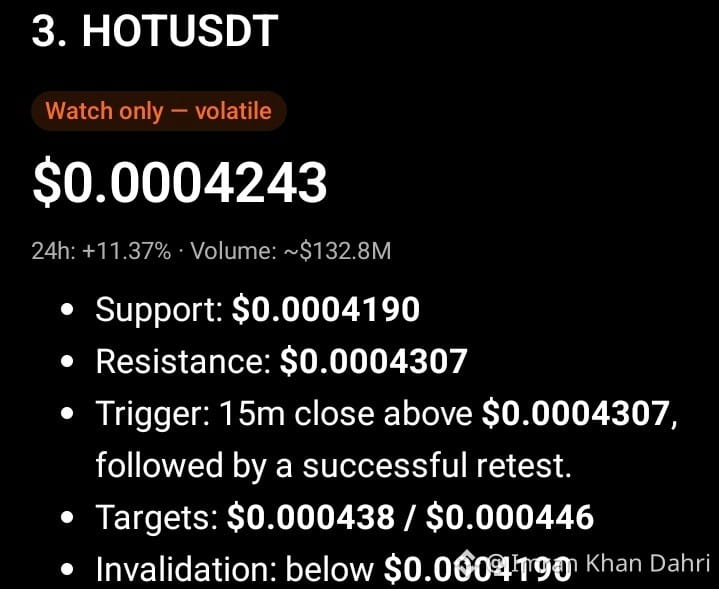
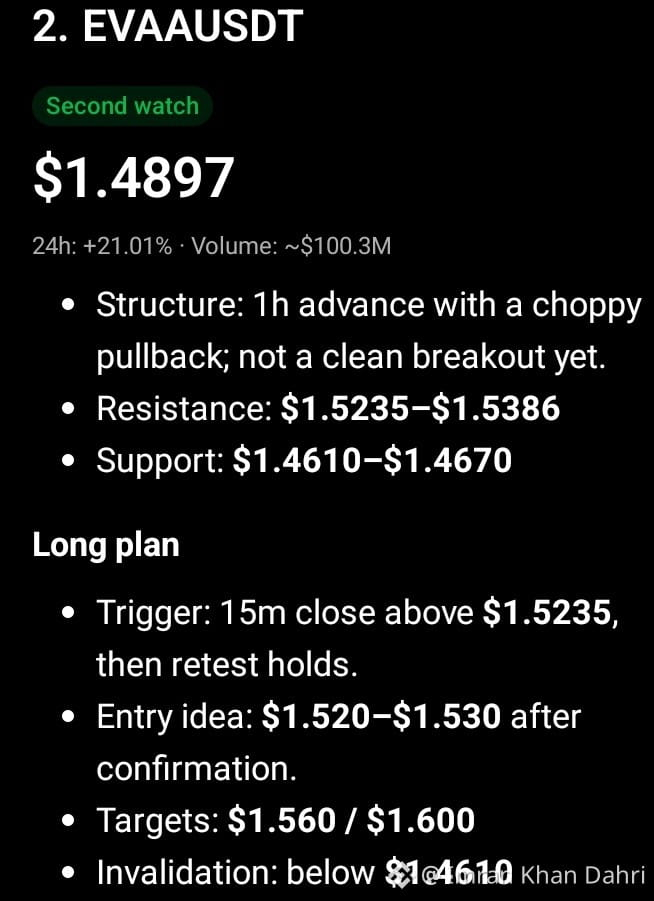
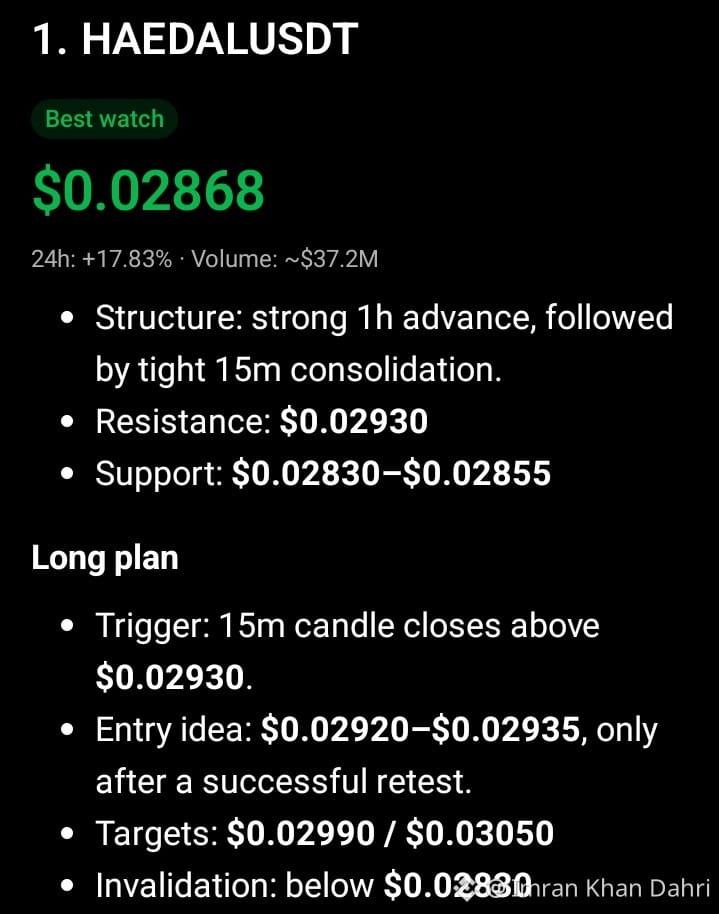
Leute! Schaut euch die Bilder 👇 für Signale an 😘
$HAEDAL
{future}(HAEDALUSDT)
$EVAA
{future}(EVAAUSDT)
$HOT
{future}(HOTUSDT)
Leute! Schaut euch die Bilder 👇 für Signale an 😘
$HAEDAL
$EVAA
$HOT
$HAEDAL
$EVAA
$HOT
402
·
--
Bullisch
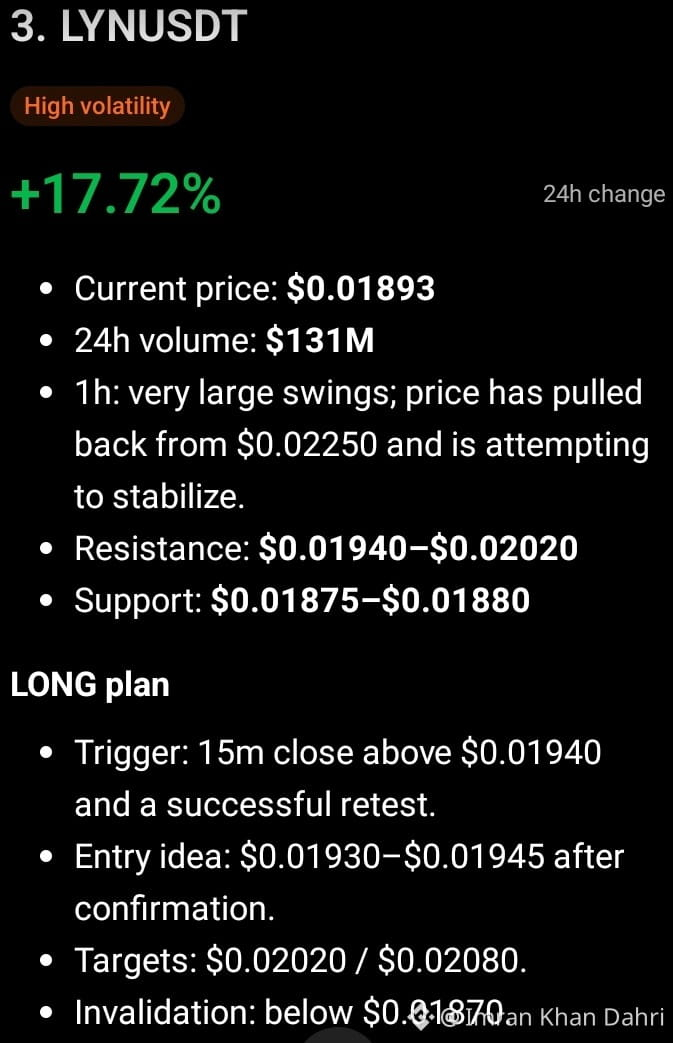
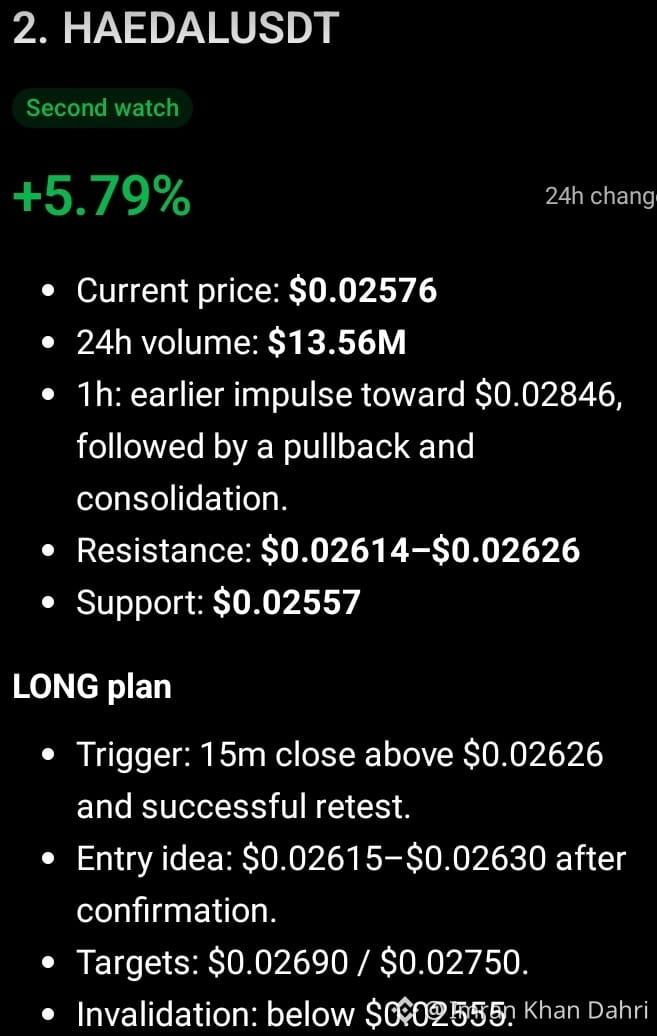
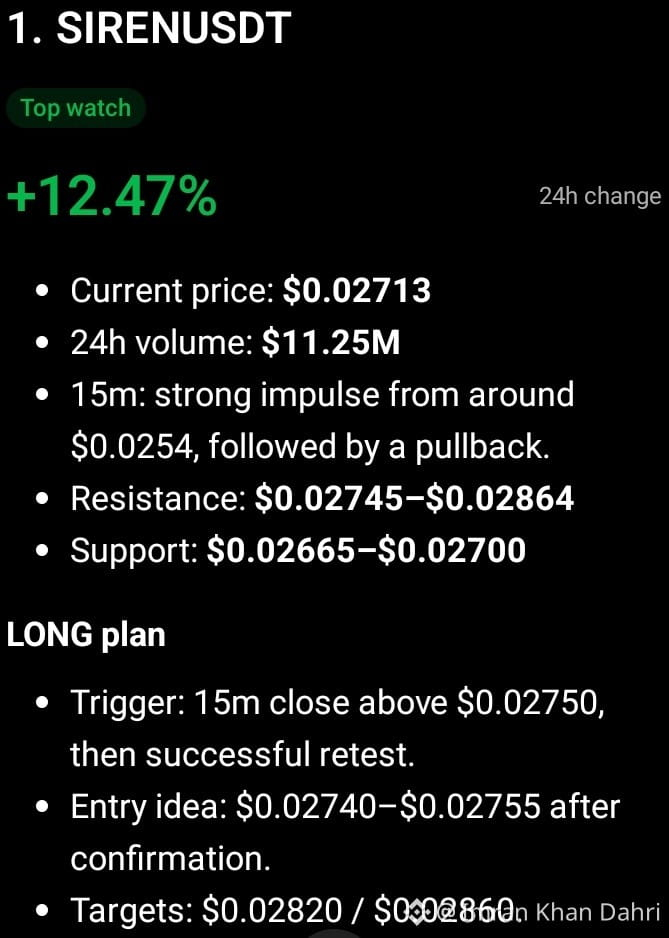
Das Guynew-Setup ist da! Bist du bereit 😘 👇
$SIREN
{future}(SIRENUSDT)
$HAEDAL
{future}(HAEDALUSDT)
$LYN
{future}(LYNUSDT)
Das Guynew-Setup ist da! Bist du bereit 😘 👇
$SIREN
$HAEDAL
$LYN
$SIREN
$HAEDAL
$LYN
903

Artikel
CRYPTO SURVIVAL SCHOOL — FOLGE 9DEIN CHART HAT DEINEN LIQUIDATIONSPREIS NIE ERREICHT. WARUM HAT BINANCE DEINEN TRADE ALSO LIQUIDIERT?
Stell dir Folgendes vor.
Du eröffnest eine BTCUSDT-Long-Position.
Dein geschätzter Liquidationspreis liegt bei 60.000 $.
Du beobachtest den Chart genau. BTC fällt, aber der tiefste Kerzendocht reicht nur bis 60.050 $.
Du atmest erleichtert auf.
Dein Liquidationspreis lag bei 60.000 $. Der Chart hat ihn nie erreicht.
Doch plötzlich erhältst du eine Liquidationsbenachrichtigung.
Deine Position ist weg.
Dein erster Gedanke?
„Wie ist das möglich? Der Preis hat mein Liquidationsniveau nie erreicht!“
CRYPTO SURVIVAL SCHOOL — FOLGE 9
DEIN CHART HAT DEINEN LIQUIDATIONSPREIS NIE ERREICHT. WARUM HAT BINANCE DEINEN TRADE ALSO LIQUIDIERT?
Stell dir Folgendes vor.
Du eröffnest eine BTCUSDT-Long-Position.
Dein geschätzter Liquidationspreis liegt bei 60.000 $.
Du beobachtest den Chart genau. BTC fällt, aber der tiefste Kerzendocht reicht nur bis 60.050 $.
Du atmest erleichtert auf.
Dein Liquidationspreis lag bei 60.000 $. Der Chart hat ihn nie erreicht.
Doch plötzlich erhältst du eine Liquidationsbenachrichtigung.
Deine Position ist weg.
Dein erster Gedanke?
„Wie ist das möglich? Der Preis hat mein Liquidationsniveau nie erreicht!“
92
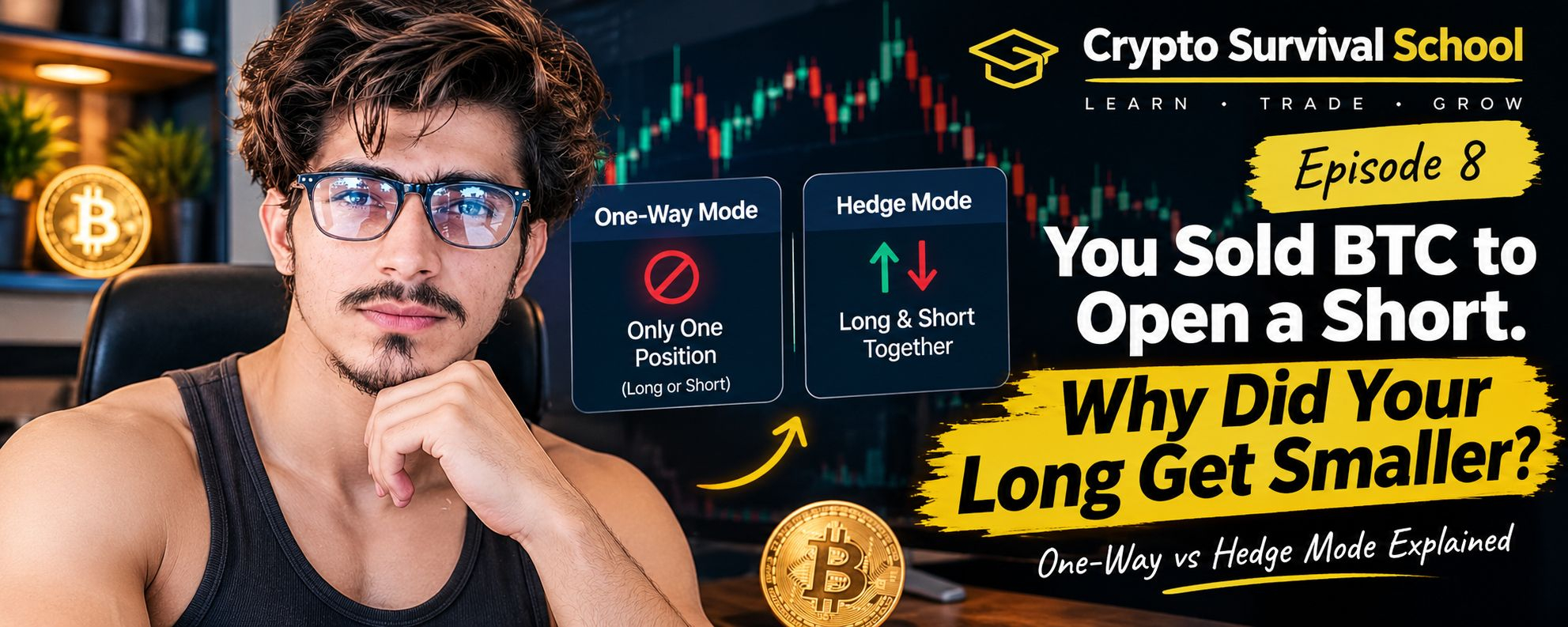
Artikel
CRYPTO SURVIVAL SCHOOL — EPISODE 8
DU HAST BTC VERKAUFT, UM EINE SHORT-POSITION ZU ERÖFFNEN. WARUM IST DEINE LONG-POSITION KLEINER GEWORDEN?DU HAST BTC VERKAUFT, UM EINE SHORT-POSITION ZU ERÖFFNEN. WARUM IST DEINE LONG-POSITION KLEINER GEWORDEN?
Stell dir vor, du hast eine Long-Position in BTCUSDT-Futures eröffnet.
Du hältst 0.010 BTC.
Plötzlich sieht der Markt schwach aus. Du möchtest deine Long-Position nicht komplett schließen, glaubst aber, dass der BTC-Kurs kurzfristig fallen könnte.
Also entscheidest du dich, eine kleine Short-Position von 0.004 BTC zu eröffnen, um dich abzusichern.
Du drückst auf „Verkaufen“.
Die Order wird ausgeführt.
Doch als du deine Positionen überprüfst, ist etwas Unerwartetes passiert.
Deine Long-Position beträgt jetzt nur noch 0.006 BTC.
Wo ist deine Short-Position?
Hast du einen Fehler gemacht?
CRYPTO SURVIVAL SCHOOL — EPISODE 8 DU HAST BTC VERKAUFT, UM EINE SHORT-POSITION ZU ERÖFFNEN. WARUM IST DEINE LONG-POSITION KLEINER GEWORDEN?
DU HAST BTC VERKAUFT, UM EINE SHORT-POSITION ZU ERÖFFNEN. WARUM IST DEINE LONG-POSITION KLEINER GEWORDEN?
Stell dir vor, du hast eine Long-Position in BTCUSDT-Futures eröffnet.
Du hältst 0.010 BTC.
Plötzlich sieht der Markt schwach aus. Du möchtest deine Long-Position nicht komplett schließen, glaubst aber, dass der BTC-Kurs kurzfristig fallen könnte.
Also entscheidest du dich, eine kleine Short-Position von 0.004 BTC zu eröffnen, um dich abzusichern.
Du drückst auf „Verkaufen“.
Die Order wird ausgeführt.
Doch als du deine Positionen überprüfst, ist etwas Unerwartetes passiert.
Deine Long-Position beträgt jetzt nur noch 0.006 BTC.
Wo ist deine Short-Position?
Hast du einen Fehler gemacht?
114
·
--
Bullisch
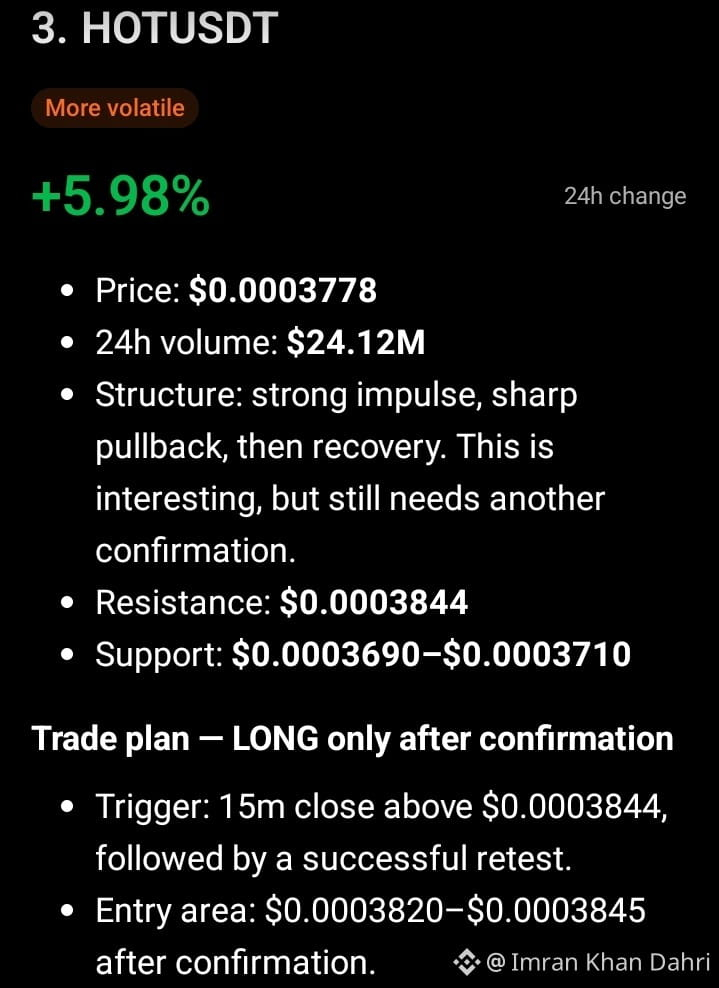
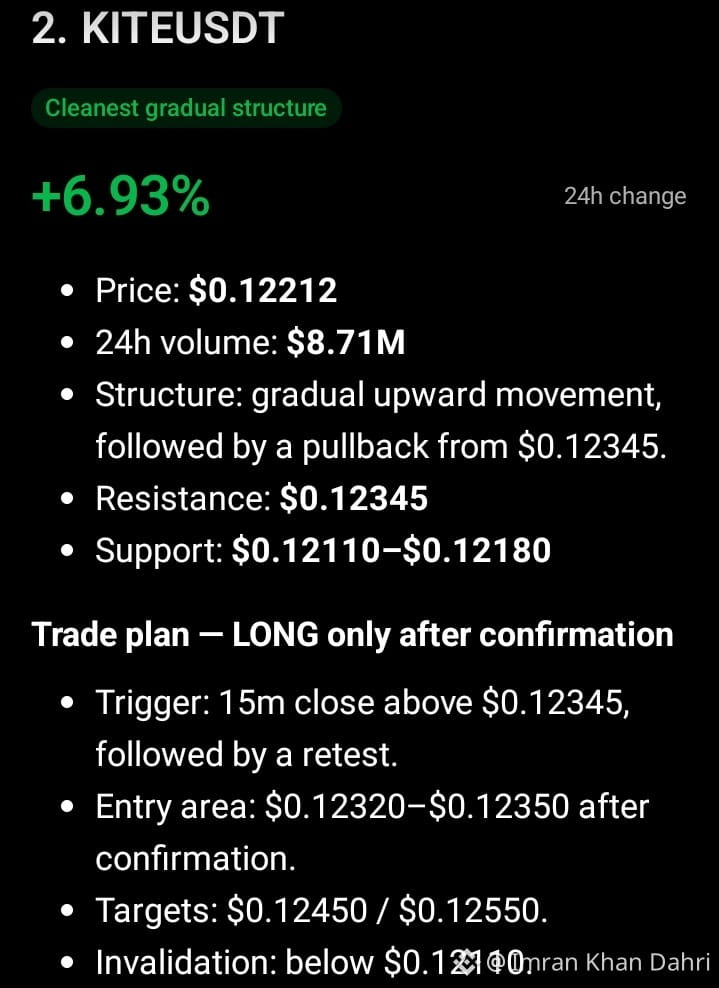
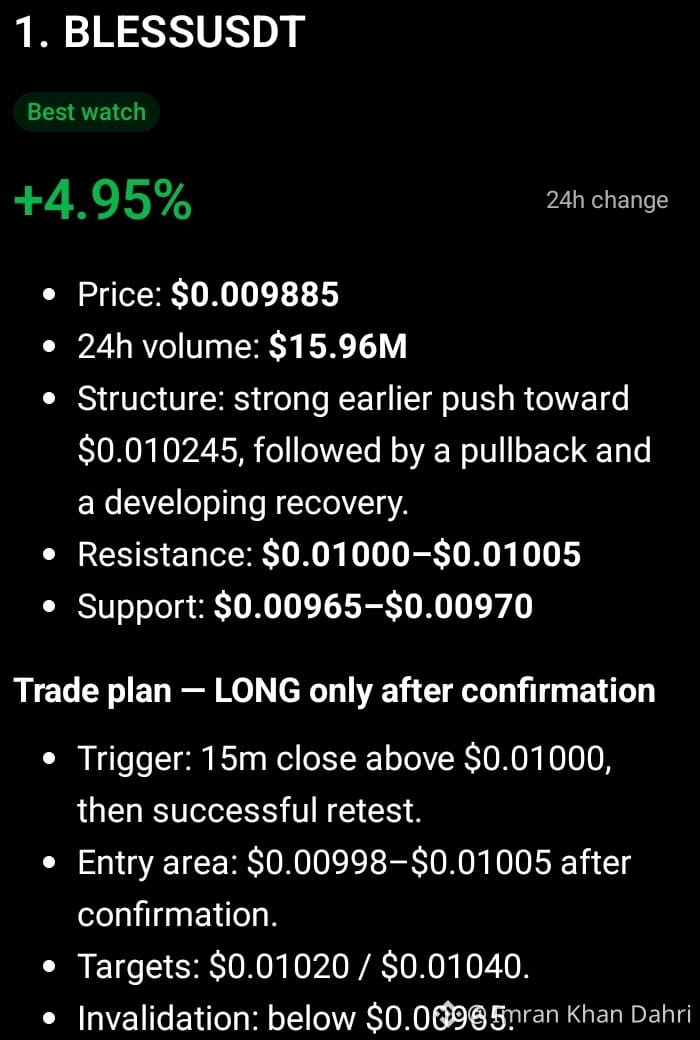
Hallo Freunde! Schaut euch das Signal auf den Bildern an 👇
$BLESS
{future}(BLESSUSDT)
$KITE
{future}(KITEUSDT)
$HOT
{future}(HOTUSDT)
Seid ihr bereit 😘
Hallo Freunde! Schaut euch das Signal auf den Bildern an 👇
$BLESS
$KITE
$HOT
Seid ihr bereit 😘
$BLESS
$KITE
$HOT
Seid ihr bereit 😘
1
566
Artikel
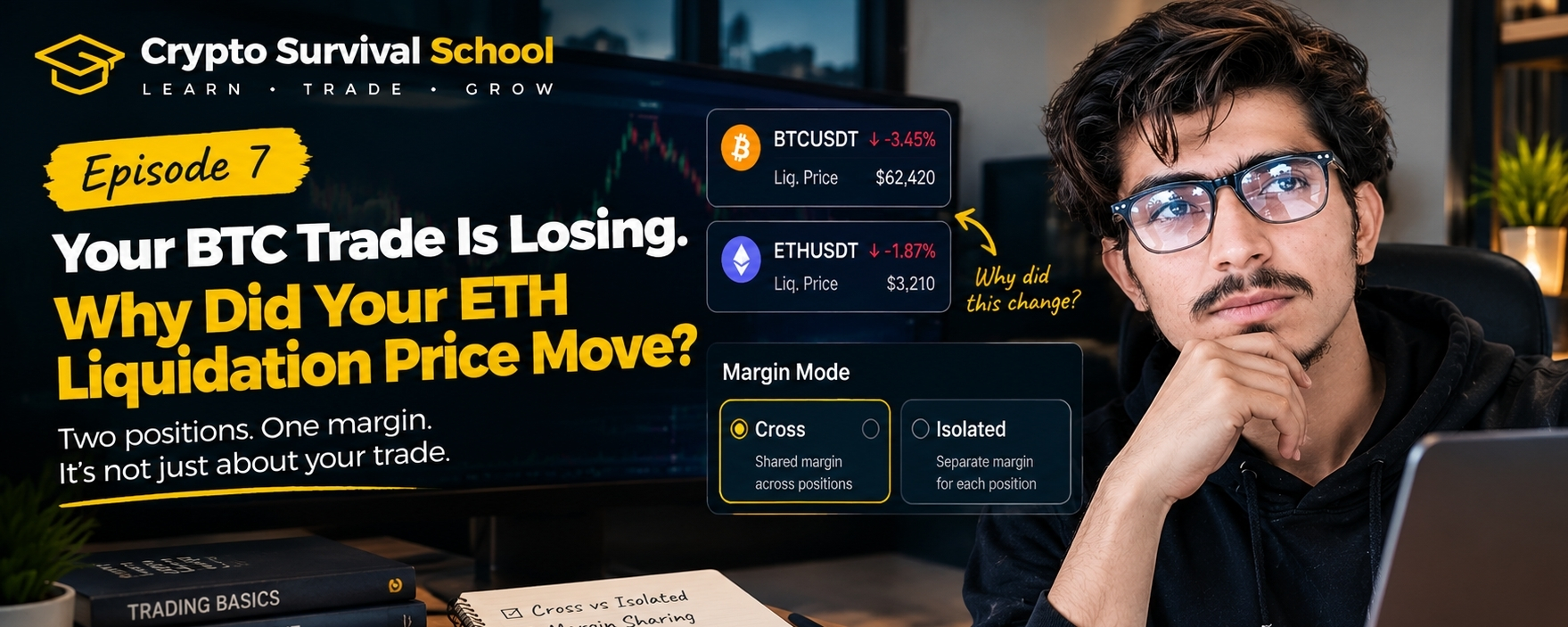
Crypto Survival School — Folge 7: WARUM HAT SICH DEIN ETH-LIQUIDATIONSPREIS VERÄNDERT?DEIN BTC-TRADE MACHT VERLUSTE. WARUM HAT SICH DEIN ETH-LIQUIDATIONSPREIS VERÄNDERT?
Stell dir vor, du hast zwei Futures-Trades eröffnet.
Dein BTC-Trade läuft gegen dich. Du beobachtest ihn genau und hoffst, dass sich der Kurs wieder erholt.
Dann prüfst du deine ETH-Position.
Du hast deine Position nicht aufgestockt. Du hast den Hebel nicht geändert. Du hast nicht einmal eine weitere Order platziert.
Trotzdem hat sich dein geschätzter Liquidationspreis verändert.
Was ist passiert?
Vielleicht denkst du, dass die Börse unerwartet etwas geändert hat. Doch es gibt noch eine andere Erklärung, die Anfänger oft übersehen:
Crypto Survival School — Folge 7: WARUM HAT SICH DEIN ETH-LIQUIDATIONSPREIS VERÄNDERT?
DEIN BTC-TRADE MACHT VERLUSTE. WARUM HAT SICH DEIN ETH-LIQUIDATIONSPREIS VERÄNDERT?
Stell dir vor, du hast zwei Futures-Trades eröffnet.
Dein BTC-Trade läuft gegen dich. Du beobachtest ihn genau und hoffst, dass sich der Kurs wieder erholt.
Dann prüfst du deine ETH-Position.
Du hast deine Position nicht aufgestockt. Du hast den Hebel nicht geändert. Du hast nicht einmal eine weitere Order platziert.
Trotzdem hat sich dein geschätzter Liquidationspreis verändert.
Was ist passiert?
Vielleicht denkst du, dass die Börse unerwartet etwas geändert hat. Doch es gibt noch eine andere Erklärung, die Anfänger oft übersehen:
77
Artikel
Crypto Survival School — Folge 6
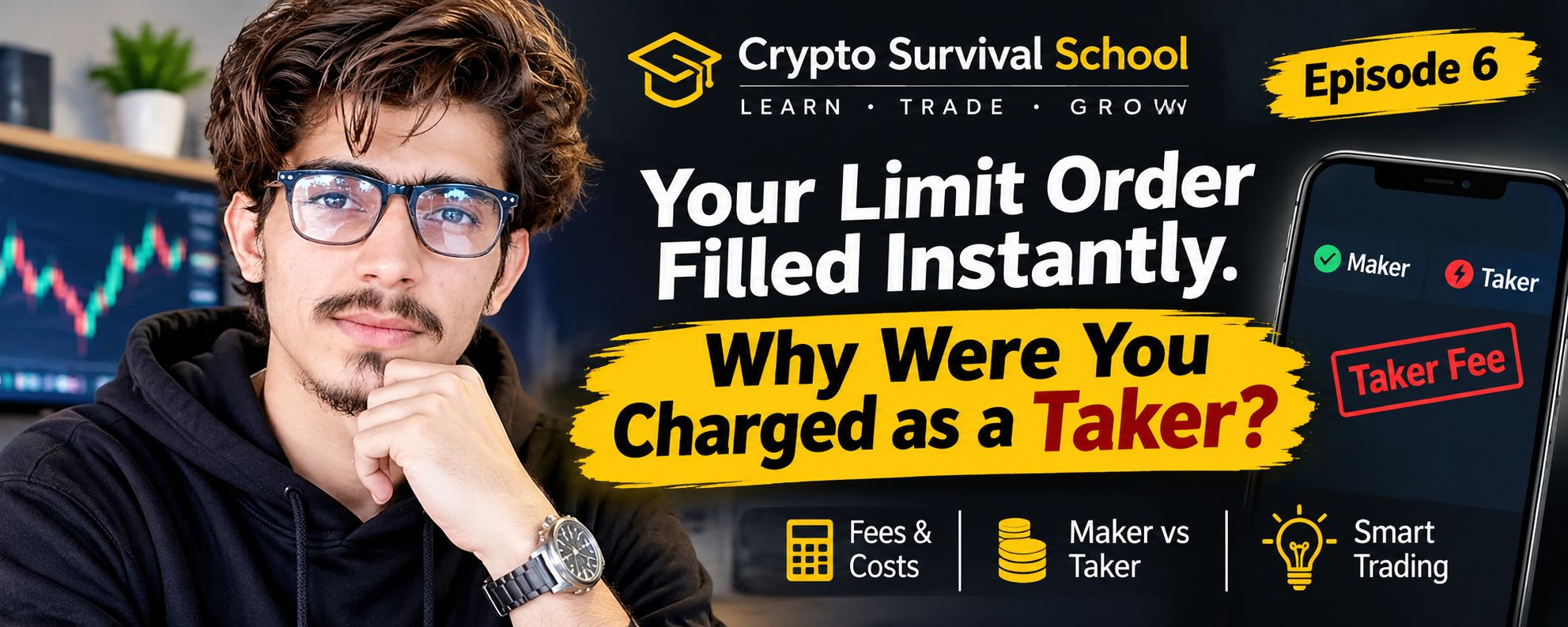
Deine Limit-Order wurde sofort ausgeführt.Deine Limit-Order wurde sofort ausgeführt. Warum wurdest du als Taker abgerechnet?
Ein kleiner Fehler kann Anfänger unbemerkt Geld kosten.
Du eröffnest einen Futures-Trade. Du wählst eine Limit-Order, weil du gehört hast, dass Maker-Orders geringere Gebühren haben können.
Die Order wird sofort ausgeführt.
Später überprüfst du deine Handelshistorie und siehst eine Taker-Gebühr.
Du fragst dich: Hatte ich nicht eine Limit-Order verwendet?
Was viele Anfänger übersehen: Der Ordertyp, den du auswählst, und deine Rolle am Markt sind nicht dasselbe.
Eine Limit-Order macht dich nicht automatisch zum Maker.
Crypto Survival School — Folge 6 Deine Limit-Order wurde sofort ausgeführt.
Deine Limit-Order wurde sofort ausgeführt. Warum wurdest du als Taker abgerechnet?
Ein kleiner Fehler kann Anfänger unbemerkt Geld kosten.
Du eröffnest einen Futures-Trade. Du wählst eine Limit-Order, weil du gehört hast, dass Maker-Orders geringere Gebühren haben können.
Die Order wird sofort ausgeführt.
Später überprüfst du deine Handelshistorie und siehst eine Taker-Gebühr.
Du fragst dich: Hatte ich nicht eine Limit-Order verwendet?
Was viele Anfänger übersehen: Der Ordertyp, den du auswählst, und deine Rolle am Markt sind nicht dasselbe.
Eine Limit-Order macht dich nicht automatisch zum Maker.
70
Übersetzung ansehen
Today's crypto reminder: a green portfolio means nothing if you ignore where your assets are stored.
The Binance security incident is a reminder that exchange risk is real—even when you're not trading.
Do you keep most of your crypto on exchanges, or use a personal wallet?
$BTC
Today's crypto reminder: a green portfolio means nothing if you ignore where your assets are stored.
The Binance security incident is a reminder that exchange risk is real—even when you're not trading.
Do you keep most of your crypto on exchanges, or use a personal wallet?
$BTC
The Binance security incident is a reminder that exchange risk is real—even when you're not trading.
Do you keep most of your crypto on exchanges, or use a personal wallet?
$BTC
80
·
--
Bullisch
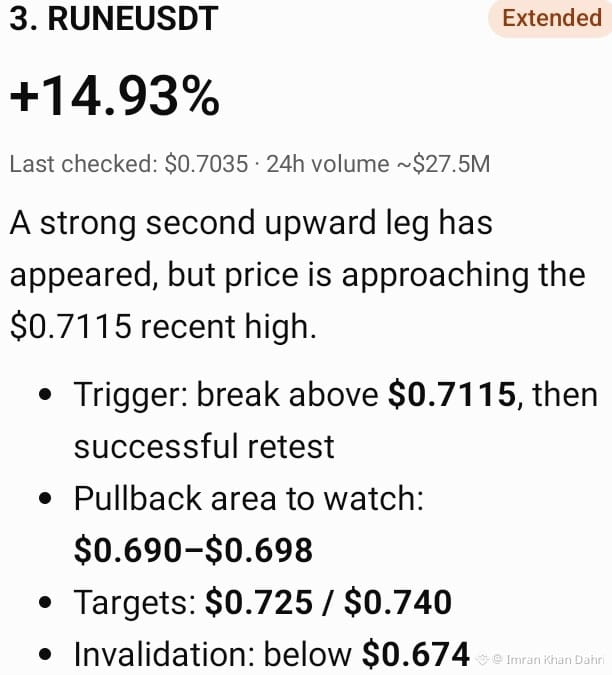
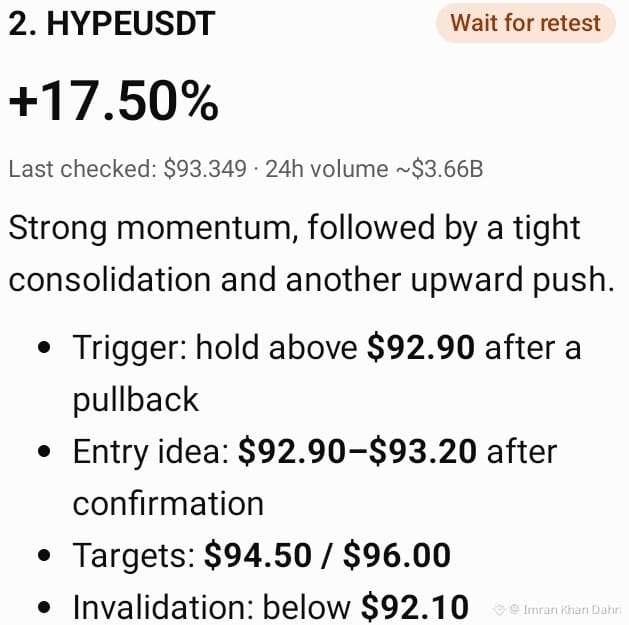
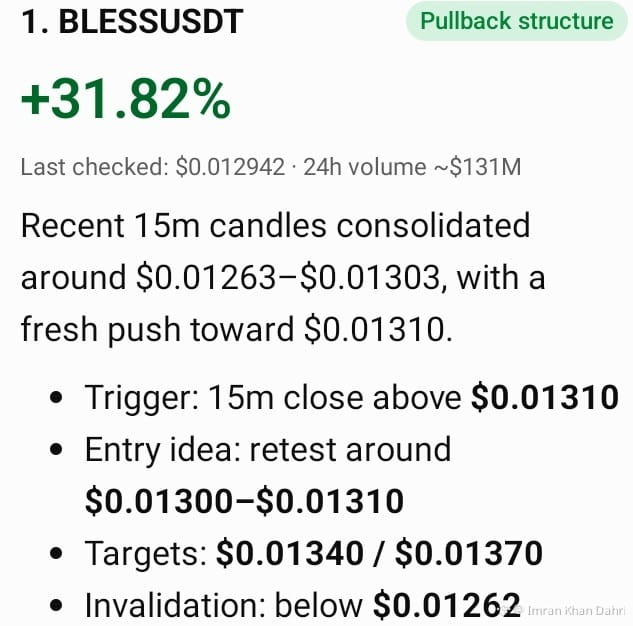
Freunde, hier ist ein neues Setup in Bildern 👇 schaut es euch an 🥰
$BLESS
{future}(BLESSUSDT)
$HYPE
{future}(HYPEUSDT)
$RUNE
{future}(RUNEUSDT)
Freunde, hier ist ein neues Setup in Bildern 👇 schaut es euch an 🥰
$BLESS
$HYPE
$RUNE
$BLESS
$HYPE
$RUNE
1
453
Anmelden und weiter Inhalte entdecken
Krypto-Nutzer weltweit auf Binance Square kennenlernen
⚡️ Bleib in Sachen Krypto stets am Puls.
💬 Die weltgrößte Kryptobörse vertraut darauf.
👍 Erhalte verlässliche Einblicke von verifizierten Creators.
E-Mail-Adresse/Telefonnummer
Trendthemen
JobsReportRaisesHikeOdds
344,132 Aufrufe
2,609 Kommentare
TradFi-News | USA schaffen im Oktober 165.000 Stellen – mehr als doppelt so viele wie die prognostizierten 65.000 –, während die Arbeitslosenquote auf 4,1 % sinkt
Binance News
·39 Likes
·23.6k Aufrufe
CPITestsDecemberRateOutlook
64,136 Aufrufe
695 Kommentare
BitcoinRebounds$75KAsChipsLead
28,757 Aufrufe
264 Kommentare