
MR M0l-lsN
291 Beiträge

MR M0l-lsN
Melden
Nutzer blockieren
new to crypto, spot, alpha, good to hear from you :)
12 Following
68 Follower
279 Like gegeben
Beiträge
Portfolio
Alle
Zitierungen
·
--
Übersetzung ansehen
ohh no why i miss this opportunity...😔
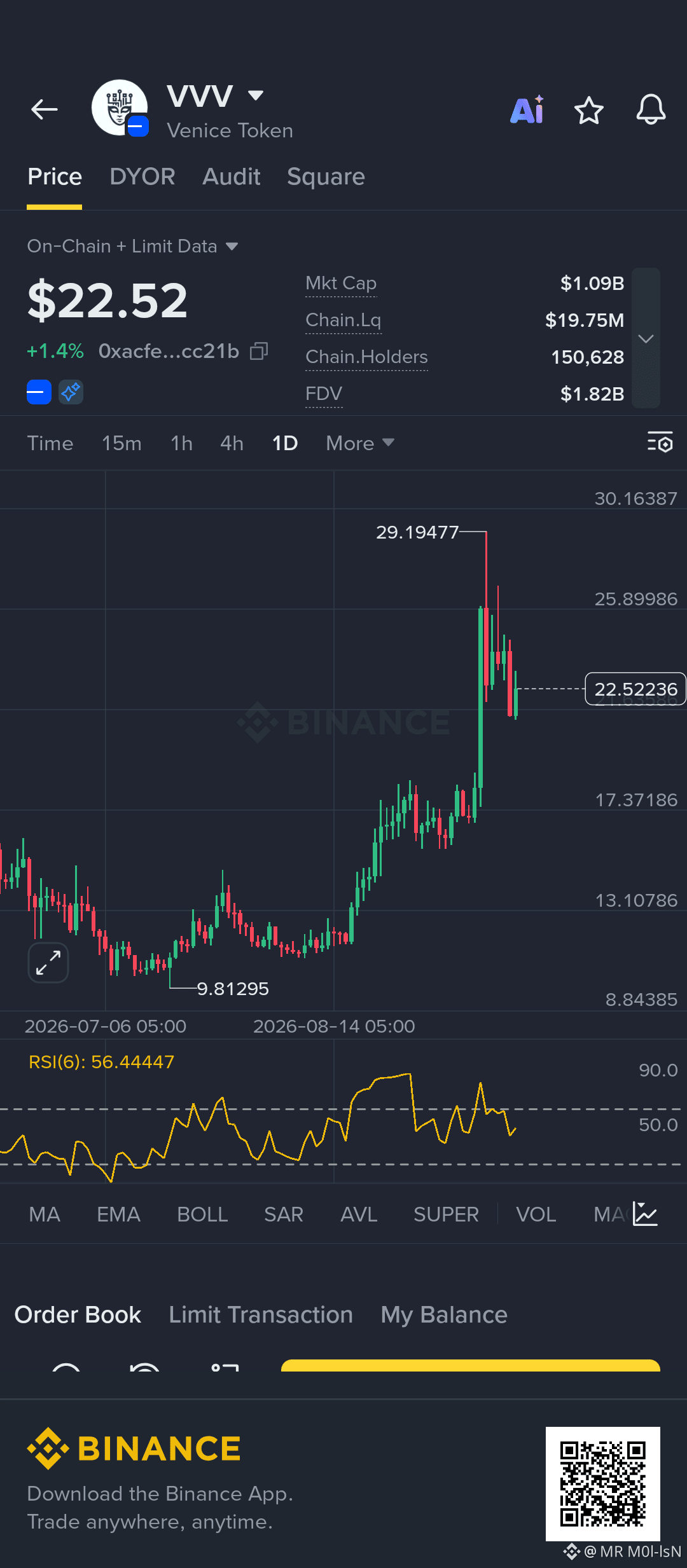
$VVV very very valuable 🎁💵💵💰💰
if you want future saving this token is good for investment 💗 😁#Binance
{future}(VVVUSDT)
ohh no why i miss this opportunity...😔
$VVV very very valuable 🎁💵💵💰💰
if you want future saving this token is good for investment 💗 😁#Binance
$VVV very very valuable 🎁💵💵💰💰
if you want future saving this token is good for investment 💗 😁#Binance
79
·
--
Bullisch
Übersetzung ansehen
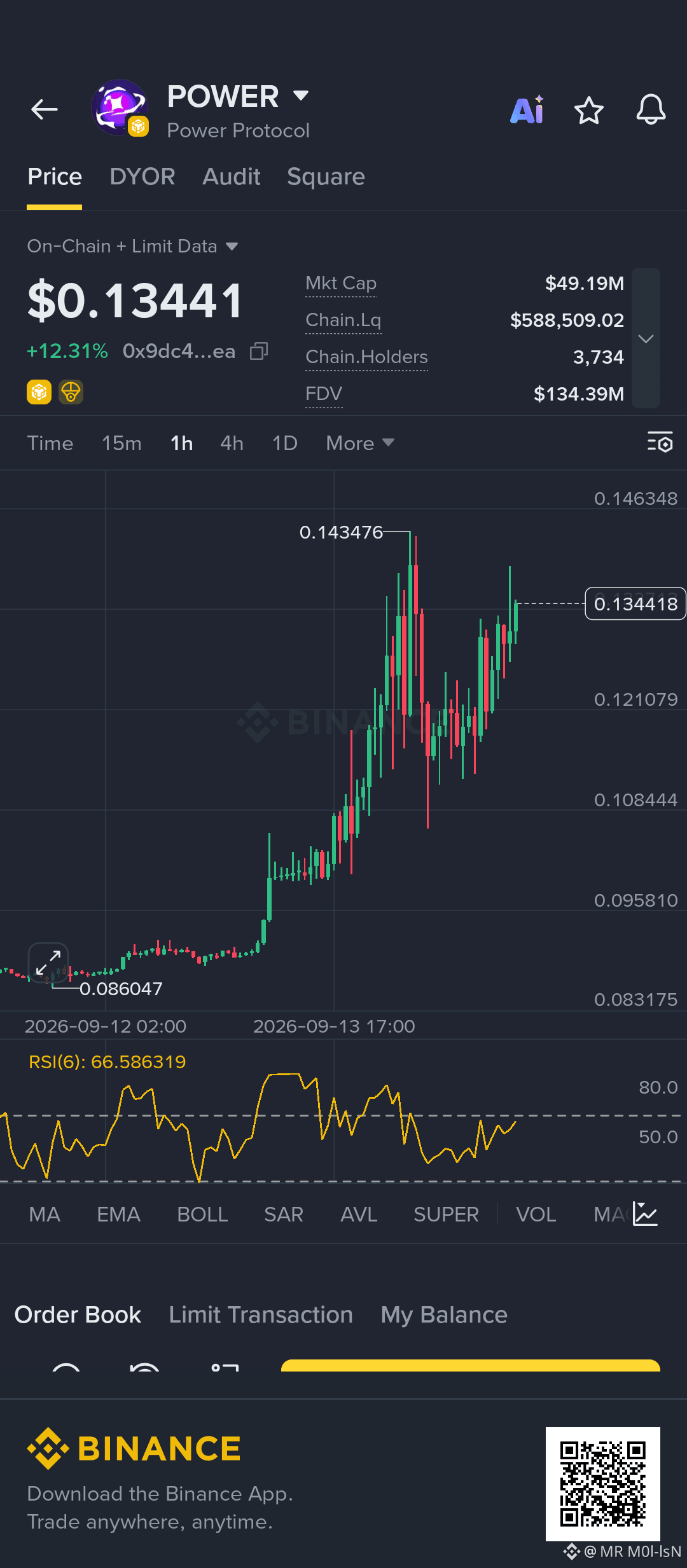
$POWER is getting better and blow to yhe moon again...🥳🥳🤞🤑🤑#BinanceSquareFamily
{alpha}(560x9dc44ae5be187eca9e2a67e33f27a4c91cea1223)
$POWER is getting better and blow to yhe moon again...🥳🥳🤞🤑🤑#BinanceSquareFamily
213
·
--
Bullisch
Übersetzung ansehen
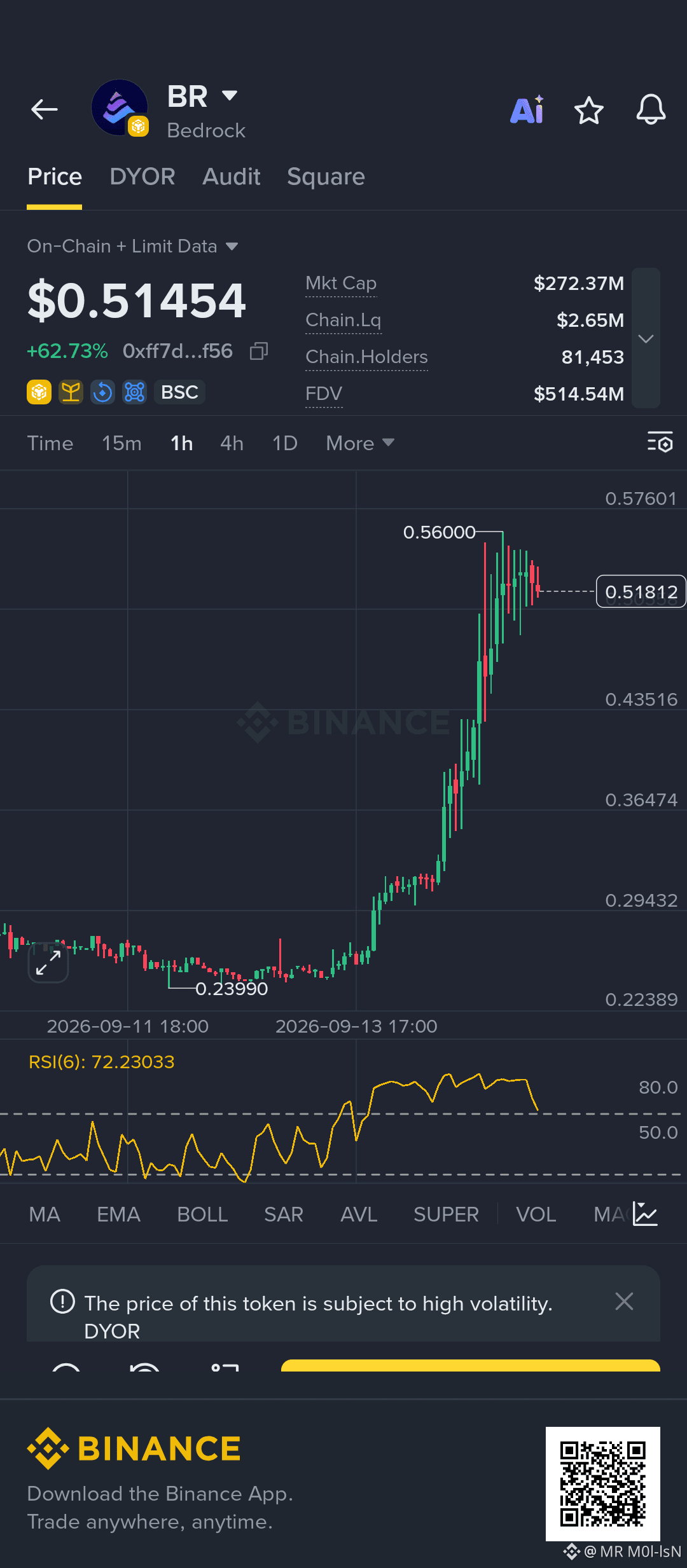
$BR is so good 👍
grab some for future...💰😉
{future}(BRUSDT)
$BR is so good 👍
grab some for future...💰😉
grab some for future...💰😉
194
·
--
Übersetzung ansehen
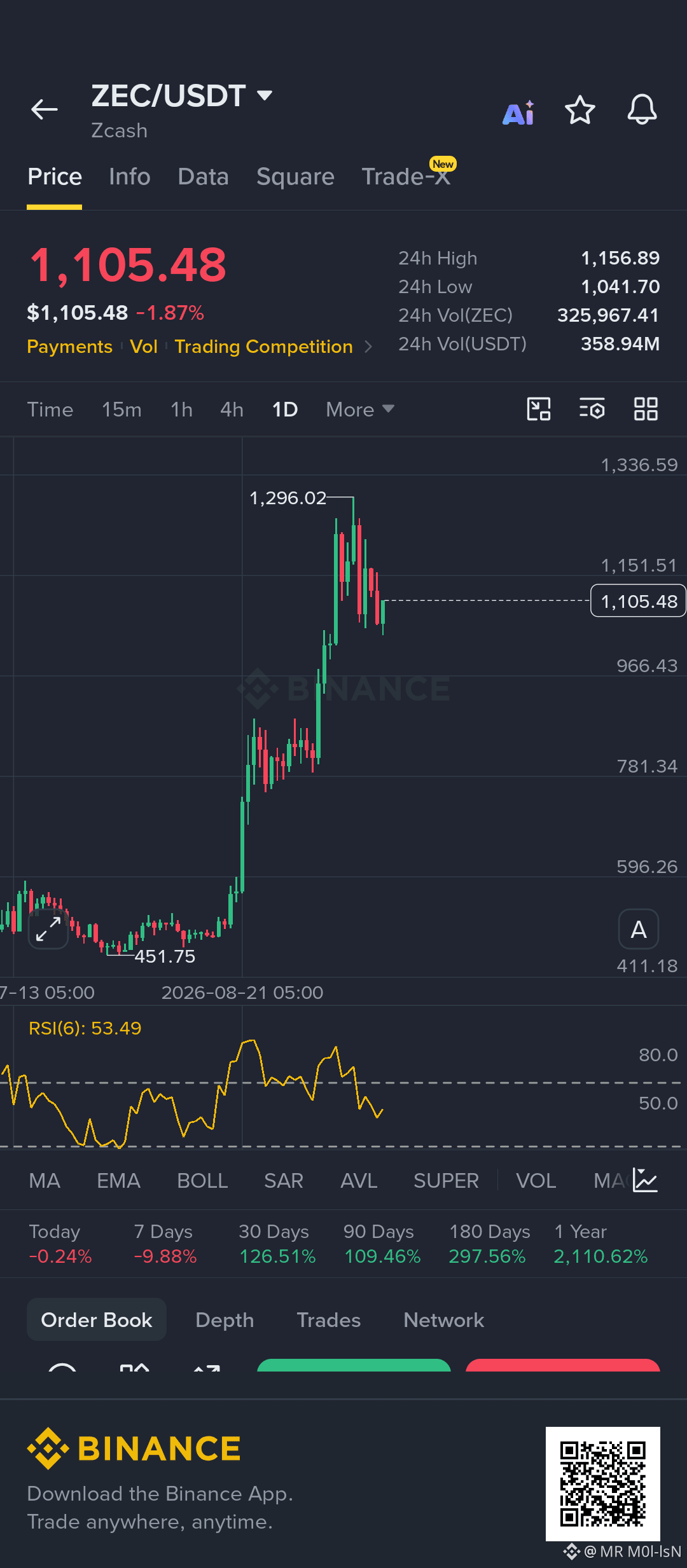
$ZEC shows a strong comeback may it explode soon to 1500$ 👍👍🙂
early investors
get ready for big money reward.🤑 💰 😉
{spot}(ZECUSDT)
$ZEC shows a strong comeback may it explode soon to 1500$ 👍👍🙂
early investors
get ready for big money reward.🤑 💰 😉
early investors
get ready for big money reward.🤑 💰 😉
216
·
--
Übersetzung ansehen
$BTC stable what's next any guesses??🤔🤔😴
{spot}(BTCUSDT)
$BTC stable what's next any guesses??🤔🤔😴
77
·
--
Bullisch
Übersetzung ansehen
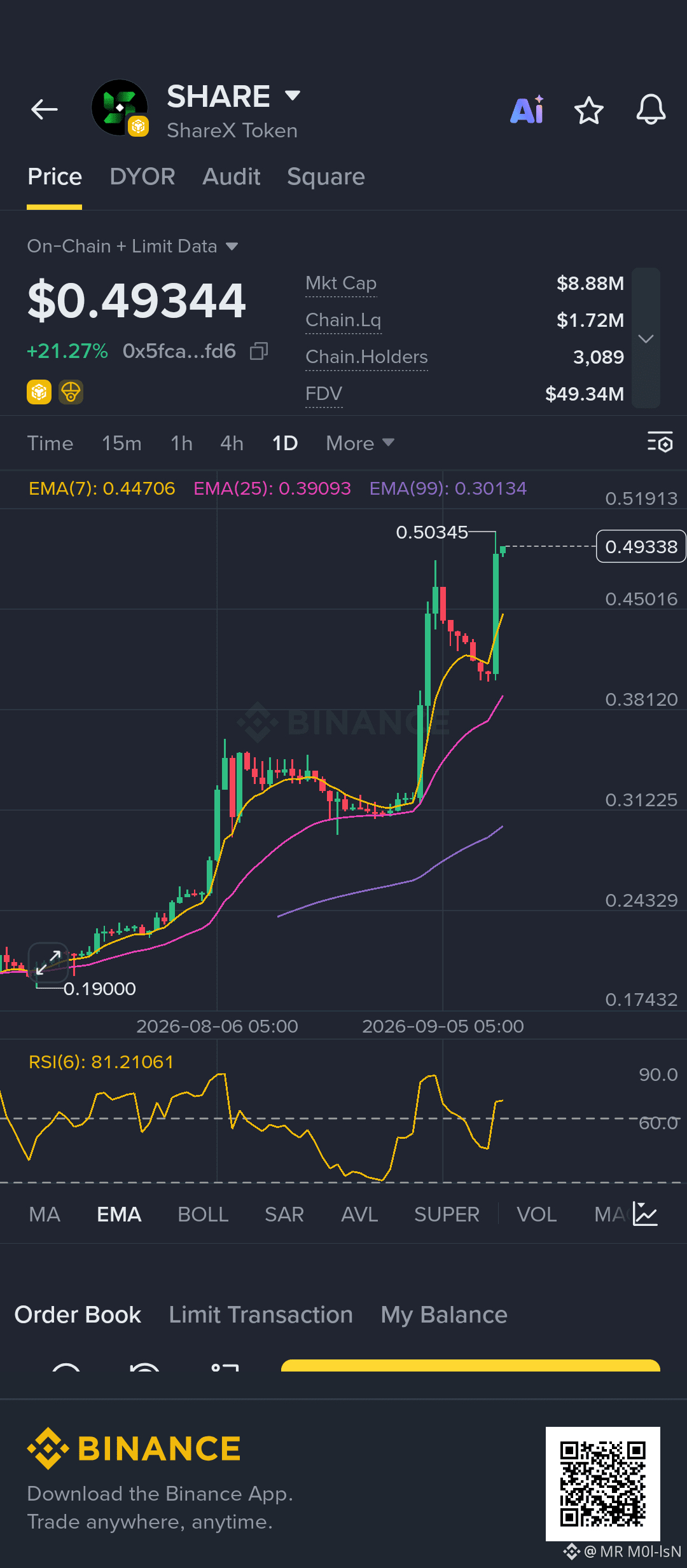
$SHARE is getting better 😔 time to get out of this long term investment??
r hold for profit??
Any guidance?
{alpha}(560x5fca51aff213bfbeab0b711b93c3374252fd6ac3)
$SHARE is getting better 😔 time to get out of this long term investment??
r hold for profit??
Any guidance?
r hold for profit??
Any guidance?
275
·
--
Bärisch
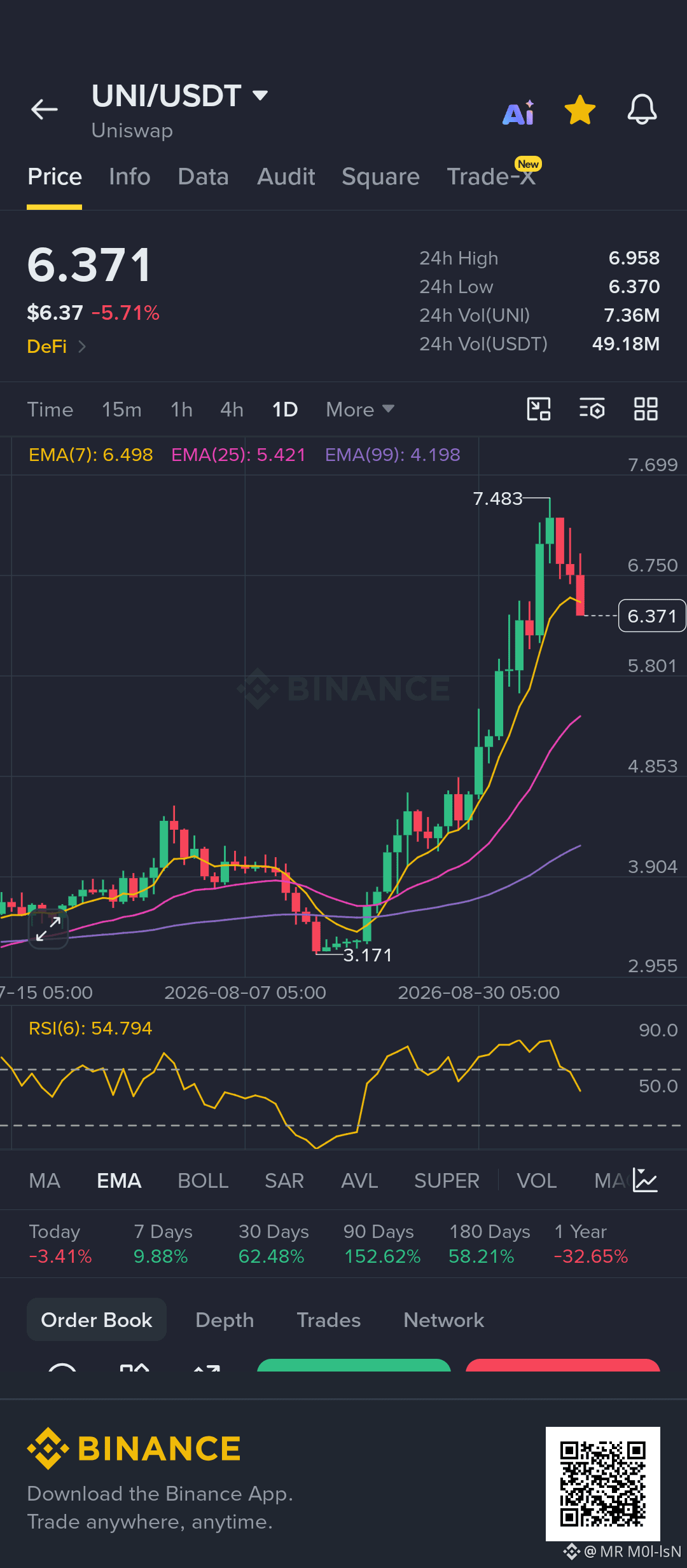
$UNI Zeigt ein starkes Comeback, verliert aber an Dynamik, wenn andere Top-Kryptocoins nur ein wenig fallen.
Ich denke, dass $UNI nach einigen Tagen reibungslos nach oben gehen wird.#BinanceSquareTalks
{spot}(UNIUSDT)
Was ist deine Meinung?? 🤔
$UNI Zeigt ein starkes Comeback, verliert aber an Dynamik, wenn andere Top-Kryptocoins nur ein wenig fallen.
Ich denke, dass $UNI nach einigen Tagen reibungslos nach oben gehen wird.#BinanceSquareTalks
Was ist deine Meinung?? 🤔
Ich denke, dass $UNI nach einigen Tagen reibungslos nach oben gehen wird.#BinanceSquareTalks
Was ist deine Meinung?? 🤔
104
·
--
Übersetzung ansehen
366
·
--
$BNB wird wieder einschlagen und in der Woche einen höheren Peak erreichen..
{spot}(BNBUSDT)
$BNB wird wieder einschlagen und in der Woche einen höheren Peak erreichen..
86
·
--
611
·
--
Bullisch
1
490
·
--
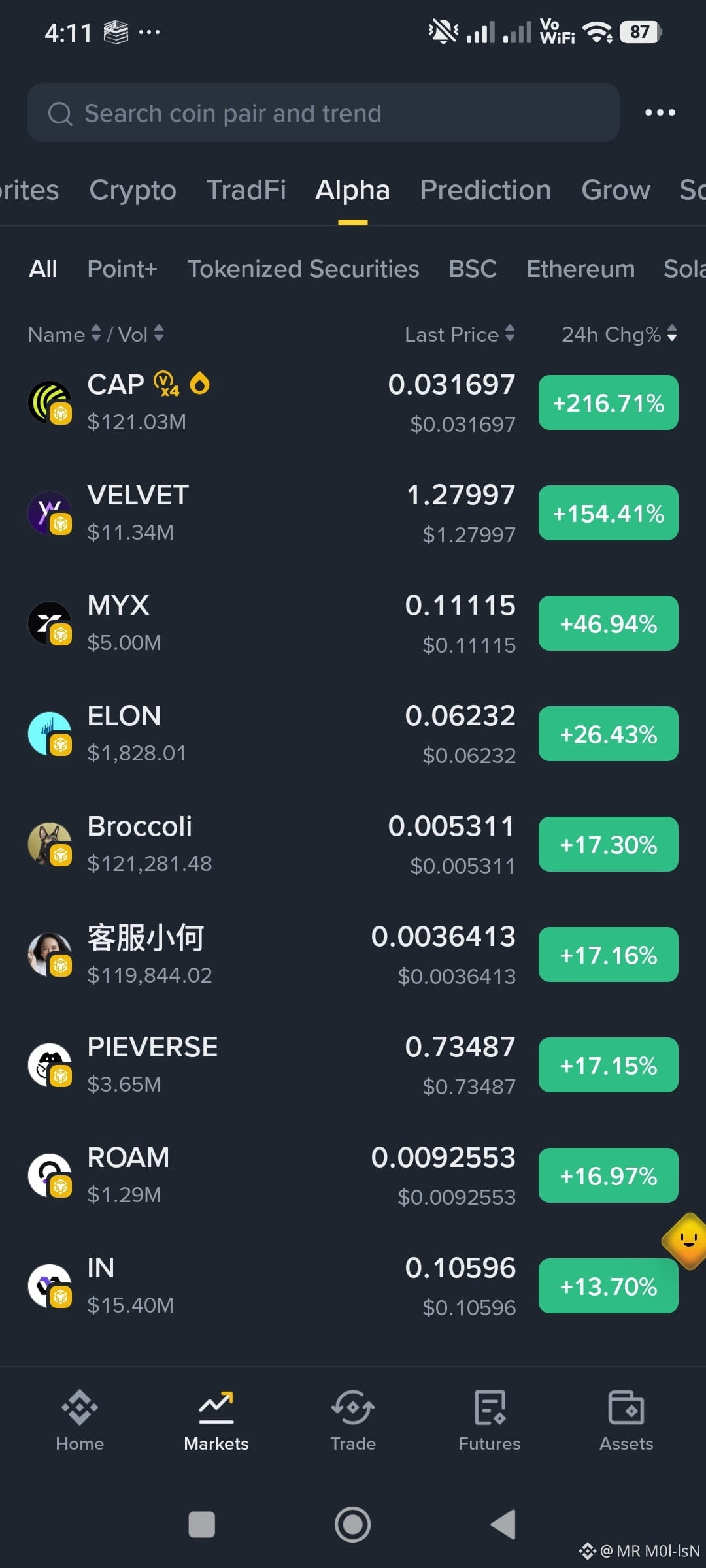
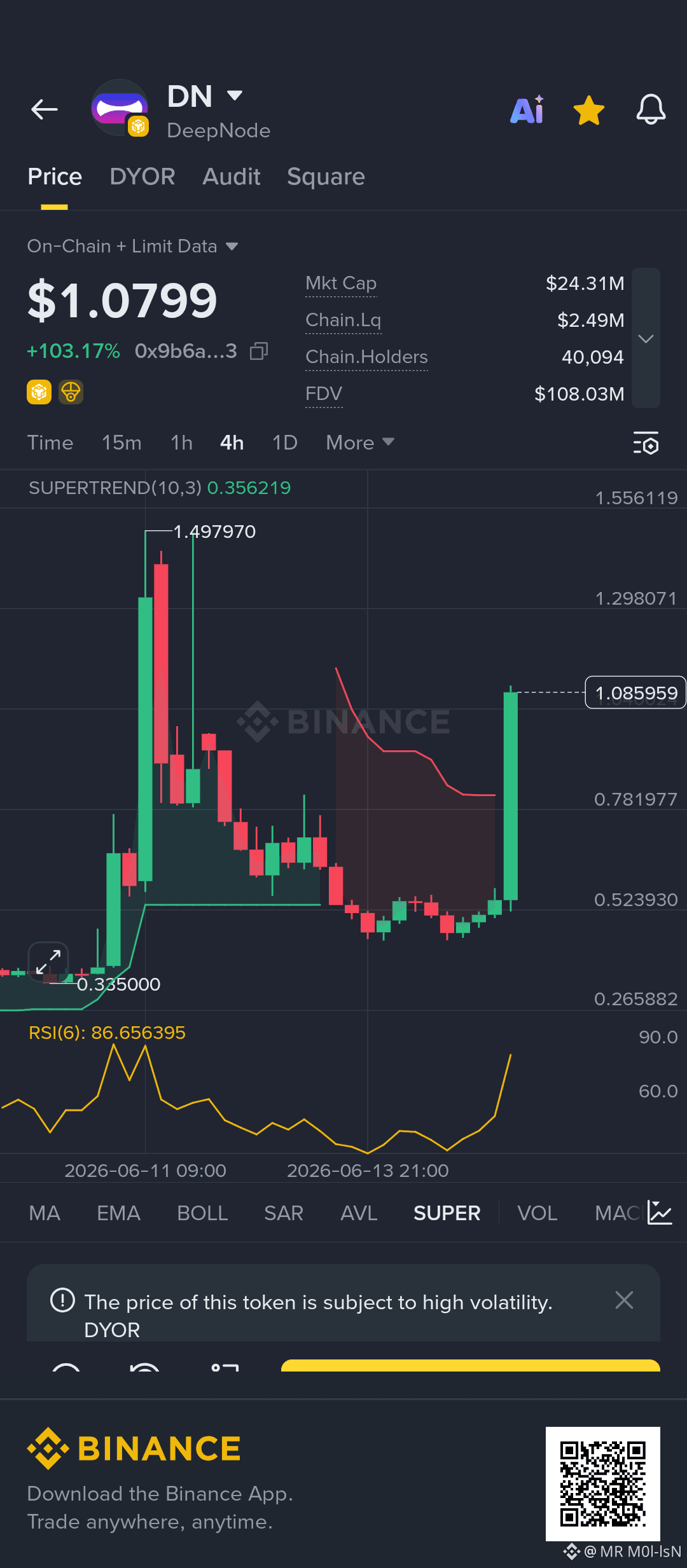
oh nein 😯$DN wieder bullish....#BinanceSquareTalks
{alpha}(560x9b6a1d4fa5d90e5f2d34130053978d14cd301d58)
oh nein 😯$DN wieder bullish....#BinanceSquareTalks
1
342
Anmelden und weiter Inhalte entdecken
Krypto-Nutzer weltweit auf Binance Square kennenlernen
⚡️ Bleib in Sachen Krypto stets am Puls.
💬 Die weltgrößte Kryptobörse vertraut darauf.
👍 Erhalte verlässliche Einblicke von verifizierten Creators.
E-Mail-Adresse/Telefonnummer
Trendthemen
BitcoinReboundsTo$79K
8,361 Aufrufe
90 Kommentare
🚨 $BTC steigt weiter.
Bitcoin handelt bei etwa 78.804 $ und liegt damit ungefähr 1,9 % im Plus, nachdem die Marke von 78K zurückerobert wurde. Die nächste zu beobachtende Zone ist das Tageshoch im Intraday-Bereich nahe 78.905 $.
Ein klarer Ausbruch über diese Marke könnte den Weg in Richtung 79K–80K ebnen. Wenn BTC abgewiesen wird, liegt der Support bei etwa 78.300 $ und danach bei 77.975 $.
Die Bullen haben Momentum, aber BTC muss über 78K bleiben.
#Bitcoin #BTC #CryptoTrading #CryptoMarket #CryptoAnalysis
PulseON
·8 Likes
·9k Aufrufe
GrayscalePutsXRPAt26.11%InAdvisorPortfolio
133 Aufrufe
32 Kommentare
PhiladelphiaSemiconductorIndexFalls5.9%
234 Aufrufe
25 Kommentare