Binance Square

BitWitchX

Crypto markets | Daily learning.
Trade eröffnen
Gelegenheitstrader
2 Jahre
373 Following
9.0K+ Follower
6.9K+ Like gegeben
119 Geteilt
Beiträge
Portfolio
·
--
Übersetzung ansehen
$ROBO and the Rise of Machine-to-Machine EconomiesThe idea of machines participating in the economy once sounded like science fiction. Today, with autonomous systems handling logistics, warehouse operations, delivery, and data processing, that future is closer than many people realize. $ROBO, the native token of the Fabric Protocol, is built around a simple but powerful premise: if machines are going to work, transact, and collaborate, they will need a financial layer designed specifically for them. This isn’t about replacing humans. It’s about building infrastructure for a world where humans, robots, and AI systems coordinate economically in real time. The Machine Economy Is Already Emerging Automation is no longer limited to factories. Robots now manage inventory, perform inspections, assist in healthcare, and support last-mile delivery. As these systems grow more autonomous, they face a fundamental limitation: they cannot open bank accounts, sign contracts, or verify identity in traditional systems. Fabric’s approach addresses this gap by enabling on-chain identities and crypto wallets for machines, allowing them to pay for services, verify tasks, and interact economically. This concept shifts robots from being tools to becoming economic agents capable of earning, spending, and coordinating work. What ROBO Actually Does in the Ecosystem At the center of this system is the token, which functions as the utility and governance asset powering the network. It is used for: Transaction fees for identity verification, payments, and task settlement Coordination staking to deploy and manage robotic systems Developer access to integrate hardware and applications Governance participation to shape network rules Unlike many tokens that rely on passive staking rewards, ROBO emphasizes verified work — rewarding real contributions from machines and operators rather than speculative locking of tokens. This model ties value to activity, not hype. Proof of Robotic Work: A New Incentive Model One of the most interesting aspects of the Fabric ecosystem is the idea of Proof of Robotic Work. Instead of mining or passive staking, rewards are distributed when machines complete verifiable tasks. This could include: Warehouse robots fulfilling orders Delivery drones completing routes Industrial machines performing inspections AI agents executing data services By linking rewards to measurable output, the network aligns incentives among developers, operators, and machines. In theory, this creates a feedback loop where useful work drives token demand, and token demand funds further automation. A Marketplace for Machine Labor Fabric envisions a decentralized marketplace where robotic labor can be requested, verified, and paid for automatically. Tasks are matched to machines, completed, and settled using $ROBO. This model introduces several real-world advantages: 1. Hardware-Agnostic Deployment Developers can create a skill once and deploy it across different robot types, reducing fragmentation. 2. Autonomous Service Procurement Robots can pay for charging, compute upgrades, or insurance without human involvement. 3. Transparent Task Verification Cryptographic proofs replace manual oversight, enabling trustless coordination. Together, these features form the foundation of a machine-to-machine economy. Why Base Layer 2 Matters Fabric initially deploys on Coinbase’s Base Layer 2, giving it scalability and lower transaction costs. This is critical because machine economies require: High transaction throughput Low fees for micro-payments Reliable settlement for autonomous systems As adoption grows, the protocol plans to evolve into its own Layer 1 blockchain to capture robot-generated economic activity directly. This roadmap suggests long-term ambitions beyond being just another token on an existing chain. Tokenomics Designed for Ecosystem Growth The total supply of is ROBO capped at 10 billion tokens, with allocations designed to support long-term development and community incentives. Key allocations include: 29.7% for ecosystem and community rewards 24.3% for investors with vesting 18% for foundation reserves 5% for community airdrops The structure prioritizes ecosystem incentives, reflecting the project’s emphasis on real usage rather than speculation. Exchange Listings and Early Market Momentum Recent listings on major exchanges have increased visibility and liquidity for $ROBO, expanding access to traders and developers. While listings can drive short-term volatility, they also serve a practical purpose: enabling broader participation in the network and supporting its machine economy vision. Early price spikes following listings highlight strong interest but also underscore the importance of sustainable adoption. The Real Challenge: Adoption, Not Technology The technology behind $ROBO is ambitious, but the biggest hurdle is adoption. For a machine economy to function, several conditions must be met: Widespread robotic deployment Standardized identity systems for machines Regulatory clarity around autonomous transactions Developer tools that simplify integration Even with strong infrastructure, real-world integration takes time. Robotics adoption is uneven across industries, and economic coordination between machines remains an emerging field. Why This Narrative Matters The significance of $ROBO extends beyond its token price. It represents a shift in how we think about economic participants. Historically, markets have been built for humans and institutions. Fabric proposes a third category: autonomous agents. If machines can: Earn income Purchase services Verify work Participate in governance then the definition of the economy expands. This isn’t about replacing workers — it’s about enabling new forms of productivity and coordination. Risks and Realistic Expectations No emerging technology comes without risk. Key considerations include: Early-stage adoption: Robotics infrastructure is still evolving Volatility: New tokens often experience unstable price discovery Competition: Other AI and automation protocols are exploring similar narratives Regulatory uncertainty: Autonomous payments raise legal questions These factors mean the timeline for a true machine economy may be measured in years, not months. A Glimpse Into the Future Imagine a logistics network where delivery drones negotiate airspace fees, warehouse robots bid for tasks, and maintenance bots schedule repairs — all settled instantly on-chain. This is the world Fabric is preparing for. $ROBO is not just a token; it is an attempt to create the financial rails for autonomous systems. Whether the vision unfolds exactly as planned remains to be seen, but the direction is clear: machines are becoming participants in the global economy. Final Thoughts The rise of machine-to-machine economies is no longer a distant concept. With automation accelerating and AI systems gaining autonomy, the need for decentralized coordination layers is becoming more apparent. ROBO positions itself at the intersection of robotics, AI, and blockchain — not as a speculative asset, but as infrastructure for a new economic paradigm. The road ahead is long, and adoption will determine success. But if the machine economy becomes reality, projects like Fabric may be remembered as early attempts to build the financial language that machines use to work together. And that’s a future worth paying attention to. @FabricFND #ROBO {future}(ROBOUSDT)

$ROBO and the Rise of Machine-to-Machine Economies

The idea of machines participating in the economy once sounded like science fiction. Today, with autonomous systems handling logistics, warehouse operations, delivery, and data processing, that future is closer than many people realize. $ROBO, the native token of the Fabric Protocol, is built around a simple but powerful premise: if machines are going to work, transact, and collaborate, they will need a financial layer designed specifically for them.

This isn’t about replacing humans. It’s about building infrastructure for a world where humans, robots, and AI systems coordinate economically in real time.

The Machine Economy Is Already Emerging

Automation is no longer limited to factories. Robots now manage inventory, perform inspections, assist in healthcare, and support last-mile delivery. As these systems grow more autonomous, they face a fundamental limitation: they cannot open bank accounts, sign contracts, or verify identity in traditional systems.

Fabric’s approach addresses this gap by enabling on-chain identities and crypto wallets for machines, allowing them to pay for services, verify tasks, and interact economically.

This concept shifts robots from being tools to becoming economic agents capable of earning, spending, and coordinating work.

What ROBO Actually Does in the Ecosystem

At the center of this system is the token, which functions as the utility and governance asset powering the network. It is used for:

Transaction fees for identity verification, payments, and task settlement

Coordination staking to deploy and manage robotic systems

Developer access to integrate hardware and applications

Governance participation to shape network rules

Unlike many tokens that rely on passive staking rewards, ROBO emphasizes verified work — rewarding real contributions from machines and operators rather than speculative locking of tokens.

This model ties value to activity, not hype.

Proof of Robotic Work: A New Incentive Model

One of the most interesting aspects of the Fabric ecosystem is the idea of Proof of Robotic Work. Instead of mining or passive staking, rewards are distributed when machines complete verifiable tasks.

This could include:

Warehouse robots fulfilling orders

Delivery drones completing routes

Industrial machines performing inspections

AI agents executing data services

By linking rewards to measurable output, the network aligns incentives among developers, operators, and machines.

In theory, this creates a feedback loop where useful work drives token demand, and token demand funds further automation.

A Marketplace for Machine Labor

Fabric envisions a decentralized marketplace where robotic labor can be requested, verified, and paid for automatically. Tasks are matched to machines, completed, and settled using $ROBO.

This model introduces several real-world advantages:

1. Hardware-Agnostic Deployment

Developers can create a skill once and deploy it across different robot types, reducing fragmentation.

2. Autonomous Service Procurement

Robots can pay for charging, compute upgrades, or insurance without human involvement.

3. Transparent Task Verification

Cryptographic proofs replace manual oversight, enabling trustless coordination.

Together, these features form the foundation of a machine-to-machine economy.

Why Base Layer 2 Matters

Fabric initially deploys on Coinbase’s Base Layer 2, giving it scalability and lower transaction costs.

This is critical because machine economies require:

High transaction throughput

Low fees for micro-payments

Reliable settlement for autonomous systems

As adoption grows, the protocol plans to evolve into its own Layer 1 blockchain to capture robot-generated economic activity directly.

This roadmap suggests long-term ambitions beyond being just another token on an existing chain.

Tokenomics Designed for Ecosystem Growth

The total supply of is ROBO capped at 10 billion tokens, with allocations designed to support long-term development and community incentives.

Key allocations include:

29.7% for ecosystem and community rewards

24.3% for investors with vesting

18% for foundation reserves

5% for community airdrops

The structure prioritizes ecosystem incentives, reflecting the project’s emphasis on real usage rather than speculation.

Exchange Listings and Early Market Momentum

Recent listings on major exchanges have increased visibility and liquidity for $ROBO, expanding access to traders and developers.

While listings can drive short-term volatility, they also serve a practical purpose: enabling broader participation in the network and supporting its machine economy vision.

Early price spikes following listings highlight strong interest but also underscore the importance of sustainable adoption.

The Real Challenge: Adoption, Not Technology

The technology behind $ROBO is ambitious, but the biggest hurdle is adoption. For a machine economy to function, several conditions must be met:

Widespread robotic deployment

Standardized identity systems for machines

Regulatory clarity around autonomous transactions

Developer tools that simplify integration

Even with strong infrastructure, real-world integration takes time. Robotics adoption is uneven across industries, and economic coordination between machines remains an emerging field.

Why This Narrative Matters

The significance of $ROBO extends beyond its token price. It represents a shift in how we think about economic participants. Historically, markets have been built for humans and institutions. Fabric proposes a third category: autonomous agents.

If machines can:

Earn income

Purchase services

Verify work

Participate in governance

then the definition of the economy expands.

This isn’t about replacing workers — it’s about enabling new forms of productivity and coordination.

Risks and Realistic Expectations

No emerging technology comes without risk. Key considerations include:

Early-stage adoption: Robotics infrastructure is still evolving

Volatility: New tokens often experience unstable price discovery

Competition: Other AI and automation protocols are exploring similar narratives

Regulatory uncertainty: Autonomous payments raise legal questions

These factors mean the timeline for a true machine economy may be measured in years, not months.

A Glimpse Into the Future

Imagine a logistics network where delivery drones negotiate airspace fees, warehouse robots bid for tasks, and maintenance bots schedule repairs — all settled instantly on-chain.

This is the world Fabric is preparing for.

$ROBO is not just a token; it is an attempt to create the financial rails for autonomous systems. Whether the vision unfolds exactly as planned remains to be seen, but the direction is clear: machines are becoming participants in the global economy.

Final Thoughts

The rise of machine-to-machine economies is no longer a distant concept. With automation accelerating and AI systems gaining autonomy, the need for decentralized coordination layers is becoming more apparent.

ROBO positions itself at the intersection of robotics, AI, and blockchain — not as a speculative asset, but as infrastructure for a new economic paradigm.

The road ahead is long, and adoption will determine success. But if the machine economy becomes reality, projects like Fabric may be remembered as early attempts to build the financial language that machines use to work together.

And that’s a future worth paying attention to.

@Fabric Foundation #ROBO
#robo $ROBO Je mehr ich in $ROBO hineinschaue, desto mehr fühlt es sich an wie eines dieser Projekte, die versuchen, leise echte Infrastruktur aufzubauen, anstatt kurzfristigem Hype nachzujagen. In einem Markt voller Copy-Paste-Token sticht ROBO hervor, weil seine Vision über den Handel hinausgeht – sie ist mit der Idee von Maschinen, KI-Agenten und autonomen Systemen verbunden, die tatsächlich an der Wirtschaft teilnehmen. Was ich interessant finde, ist, wie das Projekt sich auf Koordination statt Spekulation konzentriert. Anstatt unrealistische Erträge zu versprechen, soll der Token Netzwerkgebühren, Governance-Entscheidungen und den Zugang zu Protokollfunktionen abdecken. Mit anderen Worten, er ist als funktionierendes Element innerhalb einer größeren Maschinenwirtschaft positioniert, nicht nur als Tickersymbol an einer Börse. Das ist der Teil, den viele Menschen übersehen. Projekte wie dieses beweisen sich nicht über Nacht. Sie entwickeln sich entweder im Laufe der Zeit zu echter Infrastruktur oder verblassen, wenn die Akzeptanz nie kommt. Im Moment befindet sich ROBO in dieser Zwischenphase – voller Potenzial, aber immer noch von der Ausführung abhängig. @FabricFND
#robo $ROBO
Je mehr ich in $ROBO hineinschaue, desto mehr fühlt es sich an wie eines dieser Projekte, die versuchen, leise echte Infrastruktur aufzubauen, anstatt kurzfristigem Hype nachzujagen. In einem Markt voller Copy-Paste-Token sticht ROBO hervor, weil seine Vision über den Handel hinausgeht – sie ist mit der Idee von Maschinen, KI-Agenten und autonomen Systemen verbunden, die tatsächlich an der Wirtschaft teilnehmen.

Was ich interessant finde, ist, wie das Projekt sich auf Koordination statt Spekulation konzentriert. Anstatt unrealistische Erträge zu versprechen, soll der Token Netzwerkgebühren, Governance-Entscheidungen und den Zugang zu Protokollfunktionen abdecken. Mit anderen Worten, er ist als funktionierendes Element innerhalb einer größeren Maschinenwirtschaft positioniert, nicht nur als Tickersymbol an einer Börse.

Das ist der Teil, den viele Menschen übersehen. Projekte wie dieses beweisen sich nicht über Nacht. Sie entwickeln sich entweder im Laufe der Zeit zu echter Infrastruktur oder verblassen, wenn die Akzeptanz nie kommt. Im Moment befindet sich ROBO in dieser Zwischenphase – voller Potenzial, aber immer noch von der Ausführung abhängig.

@Fabric Foundation
Übersetzung ansehen
LFa g
LFa g
Binance Square Official
·
--
„Write to Earn” Offen für Alle — Verdiene Bis zu 50% Provision + Teile 5.000 USDC!
Um die “Write to Earn” Promotion zu feiern, die jetzt für alle Kreatoren auf Binance Square geöffnet ist, kann jeder KYC-verifizierte Benutzer die Vorteile automatisch genießen—keine Registrierung erforderlich!
Nimm an unserer zeitlich begrenzten Feier teil und verdiene doppelte Belohnungen, wenn du auf Binance Square postest:
✅ Bis zu 50% Handelsgebührenprovision
✅ Teile einen zeitlich begrenzten Bonuspool von 5.000 USDC!
Aktivitätszeitraum: 2026-02-09 00:00 (UTC) bis 2026-03-08 23:59 (UTC)
*Dies ist eine allgemeine Kampagnenankündigung und Produkte sind möglicherweise nicht in deiner Region verfügbar.
Übersetzung ansehen
#robo $ROBO I’ve been watching quietly build, and what stands out to me is how different it feels from the usual hype-driven launches. This isn’t a project trying to win attention with flashy promises it’s positioning itself around something more grounded: real utility and long-term integration with automation and AI-driven systems. What makes interesting is its focus on practical robotics infrastructure rather than speculative narratives. We’re moving into a world where autonomous machines, logistics bots, and AI-powered devices will need secure ways to transact, verify tasks, and exchange data. That’s where a project like this starts to make sense. Instead of asking, “Why does robotics need crypto?” the better question becomes, “How do machines coordinate value and trust without it?” The team appears to be leaning into this machine-to-machine economy idea — where devices don’t just execute tasks but also participate in decentralized networks. If that vision plays out, tokens like $ROBO could become part of the underlying rails that enable automated services, usage-based payments, and verifiable performance metrics. Of course, execution will be everything. Many projects talk about AI and robotics, but very few deliver working integrations or real partnerships. The difference will come down to whether $ROBO can move beyond concept and embed itself into actual workflows — factories, supply chains, smart cities, or even consumer robotics. From an investor and observer perspective, this is the phase where patience matters more than hype. If development milestones start translating into real deployments, sentiment can shift quickly. But even if adoption takes time, the direction aligns with where technology is heading: automation, autonomy, and decentralized coordination. @FabricFND
#robo $ROBO
I’ve been watching quietly build, and what stands out to me is how different it feels from the usual hype-driven launches. This isn’t a project trying to win attention with flashy promises it’s positioning itself around something more grounded: real utility and long-term integration with automation and AI-driven systems.

What makes interesting is its focus on practical robotics infrastructure rather than speculative narratives. We’re moving into a world where autonomous machines, logistics bots, and AI-powered devices will need secure ways to transact, verify tasks, and exchange data. That’s where a project like this starts to make sense. Instead of asking, “Why does robotics need crypto?” the better question becomes,

“How do machines coordinate value and trust without it?”

The team appears to be leaning into this machine-to-machine economy idea — where devices don’t just execute tasks but also participate in decentralized networks. If that vision plays out, tokens like $ROBO could become part of the underlying rails that enable automated services, usage-based payments, and verifiable performance metrics.

Of course, execution will be everything. Many projects talk about AI and robotics, but very few deliver working integrations or real partnerships. The difference will come down to whether $ROBO can move beyond concept and embed itself into actual workflows — factories, supply chains, smart cities, or even consumer robotics.

From an investor and observer perspective, this is the phase where patience matters more than hype. If development milestones start translating into real deployments, sentiment can shift quickly. But even if adoption takes time, the direction aligns with where technology is heading: automation, autonomy, and decentralized coordination.

@Fabric Foundation
Übersetzung ansehen
$ROBOAs drones streak across Middle Eastern skies, one question keeps looping in my mind: who actually controls the wallets behind those machines? This latest Iran–Israel escalation doesn’t resemble traditional warfare. The visuals aren’t just tanks and soldiers anymore — they’re drone swarms, autonomous defense grids, algorithmic logistics, and fragile supply chains fracturing in real time. And that shift raises a more unsettling possibility. What happens if the authentication layers, control systems, and even payment rails for critical resources — oil, electricity, connectivity — sit under a single Silicon Valley giant, whether that’s Google, Starlink, or another tech powerhouse? That level of concentration would represent a quieter but potentially more devastating form of power than nuclear deterrence. A single command could ground fleets, freeze payments, or paralyze automated infrastructure instantly. That realization triggered something deeper in me: a visceral need for decentralized robotics. If machines are going to collaborate, transact, and operate autonomously, the coordination layer cannot belong to one nation or one corporation. It must be neutral infrastructure — not American, not Chinese, not aligned with any single geopolitical bloc. This is where Fabric’s thesis starts to feel urgent rather than theoretical. Now consider the early-2026 market snapshot. $ROBO is trading near $0.039, with 24-hour volume around $150 million against a roughly $100 million market cap. A 150% turnover ratio is often dismissed as meme-driven speculation. But that surface read may be missing the deeper dynamic. Beneath the volatility appears to be a clash of capital. One side treats ROBO as just another AI-themed token — a quick flip. The other understands the structural thesis of machine-native commerce and is accumulating aggressively during panic-driven dips. The white paper outlines what could be described as a “mandatory survival tax” for machines. Within OpenMind’s operating system and Fabric’s network, any robot — from warehouse units to domestic assistants — must use $ROBO to obtain identity credentials, verify data, and access network services. It isn’t optional. Just as vehicles must refuel to function, machines in this ecosystem must transact in ROBO to operate. That design attempts to shift ROBO from speculative asset to functional commodity. With hardware integrations expanding — spanning robotics platforms and high-performance compute ecosystems — the number of active bots could scale rapidly. Each additional machine becomes a new demand node. Protocol revenue, according to the model, is directed toward open-market buybacks rather than team distribution. In theory, that creates a closed feedback loop: more machine activity leads to more buy pressure and reduced circulating supply. Today’s price swings may simply reflect uncertainty around one core question: how close is the robotic economy to reality? If by late 2026 we witness the first autonomous robot swarms earning and spending capital without human intervention, today’s sub-$0.04 levels could look historically insignificant. Because the real bet isn’t on a generic AI token. It’s on the emergence of machine labor as an economic actor. In a world shaped by geopolitical tension and eroding institutional trust, neutral, censorship-resistant coordination layers may become strategic infrastructure rather than ideological experiments. Volatility may be the price of positioning early. But missing the transition from human-dominated labor markets to silicon-based economic agents could prove far more costly. That is the asymmetry behind @FabricFND #ROBO $ROBO

$ROBO

As drones streak across Middle Eastern skies, one question keeps looping in my mind: who actually controls the wallets behind those machines?

This latest Iran–Israel escalation doesn’t resemble traditional warfare. The visuals aren’t just tanks and soldiers anymore — they’re drone swarms, autonomous defense grids, algorithmic logistics, and fragile supply chains fracturing in real time. And that shift raises a more unsettling possibility.

What happens if the authentication layers, control systems, and even payment rails for critical resources — oil, electricity, connectivity — sit under a single Silicon Valley giant, whether that’s Google, Starlink, or another tech powerhouse?

That level of concentration would represent a quieter but potentially more devastating form of power than nuclear deterrence. A single command could ground fleets, freeze payments, or paralyze automated infrastructure instantly.

That realization triggered something deeper in me: a visceral need for decentralized robotics.

If machines are going to collaborate, transact, and operate autonomously, the coordination layer cannot belong to one nation or one corporation. It must be neutral infrastructure — not American, not Chinese, not aligned with any single geopolitical bloc.

This is where Fabric’s thesis starts to feel urgent rather than theoretical.

Now consider the early-2026 market snapshot. $ROBO is trading near $0.039, with 24-hour volume around $150 million against a roughly $100 million market cap. A 150% turnover ratio is often dismissed as meme-driven speculation. But that surface read may be missing the deeper dynamic.

Beneath the volatility appears to be a clash of capital.

One side treats ROBO as just another AI-themed token — a quick flip. The other understands the structural thesis of machine-native commerce and is accumulating aggressively during panic-driven dips.

The white paper outlines what could be described as a “mandatory survival tax” for machines. Within OpenMind’s operating system and Fabric’s network, any robot — from warehouse units to domestic assistants — must use $ROBO to obtain identity credentials, verify data, and access network services.

It isn’t optional.

Just as vehicles must refuel to function, machines in this ecosystem must transact in ROBO to operate. That design attempts to shift ROBO from speculative asset to functional commodity.

With hardware integrations expanding — spanning robotics platforms and high-performance compute ecosystems — the number of active bots could scale rapidly. Each additional machine becomes a new demand node.

Protocol revenue, according to the model, is directed toward open-market buybacks rather than team distribution. In theory, that creates a closed feedback loop: more machine activity leads to more buy pressure and reduced circulating supply.

Today’s price swings may simply reflect uncertainty around one core question: how close is the robotic economy to reality?

If by late 2026 we witness the first autonomous robot swarms earning and spending capital without human intervention, today’s sub-$0.04 levels could look historically insignificant.

Because the real bet isn’t on a generic AI token.

It’s on the emergence of machine labor as an economic actor.

In a world shaped by geopolitical tension and eroding institutional trust, neutral, censorship-resistant coordination layers may become strategic infrastructure rather than ideological experiments.

Volatility may be the price of positioning early.

But missing the transition from human-dominated labor markets to silicon-based economic agents could prove far more costly.

That is the asymmetry behind @Fabric Foundation #ROBO $ROBO
Übersetzung ansehen
What Fabric is really building (in human terms)When I first heard the name Fabric Protocol, I assumed it was just another polished “AI + crypto” narrative — the kind that sounds futuristic but rarely touches real-world systems. But the more I sat with the idea, the more a harder question emerged: When machines begin performing real economic work, who actually owns the output? Not the code. Not the model. The work itself — deliveries completed, buildings inspected, roads constructed, warehouses operated, crops harvested — the physical outcomes that have historically supported millions of human livelihoods. That’s the territory Fabric is stepping into. It’s not about robots — it’s about the ledger of labor Right now, the future seems to be unfolding along a familiar corporate path: A company builds a robot Trains it on proprietary systems Deploys it at scale Keeps every dollar the machine generates Even if that robot replaces an entire category of jobs. This structure worked in software because the “work” was mostly data — intangible, infinitely replicable, and easy to centralize. Robotics is fundamentally different. Robots don’t just produce information. They produce real-world outcomes. And once outcomes scale, ownership becomes the real battleground. Fabric’s core thesis feels simple but disruptive: If machine “proof of work” remains private, the robot economy becomes a monopoly economy. So instead of closed systems, Fabric is trying to build an open framework where machine work can be: Recorded Verified Settled Paid for …without being controlled by a single company. A useful analogy: Fabric as the “meter” for machine labor Electricity didn’t become a true market until we could measure it. Before meters, electricity was essentially magic in wires. Once meters existed: Usage became transparent Billing became standardized Disputes became solvable Markets became scalable Fabric is aiming for the same transformation — but for robotic labor. Stop treating machine work like magic. Start treating it like metered labor. Because if work cannot be measured publicly, it cannot be settled fairly. What Fabric is really building (in human terms) 1) A way for machines to “exist” economically Our current systems are built around humans: IDs, signatures, bank accounts, contracts. Machines don’t fit that model. Fabric is attempting to provide robots with foundational economic primitives: Identity Wallets Payment rails Transaction records This doesn’t make robots “owners” — but it makes them verifiable economic actors within a shared system. A robot stops being just a tool. It becomes a participant in a transparent labor network. 2) Verification as the core product The biggest risk in autonomous systems isn’t speed. It’s false certainty. A machine claims it delivered goods. A system claims a task is complete. A company claims results were achieved. Fabric’s approach is simple: don’t settle reality through trust — settle it through verification. Work is: Logged Verified Rewarded This is a radically different mindset from “just build better robots.” It’s about building trustless accountability into machine labor. 3) A push toward standardization (OM1) Robotics today is fragmented: Different hardware Different control systems Skills that don’t transfer between platforms Fabric’s OM1 concept suggests that if robots are to become a global labor layer, they’ll need something like Android did for smartphones — a shared surface where development scales. If robotic skills become portable, a true market can emerge. Without standardization, every robot remains an island. Where ROBO fits into the picture Many people look at and see only price speculation. A more useful lens is to view it as economic rails. If Fabric becomes a marketplace for machine labor, ROBO functions as the unit that: Pays for work performed Pays for verification services Funds coordination across the network Governs protocol rules The token itself isn’t the story. The real story is whether real machine labor begins flowing through the system because that’s what creates demand rooted in utility rather than speculation. The hard realities no one should ignore Fabric doesn’t succeed because the vision sounds compelling. It succeeds only if several difficult conditions become true: 1) Real tasks must occur at scale Not demos. Not pilots. Not testnets. Actual economic work. 2) Verification must remain cheaper than fraud If proving work is too slow or expensive, companies will stay closed and proprietary. 3) Manufacturers must accept shared standards Most companies resist giving up control. This is as much a political challenge as a technical one. 4) Sustained robotic activity must exist The biggest make-or-break question: Will there be enough verified machine labor to sustain the $ROBO economy? Without activity, infrastructure has nothing to support. Why this is still worth watching Because the real story isn’t “robots are coming.” That part is obvious. The real battle will be about ownership and settlement. Who defines work? Who verifies it? Who gets paid? Who gets displaced? Fabric is attempting to build the plumbing for that future before the world is forced to confront it. Not hype. Not slogans. A practical and unsettling question: When machines do the work, who gets paid… and who gets left behind? Fabric is one of the earliest projects treating that question as infrastructure rather than marketing. Final takeaway If machine labor becomes normalized, the long-term winners won’t just be the companies building the best robots. They will be the ones who control or decentralize the systems that: Define work Verify outcomes Price labor Settle payments Fabric is positioning itself as that foundational layer. And if that layer becomes real, the implications extend far beyond robotics — into the future structure of work, ownership, and global economic power. #ROBO @FabricFND $ROBO

What Fabric is really building (in human terms)

When I first heard the name Fabric Protocol, I assumed it was just another polished “AI + crypto” narrative — the kind that sounds futuristic but rarely touches real-world systems. But the more I sat with the idea, the more a harder question emerged:

When machines begin performing real economic work, who actually owns the output?

Not the code.
Not the model.
The work itself — deliveries completed, buildings inspected, roads constructed, warehouses operated, crops harvested — the physical outcomes that have historically supported millions of human livelihoods.

That’s the territory Fabric is stepping into.

It’s not about robots — it’s about the ledger of labor

Right now, the future seems to be unfolding along a familiar corporate path:

A company builds a robot

Trains it on proprietary systems

Deploys it at scale

Keeps every dollar the machine generates

Even if that robot replaces an entire category of jobs.

This structure worked in software because the “work” was mostly data — intangible, infinitely replicable, and easy to centralize.

Robotics is fundamentally different.

Robots don’t just produce information. They produce real-world outcomes.
And once outcomes scale, ownership becomes the real battleground.

Fabric’s core thesis feels simple but disruptive:

If machine “proof of work” remains private, the robot economy becomes a monopoly economy.

So instead of closed systems, Fabric is trying to build an open framework where machine work can be:

Recorded

Verified

Settled

Paid for

…without being controlled by a single company.

A useful analogy: Fabric as the “meter” for machine labor

Electricity didn’t become a true market until we could measure it.

Before meters, electricity was essentially magic in wires.
Once meters existed:

Usage became transparent

Billing became standardized

Disputes became solvable

Markets became scalable

Fabric is aiming for the same transformation — but for robotic labor.

Stop treating machine work like magic.
Start treating it like metered labor.

Because if work cannot be measured publicly, it cannot be settled fairly.

What Fabric is really building (in human terms)
1) A way for machines to “exist” economically

Our current systems are built around humans: IDs, signatures, bank accounts, contracts.

Machines don’t fit that model.

Fabric is attempting to provide robots with foundational economic primitives:

Identity

Wallets

Payment rails

Transaction records

This doesn’t make robots “owners” — but it makes them verifiable economic actors within a shared system.

A robot stops being just a tool.
It becomes a participant in a transparent labor network.

2) Verification as the core product

The biggest risk in autonomous systems isn’t speed.

It’s false certainty.

A machine claims it delivered goods.

A system claims a task is complete.

A company claims results were achieved.

Fabric’s approach is simple: don’t settle reality through trust — settle it through verification.

Work is:

Logged

Verified

Rewarded

This is a radically different mindset from “just build better robots.”
It’s about building trustless accountability into machine labor.

3) A push toward standardization (OM1)

Robotics today is fragmented:

Different hardware

Different control systems

Skills that don’t transfer between platforms

Fabric’s OM1 concept suggests that if robots are to become a global labor layer, they’ll need something like Android did for smartphones — a shared surface where development scales.

If robotic skills become portable, a true market can emerge.

Without standardization, every robot remains an island.

Where ROBO fits into the picture

Many people look at and see only price speculation.

A more useful lens is to view it as economic rails.

If Fabric becomes a marketplace for machine labor, ROBO functions as the unit that:

Pays for work performed

Pays for verification services

Funds coordination across the network

Governs protocol rules

The token itself isn’t the story.

The real story is whether real machine labor begins flowing through the system because that’s what creates demand rooted in utility rather than speculation.

The hard realities no one should ignore

Fabric doesn’t succeed because the vision sounds compelling.
It succeeds only if several difficult conditions become true:

1) Real tasks must occur at scale

Not demos. Not pilots. Not testnets.
Actual economic work.

2) Verification must remain cheaper than fraud

If proving work is too slow or expensive, companies will stay closed and proprietary.

3) Manufacturers must accept shared standards

Most companies resist giving up control.
This is as much a political challenge as a technical one.

4) Sustained robotic activity must exist

The biggest make-or-break question:

Will there be enough verified machine labor to sustain the $ROBO economy?

Without activity, infrastructure has nothing to support.

Why this is still worth watching

Because the real story isn’t “robots are coming.”
That part is obvious.

The real battle will be about ownership and settlement.

Who defines work?
Who verifies it?
Who gets paid?
Who gets displaced?

Fabric is attempting to build the plumbing for that future before the world is forced to confront it.

Not hype. Not slogans.
A practical and unsettling question:

When machines do the work, who gets paid… and who gets left behind?

Fabric is one of the earliest projects treating that question as infrastructure rather than marketing.

Final takeaway

If machine labor becomes normalized, the long-term winners won’t just be the companies building the best robots.

They will be the ones who control or decentralize the systems that:

Define work

Verify outcomes

Price labor

Settle payments

Fabric is positioning itself as that foundational layer.

And if that layer becomes real, the implications extend far beyond robotics — into the future structure of work, ownership, and global economic power.

#ROBO @Fabric Foundation $ROBO
Übersetzung ansehen
My vision centers on the newly upgraded Fabric Protocol — a global open network backed by the non-profit @FabricFND — designed to accelerate transparent robot collaboration worldwide. I’m highlighting its latest advancements in verifiable computing and agent-local infrastructure, which empower developers to build, govern, and evolve general-purpose robots with strong accountability. The protocol now enhances data coordination, distributed computation, and regulatory compliance through an upgraded public ledger, enabling auditable decision-making and adaptive monitoring. By integrating modular infrastructure with dynamic governance models, Fabric strengthens secure human-machine collaboration while supporting innovation at scale. These updates push forward interoperability, security validation, and community-driven standards, positioning the network as a transformative foundation for responsive robotic ecosystems and globally trusted automation. #ROBO $ROBO @FabricFND
My vision centers on the newly upgraded Fabric Protocol — a global open network backed by the non-profit @Fabric Foundation — designed to accelerate transparent robot collaboration worldwide.

I’m highlighting its latest advancements in verifiable computing and agent-local infrastructure, which empower developers to build, govern, and evolve general-purpose robots with strong accountability.

The protocol now enhances data coordination, distributed computation, and regulatory compliance through an upgraded public ledger, enabling auditable decision-making and adaptive monitoring.

By integrating modular infrastructure with dynamic governance models, Fabric strengthens secure human-machine collaboration while supporting innovation at scale.

These updates push forward interoperability, security validation, and community-driven standards, positioning the network as a transformative foundation for responsive robotic ecosystems and globally trusted automation.

#ROBO $ROBO @FabricFND
Übersetzung ansehen
Is it really that gloomy… or just smart timing?🥶!. This wallet picked up $WBTC back when the price was just $45K and lately it’s been slowly easing off the gas. At the top, the unrealized gains once swelled to nearly $15M, which is wild to even think about. Between late 2023 and mid-2024, the address stacked 195.29 #WBTC , dropping about $8.79M total, clean and patient. and today four hours ago 30 WBTC slid into Binance. While digging out a bit more --- over the past three weeks, 60 WBTC have been sent in, around $4.04M at today’s prices. If those coins get sold, that’s still about $1.1M in realized profit.
Is it really that gloomy… or just smart timing?🥶!.
This wallet picked up $WBTC back when the price was just $45K and lately it’s been slowly easing off the gas. At the top, the unrealized gains once swelled to nearly $15M, which is wild to even think about.
Between late 2023 and mid-2024, the address stacked 195.29 #WBTC , dropping about $8.79M total, clean and patient. and today four hours ago 30 WBTC slid into Binance. While digging out a bit more --- over the past three weeks, 60 WBTC have been sent in, around $4.04M at today’s prices.
If those coins get sold, that’s still about $1.1M in realized profit.
Übersetzung ansehen
Patience Over Hype: The Slow Evolution of $ROBOI’ve been in crypto long enough to know that the loudest projects aren’t always the ones that last. In fact, most of the time, the ones making the most noise burn out just as quickly as they appear. That’s why caught my attention—not because it was everywhere, but because it wasn’t. There were no over-the-top promises, no forced hype campaigns, and no desperate attempts to trend for a few hours. Instead, it felt like a project that was simply… building. Quietly. Consistently. On its own timeline. And honestly, that’s rare. How I First Noticed $ROBO I didn’t discover through a viral thread or a shill storm. I stumbled across it while scanning smaller projects in the automation and robotics narrative. At the time, the space was crowded with tokens throwing around buzzwords like “AI,” “machine learning,” and “autonomous systems” just to attract attention. Most of them felt hollow. $ROBO didn’t try to sound bigger than it was. The conversations around it were grounded. People weren’t screaming “100x” — they were discussing structure, development, and long-term potential. That alone made me pause and take a closer look. The Pace Feels… Real One thing I’ve noticed is that doesn’t move like a hype-driven token. There aren’t violent spikes followed by brutal dumps every other week. Instead, it moves in phases. There are quiet periods where nothing exciting seems to happen. Volume drops. People lose interest. Then slowly, almost unnoticed, activity picks up again. Price expands—not explosively, but steadily. I’ve come to respect that kind of movement. It feels less like speculation and more like participation. Watching the Community Grow Naturally I pay a lot of attention to community tone. Numbers can be faked. Engagement can be botted. But tone? Tone is hard to manufacture. With $ROBO, I see people asking questions, sharing doubts, and challenging ideas. That might sound negative, but it’s actually a good sign. Communities that allow skepticism tend to survive longer than those built on blind optimism. I’ve seen too many projects collapse under the weight of their own echo chambers. When everyone is forced to be bullish, reality becomes the enemy. That’s not healthy. Here, the vibe feels different. More grounded. More patient. Why the Automation Narrative Still Matters Let’s be real automation isn’t some distant future concept anymore. It’s already reshaping industries. Warehouses run on robotics. Farms use automated systems. Even customer service is being transformed by AI-driven tools. Whether becomes a major player or not, it’s positioned within a narrative that isn’t going away. And markets love narratives that mirror real-world shifts.I’m not betting on hype cycles here. I’m watching how a project aligns itself with a trend that’s unfolding regardless of crypto. Liquidity Tells a Story Too One thing I always check is liquidity behavior. Thin books and violent wicks usually signal weak structure. It means price can be pushed around easily. With $ROBO, I’ve noticed more stability than I expected for a project at this stage. That doesn’t mean it’s immune to volatility, but it does suggest there are participants who care about maintaining depth rather than just chasing quick profits. That matters more than people realize.Healthy liquidity isn’t exciting—but it’s a sign of maturity. I’m Not Ignoring the Risks I’m not naive. Crypto is unpredictable, and promising projects fail all the time. The automation narrative is competitive. New tokens will continue to enter the space with bigger budgets and louder marketing. There’s also the reality of the broader market—regulation, liquidity crunches, macro shifts. None of these risks disappear just because a project feels promising. That’s why I’m not rushing in blindly.I’m watching. What I’m Looking for Moving Forward Instead of making bold predictions, I’m focusing on signals: Are development updates consistent? Does the community stay grounded as it grows? Does liquidity deepen over time? Can $ROBO attract attention without artificial hype? If those answers remain positive, the project’s slow evolution could become its biggest strength. Why Patience Wins in the End Hype compresses time. It creates unrealistic expectations and forces projects to grow faster than their foundations allow. When reality catches up Patience does the opposite. It allows infrastructure to form. It gives communities time to mature. It filters out people who are only there for quick gains.With patience isn’t just a virtue it feels like the entire strategy. A Story Still Unfolding I’m not here to declare the next giant. I’ve seen too many “sure things” disappear to make that mistake again. What I can say is this: in a market addicted to speed, there’s something refreshing about a project that’s willing to grow slowly. No fireworks. No forced narratives. Just steady progress. Maybe that pace will frustrate traders looking for instant gratification. But for those of us who’ve watched cycles come and go, slow evolution often beats explosive hype. For now, I’m not chasing . I’m observing it. Because sometimes, the projects that last aren’t the ones shouting the loudest—they’re the ones still building when the noise fades. @FabricFND #Robo

Patience Over Hype: The Slow Evolution of $ROBO

I’ve been in crypto long enough to know that the loudest projects aren’t always the ones that last. In fact, most of the time, the ones making the most noise burn out just as quickly as they appear. That’s why caught my attention—not because it was everywhere, but because it wasn’t.

There were no over-the-top promises, no forced hype campaigns, and no desperate attempts to trend for a few hours. Instead, it felt like a project that was simply… building. Quietly. Consistently. On its own timeline.

And honestly, that’s rare.

How I First Noticed $ROBO

I didn’t discover through a viral thread or a shill storm. I stumbled across it while scanning smaller projects in the automation and robotics narrative. At the time, the space was crowded with tokens throwing around buzzwords like “AI,” “machine learning,” and “autonomous systems” just to attract attention.

Most of them felt hollow.

$ROBO didn’t try to sound bigger than it was. The conversations around it were grounded. People weren’t screaming “100x” — they were discussing structure, development, and long-term potential. That alone made me pause and take a closer look.

The Pace Feels… Real

One thing I’ve noticed is that doesn’t move like a hype-driven token. There aren’t violent spikes followed by brutal dumps every other week. Instead, it moves in phases.

There are quiet periods where nothing exciting seems to happen. Volume drops. People lose interest. Then slowly, almost unnoticed, activity picks up again. Price expands—not explosively, but steadily.

I’ve come to respect that kind of movement.

It feels less like speculation and more like participation.

Watching the Community Grow Naturally

I pay a lot of attention to community tone. Numbers can be faked. Engagement can be botted. But tone? Tone is hard to manufacture.

With $ROBO, I see people asking questions, sharing doubts, and challenging ideas. That might sound negative, but it’s actually a good sign. Communities that allow skepticism tend to survive longer than those built on blind optimism.

I’ve seen too many projects collapse under the weight of their own echo chambers. When everyone is forced to be bullish, reality becomes the enemy. That’s not healthy.

Here, the vibe feels different. More grounded. More patient.

Why the Automation Narrative Still Matters

Let’s be real automation isn’t some distant future concept anymore. It’s already reshaping industries. Warehouses run on robotics. Farms use automated systems. Even customer service is being transformed by AI-driven tools.

Whether becomes a major player or not, it’s positioned within a narrative that isn’t going away. And markets love narratives that mirror real-world shifts.I’m not betting on hype cycles here. I’m watching how a project aligns itself with a trend that’s unfolding regardless of crypto.

Liquidity Tells a Story Too

One thing I always check is liquidity behavior. Thin books and violent wicks usually signal weak structure. It means price can be pushed around easily. With $ROBO, I’ve noticed more stability than I expected for a project at this stage. That doesn’t mean it’s immune to volatility, but it does suggest there are participants who care about maintaining depth rather than just chasing quick profits.

That matters more than people realize.Healthy liquidity isn’t exciting—but it’s a sign of maturity.

I’m Not Ignoring the Risks

I’m not naive. Crypto is unpredictable, and promising projects fail all the time. The automation narrative is competitive. New tokens will continue to enter the space with bigger budgets and louder marketing.

There’s also the reality of the broader market—regulation, liquidity crunches, macro shifts. None of these risks disappear just because a project feels promising.

That’s why I’m not rushing in blindly.I’m watching.

What I’m Looking for Moving Forward

Instead of making bold predictions, I’m focusing on signals:

Are development updates consistent?
Does the community stay grounded as it grows?
Does liquidity deepen over time?

Can $ROBO attract attention without artificial hype?

If those answers remain positive, the project’s slow evolution could become its biggest strength.

Why Patience Wins in the End
Hype compresses time. It creates unrealistic expectations and forces projects to grow faster than their foundations allow. When reality catches up

Patience does the opposite.

It allows infrastructure to form. It gives communities time to mature. It filters out people who are only there for quick gains.With patience isn’t just a virtue it feels like the entire strategy.

A Story Still Unfolding

I’m not here to declare the next giant. I’ve seen too many “sure things” disappear to make that mistake again. What I can say is this: in a market addicted to speed, there’s something refreshing about a project that’s willing to grow slowly.

No fireworks. No forced narratives. Just steady progress.

Maybe that pace will frustrate traders looking for instant gratification. But for those of us who’ve watched cycles come and go, slow evolution often beats explosive hype.

For now, I’m not chasing . I’m observing it.

Because sometimes, the projects that last aren’t the ones shouting the loudest—they’re the ones still building when the noise fades.

@Fabric Foundation #Robo
Übersetzung ansehen
#robo $ROBO I’ve been watching $ROBO quietly build its structure, and the more I observe its behavior, the more it feels like one of those projects that doesn’t rely on hype to stay relevant. Instead of loud marketing pushes or exaggerated promises, it seems to be growing through steady community engagement and consistent on-chain activity. That alone makes me pay closer attention. From what I’ve seen, $ROBO’s price action has been less about sudden spikes and more about controlled movements. There have been phases of compression where volatility drops and traders lose interest, followed by gradual expansions that reward patience rather than impulsive entries. I personally prefer this kind of rhythm because it filters out emotional trading and favors people who actually study structure. @FabricFND
#robo $ROBO
I’ve been watching $ROBO quietly build its structure, and the more I observe its behavior, the more it feels like one of those projects that doesn’t rely on hype to stay relevant. Instead of loud marketing pushes or exaggerated promises, it seems to be growing through steady community engagement and consistent on-chain activity. That alone makes me pay closer attention.

From what I’ve seen, $ROBO’s price action has been less about sudden spikes and more about controlled movements. There have been phases of compression where volatility drops and traders lose interest, followed by gradual expansions that reward patience rather than impulsive entries. I personally prefer this kind of rhythm because it filters out emotional trading and favors people who actually study structure.

@Fabric Foundation
Wie Mira Network die dezentrale Konnektivität neu definiertIch erinnere mich noch an das erste Mal, als ich versuchte, eine dezentrale Anwendung zu verwenden, die nahtlose Konnektivität über verschiedene Chains versprach. Die Idee klang revolutionär – eine Welt, in der Daten, Vermögenswerte und Identitäten frei und ohne Reibung bewegt werden konnten. Aber die Realität waren klobige Brücken, langsame Bestätigungen, fehlerhafte APIs und ein ständiges Gefühl, dass die Infrastruktur darunter nicht bereit für die reale Skalierung war. Diese Kluft zwischen Versprechen und Leistung ist genau der Grund, warum das Mira Network meine Aufmerksamkeit auf sich zog. Im Laufe der Zeit habe ich gelernt, das Mira Network nicht als ein weiteres Projekt zu sehen, das nach Web3-Modewörtern jagt, sondern als einen Versuch, die leisen, strukturellen Probleme zu lösen, die die meisten Benutzer nie sehen – die Verbindungsschicht, die bestimmt, ob dezentrale Systeme benutzbar oder frustrierend sind.

Wie Mira Network die dezentrale Konnektivität neu definiert

Ich erinnere mich noch an das erste Mal, als ich versuchte, eine dezentrale Anwendung zu verwenden, die nahtlose Konnektivität über verschiedene Chains versprach. Die Idee klang revolutionär – eine Welt, in der Daten, Vermögenswerte und Identitäten frei und ohne Reibung bewegt werden konnten. Aber die Realität waren klobige Brücken, langsame Bestätigungen, fehlerhafte APIs und ein ständiges Gefühl, dass die Infrastruktur darunter nicht bereit für die reale Skalierung war. Diese Kluft zwischen Versprechen und Leistung ist genau der Grund, warum das Mira Network meine Aufmerksamkeit auf sich zog.

Im Laufe der Zeit habe ich gelernt, das Mira Network nicht als ein weiteres Projekt zu sehen, das nach Web3-Modewörtern jagt, sondern als einen Versuch, die leisen, strukturellen Probleme zu lösen, die die meisten Benutzer nie sehen – die Verbindungsschicht, die bestimmt, ob dezentrale Systeme benutzbar oder frustrierend sind.
#mira $MIRA @mira_network Ich habe mich in letzter Zeit mit dem Mira-Netzwerk beschäftigt, und was mir auffällt, ist der Fokus auf die Lösung echter Web3-Engpässe – Skalierbarkeit, Interoperabilität und zuverlässiger Datenfluss. Anstatt dem Hype nachzujagen, baut es eine Infrastruktur auf, auf die Apps tatsächlich angewiesen sein können. Wenn die Akzeptanz der Nützlichkeit folgt, könnte Mira still und heimlich zur zentralen Infrastruktur für die nächste Welle dezentraler Produkte werden.
#mira $MIRA @Mira - Trust Layer of AI

Ich habe mich in letzter Zeit mit dem Mira-Netzwerk beschäftigt, und was mir auffällt, ist der Fokus auf die Lösung echter Web3-Engpässe – Skalierbarkeit, Interoperabilität und zuverlässiger Datenfluss.

Anstatt dem Hype nachzujagen, baut es eine Infrastruktur auf, auf die Apps tatsächlich angewiesen sein können. Wenn die Akzeptanz der Nützlichkeit folgt, könnte Mira still und heimlich zur zentralen Infrastruktur für die nächste Welle dezentraler Produkte werden.
Übersetzung ansehen
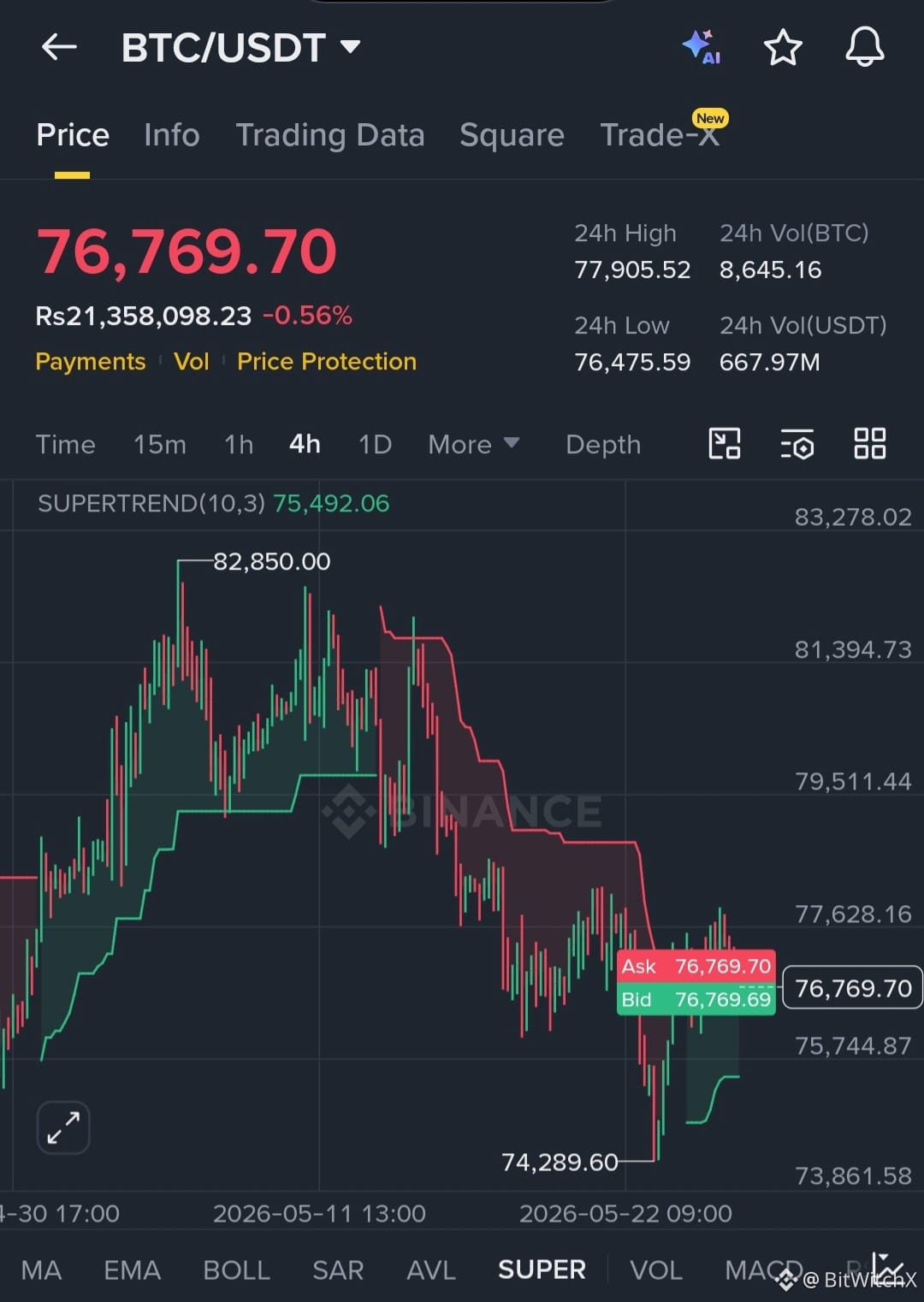
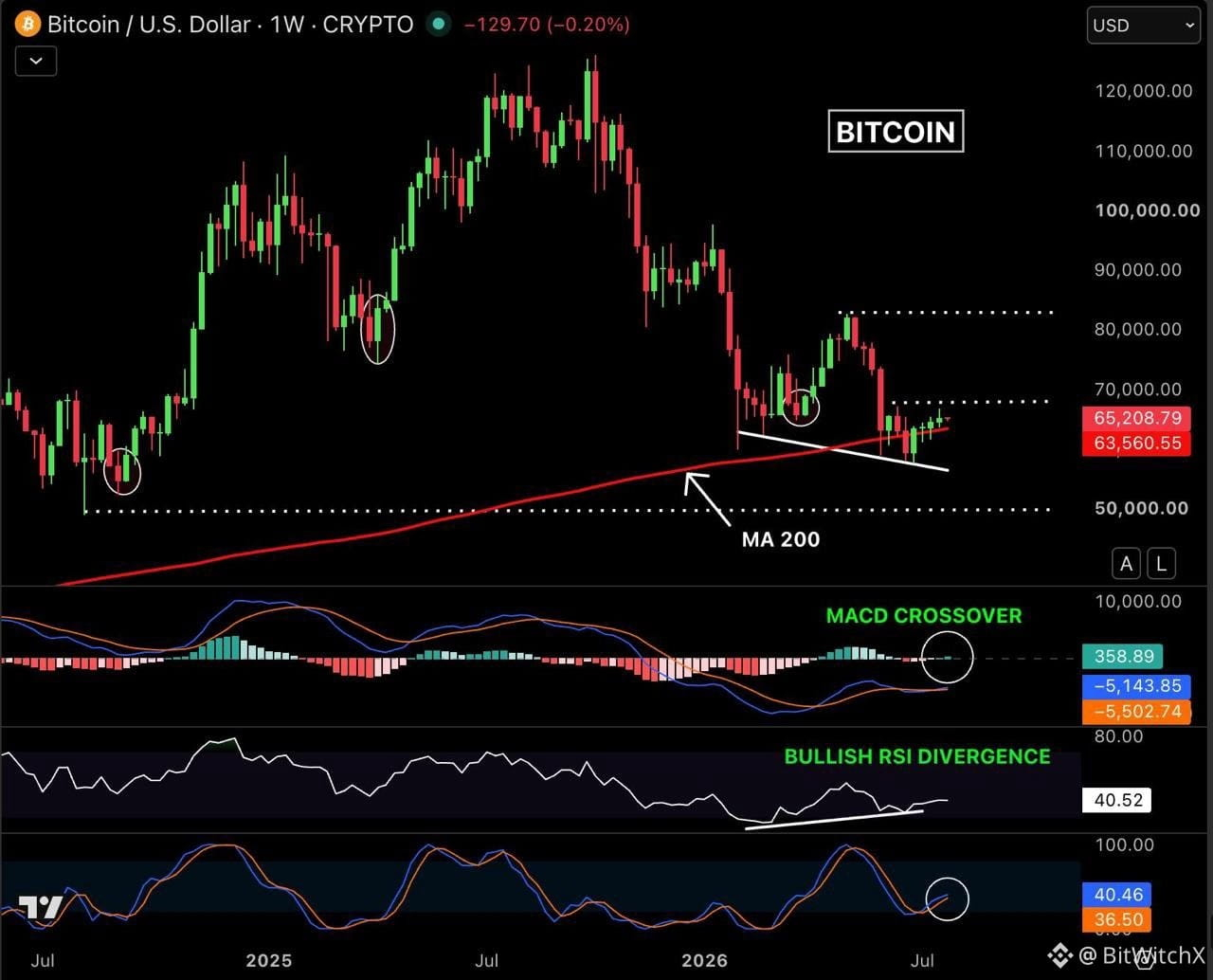
Volatility Returns: Is Bitcoin Building a Base for the Next Move?I’ve been watching Bitcoin grind its way back toward the $70K region, and honestly, this phase feels very different from the panic-driven volatility we saw during previous corrections. This isn’t chaos — it’s compression. It’s the kind of price behavior that forces everyone to question their bias while quietly building the foundation for the next major move. For weeks, I’ve seen the market swing between fear and cautious optimism. Every dip gets labeled as the start of a deeper crash, and every rally gets dismissed as a dead cat bounce. But when I zoom out and look at the structure, what stands out isn’t weakness — it’s resilience. Bitcoin isn’t collapsing under selling pressure. It’s absorbing it. The Psychology Behind This Range From my perspective, the current range below $70K is doing exactly what markets are supposed to do after a strong move: shake out weak hands. I can almost feel the frustration in the market. Traders who expected instant continuation are exhausted. Late sellers are hoping for lower prices that never quite arrive. Meanwhile, long-term holders aren’t panicking — they’re waiting. This is the phase where conviction gets tested. It’s easy to be bullish when price is trending cleanly upward. It’s much harder to stay confident when Bitcoin moves sideways for weeks, wicking both directions and invalidating overleveraged positions. But historically, these are the environments where strong bases form. Why the $70K Region Matters I’m paying close attention to the $70K zone because it isn’t just a number — it’s a psychological threshold. Markets remember levels where large amounts of trading occurred, and this region is loaded with trapped liquidity, previous distribution, and emotional decision-making. If Bitcoin reclaims and holds above this level, the narrative changes quickly. What was resistance becomes support. What was doubt becomes momentum. I’ve seen this happen repeatedly: once a major level flips, sidelined capital rushes back in, afraid of missing the next leg. But if price continues to reject here, that doesn’t automatically mean bearish continuation. It may simply mean the market needs more time to build a stronger base. Strong trends are rarely built in a straight line — they are constructed through repeated tests of conviction. Volatility Isn’t a Threat — It’s a Signal A lot of people fear volatility, but I see it differently. Volatility is information. It shows where liquidity sits, where stops are clustered, and where the market is searching for balance. Right now, the spikes and pullbacks feel less like panic and more like positioning. Large players don’t accumulate in calm, predictable markets. They accumulate in uncertainty, when retail traders hesitate. The current environment — sharp wicks, quick reversals, and failed breakdowns — looks exactly like that kind of accumulation phase. What I’m Watching Closely Instead of obsessing over every intraday move, I’m focusing on a few key signals: Higher lows on the macro timeframe — evidence of demand stepping in earlier. Reduced sell volume on pullbacks — showing seller exhaustion. Strong reactions from support zones — indicating buyers are defending structure.So far, these signals suggest the market isn’t preparing for collapse — it’s preparing for expansion. The Market’s Favorite Trick: Making Everyone Doubt If there’s one thing I’ve learned, it’s that the market loves to create maximum doubt before major moves. When Bitcoin topped in past cycles, euphoria was obvious. But near bottoms and bases, the mood is always the same: uncertainty, skepticism, and endless debate. That’s exactly where we are now. Some traders are calling for a full macro reversal. Others are convinced new highs are imminent. I’m somewhere in between — not because I’m unsure, but because markets don’t move in straight lines. They build pressure first. The Bigger Picture When I step back and look beyond daily candles, the broader trend still shows a market that has matured. Institutional interest hasn’t disappeared. Global liquidity cycles still matter. And despite all the noise, Bitcoin continues to hold levels that would have been considered unimaginable support just a few years ago. That perspective keeps me grounded. A volatile range near $70K isn’t weakness — it’s a sign of how far the asset has come. Final Thoughts Right now, I’m not chasing hype or reacting to every red candle. I’m observing. I’m watching how price behaves around key levels, how participants respond to volatility, and whether the market continues to absorb selling pressure. Bitcoin approaching $70K doesn’t feel like the end of a move to me. It feels like the middle of a story — a chapter where doubt is loud, conviction is tested, and the foundation for the next trend is quietly being built. $BTC #BitcoinGoogleSearchesSurge

Volatility Returns: Is Bitcoin Building a Base for the Next Move?

I’ve been watching Bitcoin grind its way back toward the $70K region, and honestly, this phase feels very different from the panic-driven volatility we saw during previous corrections. This isn’t chaos — it’s compression. It’s the kind of price behavior that forces everyone to question their bias while quietly building the foundation for the next major move.

For weeks, I’ve seen the market swing between fear and cautious optimism. Every dip gets labeled as the start of a deeper crash, and every rally gets dismissed as a dead cat bounce. But when I zoom out and look at the structure, what stands out isn’t weakness — it’s resilience. Bitcoin isn’t collapsing under selling pressure. It’s absorbing it.

The Psychology Behind This Range

From my perspective, the current range below $70K is doing exactly what markets are supposed to do after a strong move: shake out weak hands. I can almost feel the frustration in the market. Traders who expected instant continuation are exhausted. Late sellers are hoping for lower prices that never quite arrive. Meanwhile, long-term holders aren’t panicking — they’re waiting.

This is the phase where conviction gets tested. It’s easy to be bullish when price is trending cleanly upward. It’s much harder to stay confident when Bitcoin moves sideways for weeks, wicking both directions and invalidating overleveraged positions. But historically, these are the environments where strong bases form.

Why the $70K Region Matters

I’m paying close attention to the $70K zone because it isn’t just a number — it’s a psychological threshold. Markets remember levels where large amounts of trading occurred, and this region is loaded with trapped liquidity, previous distribution, and emotional decision-making.

If Bitcoin reclaims and holds above this level, the narrative changes quickly. What was resistance becomes support. What was doubt becomes momentum. I’ve seen this happen repeatedly: once a major level flips, sidelined capital rushes back in, afraid of missing the next leg.

But if price continues to reject here, that doesn’t automatically mean bearish continuation. It may simply mean the market needs more time to build a stronger base. Strong trends are rarely built in a straight line — they are constructed through repeated tests of conviction.

Volatility Isn’t a Threat — It’s a Signal

A lot of people fear volatility, but I see it differently. Volatility is information. It shows where liquidity sits, where stops are clustered, and where the market is searching for balance.

Right now, the spikes and pullbacks feel less like panic and more like positioning. Large players don’t accumulate in calm, predictable markets. They accumulate in uncertainty, when retail traders hesitate. The current environment — sharp wicks, quick reversals, and failed breakdowns — looks exactly like that kind of accumulation phase.

What I’m Watching Closely

Instead of obsessing over every intraday move, I’m focusing on a few key signals:

Higher lows on the macro timeframe — evidence of demand stepping in earlier.

Reduced sell volume on pullbacks — showing seller exhaustion.

Strong reactions from support zones — indicating buyers are defending structure.So far, these signals suggest the market isn’t preparing for collapse — it’s preparing for expansion. The Market’s Favorite Trick: Making Everyone Doubt

If there’s one thing I’ve learned, it’s that the market loves to create maximum doubt before major moves. When Bitcoin topped in past cycles, euphoria was obvious. But near bottoms and bases, the mood is always the same: uncertainty, skepticism, and endless debate.

That’s exactly where we are now.

Some traders are calling for a full macro reversal. Others are convinced new highs are imminent. I’m somewhere in between — not because I’m unsure, but because markets don’t move in straight lines. They build pressure first.

The Bigger Picture

When I step back and look beyond daily candles, the broader trend still shows a market that has matured. Institutional interest hasn’t disappeared. Global liquidity cycles still matter. And despite all the noise, Bitcoin continues to hold levels that would have been considered unimaginable support just a few years ago.

That perspective keeps me grounded. A volatile range near $70K isn’t weakness — it’s a sign of how far the asset has come.

Final Thoughts

Right now, I’m not chasing hype or reacting to every red candle. I’m observing. I’m watching how price behaves around key levels, how participants respond to volatility, and whether the market continues to absorb selling pressure.

Bitcoin approaching $70K doesn’t feel like the end of a move to me. It feels like the middle of a story — a chapter where doubt is loud, conviction is tested, and the foundation for the next trend is quietly being built.

$BTC

#BitcoinGoogleSearchesSurge
Übersetzung ansehen
South Korea Eyes Mandatory Crypto Influencer Disclosures South Korea is moving to require crypto and stock influencers to disclose their holdings and any paid promotions under proposed amendments to the Capital Markets Act and Virtual Asset User Protection Act. The bill, introduced February 25, 2026, comes as trading volumes on major Korean exchanges have dropped sharply year over year, with lawmakers aiming to curb market manipulation and conflicts of interest. Penalties could include fines and criminal liability, as regulators look to tighten oversight of retail driven #crypto promotion.
South Korea Eyes Mandatory Crypto Influencer Disclosures
South Korea is moving to require crypto and stock influencers to disclose their holdings and any paid promotions under proposed amendments to the Capital Markets Act and Virtual Asset User Protection Act.
The bill, introduced February 25, 2026, comes as trading volumes on major Korean exchanges have dropped sharply year over year, with lawmakers aiming to curb market manipulation and conflicts of interest.
Penalties could include fines and criminal liability, as regulators look to tighten oversight of retail driven #crypto promotion.
Übersetzung ansehen
$QI 4H STRONG REVERSAL CANDLE WITH MOMENTUM SHIFT FROM SUPPORT Entry $0.00185 to $0.00199 SL $0.00170 TP1 $0.00210 TP2 $0.00230 TP3 $0.00260 Will QI hold above $0.00190 and expand toward the $0.00230 liquidity zone Buy and Trade $QI
$QI 4H STRONG REVERSAL CANDLE WITH MOMENTUM SHIFT FROM SUPPORT
Entry $0.00185 to $0.00199
SL $0.00170
TP1 $0.00210
TP2 $0.00230
TP3 $0.00260
Will QI hold above $0.00190 and expand toward the $0.00230 liquidity zone
Buy and Trade $QI
BREAKING: Die gleiche Institution, die täglich um 10 Uhr $BTC beschuldigt wird, hat gerade 785.224 weitere Strategieaktien gekauft. Jane Street hält jetzt 951.187 $MSTR Aktien im Wert von 124 Millionen Dollar, ein Anstieg von 473 % in nur einem Quartal, was die Bitcoin-Exposition erheblich erhöht.
BREAKING: Die gleiche Institution, die täglich um 10 Uhr $BTC beschuldigt wird, hat gerade 785.224 weitere Strategieaktien gekauft.
Jane Street hält jetzt 951.187 $MSTR Aktien im Wert von 124 Millionen Dollar, ein Anstieg von 473 % in nur einem Quartal, was die Bitcoin-Exposition erheblich erhöht.
Übersetzung ansehen
$SNX has lost its momentum, and is going down. Entry 0.4-0.45 SL 0.49 Tp 1 0.39 Tp 2 0.28 Tp 3 019
$SNX has lost its momentum, and is going down.
Entry 0.4-0.45
SL 0.49
Tp 1 0.39
Tp 2 0.28
Tp 3 019
Übersetzung ansehen
$KITE breaks its uptrend support ( bearish ) Signal type- short Leverage 5x entry- .2517- .255 1st tp- .215 close 30% SL at entry 2nd tp- .16 close 50% 3rd tp- .12 close 100% SL-.288 Click here to take this trade👇 $KITE
$KITE breaks its uptrend support ( bearish )
Signal type- short
Leverage 5x
entry- .2517- .255
1st tp- .215 close 30% SL at entry
2nd tp- .16 close 50%
3rd tp- .12 close 100%
SL-.288
Click here to take this trade👇 $KITE
Übersetzung ansehen
$BTC $760M BTC DUMP: HYPERUNIT WHALE EXITING AFTER $7B WIN? The Hyperunit Whale — reportedly linked to Garrett Jin — has just moved another $760 million in BTC to Binance. And this isn’t an isolated move. Just six days ago, he transferred over $500 million in ETH to the same exchange. Now the pattern is impossible to ignore. After reportedly banking nearly $7 billion in combined BTC and ETH profits, this looks less like routine rebalancing… and more like potential distribution. When whales send assets to exchanges, it usually signals one thing: liquidity preparation. Is this a strategic trim after a legendary run — or the early stages of a full-scale exit before volatility hits? Massive capital is shifting. The question is: does he know something the market doesn’t? Stay sharp. Big money moves first. #crypto #Bitcoin
$BTC $760M BTC DUMP: HYPERUNIT WHALE EXITING AFTER $7B WIN?

The Hyperunit Whale — reportedly linked to Garrett Jin — has just moved another $760 million in BTC to Binance. And this isn’t an isolated move.

Just six days ago, he transferred over $500 million in ETH to the same exchange. Now the pattern is impossible to ignore. After reportedly banking nearly $7 billion in combined BTC and ETH profits, this looks less like routine rebalancing… and more like potential distribution.

When whales send assets to exchanges, it usually signals one thing: liquidity preparation.
Is this a strategic trim after a legendary run — or the early stages of a full-scale exit before volatility hits?

Massive capital is shifting. The question is: does he know something the market doesn’t?
Stay sharp. Big money moves first.

#crypto #Bitcoin
Übersetzung ansehen
CRYPTO EXTREME FEAR IS NOW THE LONGEST IN YEARS The Crypto Fear & Greed Index is sitting at 8. That marks a 23-day streak in Extreme Fear — the longest run since the Terra-LUNA crash in 2022. When fear stretches this long, sentiment is washed out. Keep making the right moves. This won’t last long. 🚀 #TokenizedRealEstate #BTCMiningDifficultyIncrease
CRYPTO EXTREME FEAR IS NOW THE LONGEST IN YEARS

The Crypto Fear & Greed Index is sitting at 8.
That marks a 23-day streak in Extreme Fear — the longest run since the Terra-LUNA crash in 2022.

When fear stretches this long, sentiment is washed out.

Keep making the right moves. This won’t last long. 🚀

#TokenizedRealEstate

#BTCMiningDifficultyIncrease
Melde dich an, um weitere Inhalte zu entdecken
Bleib immer am Ball mit den neuesten Nachrichten aus der Kryptowelt
⚡️ Beteilige dich an aktuellen Diskussionen rund um Kryptothemen
💬 Interagiere mit deinen bevorzugten Content-Erstellern
👍 Entdecke für dich interessante Inhalte
E-Mail-Adresse/Telefonnummer
Sitemap
Cookie-Präferenzen
Nutzungsbedingungen der Plattform