
Fredella Casandra
100 Beiträge

Fredella Casandra
Melden
Nutzer blockieren
🚀 Follow for the latest market updates every day 📈
💎 Help support and grow this account together 🔥
15 Following
27 Follower
78 Like gegeben
Beiträge
Alle
Zitierungen
Innovation ist eine der treibenden Kräfte hinter dem Wachstum der Krypto-Industrie, und @Bedrock Bedrock zeigt weiterhin sein Engagement für den Aufbau nützlicher Infrastruktur durch Bedrock 2.0. Das Projekt konzentriert sich darauf, Lösungen zu schaffen, die den Nutzen von Vermögenswerten verbessern und gleichzeitig eine breitere Teilnahme am Ökosystem unterstützen. Während immer mehr Nutzer die Möglichkeiten der dezentralen Finanzen erkunden, könnten Plattformen, die Effizienz, Zugänglichkeit und langfristigen Wert bieten, eine bedeutende Rolle bei der Gestaltung der Zukunft spielen. Es wird interessant sein zu sehen, wie sich das entwickelt, während die Akzeptanz weiterhin wächst.#bedrock $BR
Innovation ist eine der treibenden Kräfte hinter dem Wachstum der Krypto-Industrie, und @Bedrock Bedrock zeigt weiterhin sein Engagement für den Aufbau nützlicher Infrastruktur durch Bedrock 2.0. Das Projekt konzentriert sich darauf, Lösungen zu schaffen, die den Nutzen von Vermögenswerten verbessern und gleichzeitig eine breitere Teilnahme am Ökosystem unterstützen. Während immer mehr Nutzer die Möglichkeiten der dezentralen Finanzen erkunden, könnten Plattformen, die Effizienz, Zugänglichkeit und langfristigen Wert bieten, eine bedeutende Rolle bei der Gestaltung der Zukunft spielen. Es wird interessant sein zu sehen, wie sich das entwickelt, während die Akzeptanz weiterhin wächst.#bedrock $BR
102
·
--
Bullisch
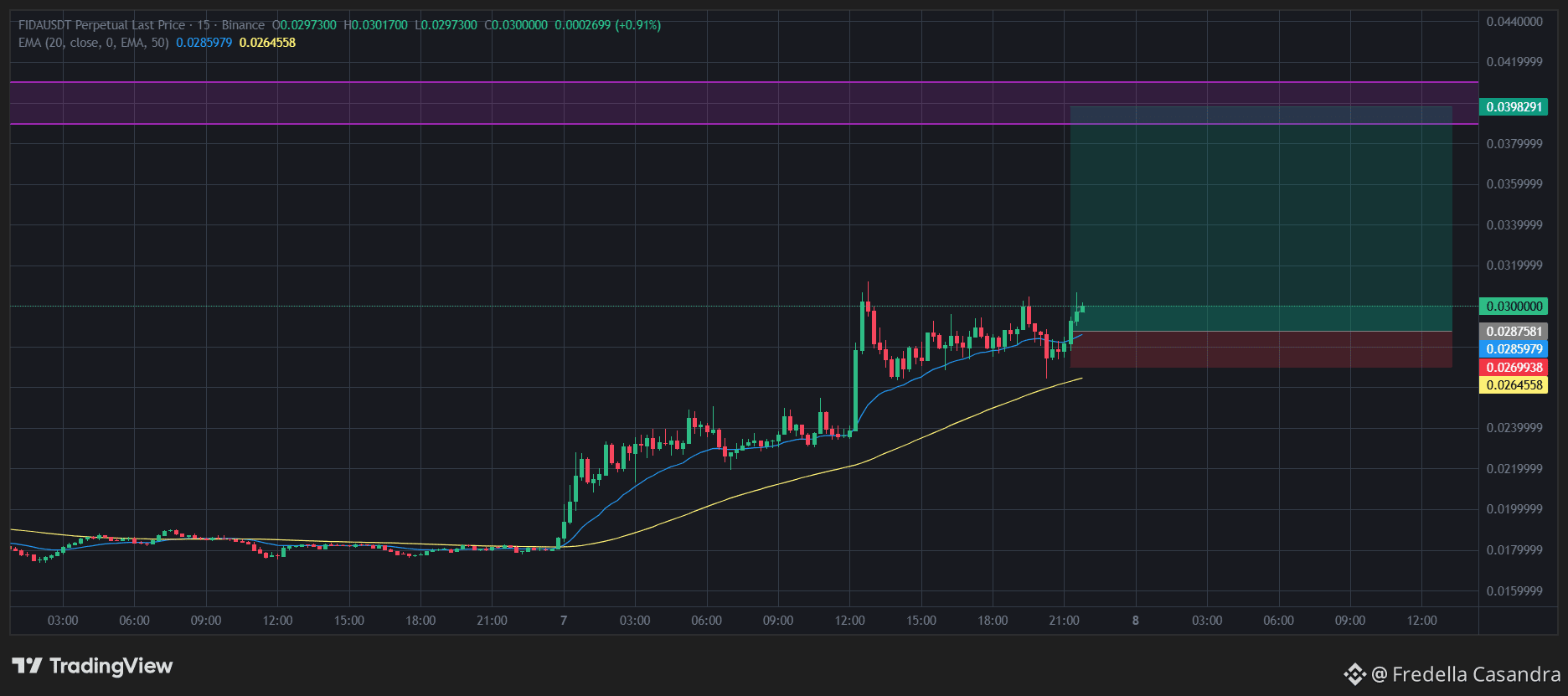
🚀 Trend ist weiterhin bullish #FIDA
✅ LONG
🎯 Einstieg : 0.0293-0300
💰 Ziele:
TP1→ 0.0350
TP2 → 0.0400
🛑 Stop Loss : 0.0268
$FIDA
{future}(FIDAUSDT)
🚀 Trend ist weiterhin bullish #FIDA
✅ LONG
🎯 Einstieg : 0.0293-0300
💰 Ziele:
TP1→ 0.0350
TP2 → 0.0400
🛑 Stop Loss : 0.0268
$FIDA
✅ LONG
🎯 Einstieg : 0.0293-0300
💰 Ziele:
TP1→ 0.0350
TP2 → 0.0400
🛑 Stop Loss : 0.0268
$FIDA
201
Artikel
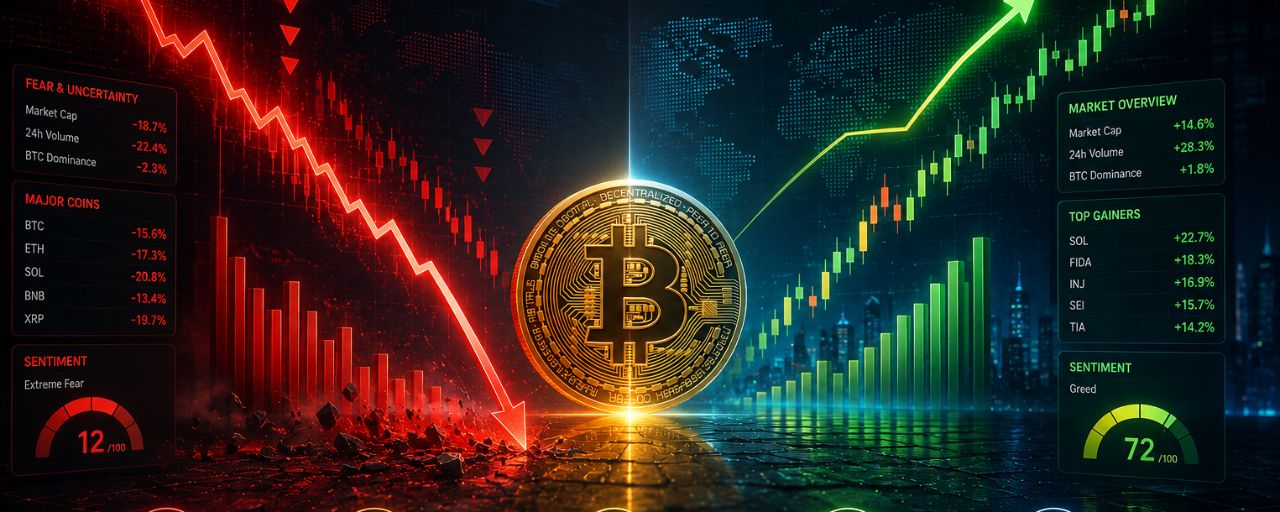
Bitcoin Stabil Nach Einer Blutigen Woche: Ist Das Der Beginn einer Erholung oder Nur ein Dead Cat Bounce?Der Kryptomarkt zeigt erste Anzeichen der Stabilisierung, nachdem er eine der härtesten Wochen seit dem Zusammenbruch von FTX im Jahr 2022 erlebt hat. Bitcoin (BTC) wird derzeit im Bereich von US$61.760 gehandelt, was einem Anstieg von etwa 1,35 % in den letzten 24 Stunden entspricht, nachdem zuvor der tiefste Stand des Jahres 2026 erreicht wurde.
Obwohl ein Rebound sichtbar wird, bleibt das Marktsentiment insgesamt in einer vorsichtigen Phase. Investoren richten jetzt ihr Augenmerk auf mehrere wichtige Faktoren wie die Inflationsdaten der Vereinigten Staaten (CPI), das Treffen der Federal Reserve (FOMC), die ETF-Geldströme und die globale Liquiditätslage, die potenziell die Richtung des Marktes in den kommenden Wochen bestimmen könnten.
Bitcoin Stabil Nach Einer Blutigen Woche: Ist Das Der Beginn einer Erholung oder Nur ein Dead Cat Bounce?
Der Kryptomarkt zeigt erste Anzeichen der Stabilisierung, nachdem er eine der härtesten Wochen seit dem Zusammenbruch von FTX im Jahr 2022 erlebt hat. Bitcoin (BTC) wird derzeit im Bereich von US$61.760 gehandelt, was einem Anstieg von etwa 1,35 % in den letzten 24 Stunden entspricht, nachdem zuvor der tiefste Stand des Jahres 2026 erreicht wurde.
Obwohl ein Rebound sichtbar wird, bleibt das Marktsentiment insgesamt in einer vorsichtigen Phase. Investoren richten jetzt ihr Augenmerk auf mehrere wichtige Faktoren wie die Inflationsdaten der Vereinigten Staaten (CPI), das Treffen der Federal Reserve (FOMC), die ETF-Geldströme und die globale Liquiditätslage, die potenziell die Richtung des Marktes in den kommenden Wochen bestimmen könnten.
Obwohl ein Rebound sichtbar wird, bleibt das Marktsentiment insgesamt in einer vorsichtigen Phase. Investoren richten jetzt ihr Augenmerk auf mehrere wichtige Faktoren wie die Inflationsdaten der Vereinigten Staaten (CPI), das Treffen der Federal Reserve (FOMC), die ETF-Geldströme und die globale Liquiditätslage, die potenziell die Richtung des Marktes in den kommenden Wochen bestimmen könnten.
1
1
204
Kapitaleffizienz bleibt eine der wichtigsten Narrative im dezentralen Finanzwesen, und @Bedrock Bedrock trägt aktiv zu dieser Bewegung bei durch die Entwicklung von Bedrock 2.0. Indem der Fokus auf die Maximierung der Asset-Nutzung und die Schaffung neuer Möglichkeiten innerhalb des Ökosystems gelegt wird, zielt Bedrock darauf ab, den Nutzern zu helfen, ihre Bestände besser zu nutzen. Da der DeFi-Sektor zunehmend wettbewerbsintensiv wird, werden Projekte, die echten Nutzen und innovative Lösungen bieten, wahrscheinlich herausstechen. Ich bin gespannt, wie weiter wächst im Einklang mit der Evolution des Bedrock-Ökosystems.#bedrock $BR
Kapitaleffizienz bleibt eine der wichtigsten Narrative im dezentralen Finanzwesen, und @Bedrock Bedrock trägt aktiv zu dieser Bewegung bei durch die Entwicklung von Bedrock 2.0. Indem der Fokus auf die Maximierung der Asset-Nutzung und die Schaffung neuer Möglichkeiten innerhalb des Ökosystems gelegt wird, zielt Bedrock darauf ab, den Nutzern zu helfen, ihre Bestände besser zu nutzen. Da der DeFi-Sektor zunehmend wettbewerbsintensiv wird, werden Projekte, die echten Nutzen und innovative Lösungen bieten, wahrscheinlich herausstechen. Ich bin gespannt, wie weiter wächst im Einklang mit der Evolution des Bedrock-Ökosystems.#bedrock $BR
1
88
Kapitaleffizienz bleibt eines der wichtigsten Themen im Bereich der dezentralen Finanzen, und @Bedrock Bedrock trägt aktiv zu dieser Bewegung bei durch die Entwicklung von Bedrock 2.0. Durch den Fokus auf die Maximierung der Vermögensnutzung und die Schaffung neuer Chancen innerhalb seines Ökosystems zielt Bedrock darauf ab, den Nutzern zu helfen, ihre Bestände besser zu nutzen. Da der DeFi-Sektor zunehmend wettbewerbsintensiv wird, werden Projekte, die echte Nützlichkeit und innovative Lösungen bieten, wahrscheinlich herausstechen. Ich bin gespannt, wie weiterhin wachsen wird, während sich das Bedrock-Ökosystem weiterentwickelt.
#bedrock $BR
Kapitaleffizienz bleibt eines der wichtigsten Themen im Bereich der dezentralen Finanzen, und @Bedrock Bedrock trägt aktiv zu dieser Bewegung bei durch die Entwicklung von Bedrock 2.0. Durch den Fokus auf die Maximierung der Vermögensnutzung und die Schaffung neuer Chancen innerhalb seines Ökosystems zielt Bedrock darauf ab, den Nutzern zu helfen, ihre Bestände besser zu nutzen. Da der DeFi-Sektor zunehmend wettbewerbsintensiv wird, werden Projekte, die echte Nützlichkeit und innovative Lösungen bieten, wahrscheinlich herausstechen. Ich bin gespannt, wie weiterhin wachsen wird, während sich das Bedrock-Ökosystem weiterentwickelt.
#bedrock $BR
#bedrock $BR
96
·
--
Bullisch
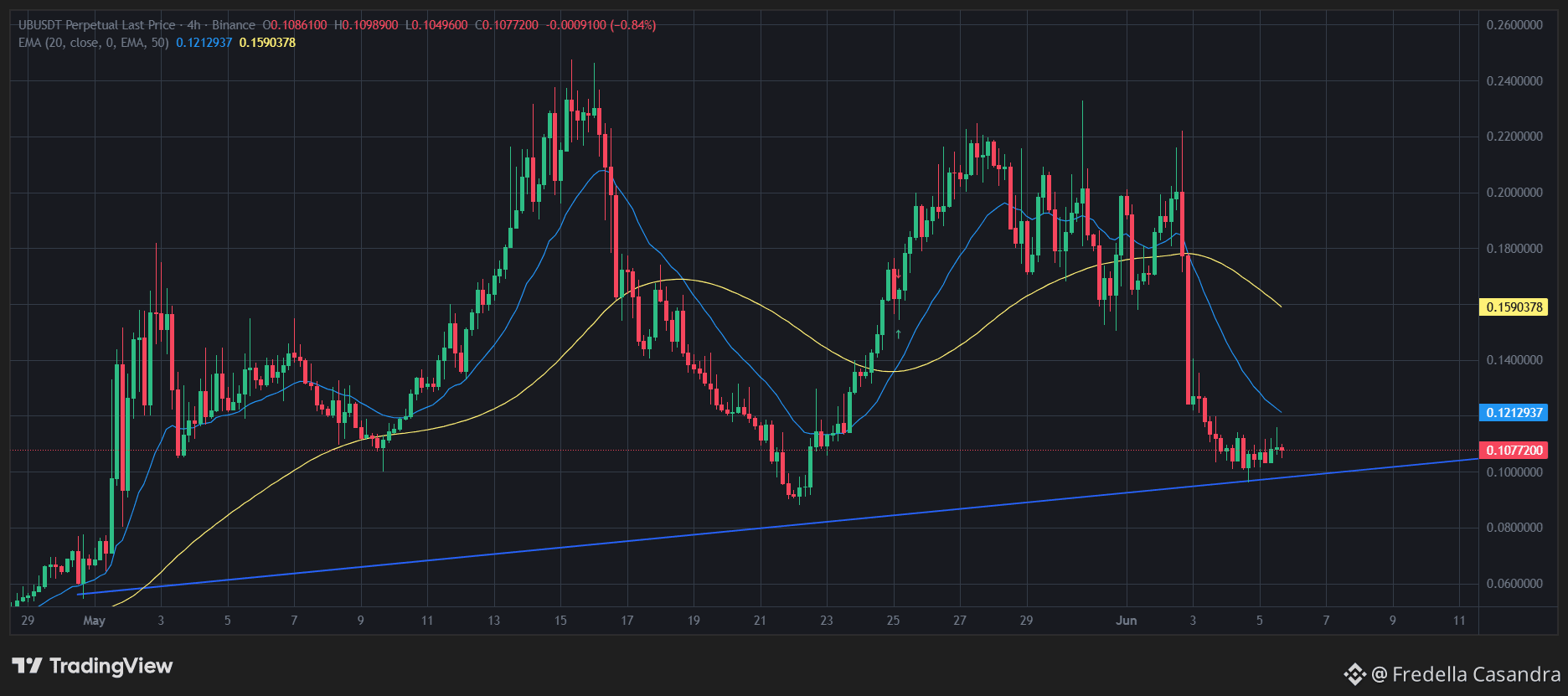
Ich sehe eine ziemlich interessante Situation, da der Preis sich im Bereich der Richtungsbestimmung befindet.
Wird #UB wieder bullish?
$UB
{future}(UBUSDT)
Ich sehe eine ziemlich interessante Situation, da der Preis sich im Bereich der Richtungsbestimmung befindet.
Wird #UB wieder bullish?
$UB
Wird #UB wieder bullish?
$UB
2
281
Artikel
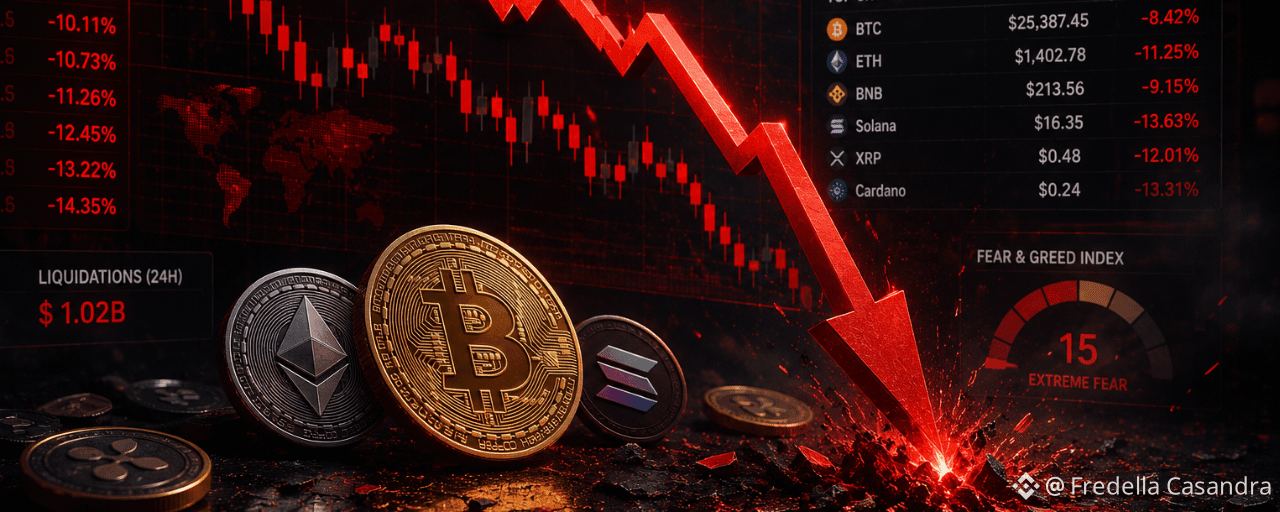
Bitcoin Betritt die Phase der extremen Angst: Ist das der Beginn der Kapitulation oder eine Gelegenheit zur Akkumulation?Der Kryptomarkt sieht sich dem größten Druck der letzten vier Monate ausgesetzt. Bitcoin (BTC) fiel bis auf 61.397 US-Dollar im Handel am 5. Juni 2026, was den niedrigsten Preis seit Februar 2026 darstellt.
Dieser Rückgang bringt Bitcoin in Richtung einer wöchentlichen Korrektur von über 16%, was potenziell die tiefste wöchentliche Schwäche seit November 2022 darstellen könnte.
Nicht nur Bitcoin, der gesamte Kryptomarkt steht unter Druck. Die globale Marktkapitalisierung ist auf etwa 2,21 Billionen US-Dollar gefallen, während der Fear & Greed-Index auf 20 gesunken ist, was extreme Angst unter den Investoren signalisiert.
Bitcoin Betritt die Phase der extremen Angst: Ist das der Beginn der Kapitulation oder eine Gelegenheit zur Akkumulation?
Der Kryptomarkt sieht sich dem größten Druck der letzten vier Monate ausgesetzt. Bitcoin (BTC) fiel bis auf 61.397 US-Dollar im Handel am 5. Juni 2026, was den niedrigsten Preis seit Februar 2026 darstellt.
Dieser Rückgang bringt Bitcoin in Richtung einer wöchentlichen Korrektur von über 16%, was potenziell die tiefste wöchentliche Schwäche seit November 2022 darstellen könnte.
Nicht nur Bitcoin, der gesamte Kryptomarkt steht unter Druck. Die globale Marktkapitalisierung ist auf etwa 2,21 Billionen US-Dollar gefallen, während der Fear & Greed-Index auf 20 gesunken ist, was extreme Angst unter den Investoren signalisiert.
Dieser Rückgang bringt Bitcoin in Richtung einer wöchentlichen Korrektur von über 16%, was potenziell die tiefste wöchentliche Schwäche seit November 2022 darstellen könnte.
Nicht nur Bitcoin, der gesamte Kryptomarkt steht unter Druck. Die globale Marktkapitalisierung ist auf etwa 2,21 Billionen US-Dollar gefallen, während der Fear & Greed-Index auf 20 gesunken ist, was extreme Angst unter den Investoren signalisiert.
1
257
Der Übergang von Bedrock zu Bedrock 2.0 zeigt ein Engagement für kontinuierliche Innovation und langfristiges Wachstum des Ökosystems. Während viele Projekte sich nur auf kurzfristige Trends konzentrieren, @Bedrock Bedrock baut weiterhin Infrastruktur auf, die darauf abzielt, nachhaltigen Wert für Nutzer und die breitere DeFi-Landschaft zu schaffen. Bedrock 2.0 bringt eine frische Perspektive darauf, wie digitale Vermögenswerte effizienter genutzt werden können, während die Zugänglichkeit für Teilnehmer gewahrt bleibt. Die Entwicklungen rund um <a>...</a> sind spannend zu beobachten, während das Ökosystem sich erweitert und neue Möglichkeiten für Nutzer einführt.#bedrock $BR
Der Übergang von Bedrock zu Bedrock 2.0 zeigt ein Engagement für kontinuierliche Innovation und langfristiges Wachstum des Ökosystems. Während viele Projekte sich nur auf kurzfristige Trends konzentrieren, @Bedrock Bedrock baut weiterhin Infrastruktur auf, die darauf abzielt, nachhaltigen Wert für Nutzer und die breitere DeFi-Landschaft zu schaffen. Bedrock 2.0 bringt eine frische Perspektive darauf, wie digitale Vermögenswerte effizienter genutzt werden können, während die Zugänglichkeit für Teilnehmer gewahrt bleibt. Die Entwicklungen rund um <a>...</a> sind spannend zu beobachten, während das Ökosystem sich erweitert und neue Möglichkeiten für Nutzer einführt.#bedrock $BR
98
·
--
Bullisch
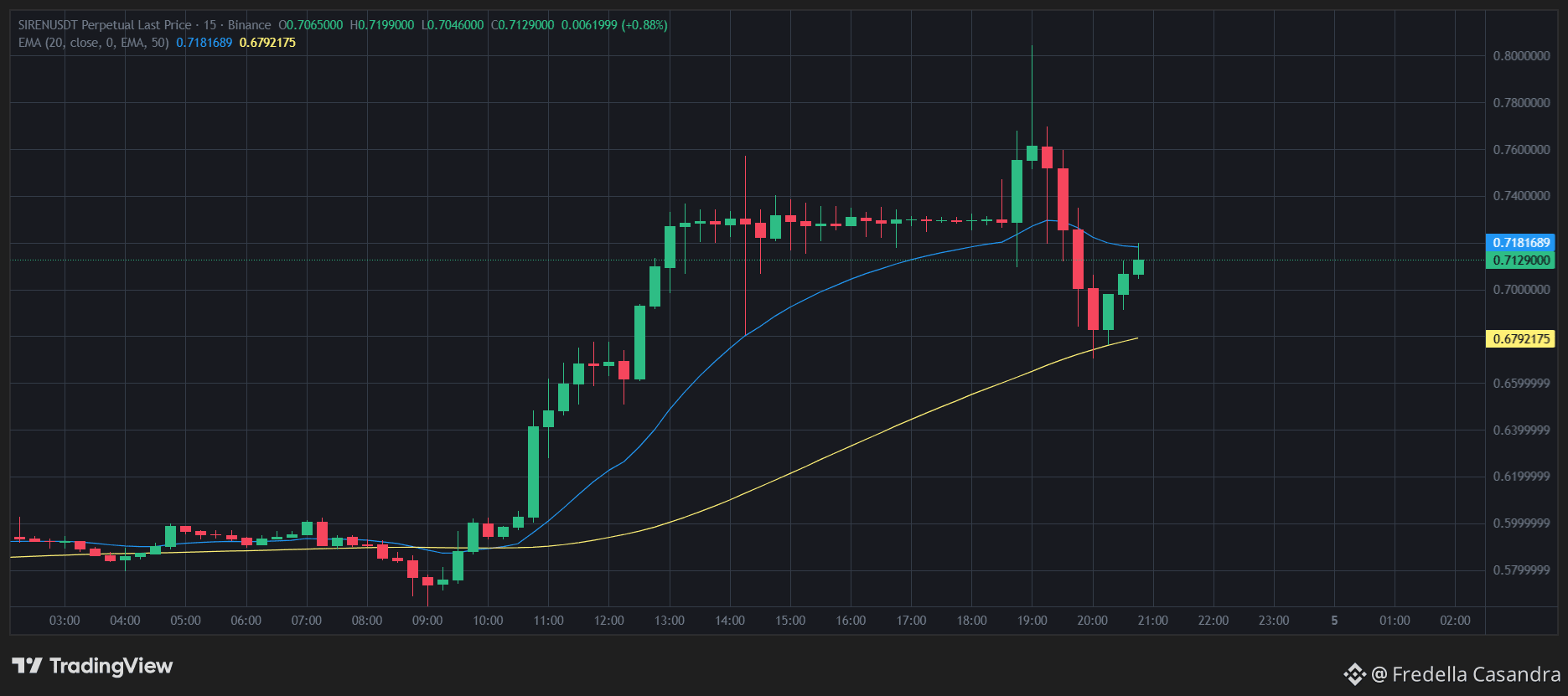
Wird diese Anomalie zurückfliegen zu?
$SIREN
{future}(SIRENUSDT)
Wird diese Anomalie zurückfliegen zu?
$SIREN
$SIREN
2
265
·
--
Bullisch
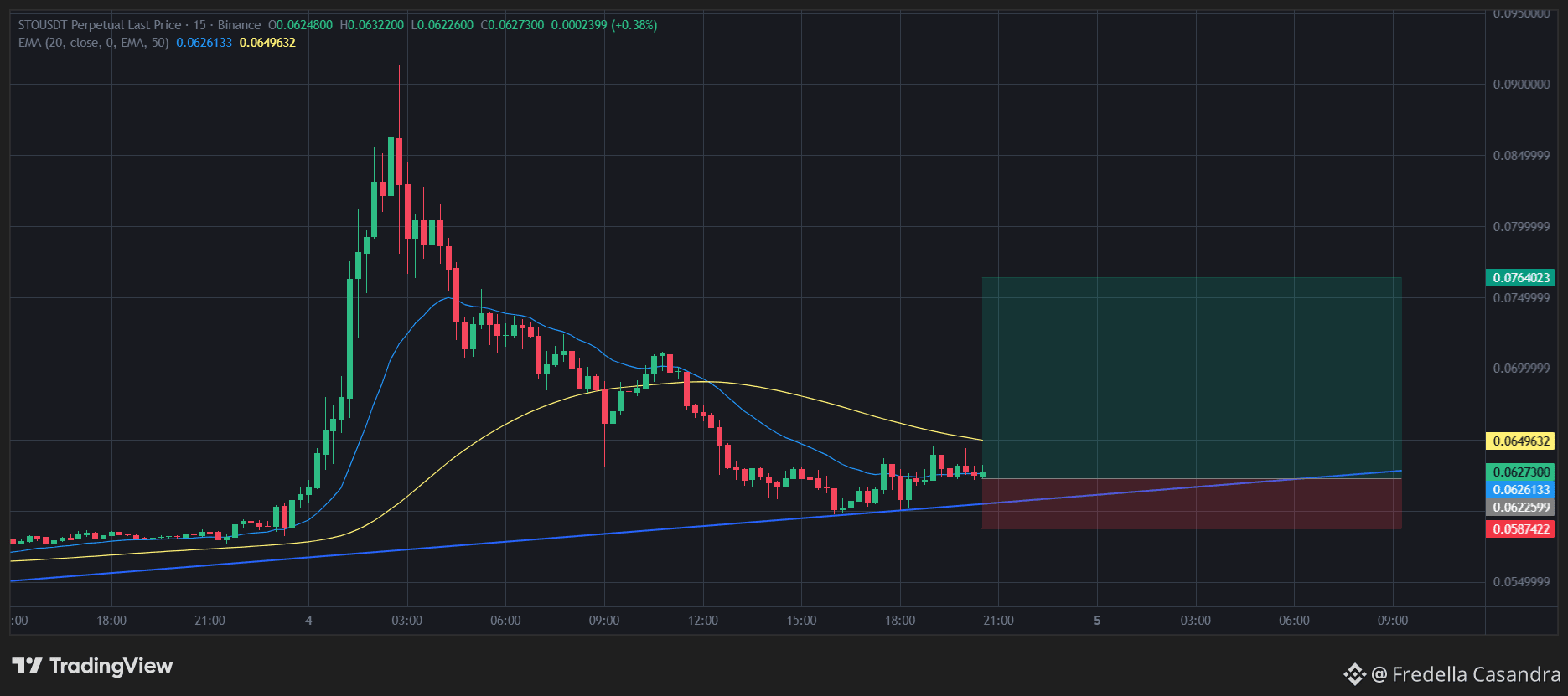
✅ LONG Einstieg Bereich
🎯 Einstieg : 0.064 – 0.061
💰 Ziele:
TP1: 0.065
TP2: 0.070
TP3: 0.078
🛑 Stop Loss : 0.0598
$STO
{future}(STOUSDT)
✅ LONG Einstieg Bereich
🎯 Einstieg : 0.064 – 0.061
💰 Ziele:
TP1: 0.065
TP2: 0.070
TP3: 0.078
🛑 Stop Loss : 0.0598
$STO
🎯 Einstieg : 0.064 – 0.061
💰 Ziele:
TP1: 0.065
TP2: 0.070
TP3: 0.078
🛑 Stop Loss : 0.0598
$STO
152
·
--
Bullisch
Mit der fortschreitenden Akzeptanz von Bitcoin in der Krypto-Industrie werden Infrastrukturprojekte wichtiger denn je. @Bedrock Bedrock arbeitet daran, den Bitcoin-Haltern durch sein innovatives Ökosystem mehr Nutzen zu bieten, während Bedrock 2.0 neue Möglichkeiten einführt, die darauf abzielen, die Kapitaleffizienz und die Teilnahme an DeFi zu verbessern. Die Vision, passive Vermögenswerte in produktive Vermögenswerte zu verwandeln, ist einer der spannendsten Trends auf dem Markt heute. Ich bin gespannt, die Entwicklung von zu verfolgen und zu sehen, wie sich das Ökosystem in den kommenden Monaten entwickelt.
#bedrock $BR
Mit der fortschreitenden Akzeptanz von Bitcoin in der Krypto-Industrie werden Infrastrukturprojekte wichtiger denn je. @Bedrock Bedrock arbeitet daran, den Bitcoin-Haltern durch sein innovatives Ökosystem mehr Nutzen zu bieten, während Bedrock 2.0 neue Möglichkeiten einführt, die darauf abzielen, die Kapitaleffizienz und die Teilnahme an DeFi zu verbessern. Die Vision, passive Vermögenswerte in produktive Vermögenswerte zu verwandeln, ist einer der spannendsten Trends auf dem Markt heute. Ich bin gespannt, die Entwicklung von zu verfolgen und zu sehen, wie sich das Ökosystem in den kommenden Monaten entwickelt.
#bedrock $BR
#bedrock $BR
1
79

Artikel
Bitcoin stürzt auf das niedrigste Niveau seit zwei Monaten: 7 Hauptfaktoren hinter dem Preisverfall von BTCBitcoin steht Anfang Juni 2026 erneut unter massivem Druck. Nachdem er über der psychologischen Marke von 70.000 US$ verharrte, ist der BTC-Preis nun auf etwa 66.000 US$ gefallen und hat das niedrigste Niveau der letzten zwei Monate erreicht.
Am Handelstag, dem 2. Juni 2026, fiel Bitcoin um mehr als 6% und berührte kurzzeitig die Marke von 66.954 US$, bevor er sich bei etwa 66.800 US$ stabilisierte. Marktdaten zeigen, dass BTC in der letzten Woche um etwa 11,87% schwächer wurde und in den letzten 30 Tagen um mehr als 10% gefallen ist.
Dieser Rückgang betrifft nicht nur Bitcoin. Der gesamte Kryptomarkt erlebt ebenfalls eine signifikante Korrektur. Ethereum (ETH) ist um etwa 6% gefallen, während Solana (SOL) und Dogecoin (DOGE) jeweils um mehr als 6% gesunken sind.
Bitcoin stürzt auf das niedrigste Niveau seit zwei Monaten: 7 Hauptfaktoren hinter dem Preisverfall von BTC
Bitcoin steht Anfang Juni 2026 erneut unter massivem Druck. Nachdem er über der psychologischen Marke von 70.000 US$ verharrte, ist der BTC-Preis nun auf etwa 66.000 US$ gefallen und hat das niedrigste Niveau der letzten zwei Monate erreicht.
Am Handelstag, dem 2. Juni 2026, fiel Bitcoin um mehr als 6% und berührte kurzzeitig die Marke von 66.954 US$, bevor er sich bei etwa 66.800 US$ stabilisierte. Marktdaten zeigen, dass BTC in der letzten Woche um etwa 11,87% schwächer wurde und in den letzten 30 Tagen um mehr als 10% gefallen ist.
Dieser Rückgang betrifft nicht nur Bitcoin. Der gesamte Kryptomarkt erlebt ebenfalls eine signifikante Korrektur. Ethereum (ETH) ist um etwa 6% gefallen, während Solana (SOL) und Dogecoin (DOGE) jeweils um mehr als 6% gesunken sind.
Am Handelstag, dem 2. Juni 2026, fiel Bitcoin um mehr als 6% und berührte kurzzeitig die Marke von 66.954 US$, bevor er sich bei etwa 66.800 US$ stabilisierte. Marktdaten zeigen, dass BTC in der letzten Woche um etwa 11,87% schwächer wurde und in den letzten 30 Tagen um mehr als 10% gefallen ist.
Dieser Rückgang betrifft nicht nur Bitcoin. Der gesamte Kryptomarkt erlebt ebenfalls eine signifikante Korrektur. Ethereum (ETH) ist um etwa 6% gefallen, während Solana (SOL) und Dogecoin (DOGE) jeweils um mehr als 6% gesunken sind.
1
242
·
--
Bullisch
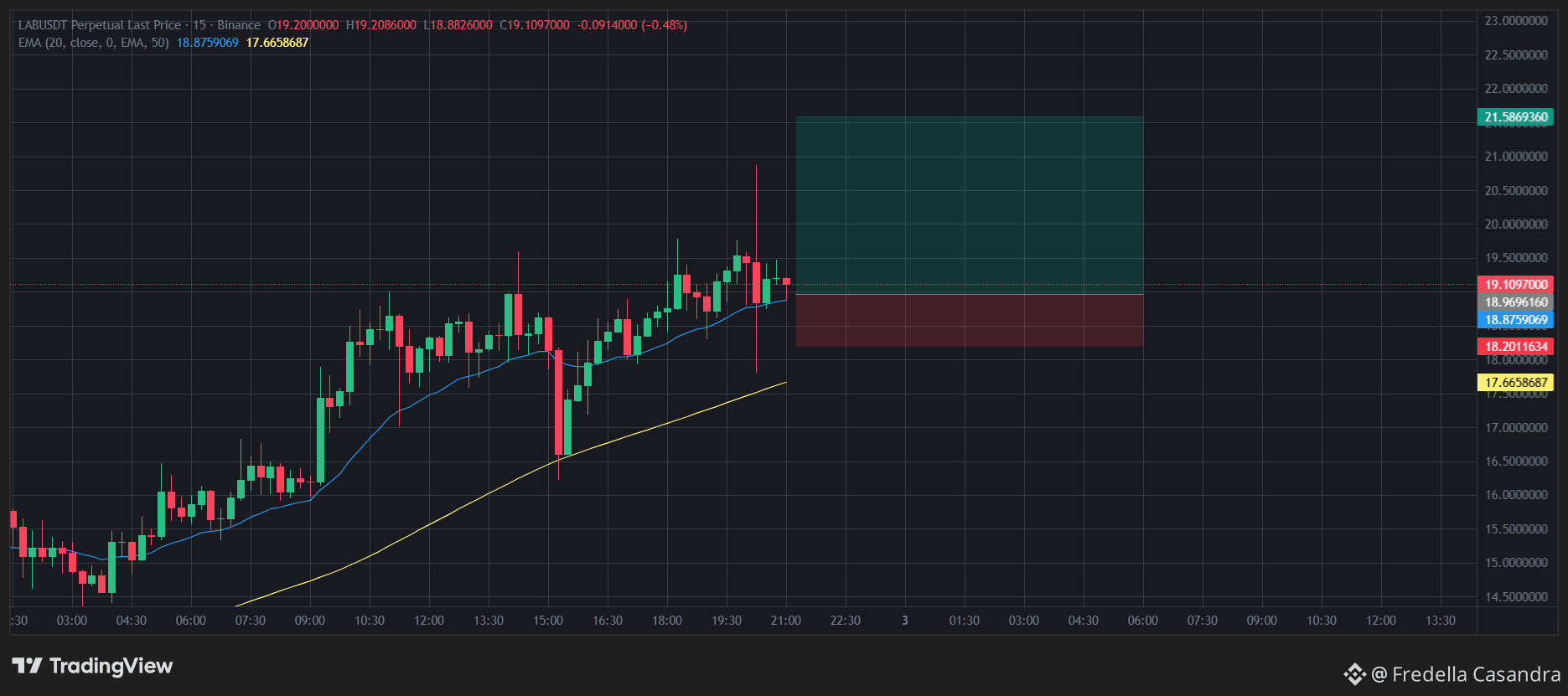
🚀 Starker Bullish 📈🔥
✅ LONG Einstieg Bereich
🎯 Einstieg : 18.80 — 19.00
💰 Zielwerte:
TP1 → 19.80
TP2 → 20.50
TP3 → 21.00
🛑 Stop Loss : 18.20
$LAB
{future}(LABUSDT)
🚀 Starker Bullish 📈🔥
✅ LONG Einstieg Bereich
🎯 Einstieg : 18.80 — 19.00
💰 Zielwerte:
TP1 → 19.80
TP2 → 20.50
TP3 → 21.00
🛑 Stop Loss : 18.20
$LAB
✅ LONG Einstieg Bereich
🎯 Einstieg : 18.80 — 19.00
💰 Zielwerte:
TP1 → 19.80
TP2 → 20.50
TP3 → 21.00
🛑 Stop Loss : 18.20
$LAB
1
135
Von kostenlosen Daten zu fairen Daten: Wie OpenLedger die zukünftige Datenwirtschaft aufbautWir haben alle den Spruch gehört:
"Daten sind das neue Öl."
Aber hinter dieser Aussage steckt eine unangenehme Realität.
In der heutigen, KI-gesteuerten Wirtschaft wird dieses Öl kostenlos extrahiert.
Jede Eingabe, die du machst, jede Datei, die du hochlädst, jede Korrektur, die du vornimmst, und jede Interaktion, die du mit KI-Systemen hast, trägt zur Ausbildung und Verbesserung zukünftiger Modelle bei. Dennoch erhalten die Personen, die diese Daten generieren, selten eine Entlohnung.
In der Zwischenzeit haben Technologieunternehmen Billionen-Dollar-Geschäfte auf diesem Wertextraktionsmodell aufgebaut.
Von kostenlosen Daten zu fairen Daten: Wie OpenLedger die zukünftige Datenwirtschaft aufbaut
Wir haben alle den Spruch gehört:
"Daten sind das neue Öl."
Aber hinter dieser Aussage steckt eine unangenehme Realität.
In der heutigen, KI-gesteuerten Wirtschaft wird dieses Öl kostenlos extrahiert.
Jede Eingabe, die du machst, jede Datei, die du hochlädst, jede Korrektur, die du vornimmst, und jede Interaktion, die du mit KI-Systemen hast, trägt zur Ausbildung und Verbesserung zukünftiger Modelle bei. Dennoch erhalten die Personen, die diese Daten generieren, selten eine Entlohnung.
In der Zwischenzeit haben Technologieunternehmen Billionen-Dollar-Geschäfte auf diesem Wertextraktionsmodell aufgebaut.
"Daten sind das neue Öl."
Aber hinter dieser Aussage steckt eine unangenehme Realität.
In der heutigen, KI-gesteuerten Wirtschaft wird dieses Öl kostenlos extrahiert.
Jede Eingabe, die du machst, jede Datei, die du hochlädst, jede Korrektur, die du vornimmst, und jede Interaktion, die du mit KI-Systemen hast, trägt zur Ausbildung und Verbesserung zukünftiger Modelle bei. Dennoch erhalten die Personen, die diese Daten generieren, selten eine Entlohnung.
In der Zwischenzeit haben Technologieunternehmen Billionen-Dollar-Geschäfte auf diesem Wertextraktionsmodell aufgebaut.
2
1
81
KI-Agenten müssen nicht alleine agieren. OpenLedger entwickelt eine überprüfbare Kommunikationsschicht, in der Agenten Signale austauschen, Aufgaben delegieren und Zahlungen automatisch abwickeln können. Das ist die Grundlage für On-Chain-Schwarmintelligenz. Die Zukunft ist nicht nur Autonomie – es geht um Zusammenarbeit.
@Openledger #openledger $OPEN
KI-Agenten müssen nicht alleine agieren. OpenLedger entwickelt eine überprüfbare Kommunikationsschicht, in der Agenten Signale austauschen, Aufgaben delegieren und Zahlungen automatisch abwickeln können. Das ist die Grundlage für On-Chain-Schwarmintelligenz. Die Zukunft ist nicht nur Autonomie – es geht um Zusammenarbeit.
@OpenLedger #openledger $OPEN
@OpenLedger #openledger $OPEN
85
Anmelden und weiter Inhalte entdecken
Krypto-Nutzer weltweit auf Binance Square kennenlernen
⚡️ Bleib in Sachen Krypto stets am Puls.
💬 Die weltgrößte Kryptobörse vertraut darauf.
👍 Erhalte verlässliche Einblicke von verifizierten Creators.
E-Mail-Adresse/Telefonnummer
Trendthemen
AIStocksWhatNext
922,516 Aufrufe
6,793 Kommentare
Teile & gewinne Traffic-Rewards in unserer angesagten Hashtag-Kampagne
✨Thema: Welche anderen Investitionsmöglichkeiten gibt es noch, während KI-Aktien weiter steigen?
👉So machst du mit:
Veröffentliche einen kurzen Beitrag oder Artikel mit dem Hashtag #AIStocksWhatNext
Teile, ob du bullisch oder bärisch bist, und poste deine KI-Aktienbestände oder Trades – die Nutzung des Trade-Widgets kann deine Berechtigung verbessern.
Du kannst deinen Beitrag auch stärken, indem du Daten oder Diagramme teilst und KI-generierte Bilder vermeidest.
✍️Erstelle Inhalte basierend auf den folgenden Blickwinkeln:
- Nvidia sagt, dass sich der Chip-Umsatz im nächsten Jahr verdoppeln wird, und die führenden KI-Unternehmen erreichen weiterhin Rekordumsätze – der Rechenaufwand dahinter ist ebenso beeindruckend. Verläuft die Nachfrage nach KI wirklich gerade erst so richtig, oder geht es nur noch eine Weile weiter? KI-Aktien steigen derzeit branchenweit. Ist das ein echter Ausbruch oder nur ein kurzfristiger Rückprall?
- Branchenführer fordern dazu auf, die Entwicklung von KI zu verlangsamen, während Trump plant, eine „AI Force“ aufzubauen, und behauptet, KI könne in der Zukunft 25% des US-BIP ausmachen. Auf welcher Seite stehst du? Wird staatliche Unterstützung ein langfristiger Gewinn für KI-Aktien sein?
- Kaufst du KI-Aktien? Teile deinen KI-bezogenen Trade/deine Bestände mit unserem Trade-Sharing-Widget.
⏰Kampagnenzeitraum:
- 2026-09-22 7:00 - 2026-09-24 4:00 UTC
🎁Belohnung:
- Qualifizierte Beiträge, die die oben genannten Richtlinien einhalten und mehr als 100 Wörter enthalten, werden überprüft und können möglicherweise einen zufälligen Traffic-Boost von 500 bis 3.000 Views erhalten. Du erhältst eine Benachrichtigung von deiner Feed-Sekretärin, wenn dein Beitrag ausgewählt wurde.
- Erhalte die Chance, dass dein Artikel auf Binance Square Official vorgestellt wird
Brauchst du Ideen für deinen Beitrag? Besuche die Thema-Seite #AIStocksWhatNext oder die Square Guide on How to Post for Better Reach.
Binance Square Official
·595 Likes
·1.7M Aufrufe
BitcoinRejectedAt$87,300Twice
0 Aufrufe
0 Kommentare
BCHJumps28%OnCMEFuturesListing
15,185 Aufrufe
590 Kommentare