
New Day Dk007
1.7k Beiträge

New Day Dk007
Melden
Nutzer blockieren
Trade eröffnen
Hochfrequenz-Trader
3.6 Jahre
2.0K+ Following
879 Follower
497 Like gegeben
Beiträge
Portfolio
Alle
Zitierungen
Live
PINNED
Artikel
Bullish stellt 100 Millionen US-Dollar für die Finanzierung von KI-Chips an USD.AI bereit#USDAI
Die Krypto-Börse Bullish (NYSE: $BLSH ) stellt USD.AI (CRYPTO: $CHIP ) 100 Millionen US-Dollar an Finanzierung bereit, um die Computer und Chips zu finanzieren, die die für künstliche Intelligenz benötigte Rechenleistung antreiben.
Das Geld wird über Stablecoins bereitgestellt und ermöglicht es USD.AI, Kredite anzubieten, die durch Grafikprozessoren (GPUs) abgesichert sind, so das Unternehmen in einer Ankündigung am Freitag.
USD.AI ist eine Krypto-Plattform, die Investoren und Kreditgeber mit Unternehmen verbindet, die eine Finanzierung für ihre KI-Infrastruktur suchen. Laut den Unternehmen waren am Freitag mehr als 225 Millionen US-Dollar an Krypto-Assets im Protokoll gesperrt.
Bullish stellt 100 Millionen US-Dollar für die Finanzierung von KI-Chips an USD.AI bereit
#USDAI
Die Krypto-Börse Bullish (NYSE: $BLSH ) stellt USD.AI (CRYPTO: $CHIP ) 100 Millionen US-Dollar an Finanzierung bereit, um die Computer und Chips zu finanzieren, die die für künstliche Intelligenz benötigte Rechenleistung antreiben.
Das Geld wird über Stablecoins bereitgestellt und ermöglicht es USD.AI, Kredite anzubieten, die durch Grafikprozessoren (GPUs) abgesichert sind, so das Unternehmen in einer Ankündigung am Freitag.
USD.AI ist eine Krypto-Plattform, die Investoren und Kreditgeber mit Unternehmen verbindet, die eine Finanzierung für ihre KI-Infrastruktur suchen. Laut den Unternehmen waren am Freitag mehr als 225 Millionen US-Dollar an Krypto-Assets im Protokoll gesperrt.
Die Krypto-Börse Bullish (NYSE: $BLSH ) stellt USD.AI (CRYPTO: $CHIP ) 100 Millionen US-Dollar an Finanzierung bereit, um die Computer und Chips zu finanzieren, die die für künstliche Intelligenz benötigte Rechenleistung antreiben.
Das Geld wird über Stablecoins bereitgestellt und ermöglicht es USD.AI, Kredite anzubieten, die durch Grafikprozessoren (GPUs) abgesichert sind, so das Unternehmen in einer Ankündigung am Freitag.
USD.AI ist eine Krypto-Plattform, die Investoren und Kreditgeber mit Unternehmen verbindet, die eine Finanzierung für ihre KI-Infrastruktur suchen. Laut den Unternehmen waren am Freitag mehr als 225 Millionen US-Dollar an Krypto-Assets im Protokoll gesperrt.
1
174
Übersetzung ansehen
$BULLA trade with me guys the bull have finally back and awaken bulla back the candle is green 💚💚💚 and the grass are weary book your spot and happy trading to all my followers click on the trade below 👇 with me $BULLA ..a small gifts to my followers 🎁🎁
$BULLA trade with me guys the bull have finally back and awaken bulla back the candle is green 💚💚💚 and the grass are weary book your spot and happy trading to all my followers click on the trade below 👇 with me $BULLA ..a small gifts to my followers 🎁🎁

1
78
Artikel
Übersetzung ansehen
ETH Shrugs Off CLARITY Act and Fed Decision, Could Break $3,000Ethereum (ETH)#Ethereum $ETH
{spot}(ETHUSDT)
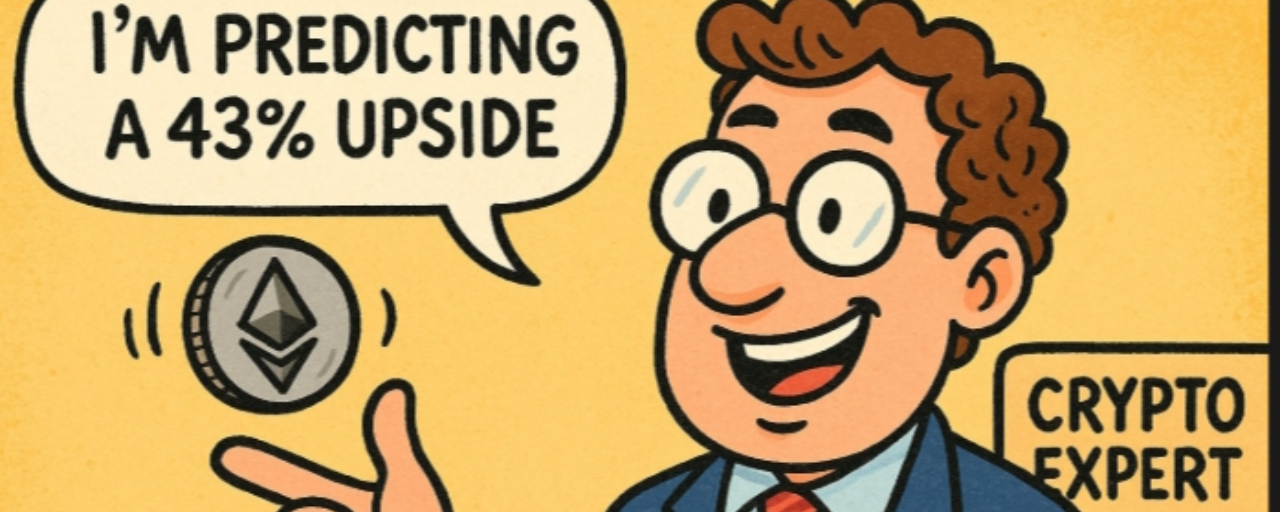
$ETH Ethereum sits at $2,400, dropping a brutal 4% on the day amid its bullish price prediction a week earlier. The largest altcoin absorbed a legislative gut-punch and is staring down a Fed decision that would rattle most assets, yet whale wallets are still buying.
The CLARITY Act failed to clear the 60-vote cloture threshold in the Senate on Tuesday, triggering an immediate 5% drop toward $2,400 as regulatory clarity got pushed further down the road. Despite that, the setback hasn’t broken the underlying bid.
Exchange netflow data shows reserves falling by 159K ETH over five days, while wallets holding 10K-100K ETH, or the whale cohort, added roughly 200K ETH to their stacks over the past week. Retail, meanwhile, dumped about 192K ETH, continuing a distribution pattern that’s held since January.
Add in $121 million of spot ETH ETF inflows on Monday, and $216.4 million on Friday, and the divergence between institutional accumulation and retail selling becomes the real story heading into Thursday’s FOMC decision.
$ETH is consolidating in a triangle pattern between support at $2,405–$2,485 and resistance at $2,535–$2,600. The 20-day EMA near $2,425 has held as a floor through the recent pullback, and volume has stayed constructive rather than capitulatory, a sign this dip is more consolidation than reversal.
A decisive close above $2,600 would confirm the breakout, opening a run toward the $2,800–$3,000 zone that Bitget’s analysts are flagging as the next psychological target. If ETH instead grinds sideways, the $2,400–$2,550 range could hold until the Fed decision clears the calendar.
ETH Shrugs Off CLARITY Act and Fed Decision, Could Break $3,000Ethereum (ETH)
#Ethereum $ETH
$ETH Ethereum sits at $2,400, dropping a brutal 4% on the day amid its bullish price prediction a week earlier. The largest altcoin absorbed a legislative gut-punch and is staring down a Fed decision that would rattle most assets, yet whale wallets are still buying.
The CLARITY Act failed to clear the 60-vote cloture threshold in the Senate on Tuesday, triggering an immediate 5% drop toward $2,400 as regulatory clarity got pushed further down the road. Despite that, the setback hasn’t broken the underlying bid.
Exchange netflow data shows reserves falling by 159K ETH over five days, while wallets holding 10K-100K ETH, or the whale cohort, added roughly 200K ETH to their stacks over the past week. Retail, meanwhile, dumped about 192K ETH, continuing a distribution pattern that’s held since January.
Add in $121 million of spot ETH ETF inflows on Monday, and $216.4 million on Friday, and the divergence between institutional accumulation and retail selling becomes the real story heading into Thursday’s FOMC decision.
$ETH is consolidating in a triangle pattern between support at $2,405–$2,485 and resistance at $2,535–$2,600. The 20-day EMA near $2,425 has held as a floor through the recent pullback, and volume has stayed constructive rather than capitulatory, a sign this dip is more consolidation than reversal.
A decisive close above $2,600 would confirm the breakout, opening a run toward the $2,800–$3,000 zone that Bitget’s analysts are flagging as the next psychological target. If ETH instead grinds sideways, the $2,400–$2,550 range could hold until the Fed decision clears the calendar.
$ETH Ethereum sits at $2,400, dropping a brutal 4% on the day amid its bullish price prediction a week earlier. The largest altcoin absorbed a legislative gut-punch and is staring down a Fed decision that would rattle most assets, yet whale wallets are still buying.
The CLARITY Act failed to clear the 60-vote cloture threshold in the Senate on Tuesday, triggering an immediate 5% drop toward $2,400 as regulatory clarity got pushed further down the road. Despite that, the setback hasn’t broken the underlying bid.
Exchange netflow data shows reserves falling by 159K ETH over five days, while wallets holding 10K-100K ETH, or the whale cohort, added roughly 200K ETH to their stacks over the past week. Retail, meanwhile, dumped about 192K ETH, continuing a distribution pattern that’s held since January.
Add in $121 million of spot ETH ETF inflows on Monday, and $216.4 million on Friday, and the divergence between institutional accumulation and retail selling becomes the real story heading into Thursday’s FOMC decision.
$ETH is consolidating in a triangle pattern between support at $2,405–$2,485 and resistance at $2,535–$2,600. The 20-day EMA near $2,425 has held as a floor through the recent pullback, and volume has stayed constructive rather than capitulatory, a sign this dip is more consolidation than reversal.
A decisive close above $2,600 would confirm the breakout, opening a run toward the $2,800–$3,000 zone that Bitget’s analysts are flagging as the next psychological target. If ETH instead grinds sideways, the $2,400–$2,550 range could hold until the Fed decision clears the calendar.
1
76
$LSK zeigt etwas Widerstand. Hoffentlich wird es diesmal allen Händlern zugutekommen. Also schlage vor, einen Long-Trade zu eröffnen und $LSK zu handeln. Diese Münze wird morgens wieder steigen und am Himmel aufblühen ☀️☀️ Bereit, die Donner-Sturm-Welle zu reiten – dieses Mal wird es noch wilde(r) und zerstörerischer, und bereit, eine 💥💥💥-Granate in den Krypto-Markt zu werfen – Boom Boom 💥💥 Als Trader ein kleines Geschenk 🎁 🎁
$LSK zeigt etwas Widerstand. Hoffentlich wird es diesmal allen Händlern zugutekommen. Also schlage vor, einen Long-Trade zu eröffnen und $LSK zu handeln. Diese Münze wird morgens wieder steigen und am Himmel aufblühen ☀️☀️ Bereit, die Donner-Sturm-Welle zu reiten – dieses Mal wird es noch wilde(r) und zerstörerischer, und bereit, eine 💥💥💥-Granate in den Krypto-Markt zu werfen – Boom Boom 💥💥 Als Trader ein kleines Geschenk 🎁 🎁
1
2
142
$LSK right now all the traders wait for the pump $LSK trade here
$LSK right now all the traders wait for the pump $LSK trade here
199
Jungs $LSK is about to explode die Welle$LSK Trade unten 👇 wenn ihr mutig seid
Jungs $LSK is about to explode die Welle$LSK Trade unten 👇 wenn ihr mutig seid
147
·
--
Bullisch
Diese Fluktuationsmünze $LSK ist für mich zu einem Albtraum geworden. Ich kann nicht mehr blinzeln, denn es ist wie eine Tsunami-Welle, die sehr schnell Wasser ausstößt und wieder einzieht. Handel sie 👇 unten mit mir, wenn du es wagen willst, die Welle zu spüren und deinen Handel zu genießen. Ich denke, alle meine Trader behalten $LSK genau im Blick; heute Nacht werde ich nicht schlafen. Wer ist mit mir? Lass uns $LSK Mission handeln
Diese Fluktuationsmünze $LSK ist für mich zu einem Albtraum geworden. Ich kann nicht mehr blinzeln, denn es ist wie eine Tsunami-Welle, die sehr schnell Wasser ausstößt und wieder einzieht. Handel sie 👇 unten mit mir, wenn du es wagen willst, die Welle zu spüren und deinen Handel zu genießen. Ich denke, alle meine Trader behalten $LSK genau im Blick; heute Nacht werde ich nicht schlafen. Wer ist mit mir? Lass uns $LSK Mission handeln
275
handel $牛来 cz der anstieg ist zufällig stärker geworden, binance hat im spot erana gehandelt, schau auf deinen gewinn und genieße deinen trade. alle meine follower bitte handelt jetzt mit mir. die kerze 🕯️ ist 💚💚💚. du kannst long gehen, solange es von der art her bärisch aussieht. dieser chinesische token hat genug liqudität auf dem markt. danke an binance — handelt gut. wir verwenden immer sl/tp. $牛来 . handle mit mir unten 👇 klicke auf trade
handel $牛来 cz der anstieg ist zufällig stärker geworden, binance hat im spot erana gehandelt, schau auf deinen gewinn und genieße deinen trade. alle meine follower bitte handelt jetzt mit mir. die kerze 🕯️ ist 💚💚💚. du kannst long gehen, solange es von der art her bärisch aussieht. dieser chinesische token hat genug liqudität auf dem markt. danke an binance — handelt gut. wir verwenden immer sl/tp. $牛来 . handle mit mir unten 👇 klicke auf trade
383
$IOST is schüttet stark aus und die Kerze sieht sogar noch röter aus, in diesem Moment sortiere ich gerade meine Trades und bin dabei, diese Münze zu crashen. Greif dir ein bisschen tiefer unter den Trade mit mir 👇,
eine GESCHENK für meine Follower 🎁🎁
$IOST is schüttet stark aus und die Kerze sieht sogar noch röter aus, in diesem Moment sortiere ich gerade meine Trades und bin dabei, diese Münze zu crashen. Greif dir ein bisschen tiefer unter den Trade mit mir 👇,
eine GESCHENK für meine Follower 🎁🎁
eine GESCHENK für meine Follower 🎁🎁
172
·
--
Bärisch
#IOSTUSD $IOST ist am Ausmisten, bitte alle, geht für kurz und genießt euren Handel, ich habe hinterhergejagt $IOST seit gestern, es ist gepumpt auf 130%-135%, jetzt geht es auf extremem Niveau wieder runter, es ist eine bärische Bewegung gerade jetzt, klickt unten auf den Handel 👇
#IOSTUSD $IOST ist am Ausmisten, bitte alle, geht für kurz und genießt euren Handel, ich habe hinterhergejagt $IOST seit gestern, es ist gepumpt auf 130%-135%, jetzt geht es auf extremem Niveau wieder runter, es ist eine bärische Bewegung gerade jetzt, klickt unten auf den Handel 👇
207
Artikel
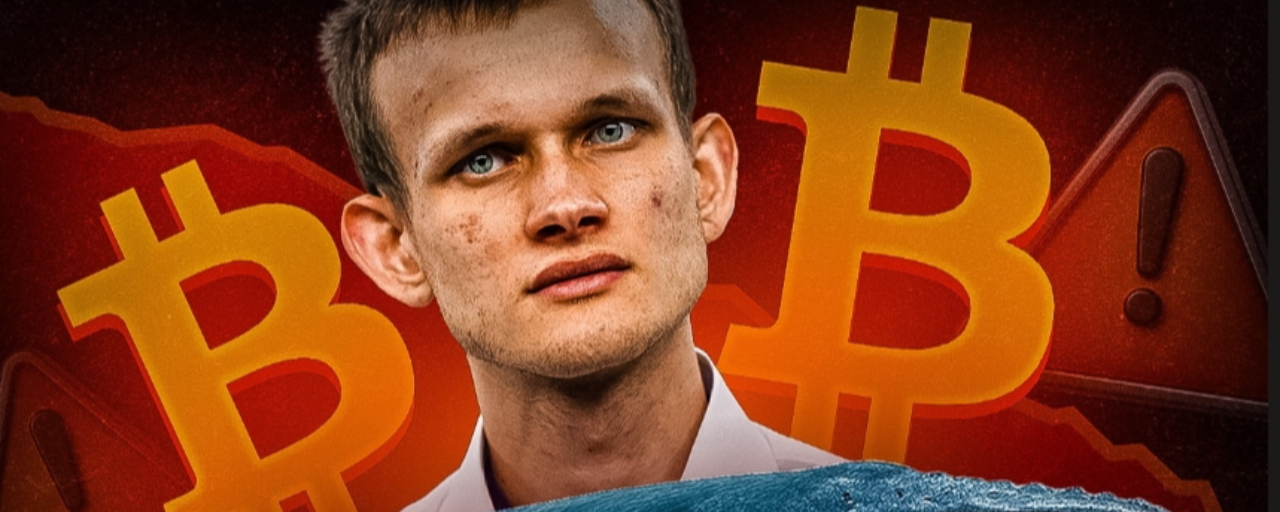
Wird KI Bitcoin um 50 % abstürzen lassen? Vitalik Buterin nimmt Stellung#BTC $BTC
Der Mitgründer von Ethereum, Vitalik Buterin, hat eine Warnung zurückgewiesen, dass Künstliche Intelligenz (KI) einen Bitcoin-Crash auslösen werde. Er vertrat die entgegengesetzte Position zu der Behauptung, dass $BTC >could innerhalb von zwei Jahren mehr als die Hälfte seines Werts verlieren.
Der Austausch spielte sich am Montag auf X ab. Der KI-Risiko-Kommentator Liron Shapira legte die Bedingungen fest, und Buterin antwortete, dass sein Portfolio bereits auf der anderen Seite stehe.
Shapira, der den Podcast „Doom Debates“ zum Thema KI-Risiko moderiert, veröffentlichte seine Vorhersage am Montag. Er schätzte die Wahrscheinlichkeit auf 50 %, dass die BTC-Preise innerhalb von zwei Jahren um mehr als 50 % fallen.
Wird KI Bitcoin um 50 % abstürzen lassen? Vitalik Buterin nimmt Stellung
#BTC $BTC
Der Mitgründer von Ethereum, Vitalik Buterin, hat eine Warnung zurückgewiesen, dass Künstliche Intelligenz (KI) einen Bitcoin-Crash auslösen werde. Er vertrat die entgegengesetzte Position zu der Behauptung, dass $BTC >could innerhalb von zwei Jahren mehr als die Hälfte seines Werts verlieren.
Der Austausch spielte sich am Montag auf X ab. Der KI-Risiko-Kommentator Liron Shapira legte die Bedingungen fest, und Buterin antwortete, dass sein Portfolio bereits auf der anderen Seite stehe.
Shapira, der den Podcast „Doom Debates“ zum Thema KI-Risiko moderiert, veröffentlichte seine Vorhersage am Montag. Er schätzte die Wahrscheinlichkeit auf 50 %, dass die BTC-Preise innerhalb von zwei Jahren um mehr als 50 % fallen.
Der Mitgründer von Ethereum, Vitalik Buterin, hat eine Warnung zurückgewiesen, dass Künstliche Intelligenz (KI) einen Bitcoin-Crash auslösen werde. Er vertrat die entgegengesetzte Position zu der Behauptung, dass $BTC >could innerhalb von zwei Jahren mehr als die Hälfte seines Werts verlieren.
Der Austausch spielte sich am Montag auf X ab. Der KI-Risiko-Kommentator Liron Shapira legte die Bedingungen fest, und Buterin antwortete, dass sein Portfolio bereits auf der anderen Seite stehe.
Shapira, der den Podcast „Doom Debates“ zum Thema KI-Risiko moderiert, veröffentlichte seine Vorhersage am Montag. Er schätzte die Wahrscheinlichkeit auf 50 %, dass die BTC-Preise innerhalb von zwei Jahren um mehr als 50 % fallen.
39
Artikel
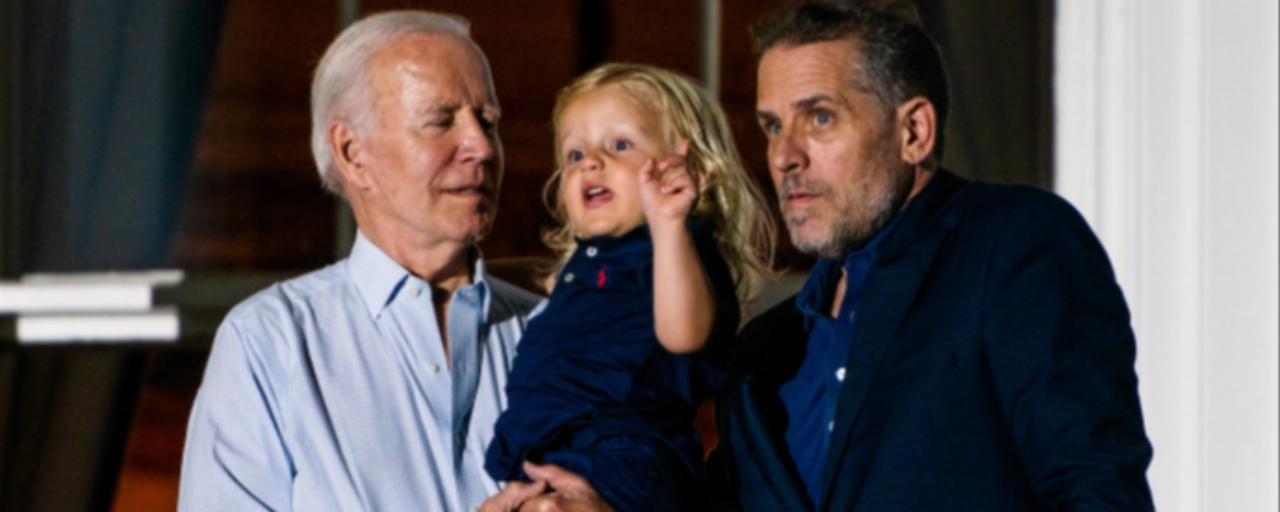
Hunter Biden will den LAPTOP-Meme-Coin mit Airdrop für TRUMP-Inhaber starten#TRUMP $TRUMP
Hunter Biden will am 9. September einen Meme-Coin mit einer Gesamtmenge von 1 Milliarde namens LAPTOP auf Coinbase-entwickelter Base launchen, wobei ein Teil der Token-Zuteilung für Menschen zurückgelegt wird, die Geld beim Handel mit Donald Trumps TRUMP-Meme-Coin verloren haben.
Die Entscheidung, Tokens den TRUMP-Investoren zuzuweisen, stellt das neue Projekt direkt neben den politischen Meme-Coin-Markt, der sich entwickelt hat, nachdem Donald Trump in die Branche eingestiegen ist.
TRUMP startete kurz bevor Trump im Januar 2025 in das Weiße Haus zurückkehrte und verzeichnete zunächst einen starken Kursanstieg, bevor es den Großteil seines Werts verlor.
Hunter Biden will den LAPTOP-Meme-Coin mit Airdrop für TRUMP-Inhaber starten
#TRUMP $TRUMP
Hunter Biden will am 9. September einen Meme-Coin mit einer Gesamtmenge von 1 Milliarde namens LAPTOP auf Coinbase-entwickelter Base launchen, wobei ein Teil der Token-Zuteilung für Menschen zurückgelegt wird, die Geld beim Handel mit Donald Trumps TRUMP-Meme-Coin verloren haben.
Die Entscheidung, Tokens den TRUMP-Investoren zuzuweisen, stellt das neue Projekt direkt neben den politischen Meme-Coin-Markt, der sich entwickelt hat, nachdem Donald Trump in die Branche eingestiegen ist.
TRUMP startete kurz bevor Trump im Januar 2025 in das Weiße Haus zurückkehrte und verzeichnete zunächst einen starken Kursanstieg, bevor es den Großteil seines Werts verlor.
Hunter Biden will am 9. September einen Meme-Coin mit einer Gesamtmenge von 1 Milliarde namens LAPTOP auf Coinbase-entwickelter Base launchen, wobei ein Teil der Token-Zuteilung für Menschen zurückgelegt wird, die Geld beim Handel mit Donald Trumps TRUMP-Meme-Coin verloren haben.
Die Entscheidung, Tokens den TRUMP-Investoren zuzuweisen, stellt das neue Projekt direkt neben den politischen Meme-Coin-Markt, der sich entwickelt hat, nachdem Donald Trump in die Branche eingestiegen ist.
TRUMP startete kurz bevor Trump im Januar 2025 in das Weiße Haus zurückkehrte und verzeichnete zunächst einen starken Kursanstieg, bevor es den Großteil seines Werts verlor.
100
Artikel
ADA-Preis-Momentum deutet diese Woche auf vorsichtige Aufwärts-Weiterführung hin#ADA $ADA
$ADA In Cardano news Today notiert der ADA-Preis bei 0,218 $, ein Rückgang von -1,5 % innerhalb der letzten 24 Stunden. Das ist ein moderates Zurückziehen, das auf einen starken wöchentlichen Anstieg folgt. Die Pause wirkt taktisch statt strukturell. Letzte Woche stieg ADA um fast +11 %, und der Coin hält weiterhin Gewinne, die die meisten Altcoins noch nicht erreicht haben.
Die Derivate-Daten erzählen eine gespaltene Geschichte. Die Long-to-Short-Quote von CoinGlass liegt bei 0,94 und signalisiert technisch eine eher bärische Positionierung, während die OI-gewichtete Funding-Rate am Samstag ins Positive gedreht ist und nun bei 0,0097 % liegt. Das bedeutet: Longs zahlen Shorts, um in der Position zu bleiben. Das ist kein kleines Detail.
ADA-Preis-Momentum deutet diese Woche auf vorsichtige Aufwärts-Weiterführung hin
#ADA $ADA
$ADA In Cardano news Today notiert der ADA-Preis bei 0,218 $, ein Rückgang von -1,5 % innerhalb der letzten 24 Stunden. Das ist ein moderates Zurückziehen, das auf einen starken wöchentlichen Anstieg folgt. Die Pause wirkt taktisch statt strukturell. Letzte Woche stieg ADA um fast +11 %, und der Coin hält weiterhin Gewinne, die die meisten Altcoins noch nicht erreicht haben.
Die Derivate-Daten erzählen eine gespaltene Geschichte. Die Long-to-Short-Quote von CoinGlass liegt bei 0,94 und signalisiert technisch eine eher bärische Positionierung, während die OI-gewichtete Funding-Rate am Samstag ins Positive gedreht ist und nun bei 0,0097 % liegt. Das bedeutet: Longs zahlen Shorts, um in der Position zu bleiben. Das ist kein kleines Detail.
$ADA In Cardano news Today notiert der ADA-Preis bei 0,218 $, ein Rückgang von -1,5 % innerhalb der letzten 24 Stunden. Das ist ein moderates Zurückziehen, das auf einen starken wöchentlichen Anstieg folgt. Die Pause wirkt taktisch statt strukturell. Letzte Woche stieg ADA um fast +11 %, und der Coin hält weiterhin Gewinne, die die meisten Altcoins noch nicht erreicht haben.
Die Derivate-Daten erzählen eine gespaltene Geschichte. Die Long-to-Short-Quote von CoinGlass liegt bei 0,94 und signalisiert technisch eine eher bärische Positionierung, während die OI-gewichtete Funding-Rate am Samstag ins Positive gedreht ist und nun bei 0,0097 % liegt. Das bedeutet: Longs zahlen Shorts, um in der Position zu bleiben. Das ist kein kleines Detail.
69
Artikel
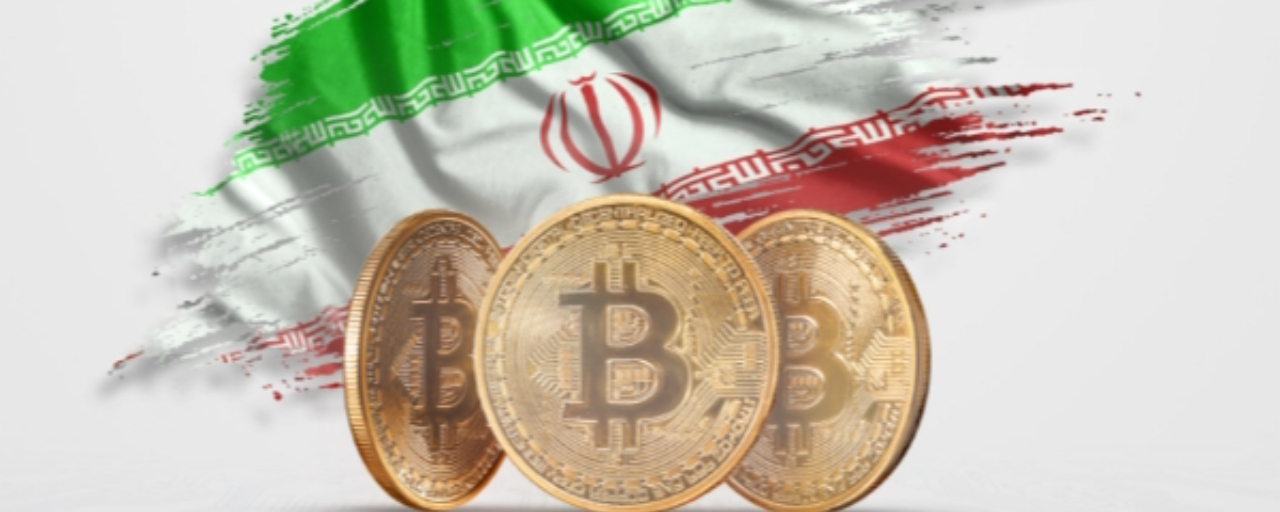
Öl, Krypto, Briefkastenfirmen: Wie der Iran 2024 9 Milliarden US-Dollar in US-Banken brachte#OIL $WTI.US $BTC
Milliarden von Dollar, die mit dem Iran in Verbindung stehen, fließen laut einem neuen Bericht jedes Jahr weiterhin über US-Banken, obwohl Washington strenge Sanktionen gegen Teheran verhängt hat.
Iranische Gelder können indirekt in das US-Bankensystem gelangen, indem sie über ausländische Banken fließen, die Korrespondenzbeziehungen mit amerikanischen Kreditgebern haben. Wie das „Wall Street Journal“ berichtete. Das US-Finanzministerium habe im Rahmen der Untersuchung etwa 9 Milliarden US-Dollar an iranischen Geldern identifiziert, die 2024 über US-Banken liefen.
Öl, Krypto, Briefkastenfirmen: Wie der Iran 2024 9 Milliarden US-Dollar in US-Banken brachte
#OIL $WTI.US $BTC
Milliarden von Dollar, die mit dem Iran in Verbindung stehen, fließen laut einem neuen Bericht jedes Jahr weiterhin über US-Banken, obwohl Washington strenge Sanktionen gegen Teheran verhängt hat.
Iranische Gelder können indirekt in das US-Bankensystem gelangen, indem sie über ausländische Banken fließen, die Korrespondenzbeziehungen mit amerikanischen Kreditgebern haben. Wie das „Wall Street Journal“ berichtete. Das US-Finanzministerium habe im Rahmen der Untersuchung etwa 9 Milliarden US-Dollar an iranischen Geldern identifiziert, die 2024 über US-Banken liefen.
Milliarden von Dollar, die mit dem Iran in Verbindung stehen, fließen laut einem neuen Bericht jedes Jahr weiterhin über US-Banken, obwohl Washington strenge Sanktionen gegen Teheran verhängt hat.
Iranische Gelder können indirekt in das US-Bankensystem gelangen, indem sie über ausländische Banken fließen, die Korrespondenzbeziehungen mit amerikanischen Kreditgebern haben. Wie das „Wall Street Journal“ berichtete. Das US-Finanzministerium habe im Rahmen der Untersuchung etwa 9 Milliarden US-Dollar an iranischen Geldern identifiziert, die 2024 über US-Banken liefen.
132
$BULLA immer noch Gewinne machen, das ist im Werden und 💥 💥 auf dem Mond, warte immer noch auf deinen Einsatz, greif mit mir an mit dem grünen Stift, ist immer noch auf Linie, mach es richtig, schlage vor, für Long zu gehen und die Trades anzuklicken 👇 und tramakede mit mir.. danke $BULLA
$BULLA immer noch Gewinne machen, das ist im Werden und 💥 💥 auf dem Mond, warte immer noch auf deinen Einsatz, greif mit mir an mit dem grünen Stift, ist immer noch auf Linie, mach es richtig, schlage vor, für Long zu gehen und die Trades anzuklicken 👇 und tramakede mit mir.. danke $BULLA

boom
Von New Day Dk007
1
1
2
175
$MARSCOIN ist am Durchbrechen und Atmen in Grün, also habe ich mein kleines Buchgewinn als Trader gemacht, also ist es jetzt an dir: buche dein und greife dir ein bisschen $MARSCOIN , und fühl den Geschmack ..trade unten und klicke $MARSCOIN unten, warte deinen Gewinn 👇
$MARSCOIN ist am Durchbrechen und Atmen in Grün, also habe ich mein kleines Buchgewinn als Trader gemacht, also ist es jetzt an dir: buche dein und greife dir ein bisschen $MARSCOIN , und fühl den Geschmack ..trade unten und klicke $MARSCOIN unten, warte deinen Gewinn 👇
1
247
$BR is bringt den Markt zum Beben alle meine Trader bitte handelt $BR klick hier, um deinen Trade zu machen und schnappt euch den Geschmack des Donners
$BR is bringt den Markt zum Beben alle meine Trader bitte handelt $BR klick hier, um deinen Trade zu machen und schnappt euch den Geschmack des Donners
boom
Von New Day Dk007
128
$AKE pumpt sehr schnell – ich empfehle, auf einen langen Trade zu setzen und deinen Gewinn zu sichern. Klicke unten auf den Handel 👇 $AKE es ist ein kleiner Gewinn. Jage nicht einer größeren „Walfisch“-Chance hinterher, sonst verschluckt sie dich. Alles Gute
$AKE pumpt sehr schnell – ich empfehle, auf einen langen Trade zu setzen und deinen Gewinn zu sichern. Klicke unten auf den Handel 👇 $AKE es ist ein kleiner Gewinn. Jage nicht einer größeren „Walfisch“-Chance hinterher, sonst verschluckt sie dich. Alles Gute
awsome
Von New Day Dk007
1
1
3
236
$MAGMA momentum wird in die Höhe schießen. Buche deine Tickets, bevor der Zug seine Reise beginnt. Der Chat zeigt jetzt ein klares Bild – jetzt ist es Zeit zu klicken und mit mir unten zu handeln $MAGMA 👇
$MAGMA momentum wird in die Höhe schießen. Buche deine Tickets, bevor der Zug seine Reise beginnt. Der Chat zeigt jetzt ein klares Bild – jetzt ist es Zeit zu klicken und mit mir unten zu handeln $MAGMA 👇
green
Von New Day Dk007
101
$UAI Momentum baut sich auf und heizt den Chat mit einem klaren Signal an, oben auf der Liste. Hopp, Leute! Handelt! $UAI Schaut hier vorbei 👇 klickt $UAI und bucht eure
$UAI Momentum baut sich auf und heizt den Chat mit einem klaren Signal an, oben auf der Liste. Hopp, Leute! Handelt! $UAI Schaut hier vorbei 👇 klickt $UAI und bucht eure

216
Anmelden und weiter Inhalte entdecken
Krypto-Nutzer weltweit auf Binance Square kennenlernen
⚡️ Bleib in Sachen Krypto stets am Puls.
💬 Die weltgrößte Kryptobörse vertraut darauf.
👍 Erhalte verlässliche Einblicke von verifizierten Creators.
E-Mail-Adresse/Telefonnummer
Trendthemen
BitcoinSurpasses$77000
10,010 Aufrufe
154 Kommentare
$BTC steigt trotz allem weiter stark nach oben. 🚀
Heute gab es die erste Zinserhöhung seit über 3 Jahren, während der CLARITY Act gestern erneut blockiert wurde.
Setup wieder einen großen langen Trade - danke mir später
Einstieg: 75500 - 76500
Stoploss: 74900
Take Profit: 77000 - 78000
Mach dich bereit für einen verrückten Wachstumsschub. 🔥
TF_bnb
·16 Likes
·6.7k Aufrufe
ParadigmDisclosesZECHolding
34,211 Aufrufe
736 Kommentare
BitcoinETFsShed$450M
19,992 Aufrufe
180 Kommentare