

CryptoMind学道
4.3k Beiträge

CryptoMind学道
Melden
Nutzer blockieren
交易员 | Reading Liquidity, Flow & Structure | Spot • Futures • New Listings | BTC ETH BNB & Momentum Alts | Risk First
Hochfrequenz-Trader
2.8 Jahre
8 Following
809 Follower
2.8K+ Like gegeben
Beiträge
Alle
Zitierungen
Live
·
--
Übersetzung ansehen
Amateurs chase green candles. Legends wait for the structural flip... 👑
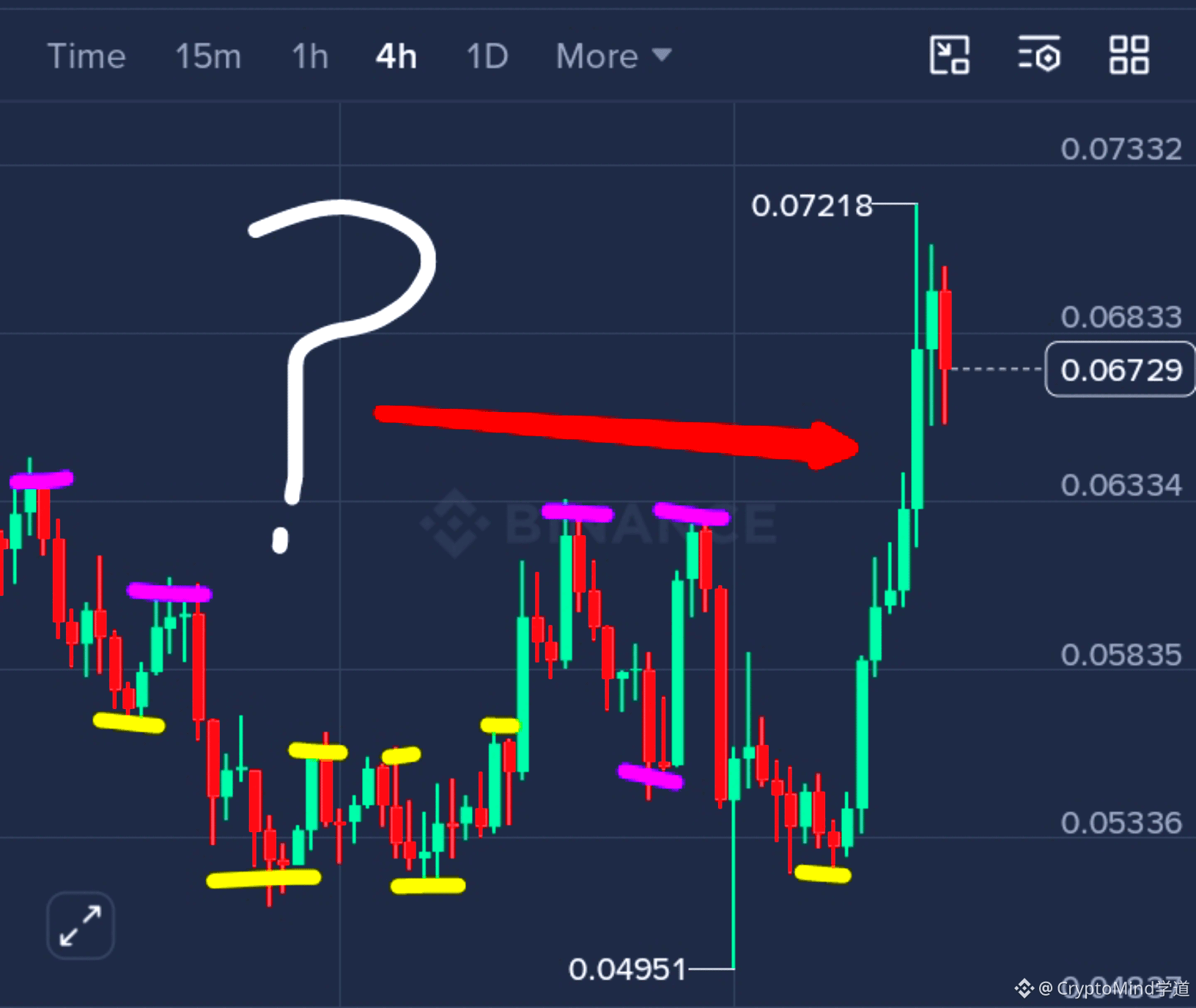
Take a look at this $牛来 setup. We just ripped +22% into the high, and the retail crowd is going crazy. They see the big green candle and instantly hit market buy, afraid of missing the next leg up.
But look at the chart I’ve mapped out.
We are smashing right into that purple resistance zone. The RSI is sitting at 72—overheated and thirsty for a pullback. If you FOMO here, you are literally just providing exit liquidity for the smart money who bought the yellow support zone.
Here is the Legend's playbook:
I don't guess. I don't front-run. I wait for confirmation.
We have a clear range here (yellow for support, purple for resistance). The safe, high-probability play is to wait for a strong 4H candle to actually close above that purple box.
Even better? Wait for the retest. If price breaks out and that previous purple resistance flips into new support, that is your sniper entry.
By waiting for the structural flip, you avoid the fakeout wicks that liquidate over-leveraged degens. You get a tight stop-loss right below the new support, and you trade with the trend, not against it.
Trade smart. Protect your capital. Let the market prove itself before you commit your USDT.
Are you a breakout chaser or a retest sniper? Let me know your strategy in the comments. 👇📈
{future}(牛来USDT)
Amateurs chase green candles. Legends wait for the structural flip... 👑
Take a look at this $牛来 setup. We just ripped +22% into the high, and the retail crowd is going crazy. They see the big green candle and instantly hit market buy, afraid of missing the next leg up.
But look at the chart I’ve mapped out.
We are smashing right into that purple resistance zone. The RSI is sitting at 72—overheated and thirsty for a pullback. If you FOMO here, you are literally just providing exit liquidity for the smart money who bought the yellow support zone.
Here is the Legend's playbook:
I don't guess. I don't front-run. I wait for confirmation.
We have a clear range here (yellow for support, purple for resistance). The safe, high-probability play is to wait for a strong 4H candle to actually close above that purple box.
Even better? Wait for the retest. If price breaks out and that previous purple resistance flips into new support, that is your sniper entry.
By waiting for the structural flip, you avoid the fakeout wicks that liquidate over-leveraged degens. You get a tight stop-loss right below the new support, and you trade with the trend, not against it.
Trade smart. Protect your capital. Let the market prove itself before you commit your USDT.
Are you a breakout chaser or a retest sniper? Let me know your strategy in the comments. 👇📈
57
·
--
Teilweise korrekt
Die länger anhaltenden hohen Kapitalkosten bereinigen den gesamten Halbleitersektor und trennen das breite KI-Beta von echter Engpass-Alpha … 💛
Die Ära der undifferenzierten, liquiditätsgetriebenen Tech-Rallyes ist vorbei. Die erhöhten Renditen von US-Staatsanleihen wirken wie eine Gravitationskraft auf Aktien mit langer Duration, und kapitalintensive Sektoren bekommen den Druck als Erste zu spüren. Der Markt belohnt nicht länger das KI-Thema; er verlangt Preissetzungsmacht bei der physischen Infrastruktur dahinter.
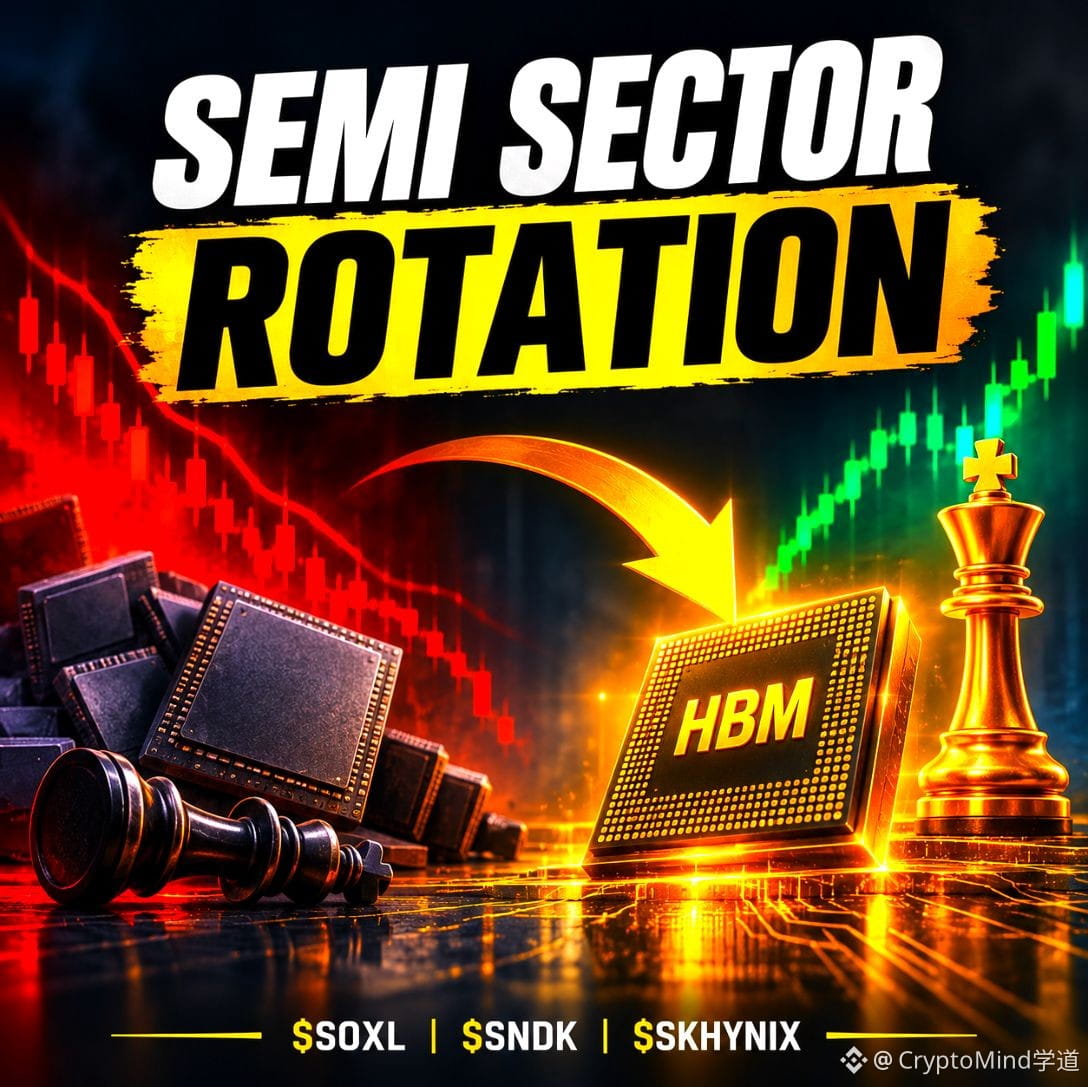
Ein Blick auf die unterschiedliche Kursentwicklung: $SOXL steckt bei einem RSI von 42 weiterhin in einer Dead-Cat-Bounce-Falle und ist von seinem Höchststand bei 109 auf 78 abgestürzt. $SNDK ist mit einem RSI von 43 ähnlich angeschlagen und kämpft darum, die Marke von 1.300 zurückzuerobern, nachdem der Kurs von 1.421 auf 1.117 eingebrochen ist. Diese zyklischen Stellvertreterwerte werden vom Margendruck und den hohen Diskontierungssätzen erdrückt.
Im Gegensatz dazu: $SKHYNIX . Mit einem robusten RSI von 64 hat der Wert eine kräftige V-förmige Erholung von 886 auf 1.060 hingelegt.
Das ist kein flächendeckender Absturz des Sektors, sondern eine rücksichtslose, gezielte Rotation. Kapital zieht sich aus gehebeltem Beta und dem traditionellen NAND-Geschäft zurück und konzentriert sich ausschließlich auf den Engpass bei High-Bandwidth Memory (HBM). Wenn die Liquidität knapper wird, finanziert der Markt nicht mehr die gesamte Lieferkette, sondern zahlt nur noch für das absolute Monopol einen Aufschlag.
Wenn die Realrenditen strukturell hoch bleiben, wie lange dauert es, bis der Markt erkennt, dass ein breit gestreutes Tech-Engagement eine Belastung und kein Vermögenswert ist?
{future}(SOXLUSDT)
{future}(SNDKUSDT)
{future}(SKHYNIXUSDT)
Die länger anhaltenden hohen Kapitalkosten bereinigen den gesamten Halbleitersektor und trennen das breite KI-Beta von echter Engpass-Alpha … 💛
Die Ära der undifferenzierten, liquiditätsgetriebenen Tech-Rallyes ist vorbei. Die erhöhten Renditen von US-Staatsanleihen wirken wie eine Gravitationskraft auf Aktien mit langer Duration, und kapitalintensive Sektoren bekommen den Druck als Erste zu spüren. Der Markt belohnt nicht länger das KI-Thema; er verlangt Preissetzungsmacht bei der physischen Infrastruktur dahinter.
Ein Blick auf die unterschiedliche Kursentwicklung: $SOXL steckt bei einem RSI von 42 weiterhin in einer Dead-Cat-Bounce-Falle und ist von seinem Höchststand bei 109 auf 78 abgestürzt. $SNDK ist mit einem RSI von 43 ähnlich angeschlagen und kämpft darum, die Marke von 1.300 zurückzuerobern, nachdem der Kurs von 1.421 auf 1.117 eingebrochen ist. Diese zyklischen Stellvertreterwerte werden vom Margendruck und den hohen Diskontierungssätzen erdrückt.
Im Gegensatz dazu: $SKHYNIX . Mit einem robusten RSI von 64 hat der Wert eine kräftige V-förmige Erholung von 886 auf 1.060 hingelegt.
Das ist kein flächendeckender Absturz des Sektors, sondern eine rücksichtslose, gezielte Rotation. Kapital zieht sich aus gehebeltem Beta und dem traditionellen NAND-Geschäft zurück und konzentriert sich ausschließlich auf den Engpass bei High-Bandwidth Memory (HBM). Wenn die Liquidität knapper wird, finanziert der Markt nicht mehr die gesamte Lieferkette, sondern zahlt nur noch für das absolute Monopol einen Aufschlag.
Wenn die Realrenditen strukturell hoch bleiben, wie lange dauert es, bis der Markt erkennt, dass ein breit gestreutes Tech-Engagement eine Belastung und kein Vermögenswert ist?
1.1k
·
--
⚡ DIE 3 STÄRKSTEN AUSBRÜCHE HEUTE — WER GEHT WIRKLICH PARABOLISCH? 🙄 💫
🥇 $ESPORTS — $0.01129 | Ziel $0.01268 🚀
🥈 $MAGMA — $0.44864 | Ziel $0.48400 🔥
🥉 $POWR — $0.06641 | Ziel $0.07000 📈
⚠️ Das Volumen explodiert und diese Charts schießen steil nach oben, aber alle stoßen direkt auf starken lokalen Widerstand. Die entscheidende Frage ist nicht nur: „Wer hält den Pump?“ — sondern: „Wer bleibt auf den Taschen sitzen, wenn die erste Gewinnmitnahmewelle einsetzt?“
Kann POWR die Marke von $0.0700 durchbrechen, oder kommt es zu einer schnellen Abweisung? 👀
Welche davon pumpt morgen am stärksten? 📈
$ESPORTS
$MAGMA
$POWR
13 Stunde(n) übrig
2.1k
·
--
Artikel
Sie feiern die Kapitalzuflüsse. Der Kurs erzählt eine andere Geschichte...Die Menge sieht, wie innerhalb einer einzigen Woche 199 Millionen US-Dollar in Solana-Spotfonds fließen, und wertet das als Bestätigung. Sie liest die Schlagzeilen über die institutionelle Akzeptanz und nimmt an, dass der Kurs folgen muss.
Diese Annahme ist tröstlich. Es ist die Geschichte, die in jedem Feed wiederholt wird, damit die Menge ruhig bleibt.
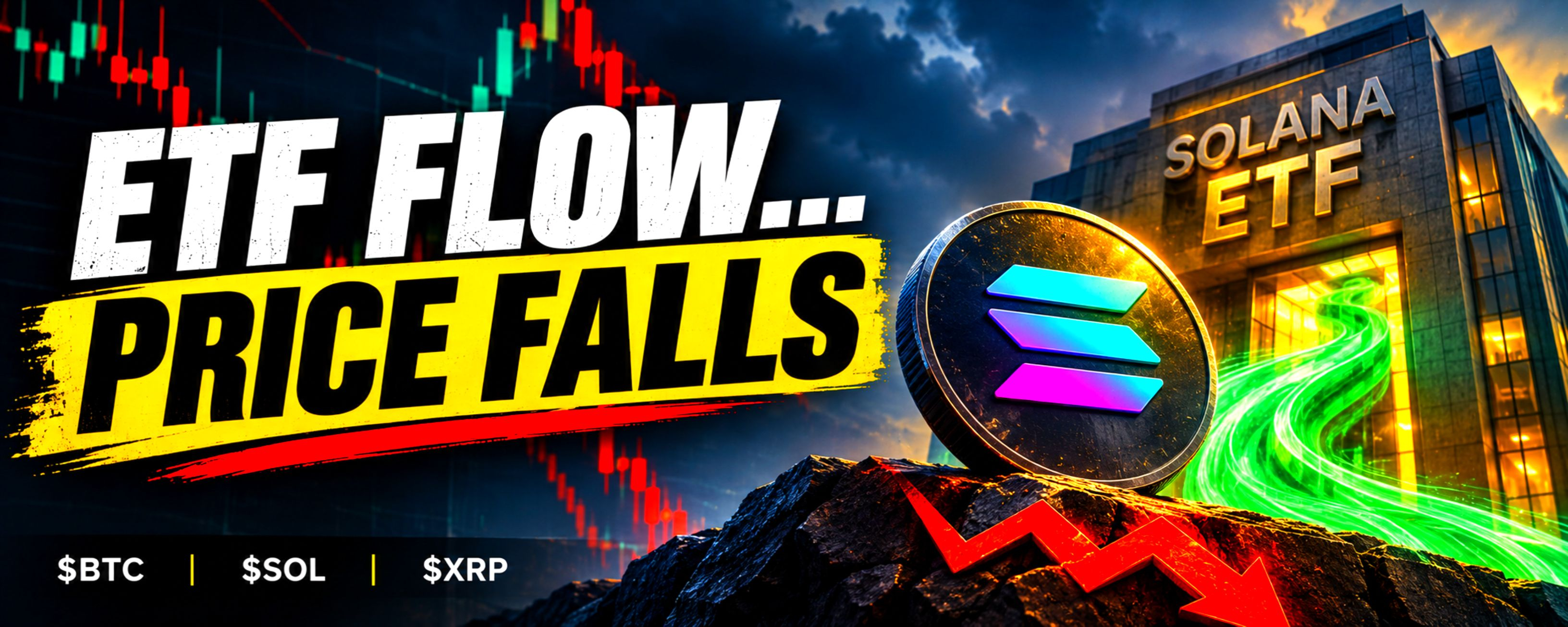
Die Realität ist komplexer. SOL wird nahe 186 US-Dollar gehandelt und liegt rund acht Prozent im Minus – trotz des stärksten ETF-Starts, den der Vermögenswert je erlebt hat. Die Fonds nahmen das Angebot auf. Der Kurs fiel trotzdem.
Das ist die Divergenz, auf die es ankommt. Die institutionelle Nachfrage ist real. Sie ist nur nicht dasselbe wie Kursstärke.
Sie feiern die Kapitalzuflüsse. Der Kurs erzählt eine andere Geschichte...
Die Menge sieht, wie innerhalb einer einzigen Woche 199 Millionen US-Dollar in Solana-Spotfonds fließen, und wertet das als Bestätigung. Sie liest die Schlagzeilen über die institutionelle Akzeptanz und nimmt an, dass der Kurs folgen muss.
Diese Annahme ist tröstlich. Es ist die Geschichte, die in jedem Feed wiederholt wird, damit die Menge ruhig bleibt.
Die Realität ist komplexer. SOL wird nahe 186 US-Dollar gehandelt und liegt rund acht Prozent im Minus – trotz des stärksten ETF-Starts, den der Vermögenswert je erlebt hat. Die Fonds nahmen das Angebot auf. Der Kurs fiel trotzdem.
Das ist die Divergenz, auf die es ankommt. Die institutionelle Nachfrage ist real. Sie ist nur nicht dasselbe wie Kursstärke.
132
·
--
Alle gerieten wegen des 6,3-Mrd.-Dollar-Hacks in Panik, aber ihnen entging der wahre Grund, warum deine Gelder nicht über Nacht verschwunden sind ... 🤯
Während die Masse aus Angst verkaufte, wurde still und leise das ultimative Sicherheitsnetz aktiviert. 🛡️
Lerne SAFU kennen (Secure Asset Fund for Users, der Sicherheitsfonds für Nutzer.
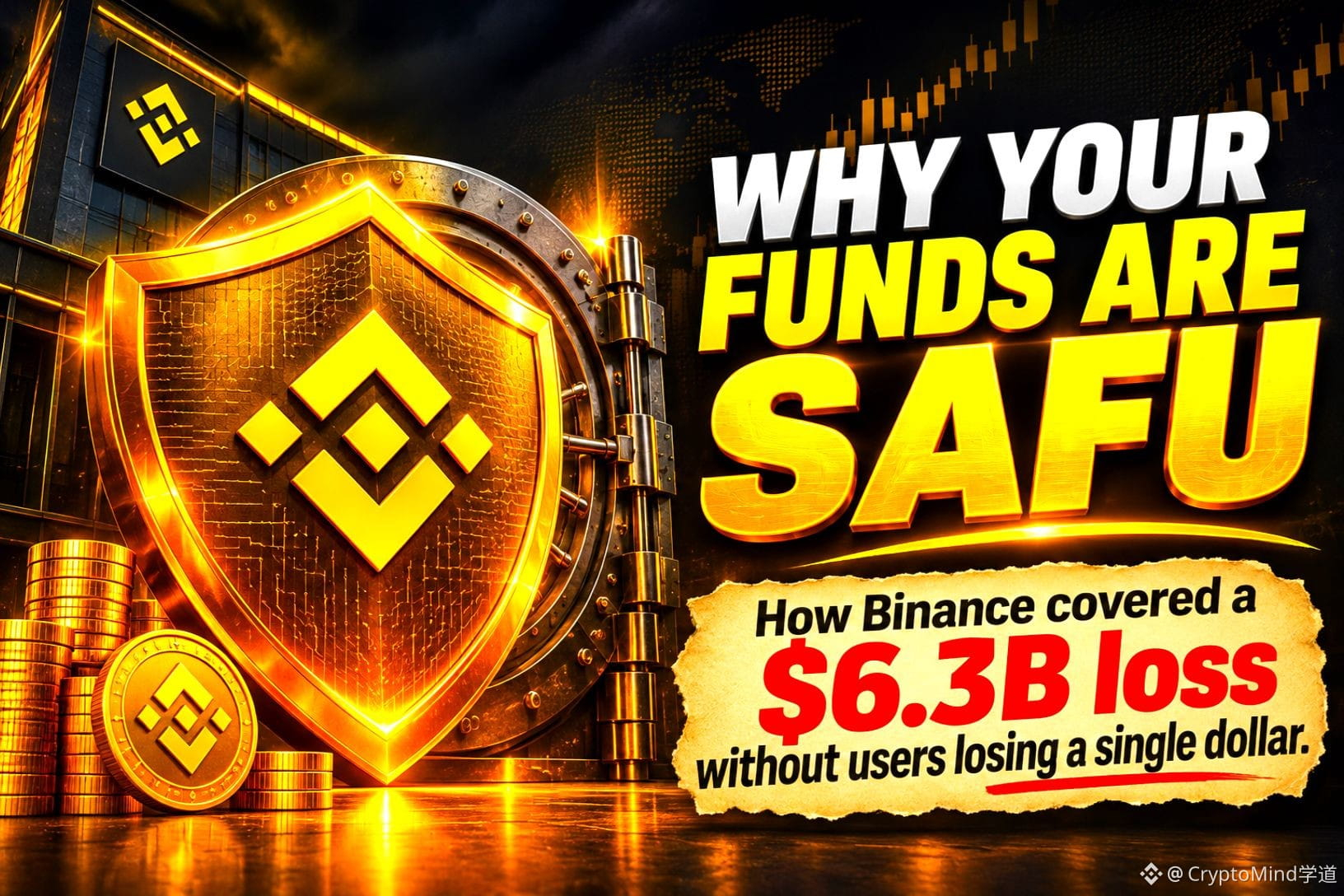
Die meisten denken, das sei nur ein Schlagwort. Ist es nicht. Es ist ein riesiger Notfallfonds, der seit 2018 aus Handelsgebühren finanziert wird. Und das Verrückteste daran? Er liegt nicht einmal in Binances Hot Wallets. Er wird von einem regulierten Verwahrer in Abu Dhabi verwaltet.
Als der Exploit zuschlug, kam genau dieser Schutzmechanismus zum Einsatz. Binance sagte nicht einfach: „Vertraut uns.“ Das Unternehmen setzte SAFU, den Futures-Versicherungsfonds und seine eigene Unternehmenskasse ein, um sofort 90 % der gestohlenen Vermögenswerte auszugleichen.
SAFU wird jetzt wieder auf 1 Milliarde Dollar aufgefüllt, damit der Schutzschild stark bleibt.
Das unterscheidet eine kugelsichere Börse von einem Kartenhaus. Bei Sicherheit geht es nicht nur um Zwei-Faktor-Authentifizierung, sondern auch darum, eine riesige Reserve bereitzuhalten, die im schlimmsten Fall eingesetzt werden kann.
Prüfst du die Reservefonds einer Börse, bevor du deine Kryptowährungen dort lagerst, oder jagst du einfach nur den Renditen hinterher?
#BinanceSAFUFundTransferCompleted7499BTC #CZSaysCompensationIsinPlaceUsersAreProtected #YiHe:ProofOfReserves:10TokensAt100%Backing
473
·
--
Bärisch
Übersetzung ansehen
Guys Drawing a massive red arrow on a chart and calling the top makes you feel like a trading god. Until the market humbles you in seconds... 📉
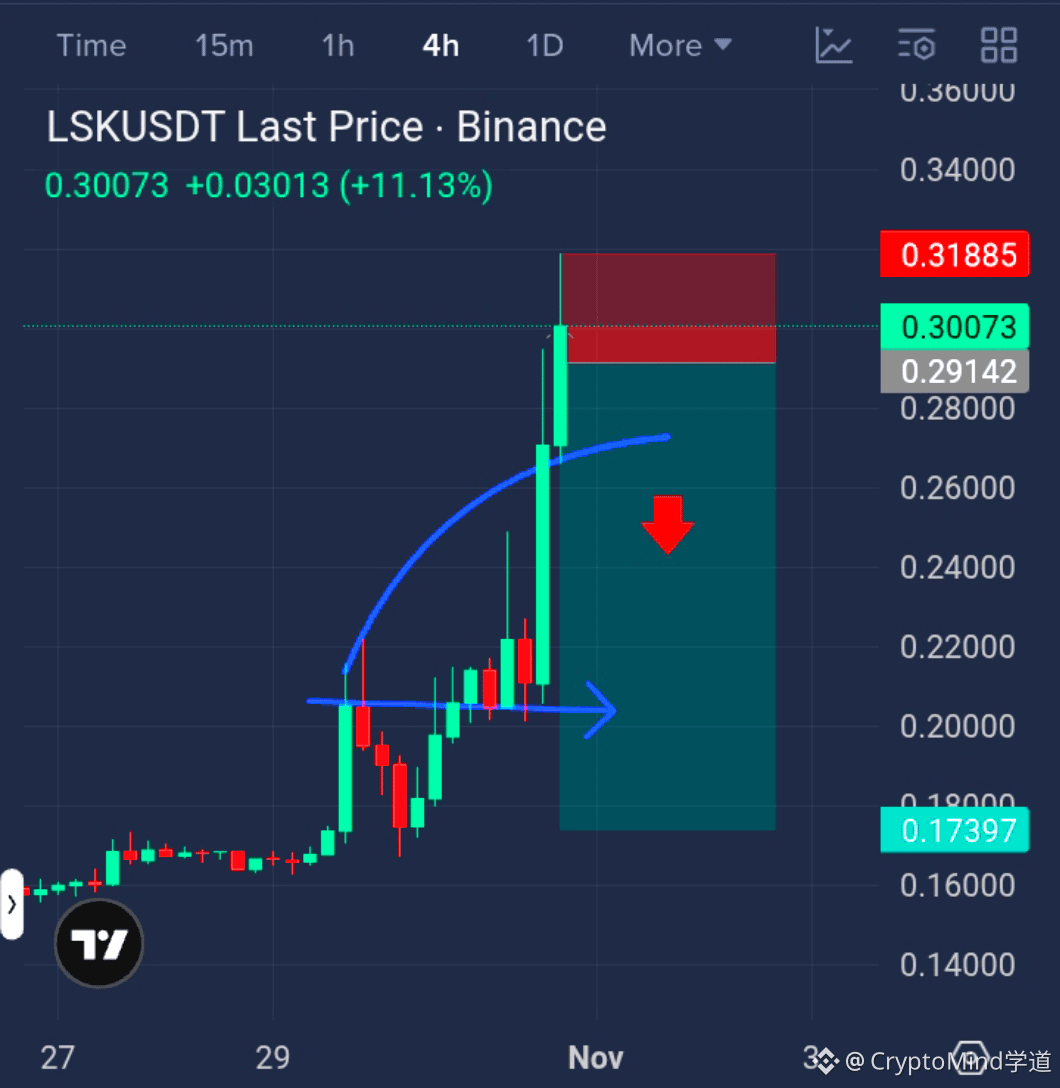
Look at this $LSK chart. It just sent a parabolic +50% pump, hit resistance, and got a nasty rejection wick. Your brain sees that and screams, "Perfect short setup! It's going to zero!" So you slam the short button.
But shorting a violently strong trend before the structure actually breaks is how you get liquidated.
The problem? You're trying to predict the exact top. The market doesn't care about your drawn arrows. One random green candle could squeeze you out of your position right before the actual dump happens.
The real alpha? Wait for confirmation.
Don't short the first red candle. Let $LSK print a clear lower high and break its local support level. If the trend is genuinely dead, the chart will prove it to you. Give it time to show its hand.
By waiting for a structural break, you stop getting chopped up by volatility. You get a safer entry, a tighter stop-loss, and you avoid becoming the exit liquidity for the whales who are actually controlling the price.
Are you the type to short the very first wick, or do you wait for the structure to completely break down?
Drop your strategy below. 👇
{future}(LSKUSDT)
Guys Drawing a massive red arrow on a chart and calling the top makes you feel like a trading god. Until the market humbles you in seconds... 📉
Look at this $LSK chart. It just sent a parabolic +50% pump, hit resistance, and got a nasty rejection wick. Your brain sees that and screams, "Perfect short setup! It's going to zero!" So you slam the short button.
But shorting a violently strong trend before the structure actually breaks is how you get liquidated.
The problem? You're trying to predict the exact top. The market doesn't care about your drawn arrows. One random green candle could squeeze you out of your position right before the actual dump happens.
The real alpha? Wait for confirmation.
Don't short the first red candle. Let $LSK print a clear lower high and break its local support level. If the trend is genuinely dead, the chart will prove it to you. Give it time to show its hand.
By waiting for a structural break, you stop getting chopped up by volatility. You get a safer entry, a tighter stop-loss, and you avoid becoming the exit liquidity for the whales who are actually controlling the price.
Are you the type to short the very first wick, or do you wait for the structure to completely break down?
Drop your strategy below. 👇
2
354
·
--
Bärisch
Übersetzung ansehen
Listen everything this $AIN vertical candle is pure exit liquidity... 😘
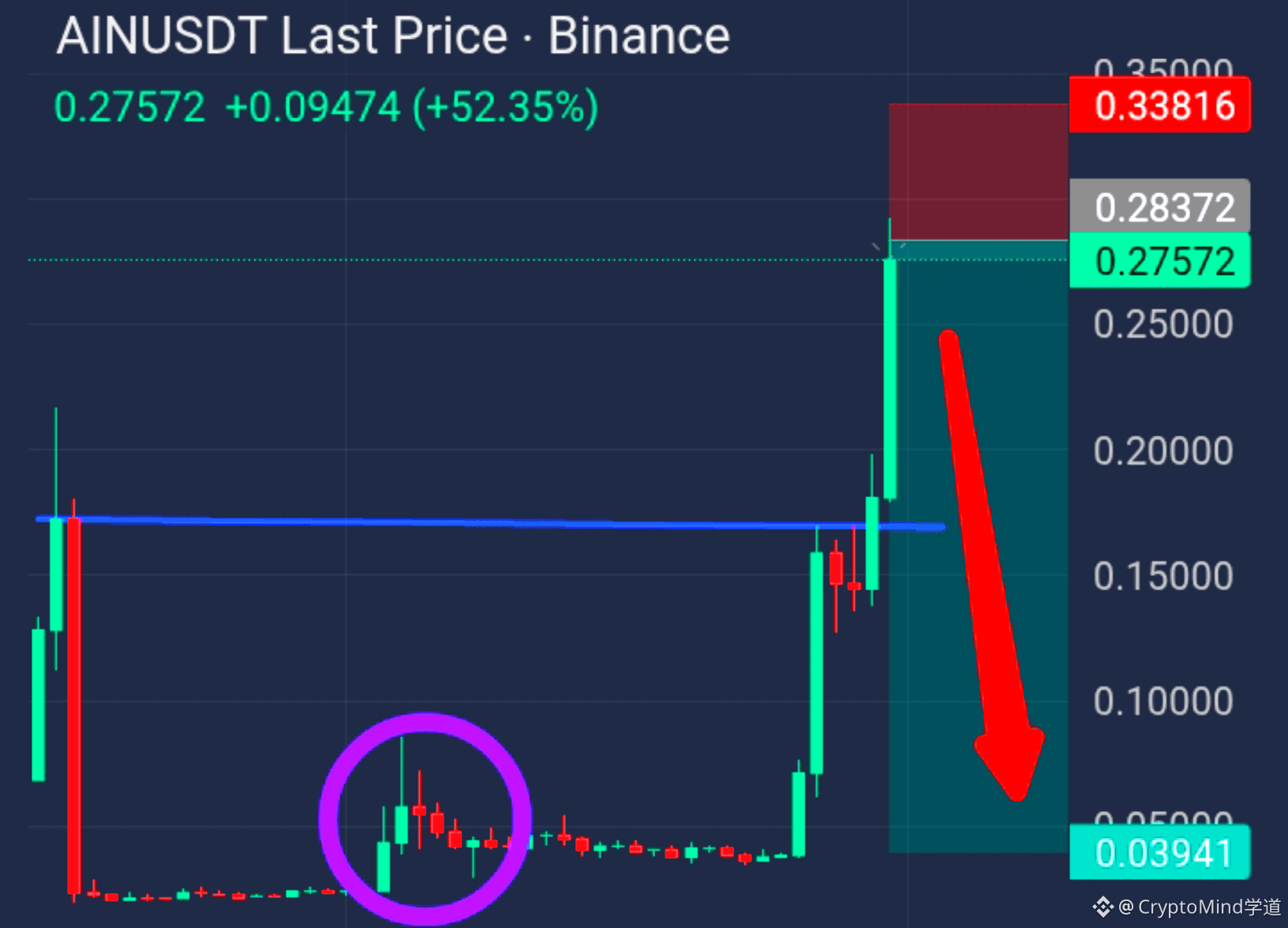
this is a SHORT setup. Look at the daily chart—a 64% parabolic pump with zero structural support underneath. Retail is blindly FOMOing into this green candle, handing early whales a perfect exit. Once the buying pressure stalls, gravity is going to drag this straight back to the base.
Entry: 0.2750 - 0.2850
TP1: 0.1500
TP2: 0.0500
Stop Loss: 0.3380
I won't short a green candle blindly; I need a 1H break of structure to confirm the momentum shift. If we reclaim 0.33, the setup is dead.
Are you fading this massive $AIN pump or trying to catch the falling knife later? Follow for elite setups.
{future}(AINUSDT)
Listen everything this $AIN vertical candle is pure exit liquidity... 😘
this is a SHORT setup. Look at the daily chart—a 64% parabolic pump with zero structural support underneath. Retail is blindly FOMOing into this green candle, handing early whales a perfect exit. Once the buying pressure stalls, gravity is going to drag this straight back to the base.
Entry: 0.2750 - 0.2850
TP1: 0.1500
TP2: 0.0500
Stop Loss: 0.3380
I won't short a green candle blindly; I need a 1H break of structure to confirm the momentum shift. If we reclaim 0.33, the setup is dead.
Are you fading this massive $AIN pump or trying to catch the falling knife later? Follow for elite setups.
305
·
--
Übersetzung ansehen
I always buy these things way too early... 🐸
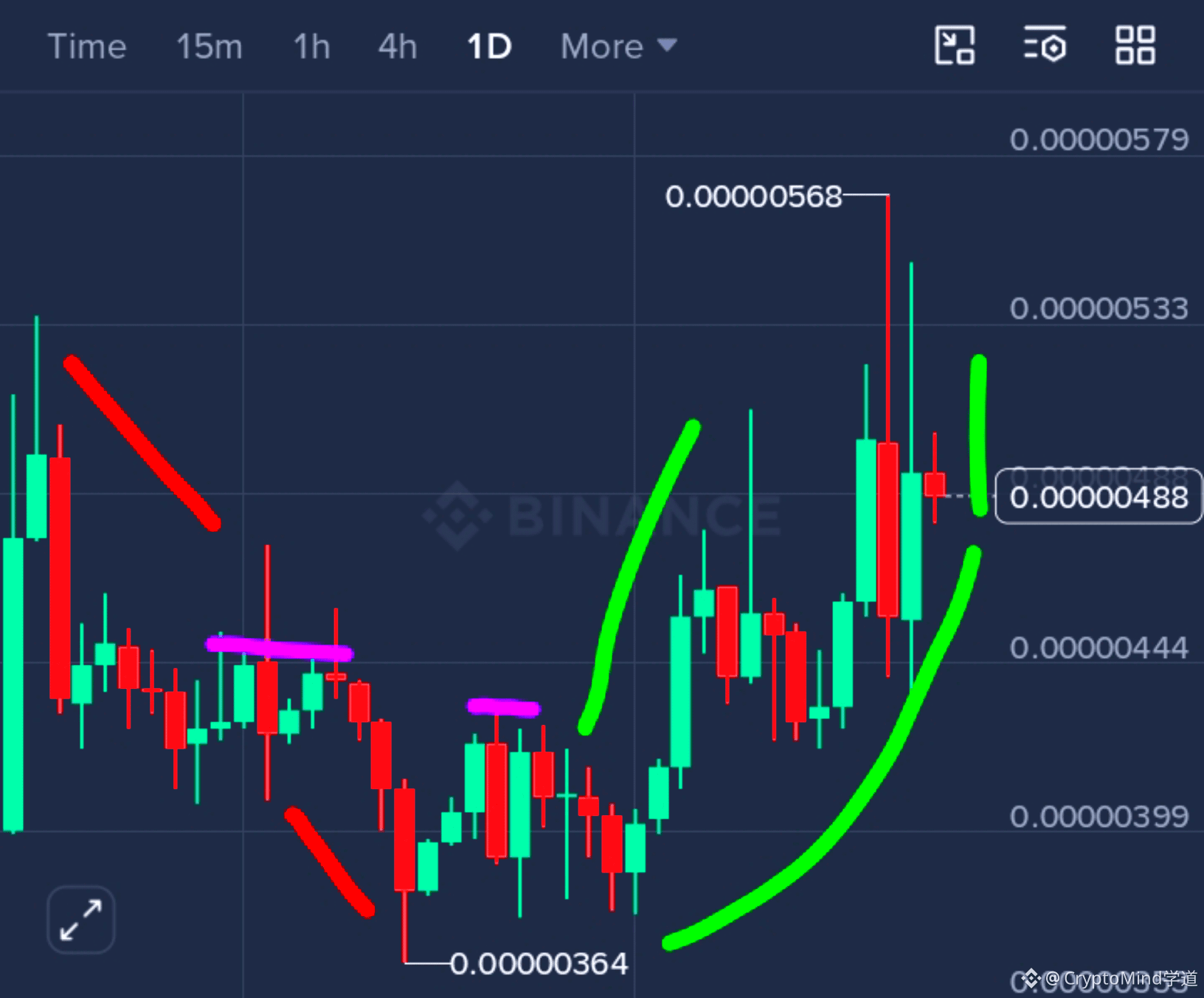
the rejection from 0.00000568 was ugly. But the volume on this pullback is completely dry. I held dead meme bags before and it stung, so I'm not going all in.
Scaling into $PEPE near 0.00000480 and 0.00000440 First target 0.00000520, second 0.00000560 Getting out if we lose 0.00000400
Patience is the only edge you have.
Are you buying this dip or waiting for the trend to flip?
{spot}(PEPEUSDT)
I always buy these things way too early... 🐸
the rejection from 0.00000568 was ugly. But the volume on this pullback is completely dry. I held dead meme bags before and it stung, so I'm not going all in.
Scaling into $PEPE near 0.00000480 and 0.00000440 First target 0.00000520, second 0.00000560 Getting out if we lose 0.00000400
Patience is the only edge you have.
Are you buying this dip or waiting for the trend to flip?
189
·
--
Artikel
Sie nannten es einen Hack. Es ist ein Reset...Die Masse glaubt, ein einziger Durchbruch nach unten habe den Markt zerstört. Sie sieht die Schlagzeilen über Binance und nimmt an, der Schaden sei eingedämmt, der Reservefonds der Börse werde den Schlag abfangen und die Kurse würden sich bis Montag wieder erholen.
Dieser Glaube ist der Trost. Es ist die Geschichte, die überall in den Feeds wiederholt wird – jene, die es den Menschen ermöglicht, ihre Positionen offen zu halten und den Blick auf den nächsten Kurstreiber zu richten.
Die Wirklichkeit ist ernüchternder. Der Vorfall war der Funke, nicht das Feuer. Das Fundament darunter war bereits ins Wanken geraten.
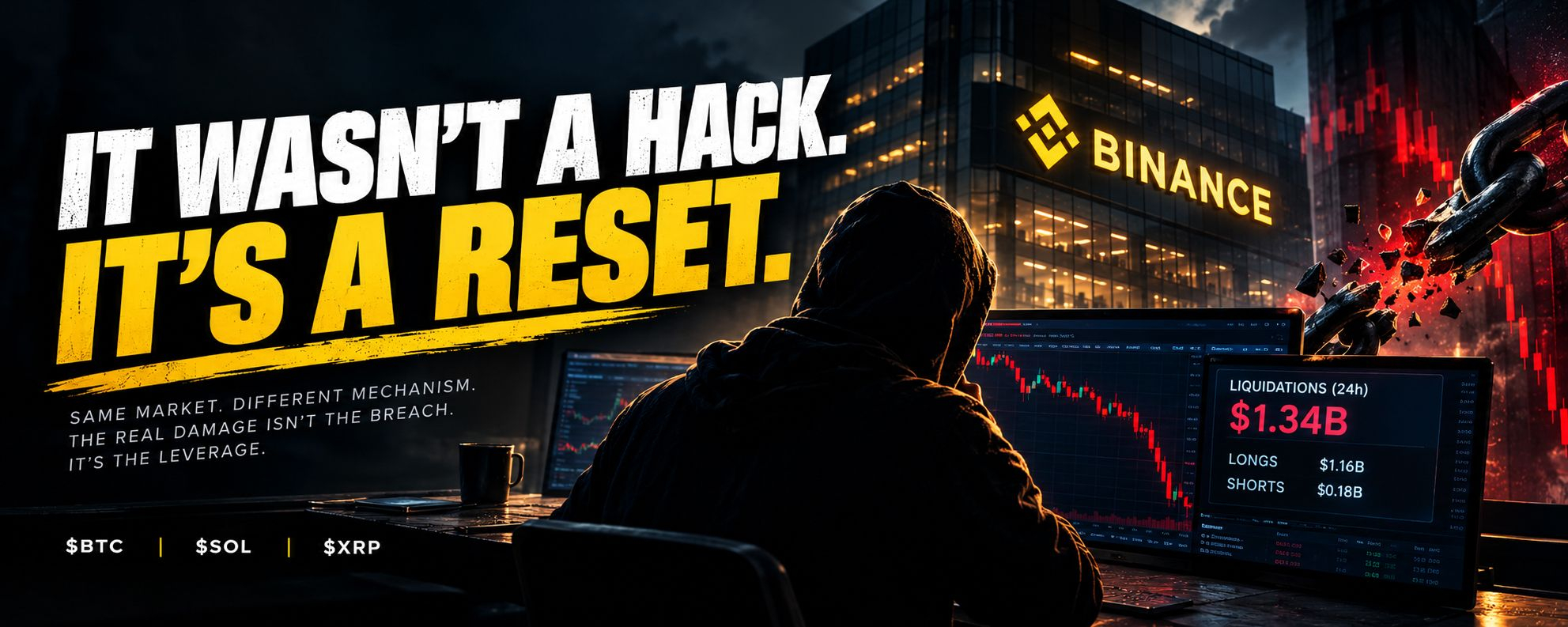
Innerhalb von vierundzwanzig Stunden wurden gehebelte Positionen im Wert von über 1,34 Milliarden Dollar zwangsweise geschlossen. 1,16 Milliarden Dollar davon entfielen auf Anleger, die auf steigende Kurse gesetzt hatten. Das ist keine Panik. Es ist ein mechanischer Abbau, der nur auf einen Anlass wartete.
Sie nannten es einen Hack. Es ist ein Reset...
Die Masse glaubt, ein einziger Durchbruch nach unten habe den Markt zerstört. Sie sieht die Schlagzeilen über Binance und nimmt an, der Schaden sei eingedämmt, der Reservefonds der Börse werde den Schlag abfangen und die Kurse würden sich bis Montag wieder erholen.
Dieser Glaube ist der Trost. Es ist die Geschichte, die überall in den Feeds wiederholt wird – jene, die es den Menschen ermöglicht, ihre Positionen offen zu halten und den Blick auf den nächsten Kurstreiber zu richten.
Die Wirklichkeit ist ernüchternder. Der Vorfall war der Funke, nicht das Feuer. Das Fundament darunter war bereits ins Wanken geraten.
Innerhalb von vierundzwanzig Stunden wurden gehebelte Positionen im Wert von über 1,34 Milliarden Dollar zwangsweise geschlossen. 1,16 Milliarden Dollar davon entfielen auf Anleger, die auf steigende Kurse gesetzt hatten. Das ist keine Panik. Es ist ein mechanischer Abbau, der nur auf einen Anlass wartete.
1
167
·
--
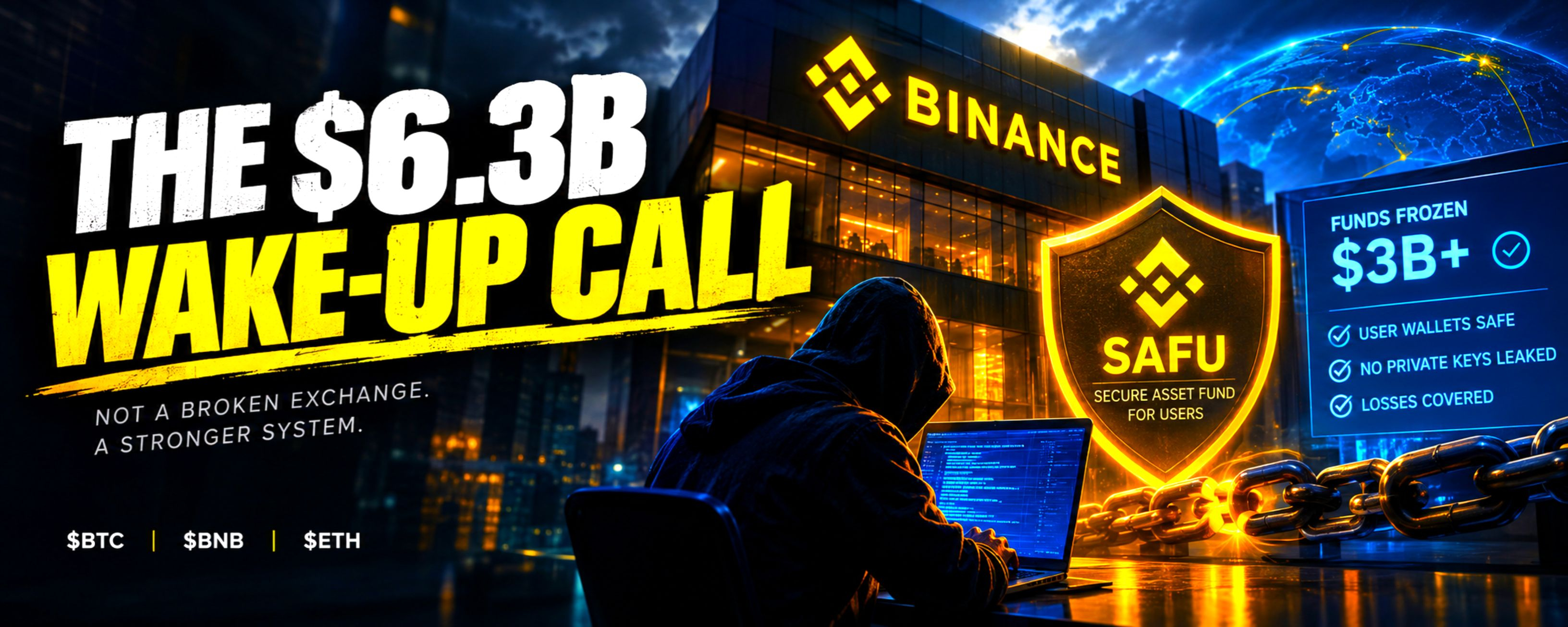
Artikel
Der Weckruf über 6,3 Milliarden Dollar: Was uns der Binance-Exploit wirklich lehrt 🚨Wenn du mit der Nachricht über einen Sicherheitsvorfall im Umfang von 6,3 Milliarden Dollar bei Binance aufgewacht bist, hast du wahrscheinlich dieses vertraute flaue Gefühl im Magen gehabt. Der erste Impuls der meisten Trader ist, in Panik zu geraten, vom Schlimmsten auszugehen und anzufangen, Gelder zu verschieben.
Doch wenn du einen Schritt zurücktrittst und dir ansiehst, was tatsächlich passiert ist, sieht die Geschichte völlig anders aus. Das ist keine Geschichte über eine kaputte Börse, sondern eine Meisterklasse im Krisenmanagement und ein Beispiel dafür, warum Liquiditätsinfrastruktur wichtig ist.
Schauen wir uns die Fakten an – ganz ohne FUD
Der Weckruf über 6,3 Milliarden Dollar: Was uns der Binance-Exploit wirklich lehrt 🚨
Wenn du mit der Nachricht über einen Sicherheitsvorfall im Umfang von 6,3 Milliarden Dollar bei Binance aufgewacht bist, hast du wahrscheinlich dieses vertraute flaue Gefühl im Magen gehabt. Der erste Impuls der meisten Trader ist, in Panik zu geraten, vom Schlimmsten auszugehen und anzufangen, Gelder zu verschieben.
Doch wenn du einen Schritt zurücktrittst und dir ansiehst, was tatsächlich passiert ist, sieht die Geschichte völlig anders aus. Das ist keine Geschichte über eine kaputte Börse, sondern eine Meisterklasse im Krisenmanagement und ein Beispiel dafür, warum Liquiditätsinfrastruktur wichtig ist.
Schauen wir uns die Fakten an – ganz ohne FUD
84
·
--
Teilweise korrekt
Übersetzung ansehen
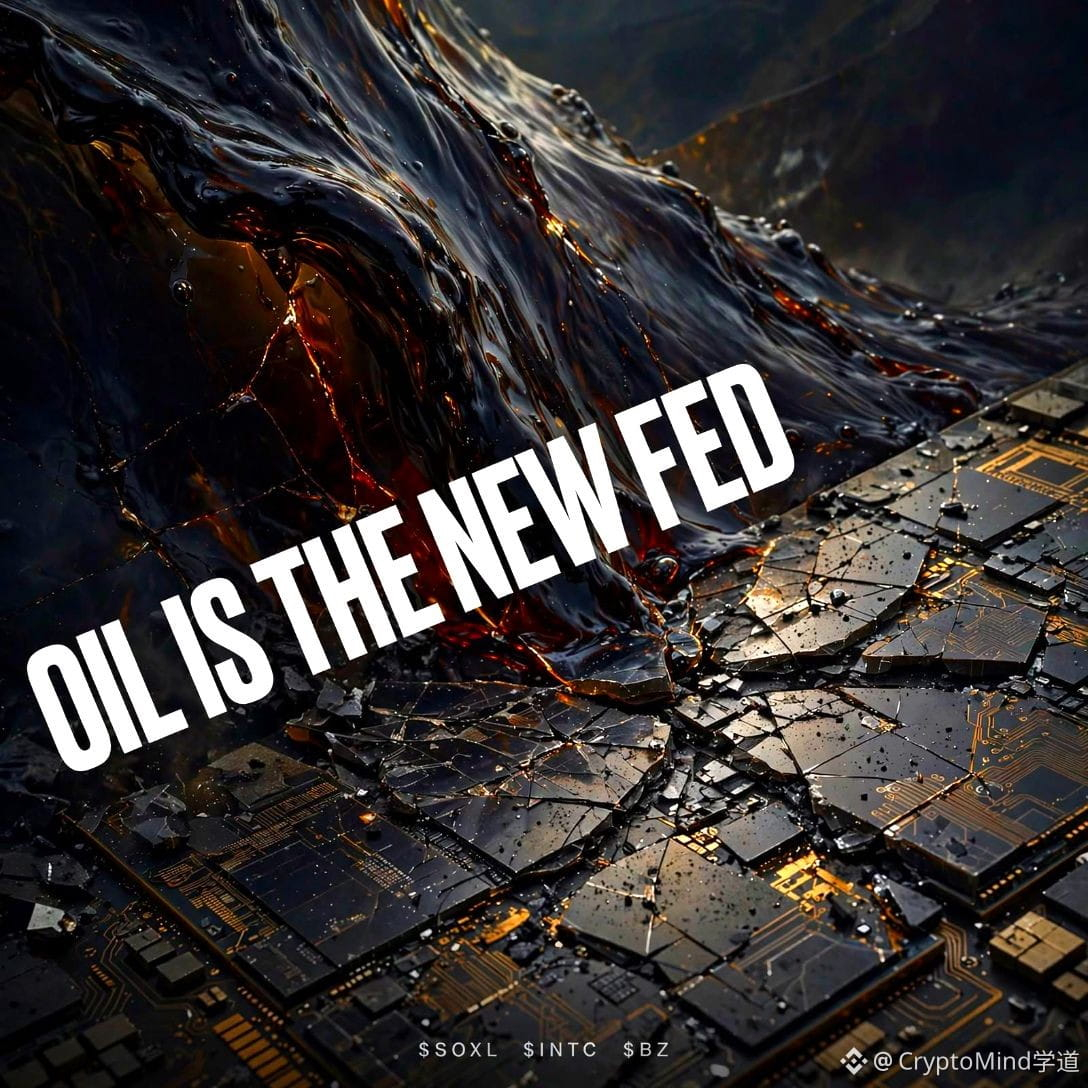
Brent crude is quietly doing the Fed’s tightening, and the semiconductor complex is taking the collateral damage... 📝
the macro mechanism is a classic supply-side inflation shock cascading into the cost of capital. Energy prices have broken out, with Brent pressing above $113 as geopolitical supply disruptions persist. This forces the inflation narrative to reprice higher, pushing December Fed rate-hike odds back onto the table and keeping the 10-year Treasury yield anchored near the 5% threshold.
High-multiple semiconductors are the most sensitive assets to this regime. They are long-duration growth instruments, and when the discount rate stays elevated, their present value gets compressed. The AI capex cycle is now facing a funding-cost wall. The narrative of "AI return skepticism" is merely the spark; the structural fuel is the bond market refusing to ease.
$SOXL has been gutted, collapsing over 43% in October as leveraged longs capitulated. The RSI sits at 31, reflecting exhaustion but not yet a structural floor. $INTC was crushed to an RSI of 18 after a guidance shock exposed the PC-market cracks, showing how quickly idiosyncratic weakness gets amplified when the liquidity backdrop is hostile.
Meanwhile, $BZ is the only asset in this trio with pricing power, sitting at an RSI of 80 near $115. Capital is rotating from growth into energy and value.
If energy-driven inflation keeps the Fed boxed in, which asset class actually provides real protection?
{future}(SOXLUSDT)
{future}(INTCUSDT)
{future}(BZUSDT)
Brent crude is quietly doing the Fed’s tightening, and the semiconductor complex is taking the collateral damage... 📝
the macro mechanism is a classic supply-side inflation shock cascading into the cost of capital. Energy prices have broken out, with Brent pressing above $113 as geopolitical supply disruptions persist. This forces the inflation narrative to reprice higher, pushing December Fed rate-hike odds back onto the table and keeping the 10-year Treasury yield anchored near the 5% threshold.
High-multiple semiconductors are the most sensitive assets to this regime. They are long-duration growth instruments, and when the discount rate stays elevated, their present value gets compressed. The AI capex cycle is now facing a funding-cost wall. The narrative of "AI return skepticism" is merely the spark; the structural fuel is the bond market refusing to ease.
$SOXL has been gutted, collapsing over 43% in October as leveraged longs capitulated. The RSI sits at 31, reflecting exhaustion but not yet a structural floor. $INTC was crushed to an RSI of 18 after a guidance shock exposed the PC-market cracks, showing how quickly idiosyncratic weakness gets amplified when the liquidity backdrop is hostile.
Meanwhile, $BZ is the only asset in this trio with pricing power, sitting at an RSI of 80 near $115. Capital is rotating from growth into energy and value.
If energy-driven inflation keeps the Fed boxed in, which asset class actually provides real protection?
1k
·
--
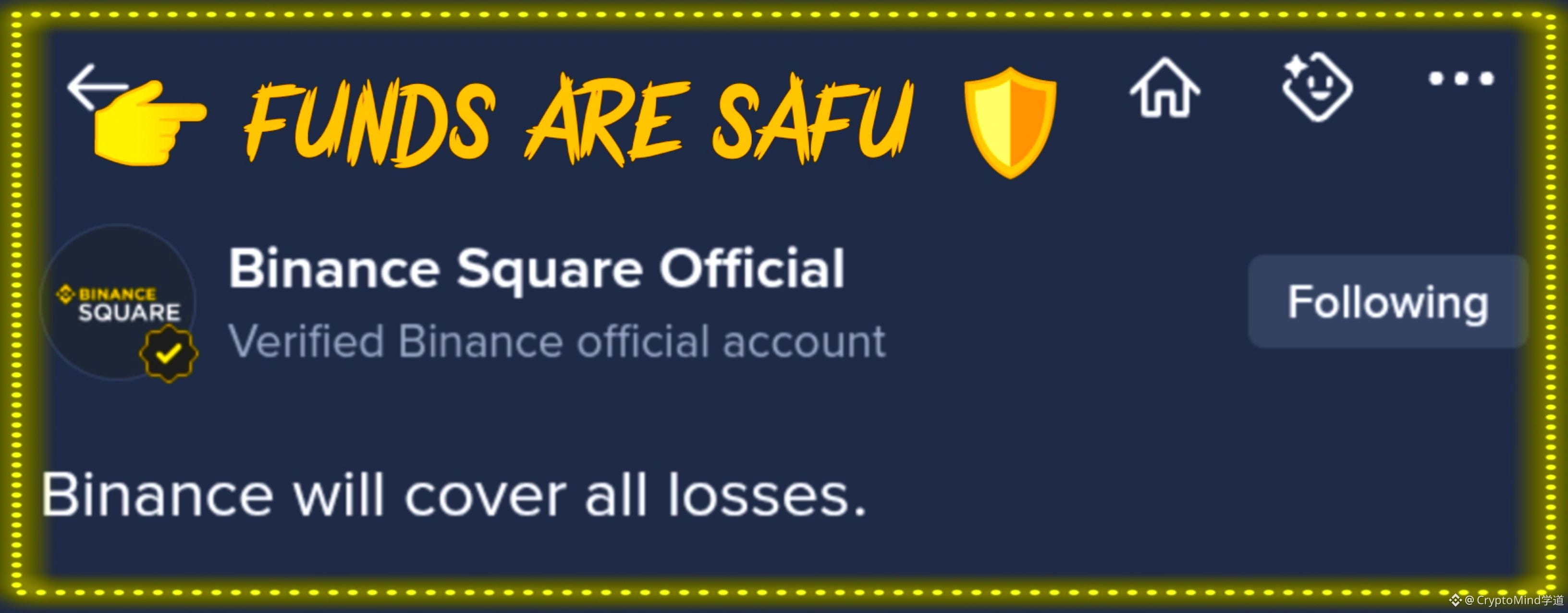
Wenn du mit der Nachricht über einen Sicherheitsvorfall im Umfang von 6,3 Milliarden Dollar bei Binance aufgewacht bist, atme erst einmal tief durch... 😘
Ich weiß, dass der Markt gerade in Panik gerät, aber deine Gelder sind vollkommen sicher. Binance hat offiziell bestätigt, dass das Unternehmen alle Verluste übernimmt, und der SAFU-Fonds steht vollständig dahinter. Sie haben ausdrücklich gesagt, dass kein Nutzer auch nur einen einzigen Dollar verlieren wird.
Der verrückte Teil kommt aber noch: Die Ursache für das ganze Chaos wurde auf einen kompromittierten DevOps-Laptop zurückgeführt. Das zeigt, wie raffiniert Hacker heutzutage vorgehen.
Um absolut auf Nummer sicher zu gehen, sind Auszahlungen für die nächsten 48 Stunden pausiert, während die Sicherheitsmaßnahmen umfassend überarbeitet werden. Einzahlungen funktionieren aber weiterhin ganz normal.
Das Team arbeitet rund um die Uhr daran, das Problem zu beheben. Ehrlich gesagt ist das der Grund, warum ich meine Gelder auf einer sicheren Börse aufbewahre.
$BEAMX
$PARTI
$LSK
Kauft ihr bei diesem Panik-Dip, oder wartet ihr, bis Auszahlungen wieder möglich sind, bevor ihr etwas unternehmt? 👇
#Binance #SAFU #CryptoNews #CryptoMarket
1
873
·
--
Übersetzung ansehen
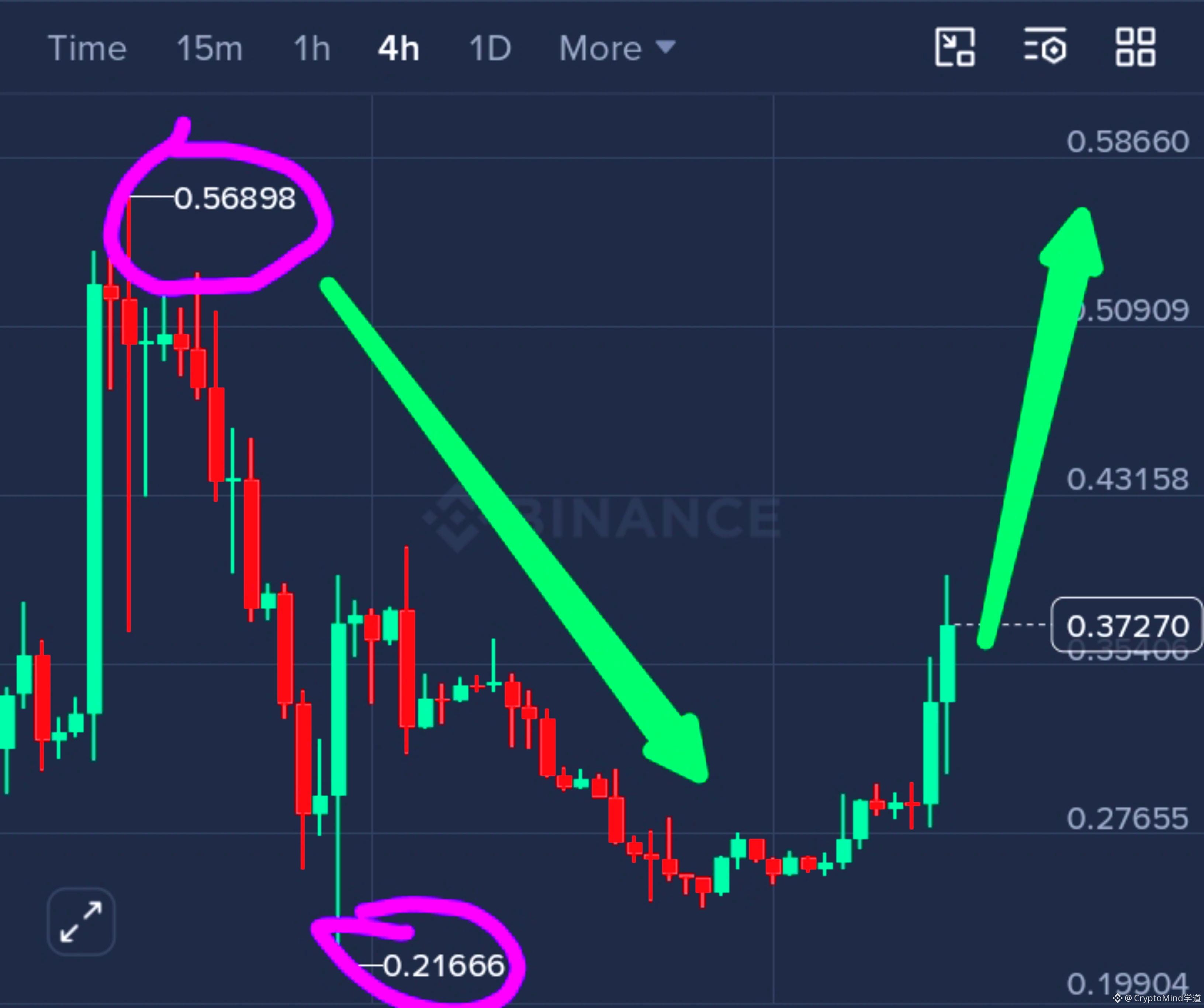
Chasing a V-shaped recovery is the quickest way to turn your portfolio into a charity fund for whales... 🤡
Look at $MAGMA right now. Someone drew a massive green arrow and your degen brain instantly screams, It’s going back to the top! I need in NOW!
But zoom in. The RSI is literally sitting at 91 It is screaming hot. If you FOMO into this massive green candle, you are just providing exit liquidity for the OGs who actually bought the bottom. The second you hit market buy, it will pull back and leave you holding the bag.
Stop buying straight vertical lines. Let the FOMO cool off.
The real alpha? Wait for the retrace. Let the RSI drop back down and see if the chart can actually print a higher low. If the trend is real, there will be a safer entry. If it just dumps back to where it started, you just saved yourself from getting completely rekt.
By resisting the urge to chase green dildos, you protect your capital and get a tight stop-loss. You stop being the exit liquidity and start trading like a sniper.
Who here has FOMO'd a chart like this right at the top, only to watch it instantly bleed out? Drop your worst entry below. 👇💀
{future}(MAGMAUSDT)
Chasing a V-shaped recovery is the quickest way to turn your portfolio into a charity fund for whales... 🤡
Look at $MAGMA right now. Someone drew a massive green arrow and your degen brain instantly screams, It’s going back to the top! I need in NOW!
But zoom in. The RSI is literally sitting at 91 It is screaming hot. If you FOMO into this massive green candle, you are just providing exit liquidity for the OGs who actually bought the bottom. The second you hit market buy, it will pull back and leave you holding the bag.
Stop buying straight vertical lines. Let the FOMO cool off.
The real alpha? Wait for the retrace. Let the RSI drop back down and see if the chart can actually print a higher low. If the trend is real, there will be a safer entry. If it just dumps back to where it started, you just saved yourself from getting completely rekt.
By resisting the urge to chase green dildos, you protect your capital and get a tight stop-loss. You stop being the exit liquidity and start trading like a sniper.
Who here has FOMO'd a chart like this right at the top, only to watch it instantly bleed out? Drop your worst entry below. 👇💀
182
·
--
🚨 DIE TOP 3 DER HEUTIGEN KURSGEWINNER — WELCHE DAVON IST EINE FALLE? 🐂 💀
🥇 $PARTI — $0.05600 | Ziel $0.06434 🔥
🥈 $HYPE — $93.121 | Ziel $97.193 🚀
🥉 $BLESS — $0.012860 | Ziel $0.014597 📈
👀 Diese parabolischen Bewegungen bilden massive grüne Kerzen, aber die oberen Dochte schreien geradezu nach Erschöpfung. Die entscheidende Frage ist jetzt nicht nur: Wer steigt noch höher? — sondern: Wer bleibt auf seinen Bags sitzen, wenn die Musik aufhört?
{future}(PARTIUSDT)
{future}(HYPEUSDT)
{future}(BLESSUSDT)
Könnte HYPE die $97.19 knacken, oder steht eine brutale Zurückweisung bevor?
Bei welcher davon gehst du short? 👀
🚨 DIE TOP 3 DER HEUTIGEN KURSGEWINNER — WELCHE DAVON IST EINE FALLE? 🐂 💀
🥇 $PARTI — $0.05600 | Ziel $0.06434 🔥
🥈 $HYPE — $93.121 | Ziel $97.193 🚀
🥉 $BLESS — $0.012860 | Ziel $0.014597 📈
👀 Diese parabolischen Bewegungen bilden massive grüne Kerzen, aber die oberen Dochte schreien geradezu nach Erschöpfung. Die entscheidende Frage ist jetzt nicht nur: Wer steigt noch höher? — sondern: Wer bleibt auf seinen Bags sitzen, wenn die Musik aufhört?
Könnte HYPE die $97.19 knacken, oder steht eine brutale Zurückweisung bevor?
Bei welcher davon gehst du short? 👀
$PARTI
28%
$HYPE
34%
$BLESS
38%
29 Stimmen • Abstimmung beendet
1.5k
·
--
Teilweise korrekt
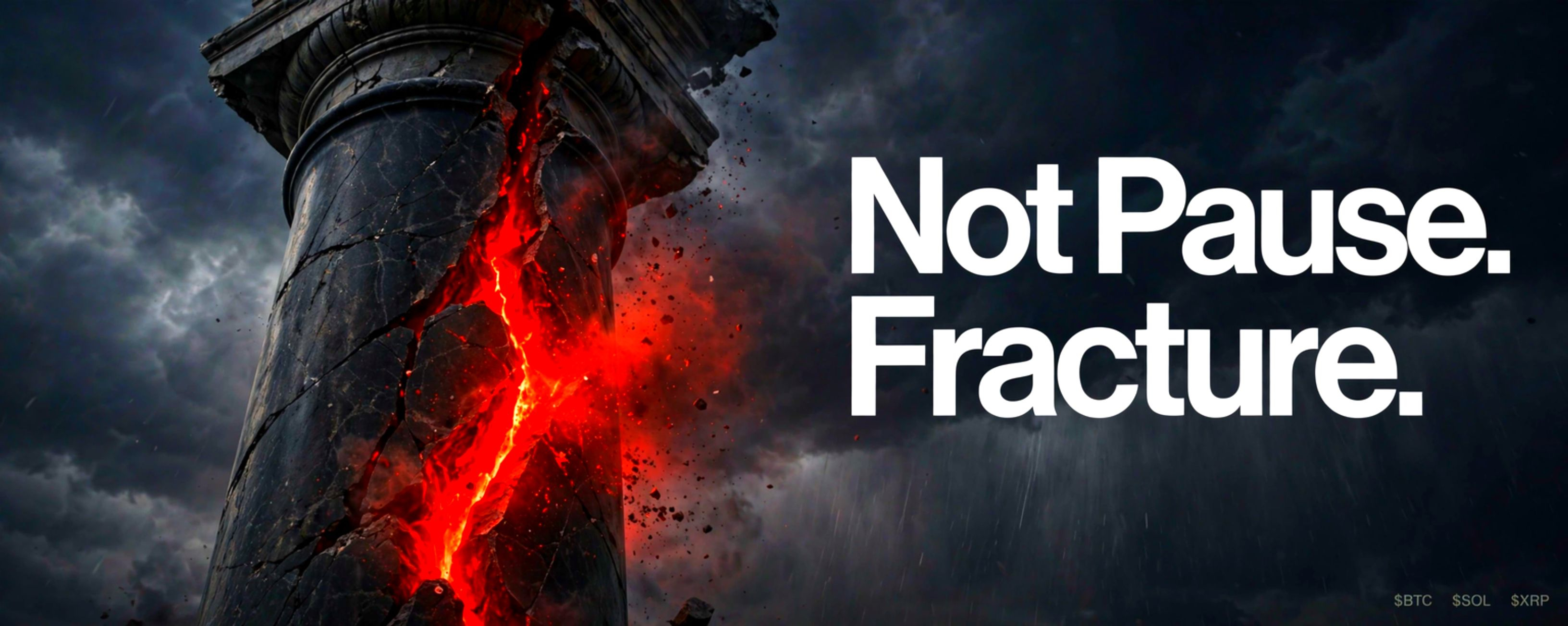
Artikel
Sie nennen es eine Pause. Es ist ein Bruch.Die Menge sieht, dass die Fed die Zinsen unverändert lässt, und deutet das als Zeichen der Sicherheit. Sie sieht, dass die 80.000 $ halten, und nennt es Überzeugung. Diese Deutung spendet Trost. Es ist die Geschichte, die in jedem hoffnungsvollen Feed und jeder Analystennotiz wiederholt wird, die darauf angewiesen ist, dass die Menge ruhig bleibt.
Die Realität ist bereits im abweichenden Votum festgehalten. Zwei Mitglieder des Ausschusses stimmten gegen das Beibehalten der Zinsen, und beide wollten höhere Zinsen. Das ist keine Pause. Es ist ein Riss im Inneren der Institution selbst, und der Markt reagierte, noch bevor die Pressekonferenz zu Ende war.
Sie nennen es eine Pause. Es ist ein Bruch.
Die Menge sieht, dass die Fed die Zinsen unverändert lässt, und deutet das als Zeichen der Sicherheit. Sie sieht, dass die 80.000 $ halten, und nennt es Überzeugung. Diese Deutung spendet Trost. Es ist die Geschichte, die in jedem hoffnungsvollen Feed und jeder Analystennotiz wiederholt wird, die darauf angewiesen ist, dass die Menge ruhig bleibt.
Die Realität ist bereits im abweichenden Votum festgehalten. Zwei Mitglieder des Ausschusses stimmten gegen das Beibehalten der Zinsen, und beide wollten höhere Zinsen. Das ist keine Pause. Es ist ein Riss im Inneren der Institution selbst, und der Markt reagierte, noch bevor die Pressekonferenz zu Ende war.
Die Realität ist bereits im abweichenden Votum festgehalten. Zwei Mitglieder des Ausschusses stimmten gegen das Beibehalten der Zinsen, und beide wollten höhere Zinsen. Das ist keine Pause. Es ist ein Riss im Inneren der Institution selbst, und der Markt reagierte, noch bevor die Pressekonferenz zu Ende war.
199
·
--
Verifiziert
Artikel
Übersetzung ansehen
The Night Insider Wallets Sold A Story I BelievedI was on my phone at 2:30 a.m. when I saw the first post from ZachXBT. "Insiders obtained over 76 million tokens from a multi-sig. Then they sold."
I didn't need to read the rest. I already knew what the chart looked like.
AXIS dropped 40% in 24 hours. A small-cap robotics token that had been trending on every feed, now bleeding out in real time. Over $12 million worth of tokens dumped through DEXs and bridged to exchanges. One insider alone sold 42 million tokens and was sitting on $5.04 million in USDC across eight wallets.
I've been on the wrong side of a small-cap insider dump before. Back in 2021, I bought a token because the narrative was perfect and the team looked credible. Then a wallet I'd never seen before started moving tokens to an exchange. I watched the chart collapse and refresh the page like the number would come back. It didn't. The lesson wasn't about doing more research. It was about understanding who was actually holding the supply.
Here's what actually happened with AXIS.
The project team issued a statement on October 30. They said the team, investors, and other locked allocations — 835 million AXIS, 83.5% of total supply — remained in a custody contract co-managed with Binance. No tokens had been transferred out. No unlocks before the 12-month cliff. The sell-off wasn't them.
They pointed the finger at an over-the-counter counterparty. The tokens that hit the market came from the initial circulating supply's "ecological allocation," which had been delivered through a single OTC counterparty with written lock-up terms. The project believes that counterparty sold on the open market, violating the agreement. They've suspended further transactions and are reviewing the agreement with legal counsel.
That's the part nobody's talking about.
Everyone is calling this an insider rug. But the on-chain evidence the team provided — verifiable through the Binance custody contract — suggests the locked supply is still locked. The selling came from a tranche that was supposed to be locked by a counterparty, not by the team. That doesn't make the 40% crash hurt less. But it changes who you should be angry at.
I'm not defending the project. I'm saying the crowd is already telling a simple story: team dumped, token died, move on. The tape tells a more complicated one: a small-cap token with thin liquidity got hit by a counterparty that may have broken its agreement. The difference matters because the next small-cap with an OTC allocation could face the exact same risk.
The level that matters now is the pre-dump support zone. If AXIS holds above the level it broke from and the team's legal action produces a clear outcome, the selling pressure from that specific counterparty may be exhausted. If it doesn't, the next support sits where the remaining unlocked supply might meet demand. There's no clean map here. Small-cap order books are thin. The same vacuum that let the price collapse can let it rip on any real bid.
Liquidation cascades don't tell you direction. They tell you positioning. But this wasn't a liquidation cascade. It was a supply shock from a single tranche that was supposed to be locked. That's a different kind of lesson.
The market doesn't care about your narrative. It cares about who holds the supply and whether they're following the rules they agreed to.
$AXIS
{alpha}(84530x5be75e3b0aff5d1a042a5363ae36acb1d6d755ea)
$BTC
{future}(BTCUSDT)
$ETH
{future}(ETHUSDT)
#crypto #altcoins #RiskManagement
If you've ever bought a small-cap because the story was good, did you check who actually controlled the tokens — or did you just get angry when it dumped?
The Night Insider Wallets Sold A Story I Believed
I was on my phone at 2:30 a.m. when I saw the first post from ZachXBT. "Insiders obtained over 76 million tokens from a multi-sig. Then they sold."
I didn't need to read the rest. I already knew what the chart looked like.
AXIS dropped 40% in 24 hours. A small-cap robotics token that had been trending on every feed, now bleeding out in real time. Over $12 million worth of tokens dumped through DEXs and bridged to exchanges. One insider alone sold 42 million tokens and was sitting on $5.04 million in USDC across eight wallets.
I've been on the wrong side of a small-cap insider dump before. Back in 2021, I bought a token because the narrative was perfect and the team looked credible. Then a wallet I'd never seen before started moving tokens to an exchange. I watched the chart collapse and refresh the page like the number would come back. It didn't. The lesson wasn't about doing more research. It was about understanding who was actually holding the supply.
Here's what actually happened with AXIS.
The project team issued a statement on October 30. They said the team, investors, and other locked allocations — 835 million AXIS, 83.5% of total supply — remained in a custody contract co-managed with Binance. No tokens had been transferred out. No unlocks before the 12-month cliff. The sell-off wasn't them.
They pointed the finger at an over-the-counter counterparty. The tokens that hit the market came from the initial circulating supply's "ecological allocation," which had been delivered through a single OTC counterparty with written lock-up terms. The project believes that counterparty sold on the open market, violating the agreement. They've suspended further transactions and are reviewing the agreement with legal counsel.
That's the part nobody's talking about.
Everyone is calling this an insider rug. But the on-chain evidence the team provided — verifiable through the Binance custody contract — suggests the locked supply is still locked. The selling came from a tranche that was supposed to be locked by a counterparty, not by the team. That doesn't make the 40% crash hurt less. But it changes who you should be angry at.
I'm not defending the project. I'm saying the crowd is already telling a simple story: team dumped, token died, move on. The tape tells a more complicated one: a small-cap token with thin liquidity got hit by a counterparty that may have broken its agreement. The difference matters because the next small-cap with an OTC allocation could face the exact same risk.
The level that matters now is the pre-dump support zone. If AXIS holds above the level it broke from and the team's legal action produces a clear outcome, the selling pressure from that specific counterparty may be exhausted. If it doesn't, the next support sits where the remaining unlocked supply might meet demand. There's no clean map here. Small-cap order books are thin. The same vacuum that let the price collapse can let it rip on any real bid.
Liquidation cascades don't tell you direction. They tell you positioning. But this wasn't a liquidation cascade. It was a supply shock from a single tranche that was supposed to be locked. That's a different kind of lesson.
The market doesn't care about your narrative. It cares about who holds the supply and whether they're following the rules they agreed to.
$AXIS
$BTC
$ETH
#crypto #altcoins #RiskManagement
If you've ever bought a small-cap because the story was good, did you check who actually controlled the tokens — or did you just get angry when it dumped?
811
·
--
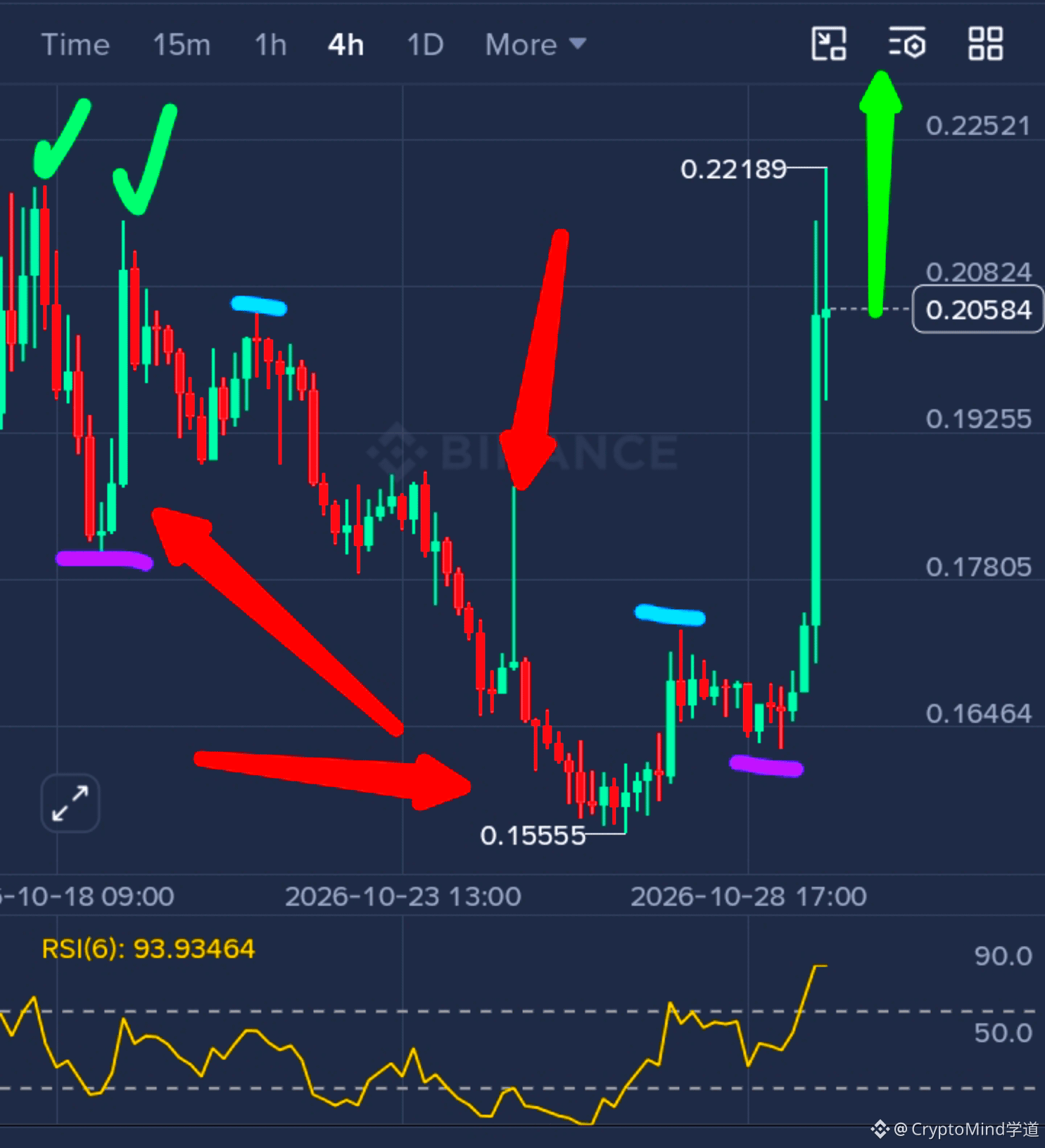
Diesem $LSK -Pump hinterherzujagen, ist reine Exit-Liquidität...
Leute, das ist ein LONG-Setup, aber nur für Geduldige. Der 4H-Chart zeigt einen massiven vertikalen Ausbruch, aber der RSI bei 94 schreit geradezu nach Gefahr. Kleinanleger springen blind aus FOMO in diese 25%-Kerze, während sich das große Geld auf den Abverkauf vorbereitet. Bevor ich Kapital einsetze, möchte ich einen Rücksetzer in die vorherige Widerstandszone sehen.
Einstieg: 0.1850 - 0.1950
TP1: 0.2210
TP2: 0.2450
Stop-Loss: 0.1650
Ich weigere mich, am Hoch einer parabolischen Lunte zu kaufen. Wenn wir bei $LSK keinen strukturierten Rücksetzer bekommen, halte ich mich zurück.
Setzt ihr gegen dieses überkaufte Signal oder wartet ihr auf einen Rücksetzer, um long zu gehen? Folgt mir für erstklassige Setups.
{future}(LSKUSDT)
Diesem $LSK -Pump hinterherzujagen, ist reine Exit-Liquidität...
Leute, das ist ein LONG-Setup, aber nur für Geduldige. Der 4H-Chart zeigt einen massiven vertikalen Ausbruch, aber der RSI bei 94 schreit geradezu nach Gefahr. Kleinanleger springen blind aus FOMO in diese 25%-Kerze, während sich das große Geld auf den Abverkauf vorbereitet. Bevor ich Kapital einsetze, möchte ich einen Rücksetzer in die vorherige Widerstandszone sehen.
Einstieg: 0.1850 - 0.1950
TP1: 0.2210
TP2: 0.2450
Stop-Loss: 0.1650
Ich weigere mich, am Hoch einer parabolischen Lunte zu kaufen. Wenn wir bei $LSK keinen strukturierten Rücksetzer bekommen, halte ich mich zurück.
Setzt ihr gegen dieses überkaufte Signal oder wartet ihr auf einen Rücksetzer, um long zu gehen? Folgt mir für erstklassige Setups.
310
·
--
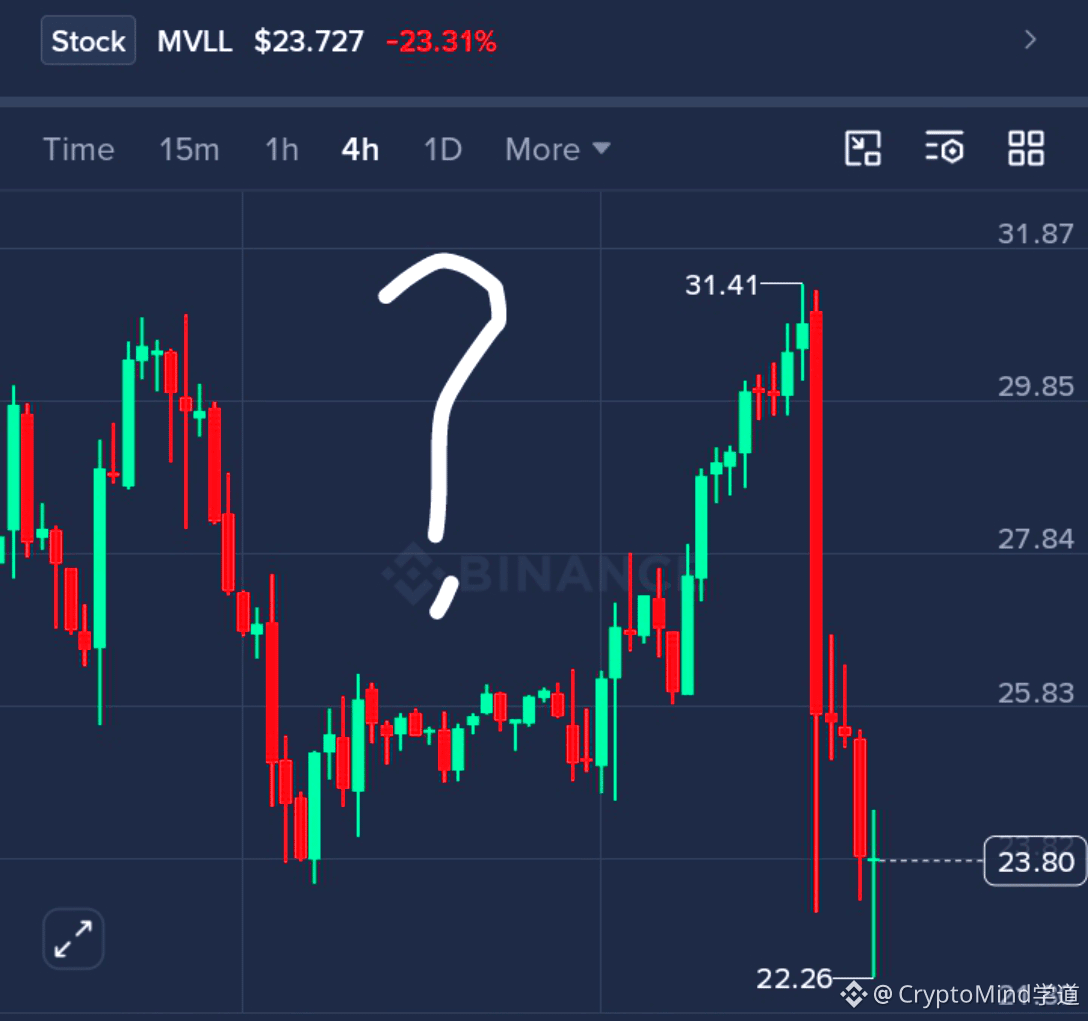
Den Dip bei einer tokenisierten Aktie zu kaufen, nur weil der RSI „überverkauft“ anzeigt, ist der Weg zum finanziellen Totalschaden ... 💀
Schau dir $MVLLB jetzt an. An einem einzigen Tag 21 % im Minus – direkt auf Talfahrt.
Du siehst diese massive rote Kerze und den RSI, der bei 18 Alarm schlägt, und dein Gehirn sagt dir: „Das muss doch wieder hochgehen, kaufen wir den Tiefpunkt!“
Aber das ist kein gewöhnlicher Krypto-Coin. $MVLLB ist ein tokenisierter Aktien-ETF. Du handelst nicht mehr einfach nur mit Krypto – du handelst mit traditionellen Aktien on-chain.
Das Problem? Du behandelst einen TradFi-Vermögenswert wie einen Memecoin. Wenn die zugrunde liegende Aktie (MRVL) einen Dämpfer abbekommt, folgt der Token. Einen „Rebound“ auf einer Kryptobörse zu erkennen, hilft dir nicht, wenn der tatsächliche Aktienmarkt gerade abstürzt.
Hör auf, bei tokenisierten Aktien blind rote Kerzen zu kaufen. Respektiere die traditionellen Märkte.
Bevor du $MVLLB anfasst, solltest du den Chart herauszoomen und den tatsächlichen Aktienmarkt prüfen. Sieh dir die Gewinne des zugrunde liegenden Unternehmens, dessen Tagesstruktur und die allgemeine Marktstimmung an. Handle nicht mit einer tokenisierten Aktie auf Grundlage eines 15-Minuten-Krypto-Charts.
Wenn du wirklich verstehst, was du hältst, schützt du dein Kapital vor katastrophalen Verlusten. Du wirst nicht länger zur Exit-Liquidität für TradFi-Wale, die zu Web3 wechseln. Und du überlebst, um an einem anderen Tag weiterzuhandeln.
Hast du schon einmal on-chain in tokenisierte Aktien investiert, oder bleibst du strikt bei Krypto? Schreib deine Meinung unten in die Kommentare. 👇📉
{spot}(MVLLBUSDT)
#MVLLB #MVLLBUSDT
Den Dip bei einer tokenisierten Aktie zu kaufen, nur weil der RSI „überverkauft“ anzeigt, ist der Weg zum finanziellen Totalschaden ... 💀
Schau dir $MVLLB jetzt an. An einem einzigen Tag 21 % im Minus – direkt auf Talfahrt.
Du siehst diese massive rote Kerze und den RSI, der bei 18 Alarm schlägt, und dein Gehirn sagt dir: „Das muss doch wieder hochgehen, kaufen wir den Tiefpunkt!“
Aber das ist kein gewöhnlicher Krypto-Coin. $MVLLB ist ein tokenisierter Aktien-ETF. Du handelst nicht mehr einfach nur mit Krypto – du handelst mit traditionellen Aktien on-chain.
Das Problem? Du behandelst einen TradFi-Vermögenswert wie einen Memecoin. Wenn die zugrunde liegende Aktie (MRVL) einen Dämpfer abbekommt, folgt der Token. Einen „Rebound“ auf einer Kryptobörse zu erkennen, hilft dir nicht, wenn der tatsächliche Aktienmarkt gerade abstürzt.
Hör auf, bei tokenisierten Aktien blind rote Kerzen zu kaufen. Respektiere die traditionellen Märkte.
Bevor du $MVLLB anfasst, solltest du den Chart herauszoomen und den tatsächlichen Aktienmarkt prüfen. Sieh dir die Gewinne des zugrunde liegenden Unternehmens, dessen Tagesstruktur und die allgemeine Marktstimmung an. Handle nicht mit einer tokenisierten Aktie auf Grundlage eines 15-Minuten-Krypto-Charts.
Wenn du wirklich verstehst, was du hältst, schützt du dein Kapital vor katastrophalen Verlusten. Du wirst nicht länger zur Exit-Liquidität für TradFi-Wale, die zu Web3 wechseln. Und du überlebst, um an einem anderen Tag weiterzuhandeln.
Hast du schon einmal on-chain in tokenisierte Aktien investiert, oder bleibst du strikt bei Krypto? Schreib deine Meinung unten in die Kommentare. 👇📉
#MVLLB #MVLLBUSDT
151
·
--
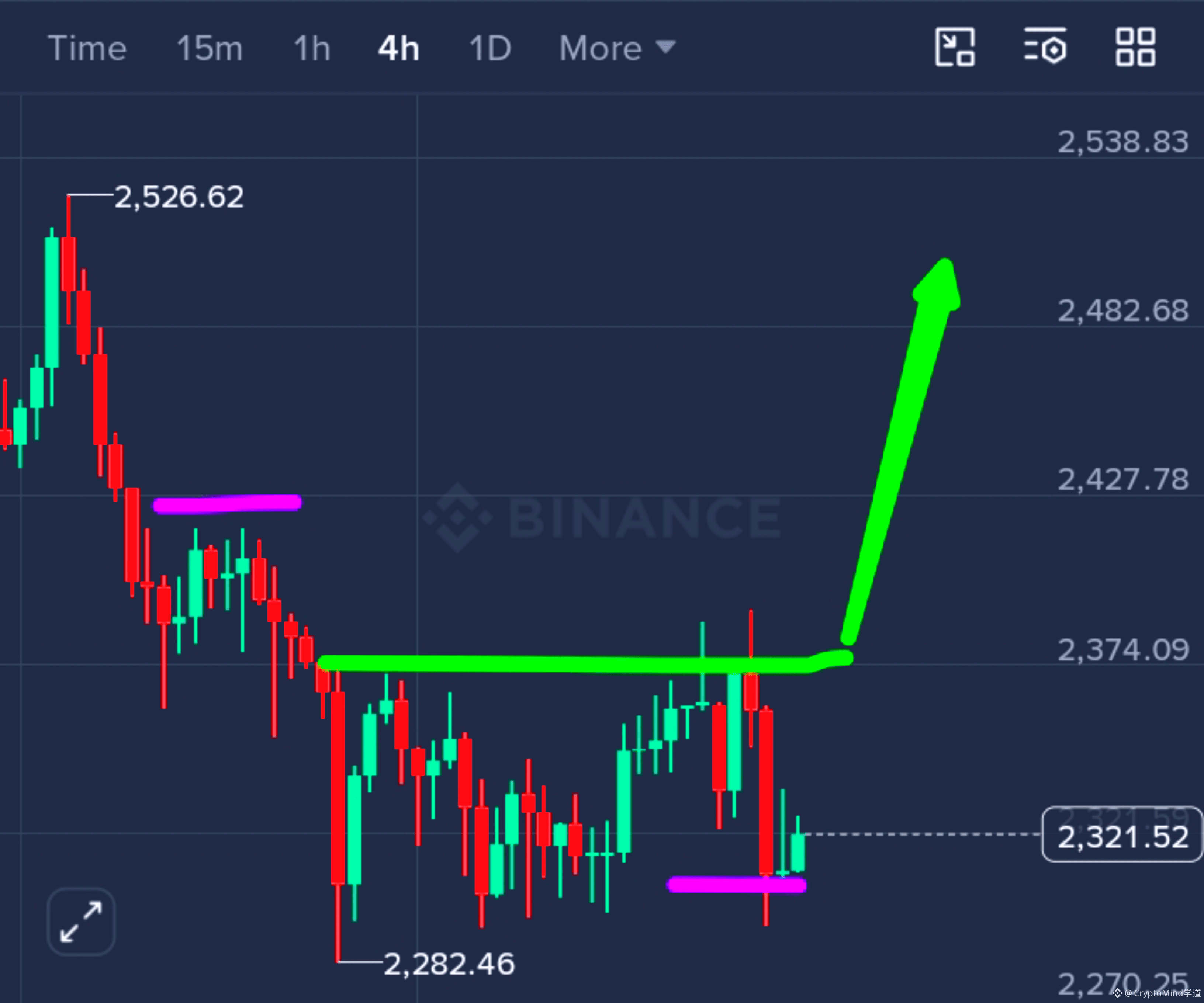
Du siehst einen sicheren Boden. Ich sehe ihre Exit-Liquidität...
Die Sicherheitsnetze aller liegen direkt unter 2,282.46. Wale brauchen genau dieses Volumen dringend, um ihre großen Positionen abzustoßen.
Warte, bis die 4H-Kerze schließt. Wenn der Kurs 2,282.46 abfischt, verschwindet der Abwärtsdruck.
Rechne mit einer heftigen Reaktion für $ETH zurück in Richtung 2,374.09.
Ich werde nur handeln, wenn die 4H-Kerze über 2,391.55 schließt. In diesem chaotischen Seitwärtsmarkt zu handeln, ist Selbstmord.
Wirst du weiterhin für günstige Einstiege sorgen oder endlich auf eine Bestätigung warten?
{future}(ETHUSDT)
Du siehst einen sicheren Boden. Ich sehe ihre Exit-Liquidität...
Die Sicherheitsnetze aller liegen direkt unter 2,282.46. Wale brauchen genau dieses Volumen dringend, um ihre großen Positionen abzustoßen.
Warte, bis die 4H-Kerze schließt. Wenn der Kurs 2,282.46 abfischt, verschwindet der Abwärtsdruck.
Rechne mit einer heftigen Reaktion für $ETH zurück in Richtung 2,374.09.
Ich werde nur handeln, wenn die 4H-Kerze über 2,391.55 schließt. In diesem chaotischen Seitwärtsmarkt zu handeln, ist Selbstmord.
Wirst du weiterhin für günstige Einstiege sorgen oder endlich auf eine Bestätigung warten?
98
·
--
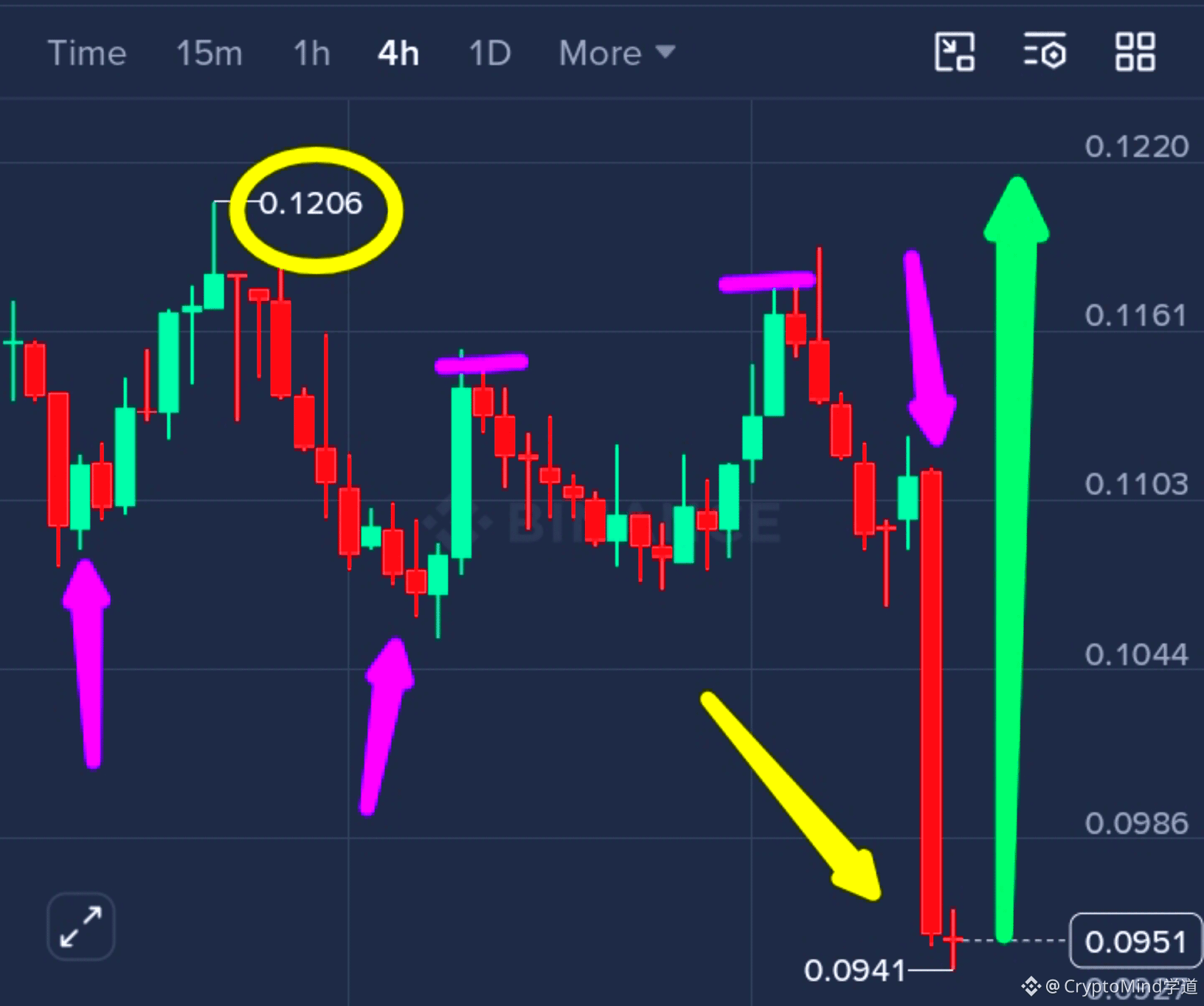
Ich hasse es, zu kaufen, wenn der Chart so tot aussieht … 🙄
Schau dir diesen Docht bis auf 0.0941 an, RSI bei 16. Ich habe Positionen schon durch einen 20-%-Abverkauf gehalten, und das hat mich um den Schlaf gebracht. Aber genau hier versteckt sich Liquidität.
Kaufe nach und nach $DUSK bei etwa 0.095. Kaufe weiter nach, falls wir 0.090 abfischen. Dead-Cat-Bounce auf 0.105, dann 0.115. Wenn der Kurs unter 0.085 schließt, bin ich raus.
Du musst nicht genau den Tiefpunkt erwischen.
Kaufst du diesen Abverkauf oder wartest du auf eine Bestätigung?
{spot}(DUSKUSDT)
Ich hasse es, zu kaufen, wenn der Chart so tot aussieht … 🙄
Schau dir diesen Docht bis auf 0.0941 an, RSI bei 16. Ich habe Positionen schon durch einen 20-%-Abverkauf gehalten, und das hat mich um den Schlaf gebracht. Aber genau hier versteckt sich Liquidität.
Kaufe nach und nach $DUSK bei etwa 0.095. Kaufe weiter nach, falls wir 0.090 abfischen. Dead-Cat-Bounce auf 0.105, dann 0.115. Wenn der Kurs unter 0.085 schließt, bin ich raus.
Du musst nicht genau den Tiefpunkt erwischen.
Kaufst du diesen Abverkauf oder wartest du auf eine Bestätigung?
171
Anmelden und weiter Inhalte entdecken
Krypto-Nutzer weltweit auf Binance Square kennenlernen
⚡️ Bleib in Sachen Krypto stets am Puls.
💬 Die weltgrößte Kryptobörse vertraut darauf.
👍 Erhalte verlässliche Einblicke von verifizierten Creators.
E-Mail-Adresse/Telefonnummer
Trendthemen
WithdrawalsBack: 15 networks live
959 Aufrufe
40 Kommentare
Binance News Update | Binance gibt Auszahlungen für BTC, ETH, USDT und weitere Assets auf 15 Netzwerken wieder frei und erreicht damit das Sonntagsziel
Binance News
·28 Likes
·10.7k Aufrufe
BinanceUpdatesProofofReservesAddresses
41,520 Aufrufe
852 Kommentare
BinanceToResumePhaseOneOfWithdrawals
74,001 Aufrufe
1,083 Kommentare