
fatima_vision
598 Beiträge

fatima_vision
I explain what the crypto market is doing and what may come next . Technical and fundamental analysis.
Trade eröffnen

LINK Halter
Gelegenheitstrader
1.9 Jahre
17 Following
150 Follower
897 Like gegeben
Beiträge
Portfolio
Alle
Zitierungen
Videos
$BTC hat erstmals seit Mitte Mai die Schwelle von 80.000 US-Dollar durchbrochen und damit ein wichtiges Meilenstein erreicht, während sich die breitere Krypto-Marktrally mit großer Dynamik fortsetzt.
Hier ist eine Übersicht der neuesten Daten und Marktauslöser, die die Bewegung antreiben:
Kursentwicklung: Bitcoin ist über 80.000 US-Dollar gestiegen und stützte sich dabei stark auf eine massive Wochenrally ab den Tiefs aus dem späten August nahe bei 58.000–62.000 US-Dollar. Auch andere wichtige Layer-1s und Tokens wie Ethereum , $SOL und $XRP haben ebenfalls starken Aufwärtsdrang erlebt.
Makrotreiber & der „Debasement Trade“: Der jüngste Schub hängt stark mit makroökonomischen Veränderungen zusammen, darunter den Initiativen des US-Finanzministeriums zum Rückkauf von Anleihen, die darauf abzielen, die Renditen langfristiger Laufzeiten zu senken. Das hat zu einem Nachlassen des US-Dollar geführt und den „Debasement Trade“ wiederbelebt, wodurch institutionelles Kapital aggressiv in knappe Assets wie Bitcoin und Gold fließt.
Institutionelle Zuflüsse: US-Spot-Bitcoin-ETFs haben massive Zuwächse verzeichnet und dabei historisch hohe wöchentliche Zuflüsse eingesammelt (über 1,9 Milliarden US-Dollar) – Werte, die zuletzt seit Ende des vergangenen Jahres nicht mehr zu sehen waren.
Liquidationen: Nachdem Bitcoin die psychologische Marke von 80.000 US-Dollar durchbrochen hat, wurden über 220 Millionen US-Dollar an Short-Positionen liquidiert, was zusätzlichen Aufwärtsdruck erzeugt.
Händler beobachten nun genau, ob Spot-Volumina eine entscheidende tägliche Schlusskurs-Notierung über 80.000 US-Dollar ermöglichen, um den Weg zu den nächsten Widerstandsbereichen bei 84.000 und 88.000 US-Dollar freizumachen – wobei 75.000 US-Dollar als entscheidender unmittelbarer Unterstützungsbereich dient.
Bitcoin-Kurs könnte auf 90.000 US-Dollar ansteigen: So kommt es
Dieses Video liefert technischen Kontext und On-Chain-Analysen zur institutionellen Nachfrage, die Bitcoin auf große psychologische Meilensteine wie die Marken 80.000 und 90.000 US-Dollar zusteuert.
Hier ist eine Übersicht der neuesten Daten und Marktauslöser, die die Bewegung antreiben:
Kursentwicklung: Bitcoin ist über 80.000 US-Dollar gestiegen und stützte sich dabei stark auf eine massive Wochenrally ab den Tiefs aus dem späten August nahe bei 58.000–62.000 US-Dollar. Auch andere wichtige Layer-1s und Tokens wie Ethereum , $SOL und $XRP haben ebenfalls starken Aufwärtsdrang erlebt.
Makrotreiber & der „Debasement Trade“: Der jüngste Schub hängt stark mit makroökonomischen Veränderungen zusammen, darunter den Initiativen des US-Finanzministeriums zum Rückkauf von Anleihen, die darauf abzielen, die Renditen langfristiger Laufzeiten zu senken. Das hat zu einem Nachlassen des US-Dollar geführt und den „Debasement Trade“ wiederbelebt, wodurch institutionelles Kapital aggressiv in knappe Assets wie Bitcoin und Gold fließt.
Institutionelle Zuflüsse: US-Spot-Bitcoin-ETFs haben massive Zuwächse verzeichnet und dabei historisch hohe wöchentliche Zuflüsse eingesammelt (über 1,9 Milliarden US-Dollar) – Werte, die zuletzt seit Ende des vergangenen Jahres nicht mehr zu sehen waren.
Liquidationen: Nachdem Bitcoin die psychologische Marke von 80.000 US-Dollar durchbrochen hat, wurden über 220 Millionen US-Dollar an Short-Positionen liquidiert, was zusätzlichen Aufwärtsdruck erzeugt.
Händler beobachten nun genau, ob Spot-Volumina eine entscheidende tägliche Schlusskurs-Notierung über 80.000 US-Dollar ermöglichen, um den Weg zu den nächsten Widerstandsbereichen bei 84.000 und 88.000 US-Dollar freizumachen – wobei 75.000 US-Dollar als entscheidender unmittelbarer Unterstützungsbereich dient.
Bitcoin-Kurs könnte auf 90.000 US-Dollar ansteigen: So kommt es
Dieses Video liefert technischen Kontext und On-Chain-Analysen zur institutionellen Nachfrage, die Bitcoin auf große psychologische Meilensteine wie die Marken 80.000 und 90.000 US-Dollar zusteuert.
$TRUMP Überschreitet $3,4, erreicht Höchststand seit dem 21. März
TRUMP stieg kurzzeitig über $3,4 und erreichte seinen höchsten Stand seit dem 21. März. In den vergangenen 24 Stunden legte der Kurs um nahezu 100% zu. Laut Foresight News markierte der abrupte Anstieg des Tokens einen neuen kurzfristigen Höchststand.
TRUMP stieg kurzzeitig über $3,4 und erreichte seinen höchsten Stand seit dem 21. März. In den vergangenen 24 Stunden legte der Kurs um nahezu 100% zu. Laut Foresight News markierte der abrupte Anstieg des Tokens einen neuen kurzfristigen Höchststand.
Marktimpuls & Makrowende: Das Krypto-Update zur Wochenmitte 📊
Der Kryptomarkt erlebt heute einen deutlichen Schub an Dynamik, angetrieben durch eine Kombination aus Verschiebungen der Makro-Liquidität und wichtigen regulatorischen Updates. Hier ist eine schnelle, technische Übersicht der wichtigsten Treiber, die die Zahlen gerade bewegen:
1. Makro-Liquidität & Kursbewegung
Der Auslöser: Die Märkte reagieren stark auf Ausweitungen der US-Staatsanleihe-Rückkäufe und regulatorische Updates.
Die Zahlen: $BTC wurde wieder nach oben geschoben und nähert sich der Marke von 69.000 US-Dollar, während Ethereum einen starken Anstieg von etwa 10% verzeichnete. Große Altcoins wie $XRP und Cardano konnten ebenfalls kräftige Kaufimpulse verbuchen und spiegeln damit die allgemeine Erholungsrallye des Marktes wider.
2. Regulierung & institutionelle Infrastruktur
Hyperliquid & CFTC: Der HYPE-Token zeigte nach Kommentaren zu regulatorischen Pfaden, um Produkte in den USA vollständig konform in den Markt zu bringen, eine bemerkenswerte Aufwärts-Volatilität via #CFTC .
SEC und Investment-Verträge: Die SEC hat formell einen neuen regulatorischen Rahmen vorgeschlagen, der sich auf bestimmte Krypto-Asset-Investmentverträge konzentriert, und stellt dabei Compliance sowie rechtliche „Infrastruktur“ für Protokolle in den Vordergrund.
Stablecoin-Überprüfung: Regulierungsbehörden, einschließlich #OCC , arbeiten mit Nachdruck daran, Stablecoin-Regeln (im Rahmen des GENIUS Act) festzuzurren – noch vor den geplanten Umsetzungsfenstern später in diesem Jahr.
3. Strukturelle & Ökosystem-Verschiebungen
Tokenisierung-Dynamik: Injective hat offiziell den Status als SEC-registrierter Transferagent erhalten – ein weiteres technisches Meilensteinereignis für Asset-Tokenisierung im institutionellen Maßstab.
Infrastruktur-Schichtung: Engineering-Verschiebungen formen weiterhin Multi-Chain-Architekturen – etwa wenn Nethermind die Rolle von Verifiern von LayerZero zu Chainlink verlagert. Das zeigt, wie kontinuierlich die Sicherheitslayer in Web3 optimiert werden.
Welchen Marktbereich verfolgst du gerade am engsten: makrogetriebene liquide Assets oder Infrastruktur-Tokens?
Der Kryptomarkt erlebt heute einen deutlichen Schub an Dynamik, angetrieben durch eine Kombination aus Verschiebungen der Makro-Liquidität und wichtigen regulatorischen Updates. Hier ist eine schnelle, technische Übersicht der wichtigsten Treiber, die die Zahlen gerade bewegen:
1. Makro-Liquidität & Kursbewegung
Der Auslöser: Die Märkte reagieren stark auf Ausweitungen der US-Staatsanleihe-Rückkäufe und regulatorische Updates.
Die Zahlen: $BTC wurde wieder nach oben geschoben und nähert sich der Marke von 69.000 US-Dollar, während Ethereum einen starken Anstieg von etwa 10% verzeichnete. Große Altcoins wie $XRP und Cardano konnten ebenfalls kräftige Kaufimpulse verbuchen und spiegeln damit die allgemeine Erholungsrallye des Marktes wider.
2. Regulierung & institutionelle Infrastruktur
Hyperliquid & CFTC: Der HYPE-Token zeigte nach Kommentaren zu regulatorischen Pfaden, um Produkte in den USA vollständig konform in den Markt zu bringen, eine bemerkenswerte Aufwärts-Volatilität via #CFTC .
SEC und Investment-Verträge: Die SEC hat formell einen neuen regulatorischen Rahmen vorgeschlagen, der sich auf bestimmte Krypto-Asset-Investmentverträge konzentriert, und stellt dabei Compliance sowie rechtliche „Infrastruktur“ für Protokolle in den Vordergrund.
Stablecoin-Überprüfung: Regulierungsbehörden, einschließlich #OCC , arbeiten mit Nachdruck daran, Stablecoin-Regeln (im Rahmen des GENIUS Act) festzuzurren – noch vor den geplanten Umsetzungsfenstern später in diesem Jahr.
3. Strukturelle & Ökosystem-Verschiebungen
Tokenisierung-Dynamik: Injective hat offiziell den Status als SEC-registrierter Transferagent erhalten – ein weiteres technisches Meilensteinereignis für Asset-Tokenisierung im institutionellen Maßstab.
Infrastruktur-Schichtung: Engineering-Verschiebungen formen weiterhin Multi-Chain-Architekturen – etwa wenn Nethermind die Rolle von Verifiern von LayerZero zu Chainlink verlagert. Das zeigt, wie kontinuierlich die Sicherheitslayer in Web3 optimiert werden.
Welchen Marktbereich verfolgst du gerade am engsten: makrogetriebene liquide Assets oder Infrastruktur-Tokens?
📊 Krypto-Marktüberblick: Infrastruktur-Ausbau trotz makroökonomischer Belastungen
Die Märkte bewegen sich heute vorsichtig, während makroökonomische Gegenwinde auf starkes institutionelles Positionieren treffen. Hier ist eine Übersicht der wichtigsten Entwicklungen, die die digitale Asset-Landschaft prägen.
🌐 Markt- & Makro-Update
Bitcoin-Kursverlauf: $BTC konsolidiert derzeit in der Spanne von 63.000 bis 65.000 US-Dollar und pendelt nahe der Marke von 64.000. Aufwärtsdynamik stößt weiterhin auf Gegenwind durch makroökonomische Faktoren, darunter steigende Ölpreise nach dem Auslaufen des US–Iran- Waffenstillstands und anhaltende Verunsicherung bei den Zinssätzen.
Derivate-Extreme: Die BTC-Perpetual-Funding-Rates sind auf ein 20-Monats-Hoch gestiegen, was auf eine ausgeprägte bullische Tendenz bei gehebelten Futures-Tradern hindeutet, selbst wenn breitere Altcoin-Kennzahlen ($ETH ,SOL ,$LINK ) eine selektiv negative kumulative Volume-Delta-Entwicklung (CVD) melden.
🏦 Institutionell & Infrastruktur-Planung
Citi steigt in die digitale Verwahrung ein: Die Bankengruppe Citi bereitet vor, noch in diesem Jahr Bitcoin-Custody einzuführen – im Rahmen ihrer neu entwickelten institutionellen Plattform Custody+.
Ausbau tokenisierter Festverzinslicher Anlagen: Securitize treibt klassische Finanzstrukturen weiter onchain voran, indem das 230-Milliarden-US-Dollar-Fixed-Income-Platform von Neuberger Berman über einen neuen tokenisierten Fonds angebunden wird.
Regulatorische Rückenwinde für Tokenisierung: Die Blockchain Association hat sich offiziell hinter den Vorschlag der SEC gestellt, veraltete Regeln des National Market System (NMS) zu streichen, und argumentiert, dass die Modernisierung des Rahmens die Tokenisierung von Vermögenswerten deutlich beschleunigen wird.
Mining & Datenschutz-Infrastruktur: Cypherpunk Technologies hat den Start einer neuen Zcash-Mining-Flotte mit einem 33-Millionen-US-Dollar-Winklevoss-Deal eingeläutet – ein Signal für die erneute Allokation institutionellen Kapitals in datenschutzorientierte Proof-of-Work-Schienen.
💡
Während die kurzfristige Preisbewegung weiterhin durch makroökonomische Liquidität und geopolitische Reibung begrenzt bleibt, baut die institutionelle Pipeline – von institutioneller Verwahrung in Investment-Grade-Qualität über RWA bis hin zu regulatorischen Hürden bei der Abwicklung – weiterhin die grundlegende Infrastruktur für die nächste Phase des Zyklus auf.
Die Märkte bewegen sich heute vorsichtig, während makroökonomische Gegenwinde auf starkes institutionelles Positionieren treffen. Hier ist eine Übersicht der wichtigsten Entwicklungen, die die digitale Asset-Landschaft prägen.
🌐 Markt- & Makro-Update
Bitcoin-Kursverlauf: $BTC konsolidiert derzeit in der Spanne von 63.000 bis 65.000 US-Dollar und pendelt nahe der Marke von 64.000. Aufwärtsdynamik stößt weiterhin auf Gegenwind durch makroökonomische Faktoren, darunter steigende Ölpreise nach dem Auslaufen des US–Iran- Waffenstillstands und anhaltende Verunsicherung bei den Zinssätzen.
Derivate-Extreme: Die BTC-Perpetual-Funding-Rates sind auf ein 20-Monats-Hoch gestiegen, was auf eine ausgeprägte bullische Tendenz bei gehebelten Futures-Tradern hindeutet, selbst wenn breitere Altcoin-Kennzahlen ($ETH ,SOL ,$LINK ) eine selektiv negative kumulative Volume-Delta-Entwicklung (CVD) melden.
🏦 Institutionell & Infrastruktur-Planung
Citi steigt in die digitale Verwahrung ein: Die Bankengruppe Citi bereitet vor, noch in diesem Jahr Bitcoin-Custody einzuführen – im Rahmen ihrer neu entwickelten institutionellen Plattform Custody+.
Ausbau tokenisierter Festverzinslicher Anlagen: Securitize treibt klassische Finanzstrukturen weiter onchain voran, indem das 230-Milliarden-US-Dollar-Fixed-Income-Platform von Neuberger Berman über einen neuen tokenisierten Fonds angebunden wird.
Regulatorische Rückenwinde für Tokenisierung: Die Blockchain Association hat sich offiziell hinter den Vorschlag der SEC gestellt, veraltete Regeln des National Market System (NMS) zu streichen, und argumentiert, dass die Modernisierung des Rahmens die Tokenisierung von Vermögenswerten deutlich beschleunigen wird.
Mining & Datenschutz-Infrastruktur: Cypherpunk Technologies hat den Start einer neuen Zcash-Mining-Flotte mit einem 33-Millionen-US-Dollar-Winklevoss-Deal eingeläutet – ein Signal für die erneute Allokation institutionellen Kapitals in datenschutzorientierte Proof-of-Work-Schienen.
💡
Während die kurzfristige Preisbewegung weiterhin durch makroökonomische Liquidität und geopolitische Reibung begrenzt bleibt, baut die institutionelle Pipeline – von institutioneller Verwahrung in Investment-Grade-Qualität über RWA bis hin zu regulatorischen Hürden bei der Abwicklung – weiterhin die grundlegende Infrastruktur für die nächste Phase des Zyklus auf.
Hallo zusammen! Wenn ihr heute euren Krypto-Portfolio im Blick hattet, wisst ihr bereits, dass es ein bisschen eine gemischte Angelegenheit ist. Zwischen Treffen im Weißen Haus, großen regulatorischen Gesprächen und einigen wilden Security-Überschriften ist die Blockchain-Branche in aller Munde.
Hier ist der schnelle Überblick darüber, worüber gerade alle sprechen:
Crypto-Huddle im Weißen Haus: Gerüchten zufolge findet im Weißen Haus ein großes Treffen mit Krypto- und Prediction-Market-Executives statt (mit dem erwarteten Auftritt von Trump und CFTC-Chef Selig). Alle warten darauf, ob sich die politischen Weichen endlich in unserem Sinne verschieben.
Bitcoins Range-Bound-Drama: $BTC hält sich weiterhin in der Spanne zwischen 63.000 und 65.000 US-Dollar auf. Selbst mit ein paar abkühlenden Inflationsdaten fühlt sich die gesamte Marktlage an Liquidität etwas trocken an, und die Spot-Volumes haben lokale Tiefs erreicht. BlackRock ruft weiterhin leise nach einem langfristigen Boden, aber kurzfristige Trader beißen sich die Fingernägel, während sie auf einen Ausbruch warten.
KI-Agenten bekommen Wallets?! In noch verrückteren Tech-News hat Cloudflare KI-Agenten eigene Stablecoin-Wallets und IDs gegeben. Wir bewegen uns offiziell näher an eine Welt, in der KI-Bots hier draußen ganz allein Krypto handeln. Krasse Zeiten!
Security & Self-Custody-Erinnerungen: Nach einigen jüngsten, stark beachteten Wallet-Exploits (wie dem Coldcard-Drama) gibt es in der Krypto-Community riesige Debatten über Self Custody und darüber, wer wirklich die Schlüssel in der Hand hat. Freundliche Erinnerung: Checkt eure Sicherheitseinstellungen doppelt, Leute!
Wie spielt ihr diese Märkte gerade? Kauft ihr den Dip oder sitzt ihr einfach nur da und wartet auf einen klareren Trend? Lasst uns unten darüber sprechen! 👇
Hier ist der schnelle Überblick darüber, worüber gerade alle sprechen:
Crypto-Huddle im Weißen Haus: Gerüchten zufolge findet im Weißen Haus ein großes Treffen mit Krypto- und Prediction-Market-Executives statt (mit dem erwarteten Auftritt von Trump und CFTC-Chef Selig). Alle warten darauf, ob sich die politischen Weichen endlich in unserem Sinne verschieben.
Bitcoins Range-Bound-Drama: $BTC hält sich weiterhin in der Spanne zwischen 63.000 und 65.000 US-Dollar auf. Selbst mit ein paar abkühlenden Inflationsdaten fühlt sich die gesamte Marktlage an Liquidität etwas trocken an, und die Spot-Volumes haben lokale Tiefs erreicht. BlackRock ruft weiterhin leise nach einem langfristigen Boden, aber kurzfristige Trader beißen sich die Fingernägel, während sie auf einen Ausbruch warten.
KI-Agenten bekommen Wallets?! In noch verrückteren Tech-News hat Cloudflare KI-Agenten eigene Stablecoin-Wallets und IDs gegeben. Wir bewegen uns offiziell näher an eine Welt, in der KI-Bots hier draußen ganz allein Krypto handeln. Krasse Zeiten!
Security & Self-Custody-Erinnerungen: Nach einigen jüngsten, stark beachteten Wallet-Exploits (wie dem Coldcard-Drama) gibt es in der Krypto-Community riesige Debatten über Self Custody und darüber, wer wirklich die Schlüssel in der Hand hat. Freundliche Erinnerung: Checkt eure Sicherheitseinstellungen doppelt, Leute!
Wie spielt ihr diese Märkte gerade? Kauft ihr den Dip oder sitzt ihr einfach nur da und wartet auf einen klareren Trend? Lasst uns unten darüber sprechen! 👇
🚨 Markt-Alarm: Das $63K-Schlachtfeld & Die stille Verschiebung, die alles verändert
$BTC ist derzeit in einer angespannten Tauzieh-Situation direkt unter der Marke von 63.000 $ festgefahren, wodurch Trader an ihre Bildschirme gefesselt sind. Während in den Mainstream-Feeds Makro-Gerüchte und Zinssenkungs-Erwartungen dominieren, formt gerade jetzt ein gewaltiger Unterstrom die Landschaft:
Die traditionellen Finanz-Flutstore: Traditionelle Brokerage- Häuser schalten aggressiv kostengünstigen Spot-Krypto-Zugang frei und bringen Millionen traditioneller Konten direkt mit digitalen Assets in Kontakt.
Das Infrastruktur-Rennen: Institutionelle Ebenen bewegen sich schnell – von tokenisierten Asset-Frameworks bis hin zu großen Fortschritten bei On-Chain-Equities und 24/7 gehebelten Trading-Optionen über dezentrale Portale.
Der technische Drahtseilakt: $BTC testet entscheidende lokale Unterstützungsstrukturen nahe 62.500 $–63.000 $. Die Bullen kämpfen darum, eine höhere Tiefs- Struktur aufzubauen, um einen Vorstoß zurück in Richtung 65.000 $ anzuzielen, während die Bären tiefere Liquiditätstaschen im Blick haben, falls die Unterstützung nachgibt.
🔥 Wie ist dein Plan?
Sehen wir gleich einen scharfen Liquiditäts- Sweep, bevor die nächste Aufwärtswelle kommt – oder werden die Bären uns tiefer in die Spanne ziehen?
👉 Gib deine Prognose unten ab:
🟢 Bullischer Ausbruch: Zurück auf $65K+ in dieser Woche!
🔴 Bärischer Rücksetzer: Zuerst die Unterstützungszonen im mittleren $62K testen.
Like, re-post und teile deine Charts unten. Lass uns sehen, wer heute den Tape am besten liest! 📉📈
$BTC ist derzeit in einer angespannten Tauzieh-Situation direkt unter der Marke von 63.000 $ festgefahren, wodurch Trader an ihre Bildschirme gefesselt sind. Während in den Mainstream-Feeds Makro-Gerüchte und Zinssenkungs-Erwartungen dominieren, formt gerade jetzt ein gewaltiger Unterstrom die Landschaft:
Die traditionellen Finanz-Flutstore: Traditionelle Brokerage- Häuser schalten aggressiv kostengünstigen Spot-Krypto-Zugang frei und bringen Millionen traditioneller Konten direkt mit digitalen Assets in Kontakt.
Das Infrastruktur-Rennen: Institutionelle Ebenen bewegen sich schnell – von tokenisierten Asset-Frameworks bis hin zu großen Fortschritten bei On-Chain-Equities und 24/7 gehebelten Trading-Optionen über dezentrale Portale.
Der technische Drahtseilakt: $BTC testet entscheidende lokale Unterstützungsstrukturen nahe 62.500 $–63.000 $. Die Bullen kämpfen darum, eine höhere Tiefs- Struktur aufzubauen, um einen Vorstoß zurück in Richtung 65.000 $ anzuzielen, während die Bären tiefere Liquiditätstaschen im Blick haben, falls die Unterstützung nachgibt.
🔥 Wie ist dein Plan?
Sehen wir gleich einen scharfen Liquiditäts- Sweep, bevor die nächste Aufwärtswelle kommt – oder werden die Bären uns tiefer in die Spanne ziehen?
👉 Gib deine Prognose unten ab:
🟢 Bullischer Ausbruch: Zurück auf $65K+ in dieser Woche!
🔴 Bärischer Rücksetzer: Zuerst die Unterstützungszonen im mittleren $62K testen.
Like, re-post und teile deine Charts unten. Lass uns sehen, wer heute den Tape am besten liest! 📉📈
Übersetzung ansehen
🚨 Crypto Market Update: Bitcoin Slips Near $63K as Regulatory Delays Offset Macro Optimism
The crypto market is seeing a cautious end to the week, with $BTC hovering around the **$63,300** mark. Here is a quick breakdown of what’s driving the conversation today:
📊 Market Snapshot
Bitcoin ($BTC ): ~$63,300 (Down ~0.4% to 1% over 24 hours)
Ethereum ($ETH ): ~$1,874
Total Market Cap: ~$2.18 Trillion
🔍 Key Headlines Making Waves
Regulatory Delays Impact Sentiment: Recent momentum driven by shifting interest rate expectations has been somewhat muted. Delays in anticipated framework rollouts for tokenized securities have introduced short-term friction for institutional products.
Tether Reaches Milestone: In a major move for stablecoin transparency, Tether announced it has completed its first full independent audit of its financial statements courtesy of KPMG.
DeFi & Onchain Equities Expand: MyEtherWallet (MEW) has integrated Ondo Perps, enabling 24/7 leveraged trading for onchain equities and ETFs directly from self-custody interfaces, highlighting the growing convergence of traditional finance assets onto web3 rails.
Security & Custody Focus: Following recent high-profile hardware and data breaches across the sector (including recent attention on Trezor and Coldcard ecosystems), user security, open-source auditing, and self-custody best practices are taking center stage for individual traders.
What are your thoughts? Are you buying the dip as Bitcoin consolidates in the mid-$60k range, or are you sitting on the sidelines waiting for clearer macroeconomic signals? Let's discuss below! 👇
The crypto market is seeing a cautious end to the week, with $BTC hovering around the **$63,300** mark. Here is a quick breakdown of what’s driving the conversation today:
📊 Market Snapshot
Bitcoin ($BTC ): ~$63,300 (Down ~0.4% to 1% over 24 hours)
Ethereum ($ETH ): ~$1,874
Total Market Cap: ~$2.18 Trillion
🔍 Key Headlines Making Waves
Regulatory Delays Impact Sentiment: Recent momentum driven by shifting interest rate expectations has been somewhat muted. Delays in anticipated framework rollouts for tokenized securities have introduced short-term friction for institutional products.
Tether Reaches Milestone: In a major move for stablecoin transparency, Tether announced it has completed its first full independent audit of its financial statements courtesy of KPMG.
DeFi & Onchain Equities Expand: MyEtherWallet (MEW) has integrated Ondo Perps, enabling 24/7 leveraged trading for onchain equities and ETFs directly from self-custody interfaces, highlighting the growing convergence of traditional finance assets onto web3 rails.
Security & Custody Focus: Following recent high-profile hardware and data breaches across the sector (including recent attention on Trezor and Coldcard ecosystems), user security, open-source auditing, and self-custody best practices are taking center stage for individual traders.
What are your thoughts? Are you buying the dip as Bitcoin consolidates in the mid-$60k range, or are you sitting on the sidelines waiting for clearer macroeconomic signals? Let's discuss below! 👇
Hast du schon einmal versucht, eine Münze an einer traditionellen Börse zu tauschen, und hattest das Gefühl, dass dich die komplizierten Orderbücher oder ein hoher Slippage-Wert ausbremsen? Ganz ehrlich: Wenn du einfach nur schnell von einem Asset zum nächsten wechseln willst, kann es nerven, mit schweren Handelsoberflächen umgehen zu müssen.
Genau dafür macht ein Tool wie #BinanceConvert die Sache spürbar einfacher. Anstatt mit Charts herumzuspielen oder die Markttiefe für einen simplen Tausch herauszufinden, kannst du Hunderte von Tokens sofort tauschen – mit null versteckten Handelsgebühren. Der angezeigte Kurs ist klar und wird sofort festgeschrieben.
So siehst du, warum ein simples Swap-Tool manchmal besser ist als es zu kompliziert zu machen:
Keine Trading-Gebühren: Du erhältst sofortige, per Ein-Klick-Konvertierung zwischen Assets wie $BTC , $ETH und verschiedenen Altcoins – ohne dir Sorgen zu machen, dass normale Spot-Handelsprovisionen deine Balance auffressen.
Keine Slippage-Überraschungen: Für den Alltag oder schnelles Rebalancing deines Portfolios schützt es dich vor unerwarteten Preisänderungen während volatiler Marktphasen.
Einfach für Einsteiger: Du musst keine komplexen Limit-Orders oder Orderbücher verstehen. Wähle einfach aus, was du hast, entscheide dich, was du willst, und tippe auf „Convert“.
Hast du schon einmal Binance Convert genutzt, wenn du Assets kurzfristig wechseln musstest, oder bleibst du immer bei den traditionellen Spot-Orderbüchern? Schreib deine Gedanken unten in die Kommentare!
Genau dafür macht ein Tool wie #BinanceConvert die Sache spürbar einfacher. Anstatt mit Charts herumzuspielen oder die Markttiefe für einen simplen Tausch herauszufinden, kannst du Hunderte von Tokens sofort tauschen – mit null versteckten Handelsgebühren. Der angezeigte Kurs ist klar und wird sofort festgeschrieben.
So siehst du, warum ein simples Swap-Tool manchmal besser ist als es zu kompliziert zu machen:
Keine Trading-Gebühren: Du erhältst sofortige, per Ein-Klick-Konvertierung zwischen Assets wie $BTC , $ETH und verschiedenen Altcoins – ohne dir Sorgen zu machen, dass normale Spot-Handelsprovisionen deine Balance auffressen.
Keine Slippage-Überraschungen: Für den Alltag oder schnelles Rebalancing deines Portfolios schützt es dich vor unerwarteten Preisänderungen während volatiler Marktphasen.
Einfach für Einsteiger: Du musst keine komplexen Limit-Orders oder Orderbücher verstehen. Wähle einfach aus, was du hast, entscheide dich, was du willst, und tippe auf „Convert“.
Hast du schon einmal Binance Convert genutzt, wenn du Assets kurzfristig wechseln musstest, oder bleibst du immer bei den traditionellen Spot-Orderbüchern? Schreib deine Gedanken unten in die Kommentare!

Übersetzung ansehen
$BTC recently hovered just under the $65,000 mark, experiencing tight trading ranges as institutional inflows help offset minor network and fork concerns. Meanwhile, broader crypto markets saw a solid boost recently, with spot Bitcoin and Ether exchange-traded funds recording strong weekly inflows totaling over $1.1 billion. Regulatory developments are also heating up on Capitol Hill, as Senate leaders set up a crucial vote for mid-September regarding upcoming digital asset clarity legislation. Stay tuned as macroeconomic factors and shifting monetary policies continue to drive volatility across major digital assets this week.
Die Krypto-Regulierungslandschaft ist erneut auf ein Hindernis gestoßen, als der US-Senat seine Abstimmung im Plenum zum lang erwarteten Digital Asset Market Clarity Act offiziell bis September verschoben hat.
Die Gesetzgeber konnten den Gesetzentwurf nicht noch vor der August-Pause durchbringen, weil es weiterhin Streitigkeiten über strenge Ethik-Klauseln und digitale-Asset-Regeln für öffentliche Amtsträger gibt. Obwohl die Prognosemärkte ihre Erfolgswahrscheinlichkeit auf nur noch 20% gesenkt haben, bleiben Branchenexperten zuversichtlich, dass die Debatten nach der Pause direkt wieder aufgenommen werden.
In der Zwischenzeit sind die Märkte während der legislativen Verzögerung relativ ruhig geblieben. Händler behalten Washington genau im Blick und hoffen, dass die Abgeordneten ihre Differenzen endlich überbrücken und echte regulatorische Klarheit liefern können.
Die Gesetzgeber konnten den Gesetzentwurf nicht noch vor der August-Pause durchbringen, weil es weiterhin Streitigkeiten über strenge Ethik-Klauseln und digitale-Asset-Regeln für öffentliche Amtsträger gibt. Obwohl die Prognosemärkte ihre Erfolgswahrscheinlichkeit auf nur noch 20% gesenkt haben, bleiben Branchenexperten zuversichtlich, dass die Debatten nach der Pause direkt wieder aufgenommen werden.
In der Zwischenzeit sind die Märkte während der legislativen Verzögerung relativ ruhig geblieben. Händler behalten Washington genau im Blick und hoffen, dass die Abgeordneten ihre Differenzen endlich überbrücken und echte regulatorische Klarheit liefern können.
Der Kryptomarkt zeigt heute eine solide Erholung: $BTC konnte die Marke von 64.000 US-Dollar erfolgreich zurückerobern. Dieser Aufwärtsimpuls wird vor allem durch sich verbessernde globale makroökonomische Rahmenbedingungen, sinkende Ölpreise und eine Entspannung geopolitischer Spannungen gestützt, die die Risikobereitschaft über traditionelle und digitale Vermögenswerte hinweg angehoben haben. 🚀
Auch das institutionelle Interesse kehrt in großem Stil zurück: US-Spot-Bitcoin-ETFs flossen an einem einzigen Tag über 170 Millionen US-Dollar zu. BlackRocks IBIT führte die Bewegung an und verbuchte davon 111,43 Millionen US-Dollar – ein klarer Beleg dafür, dass große Akteure die jüngsten Marktrücksetzer aktiv nutzen, um mehr BTC zu akkumulieren. 📈
Währenddessen erleben Altcoins gemischte Impulse, während Trader die kommenden regulatorischen Entwicklungen und Kampagnen der Börsen genau im Blick behalten. Da Bitcoin seine Position hält und eine stetige Dynamik oberhalb wichtiger Unterstützungszonen aufbaut, verschiebt sich die allgemeine Stimmung langsam von extremer Angst hin zu vorsichtigem Optimismus. 💡
Auch das institutionelle Interesse kehrt in großem Stil zurück: US-Spot-Bitcoin-ETFs flossen an einem einzigen Tag über 170 Millionen US-Dollar zu. BlackRocks IBIT führte die Bewegung an und verbuchte davon 111,43 Millionen US-Dollar – ein klarer Beleg dafür, dass große Akteure die jüngsten Marktrücksetzer aktiv nutzen, um mehr BTC zu akkumulieren. 📈
Währenddessen erleben Altcoins gemischte Impulse, während Trader die kommenden regulatorischen Entwicklungen und Kampagnen der Börsen genau im Blick behalten. Da Bitcoin seine Position hält und eine stetige Dynamik oberhalb wichtiger Unterstützungszonen aufbaut, verschiebt sich die allgemeine Stimmung langsam von extremer Angst hin zu vorsichtigem Optimismus. 💡
BREAKING 🚨
Elon Musks SpaceX meldet erstmals in der Unternehmensgeschichte Ergebnisse.
SpaceX $SPCX wird diese Woche seinen Ergebnisbericht veröffentlichen – ein historischer Meilenstein für das Unternehmen.
Marktbeobachter erwarten die Auswirkungen des Berichts auf die Bewertung des Unternehmens und seine zukünftigen Aussichten 🚀💰.
Elon Musks SpaceX meldet erstmals in der Unternehmensgeschichte Ergebnisse.
SpaceX $SPCX wird diese Woche seinen Ergebnisbericht veröffentlichen – ein historischer Meilenstein für das Unternehmen.
Marktbeobachter erwarten die Auswirkungen des Berichts auf die Bewertung des Unternehmens und seine zukünftigen Aussichten 🚀💰.


Die Krypto-Straßen waren diese Woche unglaublich spannend: mitten drin in den sich verändernden makroökonomischen Winden und den angespannten geopolitischen Schlagzeilen. $BTC spielt dabei eine defensive Rolle und pendelt eng im Bereich von 64.000 bis 65.000 US-Dollar, während Händler die neuesten Updates aus Washington und aus dem Ausland verarbeiten.
Trotz einiger massiver „Risk-off“-Druckphasen und einem kurzen Ölpreissprung hält die Marktkapitalisierung insgesamt hartnäckig nahe 2,2 bis 2,3 Billionen US-Dollar, was zeigt, dass die zugrunde liegende Nachfrage nicht so schnell verschwindet.
Was wirklich verrückt ist, ist der Kontrast zwischen dem kurzfristigen Kurs-Chaos und der massiven institutionellen Beständigkeit im Hintergrund. US-Spot-Bitcoin-ETFs haben gerade eine weitere starke Serie an Mittelzuflüssen verzeichnet: In den vergangenen Tagen kamen knapp an die eine Milliarde US-Dollar zusammen – und das hilft, die Wucht der breiteren Markt-Unsicherheit abzufedern.
Gleichzeitig ist das Open Interest bei Futures auf einen bemerkenswerten Zwei-Monats-Höchststand gestiegen, was darauf hindeutet, dass sich stark gehebelt agierende Trader wieder wachgemacht haben und sich für jede Richtung positionieren, die der nächste große Ausbruch einschlagen wird.
Neben dem reinen Kursgeschehen hat auch das Ökosystem kräftig gebrummt, unter anderem mit einigen bedeutenden Unternehmensbewegungen: So hat Strategy seine Q2-Zahlen veröffentlicht und dabei seine große Bitcoin-Treasury auf über 843.000 BTC ausgeweitet, und Ionic Digital hat endlich sein offizielles Nasdaq-Debüt unter dem Ticker IOND gefeiert. Man kann mit Fug und Recht sagen, dass es zwischen makroökonomischen Gegenwinden, stetiger institutioneller Akkumulation und Minern, die sich durch eine enge Profitabilitätsklemme navigieren, nie langweilig wird, wenn man versucht, diese Charts zu lesen.
#USStocksOpenHigherStorageSharesRebound
Trotz einiger massiver „Risk-off“-Druckphasen und einem kurzen Ölpreissprung hält die Marktkapitalisierung insgesamt hartnäckig nahe 2,2 bis 2,3 Billionen US-Dollar, was zeigt, dass die zugrunde liegende Nachfrage nicht so schnell verschwindet.
Was wirklich verrückt ist, ist der Kontrast zwischen dem kurzfristigen Kurs-Chaos und der massiven institutionellen Beständigkeit im Hintergrund. US-Spot-Bitcoin-ETFs haben gerade eine weitere starke Serie an Mittelzuflüssen verzeichnet: In den vergangenen Tagen kamen knapp an die eine Milliarde US-Dollar zusammen – und das hilft, die Wucht der breiteren Markt-Unsicherheit abzufedern.
Gleichzeitig ist das Open Interest bei Futures auf einen bemerkenswerten Zwei-Monats-Höchststand gestiegen, was darauf hindeutet, dass sich stark gehebelt agierende Trader wieder wachgemacht haben und sich für jede Richtung positionieren, die der nächste große Ausbruch einschlagen wird.
Neben dem reinen Kursgeschehen hat auch das Ökosystem kräftig gebrummt, unter anderem mit einigen bedeutenden Unternehmensbewegungen: So hat Strategy seine Q2-Zahlen veröffentlicht und dabei seine große Bitcoin-Treasury auf über 843.000 BTC ausgeweitet, und Ionic Digital hat endlich sein offizielles Nasdaq-Debüt unter dem Ticker IOND gefeiert. Man kann mit Fug und Recht sagen, dass es zwischen makroökonomischen Gegenwinden, stetiger institutioneller Akkumulation und Minern, die sich durch eine enge Profitabilitätsklemme navigieren, nie langweilig wird, wenn man versucht, diese Charts zu lesen.
#USStocksOpenHigherStorageSharesRebound

Märkte springen nach einem starken Kursrückgang nur selten direkt wieder nach oben.
Die größten Bewegungen beginnen normalerweise nicht mit einer sofortigen Erholung. Häufig driftet der Markt stattdessen über Wochen oder sogar Monate seitwärts und testet dabei die Geduld aller Beteiligten. Es fühlt sich langsam, langweilig und leicht zu ignorieren an.
So werden oft tragfähige Grundlagen geschaffen.
Viele Trader erwarten, dass der Boden über Nacht sichtbar wird, doch echte Marktböden brauchen in der Regel viel länger, als die meisten Menschen realisieren.
Die größten Bewegungen beginnen normalerweise nicht mit einer sofortigen Erholung. Häufig driftet der Markt stattdessen über Wochen oder sogar Monate seitwärts und testet dabei die Geduld aller Beteiligten. Es fühlt sich langsam, langweilig und leicht zu ignorieren an.
So werden oft tragfähige Grundlagen geschaffen.
Viele Trader erwarten, dass der Boden über Nacht sichtbar wird, doch echte Marktböden brauchen in der Regel viel länger, als die meisten Menschen realisieren.
👇


CalmWhale
·
--
🚨 BRANDHEISS:
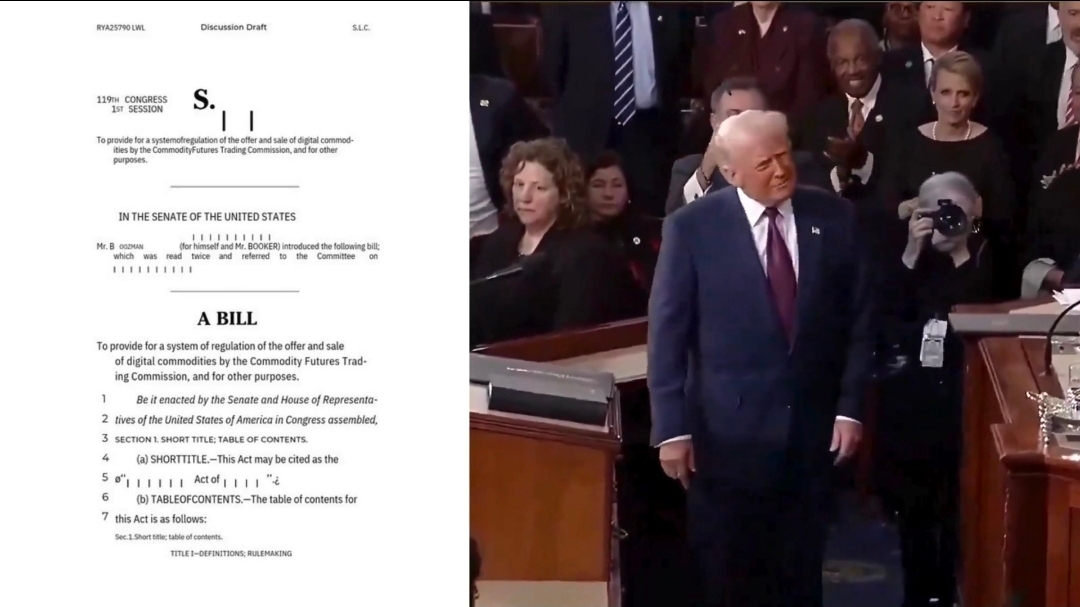
🇺🇸 US-SENAT KÖNNTE NÄCHSTE WOCHE DAS CRYPTO CLARITY ACT VERABSCHIEDEN
WENN ES GENEHMIGT WIRD, KÖNNTE DIESES GESETZ BILLIONEN AN FRISCHER LIQUIDITÄT INJIZIEREN
PRÄSIDENT TRUMP UND DER SENAT HABEN BEREITS SEINEN FINALEN TEXT VERÖFFENTLICHT
BETE, DASS ES ENDGÜLTIG VERABSCHIEDET WIRD!!
$QI | $EUL | $REQ
#BREAKING #news #US #TRUMP #CLARITYAct
🇺🇸 US-SENAT KÖNNTE NÄCHSTE WOCHE DAS CRYPTO CLARITY ACT VERABSCHIEDEN
WENN ES GENEHMIGT WIRD, KÖNNTE DIESES GESETZ BILLIONEN AN FRISCHER LIQUIDITÄT INJIZIEREN
PRÄSIDENT TRUMP UND DER SENAT HABEN BEREITS SEINEN FINALEN TEXT VERÖFFENTLICHT
BETE, DASS ES ENDGÜLTIG VERABSCHIEDET WIRD!!
$QI | $EUL | $REQ
#BREAKING #news #US #TRUMP #CLARITYAct
Erinnerst du dich, als ein Witz über einen Hund mit einem lustigen Gesicht aus Versehen ein Multi-Milliarden-Dollar-Phänomen im Finanzbereich hervorbrachte? Zurück im Jahr 2013 bauten zwei Softwareingenieure $DOGE coin rein als Parodie, um den absoluten Chaoszustand des frühen Krypto-Marktes auf die Schippe zu nehmen. Sie klebten ein Bild eines weitäugigen Shiba Inu auf eine Münze und waren damit fertig – mit der Erwartung, dass nichts passieren würde. Für Jahre lag das Ganze im Schatten als digitales Insider-Gag, wurde für ein paar Cent unter Internet-Nerds gehandelt, die das Ganze einfach herrlich fanden.
Dann kam das Jahr 2021, und plötzlich drehte sich alles komplett auf den Kopf. Eine Welle viraler TikTok-Videos prallte auf eine unaufhaltsame Reihe von Tweets der weltweit berühmtesten Tech-Milliardäre, und plötzlich hatte ein Internet-Meme eine höhere Marktbewertung als legendäre, jahrhundertealte Konzerne. Es hat die traditionellen Regeln des Finanzwesens komplett durchbrochen. Wall-Street-Analysten starrten mit absoluter Ungläubigkeit auf ihre Bildschirme, während alltägliche Retail-Investoren sich online koordinierten und einen sarkastischen digitalen Token direkt in die globale Top Ten trieben.
Das war nicht das Ergebnis komplexer Whitepaper oder revolutionärer Blockchain-Infrastruktur. Es war pure, unverfälschte Internetkultur, die in finanzielle Dynamik umgewandelt wurde.
Es zeigte, dass im modernen digitalen Zeitalter die Überzeugung der Community und ein guter Lacher Märkte genauso effektiv bewegen können wie traditionelle wirtschaftliche Grundlagen. Es brachte eine völlig neue Anlageklasse hervor: die Memecoin-Ökonomie, in der Kultur an erster Stelle steht und alles möglich ist, wenn das Internet beschließt, sich dahinter zu scharen.
#Dogecoin #AccidentallyRich
Dann kam das Jahr 2021, und plötzlich drehte sich alles komplett auf den Kopf. Eine Welle viraler TikTok-Videos prallte auf eine unaufhaltsame Reihe von Tweets der weltweit berühmtesten Tech-Milliardäre, und plötzlich hatte ein Internet-Meme eine höhere Marktbewertung als legendäre, jahrhundertealte Konzerne. Es hat die traditionellen Regeln des Finanzwesens komplett durchbrochen. Wall-Street-Analysten starrten mit absoluter Ungläubigkeit auf ihre Bildschirme, während alltägliche Retail-Investoren sich online koordinierten und einen sarkastischen digitalen Token direkt in die globale Top Ten trieben.
Das war nicht das Ergebnis komplexer Whitepaper oder revolutionärer Blockchain-Infrastruktur. Es war pure, unverfälschte Internetkultur, die in finanzielle Dynamik umgewandelt wurde.
Es zeigte, dass im modernen digitalen Zeitalter die Überzeugung der Community und ein guter Lacher Märkte genauso effektiv bewegen können wie traditionelle wirtschaftliche Grundlagen. Es brachte eine völlig neue Anlageklasse hervor: die Memecoin-Ökonomie, in der Kultur an erster Stelle steht und alles möglich ist, wenn das Internet beschließt, sich dahinter zu scharen.
#Dogecoin #AccidentallyRich

Bekommt die $BTC endlich die Kurve und dreht das Blatt? 📉
Der Markt war in letzter Zeit ziemlich zäh. Aber On-Chain-Daten deuten darauf hin, dass möglicherweise kluge Gelder einsteigen.
Wir sehen die allerersten Anzeichen einer Akkumulation. Langfristige Inhaber halten fest, statt in Panik zu verkaufen.
Das könnte darauf hindeuten, dass sich hier im Q3 gerade ein möglicher Marktboden formiert.
Natürlich sind die makroökonomischen Risiken immer noch da. Geduld wird der Schlüssel sein, bevor es zu einem großen Ausbruch kommt.
Stapst du Sats auf oder bleibst du vorerst abseits? 🚀
#BitcoinWarnings
Der Markt war in letzter Zeit ziemlich zäh. Aber On-Chain-Daten deuten darauf hin, dass möglicherweise kluge Gelder einsteigen.
Wir sehen die allerersten Anzeichen einer Akkumulation. Langfristige Inhaber halten fest, statt in Panik zu verkaufen.
Das könnte darauf hindeuten, dass sich hier im Q3 gerade ein möglicher Marktboden formiert.
Natürlich sind die makroökonomischen Risiken immer noch da. Geduld wird der Schlüssel sein, bevor es zu einem großen Ausbruch kommt.
Stapst du Sats auf oder bleibst du vorerst abseits? 🚀
#BitcoinWarnings
Anmelden und weiter Inhalte entdecken