
Draven Kai
17.6k Beiträge

Draven Kai
 Square Verified+
Crypto enthusit | Crypto Lover | Binnace $BTC $ETH $BNB
Trade eröffnen
Hochfrequenz-Trader
1.7 Jahre
714 Following
34.5K+ Follower
26.4K+ Like gegeben
Beiträge
Portfolio
Alle
Live
Verifiziert
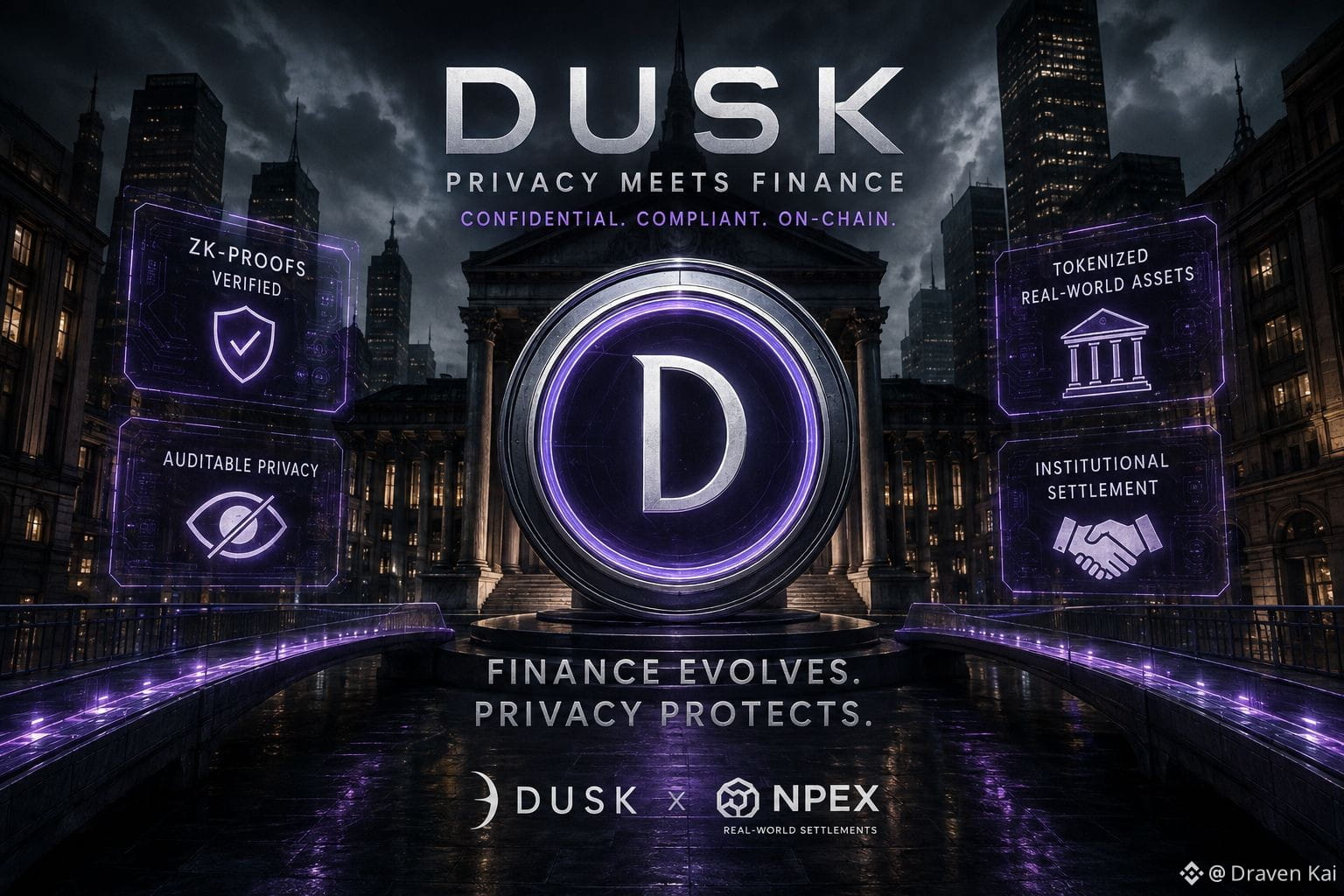
ehrlich gesagt irgendwie schon einen Blick wert, aber geh nicht mit der Erwartung rein, dass das eine saubere Story ist, es ist eine Privacy-Chain für Finanzkram, zk-Beweise, damit Trades abgewickelt werden, ohne dass die ganzen Kontostände von jedem auf der Chain für die ganze Welt sichtbar werden, und sie haben tatsächlich eine echte Partnerschaft mit NPEX, wo tokenisierte Anleihen für echtes Geld abgewickelt werden und nicht nur für irgendeinen Testnet-Müll, was mehr ist, als die meisten dieser Projekte behaupten können. Was mich allerdings ein bisschen skeptisch macht, ist der ganze "prüfbare Privacy"-Ansatz, denn irgendjemand muss die Schlüssel halten, um diese Daten freizuschalten, wenn ein Regulator anklopft, und keiner der Threads oder Artikel erklärt jemals wirklich, wer das ist oder wie zentralisiert das am Ende tatsächlich ist, sie sagen einfach zk und Verschlüsselung und tun so, als würde das die Frage beantworten
außerdem war die Kursentwicklung bei dem Ding ziemlich durchgeknallt, im Januar nach einer Chainlink-Schlagzeile um etwa 500% hochgeschossen, was eher Crypto-Twitter-Hype als fundamentale Bewegung ist, und meine größere Sorge ist ehrlich gesagt die Liquidität, also ja, du kannst eine Anleihe tokenisieren, klar, aber wenn kaum TradFi-Player das Ding tatsächlich onchain handeln, landest du bei etwas, das technisch liquide ist, praktisch aber festhängt, weil es nur eine Handvoll Gegenparteien gibt, die überhaupt damit zu tun haben können. Nodes im Testnet bedeuten btw gar nichts, jeder kann billig einen hochfahren, die einzige Zahl, die mich wirklich interessiert, ist das echte abgewickelte institutionelle Volumen, und das ist im Vergleich zu dem, was die Marktkapitalisierung schon einpreist, immer noch klein, also würde ich jetzt nicht allein wegen der Story größer einsteigen, ich würde erst sehen wollen, dass das Settlement wirklich über NPEX hinaus skaliert, bevor ich die Wall-Street-Brücken-Story kaufe
#dusk $DUSK @Dusk
außerdem war die Kursentwicklung bei dem Ding ziemlich durchgeknallt, im Januar nach einer Chainlink-Schlagzeile um etwa 500% hochgeschossen, was eher Crypto-Twitter-Hype als fundamentale Bewegung ist, und meine größere Sorge ist ehrlich gesagt die Liquidität, also ja, du kannst eine Anleihe tokenisieren, klar, aber wenn kaum TradFi-Player das Ding tatsächlich onchain handeln, landest du bei etwas, das technisch liquide ist, praktisch aber festhängt, weil es nur eine Handvoll Gegenparteien gibt, die überhaupt damit zu tun haben können. Nodes im Testnet bedeuten btw gar nichts, jeder kann billig einen hochfahren, die einzige Zahl, die mich wirklich interessiert, ist das echte abgewickelte institutionelle Volumen, und das ist im Vergleich zu dem, was die Marktkapitalisierung schon einpreist, immer noch klein, also würde ich jetzt nicht allein wegen der Story größer einsteigen, ich würde erst sehen wollen, dass das Settlement wirklich über NPEX hinaus skaliert, bevor ich die Wall-Street-Brücken-Story kaufe
#dusk $DUSK @Dusk
Ein riesiges Dankeschön an Binance Square Official für diese großartige Anerkennung! ❤️
Ich bin wirklich dankbar, unter den #TradebStocks kampagnen-Gewinnern erwähnt worden zu sein. Teil der Binance-Community zu sein und dieses 9.-Jubiläums-Swag zu erhalten, bedeutet mir sehr viel.
https://app.binance.com/uni-qr/cpos/359515864095131?r=UCIPZ4L0&l=en&uco=1NAXfpgIy-gleRN83c0Zew&uc=app_square_share_link&us=copylink
Ich bin wirklich dankbar, unter den #TradebStocks kampagnen-Gewinnern erwähnt worden zu sein. Teil der Binance-Community zu sein und dieses 9.-Jubiläums-Swag zu erhalten, bedeutet mir sehr viel.
https://app.binance.com/uni-qr/cpos/359515864095131?r=UCIPZ4L0&l=en&uco=1NAXfpgIy-gleRN83c0Zew&uc=app_square_share_link&us=copylink
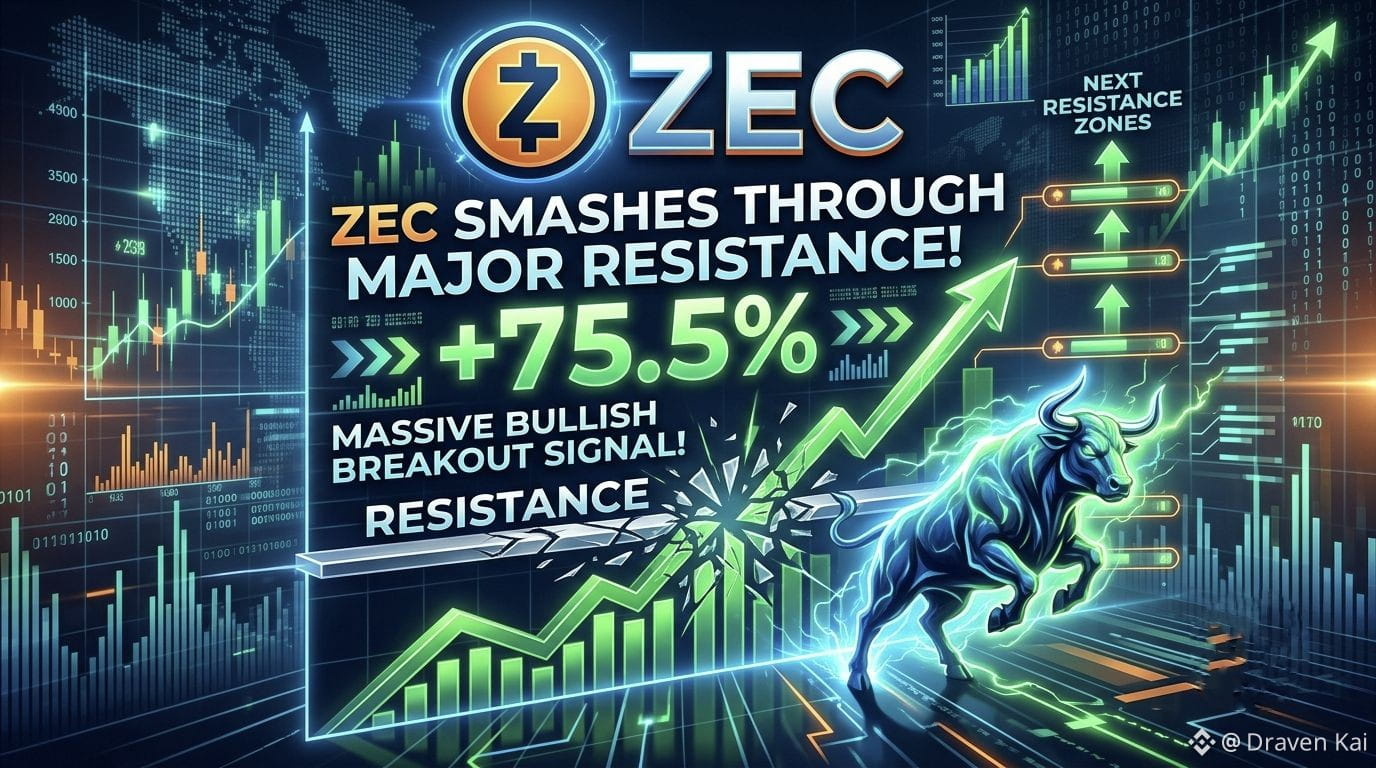
#ZECBreaksKeyResistanceUp75.5%
$ZEC hat gerade mit einem starken +75,5%-Anstieg eine wichtige Widerstandsmarke durchbrochen. Starker Momentum-Drive, steigender Kaufdruck und ein klares bullisches Ausbruchssignal. Wenn der Momentum-Impuls anhält, könnten die nächsten Widerstands-Zonen kommen
$ZEC hat gerade mit einem starken +75,5%-Anstieg eine wichtige Widerstandsmarke durchbrochen. Starker Momentum-Drive, steigender Kaufdruck und ein klares bullisches Ausbruchssignal. Wenn der Momentum-Impuls anhält, könnten die nächsten Widerstands-Zonen kommen
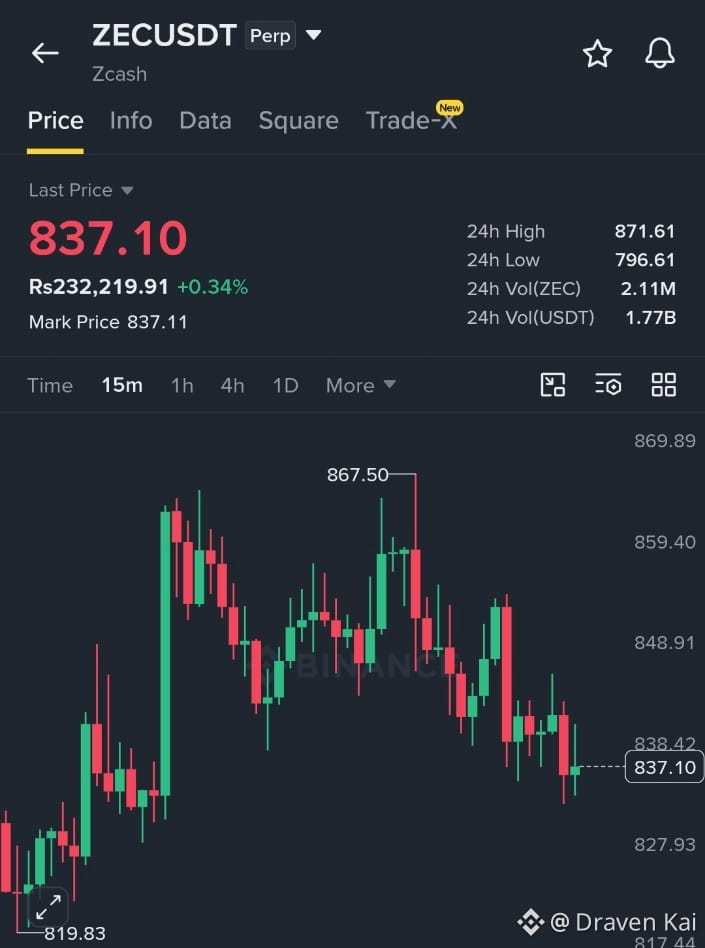
$ZEC USDT PERP — DER STILLE STURM BREUT SICH AN ⚡
Preis: 837,10 $
Up +0,34% — ruhig, bevor der Ausbruch kommt.
Wichtige Levels, die du im Blick behalten solltest:
🔹 Widerstand: 848,91 $ / 859,40 $
🔹 Support: 827,93 $ / 819,83 $
🔹 24H-Hoch: 871,61 $ — das Biest jagen wir.
Zielzone: 848–860 $
Take Profit: 859 $
**Stop Loss:** 819 $ (eng, klug, tödlich)
Das Volumen ist HEISS — 2,11 Mio. ZEC gehandelt, 1,77 Mrd. USDT.
Die Schlacht ist bereitet. Beobachte den Widerstand. Respektiere den Support.
Ein Schub — und der Käfig rüttelt.
Bleib wachsam. Bleib dran.
$ZEC
Preis: 837,10 $
Up +0,34% — ruhig, bevor der Ausbruch kommt.
Wichtige Levels, die du im Blick behalten solltest:
🔹 Widerstand: 848,91 $ / 859,40 $
🔹 Support: 827,93 $ / 819,83 $
🔹 24H-Hoch: 871,61 $ — das Biest jagen wir.
Zielzone: 848–860 $
Take Profit: 859 $
**Stop Loss:** 819 $ (eng, klug, tödlich)
Das Volumen ist HEISS — 2,11 Mio. ZEC gehandelt, 1,77 Mrd. USDT.
Die Schlacht ist bereitet. Beobachte den Widerstand. Respektiere den Support.
Ein Schub — und der Käfig rüttelt.
Bleib wachsam. Bleib dran.
$ZEC
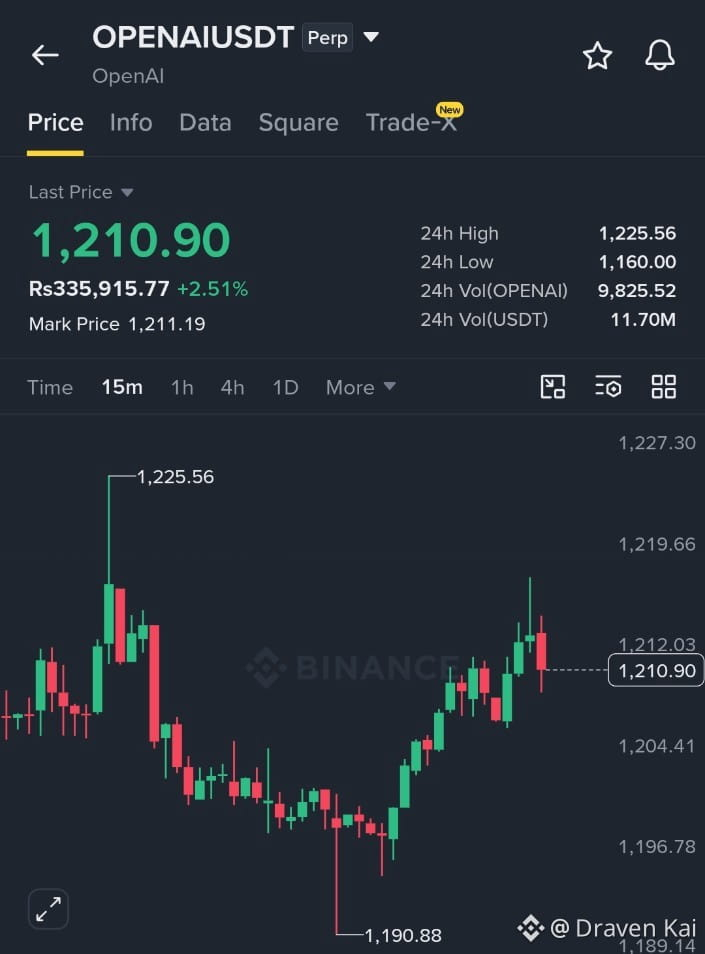
$OPENAI
USDT — DER MOMENTUM-BOOST KOMMT.
Unterstützung: 1204–1197
Widerstand: 1212–1219
Ausbruch: 1219+
Ziel: 1225 → 1235
TP: 1219 / 1225 / 1235
Stop Loss: 1197
Über 1219 = der Druck baut sich schnell auf.
Unter 1197 = das Setup wird schwach.
DER NÄCHSTE SCHRITT KÖNNTE HART TREFFEN.
$OPENAI
USDT — DER MOMENTUM-BOOST KOMMT.
Unterstützung: 1204–1197
Widerstand: 1212–1219
Ausbruch: 1219+
Ziel: 1225 → 1235
TP: 1219 / 1225 / 1235
Stop Loss: 1197
Über 1219 = der Druck baut sich schnell auf.
Unter 1197 = das Setup wird schwach.
DER NÄCHSTE SCHRITT KÖNNTE HART TREFFEN.
$OPENAI
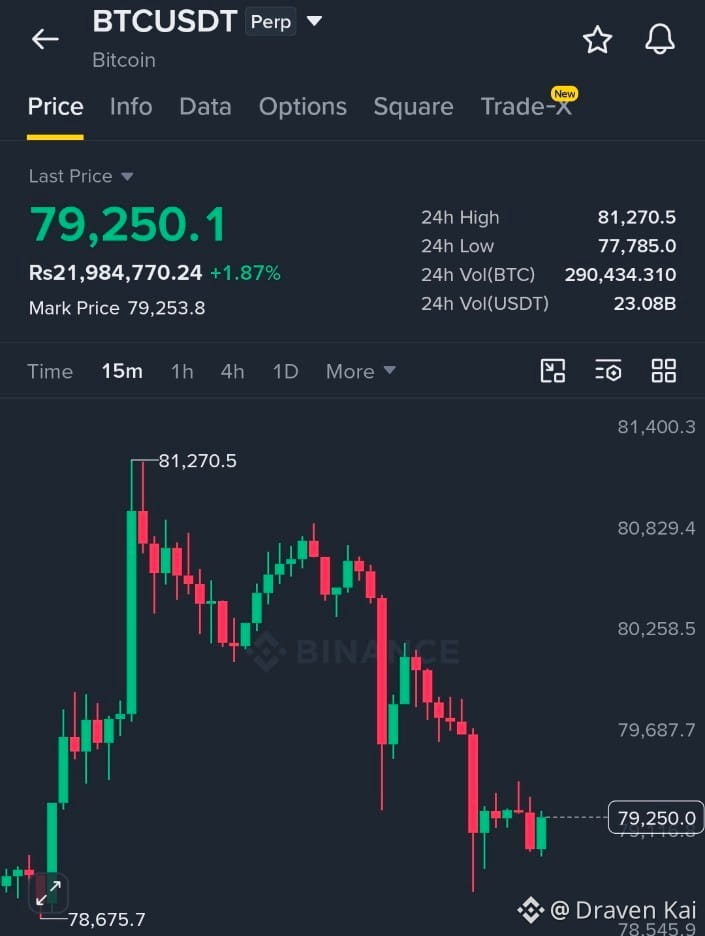
$BTC USDT LÄDT!
Support: 78.675 USD
Widerstand: 79.688 USD
Ziel: 80.829 USD
TP: 81.270 USD
SL: 78.545 USD
AUSBRUCHS-MODUS. DER DRUCK BAUT SICH AUF.
$BTC
Support: 78.675 USD
Widerstand: 79.688 USD
Ziel: 80.829 USD
TP: 81.270 USD
SL: 78.545 USD
AUSBRUCHS-MODUS. DER DRUCK BAUT SICH AUF.
$BTC
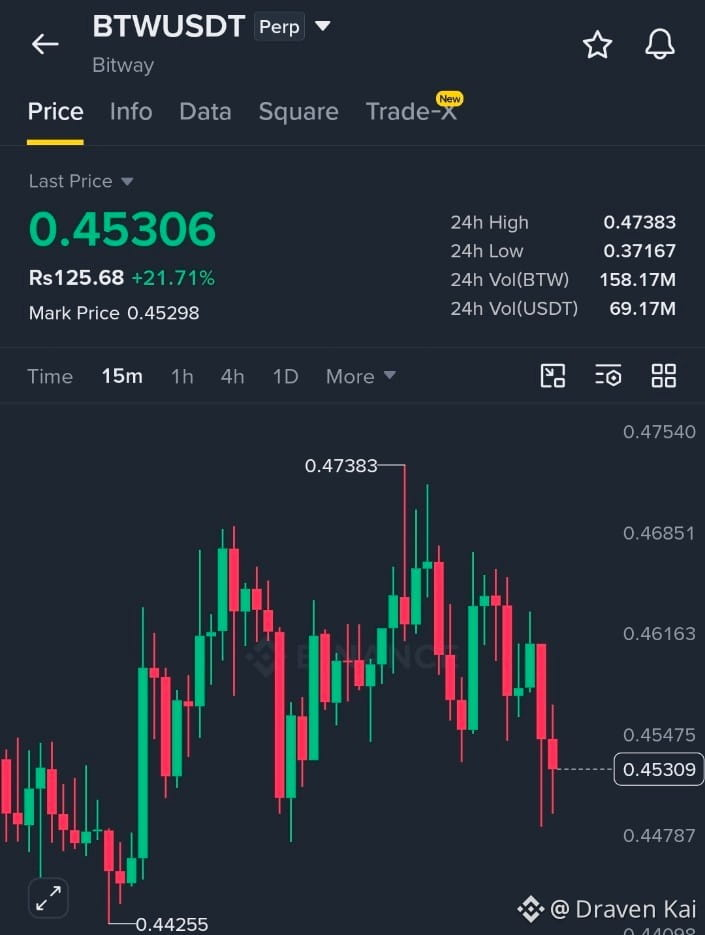
$BTW USDT — MOMENTUM IST LEBENDIG.
Support: $0.448
Widerstand: $0.462
Ziel/TP: $0.468 → $0.474
Stop-Loss: $0.442
Brich $0.462 und die nächste Welle könnte explosiv werden.
$BTW
Support: $0.448
Widerstand: $0.462
Ziel/TP: $0.468 → $0.474
Stop-Loss: $0.442
Brich $0.462 und die nächste Welle könnte explosiv werden.
$BTW
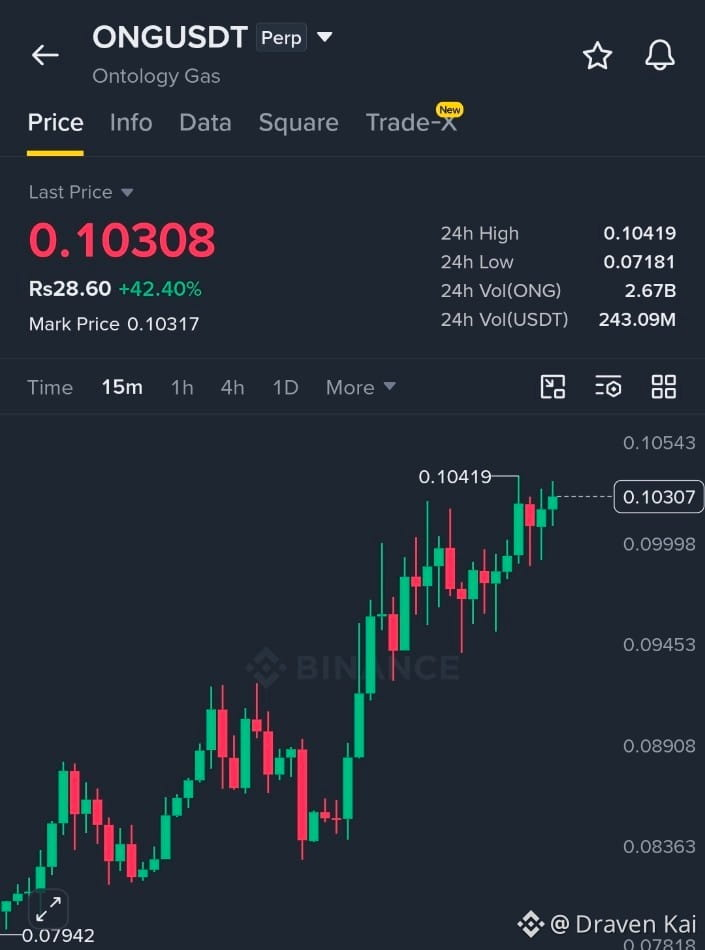
$ONG USDT — MOMENTUM-MODUS
Support: 0.1000
Widerstand: 0.1042
Ziel/TP: 0.1080 → 0.1120
Stop-Loss: 0.0975
0.1042 BREAK = MOMENTUM WURDE ZÜNDETE.
$ONG
Support: 0.1000
Widerstand: 0.1042
Ziel/TP: 0.1080 → 0.1120
Stop-Loss: 0.0975
0.1042 BREAK = MOMENTUM WURDE ZÜNDETE.
$ONG
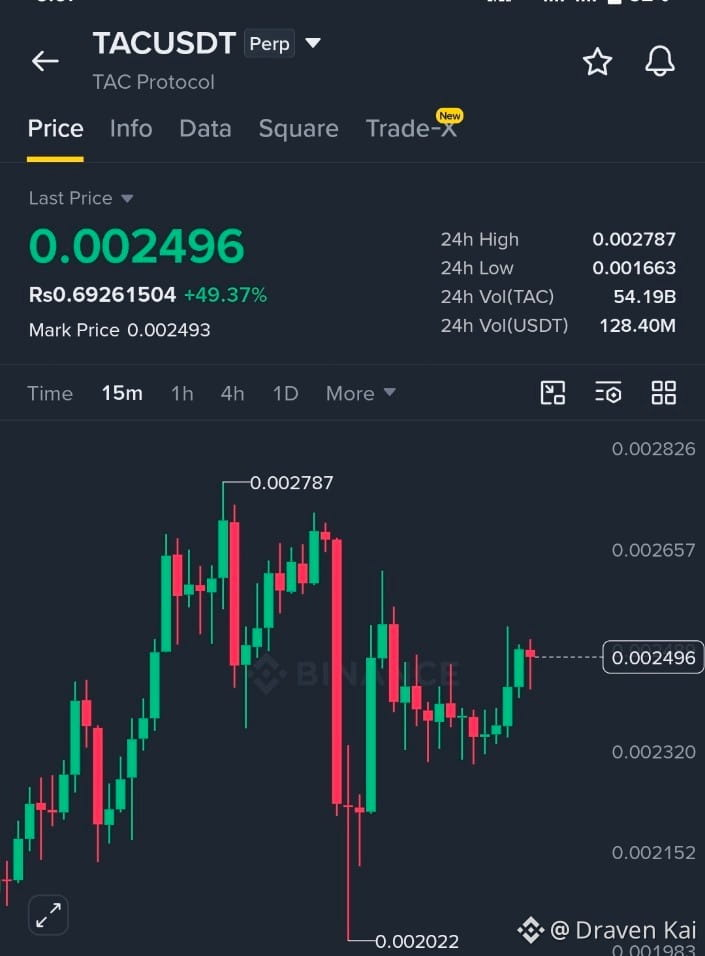
$TAC /USDT — Momentum-Setup kommt in Fahrt.
Unterstützung: 0.00232
Widerstand: 0.00266
Ziel: 0.00279 → 0.00300
TP: 0.00279 / 0.00300
Stop-Loss: 0.00220
Durch die Mauer. Lass die Volatilität sprechen.
$TAC
Unterstützung: 0.00232
Widerstand: 0.00266
Ziel: 0.00279 → 0.00300
TP: 0.00279 / 0.00300
Stop-Loss: 0.00220
Durch die Mauer. Lass die Volatilität sprechen.
$TAC
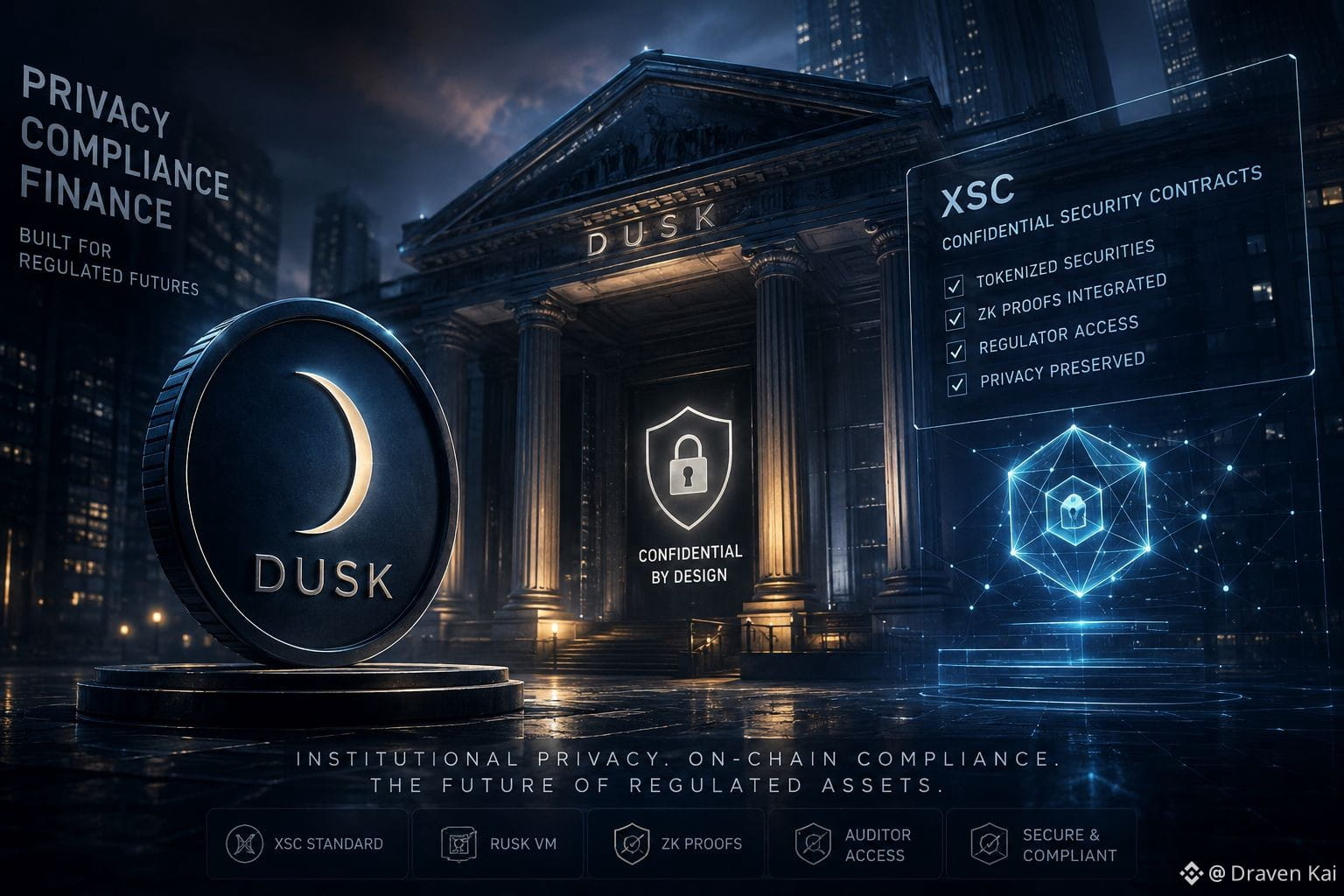
ehrlich gesagt ist das irgendwie interessant, aber nichts, in das ich gerade voll reingehen würde. Das ist eine Privacy-Blockchain, die speziell für regulierte Finanzgeschäfte gebaut wurde – statt so einem Anonymen-Coin-Gelaber wie Monero, das im Grunde ewig damit beschäftigt war, gegen Regulierungsbehörden zu kämpfen. Die haben da so etwas namens XSC: Damit kannst du tokenisierte Wertpapiere ausgeben, und die Details bleiben vor irgendwelchen Zufallsleuten verborgen, aber Prüfer/Regulierer können immer noch sehen, was sie brauchen. Die zk-„Beweise“ sind direkt in die Contracts eingebaut, nicht erst nachträglich „draufgeklebt“. Es läuft auf ihrer eigenen VM namens rusk. Klingt auf dem Papier solide, aber zk-Sachen sind ziemlich schwierig, um sie richtig zu prüfen, und wenn in einem „vertraulichen“ Contract, der eigentlich echte Wertpapiere verarbeiten soll, ein subtiler Bug steckt, findest du das in einer normalen Prüfung oft nicht. Jemand entdeckt das dann live, und das wird dann schnell ein rechtliches Desaster – nicht nur ein GitHub-Problem.
und ehrlich gesagt ist das größere Problem: Die Liquidität für den Token ist extrem dünn. Das Tooling ist viel jünger als bei Ethereum oder Solana, also bist du ziemlich auf dich allein gestellt, wenn etwas kaputtgeht. Und die ganze Wette zahlt sich erst dann aus, wenn echte Institutionen wirklich Geld durch dieses Ding in der Öffentlichkeit schicken – was meines Wissens bisher noch nicht wirklich passiert ist. Es wirkt eher wie Piloten und Roadmap-Gelaber. Außerdem jagen Provenance und Polymesh exakt dieselbe Nische für regulierte Tokenisierung, also hat Dusk auch kein sauberes Monopol auf die Idee. Ich würde es auf die Watchlist setzen, aber keine große Position aufbauen, bis du tatsächlich den Namen einer echten Institution an einen Live-XSC-Contract gebunden siehst, der echtes Volumen bewegt.
#dusk $DUSK @Dusk
und ehrlich gesagt ist das größere Problem: Die Liquidität für den Token ist extrem dünn. Das Tooling ist viel jünger als bei Ethereum oder Solana, also bist du ziemlich auf dich allein gestellt, wenn etwas kaputtgeht. Und die ganze Wette zahlt sich erst dann aus, wenn echte Institutionen wirklich Geld durch dieses Ding in der Öffentlichkeit schicken – was meines Wissens bisher noch nicht wirklich passiert ist. Es wirkt eher wie Piloten und Roadmap-Gelaber. Außerdem jagen Provenance und Polymesh exakt dieselbe Nische für regulierte Tokenisierung, also hat Dusk auch kein sauberes Monopol auf die Idee. Ich würde es auf die Watchlist setzen, aber keine große Position aufbauen, bis du tatsächlich den Namen einer echten Institution an einen Live-XSC-Contract gebunden siehst, der echtes Volumen bewegt.
#dusk $DUSK @Dusk
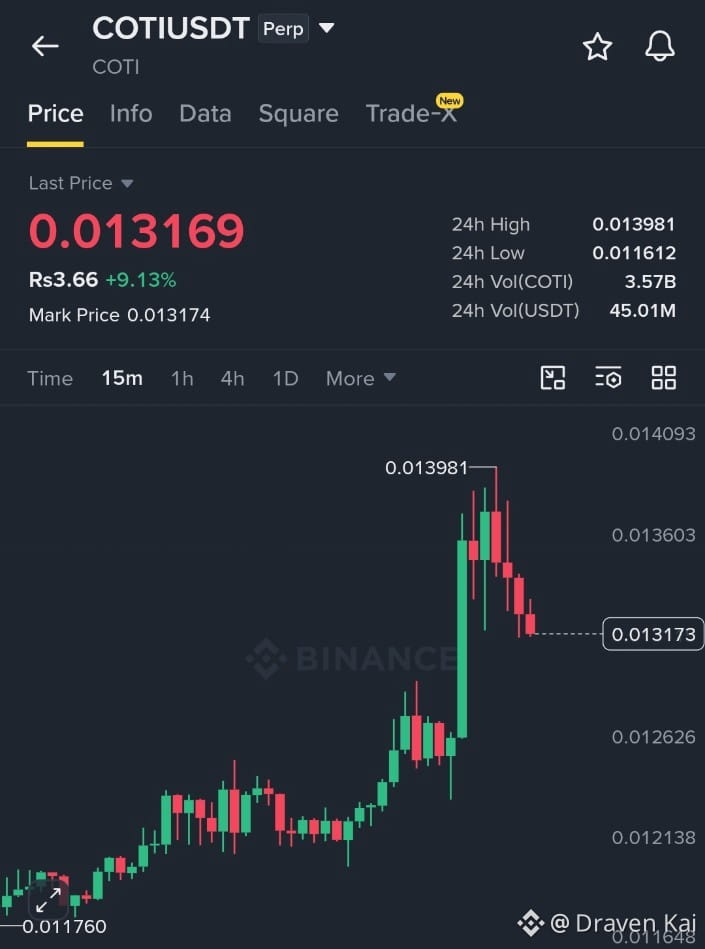
$COTI /USDT — MOMENTUM-MODUS
Support: $0.0126
Widerstand: $0.0140
Ziel: $0.0145
TP: $0.0145
SL: $0.0124
AUSBRUCHSENERGIE BAUT SICH AUF.
$COTI
Support: $0.0126
Widerstand: $0.0140
Ziel: $0.0145
TP: $0.0145
SL: $0.0124
AUSBRUCHSENERGIE BAUT SICH AUF.
$COTI
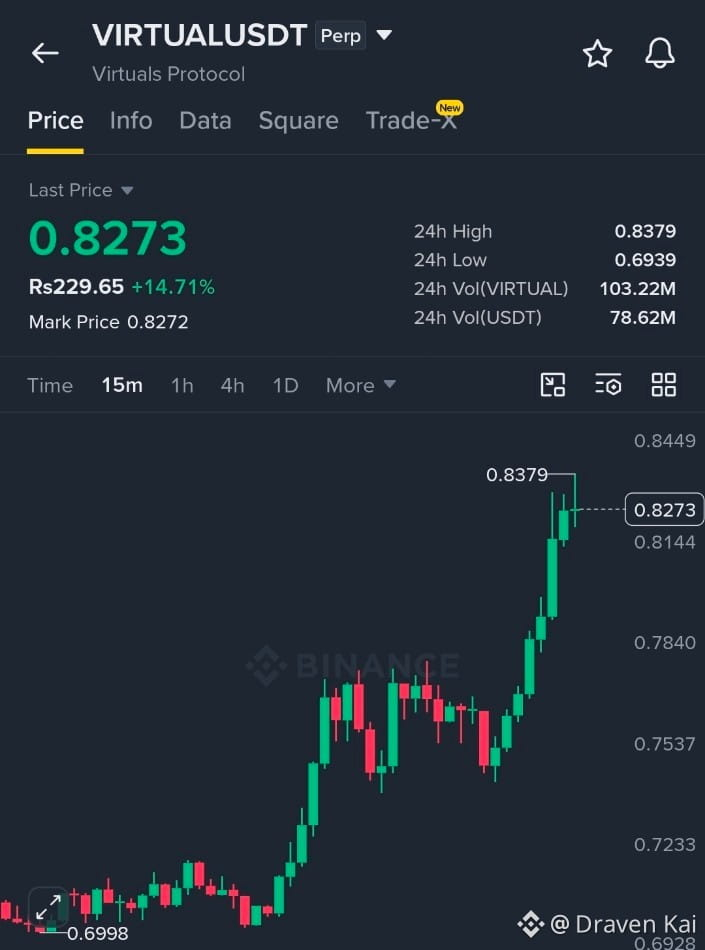
$VIRTUAL — MOMENTUM HEIZT SICH AUF!
Support: 0.8144
Resistance: 0.8379
Target: 0.8450
TP: 0.8450
SL: 0.8050
Ausbruchzone. Der Druck baut sich auf. Alle Blicke auf den nächsten Schritt!
$VIRTUAL
Support: 0.8144
Resistance: 0.8379
Target: 0.8450
TP: 0.8450
SL: 0.8050
Ausbruchzone. Der Druck baut sich auf. Alle Blicke auf den nächsten Schritt!
$VIRTUAL
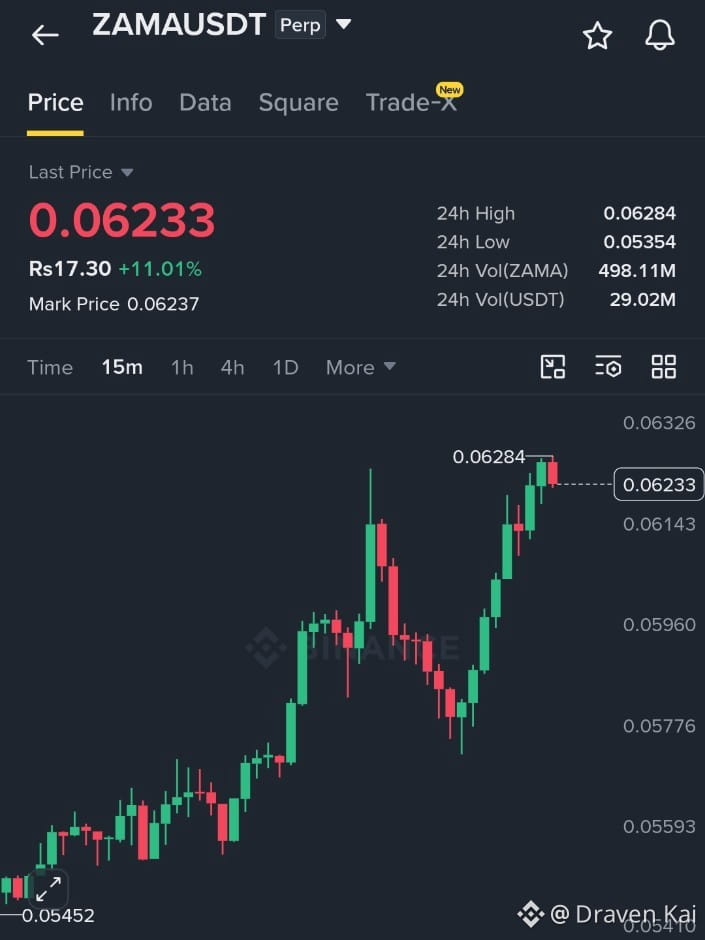
$ZAMA IS BEWEGT SICH!
Support: 0,0614 $
Widerstand: 0,0628 $
Ziel/TP: 0,0640–0,0650 $
SL: 0,0608 $
AUSBRUCHSMODUS. BEOBACHTE DIE LEVELS.
$ZAMA
Support: 0,0614 $
Widerstand: 0,0628 $
Ziel/TP: 0,0640–0,0650 $
SL: 0,0608 $
AUSBRUCHSMODUS. BEOBACHTE DIE LEVELS.
$ZAMA
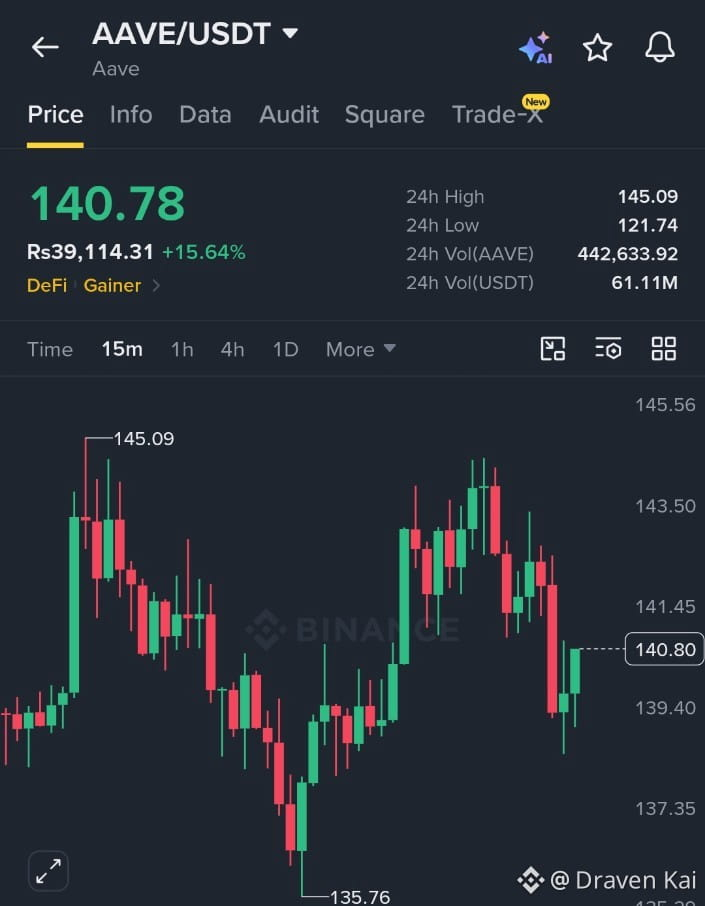
$AAVE /USDT — 140.78
Support: 139.40
Widerstand: 143.50 / 145.09
Ziel: 143.50 → 145.09
TP: 143.50 / 145.09
Stop-Loss: 137.30
AAVE steht am Druckpunkt. Durchbrich die Wand, und der Chart wird explosiv.
$AAVE
Support: 139.40
Widerstand: 143.50 / 145.09
Ziel: 143.50 → 145.09
TP: 143.50 / 145.09
Stop-Loss: 137.30
AAVE steht am Druckpunkt. Durchbrich die Wand, und der Chart wird explosiv.
$AAVE
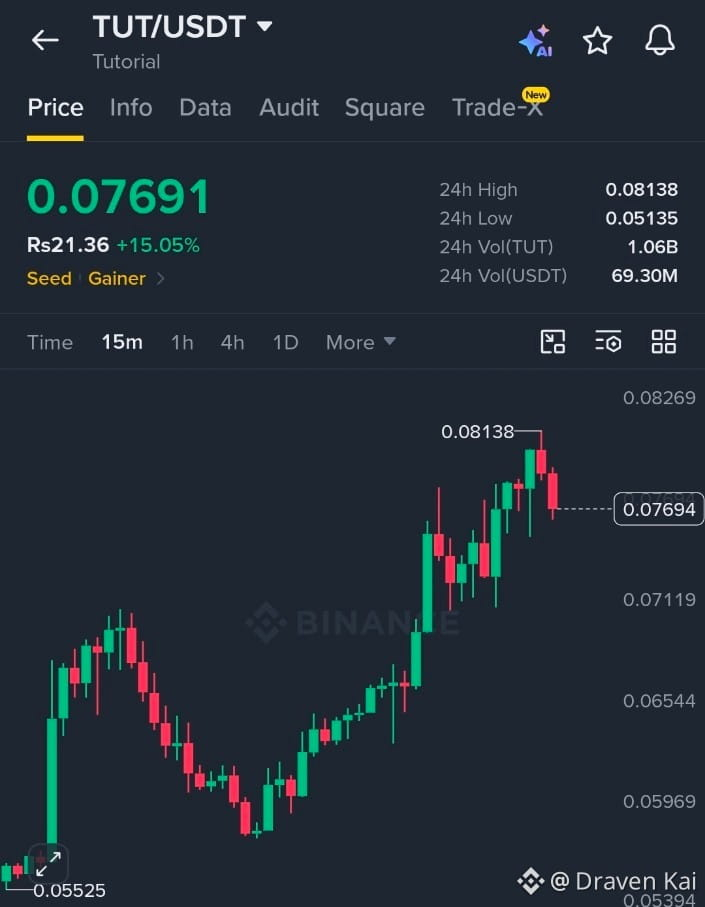
$TUT /USDT
Support: 0.0712
Widerstand: 0.08138
Ziel/TP: 0.0845 → 0.0880
Stop-Loss: 0.0695
TUT drückt hart — 0.08138 ist die entscheidende Barriere. Brich sie, und die nächsten Levels rücken in den Fokus.
$TUT
Support: 0.0712
Widerstand: 0.08138
Ziel/TP: 0.0845 → 0.0880
Stop-Loss: 0.0695
TUT drückt hart — 0.08138 ist die entscheidende Barriere. Brich sie, und die nächsten Levels rücken in den Fokus.
$TUT
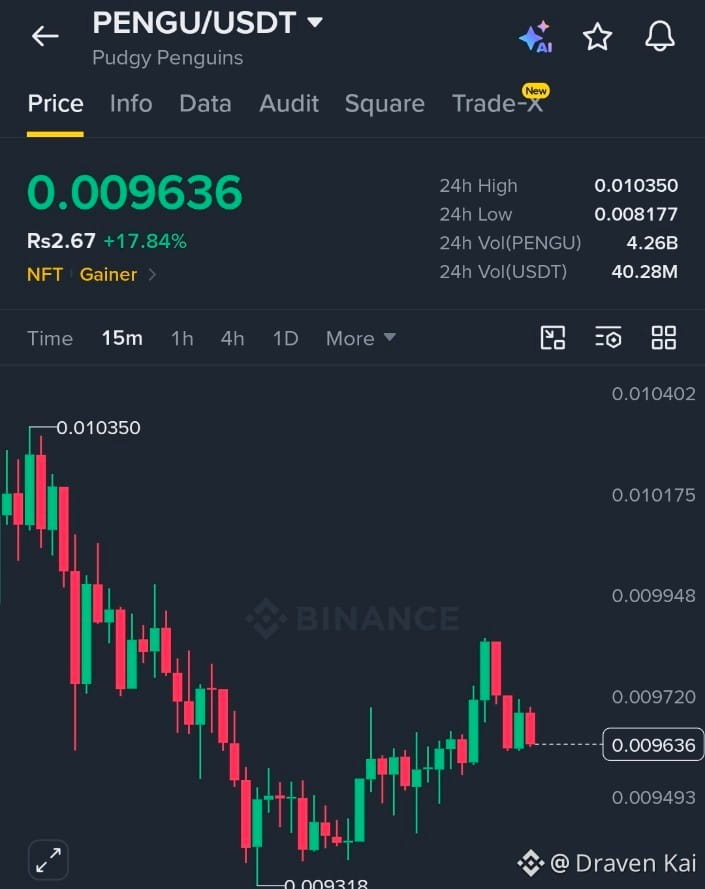
$PENGU /USDT — DER MOMENTUM KOMMT IN FAHRT
Support: 0.00949
Resistance: 0.00972
Target: 0.01035
TP: 0.01035
Stop-Loss: 0.00930
PENGU drückt die Widerstandszone. Ausbruchsgebiet. Augen auf die nächste Ebene gerichtet.
$PENGU
Support: 0.00949
Resistance: 0.00972
Target: 0.01035
TP: 0.01035
Stop-Loss: 0.00930
PENGU drückt die Widerstandszone. Ausbruchsgebiet. Augen auf die nächste Ebene gerichtet.
$PENGU
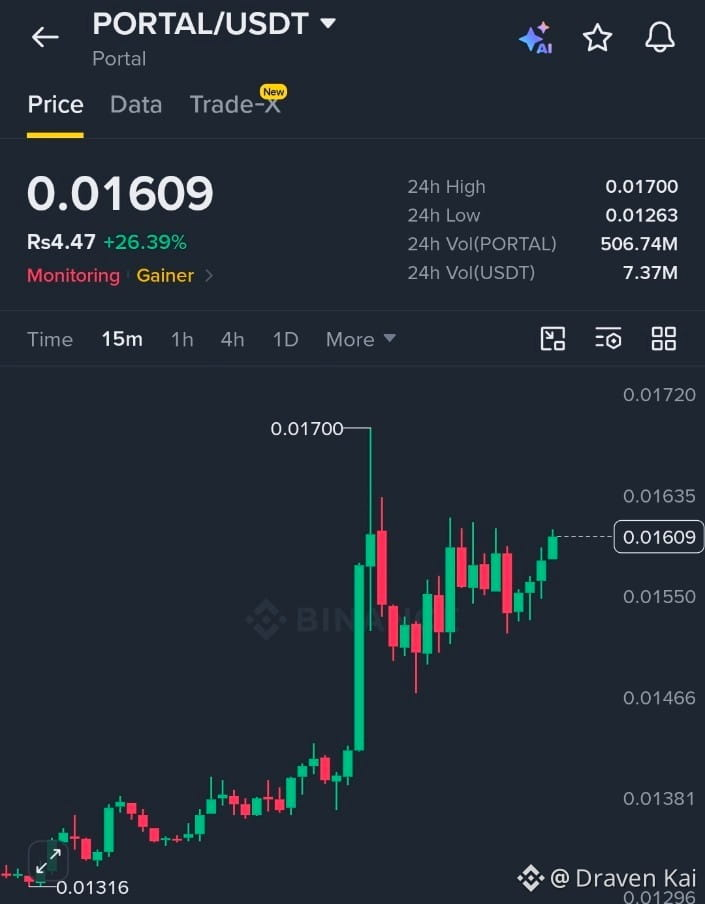
$PORTAL /USDT — MOMENTUM ENTWICKELT SICH
Preis: 0.01609
Unterstützung: 0.01550
Widerstand: 0.01635 → 0.01700
Ziel: 0.01700
TP: 0.01680–0.01700
Stop-Loss: 0.01520
Brich 0.01635 und der Chart wird intensiv. 0.01700 ist die wichtigste zu beobachtende Zone.
Chart-Setup nur.
$PORTAL
Preis: 0.01609
Unterstützung: 0.01550
Widerstand: 0.01635 → 0.01700
Ziel: 0.01700
TP: 0.01680–0.01700
Stop-Loss: 0.01520
Brich 0.01635 und der Chart wird intensiv. 0.01700 ist die wichtigste zu beobachtende Zone.
Chart-Setup nur.
$PORTAL
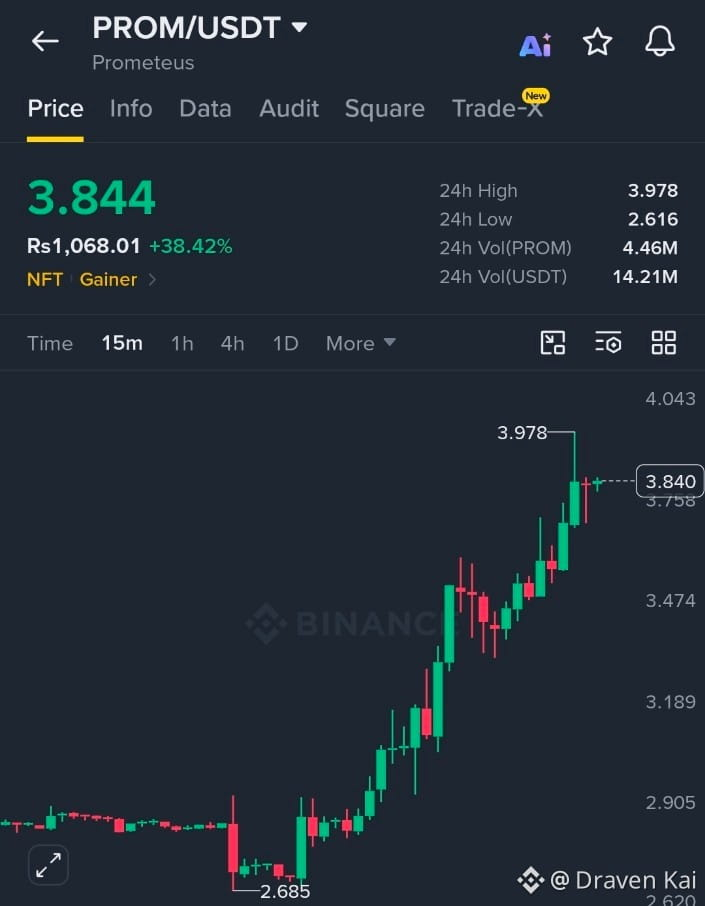
$PROM /USDT — MOMENTUM IST AUFBAUEND
PROM drückt hart nach, nachdem der Bereich 3.75 zurückerobert wurde. Der Kurs liegt bei etwa 3.84 und das jüngste Hoch liegt nahe 3.98.
Unterstützung: 3.75
Wichtige Unterstützung: 3.47
Widerstand: 3.98
Ausbruchzone: 4.00–4.04
Ziel: 4.20
TP: 4.10–4.20
SL: 3.68
Ein sauberer Ausbruch über 3.98–4.04 bringt die nächste Aufwärtszone in den Fokus. Bis dahin bleibt 3.75 die entscheidende Marke, die man im Blick behalten sollte.
PROM sitzt direkt unter der Decke.
$PROM
PROM drückt hart nach, nachdem der Bereich 3.75 zurückerobert wurde. Der Kurs liegt bei etwa 3.84 und das jüngste Hoch liegt nahe 3.98.
Unterstützung: 3.75
Wichtige Unterstützung: 3.47
Widerstand: 3.98
Ausbruchzone: 4.00–4.04
Ziel: 4.20
TP: 4.10–4.20
SL: 3.68
Ein sauberer Ausbruch über 3.98–4.04 bringt die nächste Aufwärtszone in den Fokus. Bis dahin bleibt 3.75 die entscheidende Marke, die man im Blick behalten sollte.
PROM sitzt direkt unter der Decke.
$PROM
Verifiziert
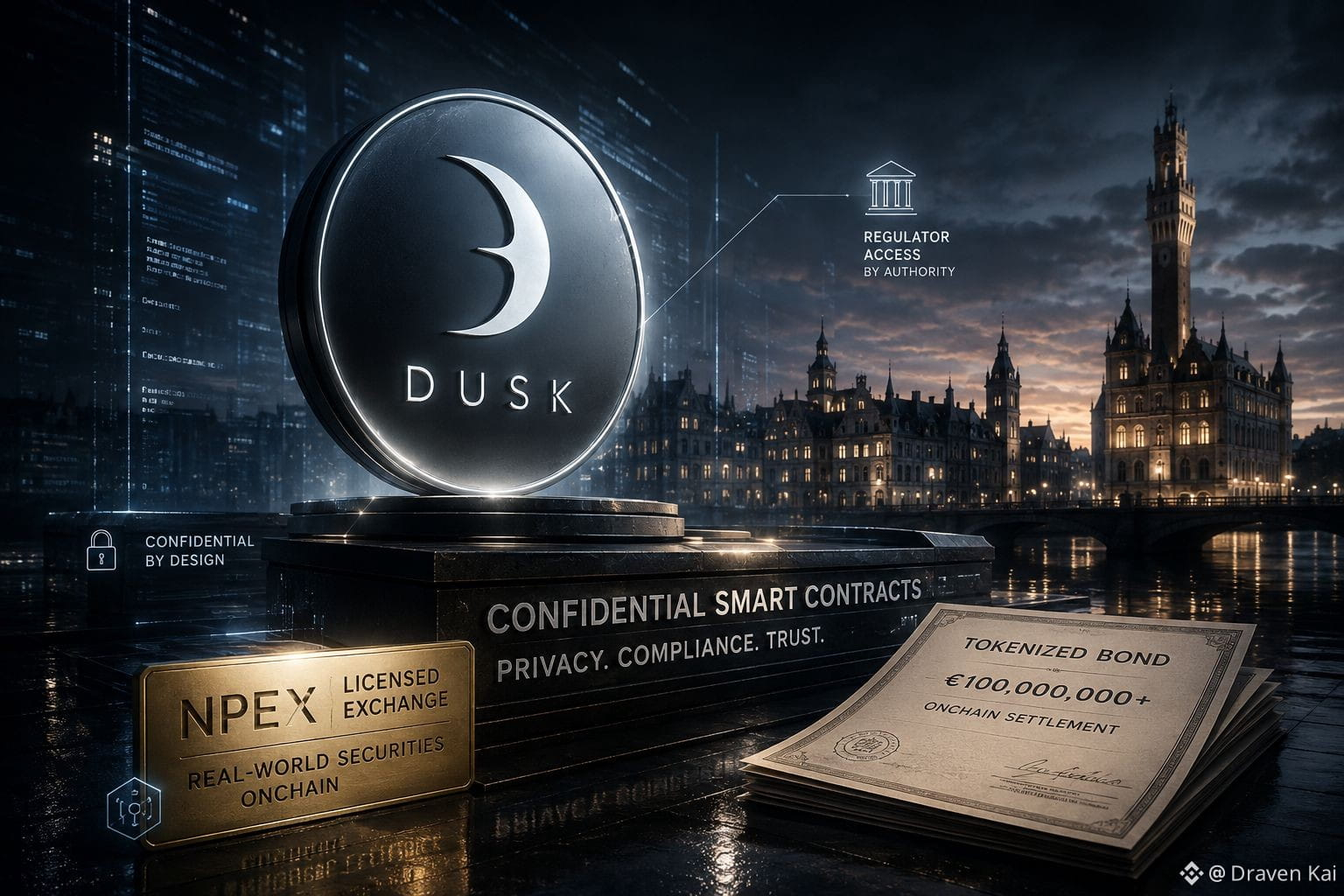
ehrlich gesagt ist es schon einen Blick wert, aber lass nicht einfach deine ganze Tasche da rein; Dusk macht dieses „vertrauliche Smart-Contract“-Ding für echte Wertpapiere – also tokenisierte Anleihen und so –, bei denen die Details vor Leuten, die zufällig die Kette durchstöbern, verborgen bleiben, ein Regulator aber trotzdem alles sehen kann, wenn er es rechtlich braucht. Das ist wirklich ein anderer Ansatz als bei den meisten Privacy-Coins, die überall rausfliegen, weil sie darauf ausgelegt sind, vor buchstäblich allen zu verbergen – sogar vor den Leuten, die ihnen eigentlich Legitimität verleihen würden. Das Mainnet läuft seit Januar, und da gibt es dieses NPEX-Zeugs: eine lizenzierte Börse in den Niederlanden, die angeblich ein paar hundert Millionen Euro echte Wertpapiere auf die Kette gebracht hat. Und das ist ehrlich gesagt der Teil, der mich aufhorchen lässt, weil das kein Testnet-LARP ist, sondern ein tatsächlich regulierter Handelsplatz, der das anfässt.
Aber es gibt eine Menge Dinge, die mich nervös machen würden, wenn ich echte Größenordnung dort draufsetzen wollte. Das ganze „MiCA-konform“-Wording, das dauernd herumgeworfen wird, ist nicht dasselbe wie eine echte Freigabe unter dem Regelwerk, und ich habe das Gefühl, dass diese Lücke ständig glattgebügelt wird. Und vertrauliche Contracts sind außerdem einfach deutlich schwerer zu prüfen, weil der Sinn der Sache ist: Outsider sollen den Status nicht sehen können. Also vertraust du deren interne Sicherheit stärker als bei einem normalen öffentlichen Contract. Und diese Branche verbrennt ohnehin schon Geld durch Bugs, wenn alles sichtbar ist – also packst du noch eine Privacy-Schicht obendrauf, und ich weiß nicht, das macht mich einfach kribbelig. Außerdem: Eine Börse, die Settlement pilotiert, ist kein Markt. Das ist eine gute Schlagzeile – mit vielleicht mehr in der Zukunft oder auch nicht. Und die Kursbewegungen machen typisch-crypto-mäßig das übliche Zeug, das ich komplett ignorieren würde, wenn man wirklich bewerten will, ob die Technik hält oder ob es größtenteils nur Hype ist, der auf einer Ankündigung einer Partnerschaft reitet.
#dusk $DUSK @Dusk
Aber es gibt eine Menge Dinge, die mich nervös machen würden, wenn ich echte Größenordnung dort draufsetzen wollte. Das ganze „MiCA-konform“-Wording, das dauernd herumgeworfen wird, ist nicht dasselbe wie eine echte Freigabe unter dem Regelwerk, und ich habe das Gefühl, dass diese Lücke ständig glattgebügelt wird. Und vertrauliche Contracts sind außerdem einfach deutlich schwerer zu prüfen, weil der Sinn der Sache ist: Outsider sollen den Status nicht sehen können. Also vertraust du deren interne Sicherheit stärker als bei einem normalen öffentlichen Contract. Und diese Branche verbrennt ohnehin schon Geld durch Bugs, wenn alles sichtbar ist – also packst du noch eine Privacy-Schicht obendrauf, und ich weiß nicht, das macht mich einfach kribbelig. Außerdem: Eine Börse, die Settlement pilotiert, ist kein Markt. Das ist eine gute Schlagzeile – mit vielleicht mehr in der Zukunft oder auch nicht. Und die Kursbewegungen machen typisch-crypto-mäßig das übliche Zeug, das ich komplett ignorieren würde, wenn man wirklich bewerten will, ob die Technik hält oder ob es größtenteils nur Hype ist, der auf einer Ankündigung einer Partnerschaft reitet.
#dusk $DUSK @Dusk
$BTC /USDT — DER MOMENT DER WAHRHEIT
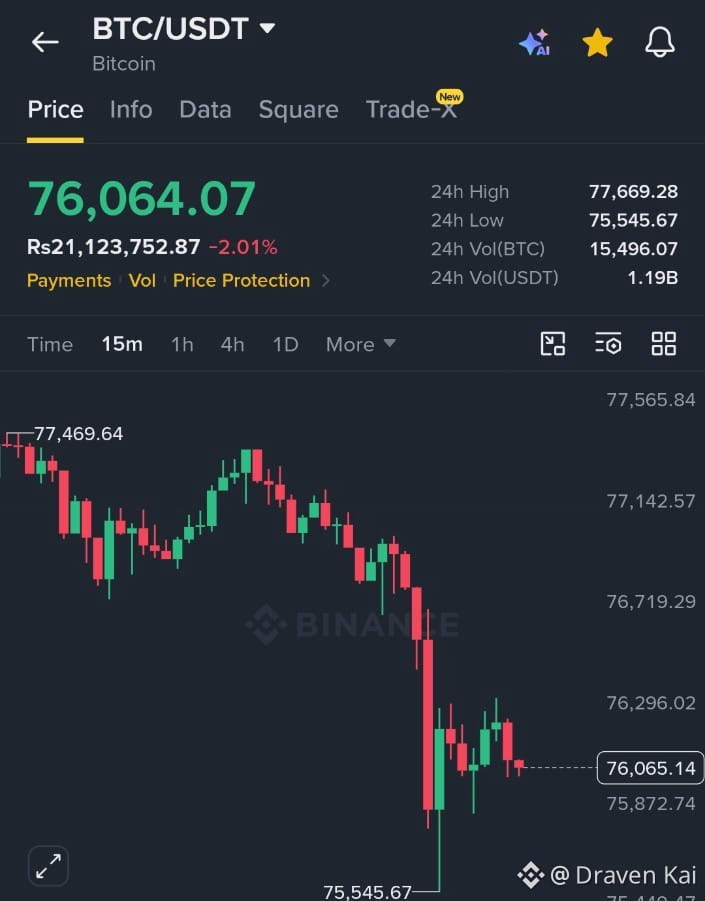
Bitcoin atmet Feuer bei 76.064 $**, gefangen zwischen zwei unbeweglichen Kräften. Der **Support liegt bei 75.545 $, dem exakten Tief der letzten 24 Stunden — brich ihn und wir stürzen Richtung 74.800 $**, ohne dass etwas uns auffängt. Der **Widerstand ragt bei 77.669 $**, eine Mauer, die jeden Vorstoß zurückgewiesen hat. Zerschlage sie und der Weg ist frei direkt zu **78.500 $**. Das **Ziel liegt bei 78.400 $, der Take Profit wird bei 78.400 $ gesichert**, und der **Stop Loss steht fest bei 75.400 $ — eng, diszipliniert, gnadenlos. Das Volumen zieht an, die Spule komprimiert sich, und die nächste Bewegung wird brutal. Das ist die Ruhe vor der Explosion. Binance ist die Arena, die Charts schreien, und die Uhr tickt. Ein Ausbruch verändert alles. Bleib wachsam, bleib am Leben und respektiere die Levels. Der Sturm ist da.
$BTC
Bitcoin atmet Feuer bei 76.064 $**, gefangen zwischen zwei unbeweglichen Kräften. Der **Support liegt bei 75.545 $, dem exakten Tief der letzten 24 Stunden — brich ihn und wir stürzen Richtung 74.800 $**, ohne dass etwas uns auffängt. Der **Widerstand ragt bei 77.669 $**, eine Mauer, die jeden Vorstoß zurückgewiesen hat. Zerschlage sie und der Weg ist frei direkt zu **78.500 $**. Das **Ziel liegt bei 78.400 $, der Take Profit wird bei 78.400 $ gesichert**, und der **Stop Loss steht fest bei 75.400 $ — eng, diszipliniert, gnadenlos. Das Volumen zieht an, die Spule komprimiert sich, und die nächste Bewegung wird brutal. Das ist die Ruhe vor der Explosion. Binance ist die Arena, die Charts schreien, und die Uhr tickt. Ein Ausbruch verändert alles. Bleib wachsam, bleib am Leben und respektiere die Levels. Der Sturm ist da.
$BTC
Anmelden und weiter Inhalte entdecken