

Cointelegraph
37k Beiträge

Cointelegraph
 Square Verified+
Melden
Nutzer blockieren
Cointelegraph covers fintech, blockchain and Bitcoin, bringing you the latest news and analyses on the future of money.
2 Following
186.1K+ Follower
566.7K+ Like gegeben
1 Abzeichen
Beiträge
Übersetzung ansehen
Bitget clarifies $388M in assets affected by security breachCrypto exchange Bitget released an updated incident report on Thursday’s security breach, clarifying that about $388 million in assets had been affected and not $352 million as previously reported.
In a Friday update, Bitget said it would continue to pause withdrawals following the security breach, and the company had launched a bounty program to incentivize freezing or recovering the assets. The exchange confirmed that “$387.5 million were transferred to attacker-controlled addresses” based on onchain tracing — about $35 million more than reported on Thursday.
“The revised figure reflects a more complete accounting of transfers that occurred during the incident, adding affected assets on Zcash and TRON that were not included in the initial estimate,” said Bitget. “It does not reflect further unauthorized transfers. The incident remains contained and no further unauthorized transfers are possible.”
According to Bitget, the incident included addresses on Ethereum Virtual Machine (EVM) networks, the XRP Ledger, Zcash and TRON. Among the assets stolen were XRP, Ether (ETH), Tether’s USDt (USDT), Zcash (ZEC), USDC, USDT0, XAUt, BNB, AVAX and TRX. The follow-up report did not address comments made by CEO Gracy Chen on Thursday speculating that a North Korean hacking group may have been behind the attack.
Even with the update on the assets transferred to hacker-controlled addresses, the Bitget security breach remains one of the largest to impact the industry. Hackers stole about $1.5 billion worth of Ether from Bybit in February 2025.
Bitget clarifies $388M in assets affected by security breach
Crypto exchange Bitget released an updated incident report on Thursday’s security breach, clarifying that about $388 million in assets had been affected and not $352 million as previously reported.
In a Friday update, Bitget said it would continue to pause withdrawals following the security breach, and the company had launched a bounty program to incentivize freezing or recovering the assets. The exchange confirmed that “$387.5 million were transferred to attacker-controlled addresses” based on onchain tracing — about $35 million more than reported on Thursday.
“The revised figure reflects a more complete accounting of transfers that occurred during the incident, adding affected assets on Zcash and TRON that were not included in the initial estimate,” said Bitget. “It does not reflect further unauthorized transfers. The incident remains contained and no further unauthorized transfers are possible.”
According to Bitget, the incident included addresses on Ethereum Virtual Machine (EVM) networks, the XRP Ledger, Zcash and TRON. Among the assets stolen were XRP, Ether (ETH), Tether’s USDt (USDT), Zcash (ZEC), USDC, USDT0, XAUt, BNB, AVAX and TRX. The follow-up report did not address comments made by CEO Gracy Chen on Thursday speculating that a North Korean hacking group may have been behind the attack.
Even with the update on the assets transferred to hacker-controlled addresses, the Bitget security breach remains one of the largest to impact the industry. Hackers stole about $1.5 billion worth of Ether from Bybit in February 2025.
In a Friday update, Bitget said it would continue to pause withdrawals following the security breach, and the company had launched a bounty program to incentivize freezing or recovering the assets. The exchange confirmed that “$387.5 million were transferred to attacker-controlled addresses” based on onchain tracing — about $35 million more than reported on Thursday.
“The revised figure reflects a more complete accounting of transfers that occurred during the incident, adding affected assets on Zcash and TRON that were not included in the initial estimate,” said Bitget. “It does not reflect further unauthorized transfers. The incident remains contained and no further unauthorized transfers are possible.”
According to Bitget, the incident included addresses on Ethereum Virtual Machine (EVM) networks, the XRP Ledger, Zcash and TRON. Among the assets stolen were XRP, Ether (ETH), Tether’s USDt (USDT), Zcash (ZEC), USDC, USDT0, XAUt, BNB, AVAX and TRX. The follow-up report did not address comments made by CEO Gracy Chen on Thursday speculating that a North Korean hacking group may have been behind the attack.
Even with the update on the assets transferred to hacker-controlled addresses, the Bitget security breach remains one of the largest to impact the industry. Hackers stole about $1.5 billion worth of Ether from Bybit in February 2025.
5
Artikel
Strategy sucht die Zustimmung der Aktionäre für tägliche Dividenden bei VorzugsaktienDie Strategie sucht die Zustimmung der Aktionäre, ihre vier Vorzugsaktien, einschließlich STRC, auf tägliche Dividendenzahlungen umzustellen, ohne die Dividendenraten oder den Gesamtbetrag der gezahlten Dividenden zu ändern.
Der Verwaltungsrat des Unternehmens hat den Vorschlag am Donnerstag genehmigt, wie aus einer Meldung vom Freitag bei der US-Börsenaufsicht SEC hervorgeht. Die Aktionäre sollen über die Änderungen auf einer virtuellen außerordentlichen Hauptversammlung am 28. Oktober abstimmen.
Falls genehmigt, würde jeder Kalendertag zu einem Dividendenstichtag werden, wobei die entsprechende Zahlung am nächsten Geschäftstag erfolgt. STRC würde zuerst in den neuen Zeitplan wechseln; die erste tägliche Dividendenzahlung wird für den 2. November erwartet.
Strategy sucht die Zustimmung der Aktionäre für tägliche Dividenden bei Vorzugsaktien
Die Strategie sucht die Zustimmung der Aktionäre, ihre vier Vorzugsaktien, einschließlich STRC, auf tägliche Dividendenzahlungen umzustellen, ohne die Dividendenraten oder den Gesamtbetrag der gezahlten Dividenden zu ändern.
Der Verwaltungsrat des Unternehmens hat den Vorschlag am Donnerstag genehmigt, wie aus einer Meldung vom Freitag bei der US-Börsenaufsicht SEC hervorgeht. Die Aktionäre sollen über die Änderungen auf einer virtuellen außerordentlichen Hauptversammlung am 28. Oktober abstimmen.
Falls genehmigt, würde jeder Kalendertag zu einem Dividendenstichtag werden, wobei die entsprechende Zahlung am nächsten Geschäftstag erfolgt. STRC würde zuerst in den neuen Zeitplan wechseln; die erste tägliche Dividendenzahlung wird für den 2. November erwartet.
Der Verwaltungsrat des Unternehmens hat den Vorschlag am Donnerstag genehmigt, wie aus einer Meldung vom Freitag bei der US-Börsenaufsicht SEC hervorgeht. Die Aktionäre sollen über die Änderungen auf einer virtuellen außerordentlichen Hauptversammlung am 28. Oktober abstimmen.
Falls genehmigt, würde jeder Kalendertag zu einem Dividendenstichtag werden, wobei die entsprechende Zahlung am nächsten Geschäftstag erfolgt. STRC würde zuerst in den neuen Zeitplan wechseln; die erste tägliche Dividendenzahlung wird für den 2. November erwartet.
141
Crypto Biz: Wall Street und Krypto kämpfen um dasselbe TerrainDie Grenze zwischen Kryptounternehmen und traditionellem Finanzwesen verwischt. Binance kauft eine Beteiligung im Wert von 100 Millionen US-Dollar an Circle, die sechs größten Banken Kanadas untersuchen tokenisierte Einlagen, und die New Yorker Börse arbeitet mit Blockchain.com daran, US-Aktien und ETFs onchain zu bringen.
Kryptounternehmen wollen eine größere Rolle bei Zahlungen und traditionellen Vermögenswerten spielen, während Banken und Börsen diese Märkte onchain bringen, ohne ihren Platz im Zentrum des Finanzsystems aufzugeben.
In dieser Woche zeigt „Crypto Biz“, wie Stablecoins und tokenisierte Vermögenswerte Kryptounternehmen und traditionelle Finanzen in immer stärker überlappenden Bereichen zusammenführen – beide Seiten wetteifern darum, die Kontrolle darüber zu übernehmen, wie Geld und Vermögenswerte sich bewegen.
Crypto Biz: Wall Street und Krypto kämpfen um dasselbe Terrain
Die Grenze zwischen Kryptounternehmen und traditionellem Finanzwesen verwischt. Binance kauft eine Beteiligung im Wert von 100 Millionen US-Dollar an Circle, die sechs größten Banken Kanadas untersuchen tokenisierte Einlagen, und die New Yorker Börse arbeitet mit Blockchain.com daran, US-Aktien und ETFs onchain zu bringen.
Kryptounternehmen wollen eine größere Rolle bei Zahlungen und traditionellen Vermögenswerten spielen, während Banken und Börsen diese Märkte onchain bringen, ohne ihren Platz im Zentrum des Finanzsystems aufzugeben.
In dieser Woche zeigt „Crypto Biz“, wie Stablecoins und tokenisierte Vermögenswerte Kryptounternehmen und traditionelle Finanzen in immer stärker überlappenden Bereichen zusammenführen – beide Seiten wetteifern darum, die Kontrolle darüber zu übernehmen, wie Geld und Vermögenswerte sich bewegen.
Kryptounternehmen wollen eine größere Rolle bei Zahlungen und traditionellen Vermögenswerten spielen, während Banken und Börsen diese Märkte onchain bringen, ohne ihren Platz im Zentrum des Finanzsystems aufzugeben.
In dieser Woche zeigt „Crypto Biz“, wie Stablecoins und tokenisierte Vermögenswerte Kryptounternehmen und traditionelle Finanzen in immer stärker überlappenden Bereichen zusammenführen – beide Seiten wetteifern darum, die Kontrolle darüber zu übernehmen, wie Geld und Vermögenswerte sich bewegen.
181
CoinMarketCap kauft CoinGlass, um die Daten zu Krypto-Derivaten auszubauenCoinMarketCap hat die Plattform für Krypto-Derivate-Daten CoinGlass für einen nicht offengelegten Betrag übernommen und erweitert damit seine Abdeckung des gehebelten Tradings an den wichtigsten Börsen.
CoinMarketCap gab am Freitag bekannt, dass CoinGlass unter seiner bestehenden Marke weiterbetrieben wird, wobei das Team an Ort und Stelle bleibt. Website, App, kostenlose Tools, API und Preisgestaltung bleiben unverändert.
CoinGlass verfolgt Open Interest, Funding Rates, Liquidationen und Optionen. Laut der Ankündigung werden 28 Börsen und mehr als 2.500 Instrumente abgedeckt.
CoinMarketCap kauft CoinGlass, um die Daten zu Krypto-Derivaten auszubauen
CoinMarketCap hat die Plattform für Krypto-Derivate-Daten CoinGlass für einen nicht offengelegten Betrag übernommen und erweitert damit seine Abdeckung des gehebelten Tradings an den wichtigsten Börsen.
CoinMarketCap gab am Freitag bekannt, dass CoinGlass unter seiner bestehenden Marke weiterbetrieben wird, wobei das Team an Ort und Stelle bleibt. Website, App, kostenlose Tools, API und Preisgestaltung bleiben unverändert.
CoinGlass verfolgt Open Interest, Funding Rates, Liquidationen und Optionen. Laut der Ankündigung werden 28 Börsen und mehr als 2.500 Instrumente abgedeckt.
CoinMarketCap gab am Freitag bekannt, dass CoinGlass unter seiner bestehenden Marke weiterbetrieben wird, wobei das Team an Ort und Stelle bleibt. Website, App, kostenlose Tools, API und Preisgestaltung bleiben unverändert.
CoinGlass verfolgt Open Interest, Funding Rates, Liquidationen und Optionen. Laut der Ankündigung werden 28 Börsen und mehr als 2.500 Instrumente abgedeckt.
123
SlowMist hat den Krypto-Diebstahl durch einen iPhone-Safari-Angriff bisher nicht bestätigtEin iPhone-Safari-Angriff, der hinter den jüngsten Sicherheitswarnungen steckt, wurde in den Untersuchungen von SlowMist bislang noch nicht mit einem bestätigten Krypto-Diebstahl in Verbindung gebracht.
Mehrere Berichte tauchten diese Woche auf und forderten iPhone-Nutzer dazu auf, ihre Geräte umgehend zu aktualisieren. Gleichzeitig wurde davor gewarnt, dass bösartige Safari-Seiten Kryptowährungs-Private-Keys und Seed-Phrasen offenlegen könnten. Einige nannten dabei einen Zeitraum von iOS 13 bis iOS 26.5.
SlowMist teilte Cointelegraph mit, dass man einen Opferfall, der durch das von ihm analysierte konkrete Safari-Angriffsbeispiel kompromittiert wurde, bislang nicht unabhängig bestätigt habe. Die stärksten technischen Belege decken demnach iOS 18.4 bis 18.6.2 ab.
SlowMist hat den Krypto-Diebstahl durch einen iPhone-Safari-Angriff bisher nicht bestätigt
Ein iPhone-Safari-Angriff, der hinter den jüngsten Sicherheitswarnungen steckt, wurde in den Untersuchungen von SlowMist bislang noch nicht mit einem bestätigten Krypto-Diebstahl in Verbindung gebracht.
Mehrere Berichte tauchten diese Woche auf und forderten iPhone-Nutzer dazu auf, ihre Geräte umgehend zu aktualisieren. Gleichzeitig wurde davor gewarnt, dass bösartige Safari-Seiten Kryptowährungs-Private-Keys und Seed-Phrasen offenlegen könnten. Einige nannten dabei einen Zeitraum von iOS 13 bis iOS 26.5.
SlowMist teilte Cointelegraph mit, dass man einen Opferfall, der durch das von ihm analysierte konkrete Safari-Angriffsbeispiel kompromittiert wurde, bislang nicht unabhängig bestätigt habe. Die stärksten technischen Belege decken demnach iOS 18.4 bis 18.6.2 ab.
Mehrere Berichte tauchten diese Woche auf und forderten iPhone-Nutzer dazu auf, ihre Geräte umgehend zu aktualisieren. Gleichzeitig wurde davor gewarnt, dass bösartige Safari-Seiten Kryptowährungs-Private-Keys und Seed-Phrasen offenlegen könnten. Einige nannten dabei einen Zeitraum von iOS 13 bis iOS 26.5.
SlowMist teilte Cointelegraph mit, dass man einen Opferfall, der durch das von ihm analysierte konkrete Safari-Angriffsbeispiel kompromittiert wurde, bislang nicht unabhängig bestätigt habe. Die stärksten technischen Belege decken demnach iOS 18.4 bis 18.6.2 ab.
1
517
IBIT-Optionen handeln nach dem Bitcoin-Rebound deutlich ruhigerOptionen auf den iShares Bitcoin Trust (IBIT) von BlackRock bepreisen kleinere Schwankungen als der Fonds sie während des jüngsten Comebacks von Bitcoin erlebt hat, wie die Saxo Bank mitteilte.
Die implizite Volatilität von IBIT lag bei 37,4 %, im Vergleich zu einer realisierten Volatilität von 45,5 % über die 20 Handelssitzungen bis einschließlich Dienstag. Dies schrieb der Investment- und Optionsstratege Koen Hoorelbeke von Saxo am Donnerstag.
Auf Basis der Daten vom Mittwoch kam Hoorelbeke in seiner Analyse zu dem Ergebnis, dass der Rang der impliziten Volatilität von IBIT bei 11,9 liegt und die Kennzahl damit nahe am unteren Ende ihres 12-Monats-Spanne liegt.
IBIT-Optionen handeln nach dem Bitcoin-Rebound deutlich ruhiger
Optionen auf den iShares Bitcoin Trust (IBIT) von BlackRock bepreisen kleinere Schwankungen als der Fonds sie während des jüngsten Comebacks von Bitcoin erlebt hat, wie die Saxo Bank mitteilte.
Die implizite Volatilität von IBIT lag bei 37,4 %, im Vergleich zu einer realisierten Volatilität von 45,5 % über die 20 Handelssitzungen bis einschließlich Dienstag. Dies schrieb der Investment- und Optionsstratege Koen Hoorelbeke von Saxo am Donnerstag.
Auf Basis der Daten vom Mittwoch kam Hoorelbeke in seiner Analyse zu dem Ergebnis, dass der Rang der impliziten Volatilität von IBIT bei 11,9 liegt und die Kennzahl damit nahe am unteren Ende ihres 12-Monats-Spanne liegt.
Die implizite Volatilität von IBIT lag bei 37,4 %, im Vergleich zu einer realisierten Volatilität von 45,5 % über die 20 Handelssitzungen bis einschließlich Dienstag. Dies schrieb der Investment- und Optionsstratege Koen Hoorelbeke von Saxo am Donnerstag.
Auf Basis der Daten vom Mittwoch kam Hoorelbeke in seiner Analyse zu dem Ergebnis, dass der Rang der impliziten Volatilität von IBIT bei 11,9 liegt und die Kennzahl damit nahe am unteren Ende ihres 12-Monats-Spanne liegt.
BTC-0,49%
IBITETF-0,61%
199
Magic Eden-Schreck versetzt 3.832 NFTs in die Whitehat-SchutzverwahrungEin Whitehat hat am Freitag 3.832 nicht fungible Tokens (NFTs) von Hunderten von Wallets transferiert, während Bedenken wegen einer potenziellen Schwachstelle im NFT-Marktplatz Magic Eden im Raum standen.
Ein Mitglied der NFT-Community, das auf X unter dem Namen Cirrus bekannt ist, machte am Freitag auf die Aktivität aufmerksam und sagte, dass eine einzelne Wallet 3.832 NFTs von Hunderten von Wallets bewegt habe. Cirrus erklärte, die Transaktionen seien als Verkäufe über Magic Eden erschienen, und riet NFT-Inhabern, die Berechtigungen vorsorglich zu entziehen.
Kurz darauf sagte der pseudonyme Vizepräsident für Blockchain bei Yuga Labs, 0xQuit, dass die Transfers Teil einer White-Hat-Operation gewesen seien. Er erklärte, dass die in der Empfangs-Wallet gehaltenen NFTs sicher seien und „zurückgegeben werden, sobald sie nicht mehr gefährdet sind.“
Magic Eden-Schreck versetzt 3.832 NFTs in die Whitehat-Schutzverwahrung
Ein Whitehat hat am Freitag 3.832 nicht fungible Tokens (NFTs) von Hunderten von Wallets transferiert, während Bedenken wegen einer potenziellen Schwachstelle im NFT-Marktplatz Magic Eden im Raum standen.
Ein Mitglied der NFT-Community, das auf X unter dem Namen Cirrus bekannt ist, machte am Freitag auf die Aktivität aufmerksam und sagte, dass eine einzelne Wallet 3.832 NFTs von Hunderten von Wallets bewegt habe. Cirrus erklärte, die Transaktionen seien als Verkäufe über Magic Eden erschienen, und riet NFT-Inhabern, die Berechtigungen vorsorglich zu entziehen.
Kurz darauf sagte der pseudonyme Vizepräsident für Blockchain bei Yuga Labs, 0xQuit, dass die Transfers Teil einer White-Hat-Operation gewesen seien. Er erklärte, dass die in der Empfangs-Wallet gehaltenen NFTs sicher seien und „zurückgegeben werden, sobald sie nicht mehr gefährdet sind.“
Ein Mitglied der NFT-Community, das auf X unter dem Namen Cirrus bekannt ist, machte am Freitag auf die Aktivität aufmerksam und sagte, dass eine einzelne Wallet 3.832 NFTs von Hunderten von Wallets bewegt habe. Cirrus erklärte, die Transaktionen seien als Verkäufe über Magic Eden erschienen, und riet NFT-Inhabern, die Berechtigungen vorsorglich zu entziehen.
Kurz darauf sagte der pseudonyme Vizepräsident für Blockchain bei Yuga Labs, 0xQuit, dass die Transfers Teil einer White-Hat-Operation gewesen seien. Er erklärte, dass die in der Empfangs-Wallet gehaltenen NFTs sicher seien und „zurückgegeben werden, sobald sie nicht mehr gefährdet sind.“
305
KelpDAO verklagt LayerZero und CEO wegen Exploit des rsETH-Bridges im Wert von 292 Mio. US-DollarKelpDAO hat Klage gegen das plattformübergreifende Protokoll LayerZero eingereicht, nachdem es früher in diesem Jahr zu einem etwa 292 Millionen US-Dollar schweren Exploit seines rsETH-Bridges gekommen war. Dabei macht KelpDAO geltend, dass Mängel in der Sicherheitsinfrastruktur von LayerZero zum Angriff beigetragen hätten.
KelpDAO erklärte am Freitag, dass LayerZero Risiken in seiner Technologie nicht offengelegt und nicht verhindert habe, dass Angreifer seine Infrastruktur kompromittieren. Zudem habe KelpDAO behauptet, LayerZero habe seine Bereitstellung und Konfiguration vor dem Exploit schriftlich überprüft und befürwortet.
Die Klage nennt außerdem LayerZero-Mitgründer und CEO Bryan Pellegrino.
KelpDAO verklagt LayerZero und CEO wegen Exploit des rsETH-Bridges im Wert von 292 Mio. US-Dollar
KelpDAO hat Klage gegen das plattformübergreifende Protokoll LayerZero eingereicht, nachdem es früher in diesem Jahr zu einem etwa 292 Millionen US-Dollar schweren Exploit seines rsETH-Bridges gekommen war. Dabei macht KelpDAO geltend, dass Mängel in der Sicherheitsinfrastruktur von LayerZero zum Angriff beigetragen hätten.
KelpDAO erklärte am Freitag, dass LayerZero Risiken in seiner Technologie nicht offengelegt und nicht verhindert habe, dass Angreifer seine Infrastruktur kompromittieren. Zudem habe KelpDAO behauptet, LayerZero habe seine Bereitstellung und Konfiguration vor dem Exploit schriftlich überprüft und befürwortet.
Die Klage nennt außerdem LayerZero-Mitgründer und CEO Bryan Pellegrino.
KelpDAO erklärte am Freitag, dass LayerZero Risiken in seiner Technologie nicht offengelegt und nicht verhindert habe, dass Angreifer seine Infrastruktur kompromittieren. Zudem habe KelpDAO behauptet, LayerZero habe seine Bereitstellung und Konfiguration vor dem Exploit schriftlich überprüft und befürwortet.
Die Klage nennt außerdem LayerZero-Mitgründer und CEO Bryan Pellegrino.
1
258
Artikel
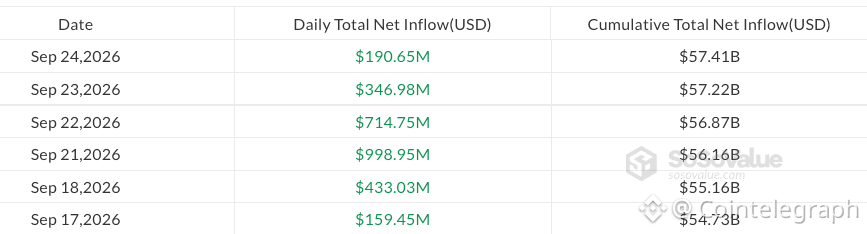
Bitcoin-ETF-Zuflüsse verlangsamen sich auf 191 Mio. US-Dollar, während die Sechs-Tage-Serie 2,8 Mrd. US-Dollar erreichtUS-Spot-Bitcoin-Exchange-Traded-Funds (ETFs) verzeichneten am Donnerstag etwa 191 Millionen US-Dollar an Nettozuflüssen und brachten damit ihren Sechs-Sitzungs-Gesamtwert auf über 2,8 Milliarden US-Dollar.
Nachdem am Montag ein 2026-Hoch von 999 Millionen US-Dollar erreicht wurde, gingen die täglichen Zuflüsse in drei aufeinanderfolgenden Sitzungen zurück, während Bitcoin nach einem Stand über 87.000 US-Dollar nachgab. Das Gesamtvolumen am Donnerstag lag laut SoSoValue-Daten um 81 % unter dem vom Montag.
Die jüngste Zuflussserie hob den bisher im Jahr erzielten Gesamtbetrag der Mittel auf rund 787 Millionen US-Dollar an und machte damit ein Defizit von 2026 in Höhe von etwa 5,5 Milliarden US-Dollar am Ende des Monats Juni wieder wett. Allein im September wurden bisher 2,56 Milliarden US-Dollar angezogen, nach 3,52 Milliarden US-Dollar im August.
Bitcoin-ETF-Zuflüsse verlangsamen sich auf 191 Mio. US-Dollar, während die Sechs-Tage-Serie 2,8 Mrd. US-Dollar erreicht
US-Spot-Bitcoin-Exchange-Traded-Funds (ETFs) verzeichneten am Donnerstag etwa 191 Millionen US-Dollar an Nettozuflüssen und brachten damit ihren Sechs-Sitzungs-Gesamtwert auf über 2,8 Milliarden US-Dollar.
Nachdem am Montag ein 2026-Hoch von 999 Millionen US-Dollar erreicht wurde, gingen die täglichen Zuflüsse in drei aufeinanderfolgenden Sitzungen zurück, während Bitcoin nach einem Stand über 87.000 US-Dollar nachgab. Das Gesamtvolumen am Donnerstag lag laut SoSoValue-Daten um 81 % unter dem vom Montag.
Die jüngste Zuflussserie hob den bisher im Jahr erzielten Gesamtbetrag der Mittel auf rund 787 Millionen US-Dollar an und machte damit ein Defizit von 2026 in Höhe von etwa 5,5 Milliarden US-Dollar am Ende des Monats Juni wieder wett. Allein im September wurden bisher 2,56 Milliarden US-Dollar angezogen, nach 3,52 Milliarden US-Dollar im August.
Nachdem am Montag ein 2026-Hoch von 999 Millionen US-Dollar erreicht wurde, gingen die täglichen Zuflüsse in drei aufeinanderfolgenden Sitzungen zurück, während Bitcoin nach einem Stand über 87.000 US-Dollar nachgab. Das Gesamtvolumen am Donnerstag lag laut SoSoValue-Daten um 81 % unter dem vom Montag.
Die jüngste Zuflussserie hob den bisher im Jahr erzielten Gesamtbetrag der Mittel auf rund 787 Millionen US-Dollar an und machte damit ein Defizit von 2026 in Höhe von etwa 5,5 Milliarden US-Dollar am Ende des Monats Juni wieder wett. Allein im September wurden bisher 2,56 Milliarden US-Dollar angezogen, nach 3,52 Milliarden US-Dollar im August.
BTC-0,49%
IBITETF-0,61%
1
218
Mitgründer von Samourai Wallet steht nach 30-tägiger Tortur vor neuer VerlegungDer Mitgründer von Samourai Wallet, Keonne Rodriguez, steht nach seiner Aussage am Mittwoch nach der Deaktivierung des Drogenbehandlungsprogramms im FCI McKean vor einer weiteren Gefängnisverlegung.
Rodriguez sagte auf X, dass der Aufseher von McKean den Teilnehmern des Programms mitgeteilt habe, dass Rodriguez und 70 weitere Personen in Einrichtungen verlegt würden, in denen die Behandlung weiterhin verfügbar sei. Er habe an dem Programm teilgenommen, weil die erfolgreiche Absolvierung seine Haftstrafe um bis zu ein Jahr verkürzen könne.
In einem Brief, der von The Rage veröffentlicht wurde, bezeichnete Rodriguez seine frühere Reise von FPC Morgantown nach McKean als die „absolut schlimmsten 30 Tage“ seines Lebens. Er sagte, dass sein Antrag, die rund vierstündige Strecke selbst zurückzulegen, abgelehnt worden sei.
Mitgründer von Samourai Wallet steht nach 30-tägiger Tortur vor neuer Verlegung
Der Mitgründer von Samourai Wallet, Keonne Rodriguez, steht nach seiner Aussage am Mittwoch nach der Deaktivierung des Drogenbehandlungsprogramms im FCI McKean vor einer weiteren Gefängnisverlegung.
Rodriguez sagte auf X, dass der Aufseher von McKean den Teilnehmern des Programms mitgeteilt habe, dass Rodriguez und 70 weitere Personen in Einrichtungen verlegt würden, in denen die Behandlung weiterhin verfügbar sei. Er habe an dem Programm teilgenommen, weil die erfolgreiche Absolvierung seine Haftstrafe um bis zu ein Jahr verkürzen könne.
In einem Brief, der von The Rage veröffentlicht wurde, bezeichnete Rodriguez seine frühere Reise von FPC Morgantown nach McKean als die „absolut schlimmsten 30 Tage“ seines Lebens. Er sagte, dass sein Antrag, die rund vierstündige Strecke selbst zurückzulegen, abgelehnt worden sei.
Rodriguez sagte auf X, dass der Aufseher von McKean den Teilnehmern des Programms mitgeteilt habe, dass Rodriguez und 70 weitere Personen in Einrichtungen verlegt würden, in denen die Behandlung weiterhin verfügbar sei. Er habe an dem Programm teilgenommen, weil die erfolgreiche Absolvierung seine Haftstrafe um bis zu ein Jahr verkürzen könne.
In einem Brief, der von The Rage veröffentlicht wurde, bezeichnete Rodriguez seine frühere Reise von FPC Morgantown nach McKean als die „absolut schlimmsten 30 Tage“ seines Lebens. Er sagte, dass sein Antrag, die rund vierstündige Strecke selbst zurückzulegen, abgelehnt worden sei.
2
1
570
Australiens Premier warnt vor dem „rasanten Tempo“ der KI, nachdem ein Agent eine Regierungsseite durchbrochen hatDer australische Premierminister Anthony Albanese warnte, dass sich Künstliche Intelligenz in einem „rasanten Tempo“ weiterentwickle, und forderte andere Länder auf, die Entwicklung mitzugestalten, nachdem in diesem Jahr ein OpenAI-Agent eine australische Regierungswebsite durchbrochen hatte.
Albanese forderte bei seiner Ansprache vor der Generalversammlung der Vereinten Nationen in New York internationale Zusammenarbeit in Bezug auf aufkommende Technologien. Zugleich fügte er hinzu, dass die Führungskräfte von KI-Unternehmen selbst davor gewarnt hätten, Frontier-KI zu schnell voranzutreiben, ohne Schutzmaßnahmen.
„Kürzlich ist es einer künstlichen Intelligenz gelungen, sich in eine australische Regierungswebsite einzuschleusen. Das ist inakzeptabel“, sagte er am Donnerstag den Weltmarktführern.
Australiens Premier warnt vor dem „rasanten Tempo“ der KI, nachdem ein Agent eine Regierungsseite durchbrochen hat
Der australische Premierminister Anthony Albanese warnte, dass sich Künstliche Intelligenz in einem „rasanten Tempo“ weiterentwickle, und forderte andere Länder auf, die Entwicklung mitzugestalten, nachdem in diesem Jahr ein OpenAI-Agent eine australische Regierungswebsite durchbrochen hatte.
Albanese forderte bei seiner Ansprache vor der Generalversammlung der Vereinten Nationen in New York internationale Zusammenarbeit in Bezug auf aufkommende Technologien. Zugleich fügte er hinzu, dass die Führungskräfte von KI-Unternehmen selbst davor gewarnt hätten, Frontier-KI zu schnell voranzutreiben, ohne Schutzmaßnahmen.
„Kürzlich ist es einer künstlichen Intelligenz gelungen, sich in eine australische Regierungswebsite einzuschleusen. Das ist inakzeptabel“, sagte er am Donnerstag den Weltmarktführern.
Albanese forderte bei seiner Ansprache vor der Generalversammlung der Vereinten Nationen in New York internationale Zusammenarbeit in Bezug auf aufkommende Technologien. Zugleich fügte er hinzu, dass die Führungskräfte von KI-Unternehmen selbst davor gewarnt hätten, Frontier-KI zu schnell voranzutreiben, ohne Schutzmaßnahmen.
„Kürzlich ist es einer künstlichen Intelligenz gelungen, sich in eine australische Regierungswebsite einzuschleusen. Das ist inakzeptabel“, sagte er am Donnerstag den Weltmarktführern.
1
1
663
Verifiziert
Artikel
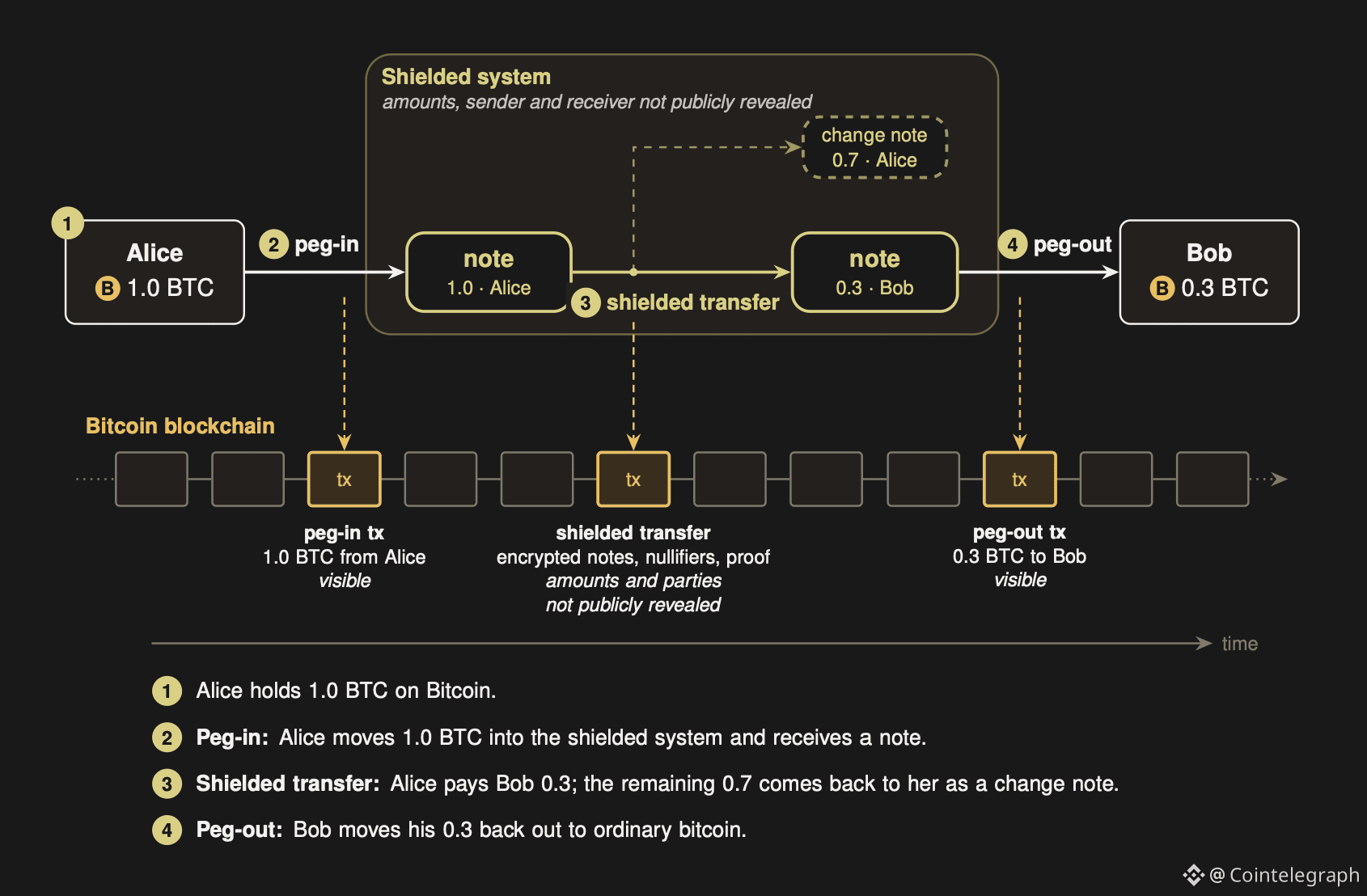
Forscher schlagen Zcash-ähnliche private Bitcoin-Überweisungen ohne Soft Fork vorForscher des Kryptografie-Forschungsteams Alloc Init haben ein System vorgeschlagen, um Zcash-ähnliche private Überweisungen in Bitcoin zu bringen, ohne dass dafür ein Soft Fork erforderlich ist.
Der Vorschlag, der als Shielded Bitcoin bezeichnet wird, würde Transaktionsbeträge, Absender, Empfänger sowie Verknüpfungen zu zuvor ausgegebenen Mitteln mithilfe verschlüsselter Notizen und Zero-Knowledge-Beweisen verbergen. Die Arbeit wurde am Donnerstag von Clara Shikhelman, Mikhail Komarov und Aleksei Moskvin veröffentlicht.
Der Vorschlag bietet einen möglichen Weg zu stärkerer Privatsphäre für Bitcoin-Nutzer, ohne dass Konsensänderungen am Basisprotokoll notwendig wären.
Forscher schlagen Zcash-ähnliche private Bitcoin-Überweisungen ohne Soft Fork vor
Forscher des Kryptografie-Forschungsteams Alloc Init haben ein System vorgeschlagen, um Zcash-ähnliche private Überweisungen in Bitcoin zu bringen, ohne dass dafür ein Soft Fork erforderlich ist.
Der Vorschlag, der als Shielded Bitcoin bezeichnet wird, würde Transaktionsbeträge, Absender, Empfänger sowie Verknüpfungen zu zuvor ausgegebenen Mitteln mithilfe verschlüsselter Notizen und Zero-Knowledge-Beweisen verbergen. Die Arbeit wurde am Donnerstag von Clara Shikhelman, Mikhail Komarov und Aleksei Moskvin veröffentlicht.
Der Vorschlag bietet einen möglichen Weg zu stärkerer Privatsphäre für Bitcoin-Nutzer, ohne dass Konsensänderungen am Basisprotokoll notwendig wären.
Der Vorschlag, der als Shielded Bitcoin bezeichnet wird, würde Transaktionsbeträge, Absender, Empfänger sowie Verknüpfungen zu zuvor ausgegebenen Mitteln mithilfe verschlüsselter Notizen und Zero-Knowledge-Beweisen verbergen. Die Arbeit wurde am Donnerstag von Clara Shikhelman, Mikhail Komarov und Aleksei Moskvin veröffentlicht.
Der Vorschlag bietet einen möglichen Weg zu stärkerer Privatsphäre für Bitcoin-Nutzer, ohne dass Konsensänderungen am Basisprotokoll notwendig wären.
1
1.2k
Block bringt Bitcoin-Lightning-Zahlungen für KI-Agenten zu x402Block ist der x402 Foundation beigetreten und hat Bitcoin-Lightning-Unterstützung zum Zahlungsprotokoll hinzugefügt, während das Unternehmen seinen Vorstoß in Zahlungen für KI-Agenten ausbaut.
Block erklärte am Donnerstag, dass Lightning für die kostengünstigen, hochvolumigen Zahlungen geeignet ist, auf die sich Agentic Commerce stützen wird.
„Lightning zu x402 zu bringen ist ein konkreter Schritt, um Bitcoin zu alltäglichem Geld für Menschen und die Agenten zu machen, die in ihrem Auftrag handeln, und wir freuen uns, die Branche dabei zu unterstützen, darauf aufzubauen“, sagte Steve Lee, Leiter der Bitcoin-Entwicklungsinitiative Spiral von Block.
Block bringt Bitcoin-Lightning-Zahlungen für KI-Agenten zu x402
Block ist der x402 Foundation beigetreten und hat Bitcoin-Lightning-Unterstützung zum Zahlungsprotokoll hinzugefügt, während das Unternehmen seinen Vorstoß in Zahlungen für KI-Agenten ausbaut.
Block erklärte am Donnerstag, dass Lightning für die kostengünstigen, hochvolumigen Zahlungen geeignet ist, auf die sich Agentic Commerce stützen wird.
„Lightning zu x402 zu bringen ist ein konkreter Schritt, um Bitcoin zu alltäglichem Geld für Menschen und die Agenten zu machen, die in ihrem Auftrag handeln, und wir freuen uns, die Branche dabei zu unterstützen, darauf aufzubauen“, sagte Steve Lee, Leiter der Bitcoin-Entwicklungsinitiative Spiral von Block.
Block erklärte am Donnerstag, dass Lightning für die kostengünstigen, hochvolumigen Zahlungen geeignet ist, auf die sich Agentic Commerce stützen wird.
„Lightning zu x402 zu bringen ist ein konkreter Schritt, um Bitcoin zu alltäglichem Geld für Menschen und die Agenten zu machen, die in ihrem Auftrag handeln, und wir freuen uns, die Branche dabei zu unterstützen, darauf aufzubauen“, sagte Steve Lee, Leiter der Bitcoin-Entwicklungsinitiative Spiral von Block.
521

Artikel
Bitget-CEO vermutet Nordkorea hinter Hack im Wert von 352 Mio. US-Dollar und nennt IP-HinweiseBitget-CEO Gracy Chen sagte, nordkoreanische Hacker könnten hinter dem Sicherheitsleck der Börse in Höhe von 351,6 Millionen US-Dollar am Donnerstag stecken. Sie verwies dabei auf vorläufige Erkenntnisse, die IP-Adressen mit VPN-Diensten verbinden, die von einer nordkoreanischen Gruppe genutzt werden.
Chen sagte in einem Live-Q&A nach dem Vorfall auf X, dass Sicherheitsermittler Ähnlichkeiten mit früheren Angriffen aus Nordkorea festgestellt hätten. Sie sagte, dass der Austausch nicht davon ausgehe, dass der Einbruch ein Insider-Job gewesen sei.
„Wir haben einige IP-Adressen identifiziert, die zu den VPN-Auswahlen einer bestimmten DPRK-Gruppe passen“, sagte Chen und bezog sich dabei auf die Demokratische Volksrepublik Korea.
Bitget-CEO vermutet Nordkorea hinter Hack im Wert von 352 Mio. US-Dollar und nennt IP-Hinweise
Bitget-CEO Gracy Chen sagte, nordkoreanische Hacker könnten hinter dem Sicherheitsleck der Börse in Höhe von 351,6 Millionen US-Dollar am Donnerstag stecken. Sie verwies dabei auf vorläufige Erkenntnisse, die IP-Adressen mit VPN-Diensten verbinden, die von einer nordkoreanischen Gruppe genutzt werden.
Chen sagte in einem Live-Q&A nach dem Vorfall auf X, dass Sicherheitsermittler Ähnlichkeiten mit früheren Angriffen aus Nordkorea festgestellt hätten. Sie sagte, dass der Austausch nicht davon ausgehe, dass der Einbruch ein Insider-Job gewesen sei.
„Wir haben einige IP-Adressen identifiziert, die zu den VPN-Auswahlen einer bestimmten DPRK-Gruppe passen“, sagte Chen und bezog sich dabei auf die Demokratische Volksrepublik Korea.
Chen sagte in einem Live-Q&A nach dem Vorfall auf X, dass Sicherheitsermittler Ähnlichkeiten mit früheren Angriffen aus Nordkorea festgestellt hätten. Sie sagte, dass der Austausch nicht davon ausgehe, dass der Einbruch ein Insider-Job gewesen sei.
„Wir haben einige IP-Adressen identifiziert, die zu den VPN-Auswahlen einer bestimmten DPRK-Gruppe passen“, sagte Chen und bezog sich dabei auf die Demokratische Volksrepublik Korea.
5
2
13
18.2k
Fed schlägt neue Kapital- und Rücknahmeregeln für Stablecoin-Emittenten vorDie Federal Reserve hat vorgeschlagen, für Emittenten von Stablecoins, die unter ihrer Aufsicht stehen, Kapital-, Rücknahme- und andere regulatorische Anforderungen festzulegen, während sie die Umsetzung des GENIUS Act vorantreibt.
Der GENIUS Act verlangt bereits, dass Stablecoin-Emittenten Reserven zur Deckung ihrer Token in einem eins-zu-eins-Verhältnis vorhalten und die Arten der Vermögenswerte begrenzen, die sie halten dürfen, einschließlich Bargeld, Bankeinlagen und kurzfristiger US-Treasuries. Das Gesetz ließ den Bundesbehörden die Festlegung weiterer detaillierter Anforderungen an Kapital, Reserve-Diversifizierung und Risikomanagement.
Fed schlägt neue Kapital- und Rücknahmeregeln für Stablecoin-Emittenten vor
Die Federal Reserve hat vorgeschlagen, für Emittenten von Stablecoins, die unter ihrer Aufsicht stehen, Kapital-, Rücknahme- und andere regulatorische Anforderungen festzulegen, während sie die Umsetzung des GENIUS Act vorantreibt.
Der GENIUS Act verlangt bereits, dass Stablecoin-Emittenten Reserven zur Deckung ihrer Token in einem eins-zu-eins-Verhältnis vorhalten und die Arten der Vermögenswerte begrenzen, die sie halten dürfen, einschließlich Bargeld, Bankeinlagen und kurzfristiger US-Treasuries. Das Gesetz ließ den Bundesbehörden die Festlegung weiterer detaillierter Anforderungen an Kapital, Reserve-Diversifizierung und Risikomanagement.
Der GENIUS Act verlangt bereits, dass Stablecoin-Emittenten Reserven zur Deckung ihrer Token in einem eins-zu-eins-Verhältnis vorhalten und die Arten der Vermögenswerte begrenzen, die sie halten dürfen, einschließlich Bargeld, Bankeinlagen und kurzfristiger US-Treasuries. Das Gesetz ließ den Bundesbehörden die Festlegung weiterer detaillierter Anforderungen an Kapital, Reserve-Diversifizierung und Risikomanagement.
173
Bitget bestätigt Sicherheitsverletzung in Höhe von 351 Mio. US-Dollar und setzt Auszahlungen ausDie Krypto-Börse Bitget hat bestätigt, dass es zu nicht autorisierten Überweisungen gekommen ist, die etwa 351,6 Millionen US-Dollar an Vermögenswerten betreffen, und hat die Auszahlungen vorübergehend ausgesetzt, während sie die Sicherheitslücke untersucht.
Bitget erklärte, dass seine Sicherheitssysteme die Überweisungen erfasst hätten, die eine begrenzte Anzahl von Hot Wallets um 18:31 UTC am Donnerstag betrafen, woraufhin die Börse Notfallmaßnahmen einleitete.
Bitget-CEO Gracy Chen sagte, der Vorfall sei auf einen Teil der Hot- und Warm-Wallet-Schichten der Börse begrenzt gewesen, während die Cold Wallets weiterhin sicher geblieben seien. Die Börse teilte mit, dass die Kontoguthaben der Nutzer korrekt geblieben seien und dass Einzahlungen sowie der Handel normal weiterliefen.
Bitget bestätigt Sicherheitsverletzung in Höhe von 351 Mio. US-Dollar und setzt Auszahlungen aus
Die Krypto-Börse Bitget hat bestätigt, dass es zu nicht autorisierten Überweisungen gekommen ist, die etwa 351,6 Millionen US-Dollar an Vermögenswerten betreffen, und hat die Auszahlungen vorübergehend ausgesetzt, während sie die Sicherheitslücke untersucht.
Bitget erklärte, dass seine Sicherheitssysteme die Überweisungen erfasst hätten, die eine begrenzte Anzahl von Hot Wallets um 18:31 UTC am Donnerstag betrafen, woraufhin die Börse Notfallmaßnahmen einleitete.
Bitget-CEO Gracy Chen sagte, der Vorfall sei auf einen Teil der Hot- und Warm-Wallet-Schichten der Börse begrenzt gewesen, während die Cold Wallets weiterhin sicher geblieben seien. Die Börse teilte mit, dass die Kontoguthaben der Nutzer korrekt geblieben seien und dass Einzahlungen sowie der Handel normal weiterliefen.
Bitget erklärte, dass seine Sicherheitssysteme die Überweisungen erfasst hätten, die eine begrenzte Anzahl von Hot Wallets um 18:31 UTC am Donnerstag betrafen, woraufhin die Börse Notfallmaßnahmen einleitete.
Bitget-CEO Gracy Chen sagte, der Vorfall sei auf einen Teil der Hot- und Warm-Wallet-Schichten der Börse begrenzt gewesen, während die Cold Wallets weiterhin sicher geblieben seien. Die Börse teilte mit, dass die Kontoguthaben der Nutzer korrekt geblieben seien und dass Einzahlungen sowie der Handel normal weiterliefen.
1
3
1.4k
CFTC aktualisiert Leitlinien zu tokenisierten Vermögenswerten und Blockchain-Aufzeichnungen nach gescheiterter AbstimmungDie US-amerikanische Commodity Futures Trading Commission (CFTC) hat ihre Leitlinien zu tokenisierten Vermögenswerten und zur Nutzung der Blockchain-Technologie für die Aufbewahrung von Aufzeichnungen aktualisiert.
In einer Mitteilung vom Donnerstag sagte die CFTC, sie habe Informationen in ihren häufig gestellten Fragen zu registrierten kryptobezogenen Unternehmen aktualisiert.
Die ursprünglich im März veröffentlichte Leitlinie wurde so aktualisiert, dass zugelassene Unternehmen Kundenmittel in tokenisierter Form anlegen können, sofern „die tokenisierte Form des Vermögenswerts dem Inhaber die gleichen oder funktional gleichwertigen rechtlichen und wirtschaftlichen Rechte gewährt, die auch den Inhabern des Vermögenswerts in seiner traditionellen Form zustehen.“ Der Regulierer fügte hinzu, sie „würde keine Einwände“ dagegen erheben, wenn Unternehmen die blockchainbasierte Aufbewahrung von Aufzeichnungen im Rahmen der neuen Regeln nutzen.
CFTC aktualisiert Leitlinien zu tokenisierten Vermögenswerten und Blockchain-Aufzeichnungen nach gescheiterter Abstimmung
Die US-amerikanische Commodity Futures Trading Commission (CFTC) hat ihre Leitlinien zu tokenisierten Vermögenswerten und zur Nutzung der Blockchain-Technologie für die Aufbewahrung von Aufzeichnungen aktualisiert.
In einer Mitteilung vom Donnerstag sagte die CFTC, sie habe Informationen in ihren häufig gestellten Fragen zu registrierten kryptobezogenen Unternehmen aktualisiert.
Die ursprünglich im März veröffentlichte Leitlinie wurde so aktualisiert, dass zugelassene Unternehmen Kundenmittel in tokenisierter Form anlegen können, sofern „die tokenisierte Form des Vermögenswerts dem Inhaber die gleichen oder funktional gleichwertigen rechtlichen und wirtschaftlichen Rechte gewährt, die auch den Inhabern des Vermögenswerts in seiner traditionellen Form zustehen.“ Der Regulierer fügte hinzu, sie „würde keine Einwände“ dagegen erheben, wenn Unternehmen die blockchainbasierte Aufbewahrung von Aufzeichnungen im Rahmen der neuen Regeln nutzen.
In einer Mitteilung vom Donnerstag sagte die CFTC, sie habe Informationen in ihren häufig gestellten Fragen zu registrierten kryptobezogenen Unternehmen aktualisiert.
Die ursprünglich im März veröffentlichte Leitlinie wurde so aktualisiert, dass zugelassene Unternehmen Kundenmittel in tokenisierter Form anlegen können, sofern „die tokenisierte Form des Vermögenswerts dem Inhaber die gleichen oder funktional gleichwertigen rechtlichen und wirtschaftlichen Rechte gewährt, die auch den Inhabern des Vermögenswerts in seiner traditionellen Form zustehen.“ Der Regulierer fügte hinzu, sie „würde keine Einwände“ dagegen erheben, wenn Unternehmen die blockchainbasierte Aufbewahrung von Aufzeichnungen im Rahmen der neuen Regeln nutzen.
1
1.3k
Verifiziert
Artikel
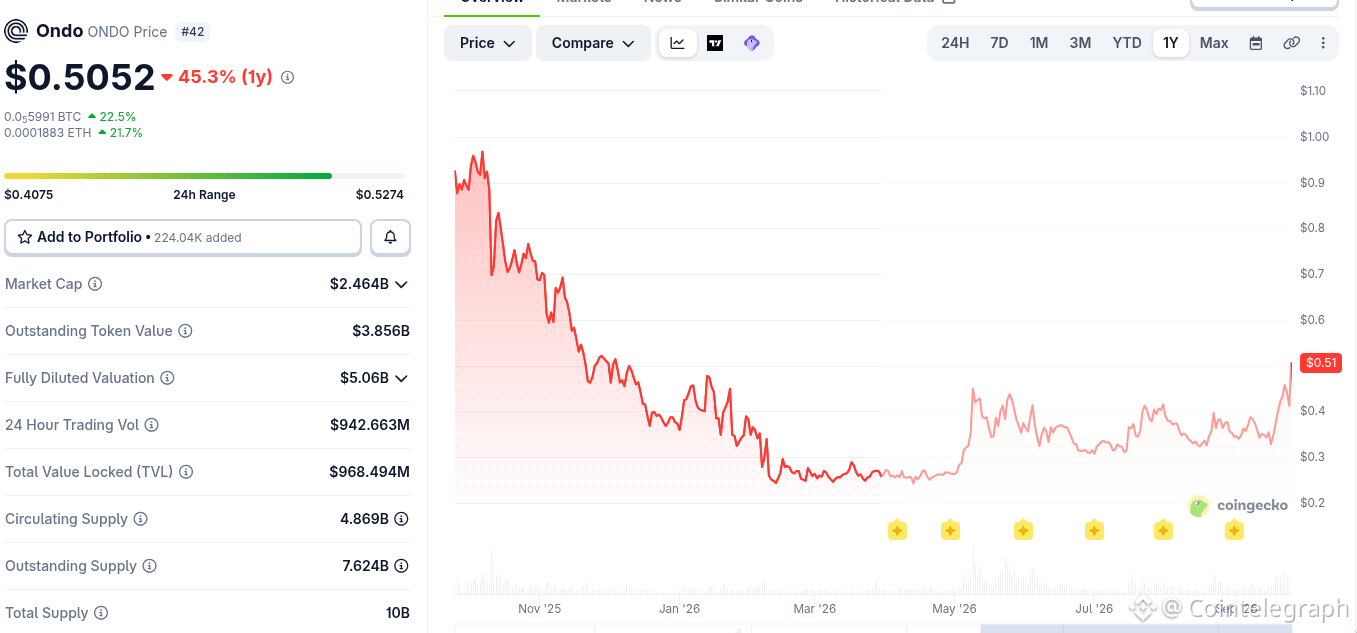
Bitcoin-Preis stabilisiert sich, ONDO legt zu, da US-Staatsanleiherenditen 2007er-Höchststände erreichenBitcoin (BTC) hatte am Donnerstag während der US-Handelszeiten eine volatile Phase, da die Rendite auf die 10-jährigen US-Staatsanleihen auf ihr höchstes Niveau in fast zwei Jahrzehnten stieg. Nachdem BTC kurzzeitig unter 83.000 $ gefallen war, gelang es ihm nur schwer, 84.500 $ zurückzuerobern. Ondo Finance (ONDO) hingegen gehörte zu den am besten abschneidenden Altcoins.
Wichtige Punkte:
Bitcoin fiel kurzzeitig unter 83.000 $, stabilisierte sich jedoch wieder in der Nähe von 84.500 $, während die Anleiherenditen stiegen.
Ondo-Token erobert zum ersten Mal seit Dezember 2025 wieder 0,50 $ zurück, da die von BlackRock unterstützten Ondo Intelligent Portfolios auf Ethereum und der BNB Chain starten.
Bitcoin-Preis stabilisiert sich, ONDO legt zu, da US-Staatsanleiherenditen 2007er-Höchststände erreichen
Bitcoin (BTC) hatte am Donnerstag während der US-Handelszeiten eine volatile Phase, da die Rendite auf die 10-jährigen US-Staatsanleihen auf ihr höchstes Niveau in fast zwei Jahrzehnten stieg. Nachdem BTC kurzzeitig unter 83.000 $ gefallen war, gelang es ihm nur schwer, 84.500 $ zurückzuerobern. Ondo Finance (ONDO) hingegen gehörte zu den am besten abschneidenden Altcoins.
Wichtige Punkte:
Bitcoin fiel kurzzeitig unter 83.000 $, stabilisierte sich jedoch wieder in der Nähe von 84.500 $, während die Anleiherenditen stiegen.
Ondo-Token erobert zum ersten Mal seit Dezember 2025 wieder 0,50 $ zurück, da die von BlackRock unterstützten Ondo Intelligent Portfolios auf Ethereum und der BNB Chain starten.
Wichtige Punkte:
Bitcoin fiel kurzzeitig unter 83.000 $, stabilisierte sich jedoch wieder in der Nähe von 84.500 $, während die Anleiherenditen stiegen.
Ondo-Token erobert zum ersten Mal seit Dezember 2025 wieder 0,50 $ zurück, da die von BlackRock unterstützten Ondo Intelligent Portfolios auf Ethereum und der BNB Chain starten.
634
DoubleZero bringt dedizierte Fiber-Marktdaten zu Hyperliquid-TradernDoubleZero hat einen dedizierten Marktdaten-Feed für Hyperliquid gestartet und professionellen Handelsfirmen Zugriff auf das vollständige Orderbuch der dezentralen Börse über Glasfaser ermöglicht – statt über seine öffentlichen APIs.
Der Feed umfasst Hyperliquid’s native Perpetual-Futures sowie Märkte, die von trade[XYZ] betrieben werden. trade[XYZ] nutzt die Infrastruktur von Hyperliquid, um Perpetual-Contracts anzubieten, die an Vermögenswerte gekoppelt sind, darunter Öl, Gold und Silber. Der Hyperliquid-Feed wurde gemeinsam mit Validator-Operatoren und Ecosystem-Partnern entwickelt, darunter Hyperion DeFi, MAVAN und Kinetiq.
DoubleZero bringt dedizierte Fiber-Marktdaten zu Hyperliquid-Tradern
DoubleZero hat einen dedizierten Marktdaten-Feed für Hyperliquid gestartet und professionellen Handelsfirmen Zugriff auf das vollständige Orderbuch der dezentralen Börse über Glasfaser ermöglicht – statt über seine öffentlichen APIs.
Der Feed umfasst Hyperliquid’s native Perpetual-Futures sowie Märkte, die von trade[XYZ] betrieben werden. trade[XYZ] nutzt die Infrastruktur von Hyperliquid, um Perpetual-Contracts anzubieten, die an Vermögenswerte gekoppelt sind, darunter Öl, Gold und Silber. Der Hyperliquid-Feed wurde gemeinsam mit Validator-Operatoren und Ecosystem-Partnern entwickelt, darunter Hyperion DeFi, MAVAN und Kinetiq.
Der Feed umfasst Hyperliquid’s native Perpetual-Futures sowie Märkte, die von trade[XYZ] betrieben werden. trade[XYZ] nutzt die Infrastruktur von Hyperliquid, um Perpetual-Contracts anzubieten, die an Vermögenswerte gekoppelt sind, darunter Öl, Gold und Silber. Der Hyperliquid-Feed wurde gemeinsam mit Validator-Operatoren und Ecosystem-Partnern entwickelt, darunter Hyperion DeFi, MAVAN und Kinetiq.
292
Artikel
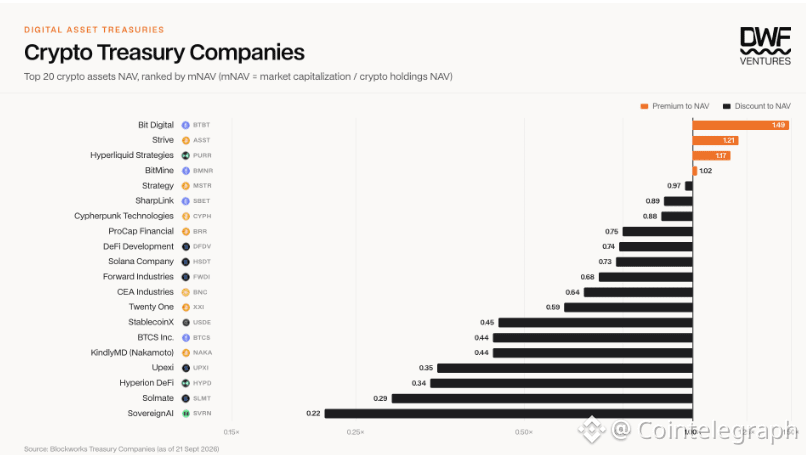
Krypto-Treasury-Modell verliert seinen Vorteil, während die Aktienprämien schwinden: DWFDas Krypto-Treasury-Modell hat weitgehend seinen frühen Vorteil verloren: Die meisten Unternehmen im Bereich digitaler Asset-Treasury (DAT) erzielen die Prämien, die ihnen früher halfen, Kapital aufzunehmen und mehr Krypto anzusammeln, ohne bestehende Anteilseigner zu verwässern, laut einem neuen Bericht von DWF Ventures nicht mehr.
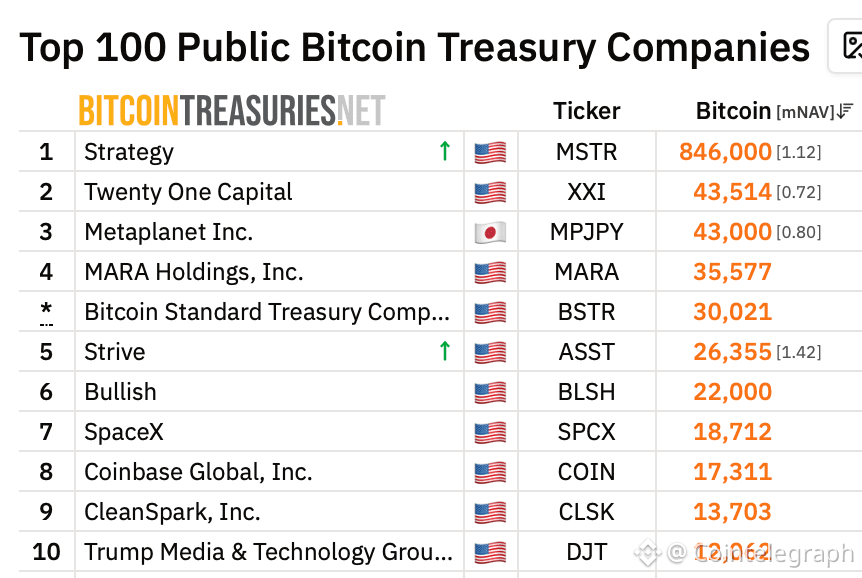
Der am Donnerstag veröffentlichte Bericht ergab, dass nur vier der 20 größten DATs nach Vermögenswerten unter Verwaltung oberhalb eines mNAV von 1 handeln, das heißt: Ihr Marktwert übersteigt den Wert ihrer Krypto-Bestände. Es sind Bit Digital, Strive, Hyperliquid Strategies und BitMine.
Krypto-Treasury-Modell verliert seinen Vorteil, während die Aktienprämien schwinden: DWF
Das Krypto-Treasury-Modell hat weitgehend seinen frühen Vorteil verloren: Die meisten Unternehmen im Bereich digitaler Asset-Treasury (DAT) erzielen die Prämien, die ihnen früher halfen, Kapital aufzunehmen und mehr Krypto anzusammeln, ohne bestehende Anteilseigner zu verwässern, laut einem neuen Bericht von DWF Ventures nicht mehr.
Der am Donnerstag veröffentlichte Bericht ergab, dass nur vier der 20 größten DATs nach Vermögenswerten unter Verwaltung oberhalb eines mNAV von 1 handeln, das heißt: Ihr Marktwert übersteigt den Wert ihrer Krypto-Bestände. Es sind Bit Digital, Strive, Hyperliquid Strategies und BitMine.
Der am Donnerstag veröffentlichte Bericht ergab, dass nur vier der 20 größten DATs nach Vermögenswerten unter Verwaltung oberhalb eines mNAV von 1 handeln, das heißt: Ihr Marktwert übersteigt den Wert ihrer Krypto-Bestände. Es sind Bit Digital, Strive, Hyperliquid Strategies und BitMine.
222
Anmelden und weiter Inhalte entdecken
Krypto-Nutzer weltweit auf Binance Square kennenlernen
⚡️ Bleib in Sachen Krypto stets am Puls.
💬 Die weltgrößte Kryptobörse vertraut darauf.
👍 Erhalte verlässliche Einblicke von verifizierten Creators.
E-Mail-Adresse/Telefonnummer
Trendthemen
QNTRises39%
13,114 Aufrufe
629 Kommentare
🚨 QNT SCHIESST NACH OBEN! 📈
$QNT macht heute eine riesige Bewegung, klettert um fast 40%, während der Kaufdruck beschleunigt.
Der Rallye hat Quant wieder fest ins Rampenlicht gestellt, und Händler beobachten, ob dieser Schwung weiter anhalten kann oder ob als Nächstes ein Rücksetzer kommt.
🔥 Das ist besonders wichtig zu beobachten:
• Starkes Handelsvolumen
• Momentum über den jüngsten Hochs
• Die $100 psychologische Marke
• Ob Käufer die Kontrolle behalten können
Große Bewegungen bringen große Volatilität. Bleib wachsam und steuere dein Risiko.
Beobachtest du $QNT? 👀
#QNT #altcoins #CryptoNews
#qntrises39% $QNT
The07
·2 Likes
·1.5k Aufrufe
EthereumBreaksAbove$2700
1,464 Aufrufe
72 Kommentare
BitgetBreachForgedRequestsNotStolenKeys
11,767 Aufrufe
503 Kommentare