

COINCU
11.9k Beiträge

COINCU
 Square Verified+
Melden
Nutzer blockieren
CoinCu simplifies cryptocurrency! We eliminate the difficulty and uncertainty associated with attempting to comprehend crypto.
Website: Coincu.com

Excellence Award (OnChain)
0 Following
113.6K+ Follower
559.7K+ Like gegeben
1 Abzeichen
Beiträge
Alle
Videos
·
--

Artikel
Eduard Moreno von ARKBRIDGE: Eine 15-Jahres-Perspektive auf Portfolioaufbau, Kapitaleffizienz undHaftungsausschluss: Dieser Artikel ist ein gesponserter Beitrag, der von einer dritten Partei bereitgestellt wird. Er ist kein Bestandteil redaktioneller Inhalte und sollte nicht als Finanzberatung angesehen werden.
ARKBRIDGE-Investment-Spezialist Eduard Moreno erklärt, warum höherwertige Portfolios auf Zweckmäßigkeit, Diversifizierung, Liquidität, disziplinierte Allokation und kontinuierliches Risikomanagement aufgebaut werden sollten – nicht auf isolierten Trading-Ideen
London, Januar — Nach mehr als 15 Jahren in Handel und Investitionen hat Eduard Moreno von ARKBRIDGE eine klare Vorstellung davon entwickelt, was eine Sammlung von Trades von einem gut aufgebauten Portfolio unterscheidet.
Eduard Moreno von ARKBRIDGE: Eine 15-Jahres-Perspektive auf Portfolioaufbau, Kapitaleffizienz und
Haftungsausschluss: Dieser Artikel ist ein gesponserter Beitrag, der von einer dritten Partei bereitgestellt wird. Er ist kein Bestandteil redaktioneller Inhalte und sollte nicht als Finanzberatung angesehen werden.
ARKBRIDGE-Investment-Spezialist Eduard Moreno erklärt, warum höherwertige Portfolios auf Zweckmäßigkeit, Diversifizierung, Liquidität, disziplinierte Allokation und kontinuierliches Risikomanagement aufgebaut werden sollten – nicht auf isolierten Trading-Ideen
London, Januar — Nach mehr als 15 Jahren in Handel und Investitionen hat Eduard Moreno von ARKBRIDGE eine klare Vorstellung davon entwickelt, was eine Sammlung von Trades von einem gut aufgebauten Portfolio unterscheidet.
ARKBRIDGE-Investment-Spezialist Eduard Moreno erklärt, warum höherwertige Portfolios auf Zweckmäßigkeit, Diversifizierung, Liquidität, disziplinierte Allokation und kontinuierliches Risikomanagement aufgebaut werden sollten – nicht auf isolierten Trading-Ideen
London, Januar — Nach mehr als 15 Jahren in Handel und Investitionen hat Eduard Moreno von ARKBRIDGE eine klare Vorstellung davon entwickelt, was eine Sammlung von Trades von einem gut aufgebauten Portfolio unterscheidet.
1
1.2k
·
--

Artikel
ArkBridge stellt die Human-in-the-Loop-AI-Investment-Division vorHaftungsausschluss: Dieser Artikel ist ein gesponserter Beitrag, der von einem Dritten bereitgestellt wird. Er ist kein redaktioneller Inhalt und sollte nicht als Finanzberatung betrachtet werden.
Neue Division vereint KI-Portfolio-Intelligenz, spezialisierte Aufsicht und institutionelle Anlagestrategie für moderne Privatkunden
London, UK – Oktober 2025 — ArkBridge, die Multi-Asset-Trading- und Wealth-Management-Plattform, die auf Institutional Intelligence für moderne Anleger ausgerichtet ist, gab heute die Einführung ihrer Human-in-the-Loop-AI-Investment-Division bekannt. Dabei handelt es sich um eine neue strategische Einheit, die künstliche Intelligenz, professionelle Anlageaufsicht und Unterstützung für Portfolios von Privatkunden zusammenführt.
ArkBridge stellt die Human-in-the-Loop-AI-Investment-Division vor
Haftungsausschluss: Dieser Artikel ist ein gesponserter Beitrag, der von einem Dritten bereitgestellt wird. Er ist kein redaktioneller Inhalt und sollte nicht als Finanzberatung betrachtet werden.
Neue Division vereint KI-Portfolio-Intelligenz, spezialisierte Aufsicht und institutionelle Anlagestrategie für moderne Privatkunden
London, UK – Oktober 2025 — ArkBridge, die Multi-Asset-Trading- und Wealth-Management-Plattform, die auf Institutional Intelligence für moderne Anleger ausgerichtet ist, gab heute die Einführung ihrer Human-in-the-Loop-AI-Investment-Division bekannt. Dabei handelt es sich um eine neue strategische Einheit, die künstliche Intelligenz, professionelle Anlageaufsicht und Unterstützung für Portfolios von Privatkunden zusammenführt.
Neue Division vereint KI-Portfolio-Intelligenz, spezialisierte Aufsicht und institutionelle Anlagestrategie für moderne Privatkunden
London, UK – Oktober 2025 — ArkBridge, die Multi-Asset-Trading- und Wealth-Management-Plattform, die auf Institutional Intelligence für moderne Anleger ausgerichtet ist, gab heute die Einführung ihrer Human-in-the-Loop-AI-Investment-Division bekannt. Dabei handelt es sich um eine neue strategische Einheit, die künstliche Intelligenz, professionelle Anlageaufsicht und Unterstützung für Portfolios von Privatkunden zusammenführt.
17
10
1.5k
·
--

Artikel
So vergleichen Leser 5 Online-Casino-Plattformen im Jahr 2026Haftungsausschluss: Dieser Artikel dient nur zu Informationszwecken und stellt keine finanzielle, rechtliche, Anlage- oder Glücksspielberatung dar. Plattformbedingungen, Berechtigungsvoraussetzungen, Auszahlungsregeln und Belohnungsstrukturen können sich ändern. Leser sollten die aktuellen öffentlichen Bedingungen sowie ihre eigenen lokalen Vorgaben prüfen, bevor sie eine Entscheidung treffen.
Kurze Antwort
Wenn das Ziel darin besteht, gängige Online-Casino-Plattformen im Jahr 2026 zu vergleichen, ohne sich nur auf Werbegetöse zu verlassen, sind fünf Namen, auf die Leser häufig stoßen, DraftKings Casino, Caesars Palace Online Casino, BetRivers Casino, FanDuel Casino und BetMGM Casino. Sie sind nicht austauschbar, und sie wirken nicht aus denselben Gründen besonders stark.
So vergleichen Leser 5 Online-Casino-Plattformen im Jahr 2026
Haftungsausschluss: Dieser Artikel dient nur zu Informationszwecken und stellt keine finanzielle, rechtliche, Anlage- oder Glücksspielberatung dar. Plattformbedingungen, Berechtigungsvoraussetzungen, Auszahlungsregeln und Belohnungsstrukturen können sich ändern. Leser sollten die aktuellen öffentlichen Bedingungen sowie ihre eigenen lokalen Vorgaben prüfen, bevor sie eine Entscheidung treffen.
Kurze Antwort
Wenn das Ziel darin besteht, gängige Online-Casino-Plattformen im Jahr 2026 zu vergleichen, ohne sich nur auf Werbegetöse zu verlassen, sind fünf Namen, auf die Leser häufig stoßen, DraftKings Casino, Caesars Palace Online Casino, BetRivers Casino, FanDuel Casino und BetMGM Casino. Sie sind nicht austauschbar, und sie wirken nicht aus denselben Gründen besonders stark.
Kurze Antwort
Wenn das Ziel darin besteht, gängige Online-Casino-Plattformen im Jahr 2026 zu vergleichen, ohne sich nur auf Werbegetöse zu verlassen, sind fünf Namen, auf die Leser häufig stoßen, DraftKings Casino, Caesars Palace Online Casino, BetRivers Casino, FanDuel Casino und BetMGM Casino. Sie sind nicht austauschbar, und sie wirken nicht aus denselben Gründen besonders stark.
1
586
·
--

Artikel
Betty Sweeps Casino 2026: Ist es noch aktiv?Die meisten Menschen, die 2026 nach Betty Sweeps Casino suchen, wollen vermutlich keine breite Unterrichtsstunde über Gewinnspielseiten. Sie wollen eine einfache Antwort: Ist die Plattform noch aktiv, kann man sich noch anmelden und sind die älteren Bonus- oder Zahlungsbehauptungen, die online herumschwirren, weiterhin nützlich?
Basierend auf den offiziellen öffentlichen Seiten, die am 29. Juni 2026 geprüft wurden, ist die Antwort ganz einfach. Betty Sweeps ist nicht mehr aktiv. Die aktuelle öffentliche Startseite zeigt eine Schließungsmitteilung statt eines Live-Anmeldeablaufs, und das beeinflusst, wie Leser jede ältere Rezension, Promo-Referenz und Zahlungsbehauptung behandeln sollten, die mit der Marke verbunden sind.
Betty Sweeps Casino 2026: Ist es noch aktiv?
Die meisten Menschen, die 2026 nach Betty Sweeps Casino suchen, wollen vermutlich keine breite Unterrichtsstunde über Gewinnspielseiten. Sie wollen eine einfache Antwort: Ist die Plattform noch aktiv, kann man sich noch anmelden und sind die älteren Bonus- oder Zahlungsbehauptungen, die online herumschwirren, weiterhin nützlich?
Basierend auf den offiziellen öffentlichen Seiten, die am 29. Juni 2026 geprüft wurden, ist die Antwort ganz einfach. Betty Sweeps ist nicht mehr aktiv. Die aktuelle öffentliche Startseite zeigt eine Schließungsmitteilung statt eines Live-Anmeldeablaufs, und das beeinflusst, wie Leser jede ältere Rezension, Promo-Referenz und Zahlungsbehauptung behandeln sollten, die mit der Marke verbunden sind.
Basierend auf den offiziellen öffentlichen Seiten, die am 29. Juni 2026 geprüft wurden, ist die Antwort ganz einfach. Betty Sweeps ist nicht mehr aktiv. Die aktuelle öffentliche Startseite zeigt eine Schließungsmitteilung statt eines Live-Anmeldeablaufs, und das beeinflusst, wie Leser jede ältere Rezension, Promo-Referenz und Zahlungsbehauptung behandeln sollten, die mit der Marke verbunden sind.
852
·
--
Artikel
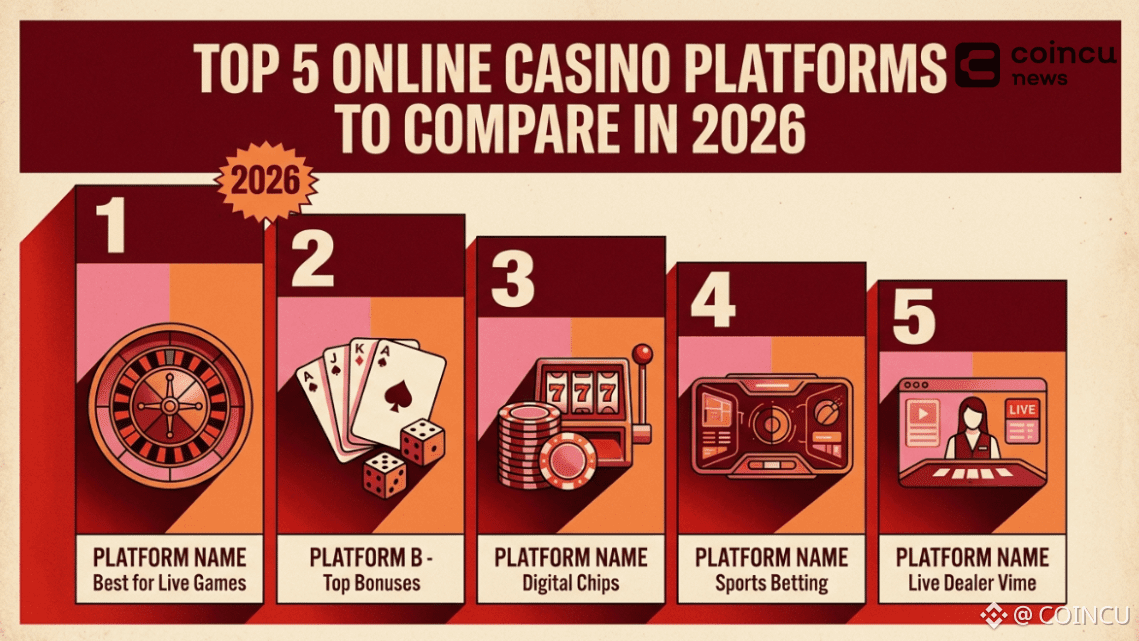
5 Online-Casino-Plattformen, die Leser im Jahr 2026 häufig vergleichenHaftungsausschluss: Dieser Beitrag dient ausschließlich Informationszwecken und stellt keine Finanz-, Rechts-, Anlage- oder Glücksspielberatung dar. Die Plattformbedingungen, die Berechtigung, die Auszahlungsregeln und die Belohnungsstrukturen können sich ändern. Leser sollten die neuesten Bedingungen prüfen und lokale Regeln einhalten, bevor sie eine Entscheidung treffen.
Wenn das Ziel darin besteht, gängige Online-Casino-Plattformen im Jahr 2026 zu vergleichen, ohne sich auf Hype zu verlassen, werden fünf Namen, die häufig diskutiert werden, DraftKings Casino, Caesars Palace Online Casino, BetRivers Casino, FanDuel Casino und BetMGM Casino sein.
5 Online-Casino-Plattformen, die Leser im Jahr 2026 häufig vergleichen
Haftungsausschluss: Dieser Beitrag dient ausschließlich Informationszwecken und stellt keine Finanz-, Rechts-, Anlage- oder Glücksspielberatung dar. Die Plattformbedingungen, die Berechtigung, die Auszahlungsregeln und die Belohnungsstrukturen können sich ändern. Leser sollten die neuesten Bedingungen prüfen und lokale Regeln einhalten, bevor sie eine Entscheidung treffen.
Wenn das Ziel darin besteht, gängige Online-Casino-Plattformen im Jahr 2026 zu vergleichen, ohne sich auf Hype zu verlassen, werden fünf Namen, die häufig diskutiert werden, DraftKings Casino, Caesars Palace Online Casino, BetRivers Casino, FanDuel Casino und BetMGM Casino sein.
Wenn das Ziel darin besteht, gängige Online-Casino-Plattformen im Jahr 2026 zu vergleichen, ohne sich auf Hype zu verlassen, werden fünf Namen, die häufig diskutiert werden, DraftKings Casino, Caesars Palace Online Casino, BetRivers Casino, FanDuel Casino und BetMGM Casino sein.
1
467
·
--

Artikel
5 Online-Casino-Plattformen, die Leser 2026 häufig vergleichenHaftungsausschluss: Dieser Beitrag dient nur zu Informationszwecken und stellt keine Finanz-, Rechts-, Anlage- oder Glücksspielberatung dar. Plattformbedingungen, Zulassungsvoraussetzungen, Auszahlungsregeln und Belohnungsstrukturen können sich ändern. Leser sollten die neuesten Bedingungen prüfen und alle lokalen Regeln einhalten, bevor sie irgendeine Entscheidung treffen.
Wenn das Ziel darin besteht, gängige Online-Casino-Plattformen im Jahr 2026 zu vergleichen, ohne sich von Hype abhängig zu machen, werden fünf Namen, die häufig diskutiert werden, DraftKings Casino, Caesars Palace Online Casino, BetRivers Casino, FanDuel Casino und BetMGM Casino genannt.
5 Online-Casino-Plattformen, die Leser 2026 häufig vergleichen
Haftungsausschluss: Dieser Beitrag dient nur zu Informationszwecken und stellt keine Finanz-, Rechts-, Anlage- oder Glücksspielberatung dar. Plattformbedingungen, Zulassungsvoraussetzungen, Auszahlungsregeln und Belohnungsstrukturen können sich ändern. Leser sollten die neuesten Bedingungen prüfen und alle lokalen Regeln einhalten, bevor sie irgendeine Entscheidung treffen.
Wenn das Ziel darin besteht, gängige Online-Casino-Plattformen im Jahr 2026 zu vergleichen, ohne sich von Hype abhängig zu machen, werden fünf Namen, die häufig diskutiert werden, DraftKings Casino, Caesars Palace Online Casino, BetRivers Casino, FanDuel Casino und BetMGM Casino genannt.
Wenn das Ziel darin besteht, gängige Online-Casino-Plattformen im Jahr 2026 zu vergleichen, ohne sich von Hype abhängig zu machen, werden fünf Namen, die häufig diskutiert werden, DraftKings Casino, Caesars Palace Online Casino, BetRivers Casino, FanDuel Casino und BetMGM Casino genannt.
389
·
--
Artikel
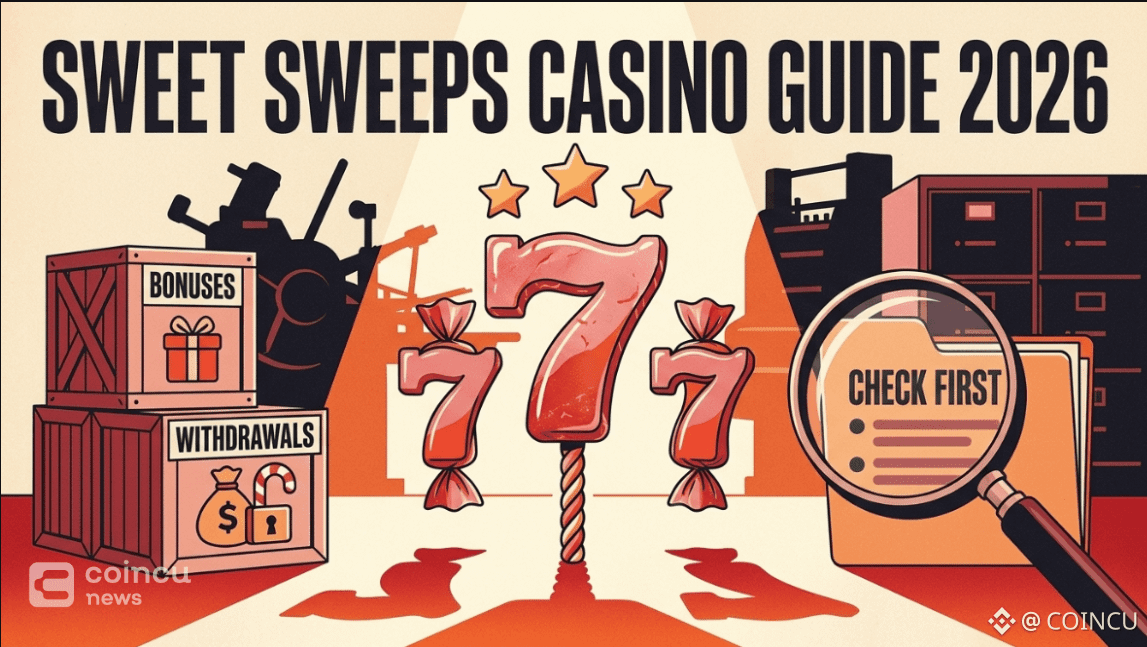
Sweet Sweeps Casino Guide 2026: Boni, Auszahlungen und was Sie zuerst prüfen solltenSweet Sweeps ist nicht einfach nur eine weitere generische Casino-Landingpage. Es gehört zur Kategorie der Sweepstakes-Casinos, was bedeutet, dass die wichtigsten Fragen sich leicht von denen unterscheiden, die Leser bei traditionellen Echtgeld-Anbietern stellen. Statt direkt zu den Headline-Angeboten zu springen, möchten Leser in der Regel zuerst wissen, ob das Anmeldepaket klar ist, wie Sweeps Coins funktionieren, wie der Auszahlungsweg aussieht und ob die Plattform genügend öffentliche Informationen bereitstellt, um ernst genommen zu werden.
Basierend auf öffentlich zugänglichen Seitenmaterialien, die am 24. Juni 2026 gesichtet wurden, wirkt Sweet Sweeps besonders stark bei der mobilen Darstellung, durch sichtbare Promo-Überschichtungen und eine angemessen detaillierte FAQ. Die wichtigste Vorsicht ist, dass einige praktische Details – insbesondere rund um Promos und die Teilnahmeberechtigung – im Moment der Anmeldung noch überprüft werden sollten, statt aus nur einer einzigen Rezension angenommen zu werden.
Sweet Sweeps Casino Guide 2026: Boni, Auszahlungen und was Sie zuerst prüfen sollten
Sweet Sweeps ist nicht einfach nur eine weitere generische Casino-Landingpage. Es gehört zur Kategorie der Sweepstakes-Casinos, was bedeutet, dass die wichtigsten Fragen sich leicht von denen unterscheiden, die Leser bei traditionellen Echtgeld-Anbietern stellen. Statt direkt zu den Headline-Angeboten zu springen, möchten Leser in der Regel zuerst wissen, ob das Anmeldepaket klar ist, wie Sweeps Coins funktionieren, wie der Auszahlungsweg aussieht und ob die Plattform genügend öffentliche Informationen bereitstellt, um ernst genommen zu werden.
Basierend auf öffentlich zugänglichen Seitenmaterialien, die am 24. Juni 2026 gesichtet wurden, wirkt Sweet Sweeps besonders stark bei der mobilen Darstellung, durch sichtbare Promo-Überschichtungen und eine angemessen detaillierte FAQ. Die wichtigste Vorsicht ist, dass einige praktische Details – insbesondere rund um Promos und die Teilnahmeberechtigung – im Moment der Anmeldung noch überprüft werden sollten, statt aus nur einer einzigen Rezension angenommen zu werden.
Basierend auf öffentlich zugänglichen Seitenmaterialien, die am 24. Juni 2026 gesichtet wurden, wirkt Sweet Sweeps besonders stark bei der mobilen Darstellung, durch sichtbare Promo-Überschichtungen und eine angemessen detaillierte FAQ. Die wichtigste Vorsicht ist, dass einige praktische Details – insbesondere rund um Promos und die Teilnahmeberechtigung – im Moment der Anmeldung noch überprüft werden sollten, statt aus nur einer einzigen Rezension angenommen zu werden.
1
413
·
--
Artikel
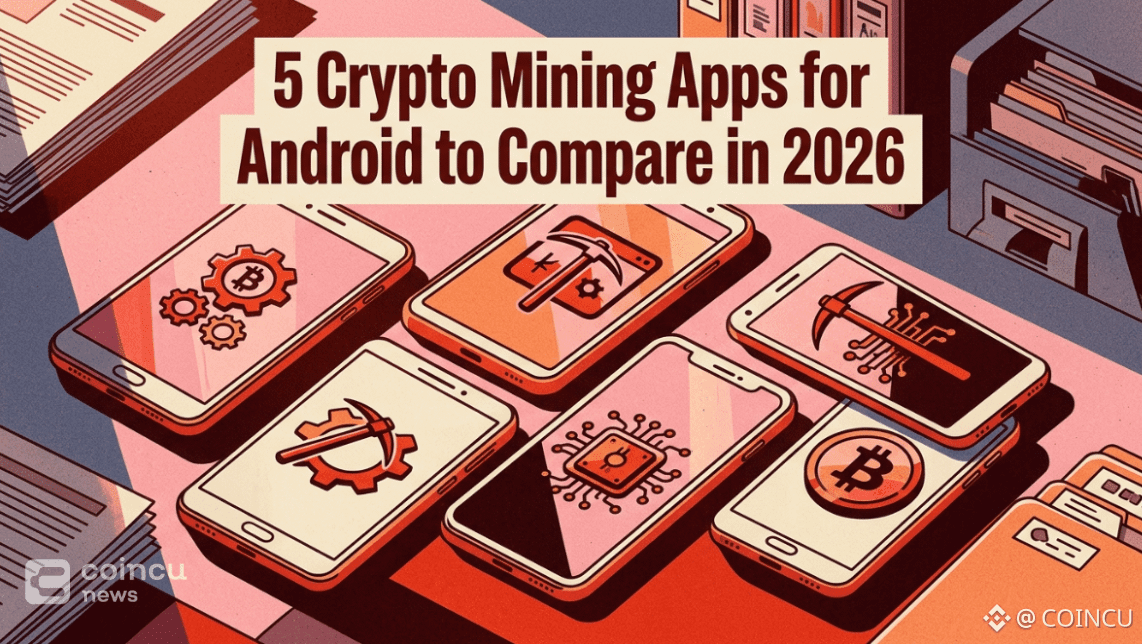
5 Crypto Mining Apps für Android zum Vergleichen in 2026Wenn du die kurze Antwort willst, fünf mit Mining verwandte Android-Apps, die sich 2026 lohnen zu vergleichen, sind NiceHash, F2Pool, ViaBTC, Bitdeer und Kryptex. Sie lösen jedoch nicht alle dasselbe Problem. NiceHash eignet sich besser für das Management von Konten und Rigs innerhalb seines eigenen Ökosystems. F2Pool und ViaBTC sind besser für Poolüberwachung und Arbeiterbenachrichtigungen geeignet. Bitdeer ist relevanter für gehosteten und cloud-basierten Mining-Zugang. Kryptex ist der Außenseiter, weil es sowohl eine Standard-App für das mobile Management als auch einen separaten Android-Miner-Weg außerhalb des üblichen Google Play-Modells bietet. Das Erste, was die Leser wissen sollten, ist, dass die meisten legitimen Android-Mining-Apps nicht dafür ausgelegt sind, dein Handy in einen profitablen Bitcoin-Miner zu verwandeln. Ab dem 24. Juni 2026 erlaubt Google Play Apps, die das Krypto-Mining remote verwalten, jedoch keine Apps, die Kryptowährung direkt auf dem Gerät über die Play-Verteilung minen. Deshalb sind die glaubwürdigsten Android-Mining-Apps normalerweise Dashboards, Pool-Apps oder gehostete Mining-Manager, anstatt „tippe und minne Bitcoin“-Versprechen. Schneller Vergleich App App-Typ Am besten für Was es tut Bester Hauptnachteil NiceHash Mining-Konto- und Rig-Management-App Nutzer, die bereits im NiceHash-Ökosystem sind Remote-Kontoaktivität und Mining-Management Bester Wert, wenn du bereits die NiceHash-Dienste nutzt F2Pool Mining-Pool-Management-App Miner, die Arbeiterbenachrichtigungen und Pool-Sichtbarkeit möchten Hashrate-, Einnahmen-, Arbeiter- und Benachrichtigungsverfolgung Nützlicher für bestehende Miner als für absolute Anfänger ViaBTC Pool- und Asset-Management-App Nutzer, die Mining plus Wallet-ähnliche Tools in einer App wollen Echtzeit-Hashrate, Asset-Details und Pool-Tools Am nützlichsten, wenn du bereits ViaBTC Pool nutzt Bitdeer Gehostete und Cloud-Mining-Management-App Nutzer, die Managed Mining-Zugang auf Mobilgeräten vergleichen App-basierter Zugang zu Plänen, Minern und Einnahmenverfolgung Weniger relevant, wenn du nur deine eigenen lokalen Rigs verwalten möchtest Kryptex Mining-Monitor-App plus separater Android-Miner-Weg Nutzer, die das umfangreichste Toolkit für Android-Mining-related möchten Mobile Überwachung, Auszahlungen und optionale telefonbasierte Mining-Route Smartphone-Mining-Erwartungen sollten extrem bescheiden bleiben Wie wir diese fünf Apps ausgewählt haben Diese Liste basiert auf praktischer Nützlichkeit von Android, nicht nur auf der Präsenz im App-Store. Wir haben Folgendes betrachtet:
5 Crypto Mining Apps für Android zum Vergleichen in 2026
Wenn du die kurze Antwort willst, fünf mit Mining verwandte Android-Apps, die sich 2026 lohnen zu vergleichen, sind NiceHash, F2Pool, ViaBTC, Bitdeer und Kryptex. Sie lösen jedoch nicht alle dasselbe Problem. NiceHash eignet sich besser für das Management von Konten und Rigs innerhalb seines eigenen Ökosystems. F2Pool und ViaBTC sind besser für Poolüberwachung und Arbeiterbenachrichtigungen geeignet. Bitdeer ist relevanter für gehosteten und cloud-basierten Mining-Zugang. Kryptex ist der Außenseiter, weil es sowohl eine Standard-App für das mobile Management als auch einen separaten Android-Miner-Weg außerhalb des üblichen Google Play-Modells bietet. Das Erste, was die Leser wissen sollten, ist, dass die meisten legitimen Android-Mining-Apps nicht dafür ausgelegt sind, dein Handy in einen profitablen Bitcoin-Miner zu verwandeln. Ab dem 24. Juni 2026 erlaubt Google Play Apps, die das Krypto-Mining remote verwalten, jedoch keine Apps, die Kryptowährung direkt auf dem Gerät über die Play-Verteilung minen. Deshalb sind die glaubwürdigsten Android-Mining-Apps normalerweise Dashboards, Pool-Apps oder gehostete Mining-Manager, anstatt „tippe und minne Bitcoin“-Versprechen. Schneller Vergleich App App-Typ Am besten für Was es tut Bester Hauptnachteil NiceHash Mining-Konto- und Rig-Management-App Nutzer, die bereits im NiceHash-Ökosystem sind Remote-Kontoaktivität und Mining-Management Bester Wert, wenn du bereits die NiceHash-Dienste nutzt F2Pool Mining-Pool-Management-App Miner, die Arbeiterbenachrichtigungen und Pool-Sichtbarkeit möchten Hashrate-, Einnahmen-, Arbeiter- und Benachrichtigungsverfolgung Nützlicher für bestehende Miner als für absolute Anfänger ViaBTC Pool- und Asset-Management-App Nutzer, die Mining plus Wallet-ähnliche Tools in einer App wollen Echtzeit-Hashrate, Asset-Details und Pool-Tools Am nützlichsten, wenn du bereits ViaBTC Pool nutzt Bitdeer Gehostete und Cloud-Mining-Management-App Nutzer, die Managed Mining-Zugang auf Mobilgeräten vergleichen App-basierter Zugang zu Plänen, Minern und Einnahmenverfolgung Weniger relevant, wenn du nur deine eigenen lokalen Rigs verwalten möchtest Kryptex Mining-Monitor-App plus separater Android-Miner-Weg Nutzer, die das umfangreichste Toolkit für Android-Mining-related möchten Mobile Überwachung, Auszahlungen und optionale telefonbasierte Mining-Route Smartphone-Mining-Erwartungen sollten extrem bescheiden bleiben Wie wir diese fünf Apps ausgewählt haben Diese Liste basiert auf praktischer Nützlichkeit von Android, nicht nur auf der Präsenz im App-Store. Wir haben Folgendes betrachtet:
1
956
·
--
Artikel
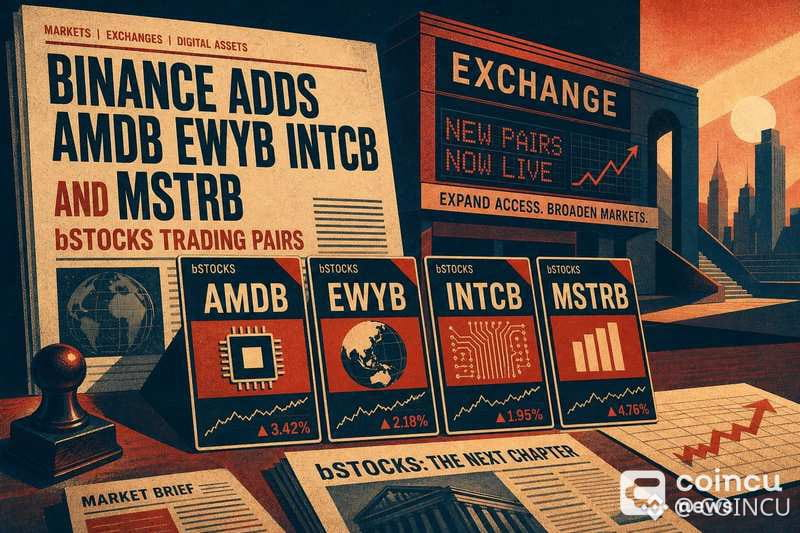
Binance fügt AMDB, EWYB, INTCB und MSTRB bStocks-Handelspaare hinzuBinance hat vier neue bStocks-Handelspaare hinzugefügt: AMDB, EWYB, INTCB und MSTRB, und erweitert damit das Angebot an tokenisierten Aktien, um Halbleiter, ETFs und Unternehmensschatzspiele abzudecken.
Die Börse hat die neuen Listings über ihre offiziellen Kanäle angekündigt und bringt die Gesamtzahl der verfügbaren bStocks-Instrumente näher an ein breiteres Spektrum traditioneller Aktienmärkte.
Was sind bStocks und warum sind diese vier Paare wichtig?
Binance bStocks sind tokenisierte Versionen von börsennotierten Aktien, die es Nutzern ermöglichen, über die Binance-Plattform Zugang zu traditionellen Wertpapieren zu erhalten. Jeder bStock-Token ist darauf ausgelegt, den Preis einer zugrunde liegenden Aktie zu verfolgen.
Binance fügt AMDB, EWYB, INTCB und MSTRB bStocks-Handelspaare hinzu
Binance hat vier neue bStocks-Handelspaare hinzugefügt: AMDB, EWYB, INTCB und MSTRB, und erweitert damit das Angebot an tokenisierten Aktien, um Halbleiter, ETFs und Unternehmensschatzspiele abzudecken.
Die Börse hat die neuen Listings über ihre offiziellen Kanäle angekündigt und bringt die Gesamtzahl der verfügbaren bStocks-Instrumente näher an ein breiteres Spektrum traditioneller Aktienmärkte.
Was sind bStocks und warum sind diese vier Paare wichtig?
Binance bStocks sind tokenisierte Versionen von börsennotierten Aktien, die es Nutzern ermöglichen, über die Binance-Plattform Zugang zu traditionellen Wertpapieren zu erhalten. Jeder bStock-Token ist darauf ausgelegt, den Preis einer zugrunde liegenden Aktie zu verfolgen.
Die Börse hat die neuen Listings über ihre offiziellen Kanäle angekündigt und bringt die Gesamtzahl der verfügbaren bStocks-Instrumente näher an ein breiteres Spektrum traditioneller Aktienmärkte.
Was sind bStocks und warum sind diese vier Paare wichtig?
Binance bStocks sind tokenisierte Versionen von börsennotierten Aktien, die es Nutzern ermöglichen, über die Binance-Plattform Zugang zu traditionellen Wertpapieren zu erhalten. Jeder bStock-Token ist darauf ausgelegt, den Preis einer zugrunde liegenden Aktie zu verfolgen.
823
·
--
Artikel
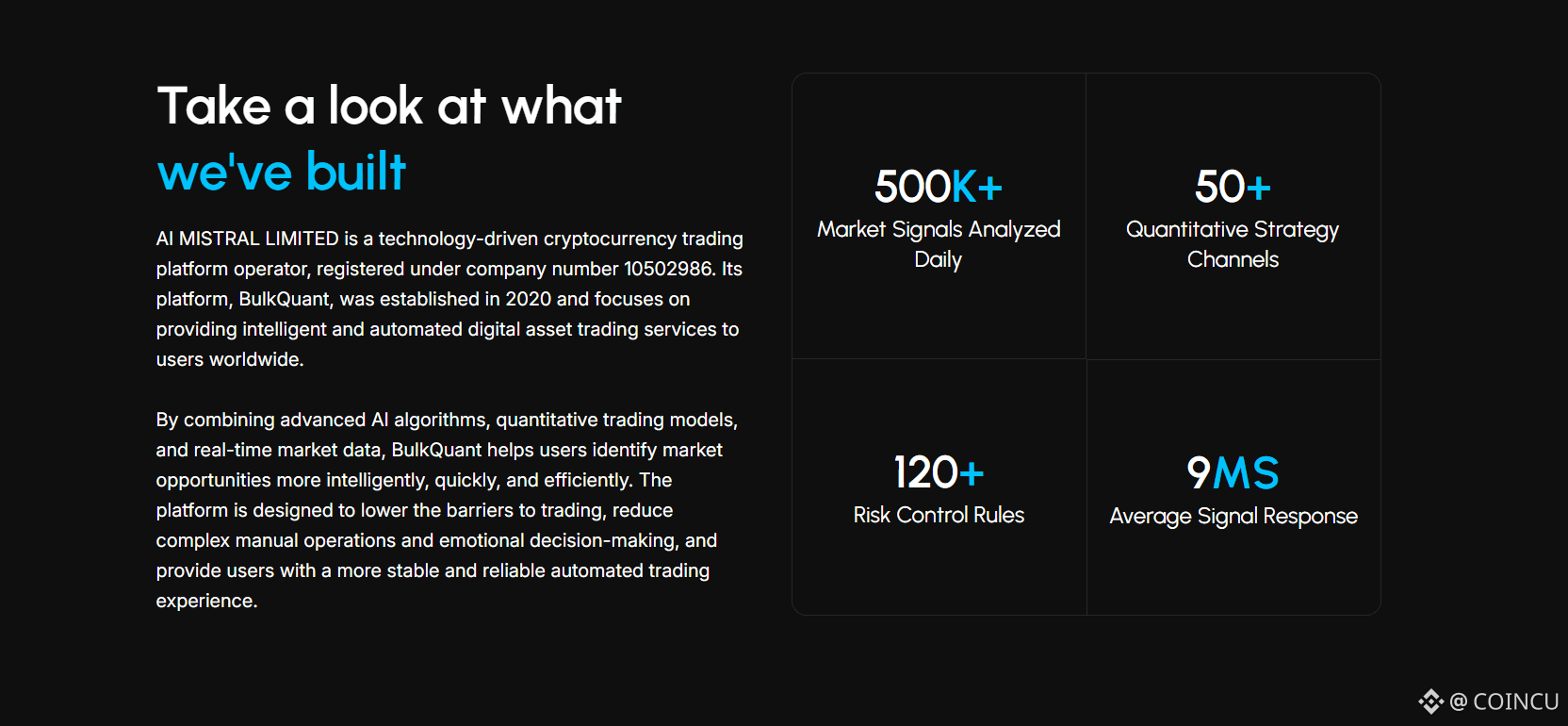
Sollten Anfänger Handelsstrategien wirklich selbst anpassen? Warum BulkQuant’s Managed AI Tradi...Haftungsausschluss: Dieser Artikel ist ein gesponserter Beitrag eines Dritten. Er gehört nicht zum redaktionellen Inhalt und sollte nicht als Finanzberatung betrachtet werden.
Viele Anfänger übersehen eine wichtige Frage, wenn sie zum ersten Mal AI-Trading-Bots ausprobieren: Sind sie wirklich bereit, Handelsstrategien selbst anzupassen?
Auf den ersten Blick wirken viele Trading-Bot-Plattformen bereits automatisiert. Benutzer müssen nicht jede Order manuell platzieren und sie müssen nicht den ganzen Tag vor dem Trading-Screen sitzen. Doch nach der tatsächlichen Nutzung dieser Plattformen merken viele Anfänger, dass die wichtigsten Entscheidungen immer noch bei ihnen liegen. Sie müssen weiterhin den Strategie-Typ auswählen, Parameter anpassen, Take-Profit- und Stop-Loss-Regeln festlegen und entscheiden, ob sie den Bot pausieren oder anpassen, wenn sich die Marktbedingungen ändern.
Sollten Anfänger Handelsstrategien wirklich selbst anpassen? Warum BulkQuant’s Managed AI Tradi...
Haftungsausschluss: Dieser Artikel ist ein gesponserter Beitrag eines Dritten. Er gehört nicht zum redaktionellen Inhalt und sollte nicht als Finanzberatung betrachtet werden.
Viele Anfänger übersehen eine wichtige Frage, wenn sie zum ersten Mal AI-Trading-Bots ausprobieren: Sind sie wirklich bereit, Handelsstrategien selbst anzupassen?
Auf den ersten Blick wirken viele Trading-Bot-Plattformen bereits automatisiert. Benutzer müssen nicht jede Order manuell platzieren und sie müssen nicht den ganzen Tag vor dem Trading-Screen sitzen. Doch nach der tatsächlichen Nutzung dieser Plattformen merken viele Anfänger, dass die wichtigsten Entscheidungen immer noch bei ihnen liegen. Sie müssen weiterhin den Strategie-Typ auswählen, Parameter anpassen, Take-Profit- und Stop-Loss-Regeln festlegen und entscheiden, ob sie den Bot pausieren oder anpassen, wenn sich die Marktbedingungen ändern.
Viele Anfänger übersehen eine wichtige Frage, wenn sie zum ersten Mal AI-Trading-Bots ausprobieren: Sind sie wirklich bereit, Handelsstrategien selbst anzupassen?
Auf den ersten Blick wirken viele Trading-Bot-Plattformen bereits automatisiert. Benutzer müssen nicht jede Order manuell platzieren und sie müssen nicht den ganzen Tag vor dem Trading-Screen sitzen. Doch nach der tatsächlichen Nutzung dieser Plattformen merken viele Anfänger, dass die wichtigsten Entscheidungen immer noch bei ihnen liegen. Sie müssen weiterhin den Strategie-Typ auswählen, Parameter anpassen, Take-Profit- und Stop-Loss-Regeln festlegen und entscheiden, ob sie den Bot pausieren oder anpassen, wenn sich die Marktbedingungen ändern.
1
1.1k
·
--
Artikel
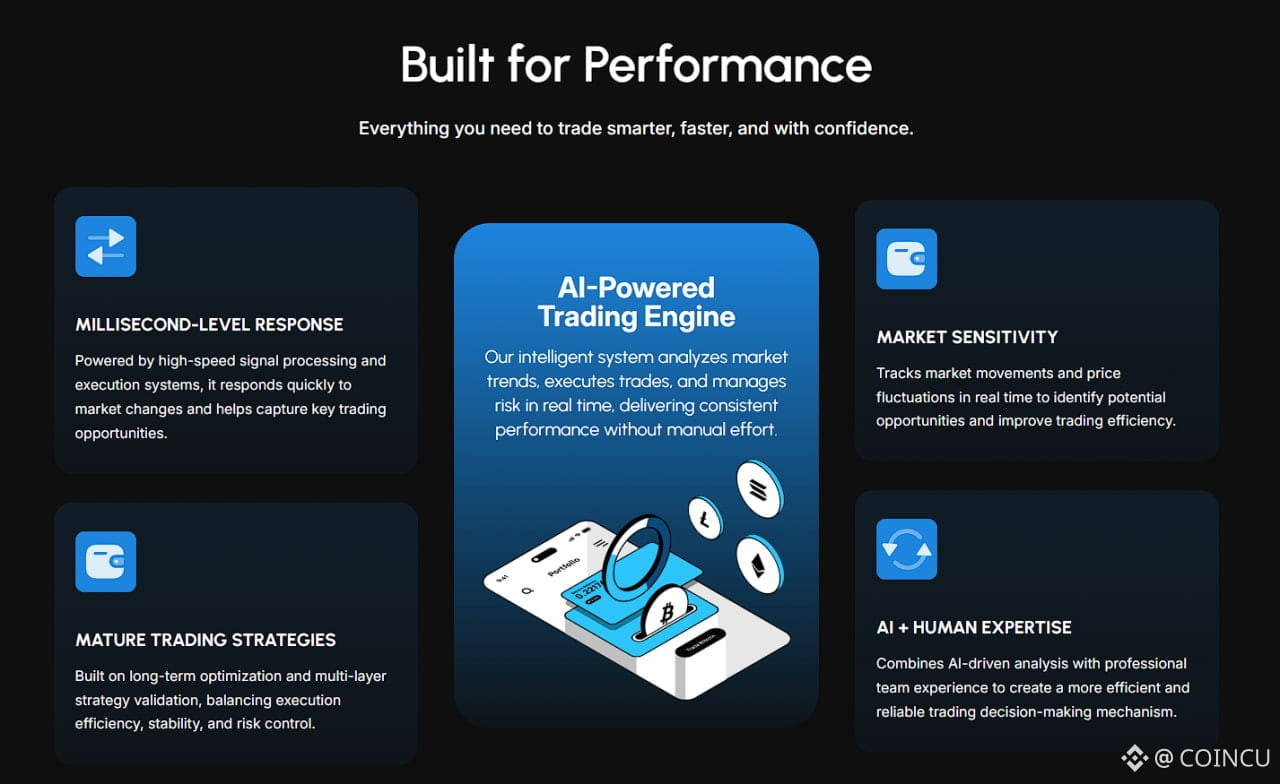
Möchtest du AI Trading ohne Programmierung nutzen? Warum ich denke, dass Plattformen wie BulkQuant besser für Anfänger sindHaftungsausschluss: Dieser Artikel ist ein gesponserter Beitrag von einem Dritten. Er ist nicht Teil des redaktionellen Inhalts und sollte nicht als Finanzberatung betrachtet werden.
Viele Leute hören den Begriff “AI Trading” und denken sofort, dass es nur für Programmierer, Quant-Trader oder Menschen ist, die wissen, wie man Strategien aufbaut.
Früher dachte ich genauso. Wenn Leute über automatisiertes Trading sprechen, sind die ersten Dinge, die einem in den Sinn kommen, Python, APIs, Backtesting, Indikatoren, Strategieparameter und technische Begriffe, die normale Nutzer vielleicht nicht verstehen. Für Anfänger können diese Dinge das Trading schwierig erscheinen lassen, bevor sie überhaupt anfangen.
Möchtest du AI Trading ohne Programmierung nutzen? Warum ich denke, dass Plattformen wie BulkQuant besser für Anfänger sind
Haftungsausschluss: Dieser Artikel ist ein gesponserter Beitrag von einem Dritten. Er ist nicht Teil des redaktionellen Inhalts und sollte nicht als Finanzberatung betrachtet werden.
Viele Leute hören den Begriff “AI Trading” und denken sofort, dass es nur für Programmierer, Quant-Trader oder Menschen ist, die wissen, wie man Strategien aufbaut.
Früher dachte ich genauso. Wenn Leute über automatisiertes Trading sprechen, sind die ersten Dinge, die einem in den Sinn kommen, Python, APIs, Backtesting, Indikatoren, Strategieparameter und technische Begriffe, die normale Nutzer vielleicht nicht verstehen. Für Anfänger können diese Dinge das Trading schwierig erscheinen lassen, bevor sie überhaupt anfangen.
Viele Leute hören den Begriff “AI Trading” und denken sofort, dass es nur für Programmierer, Quant-Trader oder Menschen ist, die wissen, wie man Strategien aufbaut.
Früher dachte ich genauso. Wenn Leute über automatisiertes Trading sprechen, sind die ersten Dinge, die einem in den Sinn kommen, Python, APIs, Backtesting, Indikatoren, Strategieparameter und technische Begriffe, die normale Nutzer vielleicht nicht verstehen. Für Anfänger können diese Dinge das Trading schwierig erscheinen lassen, bevor sie überhaupt anfangen.
1
723
·
--
Artikel
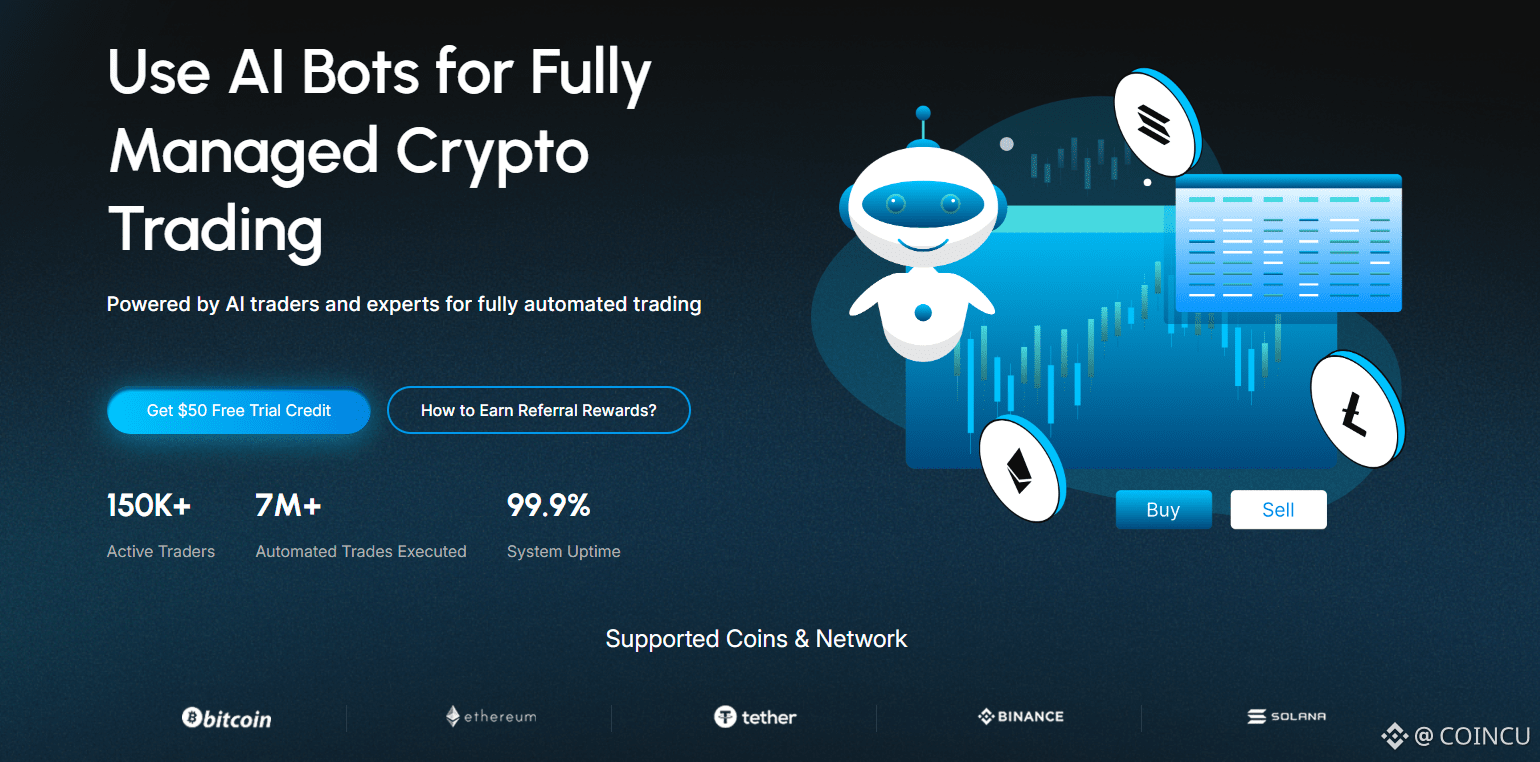
Können Anfänger KI-Trading-Bots ohne Programmierung oder das Beobachten von Charts nutzen? Warum ich angefangen habe, aufmerksam zu sein...Haftungsausschluss: Dieser Artikel ist ein gesponserter Beitrag eines Dritten. Er ist kein Teil des redaktionellen Inhalts und sollte nicht als finanzielle Beratung angesehen werden.
Anfänger, die nicht programmieren können und keine Zeit haben, um die Velas zu beobachten, können trotzdem KI-Trading-Bots nutzen.
Aber sie müssen die richtige Art von Plattform wählen.
Viele Anfänger denken, dass "automatisierter Handel" "einfacher Handel" bedeutet. Das ist nicht immer der Fall. Viele Plattformen verwenden Begriffe wie KI-Trading, Trading-Bot und automatisierte Strategie, aber sobald die Nutzer das Dashboard öffnen, müssen sie immer noch Strategien auswählen, Parameter anpassen, Take-Profit- und Stop-Loss-Regeln festlegen, Exchange-APIs verbinden und die Bot-Einstellungen ständig ändern, wenn sich der Markt bewegt.
Können Anfänger KI-Trading-Bots ohne Programmierung oder das Beobachten von Charts nutzen? Warum ich angefangen habe, aufmerksam zu sein...
Haftungsausschluss: Dieser Artikel ist ein gesponserter Beitrag eines Dritten. Er ist kein Teil des redaktionellen Inhalts und sollte nicht als finanzielle Beratung angesehen werden.
Anfänger, die nicht programmieren können und keine Zeit haben, um die Velas zu beobachten, können trotzdem KI-Trading-Bots nutzen.
Aber sie müssen die richtige Art von Plattform wählen.
Viele Anfänger denken, dass "automatisierter Handel" "einfacher Handel" bedeutet. Das ist nicht immer der Fall. Viele Plattformen verwenden Begriffe wie KI-Trading, Trading-Bot und automatisierte Strategie, aber sobald die Nutzer das Dashboard öffnen, müssen sie immer noch Strategien auswählen, Parameter anpassen, Take-Profit- und Stop-Loss-Regeln festlegen, Exchange-APIs verbinden und die Bot-Einstellungen ständig ändern, wenn sich der Markt bewegt.
Anfänger, die nicht programmieren können und keine Zeit haben, um die Velas zu beobachten, können trotzdem KI-Trading-Bots nutzen.
Aber sie müssen die richtige Art von Plattform wählen.
Viele Anfänger denken, dass "automatisierter Handel" "einfacher Handel" bedeutet. Das ist nicht immer der Fall. Viele Plattformen verwenden Begriffe wie KI-Trading, Trading-Bot und automatisierte Strategie, aber sobald die Nutzer das Dashboard öffnen, müssen sie immer noch Strategien auswählen, Parameter anpassen, Take-Profit- und Stop-Loss-Regeln festlegen, Exchange-APIs verbinden und die Bot-Einstellungen ständig ändern, wenn sich der Markt bewegt.
469
·
--
Artikel
Payward Berichten zufolge Bitnomial für 550 Millionen Dollar übernommenPayward hat Berichten zufolge Bitnomial für 550 Millionen Dollar übernommen. Erfahren Sie mehr über den gemeldeten Deal, warum die Bewertung wichtig ist und was die Leser als Nächstes beobachten sollten.
Payward Berichten zufolge Bitnomial für 550 Millionen Dollar übernommen
Payward hat Berichten zufolge Bitnomial für 550 Millionen Dollar übernommen. Erfahren Sie mehr über den gemeldeten Deal, warum die Bewertung wichtig ist und was die Leser als Nächstes beobachten sollten.
1
940
·
--
Artikel
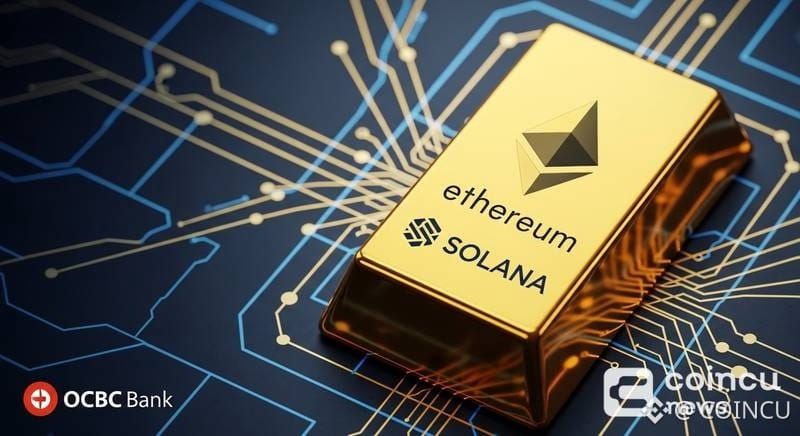
OCBC Bank plant physische Goldfonds-Token auf Ethereum und SolanaDie OCBC Bank plant physische Goldfonds-Token auf Ethereum und Solana. Erforschen Sie, was der Schritt für tokenisiertes Gold, institutionelle Akzeptanz und Multi-Chain-Finanzierung bedeutet.
OCBC Bank plant physische Goldfonds-Token auf Ethereum und Solana
Die OCBC Bank plant physische Goldfonds-Token auf Ethereum und Solana. Erforschen Sie, was der Schritt für tokenisiertes Gold, institutionelle Akzeptanz und Multi-Chain-Finanzierung bedeutet.
1
746
·
--

Artikel
Agent.market AI-Agenten-App-Store-Start: x402 FoundationDie von Coinbase unterstützte x402 Foundation hat Agent.market gestartet, einen AI-Agenten-App-Store, der den auf Base verlinkten Push in Richtung maschinen-native Handels fördert.
Agent.market AI-Agenten-App-Store-Start: x402 Foundation
Die von Coinbase unterstützte x402 Foundation hat Agent.market gestartet, einen AI-Agenten-App-Store, der den auf Base verlinkten Push in Richtung maschinen-native Handels fördert.
1
390
·
--
Artikel
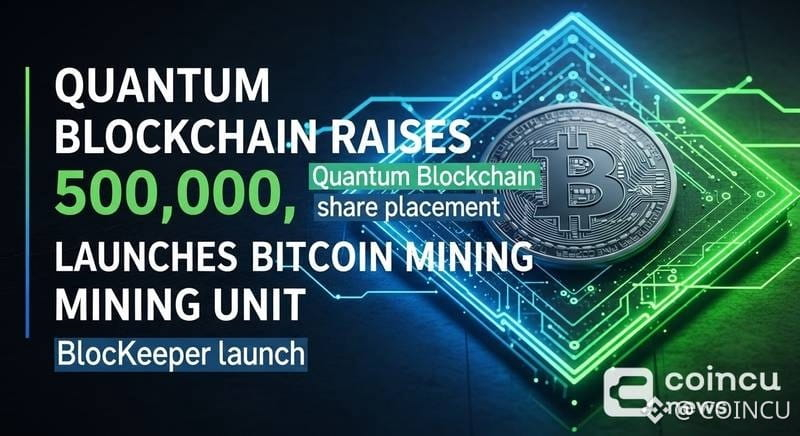
Quantum Blockchain hebt 500.000 £ hervor, startet Bitcoin-Mining-Einheit BlocKeeperQuantum Blockchain hat 500.000 £ durch eine Aktienplatzierung gesammelt und BlocKeeper, eine neue Bitcoin-Mining-Tochtergesellschaft, ins Leben gerufen. Hier ist die wichtige Unternehmens-, Finanzierungs- und Strategieübersicht.
Quantum Blockchain hebt 500.000 £ hervor, startet Bitcoin-Mining-Einheit BlocKeeper
Quantum Blockchain hat 500.000 £ durch eine Aktienplatzierung gesammelt und BlocKeeper, eine neue Bitcoin-Mining-Tochtergesellschaft, ins Leben gerufen. Hier ist die wichtige Unternehmens-, Finanzierungs- und Strategieübersicht.
1
446
·
--

Artikel
Vorschlag zur Regeländerung der NYSE könnte Tür für den Handel mit tokenisierten Wertpapieren öffnenDie New Yorker Börse hat einen Vorschlag zur Änderung der Regeln eingereicht, der es ermöglichen könnte, tokenisierte Wertpapiere zu listen und zu handeln, was einen bedeutenden Wandel für die Märkte für digitale Vermögenswerte signalisiert.
Vorschlag zur Regeländerung der NYSE könnte Tür für den Handel mit tokenisierten Wertpapieren öffnen
Die New Yorker Börse hat einen Vorschlag zur Änderung der Regeln eingereicht, der es ermöglichen könnte, tokenisierte Wertpapiere zu listen und zu handeln, was einen bedeutenden Wandel für die Märkte für digitale Vermögenswerte signalisiert.
402
·
--

Artikel
Schwab startet Spot-Krypto-Handelsdienst Schwab CryptoSchwab startet offiziell Schwab Crypto, einen Spot-Kryptowährungs-Handelsdienst, der am 16. April hervorgehoben wurde. Hier ist, was der Schritt für Händler und Märkte bedeuten könnte.
Schwab startet Spot-Krypto-Handelsdienst Schwab Crypto
Schwab startet offiziell Schwab Crypto, einen Spot-Kryptowährungs-Handelsdienst, der am 16. April hervorgehoben wurde. Hier ist, was der Schritt für Händler und Märkte bedeuten könnte.
332
·
--

Artikel
UK FCA sucht Feedback zu Stablecoin- und Krypto-HandelsregelnDie britische FCA hat eine Konsultation zu den Regeln für Krypto-Assets eröffnet, die Stablecoins, Handelsplattformen und andere regulierte Tätigkeiten im Rahmen ihres Fahrplans abdecken.
UK FCA sucht Feedback zu Stablecoin- und Krypto-Handelsregeln
Die britische FCA hat eine Konsultation zu den Regeln für Krypto-Assets eröffnet, die Stablecoins, Handelsplattformen und andere regulierte Tätigkeiten im Rahmen ihres Fahrplans abdecken.
1
272
·
--

Artikel
OmenX CMO Gisele für ChainCatcher Hongkong Crypto 2026 Forum bestätigtOmenX CMO Gisele hat die Teilnahme am ChainCatcher Hongkongs "Crypto 2026: Von Kryptowährung zur Smart Economy" Themenforum bestätigt. Erforschen Sie den Veranstaltungshorizont, warum es wichtig ist, und wichtige Details, die zu beachten sind.
OmenX CMO Gisele für ChainCatcher Hongkong Crypto 2026 Forum bestätigt
OmenX CMO Gisele hat die Teilnahme am ChainCatcher Hongkongs "Crypto 2026: Von Kryptowährung zur Smart Economy" Themenforum bestätigt. Erforschen Sie den Veranstaltungshorizont, warum es wichtig ist, und wichtige Details, die zu beachten sind.
178
Anmelden und weiter Inhalte entdecken
Krypto-Nutzer weltweit auf Binance Square kennenlernen
⚡️ Bleib in Sachen Krypto stets am Puls.
💬 Die weltgrößte Kryptobörse vertraut darauf.
👍 Erhalte verlässliche Einblicke von verifizierten Creators.
E-Mail-Adresse/Telefonnummer
Trendthemen
BinanceLaunchesBinanceIntelligence
819,876 Aufrufe
5,109 Kommentare
🚨 BINANCE BRINGT KI NOCH TIEFER IN DIE KRYPTO-WELT.
Binance hat Binance Intelligence gestartet – eine neue KI-gestützte Ebene, die auf Marktforschung, Trading-Prozesse und Krypto-Daten ausgerichtet ist.
Was besonders spannend ist?
Es ist nicht nur ein einziges Tool.
🧠 Binance AI → personalisierte Marktanalysen, Alerts und Portfolio-Einblicke
⚡ Binance AI Pro → verwandelt natürlichsprachliche Ideen in Trading-Prozesse
🤖 Agent OS → verbindet KI-Agenten mit den Möglichkeiten von Märkten, Portfolios und der Blockchain
Das ist eine große Veränderung.
Krypto-Plattformen versorgen Trader nicht mehr nur mit Charts und Daten.
Sie beginnen, ihnen KI-Systeme anzubieten, die diese Daten interpretieren können.
Die entscheidende Frage lautet:
Wird KI unter Tradern so alltäglich werden wie heute Indikatoren und Charts? 👀
$BTC
$GRIFFAIN
$NMR
#BinanceLaunchesBinanceIntelligence
Jacob trade
·0 Likes
·131 Aufrufe
RobinhoodAdds$25MInBitcoinToBalanceSheet
0 Aufrufe
0 Kommentare
SP500AndNasdaqHitRecordHighs
0 Aufrufe
4 Kommentare