

CAI SOREN
7.1k Beiträge

CAI SOREN
 Square Verified+
Melden
Nutzer blockieren
Binance Square creator sharing crypto insights and trade setups.
14 Following
32.6K+ Follower
43.9K+ Like gegeben
Beiträge
Alle
Zitierungen
Live
·
--
Bullisch
Übersetzung ansehen
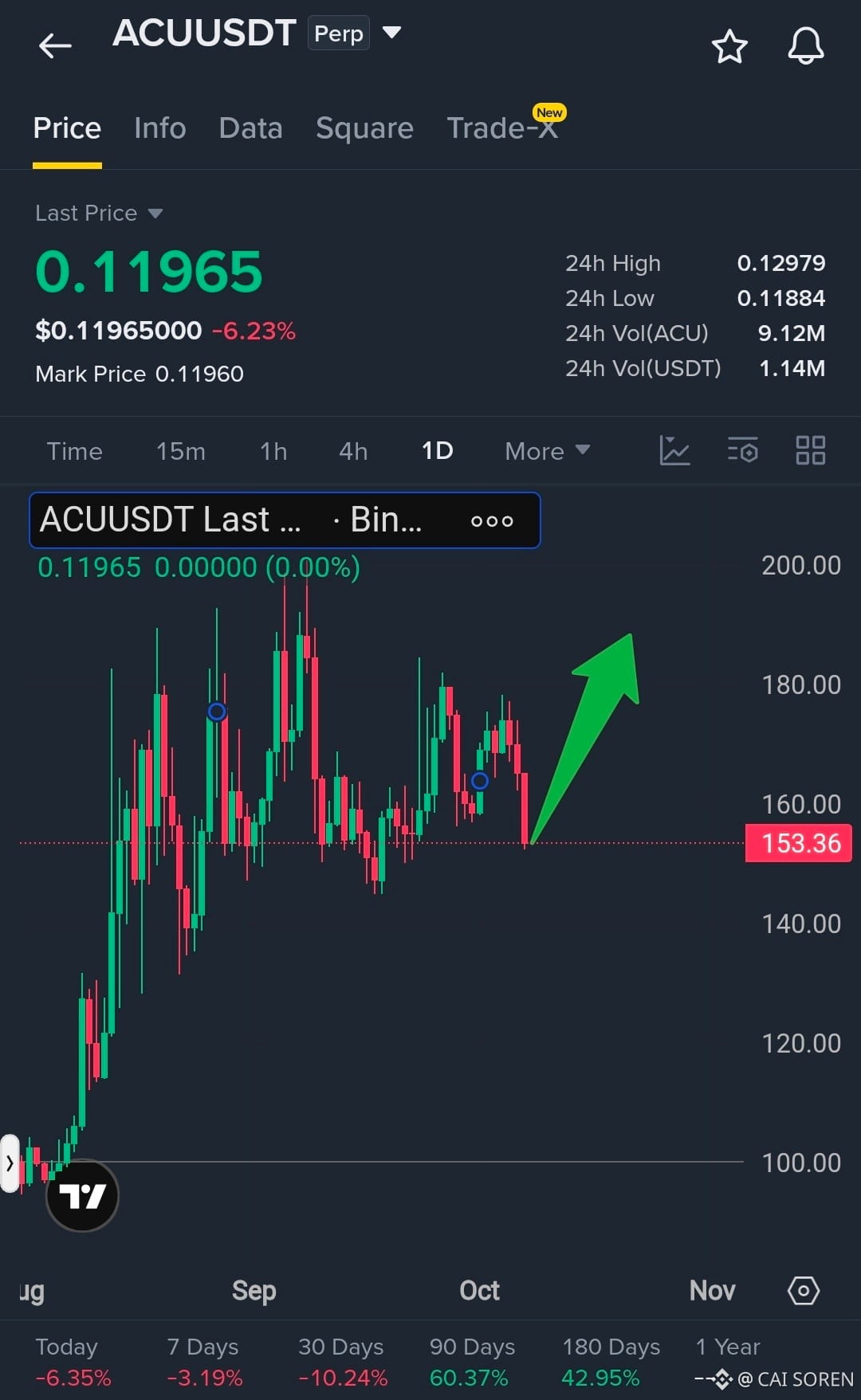
$ACU is entering a decisive zone.
The recent weakness hasn’t erased the broader move — the token is still up strongly over the 90-day window shown on the chart.
Behind the ticker, Acurast is tackling a much bigger idea: using globally distributed smartphones as decentralized compute infrastructure.
That means idle mobile hardware potentially becoming part of an open compute network instead of relying solely on traditional cloud infrastructure.
Now the question is whether buyers can turn this pullback into the next leg of momentum.
$ACU could be approaching an interesting chapter.
Ref Code: 90enrh
$ACU is entering a decisive zone.
The recent weakness hasn’t erased the broader move — the token is still up strongly over the 90-day window shown on the chart.
Behind the ticker, Acurast is tackling a much bigger idea: using globally distributed smartphones as decentralized compute infrastructure.
That means idle mobile hardware potentially becoming part of an open compute network instead of relying solely on traditional cloud infrastructure.
Now the question is whether buyers can turn this pullback into the next leg of momentum.
$ACU could be approaching an interesting chapter.
Ref Code: 90enrh
The recent weakness hasn’t erased the broader move — the token is still up strongly over the 90-day window shown on the chart.
Behind the ticker, Acurast is tackling a much bigger idea: using globally distributed smartphones as decentralized compute infrastructure.
That means idle mobile hardware potentially becoming part of an open compute network instead of relying solely on traditional cloud infrastructure.
Now the question is whether buyers can turn this pullback into the next leg of momentum.
$ACU could be approaching an interesting chapter.
Ref Code: 90enrh
1
33
·
--
Übersetzung ansehen
THIS IS INSANE.
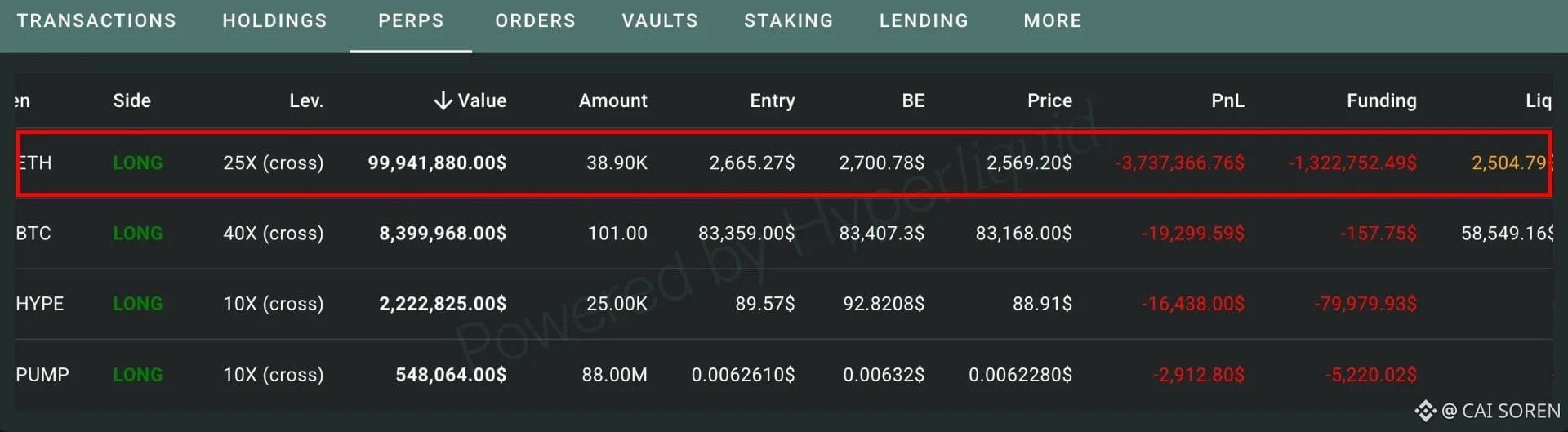
A whale opened a massive $100 MILLION $ETH long using 25X leverage.
Now, ETH is reportedly just $60 away from his liquidation price.
One small move down could wipe out the entire position.
$100M sitting on the edge.
This could get violent FAST.
THIS IS INSANE.
A whale opened a massive $100 MILLION $ETH long using 25X leverage.
Now, ETH is reportedly just $60 away from his liquidation price.
One small move down could wipe out the entire position.
$100M sitting on the edge.
This could get violent FAST.
A whale opened a massive $100 MILLION $ETH long using 25X leverage.
Now, ETH is reportedly just $60 away from his liquidation price.
One small move down could wipe out the entire position.
$100M sitting on the edge.
This could get violent FAST.
75
·
--
Bullisch
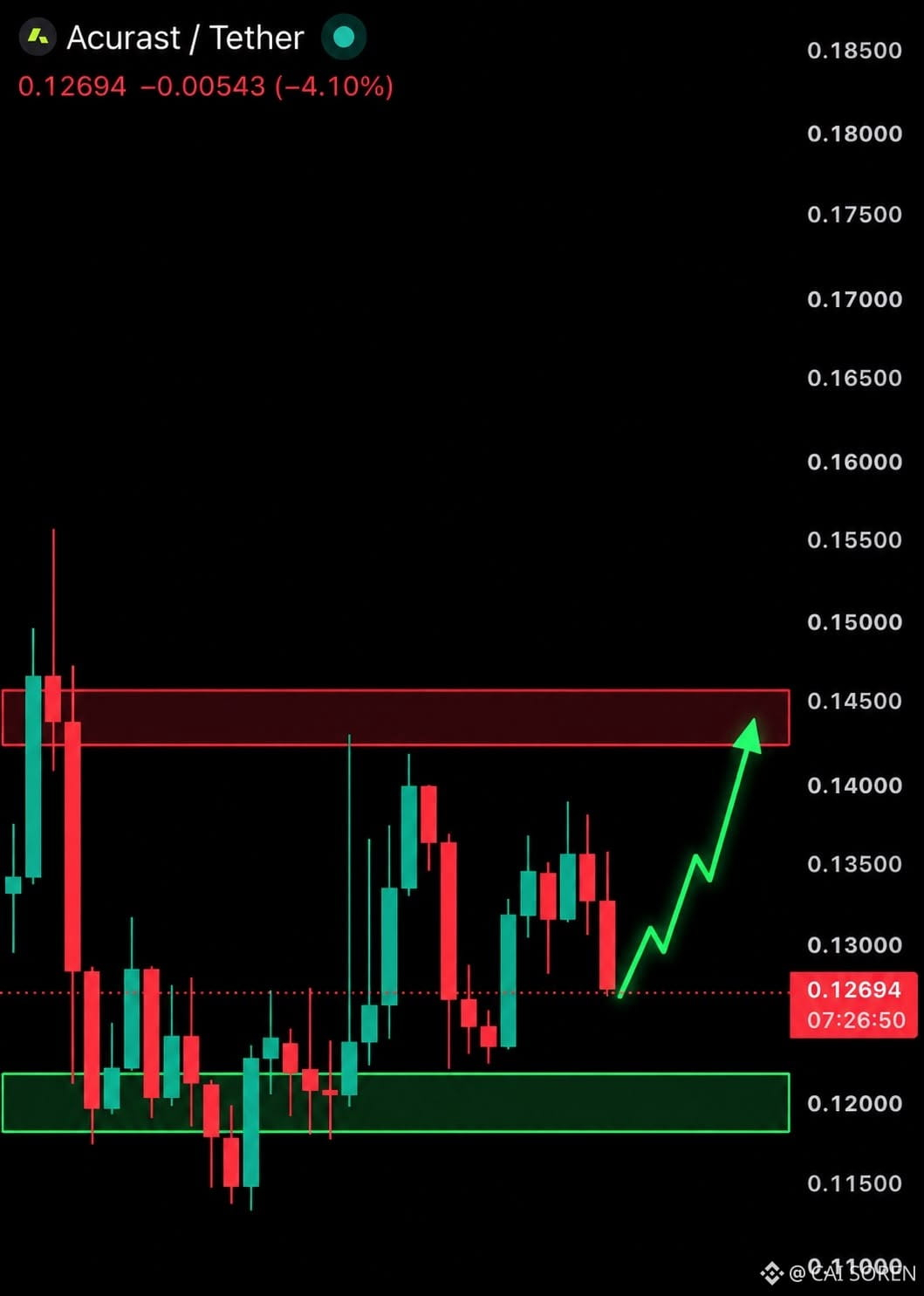
$ACU ist wieder auf einem Niveau, das man im Auge behalten sollte.
➤ Der Preis bewegt sich um 0,12694 $ und bietet Käufern damit eine weitere Einstiegschance.
➤ Der Bereich zwischen 0,119 und 0,121 $ bleibt die entscheidende Nachfragezone. Hält sie, bleibt das Erholungsszenario intakt.
➤ Eine Rückeroberung der Marke von 0,130 $ könnte den kurzfristigen Aufwärtstrend wieder stärken.
➤ Darüber liegt bei 0,135 $ der nächste Prüfpunkt, gefolgt von der größeren Widerstandszone zwischen 0,143 und 0,145 $.
Acurast baut außerdem eine dezentrale Computing-Infrastruktur auf, die verteilte Geräte miteinander verbindet, um Anwendungen Rechenressourcen bereitzustellen.
Die Marken sind klar. Jetzt kommt es darauf an, ob die Käufer die Kontrolle übernehmen können.
Referenzcode: 90enrh
$ACU ist wieder auf einem Niveau, das man im Auge behalten sollte.
➤ Der Preis bewegt sich um 0,12694 $ und bietet Käufern damit eine weitere Einstiegschance.
➤ Der Bereich zwischen 0,119 und 0,121 $ bleibt die entscheidende Nachfragezone. Hält sie, bleibt das Erholungsszenario intakt.
➤ Eine Rückeroberung der Marke von 0,130 $ könnte den kurzfristigen Aufwärtstrend wieder stärken.
➤ Darüber liegt bei 0,135 $ der nächste Prüfpunkt, gefolgt von der größeren Widerstandszone zwischen 0,143 und 0,145 $.
Acurast baut außerdem eine dezentrale Computing-Infrastruktur auf, die verteilte Geräte miteinander verbindet, um Anwendungen Rechenressourcen bereitzustellen.
Die Marken sind klar. Jetzt kommt es darauf an, ob die Käufer die Kontrolle übernehmen können.
Referenzcode: 90enrh
➤ Der Preis bewegt sich um 0,12694 $ und bietet Käufern damit eine weitere Einstiegschance.
➤ Der Bereich zwischen 0,119 und 0,121 $ bleibt die entscheidende Nachfragezone. Hält sie, bleibt das Erholungsszenario intakt.
➤ Eine Rückeroberung der Marke von 0,130 $ könnte den kurzfristigen Aufwärtstrend wieder stärken.
➤ Darüber liegt bei 0,135 $ der nächste Prüfpunkt, gefolgt von der größeren Widerstandszone zwischen 0,143 und 0,145 $.
Acurast baut außerdem eine dezentrale Computing-Infrastruktur auf, die verteilte Geräte miteinander verbindet, um Anwendungen Rechenressourcen bereitzustellen.
Die Marken sind klar. Jetzt kommt es darauf an, ob die Käufer die Kontrolle übernehmen können.
Referenzcode: 90enrh
7
10
241
·
--
Bullisch
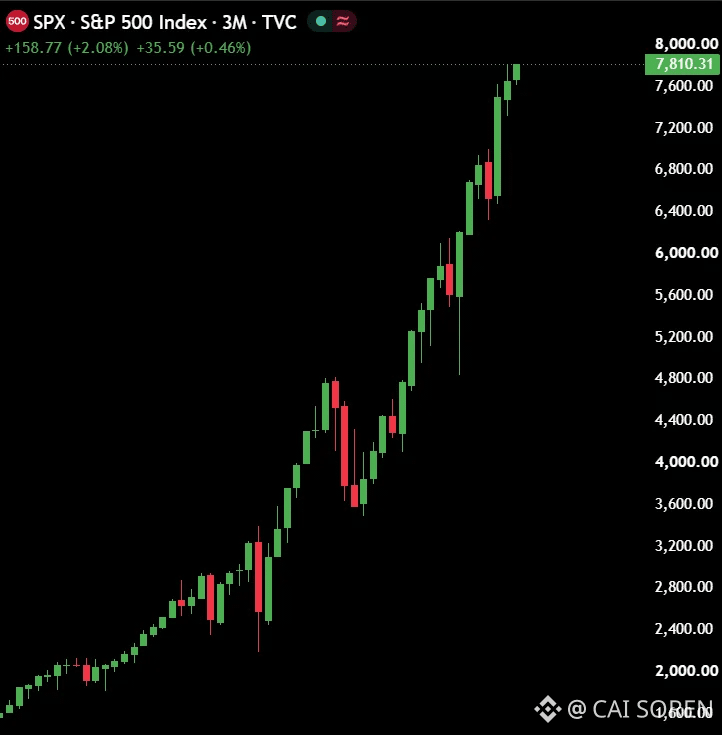
EILMELDUNG: 🇺🇸 Der S&P 500 hat gerade ein neues Allzeithoch erreicht.
An der Wall Street werden die Preise offiziell wieder neu entdeckt.
Die Risikobereitschaft steigt – und wenn Kapital in den Kryptomarkt zu rotieren beginnt, könnte Bitcoin als Nächstes folgen, möglicherweise mit einem kräftigen Anstieg der Altcoins.
Zuerst Aktien. Dann Bitcoin. Danach Altcoins.
Die Risk-on-Welle nimmt Fahrt auf.
EILMELDUNG: 🇺🇸 Der S&P 500 hat gerade ein neues Allzeithoch erreicht.
An der Wall Street werden die Preise offiziell wieder neu entdeckt.
Die Risikobereitschaft steigt – und wenn Kapital in den Kryptomarkt zu rotieren beginnt, könnte Bitcoin als Nächstes folgen, möglicherweise mit einem kräftigen Anstieg der Altcoins.
Zuerst Aktien. Dann Bitcoin. Danach Altcoins.
Die Risk-on-Welle nimmt Fahrt auf.
An der Wall Street werden die Preise offiziell wieder neu entdeckt.
Die Risikobereitschaft steigt – und wenn Kapital in den Kryptomarkt zu rotieren beginnt, könnte Bitcoin als Nächstes folgen, möglicherweise mit einem kräftigen Anstieg der Altcoins.
Zuerst Aktien. Dann Bitcoin. Danach Altcoins.
Die Risk-on-Welle nimmt Fahrt auf.
8
10
340
·
--
Bullisch
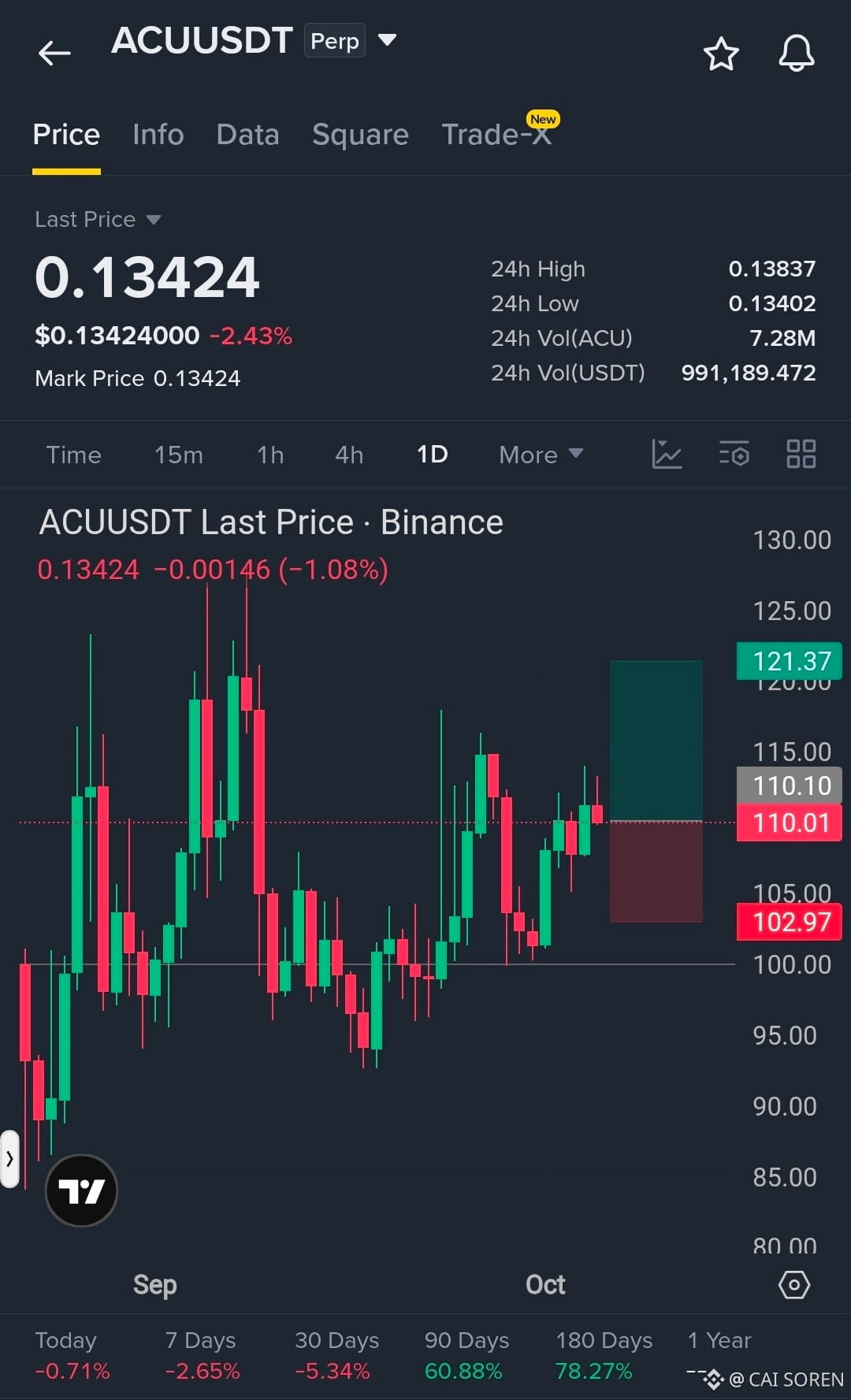
$ACU — Acurast gewinnt an Fahrt.
◆ Wird bei etwa 0,134 $ gehandelt
◆ +60 % in den letzten 90 Tagen
◆ Trotz des jüngsten Rücksetzers baut sich Momentum auf.
◆ Acurast entwickelt ein dezentrales Computernetzwerk, das Smartphones in Recheninfrastruktur für KI und andere Workloads verwandelt.
◆ Echte Geräte
◆ Dezentrales Computing
◆ KI- und DePIN-Narrativ
◆ $ACU treibt das Ökosystem an
◆ Wenn das Momentum zurückkehrt und ACU aus dieser Konsolidierung ausbricht, könnte es schnell spannend werden.
Referenzcode: 90enrh
Behalte $ACU im Blick.
$ACU — Acurast gewinnt an Fahrt.
◆ Wird bei etwa 0,134 $ gehandelt
◆ +60 % in den letzten 90 Tagen
◆ Trotz des jüngsten Rücksetzers baut sich Momentum auf.
◆ Acurast entwickelt ein dezentrales Computernetzwerk, das Smartphones in Recheninfrastruktur für KI und andere Workloads verwandelt.
◆ Echte Geräte
◆ Dezentrales Computing
◆ KI- und DePIN-Narrativ
◆ $ACU treibt das Ökosystem an
◆ Wenn das Momentum zurückkehrt und ACU aus dieser Konsolidierung ausbricht, könnte es schnell spannend werden.
Referenzcode: 90enrh
Behalte $ACU im Blick.
◆ Wird bei etwa 0,134 $ gehandelt
◆ +60 % in den letzten 90 Tagen
◆ Trotz des jüngsten Rücksetzers baut sich Momentum auf.
◆ Acurast entwickelt ein dezentrales Computernetzwerk, das Smartphones in Recheninfrastruktur für KI und andere Workloads verwandelt.
◆ Echte Geräte
◆ Dezentrales Computing
◆ KI- und DePIN-Narrativ
◆ $ACU treibt das Ökosystem an
◆ Wenn das Momentum zurückkehrt und ACU aus dieser Konsolidierung ausbricht, könnte es schnell spannend werden.
Referenzcode: 90enrh
Behalte $ACU im Blick.
11
12
210
·
--
Bullisch
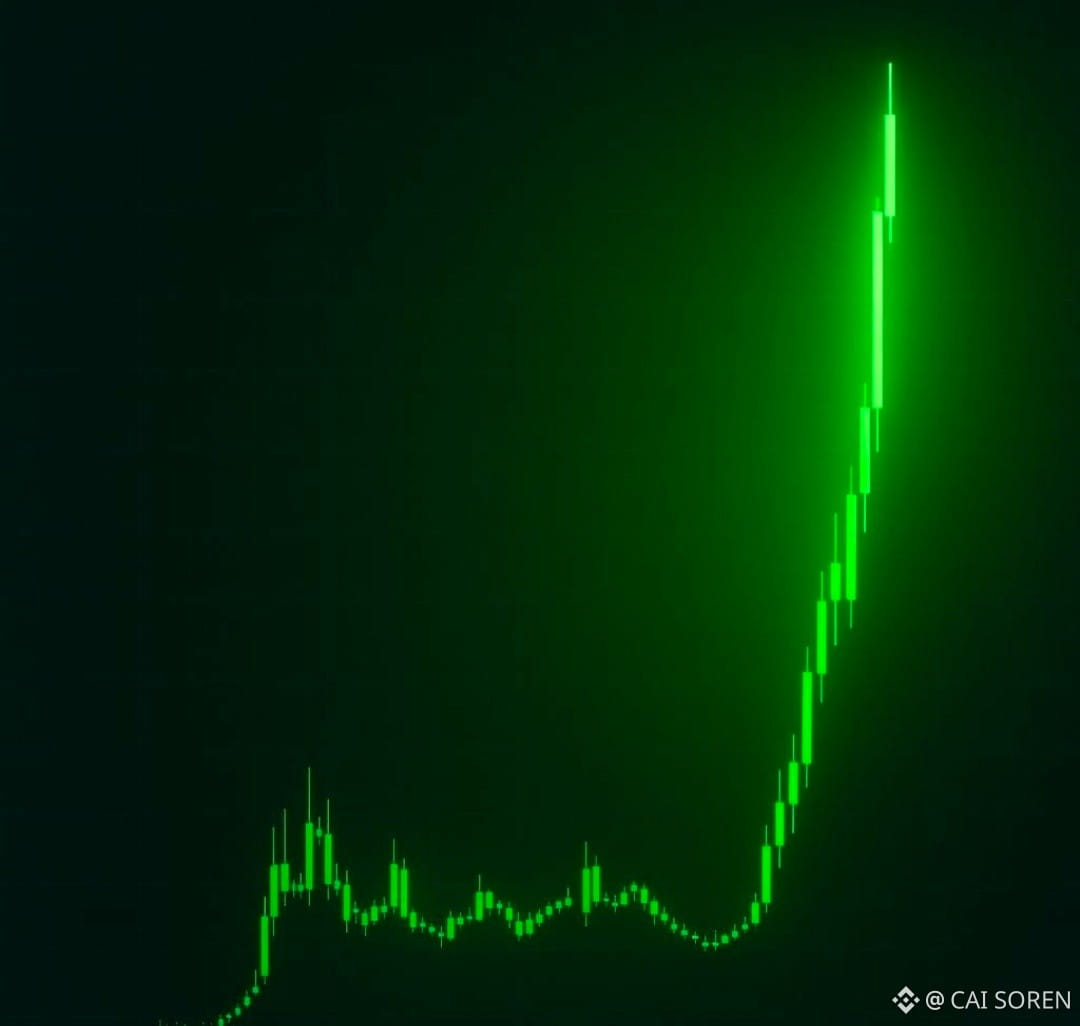
🚨 BITCOIN ZU 860.000 $?!
Diese Projektion über $BTC ist absolut verrückt:
57.000 $ → 84.000 $ jetzt
3 Monate: 123.000 $
6 Monate: 182.000 $
9 Monate: 268.000 $
12 Monate: 396.000 $
15 Monate: 583.000 $
18 Monate: 860.000 $ 🤯
Das wäre ungefähr ein 10X von hier aus in nur 18 Monaten.
Aber Bitcoin bewegt sich nie in einer geraden Linie. Auf 30–40% Rücksetzer, makroökonomische Schocks und brutale Volatilität können unterwegs jederzeit passieren.
Langfristig bullisch? Spot akkumulieren, Risiko managen und die Volatilität überstehen.
Denn der größte Fehler ist nicht, die 860.000 $ zu verpassen…
Sondern, vorher ausgelöscht zu werden, bevor Bitcoin jemals dort ankommt. 🚀
🚨 BITCOIN ZU 860.000 $?!
Diese Projektion über $BTC ist absolut verrückt:
57.000 $ → 84.000 $ jetzt
3 Monate: 123.000 $
6 Monate: 182.000 $
9 Monate: 268.000 $
12 Monate: 396.000 $
15 Monate: 583.000 $
18 Monate: 860.000 $ 🤯
Das wäre ungefähr ein 10X von hier aus in nur 18 Monaten.
Aber Bitcoin bewegt sich nie in einer geraden Linie. Auf 30–40% Rücksetzer, makroökonomische Schocks und brutale Volatilität können unterwegs jederzeit passieren.
Langfristig bullisch? Spot akkumulieren, Risiko managen und die Volatilität überstehen.
Denn der größte Fehler ist nicht, die 860.000 $ zu verpassen…
Sondern, vorher ausgelöscht zu werden, bevor Bitcoin jemals dort ankommt. 🚀
Diese Projektion über $BTC ist absolut verrückt:
57.000 $ → 84.000 $ jetzt
3 Monate: 123.000 $
6 Monate: 182.000 $
9 Monate: 268.000 $
12 Monate: 396.000 $
15 Monate: 583.000 $
18 Monate: 860.000 $ 🤯
Das wäre ungefähr ein 10X von hier aus in nur 18 Monaten.
Aber Bitcoin bewegt sich nie in einer geraden Linie. Auf 30–40% Rücksetzer, makroökonomische Schocks und brutale Volatilität können unterwegs jederzeit passieren.
Langfristig bullisch? Spot akkumulieren, Risiko managen und die Volatilität überstehen.
Denn der größte Fehler ist nicht, die 860.000 $ zu verpassen…
Sondern, vorher ausgelöscht zu werden, bevor Bitcoin jemals dort ankommt. 🚀
9
11
316
·
--
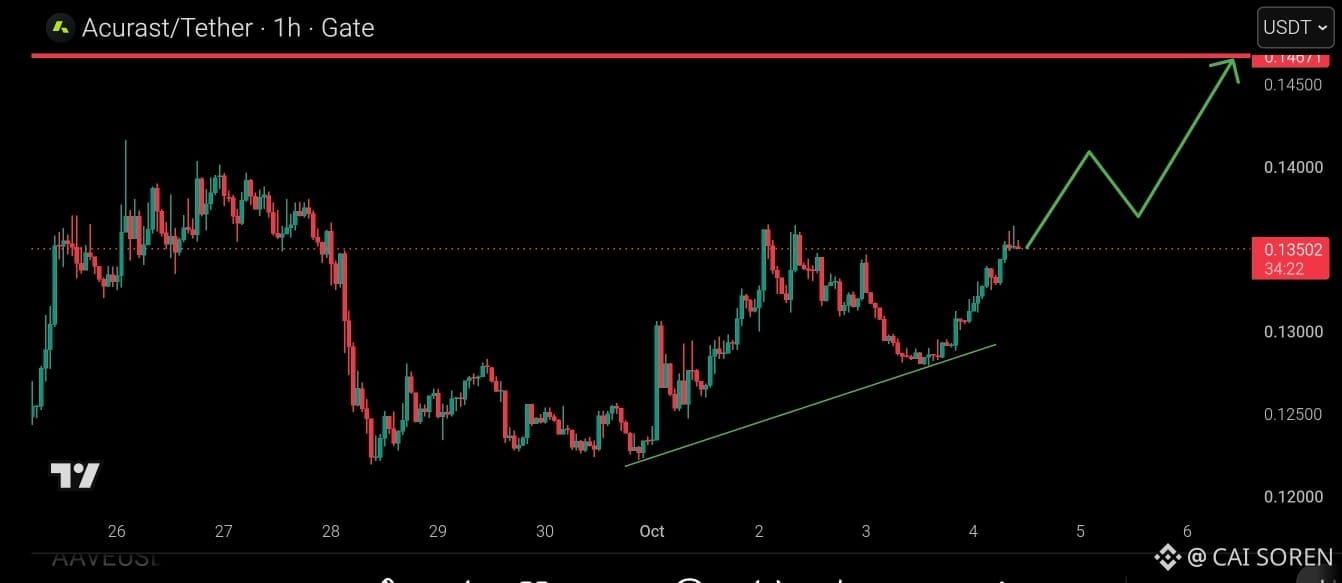
$ACU is beginnt hier interessant auszusehen.
Der Kurs respektiert die aufsteigende Trendlinie, während Käufer weiter in Richtung der nächsten großen Widerstandszone drängen.
Acurast baut dezentrale Recheninfrastruktur auf und nutzt verteilte Geräte, um permissionless Rechenleistung bereitzustellen.
Wenn der Momentum hält, könnte die Zone von $0.140–$0.146 in den Fokus rücken.
Referenzcode: 90enrh
$ACU ist es wert, genau im Blick zu behalten.
$ACU is beginnt hier interessant auszusehen.
Der Kurs respektiert die aufsteigende Trendlinie, während Käufer weiter in Richtung der nächsten großen Widerstandszone drängen.
Acurast baut dezentrale Recheninfrastruktur auf und nutzt verteilte Geräte, um permissionless Rechenleistung bereitzustellen.
Wenn der Momentum hält, könnte die Zone von $0.140–$0.146 in den Fokus rücken.
Referenzcode: 90enrh
$ACU ist es wert, genau im Blick zu behalten.
Der Kurs respektiert die aufsteigende Trendlinie, während Käufer weiter in Richtung der nächsten großen Widerstandszone drängen.
Acurast baut dezentrale Recheninfrastruktur auf und nutzt verteilte Geräte, um permissionless Rechenleistung bereitzustellen.
Wenn der Momentum hält, könnte die Zone von $0.140–$0.146 in den Fokus rücken.
Referenzcode: 90enrh
$ACU ist es wert, genau im Blick zu behalten.
19
23
374
·
--
Bullisch
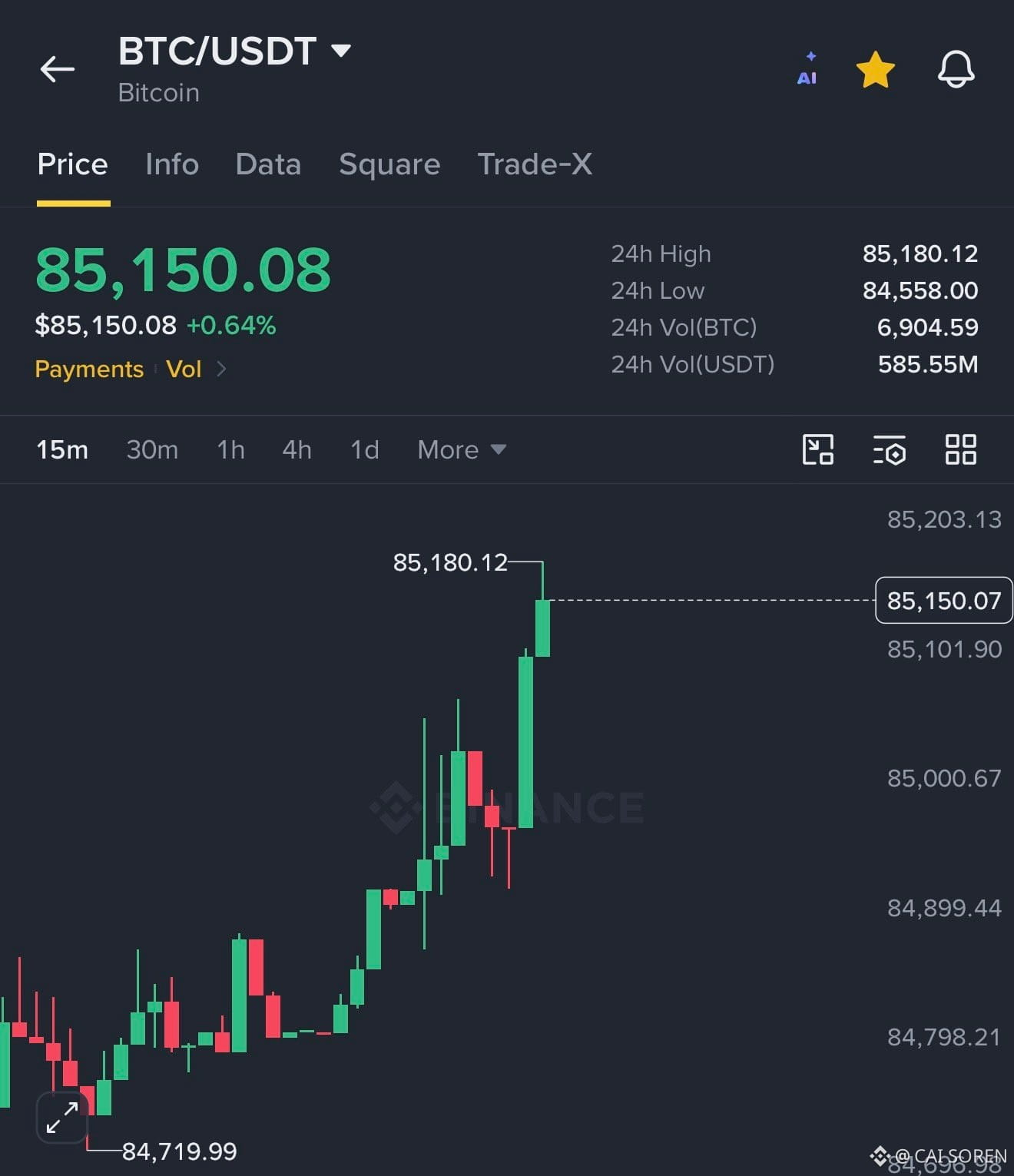
🚨 KRYPTOWÄHRUNGEN LEGEN ZU!
₿ Bitcoin liegt wieder über 85.000 $
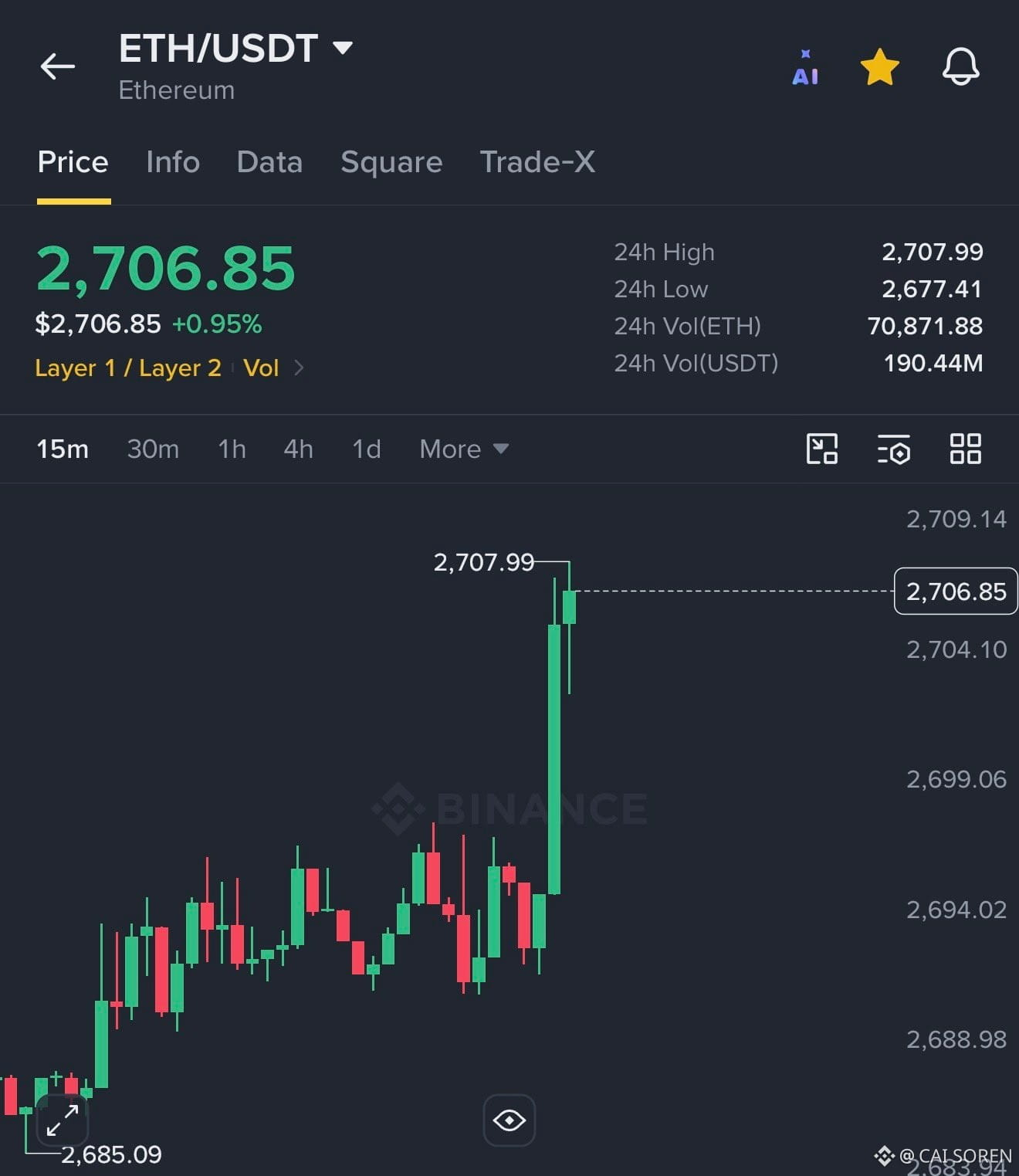
Ξ Ethereum hat die Marke von 2.700 $ zurückerobert
Jetzt richten sich alle Augen auf den Wochenschluss.
Ein starker Abschluss könnte genau das sein, was die Bullen brauchen. 🔥📈
Ich hoffe auf einen bullischen Wochenschluss.
$BTC $ETH
🚨 KRYPTOWÄHRUNGEN LEGEN ZU!
₿ Bitcoin liegt wieder über 85.000 $
Ξ Ethereum hat die Marke von 2.700 $ zurückerobert
Jetzt richten sich alle Augen auf den Wochenschluss.
Ein starker Abschluss könnte genau das sein, was die Bullen brauchen. 🔥📈
Ich hoffe auf einen bullischen Wochenschluss.
$BTC $ETH
₿ Bitcoin liegt wieder über 85.000 $
Ξ Ethereum hat die Marke von 2.700 $ zurückerobert
Jetzt richten sich alle Augen auf den Wochenschluss.
Ein starker Abschluss könnte genau das sein, was die Bullen brauchen. 🔥📈
Ich hoffe auf einen bullischen Wochenschluss.
$BTC $ETH
1
161
·
--
Bullisch
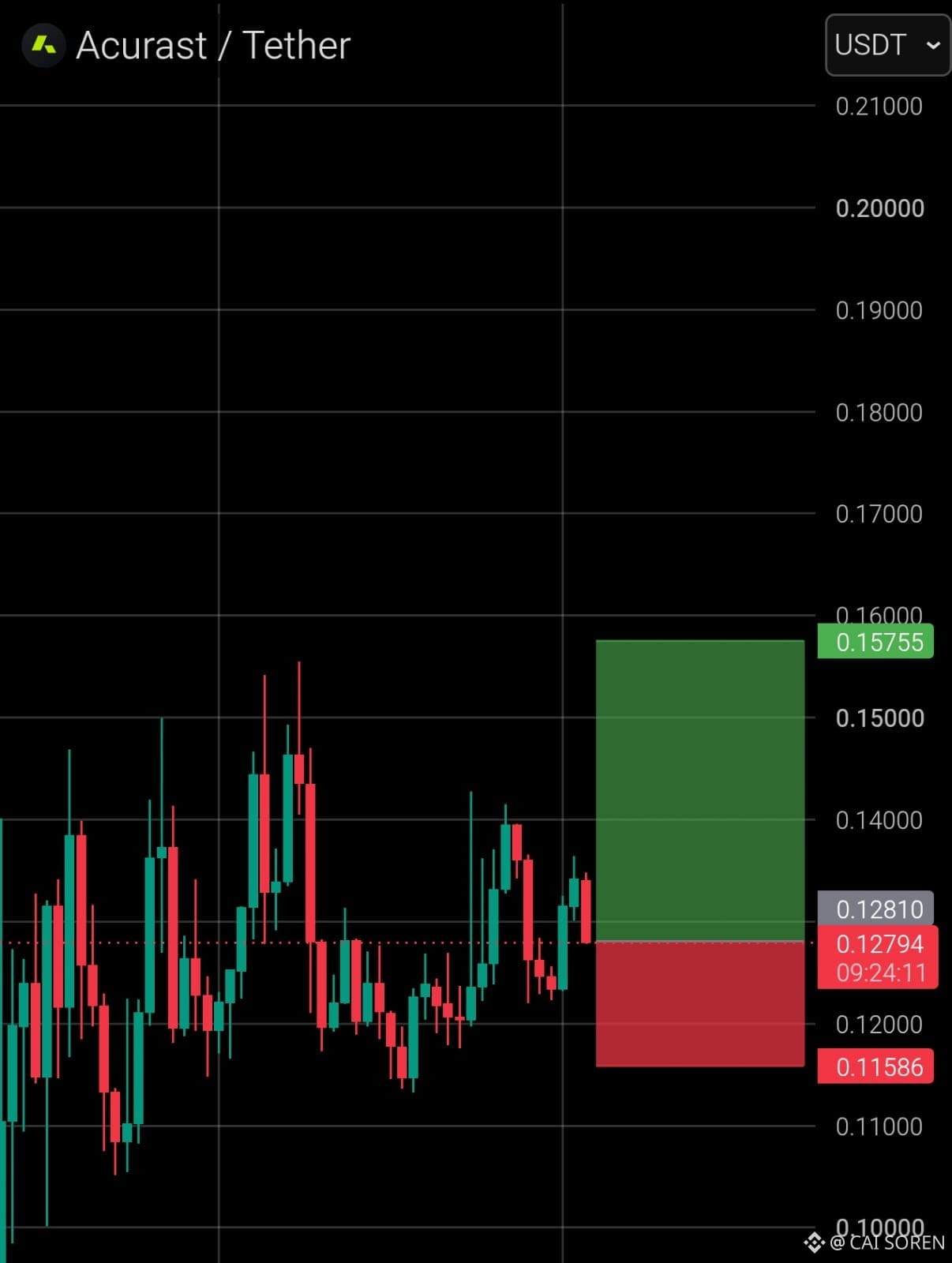
$ACU is fängt wieder an, interessant auszusehen.
Acurast baut ein dezentrales Compute-Netzwerk, das alltägliche Geräte in nützliche Rechenleistung für Entwickler verwandeln soll.
◆ Reale Infrastruktur
◆ Dezentrales Compute
◆ Wachsende Web3-Nützlichkeit
◆ Preis-Momentum, das man im Blick behalten sollte
Der Chart kommt ins Rollen, aber die größere Geschichte ist, was Acurast hinter dem Ticker aufbaut.
Ref Code: 90enrh
$ACU is fängt wieder an, interessant auszusehen.
Acurast baut ein dezentrales Compute-Netzwerk, das alltägliche Geräte in nützliche Rechenleistung für Entwickler verwandeln soll.
◆ Reale Infrastruktur
◆ Dezentrales Compute
◆ Wachsende Web3-Nützlichkeit
◆ Preis-Momentum, das man im Blick behalten sollte
Der Chart kommt ins Rollen, aber die größere Geschichte ist, was Acurast hinter dem Ticker aufbaut.
Ref Code: 90enrh
Acurast baut ein dezentrales Compute-Netzwerk, das alltägliche Geräte in nützliche Rechenleistung für Entwickler verwandeln soll.
◆ Reale Infrastruktur
◆ Dezentrales Compute
◆ Wachsende Web3-Nützlichkeit
◆ Preis-Momentum, das man im Blick behalten sollte
Der Chart kommt ins Rollen, aber die größere Geschichte ist, was Acurast hinter dem Ticker aufbaut.
Ref Code: 90enrh
20
23
325
·
--
Bullisch
$ACU zeigt, wie weit dezentrales KI-Compute gehen kann.
Ein offenes Modell.
Ein Android-Telefon.
Kein Mensch, der das Spiel steuert.
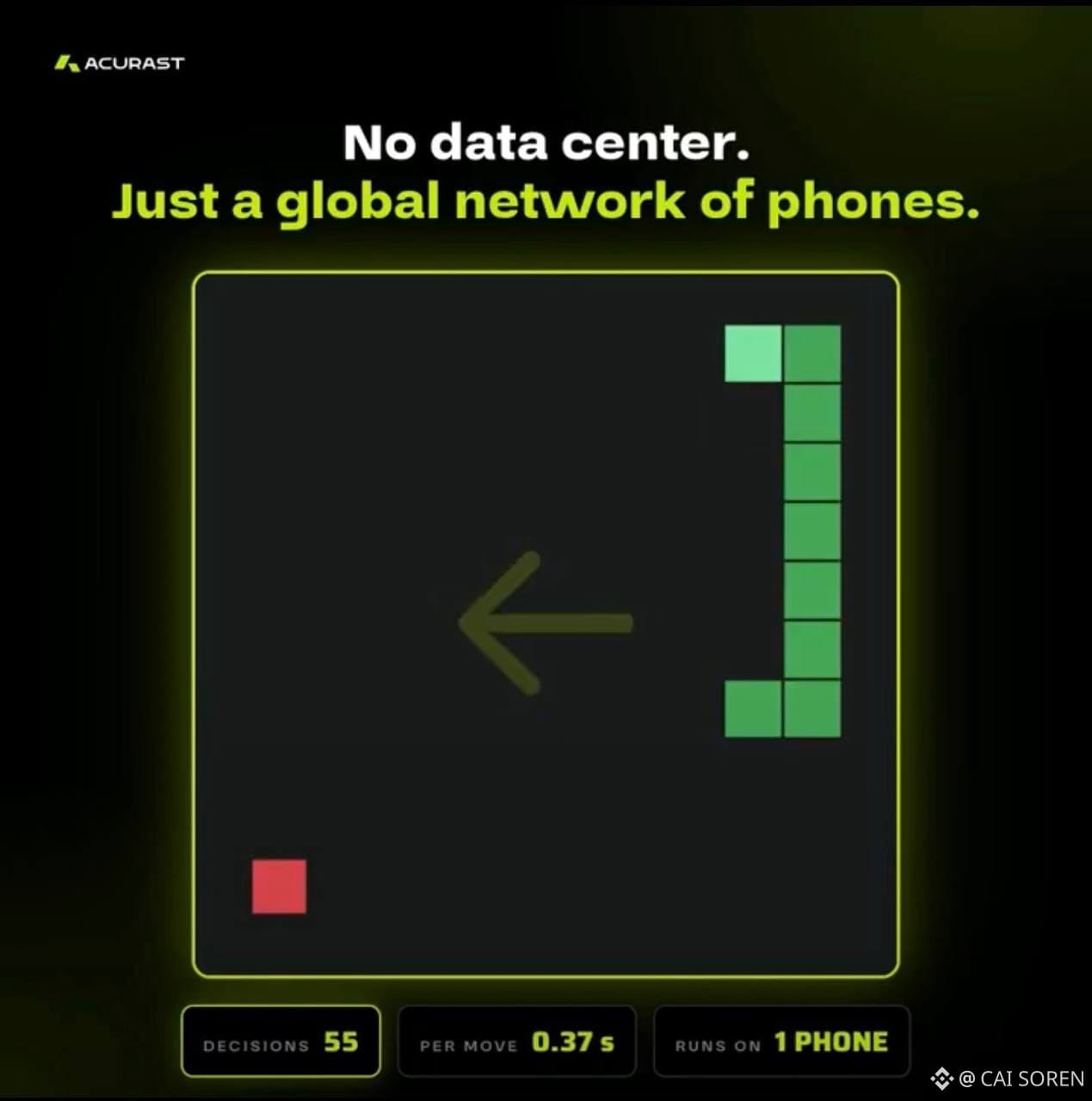
Snake läuft live auf Acurast – nur mit 0,37 Sekunden pro Zug.
Kein riesiger Server-Farm erforderlich.
Nur echte KI-Workloads auf alltäglichen Geräten.
Die Zukunft des Computings könnte bereits in unseren Taschen sein.
Ref Code: 90enrh
#Acurast
$ACU zeigt, wie weit dezentrales KI-Compute gehen kann.
Ein offenes Modell.
Ein Android-Telefon.
Kein Mensch, der das Spiel steuert.
Snake läuft live auf Acurast – nur mit 0,37 Sekunden pro Zug.
Kein riesiger Server-Farm erforderlich.
Nur echte KI-Workloads auf alltäglichen Geräten.
Die Zukunft des Computings könnte bereits in unseren Taschen sein.
Ref Code: 90enrh
#Acurast
Ein offenes Modell.
Ein Android-Telefon.
Kein Mensch, der das Spiel steuert.
Snake läuft live auf Acurast – nur mit 0,37 Sekunden pro Zug.
Kein riesiger Server-Farm erforderlich.
Nur echte KI-Workloads auf alltäglichen Geräten.
Die Zukunft des Computings könnte bereits in unseren Taschen sein.
Ref Code: 90enrh
#Acurast


21
1
23
202
·
--
🚨 DER SCHULDENALARM IN FRANKREICH BLINKT ROT 🇫🇷
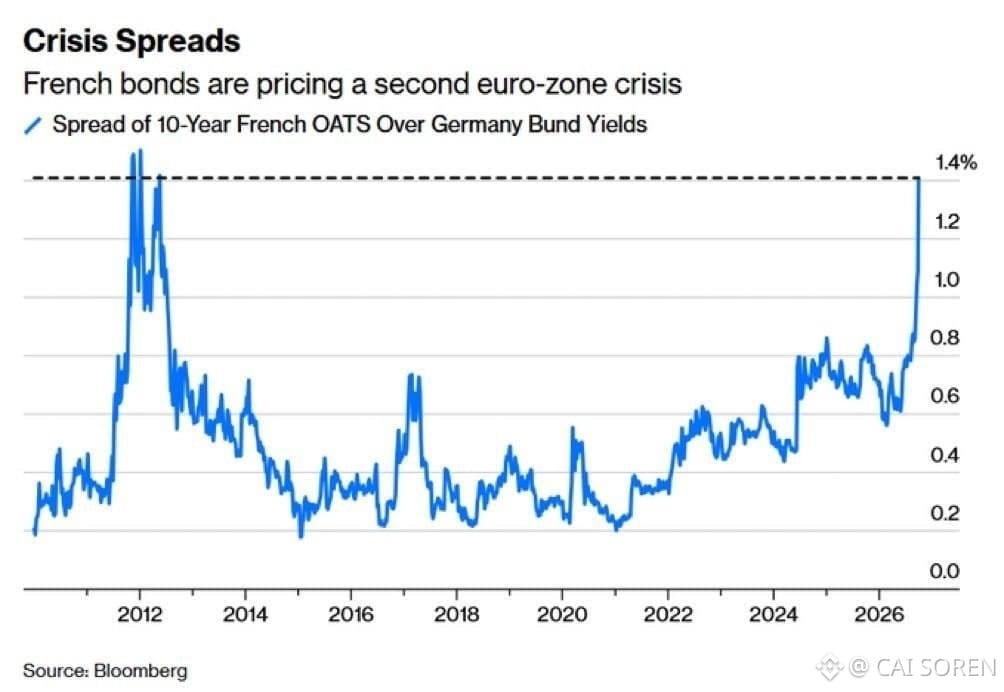
Die Kosten für französische 10-jährige Kredite liegen nahe bei 5% und damit in der Nähe ihrer höchsten Werte seit 2002.
Noch auffälliger: Anleger verlangen mittlerweile rund 1,4 Prozentpunkte MEHR, um französische Schuldtitel zu halten als deutsche Staatsanleihen — die größte Spanne seit der Eurozonen-Schuldenkrise 2012.
Frankreichs öffentliche Verschuldung ist bereits auf einen Rekord von 119% des BIP gestiegen, während fiskalische und haushaltspolitische Unsicherheit den Druck auf den Anleihemarkt weiter erhöht.
⚠️ Die Belastung durch Staatsschulden in Europa rückt wieder in den Fokus.
Der Anleihemarkt sendet eine Warnung.
🚨 DER SCHULDENALARM IN FRANKREICH BLINKT ROT 🇫🇷
Die Kosten für französische 10-jährige Kredite liegen nahe bei 5% und damit in der Nähe ihrer höchsten Werte seit 2002.
Noch auffälliger: Anleger verlangen mittlerweile rund 1,4 Prozentpunkte MEHR, um französische Schuldtitel zu halten als deutsche Staatsanleihen — die größte Spanne seit der Eurozonen-Schuldenkrise 2012.
Frankreichs öffentliche Verschuldung ist bereits auf einen Rekord von 119% des BIP gestiegen, während fiskalische und haushaltspolitische Unsicherheit den Druck auf den Anleihemarkt weiter erhöht.
⚠️ Die Belastung durch Staatsschulden in Europa rückt wieder in den Fokus.
Der Anleihemarkt sendet eine Warnung.
Die Kosten für französische 10-jährige Kredite liegen nahe bei 5% und damit in der Nähe ihrer höchsten Werte seit 2002.
Noch auffälliger: Anleger verlangen mittlerweile rund 1,4 Prozentpunkte MEHR, um französische Schuldtitel zu halten als deutsche Staatsanleihen — die größte Spanne seit der Eurozonen-Schuldenkrise 2012.
Frankreichs öffentliche Verschuldung ist bereits auf einen Rekord von 119% des BIP gestiegen, während fiskalische und haushaltspolitische Unsicherheit den Druck auf den Anleihemarkt weiter erhöht.
⚠️ Die Belastung durch Staatsschulden in Europa rückt wieder in den Fokus.
Der Anleihemarkt sendet eine Warnung.
9
1
9
109
·
--
Bullisch
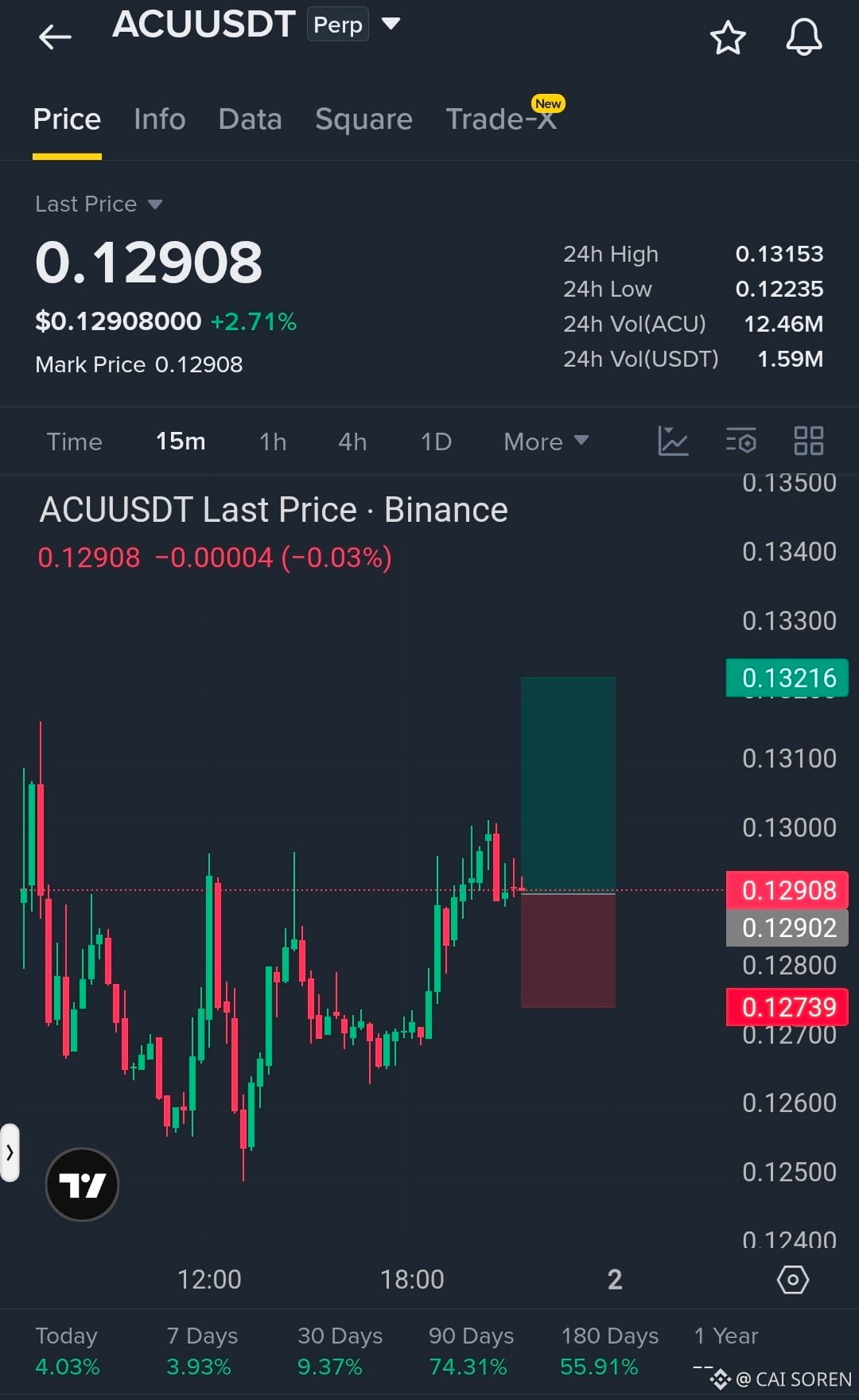
$ACU is gewinnt an Dynamik nach einem starken Rückprall.
◆ Acurast baut dezentrale Compute-Infrastruktur auf, um Anwendungen zu unterstützen.
◆ Käufer verteidigten die $0.1263–$0.1267-Zone, bevor der Kurs in Richtung $0.1296 stieg.
◆ $0.1300 ist nun die entscheidende Marke, die man im Blick behalten sollte, während das Halten über $0.1280 diese Chart-Struktur stark hält.
◆ Ref Code: 90enrh
$ACU könnte interessant werden, wenn die Dynamik weiter zunimmt.
$ACU is gewinnt an Dynamik nach einem starken Rückprall.
◆ Acurast baut dezentrale Compute-Infrastruktur auf, um Anwendungen zu unterstützen.
◆ Käufer verteidigten die $0.1263–$0.1267-Zone, bevor der Kurs in Richtung $0.1296 stieg.
◆ $0.1300 ist nun die entscheidende Marke, die man im Blick behalten sollte, während das Halten über $0.1280 diese Chart-Struktur stark hält.
◆ Ref Code: 90enrh
$ACU könnte interessant werden, wenn die Dynamik weiter zunimmt.
◆ Acurast baut dezentrale Compute-Infrastruktur auf, um Anwendungen zu unterstützen.
◆ Käufer verteidigten die $0.1263–$0.1267-Zone, bevor der Kurs in Richtung $0.1296 stieg.
◆ $0.1300 ist nun die entscheidende Marke, die man im Blick behalten sollte, während das Halten über $0.1280 diese Chart-Struktur stark hält.
◆ Ref Code: 90enrh
$ACU könnte interessant werden, wenn die Dynamik weiter zunimmt.
19
22
281
·
--
Bärisch
Verifiziert
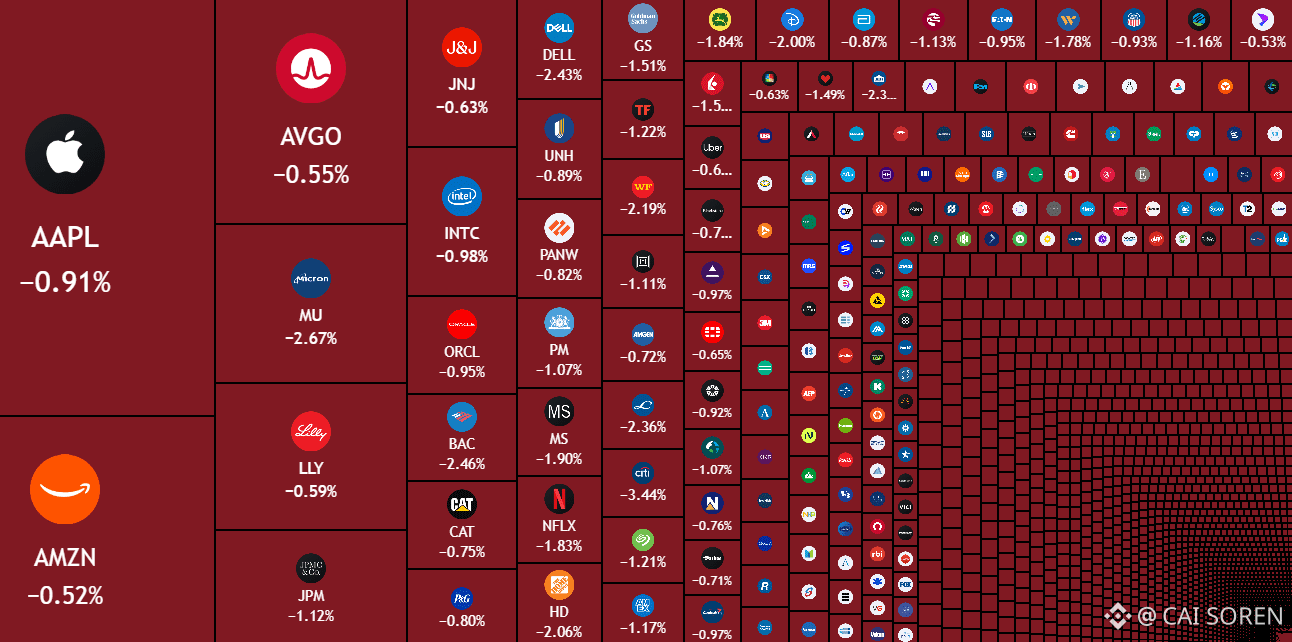
🚨 550 MILLIARDEN DOLLAR IN NUR 25 MINUTEN AUSGEWISCHT!
US-Aktien wurden von einem heftigen Abverkauf getroffen, nachdem der ISM Manufacturing PMI auf 54,5 gefallen war — ein 3-Monats-Tief und unter den Erwartungen.
Die Wirtschaft wächst zwar weiterhin — aber heißere Input-Preise haben die Inflationssorgen wieder entfacht und Druck auf die Zinsen ausgeübt.
550 Mrd. weg. 25 Minuten. Die Wall Street bekam gerade einen brutalen Realitätsschock. 📉🔥
🚨 550 MILLIARDEN DOLLAR IN NUR 25 MINUTEN AUSGEWISCHT!
US-Aktien wurden von einem heftigen Abverkauf getroffen, nachdem der ISM Manufacturing PMI auf 54,5 gefallen war — ein 3-Monats-Tief und unter den Erwartungen.
Die Wirtschaft wächst zwar weiterhin — aber heißere Input-Preise haben die Inflationssorgen wieder entfacht und Druck auf die Zinsen ausgeübt.
550 Mrd. weg. 25 Minuten. Die Wall Street bekam gerade einen brutalen Realitätsschock. 📉🔥
US-Aktien wurden von einem heftigen Abverkauf getroffen, nachdem der ISM Manufacturing PMI auf 54,5 gefallen war — ein 3-Monats-Tief und unter den Erwartungen.
Die Wirtschaft wächst zwar weiterhin — aber heißere Input-Preise haben die Inflationssorgen wieder entfacht und Druck auf die Zinsen ausgeübt.
550 Mrd. weg. 25 Minuten. Die Wall Street bekam gerade einen brutalen Realitätsschock. 📉🔥
14
2
52
32k
·
--
Verifiziert
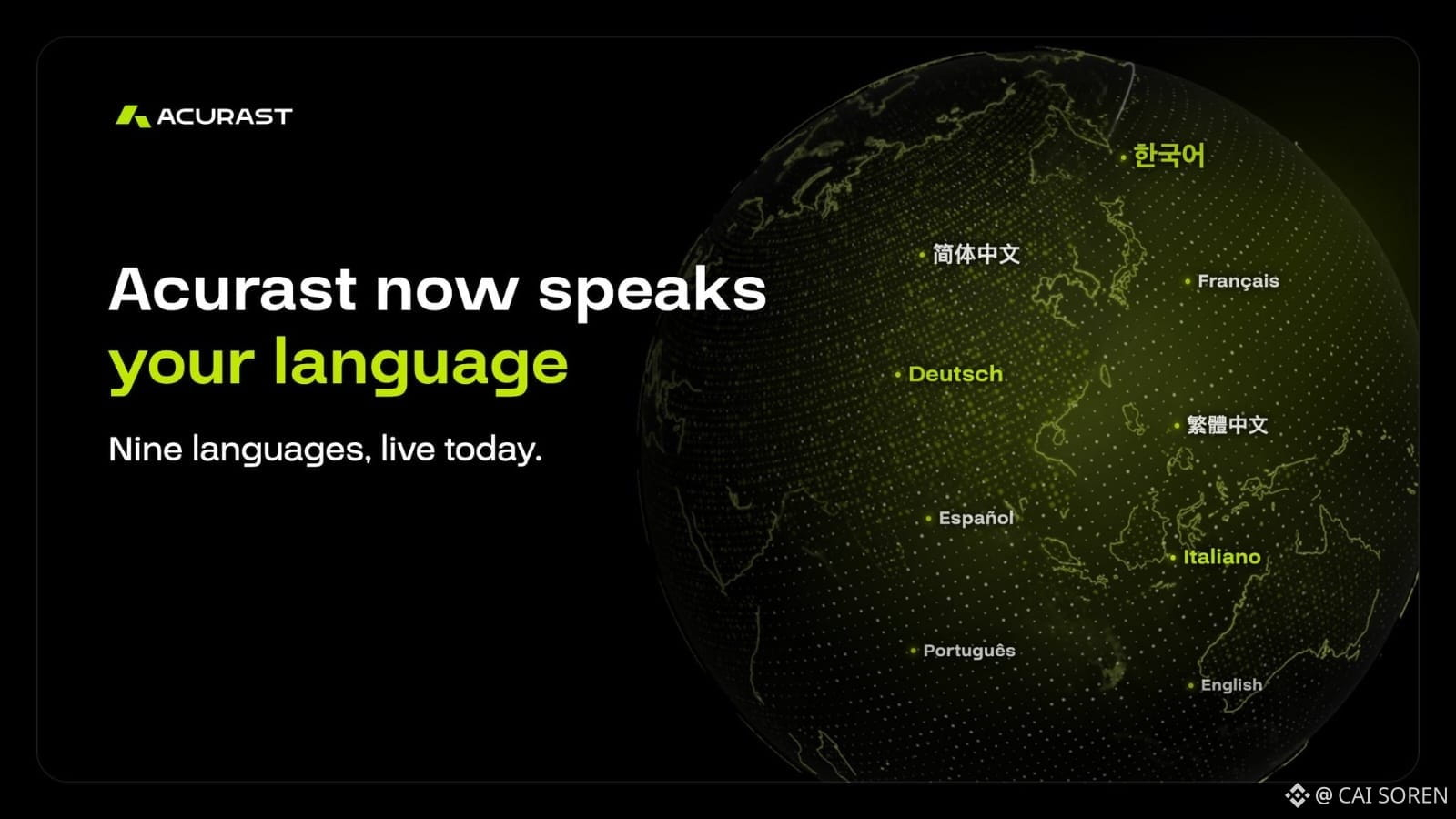
$ACU is durchbricht die Sprachbarriere.
Acurast wird für seine wachsende globale Community immer zugänglicher.
◆ Jetzt werden 9 Sprachen unterstützt
◆ Von Deutsch → 한국어
◆ Mehr globale Erreichbarkeit
◆ Ein reibungsloseres Erlebnis für Nutzer weltweit
Sprache sollte Innovation niemals begrenzen.
Verschiedene Sprachen → Ein Ökosystem.
Mehr Zugänglichkeit → Stärkere Verbindungen.
Globale Community → Globale Zukunft.
Acurast baut weiterhin über Grenzen hinweg.
$ACU is durchbricht die Sprachbarriere.
Acurast wird für seine wachsende globale Community immer zugänglicher.
◆ Jetzt werden 9 Sprachen unterstützt
◆ Von Deutsch → 한국어
◆ Mehr globale Erreichbarkeit
◆ Ein reibungsloseres Erlebnis für Nutzer weltweit
Sprache sollte Innovation niemals begrenzen.
Verschiedene Sprachen → Ein Ökosystem.
Mehr Zugänglichkeit → Stärkere Verbindungen.
Globale Community → Globale Zukunft.
Acurast baut weiterhin über Grenzen hinweg.
Acurast wird für seine wachsende globale Community immer zugänglicher.
◆ Jetzt werden 9 Sprachen unterstützt
◆ Von Deutsch → 한국어
◆ Mehr globale Erreichbarkeit
◆ Ein reibungsloseres Erlebnis für Nutzer weltweit
Sprache sollte Innovation niemals begrenzen.
Verschiedene Sprachen → Ein Ökosystem.
Mehr Zugänglichkeit → Stärkere Verbindungen.
Globale Community → Globale Zukunft.
Acurast baut weiterhin über Grenzen hinweg.
24
34
4.1k
·
--
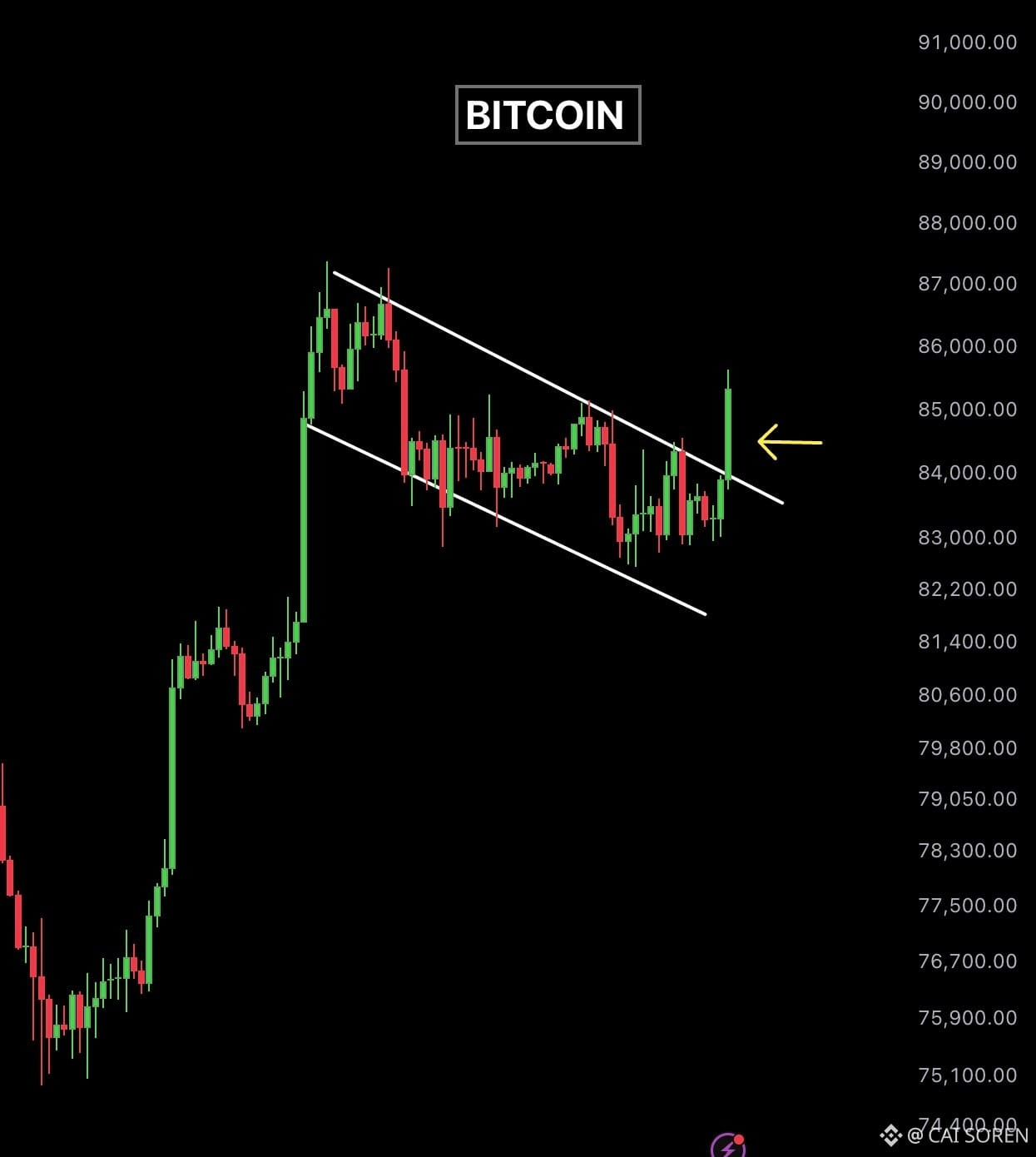
🚨 BITCOIN BRICHT AUS! 🚀
BTC zeigt nach einem massiven September-Run wieder ernsthafte Stärke.
⚡ September-Hoch: ca. 87,4 Tsd.
🔥 Quartalsgewinn: 40%+
💰 Spot-Bitcoin-ETFs haben in einer jüngsten Woche etwa 2,4 Mrd. $ eingesammelt
🏦 Institutionelle Nachfrage kehrt zurück
🎯 Wichtiges Widerstandslevel: 85 Tsd.–87,4 Tsd. $
🛡️ Wichtiges Unterstützungslevel: ca. 82,5 Tsd. $
Bitcoin kommt aus seinem stärksten Quartal seit nahezu zwei Jahren, und der Kampf um 85 Tsd.–87 Tsd. $ könnte darüber entscheiden, ob sich der Aufwärtsschub ausweitet oder abkühlt.
BTC klopft erneut an die Tür. 👀🔥
Ein sauberer Ausbruch über 87,4 Tsd. $ würde den Markt in frisches Terrain für diesen Rallye-Run bringen.
Volatilität ist zurück. Augen auf Bitcoin. ₿
🚨 BITCOIN BRICHT AUS! 🚀
BTC zeigt nach einem massiven September-Run wieder ernsthafte Stärke.
⚡ September-Hoch: ca. 87,4 Tsd.
🔥 Quartalsgewinn: 40%+
💰 Spot-Bitcoin-ETFs haben in einer jüngsten Woche etwa 2,4 Mrd. $ eingesammelt
🏦 Institutionelle Nachfrage kehrt zurück
🎯 Wichtiges Widerstandslevel: 85 Tsd.–87,4 Tsd. $
🛡️ Wichtiges Unterstützungslevel: ca. 82,5 Tsd. $
Bitcoin kommt aus seinem stärksten Quartal seit nahezu zwei Jahren, und der Kampf um 85 Tsd.–87 Tsd. $ könnte darüber entscheiden, ob sich der Aufwärtsschub ausweitet oder abkühlt.
BTC klopft erneut an die Tür. 👀🔥
Ein sauberer Ausbruch über 87,4 Tsd. $ würde den Markt in frisches Terrain für diesen Rallye-Run bringen.
Volatilität ist zurück. Augen auf Bitcoin. ₿
BTC zeigt nach einem massiven September-Run wieder ernsthafte Stärke.
⚡ September-Hoch: ca. 87,4 Tsd.
🔥 Quartalsgewinn: 40%+
💰 Spot-Bitcoin-ETFs haben in einer jüngsten Woche etwa 2,4 Mrd. $ eingesammelt
🏦 Institutionelle Nachfrage kehrt zurück
🎯 Wichtiges Widerstandslevel: 85 Tsd.–87,4 Tsd. $
🛡️ Wichtiges Unterstützungslevel: ca. 82,5 Tsd. $
Bitcoin kommt aus seinem stärksten Quartal seit nahezu zwei Jahren, und der Kampf um 85 Tsd.–87 Tsd. $ könnte darüber entscheiden, ob sich der Aufwärtsschub ausweitet oder abkühlt.
BTC klopft erneut an die Tür. 👀🔥
Ein sauberer Ausbruch über 87,4 Tsd. $ würde den Markt in frisches Terrain für diesen Rallye-Run bringen.
Volatilität ist zurück. Augen auf Bitcoin. ₿
11
11
5k
·
--
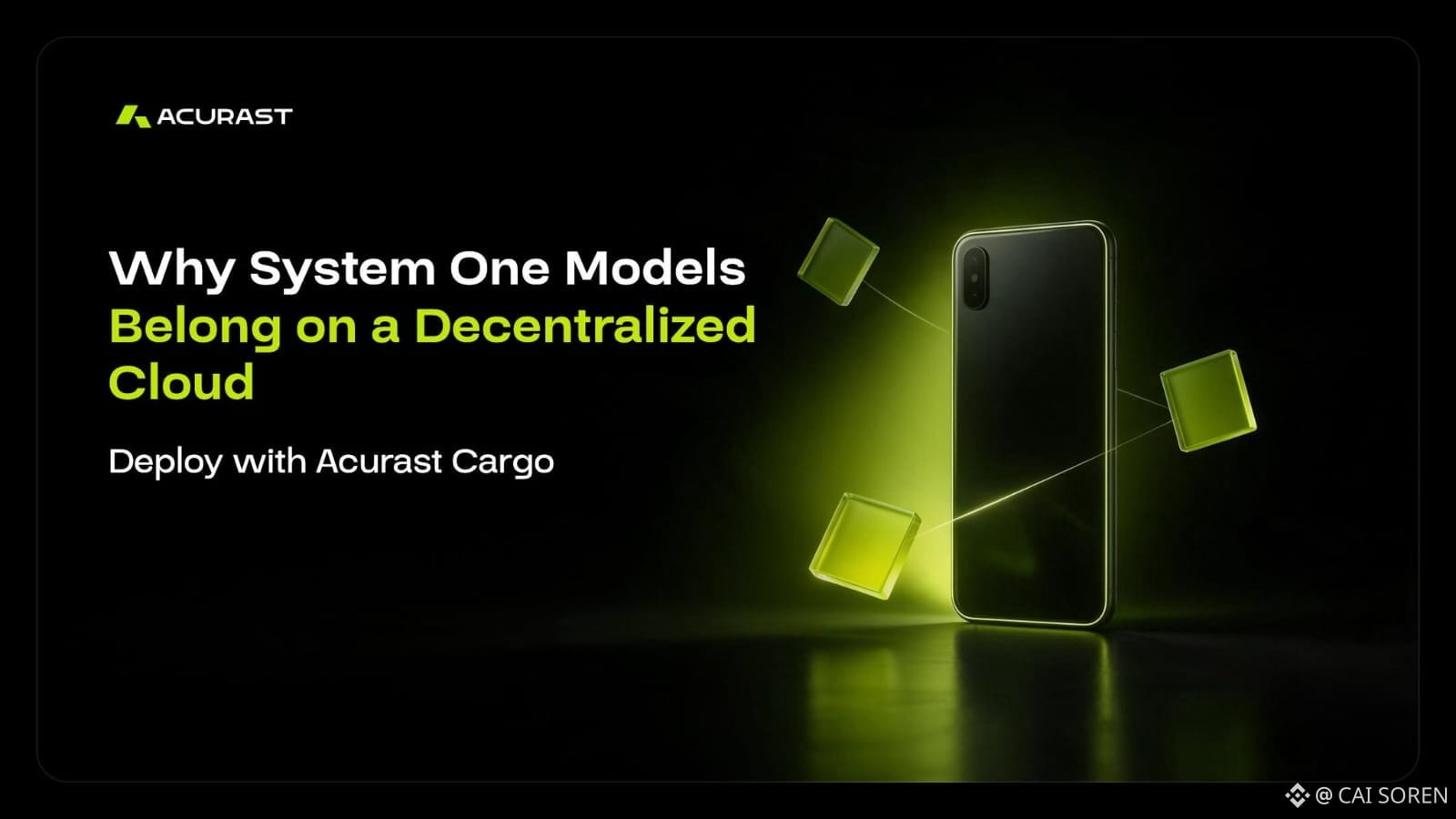
$ACU bringt KI-Compute über traditionelle Rechenzentren hinaus direkt auf Telefone.
Acurast’s dezentrale Cloud eröffnet Projekten wie Laya eine neue Möglichkeit, leichte KI-Workloads auf verteilten Geräten auszuführen.
• System One Modelle fokussieren sich auf schnelle, häufige Entscheidungen.
• Spam-Erkennung kann laufen, ohne sich vollständig auf massive zentrale Infrastruktur verlassen zu müssen.
• Moderations-Workloads können näher am Edge verarbeitet werden.
• Routing und Prompt-Sicherheit können über mobile Geräte hinweg arbeiten.
• ~0,2 s Entscheidungszeit unterstreicht die Geschwindigkeit dieser leichtgewichtigen Modelle.
• Open Model hält die Technologie zugänglich.
• Privacy by design stellt Privatsphäre in den Mittelpunkt.
Die größere Geschichte ist der Infrastrukturwandel.
Anstatt KI nur mit größeren Rechenzentren weiter hochzuskalieren, hilft $ACU dabei zu erforschen, was passiert, wenn der Compute auf alltägliche Geräte ausweicht.
Mehr Geräte. Mehr verteiltes Compute. Weniger Abhängigkeit von zentraler Infrastruktur.
$ACU zeigt, wie dezentrales Compute zu einer ernstzunehmenden Schicht für die nächste Generation von Edge-KI werden könnte.
$ACU bringt KI-Compute über traditionelle Rechenzentren hinaus direkt auf Telefone.
Acurast’s dezentrale Cloud eröffnet Projekten wie Laya eine neue Möglichkeit, leichte KI-Workloads auf verteilten Geräten auszuführen.
• System One Modelle fokussieren sich auf schnelle, häufige Entscheidungen.
• Spam-Erkennung kann laufen, ohne sich vollständig auf massive zentrale Infrastruktur verlassen zu müssen.
• Moderations-Workloads können näher am Edge verarbeitet werden.
• Routing und Prompt-Sicherheit können über mobile Geräte hinweg arbeiten.
• ~0,2 s Entscheidungszeit unterstreicht die Geschwindigkeit dieser leichtgewichtigen Modelle.
• Open Model hält die Technologie zugänglich.
• Privacy by design stellt Privatsphäre in den Mittelpunkt.
Die größere Geschichte ist der Infrastrukturwandel.
Anstatt KI nur mit größeren Rechenzentren weiter hochzuskalieren, hilft $ACU dabei zu erforschen, was passiert, wenn der Compute auf alltägliche Geräte ausweicht.
Mehr Geräte. Mehr verteiltes Compute. Weniger Abhängigkeit von zentraler Infrastruktur.
$ACU zeigt, wie dezentrales Compute zu einer ernstzunehmenden Schicht für die nächste Generation von Edge-KI werden könnte.
Acurast’s dezentrale Cloud eröffnet Projekten wie Laya eine neue Möglichkeit, leichte KI-Workloads auf verteilten Geräten auszuführen.
• System One Modelle fokussieren sich auf schnelle, häufige Entscheidungen.
• Spam-Erkennung kann laufen, ohne sich vollständig auf massive zentrale Infrastruktur verlassen zu müssen.
• Moderations-Workloads können näher am Edge verarbeitet werden.
• Routing und Prompt-Sicherheit können über mobile Geräte hinweg arbeiten.
• ~0,2 s Entscheidungszeit unterstreicht die Geschwindigkeit dieser leichtgewichtigen Modelle.
• Open Model hält die Technologie zugänglich.
• Privacy by design stellt Privatsphäre in den Mittelpunkt.
Die größere Geschichte ist der Infrastrukturwandel.
Anstatt KI nur mit größeren Rechenzentren weiter hochzuskalieren, hilft $ACU dabei zu erforschen, was passiert, wenn der Compute auf alltägliche Geräte ausweicht.
Mehr Geräte. Mehr verteiltes Compute. Weniger Abhängigkeit von zentraler Infrastruktur.
$ACU zeigt, wie dezentrales Compute zu einer ernstzunehmenden Schicht für die nächste Generation von Edge-KI werden könnte.
16
1
15
156
·
--
🚨 Wall Street betritt eine der wichtigsten Phasen — dort, wo Erwartungen auf reale Zahlen treffen.
Umsatz. EPS. Margen. Prognosen. KI-Ausgaben. Konsumentennachfrage. Kosten-Druck. Ausblick.
Ein Ergebnis-Beat kann eine Aktie beflügeln. Ein Prognosekürzung kann innerhalb von Minuten Milliarden an Börsenwert auslöschen.
Doch die eigentliche Geschichte ist nicht nur, ob Unternehmen „die Schätzungen schlagen“. Achten Sie darauf, was das Management über das NÄCHSTE Quartal sagt.
Volatilität steht bevor. Die Erwartungen sind hoch. Jede Zahl zählt.
📊 Die Berichtssaison könnte den Ton für die nächste große Marktbewegung vorgeben.
#EarningsSeason
🚨 Wall Street betritt eine der wichtigsten Phasen — dort, wo Erwartungen auf reale Zahlen treffen.
Umsatz. EPS. Margen. Prognosen. KI-Ausgaben. Konsumentennachfrage. Kosten-Druck. Ausblick.
Ein Ergebnis-Beat kann eine Aktie beflügeln. Ein Prognosekürzung kann innerhalb von Minuten Milliarden an Börsenwert auslöschen.
Doch die eigentliche Geschichte ist nicht nur, ob Unternehmen „die Schätzungen schlagen“. Achten Sie darauf, was das Management über das NÄCHSTE Quartal sagt.
Volatilität steht bevor. Die Erwartungen sind hoch. Jede Zahl zählt.
📊 Die Berichtssaison könnte den Ton für die nächste große Marktbewegung vorgeben.
#EarningsSeason
Umsatz. EPS. Margen. Prognosen. KI-Ausgaben. Konsumentennachfrage. Kosten-Druck. Ausblick.
Ein Ergebnis-Beat kann eine Aktie beflügeln. Ein Prognosekürzung kann innerhalb von Minuten Milliarden an Börsenwert auslöschen.
Doch die eigentliche Geschichte ist nicht nur, ob Unternehmen „die Schätzungen schlagen“. Achten Sie darauf, was das Management über das NÄCHSTE Quartal sagt.
Volatilität steht bevor. Die Erwartungen sind hoch. Jede Zahl zählt.
📊 Die Berichtssaison könnte den Ton für die nächste große Marktbewegung vorgeben.
#EarningsSeason

3
290
·
--
Bullisch
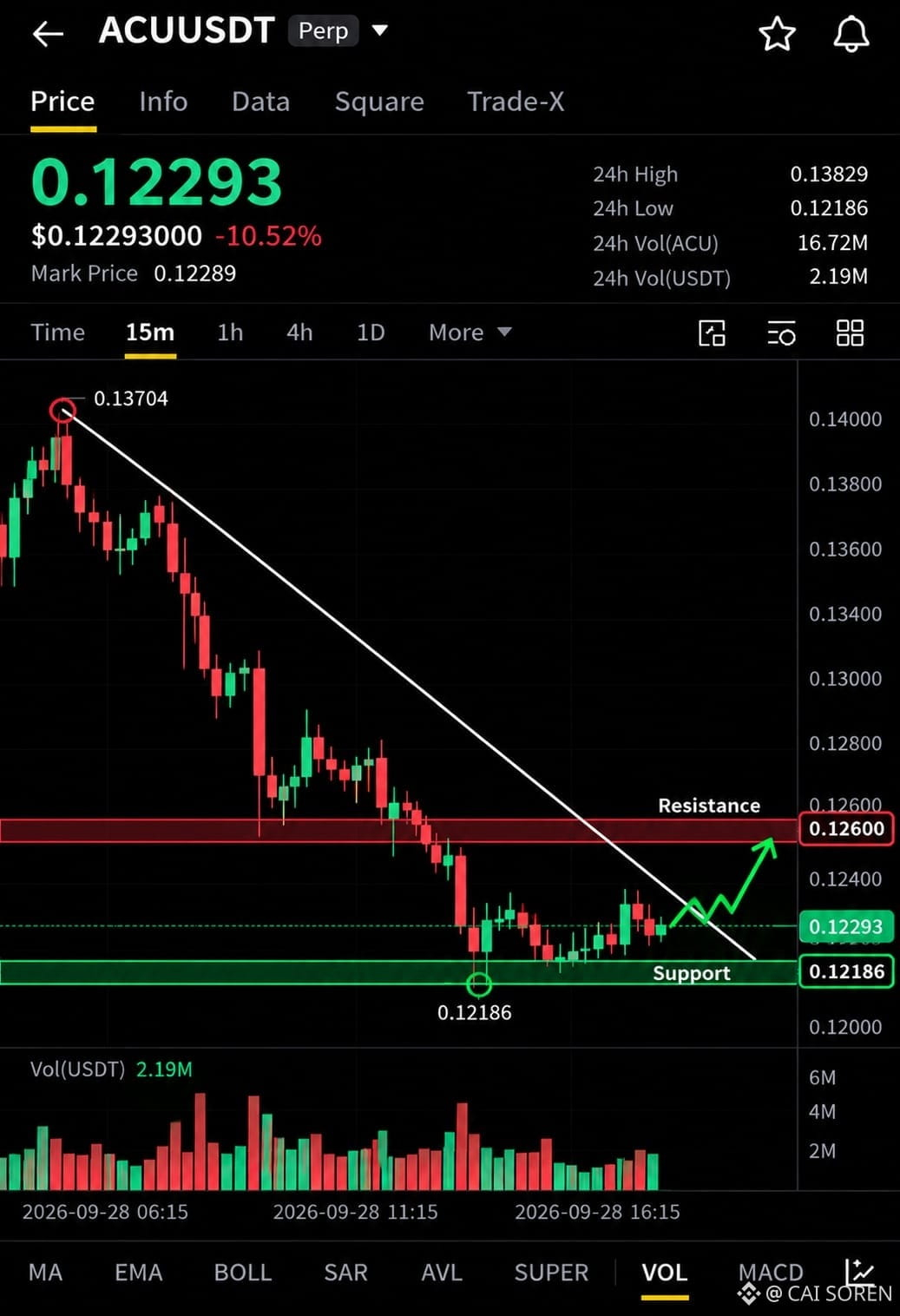
$ACU sitzt in einer kritischen technischen Zone nach einem scharfen Rücksetzer. 👀
Starker Support hält sich bei etwa $0.12186, wo Käufer beginnen, Interesse zu zeigen.
Acurast baut dezentrale, verifizierbare und vertrauliche Compute-Infrastruktur auf und macht Smartphones zu nützlichen Rechenressourcen.
$ACU treibt das Ökosystem durch Compute-Zahlungen, Netzwerkgebühren, Staking, Incentives und Governance an.
Auf dem 15M-Chart ist $0.1260 der entscheidende Widerstand.
Ein klarer Breakout über der absteigenden Trendlinie + $0.1260-Widerstand könnte den kurzfristigen Momentum-Shift auslösen und den Weg für eine Erholung öffnen.
Support → $0.12186
Resistance → $0.1260
$ACU ist auf einem Niveau, das man genau im Blick behalten sollte. 🔥
$ACU sitzt in einer kritischen technischen Zone nach einem scharfen Rücksetzer. 👀
Starker Support hält sich bei etwa $0.12186, wo Käufer beginnen, Interesse zu zeigen.
Acurast baut dezentrale, verifizierbare und vertrauliche Compute-Infrastruktur auf und macht Smartphones zu nützlichen Rechenressourcen.
$ACU treibt das Ökosystem durch Compute-Zahlungen, Netzwerkgebühren, Staking, Incentives und Governance an.
Auf dem 15M-Chart ist $0.1260 der entscheidende Widerstand.
Ein klarer Breakout über der absteigenden Trendlinie + $0.1260-Widerstand könnte den kurzfristigen Momentum-Shift auslösen und den Weg für eine Erholung öffnen.
Support → $0.12186
Resistance → $0.1260
$ACU ist auf einem Niveau, das man genau im Blick behalten sollte. 🔥
Starker Support hält sich bei etwa $0.12186, wo Käufer beginnen, Interesse zu zeigen.
Acurast baut dezentrale, verifizierbare und vertrauliche Compute-Infrastruktur auf und macht Smartphones zu nützlichen Rechenressourcen.
$ACU treibt das Ökosystem durch Compute-Zahlungen, Netzwerkgebühren, Staking, Incentives und Governance an.
Auf dem 15M-Chart ist $0.1260 der entscheidende Widerstand.
Ein klarer Breakout über der absteigenden Trendlinie + $0.1260-Widerstand könnte den kurzfristigen Momentum-Shift auslösen und den Weg für eine Erholung öffnen.
Support → $0.12186
Resistance → $0.1260
$ACU ist auf einem Niveau, das man genau im Blick behalten sollte. 🔥
13
19
2.5k
·
--
Bullisch
Verifiziert
$ACU steht in Singapur mit The Vantage im Mittelpunkt.
Acurast und Beldex bringen die Web3-Community für einen Abend am Marina Bay zusammen.
Gründer, Betreiber und Investoren kommen bei entspanntem Networking und echten Gesprächen zusammen.
Unterstützt von EAK, Sigma Capital und The Best Event.
Ein starker Start in die TOKEN2049-Woche für Acurast und $ACU.
NFA..
$ACU steht in Singapur mit The Vantage im Mittelpunkt.
Acurast und Beldex bringen die Web3-Community für einen Abend am Marina Bay zusammen.
Gründer, Betreiber und Investoren kommen bei entspanntem Networking und echten Gesprächen zusammen.
Unterstützt von EAK, Sigma Capital und The Best Event.
Ein starker Start in die TOKEN2049-Woche für Acurast und $ACU .
NFA..
Acurast und Beldex bringen die Web3-Community für einen Abend am Marina Bay zusammen.
Gründer, Betreiber und Investoren kommen bei entspanntem Networking und echten Gesprächen zusammen.
Unterstützt von EAK, Sigma Capital und The Best Event.
Ein starker Start in die TOKEN2049-Woche für Acurast und $ACU .
NFA..

49
38
8.4k
·
--
Bullisch
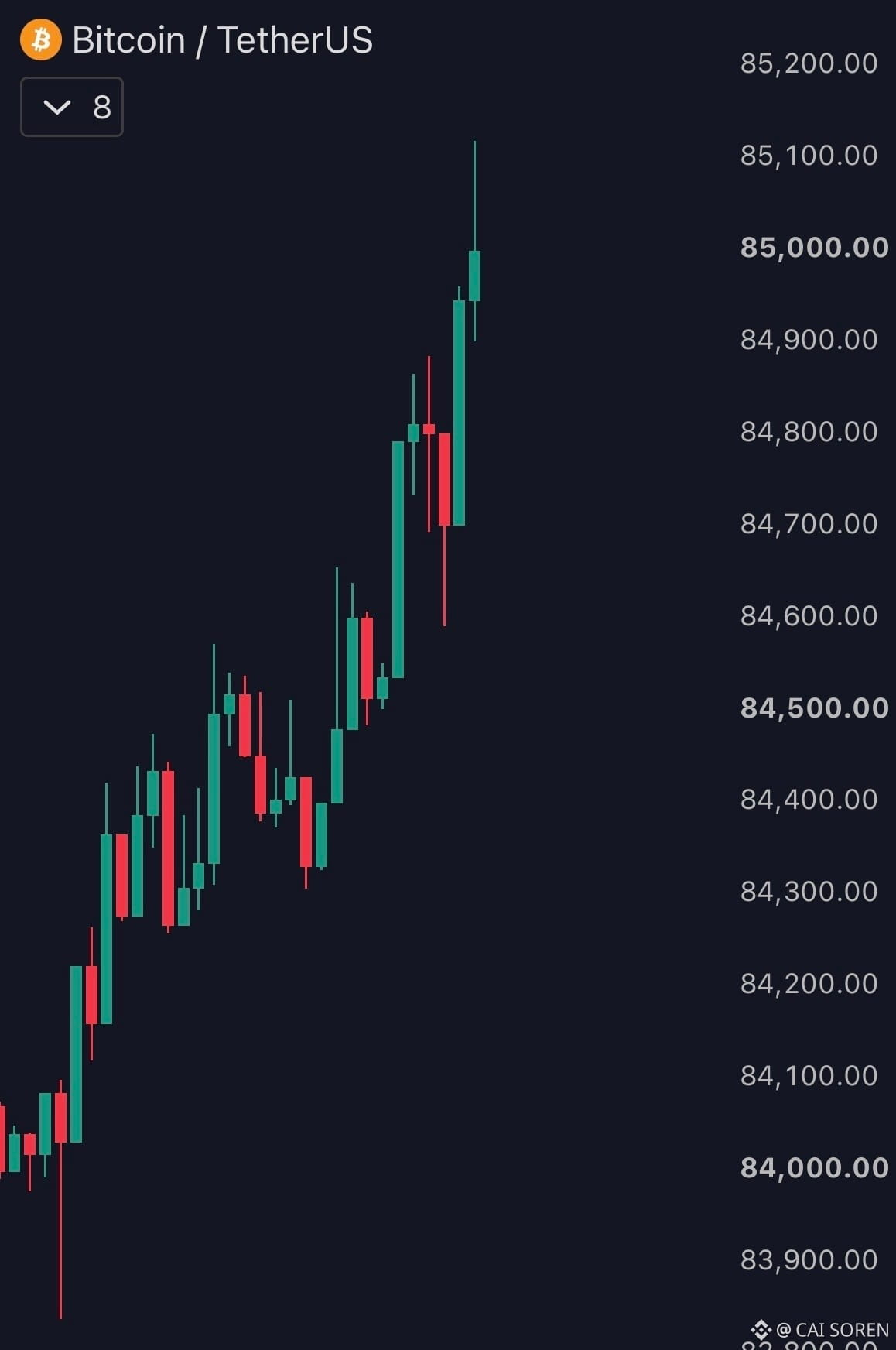
BREAKING: Bitcoin hat gerade $85.000 zurückerobert!
$BTC is ist wieder über der entscheidenden $85K-Marke, während der Schwung erneut anzieht.
PUMP IT 🚀
BREAKING: Bitcoin hat gerade $85.000 zurückerobert!
$BTC is ist wieder über der entscheidenden $85K-Marke, während der Schwung erneut anzieht.
PUMP IT 🚀
$BTC is ist wieder über der entscheidenden $85K-Marke, während der Schwung erneut anzieht.
PUMP IT 🚀
9
11
486
Anmelden und weiter Inhalte entdecken
Krypto-Nutzer weltweit auf Binance Square kennenlernen
⚡️ Bleib in Sachen Krypto stets am Puls.
💬 Die weltgrößte Kryptobörse vertraut darauf.
👍 Erhalte verlässliche Einblicke von verifizierten Creators.
E-Mail-Adresse/Telefonnummer
Trendthemen
FedMinutesFocusOnOctoberPause
31,499 Aufrufe
631 Kommentare
#fedminutesfocusonoctoberpause
🚨 DIE CHANCEN AUF EINE FED-ZINSERHÖHUNG IM OKTOBER FALLEN AUF 21,6 %… Steht $BTC kurz vor einer Reaktion? 👀
Die Fed steht kurz davor, den Märkten einen weiteren wichtigen Hinweis zu geben.
Anleger warten auf das heutige Sitzungsprotokoll des FOMC – und die größte Frage ist, ob es im Oktober eine weitere Zinserhöhung oder eine Pause geben wird.
Aktuell ist die Wahrscheinlichkeit einer Zinserhöhung um 25 Basispunkte im Oktober auf gerade einmal 21,6 % gesunken.
Das ist eine gewaltige Veränderung der Erwartungen.
Doch genau das macht die Sache interessant… 👀
Die Fed hob die Zinsen im September auf 3,75 %–4,00 % an, doch die jüngste Schwäche am Arbeitsmarkt und die nachlassende Inflation lassen eine weitere sofortige Erhöhung weniger wahrscheinlich erscheinen.
Und für Krypto ist das wichtig.
Eine Zinspause der Fed könnte den Druck auf die Finanzierungsbedingungen verringern und die Risikobereitschaft möglicherweise verbessern.
Das könnte BTC Rückenwind geben
Doch es gibt einen Haken…
Bitcoin steht bereits unter Druck, da der Dollar und die Renditen von US-Staatsanleihen steigen.
Das heutige Protokoll könnte also für Volatilität sorgen.
Eine taubenhafte Fed → Hoffnung auf mehr Liquidität → bullishe BTC-Erzählung?
Eine restriktive Fed → Angst vor höheren Zinsen → noch mehr Druck auf Risikoanlagen?
Die entscheidende Frage:
Wird der Oktober zur Zinspause, auf die die Bitcoin-Bullen gewartet haben… oder könnte die Fed den Markt erneut überraschen? 👀
Behalte BTC, die Zinserwartungen und die Renditen von US-Staatsanleihen genau im Auge.
#FederalReserve #Fed #Crypto #InterestRates
$ETH
$SOL
Shae Cassler Sw9r
·20 Likes
·40.1k Aufrufe
BinanceLaunchesBinanceIntelligence
958,581 Aufrufe
5,877 Kommentare
EvernorthDelaysNasdaqDebutToOct12
877 Aufrufe
69 Kommentare