
Bitcoin Trading _تداول البيتكوين
953 Beiträge
Bitcoin Trading _تداول البيتكوين
Crypto Expert | Crypto Analyst | Market Update | Technical Analysis | Live Signal
48 Following
528 Follower
2.1K+ Like gegeben
Beiträge
Alle
Zitierungen
#SpaceX_Beauftragt_Börsengang
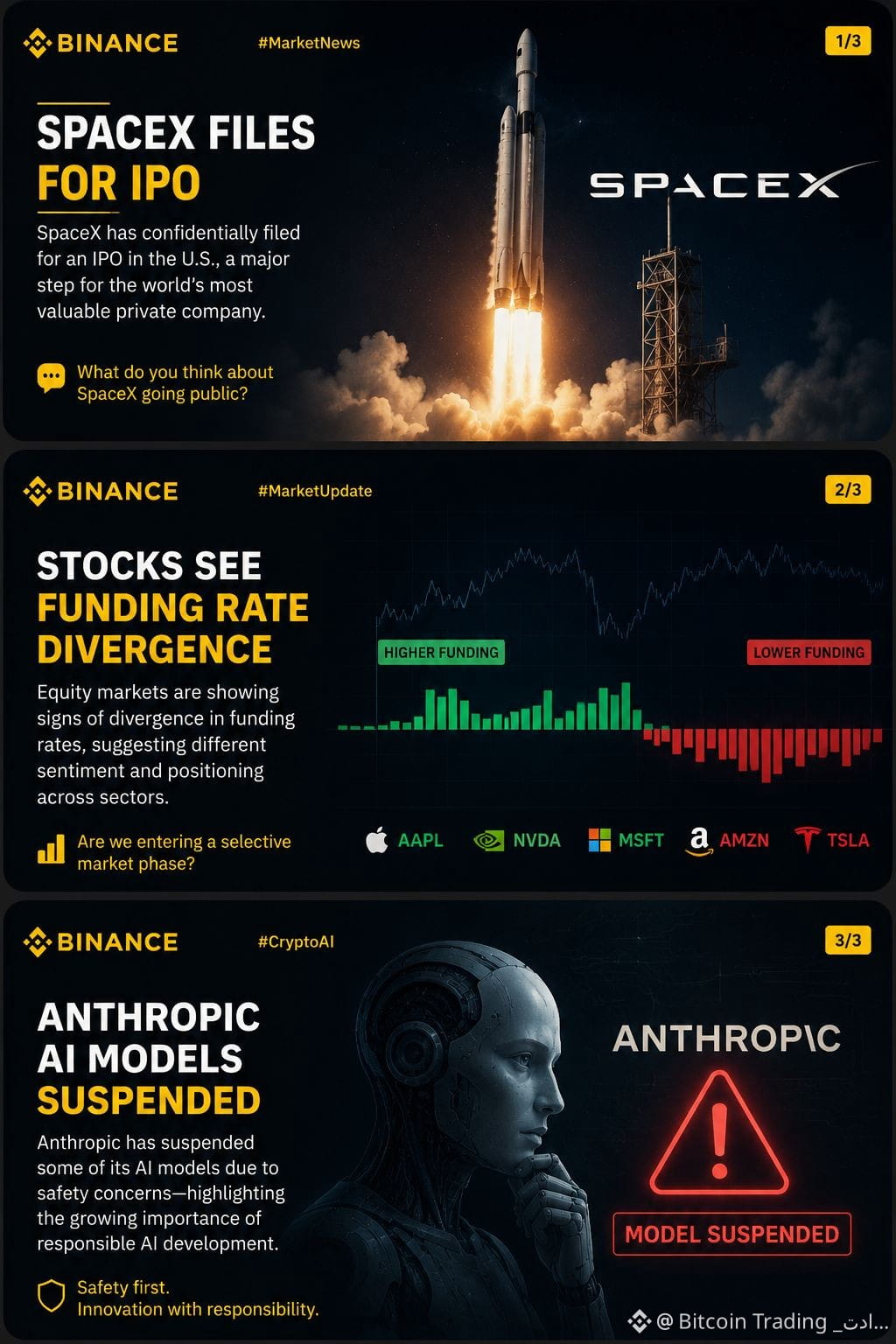
Die Firma SpaceX hat einen offiziellen Antrag (S-1) bei der US-Börsenaufsichtsbehörde eingereicht und dabei bekannt gegeben, dass sie 18.712 Bitcoin im Wert von 1,29 Milliarden Dollar hält. Der Börsengang könnte die Krypto-Assets im Kampf um Kapital anfeuern.
Die Firma SpaceX hat einen offiziellen Antrag (S-1) bei der US-Börsenaufsichtsbehörde eingereicht und dabei bekannt gegeben, dass sie 18.712 Bitcoin im Wert von 1,29 Milliarden Dollar hält. Der Börsengang könnte die Krypto-Assets im Kampf um Kapital anfeuern.
📌
✨ Die Zukunft gehört den Innovatoren
Die VAE sind zu einem globalen Zentrum für Geschäfte und Technologie geworden.
Der Emirati Unternehmer Mohammed Alabbar hat weltweite Projekte im Bereich Immobilien und Handel aufgebaut.
Heute fragen wir:
🚀 Glaubst du, dass Blockchain die Art und Weise, wie Unternehmen in der Zukunft aufgebaut werden, verändern wird?
Schreib deine Meinung 👇
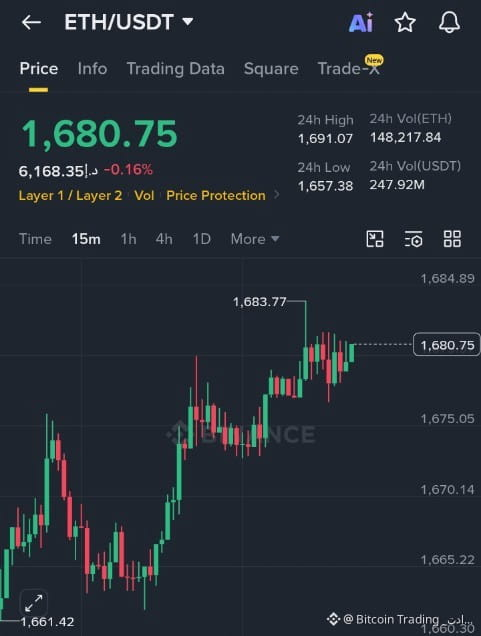
💎 $ETH
Die VAE sind zu einem globalen Zentrum für Geschäfte und Technologie geworden.
Der Emirati Unternehmer Mohammed Alabbar hat weltweite Projekte im Bereich Immobilien und Handel aufgebaut.
Heute fragen wir:
🚀 Glaubst du, dass Blockchain die Art und Weise, wie Unternehmen in der Zukunft aufgebaut werden, verändern wird?
Schreib deine Meinung 👇
💎 $ETH
$BTC
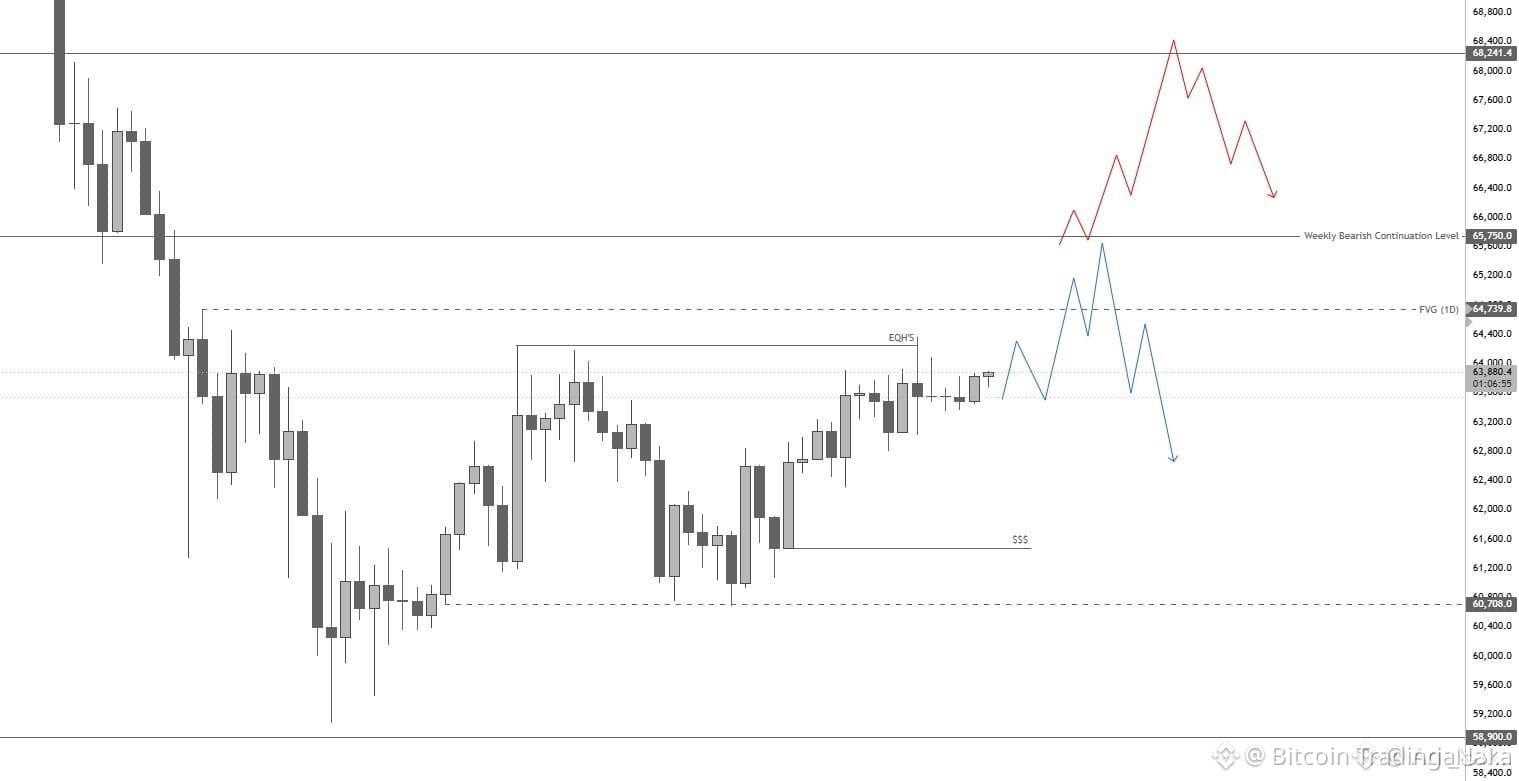
Für die nächste Woche beobachte ich zwei Szenarien:
🔹 Szenario Eins: Ablehnung des Preises aus dem Bereich 64.7K - 65.7K (FVG-Bereich des Tages und Fortsetzung des wöchentlichen Abstiegs), wo wichtige Liquidität vorhanden ist, die abgeschöpft werden könnte.
🔹 Szenario Zwei: Wenn Bitcoin das Niveau von 65.7K zurückerobert, könnten wir einen Anstieg in Richtung 68.2K (Quartalsbeginn) sehen, aber die Wahrscheinlichkeit einer Ablehnung von dort bleibt hoch.
Nach dem starken Rückgang zu Beginn des Monats erleben wir oft in der Monatsmitte eine Akkumulations- oder Retracement-Phase, bevor der Haupttrend fortgesetzt wird.
Das ist das erwartete Szenario für diesen Monat. 🚀📊
Für die nächste Woche beobachte ich zwei Szenarien:
🔹 Szenario Eins: Ablehnung des Preises aus dem Bereich 64.7K - 65.7K (FVG-Bereich des Tages und Fortsetzung des wöchentlichen Abstiegs), wo wichtige Liquidität vorhanden ist, die abgeschöpft werden könnte.
🔹 Szenario Zwei: Wenn Bitcoin das Niveau von 65.7K zurückerobert, könnten wir einen Anstieg in Richtung 68.2K (Quartalsbeginn) sehen, aber die Wahrscheinlichkeit einer Ablehnung von dort bleibt hoch.
Nach dem starken Rückgang zu Beginn des Monats erleben wir oft in der Monatsmitte eine Akkumulations- oder Retracement-Phase, bevor der Haupttrend fortgesetzt wird.
Das ist das erwartete Szenario für diesen Monat. 🚀📊
🔥 Reichtum beginnt im Kopf, bevor das Geld kommt
Die reichsten Investoren der Welt haben ihren Erfolg nicht dem Zufall überlassen,
sondern durch Lernen, Geduld und langfristige Entscheidungen.
In der Crypto-Welt:
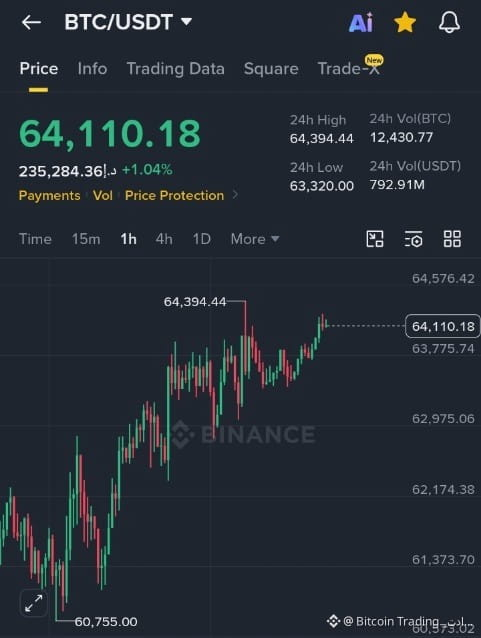
Glaubst du, dass $BTC ein wesentlicher Bestandteil der Zukunft des Geldes sein wird?
Ja ✅
Nein ❌
Teile deine Meinung 👇
🟠 $BTC
#BinanceSquare #Bitcoin #MiddleEastTensions
Die reichsten Investoren der Welt haben ihren Erfolg nicht dem Zufall überlassen,
sondern durch Lernen, Geduld und langfristige Entscheidungen.
In der Crypto-Welt:
Glaubst du, dass $BTC ein wesentlicher Bestandteil der Zukunft des Geldes sein wird?
Ja ✅
Nein ❌
Teile deine Meinung 👇
🟠 $BTC
#BinanceSquare #Bitcoin #MiddleEastTensions
🌍 Von der Wüste zur globalen Wirtschaft 🚀
Die Golfstaaten haben bewiesen, dass Vision und Investitionen in die Zukunft Veränderungen bewirken.
Der saudi-arabische Unternehmer Prinz Alwaleed bin Talal ist bekannt für seine globalen Investments und den Aufbau großer Firmen.
Aber die eigentliche Frage lautet:
💡 Wird das Investment in Technologie und Blockchain einen größeren Teil der Zukunft der Region ausmachen?
Teile deine Meinung 👇
💛 $BNB
#BNB #BNB_Market_Update
Die Golfstaaten haben bewiesen, dass Vision und Investitionen in die Zukunft Veränderungen bewirken.
Der saudi-arabische Unternehmer Prinz Alwaleed bin Talal ist bekannt für seine globalen Investments und den Aufbau großer Firmen.
Aber die eigentliche Frage lautet:
💡 Wird das Investment in Technologie und Blockchain einen größeren Teil der Zukunft der Region ausmachen?
Teile deine Meinung 👇
💛 $BNB
#BNB #BNB_Market_Update
🌍 Eine neue Ära der Finanztechnologie
Die Blockchain verändert, wie die Welt mit Geld und Daten umgeht.
Sei Teil der Entwicklung,
lerne, folge und baue.
⚡ $XRP
Die digitale Zukunft kommt.
#BinanceSquare #XRP
Die Blockchain verändert, wie die Welt mit Geld und Daten umgeht.
Sei Teil der Entwicklung,
lerne, folge und baue.
⚡ $XRP
Die digitale Zukunft kommt.
#BinanceSquare #XRP
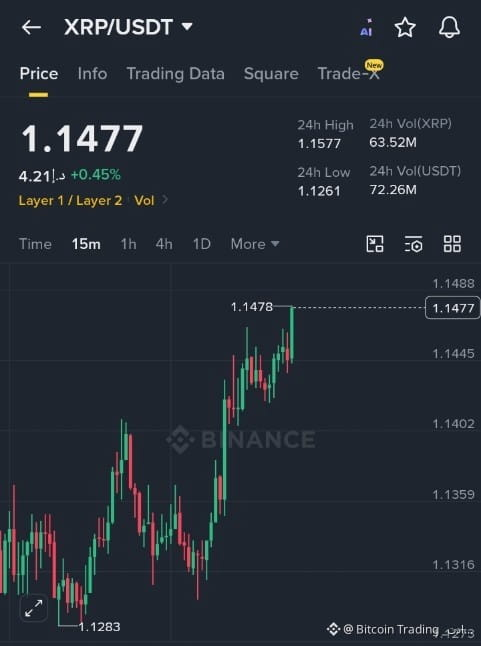
🔥 Die Kraft von Geduld und Disziplin
Nicht jeder Pump ist eine Chance,
und nicht jeder Dump ist das Ende.
Der clevere Investor sieht das große Ganze.
🌐 $SOL
Geschwindigkeit + Innovation + starke Community
Die Zukunft gehört den Vorbereiteten 🚀
#BinanceSquare #Solana #Crypto
Nicht jeder Pump ist eine Chance,
und nicht jeder Dump ist das Ende.
Der clevere Investor sieht das große Ganze.
🌐 $SOL
Geschwindigkeit + Innovation + starke Community
Die Zukunft gehört den Vorbereiteten 🚀
#BinanceSquare #Solana #Crypto
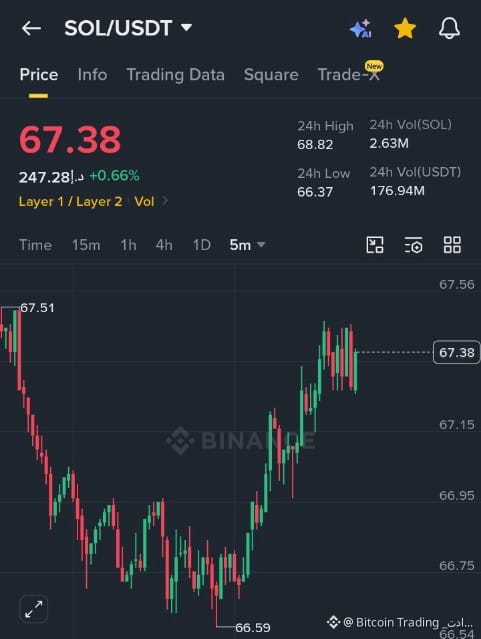
🚀 Chancen warten auf niemanden
Die Welt verändert sich,
und die Technologie öffnet jeden Tag neue Türen.
Konzentriere dich nicht nur auf die Preisbewegung,
sondern auf den Wert und die Entwicklung.
💎 $ETH
Lerne heute…
und baue die Zukunft von morgen.
#BinanceSquare #Ethereum #Crypto
Die Welt verändert sich,
und die Technologie öffnet jeden Tag neue Türen.
Konzentriere dich nicht nur auf die Preisbewegung,
sondern auf den Wert und die Entwicklung.
💎 $ETH
Lerne heute…
und baue die Zukunft von morgen.
#BinanceSquare #Ethereum #Crypto
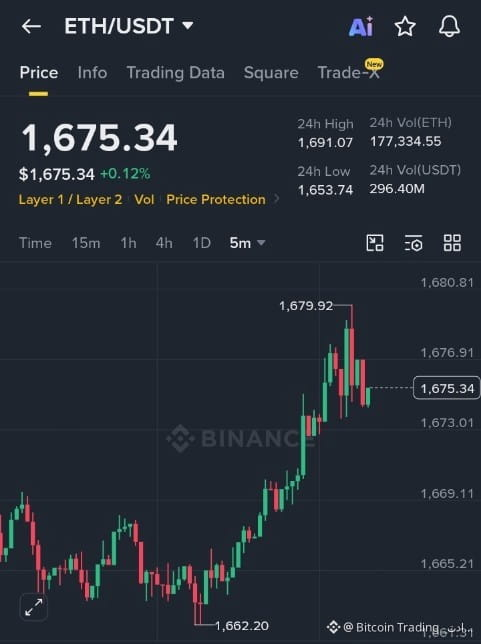
🌟 Heute’s Sicht… Morgen’s Erfolg
Die Märkte ändern sich,
aber die Chancen enden nicht für diejenigen, die lernen und sich vorbereiten.
Im Zeitalter von Künstlicher Intelligenz und Blockchain,
ist Wissen der wahre Reichtum.
🚀 $BNB 🚀 $BTC
Baue deine Zukunft, und bleibe nicht nur Zuschauer.
#CryptoArab #BinanceSquare #Blockchain #SpaceXIPOUSStocksOpenHigher
Die Märkte ändern sich,
aber die Chancen enden nicht für diejenigen, die lernen und sich vorbereiten.
Im Zeitalter von Künstlicher Intelligenz und Blockchain,
ist Wissen der wahre Reichtum.
🚀 $BNB 🚀 $BTC
Baue deine Zukunft, und bleibe nicht nur Zuschauer.
#CryptoArab #BinanceSquare #Blockchain #SpaceXIPOUSStocksOpenHigher
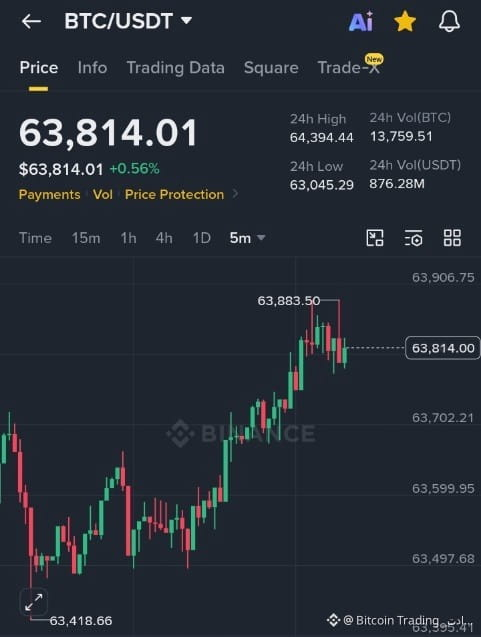
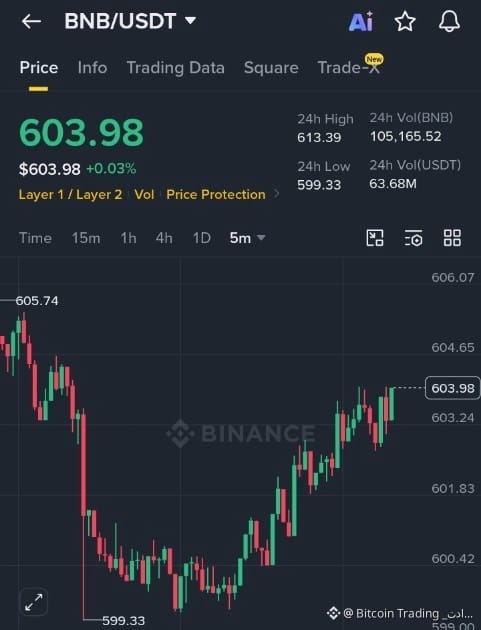
🔥 Die Zukunft wird jetzt gebaut 🚀
In einer sich schnell verändernden Welt,
warte nicht auf die Gelegenheit… erschaffe sie.
Lerne.
Entwickle dich weiter.
Und baue für die Zukunft.
Erfolg im Krypto ist kein Glück,
sondern Wissen + Geduld + Disziplin.
💛 $BNB
🌍 Die Zukunft der Blockchain beginnt mit denen, die daran glauben.
Teile, wenn du die Zukunft baust 🚀
#BinanceSquare #Crypto #BNB #SpaceXIPOUSStocksOpenHigher
In einer sich schnell verändernden Welt,
warte nicht auf die Gelegenheit… erschaffe sie.
Lerne.
Entwickle dich weiter.
Und baue für die Zukunft.
Erfolg im Krypto ist kein Glück,
sondern Wissen + Geduld + Disziplin.
💛 $BNB
🌍 Die Zukunft der Blockchain beginnt mit denen, die daran glauben.
Teile, wenn du die Zukunft baust 🚀
#BinanceSquare #Crypto #BNB #SpaceXIPOUSStocksOpenHigher
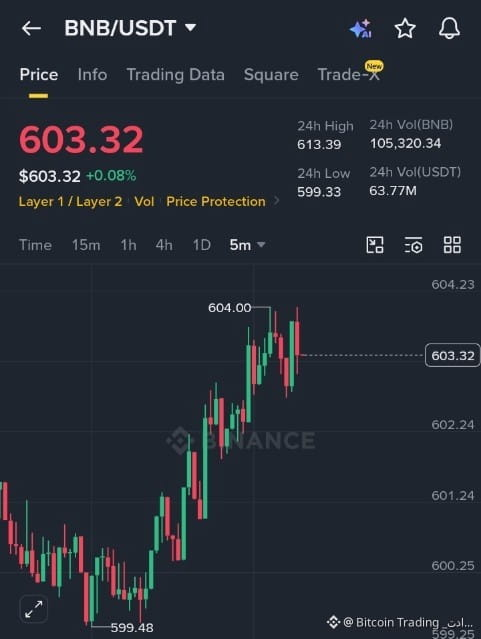
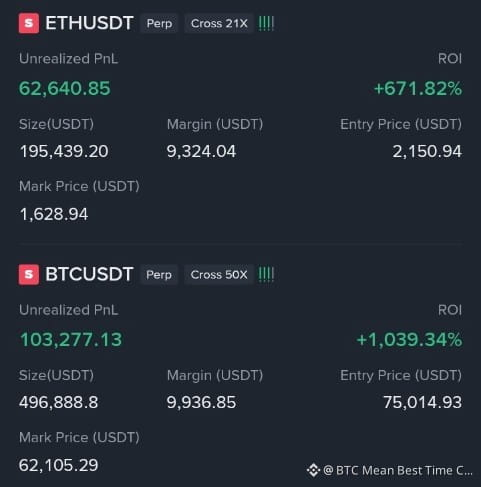
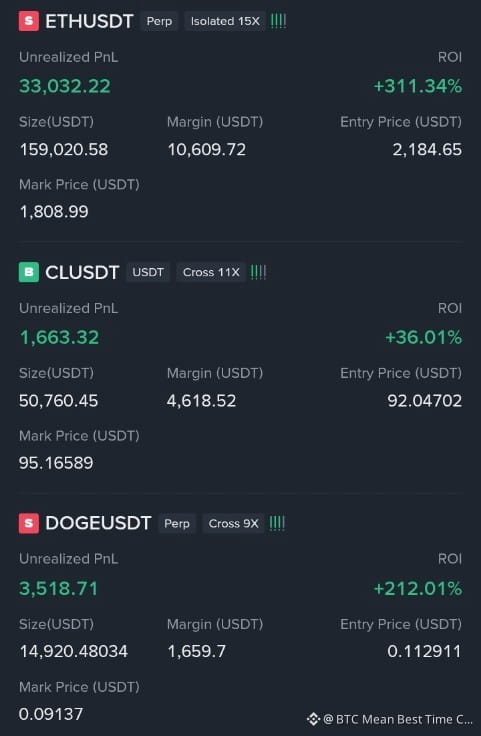
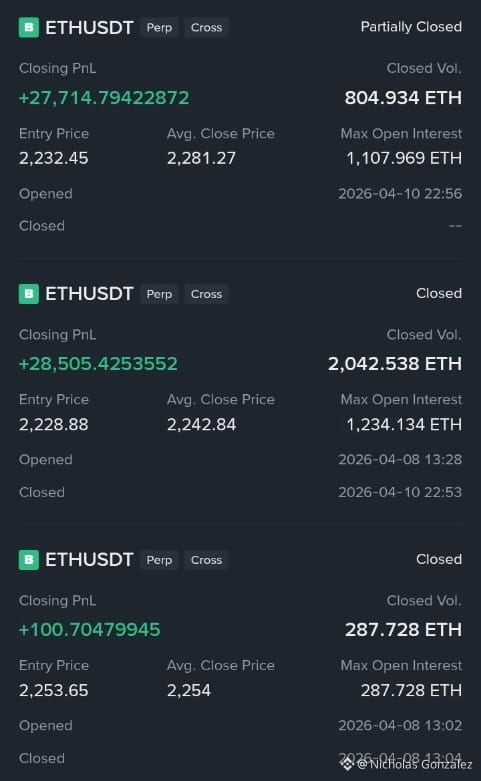
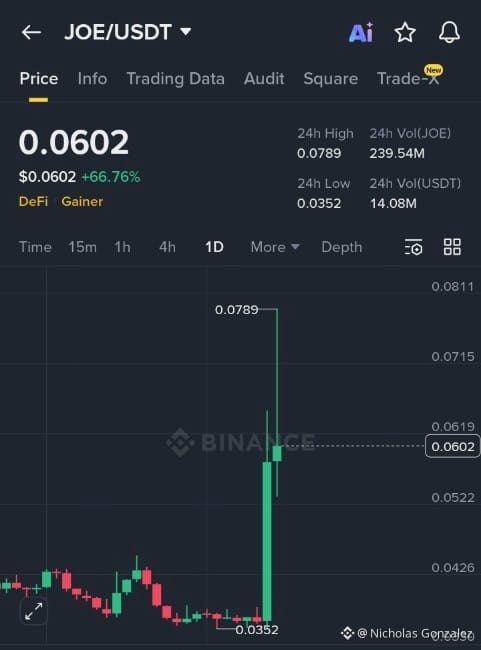
Nicht versuchen, recht zu haben.
Nur versuchen, bereit zu sein.
$BTC entwickelt sich.
Langsam.
Lass uns sehen.
Nur versuchen, bereit zu sein.
$BTC entwickelt sich.
Langsam.
Lass uns sehen.
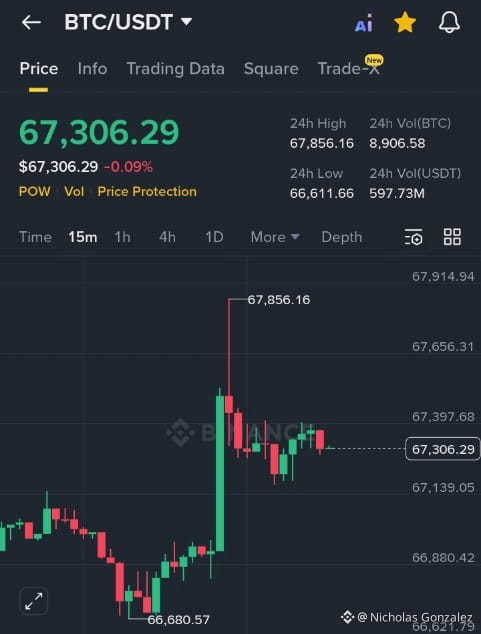
Anmelden und weiter Inhalte entdecken