
BTCMaster88
3.9k Beiträge

BTCMaster88
Learning, losing, winning — all part of my Binance story @BTCMaster88_Connect On X
Trade eröffnen
Regelmäßiger Trader
4.8 Jahre
295 Following
25.4K+ Follower
10.9K+ Like gegeben
Beiträge
Portfolio
Alle
Zitierungen
Live
PINNED
Hallo zusammen,
Ich bin ein EU-Nutzer und verfolge die Änderungen im Rahmen der MiCA-Vorschriften seit einiger Zeit genau. Aktuell halte ich meine Krypto bei Binance, aber ich frage mich, ob das immer noch der beste Ort ist, um mein Geld zu verwahren.
Hat Binance bestätigt, dass Nutzer ihre Vermögenswerte stets abziehen können, wenn bestimmte Dienstleistungen im Zuge von MiCA eingestellt werden? Oder wäre es schlauer, die Gelder vor Inkrafttreten der Änderungen auf eine andere Börse oder in eine Self-Custody-Wallet zu verlagern?
Ich würde mich über eine Klarstellung freuen.
$INJ @FINANCЕ #Poland
Ich bin ein EU-Nutzer und verfolge die Änderungen im Rahmen der MiCA-Vorschriften seit einiger Zeit genau. Aktuell halte ich meine Krypto bei Binance, aber ich frage mich, ob das immer noch der beste Ort ist, um mein Geld zu verwahren.
Hat Binance bestätigt, dass Nutzer ihre Vermögenswerte stets abziehen können, wenn bestimmte Dienstleistungen im Zuge von MiCA eingestellt werden? Oder wäre es schlauer, die Gelder vor Inkrafttreten der Änderungen auf eine andere Börse oder in eine Self-Custody-Wallet zu verlagern?
Ich würde mich über eine Klarstellung freuen.
$INJ @FINANCЕ #Poland
Übersetzung ansehen
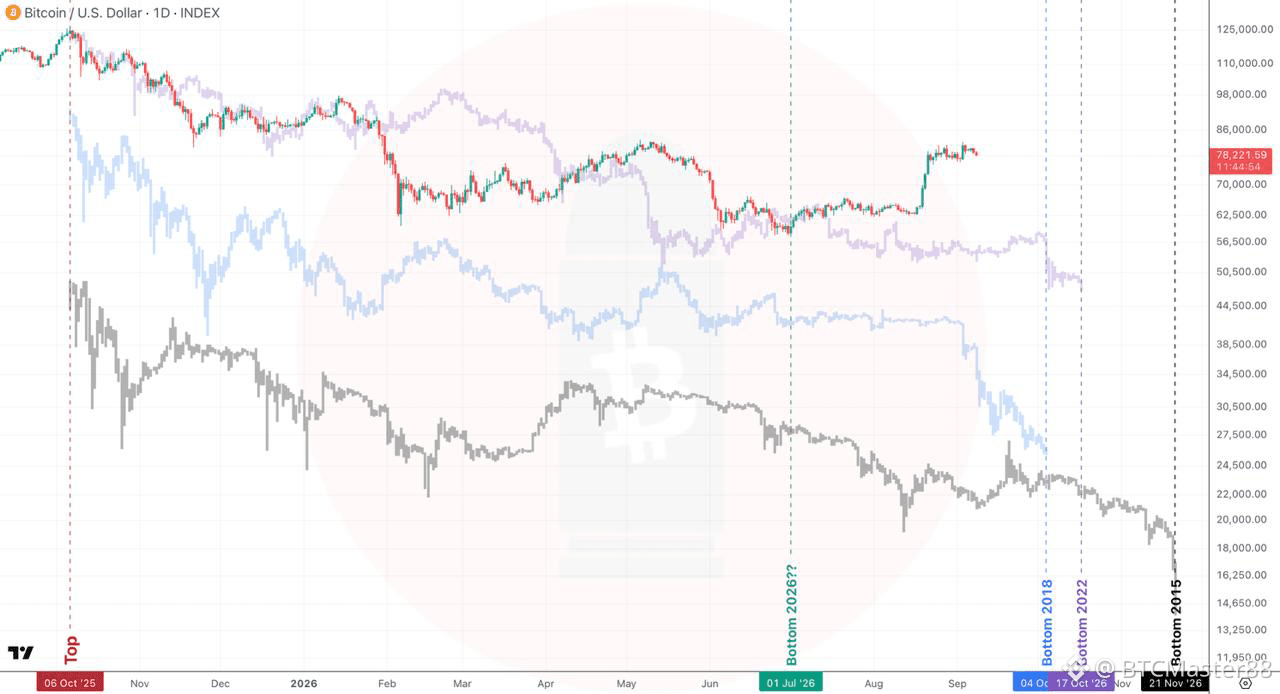
If July 1st ($57,750) was the bear market bottom, then it was the shortest $BTC bear market 🤷♂️
But don't write off the bears just yet, they still have enough time to fight back:
👉 October 4th would match the 2018 bear market bottom
👉 October 17th would match the 2022 bear market bottom
👉 November 21st would match the 2014/15 bear market bottom
That's why I set December 1st as the deadline to flip 100% bullish
But don't write off the bears just yet, they still have enough time to fight back:
👉 October 4th would match the 2018 bear market bottom
👉 October 17th would match the 2022 bear market bottom
👉 November 21st would match the 2014/15 bear market bottom
That's why I set December 1st as the deadline to flip 100% bullish
Übersetzung ansehen
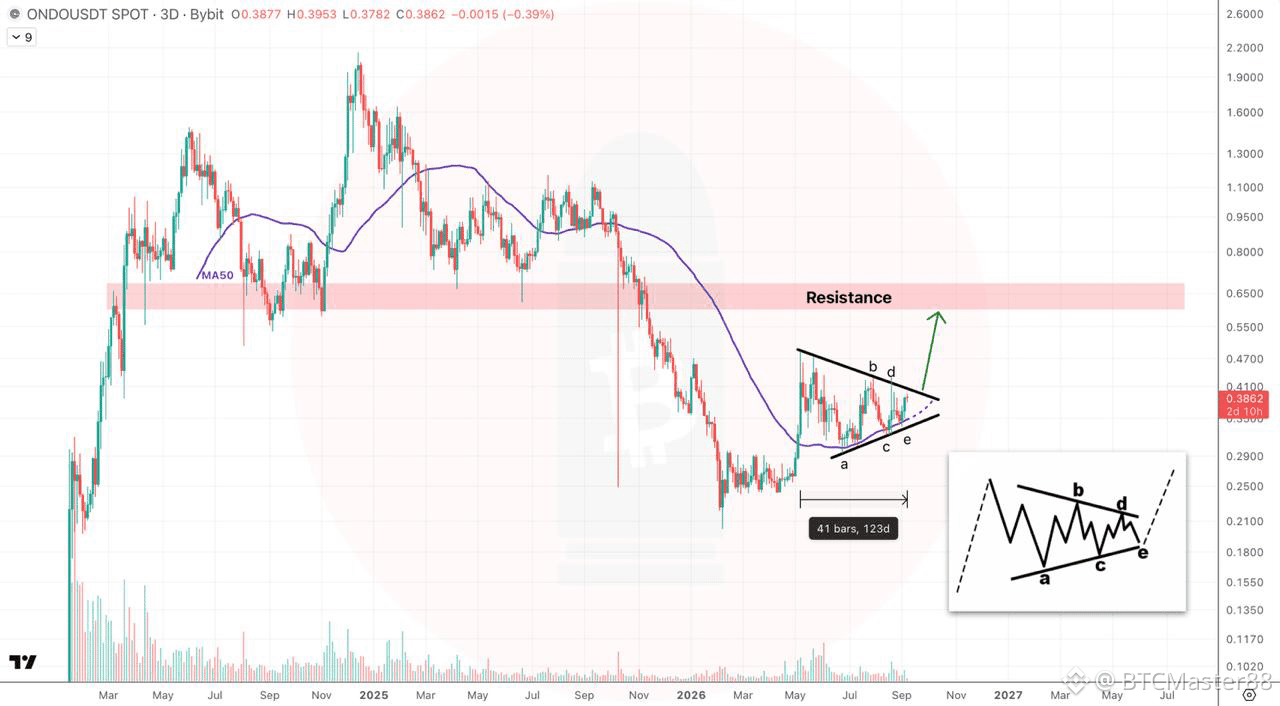
$ONDO is printing a big Symmetrical Triangle on the 3D chart 🧐
If $BTC behaves $ONDO could break out very soon 📈
Use the MA50 to manage the risk
If $BTC behaves $ONDO could break out very soon 📈
Use the MA50 to manage the risk
Übersetzung ansehen
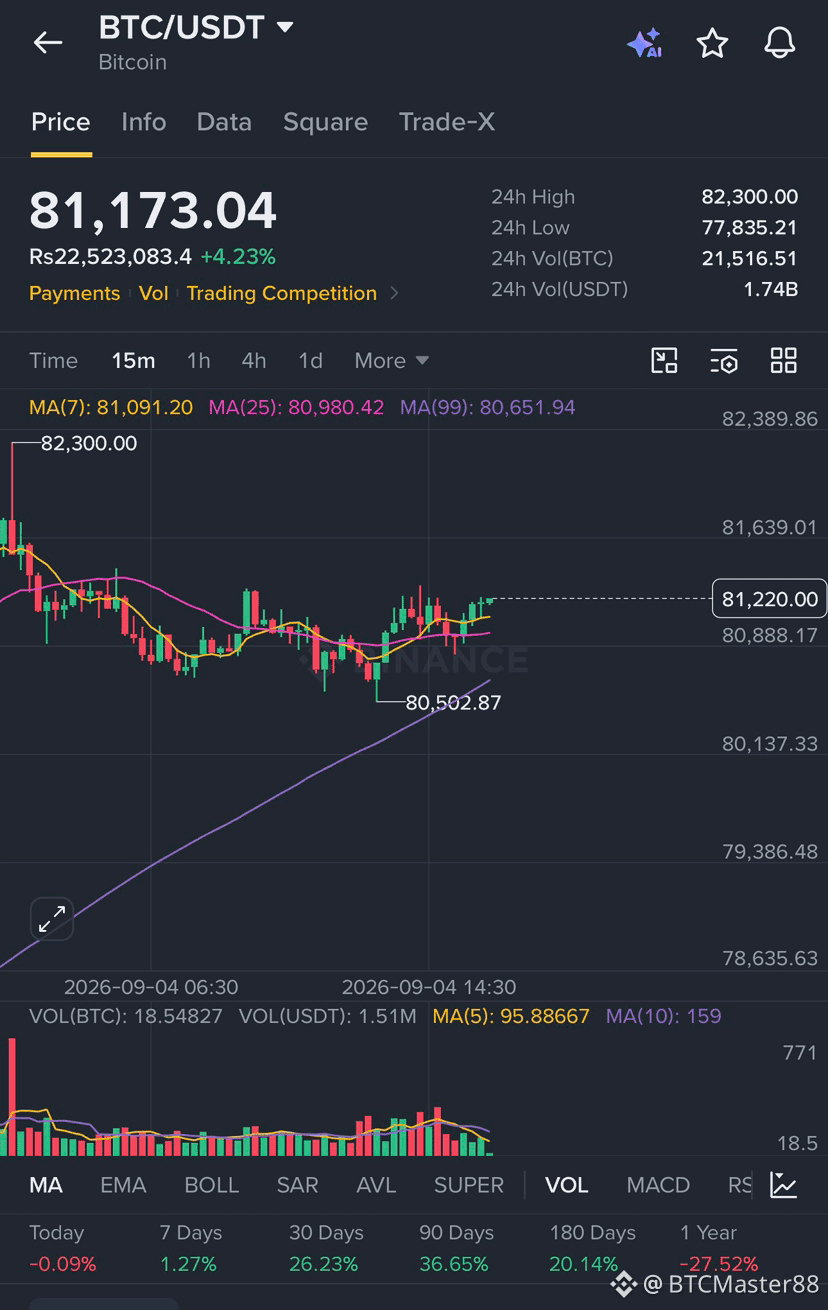
$BTC Buying Opportunity
BTC is holding above its short-term moving averages, while the $80,500 area remains key support.
Entry: $80,900–$81,100
TP1: $81,650
TP2: $82,300
SL: $80,450
A clean hold above $81K could open the way toward the previous high. Setup becomes invalid below the stop-loss.
Manage risk carefully. Not financial advice.
BTC is holding above its short-term moving averages, while the $80,500 area remains key support.
Entry: $80,900–$81,100
TP1: $81,650
TP2: $82,300
SL: $80,450
A clean hold above $81K could open the way toward the previous high. Setup becomes invalid below the stop-loss.
Manage risk carefully. Not financial advice.
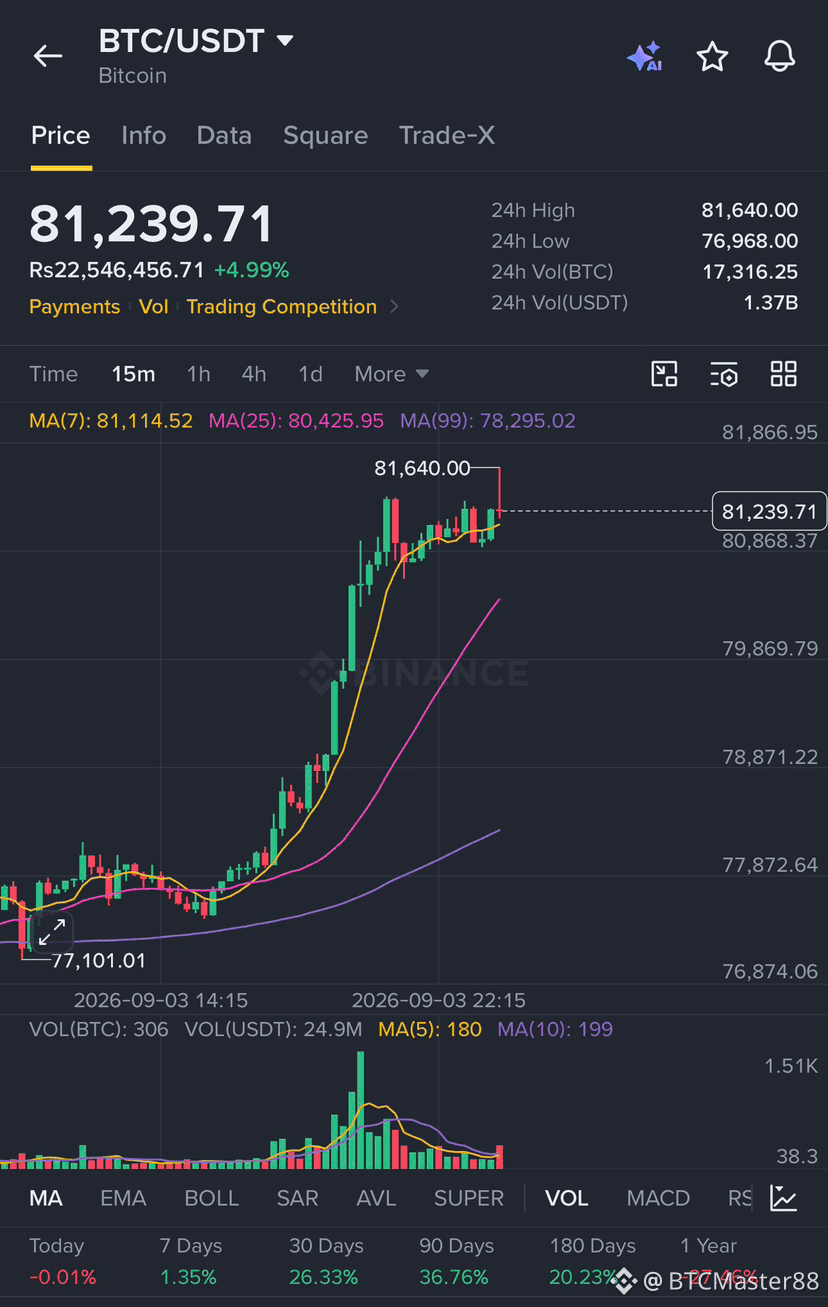
$BTC zeigt hier eine ernsthafte Stärke.
Bitcoin ist von etwa 77.000 $ auf 81.000 $ gestiegen und konsolidiert nun in der Nähe der Hochs, statt die Bewegung wieder zurückzugeben.
Für mich ist der entscheidende Bereich 80.000 $–80,5.000 $. Wenn BTC zurücksetzt und diese Zone hält, würde ich das als potenzielle Kaufgelegenheit sehen, anstatt bei 81.000 $+ hinterherzulaufen.
🎯 Erstes Kursziel: 81,6K
🎯 Ausbruch-Ziel: 82,5K+
⚠️ Wenn 80K verloren gehen, würde ich auf ein klareres Setup warten.
Starker Trend, aber Geduld beim Einstieg ist wichtig.
Bitcoin ist von etwa 77.000 $ auf 81.000 $ gestiegen und konsolidiert nun in der Nähe der Hochs, statt die Bewegung wieder zurückzugeben.
Für mich ist der entscheidende Bereich 80.000 $–80,5.000 $. Wenn BTC zurücksetzt und diese Zone hält, würde ich das als potenzielle Kaufgelegenheit sehen, anstatt bei 81.000 $+ hinterherzulaufen.
🎯 Erstes Kursziel: 81,6K
🎯 Ausbruch-Ziel: 82,5K+
⚠️ Wenn 80K verloren gehen, würde ich auf ein klareres Setup warten.
Starker Trend, aber Geduld beim Einstieg ist wichtig.
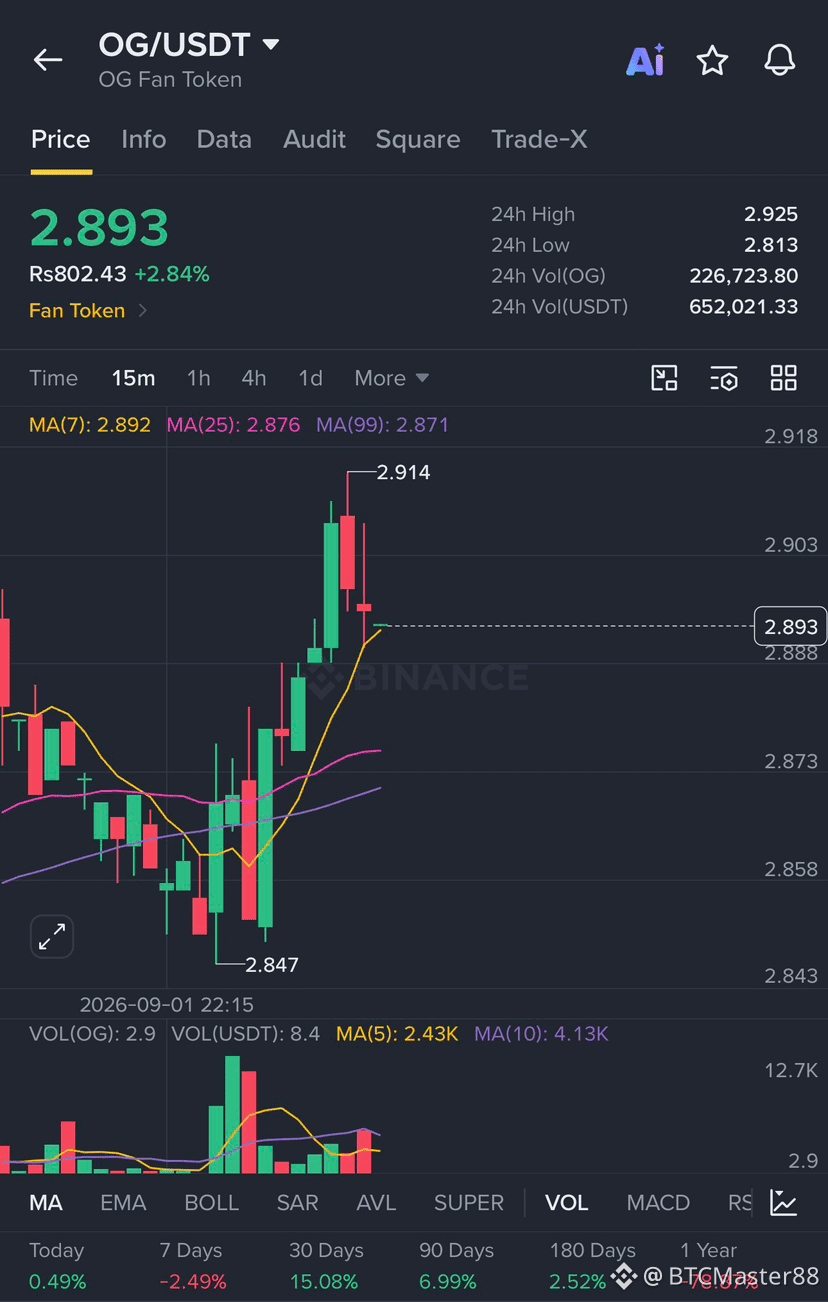
$OG zieht sich nach einem starken Lauf zurück auf 0,2595 $ und der Bereich um 0,19 $ ist jetzt die wichtigste Zone, die es zu beobachten gilt.
Möglicher Kauf-Setup:
Entry: 0,190–0,196
TP1: 0,210
TP2: 0,225
TP3: 0,240
SL: 0,181
Ein Halten über 0,19 $ könnte den Bullen die Chance geben, wieder Momentum zu gewinnen. Eine Rückeroberung von 0,21 $ würde das Setup deutlich stärker machen.#ARBRises30%OnRobinhoodChainRevenue
Möglicher Kauf-Setup:
Entry: 0,190–0,196
TP1: 0,210
TP2: 0,225
TP3: 0,240
SL: 0,181
Ein Halten über 0,19 $ könnte den Bullen die Chance geben, wieder Momentum zu gewinnen. Eine Rückeroberung von 0,21 $ würde das Setup deutlich stärker machen.#ARBRises30%OnRobinhoodChainRevenue
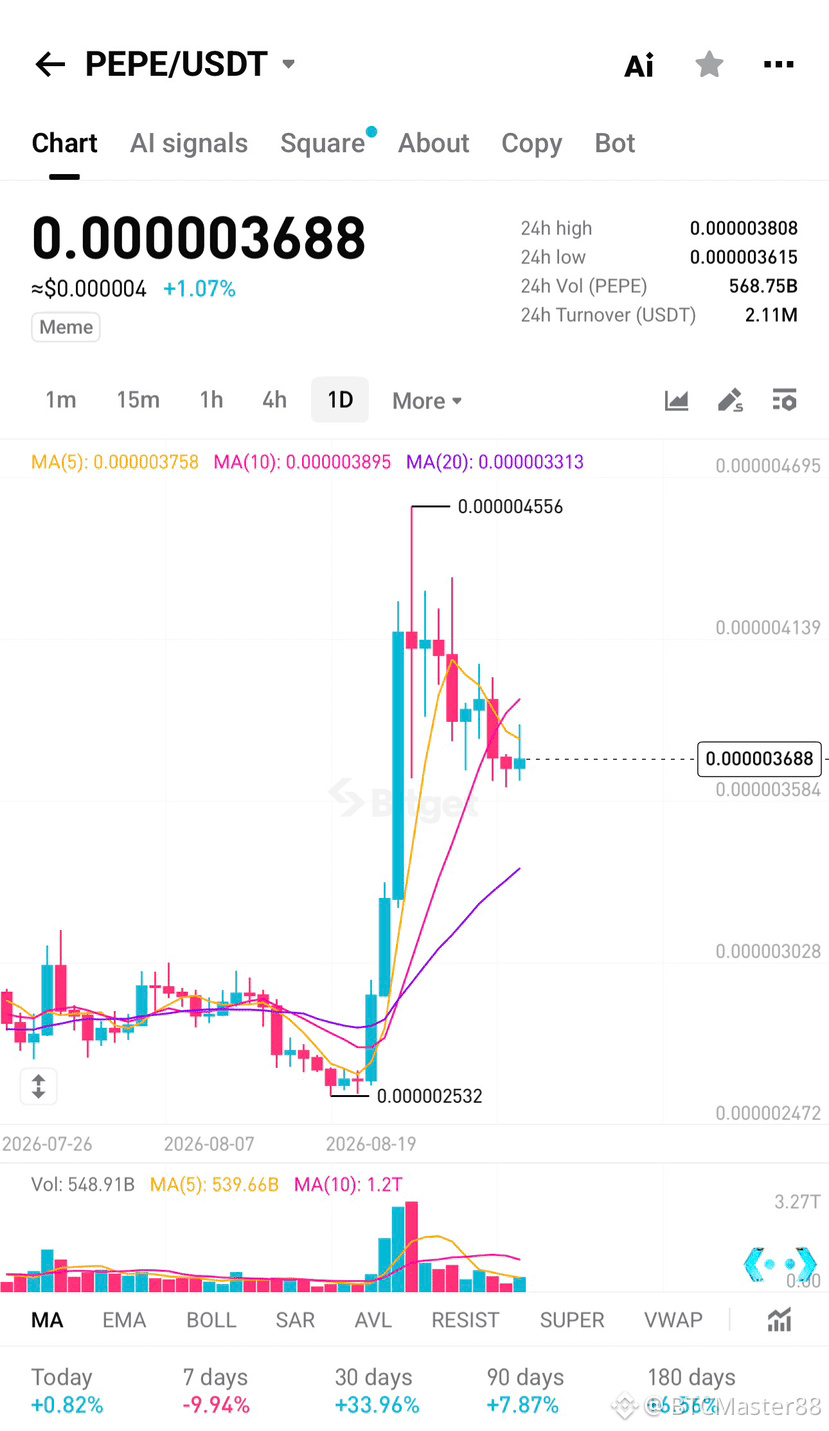
$PEPE kühlt sich nach einem starken Ausbruch ab, und diese Korrektur könnte eine frische Kaufchance bieten. 👀
Der Kurs hält sich immer noch gut über dem 20-Tage-MA, wodurch die übergeordnete Struktur konstruktiv bleibt.
🟢 Kaufzone: 0,00000358–0,00000370
🎯 TP1: 0,00000395
🎯 TP2: 0,00000415
🎯 TP3: 0,00000450
🛑 SL: 0,00000338
Wenn der Bereich 0,00000358 gehalten wird, bleibt das bullische Setup aktiv. Eine Rückeroberung von 0,00000390 könnte die Dynamik schnell zurückbringen.
#pepe
Der Kurs hält sich immer noch gut über dem 20-Tage-MA, wodurch die übergeordnete Struktur konstruktiv bleibt.
🟢 Kaufzone: 0,00000358–0,00000370
🎯 TP1: 0,00000395
🎯 TP2: 0,00000415
🎯 TP3: 0,00000450
🛑 SL: 0,00000338
Wenn der Bereich 0,00000358 gehalten wird, bleibt das bullische Setup aktiv. Eine Rückeroberung von 0,00000390 könnte die Dynamik schnell zurückbringen.
#pepe

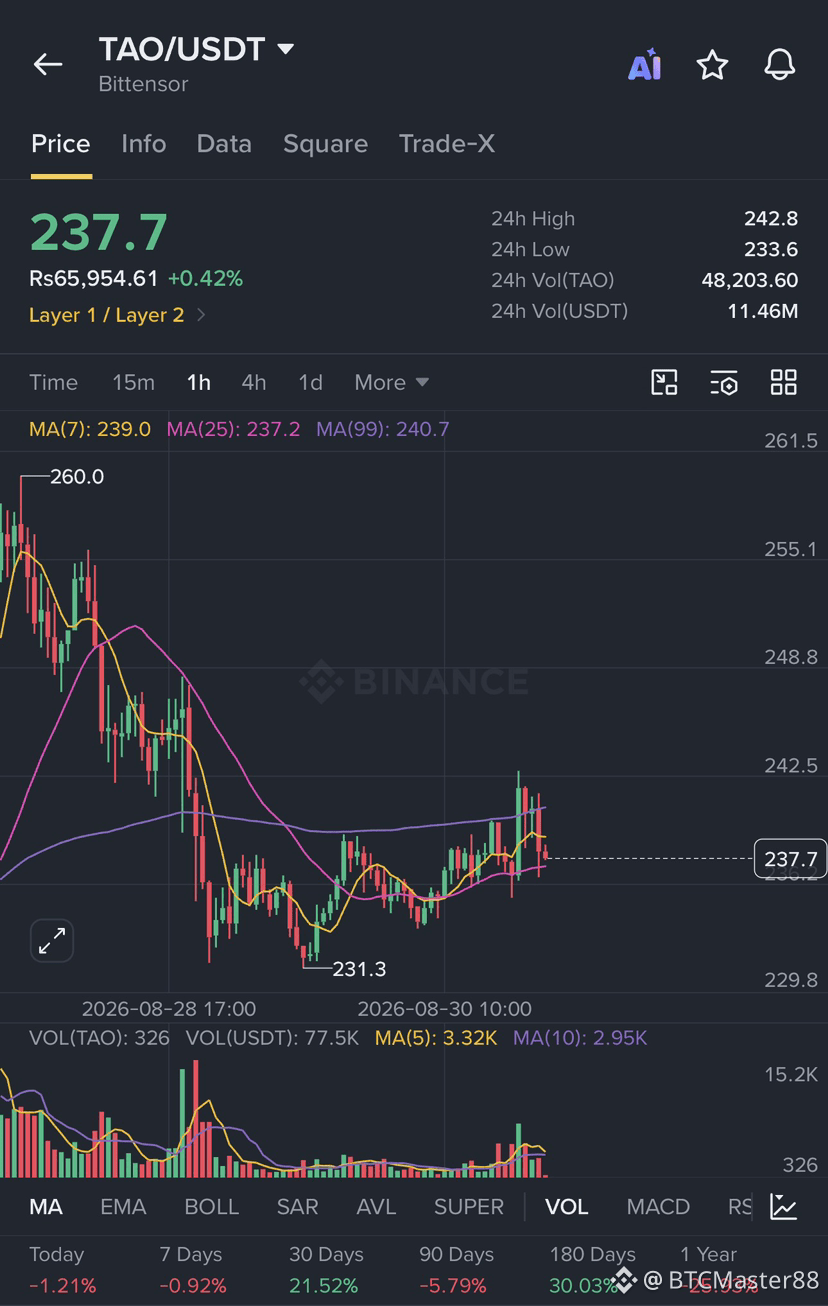
$TAO beginnt in dem Bereich um die $235–$237-Zone interessant zu wirken.
Nach dem Rückprall von $231.3 baut der Kurs gerade eine Basis auf, während die 1H-Struktur versucht, sich zu erholen.
Mein Setup:
🟢 Kaufzone: $235–$237
🎯 TP1: $242.5
🎯 TP2: $248
🎯 TP3: $255
🛑 SL: $230.5
Wenn $235 hält, bleibt das Erholungs-Setup aktiv. Ein sauberer Ausbruch über $242.5 könnte stärkeren Schwung zurück in $TAO bringen.
Ich würde lieber nahe dem Support aufstocken, statt dem Ausbruch hinterherzulaufen.
DYOR. Keine finanzielle Beratung.
#KoreaSingleStockLeveragedETFTradingFalls #VietnamPilotsCryptoAssetMarket #GoldFalls3.24%ThisWeek
Nach dem Rückprall von $231.3 baut der Kurs gerade eine Basis auf, während die 1H-Struktur versucht, sich zu erholen.
Mein Setup:
🟢 Kaufzone: $235–$237
🎯 TP1: $242.5
🎯 TP2: $248
🎯 TP3: $255
🛑 SL: $230.5
Wenn $235 hält, bleibt das Erholungs-Setup aktiv. Ein sauberer Ausbruch über $242.5 könnte stärkeren Schwung zurück in $TAO bringen.
Ich würde lieber nahe dem Support aufstocken, statt dem Ausbruch hinterherzulaufen.
DYOR. Keine finanzielle Beratung.
#KoreaSingleStockLeveragedETFTradingFalls #VietnamPilotsCryptoAssetMarket #GoldFalls3.24%ThisWeek
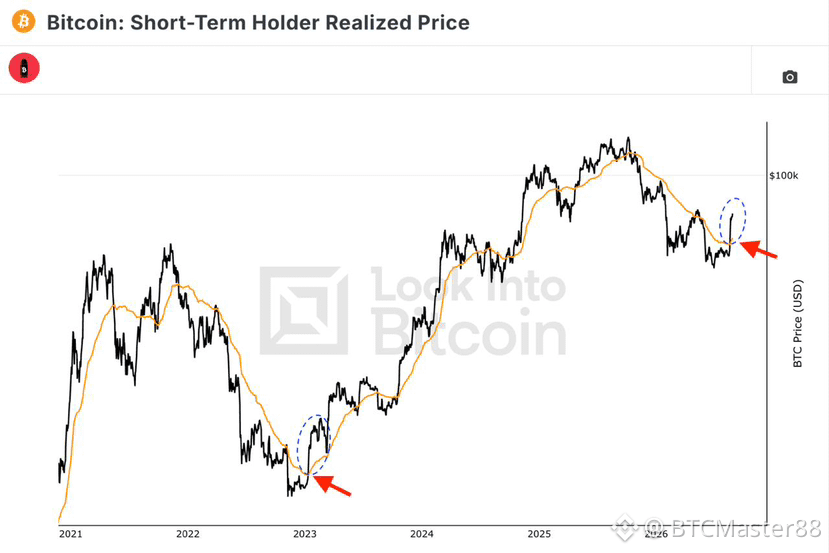
$BTC hat gerade den kurzfristigen Realized Price zurückerobert, und dieser Ausbruch sieht anders aus.
Im Gegensatz zum Fakeout im Mai hat Bitcoin diese wichtige Marke mit deutlich stärkerer Überzeugung durchbrochen.
Die Struktur wirkt eher wie im Januar 2023, als die Rückeroberung des STH Realized Price eine große Wende in der Marktdynamik markierte.
Wenn $BTC darüber hält, wird die bullische These noch stärker. #USShortTermTreasuryYieldsJump #TrumpSaysUSReachedVenezuelaOilDeal
Im Gegensatz zum Fakeout im Mai hat Bitcoin diese wichtige Marke mit deutlich stärkerer Überzeugung durchbrochen.
Die Struktur wirkt eher wie im Januar 2023, als die Rückeroberung des STH Realized Price eine große Wende in der Marktdynamik markierte.
Wenn $BTC darüber hält, wird die bullische These noch stärker. #USShortTermTreasuryYieldsJump #TrumpSaysUSReachedVenezuelaOilDeal
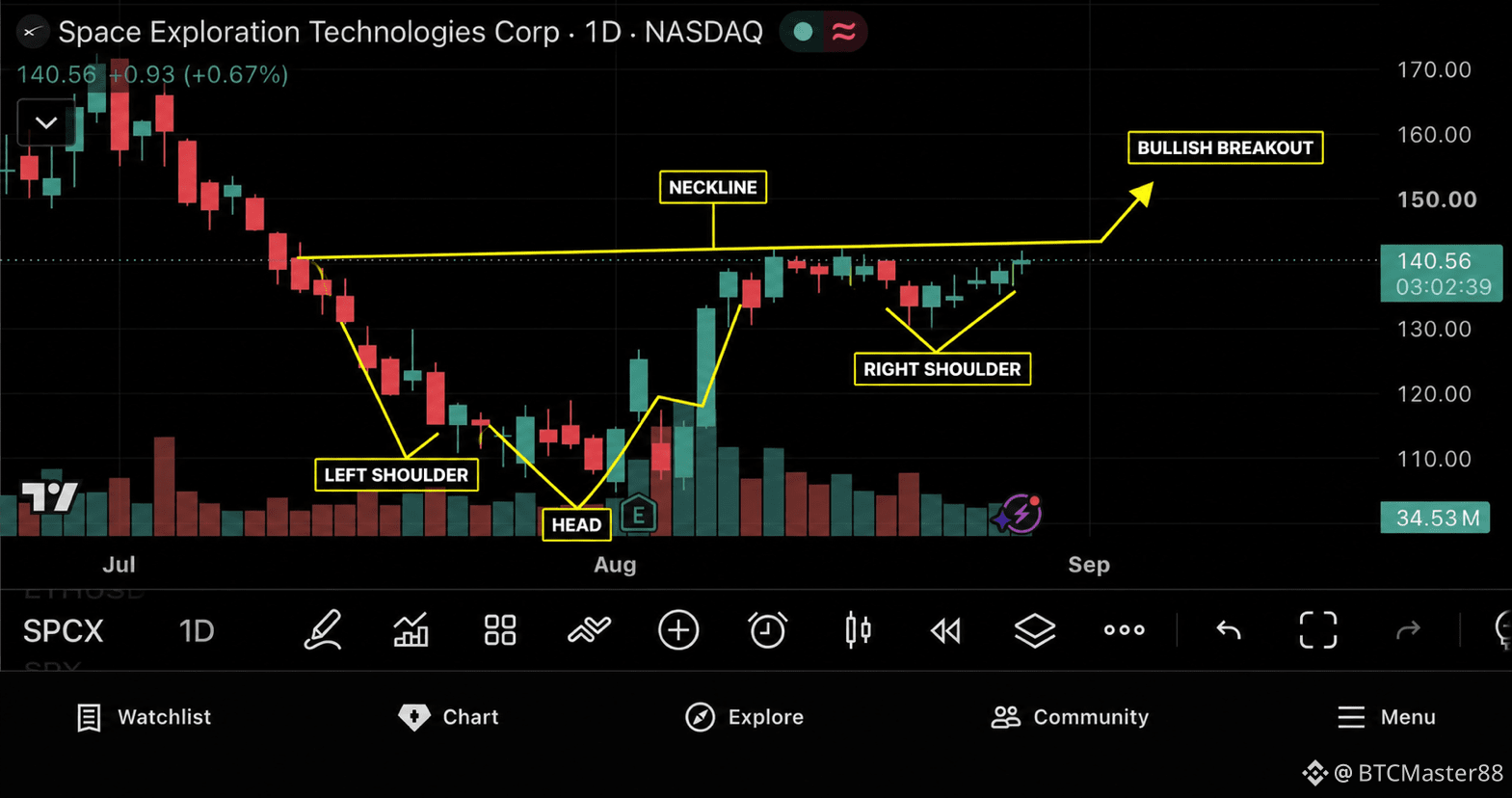
$SPCXB
Es bildet sich möglicherweise ein inverses Kopf-Schulter-Muster auf dem Tageschart.
Kaufzone: 138–141 $
TP1: 145 $
TP2: 150 $
TP3: 160 $
SL: 132 $
Ein täglicher Schlusskurs über der 142-$-Linie (Neckline) könnte den bullischen Ausbruch bestätigen. Gehe mit dem Risiko verantwortungsvoll um und warte auf die Bestätigung.
Es bildet sich möglicherweise ein inverses Kopf-Schulter-Muster auf dem Tageschart.
Kaufzone: 138–141 $
TP1: 145 $
TP2: 150 $
TP3: 160 $
SL: 132 $
Ein täglicher Schlusskurs über der 142-$-Linie (Neckline) könnte den bullischen Ausbruch bestätigen. Gehe mit dem Risiko verantwortungsvoll um und warte auf die Bestätigung.
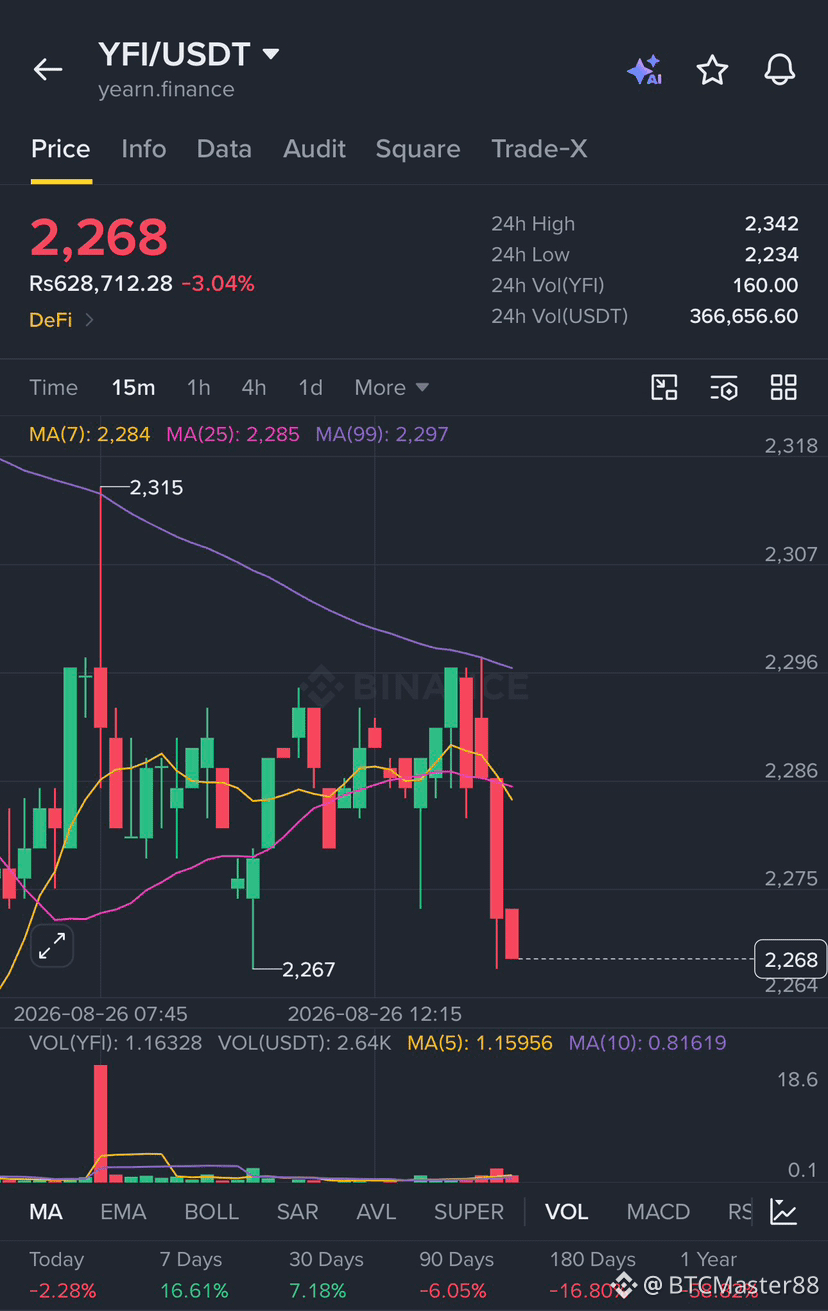
$YFI Kaufchance 👀
Einstiegszone: 2.264–2.270
TP1: 2.285
TP2: 2.297
TP3: 2.315
Stop Loss: 2.245
Der Kurs testet nach einem starken Rücksetzer kurzfristigen Support. Ein starkes Halten und eine Umkehr von dieser Zone aus könnte den Weg Richtung gleitende Durchschnitte öffnen.
Abwarten, bis es bestätigt ist, und das Risiko sorgfältig managen. Kein Investmentberatung, eigene Recherche (DYOR).
Einstiegszone: 2.264–2.270
TP1: 2.285
TP2: 2.297
TP3: 2.315
Stop Loss: 2.245
Der Kurs testet nach einem starken Rücksetzer kurzfristigen Support. Ein starkes Halten und eine Umkehr von dieser Zone aus könnte den Weg Richtung gleitende Durchschnitte öffnen.
Abwarten, bis es bestätigt ist, und das Risiko sorgfältig managen. Kein Investmentberatung, eigene Recherche (DYOR).
·
--
🎙️ Krypto-Marktlage-Chat; Beantwortung von Fragen für Neueinsteiger✅ Gemeinsam den Binance-Platz bauen 🦅 Verbreitung der Idee der freien Meinungsäußerung! Für das Gleichgewicht des Ökosystems sorgen!

Beenden
03 h 15 m 42 s
10.8k
72
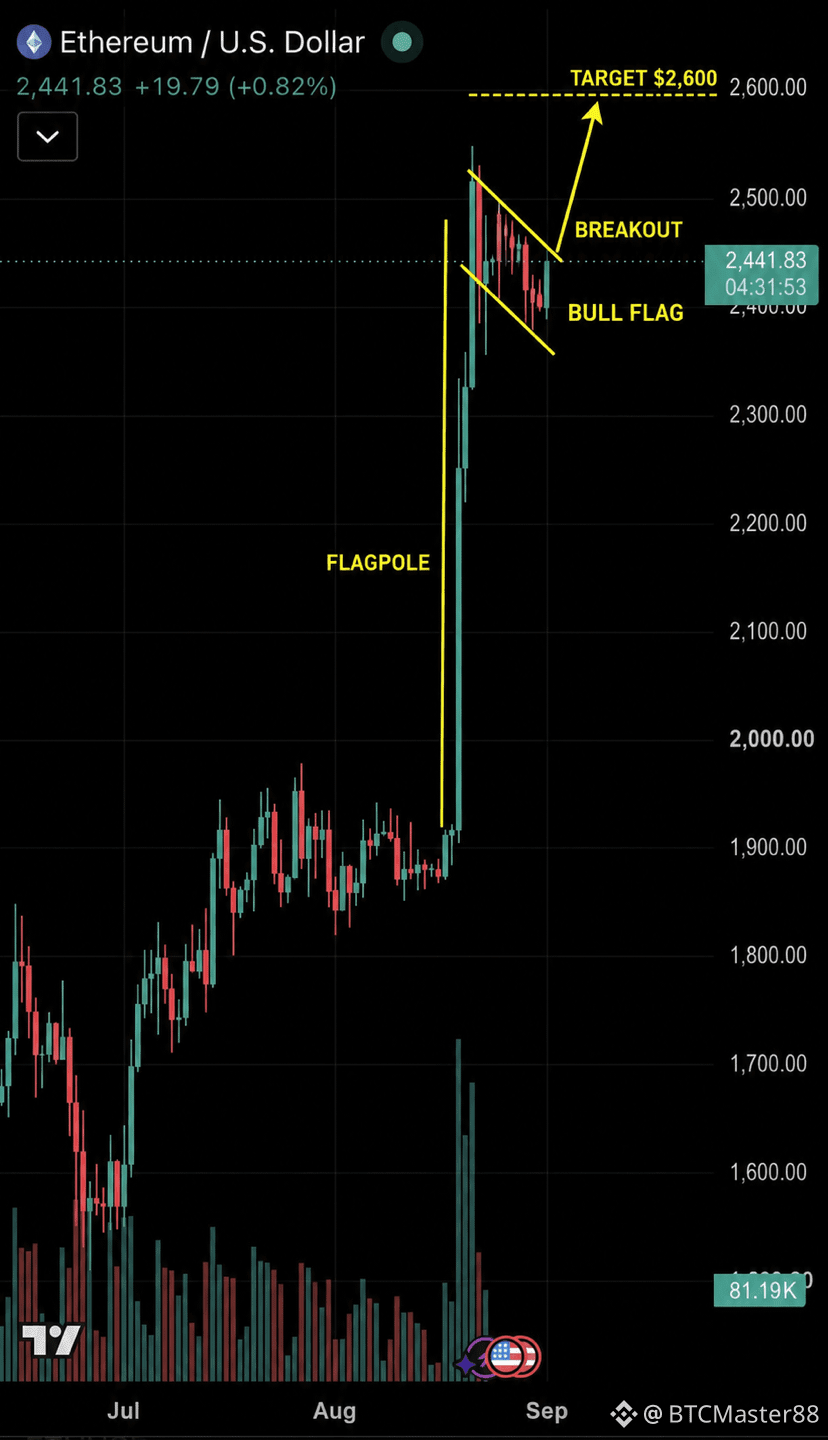
$ETH bildet nach einem starken Ausbruch eine potenzielle Bull-Flag. 👀
Die aktuelle Konsolidierung könnte eine Kaufmöglichkeit bieten, wenn der Support hält.
Einstieg: $2.400–$2.440
TP1: $2.500
TP2: $2.600
SL: $2.360
Ein sauberer Ausbruch über der Flagge könnte den nächsten bullischen Move bestätigen.
Keine Finanzberatung. Informiere dich selbst (DYOR).
#ETH #Ethereum #Crypto
Die aktuelle Konsolidierung könnte eine Kaufmöglichkeit bieten, wenn der Support hält.
Einstieg: $2.400–$2.440
TP1: $2.500
TP2: $2.600
SL: $2.360
Ein sauberer Ausbruch über der Flagge könnte den nächsten bullischen Move bestätigen.
Keine Finanzberatung. Informiere dich selbst (DYOR).
#ETH #Ethereum #Crypto
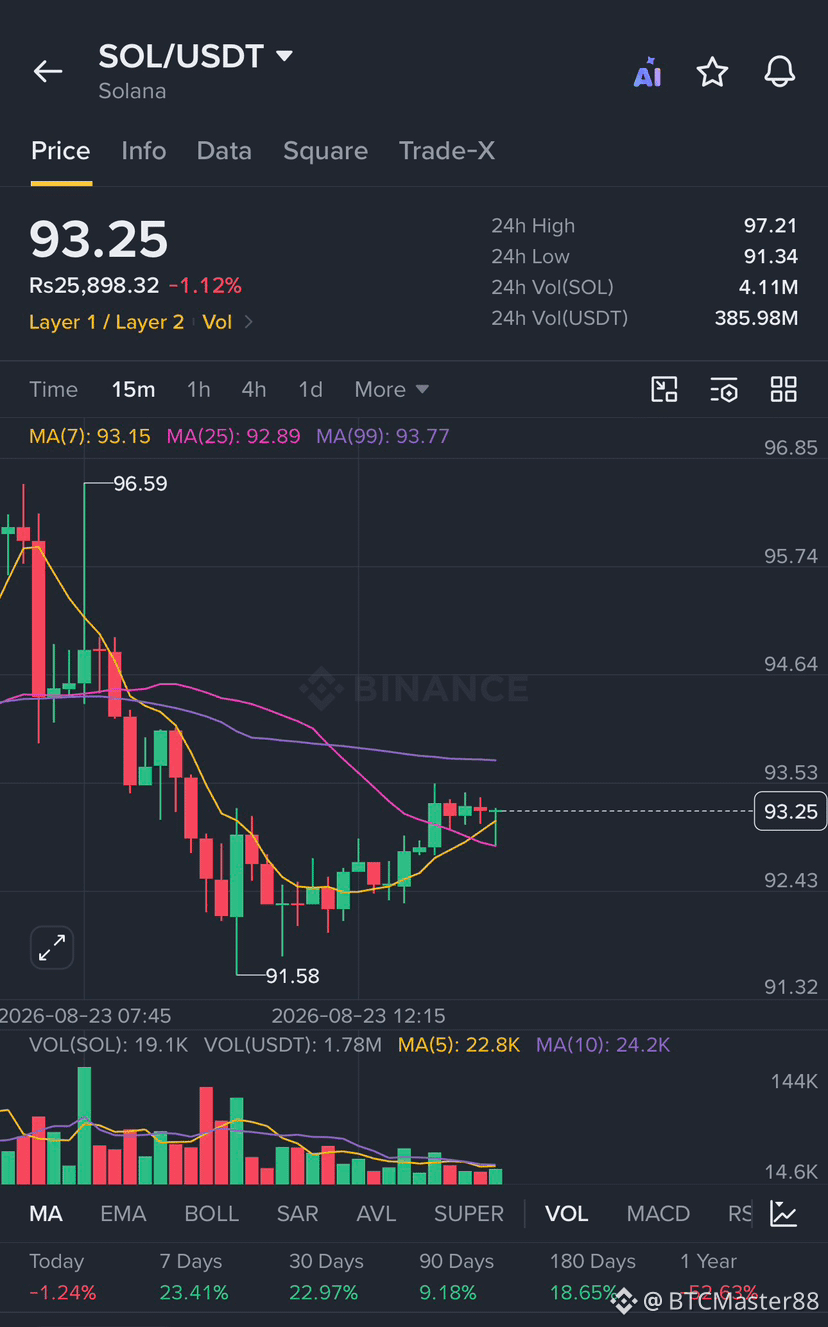
$SOL Eine Kaufchance 🚨
SOL erholt sich vom Tief bei 91,58 $ und gewinnt auf dem 15-Minuten-Chart an Momentum.
🟢 Einstiegszone: 93,00–93,30 $
🎯 TP1: 93,80 $
🎯 TP2: 94,60 $
🎯 TP3: 96,50 $
🛑 Stop-Loss: 92,35 $
Ein Ausbruch über dem MA(99) nahe 93,77 $ könnte weiteres Upside bestätigen.
Risikomanagement beachten. Informiere dich selbst (DYOR).
SOL erholt sich vom Tief bei 91,58 $ und gewinnt auf dem 15-Minuten-Chart an Momentum.
🟢 Einstiegszone: 93,00–93,30 $
🎯 TP1: 93,80 $
🎯 TP2: 94,60 $
🎯 TP3: 96,50 $
🛑 Stop-Loss: 92,35 $
Ein Ausbruch über dem MA(99) nahe 93,77 $ könnte weiteres Upside bestätigen.
Risikomanagement beachten. Informiere dich selbst (DYOR).
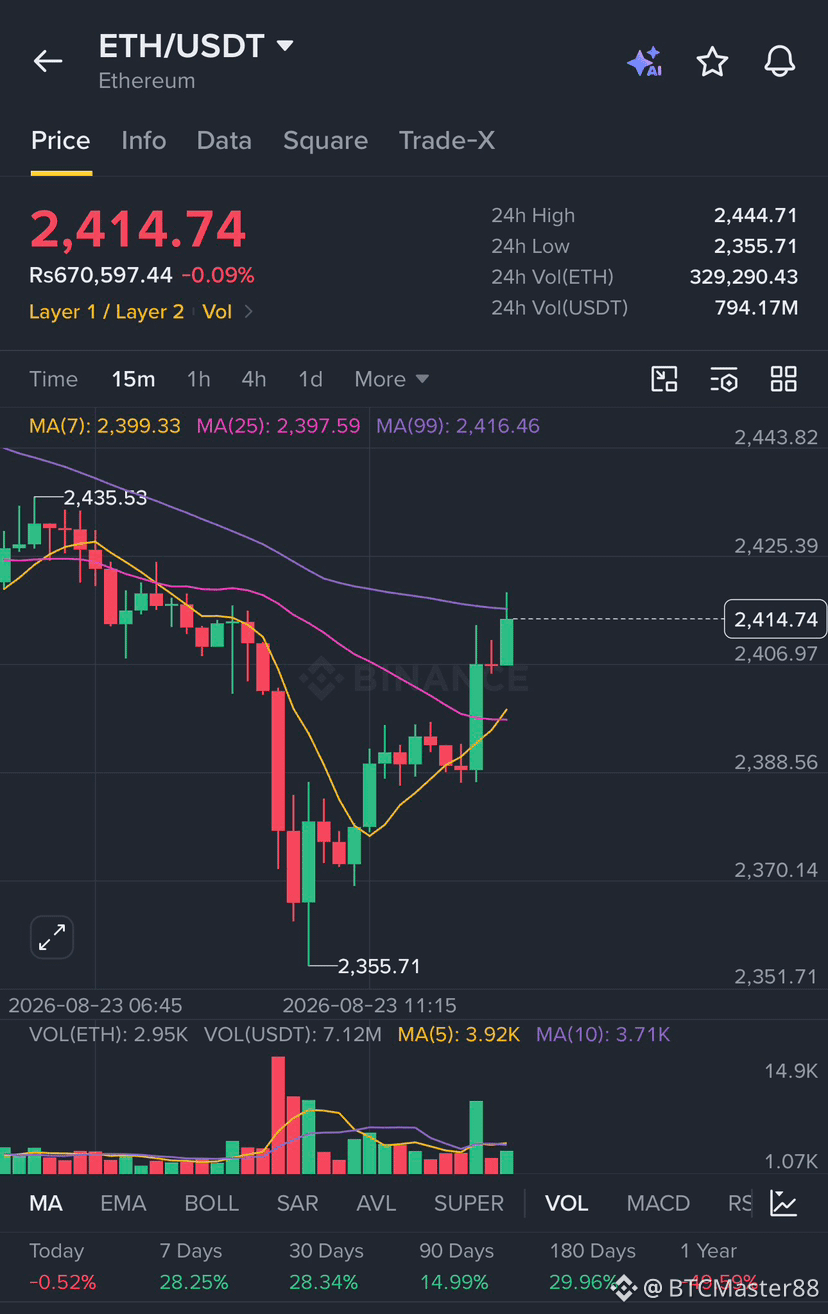
$ETH Eine Kaufgelegenheit 🚨
Ethereum erholt sich stark von 2.355 US-Dollar und testet den MA(99)-Widerstand im 15-Minuten-Chart.
🟢 Einstieg-Zone: 2.400–2.408 US-Dollar
🎯 TP1: 2.425 US-Dollar
🎯 TP2: 2.435 US-Dollar
🎯 TP3: 2.445 US-Dollar
🛑 Stop Loss: 2.385 US-Dollar
Ein bestätigter Ausbruch über 2.417 US-Dollar würde das bullische Setup stärken. Nicht hinterherlaufen und dein Risiko sorgfältig steuern.
Keine finanzielle Beratung. Informiere dich selbst. DYOR.
#ETH #Ethereum✅ #Crypto
Ethereum erholt sich stark von 2.355 US-Dollar und testet den MA(99)-Widerstand im 15-Minuten-Chart.
🟢 Einstieg-Zone: 2.400–2.408 US-Dollar
🎯 TP1: 2.425 US-Dollar
🎯 TP2: 2.435 US-Dollar
🎯 TP3: 2.445 US-Dollar
🛑 Stop Loss: 2.385 US-Dollar
Ein bestätigter Ausbruch über 2.417 US-Dollar würde das bullische Setup stärken. Nicht hinterherlaufen und dein Risiko sorgfältig steuern.
Keine finanzielle Beratung. Informiere dich selbst. DYOR.
#ETH #Ethereum✅ #Crypto
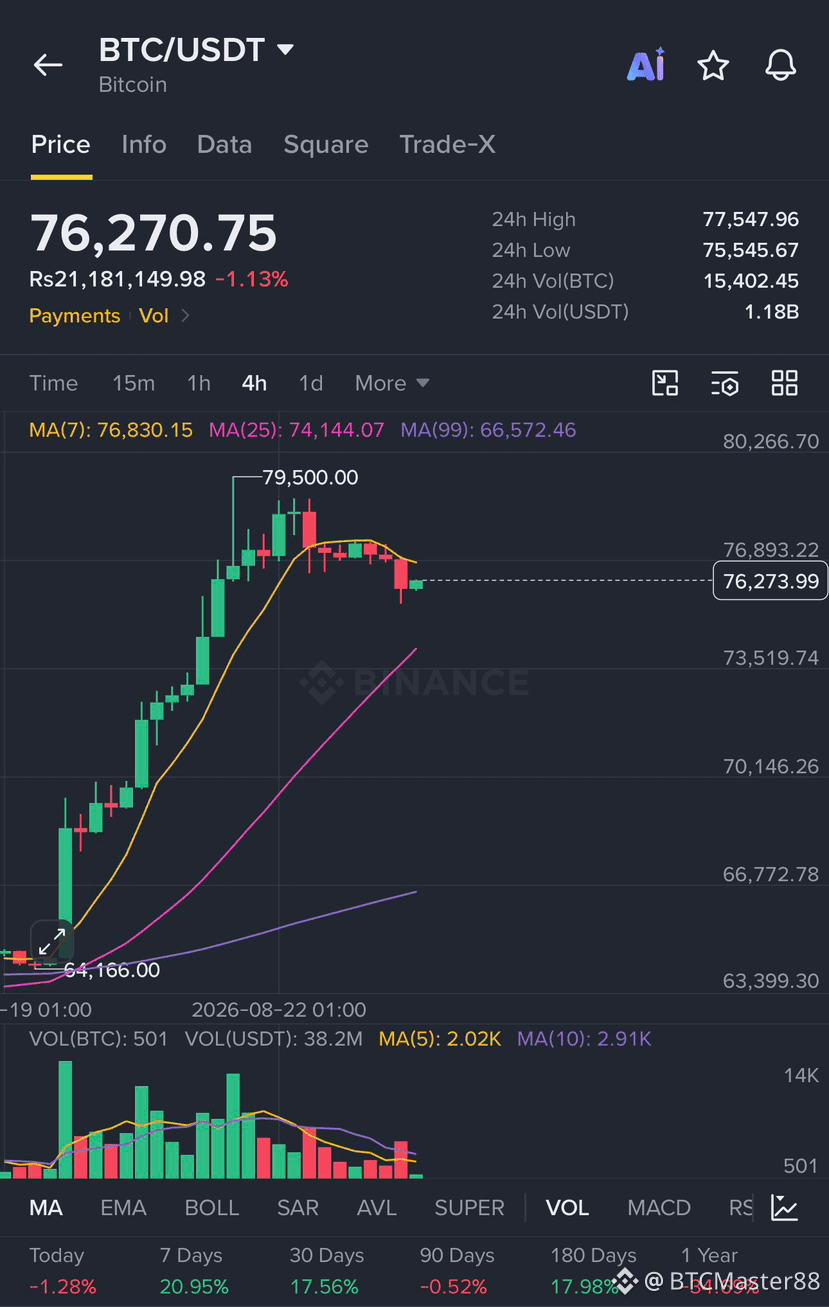
$BTC Eine Kaufchance
Bitcoin konsolidiert auf dem 4H-Chart nach einem starken Anstieg von 64K $ auf 79,5K $.
🟢 Einstiegzone: 75.500–76.200
🎯 TP1: 77.500
🎯 TP2: 79.500
🎯 TP3: 82.000
🛑 Stop Loss: 74.000
Solange BTC die Unterstützung bei 75,5K $ hält, ist eine weitere Bewegung in Richtung des jüngsten Hochs weiterhin möglich.
Risiko managen und keine hohe Verschuldung/keinen hohen Leverage verwenden. Das ist meine persönliche Konfiguration, keine Finanzberatung.
#BTC #bitcoin #Crypto
Bitcoin konsolidiert auf dem 4H-Chart nach einem starken Anstieg von 64K $ auf 79,5K $.
🟢 Einstiegzone: 75.500–76.200
🎯 TP1: 77.500
🎯 TP2: 79.500
🎯 TP3: 82.000
🛑 Stop Loss: 74.000
Solange BTC die Unterstützung bei 75,5K $ hält, ist eine weitere Bewegung in Richtung des jüngsten Hochs weiterhin möglich.
Risiko managen und keine hohe Verschuldung/keinen hohen Leverage verwenden. Das ist meine persönliche Konfiguration, keine Finanzberatung.
#BTC #bitcoin #Crypto
·
--
🎙️ Krypto-Marktlage-Austausch; Antworten auf Fragen von Neueinsteigern ✅ Gemeinsamer Aufbau des Binance-Platzes 🦅 Verbreitung der Idee der freien Meinungsäußerung! Erhaltung des ökologischen Gleichgewichts!

Beenden
03 h 14 m 53 s
8.9k
80
·
--
🎙️ Rutsch der Stier, das kleine Dogecoin-Hündchen von Musk steigt ein

Beenden
04 h 20 m 55 s
5.7k
185
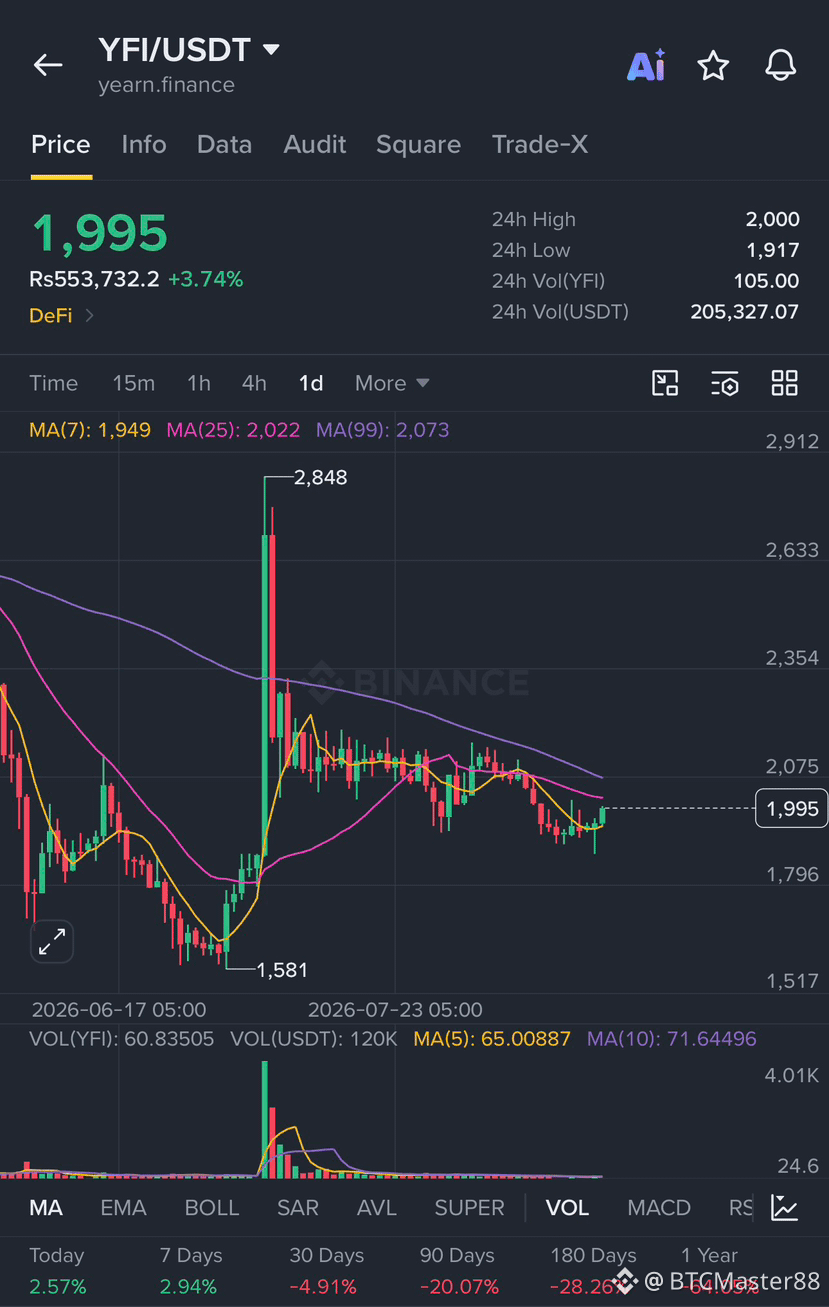
$YFI zeigt frühe Erholungszeichen um 1.995 US-Dollar, nachdem es die Unterstützung bei 1.900 US-Dollar verteidigt hat.
Für mich liegt die Kaufgelegenheit zwischen 1.900–1.960 US-Dollar, aber eine Bestätigung ist entscheidend. Ein Tages-Schlusskurs über 2.075 US-Dollar könnte den Weg in Richtung 2.200 und 2.350 freimachen.
Invalidierung unter 1.800. Nicht hinterherjagen: die Zone kaufen und das Risiko sorgfältig managen.
NFA. Immer DYOR.
#USStorageStocksExtendLosses #USDieselMarginsTopRecord$100ABarrel
Für mich liegt die Kaufgelegenheit zwischen 1.900–1.960 US-Dollar, aber eine Bestätigung ist entscheidend. Ein Tages-Schlusskurs über 2.075 US-Dollar könnte den Weg in Richtung 2.200 und 2.350 freimachen.
Invalidierung unter 1.800. Nicht hinterherjagen: die Zone kaufen und das Risiko sorgfältig managen.
NFA. Immer DYOR.
#USStorageStocksExtendLosses #USDieselMarginsTopRecord$100ABarrel
Bezahlte Partnerschaft mit @Dusk
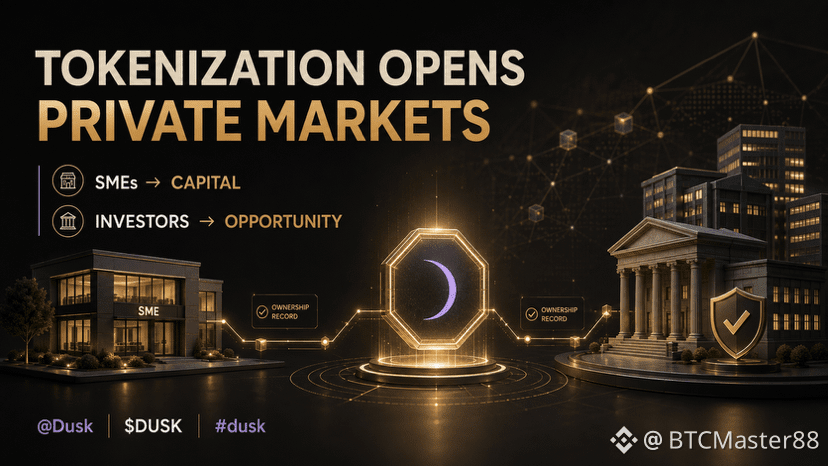
Private Märkte werden nicht allein dadurch zugänglicher, dass ein Vermögenswert in einen Token umgewandelt wird.
Die eigentliche Chance liegt darin, den gesamten Eigentumszyklus zu verbinden: Anlegerverifizierung, Emission, Zuteilung, Übertragungen, Dividenden, Stimmrechte, Abwicklung und Sekundärhandel über einen einzigen kontrollierten Prozess.
Für KMU könnte dies einen weiteren Weg schaffen, um Kapital aufzubringen – zusätzlich zu der starken Abhängigkeit von Bankkrediten oder internen Mitteln. Für geeignete Anleger könnte es den Zugang zu regulierten Möglichkeiten in privaten Märkten eröffnen, die traditionell nur schwer zu erreichen waren.
Was den Ansatz von Dusk besonders interessant macht, ist der Fokus auf die Infrastruktur rund um den Token. Dusk kombiniert vertrauliche Transaktionen, selektive Offenlegung, programmierbare Übertragungsregeln und deterministische Abwicklung. Sensible Anlegerinformationen können privat bleiben, während autorisierte Parteien für regulatorische und Service-Zwecke genau das verifizieren, was sie benötigen.
Die Partnerschaft mit NPEX verbindet außerdem die Technologie mit einer autorisierten europäischen Handelsplattform – mit Erfahrung in KMU-Anleihen, Aktienzertifikaten, Direktnotierungen und Sekundärhandel.
Tokenisierung kann keine Nachfrage erzeugen oder Regulierung, Verwahrung und verantwortungsvolle Institutionen ersetzen. Aber wenn diese Bausteine zusammenspielen, kann sie die fragmentierte Dokumentenführung reduzieren und die Finanzierung in privaten Märkten effizienter machen.
Das ist die größere $DUSK Vision: nicht nur Vermögenswerte onchain zu stellen, sondern regulierte Markt-Workflows ebenfalls onchain zu bringen.
#dusk
Private Märkte werden nicht allein dadurch zugänglicher, dass ein Vermögenswert in einen Token umgewandelt wird.
Die eigentliche Chance liegt darin, den gesamten Eigentumszyklus zu verbinden: Anlegerverifizierung, Emission, Zuteilung, Übertragungen, Dividenden, Stimmrechte, Abwicklung und Sekundärhandel über einen einzigen kontrollierten Prozess.
Für KMU könnte dies einen weiteren Weg schaffen, um Kapital aufzubringen – zusätzlich zu der starken Abhängigkeit von Bankkrediten oder internen Mitteln. Für geeignete Anleger könnte es den Zugang zu regulierten Möglichkeiten in privaten Märkten eröffnen, die traditionell nur schwer zu erreichen waren.
Was den Ansatz von Dusk besonders interessant macht, ist der Fokus auf die Infrastruktur rund um den Token. Dusk kombiniert vertrauliche Transaktionen, selektive Offenlegung, programmierbare Übertragungsregeln und deterministische Abwicklung. Sensible Anlegerinformationen können privat bleiben, während autorisierte Parteien für regulatorische und Service-Zwecke genau das verifizieren, was sie benötigen.
Die Partnerschaft mit NPEX verbindet außerdem die Technologie mit einer autorisierten europäischen Handelsplattform – mit Erfahrung in KMU-Anleihen, Aktienzertifikaten, Direktnotierungen und Sekundärhandel.
Tokenisierung kann keine Nachfrage erzeugen oder Regulierung, Verwahrung und verantwortungsvolle Institutionen ersetzen. Aber wenn diese Bausteine zusammenspielen, kann sie die fragmentierte Dokumentenführung reduzieren und die Finanzierung in privaten Märkten effizienter machen.
Das ist die größere $DUSK Vision: nicht nur Vermögenswerte onchain zu stellen, sondern regulierte Markt-Workflows ebenfalls onchain zu bringen.
#dusk
Anmelden und weiter Inhalte entdecken