
BlockMind Network
2.9k Beiträge

BlockMind Network
“Crypto trader | Market structure & discipline” /Seclping/X id blockmind1699
Trade eröffnen
Gelegenheitstrader
1.5 Jahre
66 Following
1.3K+ Follower
6.7K+ Like gegeben
Beiträge
Portfolio
Alle
Zitierungen
Live
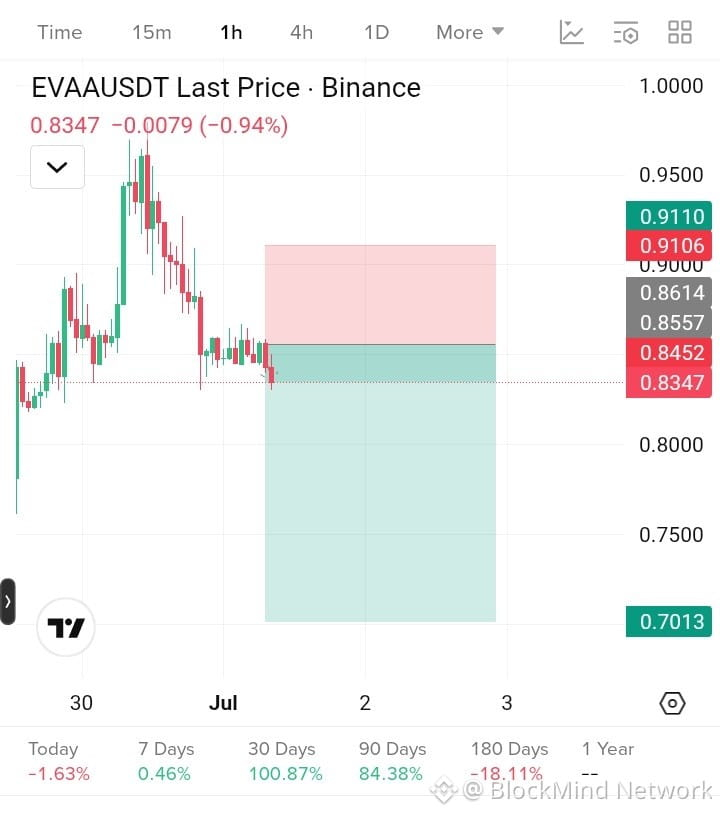
$EVAA Short Trade Setup 📉🔥
Der Markt zeigt zunehmenden bärischen Druck: Verkäufer übernehmen die Kontrolle, während Käufer an Momentum verlieren. Das Setup begünstigt eine Bewegung in Richtung tieferer Niveaus.
Einstieg: 0.8614
Stop Loss (SL): 0.9110
Take Profit (TP): 0.7013
Die Verkäufer gewinnen an Stärke, und die bärische Einschätzung bleibt gültig, solange der Preis unter dem Stop-Loss-Niveau bleibt. Halte dich an deinen Handelsplan, manage dein Risiko und lass den Trade sich in Richtung des Ziels entwickeln.
trade 👇 hier
Der Markt zeigt zunehmenden bärischen Druck: Verkäufer übernehmen die Kontrolle, während Käufer an Momentum verlieren. Das Setup begünstigt eine Bewegung in Richtung tieferer Niveaus.
Einstieg: 0.8614
Stop Loss (SL): 0.9110
Take Profit (TP): 0.7013
Die Verkäufer gewinnen an Stärke, und die bärische Einschätzung bleibt gültig, solange der Preis unter dem Stop-Loss-Niveau bleibt. Halte dich an deinen Handelsplan, manage dein Risiko und lass den Trade sich in Richtung des Ziels entwickeln.
trade 👇 hier
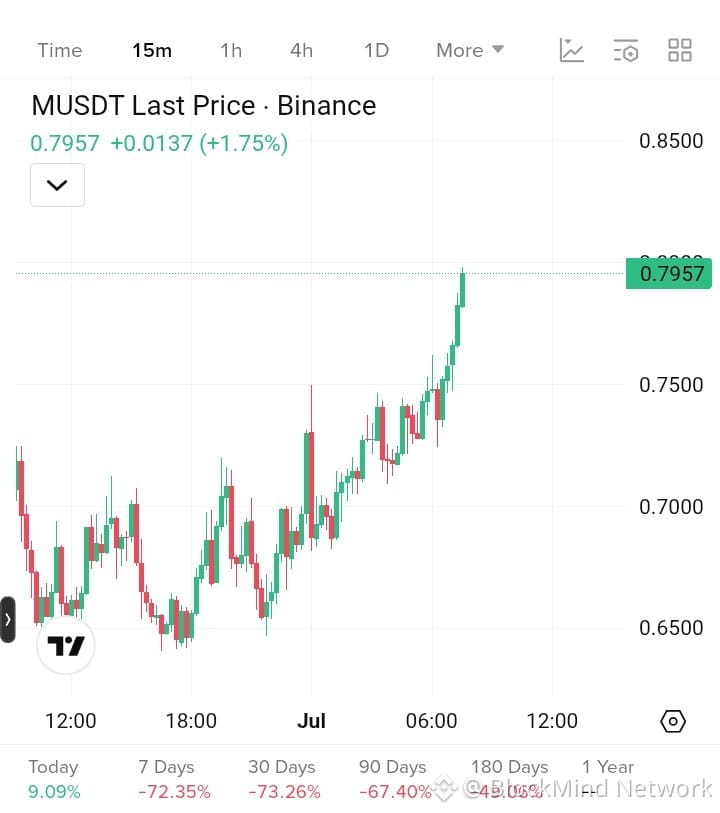
$M Long Trade Setup 🚀📈
Der Preis bewegt sich stark nach oben, und die Käufer zeigen eine solide Stärke. Der bullische Momentum bleibt stark und erhöht die Chancen auf eine Fortsetzung in Richtung höherer Levels.
Einstieg: 0.8010
Stop Loss (SL): 0.7750
Take Profit (TP): 0.8500
Die Käufer haben die Kontrolle fest in der Hand, und der Trend bleibt bullisch, solange der Preis oberhalb der Stop-Loss-Position bleibt. Verwalte dein Risiko, halte dich an deinen Plan und lass das Momentum für dich arbeiten.
trade 👇 hier
Der Preis bewegt sich stark nach oben, und die Käufer zeigen eine solide Stärke. Der bullische Momentum bleibt stark und erhöht die Chancen auf eine Fortsetzung in Richtung höherer Levels.
Einstieg: 0.8010
Stop Loss (SL): 0.7750
Take Profit (TP): 0.8500
Die Käufer haben die Kontrolle fest in der Hand, und der Trend bleibt bullisch, solange der Preis oberhalb der Stop-Loss-Position bleibt. Verwalte dein Risiko, halte dich an deinen Plan und lass das Momentum für dich arbeiten.
trade 👇 hier
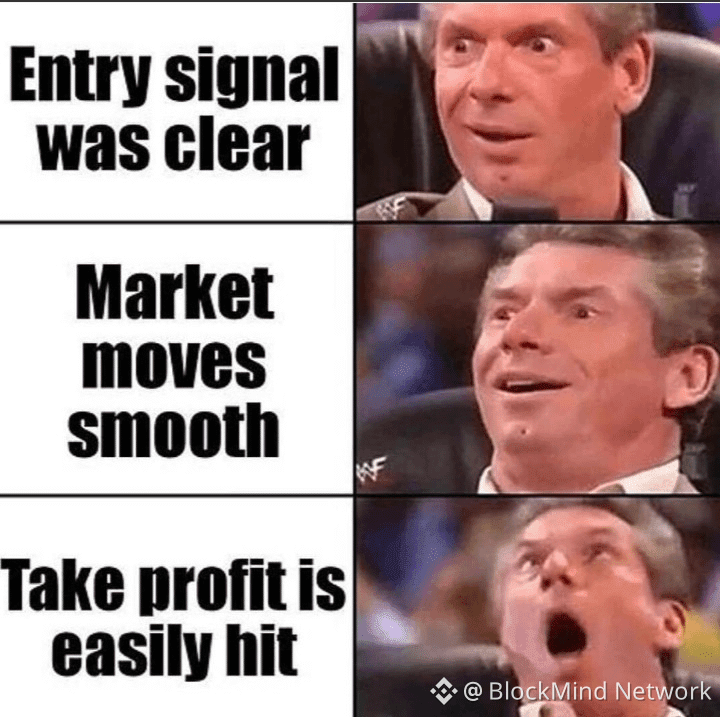
Wenn der Handel reibungslos in meine Richtung läuft 😜
meine Reaktion 🤣
$LAB long
$RIVER
meine Reaktion 🤣
$LAB long
$RIVER
🎉 #Congratulations Traders! 🎉
$BEAT langer Trade bewegt sich genau so, wie wir es wollten 📈🚀
Der bullische Aufwärtstrend bleibt stark, und der Trade läuft weiterhin richtig gut 💰🔥
Großartige Arbeit an alle, die dem Setup gefolgt sind und geduldig geblieben sind 📊😎
Haltet weiter durch und genießt die Gewinne!
Trade 👇 hier
$BEAT langer Trade bewegt sich genau so, wie wir es wollten 📈🚀
Der bullische Aufwärtstrend bleibt stark, und der Trade läuft weiterhin richtig gut 💰🔥
Großartige Arbeit an alle, die dem Setup gefolgt sind und geduldig geblieben sind 📊😎
Haltet weiter durch und genießt die Gewinne!
Trade 👇 hier
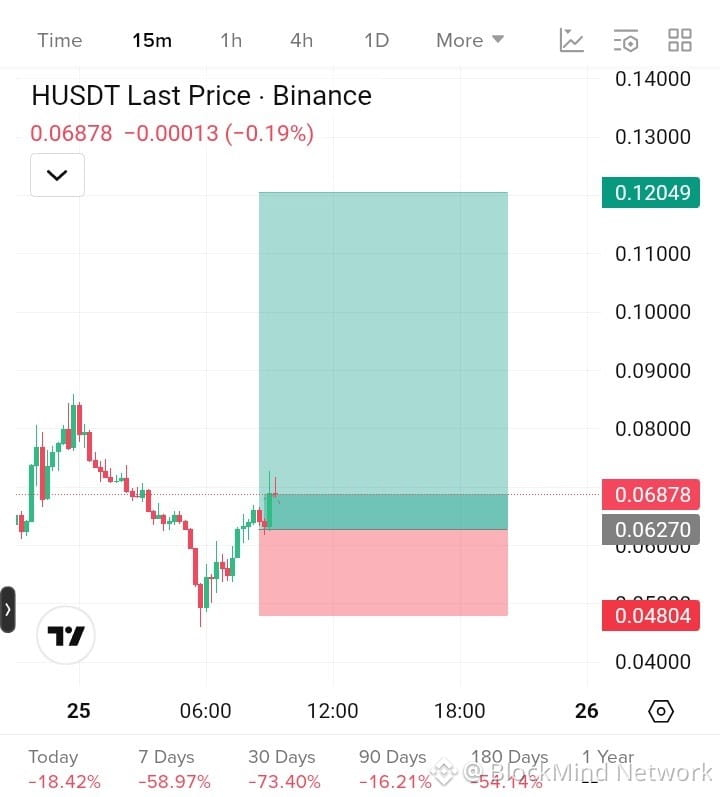
$H Long Trade Setup 🚀📈
Der Chart zeigt bullisches Potenzial, mit Käufern, die einsteigen und Momentum nach oben aufbauen. Wenn die aktuelle Unterstützungszone hält, könnte eine starke Bewegung nach oben folgen.
Einstiegspunkt: 0.06270
Stop Loss (SL): 0.04804
Take Profit (TP): 0.12049
Käufer gewinnen an Stärke, und der Markt bereitet sich auf einen möglichen Ausbruch vor. Das Risiko-Ertrags-Verhältnis sieht attraktiv aus, was dies zu einem vielversprechenden Long-Setup macht. Bleib diszipliniert und manage dein Risiko sorgfältig.
Der Chart zeigt bullisches Potenzial, mit Käufern, die einsteigen und Momentum nach oben aufbauen. Wenn die aktuelle Unterstützungszone hält, könnte eine starke Bewegung nach oben folgen.
Einstiegspunkt: 0.06270
Stop Loss (SL): 0.04804
Take Profit (TP): 0.12049
Käufer gewinnen an Stärke, und der Markt bereitet sich auf einen möglichen Ausbruch vor. Das Risiko-Ertrags-Verhältnis sieht attraktiv aus, was dies zu einem vielversprechenden Long-Setup macht. Bleib diszipliniert und manage dein Risiko sorgfältig.
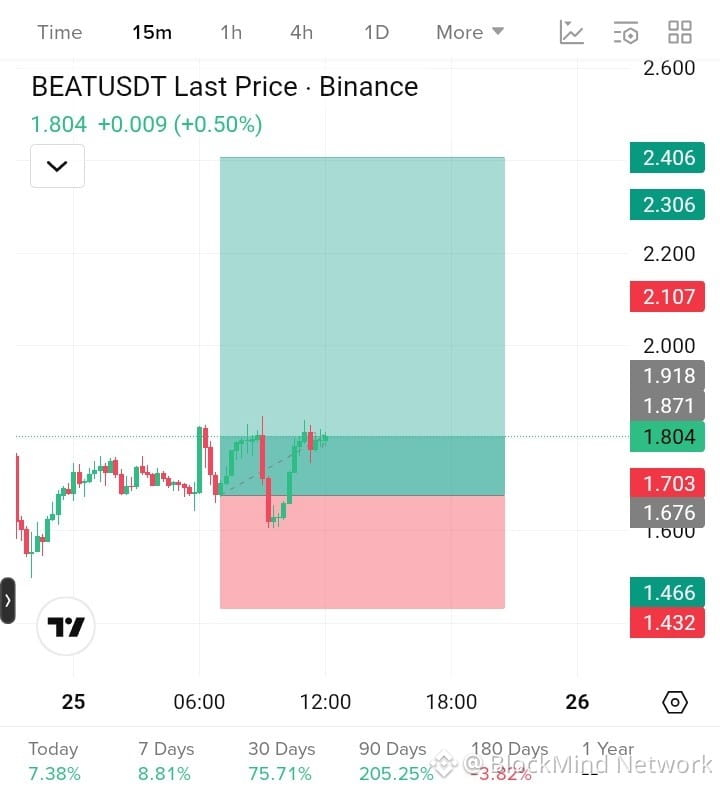
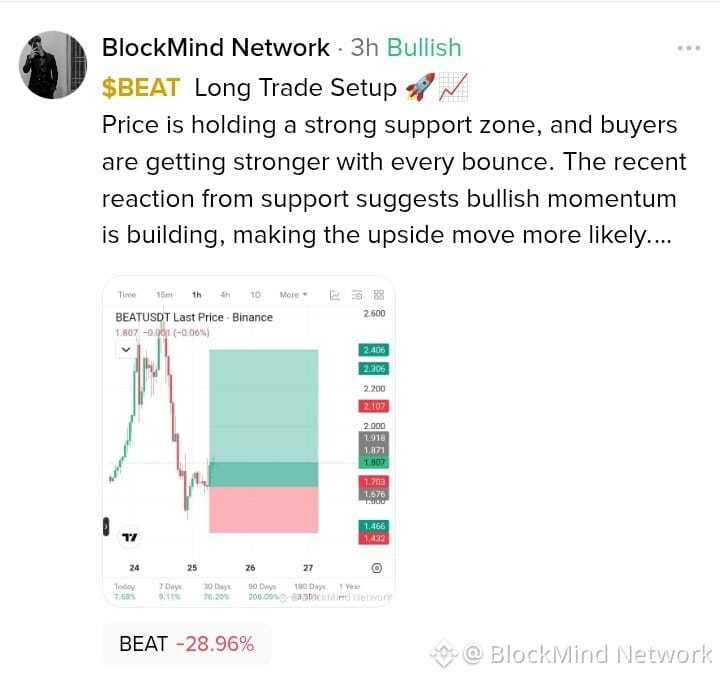
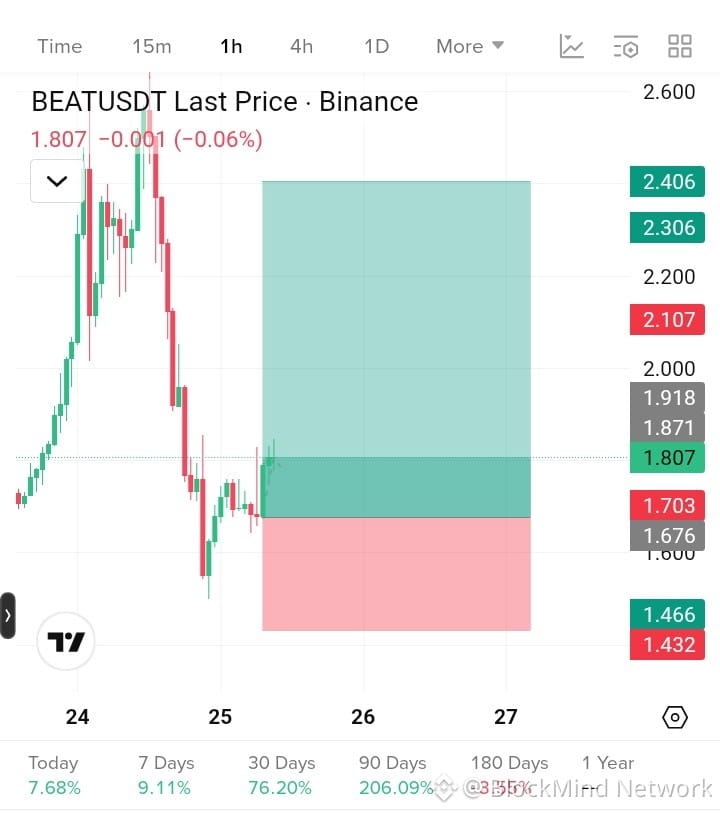
$BEAT Long Trade Setup 🚀📈
Der Kurs hält eine starke Unterstützungszone, und die Käufer werden bei jedem Rücksetzer stärker. Die jüngste Reaktion an der Unterstützung deutet darauf hin, dass sich bullischer Schwung aufbaut, wodurch der Aufwärtsimpuls wahrscheinlicher wird.
Einstiegskurs: 1.703
Stop Loss (SL): 1.432
Take Profit (TP): 2.406
Die Unterstützung hält fest, und die Bullen greifen aggressiv ein. Wenn die Käufer die Kontrolle behalten, könnte BEAT seine Bewegung in Richtung höherer Niveaus fortsetzen. Bleib fokussiert, manage das Risiko und halte dich an das Setup.
Der Kurs hält eine starke Unterstützungszone, und die Käufer werden bei jedem Rücksetzer stärker. Die jüngste Reaktion an der Unterstützung deutet darauf hin, dass sich bullischer Schwung aufbaut, wodurch der Aufwärtsimpuls wahrscheinlicher wird.
Einstiegskurs: 1.703
Stop Loss (SL): 1.432
Take Profit (TP): 2.406
Die Unterstützung hält fest, und die Bullen greifen aggressiv ein. Wenn die Käufer die Kontrolle behalten, könnte BEAT seine Bewegung in Richtung höherer Niveaus fortsetzen. Bleib fokussiert, manage das Risiko und halte dich an das Setup.
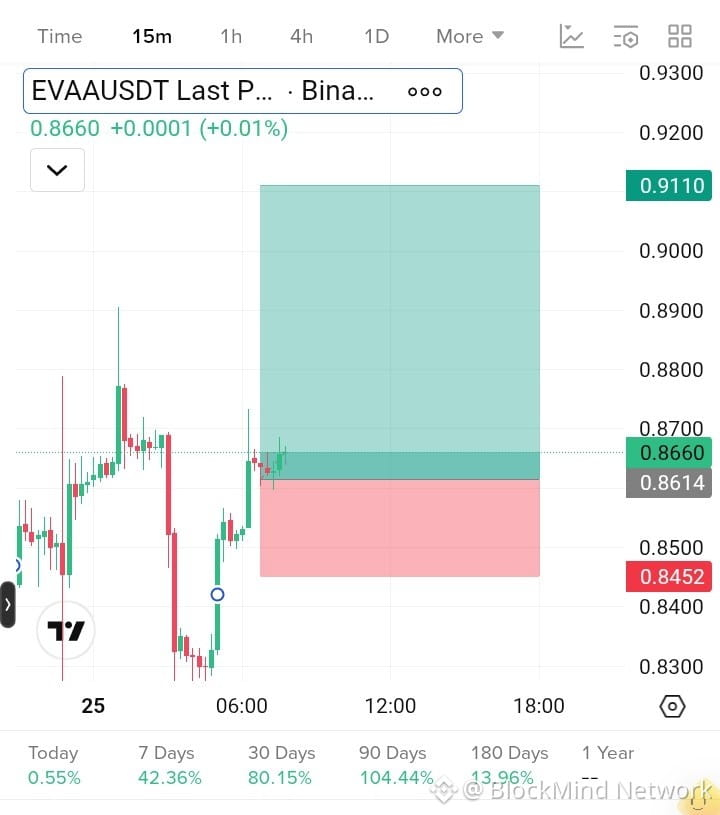
$EVAA Long Trade Setup
Das Diagramm zeigt bullische Stärke: Käufer behalten die Kontrolle und treiben den Kurs in Richtung höherer Niveaus. Das Momentum spricht weiterhin für den Aufwärtstrend, solange die zentrale Unterstützung hält.
Einstieg: 0.8614
Stop Loss (SL): 0.8452
Take Profit (TP): 0.9110
Käufer verteidigen den Trend, und der Markt wirkt bereit für den nächsten Schub nach oben. Bleib diszipliniert, manage dein Risiko und halte dich an das Setup gemäß deinem Trading-Plan.
Trade 👇 hier
Das Diagramm zeigt bullische Stärke: Käufer behalten die Kontrolle und treiben den Kurs in Richtung höherer Niveaus. Das Momentum spricht weiterhin für den Aufwärtstrend, solange die zentrale Unterstützung hält.
Einstieg: 0.8614
Stop Loss (SL): 0.8452
Take Profit (TP): 0.9110
Käufer verteidigen den Trend, und der Markt wirkt bereit für den nächsten Schub nach oben. Bleib diszipliniert, manage dein Risiko und halte dich an das Setup gemäß deinem Trading-Plan.
Trade 👇 hier
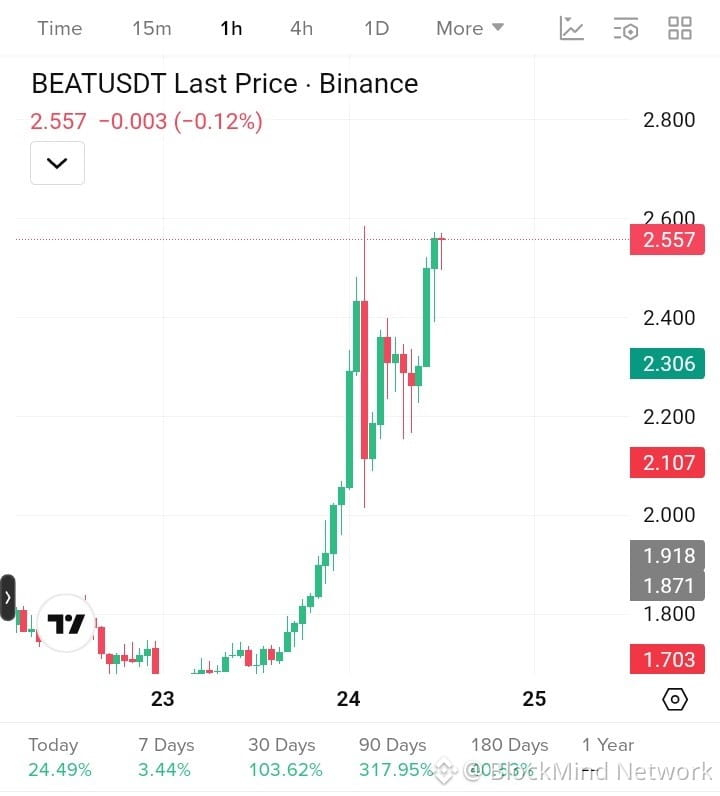
⚠️ Trader, ich warne euch nochmal! ⚠️
$BEAT liegt momentan bei etwa 2,5 $ und zeigt starken Momentum 📈🚀
Ich glaube, dass ein kraftvoller Move bald kommen könnte, und die Bullen übernehmen langsam die Kontrolle 🔥💰
🎯 Mein Ziel bleibt 5 $
Bleibt fokussiert, folgt eurem Plan und behaltet das Momentum im Auge
$BEAT liegt momentan bei etwa 2,5 $ und zeigt starken Momentum 📈🚀
Ich glaube, dass ein kraftvoller Move bald kommen könnte, und die Bullen übernehmen langsam die Kontrolle 🔥💰
🎯 Mein Ziel bleibt 5 $
Bleibt fokussiert, folgt eurem Plan und behaltet das Momentum im Auge
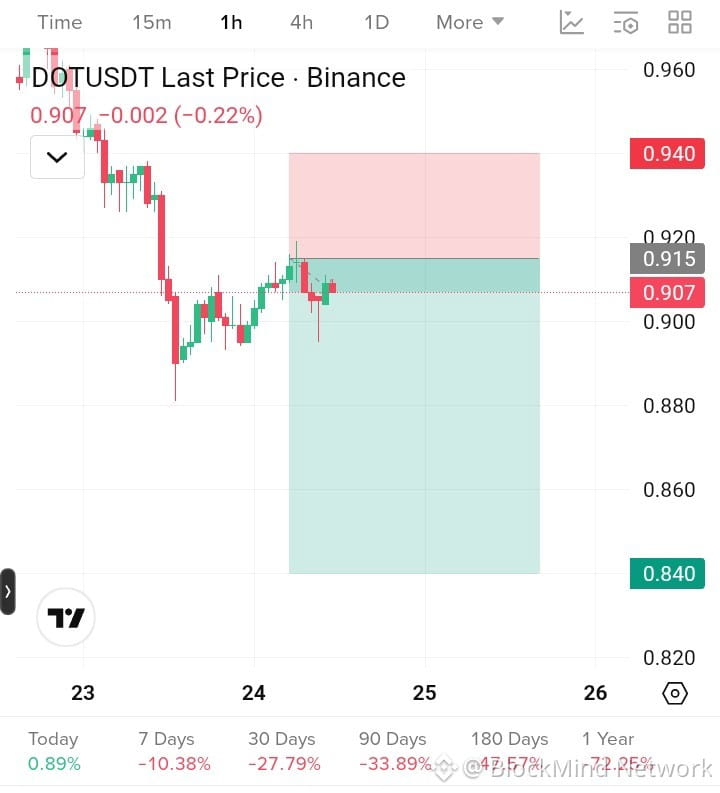
$DOT Short Trade Setup 📉🔥
Der Markt zeigt bärischen Momentum, mit Verkäufern, die die Kontrolle behalten. Der Preis hat Schwierigkeiten, höher zu steigen, und das Setup begünstigt eine Fortsetzung nach unten.
Einstiegspunkt: 0.915
Stop Loss (SL): 0.940
Take Profit (TP): 0.840
Die Bären haben das Sagen, und das Ziel nach unten bleibt aktiv, solange der Preis unter der Stop-Loss-Zone bleibt. Handle smart, manage dein Risiko und folge dem Setup mit Disziplin.
trade 👇 hier
Der Markt zeigt bärischen Momentum, mit Verkäufern, die die Kontrolle behalten. Der Preis hat Schwierigkeiten, höher zu steigen, und das Setup begünstigt eine Fortsetzung nach unten.
Einstiegspunkt: 0.915
Stop Loss (SL): 0.940
Take Profit (TP): 0.840
Die Bären haben das Sagen, und das Ziel nach unten bleibt aktiv, solange der Preis unter der Stop-Loss-Zone bleibt. Handle smart, manage dein Risiko und folge dem Setup mit Disziplin.
trade 👇 hier
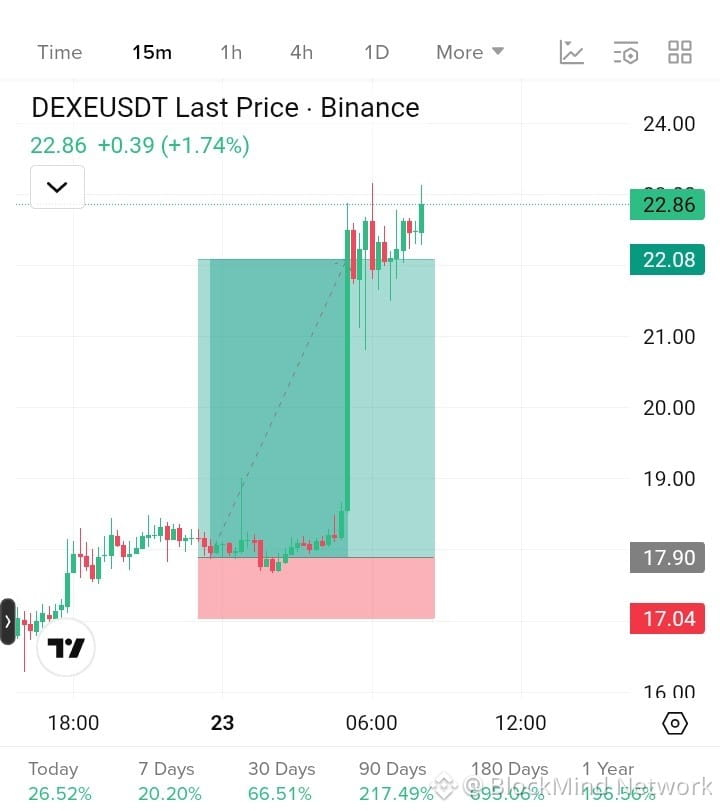
🎉 Letzte Nacht habe ich euch alle gebeten, auf $DEXE long zu gehen!
Jetzt schaut — unser Ziel wurde erfolgreich erreicht
Glückwunsch an alle, die der Anleitung gefolgt sind und geduldig geblieben sind 💰🔥
Der Schwung sieht immer noch stark aus, und ich glaube, es könnte noch mehr nach oben gehen 📊
🎯 Nächstes Ziel: 25 $
Wenn du den ersten Move verpasst hast, behalte den Markt im Blick — vielleicht gibt es auch in Zukunft noch Chancen 😎
Jetzt schaut — unser Ziel wurde erfolgreich erreicht
Glückwunsch an alle, die der Anleitung gefolgt sind und geduldig geblieben sind 💰🔥
Der Schwung sieht immer noch stark aus, und ich glaube, es könnte noch mehr nach oben gehen 📊
🎯 Nächstes Ziel: 25 $
Wenn du den ersten Move verpasst hast, behalte den Markt im Blick — vielleicht gibt es auch in Zukunft noch Chancen 😎
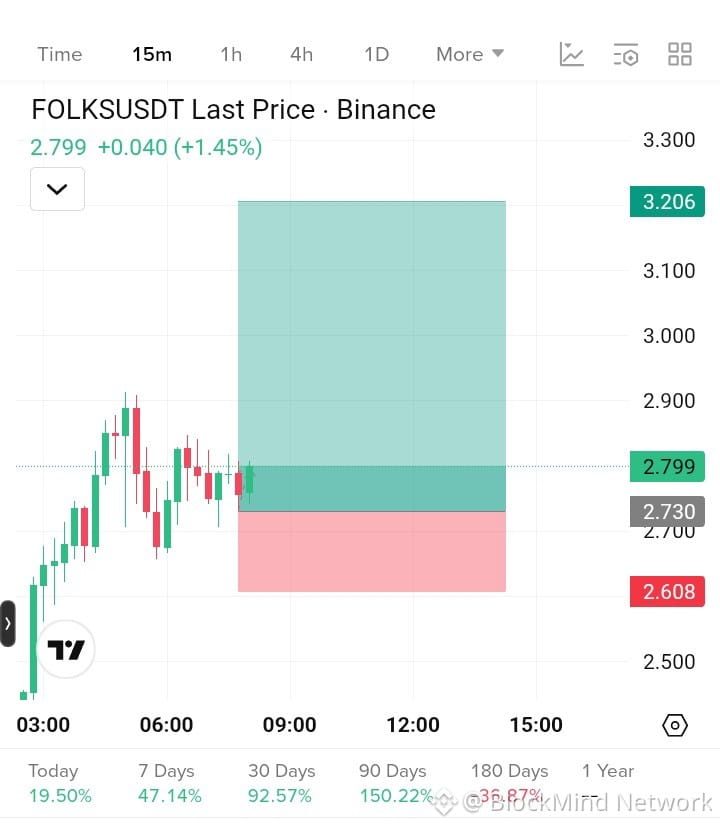
$FOLKS – LONG TRADE GELEGENHEIT 🚀
$FOLKS hält sein wichtiges Unterstützungsniveau sehr gut, was zeigt, dass Käufer immer noch aktiv im Markt sind. Der Preis hat seine Position trotz der jüngsten Schwankungen gehalten, und der nächste große Move könnte nach oben sein.
Einstiegspreis: 2.730
Gewinnmitnahme (TP): 3.206
Stop-Loss (SL): 2.608
$FOLKS zeigt Stärke, indem es die Unterstützung hält. Wenn die Käufer die Kontrolle behalten, ist der nächste Move wahrscheinlich nach oben. Ignoriere keinen Markt, der sich weigert, nach unten zu brechen—manchmal beginnt dort die beste Gelegenheit.
$FOLKS hält sein wichtiges Unterstützungsniveau sehr gut, was zeigt, dass Käufer immer noch aktiv im Markt sind. Der Preis hat seine Position trotz der jüngsten Schwankungen gehalten, und der nächste große Move könnte nach oben sein.
Einstiegspreis: 2.730
Gewinnmitnahme (TP): 3.206
Stop-Loss (SL): 2.608
$FOLKS zeigt Stärke, indem es die Unterstützung hält. Wenn die Käufer die Kontrolle behalten, ist der nächste Move wahrscheinlich nach oben. Ignoriere keinen Markt, der sich weigert, nach unten zu brechen—manchmal beginnt dort die beste Gelegenheit.
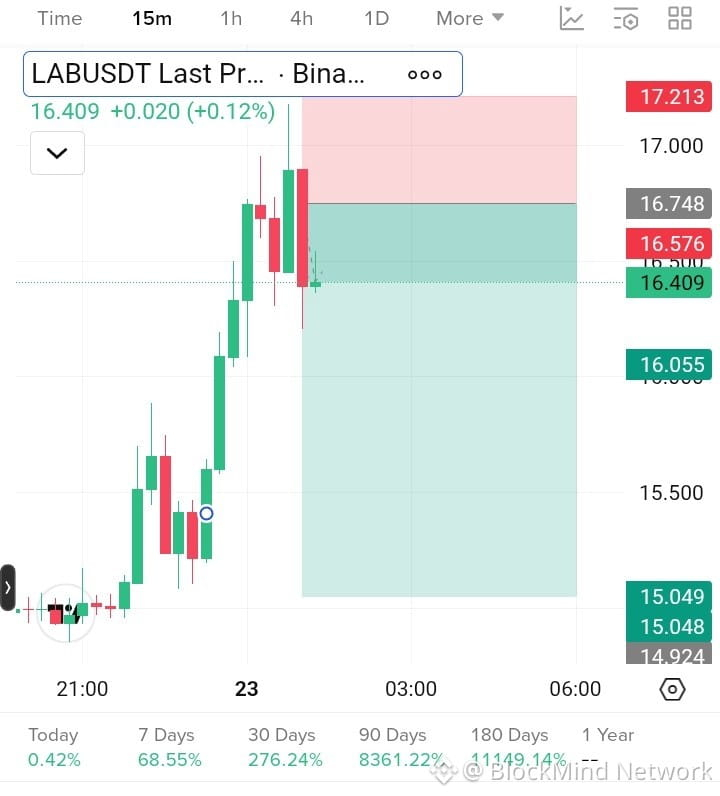
$LAB _Short-Handelsmöglichkeit
Einstiegsniveau : 17.00
Ziel : 15.0-14.50
Stop-Loss : 17.300
Handel 👇 hier
Einstiegsniveau : 17.00
Ziel : 15.0-14.50
Stop-Loss : 17.300
Handel 👇 hier
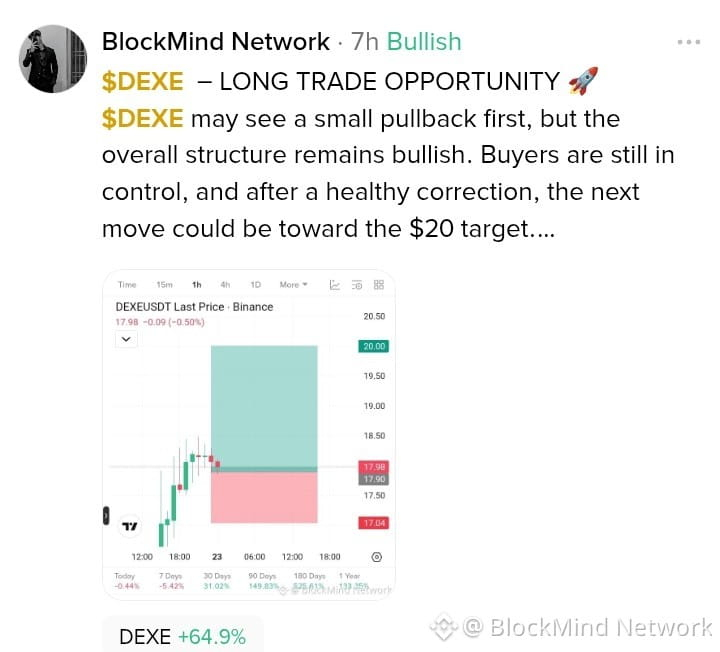
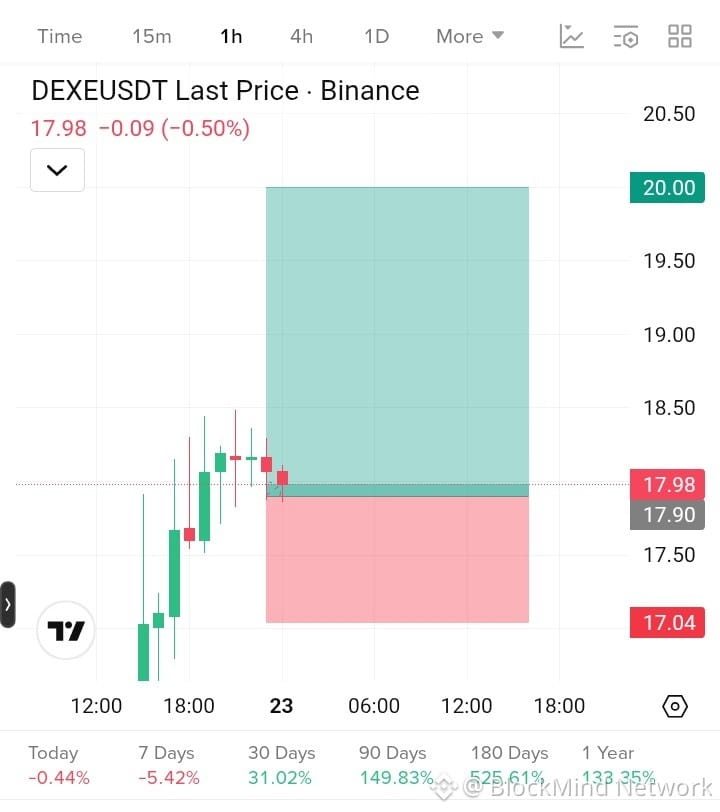
$DEXE – LONG TRADE GELEGENHEIT 🚀
$DEXE könnte zuerst einen kleinen Rücksetzer sehen, aber die gesamte Struktur bleibt bullish. Die Käufer haben weiterhin die Kontrolle, und nach einer gesunden Korrektur könnte der nächste Move in Richtung des $20 Ziels gehen.
Einstiegskurs: 17.90
Gewinnmitnahme (TP): 20.00
Stop-Loss (SL): 17.04
Lass dich nicht von einem kleinen Retracement aus der Bahn werfen. DEXE sieht bereit aus für einen weiteren Push nach oben, und $20 bleibt das Ziel. Bleib geduldig, folge dem Plan und manage dein Risiko.
Trade 👇 hier
$DEXE könnte zuerst einen kleinen Rücksetzer sehen, aber die gesamte Struktur bleibt bullish. Die Käufer haben weiterhin die Kontrolle, und nach einer gesunden Korrektur könnte der nächste Move in Richtung des $20 Ziels gehen.
Einstiegskurs: 17.90
Gewinnmitnahme (TP): 20.00
Stop-Loss (SL): 17.04
Lass dich nicht von einem kleinen Retracement aus der Bahn werfen. DEXE sieht bereit aus für einen weiteren Push nach oben, und $20 bleibt das Ziel. Bleib geduldig, folge dem Plan und manage dein Risiko.
Trade 👇 hier
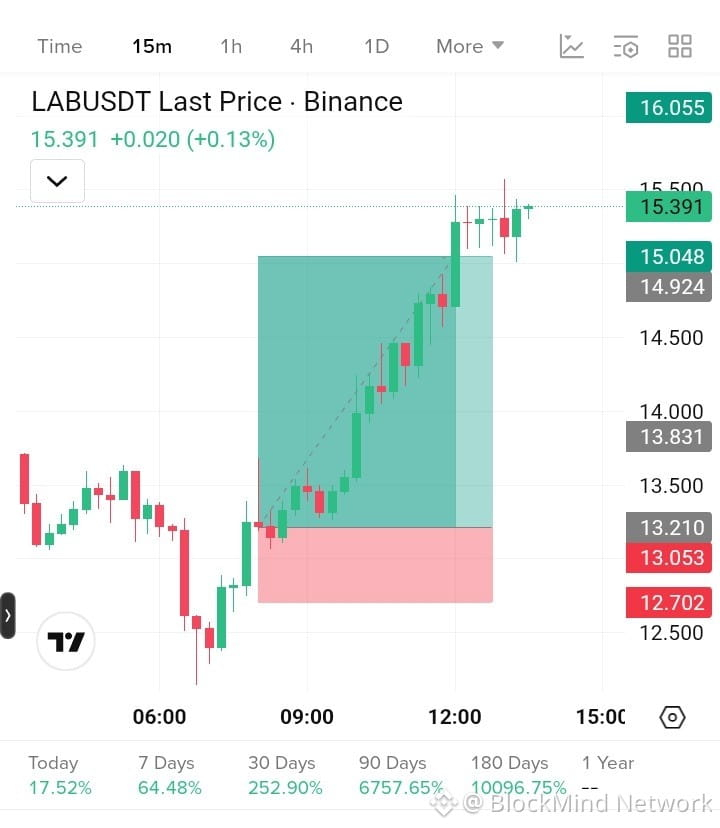
🎉 Glückwunsch, Trader! 🎉
$LAB Ziel perfekt getroffen 🎯✅
Ein großer Gewinn wurde erzielt, und der Trade verlief genau wie geplant 📈💰🚀
Großartige Arbeit an alle, die dem Setup gefolgt sind und geduldig geblieben sind 🔥
Halte die Long-Position weiter, solange der bullische Momentum stark bleibt 📊😎
$LAB Ziel perfekt getroffen 🎯✅
Ein großer Gewinn wurde erzielt, und der Trade verlief genau wie geplant 📈💰🚀
Großartige Arbeit an alle, die dem Setup gefolgt sind und geduldig geblieben sind 🔥
Halte die Long-Position weiter, solange der bullische Momentum stark bleibt 📊😎
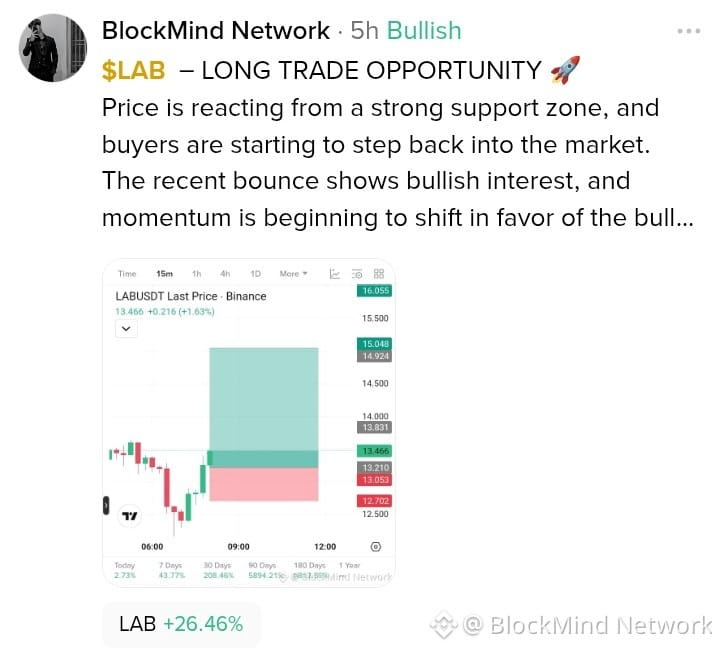

$AERO Long Trade Setup 🚀📈
Die Käufer steigen ein und der Momentum beginnt sich nach oben zu verschieben. Solange der Preis über der Unterstützung bleibt, bleibt die bullische Perspektive intakt.
Einstiegspreis: 0.5455
Stop-Loss (SL): 0.5308
Take Profit (TP): 0.5904
Der Markt zeigt Stärke, und die Bullen wollen den Preis nach oben drücken. Verwalte dein Risiko richtig und halte dich an den Handelsplan.
trade 👇 hier
Die Käufer steigen ein und der Momentum beginnt sich nach oben zu verschieben. Solange der Preis über der Unterstützung bleibt, bleibt die bullische Perspektive intakt.
Einstiegspreis: 0.5455
Stop-Loss (SL): 0.5308
Take Profit (TP): 0.5904
Der Markt zeigt Stärke, und die Bullen wollen den Preis nach oben drücken. Verwalte dein Risiko richtig und halte dich an den Handelsplan.
trade 👇 hier
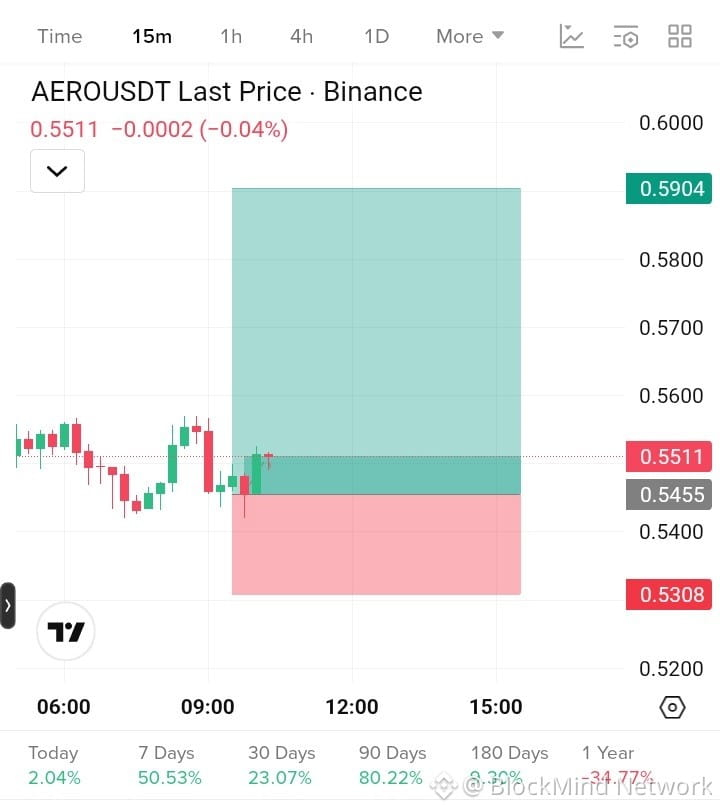
🚀 Gestern habe ich euch allen gesagt, dass ihr auf $DOT long gehen sollt! 🚀
Jetzt schaut mal — es bewegt sich genau nach unserem Plan und zeigt starken Momentum 📈🔥
Der Trade läuft gut und es könnte immer noch eine Chance geben, am Move teilzunehmen 💰📊
Bleibt fokussiert, folgt eurer Strategie und genießt den Trend! 😎🚀
Jetzt schaut mal — es bewegt sich genau nach unserem Plan und zeigt starken Momentum 📈🔥
Der Trade läuft gut und es könnte immer noch eine Chance geben, am Move teilzunehmen 💰📊
Bleibt fokussiert, folgt eurer Strategie und genießt den Trend! 😎🚀
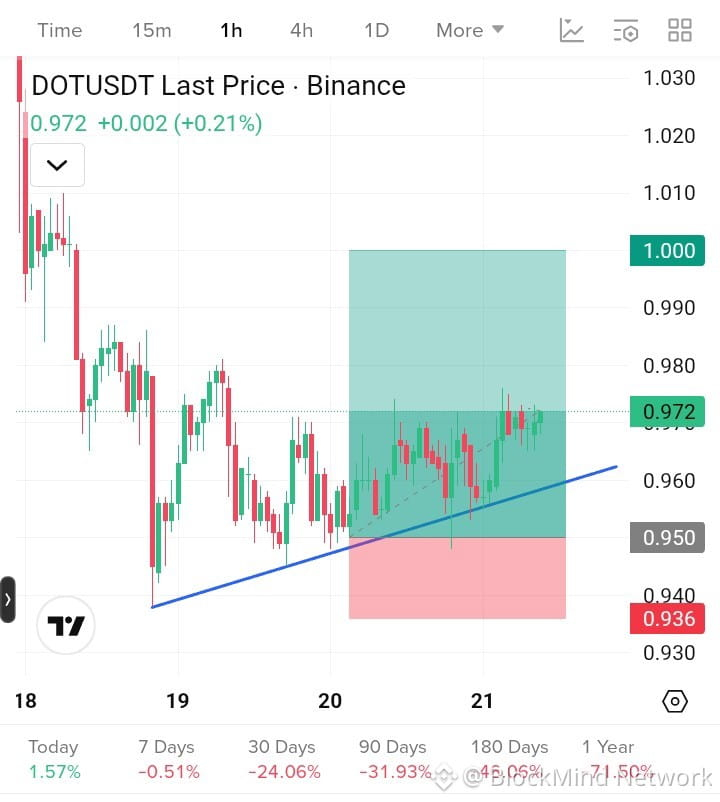
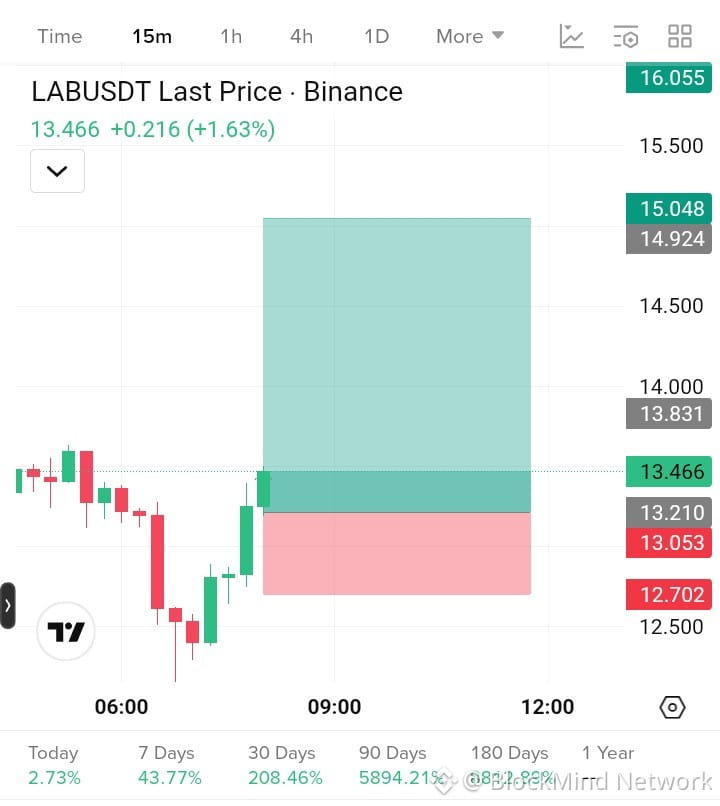
$LAB – GROßE HANDELSCHANCE 🚀
Der Kurs reagiert von einer starken Unterstützungszone aus, und Käufer beginnen wieder in den Markt zurückzukehren. Der jüngste Rückprall zeigt bullisches Interesse, und der Momentum-Weg beginnt sich zugunsten der Bullen zu drehen.
Einstiegskurs: 13.210
Take Profit (TP): 15.048
Stop Loss (SL): 12.702
Die Unterstützung hält, Käufer steigen ein, und der Trend könnte bereit sein für einen weiteren Anstieg. Schon lange nicht! Verwalte dein Risiko und lass den Markt den Rest erledigen.
Trade 👇 hier
Der Kurs reagiert von einer starken Unterstützungszone aus, und Käufer beginnen wieder in den Markt zurückzukehren. Der jüngste Rückprall zeigt bullisches Interesse, und der Momentum-Weg beginnt sich zugunsten der Bullen zu drehen.
Einstiegskurs: 13.210
Take Profit (TP): 15.048
Stop Loss (SL): 12.702
Die Unterstützung hält, Käufer steigen ein, und der Trend könnte bereit sein für einen weiteren Anstieg. Schon lange nicht! Verwalte dein Risiko und lass den Markt den Rest erledigen.
Trade 👇 hier
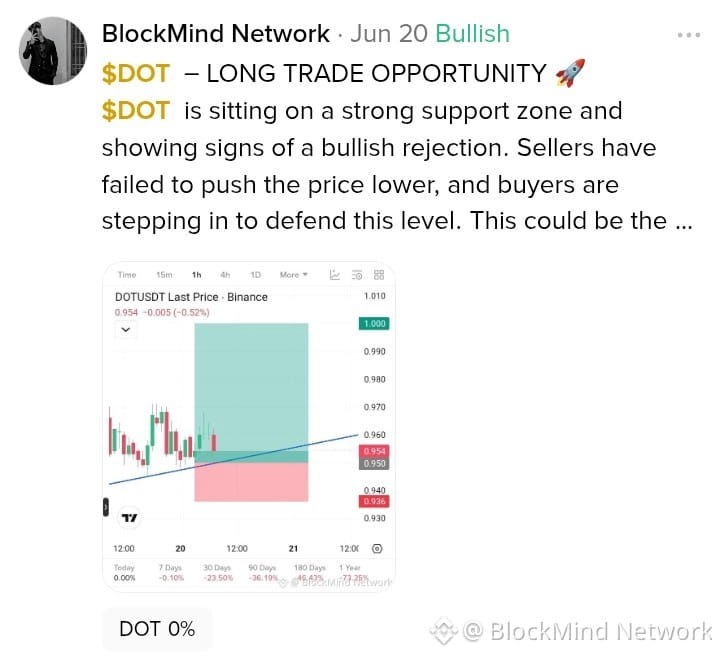
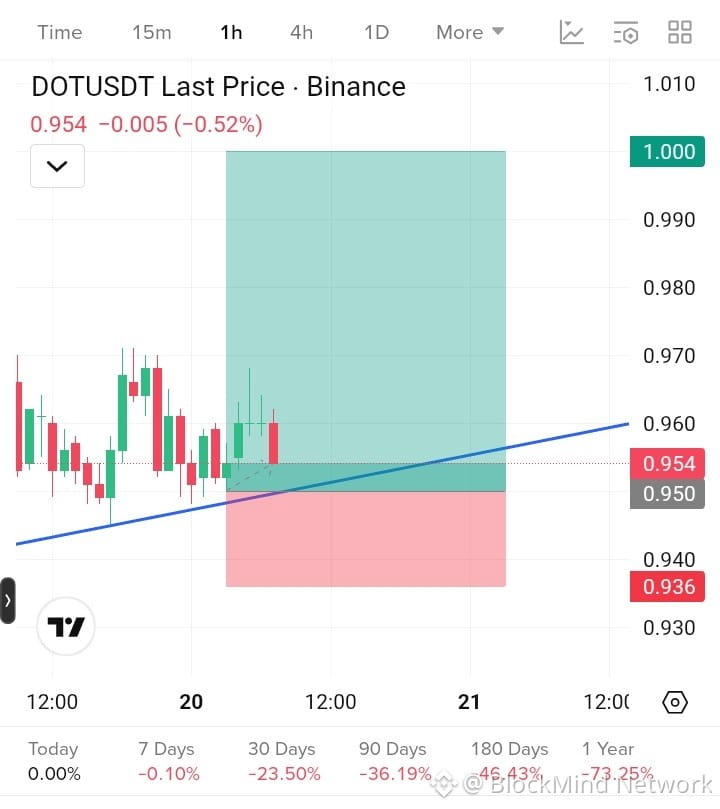
$DOT – LONG TRADE MÖGLICHKEIT 🚀
$DOT befindet sich in einer starken Unterstützungszone und zeigt Anzeichen einer bullishen Ablehnung. Verkäufer haben es nicht geschafft, den Preis weiter nach unten zu drücken, und Käufer treten ein, um dieses Niveau zu verteidigen. Das könnte der Beginn der nächsten Bewegung nach oben sein.
Einstiegspreis: 0.950
Take Profit (TP): 1.000
Stop Loss (SL): 0.936
Starke Unterstützung + Bullishe Ablehnung = Long Möglichkeit. Verpass die Bewegung nicht, wenn die Käufer die Kontrolle behalten!
trade 👇 hier
$DOT befindet sich in einer starken Unterstützungszone und zeigt Anzeichen einer bullishen Ablehnung. Verkäufer haben es nicht geschafft, den Preis weiter nach unten zu drücken, und Käufer treten ein, um dieses Niveau zu verteidigen. Das könnte der Beginn der nächsten Bewegung nach oben sein.
Einstiegspreis: 0.950
Take Profit (TP): 1.000
Stop Loss (SL): 0.936
Starke Unterstützung + Bullishe Ablehnung = Long Möglichkeit. Verpass die Bewegung nicht, wenn die Käufer die Kontrolle behalten!
trade 👇 hier
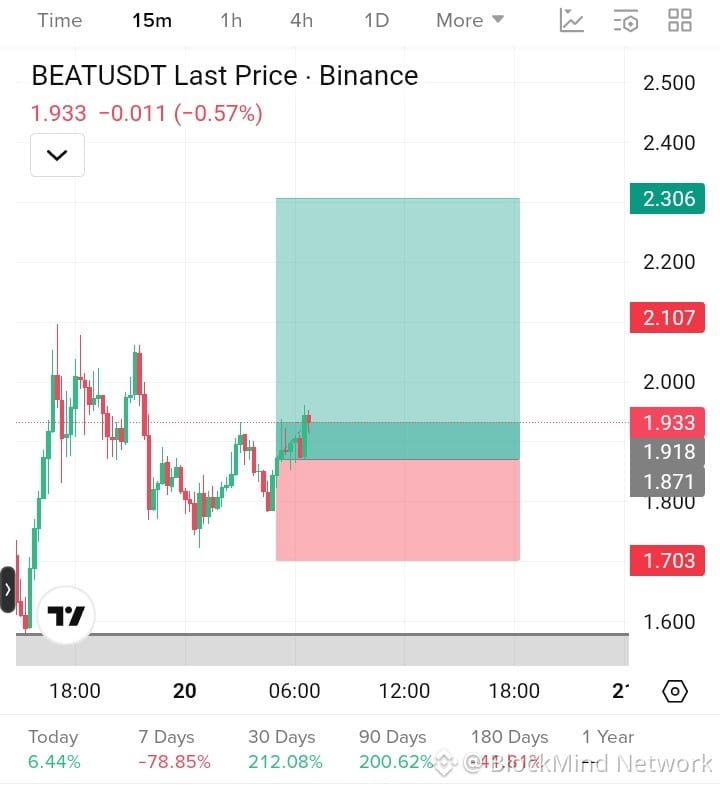
$BEAT LONG TRADING CHANCE ALARM 🚀
Der Markt zeigt starkes bullishes Potenzial, und die Käufer treten mit Zuversicht auf. Die Dynamik baut sich auf, und dieses Setup könnte eine hervorragende Gelegenheit für Trader bieten, die den nächsten Aufwärtsschritt abfangen möchten.
Einstiegspreis: 1.900
Ziel 1: 2.300
Ziel 2: 2.500
Stop-Loss: 1.700
Das ist ein Setup mit hoher Überzeugung für Long-Positionen. Verfolge den Markt nicht—halte dich an den Plan, manage das Risiko und lass den Trend die Arbeit machen. Die Bullen bereiten sich auf den nächsten Aufwärtstrend vor!
trade 👇 hier
Der Markt zeigt starkes bullishes Potenzial, und die Käufer treten mit Zuversicht auf. Die Dynamik baut sich auf, und dieses Setup könnte eine hervorragende Gelegenheit für Trader bieten, die den nächsten Aufwärtsschritt abfangen möchten.
Einstiegspreis: 1.900
Ziel 1: 2.300
Ziel 2: 2.500
Stop-Loss: 1.700
Das ist ein Setup mit hoher Überzeugung für Long-Positionen. Verfolge den Markt nicht—halte dich an den Plan, manage das Risiko und lass den Trend die Arbeit machen. Die Bullen bereiten sich auf den nächsten Aufwärtstrend vor!
trade 👇 hier
Anmelden und weiter Inhalte entdecken