
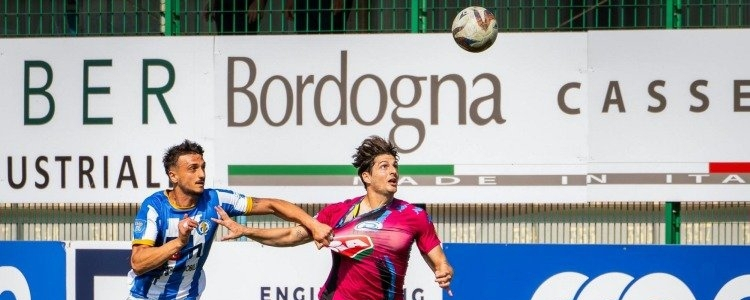

You are watching Italian football lose ground on the global stage as financial limits tighten. Club executives now argue that revisiting the 2019 sponsorship ban could be one of the few realistic ways to help Serie A compete again at the highest level.
The gap between Italy’s top flight and its European rivals is growing more visible each season. You can sense the frustration among club owners who believe the Dignity Decree, which outlawed all gambling advertising, has restricted their ability to attract and retain elite talent.
When you look at the numbers behind Europe’s top leagues, the imbalance becomes hard to ignore. Since the ban came into force in 2019, Serie A has reportedly lost around €100 million per year in revenue that once came from betting partnerships. That loss isn’t abstract. It directly affects scouting networks, youth development and long-term infrastructure planning.
At the same time, your habits as a fan and consumer have shifted. You are spending more time in digital environments that are interactive, mobile and data-driven. The current regulations do not fully reflect that reality. The gaming sector, in particular, has evolved into a structured ecosystem where transparency and user control are central.
Bringing these brands back into football through formal partnerships would not introduce something new, but rather acknowledge what is already happening. It could also create a more transparent and accountable framework tied to taxation and oversight.
You might wonder how much one policy can really affect performance on the field. Financial comparisons offer a clear answer. A 2023 report from Deloitte’s Sports Business Group showed the Premier League generating €3.5 billion in commercial and matchday revenue, compared to Serie A’s €1.3 billion in the same period.
That difference gives English clubs a major advantage when competing for players. When every transfer window becomes a bidding contest, deeper financial reserves often decide the outcome. Italian clubs, operating under tighter constraints, are left competing with fewer resources.
If you are looking at the bigger picture, the debate ultimately comes down to modernization. The Italian Football Federation (FIGC) has noted that the 2019 ban has not clearly reduced gambling participation, but it has reduced revenue available to clubs. That combination raises questions about whether the current approach is achieving its intended goals.
Moving from a total ban to a tightly regulated model could allow Italy to regain lost income while maintaining oversight. It would also bring existing activity into a formal structure, reducing reliance on less transparent channels and creating taxable revenue streams that can be reinvested into the sport.
In the months ahead, you can expect continued discussion around potential legislative changes. The stakes are high. For Italian football, this is not just about sponsorship policy but about whether the league can adapt to a changing economic landscape and remain competitive in a sport that is becoming more financially demanding every year.