
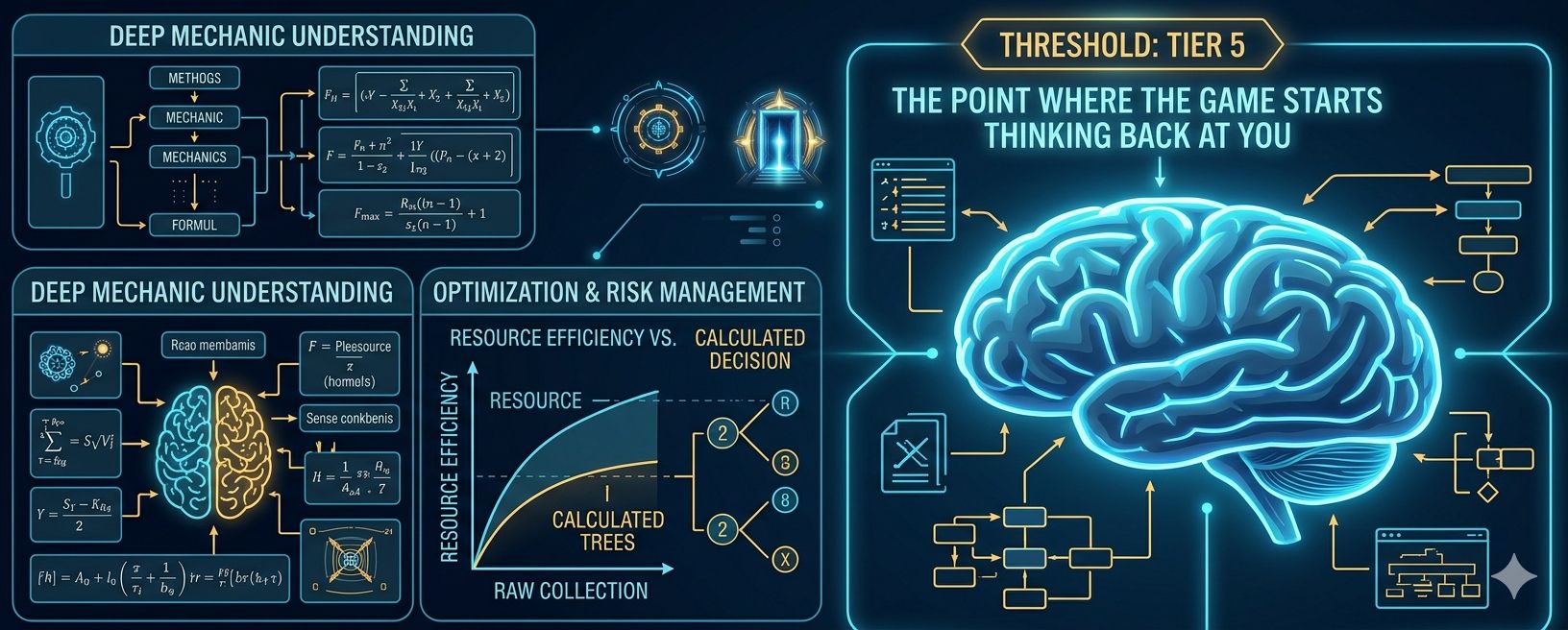
Tier 5 in PIXEL represents the point where the experience stops feeling like a guided progression and starts behaving like a fully open system. At this stage, the game no longer “teaches” you what to do. Instead, it assumes you already understand its mechanics deeply and pushes you into optimization, risk management, and long-term strategy.
From a player’s point of view, reaching Tier 5 feels like crossing a threshold where everything becomes sharper and less forgiving. Early tiers usually reward experimentation and simple upgrades, but Tier 5 changes the rhythm completely. Resource efficiency starts to matter more than raw collection. Timing matters more than effort. Small decisions begin to compound into noticeable advantages or losses.
What stands out most at this stage is how the game environment responds to the player’s prior choices. If earlier tiers were about building foundations, Tier 5 is about consequences. Systems that felt independent before now interact more aggressively. Upgrades that once seemed optional start becoming essential. Even minor inefficiencies begin to slow overall progression in a visible way.
There is also a noticeable shift in player psychology here. Many players describe Tier 5 as the point where the game stops feeling casual. Attention becomes more focused, almost analytical. Instead of reacting to what is happening, players start predicting cycles, planning sequences of actions, and optimizing routes or builds based on expected outcomes rather than immediate needs.
Mechanically, Tier 5 usually introduces tighter constraints. These can appear as increased costs, slower recovery windows, or more demanding upgrade paths. The intent is not to block progress but to force specialization. At this stage, generalist playstyles become less effective. Players who commit to a specific strategy or build path tend to outperform those trying to stay flexible.
From a design perspective, Tier 5 is where PIXEL reveals its long-term structure. Earlier tiers act like onboarding layers, but Tier 5 exposes the underlying economy and balance logic. It is the point where the game stops feeling like a sequence of levels and starts feeling like a system with interdependent parts.
What makes this tier particularly interesting is the emotional shift it creates. Progress slows down compared to earlier stages, but satisfaction becomes more tied to mastery than speed. Unlocks feel earned rather than granted. Efficiency gains feel meaningful rather than incremental. The game begins rewarding understanding over time spent.
In practical terms, success at Tier 5 usually depends on three things: disciplined resource allocation, awareness of system interactions, and the ability to delay short-term gains for long-term scaling. Players who adapt to this mindset tend to stabilize and progress steadily. Those who continue playing it like earlier tiers often hit performance plateaus.
Overall, Tier 5 of PIXEL is not just another stage. It is the transition from learning the game to actually playing it at a structural level. It demands more attention, more planning, and more patience, but it also offers a deeper sense of control and mastery than anything that comes before it.