
#stoplossstrategies
stoplossstrategies
13.2M Aufrufe
38,364 Kommentare
Discuss your stop-loss strategies and provide examples of how they helped you minimize losses during downturns.
Hot
Zuletzt


Einführung in das zweite Thema unseres Risk Management Deep Dive – #StopLossStrategies
Stop-Loss-Strategien sind wesentliche Werkzeuge zur Risikomanagement im Handel. Durch das Setzen von vorher festgelegten Ausstiegspunkten können Sie Ihre Investitionen vor erheblichen Verlusten während Marktrückgängen schützen. Zu verstehen, wie man Stop-Loss-Orders effektiv umsetzt, kann Ihnen helfen, die Kontrolle über Ihre Handelsergebnisse zu behalten.
👉 Ihr Beitrag kann Folgendes enthalten:
• Welche Arten von Stop-Loss-Strategien verwenden Sie und warum?
• Wie bestimmen Sie die geeigneten Ebenen für Ihre Stop-Loss-Orders?
• Können Sie Beispiele nennen, bei denen Ihre Stop-Loss-Strategie erfolgreich Ihre Investitionen geschützt hat?
Z.B. eines Beitrags - „Ich verwende eine Kombination aus festen Stop-Loss-Orders und trailing Stop-Loss-Orders. Für feste Stop-Loss-Orders setze ich Ebenen basierend auf wichtigen Unterstützungsniveaus und Risikobereitschaft. Trailing Stop-Loss-Orders helfen mir, Gewinne zu sichern, während sie sich an die Marktbewegungen anpassen. Dieser Ansatz hat meine Investitionen während plötzlicher Rückgänge geschützt und es mir ermöglicht, Gewinne während Aufwärtstrends zu sichern. #StopLossStrategies “
📢 Erstellen Sie einen Beitrag mit #StopLossStrategies und teilen Sie Ihre Erkenntnisse, um Binance-Punkte zu verdienen! (Drücken Sie das „+“ auf der Startseite der App und klicken Sie auf das Aufgaben-Center)
Vollständige Kampagnendetails here.
Stop-Loss-Strategien sind wesentliche Werkzeuge zur Risikomanagement im Handel. Durch das Setzen von vorher festgelegten Ausstiegspunkten können Sie Ihre Investitionen vor erheblichen Verlusten während Marktrückgängen schützen. Zu verstehen, wie man Stop-Loss-Orders effektiv umsetzt, kann Ihnen helfen, die Kontrolle über Ihre Handelsergebnisse zu behalten.
👉 Ihr Beitrag kann Folgendes enthalten:
• Welche Arten von Stop-Loss-Strategien verwenden Sie und warum?
• Wie bestimmen Sie die geeigneten Ebenen für Ihre Stop-Loss-Orders?
• Können Sie Beispiele nennen, bei denen Ihre Stop-Loss-Strategie erfolgreich Ihre Investitionen geschützt hat?
Z.B. eines Beitrags - „Ich verwende eine Kombination aus festen Stop-Loss-Orders und trailing Stop-Loss-Orders. Für feste Stop-Loss-Orders setze ich Ebenen basierend auf wichtigen Unterstützungsniveaus und Risikobereitschaft. Trailing Stop-Loss-Orders helfen mir, Gewinne zu sichern, während sie sich an die Marktbewegungen anpassen. Dieser Ansatz hat meine Investitionen während plötzlicher Rückgänge geschützt und es mir ermöglicht, Gewinne während Aufwärtstrends zu sichern. #StopLossStrategies “
📢 Erstellen Sie einen Beitrag mit #StopLossStrategies und teilen Sie Ihre Erkenntnisse, um Binance-Punkte zu verdienen! (Drücken Sie das „+“ auf der Startseite der App und klicken Sie auf das Aufgaben-Center)
Vollständige Kampagnendetails here.

🛑 Warum ist ein Stop-Loss bei Krypto nötig?
Wenn du Krypto im Wert von ₹1.000 gekauft hast und der Preis immer weiter fällt, kann der Verlust ohne Stop-Loss weiter steigen.
👉 Stop-Loss bedeutet:
Einen Preisbereich festlegen, bei dem man den Verlust begrenzt und den Trade beendet.
📌 Beispiel:
Kaufpreis = ₹100
Stop-Loss = ₹95
➡️ Wenn der Preis ₹95 erreicht, dann raus.
💡 Denk dran:
Gewinne zu machen ist wichtig, aber noch wichtiger ist, das Kapital zu schützen.
❌ Ohne Stop-Loss = hohes Risiko
✅ Stop-Loss = kontrolliertes Risiko
#CryptoLearning g #cryptoindia a #Risikomanagement #StopLossStrategies s #BinanceSquare
Wenn du Krypto im Wert von ₹1.000 gekauft hast und der Preis immer weiter fällt, kann der Verlust ohne Stop-Loss weiter steigen.
👉 Stop-Loss bedeutet:
Einen Preisbereich festlegen, bei dem man den Verlust begrenzt und den Trade beendet.
📌 Beispiel:
Kaufpreis = ₹100
Stop-Loss = ₹95
➡️ Wenn der Preis ₹95 erreicht, dann raus.
💡 Denk dran:
Gewinne zu machen ist wichtig, aber noch wichtiger ist, das Kapital zu schützen.
❌ Ohne Stop-Loss = hohes Risiko
✅ Stop-Loss = kontrolliertes Risiko
#CryptoLearning g #cryptoindia a #Risikomanagement #StopLossStrategies s #BinanceSquare

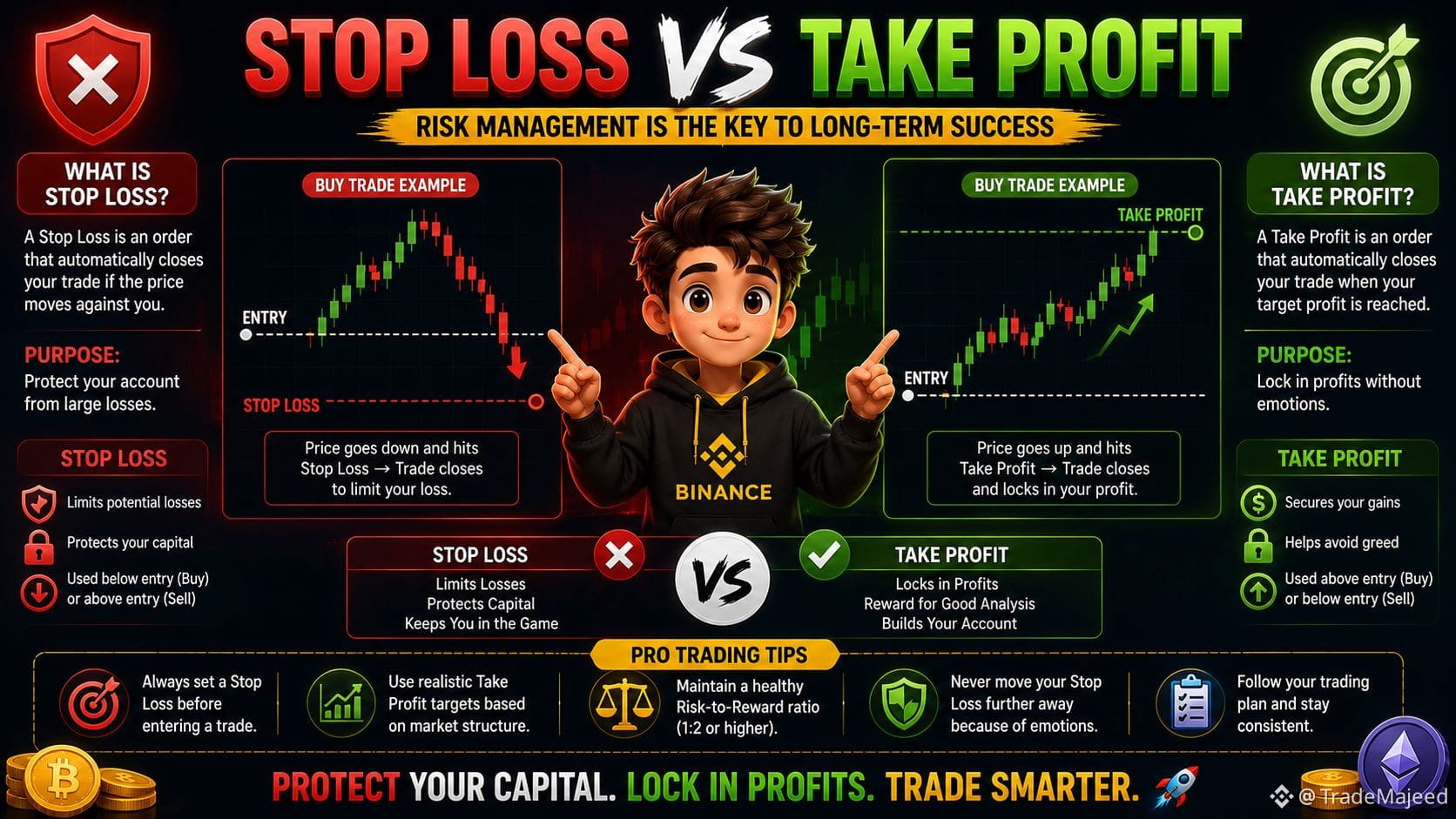
🛡️ Stop Loss vs Take Profit
Jeder erfolgreiche Trader weiß, dass Risikomanagement genauso wichtig ist wie der richtige Einstieg. Zwei der wichtigsten Werkzeuge sind Stop Loss (SL) und Take Profit (TP).
🔴 Was ist Stop Loss?
Ein Stop Loss ist eine Order, die deinen Trade automatisch schließt, wenn sich der Kurs gegen dich bewegt. So begrenzt du mögliche Verluste und schützt dein Trading-Kapital.
Zweck: Schütze dein Konto vor großen Verlusten.
🟢 Was ist Take Profit?
Ein Take Profit ist eine Order, die deinen Trade automatisch schließt, wenn dein Zielgewinn erreicht ist.
Zweck: Gewinne sichern, ohne dass Emotionen deine Entscheidung beeinflussen.
⚖️ Stop Loss vs Take Profit
🔴 Stop Loss
Begrenzt potenzielle Verluste
Schützt dein Kapital
Wird unter dem Einstieg verwendet (Kaufen) oder über dem Einstieg (Verkaufen)
🟢 Take Profit
Sichert deine Gewinne
Hilft, Gier zu vermeiden
Wird über dem Einstieg verwendet (Kaufen) oder unter dem Einstieg (Verkaufen)
💡 Pro Trading-Tipps
✅ Setze immer einen Stop Loss, bevor du einen Trade eröffnest.
✅ Nutze realistische Take-Profit-Ziele basierend auf der Marktstruktur.
✅ Halte ein gesundes Risiko-Ertrags-Verhältnis ein (z. B. 1:2 oder höher).
✅ Verschiebe deinen Stop Loss niemals weiter nach hinten, nur weil Emotionen im Spiel sind.
✅ Halte dich konsequent an deinen Trading-Plan.
🎯 Merke dir: Erfolgreiche Trader gewinnen nicht jeden Trade – sie managen das Risiko in jedem Trade.
Schütze dein Kapital. Sichere Gewinne. Trade klüger. 📈
#Crypto_Jobs🎯 #CryptoTrading. #StopLossStrategies #TakeProfits #Binance
Jeder erfolgreiche Trader weiß, dass Risikomanagement genauso wichtig ist wie der richtige Einstieg. Zwei der wichtigsten Werkzeuge sind Stop Loss (SL) und Take Profit (TP).
🔴 Was ist Stop Loss?
Ein Stop Loss ist eine Order, die deinen Trade automatisch schließt, wenn sich der Kurs gegen dich bewegt. So begrenzt du mögliche Verluste und schützt dein Trading-Kapital.
Zweck: Schütze dein Konto vor großen Verlusten.
🟢 Was ist Take Profit?
Ein Take Profit ist eine Order, die deinen Trade automatisch schließt, wenn dein Zielgewinn erreicht ist.
Zweck: Gewinne sichern, ohne dass Emotionen deine Entscheidung beeinflussen.
⚖️ Stop Loss vs Take Profit
🔴 Stop Loss
Begrenzt potenzielle Verluste
Schützt dein Kapital
Wird unter dem Einstieg verwendet (Kaufen) oder über dem Einstieg (Verkaufen)
🟢 Take Profit
Sichert deine Gewinne
Hilft, Gier zu vermeiden
Wird über dem Einstieg verwendet (Kaufen) oder unter dem Einstieg (Verkaufen)
💡 Pro Trading-Tipps
✅ Setze immer einen Stop Loss, bevor du einen Trade eröffnest.
✅ Nutze realistische Take-Profit-Ziele basierend auf der Marktstruktur.
✅ Halte ein gesundes Risiko-Ertrags-Verhältnis ein (z. B. 1:2 oder höher).
✅ Verschiebe deinen Stop Loss niemals weiter nach hinten, nur weil Emotionen im Spiel sind.
✅ Halte dich konsequent an deinen Trading-Plan.
🎯 Merke dir: Erfolgreiche Trader gewinnen nicht jeden Trade – sie managen das Risiko in jedem Trade.
Schütze dein Kapital. Sichere Gewinne. Trade klüger. 📈
#Crypto_Jobs🎯 #CryptoTrading. #StopLossStrategies #TakeProfits #Binance

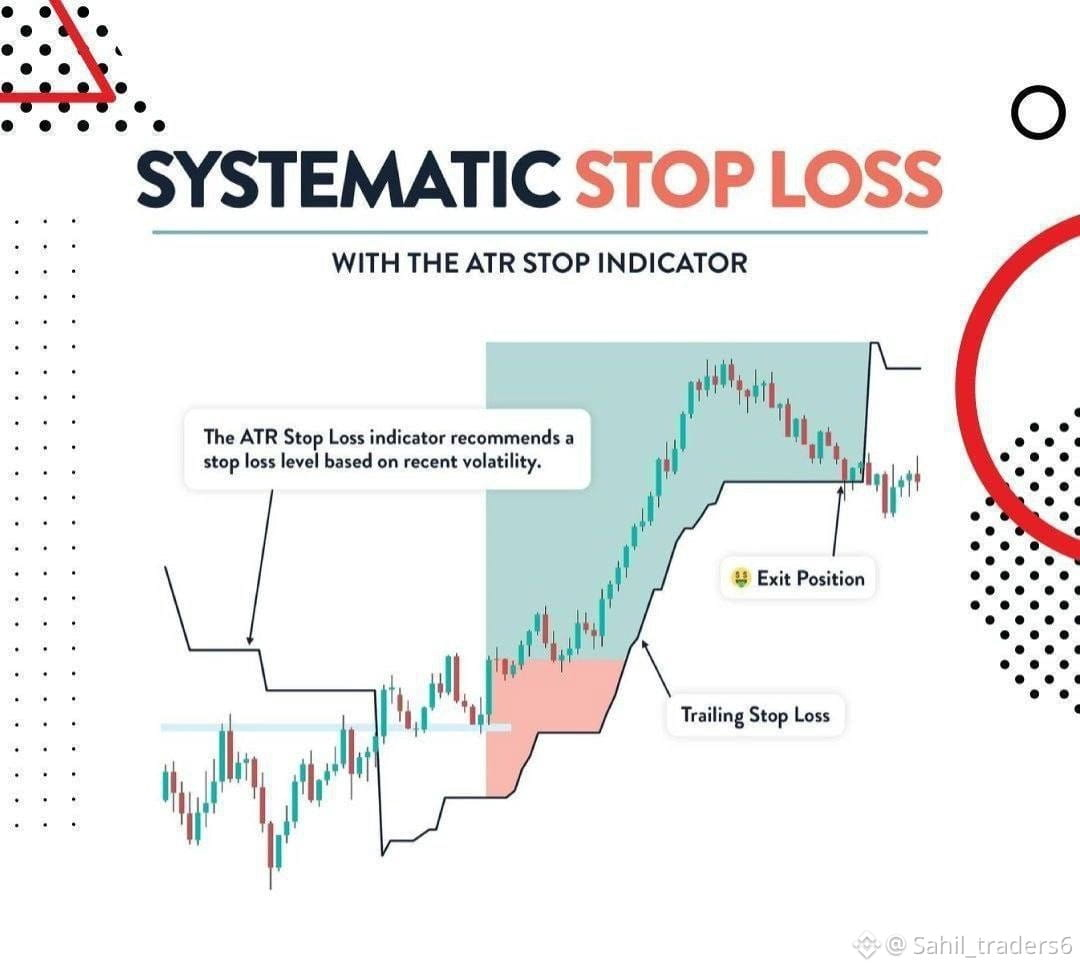
Sichern Sie Ihre Trades mit dem ATR-Stop-Indikator!
Dieses leistungsstarke Tool hilft Ihnen dabei, eine systematische Stop-Loss-Strategie umzusetzen, schützt Ihre Investitionen und minimiert Risiken. Vertrauen Sie dem ATR Stop, um auch in volatilen Märkten mit Zuversicht zu navigieren. Nutzen Sie ihn noch heute und handeln Sie mit ruhigem Gewissen. Ihr Erfolg ist unsere Priorität!
$BLESS $SOL $LYN
#StopLossStrategies #educational_post #crypto #CryptoNew #bitcoin
Dieses leistungsstarke Tool hilft Ihnen dabei, eine systematische Stop-Loss-Strategie umzusetzen, schützt Ihre Investitionen und minimiert Risiken. Vertrauen Sie dem ATR Stop, um auch in volatilen Märkten mit Zuversicht zu navigieren. Nutzen Sie ihn noch heute und handeln Sie mit ruhigem Gewissen. Ihr Erfolg ist unsere Priorität!
$BLESS $SOL $LYN
#StopLossStrategies #educational_post #crypto #CryptoNew #bitcoin


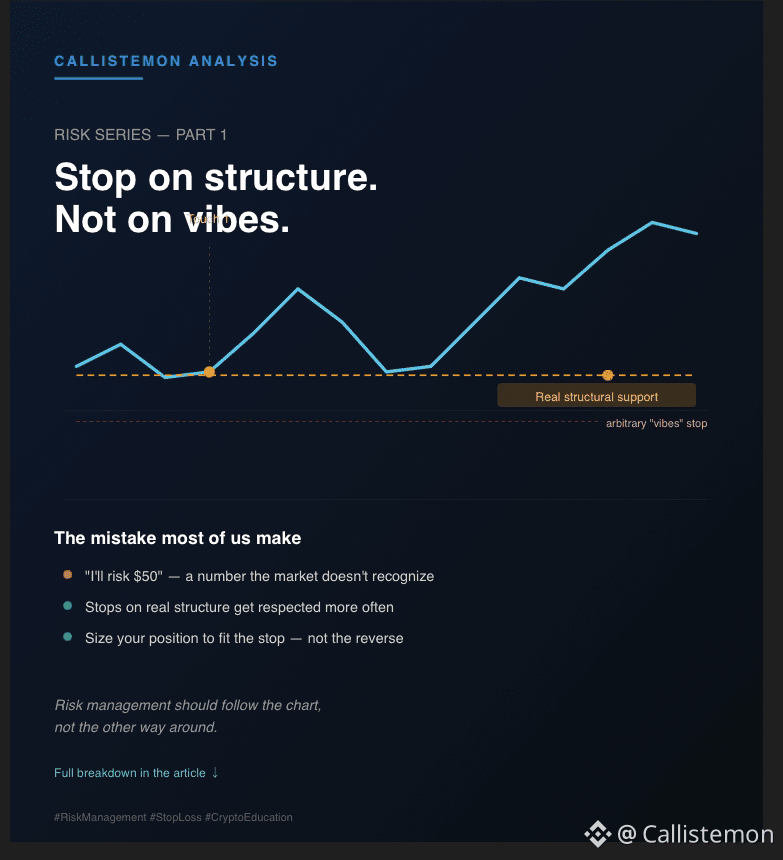
Stop auf Struktur
🛡️ Risikoserie — Teil 1: Stop auf Struktur, nicht auf Vibes
"Ich werde $50 riskieren" bedeutet für den Markt nichts. Er kennt deine Kontogröße nicht — er respektiert nur die Level, an denen echtes Kaufen oder Verkaufen zuvor stattgefunden hat.
Wenn dein Stop einfach "ein Preis unter dem, wo ich gekauft habe" ist, sitzt er oft genau dort, wo auch der Stop von allen anderen sitzt. Das ist kein Zufall.
Besserer Ansatz: Finde ein echtes strukturelles Level — ein Swing-Low, eine Unterstützungszone mit mehreren Berührungen — und dimensioniere deine Position um diese Distanz. Lass das Chart deine Risiken bestimmen, nicht dein Bauchgefühl.
Vollständige Analyse verlinkt.👇👇👇#StopLossStrategies
🛡️ Risikoserie — Teil 1: Stop auf Struktur, nicht auf Vibes
"Ich werde $50 riskieren" bedeutet für den Markt nichts. Er kennt deine Kontogröße nicht — er respektiert nur die Level, an denen echtes Kaufen oder Verkaufen zuvor stattgefunden hat.
Wenn dein Stop einfach "ein Preis unter dem, wo ich gekauft habe" ist, sitzt er oft genau dort, wo auch der Stop von allen anderen sitzt. Das ist kein Zufall.
Besserer Ansatz: Finde ein echtes strukturelles Level — ein Swing-Low, eine Unterstützungszone mit mehreren Berührungen — und dimensioniere deine Position um diese Distanz. Lass das Chart deine Risiken bestimmen, nicht dein Bauchgefühl.
Vollständige Analyse verlinkt.👇👇👇#StopLossStrategies
Callistemon
·
--
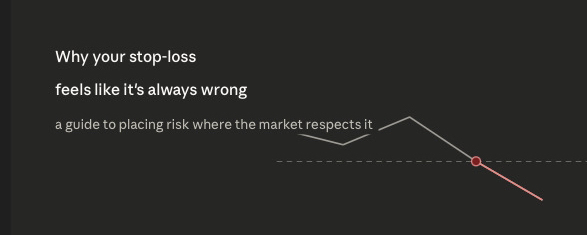
Warum sich dein Stop-Loss "immer" falsch anfühlt (und was du stattdessen tun solltest)
Früher dachte ich, Stop-Losses seien der Feind. Jedes Mal, wenn ich einen gesetzt habe, ist der Markt genau genug gefallen, um mich rauszuhauen — und dann ist er genau dort wieder nach oben geschossen, wo ich den Gewinn genommen hätte, wenn ich einfach gehalten hätte. Nach genug von diesen Situationen habe ich aufgehört, Stop-Losses ganz zu setzen. "Ich werde einfach den Chart beobachten und manuell aussteigen," habe ich mir gesagt.
Diese Entscheidung hat mich mehr gekostet als jeder einzelne Stop-Loss.
Hier ist, was ich schließlich verstanden habe: Das Problem ist normalerweise nicht der Stop-Loss. Es ist wo — und warum — du ihn platzierst.
Diese Entscheidung hat mich mehr gekostet als jeder einzelne Stop-Loss.
Hier ist, was ich schließlich verstanden habe: Das Problem ist normalerweise nicht der Stop-Loss. Es ist wo — und warum — du ihn platzierst.

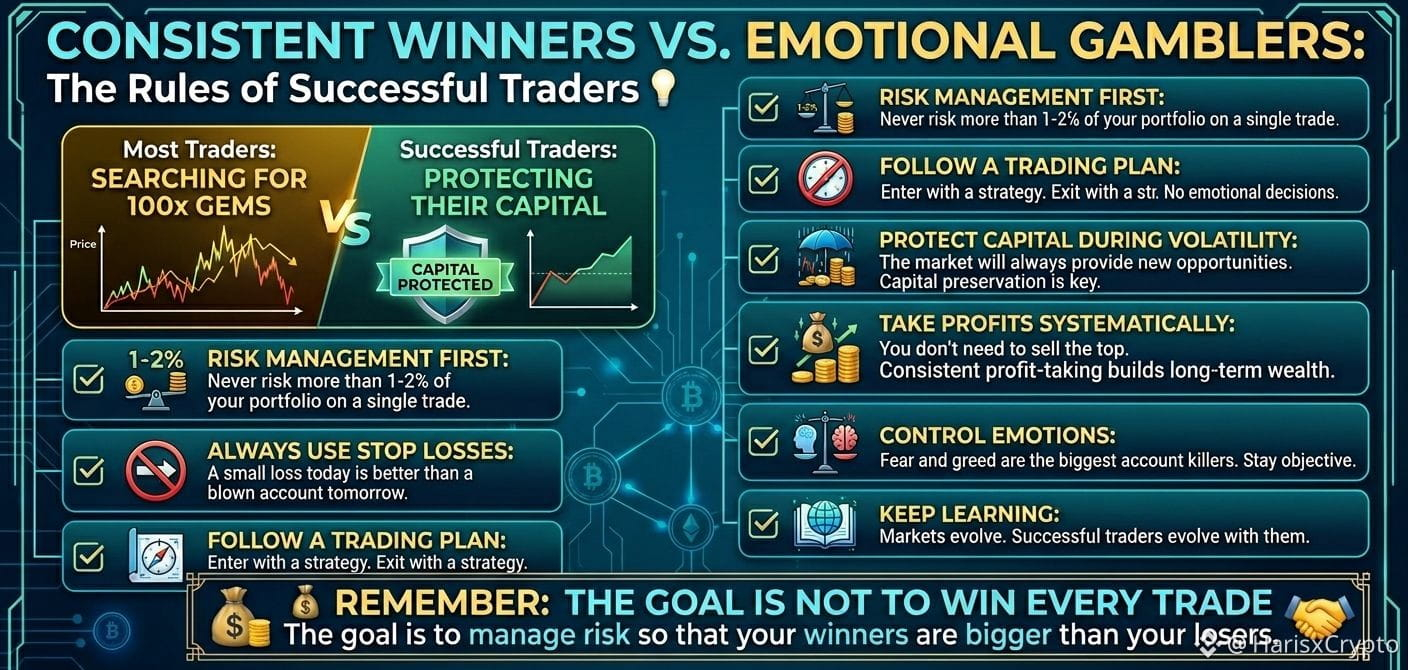
Viele Trader konzentrieren sich nur auf Gewinne❗, aber clevere Trader legen zuerst Wert auf Schutz. Ein Stop Loss ist nicht nur ein Trading-Werkzeug — es ist der Schutzschild deines Kapitals. 🛡️💰
✅ Warum Stop Loss im Trading wichtig ist
📌 1. Schützt deine Gelder
Ein Stop Loss hilft dabei, kleine Verluste zu verhindern, bevor sie zu großen Verlusten werden.
📌 2. Kontrolliert Emotionen
Es hält Angst, Panik und Gier davon ab, deine Entscheidungen zu kontrollieren. 🧠
📌 3. Baut Disziplin auf
Erfolgreiches Trading erfordert einen klaren Plan — und der Stop Loss ist Teil dieses Plans. 📊
📌 4. Reduziert Risiko
Du kannst den Markt nicht kontrollieren, aber du kannst steuern, wie viel du bereit bist zu riskieren. ⚠️
📌 5. Hält dich im Spiel
Dein Kapital zu schützen bedeutet, dass du morgen mehr Möglichkeiten hast, erneut zu traden. 🚀
📌 6. Verhindert Kontoblown
Ein schlechter Trade sollte niemals deine gesamte Trading-Reise zerstören. 🔐
$SKYAI
💡 Denk daran:
Ein Stop Loss ist nicht dein Feind.
$LAB
es ist dein Schutz, deine Disziplin und deine Trading-Versicherung.
Like und folge für Trading-Strategien und Tipps 🎯
🔥 Trade mit einem Plan. Schütze dein Kapital. Respektiere deinen Stop Loss
#SmartTrading #StopLossStrategies #RiskManagement
✅ Warum Stop Loss im Trading wichtig ist
📌 1. Schützt deine Gelder
Ein Stop Loss hilft dabei, kleine Verluste zu verhindern, bevor sie zu großen Verlusten werden.
📌 2. Kontrolliert Emotionen
Es hält Angst, Panik und Gier davon ab, deine Entscheidungen zu kontrollieren. 🧠
📌 3. Baut Disziplin auf
Erfolgreiches Trading erfordert einen klaren Plan — und der Stop Loss ist Teil dieses Plans. 📊
📌 4. Reduziert Risiko
Du kannst den Markt nicht kontrollieren, aber du kannst steuern, wie viel du bereit bist zu riskieren. ⚠️
📌 5. Hält dich im Spiel
Dein Kapital zu schützen bedeutet, dass du morgen mehr Möglichkeiten hast, erneut zu traden. 🚀
📌 6. Verhindert Kontoblown
Ein schlechter Trade sollte niemals deine gesamte Trading-Reise zerstören. 🔐
$SKYAI
💡 Denk daran:
Ein Stop Loss ist nicht dein Feind.
$LAB
es ist dein Schutz, deine Disziplin und deine Trading-Versicherung.
Like und folge für Trading-Strategien und Tipps 🎯
🔥 Trade mit einem Plan. Schütze dein Kapital. Respektiere deinen Stop Loss
#SmartTrading #StopLossStrategies #RiskManagement

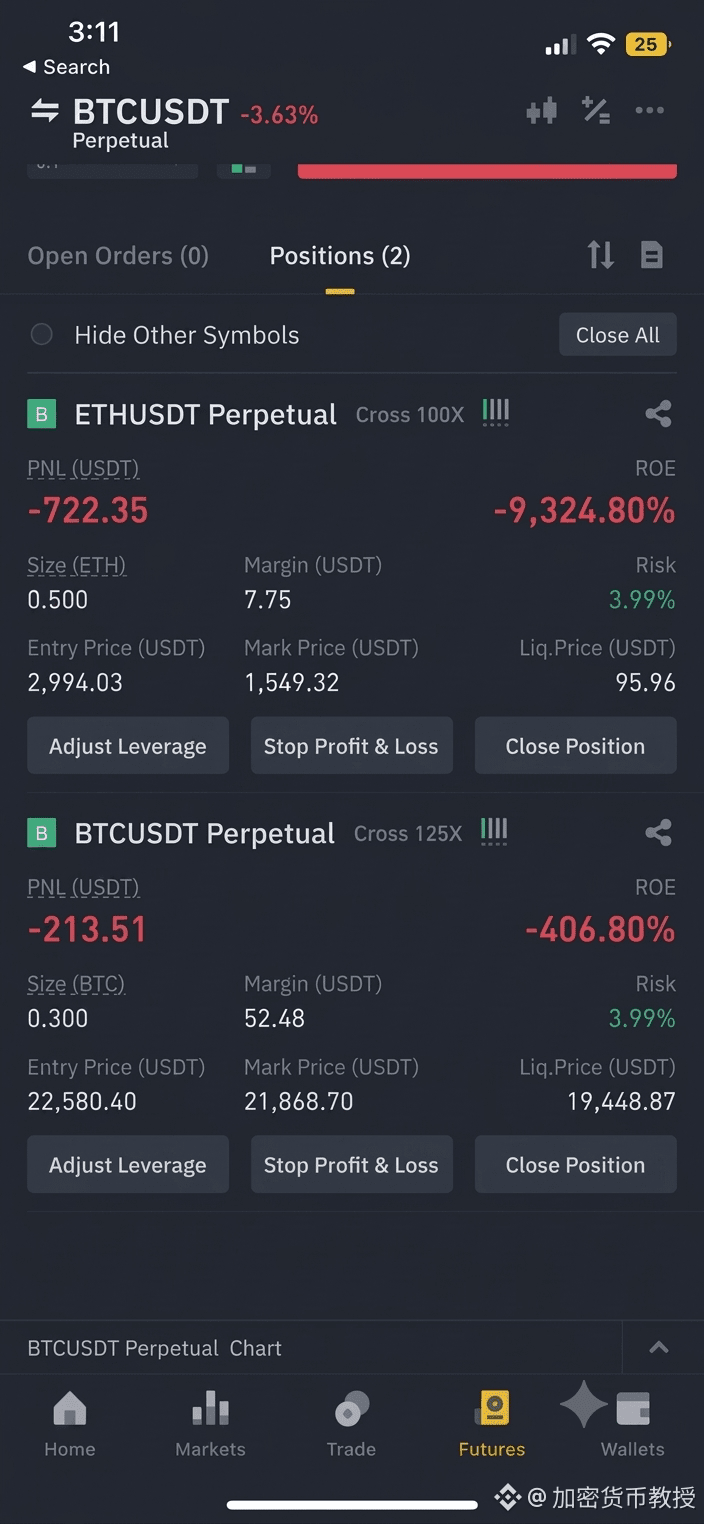
Sollte ich hier schließen ⁉️
Die Frage, deren Antwort unmöglich zu beantworten ist, für irgendwen. Die menschliche Natur ist sehr subjektiv, und jede Person hat eine unterschiedliche Schwelle, um das Risiko zu tragen oder das Risiko einzugehen. Bevor du mit irgendeinem Trade startest, denk zweimal nach: Wie viel Chance/Risiko erwartest du bei diesem Trade? Setze dann mindestens einen Stop-Loss oder einen Trailing-Stop-Loss 🛑🚏.
$BTC $ETH #Binance #FutureTarding #BTC #ETH #StopLossStrategies
Die Frage, deren Antwort unmöglich zu beantworten ist, für irgendwen. Die menschliche Natur ist sehr subjektiv, und jede Person hat eine unterschiedliche Schwelle, um das Risiko zu tragen oder das Risiko einzugehen. Bevor du mit irgendeinem Trade startest, denk zweimal nach: Wie viel Chance/Risiko erwartest du bei diesem Trade? Setze dann mindestens einen Stop-Loss oder einen Trailing-Stop-Loss 🛑🚏.
$BTC $ETH #Binance #FutureTarding #BTC #ETH #StopLossStrategies
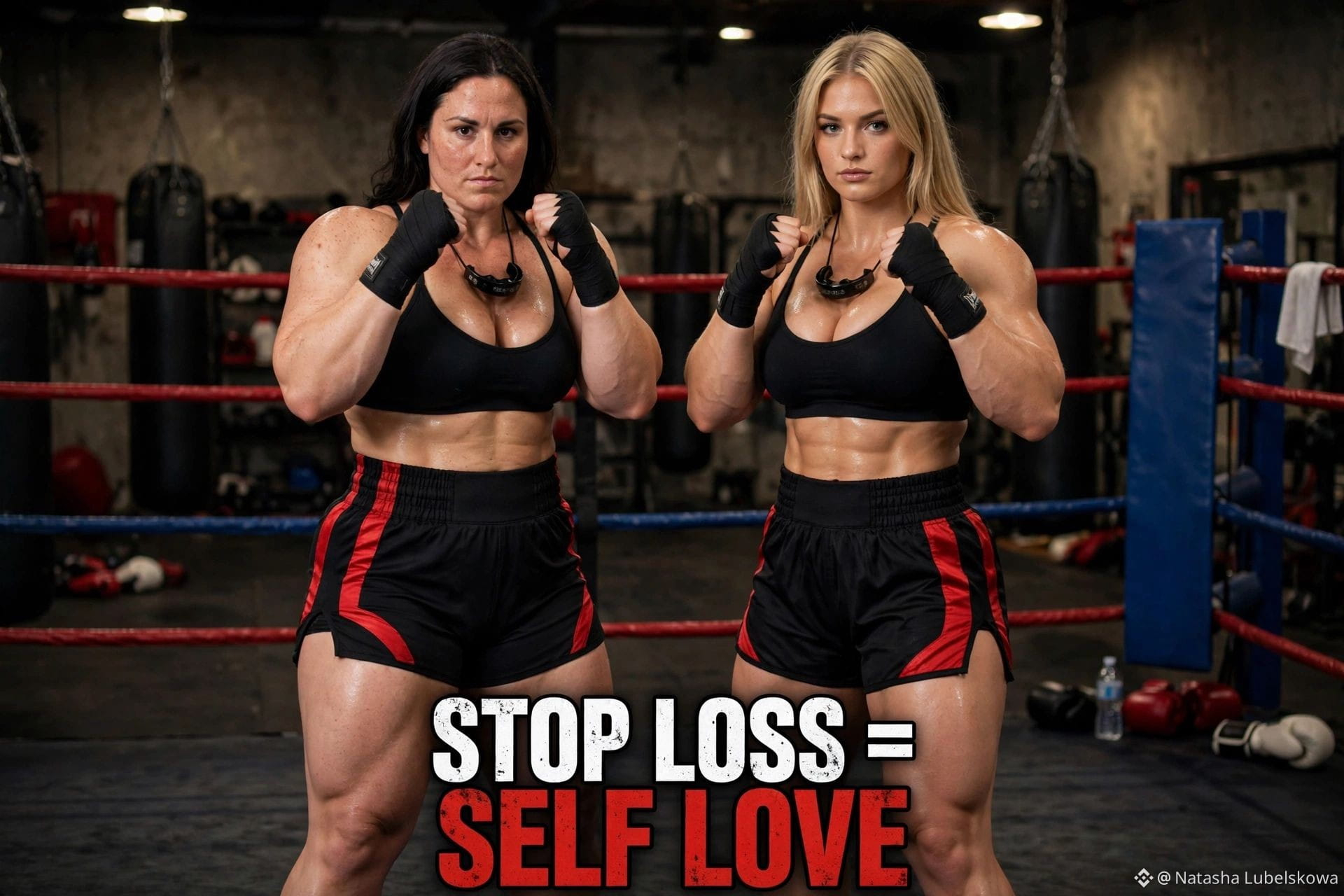
DEIN STOP-LOSS IST NICHT DEIN FEIND. KEIN STOP-LOSS IST DER FEIND, DER DICH AUSKNOCKT.
Früher dachte ich, dass Stop-Loss für schwache Trader ist. Echte Trader halten durch, oder? Dann hat ein einziger Trade ohne Stop 40% meines Portfolios über Nacht geknackt. Das war mein Knockout.
Im Boxen hältst du deine Deckung hoch, nicht weil du Angst hast, sondern weil du das Spiel respektierst und morgen kämpfen willst. Stop-Loss ist deine Deckung.
So setze ich es jetzt: Ich entscheide mein Risiko, bevor ich einsteige. Maximal 1–2% des Portfolios pro Trade. Dann setze ich den Stop dort, wo das Setup ungültig wird, nicht dort, wo ich mich wohlfühle. Wenn das Setup einen 10%-Stop braucht, reduziere ich die Positionsgröße. Ich erweitere einen Stop niemals, weil „es schon wieder zurückkommt“.
Die besten Kämpfer sind nicht die, die nie getroffen werden. Es sind die, die wissen, wie man einen kleinen Treffer abbekommt und im Ring bleibt.
Treibst du mit einem harten Stop oder einem mentalen Stop?
Wenn dich das hart trifft: Wenn du einen anderen Trader schützen willst, kommentiere GUARD und Tipp, um diese Fighter-Mindset-Serie am Leben zu halten!
Nur zu Bildungszwecken. #StopLossStrategies
Früher dachte ich, dass Stop-Loss für schwache Trader ist. Echte Trader halten durch, oder? Dann hat ein einziger Trade ohne Stop 40% meines Portfolios über Nacht geknackt. Das war mein Knockout.
Im Boxen hältst du deine Deckung hoch, nicht weil du Angst hast, sondern weil du das Spiel respektierst und morgen kämpfen willst. Stop-Loss ist deine Deckung.
So setze ich es jetzt: Ich entscheide mein Risiko, bevor ich einsteige. Maximal 1–2% des Portfolios pro Trade. Dann setze ich den Stop dort, wo das Setup ungültig wird, nicht dort, wo ich mich wohlfühle. Wenn das Setup einen 10%-Stop braucht, reduziere ich die Positionsgröße. Ich erweitere einen Stop niemals, weil „es schon wieder zurückkommt“.
Die besten Kämpfer sind nicht die, die nie getroffen werden. Es sind die, die wissen, wie man einen kleinen Treffer abbekommt und im Ring bleibt.
Treibst du mit einem harten Stop oder einem mentalen Stop?
Wenn dich das hart trifft: Wenn du einen anderen Trader schützen willst, kommentiere GUARD und Tipp, um diese Fighter-Mindset-Serie am Leben zu halten!
Nur zu Bildungszwecken. #StopLossStrategies


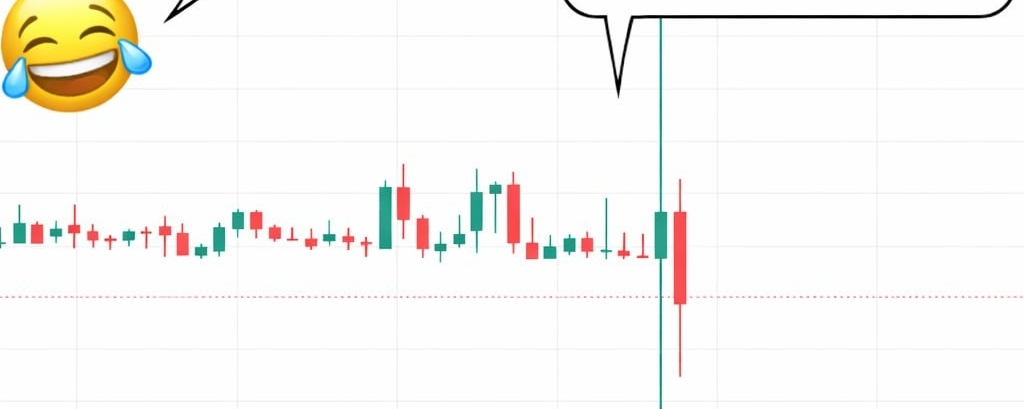

Wir beabsichtigen, die 10.000 $ an Personen zu verteilen, die von dem Marktabsturz betroffen sind. Darf ich fragen, aus welchem Land Sie mir folgen?
$BTC
$XRP
$SOL
#BTCBelow80K #BTCNextMove #followme #StopLossStrategies
$BTC
$XRP
$SOL
#BTCBelow80K #BTCNextMove #followme #StopLossStrategies



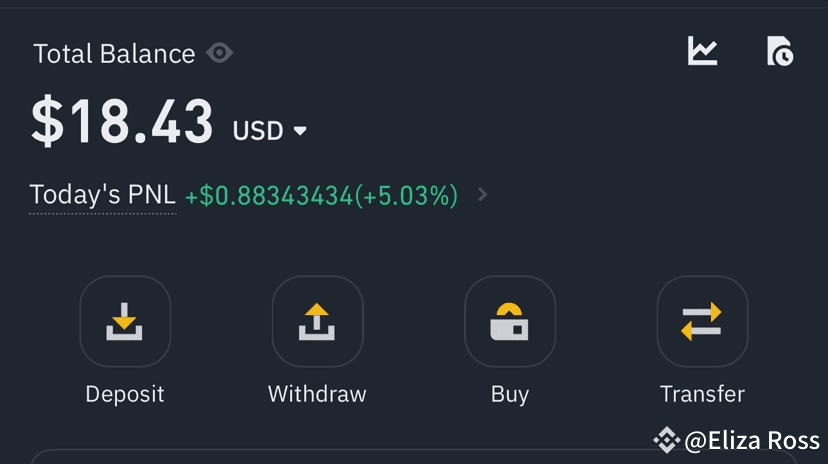

Herausforderung Trades beginnen bald!
Nach der starken Korrektur des Marktes starte ich eine Herausforderungs-Trades für kleine Konten.
Wir werden innerhalb der nächsten 3 Monate mit 500$ bis 100k auf Binance handeln.
Kommentare unten, wenn du ein Teil davon sein möchtest.
#RiskRewardRatio #TrumpTariffs #BTCBelow80K #StopLossStrategies #BTCvsMarkets
$BTC $XRP $SOL
Nach der starken Korrektur des Marktes starte ich eine Herausforderungs-Trades für kleine Konten.
Wir werden innerhalb der nächsten 3 Monate mit 500$ bis 100k auf Binance handeln.
Kommentare unten, wenn du ein Teil davon sein möchtest.
#RiskRewardRatio #TrumpTariffs #BTCBelow80K #StopLossStrategies #BTCvsMarkets
$BTC $XRP $SOL
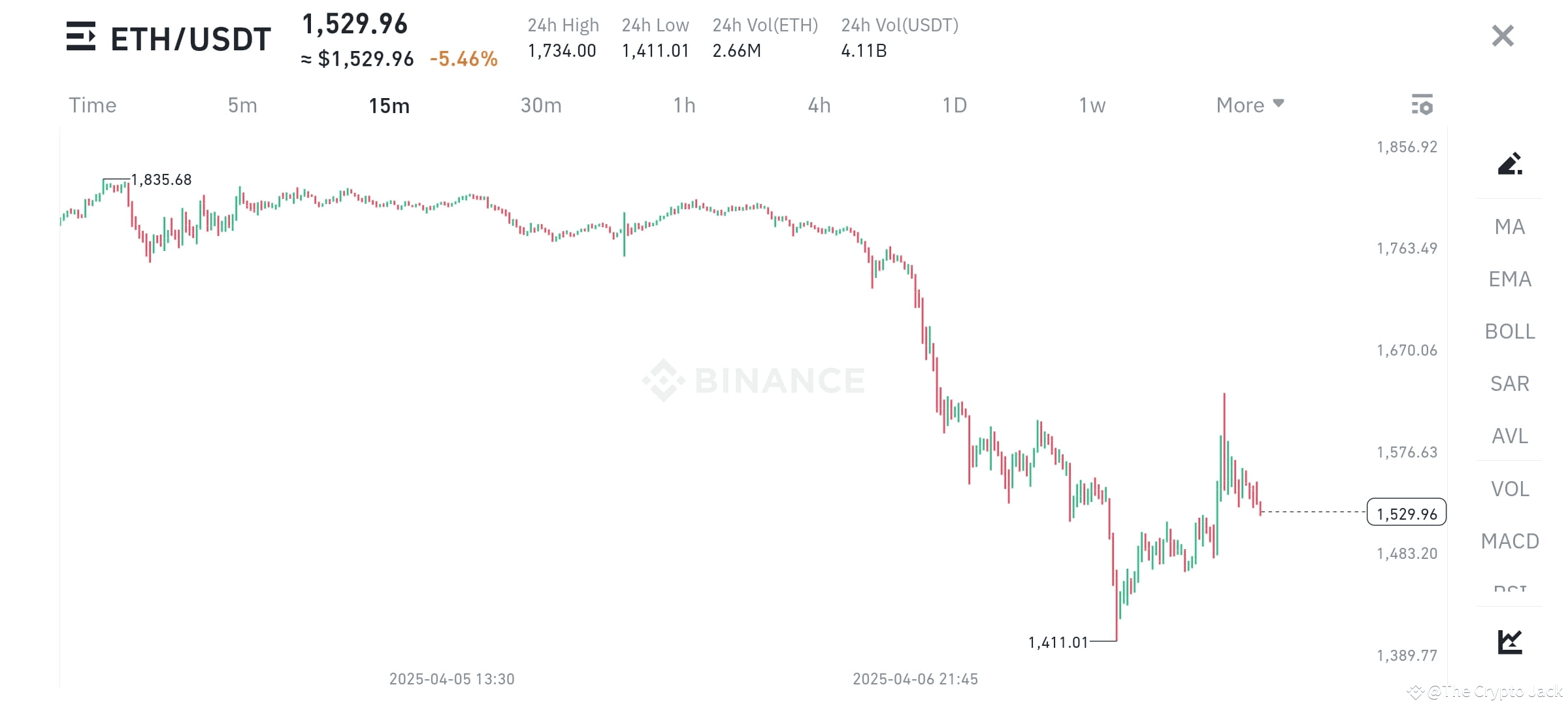
$BTC $BNB $ETH
Schwierigkeitsgrad für den Aufstieg des gesamten Marktes
🆘 Weltweit an allen Börsen .
Wenn hier keine Vereinbarungen getroffen werden, wird die Angelegenheit schwierig .
Bitte vorsichtig sein ⚠️
Folgen Sie häufig den Aktualisierungen.
Einen schönen Tag ❤️
Beppe77x🇮🇹
#RiskRewardRatio #BTCBelow80K #StopLossStrategies #TrumpTariffs #NextCryptoETFs?
Schwierigkeitsgrad für den Aufstieg des gesamten Marktes
🆘 Weltweit an allen Börsen .
Wenn hier keine Vereinbarungen getroffen werden, wird die Angelegenheit schwierig .
Bitte vorsichtig sein ⚠️
Folgen Sie häufig den Aktualisierungen.
Einen schönen Tag ❤️
Beppe77x🇮🇹
#RiskRewardRatio #BTCBelow80K #StopLossStrategies #TrumpTariffs #NextCryptoETFs?


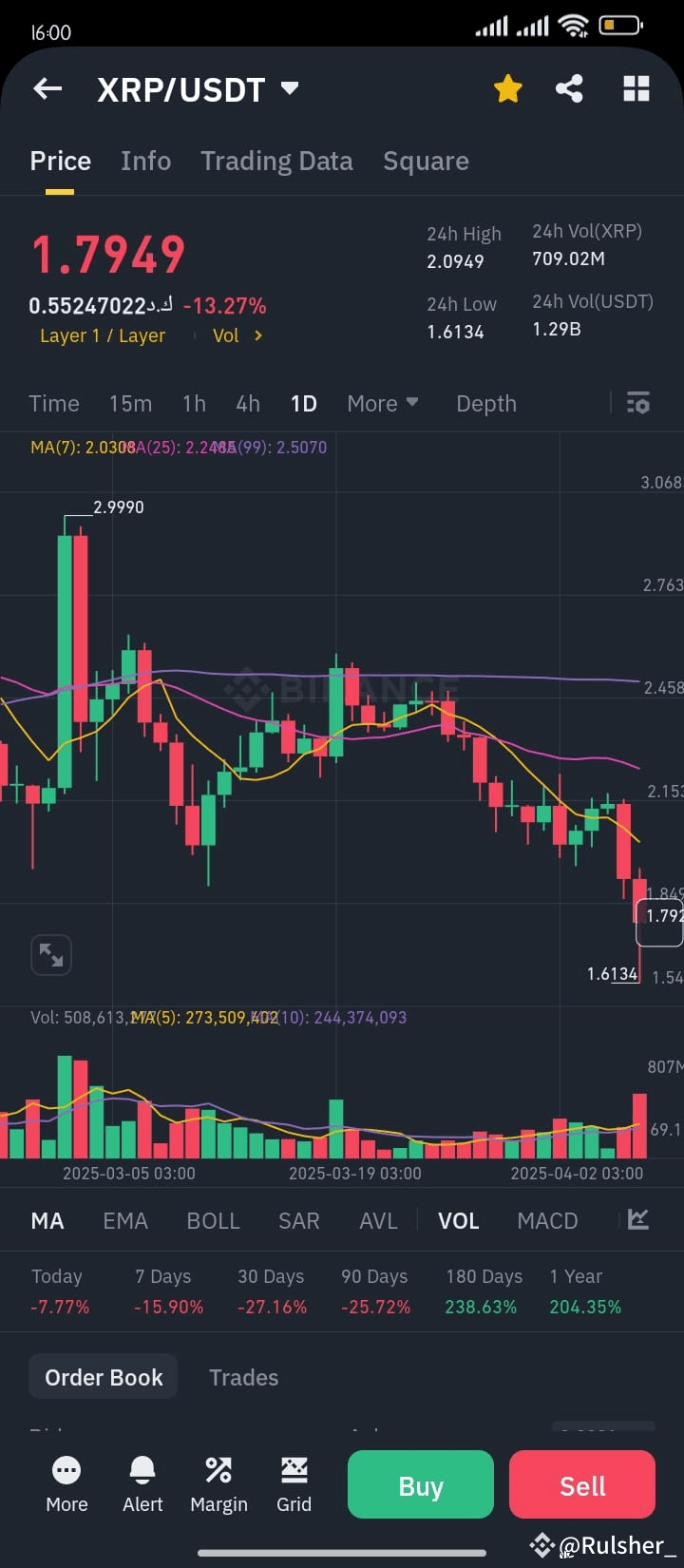
$XRP um in einer Woche auf $2 zurückzukehren
.
.
.
.
.
#TrumpTariffs #RiskRewardRatio #BTCBelow80K #StopLossStrategies #BTCvsMarkets
.
.
.
.
.
#TrumpTariffs #RiskRewardRatio #BTCBelow80K #StopLossStrategies #BTCvsMarkets

Warum der Markt zuerst die Stops nimmt und erst dann sich bewegt 🎯
Die meisten Trader denken, ein Level ist gescheitert, weil der Preis es durchbrochen hat.
In der Regel ist das kein Scheitern.
Das ist Liquidität.
Stops klastern an den gleichen offensichtlichen Stellen:
📍 über dem lokalen Hoch
📍 unter dem lokalen Tief
📍 über dem Bereich
📍 unter Unterstützung
📍 wo jeder den "sicheren" Stop platziert
Dieser Pool von Stops ist nutzbares Volumen. Großes Geld benötigt dieses Volumen, um gefüllt zu werden. Daher läuft der Preis oft zuerst in Stops, Liquidationen und späte Ausbruchseinstiege, bevor er die wirkliche Richtung zeigt.
Deshalb sieht die Bewegung schmutzig aus, bevor sie sauber aussieht.
Warum die Leute immer wieder gefangen werden 🪤
Die Menge handelt das Level selbst.
Der Markt handelt die Liquidität darum herum.
Der Preis wickelt durch, schlägt schwache Hände aus, löst Futures-Liquidationen aus, setzt Positionen zurück, mischt das OI neu — und erst danach wird die Bewegung klarer.
Nicht, weil sich der Markt verändert hat.
Weil er den Treibstoff bekommen hat, den er benötigte.
Wie man den Sweep liest
Ein Stop-Run allein ist kein Signal.
Beobachte, was als Nächstes kommt:
📍 hielt der Preis über dem Level
📍 bekam die Bewegung eine Fortsetzung
📍 baut OI mit der Bewegung oder verblasst
📍 war es ein echter Impuls oder nur eine Wick
📍 passt es zur Marktphase
Wenn der Preis ein Level sweeped und nicht weiter machen kann, war das oft nur ein Liquiditätsgriff.
Wo die Menge verliert
Das sind die üblichen Fehler:
📍 den offensichtlichen Stop setzen
📍 den ersten Ausbruch kaufen
📍 den ersten Flush shorten
📍 auf den Sweep ohne Bestätigung reagieren
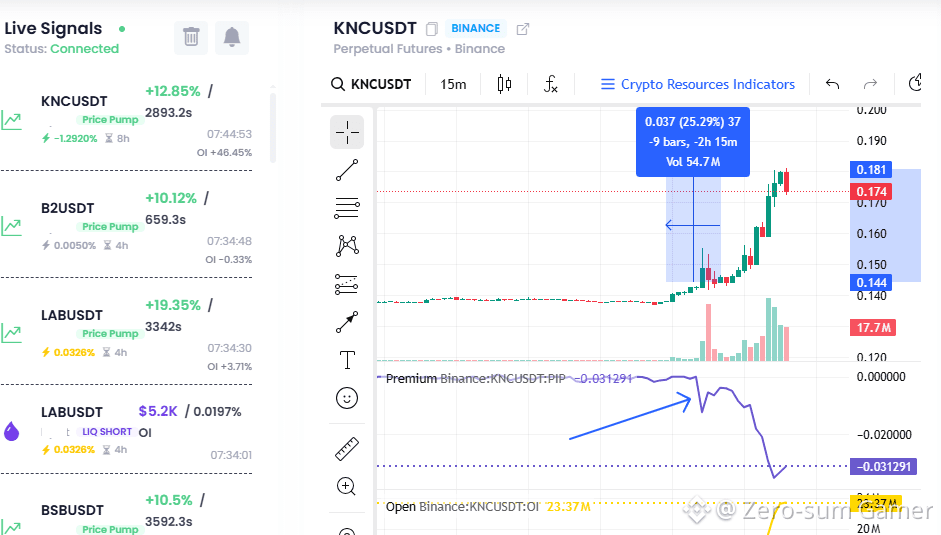
Bei Crypto Resources behandeln wir den ersten Sweep nicht als Einstieg. Wir beobachten, was der Preis macht, nachdem die Liquidität genommen wurde. Struktur zuerst. Dann OI, Liquidationen, Premium-Index und erst dann Ausführung.
Der Markt bewegt sich selten in einer geraden Linie.
Zuerst räumt er die offensichtlichen Trader aus.
Dann geht es dahin, wo es sowieso hin wollte.
#StopLossStrategies #RiskManagement
Die meisten Trader denken, ein Level ist gescheitert, weil der Preis es durchbrochen hat.
In der Regel ist das kein Scheitern.
Das ist Liquidität.
Stops klastern an den gleichen offensichtlichen Stellen:
📍 über dem lokalen Hoch
📍 unter dem lokalen Tief
📍 über dem Bereich
📍 unter Unterstützung
📍 wo jeder den "sicheren" Stop platziert
Dieser Pool von Stops ist nutzbares Volumen. Großes Geld benötigt dieses Volumen, um gefüllt zu werden. Daher läuft der Preis oft zuerst in Stops, Liquidationen und späte Ausbruchseinstiege, bevor er die wirkliche Richtung zeigt.
Deshalb sieht die Bewegung schmutzig aus, bevor sie sauber aussieht.
Warum die Leute immer wieder gefangen werden 🪤
Die Menge handelt das Level selbst.
Der Markt handelt die Liquidität darum herum.
Der Preis wickelt durch, schlägt schwache Hände aus, löst Futures-Liquidationen aus, setzt Positionen zurück, mischt das OI neu — und erst danach wird die Bewegung klarer.
Nicht, weil sich der Markt verändert hat.
Weil er den Treibstoff bekommen hat, den er benötigte.
Wie man den Sweep liest
Ein Stop-Run allein ist kein Signal.
Beobachte, was als Nächstes kommt:
📍 hielt der Preis über dem Level
📍 bekam die Bewegung eine Fortsetzung
📍 baut OI mit der Bewegung oder verblasst
📍 war es ein echter Impuls oder nur eine Wick
📍 passt es zur Marktphase
Wenn der Preis ein Level sweeped und nicht weiter machen kann, war das oft nur ein Liquiditätsgriff.
Wo die Menge verliert
Das sind die üblichen Fehler:
📍 den offensichtlichen Stop setzen
📍 den ersten Ausbruch kaufen
📍 den ersten Flush shorten
📍 auf den Sweep ohne Bestätigung reagieren
Bei Crypto Resources behandeln wir den ersten Sweep nicht als Einstieg. Wir beobachten, was der Preis macht, nachdem die Liquidität genommen wurde. Struktur zuerst. Dann OI, Liquidationen, Premium-Index und erst dann Ausführung.
Der Markt bewegt sich selten in einer geraden Linie.
Zuerst räumt er die offensichtlichen Trader aus.
Dann geht es dahin, wo es sowieso hin wollte.
#StopLossStrategies #RiskManagement
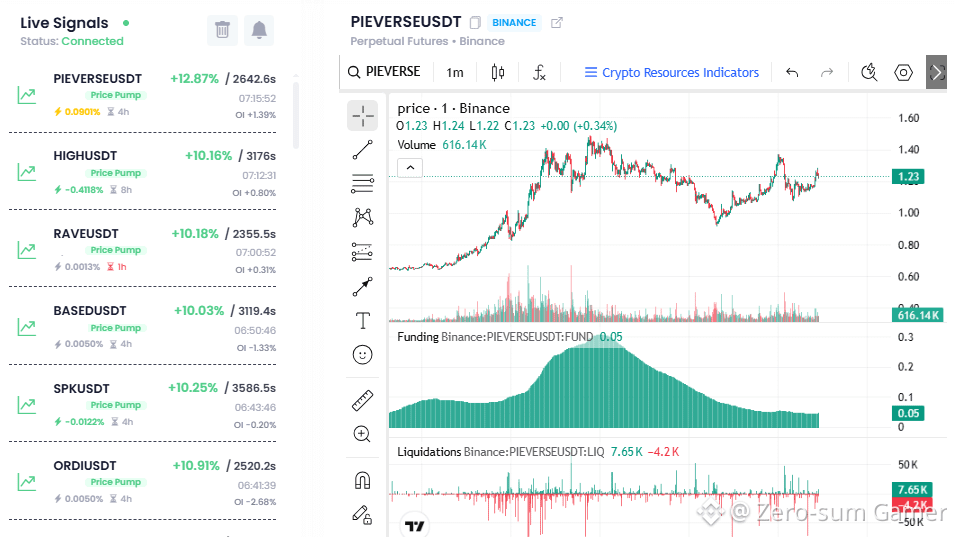

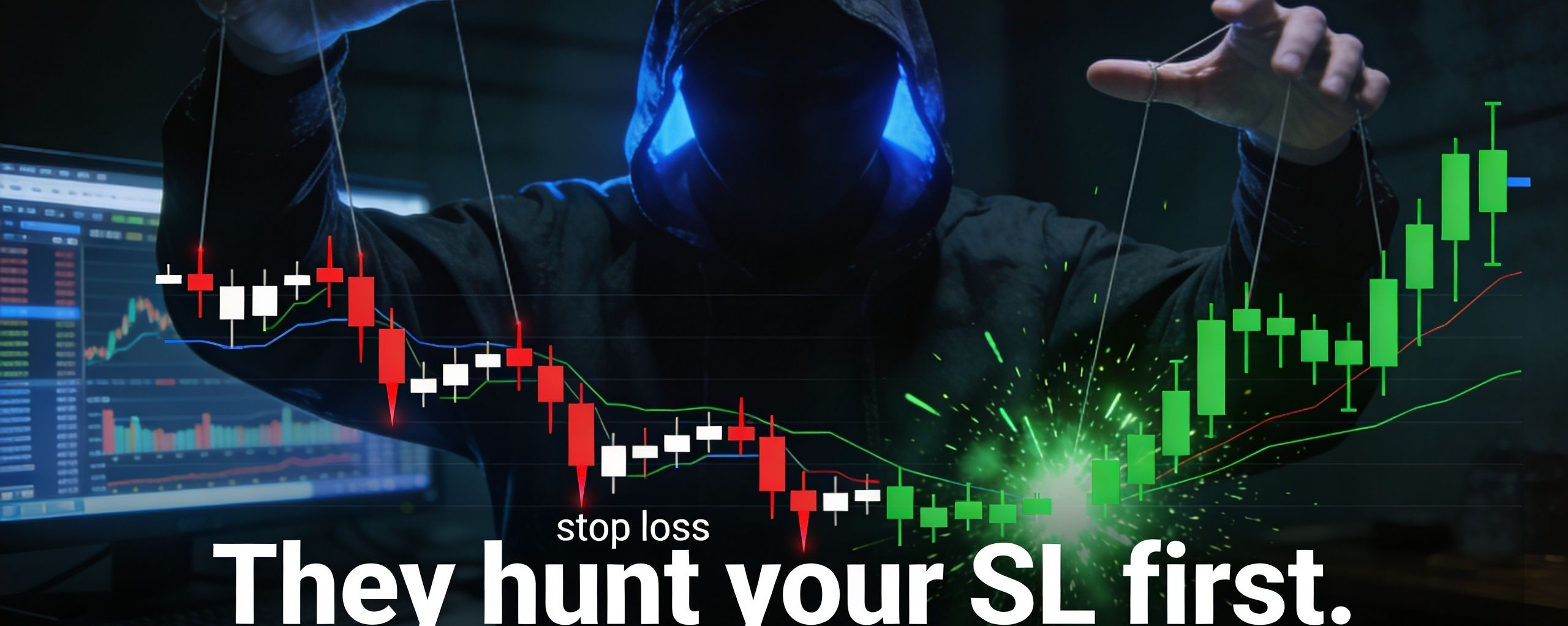
Die Richtung zu erraten bedeutet nichts, wenn der Markt dich vor dem Move ausgestoppt hat.
Du hattest die richtige Idee.
Die Ausführung hat versagt.
RM>SL
#StopLossStrategies #RiskManagement
$JCT $BLESS $COAI
Du hattest die richtige Idee.
Die Ausführung hat versagt.
RM>SL
#StopLossStrategies #RiskManagement
$JCT $BLESS $COAI
Anmelden und weiter Inhalte entdecken