
#omniston
omniston
26,178 Aufrufe
347 Kommentare
Hot
Zuletzt


·
--
Übersetzung ansehen
Why Cross-Chain Liquidity Needs Good Routing
As more blockchains develop their own liquidity, fragmentation becomes a bigger challenge.
A token may have liquidity on TON, TRON, Ethereum, Base, Polygon, or another network.
The user doesn't necessarily care where that liquidity sits.
They care about one thing:
“How much will I actually receive?”
That's where routing infrastructure becomes important.
With Omniston, STON.fi can coordinate available liquidity and routes across supported networks rather than making users manually search through different ecosystems.
The process can look simple from the user's side:
Choose what you have → choose what you need → review the route → confirm.
But underneath, there can be a lot more happening:
🔹 Finding available liquidity
🔹 Comparing possible routes
🔹 Considering execution conditions
🔹 Coordinating the swap
🔹 Completing the transaction across networks
This is an important part of cross-chain DeFi that users don't always see.
Connecting blockchains is one challenge.
Connecting their liquidity efficiently is another.
As more ecosystems grow independently, infrastructure that can help bring fragmented liquidity together becomes increasingly important.
The future of cross-chain DeFi isn't only about more chains. It's about making those chains easier to navigate.
#STONfi #Omniston #TON @stonfi $TON
Why Cross-Chain Liquidity Needs Good Routing
As more blockchains develop their own liquidity, fragmentation becomes a bigger challenge.
A token may have liquidity on TON, TRON, Ethereum, Base, Polygon, or another network.
The user doesn't necessarily care where that liquidity sits.
They care about one thing:
“How much will I actually receive?”
That's where routing infrastructure becomes important.
With Omniston, STON.fi can coordinate available liquidity and routes across supported networks rather than making users manually search through different ecosystems.
The process can look simple from the user's side:
Choose what you have → choose what you need → review the route → confirm.
But underneath, there can be a lot more happening:
🔹 Finding available liquidity
🔹 Comparing possible routes
🔹 Considering execution conditions
🔹 Coordinating the swap
🔹 Completing the transaction across networks
This is an important part of cross-chain DeFi that users don't always see.
Connecting blockchains is one challenge.
Connecting their liquidity efficiently is another.
As more ecosystems grow independently, infrastructure that can help bring fragmented liquidity together becomes increasingly important.
The future of cross-chain DeFi isn't only about more chains. It's about making those chains easier to navigate.
#STONfi #Omniston #TON @STONfi DEX $TON
As more blockchains develop their own liquidity, fragmentation becomes a bigger challenge.
A token may have liquidity on TON, TRON, Ethereum, Base, Polygon, or another network.
The user doesn't necessarily care where that liquidity sits.
They care about one thing:
“How much will I actually receive?”
That's where routing infrastructure becomes important.
With Omniston, STON.fi can coordinate available liquidity and routes across supported networks rather than making users manually search through different ecosystems.
The process can look simple from the user's side:
Choose what you have → choose what you need → review the route → confirm.
But underneath, there can be a lot more happening:
🔹 Finding available liquidity
🔹 Comparing possible routes
🔹 Considering execution conditions
🔹 Coordinating the swap
🔹 Completing the transaction across networks
This is an important part of cross-chain DeFi that users don't always see.
Connecting blockchains is one challenge.
Connecting their liquidity efficiently is another.
As more ecosystems grow independently, infrastructure that can help bring fragmented liquidity together becomes increasingly important.
The future of cross-chain DeFi isn't only about more chains. It's about making those chains easier to navigate.
#STONfi #Omniston #TON @STONfi DEX $TON
46
·
--
Die Builder-Seite von DeFi
Was passiert, wenn DeFi-Infrastruktur zu etwas wird, auf das Entwickler aufbauen können?
STON.fi ist nicht nur ein Ort, an dem Nutzer Tokens tauschen.
Sein SDK und die Omniston-Infrastruktur geben Buildern Tools an die Hand, um das Tauschen und die Liquidität in Wallets, Launchpads, Telegram-Anwendungen und andere TON-Produkte zu integrieren.
Das verändert die Nutzererfahrung.
Statt Nutzer jedes Mal zu einem separaten DEX zu schicken, wenn sie einen Swap brauchen, kann ein Projekt die Swap-Erfahrung direkt in sein eigenes Produkt einbauen.
Denk an die Möglichkeiten:
🔹 Wallets mit integrierten Swaps
🔹 Telegram-native Trading-Erlebnisse
🔹 Apps, die auf mehrere Liquiditätsquellen zugreifen
🔹 Cross-Chain-Swap-Funktionalität
🔹 Launchpads mit leichterem Token-Zugriff
Der entscheidende Punkt ist, was unter der Motorhaube passiert.
Nutzer sehen möglicherweise eine einfache Swap-Oberfläche, während die Infrastruktur im Hintergrund das komplizierte Routing und die Ausführung übernimmt.
Deshalb ist DeFi-Infrastruktur wichtig.
Die nächste Phase der Adoption könnte nicht daher kommen, dass Nutzer lernen, wie man mehr Protokolle navigiert.
Sie könnte daher kommen, dass DeFi innerhalb der Anwendungen unsichtbar wird, die Menschen bereits nutzen.
Und genau dort wird Infrastruktur wie STON.fi und Omniston für das TON-Ökosystem interessant.
Die beste DeFi-Infrastruktur ist vielleicht die Infrastruktur, die Nutzer nicht einmal bemerken.
#STONfi i #Omniston #TonChain #DeFiDominance #Web3 @stonfi $TON
Die Builder-Seite von DeFi
Was passiert, wenn DeFi-Infrastruktur zu etwas wird, auf das Entwickler aufbauen können?
STON.fi ist nicht nur ein Ort, an dem Nutzer Tokens tauschen.
Sein SDK und die Omniston-Infrastruktur geben Buildern Tools an die Hand, um das Tauschen und die Liquidität in Wallets, Launchpads, Telegram-Anwendungen und andere TON-Produkte zu integrieren.
Das verändert die Nutzererfahrung.
Statt Nutzer jedes Mal zu einem separaten DEX zu schicken, wenn sie einen Swap brauchen, kann ein Projekt die Swap-Erfahrung direkt in sein eigenes Produkt einbauen.
Denk an die Möglichkeiten:
🔹 Wallets mit integrierten Swaps
🔹 Telegram-native Trading-Erlebnisse
🔹 Apps, die auf mehrere Liquiditätsquellen zugreifen
🔹 Cross-Chain-Swap-Funktionalität
🔹 Launchpads mit leichterem Token-Zugriff
Der entscheidende Punkt ist, was unter der Motorhaube passiert.
Nutzer sehen möglicherweise eine einfache Swap-Oberfläche, während die Infrastruktur im Hintergrund das komplizierte Routing und die Ausführung übernimmt.
Deshalb ist DeFi-Infrastruktur wichtig.
Die nächste Phase der Adoption könnte nicht daher kommen, dass Nutzer lernen, wie man mehr Protokolle navigiert.
Sie könnte daher kommen, dass DeFi innerhalb der Anwendungen unsichtbar wird, die Menschen bereits nutzen.
Und genau dort wird Infrastruktur wie STON.fi und Omniston für das TON-Ökosystem interessant.
Die beste DeFi-Infrastruktur ist vielleicht die Infrastruktur, die Nutzer nicht einmal bemerken.
#STONfi i #Omniston #TonChain #DeFiDominance #Web3 @STONfi DEX $TON
Was passiert, wenn DeFi-Infrastruktur zu etwas wird, auf das Entwickler aufbauen können?
STON.fi ist nicht nur ein Ort, an dem Nutzer Tokens tauschen.
Sein SDK und die Omniston-Infrastruktur geben Buildern Tools an die Hand, um das Tauschen und die Liquidität in Wallets, Launchpads, Telegram-Anwendungen und andere TON-Produkte zu integrieren.
Das verändert die Nutzererfahrung.
Statt Nutzer jedes Mal zu einem separaten DEX zu schicken, wenn sie einen Swap brauchen, kann ein Projekt die Swap-Erfahrung direkt in sein eigenes Produkt einbauen.
Denk an die Möglichkeiten:
🔹 Wallets mit integrierten Swaps
🔹 Telegram-native Trading-Erlebnisse
🔹 Apps, die auf mehrere Liquiditätsquellen zugreifen
🔹 Cross-Chain-Swap-Funktionalität
🔹 Launchpads mit leichterem Token-Zugriff
Der entscheidende Punkt ist, was unter der Motorhaube passiert.
Nutzer sehen möglicherweise eine einfache Swap-Oberfläche, während die Infrastruktur im Hintergrund das komplizierte Routing und die Ausführung übernimmt.
Deshalb ist DeFi-Infrastruktur wichtig.
Die nächste Phase der Adoption könnte nicht daher kommen, dass Nutzer lernen, wie man mehr Protokolle navigiert.
Sie könnte daher kommen, dass DeFi innerhalb der Anwendungen unsichtbar wird, die Menschen bereits nutzen.
Und genau dort wird Infrastruktur wie STON.fi und Omniston für das TON-Ökosystem interessant.
Die beste DeFi-Infrastruktur ist vielleicht die Infrastruktur, die Nutzer nicht einmal bemerken.
#STONfi i #Omniston #TonChain #DeFiDominance #Web3 @STONfi DEX $TON

75

·
--
$3M+ und Aufstieg: Omniston Cross-Chain erreicht neue Höhen
Omniston hat seit dem Start seines Cross-Chain-Features im Juni nun mehr als 3 Millionen US-Dollar an kumuliertem Cross-Chain-Swap-Volumen erreicht.
Für mich ist der interessante Teil nicht einfach die 3M. Es ist das, was die Zahl darüber aussagt, wie Nutzer beginnen, über Liquidität nachzudenken.
Cross-Chain-DeFi hatte schon immer eine große Schwäche: Liquidität ist überall, aber der Zugang zu ihr ist fragmentiert.
Vielleicht hast du USDT auf TON, während die Liquidität oder die Gelegenheit, die du suchst, auf einem anderen Netzwerk existiert. Traditionell kann das bedeuten: Bridges, mehrere Transaktionen, Netzwechsel, unterschiedliche Wallets, zusätzliche Gebühren und mehr Gelegenheiten, dass etwas schiefgeht. $GRAM
Als Nutzer interessiert mich nicht wirklich, welche Kette die Transaktion abwickelt. Mich interessiert, wie viel ich erhalte, wie viel ich bezahle, wie schnell es zur Abwicklung kommt und ob die Route zuverlässig funktioniert. Und genau dort zeigt Omniston seine Bedeutung.
$3M macht Omniston nicht zum größten Cross-Chain-Player im DeFi.
Aber es liefert in dieser Phase etwas noch Wichtigeres: einen Beleg für echte Nutzung.
Jeder Cross-Chain-Swap ist im Grunde eine Nutzerentscheidung:
• „Diese Route ist gut genug, dass ich ihr meine Assets anvertrauen kann.“
Das ist wichtig, weil Cross-Chain-Infrastruktur letztlich um Vertrauen herum aufgebaut ist.
Wenn Nutzer immer wieder eine wettbewerbsfähige Ausführung erhalten, ohne Brücken, Liquiditätspools und unterschiedliche Netzwerke manuell verstehen zu müssen, wird die Technologie mit der Zeit weniger wichtig als die Erfahrung.
Wenn Omniston tiefere Liquidität, bessere Routen, zuverlässige Abwicklung, wettbewerbsfähige Preise und eine einfachere Nutzererfahrung kombinieren kann, dann könnte die heutige 3M irgendwann im Vergleich zu dem, was als Nächstes kommt, sehr klein wirken.
$BTC $ETH #Omniston #MilestoneUnlocked #TrendingTopic #STONfi
$3M+ und Aufstieg: Omniston Cross-Chain erreicht neue Höhen
Omniston hat seit dem Start seines Cross-Chain-Features im Juni nun mehr als 3 Millionen US-Dollar an kumuliertem Cross-Chain-Swap-Volumen erreicht.
Für mich ist der interessante Teil nicht einfach die 3M. Es ist das, was die Zahl darüber aussagt, wie Nutzer beginnen, über Liquidität nachzudenken.
Cross-Chain-DeFi hatte schon immer eine große Schwäche: Liquidität ist überall, aber der Zugang zu ihr ist fragmentiert.
Vielleicht hast du USDT auf TON, während die Liquidität oder die Gelegenheit, die du suchst, auf einem anderen Netzwerk existiert. Traditionell kann das bedeuten: Bridges, mehrere Transaktionen, Netzwechsel, unterschiedliche Wallets, zusätzliche Gebühren und mehr Gelegenheiten, dass etwas schiefgeht. $GRAM
Als Nutzer interessiert mich nicht wirklich, welche Kette die Transaktion abwickelt. Mich interessiert, wie viel ich erhalte, wie viel ich bezahle, wie schnell es zur Abwicklung kommt und ob die Route zuverlässig funktioniert. Und genau dort zeigt Omniston seine Bedeutung.
$3M macht Omniston nicht zum größten Cross-Chain-Player im DeFi.
Aber es liefert in dieser Phase etwas noch Wichtigeres: einen Beleg für echte Nutzung.
Jeder Cross-Chain-Swap ist im Grunde eine Nutzerentscheidung:
• „Diese Route ist gut genug, dass ich ihr meine Assets anvertrauen kann.“
Das ist wichtig, weil Cross-Chain-Infrastruktur letztlich um Vertrauen herum aufgebaut ist.
Wenn Nutzer immer wieder eine wettbewerbsfähige Ausführung erhalten, ohne Brücken, Liquiditätspools und unterschiedliche Netzwerke manuell verstehen zu müssen, wird die Technologie mit der Zeit weniger wichtig als die Erfahrung.
Wenn Omniston tiefere Liquidität, bessere Routen, zuverlässige Abwicklung, wettbewerbsfähige Preise und eine einfachere Nutzererfahrung kombinieren kann, dann könnte die heutige 3M irgendwann im Vergleich zu dem, was als Nächstes kommt, sehr klein wirken.
$BTC $ETH #Omniston #MilestoneUnlocked #TrendingTopic #STONfi
Omniston hat seit dem Start seines Cross-Chain-Features im Juni nun mehr als 3 Millionen US-Dollar an kumuliertem Cross-Chain-Swap-Volumen erreicht.
Für mich ist der interessante Teil nicht einfach die 3M. Es ist das, was die Zahl darüber aussagt, wie Nutzer beginnen, über Liquidität nachzudenken.
Cross-Chain-DeFi hatte schon immer eine große Schwäche: Liquidität ist überall, aber der Zugang zu ihr ist fragmentiert.
Vielleicht hast du USDT auf TON, während die Liquidität oder die Gelegenheit, die du suchst, auf einem anderen Netzwerk existiert. Traditionell kann das bedeuten: Bridges, mehrere Transaktionen, Netzwechsel, unterschiedliche Wallets, zusätzliche Gebühren und mehr Gelegenheiten, dass etwas schiefgeht. $GRAM
Als Nutzer interessiert mich nicht wirklich, welche Kette die Transaktion abwickelt. Mich interessiert, wie viel ich erhalte, wie viel ich bezahle, wie schnell es zur Abwicklung kommt und ob die Route zuverlässig funktioniert. Und genau dort zeigt Omniston seine Bedeutung.
$3M macht Omniston nicht zum größten Cross-Chain-Player im DeFi.
Aber es liefert in dieser Phase etwas noch Wichtigeres: einen Beleg für echte Nutzung.
Jeder Cross-Chain-Swap ist im Grunde eine Nutzerentscheidung:
• „Diese Route ist gut genug, dass ich ihr meine Assets anvertrauen kann.“
Das ist wichtig, weil Cross-Chain-Infrastruktur letztlich um Vertrauen herum aufgebaut ist.
Wenn Nutzer immer wieder eine wettbewerbsfähige Ausführung erhalten, ohne Brücken, Liquiditätspools und unterschiedliche Netzwerke manuell verstehen zu müssen, wird die Technologie mit der Zeit weniger wichtig als die Erfahrung.
Wenn Omniston tiefere Liquidität, bessere Routen, zuverlässige Abwicklung, wettbewerbsfähige Preise und eine einfachere Nutzererfahrung kombinieren kann, dann könnte die heutige 3M irgendwann im Vergleich zu dem, was als Nächstes kommt, sehr klein wirken.
$BTC $ETH #Omniston #MilestoneUnlocked #TrendingTopic #STONfi
1
224
·
--
Warum Liquiditäts-Routing wichtig ist
Liquidität zu finden ist nur die halbe Herausforderung. Sie effizient dorthin zu bringen, ist die andere Hälfte.
In DeFi kann derselbe Vermögenswert über verschiedene Pools und Netzwerke verteilt liquid sein. Dadurch entstehen mehrere mögliche Routen für einen einzelnen Swap.
Ein intelligentes Routing-System kann verfügbare Optionen bewerten und eine Route koordinieren, basierend auf Faktoren wie:
🔹 Verfügbare Liquidität
🔹 Erwartete Ausführung
🔹 Preiseinfluss
🔹 Handelsbedingungen
🔹 Netzwerkanforderungen
Hier wird Infrastruktur wie Omniston interessant.
Anstatt Nutzer manuell nach verschiedenen Routen suchen zu lassen, arbeitet die Infrastruktur im Hintergrund, um verfügbare Liquidität zu verbinden und das Swap-Erlebnis zu vereinfachen.
Aber Routing beseitigt kein Risiko. Nutzer sollten weiterhin den endgültigen Betrag, die Gebühren, Slippage und den Preiseinfluss prüfen, bevor sie eine Transaktion bestätigen.
Die wichtigste Erkenntnis:
Mit dem Wachstum von DeFi wird Liquidität immer stärker fragmentiert.
Die Herausforderung besteht nicht nur darin, mehr Liquidität zu schaffen.
Es geht darum, eine bessere Infrastruktur aufzubauen, die Nutzer mit der bereits vorhandenen Liquidität verbindet.
Besseres Routing kann eine komplizierte Multi-Chain-Reise in ein einfacheres Swap-Erlebnis verwandeln.
#STONfi #Omniston #TON #Liquidity #DEX @stonfi $TON
Warum Liquiditäts-Routing wichtig ist
Liquidität zu finden ist nur die halbe Herausforderung. Sie effizient dorthin zu bringen, ist die andere Hälfte.
In DeFi kann derselbe Vermögenswert über verschiedene Pools und Netzwerke verteilt liquid sein. Dadurch entstehen mehrere mögliche Routen für einen einzelnen Swap.
Ein intelligentes Routing-System kann verfügbare Optionen bewerten und eine Route koordinieren, basierend auf Faktoren wie:
🔹 Verfügbare Liquidität
🔹 Erwartete Ausführung
🔹 Preiseinfluss
🔹 Handelsbedingungen
🔹 Netzwerkanforderungen
Hier wird Infrastruktur wie Omniston interessant.
Anstatt Nutzer manuell nach verschiedenen Routen suchen zu lassen, arbeitet die Infrastruktur im Hintergrund, um verfügbare Liquidität zu verbinden und das Swap-Erlebnis zu vereinfachen.
Aber Routing beseitigt kein Risiko. Nutzer sollten weiterhin den endgültigen Betrag, die Gebühren, Slippage und den Preiseinfluss prüfen, bevor sie eine Transaktion bestätigen.
Die wichtigste Erkenntnis:
Mit dem Wachstum von DeFi wird Liquidität immer stärker fragmentiert.
Die Herausforderung besteht nicht nur darin, mehr Liquidität zu schaffen.
Es geht darum, eine bessere Infrastruktur aufzubauen, die Nutzer mit der bereits vorhandenen Liquidität verbindet.
Besseres Routing kann eine komplizierte Multi-Chain-Reise in ein einfacheres Swap-Erlebnis verwandeln.
#STONfi #Omniston #TON #Liquidity #DEX @STONfi DEX $TON
Liquidität zu finden ist nur die halbe Herausforderung. Sie effizient dorthin zu bringen, ist die andere Hälfte.
In DeFi kann derselbe Vermögenswert über verschiedene Pools und Netzwerke verteilt liquid sein. Dadurch entstehen mehrere mögliche Routen für einen einzelnen Swap.
Ein intelligentes Routing-System kann verfügbare Optionen bewerten und eine Route koordinieren, basierend auf Faktoren wie:
🔹 Verfügbare Liquidität
🔹 Erwartete Ausführung
🔹 Preiseinfluss
🔹 Handelsbedingungen
🔹 Netzwerkanforderungen
Hier wird Infrastruktur wie Omniston interessant.
Anstatt Nutzer manuell nach verschiedenen Routen suchen zu lassen, arbeitet die Infrastruktur im Hintergrund, um verfügbare Liquidität zu verbinden und das Swap-Erlebnis zu vereinfachen.
Aber Routing beseitigt kein Risiko. Nutzer sollten weiterhin den endgültigen Betrag, die Gebühren, Slippage und den Preiseinfluss prüfen, bevor sie eine Transaktion bestätigen.
Die wichtigste Erkenntnis:
Mit dem Wachstum von DeFi wird Liquidität immer stärker fragmentiert.
Die Herausforderung besteht nicht nur darin, mehr Liquidität zu schaffen.
Es geht darum, eine bessere Infrastruktur aufzubauen, die Nutzer mit der bereits vorhandenen Liquidität verbindet.
Besseres Routing kann eine komplizierte Multi-Chain-Reise in ein einfacheres Swap-Erlebnis verwandeln.
#STONfi #Omniston #TON #Liquidity #DEX @STONfi DEX $TON

79

·
--
Bullisch
Verifiziert
🔥 150.000 $ in 24 Stunden: Omniston verändert das Cross-Chain-Game
Das Volumen der Cross-Chain-Swaps auf STON.fi hat eine neue Marke durchbrochen. Warum wechseln Nutzer massenhaft von klassischen Bridges?
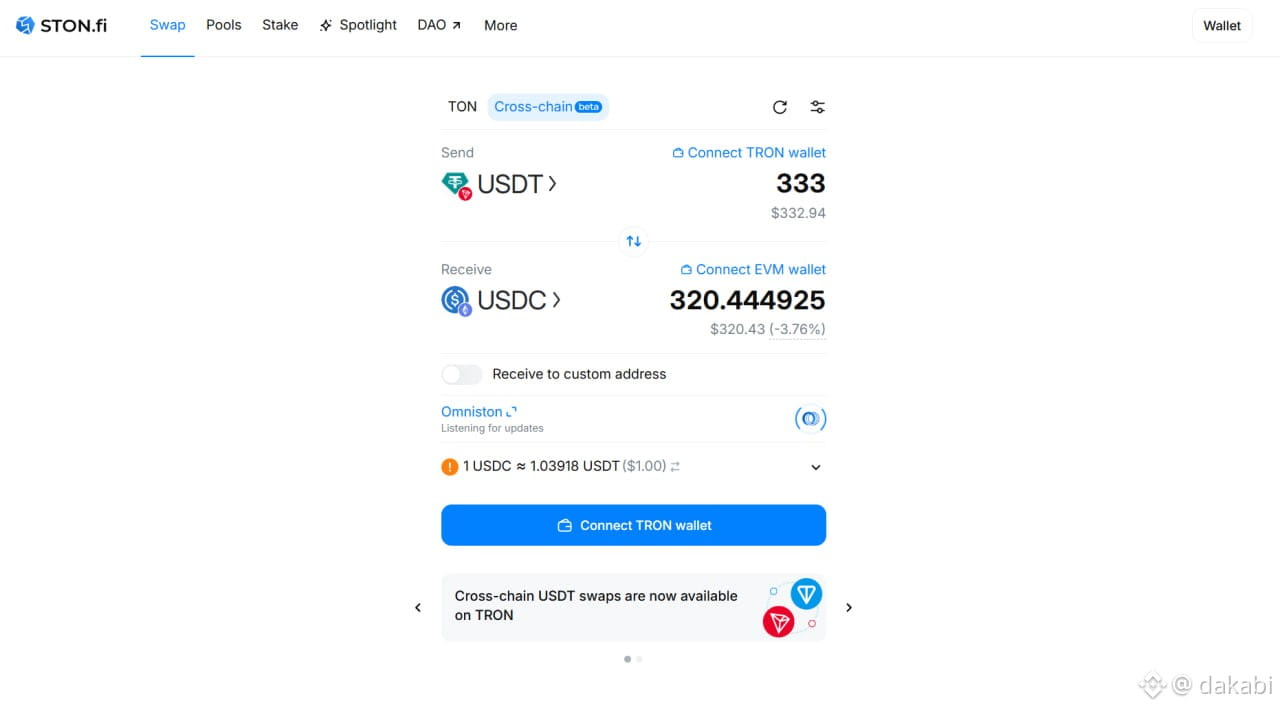
✈️ Cross-Chain auf die Wallet eines anderen (Custom Address)
Du musst die Assets nicht mehr erst zu deiner eigenen Adresse schicken und sie dann weiterübertragen. Jetzt bezahlst du direkt mit deiner Wallet, und die Token landen direkt auf der Empfängeradresse in einem anderen Netzwerk. Keine doppelten Gebühren und keine unnötigen Transaktionen.
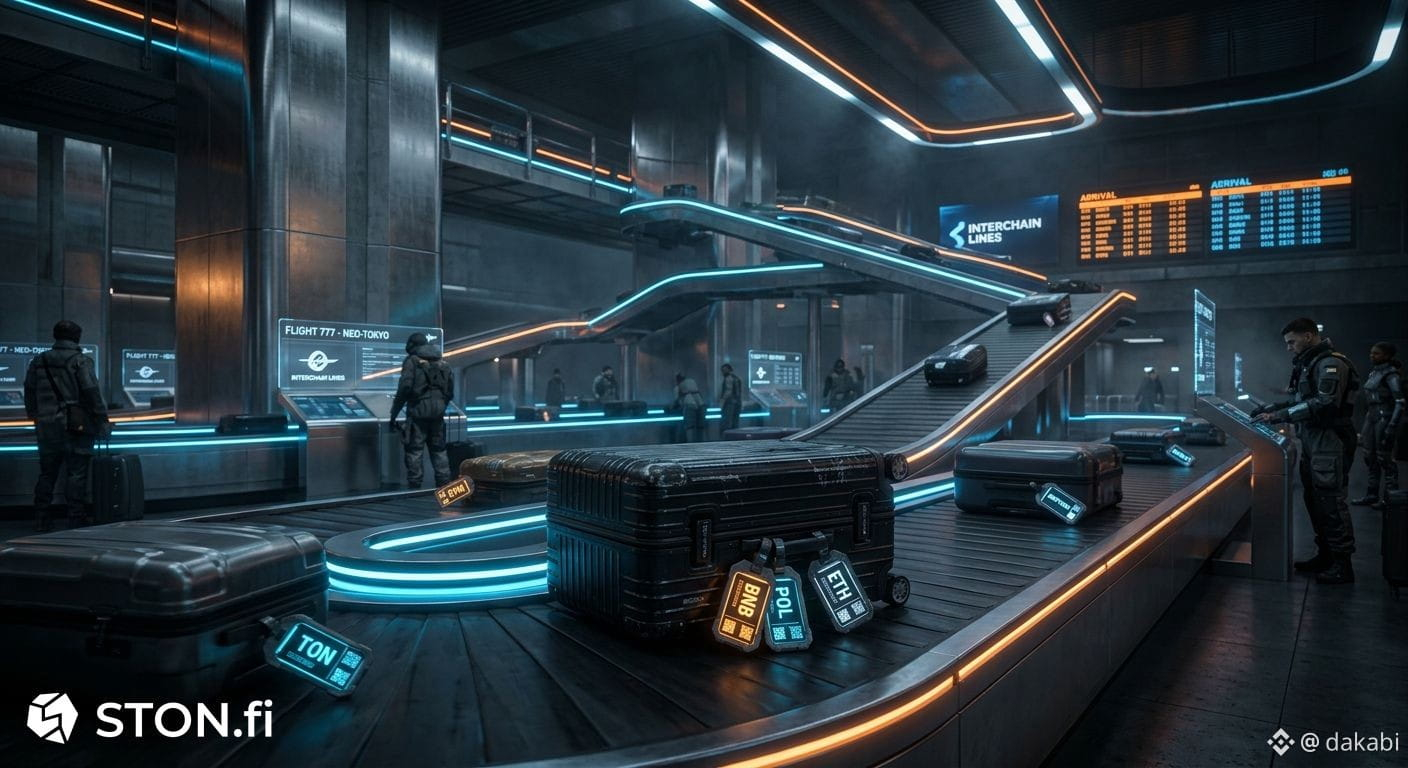
Das ist wie ein Direktflug ohne Umsteigen und ohne Verlust des Gepäcks. Du wählst einfach die Richtung, und das Protokoll erledigt die ganze technische Arbeit in 15–40 Sekunden.
🎁 Bonus für Early Birds:
Das Team deutet ganz offen auf Belohnungen für „die ersten Passagiere“ dieser Cross-Chain-Reise hin. Jetzt ist die beste Zeit, die Funktion zu testen, solange das Start-Limit von 1.000 $ pro Transaktion gilt.
Unter der Haube: nahtlose Routen zwischen TON, TRON, Ethereum, Base, Arbitrum, Polygon und der neuen Robinhood Chain.
Während andere noch warten, läuft die Infrastruktur bereits.
🔗 Direkt- Cross-Chain ausprobieren:
app.ston.fi/swap?mode=cross-chain&referral_address=UQBDMz8eAC1_CVxEn6JjNOdWEvppQXXybxIdKm-GiXEL4yiQ
Wohin würdest du die Assets gerade jetzt per Cross-Chain schicken? Schreib es in die Kommentare 👇
$TON $GRAM $USDT
#DeFi #CrossChain #Omniston #TONBlockchain
🔥 150.000 $ in 24 Stunden: Omniston verändert das Cross-Chain-Game
Das Volumen der Cross-Chain-Swaps auf STON.fi hat eine neue Marke durchbrochen. Warum wechseln Nutzer massenhaft von klassischen Bridges?
✈️ Cross-Chain auf die Wallet eines anderen (Custom Address)
Du musst die Assets nicht mehr erst zu deiner eigenen Adresse schicken und sie dann weiterübertragen. Jetzt bezahlst du direkt mit deiner Wallet, und die Token landen direkt auf der Empfängeradresse in einem anderen Netzwerk. Keine doppelten Gebühren und keine unnötigen Transaktionen.
Das ist wie ein Direktflug ohne Umsteigen und ohne Verlust des Gepäcks. Du wählst einfach die Richtung, und das Protokoll erledigt die ganze technische Arbeit in 15–40 Sekunden.
🎁 Bonus für Early Birds:
Das Team deutet ganz offen auf Belohnungen für „die ersten Passagiere“ dieser Cross-Chain-Reise hin. Jetzt ist die beste Zeit, die Funktion zu testen, solange das Start-Limit von 1.000 $ pro Transaktion gilt.
Unter der Haube: nahtlose Routen zwischen TON, TRON, Ethereum, Base, Arbitrum, Polygon und der neuen Robinhood Chain.
Während andere noch warten, läuft die Infrastruktur bereits.
🔗 Direkt- Cross-Chain ausprobieren:
app.ston.fi/swap?mode=cross-chain&referral_address=UQBDMz8eAC1_CVxEn6JjNOdWEvppQXXybxIdKm-GiXEL4yiQ
Wohin würdest du die Assets gerade jetzt per Cross-Chain schicken? Schreib es in die Kommentare 👇
$TON $GRAM $USDT
#DeFi #CrossChain #Omniston #TONBlockchain
Das Volumen der Cross-Chain-Swaps auf STON.fi hat eine neue Marke durchbrochen. Warum wechseln Nutzer massenhaft von klassischen Bridges?
✈️ Cross-Chain auf die Wallet eines anderen (Custom Address)
Du musst die Assets nicht mehr erst zu deiner eigenen Adresse schicken und sie dann weiterübertragen. Jetzt bezahlst du direkt mit deiner Wallet, und die Token landen direkt auf der Empfängeradresse in einem anderen Netzwerk. Keine doppelten Gebühren und keine unnötigen Transaktionen.
Das ist wie ein Direktflug ohne Umsteigen und ohne Verlust des Gepäcks. Du wählst einfach die Richtung, und das Protokoll erledigt die ganze technische Arbeit in 15–40 Sekunden.
🎁 Bonus für Early Birds:
Das Team deutet ganz offen auf Belohnungen für „die ersten Passagiere“ dieser Cross-Chain-Reise hin. Jetzt ist die beste Zeit, die Funktion zu testen, solange das Start-Limit von 1.000 $ pro Transaktion gilt.
Unter der Haube: nahtlose Routen zwischen TON, TRON, Ethereum, Base, Arbitrum, Polygon und der neuen Robinhood Chain.
Während andere noch warten, läuft die Infrastruktur bereits.
🔗 Direkt- Cross-Chain ausprobieren:
app.ston.fi/swap?mode=cross-chain&referral_address=UQBDMz8eAC1_CVxEn6JjNOdWEvppQXXybxIdKm-GiXEL4yiQ
Wohin würdest du die Assets gerade jetzt per Cross-Chain schicken? Schreib es in die Kommentare 👇
$TON $GRAM $USDT
#DeFi #CrossChain #Omniston #TONBlockchain
2
732

Warum Builder sich für Omniston interessieren sollten
Stell dir vor, du baust eine Wallet.
Du willst, dass Nutzer Assets über verschiedene Ökosysteme hinweg tauschen können.
Dann musst du an Liquidität, Routing, Quotes, Cross-Chain-Execution und Abwicklung denken.
Das ist eine Menge, die man bauen und pflegen muss.
Infrastruktur wie Omniston kann diese Last reduzieren, indem sie Buildern Zugriff auf eine bestehende Execution-Layer gibt.
Das verändert die Rechnung.
Anstatt dass jede Wallet oder jede dApp dieselbe Infrastruktur neu erfindet, können sich Builder mehr auf das Produkt selbst konzentrieren.
So reifen Ökosysteme heran.
Nicht jedes Team muss dieselbe Sanitärinstallation neu aufbauen.
#Omniston #STON.fi
Warum Builder sich für Omniston interessieren sollten
Stell dir vor, du baust eine Wallet.
Du willst, dass Nutzer Assets über verschiedene Ökosysteme hinweg tauschen können.
Dann musst du an Liquidität, Routing, Quotes, Cross-Chain-Execution und Abwicklung denken.
Das ist eine Menge, die man bauen und pflegen muss.
Infrastruktur wie Omniston kann diese Last reduzieren, indem sie Buildern Zugriff auf eine bestehende Execution-Layer gibt.
Das verändert die Rechnung.
Anstatt dass jede Wallet oder jede dApp dieselbe Infrastruktur neu erfindet, können sich Builder mehr auf das Produkt selbst konzentrieren.
So reifen Ökosysteme heran.
Nicht jedes Team muss dieselbe Sanitärinstallation neu aufbauen.
#Omniston #STON.fi
Stell dir vor, du baust eine Wallet.
Du willst, dass Nutzer Assets über verschiedene Ökosysteme hinweg tauschen können.
Dann musst du an Liquidität, Routing, Quotes, Cross-Chain-Execution und Abwicklung denken.
Das ist eine Menge, die man bauen und pflegen muss.
Infrastruktur wie Omniston kann diese Last reduzieren, indem sie Buildern Zugriff auf eine bestehende Execution-Layer gibt.
Das verändert die Rechnung.
Anstatt dass jede Wallet oder jede dApp dieselbe Infrastruktur neu erfindet, können sich Builder mehr auf das Produkt selbst konzentrieren.
So reifen Ökosysteme heran.
Nicht jedes Team muss dieselbe Sanitärinstallation neu aufbauen.
#Omniston #STON.fi
10

$150K Swap-Volumen im Cross-Chain-Swap in einem Tag. So ist das wichtig.
Cross-Chain-Liquidität ist nicht mehr nur eine Erzählung.
Am 25. August hat Omniston, das Cross-Chain-Liquiditätsprotokoll im STON.fi-Ökosystem, etwa $150.000 Swap-Volumen an einem einzigen Tag verarbeitet.
Dieses Volumen kam von echten Nutzern, die Assets geswappt, Routen getestet und die Cross-Chain-Infrastruktur in die Praxis umgesetzt haben.
Und obwohl $150K vielleicht wie nur eine weitere Zahl aussieht, geht die größere Geschichte dahinter weiter.
Cross-Chain-DeFi hat ein Fragmentierungsproblem.
Die Liquidität ist auf verschiedene Netzwerke verteilt.
Nutzer müssen oft mehrere Schritte bewältigen, nur um Assets zu bewegen und Chancen zu nutzen.
Protokolle wie Omniston sind auf eine andere Vision ausgerichtet:
Liquidität über Ökosysteme hinweg besser zugänglich machen.
Jeder Swap hilft, die Ausführung zu testen.
Jede Route schafft Aktivität.
Jeder Nutzer bringt die Infrastruktur näher an Effizienz und breitere Akzeptanz.
Für das STON.fi-Ökosystem steht dieses Meilensteinereignis für wachsendes Engagement mit seiner Cross-Chain-Liquiditätsinfrastruktur.
Von $150K Volumen bis zum nächsten Meilenstein lautet die echte Frage:
Wie schnell kann Cross-Chain-Liquidität wachsen, wenn Nutzer nicht mehr darüber nachdenken müssen, welche Chains hinter der Transaktion stehen?
Die Zukunft von DeFi wird nicht um isolierte Ökosysteme herum gebaut.
Sie wird um Liquidität gebaut, die sich bewegen kann.
Und am 25. August hat Omniston an einem einzigen Tag ungefähr $150K bewegt.
#TON #DeFi #Web3 #STONfi #Omniston
$150K Swap-Volumen im Cross-Chain-Swap in einem Tag. So ist das wichtig.
Cross-Chain-Liquidität ist nicht mehr nur eine Erzählung.
Am 25. August hat Omniston, das Cross-Chain-Liquiditätsprotokoll im STON.fi-Ökosystem, etwa $150.000 Swap-Volumen an einem einzigen Tag verarbeitet.
Dieses Volumen kam von echten Nutzern, die Assets geswappt, Routen getestet und die Cross-Chain-Infrastruktur in die Praxis umgesetzt haben.
Und obwohl $150K vielleicht wie nur eine weitere Zahl aussieht, geht die größere Geschichte dahinter weiter.
Cross-Chain-DeFi hat ein Fragmentierungsproblem.
Die Liquidität ist auf verschiedene Netzwerke verteilt.
Nutzer müssen oft mehrere Schritte bewältigen, nur um Assets zu bewegen und Chancen zu nutzen.
Protokolle wie Omniston sind auf eine andere Vision ausgerichtet:
Liquidität über Ökosysteme hinweg besser zugänglich machen.
Jeder Swap hilft, die Ausführung zu testen.
Jede Route schafft Aktivität.
Jeder Nutzer bringt die Infrastruktur näher an Effizienz und breitere Akzeptanz.
Für das STON.fi-Ökosystem steht dieses Meilensteinereignis für wachsendes Engagement mit seiner Cross-Chain-Liquiditätsinfrastruktur.
Von $150K Volumen bis zum nächsten Meilenstein lautet die echte Frage:
Wie schnell kann Cross-Chain-Liquidität wachsen, wenn Nutzer nicht mehr darüber nachdenken müssen, welche Chains hinter der Transaktion stehen?
Die Zukunft von DeFi wird nicht um isolierte Ökosysteme herum gebaut.
Sie wird um Liquidität gebaut, die sich bewegen kann.
Und am 25. August hat Omniston an einem einzigen Tag ungefähr $150K bewegt.
#TON #DeFi #Web3 #STONfi #Omniston
Cross-Chain-Liquidität ist nicht mehr nur eine Erzählung.
Am 25. August hat Omniston, das Cross-Chain-Liquiditätsprotokoll im STON.fi-Ökosystem, etwa $150.000 Swap-Volumen an einem einzigen Tag verarbeitet.
Dieses Volumen kam von echten Nutzern, die Assets geswappt, Routen getestet und die Cross-Chain-Infrastruktur in die Praxis umgesetzt haben.
Und obwohl $150K vielleicht wie nur eine weitere Zahl aussieht, geht die größere Geschichte dahinter weiter.
Cross-Chain-DeFi hat ein Fragmentierungsproblem.
Die Liquidität ist auf verschiedene Netzwerke verteilt.
Nutzer müssen oft mehrere Schritte bewältigen, nur um Assets zu bewegen und Chancen zu nutzen.
Protokolle wie Omniston sind auf eine andere Vision ausgerichtet:
Liquidität über Ökosysteme hinweg besser zugänglich machen.
Jeder Swap hilft, die Ausführung zu testen.
Jede Route schafft Aktivität.
Jeder Nutzer bringt die Infrastruktur näher an Effizienz und breitere Akzeptanz.
Für das STON.fi-Ökosystem steht dieses Meilensteinereignis für wachsendes Engagement mit seiner Cross-Chain-Liquiditätsinfrastruktur.
Von $150K Volumen bis zum nächsten Meilenstein lautet die echte Frage:
Wie schnell kann Cross-Chain-Liquidität wachsen, wenn Nutzer nicht mehr darüber nachdenken müssen, welche Chains hinter der Transaktion stehen?
Die Zukunft von DeFi wird nicht um isolierte Ökosysteme herum gebaut.
Sie wird um Liquidität gebaut, die sich bewegen kann.
Und am 25. August hat Omniston an einem einzigen Tag ungefähr $150K bewegt.
#TON #DeFi #Web3 #STONfi #Omniston
92

𝗢𝗺𝗻𝗶𝘀𝘁𝗼𝗻 𝗛𝗶𝘁𝘀 ~$𝟭𝟱𝟬𝗞 𝗶𝗻 𝗖𝗿𝗼𝘀𝘀-𝗖𝗵𝗮𝗶𝗻 𝗦𝘄𝗮𝗽 𝗩𝗼𝗹𝘂𝗺𝗲 — 𝗜𝗻 𝗘𝗶𝗻𝗲𝗺 𝗧𝗮𝗴
Stonfiers, lass uns diese Zahl ins richtige Verhältnis setzen.
150.000 Kilometer sind ungefähr 3,5 Fahrten um die gesamte Erde. Das ist dasselbe Entfernungsmaß, das unsere Community dabei geholfen hat, dass Omniston in nur einem Tag im Swap-Volumen geschafft hat
am 25. August.
In nur 24 Stunden hat unser Cross-Chain-Protokoll Omniston ungefähr $150.000 im Swap-Volumen verarbeitet – ein Meilenstein, der wachsendes Vertrauen und steigende Aktivität entlang der Routen widerspiegelt, die wir unterstützen.
Das ist nicht einfach nur eine Zahl auf einem Dashboard
sondern ein Beweis dafür, dass die Infrastruktur, die wir aufgebaut haben, von einer echten, engagierten Community genutzt, getestet und unter Stressbedingungen geprüft wird – und dass sie standhält.
Jeder Swap, der zu diesem Gesamtwert beigetragen hat, kam von jemandem aus dieser Community:
beim Wechsel zwischen Chains, beim Testen neuer Routen, beim Erkunden von Liquiditäts-Pfaden und dabei, uns zu helfen zu verstehen, wo Omniston am besten abschneidet und wo wir weiter verbessern können.
So eine organische, praktische Beteiligung bringt ein Protokoll genau nach vorne – und genau das haben wir am 25. August gesehen.
An alle, die geswapt, getestet, Feedback geteilt oder einfach ein Auge auf die Zahlen behalten haben: Danke.
Wachstum wie dieses passiert nicht im luftleeren Raum. Es passiert, weil Menschen daran glauben, was wir aufbauen, und sich früh dafür entscheiden, Teil davon zu sein.
Das ist nur ein Datenpunkt auf einem längeren Weg.
Wir erweitern weiterhin die Fähigkeiten von Omniston, vertiefen die Liquidität über die unterstützten Chains hinweg und machen Cross-Chain-Swaps für alle, die das Protokoll nutzen, schneller und zuverlässiger.
Mehr Volumen, mehr Routen und mehr Meilensteine liegen vor uns.
Bleibt dran – das ist erst der Anfang bei ston.fi
#STONfi #Omniston
𝗢𝗺𝗻𝗶𝘀𝘁𝗼𝗻 𝗛𝗶𝘁𝘀 ~$𝟭𝟱𝟬𝗞 𝗶𝗻 𝗖𝗿𝗼𝘀𝘀-𝗖𝗵𝗮𝗶𝗻 𝗦𝘄𝗮𝗽 𝗩𝗼𝗹𝘂𝗺𝗲 — 𝗜𝗻 𝗘𝗶𝗻𝗲𝗺 𝗧𝗮𝗴
Stonfiers, lass uns diese Zahl ins richtige Verhältnis setzen.
150.000 Kilometer sind ungefähr 3,5 Fahrten um die gesamte Erde. Das ist dasselbe Entfernungsmaß, das unsere Community dabei geholfen hat, dass Omniston in nur einem Tag im Swap-Volumen geschafft hat
am 25. August.
In nur 24 Stunden hat unser Cross-Chain-Protokoll Omniston ungefähr $150.000 im Swap-Volumen verarbeitet – ein Meilenstein, der wachsendes Vertrauen und steigende Aktivität entlang der Routen widerspiegelt, die wir unterstützen.
Das ist nicht einfach nur eine Zahl auf einem Dashboard
sondern ein Beweis dafür, dass die Infrastruktur, die wir aufgebaut haben, von einer echten, engagierten Community genutzt, getestet und unter Stressbedingungen geprüft wird – und dass sie standhält.
Jeder Swap, der zu diesem Gesamtwert beigetragen hat, kam von jemandem aus dieser Community:
beim Wechsel zwischen Chains, beim Testen neuer Routen, beim Erkunden von Liquiditäts-Pfaden und dabei, uns zu helfen zu verstehen, wo Omniston am besten abschneidet und wo wir weiter verbessern können.
So eine organische, praktische Beteiligung bringt ein Protokoll genau nach vorne – und genau das haben wir am 25. August gesehen.
An alle, die geswapt, getestet, Feedback geteilt oder einfach ein Auge auf die Zahlen behalten haben: Danke.
Wachstum wie dieses passiert nicht im luftleeren Raum. Es passiert, weil Menschen daran glauben, was wir aufbauen, und sich früh dafür entscheiden, Teil davon zu sein.
Das ist nur ein Datenpunkt auf einem längeren Weg.
Wir erweitern weiterhin die Fähigkeiten von Omniston, vertiefen die Liquidität über die unterstützten Chains hinweg und machen Cross-Chain-Swaps für alle, die das Protokoll nutzen, schneller und zuverlässiger.
Mehr Volumen, mehr Routen und mehr Meilensteine liegen vor uns.
Bleibt dran – das ist erst der Anfang bei ston.fi
#STONfi #Omniston
Stonfiers, lass uns diese Zahl ins richtige Verhältnis setzen.
150.000 Kilometer sind ungefähr 3,5 Fahrten um die gesamte Erde. Das ist dasselbe Entfernungsmaß, das unsere Community dabei geholfen hat, dass Omniston in nur einem Tag im Swap-Volumen geschafft hat
am 25. August.
In nur 24 Stunden hat unser Cross-Chain-Protokoll Omniston ungefähr $150.000 im Swap-Volumen verarbeitet – ein Meilenstein, der wachsendes Vertrauen und steigende Aktivität entlang der Routen widerspiegelt, die wir unterstützen.
Das ist nicht einfach nur eine Zahl auf einem Dashboard
sondern ein Beweis dafür, dass die Infrastruktur, die wir aufgebaut haben, von einer echten, engagierten Community genutzt, getestet und unter Stressbedingungen geprüft wird – und dass sie standhält.
Jeder Swap, der zu diesem Gesamtwert beigetragen hat, kam von jemandem aus dieser Community:
beim Wechsel zwischen Chains, beim Testen neuer Routen, beim Erkunden von Liquiditäts-Pfaden und dabei, uns zu helfen zu verstehen, wo Omniston am besten abschneidet und wo wir weiter verbessern können.
So eine organische, praktische Beteiligung bringt ein Protokoll genau nach vorne – und genau das haben wir am 25. August gesehen.
An alle, die geswapt, getestet, Feedback geteilt oder einfach ein Auge auf die Zahlen behalten haben: Danke.
Wachstum wie dieses passiert nicht im luftleeren Raum. Es passiert, weil Menschen daran glauben, was wir aufbauen, und sich früh dafür entscheiden, Teil davon zu sein.
Das ist nur ein Datenpunkt auf einem längeren Weg.
Wir erweitern weiterhin die Fähigkeiten von Omniston, vertiefen die Liquidität über die unterstützten Chains hinweg und machen Cross-Chain-Swaps für alle, die das Protokoll nutzen, schneller und zuverlässiger.
Mehr Volumen, mehr Routen und mehr Meilensteine liegen vor uns.
Bleibt dran – das ist erst der Anfang bei ston.fi
#STONfi #Omniston
80
·
--
Omniston-Specials: 150.000 US-Dollar
Omniston verarbeitete am 25. August in nur einem Tag rund 150.000 US-Dollar an Volumen bei Cross-Chain-Swaps.
Ja, ich weiß, 150.000 US-Dollar sehen im Vergleich zu den Milliarden, die jeden Tag über DeFi fließen, vielleicht nicht nach viel aus. Aber ich denke, die spannendere Geschichte ist, was dieses Volumen repräsentiert.
Cross-Chain-DeFi hatte schon immer ein Reibungsproblem.
Wenn man als Nutzer Assets zwischen Netzwerken bewegt, kann das bedeuten, mit Bridges, Wrapped Tokens, Gas-Kosten in der Zielkette, mehreren Swaps, Liquiditätsunterschieden und mehreren Transaktionen zu kämpfen, nur um an das Asset zu gelangen, das man eigentlich haben will. $GRAM
Genau hier kommt Omniston ins Spiel.
Anstatt Nutzer vor allem darüber nachdenken zu lassen, welche Bridge oder welche Kette sie verwenden sollen, kann das Erlebnis sich hin zu einer einfacheren Frage bewegen:
„Welches Asset möchte ich, und was ist der effizienteste Weg, es zu bekommen?“
Die Kette wird dann Teil der Infrastruktur – statt das Zentrum des Nutzererlebnisses zu sein.
Und Aggregation ist wichtig, weil die Liquidität fragmentiert ist. Die beste Route ist nicht unbedingt der nächstgelegene DEX oder die beliebteste Chain. Sie hängt davon ab, wie viel Liquidität vorhanden ist, welche Gebühren anfallen, wie gut die Ausführung ist, wie hoch das Slippage ist und wie zuverlässig die Transaktion abgewickelt werden kann.
Deshalb sehe ich die 150.000-US-Dollar-Marke nicht als Beweis dafür, dass Cross-Chain-DeFi bereits gelöst ist.
Ich sehe darin ein frühes Signal für das Nutzerverhalten.
Die entscheidenden Meilensteine werden sein, ob dieses Volumen weiter wächst, ob Nutzer zurückkehren, ob die Ausführung auch in volatilen Märkten zuverlässig bleibt und ob größere Transaktionen effizient über Netzwerke hinweg bewegt werden können.
Wenn das gelingt, könnte Omniston mehr werden als nur ein weiteres Swap-Tool.
Es könnte zu einem Bestandteil der Infrastruktur werden, der es verschiedenen Blockchain-Ökosystemen ermöglicht, sich wie ein einziger, verbundener Liquiditätsmarkt anzufühlen.
$BTC $ETH #Omniston #STONfi #CrossChainInteroperability #TrendingTopic #LiquidityAggregator
Omniston-Specials: 150.000 US-Dollar
Omniston verarbeitete am 25. August in nur einem Tag rund 150.000 US-Dollar an Volumen bei Cross-Chain-Swaps.
Ja, ich weiß, 150.000 US-Dollar sehen im Vergleich zu den Milliarden, die jeden Tag über DeFi fließen, vielleicht nicht nach viel aus. Aber ich denke, die spannendere Geschichte ist, was dieses Volumen repräsentiert.
Cross-Chain-DeFi hatte schon immer ein Reibungsproblem.
Wenn man als Nutzer Assets zwischen Netzwerken bewegt, kann das bedeuten, mit Bridges, Wrapped Tokens, Gas-Kosten in der Zielkette, mehreren Swaps, Liquiditätsunterschieden und mehreren Transaktionen zu kämpfen, nur um an das Asset zu gelangen, das man eigentlich haben will. $GRAM
Genau hier kommt Omniston ins Spiel.
Anstatt Nutzer vor allem darüber nachdenken zu lassen, welche Bridge oder welche Kette sie verwenden sollen, kann das Erlebnis sich hin zu einer einfacheren Frage bewegen:
„Welches Asset möchte ich, und was ist der effizienteste Weg, es zu bekommen?“
Die Kette wird dann Teil der Infrastruktur – statt das Zentrum des Nutzererlebnisses zu sein.
Und Aggregation ist wichtig, weil die Liquidität fragmentiert ist. Die beste Route ist nicht unbedingt der nächstgelegene DEX oder die beliebteste Chain. Sie hängt davon ab, wie viel Liquidität vorhanden ist, welche Gebühren anfallen, wie gut die Ausführung ist, wie hoch das Slippage ist und wie zuverlässig die Transaktion abgewickelt werden kann.
Deshalb sehe ich die 150.000-US-Dollar-Marke nicht als Beweis dafür, dass Cross-Chain-DeFi bereits gelöst ist.
Ich sehe darin ein frühes Signal für das Nutzerverhalten.
Die entscheidenden Meilensteine werden sein, ob dieses Volumen weiter wächst, ob Nutzer zurückkehren, ob die Ausführung auch in volatilen Märkten zuverlässig bleibt und ob größere Transaktionen effizient über Netzwerke hinweg bewegt werden können.
Wenn das gelingt, könnte Omniston mehr werden als nur ein weiteres Swap-Tool.
Es könnte zu einem Bestandteil der Infrastruktur werden, der es verschiedenen Blockchain-Ökosystemen ermöglicht, sich wie ein einziger, verbundener Liquiditätsmarkt anzufühlen.
$BTC $ETH #Omniston #STONfi #CrossChainInteroperability #TrendingTopic #LiquidityAggregator
Omniston verarbeitete am 25. August in nur einem Tag rund 150.000 US-Dollar an Volumen bei Cross-Chain-Swaps.
Ja, ich weiß, 150.000 US-Dollar sehen im Vergleich zu den Milliarden, die jeden Tag über DeFi fließen, vielleicht nicht nach viel aus. Aber ich denke, die spannendere Geschichte ist, was dieses Volumen repräsentiert.
Cross-Chain-DeFi hatte schon immer ein Reibungsproblem.
Wenn man als Nutzer Assets zwischen Netzwerken bewegt, kann das bedeuten, mit Bridges, Wrapped Tokens, Gas-Kosten in der Zielkette, mehreren Swaps, Liquiditätsunterschieden und mehreren Transaktionen zu kämpfen, nur um an das Asset zu gelangen, das man eigentlich haben will. $GRAM
Genau hier kommt Omniston ins Spiel.
Anstatt Nutzer vor allem darüber nachdenken zu lassen, welche Bridge oder welche Kette sie verwenden sollen, kann das Erlebnis sich hin zu einer einfacheren Frage bewegen:
„Welches Asset möchte ich, und was ist der effizienteste Weg, es zu bekommen?“
Die Kette wird dann Teil der Infrastruktur – statt das Zentrum des Nutzererlebnisses zu sein.
Und Aggregation ist wichtig, weil die Liquidität fragmentiert ist. Die beste Route ist nicht unbedingt der nächstgelegene DEX oder die beliebteste Chain. Sie hängt davon ab, wie viel Liquidität vorhanden ist, welche Gebühren anfallen, wie gut die Ausführung ist, wie hoch das Slippage ist und wie zuverlässig die Transaktion abgewickelt werden kann.
Deshalb sehe ich die 150.000-US-Dollar-Marke nicht als Beweis dafür, dass Cross-Chain-DeFi bereits gelöst ist.
Ich sehe darin ein frühes Signal für das Nutzerverhalten.
Die entscheidenden Meilensteine werden sein, ob dieses Volumen weiter wächst, ob Nutzer zurückkehren, ob die Ausführung auch in volatilen Märkten zuverlässig bleibt und ob größere Transaktionen effizient über Netzwerke hinweg bewegt werden können.
Wenn das gelingt, könnte Omniston mehr werden als nur ein weiteres Swap-Tool.
Es könnte zu einem Bestandteil der Infrastruktur werden, der es verschiedenen Blockchain-Ökosystemen ermöglicht, sich wie ein einziger, verbundener Liquiditätsmarkt anzufühlen.
$BTC $ETH #Omniston #STONfi #CrossChainInteroperability #TrendingTopic #LiquidityAggregator
1
112
·
--
Omniston macht Wallet-Swaps intelligenter
Ein Wallet-Swap mag einfach aussehen: einen Token auswählen, einen Betrag eingeben und bestätigen.
Doch die eigentliche Herausforderung liegt hinter der Schaltfläche.
My Wallet, eine nicht-verwahrende Web3-Wallet, die TON und weitere Blockchains unterstützt, hat Omniston in ihren Swap-Aggregator integriert. Anstatt dass Nutzer manuell Liquidität über verschiedene dezentrale Börsen hinweg suchen, hilft Omniston dabei, verfügbare Routen zu scannen und in Echtzeit eine wettbewerbsfähige Ausführung zu finden. $GRAM
Aus Nutzersicht entfällt damit eines der größten versteckten Probleme von DeFi: die Fragmentierung der Liquidität.
Das ist entscheidend, weil der bestaussehende Preis nicht immer das beste Endergebnis ist.
Liquiditätstiefe, die Handelsgröße, der Preisimpact und die verfügbaren Routen können alle beeinflussen, wie viel ein Nutzer tatsächlich erhält.
Die Integration erweitert außerdem den Zugang zu tokenisierten Assets auf TON – einschließlich AAPLx, NVDAx, AMZNx, COINx, HOODx, TSLAx und mehr.
Für mich ist die größere Story, was das über die Zukunft von Wallets aussagt.
Die Wallet ist nicht mehr nur ein Ort, um Assets zu speichern. Sie wird zur Schnittstelle, über die Nutzer Liquidität, Trading und eine wachsende Bandbreite an On-Chain-Assets erreichen.
Und die beste Infrastruktur ist vielleicht die, die Nutzer kaum bemerken.
Du öffnest deine Wallet. Du entscheidest, was du tauschen möchtest. Die Routenwahl passiert im Hintergrund.
Genau dort wird Omniston überzeugend.
Während sich das TON-Ökosystem weiterentwickelt und die Liquidität zunehmend fragmentiert, könnte das Aggregieren immer wichtiger werden. Nutzer sollten nicht verstehen müssen, wie jede DEX funktioniert, oder manuell nach der besten Route suchen müssen. Gute Infrastruktur sollte diese Komplexität bewältigen und dabei die Erfahrung einfach halten.
Der Swap wirkt einfach. Die Infrastruktur dahinter nicht.
Das könnte der eigentliche Wert sein, Omniston direkt in Wallets wie My Wallet zu bringen.
$BTC $ETH #Omniston #Mywallet #STONfi #TrendingTopic #CrossChainInteroperability
Omniston macht Wallet-Swaps intelligenter
Ein Wallet-Swap mag einfach aussehen: einen Token auswählen, einen Betrag eingeben und bestätigen.
Doch die eigentliche Herausforderung liegt hinter der Schaltfläche.
My Wallet, eine nicht-verwahrende Web3-Wallet, die TON und weitere Blockchains unterstützt, hat Omniston in ihren Swap-Aggregator integriert. Anstatt dass Nutzer manuell Liquidität über verschiedene dezentrale Börsen hinweg suchen, hilft Omniston dabei, verfügbare Routen zu scannen und in Echtzeit eine wettbewerbsfähige Ausführung zu finden. $GRAM
Aus Nutzersicht entfällt damit eines der größten versteckten Probleme von DeFi: die Fragmentierung der Liquidität.
Das ist entscheidend, weil der bestaussehende Preis nicht immer das beste Endergebnis ist.
Liquiditätstiefe, die Handelsgröße, der Preisimpact und die verfügbaren Routen können alle beeinflussen, wie viel ein Nutzer tatsächlich erhält.
Die Integration erweitert außerdem den Zugang zu tokenisierten Assets auf TON – einschließlich AAPLx, NVDAx, AMZNx, COINx, HOODx, TSLAx und mehr.
Für mich ist die größere Story, was das über die Zukunft von Wallets aussagt.
Die Wallet ist nicht mehr nur ein Ort, um Assets zu speichern. Sie wird zur Schnittstelle, über die Nutzer Liquidität, Trading und eine wachsende Bandbreite an On-Chain-Assets erreichen.
Und die beste Infrastruktur ist vielleicht die, die Nutzer kaum bemerken.
Du öffnest deine Wallet. Du entscheidest, was du tauschen möchtest. Die Routenwahl passiert im Hintergrund.
Genau dort wird Omniston überzeugend.
Während sich das TON-Ökosystem weiterentwickelt und die Liquidität zunehmend fragmentiert, könnte das Aggregieren immer wichtiger werden. Nutzer sollten nicht verstehen müssen, wie jede DEX funktioniert, oder manuell nach der besten Route suchen müssen. Gute Infrastruktur sollte diese Komplexität bewältigen und dabei die Erfahrung einfach halten.
Der Swap wirkt einfach. Die Infrastruktur dahinter nicht.
Das könnte der eigentliche Wert sein, Omniston direkt in Wallets wie My Wallet zu bringen.
$BTC $ETH #Omniston #Mywallet #STONfi #TrendingTopic #CrossChainInteroperability
Ein Wallet-Swap mag einfach aussehen: einen Token auswählen, einen Betrag eingeben und bestätigen.
Doch die eigentliche Herausforderung liegt hinter der Schaltfläche.
My Wallet, eine nicht-verwahrende Web3-Wallet, die TON und weitere Blockchains unterstützt, hat Omniston in ihren Swap-Aggregator integriert. Anstatt dass Nutzer manuell Liquidität über verschiedene dezentrale Börsen hinweg suchen, hilft Omniston dabei, verfügbare Routen zu scannen und in Echtzeit eine wettbewerbsfähige Ausführung zu finden. $GRAM
Aus Nutzersicht entfällt damit eines der größten versteckten Probleme von DeFi: die Fragmentierung der Liquidität.
Das ist entscheidend, weil der bestaussehende Preis nicht immer das beste Endergebnis ist.
Liquiditätstiefe, die Handelsgröße, der Preisimpact und die verfügbaren Routen können alle beeinflussen, wie viel ein Nutzer tatsächlich erhält.
Die Integration erweitert außerdem den Zugang zu tokenisierten Assets auf TON – einschließlich AAPLx, NVDAx, AMZNx, COINx, HOODx, TSLAx und mehr.
Für mich ist die größere Story, was das über die Zukunft von Wallets aussagt.
Die Wallet ist nicht mehr nur ein Ort, um Assets zu speichern. Sie wird zur Schnittstelle, über die Nutzer Liquidität, Trading und eine wachsende Bandbreite an On-Chain-Assets erreichen.
Und die beste Infrastruktur ist vielleicht die, die Nutzer kaum bemerken.
Du öffnest deine Wallet. Du entscheidest, was du tauschen möchtest. Die Routenwahl passiert im Hintergrund.
Genau dort wird Omniston überzeugend.
Während sich das TON-Ökosystem weiterentwickelt und die Liquidität zunehmend fragmentiert, könnte das Aggregieren immer wichtiger werden. Nutzer sollten nicht verstehen müssen, wie jede DEX funktioniert, oder manuell nach der besten Route suchen müssen. Gute Infrastruktur sollte diese Komplexität bewältigen und dabei die Erfahrung einfach halten.
Der Swap wirkt einfach. Die Infrastruktur dahinter nicht.
Das könnte der eigentliche Wert sein, Omniston direkt in Wallets wie My Wallet zu bringen.
$BTC $ETH #Omniston #Mywallet #STONfi #TrendingTopic #CrossChainInteroperability
1
268

·
--
Bullisch
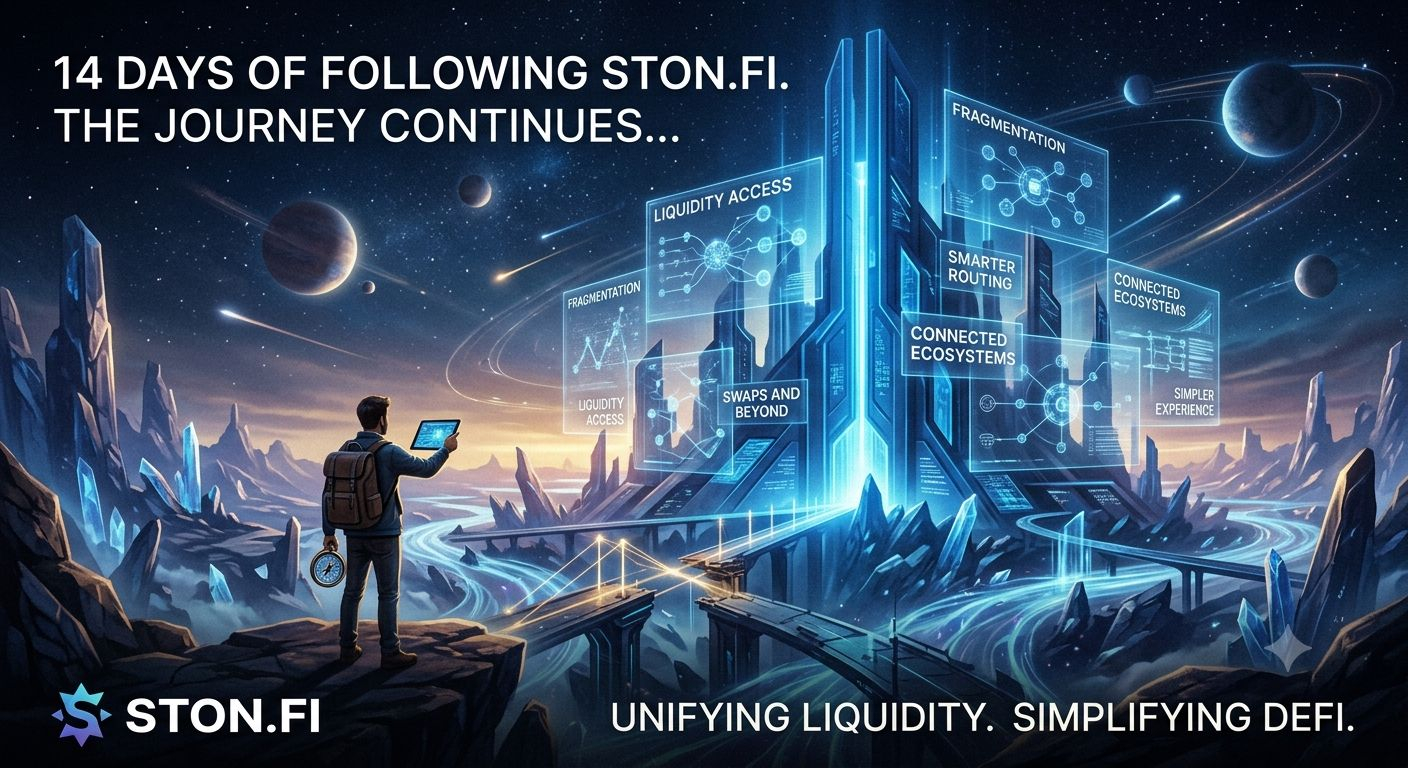
14 TAGE DES FOLGENS, WAS STON.FI AUFBAUT.
Und eine Sache wird immer deutlicher.
Die Story ist größer als Swaps.
Das tieferliegende Problem ist Fragmentierung.
Liquidität ist überall.
Aber sie effizient zu nutzen, ist immer noch schwierig.
Verschiedene Chains.
Verschiedene Pools.
Verschiedene Routen.
Verschiedene Erfahrungen.
In den letzten zwei Wochen habe ich mir genau angesehen, wie STON.fi und Omniston in dieses Bild passen.
Die These ist einfach:
DeFi muss nicht zwingend mehr Komplexität haben.
Es braucht bessere Infrastruktur, um die Komplexität zu verwalten, die bereits existiert.
Das bedeutet:
Besserer Zugang zu Liquidität.
Smarteres Routing.
Stärker vernetzte Ökosysteme.
Und eine einfachere Nutzererfahrung.
Woche 1 diente dazu, das Problem zu verstehen.
Woche 2 diente dazu, die Infrastruktur zu verstehen.
Als Nächstes gehe ich tiefer darauf ein, was das STON.fi-Ökosystem zum Funktionieren bringt.
Die Reise geht weiter.
#STON.fi #OMNISTON #Defi #swap
$ETH
14 TAGE DES FOLGENS, WAS STON.FI AUFBAUT.
Und eine Sache wird immer deutlicher.
Die Story ist größer als Swaps.
Das tieferliegende Problem ist Fragmentierung.
Liquidität ist überall.
Aber sie effizient zu nutzen, ist immer noch schwierig.
Verschiedene Chains.
Verschiedene Pools.
Verschiedene Routen.
Verschiedene Erfahrungen.
In den letzten zwei Wochen habe ich mir genau angesehen, wie STON.fi und Omniston in dieses Bild passen.
Die These ist einfach:
DeFi muss nicht zwingend mehr Komplexität haben.
Es braucht bessere Infrastruktur, um die Komplexität zu verwalten, die bereits existiert.
Das bedeutet:
Besserer Zugang zu Liquidität.
Smarteres Routing.
Stärker vernetzte Ökosysteme.
Und eine einfachere Nutzererfahrung.
Woche 1 diente dazu, das Problem zu verstehen.
Woche 2 diente dazu, die Infrastruktur zu verstehen.
Als Nächstes gehe ich tiefer darauf ein, was das STON.fi-Ökosystem zum Funktionieren bringt.
Die Reise geht weiter.
#STON.fi #OMNISTON #Defi #swap
$ETH
Und eine Sache wird immer deutlicher.
Die Story ist größer als Swaps.
Das tieferliegende Problem ist Fragmentierung.
Liquidität ist überall.
Aber sie effizient zu nutzen, ist immer noch schwierig.
Verschiedene Chains.
Verschiedene Pools.
Verschiedene Routen.
Verschiedene Erfahrungen.
In den letzten zwei Wochen habe ich mir genau angesehen, wie STON.fi und Omniston in dieses Bild passen.
Die These ist einfach:
DeFi muss nicht zwingend mehr Komplexität haben.
Es braucht bessere Infrastruktur, um die Komplexität zu verwalten, die bereits existiert.
Das bedeutet:
Besserer Zugang zu Liquidität.
Smarteres Routing.
Stärker vernetzte Ökosysteme.
Und eine einfachere Nutzererfahrung.
Woche 1 diente dazu, das Problem zu verstehen.
Woche 2 diente dazu, die Infrastruktur zu verstehen.
Als Nächstes gehe ich tiefer darauf ein, was das STON.fi-Ökosystem zum Funktionieren bringt.
Die Reise geht weiter.
#STON.fi #OMNISTON #Defi #swap
$ETH
99
·
--
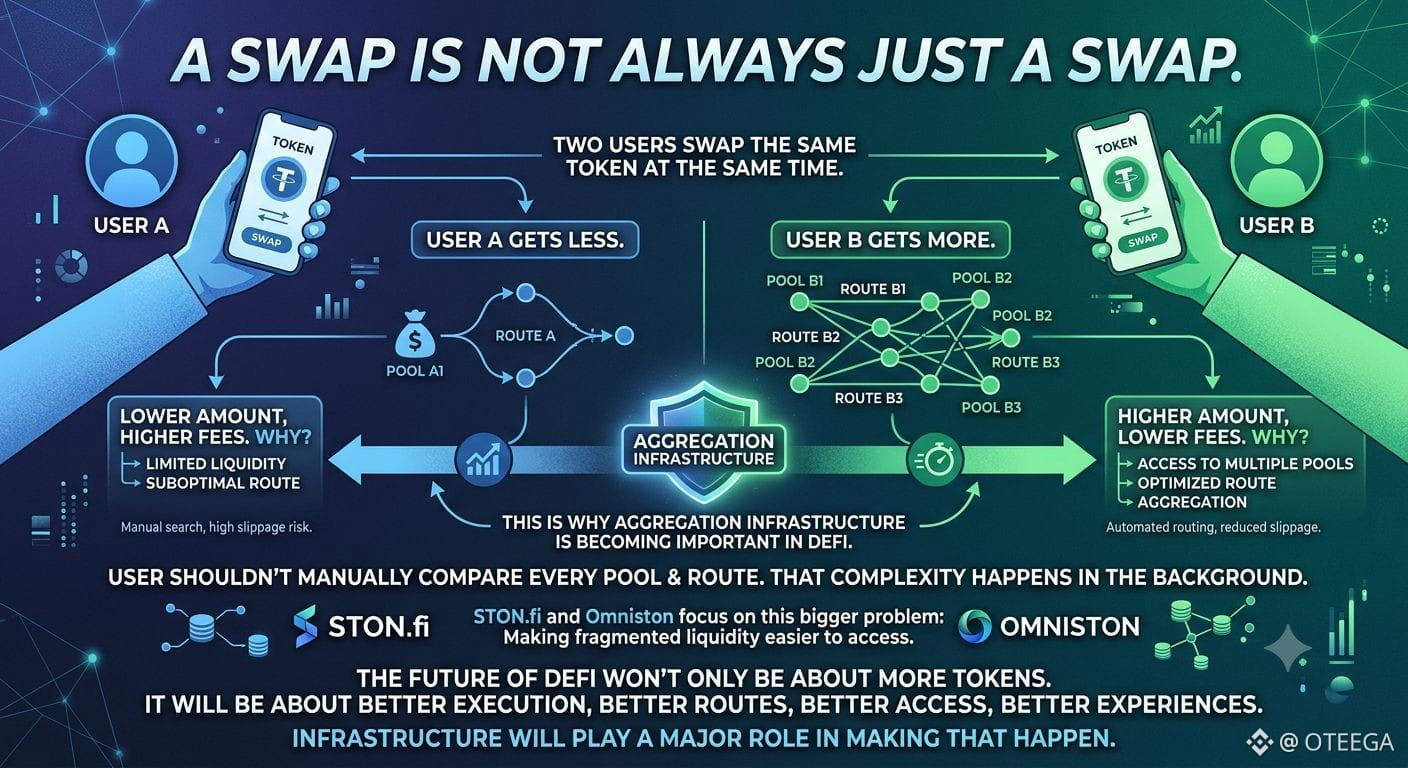
EIN SWAP IST NICHT IMMER NUR EIN SWAP.
Zwei Nutzer können dasselbe Token tauschen.
Gleichzeitig.
Aber mit unterschiedlichen Ergebnissen.
Warum?
Weil Liquidität eine Rolle spielt.
Der Pfad ist entscheidend.
Der Pool ist entscheidend.
Und die Art, wie Liquidität abgerufen wird, kann die endgültige Ausführung beeinflussen.
Deshalb wird Aggregations-Infrastruktur in DeFi immer wichtiger.
Der Nutzer sollte nicht manuell jeden Pool und jede mögliche Route vergleichen müssen.
Diese Komplexität sollte im Hintergrund ablaufen.
STON.fi und Omniston sind interessant, weil sie sich auf dieses größere Problem konzentrieren:
Wie machen wir fragmentierte Liquidität leichter zugänglich?
Die Zukunft von DeFi wird nicht nur mehr Tokens betreffen.
Sie wird sich um bessere Ausführungen drehen.
Bessere Routen.
Besserer Zugriff.
Bessere Erlebnisse.
Und die Infrastruktur wird eine wichtige Rolle dabei spielen, dass das gelingt.
$PROS $SOL $ZEC
#STONfi #DeFi #Omniston
EIN SWAP IST NICHT IMMER NUR EIN SWAP.
Zwei Nutzer können dasselbe Token tauschen.
Gleichzeitig.
Aber mit unterschiedlichen Ergebnissen.
Warum?
Weil Liquidität eine Rolle spielt.
Der Pfad ist entscheidend.
Der Pool ist entscheidend.
Und die Art, wie Liquidität abgerufen wird, kann die endgültige Ausführung beeinflussen.
Deshalb wird Aggregations-Infrastruktur in DeFi immer wichtiger.
Der Nutzer sollte nicht manuell jeden Pool und jede mögliche Route vergleichen müssen.
Diese Komplexität sollte im Hintergrund ablaufen.
STON.fi und Omniston sind interessant, weil sie sich auf dieses größere Problem konzentrieren:
Wie machen wir fragmentierte Liquidität leichter zugänglich?
Die Zukunft von DeFi wird nicht nur mehr Tokens betreffen.
Sie wird sich um bessere Ausführungen drehen.
Bessere Routen.
Besserer Zugriff.
Bessere Erlebnisse.
Und die Infrastruktur wird eine wichtige Rolle dabei spielen, dass das gelingt.
$PROS $SOL $ZEC
#STONfi #DeFi #Omniston
Zwei Nutzer können dasselbe Token tauschen.
Gleichzeitig.
Aber mit unterschiedlichen Ergebnissen.
Warum?
Weil Liquidität eine Rolle spielt.
Der Pfad ist entscheidend.
Der Pool ist entscheidend.
Und die Art, wie Liquidität abgerufen wird, kann die endgültige Ausführung beeinflussen.
Deshalb wird Aggregations-Infrastruktur in DeFi immer wichtiger.
Der Nutzer sollte nicht manuell jeden Pool und jede mögliche Route vergleichen müssen.
Diese Komplexität sollte im Hintergrund ablaufen.
STON.fi und Omniston sind interessant, weil sie sich auf dieses größere Problem konzentrieren:
Wie machen wir fragmentierte Liquidität leichter zugänglich?
Die Zukunft von DeFi wird nicht nur mehr Tokens betreffen.
Sie wird sich um bessere Ausführungen drehen.
Bessere Routen.
Besserer Zugriff.
Bessere Erlebnisse.
Und die Infrastruktur wird eine wichtige Rolle dabei spielen, dass das gelingt.
$PROS $SOL $ZEC
#STONfi #DeFi #Omniston
130

·
--
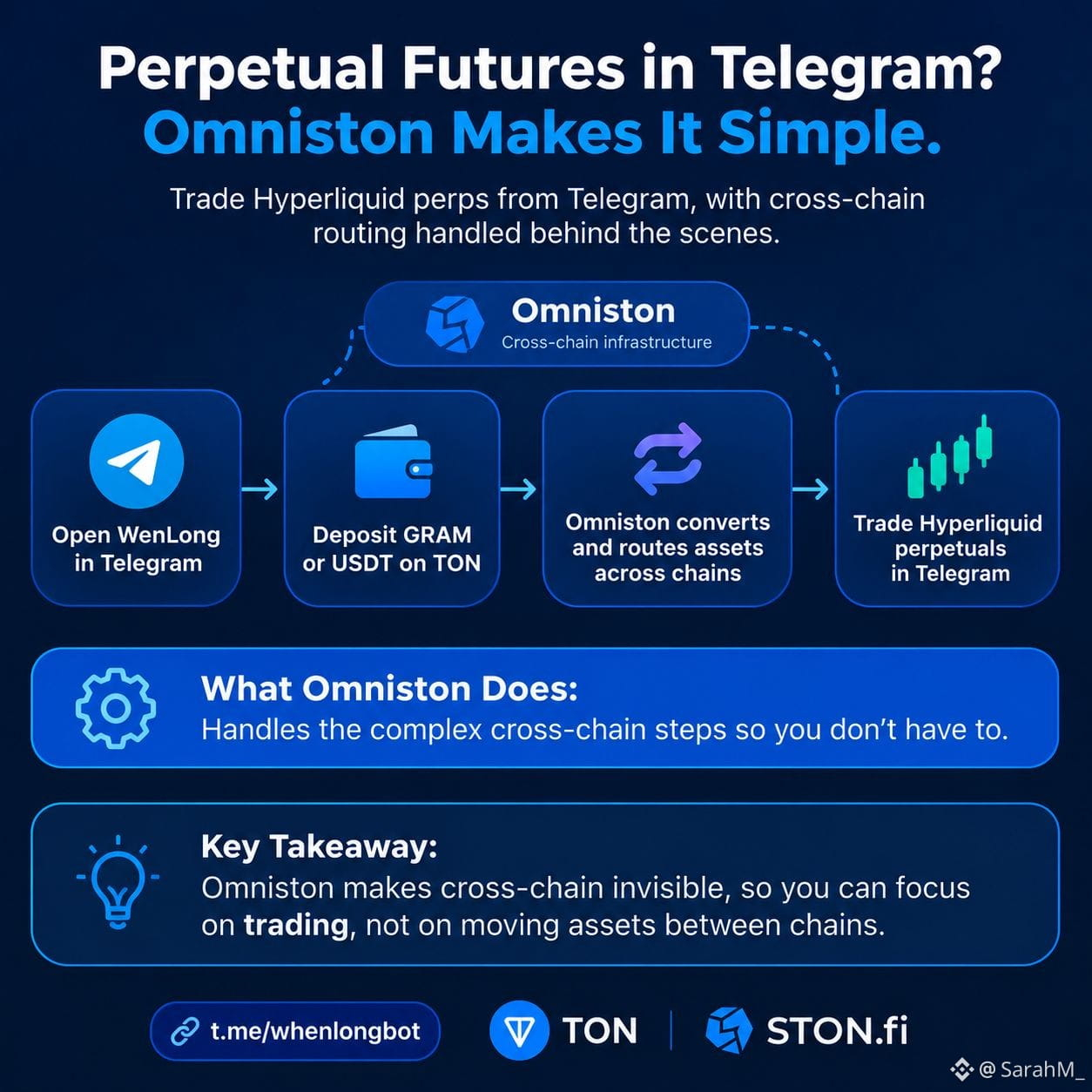
Cross-Chain funktioniert am besten, wenn man es kaum bemerkt.
Ohne Cross-Chain-Infrastruktur bedeutet der Handel über verschiedene Ökosysteme hinweg oft: Assets brücken, Token tauschen und Konten manuell finanzieren, bevor man überhaupt einen Trade platziert.
Mit Omniston wird der Prozess vereinfacht:
• Assets aus deiner TON-Wallet einzahlen.
• Omniston leitet sie zur benötigten Chain weiter.
• Dein Trading-Konto wird finanziert.
• Du bist bereit zum Handeln.
Das Ziel ist nicht, Cross-Chain sichtbarer zu machen – sondern nahtlos.
Wichtiger Hinweis: WenLong ist eine unabhängige App, die die Infrastruktur von STON.fi integriert; sie wird nicht von STON.fi betrieben.
Und auch wenn das Onboarding einfacher ist, bergen Perpetual-Futures weiterhin ein erhebliches Risiko. Bessere UX beseitigt Reibung – nicht das Handelsrisiko.
Die beste Infrastruktur ist die, über die Nutzer nicht nachdenken müssen.
➡️Entdecken: ston.fi
➡️Omniston: omniston.ston.fi
➡️Wenlong beitreten und Hyperliquid-Perpetuals handeln: t.me/whenlongbot?st…
@ton_blockchain @ston_fi #Omniston
#TON #STONfi #Omniston #DeFi
Cross-Chain funktioniert am besten, wenn man es kaum bemerkt.
Ohne Cross-Chain-Infrastruktur bedeutet der Handel über verschiedene Ökosysteme hinweg oft: Assets brücken, Token tauschen und Konten manuell finanzieren, bevor man überhaupt einen Trade platziert.
Mit Omniston wird der Prozess vereinfacht:
• Assets aus deiner TON-Wallet einzahlen.
• Omniston leitet sie zur benötigten Chain weiter.
• Dein Trading-Konto wird finanziert.
• Du bist bereit zum Handeln.
Das Ziel ist nicht, Cross-Chain sichtbarer zu machen – sondern nahtlos.
Wichtiger Hinweis: WenLong ist eine unabhängige App, die die Infrastruktur von STON.fi integriert; sie wird nicht von STON.fi betrieben.
Und auch wenn das Onboarding einfacher ist, bergen Perpetual-Futures weiterhin ein erhebliches Risiko. Bessere UX beseitigt Reibung – nicht das Handelsrisiko.
Die beste Infrastruktur ist die, über die Nutzer nicht nachdenken müssen.
➡️Entdecken: ston.fi
➡️Omniston: omniston.ston.fi
➡️Wenlong beitreten und Hyperliquid-Perpetuals handeln: t.me/whenlongbot?st…
@ton_blockchain @ston_fi #Omniston
#TON #STONfi #Omniston #DeFi
Ohne Cross-Chain-Infrastruktur bedeutet der Handel über verschiedene Ökosysteme hinweg oft: Assets brücken, Token tauschen und Konten manuell finanzieren, bevor man überhaupt einen Trade platziert.
Mit Omniston wird der Prozess vereinfacht:
• Assets aus deiner TON-Wallet einzahlen.
• Omniston leitet sie zur benötigten Chain weiter.
• Dein Trading-Konto wird finanziert.
• Du bist bereit zum Handeln.
Das Ziel ist nicht, Cross-Chain sichtbarer zu machen – sondern nahtlos.
Wichtiger Hinweis: WenLong ist eine unabhängige App, die die Infrastruktur von STON.fi integriert; sie wird nicht von STON.fi betrieben.
Und auch wenn das Onboarding einfacher ist, bergen Perpetual-Futures weiterhin ein erhebliches Risiko. Bessere UX beseitigt Reibung – nicht das Handelsrisiko.
Die beste Infrastruktur ist die, über die Nutzer nicht nachdenken müssen.
➡️Entdecken: ston.fi
➡️Omniston: omniston.ston.fi
➡️Wenlong beitreten und Hyperliquid-Perpetuals handeln: t.me/whenlongbot?st…
@ton_blockchain @ston_fi #Omniston
#TON #STONfi #Omniston #DeFi
145

·
--
Artikel
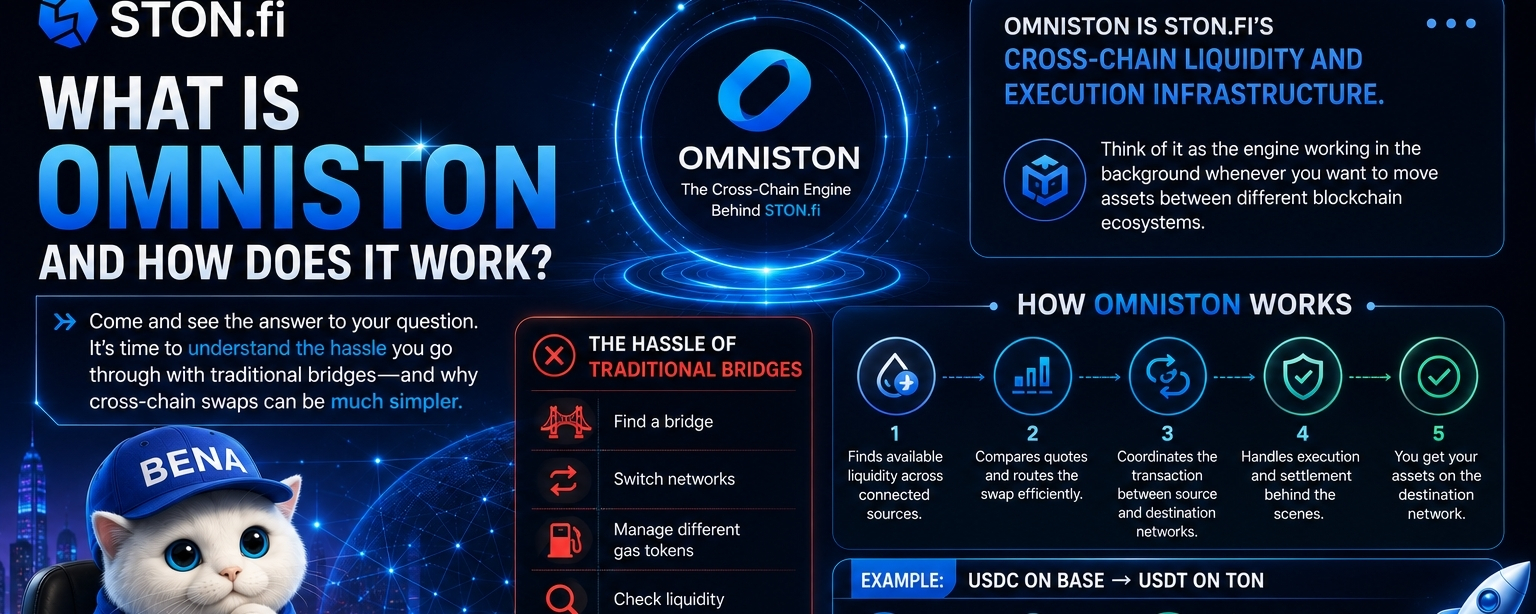
Was ist Omniston auf STON.fi und wie funktioniert es tatsächlich?Komm und finde die Antwort auf deine Frage. Es ist Zeit, die Mühe zu verstehen, die du mit herkömmlichen Bridges hast – und warum Cross-Chain-Swaps viel einfacher sein können.
So lässt es sich am einfachsten erklären:
Omniston ist die plattformübergreifende (Cross-Chain) Liquiditäts- und Ausführungsinfrastruktur hinter STON.fi.
Stell es dir vor wie den Motor im Hintergrund, der arbeitet, wann immer du Assets zwischen verschiedenen Blockchain-Ökosystemen bewegen möchtest.
Normalerweise wird ein plattformübergreifender Swap schnell unübersichtlich. Möglicherweise musst du eine Bridge finden, Netzwerke wechseln, verschiedene Gas-Tokens verwalten, Liquidität prüfen und mehrere Transaktionen durchführen.
Was ist Omniston auf STON.fi und wie funktioniert es tatsächlich?
Komm und finde die Antwort auf deine Frage. Es ist Zeit, die Mühe zu verstehen, die du mit herkömmlichen Bridges hast – und warum Cross-Chain-Swaps viel einfacher sein können.
So lässt es sich am einfachsten erklären:
Omniston ist die plattformübergreifende (Cross-Chain) Liquiditäts- und Ausführungsinfrastruktur hinter STON.fi.
Stell es dir vor wie den Motor im Hintergrund, der arbeitet, wann immer du Assets zwischen verschiedenen Blockchain-Ökosystemen bewegen möchtest.
Normalerweise wird ein plattformübergreifender Swap schnell unübersichtlich. Möglicherweise musst du eine Bridge finden, Netzwerke wechseln, verschiedene Gas-Tokens verwalten, Liquidität prüfen und mehrere Transaktionen durchführen.
So lässt es sich am einfachsten erklären:
Omniston ist die plattformübergreifende (Cross-Chain) Liquiditäts- und Ausführungsinfrastruktur hinter STON.fi.
Stell es dir vor wie den Motor im Hintergrund, der arbeitet, wann immer du Assets zwischen verschiedenen Blockchain-Ökosystemen bewegen möchtest.
Normalerweise wird ein plattformübergreifender Swap schnell unübersichtlich. Möglicherweise musst du eine Bridge finden, Netzwerke wechseln, verschiedene Gas-Tokens verwalten, Liquidität prüfen und mehrere Transaktionen durchführen.
83
·
--
Bullisch
DEFI SOLLTE EINFACH SEIN.
Aber das Verschieben von Assets zwischen Ökosystemen kann dennoch mehrere Schritte erfordern.
Finde eine Route.
Wähle eine Brücke.
Verschiebe Assets.
Warte auf die Bestätigung.
Dann tausche.
Für alltägliche Nutzer kann diese Komplexität zur Hürde werden.
Darum ist die Cross-Chain-Richtung von STON.fi so interessant.
Mithilfe von Infrastruktur wie Omniston arbeitet STON.fi an einem reibungsloseren Weg, Liquidität über Ökosysteme hinweg zugänglich zu machen.
Das Ziel ist nicht, dass Nutzer jedes einzelne Infrastrukturelement verstehen müssen.
Das Ziel ist, die Komplexität unter der Benutzererfahrung zu verbergen.
Eine Anfrage.
Ein einfacher Ablauf.
Vernetzte Liquidität im Hintergrund.
Das ist die Art von Infrastruktur, die Multi-Chain-DeFi weniger fragmentiert wirken lassen könnte.
#STONfi #DEX #Omniston #DeFi
$BTC $ETH
{future}(ETHUSDT)
DEFI SOLLTE EINFACH SEIN.
Aber das Verschieben von Assets zwischen Ökosystemen kann dennoch mehrere Schritte erfordern.
Finde eine Route.
Wähle eine Brücke.
Verschiebe Assets.
Warte auf die Bestätigung.
Dann tausche.
Für alltägliche Nutzer kann diese Komplexität zur Hürde werden.
Darum ist die Cross-Chain-Richtung von STON.fi so interessant.
Mithilfe von Infrastruktur wie Omniston arbeitet STON.fi an einem reibungsloseren Weg, Liquidität über Ökosysteme hinweg zugänglich zu machen.
Das Ziel ist nicht, dass Nutzer jedes einzelne Infrastrukturelement verstehen müssen.
Das Ziel ist, die Komplexität unter der Benutzererfahrung zu verbergen.
Eine Anfrage.
Ein einfacher Ablauf.
Vernetzte Liquidität im Hintergrund.
Das ist die Art von Infrastruktur, die Multi-Chain-DeFi weniger fragmentiert wirken lassen könnte.
#STONfi #DEX #Omniston #DeFi
$BTC $ETH
Aber das Verschieben von Assets zwischen Ökosystemen kann dennoch mehrere Schritte erfordern.
Finde eine Route.
Wähle eine Brücke.
Verschiebe Assets.
Warte auf die Bestätigung.
Dann tausche.
Für alltägliche Nutzer kann diese Komplexität zur Hürde werden.
Darum ist die Cross-Chain-Richtung von STON.fi so interessant.
Mithilfe von Infrastruktur wie Omniston arbeitet STON.fi an einem reibungsloseren Weg, Liquidität über Ökosysteme hinweg zugänglich zu machen.
Das Ziel ist nicht, dass Nutzer jedes einzelne Infrastrukturelement verstehen müssen.
Das Ziel ist, die Komplexität unter der Benutzererfahrung zu verbergen.
Eine Anfrage.
Ein einfacher Ablauf.
Vernetzte Liquidität im Hintergrund.
Das ist die Art von Infrastruktur, die Multi-Chain-DeFi weniger fragmentiert wirken lassen könnte.
#STONfi #DEX #Omniston #DeFi
$BTC $ETH
1
92

·
--
Gute Nacht, Ston Builder,
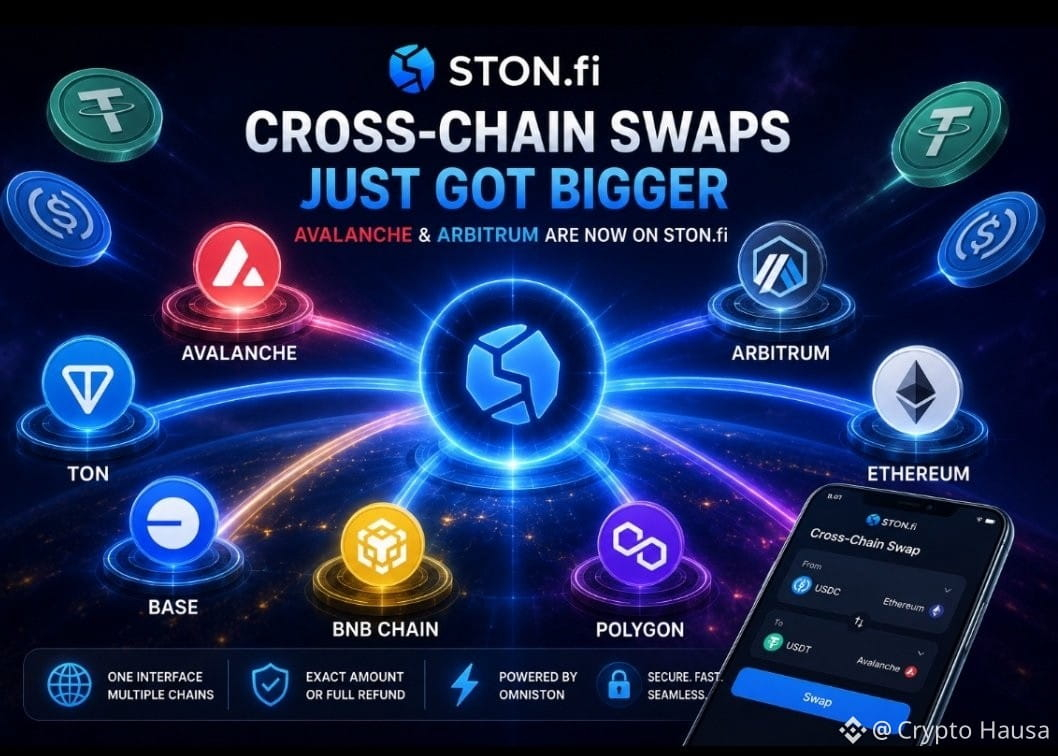
Cross-Chain-Swaps werden einfacher.
Mit X Layer, das jetzt mit STON.fi verbunden ist, hilft Omniston dabei, den Fluss über die unterstützten Netzwerke hinweg zu koordinieren, sodass sich Nutzer mehr auf den Swap konzentrieren können und weniger auf die Kette dahinter.
Mehr Verbindungen, weniger Komplexität.
#STONfi #TON #Omniston
Gute Nacht, Ston Builder,
Cross-Chain-Swaps werden einfacher.
Mit X Layer, das jetzt mit STON.fi verbunden ist, hilft Omniston dabei, den Fluss über die unterstützten Netzwerke hinweg zu koordinieren, sodass sich Nutzer mehr auf den Swap konzentrieren können und weniger auf die Kette dahinter.
Mehr Verbindungen, weniger Komplexität.
#STONfi #TON #Omniston
Cross-Chain-Swaps werden einfacher.
Mit X Layer, das jetzt mit STON.fi verbunden ist, hilft Omniston dabei, den Fluss über die unterstützten Netzwerke hinweg zu koordinieren, sodass sich Nutzer mehr auf den Swap konzentrieren können und weniger auf die Kette dahinter.
Mehr Verbindungen, weniger Komplexität.
#STONfi #TON #Omniston
1
127

·
--
Bullisch
#DEFİ ist noch besser geworden.
Neulich habe ich meine Wallet-App mit @stonfi #Omniston im Hintergrund ausprobiert und fand die Einfachheit überzeugend.
Omniston prüft verschiedene #DEX-Routen, um eine bessere Swap-Ausführung zu finden, ohne dass Nutzer alles manuell vergleichen müssen.
#DEFİ ist noch besser geworden.
Neulich habe ich meine Wallet-App mit @STONfi DEX #Omniston im Hintergrund ausprobiert und fand die Einfachheit überzeugend.
Omniston prüft verschiedene #DEX-Routen, um eine bessere Swap-Ausführung zu finden, ohne dass Nutzer alles manuell vergleichen müssen.
Neulich habe ich meine Wallet-App mit @STONfi DEX #Omniston im Hintergrund ausprobiert und fand die Einfachheit überzeugend.
Omniston prüft verschiedene #DEX-Routen, um eine bessere Swap-Ausführung zu finden, ohne dass Nutzer alles manuell vergleichen müssen.

1
71
·
--
Bullisch
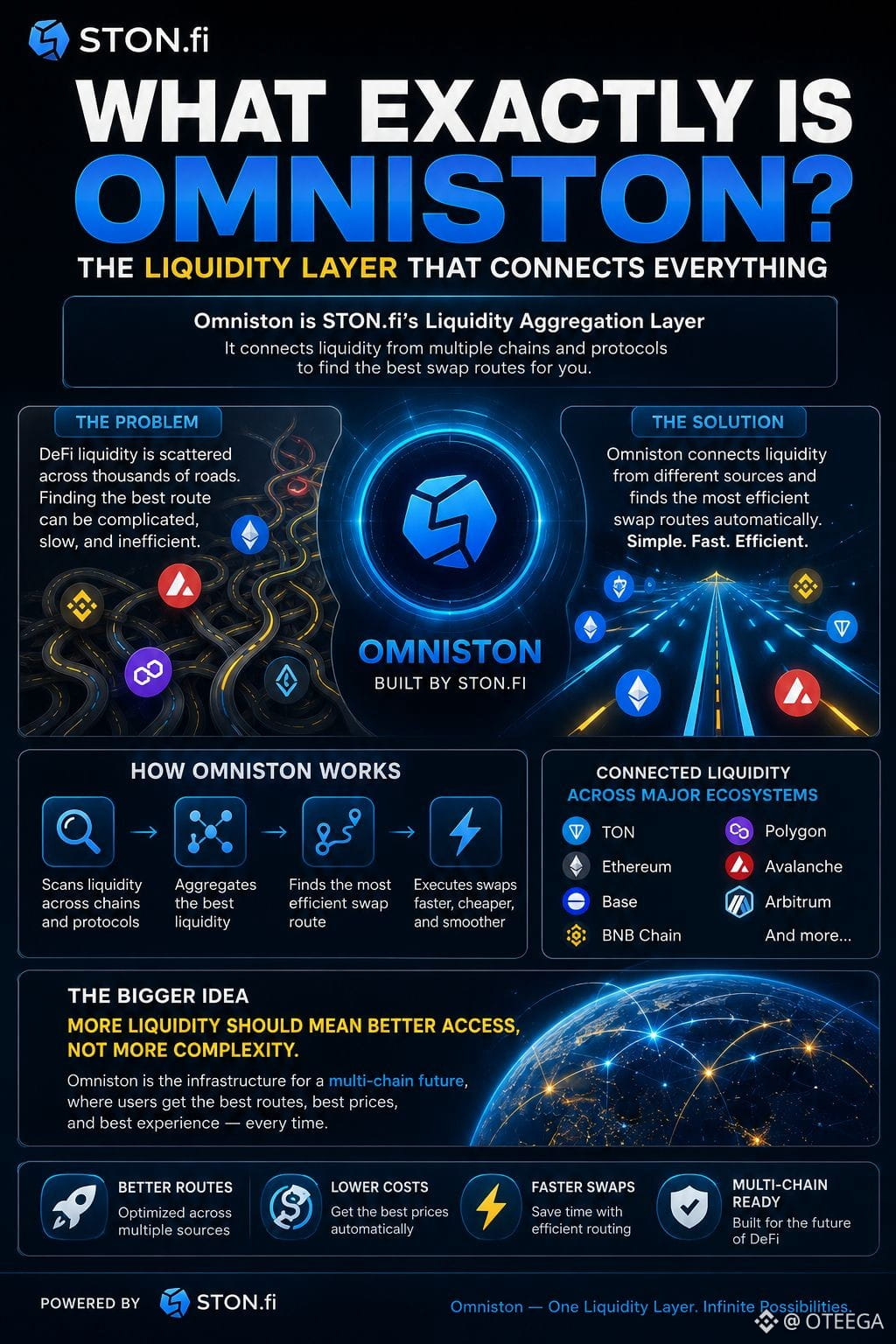
WAS GENAU IST OMNISTON?
Das ist einer der interessantesten Teile von dem, was STON.fi aufbaut.
Denke an DeFi-Liquidität wie an tausende Straßen.
Einige Straßen liegen auf TON.
Andere liegen auf Ethereum, Base, BNB Chain und weiteren Ökosystemen.
Das Problem?
Die Suche nach der besten Route kann kompliziert werden.
Omniston ist als Liquiditäts-Aggregationsschicht konzipiert.
Anstatt Nutzer dazu zu zwingen, selbst durch fragmentierte Liquidität zu suchen, hilft es dabei, Liquidität aus verschiedenen Quellen zu verbinden und effiziente Swap-Routen zu finden.
Die große Idee ist einfach:
Mehr Liquidität sollte besseren Zugang bedeuten – nicht mehr Komplexität.
Deshalb ist Omniston wichtig.
Es ist eine Infrastruktur, die um eine Multi-Chain-Zukunft herum gebaut wurde.
#Omniston #DeFi #STONfi #swap #DEX
WAS GENAU IST OMNISTON?
Das ist einer der interessantesten Teile von dem, was STON.fi aufbaut.
Denke an DeFi-Liquidität wie an tausende Straßen.
Einige Straßen liegen auf TON.
Andere liegen auf Ethereum, Base, BNB Chain und weiteren Ökosystemen.
Das Problem?
Die Suche nach der besten Route kann kompliziert werden.
Omniston ist als Liquiditäts-Aggregationsschicht konzipiert.
Anstatt Nutzer dazu zu zwingen, selbst durch fragmentierte Liquidität zu suchen, hilft es dabei, Liquidität aus verschiedenen Quellen zu verbinden und effiziente Swap-Routen zu finden.
Die große Idee ist einfach:
Mehr Liquidität sollte besseren Zugang bedeuten – nicht mehr Komplexität.
Deshalb ist Omniston wichtig.
Es ist eine Infrastruktur, die um eine Multi-Chain-Zukunft herum gebaut wurde.
#Omniston #DeFi #STONfi #swap #DEX
Das ist einer der interessantesten Teile von dem, was STON.fi aufbaut.
Denke an DeFi-Liquidität wie an tausende Straßen.
Einige Straßen liegen auf TON.
Andere liegen auf Ethereum, Base, BNB Chain und weiteren Ökosystemen.
Das Problem?
Die Suche nach der besten Route kann kompliziert werden.
Omniston ist als Liquiditäts-Aggregationsschicht konzipiert.
Anstatt Nutzer dazu zu zwingen, selbst durch fragmentierte Liquidität zu suchen, hilft es dabei, Liquidität aus verschiedenen Quellen zu verbinden und effiziente Swap-Routen zu finden.
Die große Idee ist einfach:
Mehr Liquidität sollte besseren Zugang bedeuten – nicht mehr Komplexität.
Deshalb ist Omniston wichtig.
Es ist eine Infrastruktur, die um eine Multi-Chain-Zukunft herum gebaut wurde.
#Omniston #DeFi #STONfi #swap #DEX
97
·
--
Wer kontrolliert dein Krypto zwischen den Chains? Die echte Bedeutung von Non-Custodial
Wenn ich an einen „non-custodial“ Cross-Chain-Swap denke, frage ich nicht nur, ob ich mein Wallet kontrolliere.
Ich stelle eine wichtigere Frage:
Wer kontrolliert meine Assets, während sie sich bewegen?
Eine Cross-Chain-Transaktion kann sich aus Sicht der Nutzeroberfläche vollständig self-custodial anfühlen, während sie im Hintergrund dennoch von Reserven, Multisigs, Validatoren, Relayern oder Wrapped Tokens abhängt. $GRAM
Nicht jede Bridge nutzt dasselbe Sicherheitsmodell
Viele Bridges funktionieren so, dass sie ein Asset auf einer Chain sperren und eine Darstellung davon auf einer anderen ausgeben. Das kann nützlich sein, erzeugt aber Abhängigkeiten.
Wenn ich ein Wrapped Asset erhalte, muss ich verstehen, wer das zugrunde liegende Asset hält, wer das Minting und das Redemption kontrolliert und was passiert, falls das Reservensystem ausfällt.
Das gilt auch für validatorgesteuerte Bridges. Wenn eine kleine Gruppe von Schlüsseln die Verlagerung großer Kapitalbeträge autorisieren kann, dann werden diese Keys zu einem kritischen Sicherheitsfaktor.
Das System kann weiterhin bis zu einem gewissen Grad dezentral sein, aber das Risiko ist nicht verschwunden. Es wurde lediglich in eine andere Ebene verlagert.
Da ist jedoch ein Haken.
Traditionelle Atomic Swaps können technisch sehr leistungsfähig sein, sind aber unpraktisch. Nutzer müssen einen passenden Gegenparte finden, sich auf Konditionen einigen und sicherstellen, dass zur richtigen Zeit ausreichend Liquidität verfügbar ist.
So wollen die meisten Menschen DeFi nicht nutzen.
Hier kommen resolverbasierte Systeme ins Spiel, um Abhilfe zu schaffen. Ein Resolver-Netzwerk kann es professionellen Liquiditätsanbietern ermöglichen, um die Bestellung des Nutzers zu konkurrieren—mit Angeboten und Ausführung, ohne dass der Nutzer die Gegenpartei manuell suchen muss.
Im Fall von Omniston kombiniert das Modell die RFQ-basierte Liquiditätsermittlung mit HTLC-basiertem Cross-Chain-Settlement.
Aus Nutzersicht kann das ein besseres Gleichgewicht schaffen:
konkurrierende Liquidität + automatisierte Ausführung + bedingtes Settlement.
Der wichtige Punkt: Resolver stellen Liquidität bereit; sie müssen nicht zwangsläufig zu Custodians der Assets des Nutzers werden.$BTC $ETH #Omniston #TrendingTopic
Wer kontrolliert dein Krypto zwischen den Chains? Die echte Bedeutung von Non-Custodial
Wenn ich an einen „non-custodial“ Cross-Chain-Swap denke, frage ich nicht nur, ob ich mein Wallet kontrolliere.
Ich stelle eine wichtigere Frage:
Wer kontrolliert meine Assets, während sie sich bewegen?
Eine Cross-Chain-Transaktion kann sich aus Sicht der Nutzeroberfläche vollständig self-custodial anfühlen, während sie im Hintergrund dennoch von Reserven, Multisigs, Validatoren, Relayern oder Wrapped Tokens abhängt. $GRAM
Nicht jede Bridge nutzt dasselbe Sicherheitsmodell
Viele Bridges funktionieren so, dass sie ein Asset auf einer Chain sperren und eine Darstellung davon auf einer anderen ausgeben. Das kann nützlich sein, erzeugt aber Abhängigkeiten.
Wenn ich ein Wrapped Asset erhalte, muss ich verstehen, wer das zugrunde liegende Asset hält, wer das Minting und das Redemption kontrolliert und was passiert, falls das Reservensystem ausfällt.
Das gilt auch für validatorgesteuerte Bridges. Wenn eine kleine Gruppe von Schlüsseln die Verlagerung großer Kapitalbeträge autorisieren kann, dann werden diese Keys zu einem kritischen Sicherheitsfaktor.
Das System kann weiterhin bis zu einem gewissen Grad dezentral sein, aber das Risiko ist nicht verschwunden. Es wurde lediglich in eine andere Ebene verlagert.
Da ist jedoch ein Haken.
Traditionelle Atomic Swaps können technisch sehr leistungsfähig sein, sind aber unpraktisch. Nutzer müssen einen passenden Gegenparte finden, sich auf Konditionen einigen und sicherstellen, dass zur richtigen Zeit ausreichend Liquidität verfügbar ist.
So wollen die meisten Menschen DeFi nicht nutzen.
Hier kommen resolverbasierte Systeme ins Spiel, um Abhilfe zu schaffen. Ein Resolver-Netzwerk kann es professionellen Liquiditätsanbietern ermöglichen, um die Bestellung des Nutzers zu konkurrieren—mit Angeboten und Ausführung, ohne dass der Nutzer die Gegenpartei manuell suchen muss.
Im Fall von Omniston kombiniert das Modell die RFQ-basierte Liquiditätsermittlung mit HTLC-basiertem Cross-Chain-Settlement.
Aus Nutzersicht kann das ein besseres Gleichgewicht schaffen:
konkurrierende Liquidität + automatisierte Ausführung + bedingtes Settlement.
Der wichtige Punkt: Resolver stellen Liquidität bereit; sie müssen nicht zwangsläufig zu Custodians der Assets des Nutzers werden.$BTC $ETH #Omniston #TrendingTopic
Wenn ich an einen „non-custodial“ Cross-Chain-Swap denke, frage ich nicht nur, ob ich mein Wallet kontrolliere.
Ich stelle eine wichtigere Frage:
Wer kontrolliert meine Assets, während sie sich bewegen?
Eine Cross-Chain-Transaktion kann sich aus Sicht der Nutzeroberfläche vollständig self-custodial anfühlen, während sie im Hintergrund dennoch von Reserven, Multisigs, Validatoren, Relayern oder Wrapped Tokens abhängt. $GRAM
Nicht jede Bridge nutzt dasselbe Sicherheitsmodell
Viele Bridges funktionieren so, dass sie ein Asset auf einer Chain sperren und eine Darstellung davon auf einer anderen ausgeben. Das kann nützlich sein, erzeugt aber Abhängigkeiten.
Wenn ich ein Wrapped Asset erhalte, muss ich verstehen, wer das zugrunde liegende Asset hält, wer das Minting und das Redemption kontrolliert und was passiert, falls das Reservensystem ausfällt.
Das gilt auch für validatorgesteuerte Bridges. Wenn eine kleine Gruppe von Schlüsseln die Verlagerung großer Kapitalbeträge autorisieren kann, dann werden diese Keys zu einem kritischen Sicherheitsfaktor.
Das System kann weiterhin bis zu einem gewissen Grad dezentral sein, aber das Risiko ist nicht verschwunden. Es wurde lediglich in eine andere Ebene verlagert.
Da ist jedoch ein Haken.
Traditionelle Atomic Swaps können technisch sehr leistungsfähig sein, sind aber unpraktisch. Nutzer müssen einen passenden Gegenparte finden, sich auf Konditionen einigen und sicherstellen, dass zur richtigen Zeit ausreichend Liquidität verfügbar ist.
So wollen die meisten Menschen DeFi nicht nutzen.
Hier kommen resolverbasierte Systeme ins Spiel, um Abhilfe zu schaffen. Ein Resolver-Netzwerk kann es professionellen Liquiditätsanbietern ermöglichen, um die Bestellung des Nutzers zu konkurrieren—mit Angeboten und Ausführung, ohne dass der Nutzer die Gegenpartei manuell suchen muss.
Im Fall von Omniston kombiniert das Modell die RFQ-basierte Liquiditätsermittlung mit HTLC-basiertem Cross-Chain-Settlement.
Aus Nutzersicht kann das ein besseres Gleichgewicht schaffen:
konkurrierende Liquidität + automatisierte Ausführung + bedingtes Settlement.
Der wichtige Punkt: Resolver stellen Liquidität bereit; sie müssen nicht zwangsläufig zu Custodians der Assets des Nutzers werden.$BTC $ETH #Omniston #TrendingTopic
1
208

·
--
Artikel
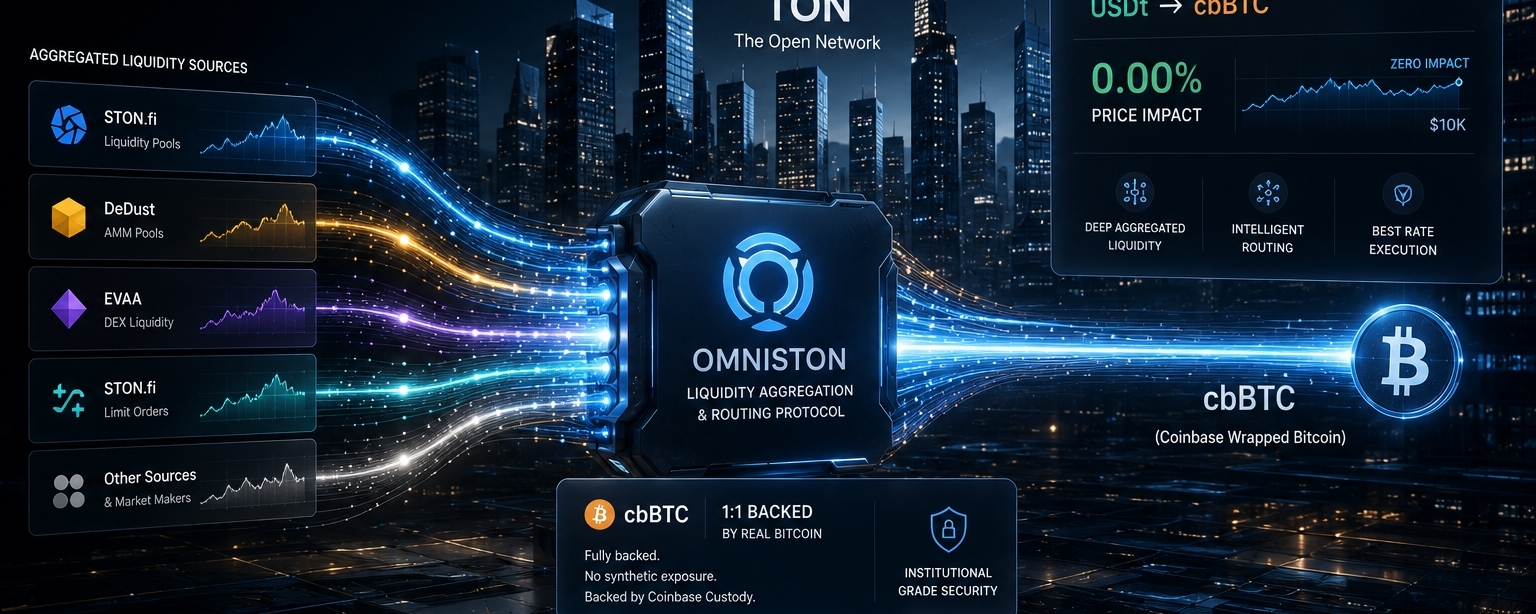
Omniston hat diese Woche etwas Wichtiges bewiesen.Hook: 💭 "Omniston hat diese Woche etwas Wichtiges bewiesen. Nicht mit einer Ankündigung, sondern mit einem $10K Zero Price Impact cbBTC Swap."
Du musst TON nicht mehr verlassen, um auf Bitcoin zuzugreifen. Dieser Satz hätte vor 12 Monaten unmöglich geklungen. Heute ist es einfach, wie STON.fi funktioniert.
Wie Omniston und cbBTC das Gespräch darüber verändert haben, was TON DeFi tatsächlich bieten kann.
"Die beste Infrastruktur ist die, die du aufhörst zu bemerken, weil sie einfach jedes Mal funktioniert."
Das Problem, das Bitcoin in DeFi verfolgt hat
Omniston hat diese Woche etwas Wichtiges bewiesen.
Hook: 💭 "Omniston hat diese Woche etwas Wichtiges bewiesen. Nicht mit einer Ankündigung, sondern mit einem $10K Zero Price Impact cbBTC Swap."
Du musst TON nicht mehr verlassen, um auf Bitcoin zuzugreifen. Dieser Satz hätte vor 12 Monaten unmöglich geklungen. Heute ist es einfach, wie STON.fi funktioniert.
Wie Omniston und cbBTC das Gespräch darüber verändert haben, was TON DeFi tatsächlich bieten kann.
"Die beste Infrastruktur ist die, die du aufhörst zu bemerken, weil sie einfach jedes Mal funktioniert."
Das Problem, das Bitcoin in DeFi verfolgt hat
Du musst TON nicht mehr verlassen, um auf Bitcoin zuzugreifen. Dieser Satz hätte vor 12 Monaten unmöglich geklungen. Heute ist es einfach, wie STON.fi funktioniert.
Wie Omniston und cbBTC das Gespräch darüber verändert haben, was TON DeFi tatsächlich bieten kann.
"Die beste Infrastruktur ist die, die du aufhörst zu bemerken, weil sie einfach jedes Mal funktioniert."
Das Problem, das Bitcoin in DeFi verfolgt hat
117
Anmelden und weiter Inhalte entdecken
Krypto-Nutzer weltweit auf Binance Square kennenlernen
⚡️ Bleib in Sachen Krypto stets am Puls.
💬 Die weltgrößte Kryptobörse vertraut darauf.
👍 Erhalte verlässliche Einblicke von verifizierten Creators.
E-Mail-Adresse/Telefonnummer
Trendthemen
1
#HYPEJumpsOver11%
420 Aufrufe
46 Kommentare
2
#BitcoinSpotETFsNetInflow$159M
166 Aufrufe
28 Kommentare
3
#HKMAPlansWholesaleCBDCByYearEnd
7,518 Aufrufe
295 Kommentare
4
#NEARSurges26%Past$3.45
9,461 Aufrufe
101 Kommentare
5
#BOJHikesRatesTo31YearHigh
25,752 Aufrufe
652 Kommentare
6
#EvernorthRaises$30MToBuyXRP
368 Aufrufe
18 Kommentare
7
#ChainlinkPowersBottomlinePaymentPlatform
26,974 Aufrufe
614 Kommentare
8
#DtcpayCompletes$25MSeriesA
840 Aufrufe
26 Kommentare
9
#InjectiveLaunchesINJOnSolana
5,680 Aufrufe
146 Kommentare
10
#StellarActivatesProtocol28At211TPS
32,597 Aufrufe
692 Kommentare