
#layer2
layer2
4.3M Aufrufe
24,037 Kommentare
Hot
Zuletzt

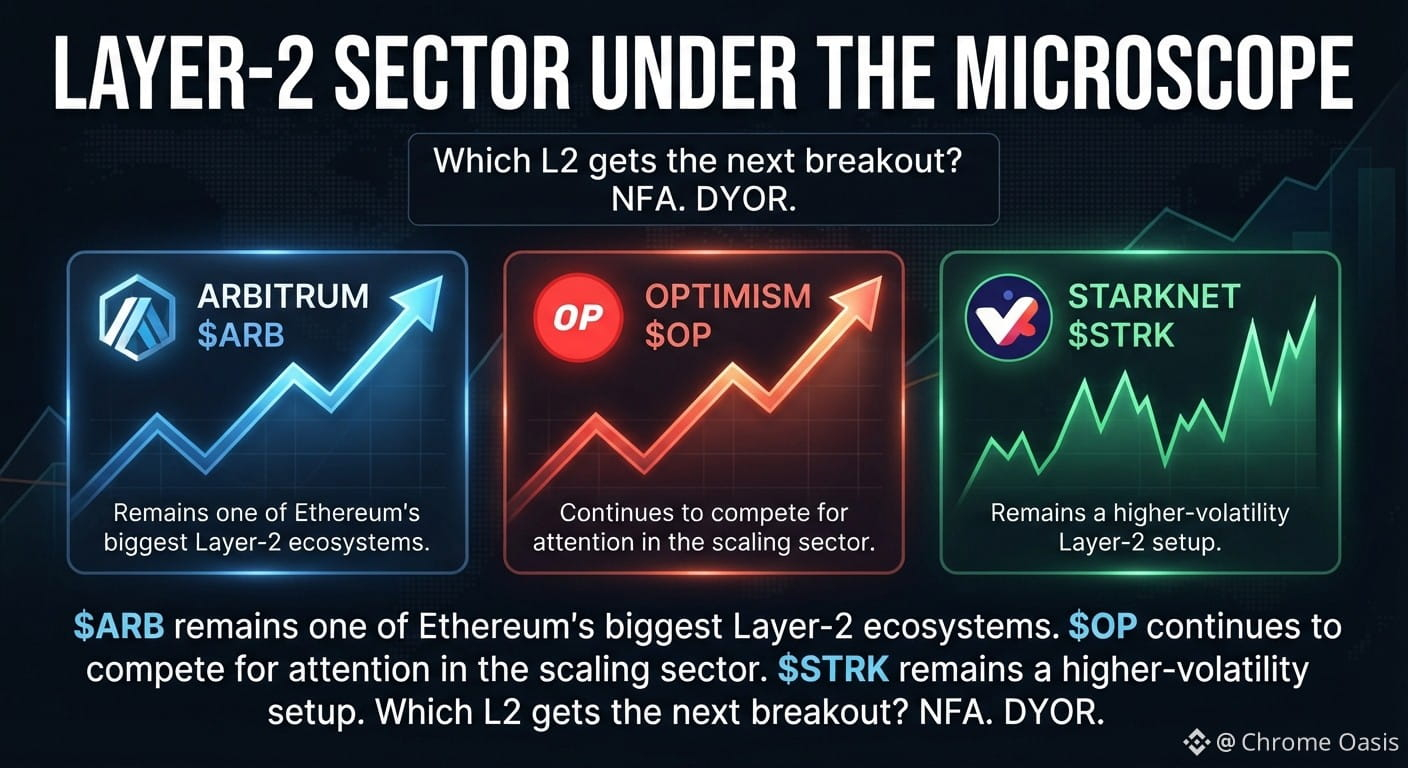

·
--
Übersetzung ansehen
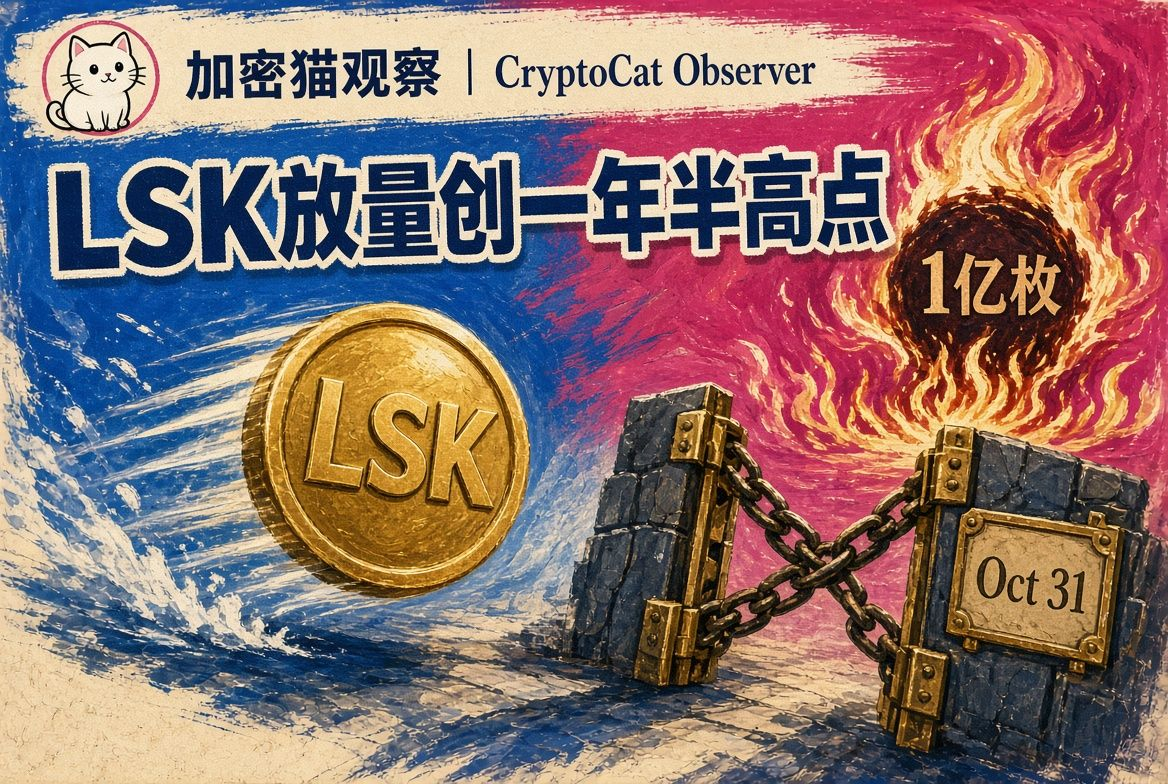
$LSK放量创近一年半高点,关链与燃烧叙事叠加
9月14日,Layer2板块中$LSK约涨56.89%,市场简报称其放量创近一年半高点,成为L2高弹性题材焦点。
项目方此前宣布:Lisk Chain将于2026年10月31日关停,应用可迁往其他网络;DAO金库拟燃烧1亿枚LSK,总供应由约4亿降至约3亿。持币位置决定动作:以太坊或交易所上的LSK通常无需迁移;仍在Lisk Chain或质押中的代币需在关停前跨至以太坊,桥接至少约7天,解押另有等待期,临近截止日期再操作可能来不及。
币安仍提供LSK交易,但该资产带有监控标签,波动与后续复审风险并存。短线涨幅、燃烧叙事与关链倒计时叠加,流动性偏薄时易剧烈震荡,需区分链上迁移需求与二级市场投机。
$LSK
{spot}(LSKUSDT)
#Lisk #Layer2 #代币燃烧
不构成投资建议
$LSK 放量创近一年半高点,关链与燃烧叙事叠加
9月14日,Layer2板块中$LSK 约涨56.89%,市场简报称其放量创近一年半高点,成为L2高弹性题材焦点。
项目方此前宣布:Lisk Chain将于2026年10月31日关停,应用可迁往其他网络;DAO金库拟燃烧1亿枚LSK,总供应由约4亿降至约3亿。持币位置决定动作:以太坊或交易所上的LSK通常无需迁移;仍在Lisk Chain或质押中的代币需在关停前跨至以太坊,桥接至少约7天,解押另有等待期,临近截止日期再操作可能来不及。
币安仍提供LSK交易,但该资产带有监控标签,波动与后续复审风险并存。短线涨幅、燃烧叙事与关链倒计时叠加,流动性偏薄时易剧烈震荡,需区分链上迁移需求与二级市场投机。
$LSK
#Lisk #Layer2 #代币燃烧
不构成投资建议
9月14日,Layer2板块中$LSK 约涨56.89%,市场简报称其放量创近一年半高点,成为L2高弹性题材焦点。
项目方此前宣布:Lisk Chain将于2026年10月31日关停,应用可迁往其他网络;DAO金库拟燃烧1亿枚LSK,总供应由约4亿降至约3亿。持币位置决定动作:以太坊或交易所上的LSK通常无需迁移;仍在Lisk Chain或质押中的代币需在关停前跨至以太坊,桥接至少约7天,解押另有等待期,临近截止日期再操作可能来不及。
币安仍提供LSK交易,但该资产带有监控标签,波动与后续复审风险并存。短线涨幅、燃烧叙事与关链倒计时叠加,流动性偏薄时易剧烈震荡,需区分链上迁移需求与二级市场投机。
$LSK
#Lisk #Layer2 #代币燃烧
不构成投资建议
1
127

·
--
Übersetzung ansehen
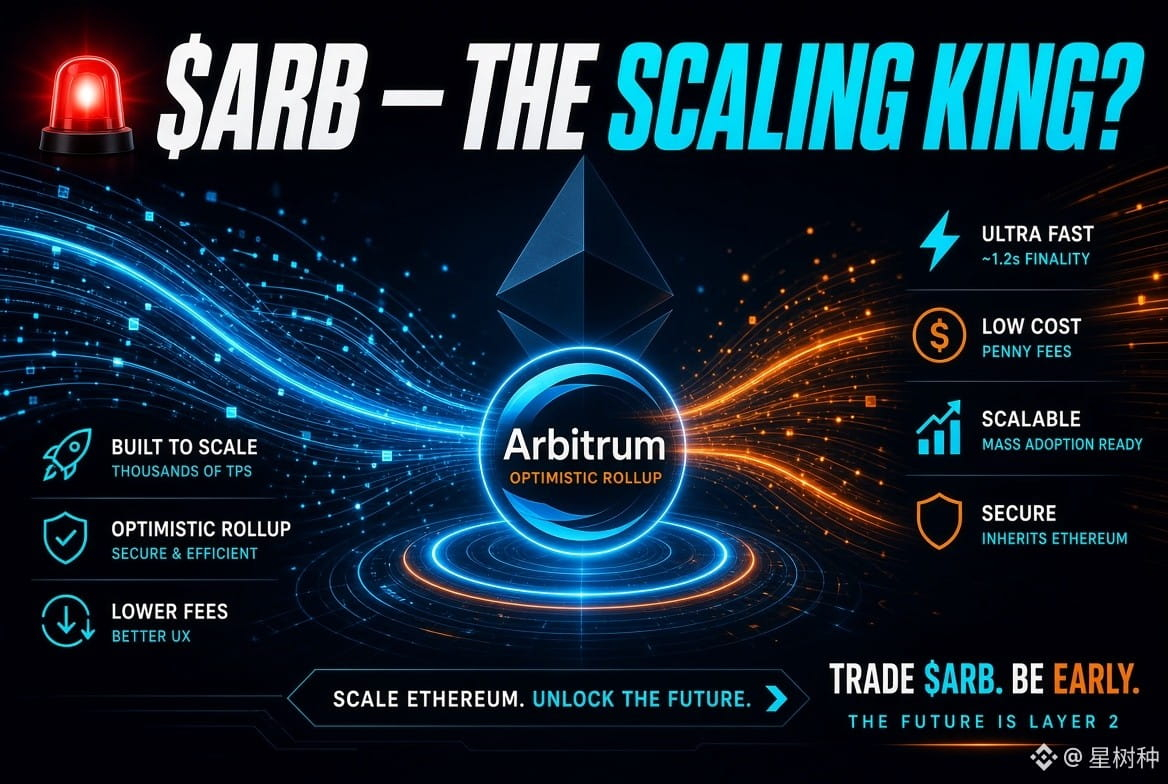
🚨 $ARB — THE SCALING KING?
Arbitrum remains one of the strongest Layer-2 plays in the market.
⚡ Dominant TVL among L2s
🏗️ Battle-tested tech
🌐 Deepest DeFi + ecosystem activity
💰 Real usage + institutional interest
The question isn’t “Can ARB pump?”
It’s:
Can Arbitrum keep its lead while the next cycle accelerates?
Watching TVL share, sequencer revenue, and competitive pressure from other L2s.
🎯 $ARB = High-conviction L2 watchlist
$ARB or $OP — which has the better upside from here?
#ARB #Arbitrum #Crypto #BinanceSquare #Layer2
🚨 $ARB — THE SCALING KING?
Arbitrum remains one of the strongest Layer-2 plays in the market.
⚡ Dominant TVL among L2s
🏗️ Battle-tested tech
🌐 Deepest DeFi + ecosystem activity
💰 Real usage + institutional interest
The question isn’t “Can ARB pump?”
It’s:
Can Arbitrum keep its lead while the next cycle accelerates?
Watching TVL share, sequencer revenue, and competitive pressure from other L2s.
🎯 $ARB = High-conviction L2 watchlist
$ARB or $OP — which has the better upside from here?
#ARB #Arbitrum #Crypto #BinanceSquare #Layer2
Arbitrum remains one of the strongest Layer-2 plays in the market.
⚡ Dominant TVL among L2s
🏗️ Battle-tested tech
🌐 Deepest DeFi + ecosystem activity
💰 Real usage + institutional interest
The question isn’t “Can ARB pump?”
It’s:
Can Arbitrum keep its lead while the next cycle accelerates?
Watching TVL share, sequencer revenue, and competitive pressure from other L2s.
🎯 $ARB = High-conviction L2 watchlist
$ARB or $OP — which has the better upside from here?
#ARB #Arbitrum #Crypto #BinanceSquare #Layer2
123

·
--
Die Transformation von $POL : Web3 für die Masse skalieren 🌐
Der Einstieg in eine koordinierte, aggregierte Ebene von Blockchains verschafft Polygon eine bedeutende Präsenz bei realen Unternehmenspartnerschaften und institutionellen Pilotprojekten.
Der Wettbewerb im Layer-2-Bereich ist hart, aber die Langlebigkeit des Ökosystems und die bewährte Sicherheit bleiben enorme Stärken.
Hältst du $POL für langfristig durch? Wie siehst du das Ende des L2-Wettrennens? 💬
#Polygon #Layer2 #EthereumScaling
Die Transformation von $POL : Web3 für die Masse skalieren 🌐
Der Einstieg in eine koordinierte, aggregierte Ebene von Blockchains verschafft Polygon eine bedeutende Präsenz bei realen Unternehmenspartnerschaften und institutionellen Pilotprojekten.
Der Wettbewerb im Layer-2-Bereich ist hart, aber die Langlebigkeit des Ökosystems und die bewährte Sicherheit bleiben enorme Stärken.
Hältst du $POL für langfristig durch? Wie siehst du das Ende des L2-Wettrennens? 💬
#Polygon #Layer2 #EthereumScaling
Der Einstieg in eine koordinierte, aggregierte Ebene von Blockchains verschafft Polygon eine bedeutende Präsenz bei realen Unternehmenspartnerschaften und institutionellen Pilotprojekten.
Der Wettbewerb im Layer-2-Bereich ist hart, aber die Langlebigkeit des Ökosystems und die bewährte Sicherheit bleiben enorme Stärken.
Hältst du $POL für langfristig durch? Wie siehst du das Ende des L2-Wettrennens? 💬
#Polygon #Layer2 #EthereumScaling
1
52

Übersetzung ansehen
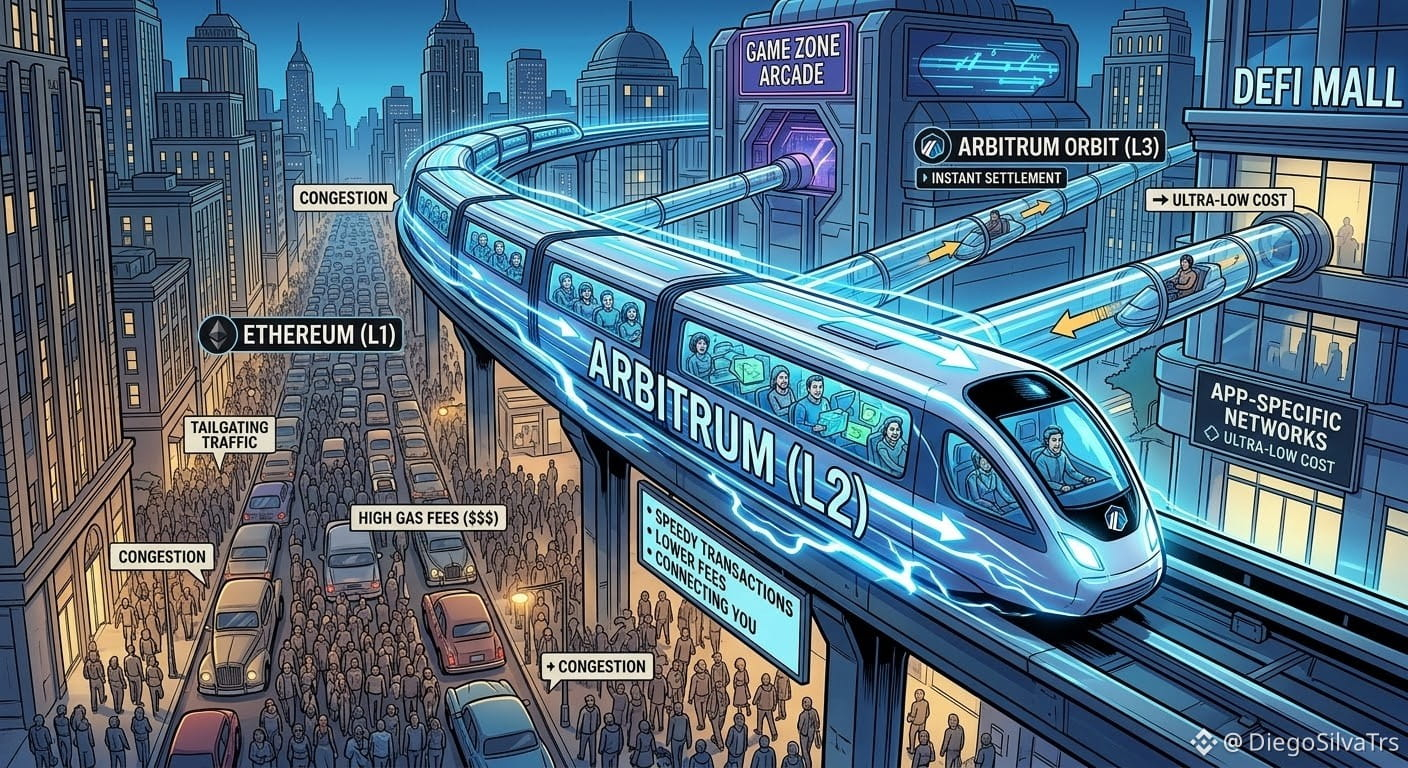
Ethereum travado e taxas altas? Entenda a Arbitrum com uma metáfora simples! 🚗⚡
Imagine que o Ethereum ($ETH) é uma cidade grande e super movimentada.
O trânsito ali é pesado, os pedágios são caríssimos e tudo demora para andar porque todo mundo tenta usar as mesmas ruas ao mesmo tempo. A cidade é extremamente segura e organizada, mas no dia a dia fica inviável para pequenas compras.
É aí que entra a Arbitrum ($ARB)! 🛣️
🔹 Layer 2: O Metrô Expressão da Cidade
A Arbitrum funciona como um sistema de metrô expresso elevado, construído por cima dessa cidade movimentada.
Em vez de cada pessoa pegar seu próprio carro no trânsito lento do Ethereum (L1), milhares de passageiros entram nos vagões do metrô da Arbitrum (L2). O metrô junta todo mundo, faz a viagem de forma ultra rápida, cobra uma fração de centavo de passagem de cada um e entrega todos juntos no destino final.
Resultado: Você viaja em segundos, paga muito menos taxa e continua dentro da mesma cidade segura.
🔹 Layer 3: O Monotrilho do Shopping VIP
E as redes Layer 3 (L3)?
A Arbitrum criou a tecnologia Orbit, que permite construir redes L3. Pense nelas como linhas de monotrilho exclusivas que saem direto das estações de metrô e vão direto para dentro de um grande shopping center ou parque de diversões (como jogos em blockchain ou apps de finanças).
Essas linhas L3 atendem a um público muito específico, com viagens instantâneas e custo praticamente zero.
📊 Resumo do Trânsito Crypto:
Ethereum ($ETH) - Layer 1: A cidade principal. Segura, porém congestionada e cara.
Arbitrum ($ARB) - Layer 2: O metrô expresso. Rápido, barato e conectado à cidade.
Arbitrum Orbit - Layer 3: Os monotrilhos exclusivos para projetos e jogos específicos.
Você costuma usar o "metrô" da Arbitrum para fugir do trânsito do Ethereum ou prefere outra rota? Comente aqui embaixo! 👇
ARBETH #ARBİTRUM #Ethereum #Layer2 #web3_binance #CryptoEducation
Ethereum travado e taxas altas? Entenda a Arbitrum com uma metáfora simples! 🚗⚡
Imagine que o Ethereum ($ETH) é uma cidade grande e super movimentada.
O trânsito ali é pesado, os pedágios são caríssimos e tudo demora para andar porque todo mundo tenta usar as mesmas ruas ao mesmo tempo. A cidade é extremamente segura e organizada, mas no dia a dia fica inviável para pequenas compras.
É aí que entra a Arbitrum ($ARB)! 🛣️
🔹 Layer 2: O Metrô Expressão da Cidade
A Arbitrum funciona como um sistema de metrô expresso elevado, construído por cima dessa cidade movimentada.
Em vez de cada pessoa pegar seu próprio carro no trânsito lento do Ethereum (L1), milhares de passageiros entram nos vagões do metrô da Arbitrum (L2). O metrô junta todo mundo, faz a viagem de forma ultra rápida, cobra uma fração de centavo de passagem de cada um e entrega todos juntos no destino final.
Resultado: Você viaja em segundos, paga muito menos taxa e continua dentro da mesma cidade segura.
🔹 Layer 3: O Monotrilho do Shopping VIP
E as redes Layer 3 (L3)?
A Arbitrum criou a tecnologia Orbit, que permite construir redes L3. Pense nelas como linhas de monotrilho exclusivas que saem direto das estações de metrô e vão direto para dentro de um grande shopping center ou parque de diversões (como jogos em blockchain ou apps de finanças).
Essas linhas L3 atendem a um público muito específico, com viagens instantâneas e custo praticamente zero.
📊 Resumo do Trânsito Crypto:
Ethereum ($ETH) - Layer 1: A cidade principal. Segura, porém congestionada e cara.
Arbitrum ($ARB) - Layer 2: O metrô expresso. Rápido, barato e conectado à cidade.
Arbitrum Orbit - Layer 3: Os monotrilhos exclusivos para projetos e jogos específicos.
Você costuma usar o "metrô" da Arbitrum para fugir do trânsito do Ethereum ou prefere outra rota? Comente aqui embaixo! 👇
ARBETH #ARBİTRUM #Ethereum #Layer2 #web3_binance #CryptoEducation
Imagine que o Ethereum ($ETH) é uma cidade grande e super movimentada.
O trânsito ali é pesado, os pedágios são caríssimos e tudo demora para andar porque todo mundo tenta usar as mesmas ruas ao mesmo tempo. A cidade é extremamente segura e organizada, mas no dia a dia fica inviável para pequenas compras.
É aí que entra a Arbitrum ($ARB)! 🛣️
🔹 Layer 2: O Metrô Expressão da Cidade
A Arbitrum funciona como um sistema de metrô expresso elevado, construído por cima dessa cidade movimentada.
Em vez de cada pessoa pegar seu próprio carro no trânsito lento do Ethereum (L1), milhares de passageiros entram nos vagões do metrô da Arbitrum (L2). O metrô junta todo mundo, faz a viagem de forma ultra rápida, cobra uma fração de centavo de passagem de cada um e entrega todos juntos no destino final.
Resultado: Você viaja em segundos, paga muito menos taxa e continua dentro da mesma cidade segura.
🔹 Layer 3: O Monotrilho do Shopping VIP
E as redes Layer 3 (L3)?
A Arbitrum criou a tecnologia Orbit, que permite construir redes L3. Pense nelas como linhas de monotrilho exclusivas que saem direto das estações de metrô e vão direto para dentro de um grande shopping center ou parque de diversões (como jogos em blockchain ou apps de finanças).
Essas linhas L3 atendem a um público muito específico, com viagens instantâneas e custo praticamente zero.
📊 Resumo do Trânsito Crypto:
Ethereum ($ETH) - Layer 1: A cidade principal. Segura, porém congestionada e cara.
Arbitrum ($ARB) - Layer 2: O metrô expresso. Rápido, barato e conectado à cidade.
Arbitrum Orbit - Layer 3: Os monotrilhos exclusivos para projetos e jogos específicos.
Você costuma usar o "metrô" da Arbitrum para fugir do trânsito do Ethereum ou prefere outra rota? Comente aqui embaixo! 👇
ARBETH #ARBİTRUM #Ethereum #Layer2 #web3_binance #CryptoEducation
3
1.1k

Heute um 3,544% im Minus, nachdem ein 24-Stunden-Tief von 0,133 USD erreicht wurde: Ein großer L2-Token sorgt gerade für Aufsehen auf dem Markt. Dabei handelt es sich um $ARB! Aktuell bei 0,1388 USD, nachdem er ein 24h-Hoch von 0,1443 USD und ein Tief von 0,133 USD markiert hat. Bereiten die Bullen hier gerade eine Rückkehr vor oder werden die Verkäufer weiter nach unten drücken? Hier ist ein beispielhaftes Szenario-Setup nur für das Risikomanagement (keine Vorhersage, keine Finanzberatung, immer DYOR): 🔥 Long-Beispiel: Entry ~0,1388, SL ~0,134636 (-3%), TP ~0,14574 (+5%) 📉 Short-Beispiel: Entry ~0,1388, SL ~0,142964 (+3%), TP ~0,13186 (-5%). Bleibt sicher da draußen und handelt clever, Jungs! #Write2Earn #Arbitrum #Crypto #Layer2
Heute um 3,544% im Minus, nachdem ein 24-Stunden-Tief von 0,133 USD erreicht wurde: Ein großer L2-Token sorgt gerade für Aufsehen auf dem Markt. Dabei handelt es sich um $ARB ! Aktuell bei 0,1388 USD, nachdem er ein 24h-Hoch von 0,1443 USD und ein Tief von 0,133 USD markiert hat. Bereiten die Bullen hier gerade eine Rückkehr vor oder werden die Verkäufer weiter nach unten drücken? Hier ist ein beispielhaftes Szenario-Setup nur für das Risikomanagement (keine Vorhersage, keine Finanzberatung, immer DYOR): 🔥 Long-Beispiel: Entry ~0,1388, SL ~0,134636 (-3%), TP ~0,14574 (+5%) 📉 Short-Beispiel: Entry ~0,1388, SL ~0,142964 (+3%), TP ~0,13186 (-5%). Bleibt sicher da draußen und handelt clever, Jungs! #Write2Earn #Arbitrum #Crypto #Layer2

1
222

·
--
Artikel
Übersetzung ansehen
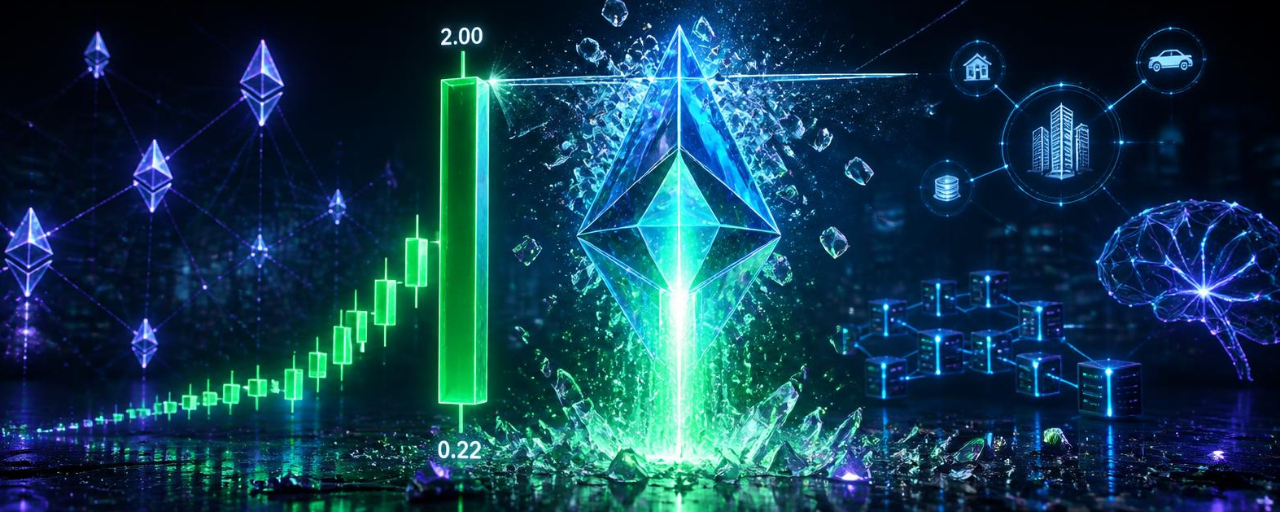
Lisk Just Went Parabolic—308% in 24 Hours! Is $1 the New Floor?The Layer-2 sector just got a new superstar. $LSK , the native token of Lisk, has absolutely exploded, surging a jaw-dropping 308.68% in just 24 hours . After spending weeks trading below $0.25, the token has rocketed to $1.01, with a 24-hour high of $2.00 before pulling back to current levels. The 24-hour volume is a staggering $151 million, confirming this is no small-time pump. 👀
But is this a genuine breakout, or just another pump-and-dump in disguise? Let's break it down. 👇
What's Fueling the Fire? 🔥
Explosive Volume Surge: The trading volume has gone parabolic, with over $151 million in USDT volume in just 24 hours . This level of liquidity confirms that major players are involved.Layer-2 Narrative Shift: Lisk has rebranded and repositioned itself as an Ethereum Layer-2 solution built on the Optimism Superchain, focusing on Real-World Assets (RWA), DePIN, and AI . This strategic pivot has captured the market's imagination.Technical Breakout: The 4-hour chart shows a massive green candle that dwarfed all previous price action, breaking through every resistance level with authority.Oversold Rebound: Before this rally, LSK had been on a brutal downtrend, dropping over 98% from its all-time high of $39.31 . When an asset gets that oversold, even a small amount of buying pressure can trigger a massive short-term bounce.
The Charts: What the Technicals Say 📊
Looking at the 4-hour chart, a few key levels stand out:
Support Zone: The $0.938 level is the immediate support to watch. If this holds, we could see a push toward $1.50 .Resistance Level: The $1.50-$2.00 zone is the next major hurdle. A break above this could open the door to $2.50 or even $3.00 .Momentum: The RSI is in extreme overbought territory after such a sharp rally, suggesting that a pullback or consolidation could be imminent. A pullback to test the $0.70-$0.80 zone would be perfectly normal.
The Fundamentals: What Is Lisk? 🔍
Lisk has undergone a major transformation. Originally launched in 2016 as a platform for JavaScript developers, it has now pivoted to become an Ethereum Layer-2 solution built on the Optimism Superchain . The new focus is on three high-growth sectors:
Real-World Assets (RWA): Tokenizing traditional assets like real estate and commodities .DePIN: Decentralized Physical Infrastructure Networks .AI: Integrating artificial intelligence with blockchain technology .
This strategic pivot has positioned Lisk in some of the hottest narratives in crypto, which explains the sudden surge in interest.
Potential Catalysts to Watch 🔥
Ecosystem Growth: New projects and partnerships within the Lisk ecosystem could provide positive price catalysts .Layer-2 Narrative: As Ethereum Layer-2 solutions gain traction, Lisk could benefit .Exchange Listings: Any announcements regarding new exchange listings could provide additional upside .
Final Takeaway 💎
A 308% rally is always exciting, but it's important to stay grounded. Lisk has reinvented itself with a compelling new narrative, and the market is clearly paying attention. The key levels to watch are $0.938 (support) and $2.00 (resistance). If LSK can break through resistance with strong volume, we could see a continuation toward $2.50. However, a pullback to test support would be perfectly normal and healthy after such a massive move.
Are you riding this LSK pump, or waiting for a pullback? Drop your $LSK strategy below! 👇
#Layer2
Lisk Just Went Parabolic—308% in 24 Hours! Is $1 the New Floor?
The Layer-2 sector just got a new superstar. $LSK , the native token of Lisk, has absolutely exploded, surging a jaw-dropping 308.68% in just 24 hours . After spending weeks trading below $0.25, the token has rocketed to $1.01, with a 24-hour high of $2.00 before pulling back to current levels. The 24-hour volume is a staggering $151 million, confirming this is no small-time pump. 👀
But is this a genuine breakout, or just another pump-and-dump in disguise? Let's break it down. 👇
What's Fueling the Fire? 🔥
Explosive Volume Surge: The trading volume has gone parabolic, with over $151 million in USDT volume in just 24 hours . This level of liquidity confirms that major players are involved.Layer-2 Narrative Shift: Lisk has rebranded and repositioned itself as an Ethereum Layer-2 solution built on the Optimism Superchain, focusing on Real-World Assets (RWA), DePIN, and AI . This strategic pivot has captured the market's imagination.Technical Breakout: The 4-hour chart shows a massive green candle that dwarfed all previous price action, breaking through every resistance level with authority.Oversold Rebound: Before this rally, LSK had been on a brutal downtrend, dropping over 98% from its all-time high of $39.31 . When an asset gets that oversold, even a small amount of buying pressure can trigger a massive short-term bounce.
The Charts: What the Technicals Say 📊
Looking at the 4-hour chart, a few key levels stand out:
Support Zone: The $0.938 level is the immediate support to watch. If this holds, we could see a push toward $1.50 .Resistance Level: The $1.50-$2.00 zone is the next major hurdle. A break above this could open the door to $2.50 or even $3.00 .Momentum: The RSI is in extreme overbought territory after such a sharp rally, suggesting that a pullback or consolidation could be imminent. A pullback to test the $0.70-$0.80 zone would be perfectly normal.
The Fundamentals: What Is Lisk? 🔍
Lisk has undergone a major transformation. Originally launched in 2016 as a platform for JavaScript developers, it has now pivoted to become an Ethereum Layer-2 solution built on the Optimism Superchain . The new focus is on three high-growth sectors:
Real-World Assets (RWA): Tokenizing traditional assets like real estate and commodities .DePIN: Decentralized Physical Infrastructure Networks .AI: Integrating artificial intelligence with blockchain technology .
This strategic pivot has positioned Lisk in some of the hottest narratives in crypto, which explains the sudden surge in interest.
Potential Catalysts to Watch 🔥
Ecosystem Growth: New projects and partnerships within the Lisk ecosystem could provide positive price catalysts .Layer-2 Narrative: As Ethereum Layer-2 solutions gain traction, Lisk could benefit .Exchange Listings: Any announcements regarding new exchange listings could provide additional upside .
Final Takeaway 💎
A 308% rally is always exciting, but it's important to stay grounded. Lisk has reinvented itself with a compelling new narrative, and the market is clearly paying attention. The key levels to watch are $0.938 (support) and $2.00 (resistance). If LSK can break through resistance with strong volume, we could see a continuation toward $2.50. However, a pullback to test support would be perfectly normal and healthy after such a massive move.
Are you riding this LSK pump, or waiting for a pullback? Drop your $LSK strategy below! 👇
#Layer2
But is this a genuine breakout, or just another pump-and-dump in disguise? Let's break it down. 👇
What's Fueling the Fire? 🔥
Explosive Volume Surge: The trading volume has gone parabolic, with over $151 million in USDT volume in just 24 hours . This level of liquidity confirms that major players are involved.Layer-2 Narrative Shift: Lisk has rebranded and repositioned itself as an Ethereum Layer-2 solution built on the Optimism Superchain, focusing on Real-World Assets (RWA), DePIN, and AI . This strategic pivot has captured the market's imagination.Technical Breakout: The 4-hour chart shows a massive green candle that dwarfed all previous price action, breaking through every resistance level with authority.Oversold Rebound: Before this rally, LSK had been on a brutal downtrend, dropping over 98% from its all-time high of $39.31 . When an asset gets that oversold, even a small amount of buying pressure can trigger a massive short-term bounce.
The Charts: What the Technicals Say 📊
Looking at the 4-hour chart, a few key levels stand out:
Support Zone: The $0.938 level is the immediate support to watch. If this holds, we could see a push toward $1.50 .Resistance Level: The $1.50-$2.00 zone is the next major hurdle. A break above this could open the door to $2.50 or even $3.00 .Momentum: The RSI is in extreme overbought territory after such a sharp rally, suggesting that a pullback or consolidation could be imminent. A pullback to test the $0.70-$0.80 zone would be perfectly normal.
The Fundamentals: What Is Lisk? 🔍
Lisk has undergone a major transformation. Originally launched in 2016 as a platform for JavaScript developers, it has now pivoted to become an Ethereum Layer-2 solution built on the Optimism Superchain . The new focus is on three high-growth sectors:
Real-World Assets (RWA): Tokenizing traditional assets like real estate and commodities .DePIN: Decentralized Physical Infrastructure Networks .AI: Integrating artificial intelligence with blockchain technology .
This strategic pivot has positioned Lisk in some of the hottest narratives in crypto, which explains the sudden surge in interest.
Potential Catalysts to Watch 🔥
Ecosystem Growth: New projects and partnerships within the Lisk ecosystem could provide positive price catalysts .Layer-2 Narrative: As Ethereum Layer-2 solutions gain traction, Lisk could benefit .Exchange Listings: Any announcements regarding new exchange listings could provide additional upside .
Final Takeaway 💎
A 308% rally is always exciting, but it's important to stay grounded. Lisk has reinvented itself with a compelling new narrative, and the market is clearly paying attention. The key levels to watch are $0.938 (support) and $2.00 (resistance). If LSK can break through resistance with strong volume, we could see a continuation toward $2.50. However, a pullback to test support would be perfectly normal and healthy after such a massive move.
Are you riding this LSK pump, or waiting for a pullback? Drop your $LSK strategy below! 👇
#Layer2
96

·
--
$TAIKO/USDT LONG 🔵
$TAIKO ist ein Ethereum Layer-2 Scaling-Play 📊, das sich auf dezentrale Rollup-Infrastruktur und kostengünstigere Ethereum-Transaktionen ⚡ konzentriert
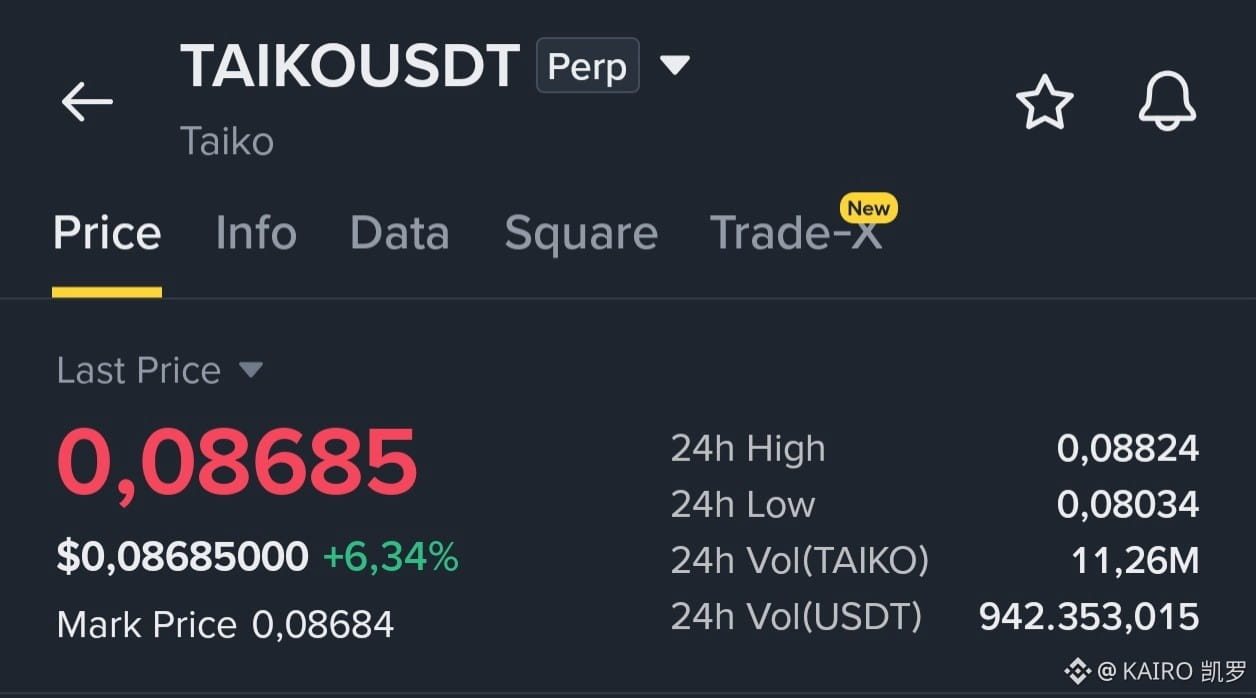
$TAIKO zeigt wieder neuen Schwung, ist heute um rund 7% gestiegen und handelt nahe dem Bereich von $0.0865, wobei der Einstieg bei $0.0868 im Fokus bleibt 🧭
🟢 Buyzone: $0.08680
🔴 Stoploss: $0.07400
🎯 Ziel 1: $0.09150
🎯 Ziel 2: $0.09800
🎯 Ziel 3: $0.11000
⚠️ Risiko: FOMO — nicht hinterherjagen, wenn der Kurs zu schnell anzieht.
Keine Finanzberatung und keine Empfehlung zum Kauf oder Verkauf. Krypto ist extrem riskant, DYOR und du bist allein verantwortlich. Keine Coin-Promotion.
#TAIKO <a>75#Ethereum #Layer2 </a> #Write2Earn
$TAIKO/USDT LONG 🔵
$TAIKO ist ein Ethereum Layer-2 Scaling-Play 📊, das sich auf dezentrale Rollup-Infrastruktur und kostengünstigere Ethereum-Transaktionen ⚡ konzentriert
$TAIKO zeigt wieder neuen Schwung, ist heute um rund 7% gestiegen und handelt nahe dem Bereich von $0.0865, wobei der Einstieg bei $0.0868 im Fokus bleibt 🧭
🟢 Buyzone: $0.08680
🔴 Stoploss: $0.07400
🎯 Ziel 1: $0.09150
🎯 Ziel 2: $0.09800
🎯 Ziel 3: $0.11000
⚠️ Risiko: FOMO — nicht hinterherjagen, wenn der Kurs zu schnell anzieht.
Keine Finanzberatung und keine Empfehlung zum Kauf oder Verkauf. Krypto ist extrem riskant, DYOR und du bist allein verantwortlich. Keine Coin-Promotion.
#TAIKO <a>75#Ethereum #Layer2 </a> #Write2Earn
$TAIKO ist ein Ethereum Layer-2 Scaling-Play 📊, das sich auf dezentrale Rollup-Infrastruktur und kostengünstigere Ethereum-Transaktionen ⚡ konzentriert
$TAIKO zeigt wieder neuen Schwung, ist heute um rund 7% gestiegen und handelt nahe dem Bereich von $0.0865, wobei der Einstieg bei $0.0868 im Fokus bleibt 🧭
🟢 Buyzone: $0.08680
🔴 Stoploss: $0.07400
🎯 Ziel 1: $0.09150
🎯 Ziel 2: $0.09800
🎯 Ziel 3: $0.11000
⚠️ Risiko: FOMO — nicht hinterherjagen, wenn der Kurs zu schnell anzieht.
Keine Finanzberatung und keine Empfehlung zum Kauf oder Verkauf. Krypto ist extrem riskant, DYOR und du bist allein verantwortlich. Keine Coin-Promotion.
#TAIKO <a>75#Ethereum #Layer2 </a> #Write2Earn
378
·
--
Artikel
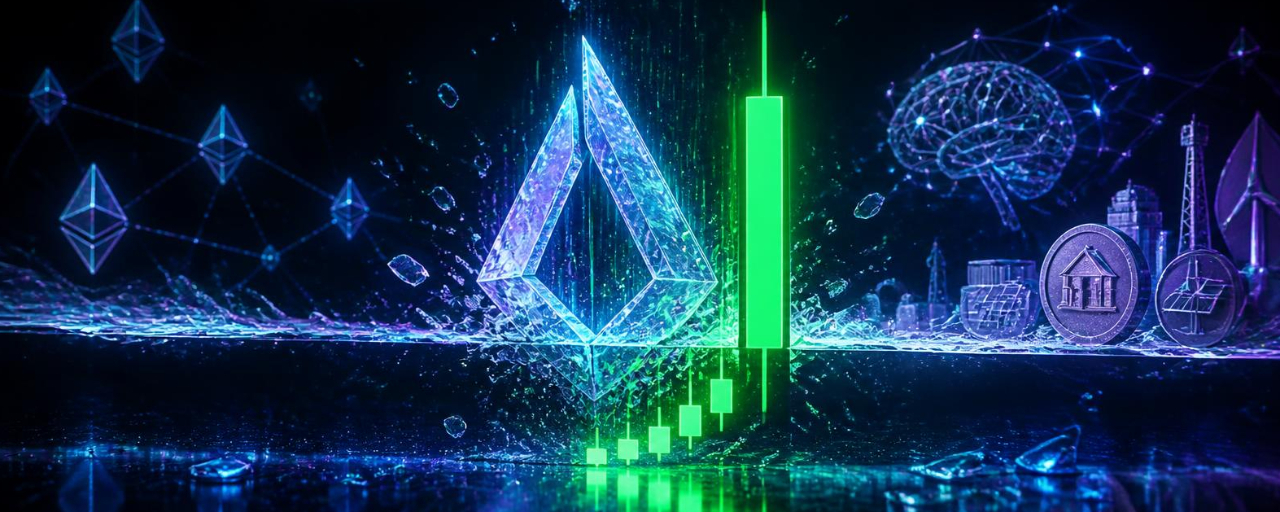
Lisk explodiert um 242 % – ist das die nächste Layer-2-Sensation oder ein klassischer Pump?In einem Markt, in dem die meisten Coins Mühe haben, eine Richtung zu finden, hat sich ein Layer-2-Projekt entschieden, absolut durchzustarten. $LSK , das native Token von Lisk, hat gerade einen atemberaubenden 242,75%-Rallye hingelegt – in nur einem Tag. Dabei schoss es von einem Tiefstand von 0,163 $ auf einen Hochstand von 0,598 $. Derzeit wird der Token bei etwa 0,468 $ gehandelt. Damit hat er den gesamten Markt in Erstaunen versetzt. 👀
Doch wie immer bleibt die Frage: Handelt es sich hier um einen echten Ausbruch – oder nur um einen weiteren Pump-and-Dump, der sich als solcher tarnt? Lass uns das genauer aufdröseln. 👇
Was befeuert die Flammen? 🔥
Lisk explodiert um 242 % – ist das die nächste Layer-2-Sensation oder ein klassischer Pump?
In einem Markt, in dem die meisten Coins Mühe haben, eine Richtung zu finden, hat sich ein Layer-2-Projekt entschieden, absolut durchzustarten. $LSK , das native Token von Lisk, hat gerade einen atemberaubenden 242,75%-Rallye hingelegt – in nur einem Tag. Dabei schoss es von einem Tiefstand von 0,163 $ auf einen Hochstand von 0,598 $. Derzeit wird der Token bei etwa 0,468 $ gehandelt. Damit hat er den gesamten Markt in Erstaunen versetzt. 👀
Doch wie immer bleibt die Frage: Handelt es sich hier um einen echten Ausbruch – oder nur um einen weiteren Pump-and-Dump, der sich als solcher tarnt? Lass uns das genauer aufdröseln. 👇
Was befeuert die Flammen? 🔥
Doch wie immer bleibt die Frage: Handelt es sich hier um einen echten Ausbruch – oder nur um einen weiteren Pump-and-Dump, der sich als solcher tarnt? Lass uns das genauer aufdröseln. 👇
Was befeuert die Flammen? 🔥
240

$ETH ⚡ Layer-2 Scaling Wars: Optimistische vs. Zero-Knowledge-Rollups! 🚀
Während die Blockchain-Nutzung wächst, verarbeiten Skalierungslösungen tausende Transaktionen Off-Chain, um die Netzwerkgebühren niedrig und die Geschwindigkeit hoch zu halten. Aber wie schneiden Optimistische Rollups im Vergleich zu sofortigen Zero-Knowledge (ZK) kryptografischen Gültigkeitsbeweisen ab?
Das Verständnis dieser zentralen Infrastrukturtechnologien ist entscheidend, um zu sehen, wie Netzwerke für die Zukunft skaliert werden.
💡 Kurze Frage: Welche Layer-2-Strategie glaubst du, wird den langfristigen Krypto-Bereich dominieren—Optimistic oder ZK-Rollups? Schreib deine Gedanken unten in die Kommentare! 👇
#Layer2 #Ethereum #cryptoeducation #BinanceSquare #WRITR2EARN
{spot}(ETHUSDT)
$ETH ⚡ Layer-2 Scaling Wars: Optimistische vs. Zero-Knowledge-Rollups! 🚀
Während die Blockchain-Nutzung wächst, verarbeiten Skalierungslösungen tausende Transaktionen Off-Chain, um die Netzwerkgebühren niedrig und die Geschwindigkeit hoch zu halten. Aber wie schneiden Optimistische Rollups im Vergleich zu sofortigen Zero-Knowledge (ZK) kryptografischen Gültigkeitsbeweisen ab?
Das Verständnis dieser zentralen Infrastrukturtechnologien ist entscheidend, um zu sehen, wie Netzwerke für die Zukunft skaliert werden.
💡 Kurze Frage: Welche Layer-2-Strategie glaubst du, wird den langfristigen Krypto-Bereich dominieren—Optimistic oder ZK-Rollups? Schreib deine Gedanken unten in die Kommentare! 👇
#Layer2 #Ethereum #cryptoeducation #BinanceSquare #WRITR2EARN
Während die Blockchain-Nutzung wächst, verarbeiten Skalierungslösungen tausende Transaktionen Off-Chain, um die Netzwerkgebühren niedrig und die Geschwindigkeit hoch zu halten. Aber wie schneiden Optimistische Rollups im Vergleich zu sofortigen Zero-Knowledge (ZK) kryptografischen Gültigkeitsbeweisen ab?
Das Verständnis dieser zentralen Infrastrukturtechnologien ist entscheidend, um zu sehen, wie Netzwerke für die Zukunft skaliert werden.
💡 Kurze Frage: Welche Layer-2-Strategie glaubst du, wird den langfristigen Krypto-Bereich dominieren—Optimistic oder ZK-Rollups? Schreib deine Gedanken unten in die Kommentare! 👇
#Layer2 #Ethereum #cryptoeducation #BinanceSquare #WRITR2EARN
57
ARB TESTET KRITISCHE SUPPORTS NACH EINEM LEICHTEN RÜCKZUG
Arbitrum zeigt heute einige interessante Intraday-Bewegungen. Aktuell wird es bei 0,1419 $ gehandelt, nachdem es in den letzten 24 Stunden um -2,07 % gefallen ist. $ARB ist dabei zwischen einem Tief von 0,1374 $ und einem Hoch von 0,1464 $ geschwankt. Das ist keine Vorhersage, aber hier ist ein beispielhaftes Rahmenwerk für das Risikomanagement, das du im Hinterkopf behalten solltest. DYOR, da dies keine finanzielle Beratung ist.
🚀 BULLISCHER AUSBLICK: Wenn du mit einer Erholung rechnest, könnte eine beispielhafte Long-Entry bei etwa 0,1419 $ liegen, mit einem Stop-Loss nahe 0,137643 und einem Take-Profit-Ziel bei rund 0,148995.
📉 BÄRISCHER AUSBLICK: Wenn du glaubst, dass der Abwärtstrend weitergeht, könnte eine beispielhafte Short-Entry bei etwa 0,1419 $ starten. Das Take-Profit-Ziel läge dann bei 0,134805, während der Stop-Loss nahe 0,146157 platziert würde.
Ehrlich gesagt: Das Range-Muster genau beobachten, denn der nächste Move könnte schnell kommen.
#Arbitrum #Layer2 #Write2Earn
ARB TESTET KRITISCHE SUPPORTS NACH EINEM LEICHTEN RÜCKZUG
Arbitrum zeigt heute einige interessante Intraday-Bewegungen. Aktuell wird es bei 0,1419 $ gehandelt, nachdem es in den letzten 24 Stunden um -2,07 % gefallen ist. $ARB ist dabei zwischen einem Tief von 0,1374 $ und einem Hoch von 0,1464 $ geschwankt. Das ist keine Vorhersage, aber hier ist ein beispielhaftes Rahmenwerk für das Risikomanagement, das du im Hinterkopf behalten solltest. DYOR, da dies keine finanzielle Beratung ist.
🚀 BULLISCHER AUSBLICK: Wenn du mit einer Erholung rechnest, könnte eine beispielhafte Long-Entry bei etwa 0,1419 $ liegen, mit einem Stop-Loss nahe 0,137643 und einem Take-Profit-Ziel bei rund 0,148995.
📉 BÄRISCHER AUSBLICK: Wenn du glaubst, dass der Abwärtstrend weitergeht, könnte eine beispielhafte Short-Entry bei etwa 0,1419 $ starten. Das Take-Profit-Ziel läge dann bei 0,134805, während der Stop-Loss nahe 0,146157 platziert würde.
Ehrlich gesagt: Das Range-Muster genau beobachten, denn der nächste Move könnte schnell kommen.
#Arbitrum #Layer2 #Write2Earn
Arbitrum zeigt heute einige interessante Intraday-Bewegungen. Aktuell wird es bei 0,1419 $ gehandelt, nachdem es in den letzten 24 Stunden um -2,07 % gefallen ist. $ARB ist dabei zwischen einem Tief von 0,1374 $ und einem Hoch von 0,1464 $ geschwankt. Das ist keine Vorhersage, aber hier ist ein beispielhaftes Rahmenwerk für das Risikomanagement, das du im Hinterkopf behalten solltest. DYOR, da dies keine finanzielle Beratung ist.
🚀 BULLISCHER AUSBLICK: Wenn du mit einer Erholung rechnest, könnte eine beispielhafte Long-Entry bei etwa 0,1419 $ liegen, mit einem Stop-Loss nahe 0,137643 und einem Take-Profit-Ziel bei rund 0,148995.
📉 BÄRISCHER AUSBLICK: Wenn du glaubst, dass der Abwärtstrend weitergeht, könnte eine beispielhafte Short-Entry bei etwa 0,1419 $ starten. Das Take-Profit-Ziel läge dann bei 0,134805, während der Stop-Loss nahe 0,146157 platziert würde.
Ehrlich gesagt: Das Range-Muster genau beobachten, denn der nächste Move könnte schnell kommen.
#Arbitrum #Layer2 #Write2Earn

210

·
--
$LSK
{future}(LSKUSDT)
— Blockchain-Entwicklung mit Ausrichtung auf Layer 2
LSK ist mit Lisk verbunden, einem Blockchain-Projekt, das sich darauf konzentriert hat, die Entwicklung von Web3 zugänglicher zu machen. Die Weiterentwicklung hin zu einer Ethereum-Layer-2-Infrastruktur verleiht dem Projekt einen anderen Blickwinkel als vielen traditionellen Blockchain-Netzwerken.
Entwicklerorientierte Infrastruktur kann zunehmend wichtiger werden, wenn mehr Anwendungen on-chain gehen, wodurch LSK ein interessantes Token zum Beobachten wird.
#LSK #Lisk #Layer2 #BinanceSquare
$LSK
— Blockchain-Entwicklung mit Ausrichtung auf Layer 2
LSK ist mit Lisk verbunden, einem Blockchain-Projekt, das sich darauf konzentriert hat, die Entwicklung von Web3 zugänglicher zu machen. Die Weiterentwicklung hin zu einer Ethereum-Layer-2-Infrastruktur verleiht dem Projekt einen anderen Blickwinkel als vielen traditionellen Blockchain-Netzwerken.
Entwicklerorientierte Infrastruktur kann zunehmend wichtiger werden, wenn mehr Anwendungen on-chain gehen, wodurch LSK ein interessantes Token zum Beobachten wird.
#LSK #Lisk #Layer2 #BinanceSquare
— Blockchain-Entwicklung mit Ausrichtung auf Layer 2
LSK ist mit Lisk verbunden, einem Blockchain-Projekt, das sich darauf konzentriert hat, die Entwicklung von Web3 zugänglicher zu machen. Die Weiterentwicklung hin zu einer Ethereum-Layer-2-Infrastruktur verleiht dem Projekt einen anderen Blickwinkel als vielen traditionellen Blockchain-Netzwerken.
Entwicklerorientierte Infrastruktur kann zunehmend wichtiger werden, wenn mehr Anwendungen on-chain gehen, wodurch LSK ein interessantes Token zum Beobachten wird.
#LSK #Lisk #Layer2 #BinanceSquare
59
·
--
$LINEA
{future}(LINEAUSDT)
— Ethereum-Skalierung bleibt ein zentrales Thema
LINEA ist ein Ethereum-Layer-2-Netzwerk, das entwickelt wurde, um die Skalierbarkeit zu verbessern, während es weiterhin mit dem Ethereum-Ökosystem verbunden bleibt. Layer-2-Technologie ist wichtig, weil Ethereum eine effiziente Infrastruktur benötigt, um mehr Nutzer und Anwendungen zu unterstützen.
Die fortgesetzte Entwicklung von Ethereum-Skalierungslösungen macht LINEA zu einem spannenden Projekt, dem man folgen sollte, während das breitere Ökosystem weiter wächst.
#LINEA #Ethereum #Layer2 #BinanceSquare
$LINEA
— Ethereum-Skalierung bleibt ein zentrales Thema
LINEA ist ein Ethereum-Layer-2-Netzwerk, das entwickelt wurde, um die Skalierbarkeit zu verbessern, während es weiterhin mit dem Ethereum-Ökosystem verbunden bleibt. Layer-2-Technologie ist wichtig, weil Ethereum eine effiziente Infrastruktur benötigt, um mehr Nutzer und Anwendungen zu unterstützen.
Die fortgesetzte Entwicklung von Ethereum-Skalierungslösungen macht LINEA zu einem spannenden Projekt, dem man folgen sollte, während das breitere Ökosystem weiter wächst.
#LINEA #Ethereum #Layer2 #BinanceSquare
— Ethereum-Skalierung bleibt ein zentrales Thema
LINEA ist ein Ethereum-Layer-2-Netzwerk, das entwickelt wurde, um die Skalierbarkeit zu verbessern, während es weiterhin mit dem Ethereum-Ökosystem verbunden bleibt. Layer-2-Technologie ist wichtig, weil Ethereum eine effiziente Infrastruktur benötigt, um mehr Nutzer und Anwendungen zu unterstützen.
Die fortgesetzte Entwicklung von Ethereum-Skalierungslösungen macht LINEA zu einem spannenden Projekt, dem man folgen sollte, während das breitere Ökosystem weiter wächst.
#LINEA #Ethereum #Layer2 #BinanceSquare
57
·
--
ZK — $ZK
{future}(ZKUSDT)
ZK ist mit der Zero-Knowledge-Technologie und dem Ethereum Layer-2-Scaling verbunden. Zero-Knowledge-Beweise sind ein wichtiger Bereich der Blockchain-Forschung und -entwicklung. Händler beobachten ZK, da das Interesse an skalierbarer und datenschutzfreundlicher Technologie wächst.
#ZK #ZKSync #Layer2 #BinanceSquare
ZK — $ZK
ZK ist mit der Zero-Knowledge-Technologie und dem Ethereum Layer-2-Scaling verbunden. Zero-Knowledge-Beweise sind ein wichtiger Bereich der Blockchain-Forschung und -entwicklung. Händler beobachten ZK, da das Interesse an skalierbarer und datenschutzfreundlicher Technologie wächst.
#ZK #ZKSync #Layer2 #BinanceSquare
ZK ist mit der Zero-Knowledge-Technologie und dem Ethereum Layer-2-Scaling verbunden. Zero-Knowledge-Beweise sind ein wichtiger Bereich der Blockchain-Forschung und -entwicklung. Händler beobachten ZK, da das Interesse an skalierbarer und datenschutzfreundlicher Technologie wächst.
#ZK #ZKSync #Layer2 #BinanceSquare
1
84
·
--
OP — $OP
{future}(OPUSDT)
Optimismus ist ein Ethereum Layer-2-Ökosystem, das sich auf das Skalieren von Transaktionen und die Unterstützung von Web3-Anwendungen konzentriert. Die Layer-2-Technologie bleibt ein wichtiger Bestandteil der Wachstumsstrategie von Ethereum. Händler beobachten OP, während sich die Aktivität im Skalierungssektor entwickelt.
#OP #Optimism #Layer2 #BinanceSquare
OP — $OP
Optimismus ist ein Ethereum Layer-2-Ökosystem, das sich auf das Skalieren von Transaktionen und die Unterstützung von Web3-Anwendungen konzentriert. Die Layer-2-Technologie bleibt ein wichtiger Bestandteil der Wachstumsstrategie von Ethereum. Händler beobachten OP, während sich die Aktivität im Skalierungssektor entwickelt.
#OP #Optimism #Layer2 #BinanceSquare
Optimismus ist ein Ethereum Layer-2-Ökosystem, das sich auf das Skalieren von Transaktionen und die Unterstützung von Web3-Anwendungen konzentriert. Die Layer-2-Technologie bleibt ein wichtiger Bestandteil der Wachstumsstrategie von Ethereum. Händler beobachten OP, während sich die Aktivität im Skalierungssektor entwickelt.
#OP #Optimism #Layer2 #BinanceSquare
108
·
--
STRK — $STRK
{future}(STRKUSDT)
Starknet ist ein Ethereum Layer-2-Netzwerk, das Zero-Knowledge-Technologie nutzt, um die Skalierbarkeit zu verbessern. Seine Technologie ist darauf ausgelegt, dezentrale Anwendungen mit effizienter Verifikation zu unterstützen. Trader beobachten STRK, während sich der Layer-2-Sektor weiterentwickelt.
#STRK #Starknet #Layer2 #BinanceSquare
STRK — $STRK
Starknet ist ein Ethereum Layer-2-Netzwerk, das Zero-Knowledge-Technologie nutzt, um die Skalierbarkeit zu verbessern. Seine Technologie ist darauf ausgelegt, dezentrale Anwendungen mit effizienter Verifikation zu unterstützen. Trader beobachten STRK, während sich der Layer-2-Sektor weiterentwickelt.
#STRK #Starknet #Layer2 #BinanceSquare
Starknet ist ein Ethereum Layer-2-Netzwerk, das Zero-Knowledge-Technologie nutzt, um die Skalierbarkeit zu verbessern. Seine Technologie ist darauf ausgelegt, dezentrale Anwendungen mit effizienter Verifikation zu unterstützen. Trader beobachten STRK, während sich der Layer-2-Sektor weiterentwickelt.
#STRK #Starknet #Layer2 #BinanceSquare
78

ARBITRUM-Umsatz EXPLODIERT: +140% Q/Q.
Der Umsatz von Arbitrum im Q3 liegt laut Brendan Ma, Investment Strategy Director von Arbitrum, um etwa 140% höher als im Q2.
Auch eine Reihe weiterer Kennzahlen steigt stark:
• Umsatz für 30-Tage-Storage: >$4,3 Mio.
• RWA-Deployments: >4.500
• RWA-AUM: $1 Mrd.
• RWA-Transfer-Volumen über 30 Tage: $395 Mrd., +124%
• Tokenisierte Wertpapiere: >$200 Mio., doppelt so hoch
• Arbitrum One: >2,8 Mrd. Transaktionen
• Chain-GDP: $180 Mio., +22% YoY
• CO₂-/Carbon-Trading: >$100 Mio. Umsatz
Arbitrum: „Wir sind nur ein Ethereum-L2.“
Und Arbitrum: „Wie auch immer – hier sind $395 Mrd. RWA-Volumen.“
Wenn dieser Umsatztrend anhält, beginnt Arbitrum zu zeigen, dass L2 nicht nur TVL und Transaktionszahlen braucht, sondern auch echte Einnahmen generieren muss.
Q3 ist gerade erst angelaufen – kann Arbitrum diesen +140%-Anstieg in einen langfristigen Trend verwandeln?
#Arbitrum #Ethereum #Layer2 #RWA
$ARB
ARBITRUM-Umsatz EXPLODIERT: +140% Q/Q.
Der Umsatz von Arbitrum im Q3 liegt laut Brendan Ma, Investment Strategy Director von Arbitrum, um etwa 140% höher als im Q2.
Auch eine Reihe weiterer Kennzahlen steigt stark:
• Umsatz für 30-Tage-Storage: >$4,3 Mio.
• RWA-Deployments: >4.500
• RWA-AUM: $1 Mrd.
• RWA-Transfer-Volumen über 30 Tage: $395 Mrd., +124%
• Tokenisierte Wertpapiere: >$200 Mio., doppelt so hoch
• Arbitrum One: >2,8 Mrd. Transaktionen
• Chain-GDP: $180 Mio., +22% YoY
• CO₂-/Carbon-Trading: >$100 Mio. Umsatz
Arbitrum: „Wir sind nur ein Ethereum-L2.“
Und Arbitrum: „Wie auch immer – hier sind $395 Mrd. RWA-Volumen.“
Wenn dieser Umsatztrend anhält, beginnt Arbitrum zu zeigen, dass L2 nicht nur TVL und Transaktionszahlen braucht, sondern auch echte Einnahmen generieren muss.
Q3 ist gerade erst angelaufen – kann Arbitrum diesen +140%-Anstieg in einen langfristigen Trend verwandeln?
#Arbitrum #Ethereum #Layer2 #RWA
$ARB
Der Umsatz von Arbitrum im Q3 liegt laut Brendan Ma, Investment Strategy Director von Arbitrum, um etwa 140% höher als im Q2.
Auch eine Reihe weiterer Kennzahlen steigt stark:
• Umsatz für 30-Tage-Storage: >$4,3 Mio.
• RWA-Deployments: >4.500
• RWA-AUM: $1 Mrd.
• RWA-Transfer-Volumen über 30 Tage: $395 Mrd., +124%
• Tokenisierte Wertpapiere: >$200 Mio., doppelt so hoch
• Arbitrum One: >2,8 Mrd. Transaktionen
• Chain-GDP: $180 Mio., +22% YoY
• CO₂-/Carbon-Trading: >$100 Mio. Umsatz
Arbitrum: „Wir sind nur ein Ethereum-L2.“
Und Arbitrum: „Wie auch immer – hier sind $395 Mrd. RWA-Volumen.“
Wenn dieser Umsatztrend anhält, beginnt Arbitrum zu zeigen, dass L2 nicht nur TVL und Transaktionszahlen braucht, sondern auch echte Einnahmen generieren muss.
Q3 ist gerade erst angelaufen – kann Arbitrum diesen +140%-Anstieg in einen langfristigen Trend verwandeln?
#Arbitrum #Ethereum #Layer2 #RWA
$ARB

261
Verifiziert
GEWINNSPIEL 🔥🔥🔥
$LINEA
🚀 Spannende Neuigkeiten für die Krypto-Community! Lass uns über $LINEA sprechen!
🚀 Suchst du nach dem nächsten großen Ding im Web3-Ökosystem? Dann ist es Zeit, $LINEA auf dein Radar zu setzen! Warum sorgt $LINEA für Aufsehen? 🔹 Next-Gen Skalierbarkeit: Dank fortschrittlicher zkEVM-Technologie mit blitzschnellen Transaktionen. 🔹 Ultra-Niedrige Gebühren: Keine hohen Gas-Gebühren mehr – und dabei erstklassige Ethereum-Sicherheit genießen. 🔹 Wachsendes Ökosystem: Hunderte von dApps, DeFi-Protokollen und NFT-Projekten sind bereits dabei, darauf aufzubauen. 🎁 SPEZIELLES GEWINNSPIEL FÜR MEINE FOLGER! 🎁 Um das unglaubliche Wachstum dieses Projekts zu feiern, verschenke ich einige Tokens an meine großartige Community!
So nimmst du teil:⤵️
1️⃣ Folge meinem Profil.
2️⃣ Like und Teile diesen Beitrag.
3️⃣ Kommentiere unten mit deinen Gedanken zur Zukunft von $LINEA!
Verpass diese Gelegenheit nicht, Teil der Zukunft des Scalings zu sein. Lass uns gemeinsam wachsen! 🌟#Krypto #BinanceSquare #Linea #GIVEAWAY🎁 #Web3 #Layer2
GEWINNSPIEL 🔥🔥🔥
$LINEA
🚀 Spannende Neuigkeiten für die Krypto-Community! Lass uns über $LINEA sprechen!
🚀 Suchst du nach dem nächsten großen Ding im Web3-Ökosystem? Dann ist es Zeit, $LINEA auf dein Radar zu setzen! Warum sorgt $LINEA für Aufsehen? 🔹 Next-Gen Skalierbarkeit: Dank fortschrittlicher zkEVM-Technologie mit blitzschnellen Transaktionen. 🔹 Ultra-Niedrige Gebühren: Keine hohen Gas-Gebühren mehr – und dabei erstklassige Ethereum-Sicherheit genießen. 🔹 Wachsendes Ökosystem: Hunderte von dApps, DeFi-Protokollen und NFT-Projekten sind bereits dabei, darauf aufzubauen. 🎁 SPEZIELLES GEWINNSPIEL FÜR MEINE FOLGER! 🎁 Um das unglaubliche Wachstum dieses Projekts zu feiern, verschenke ich einige Tokens an meine großartige Community!
So nimmst du teil:⤵️
1️⃣ Folge meinem Profil.
2️⃣ Like und Teile diesen Beitrag.
3️⃣ Kommentiere unten mit deinen Gedanken zur Zukunft von $LINEA !
Verpass diese Gelegenheit nicht, Teil der Zukunft des Scalings zu sein. Lass uns gemeinsam wachsen! 🌟#Krypto #BinanceSquare #Linea #GIVEAWAY🎁 #Web3 #Layer2
$LINEA
🚀 Spannende Neuigkeiten für die Krypto-Community! Lass uns über $LINEA sprechen!
🚀 Suchst du nach dem nächsten großen Ding im Web3-Ökosystem? Dann ist es Zeit, $LINEA auf dein Radar zu setzen! Warum sorgt $LINEA für Aufsehen? 🔹 Next-Gen Skalierbarkeit: Dank fortschrittlicher zkEVM-Technologie mit blitzschnellen Transaktionen. 🔹 Ultra-Niedrige Gebühren: Keine hohen Gas-Gebühren mehr – und dabei erstklassige Ethereum-Sicherheit genießen. 🔹 Wachsendes Ökosystem: Hunderte von dApps, DeFi-Protokollen und NFT-Projekten sind bereits dabei, darauf aufzubauen. 🎁 SPEZIELLES GEWINNSPIEL FÜR MEINE FOLGER! 🎁 Um das unglaubliche Wachstum dieses Projekts zu feiern, verschenke ich einige Tokens an meine großartige Community!
So nimmst du teil:⤵️
1️⃣ Folge meinem Profil.
2️⃣ Like und Teile diesen Beitrag.
3️⃣ Kommentiere unten mit deinen Gedanken zur Zukunft von $LINEA !
Verpass diese Gelegenheit nicht, Teil der Zukunft des Scalings zu sein. Lass uns gemeinsam wachsen! 🌟#Krypto #BinanceSquare #Linea #GIVEAWAY🎁 #Web3 #Layer2

congress!!🎉🎉
Von future_trader_67
Vollständig beansprucht
User-664f0aa7:
654
3
2
5
335

·
--
Bullisch
🌐 Arbitrum ($ARB ) Setup: Phase der Layer-2-Akkumulation?
Arbitrum verankert sich weiter als führende Lösung für L2-Skalierung und eröffnet dabei spannende Möglichkeiten für geduldige Akkumulation.
Marktstimmung: Die Kursbewegung bleibt eng eingegrenzt, während die Marktteilnehmer auf einen starken Makro-Auslöser warten, um die aktuelle Konsolidierungs-Spanne zu durchbrechen.
Technischer Ausblick: Unterstützungsniveaus werden von langfristigen Haltern eng verteidigt, während kurzfristige Momentum-Indikatoren auf ein „aufgezogener-Feder“-Setup hindeuten.
Konkreter Tipp: Halte ARB auf deiner Watchlist für eine Ausbruch-Bestätigung bei steigenden Volumina. L2-Aktivität bleibt eine wichtige Story, die es zu verfolgen gilt.
Sammelst du $ARB auf diesen Kursniveaus? Lass mich deine Strategie wissen! 📊
{spot}(ARBUSDT)
#Arbitrum #ARB #Layer2 #cryptotrading
🌐 Arbitrum ($ARB ) Setup: Phase der Layer-2-Akkumulation?
Arbitrum verankert sich weiter als führende Lösung für L2-Skalierung und eröffnet dabei spannende Möglichkeiten für geduldige Akkumulation.
Marktstimmung: Die Kursbewegung bleibt eng eingegrenzt, während die Marktteilnehmer auf einen starken Makro-Auslöser warten, um die aktuelle Konsolidierungs-Spanne zu durchbrechen.
Technischer Ausblick: Unterstützungsniveaus werden von langfristigen Haltern eng verteidigt, während kurzfristige Momentum-Indikatoren auf ein „aufgezogener-Feder“-Setup hindeuten.
Konkreter Tipp: Halte ARB auf deiner Watchlist für eine Ausbruch-Bestätigung bei steigenden Volumina. L2-Aktivität bleibt eine wichtige Story, die es zu verfolgen gilt.
Sammelst du $ARB auf diesen Kursniveaus? Lass mich deine Strategie wissen! 📊
#Arbitrum #ARB #Layer2 #cryptotrading
Arbitrum verankert sich weiter als führende Lösung für L2-Skalierung und eröffnet dabei spannende Möglichkeiten für geduldige Akkumulation.
Marktstimmung: Die Kursbewegung bleibt eng eingegrenzt, während die Marktteilnehmer auf einen starken Makro-Auslöser warten, um die aktuelle Konsolidierungs-Spanne zu durchbrechen.
Technischer Ausblick: Unterstützungsniveaus werden von langfristigen Haltern eng verteidigt, während kurzfristige Momentum-Indikatoren auf ein „aufgezogener-Feder“-Setup hindeuten.
Konkreter Tipp: Halte ARB auf deiner Watchlist für eine Ausbruch-Bestätigung bei steigenden Volumina. L2-Aktivität bleibt eine wichtige Story, die es zu verfolgen gilt.
Sammelst du $ARB auf diesen Kursniveaus? Lass mich deine Strategie wissen! 📊
#Arbitrum #ARB #Layer2 #cryptotrading
133
Anmelden und weiter Inhalte entdecken
Krypto-Nutzer weltweit auf Binance Square kennenlernen
⚡️ Bleib in Sachen Krypto stets am Puls.
💬 Die weltgrößte Kryptobörse vertraut darauf.
👍 Erhalte verlässliche Einblicke von verifizierten Creators.
E-Mail-Adresse/Telefonnummer
Trendthemen
1
#BitcoinHoldsAbove$77000
64 Aufrufe
29 Kommentare
2
#FedHikeOddsRiseTo89%
0 Aufrufe
0 Kommentare
3
#BitcoinCrosses$78000
2,047 Aufrufe
120 Kommentare
4
#AvalancheIntegratesIntoUAEPassDigitalVault
9,540 Aufrufe
288 Kommentare
5
#UKSeeksViewsOnTokenizingGold
6,113 Aufrufe
201 Kommentare
6
#AnthropicCEOCallsForAISlowdown
160,621 Aufrufe
2,637 Kommentare
7
#RevolutDataLeakReportedlyPostedAttackersThreatenDailyReleases
2,558 Aufrufe
66 Kommentare
8
#BrazilCentralBankRaisesVASPCapitalRequirements
16,946 Aufrufe
480 Kommentare
9
#BitcoinThirdSingleBlockReorgInFourWeeks
51,376 Aufrufe
1,193 Kommentare
10
#EthereumFallsBelow$2500
5,178 Aufrufe
92 Kommentare