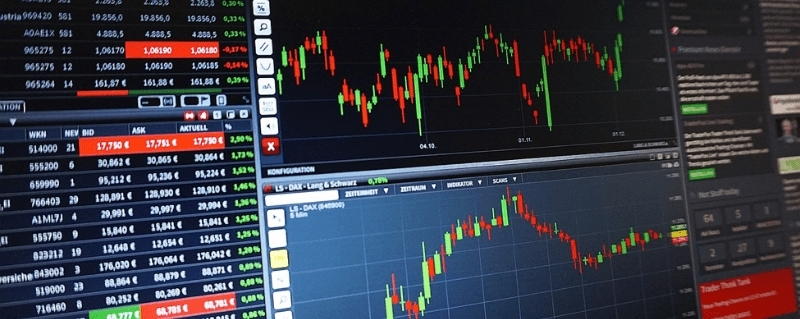

The order book can provide valuable information about market liquidity, but it should never be treated as a standalone trading system. Its main purpose is to help confirm what you already see in price structure, volume, and market momentum.
The first thing to understand is that the order book shows limit orders waiting to be executed—not guaranteed buying or selling intentions. Large orders can be cancelled at any moment, and some traders deliberately place fake “walls” to influence others. That is why you should watch how orders behave rather than simply looking for the largest numbers.
Pay attention to areas where liquidity repeatedly appears. A large bid below the current price may act as temporary support, while a large ask above the price may create resistance. However, the most important question is not whether the wall exists, but how the market reacts when price reaches it.
Absorption is one of the most useful signals. For example, sellers may aggressively hit the bid, but the price refuses to move lower because buyers continue absorbing the selling pressure. If the bid is constantly refilled, this may indicate a strong buyer defending the level. The opposite situation can signal a strong seller.
Also watch whether liquidity stays in place or disappears as price approaches it. A large order that remains and receives real executions is more meaningful than a wall that is repeatedly moved or cancelled. This is why combining the order book with the recent trades tape is especially useful: the book shows resting liquidity, while the tape shows what is actually being executed.
A practical long setup might look like this: price reaches an important support level, aggressive sellers enter, but the market cannot continue lower. The bid keeps refilling, selling pressure weakens, and buyers begin lifting the asks. The order book is not creating the trade idea—it is confirming that the support level may hold.
For a short setup, the logic is reversed: price approaches resistance, buyers aggressively execute market orders, but the price stops rising. Sell liquidity is replenished, buyers lose momentum, and sellers begin pushing through the bids.
To learn order-book reading, focus on one highly liquid instrument and observe it regularly. Mark important levels before opening the order book, record examples of absorption, disappearing liquidity, and failed breakouts, and then compare your observations with what price did afterward. Over time, you will begin to recognize recurring patterns instead of trying to follow every rapidly changing number.
The order book works best as the final layer of confirmation. First determine the market direction and key levels using price action, volume, and higher timeframes. Then use the order book to evaluate what is happening at those levels and improve the timing of your entry.
Do not enter a position simply because you see a large buy or sell wall. Look for several factors working together: a meaningful price level, real executed volume, absorption, a change in aggression, and confirmation from price movement. The goal is not to predict every market move but to understand where buyers and sellers are genuinely fighting—and which side is beginning to lose control.
#USAugustAvgHourlyEarningsRise3.1%
#USAugustJobGrowthNearlyTriplesForecast