إسقاط نموذج العدوى: استنتاجاتي الحقيقية حول عزل عقود الجسر 🚨
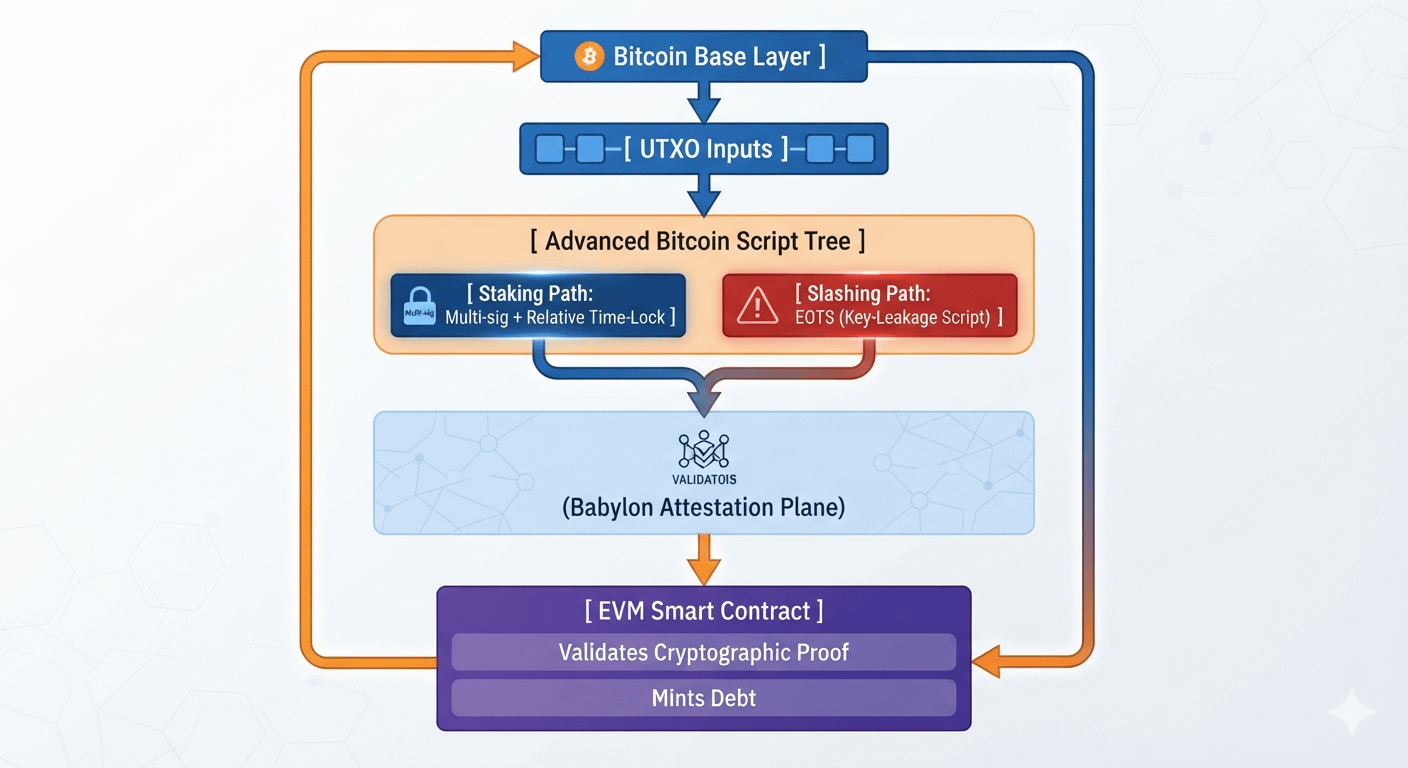
افترضت أن أي بنية تحتية تحاول نسخ سيولة بيتكوين الأصلية إلى آلة افتراضية خارجية مثل إيثريوم، ستكشف تلقائيًا تخزيناتي الباردة أمام أخطاء عقود ذبابة الطبقة الوجهة. وفي إطار عملي، إذا واجهت مجموعة إقراض ERC-20 حدث تلاعب في الأوراكل أو استغلالًا منطقيًا، فإن كل أصل واحد محبوس داخل تلك المجموعة يُستنزف افتراضيًا. أمضيت وقتي في تدقيق وثائق البنية المعمارية التي قدمتها Aave DAO بواسطة @BabylonLabs_io لمعرفة ما إذا كانت يمكنها فعلًا إثبات خلاف ذلك. ما كسر افتراضاتي بالكامل هو تعيين الفصل التعاقدي الصريح الذي تفرضه Trustless Bitcoin Vaults (TBV). يعزل TBV الأصل المحلي بالكامل على شبكة بيتكوين الرئيسية، مع إدارة حالات خارجية عبر محولي شبكة منفصلين على جانب EVM: Babylon Core Lending Spoke و BTC Vault Swap Spoke. بدلًا من جسر الأصل، يستخدم البروتوكول vaultBTC—وهو رمز مقيّد بالتحويلات ومربوط حصريًا بعناوين ثابتة مدرجة في القائمة البيضاء. أدركت أن آليات الاقتراض تعمل بشكل منفصل تمامًا عن موقع الأصل المادي، مما يسمح للمستخدمين بسحب سيولة أصول مستقرة على إيثريوم بينما تبقى حيازة الضمانات الأساسية مرتبطة بإحكام بمسارات سكربت Taproot UTXO الأصلية.
#baby $BABY @BabylonLabs_io
افترضت أن أي بنية تحتية تحاول نسخ سيولة بيتكوين الأصلية إلى آلة افتراضية خارجية مثل إيثريوم، ستكشف تلقائيًا تخزيناتي الباردة أمام أخطاء عقود ذبابة الطبقة الوجهة. وفي إطار عملي، إذا واجهت مجموعة إقراض ERC-20 حدث تلاعب في الأوراكل أو استغلالًا منطقيًا، فإن كل أصل واحد محبوس داخل تلك المجموعة يُستنزف افتراضيًا. أمضيت وقتي في تدقيق وثائق البنية المعمارية التي قدمتها Aave DAO بواسطة @BabylonLabs_io لمعرفة ما إذا كانت يمكنها فعلًا إثبات خلاف ذلك. ما كسر افتراضاتي بالكامل هو تعيين الفصل التعاقدي الصريح الذي تفرضه Trustless Bitcoin Vaults (TBV). يعزل TBV الأصل المحلي بالكامل على شبكة بيتكوين الرئيسية، مع إدارة حالات خارجية عبر محولي شبكة منفصلين على جانب EVM: Babylon Core Lending Spoke و BTC Vault Swap Spoke. بدلًا من جسر الأصل، يستخدم البروتوكول vaultBTC—وهو رمز مقيّد بالتحويلات ومربوط حصريًا بعناوين ثابتة مدرجة في القائمة البيضاء. أدركت أن آليات الاقتراض تعمل بشكل منفصل تمامًا عن موقع الأصل المادي، مما يسمح للمستخدمين بسحب سيولة أصول مستقرة على إيثريوم بينما تبقى حيازة الضمانات الأساسية مرتبطة بإحكام بمسارات سكربت Taproot UTXO الأصلية.
#baby $BABY @BabylonLabs_io