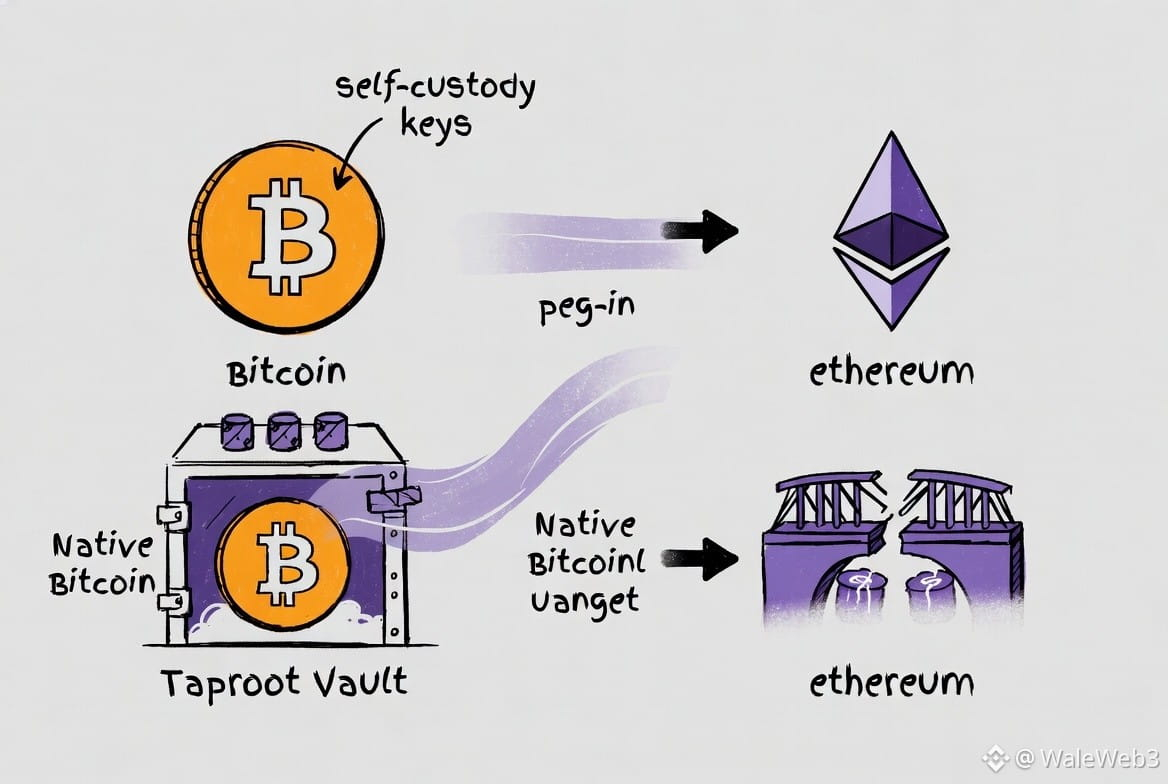
ماذا لو استطعت أخيرًا استخدام بيتكوينك الأصلية كضمان في التمويل اللامركزي (DeFi) دون لفّها أو جسْرها أو الاعتماد على وسيط واحد موثوق؟ 🚨
قمت بتجربة عملية لأول مرة مع صناديق بيتكوين بدون ثقة من بابيلون (Babylon’s Trustless Bitcoin Vaults TBV) في الاختبار العام، وهي متاحة منذ أوائل يونيو 2026، والبنية التشفيرية فيها مدهشة فعلًا.
معظم حلول البيتكوين تتنازل عن الثقة. تميل WBTC وcbBTC إلى الاعتماد على حفظ مركزي مثل تخزين BitGo متعدد التوقيعات أو خزائن Coinbase. تـBTC يتحسن عبر التشفير العتبي (threshold cryptography) لكنه ما زال يضيف مخاطر العقود الذكية الخاصة بالجسور. أما TBV فيتبع نهجًا أنقى وأكثر أصالة: فهو يُقفل البيتكوين على L1 باستخدام مخرجات Taproot حيث يتم الالتزام مسبقًا بمسارات الصرف عند إنشاء الخزنة بين مفاتيح المودعين، وVault Provider، وApplication Vault Keeper. وهذا يتيح فرض سكربت البيتكوين مباشرة دون نقل الأصل خارج السلسلة (off-chain).
تدفق إدخال الضمان (peg-in) دقيق وأنيق: بث معاملة Pre-PegIn على Signet، ثم 12 تأكيدًا كتليًا لتحقيق الإنهاء الاقتصادي (حوالي ساعتين)، وجولات توقيع ACK متعددة الأطراف خارج السلسلة مع مهلة 24 ساعة، ثم تفعيل عبر عقود ذكية على Ethereum على Sepolia. تعمل الخزائن النشطة ضمن معايير صارمة: عامل ضمان بنسبة 78%، وعامل صحة أقل من 1.0 يؤدي إلى التصفية، وحد أقصى لكل مركز يبلغ 0.4 BTC يدعم حتى 10 خزائن، بالإضافة إلى نافذة تحدّي استرداد مؤمّنة لمدة 3 أيام مع قيود زمنية لاسترداد قابل للحفظ الذاتي.
عند تجربة دورة الحياة كاملة من بناء Pre-PegIn إلى تسلسل التفعيل، وإدارة المراكز، والسداد، وردود الاسترداد ذات القيود الزمنية، اتضح لي مدى نظافة TBV في فصل ضمانات سكربت بيتكوين غير القابلة للتغيير عن طبقة Ethereum القابلة للبرمجة، مع الحفاظ على سيادة المفاتيح الخاصة الكاملة وأدلة الاسترداد. هذا تقدم حقيقي. أصيل، يقلل الحاجة للثقة إلى الحد الأدنى، ومبني للتوسع.
@BabylonLabs_io $BABY #baby
قمت بتجربة عملية لأول مرة مع صناديق بيتكوين بدون ثقة من بابيلون (Babylon’s Trustless Bitcoin Vaults TBV) في الاختبار العام، وهي متاحة منذ أوائل يونيو 2026، والبنية التشفيرية فيها مدهشة فعلًا.
معظم حلول البيتكوين تتنازل عن الثقة. تميل WBTC وcbBTC إلى الاعتماد على حفظ مركزي مثل تخزين BitGo متعدد التوقيعات أو خزائن Coinbase. تـBTC يتحسن عبر التشفير العتبي (threshold cryptography) لكنه ما زال يضيف مخاطر العقود الذكية الخاصة بالجسور. أما TBV فيتبع نهجًا أنقى وأكثر أصالة: فهو يُقفل البيتكوين على L1 باستخدام مخرجات Taproot حيث يتم الالتزام مسبقًا بمسارات الصرف عند إنشاء الخزنة بين مفاتيح المودعين، وVault Provider، وApplication Vault Keeper. وهذا يتيح فرض سكربت البيتكوين مباشرة دون نقل الأصل خارج السلسلة (off-chain).
تدفق إدخال الضمان (peg-in) دقيق وأنيق: بث معاملة Pre-PegIn على Signet، ثم 12 تأكيدًا كتليًا لتحقيق الإنهاء الاقتصادي (حوالي ساعتين)، وجولات توقيع ACK متعددة الأطراف خارج السلسلة مع مهلة 24 ساعة، ثم تفعيل عبر عقود ذكية على Ethereum على Sepolia. تعمل الخزائن النشطة ضمن معايير صارمة: عامل ضمان بنسبة 78%، وعامل صحة أقل من 1.0 يؤدي إلى التصفية، وحد أقصى لكل مركز يبلغ 0.4 BTC يدعم حتى 10 خزائن، بالإضافة إلى نافذة تحدّي استرداد مؤمّنة لمدة 3 أيام مع قيود زمنية لاسترداد قابل للحفظ الذاتي.
عند تجربة دورة الحياة كاملة من بناء Pre-PegIn إلى تسلسل التفعيل، وإدارة المراكز، والسداد، وردود الاسترداد ذات القيود الزمنية، اتضح لي مدى نظافة TBV في فصل ضمانات سكربت بيتكوين غير القابلة للتغيير عن طبقة Ethereum القابلة للبرمجة، مع الحفاظ على سيادة المفاتيح الخاصة الكاملة وأدلة الاسترداد. هذا تقدم حقيقي. أصيل، يقلل الحاجة للثقة إلى الحد الأدنى، ومبني للتوسع.
@BabylonLabs_io $BABY #baby