

#xmucan
xmucan
31.7M مشاهدات
2,764 يقومون بالنقاش
رائج
جديد

·
--
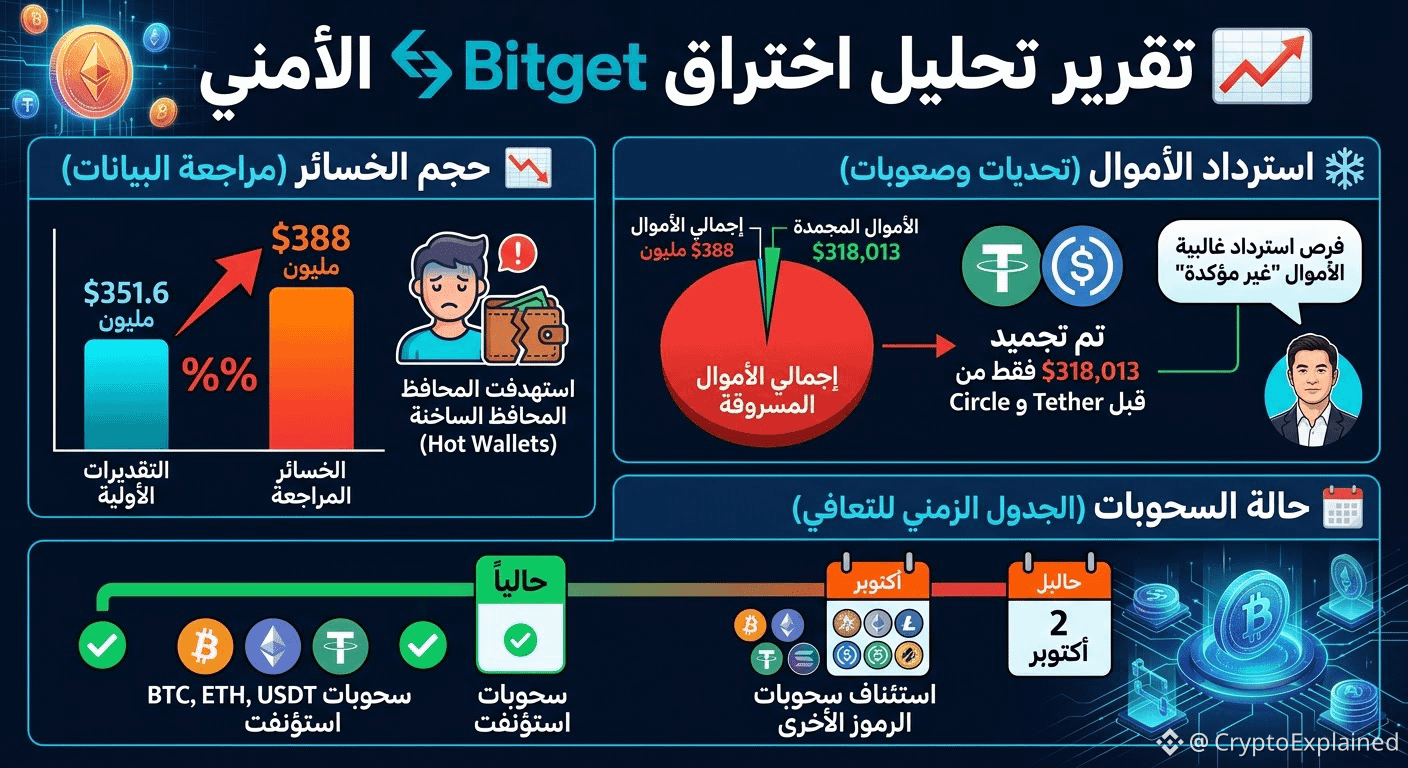
🛡️ اختراق منصة Bitget
لا تزال المنصة تتعافى من اختراق أمني كبير استهدف محافظها الساخنة (Hot Wallets).
· حجم الخسائر: تمت مراجعة الخسائر لتصل إلى حوالي 388 مليون دولار، بعد أن كانت التقديرات الأولية 351.6 مليون دولار.
· استرداد الأموال: تم تجميد مبلغ 318,013 دولارًا فقط حتى الآن من قبل شركتي Tether و Circle، مما دفع الرئيسة التنفيذية للشركة إلى الإقرار بأن فرص استرداد غالبية الأموال "غير مؤكدة".
· حالة السحوبات: عادت السحوبات تدريجيًا، حيث تم استئناف سحوبات البيتكوين (BTC) والإيثريوم (ETH) و USDT. من المقرر أن تعود سحوبات الرموز الأخرى يوم 2 أكتوبر.
#QNTRises287% #TrumpRejectsAIRulesForVoluntaryAudits #xmucan #VeChainNodeMarketplace
$ME ⚠️⚠️
{future}(MEUSDT)
🛡️ اختراق منصة Bitget
لا تزال المنصة تتعافى من اختراق أمني كبير استهدف محافظها الساخنة (Hot Wallets).
· حجم الخسائر: تمت مراجعة الخسائر لتصل إلى حوالي 388 مليون دولار، بعد أن كانت التقديرات الأولية 351.6 مليون دولار.
· استرداد الأموال: تم تجميد مبلغ 318,013 دولارًا فقط حتى الآن من قبل شركتي Tether و Circle، مما دفع الرئيسة التنفيذية للشركة إلى الإقرار بأن فرص استرداد غالبية الأموال "غير مؤكدة".
· حالة السحوبات: عادت السحوبات تدريجيًا، حيث تم استئناف سحوبات البيتكوين (BTC) والإيثريوم (ETH) و USDT. من المقرر أن تعود سحوبات الرموز الأخرى يوم 2 أكتوبر.
#QNTRises287% #TrumpRejectsAIRulesForVoluntaryAudits #xmucan #VeChainNodeMarketplace
$ME ⚠️⚠️
لا تزال المنصة تتعافى من اختراق أمني كبير استهدف محافظها الساخنة (Hot Wallets).
· حجم الخسائر: تمت مراجعة الخسائر لتصل إلى حوالي 388 مليون دولار، بعد أن كانت التقديرات الأولية 351.6 مليون دولار.
· استرداد الأموال: تم تجميد مبلغ 318,013 دولارًا فقط حتى الآن من قبل شركتي Tether و Circle، مما دفع الرئيسة التنفيذية للشركة إلى الإقرار بأن فرص استرداد غالبية الأموال "غير مؤكدة".
· حالة السحوبات: عادت السحوبات تدريجيًا، حيث تم استئناف سحوبات البيتكوين (BTC) والإيثريوم (ETH) و USDT. من المقرر أن تعود سحوبات الرموز الأخرى يوم 2 أكتوبر.
#QNTRises287% #TrumpRejectsAIRulesForVoluntaryAudits #xmucan #VeChainNodeMarketplace
$ME ⚠️⚠️
99

$LSK
{spot}(LSKUSDT)
*التحليل:*
LSK بعد انتقالها لـ Layer 2 على Optimism، بتصحى من جديد. كسرت 0.44$ اليوم - إشارة قوية.
- *دخول:* 0.425$ - 0.43526$
- *TP1:* 0.441$ | *TP2:* 0.455$ | *TP3:* 0.48$
- *SL:* 0.4189$
كسر 0.44120$ = 0.48$ سريع
#ZeusInCrypto #xmucan #VTHO #Write2Earn #BTC $BTC $BNB
$LSK
*التحليل:*
LSK بعد انتقالها لـ Layer 2 على Optimism، بتصحى من جديد. كسرت 0.44$ اليوم - إشارة قوية.
- *دخول:* 0.425$ - 0.43526$
- *TP1:* 0.441$ | *TP2:* 0.455$ | *TP3:* 0.48$
- *SL:* 0.4189$
كسر 0.44120$ = 0.48$ سريع
#ZeusInCrypto #xmucan #VTHO #Write2Earn #BTC $BTC $BNB
*التحليل:*
LSK بعد انتقالها لـ Layer 2 على Optimism، بتصحى من جديد. كسرت 0.44$ اليوم - إشارة قوية.
- *دخول:* 0.425$ - 0.43526$
- *TP1:* 0.441$ | *TP2:* 0.455$ | *TP3:* 0.48$
- *SL:* 0.4189$
كسر 0.44120$ = 0.48$ سريع
#ZeusInCrypto #xmucan #VTHO #Write2Earn #BTC $BTC $BNB
1
248
·
--
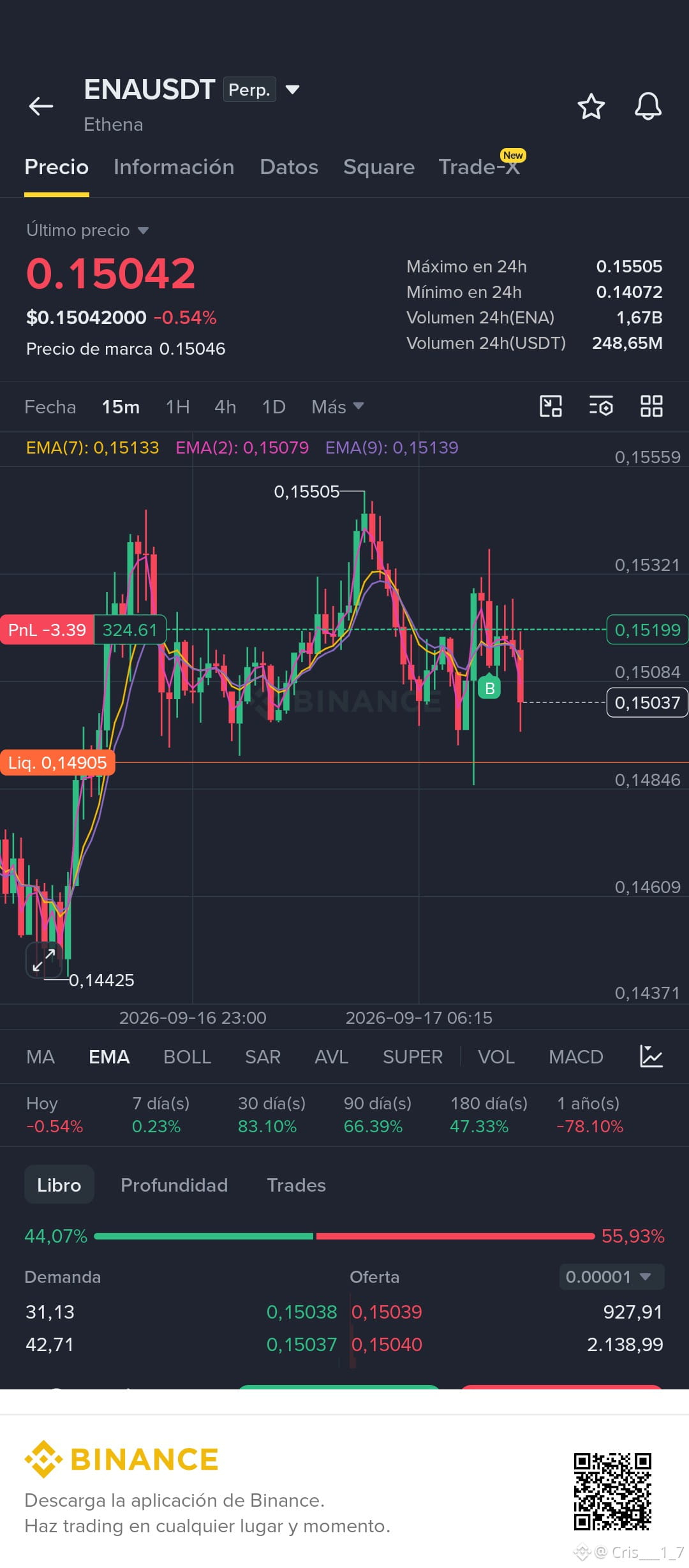
ما زلت أضيع ولا أعرف كيف أكسب المال
كنت أتمنى أن يكون هذا حلمي الكبير 😔#ENAUSDT🚨 #cryptouniverseofficial #xmucan
ما زلت أضيع ولا أعرف كيف أكسب المال
كنت أتمنى أن يكون هذا حلمي الكبير 😔#ENAUSDT🚨 #cryptouniverseofficial #xmucan
كنت أتمنى أن يكون هذا حلمي الكبير 😔#ENAUSDT🚨 #cryptouniverseofficial #xmucan
174



·
--
Virus 蓝天白云
·
--
🧧🧧🧧
يحبّ السوقُ صناعةَ الضوضاء، أمّا الخبراء فيفضّلون البحثَ عن الإشارة. قلّل المعلوماتِ غيرَ المفيدة، عندها فقط ستتمكّن من رؤية الفرصِ الحقيقيّة.
يحبّ السوقُ صناعةَ الضوضاء، أمّا الخبراء فيفضّلون البحثَ عن الإشارة. قلّل المعلوماتِ غيرَ المفيدة، عندها فقط ستتمكّن من رؤية الفرصِ الحقيقيّة.

8

·
--
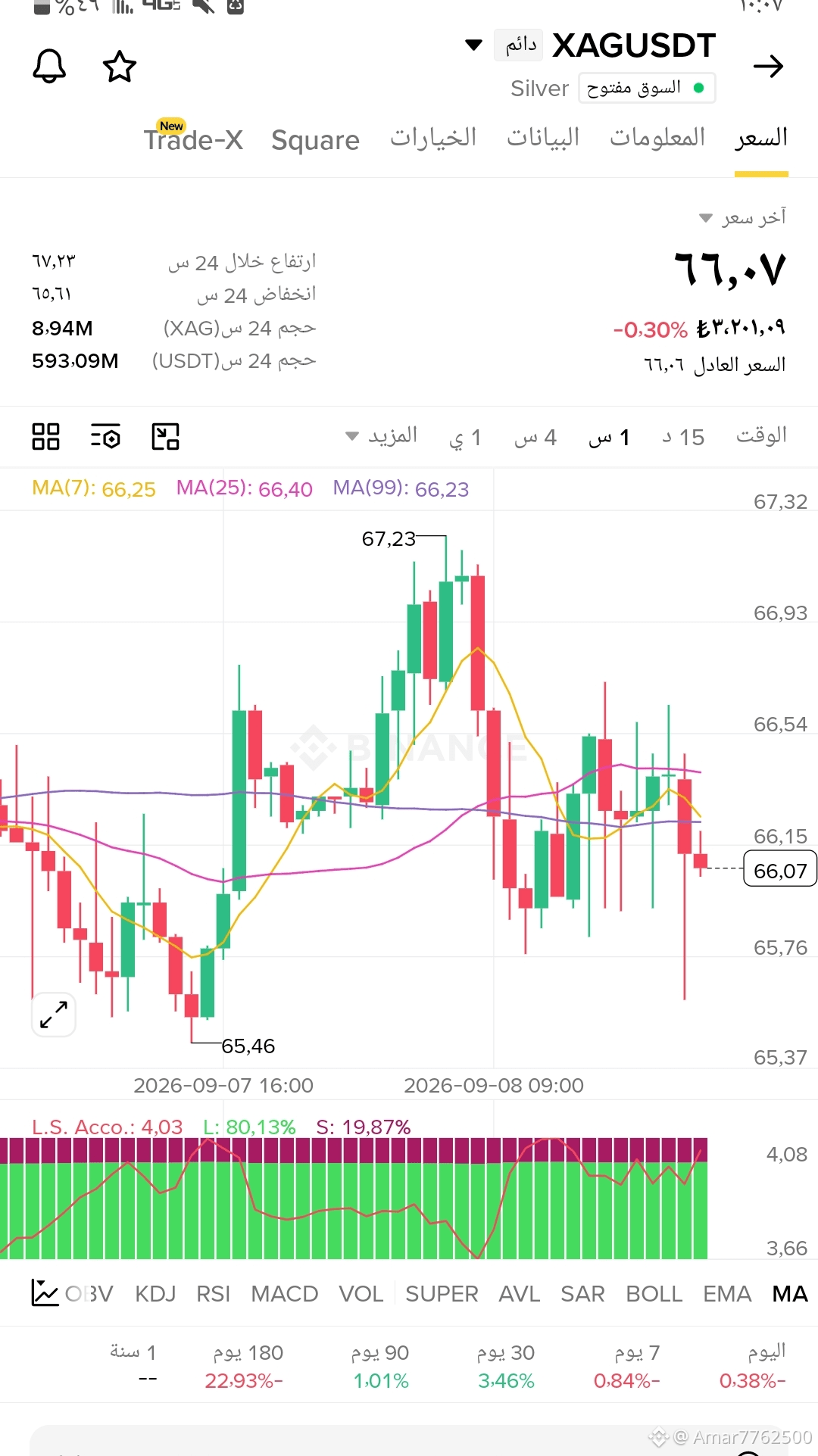
كسر واضح لخطوط المتوسطات المتحركة على إطار 15 دقيقة مع زخم هابط يضغط على السعر نحو مستويات الدعم الرئيسية! 🎯👇
افتح صفقه ($XAG ) الان 🔴 بيع (Short)
الدخول من: 66.00 - 66.20
الهدف الاول: 65.50
الهدف الثاني: 65.00
وقف الخساره: 66.60
⚡ الرافعة المالية المقترحة: 10x - 20x
⚠️ إدارة رأس المال والتداول بمسؤولية هما أساس النجاح، لا تغفل عن تحديد وقف الخسارة!
{future}(XAGUSDT)
#BinanceSquare #xmucan #Silver #xmucan #BinanceHerYerde
كسر واضح لخطوط المتوسطات المتحركة على إطار 15 دقيقة مع زخم هابط يضغط على السعر نحو مستويات الدعم الرئيسية! 🎯👇
افتح صفقه ($XAG ) الان 🔴 بيع (Short)
الدخول من: 66.00 - 66.20
الهدف الاول: 65.50
الهدف الثاني: 65.00
وقف الخساره: 66.60
⚡ الرافعة المالية المقترحة: 10x - 20x
⚠️ إدارة رأس المال والتداول بمسؤولية هما أساس النجاح، لا تغفل عن تحديد وقف الخسارة!
#BinanceSquare #xmucan #Silver #xmucan #BinanceHerYerde
افتح صفقه ($XAG ) الان 🔴 بيع (Short)
الدخول من: 66.00 - 66.20
الهدف الاول: 65.50
الهدف الثاني: 65.00
وقف الخساره: 66.60
⚡ الرافعة المالية المقترحة: 10x - 20x
⚠️ إدارة رأس المال والتداول بمسؤولية هما أساس النجاح، لا تغفل عن تحديد وقف الخسارة!
#BinanceSquare #xmucan #Silver #xmucan #BinanceHerYerde
143
·
--
$XRP
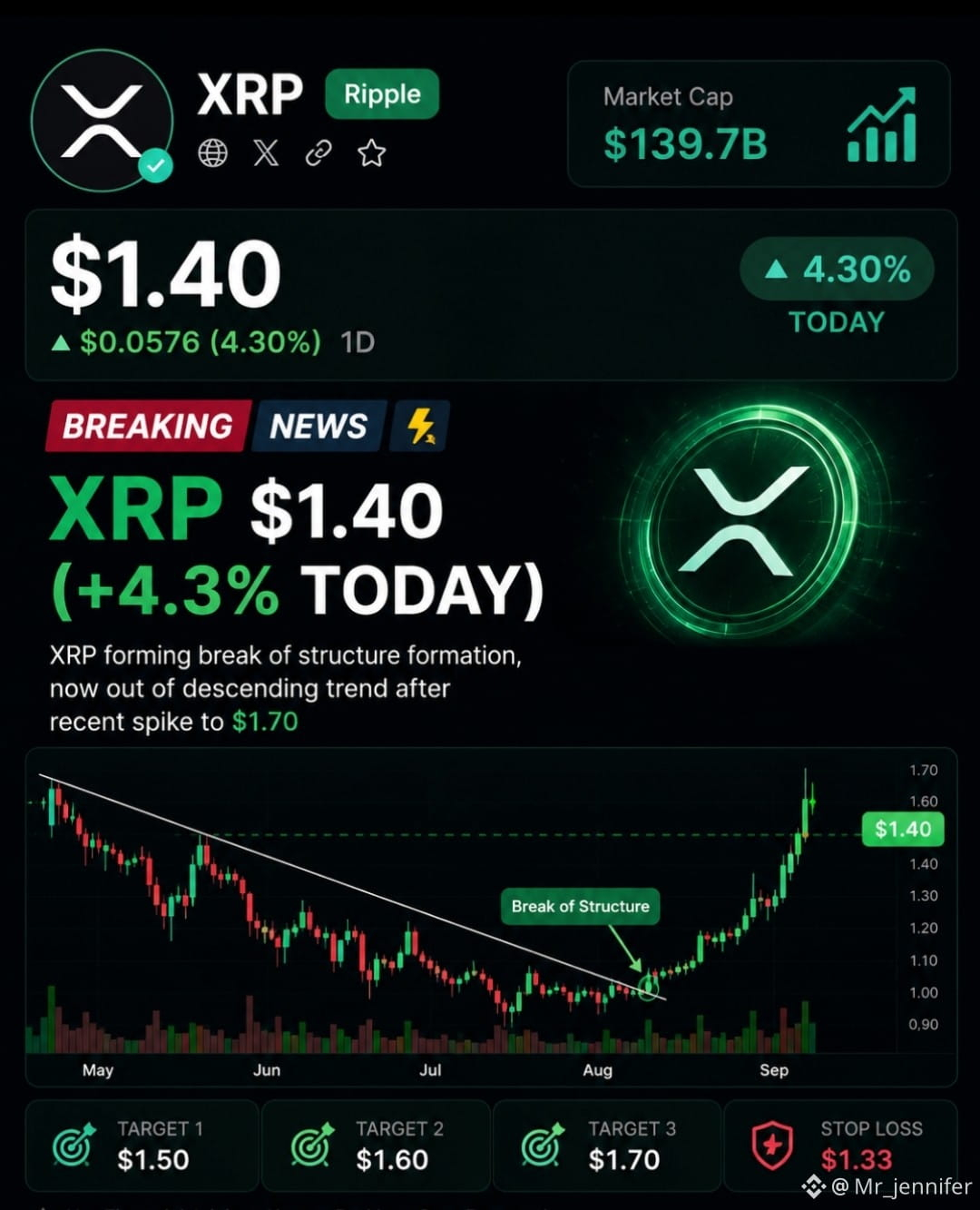
🚀 اختراق صعودي
لقد اخترق XRP خط الاتجاه الهابط وأصبح يستقر حول $1.40 بعد الارتفاع الأخير إلى $1.70.
الدخول: $1.38–$1.42
TP1: $1.50
TP2: $1.60
TP3: $1.70
SL: $1.33
🔥 الزخم يزداد — $1.50 هو المستوى الرئيسي الذي يجب مراقبته.
#USWeeklyInitialJoblessClaimsRiseTo206000 #XAI #xmucan
$XRP
🚀 اختراق صعودي
لقد اخترق XRP خط الاتجاه الهابط وأصبح يستقر حول $1.40 بعد الارتفاع الأخير إلى $1.70.
الدخول: $1.38–$1.42
TP1: $1.50
TP2: $1.60
TP3: $1.70
SL: $1.33
🔥 الزخم يزداد — $1.50 هو المستوى الرئيسي الذي يجب مراقبته.
#USWeeklyInitialJoblessClaimsRiseTo206000 #XAI #xmucan
🚀 اختراق صعودي
لقد اخترق XRP خط الاتجاه الهابط وأصبح يستقر حول $1.40 بعد الارتفاع الأخير إلى $1.70.
الدخول: $1.38–$1.42
TP1: $1.50
TP2: $1.60
TP3: $1.70
SL: $1.33
🔥 الزخم يزداد — $1.50 هو المستوى الرئيسي الذي يجب مراقبته.
#USWeeklyInitialJoblessClaimsRiseTo206000 #XAI #xmucan
47

مقالة
الأخبار
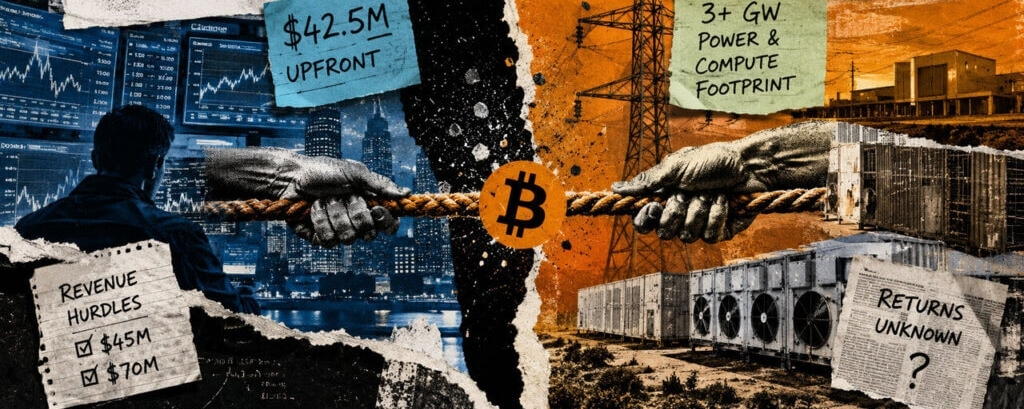
BitGo وNYDIG تشدّان طرفي حبل متعاكسين حول البيتكوين، مع مقارنة تحديات الإيرادات معصفقة BitGo NYDIG تضع ما يقرب من 42.5 مليون دولار مقدّمًا مقابل بصمة القدرة والحوسبة التي تدّعيها NYDIG بما يزيد على 3 جيجاواط، مع عدم إثبات الربحية على جانبي الصفقة حتى الآن.
تقوم صفقة NYDIG من itGo بتحويل أعمال التداول المؤسسي إلى مزود البنية التحتية لحفظ الأصول الرقمية والتداول، بينما تقول NYDIG إنها تركز مواردها على الطاقة وتعدين البيتكوين ومراكز بيانات الحوسبة عالية الأداء.
توضح شروط الإغلاق التي كشفت عنها BitGo أن نحو 42.5 مليون دولار من المقابل سيتم دفعه مقدمًا. تضيف BitGo فريقًا مؤسسيًا وعلاقات عملاء ومنتجات مالية إلى منصة الحفظ والتسوية التابعة لها. وتوجّه NYDIG اهتمامها نحو بصمة للقدرة والحوسبة كما تصفها الشركة وتزيد على 3 جيجاواط.
الأخبار BitGo وNYDIG تشدّان طرفي حبل متعاكسين حول البيتكوين، مع مقارنة تحديات الإيرادات مع
صفقة BitGo NYDIG تضع ما يقرب من 42.5 مليون دولار مقدّمًا مقابل بصمة القدرة والحوسبة التي تدّعيها NYDIG بما يزيد على 3 جيجاواط، مع عدم إثبات الربحية على جانبي الصفقة حتى الآن.
تقوم صفقة NYDIG من itGo بتحويل أعمال التداول المؤسسي إلى مزود البنية التحتية لحفظ الأصول الرقمية والتداول، بينما تقول NYDIG إنها تركز مواردها على الطاقة وتعدين البيتكوين ومراكز بيانات الحوسبة عالية الأداء.
توضح شروط الإغلاق التي كشفت عنها BitGo أن نحو 42.5 مليون دولار من المقابل سيتم دفعه مقدمًا. تضيف BitGo فريقًا مؤسسيًا وعلاقات عملاء ومنتجات مالية إلى منصة الحفظ والتسوية التابعة لها. وتوجّه NYDIG اهتمامها نحو بصمة للقدرة والحوسبة كما تصفها الشركة وتزيد على 3 جيجاواط.
تقوم صفقة NYDIG من itGo بتحويل أعمال التداول المؤسسي إلى مزود البنية التحتية لحفظ الأصول الرقمية والتداول، بينما تقول NYDIG إنها تركز مواردها على الطاقة وتعدين البيتكوين ومراكز بيانات الحوسبة عالية الأداء.
توضح شروط الإغلاق التي كشفت عنها BitGo أن نحو 42.5 مليون دولار من المقابل سيتم دفعه مقدمًا. تضيف BitGo فريقًا مؤسسيًا وعلاقات عملاء ومنتجات مالية إلى منصة الحفظ والتسوية التابعة لها. وتوجّه NYDIG اهتمامها نحو بصمة للقدرة والحوسبة كما تصفها الشركة وتزيد على 3 جيجاواط.
53

·
--
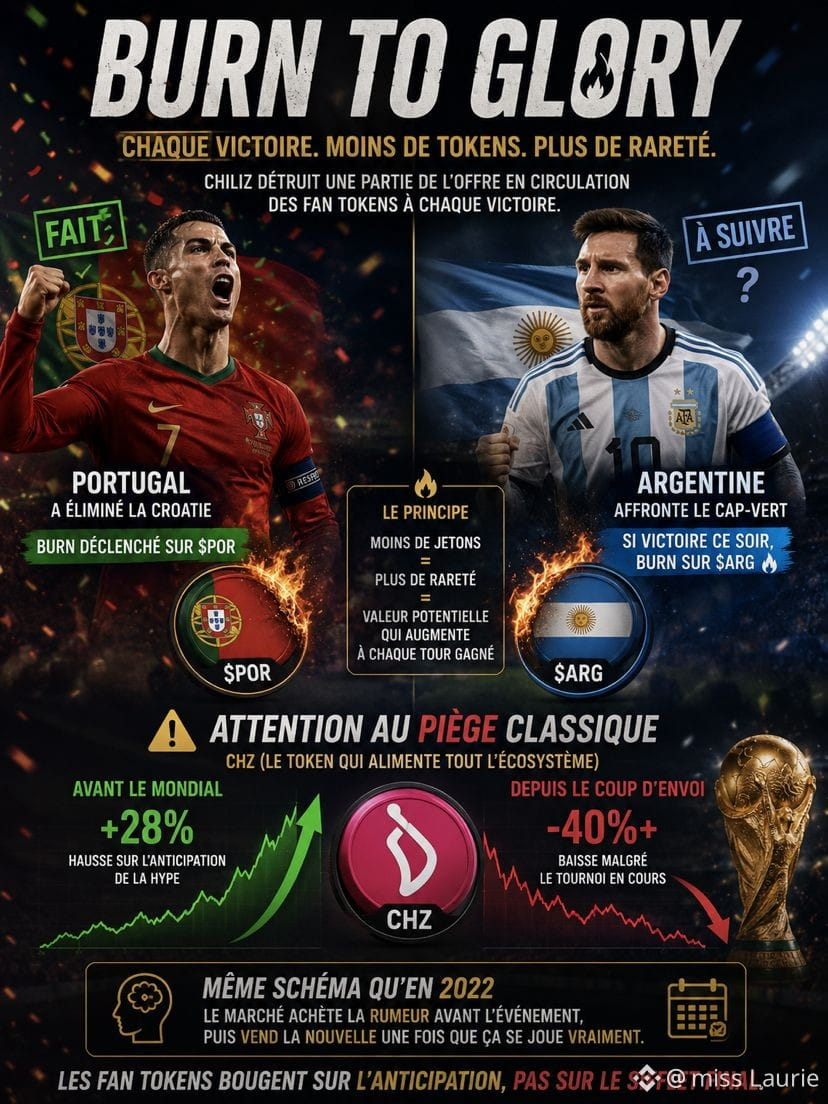
اليوم، تغلب البرتغال أمس على كرواتيا، بينما تواجه الأرجنتين الرأس الأخضر في دور الـ16. والشيء المثير للاهتمام هو أن هذه النتائج تؤثر مباشرة على بعض رموز العملات المشفرة: أطلقت Chiliz "Burn to Glory"، وهي آلية تقوم بإتلاف جزء من المعروض المتداول من رموز المعجبين $POR (البرتغال) و$ARG (الأرجنتين) في كل مرة تنتصر فيها الفرق. وبشكل ملموس: انخفاض عدد الرموز المتداولة = ندرة تزداد مع كل جولة يتم الفوز بها. لذلك، فإن انتصار البرتغال أمس قد فعّل بالفعل عملية حرق على $POR، وإذا تأهلت الأرجنتين الليلة فسيتبعها $ARG.
لكن انتبه إلى الفخّ المعتاد: CHZ (الرمز الذي يغذّي كامل هذا النظام البيئي) ارتفع بنسبة +28% قبل انطلاق المونديال توقّعًا للضجة — ثم تراجع بأكثر من 40% منذ ذلك الحين، رغم استمرار البطولة. إنها نفس القصة في 2022: السوق يشتري الإشاعة قبل الحدث، ثم يبيع الخبر بمجرد أن تبدأ الأمور فعليًا. تتحرك رموز المعجبين بناءً على الترقّب، لا على صافرة النهاية. #xmucan #Xrp🔥🔥 #cryptouniverseofficial #HBARUSD #chz
اليوم، تغلب البرتغال أمس على كرواتيا، بينما تواجه الأرجنتين الرأس الأخضر في دور الـ16. والشيء المثير للاهتمام هو أن هذه النتائج تؤثر مباشرة على بعض رموز العملات المشفرة: أطلقت Chiliz "Burn to Glory"، وهي آلية تقوم بإتلاف جزء من المعروض المتداول من رموز المعجبين $POR (البرتغال) و$ARG (الأرجنتين) في كل مرة تنتصر فيها الفرق. وبشكل ملموس: انخفاض عدد الرموز المتداولة = ندرة تزداد مع كل جولة يتم الفوز بها. لذلك، فإن انتصار البرتغال أمس قد فعّل بالفعل عملية حرق على $POR، وإذا تأهلت الأرجنتين الليلة فسيتبعها $ARG.
لكن انتبه إلى الفخّ المعتاد: CHZ (الرمز الذي يغذّي كامل هذا النظام البيئي) ارتفع بنسبة +28% قبل انطلاق المونديال توقّعًا للضجة — ثم تراجع بأكثر من 40% منذ ذلك الحين، رغم استمرار البطولة. إنها نفس القصة في 2022: السوق يشتري الإشاعة قبل الحدث، ثم يبيع الخبر بمجرد أن تبدأ الأمور فعليًا. تتحرك رموز المعجبين بناءً على الترقّب، لا على صافرة النهاية. #xmucan #Xrp🔥🔥 #cryptouniverseofficial #HBARUSD #chz
لكن انتبه إلى الفخّ المعتاد: CHZ (الرمز الذي يغذّي كامل هذا النظام البيئي) ارتفع بنسبة +28% قبل انطلاق المونديال توقّعًا للضجة — ثم تراجع بأكثر من 40% منذ ذلك الحين، رغم استمرار البطولة. إنها نفس القصة في 2022: السوق يشتري الإشاعة قبل الحدث، ثم يبيع الخبر بمجرد أن تبدأ الأمور فعليًا. تتحرك رموز المعجبين بناءً على الترقّب، لا على صافرة النهاية. #xmucan #Xrp🔥🔥 #cryptouniverseofficial #HBARUSD #chz
907

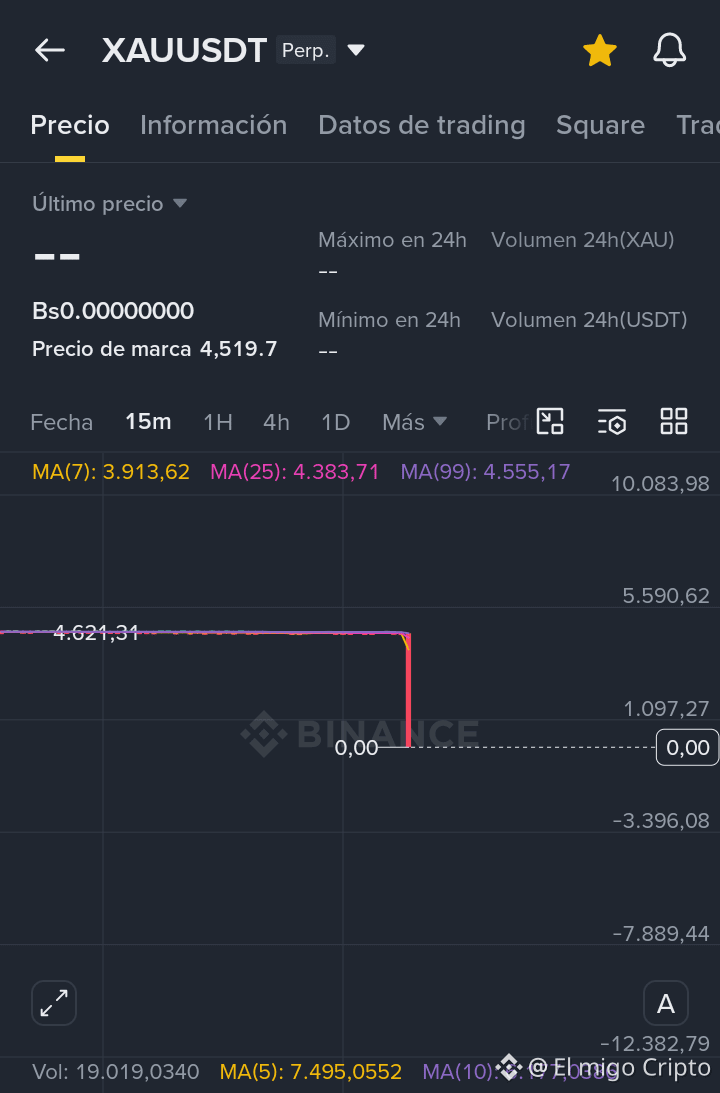
$XAU عندما تفكر في وضع ستوب عند الأدنى، انظر إلى هذه الصورة، لقد كسر عند 0,00$ 😬😬🤔 وتفكر أن هذا النظام قد قطع العديد من الناس هكذا من قبل 🧐🧐 انتبهوا يا سادة، النظام لا يخسر أبدًا، إذا كنت تريد أن تربح بشكل كبير، استثمر ملايينك في بنك موثوق أو اشترِ ذهبًا حقيقيًا😎💯✨💪🏼 واجعله يطير في هذا النظام القاطع عند 💹💯😉🙌🏼✨😎#xmucan $XAG
$XAU عندما تفكر في وضع ستوب عند الأدنى، انظر إلى هذه الصورة، لقد كسر عند 0,00$ 😬😬🤔 وتفكر أن هذا النظام قد قطع العديد من الناس هكذا من قبل 🧐🧐 انتبهوا يا سادة، النظام لا يخسر أبدًا، إذا كنت تريد أن تربح بشكل كبير، استثمر ملايينك في بنك موثوق أو اشترِ ذهبًا حقيقيًا😎💯✨💪🏼 واجعله يطير في هذا النظام القاطع عند 💹💯😉🙌🏼✨😎#xmucan $XAG
1
177
شراء حقوق بطولة العالم للراليات، تقول المصادرلندن / ميلانو، 24 أبريل (رويترز) - (تم إعادة نشر قصة 24 أبريل هذه لإزالة كلمة إضافية من النص الاستشاري)
مجموعة السيارات الفرنسية كوزموبيليس في محادثات لشراء حقوق البطولة التجارية لبطولة العالم للراليات (WRC)، حسبما أفاد شخصان مطلعان على الأمر لوكالة رويترز.
تقدمت كوزموبيليس بعد مزاد تم عقده لجهة الترويج لبطولة WRC ومقرها ميونيخ من قبل حاملي الحقوق الحاليين ريد بول والشركة الاستثمارية الألمانية KW25 في وقت سابق من هذا العام، وفقاً للمصادر.
إذا تمت المفاوضات والتمويل بنجاح، يمكن الإعلان عن صفقة في الصيف، وفقاً لما قاله أحد الأشخاص.
شراء حقوق بطولة العالم للراليات، تقول المصادر
لندن / ميلانو، 24 أبريل (رويترز) - (تم إعادة نشر قصة 24 أبريل هذه لإزالة كلمة إضافية من النص الاستشاري)
مجموعة السيارات الفرنسية كوزموبيليس في محادثات لشراء حقوق البطولة التجارية لبطولة العالم للراليات (WRC)، حسبما أفاد شخصان مطلعان على الأمر لوكالة رويترز.
تقدمت كوزموبيليس بعد مزاد تم عقده لجهة الترويج لبطولة WRC ومقرها ميونيخ من قبل حاملي الحقوق الحاليين ريد بول والشركة الاستثمارية الألمانية KW25 في وقت سابق من هذا العام، وفقاً للمصادر.
إذا تمت المفاوضات والتمويل بنجاح، يمكن الإعلان عن صفقة في الصيف، وفقاً لما قاله أحد الأشخاص.
مجموعة السيارات الفرنسية كوزموبيليس في محادثات لشراء حقوق البطولة التجارية لبطولة العالم للراليات (WRC)، حسبما أفاد شخصان مطلعان على الأمر لوكالة رويترز.
تقدمت كوزموبيليس بعد مزاد تم عقده لجهة الترويج لبطولة WRC ومقرها ميونيخ من قبل حاملي الحقوق الحاليين ريد بول والشركة الاستثمارية الألمانية KW25 في وقت سابق من هذا العام، وفقاً للمصادر.
إذا تمت المفاوضات والتمويل بنجاح، يمكن الإعلان عن صفقة في الصيف، وفقاً لما قاله أحد الأشخاص.
115
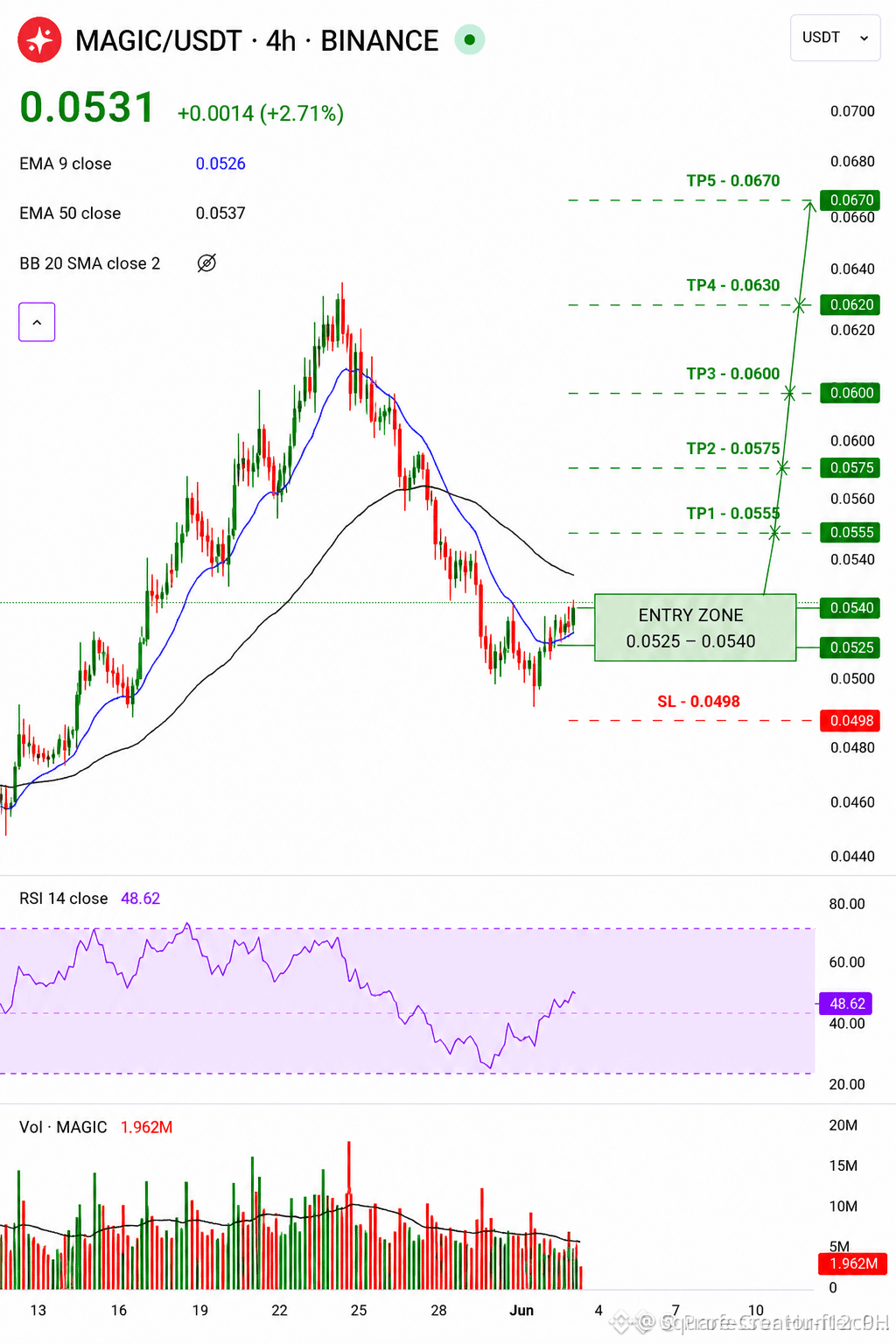
$MAGIC دعم الارتداد — فرصة طويلة لفروة الرأس.
طويل $MAGIC
الدخول: $0.0490 – $0.0500
وقف الخسارة: $0.0445
جني الأرباح 1: $0.0535
جني الأرباح 2: $0.0550
جني الأرباح 3: $0.0580
جني الأرباح 4: $0.0615
جني الأرباح 5: $0.0650
السعر يتمسك بالقرب من منطقة دعم محورية حيث يدافع المشترون بنشاط عن النطاق الحالي. يظل الزخم إيجابيًا على الأطر الزمنية الأدنى، مع تماسك السعر فوق الدعم بعد حركة انتعاش حديثة. قد يؤدي استمرار الثبات داخل منطقة الدخول إلى جذب ضغط شراء إضافي وتفعيل استمرار الحركة باتجاه مستويات المقاومة المحددة. طالما أن $0.0478 صامد، فإن استمرار الاتجاه الصعودي يبقى المسار الأعلى احتمالًا.
انقر أدناه لاتخاذ صفقة 👇
$MAGIC
{future}(MAGICUSDT)
#XAI #X #xmucan #Xrp🔥🔥 #XRPPredictions
$MAGIC دعم الارتداد — فرصة طويلة لفروة الرأس.
طويل $MAGIC
الدخول: $0.0490 – $0.0500
وقف الخسارة: $0.0445
جني الأرباح 1: $0.0535
جني الأرباح 2: $0.0550
جني الأرباح 3: $0.0580
جني الأرباح 4: $0.0615
جني الأرباح 5: $0.0650
السعر يتمسك بالقرب من منطقة دعم محورية حيث يدافع المشترون بنشاط عن النطاق الحالي. يظل الزخم إيجابيًا على الأطر الزمنية الأدنى، مع تماسك السعر فوق الدعم بعد حركة انتعاش حديثة. قد يؤدي استمرار الثبات داخل منطقة الدخول إلى جذب ضغط شراء إضافي وتفعيل استمرار الحركة باتجاه مستويات المقاومة المحددة. طالما أن $0.0478 صامد، فإن استمرار الاتجاه الصعودي يبقى المسار الأعلى احتمالًا.
انقر أدناه لاتخاذ صفقة 👇
$MAGIC
#XAI #X #xmucan #Xrp🔥🔥 #XRPPredictions
طويل $MAGIC
الدخول: $0.0490 – $0.0500
وقف الخسارة: $0.0445
جني الأرباح 1: $0.0535
جني الأرباح 2: $0.0550
جني الأرباح 3: $0.0580
جني الأرباح 4: $0.0615
جني الأرباح 5: $0.0650
السعر يتمسك بالقرب من منطقة دعم محورية حيث يدافع المشترون بنشاط عن النطاق الحالي. يظل الزخم إيجابيًا على الأطر الزمنية الأدنى، مع تماسك السعر فوق الدعم بعد حركة انتعاش حديثة. قد يؤدي استمرار الثبات داخل منطقة الدخول إلى جذب ضغط شراء إضافي وتفعيل استمرار الحركة باتجاه مستويات المقاومة المحددة. طالما أن $0.0478 صامد، فإن استمرار الاتجاه الصعودي يبقى المسار الأعلى احتمالًا.
انقر أدناه لاتخاذ صفقة 👇
$MAGIC
#XAI #X #xmucan #Xrp🔥🔥 #XRPPredictions
1
136

·
--
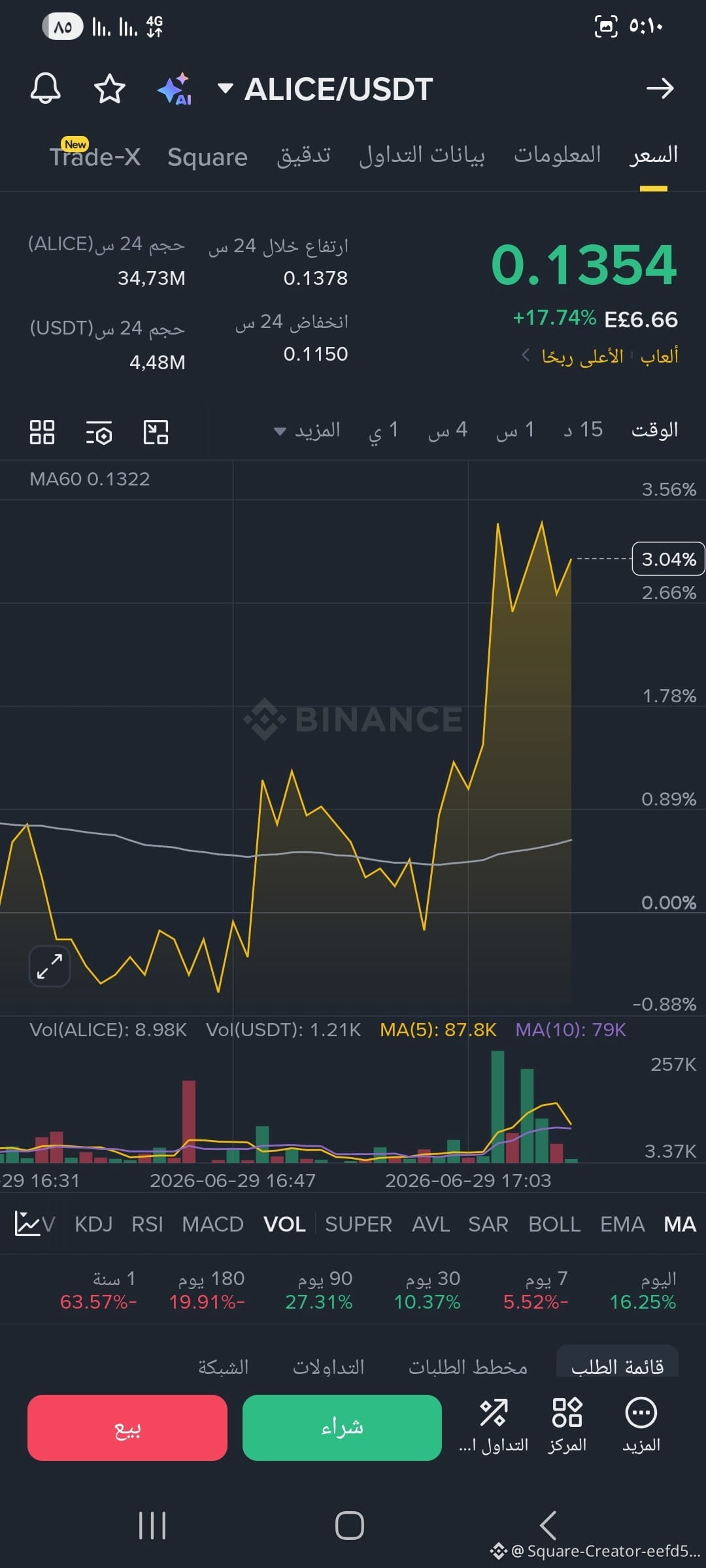
🚀 تحليل ALICE: صعود قوي تحت " أن عملة ALICE تشهد اتجاهاً صاعداً قوياً، حيث حققت ارتفاعاً بنسبة 17.74% لتصل إلى 0.1354 USDT. يُشير السعر الحالي فوق المتوسط المتحرك (MA60) إلى زخم إيجابي واضح.
رؤيتي الفنية:
سعر الدخول: يُفضل انتظار "إعادة اختبار" (Retest) بسيطة لمستوى الدعم القريب من 0.1320 USDT لضمان دخول آمن وتجنب القمم اللحظية.
سعر الخروج (جني الأرباح): استهدف مستويات المقاومة القادمة حول 0.1378 USDT كهدف أول، مع وضع "وقف خسارة" متحرك لحماية أرباحك في حال حدوث تصحيح مفاجئ.
#Write2Earn! #Geopolitics #xmucan #Dogecoin $NVDAB $MUB $ALICE
🚀 تحليل ALICE: صعود قوي تحت " أن عملة ALICE تشهد اتجاهاً صاعداً قوياً، حيث حققت ارتفاعاً بنسبة 17.74% لتصل إلى 0.1354 USDT. يُشير السعر الحالي فوق المتوسط المتحرك (MA60) إلى زخم إيجابي واضح.
رؤيتي الفنية:
سعر الدخول: يُفضل انتظار "إعادة اختبار" (Retest) بسيطة لمستوى الدعم القريب من 0.1320 USDT لضمان دخول آمن وتجنب القمم اللحظية.
سعر الخروج (جني الأرباح): استهدف مستويات المقاومة القادمة حول 0.1378 USDT كهدف أول، مع وضع "وقف خسارة" متحرك لحماية أرباحك في حال حدوث تصحيح مفاجئ.
#Write2Earn! #Geopolitics #xmucan #Dogecoin $NVDAB $MUB $ALICE
رؤيتي الفنية:
سعر الدخول: يُفضل انتظار "إعادة اختبار" (Retest) بسيطة لمستوى الدعم القريب من 0.1320 USDT لضمان دخول آمن وتجنب القمم اللحظية.
سعر الخروج (جني الأرباح): استهدف مستويات المقاومة القادمة حول 0.1378 USDT كهدف أول، مع وضع "وقف خسارة" متحرك لحماية أرباحك في حال حدوث تصحيح مفاجئ.
#Write2Earn! #Geopolitics #xmucan #Dogecoin $NVDAB $MUB $ALICE
2
249
·
--
صاعد
$XLM
{future}(XLMUSDT)
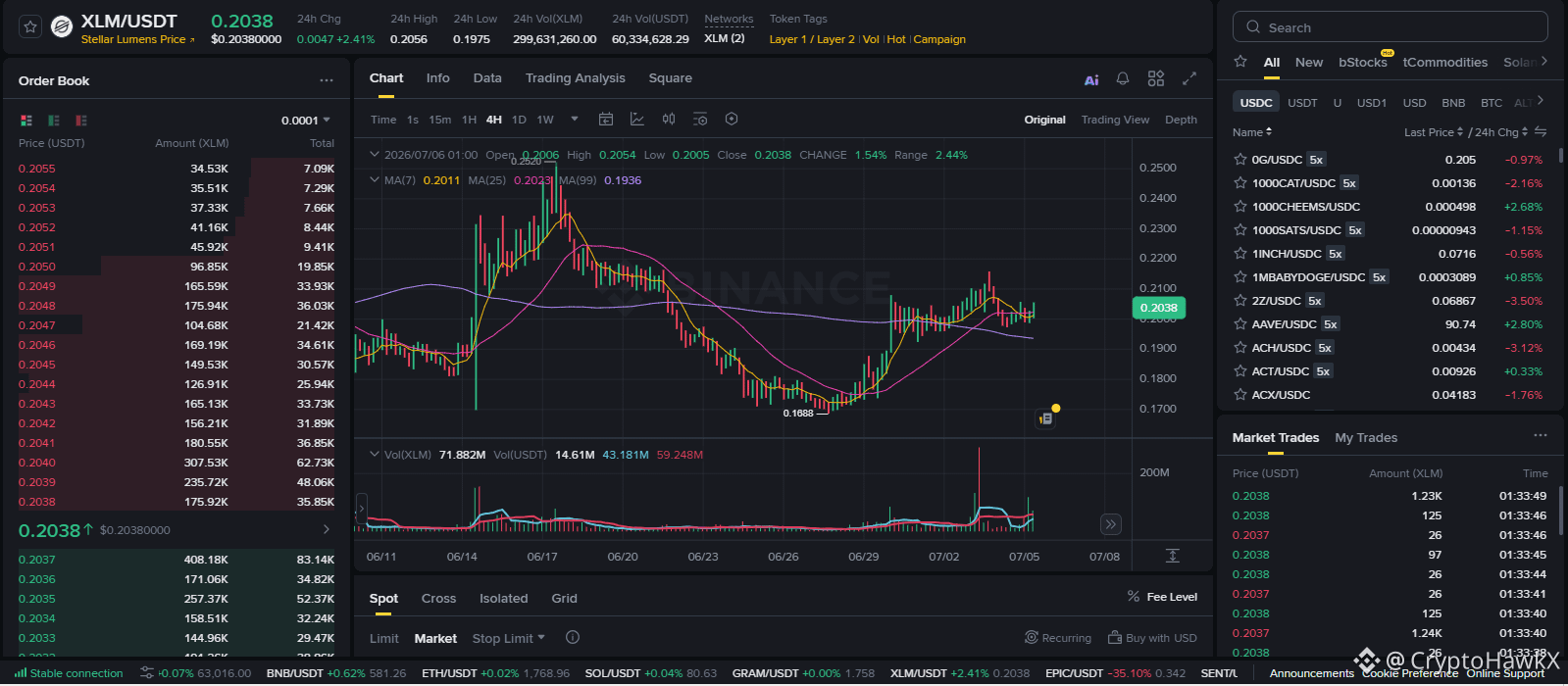
📊 تحليل سريع XLM/USDT (4H)
🟢 التحيّز في السوق: إيجابي مع تذبذب صاعد
XLM يتمسك فوق المتوسطات المتحركة الرئيسية، مما يشير إلى أن المشترين ما زالوا المسيطرين. السعر يتذبذب بالقرب من 0.2040، ويمكن أن يؤدي استمرار الحركة فوق 0.2060 إلى إشعال الموجة الصاعدة التالية باتجاه مستويات أعلى.
الصبر هو المفتاح—انتظر اختراقًا مؤكدًا. 📈
#xmucan #StaySafeCryptoCommunity #Uniswap’s #Binance #Dyor2024
$XLM
📊 تحليل سريع XLM/USDT (4H)
🟢 التحيّز في السوق: إيجابي مع تذبذب صاعد
XLM يتمسك فوق المتوسطات المتحركة الرئيسية، مما يشير إلى أن المشترين ما زالوا المسيطرين. السعر يتذبذب بالقرب من 0.2040، ويمكن أن يؤدي استمرار الحركة فوق 0.2060 إلى إشعال الموجة الصاعدة التالية باتجاه مستويات أعلى.
الصبر هو المفتاح—انتظر اختراقًا مؤكدًا. 📈
#xmucan #StaySafeCryptoCommunity #Uniswap’s #Binance #Dyor2024
📊 تحليل سريع XLM/USDT (4H)
🟢 التحيّز في السوق: إيجابي مع تذبذب صاعد
XLM يتمسك فوق المتوسطات المتحركة الرئيسية، مما يشير إلى أن المشترين ما زالوا المسيطرين. السعر يتذبذب بالقرب من 0.2040، ويمكن أن يؤدي استمرار الحركة فوق 0.2060 إلى إشعال الموجة الصاعدة التالية باتجاه مستويات أعلى.
الصبر هو المفتاح—انتظر اختراقًا مؤكدًا. 📈
#xmucan #StaySafeCryptoCommunity #Uniswap’s #Binance #Dyor2024
31
مقالة
وزارة العدل تخطط لإنهاء ملاحقة العقل المدبر المزعوم في قضية احتيال بالعملات المشفرة بقيمة 722 مليون دولاريعتزم <a>وزارة العدل</a> الأمريكية [DOJ] إسقاط قضيته الجنائية ضد ماثيو غويتششي، المزعوم مؤسس مخطط استثمار العملات المشفرة الخاص بشبكة BitClub، حسبما أفادت «بلومبرغ ل»و. وقد يؤدي ذلك إلى إنهاء واحدة من أطول دعاوى الاحتيال المتعلقة بالعملات المشفرة استمرارًا.
يأتي هذا التحرك المبلغ عنه بعد قرابة سبع سنوات من اتهام المدعين الفدراليين غويتششي وعدة متهمين آخرين بتشغيل مخطط عالمي لتعدين العملات المشفرة يُفترض أنه خدع المستثمرين بما لا يقل عن 722 مليون دولار.
وزارة العدل تخطط لإنهاء ملاحقة العقل المدبر المزعوم في قضية احتيال بالعملات المشفرة بقيمة 722 مليون دولار
يعتزم <a>وزارة العدل</a> الأمريكية [DOJ] إسقاط قضيته الجنائية ضد ماثيو غويتششي، المزعوم مؤسس مخطط استثمار العملات المشفرة الخاص بشبكة BitClub، حسبما أفادت «بلومبرغ ل»و. وقد يؤدي ذلك إلى إنهاء واحدة من أطول دعاوى الاحتيال المتعلقة بالعملات المشفرة استمرارًا.
يأتي هذا التحرك المبلغ عنه بعد قرابة سبع سنوات من اتهام المدعين الفدراليين غويتششي وعدة متهمين آخرين بتشغيل مخطط عالمي لتعدين العملات المشفرة يُفترض أنه خدع المستثمرين بما لا يقل عن 722 مليون دولار.
يأتي هذا التحرك المبلغ عنه بعد قرابة سبع سنوات من اتهام المدعين الفدراليين غويتششي وعدة متهمين آخرين بتشغيل مخطط عالمي لتعدين العملات المشفرة يُفترض أنه خدع المستثمرين بما لا يقل عن 722 مليون دولار.
99
مقالة
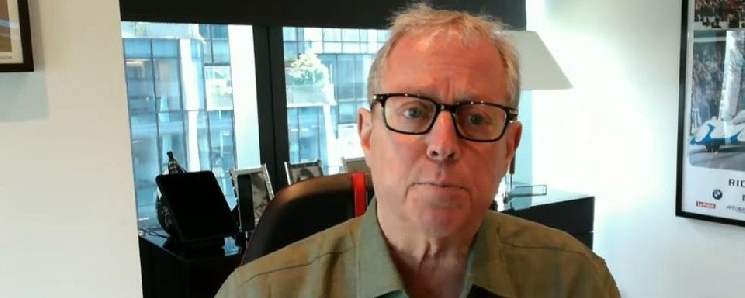
الرئيس التنفيذي لشركة تيراوولف: "ليست كل الميغاواط متساوية" في سباق الذكاء الاصطناعيقال الرئيس التنفيذي بول براغر إن عقد الإيجار لمدة 20 عامًا يعكس الطلب المتزايد على الحوسبة المرتبطة بالذكاء الاصطناعي، ويدعم صحة استراتيجية شركة تيراوولف المتمثلة في امتلاك الطاقة والأراضي والعمليات.
وقال براغر إن مشروع كنتاكي فاز لدى أنثروبيك عبر عملية تقديم عطاءات تنافسية تركز على الوصول إلى طاقة الشبكة والبنية التحتية على المدى الطويل.
وبحسب المقابلة، تبلغ قيمة العقد نحو 19 مليار دولار على مدار عمره، وهو ما يتجاوز القيمة السوقية الحالية لتيراوولف.
وقال براغر إن تيراوولف تعمل بالفعل مع أنثروبيك وغوغل في حرم لايك مارينر في نيويورك، ما يمنح الشركات علاقة قائمة مسبقًا.
الرئيس التنفيذي لشركة تيراوولف: "ليست كل الميغاواط متساوية" في سباق الذكاء الاصطناعي
قال الرئيس التنفيذي بول براغر إن عقد الإيجار لمدة 20 عامًا يعكس الطلب المتزايد على الحوسبة المرتبطة بالذكاء الاصطناعي، ويدعم صحة استراتيجية شركة تيراوولف المتمثلة في امتلاك الطاقة والأراضي والعمليات.
وقال براغر إن مشروع كنتاكي فاز لدى أنثروبيك عبر عملية تقديم عطاءات تنافسية تركز على الوصول إلى طاقة الشبكة والبنية التحتية على المدى الطويل.
وبحسب المقابلة، تبلغ قيمة العقد نحو 19 مليار دولار على مدار عمره، وهو ما يتجاوز القيمة السوقية الحالية لتيراوولف.
وقال براغر إن تيراوولف تعمل بالفعل مع أنثروبيك وغوغل في حرم لايك مارينر في نيويورك، ما يمنح الشركات علاقة قائمة مسبقًا.
وقال براغر إن مشروع كنتاكي فاز لدى أنثروبيك عبر عملية تقديم عطاءات تنافسية تركز على الوصول إلى طاقة الشبكة والبنية التحتية على المدى الطويل.
وبحسب المقابلة، تبلغ قيمة العقد نحو 19 مليار دولار على مدار عمره، وهو ما يتجاوز القيمة السوقية الحالية لتيراوولف.
وقال براغر إن تيراوولف تعمل بالفعل مع أنثروبيك وغوغل في حرم لايك مارينر في نيويورك، ما يمنح الشركات علاقة قائمة مسبقًا.
129
تراجعت حيازات الصين من الخزائن الأمريكية إلى أدنى مستوى لها منذ 2009 في مايولقد أضرت سياسات التجارة في إدارة ترامب بمكانة الدين الأمريكي حول العالم، خصوصًا مع حاملي الخزانة الكبار مثل الصين الذين تأثروا بشكل مباشر بهذه التدابير. وفقًا للبيانات الحديثة التي نشرتها وزارة الخزانة الأمريكية، انخفضت حيازة الصين من الخزائن الأمريكية إلى أدنى مستوى لها منذ عام 2009، مع تقليل الحكومة الصينية تعرضها بنحو مليار دولار من الرقم المبلغ عنه في أبريل.
بينما قد لا يُنظر إلى هذا كخسارة كبيرة من قبل بعض المحللين، يدعي آخرون أنه يشير إلى اتجاه جديد في سياسة الصين تجاه الحصول على الدين الخارجي الأمريكي، في ظل مخاطر الرد الانتقامي إذا ساءت مفاوضات التجارة.
تراجعت حيازات الصين من الخزائن الأمريكية إلى أدنى مستوى لها منذ 2009 في مايو
لقد أضرت سياسات التجارة في إدارة ترامب بمكانة الدين الأمريكي حول العالم، خصوصًا مع حاملي الخزانة الكبار مثل الصين الذين تأثروا بشكل مباشر بهذه التدابير. وفقًا للبيانات الحديثة التي نشرتها وزارة الخزانة الأمريكية، انخفضت حيازة الصين من الخزائن الأمريكية إلى أدنى مستوى لها منذ عام 2009، مع تقليل الحكومة الصينية تعرضها بنحو مليار دولار من الرقم المبلغ عنه في أبريل.
بينما قد لا يُنظر إلى هذا كخسارة كبيرة من قبل بعض المحللين، يدعي آخرون أنه يشير إلى اتجاه جديد في سياسة الصين تجاه الحصول على الدين الخارجي الأمريكي، في ظل مخاطر الرد الانتقامي إذا ساءت مفاوضات التجارة.
بينما قد لا يُنظر إلى هذا كخسارة كبيرة من قبل بعض المحللين، يدعي آخرون أنه يشير إلى اتجاه جديد في سياسة الصين تجاه الحصول على الدين الخارجي الأمريكي، في ظل مخاطر الرد الانتقامي إذا ساءت مفاوضات التجارة.
132
رياضيات 145 مليار دولار: لماذا تهديد البيتكوين الكمومي قابل للإدارة، وليس وجوديًاتتركز المخاوف بشأن الكم على المحافظ المبكرة الضعيفة، لكن بيانات السوق تشير إلى أن حتى أسوأ سيناريو لعملية بيع ستظل كبيرة، وليس كارثية.
يحذر المتشائمون من الكم أن هذا سيؤدي إلى تدفق ضخم من العرض وسقوط السوق. الأرقام تشير إلى العكس.
تهديد الحوسبة الكمومية ليس محل شك.
حوالي 1.7 مليون BTC موجودة في عناوين من عصر ساتوشي التي قد تكون ضعيفة تحت مثل هذا السيناريو. وهذا يعادل حوالي 145 مليار دولار بأسعار اليوم في ضغط بيع محتمل، مما يبدو كارثيًا، ولكنه في الواقع قابل للإدارة.
رياضيات 145 مليار دولار: لماذا تهديد البيتكوين الكمومي قابل للإدارة، وليس وجوديًا
تتركز المخاوف بشأن الكم على المحافظ المبكرة الضعيفة، لكن بيانات السوق تشير إلى أن حتى أسوأ سيناريو لعملية بيع ستظل كبيرة، وليس كارثية.
يحذر المتشائمون من الكم أن هذا سيؤدي إلى تدفق ضخم من العرض وسقوط السوق. الأرقام تشير إلى العكس.
تهديد الحوسبة الكمومية ليس محل شك.
حوالي 1.7 مليون BTC موجودة في عناوين من عصر ساتوشي التي قد تكون ضعيفة تحت مثل هذا السيناريو. وهذا يعادل حوالي 145 مليار دولار بأسعار اليوم في ضغط بيع محتمل، مما يبدو كارثيًا، ولكنه في الواقع قابل للإدارة.
يحذر المتشائمون من الكم أن هذا سيؤدي إلى تدفق ضخم من العرض وسقوط السوق. الأرقام تشير إلى العكس.
تهديد الحوسبة الكمومية ليس محل شك.
حوالي 1.7 مليون BTC موجودة في عناوين من عصر ساتوشي التي قد تكون ضعيفة تحت مثل هذا السيناريو. وهذا يعادل حوالي 145 مليار دولار بأسعار اليوم في ضغط بيع محتمل، مما يبدو كارثيًا، ولكنه في الواقع قابل للإدارة.
42
·
--
صاعد
$XRP
{future}(XRPUSDT)
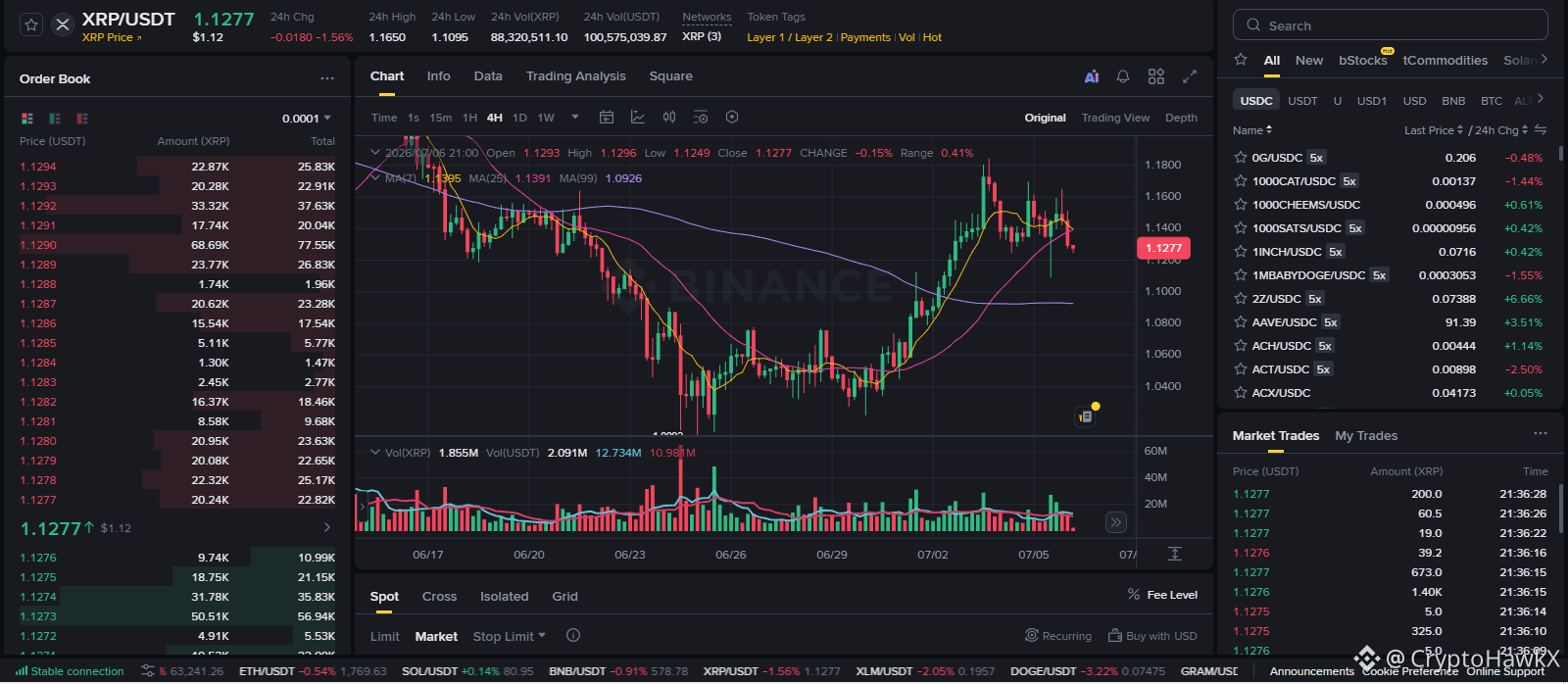
XRP/USDT
📊 حالة السوق: صاعد (قصير المدى)
لا يزال XRP في اتجاه صعودي عام رغم التراجع الأخير. يحتفظ السعر فوق المتوسط المتحرك طويل الأجل، ما يشير إلى أن البنية الصعودية الأوسع لا تزال قائمة، بينما تبدو الحركة الحالية تصحيحًا صحيًا.
المستويات الرئيسية:
🟢 الدعم: 1.1200 – 1.1100 🔴 المقاومة: 1.1450 – 1.1650
النظرة المستقبلية: XRP يتداول بتجميع بعد صعود قوي. الحفاظ فوق 1.1200 يبقي التحيّز الصعودي قائمًا. قد يؤدي الاختراق فوق 1.1450 إلى دفع آخر باتجاه 1.1650، بينما قد يؤدي الانخفاض تحت 1.1200 إلى تصحيح قصير المدى أعمق.
#xmucan #REZ #cryptouniverseofficial #Binance #TRA
$XRP
XRP/USDT
📊 حالة السوق: صاعد (قصير المدى)
لا يزال XRP في اتجاه صعودي عام رغم التراجع الأخير. يحتفظ السعر فوق المتوسط المتحرك طويل الأجل، ما يشير إلى أن البنية الصعودية الأوسع لا تزال قائمة، بينما تبدو الحركة الحالية تصحيحًا صحيًا.
المستويات الرئيسية:
🟢 الدعم: 1.1200 – 1.1100 🔴 المقاومة: 1.1450 – 1.1650
النظرة المستقبلية: XRP يتداول بتجميع بعد صعود قوي. الحفاظ فوق 1.1200 يبقي التحيّز الصعودي قائمًا. قد يؤدي الاختراق فوق 1.1450 إلى دفع آخر باتجاه 1.1650، بينما قد يؤدي الانخفاض تحت 1.1200 إلى تصحيح قصير المدى أعمق.
#xmucan #REZ #cryptouniverseofficial #Binance #TRA
XRP/USDT
📊 حالة السوق: صاعد (قصير المدى)
لا يزال XRP في اتجاه صعودي عام رغم التراجع الأخير. يحتفظ السعر فوق المتوسط المتحرك طويل الأجل، ما يشير إلى أن البنية الصعودية الأوسع لا تزال قائمة، بينما تبدو الحركة الحالية تصحيحًا صحيًا.
المستويات الرئيسية:
🟢 الدعم: 1.1200 – 1.1100 🔴 المقاومة: 1.1450 – 1.1650
النظرة المستقبلية: XRP يتداول بتجميع بعد صعود قوي. الحفاظ فوق 1.1200 يبقي التحيّز الصعودي قائمًا. قد يؤدي الاختراق فوق 1.1450 إلى دفع آخر باتجاه 1.1650، بينما قد يؤدي الانخفاض تحت 1.1200 إلى تصحيح قصير المدى أعمق.
#xmucan #REZ #cryptouniverseofficial #Binance #TRA
73
مقالة
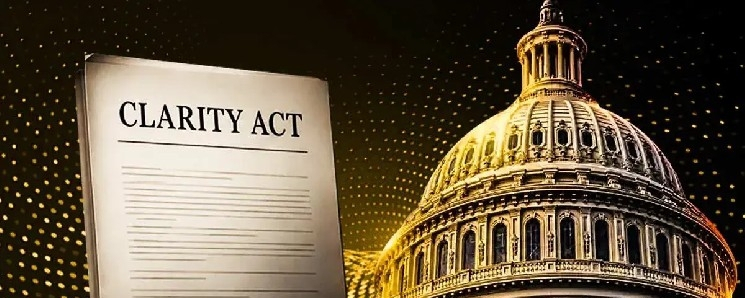
قانون CLARITY يصطدم بعقبة جديدة إذ يقول السيناتور تيلس إن اتفاق الأخلاقيات «ليس تمامًا بعد»تواجه اتفاقية مجلس الشيوخ بشأن أخلاقيات العملات المشفرة عقبة جديدة. وتأتي هذه المعضلة بعدما ذكر السيناتور توم تيلس أن الاتفاق لا يزال يحتاج إلى بعض العمل قبل أن يمكن إحرازه للمضي قدمًا مع قانون CLARITY الخاص بأسواق الأصول الرقمية.
#altcoins
#Shibalnu
#Notcoin👀🔥
#Megadrop
#xmucan
قانون CLARITY يصطدم بعقبة جديدة إذ يقول السيناتور تيلس إن اتفاق الأخلاقيات «ليس تمامًا بعد»
تواجه اتفاقية مجلس الشيوخ بشأن أخلاقيات العملات المشفرة عقبة جديدة. وتأتي هذه المعضلة بعدما ذكر السيناتور توم تيلس أن الاتفاق لا يزال يحتاج إلى بعض العمل قبل أن يمكن إحرازه للمضي قدمًا مع قانون CLARITY الخاص بأسواق الأصول الرقمية.
#altcoins
#Shibalnu
#Notcoin👀🔥
#Megadrop
#xmucan
#altcoins
#Shibalnu
#Notcoin👀🔥
#Megadrop
#xmucan
62
سجّل الدخول لاستكشاف المزيد من المُحتوى
انضم إلى مُستخدمي العملات الرقمية حول العالم على Binance Square
⚡️ احصل على أحدث المعلومات المفيدة عن العملات الرقمية.
💬 موثوقة من قبل أكبر منصّة لتداول العملات الرقمية في العالم.
👍 اكتشف الرؤى الحقيقية من صنّاع المُحتوى الموثوقين.
البريد الإلكتروني / رقم الهاتف
المواضيع الرائجة
1
#EtherGains70.9%InQ3
130,602 مشاهدات
1,066 يقومون بالنقاش
2
#TreasuryLetsStatesFileStablecoinCertificationsEarly
7,023 مشاهدات
74 يقومون بالنقاش
3
#US10YearYieldNears5.3%
138,868 مشاهدات
1,088 يقومون بالنقاش
4
#DollarIndexHitsHighestSinceMay2025
32,437 مشاهدات
572 يقومون بالنقاش
5
#USWeeklyJoblessClaimsFallTo197000
30,879 مشاهدات
480 يقومون بالنقاش
6
#BitcoinETFsTake$6.34BillionInQ3
9,061 مشاهدات
73 يقومون بالنقاش
7
#KoreaProposesTokenizingStocksAndBonds
67,492 مشاهدات
811 يقومون بالنقاش
8
#MetaMaskExitsLidoValidatorsAfterSecurityIncident
165,654 مشاهدات
1,532 يقومون بالنقاش
9
#MicronBeatsEarningsLiftsGuidance
83,582 مشاهدات
1,110 يقومون بالنقاش
10
#CFTCSubmitsTwoEventContractRulesToWhiteHouse
57,299 مشاهدات
828 يقومون بالنقاش