
#tia
tia
108.8M مشاهدات
193,449 يقومون بالنقاش
رائج
جديد

يتم تصريف صفقات TIA الطويلة حول 0.3562 دولار.
يجري الآن الهبوط فيضرب المشترين ذوي الرافعة المالية.
$TIA
🔴 تم الوصول إلى منطقة السيولة 🔴
تم رصد تصفية الصفقات الطويلة 🧨
تم تصفية 1.8136 ألف دولار عند 0.35617 دولار
تم اجتياح سيولة الهبوط — راقب التفاعل 👀
🎯 أهداف جني الأرباح:
TP1: حوالي 0.3526
TP2: حوالي 0.3490
TP3: حوالي 0.3455
#tia
يجري الآن الهبوط فيضرب المشترين ذوي الرافعة المالية.
$TIA
🔴 تم الوصول إلى منطقة السيولة 🔴
تم رصد تصفية الصفقات الطويلة 🧨
تم تصفية 1.8136 ألف دولار عند 0.35617 دولار
تم اجتياح سيولة الهبوط — راقب التفاعل 👀
🎯 أهداف جني الأرباح:
TP1: حوالي 0.3526
TP2: حوالي 0.3490
TP3: حوالي 0.3455
#tia

🔴 $TIA إشارة هبوط على 30 دقيقة! 💀📉
🔴 SHORT $TIA
📉 MACD أعطى Bearish Crossover على فريم 30 دقيقة، ما يدعم احتمال استمرار الضغط البيعي.
🎯 الدخول: 0.3615 – 0.3630
🎯 الهدف 1: 0.3585
🎯 الهدف 2: 0.3550
🎯 الهدف 3: 0.3510
🛑 وقف الخسارة: 0.3670
⚠️ الدخول حسب الإشارة مع الالتزام بوقف الخسارة.
❤️ دعمك يفرق معايا
$TIA #TIAUSDT #TIA #short
🔴 SHORT $TIA
📉 MACD أعطى Bearish Crossover على فريم 30 دقيقة، ما يدعم احتمال استمرار الضغط البيعي.
🎯 الدخول: 0.3615 – 0.3630
🎯 الهدف 1: 0.3585
🎯 الهدف 2: 0.3550
🎯 الهدف 3: 0.3510
🛑 وقف الخسارة: 0.3670
⚠️ الدخول حسب الإشارة مع الالتزام بوقف الخسارة.
❤️ دعمك يفرق معايا
$TIA #TIAUSDT #TIA #short



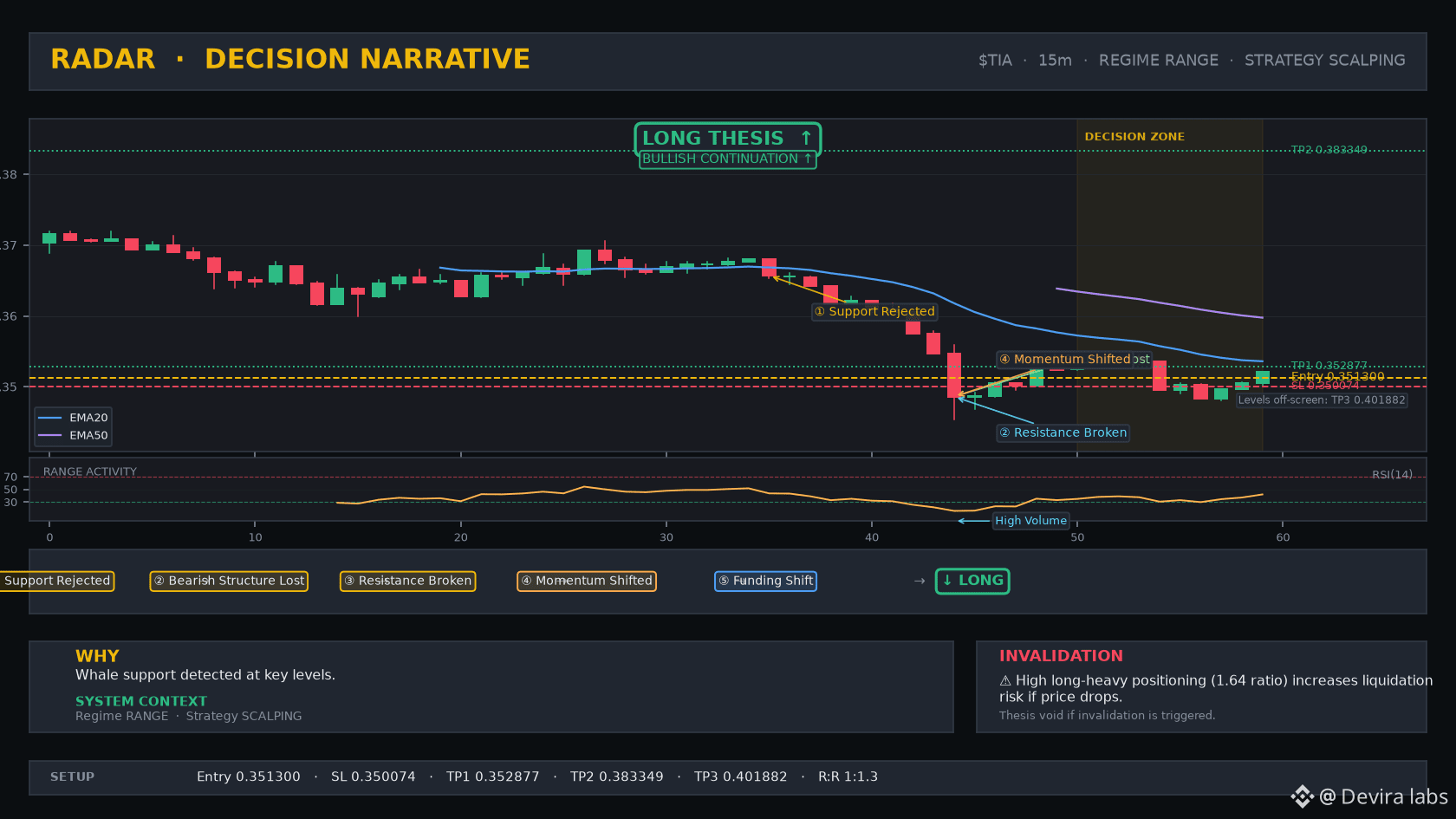
تُظهر TIA اهتمامًا بمستوى الحيتان عند مستويات الدعم الحالية. نبحث عن ردّ فعل من هذه الصفقة.
$TIA
التحيز: صعودي سريع على المدى القصير (سكالب) مقابل بنية أوسع هابطة.
خطة التداول
الدخول: 0.3513
SL: 0.350074
TP: 0.352877
أدلة السوق:
• تم رصد دعم الحيتان عند مستويات رئيسية.
• التمويل السالب يشير إلى احتمال حدوث ضغط شراء (Short Squeeze).
• إشارة الإشعال تعمل.
المخاطر:
• تمركز طويل ثقيل مرتفع (نسبة 1.64) يزيد من خطر التصفية إذا انخفض السعر.
المتابعة:
راقب ارتدادًا واضحًا من الدعم؛ يُعدّ الإبطال إذا فشل السعر في الثبات فوق 0.3500.
سأقوم بتحديث هذا الإعداد إذا تطورت ظروف السوق.
#TIA #CryptoTrading #PriceAction
$TIA
التحيز: صعودي سريع على المدى القصير (سكالب) مقابل بنية أوسع هابطة.
خطة التداول
الدخول: 0.3513
SL: 0.350074
TP: 0.352877
أدلة السوق:
• تم رصد دعم الحيتان عند مستويات رئيسية.
• التمويل السالب يشير إلى احتمال حدوث ضغط شراء (Short Squeeze).
• إشارة الإشعال تعمل.
المخاطر:
• تمركز طويل ثقيل مرتفع (نسبة 1.64) يزيد من خطر التصفية إذا انخفض السعر.
المتابعة:
راقب ارتدادًا واضحًا من الدعم؛ يُعدّ الإبطال إذا فشل السعر في الثبات فوق 0.3500.
سأقوم بتحديث هذا الإعداد إذا تطورت ظروف السوق.
#TIA #CryptoTrading #PriceAction
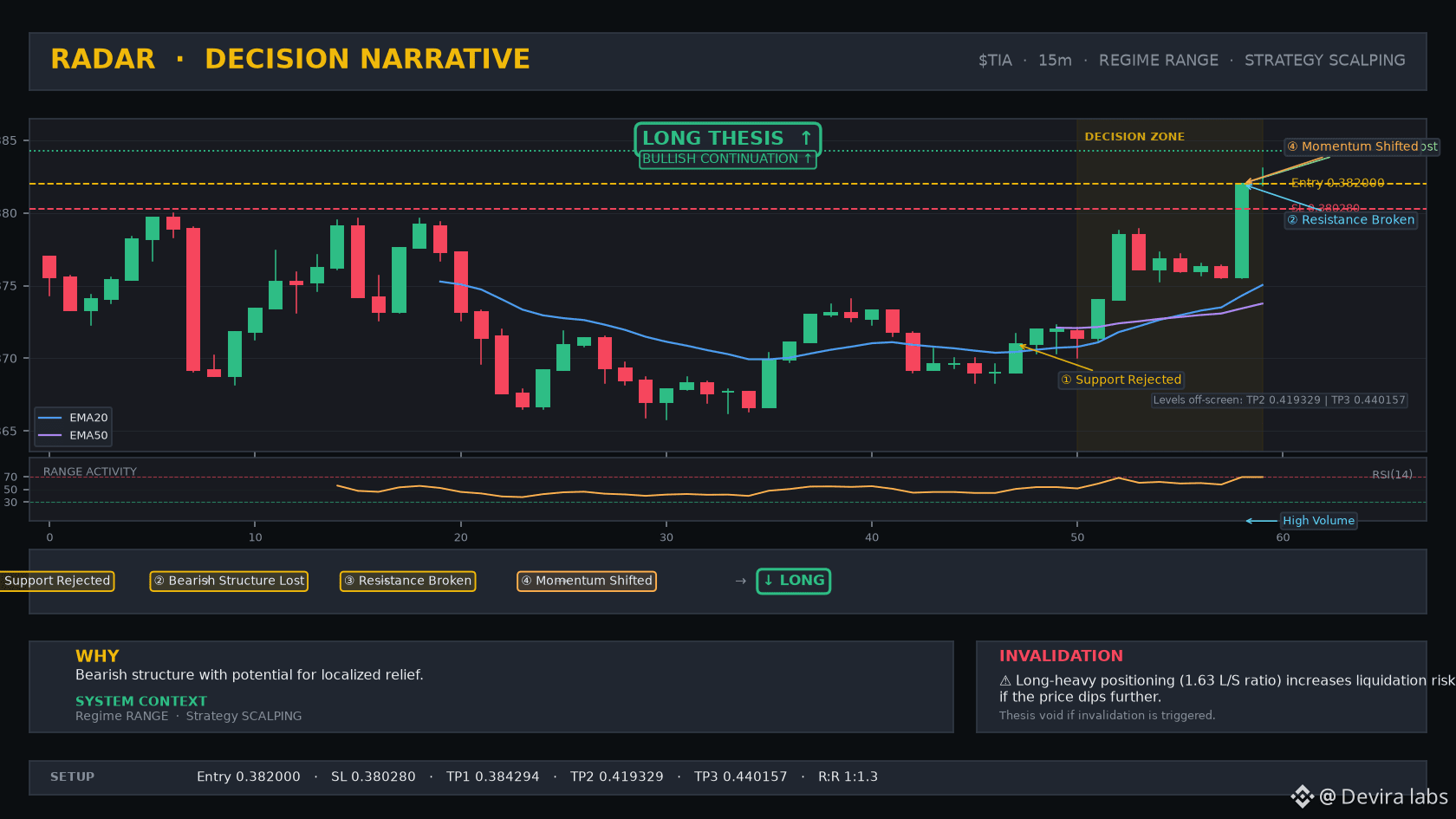
يُظهر TIAUSDT علامات على تراكم حيتان عند مستويات الدعم. يهدف هذا السيناريو إلى الاستفادة من احتمال حدوث انعكاس من النطاق الحالي.
$TIA
التحيز:
بنية هبوطية مع احتمال لارتياح موضّع.
خطة التداول
الدخول: 0.382
SL: 0.38028
TP: 0.38429 / 0.41932
أدلة السوق:
• تم رصد دعم الحيتان
• إشارة الاشتعال تتفعّل
• إعداد إعادة الدخول فعّال قرب الدعم
المخاطر:
• تموضع موجه لصفقات شراء/مُركز بشكل ثقيل (نسبة L/S = 1.63) يزيد من مخاطر التصفية إذا انخفض السعر أكثر.
المتابعة:
راقب حدوث اختراق واضح فوق المقاومة الفورية لتأكيد الزخم.
سأقوم بتحديث هذا السيناريو إذا تطورت ظروف السوق.
#TIA #Crypto #Trading
$TIA
التحيز:
بنية هبوطية مع احتمال لارتياح موضّع.
خطة التداول
الدخول: 0.382
SL: 0.38028
TP: 0.38429 / 0.41932
أدلة السوق:
• تم رصد دعم الحيتان
• إشارة الاشتعال تتفعّل
• إعداد إعادة الدخول فعّال قرب الدعم
المخاطر:
• تموضع موجه لصفقات شراء/مُركز بشكل ثقيل (نسبة L/S = 1.63) يزيد من مخاطر التصفية إذا انخفض السعر أكثر.
المتابعة:
راقب حدوث اختراق واضح فوق المقاومة الفورية لتأكيد الزخم.
سأقوم بتحديث هذا السيناريو إذا تطورت ظروف السوق.
#TIA #Crypto #Trading

【🔥 التلاعب غير الرسمي في أحجام التداول المتذبذبة: $TIA 30 دقائق زيادة مفاجئة في الحجم 2.2x! سيناريو مُحكم لعمليات التداول العميقة】
🧠 **【صراع المتداولين بين الأطراف (نوعياً)】**
نسبة المراكز الطويلة تبلغ 70.8%، وبنية التوزيع تميل بشكل مفرط. تُحافظ رسوم التمويل على وضع محايد، ويستغل اللاعبون الرئيسيون اندفاع المتداولين الأفراد للشراء لتعطيل اختبار جزئي في الأعلى، بينما يجري جمع السيولة لتكون جاهزة للانفجار القادم.
📊 **【زخم الشموع والهيئة】**
حجم التداول داخل اليوم يحافظ على طبيعته، ويبلغ إجمالي قيمة التداول خلال 24 ساعة 25 مليون USDT مع تذبذب بتراجع نسبي في الحجم. حالياً نحن في مرحلة إصلاح داخل نطاق ضيق، ولا تظهر مؤشرات على اختراق مدعوم بحجم تداول. انتبه من فخ سيولة يؤدي إلى الارتداد عند الارتفاع.
🎯 **【صراع الصعود والهبوط والمستويات الحاسمة】**
منطقة المسح الأساسية للسيولة عند الأعلى محددة عند 0.4000 USDT مع مقاومة كثيفة؛ بينما يقع خط الدفاع الرئيسي وحياة المراكز الطويلة على 0.3650 USDT.
💡 **【انضباط تنفيذ العمليات في الواقع】**
تجنب ملاحقة الارتفاع بشكل أعمى، وانتظر حتى يصل السعر إلى نقطة جلب السيولة العالية بعد اختبار إغراء الشراء (Induce Long) عند مستوى السيولة المرتفع، ثم نفّذ البيع/الشراء وفق أسلوب يجمع بين الجانبين (اليسار واليمين) للاستفادة من التقلبات.
💬 وجهة نظر السوق بين الصعود والهبوط: التزاحم لدى المشترين (الطويلين) مرتفع حالياً، لذا أختار تحقيق أرباح قرب منطقة المقاومة، وأنتظر فرصة شراء من جديد بعد أن يتم مسح السيولة والهبوط التصحيحي.
تنبيه: ما ورد أعلاه يقتصر على تحليل بيانات سوقية كمّية ولا يشكل نصيحة استثمارية.
#TIA #TIAUSDT #BinanceSquare #山寨币季 #تحليل_السوق
🧠 **【صراع المتداولين بين الأطراف (نوعياً)】**
نسبة المراكز الطويلة تبلغ 70.8%، وبنية التوزيع تميل بشكل مفرط. تُحافظ رسوم التمويل على وضع محايد، ويستغل اللاعبون الرئيسيون اندفاع المتداولين الأفراد للشراء لتعطيل اختبار جزئي في الأعلى، بينما يجري جمع السيولة لتكون جاهزة للانفجار القادم.
📊 **【زخم الشموع والهيئة】**
حجم التداول داخل اليوم يحافظ على طبيعته، ويبلغ إجمالي قيمة التداول خلال 24 ساعة 25 مليون USDT مع تذبذب بتراجع نسبي في الحجم. حالياً نحن في مرحلة إصلاح داخل نطاق ضيق، ولا تظهر مؤشرات على اختراق مدعوم بحجم تداول. انتبه من فخ سيولة يؤدي إلى الارتداد عند الارتفاع.
🎯 **【صراع الصعود والهبوط والمستويات الحاسمة】**
منطقة المسح الأساسية للسيولة عند الأعلى محددة عند 0.4000 USDT مع مقاومة كثيفة؛ بينما يقع خط الدفاع الرئيسي وحياة المراكز الطويلة على 0.3650 USDT.
💡 **【انضباط تنفيذ العمليات في الواقع】**
تجنب ملاحقة الارتفاع بشكل أعمى، وانتظر حتى يصل السعر إلى نقطة جلب السيولة العالية بعد اختبار إغراء الشراء (Induce Long) عند مستوى السيولة المرتفع، ثم نفّذ البيع/الشراء وفق أسلوب يجمع بين الجانبين (اليسار واليمين) للاستفادة من التقلبات.
💬 وجهة نظر السوق بين الصعود والهبوط: التزاحم لدى المشترين (الطويلين) مرتفع حالياً، لذا أختار تحقيق أرباح قرب منطقة المقاومة، وأنتظر فرصة شراء من جديد بعد أن يتم مسح السيولة والهبوط التصحيحي.
تنبيه: ما ورد أعلاه يقتصر على تحليل بيانات سوقية كمّية ولا يشكل نصيحة استثمارية.
#TIA #TIAUSDT #BinanceSquare #山寨币季 #تحليل_السوق

🔥 أسماء السوق هذه تبني إعدادًا ينبغي على المتداولين مراقبته 👀🔥
$ZEN $COIN $TIA
ينصح الخبير الصغير الطائر الخنزير بشدة: قد تحدث تقلبات مؤخرًا، ومن المرجح جدًا أن تدخل مرحلة صعود، مع أنشطة مشاريع متكررة.
تواصل COIN جذب اهتمام قوي من السوق، بينما تظل TIA نشطة لدى المتداولين المهتمين بالنظام البيئي.
تضيف ZEN طبقة أخرى من الزخم إلى هذا المزيج.
هذا الثلاثي يزداد ظهوره عبر قوائم المراقبة.
#COIN #TIA
$ZEN $COIN $TIA
ينصح الخبير الصغير الطائر الخنزير بشدة: قد تحدث تقلبات مؤخرًا، ومن المرجح جدًا أن تدخل مرحلة صعود، مع أنشطة مشاريع متكررة.
تواصل COIN جذب اهتمام قوي من السوق، بينما تظل TIA نشطة لدى المتداولين المهتمين بالنظام البيئي.
تضيف ZEN طبقة أخرى من الزخم إلى هذا المزيج.
هذا الثلاثي يزداد ظهوره عبر قوائم المراقبة.
#COIN #TIA

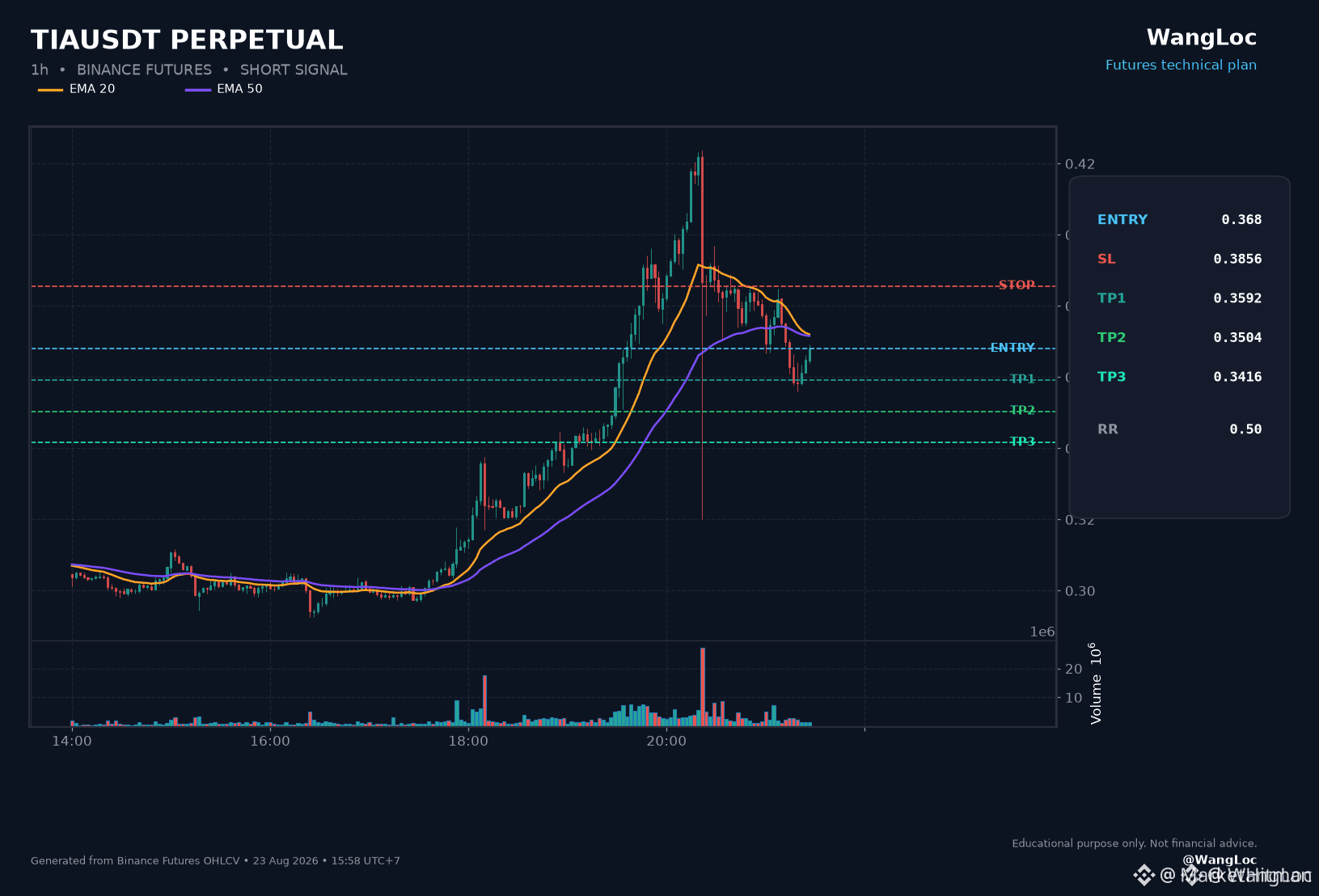
🚨 $TIA يستعيد البائعون السيطرة حيث تغلق مقاومة القمة مسار الصعود! 🔻
الدخول: 0.368 ⚡
الهدف: 0.3416 🎯
إيقاف الخسارة: 0.3856 ⚠️
لقد اصطدم الثيران مباشرةً بجدار منيع عند المقاومة، وتبدأ السيولة بالانفجار في دفتر الأوامر مع تراجع البائعين ثم عودتهم إلى الساحة. 📊 الزخم يتجه بسرعة إلى الأسفل، إذ بدأت أحجام البيع تتفوق على العروض عند نقاط الذروة المحلية هذه من حالات الإرهاق.
🔍 طالما أن السعر يبقى محصورًا تحت مستوى إيقاف الخسارة، فإن طريق أقل مقاومة يشير مباشرةً نحو تجمعات سيولة أقل. 💬 هل تتخذ صفقة بيع هنا أم تنتظر تأكيدًا إضافيًا على الانهيار الأعمق؟ 👇
⚠️ ليست نصيحة مالية. دائمًا أدر مخاطرَك. 🛡️
🏷️ #TIA #ShortSetup #Altcoins #Crypto
🔻 🐻
الدخول: 0.368 ⚡
الهدف: 0.3416 🎯
إيقاف الخسارة: 0.3856 ⚠️
لقد اصطدم الثيران مباشرةً بجدار منيع عند المقاومة، وتبدأ السيولة بالانفجار في دفتر الأوامر مع تراجع البائعين ثم عودتهم إلى الساحة. 📊 الزخم يتجه بسرعة إلى الأسفل، إذ بدأت أحجام البيع تتفوق على العروض عند نقاط الذروة المحلية هذه من حالات الإرهاق.
🔍 طالما أن السعر يبقى محصورًا تحت مستوى إيقاف الخسارة، فإن طريق أقل مقاومة يشير مباشرةً نحو تجمعات سيولة أقل. 💬 هل تتخذ صفقة بيع هنا أم تنتظر تأكيدًا إضافيًا على الانهيار الأعمق؟ 👇
⚠️ ليست نصيحة مالية. دائمًا أدر مخاطرَك. 🛡️
🏷️ #TIA #ShortSetup #Altcoins #Crypto
🔻 🐻
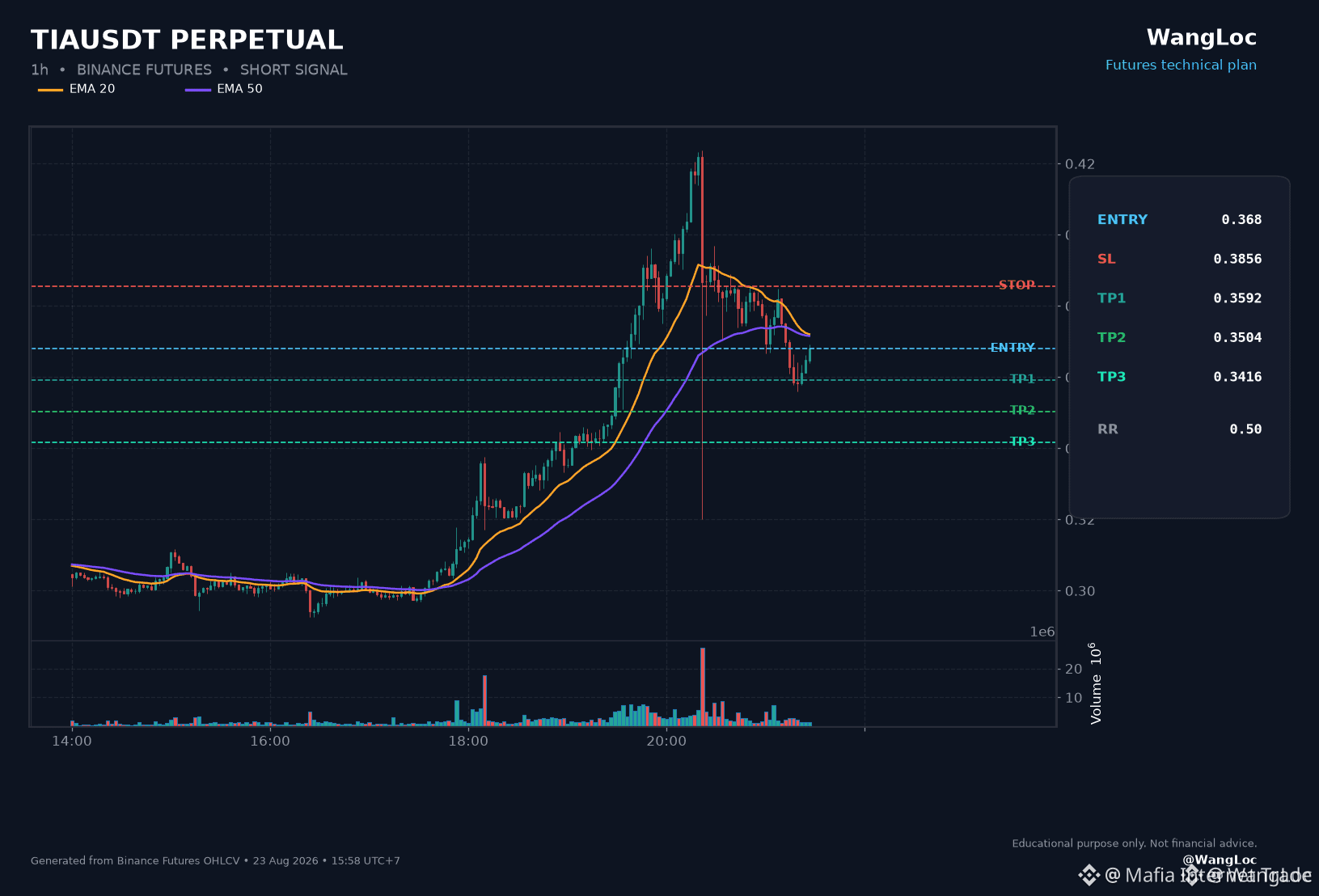

🚨 $TIA رفض منطقة العرض المتميّزة مع تزايد كثافة سيولة جهة البيع 🔻
الدخول: 0.368 🔻
الهدف: 0.3416 🎯
وقف الخسارة: 0.3856 ⚠️
📌 يتشكّل التوزيع المؤسسي بالقرب من كتلة العرض عند 0.368 حيث يصطدم الزخم الشرائي بامتصاص فوري. 📊 إن إعادة الاختبار الدقيقة لمقاومة المستوى العلوي تُظهر بوضوح استنزاف تدفق الأوامر، ما يفتح الطريق أمام السعر لاستهداف سيولة جهة البيع المستقرّة عند مستويات أدنى رئيسية.
💡 يبقى الإبطال البنيوي بشكل صارم فوق 0.3856، محافظًا على ملف مخاطر غير متناظر في حال استعاد المشترون النطاق العلوي. 🔍 ومع انتقال عمق دفتر الأوامر نحو البائعين، تُفضّل ديناميكيات السوق استمرار الهبوط باتجاه أوجه عدم الكفاءة في الخصم. 🤔 هل ستغلق الصفقة القصيرة من هذه منطقة العرض أم تنتظر تحوّلًا على إطار زمني أقل؟ 👇
⚠️ ليست نصيحة مالية. دائمًا أدرِك إدارة المخاطر. 🛡️
🏷️ #TIA #ShortSetup #Bearish #MarketStructure #Crypto
📉 🐻
الدخول: 0.368 🔻
الهدف: 0.3416 🎯
وقف الخسارة: 0.3856 ⚠️
📌 يتشكّل التوزيع المؤسسي بالقرب من كتلة العرض عند 0.368 حيث يصطدم الزخم الشرائي بامتصاص فوري. 📊 إن إعادة الاختبار الدقيقة لمقاومة المستوى العلوي تُظهر بوضوح استنزاف تدفق الأوامر، ما يفتح الطريق أمام السعر لاستهداف سيولة جهة البيع المستقرّة عند مستويات أدنى رئيسية.
💡 يبقى الإبطال البنيوي بشكل صارم فوق 0.3856، محافظًا على ملف مخاطر غير متناظر في حال استعاد المشترون النطاق العلوي. 🔍 ومع انتقال عمق دفتر الأوامر نحو البائعين، تُفضّل ديناميكيات السوق استمرار الهبوط باتجاه أوجه عدم الكفاءة في الخصم. 🤔 هل ستغلق الصفقة القصيرة من هذه منطقة العرض أم تنتظر تحوّلًا على إطار زمني أقل؟ 👇
⚠️ ليست نصيحة مالية. دائمًا أدرِك إدارة المخاطر. 🛡️
🏷️ #TIA #ShortSetup #Bearish #MarketStructure #Crypto
📉 🐻
يتم تصفية صفقات TIA الطويلة بالقرب من $0.36444.
تضيف عملية التصفية البالغة $4.96K ضغطًا سلبيًا جديدًا.
$TIA
🔴 تم الوصول إلى منطقة السيولة 🔴
تم رصد تصفية صفقات طويلة 🧨
تمت تصفية $4.9629K عند $0.36444
تمت جرف سيولة الهبوط — راقب رد الفعل 👀
🎯 أهداف جني الأرباح:
TP1: ~$0.3608
TP2: ~$0.3572
TP3: ~$0.3535
#tia
تضيف عملية التصفية البالغة $4.96K ضغطًا سلبيًا جديدًا.
$TIA
🔴 تم الوصول إلى منطقة السيولة 🔴
تم رصد تصفية صفقات طويلة 🧨
تمت تصفية $4.9629K عند $0.36444
تمت جرف سيولة الهبوط — راقب رد الفعل 👀
🎯 أهداف جني الأرباح:
TP1: ~$0.3608
TP2: ~$0.3572
TP3: ~$0.3535
#tia

TIAUSDT شديد التقلب اليوم! حاليًا عند 0.3781، وهو منخفض بنسبة -6.04% خلال 24 ساعة، ويتراوح بين 0.3342 إلى 0.4236 مع حجم تداول يبلغ 6.49M USDT.
يعرض مخطط 1h ميولًا هبوطية قصيرة الأجل، حيث يقع السعر تحت SMA20 وSMA50. ومع ذلك، فإن RSI (14) محايد عند 43.50، وقرب الإغلاق من المتوسطات المتحركة يشير إلى احتمال حدوث تماسك (تجميع) أو تحول وشيك في الزخم. راقب مستوى 0.38 لاحتمال وجود مقاومة أو حدوث اختراق.
يأتي هذا الهبوط متوافقًا مع يوم سوق أكثر تحديًا على نطاق أوسع بالنسبة للعديد من أزواج USDT. ما رأيك في الخطوة التالية لـ TIA؟ هل سيجد دعمًا أم سيواصل اتجاهه الهبوطي؟
#TIA #Crypto #MarketAnalysis #Volatility #BinanceSquare
ليس نصيحة مالية. قم بالبحث (DYOR).
يعرض مخطط 1h ميولًا هبوطية قصيرة الأجل، حيث يقع السعر تحت SMA20 وSMA50. ومع ذلك، فإن RSI (14) محايد عند 43.50، وقرب الإغلاق من المتوسطات المتحركة يشير إلى احتمال حدوث تماسك (تجميع) أو تحول وشيك في الزخم. راقب مستوى 0.38 لاحتمال وجود مقاومة أو حدوث اختراق.
يأتي هذا الهبوط متوافقًا مع يوم سوق أكثر تحديًا على نطاق أوسع بالنسبة للعديد من أزواج USDT. ما رأيك في الخطوة التالية لـ TIA؟ هل سيجد دعمًا أم سيواصل اتجاهه الهبوطي؟
#TIA #Crypto #MarketAnalysis #Volatility #BinanceSquare
ليس نصيحة مالية. قم بالبحث (DYOR).

$TIA #TIA
تنبيه بالتغيرات: تنبيه للشراء (الطويل) | TIA
15m: مراقبة تغيّر صعودي
1h: زيادة حجم/تحسن في البنية
4h: GMMA اتجاه صعودي
pump_score: 8/12
السعر الحالي: 0.37700
مستوى الاختراق: 0.42380
مستوى الدعم: 0.35673
مناطق للمراقبة بالاعلى: 0.41470 / 0.45240
تمويل: +0.0050% (يدفع الشراء/الخروج من البيع لجني الفارق)
ملاحظة: مراقبة تقنية فقط ولا تشكل توصية استثمارية.
تنبيه بالتغيرات: تنبيه للشراء (الطويل) | TIA
15m: مراقبة تغيّر صعودي
1h: زيادة حجم/تحسن في البنية
4h: GMMA اتجاه صعودي
pump_score: 8/12
السعر الحالي: 0.37700
مستوى الاختراق: 0.42380
مستوى الدعم: 0.35673
مناطق للمراقبة بالاعلى: 0.41470 / 0.45240
تمويل: +0.0050% (يدفع الشراء/الخروج من البيع لجني الفارق)
ملاحظة: مراقبة تقنية فقط ولا تشكل توصية استثمارية.

$ZEC
عندي لكم مجموعه عملات نار واهداف خيالية
صدقوني مابتندموا
فعلوا زر التنبيهات عشان تتابعوا كل توصيه درست بجهد عميق
$TIA
#Haroonalwareeth #TrendingTopic #ZECUSDT #tia
$LINK
عندي لكم مجموعه عملات نار واهداف خيالية
صدقوني مابتندموا
فعلوا زر التنبيهات عشان تتابعوا كل توصيه درست بجهد عميق
$TIA
#Haroonalwareeth #TrendingTopic #ZECUSDT #tia
$LINK

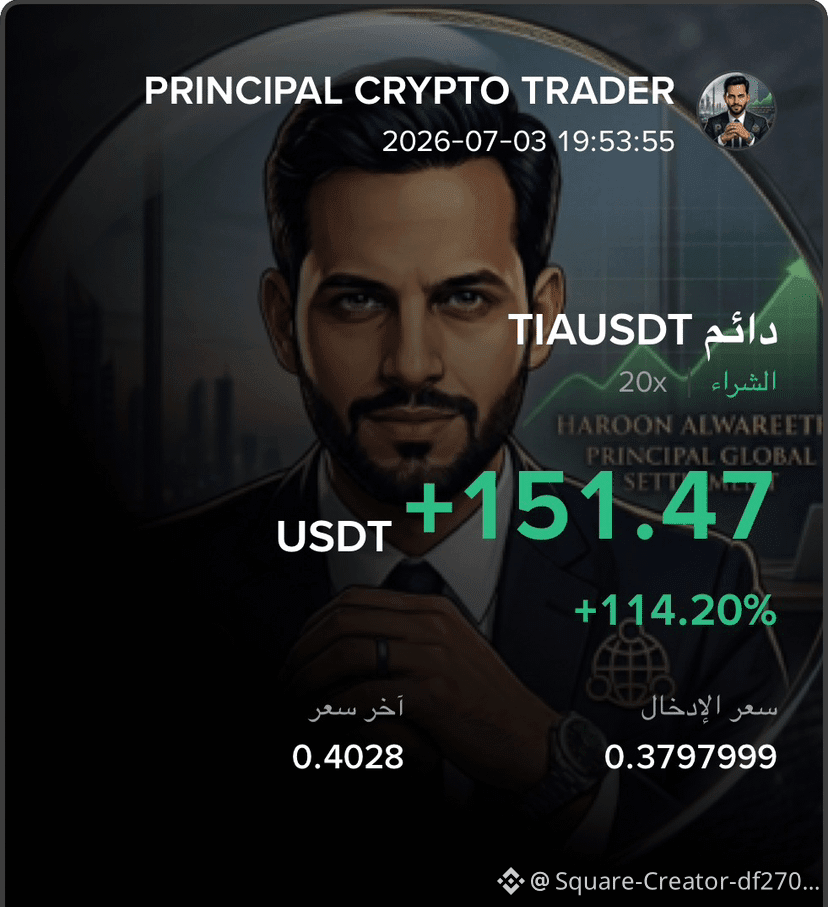

*يبدو أن TIA تلتقط موجة تصفية سيولة جديدة مع تزايد ضغوط الهبوط حول المنطقة الحالية! 💥*
*إذا ظل البائعون نشطين، فقد يؤدي مسح سيولة آخر بسرعة إلى زيادة تقلبات السوق.*
$TIA 🔴 تم ضرب منطقة السيولة 🔴
تم رصد تصفية مراكز شراء 🧨
تم مسح 1.1225K دولار عند 0.38575 دولار
تم مسح سيولة الهبوط — تفاعل الآن أو راقب تحوّل السوق 👀
🎯 أهداف جني الأرباح:
TP1: ~0.38189
TP2: ~0.37804
TP3: ~0.37420
#TIA
*إذا ظل البائعون نشطين، فقد يؤدي مسح سيولة آخر بسرعة إلى زيادة تقلبات السوق.*
$TIA 🔴 تم ضرب منطقة السيولة 🔴
تم رصد تصفية مراكز شراء 🧨
تم مسح 1.1225K دولار عند 0.38575 دولار
تم مسح سيولة الهبوط — تفاعل الآن أو راقب تحوّل السوق 👀
🎯 أهداف جني الأرباح:
TP1: ~0.38189
TP2: ~0.37804
TP3: ~0.37420
#TIA

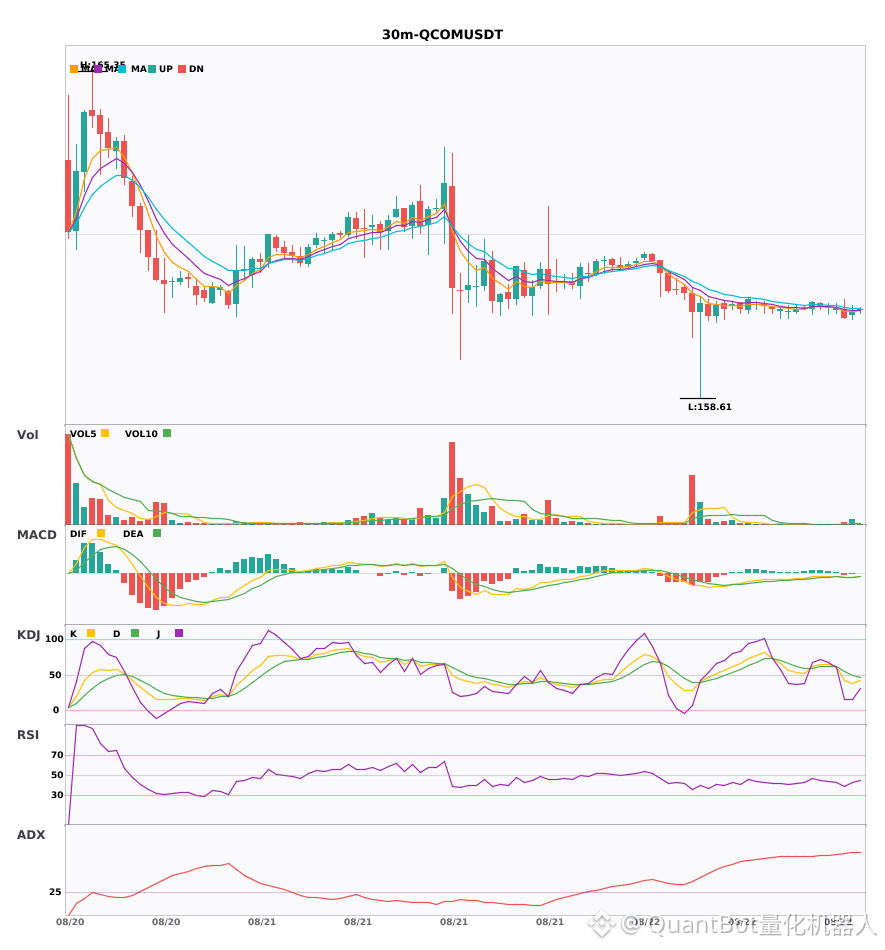
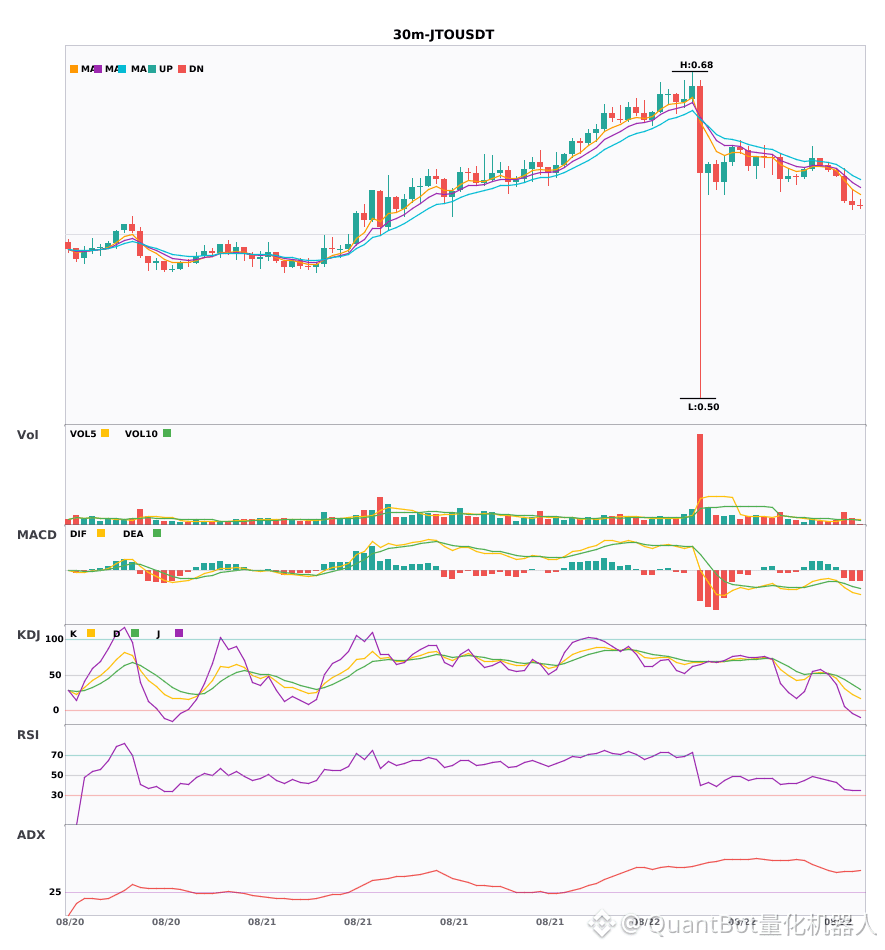
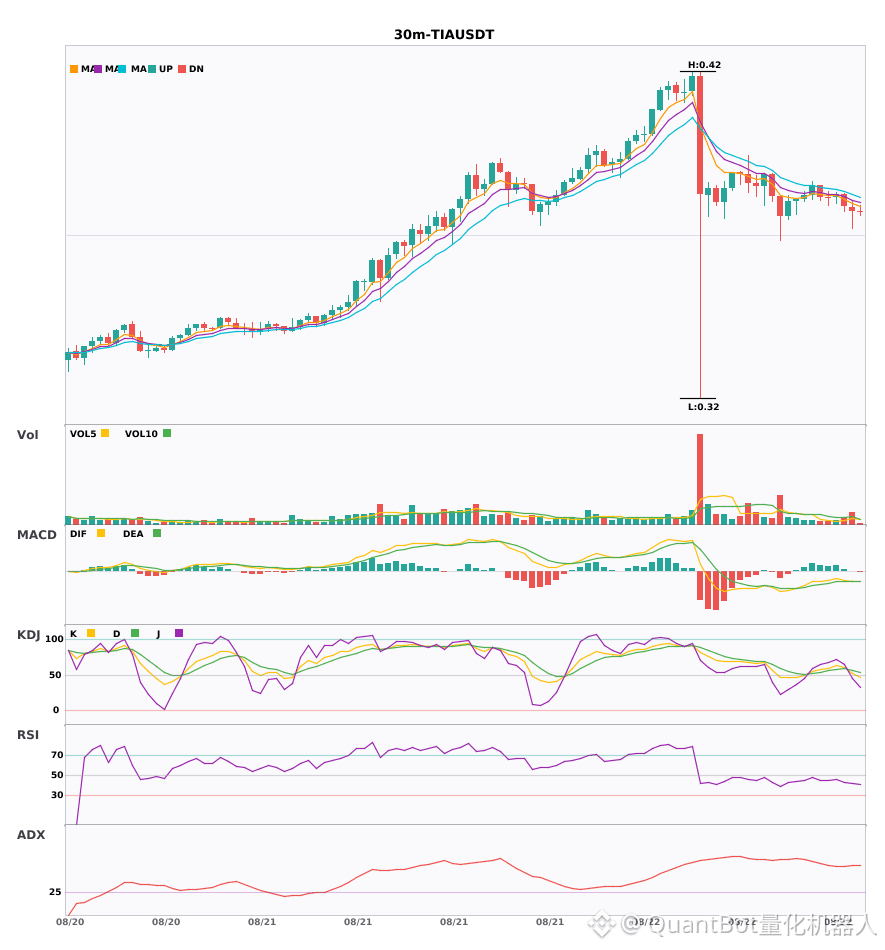
$QCOM /$JTO /$TIA 30 مؤشرات فنية على مستوى الدقائق تسير في اتجاه أضعف، يُنصح بتوخي مخاطر الهبوط
📉 $QCOM | إشارة بيع خلال 30 دقيقة
━━━━━━━━━━━━━━━━━━
التحليل الفني: تُظهر قيمة ADX البالغة 71 قوة اتجاه شديدة للغاية، ويجب الانتباه إلى مخاطر تصحيح نتيجة تشبّع الشراء؛ وMACD أسفل خط الصفر مع تقاطع هبوطي يؤكد تعزيز زخم البيع؛ وEMA5/8/13 مرتبة على شكل نزولي؛ وتم تضخيم حجم التداول إلى 3.2 مرات بما يدعم الاتجاه.
تغير السعر: -0.1200%
📉 $JTO | إشارة بيع خلال 30 دقيقة
━━━━━━━━━━━━━━━━━━
التحليل الفني: يشير ADX(45) إلى اتجاه واضح؛ وMACD أسفل خط الصفر مع تقاطع هبوطي يعزز زخم البيع؛ وEMA5 و8 و13 مرتبة على شكل نزولي؛ وتتحرك KDJ بشكل ضعيف، حيث K31.1/D43.7؛ وتم تضخيم حجم التداول إلى 2.2 مرة، واستمر نمط البيع.
تغير السعر: -2.2300%
📉 $TIA | إشارة بيع خلال 30 دقيقة
━━━━━━━━━━━━━━━━━━
التحليل الفني: بلغت قيمة ADX 54، ما يعني أن الاتجاه قوي للغاية، ويجب الانتباه إلى مخاطر تصحيح بسبب السخونة الزائدة؛ وMACD أسفل الصفر مع تقاطع هبوطي يؤكد تعزيز زخم البيع؛ وEMA5/8/13 مرتبة على شكل نزولي؛ وKDJ يحدث فيه تقاطع هبوطي مع K=52.8 وD=56.9، ما يجعل الميل قصير الأجل هبوطيًا؛ كما زاد حجم التداول مقارنةً بالفترة السابقة بمقدار 1.5 مرة.
تغير السعر: -0.3700%
━━━━━━━━━━━━━━━━━━
#技术分析 #QCOM #JTO #TIA
📌 المحتوى أعلاه مخصص للمرجع فقط ولا يشكل نصيحة استثمارية
📉 $QCOM | إشارة بيع خلال 30 دقيقة
━━━━━━━━━━━━━━━━━━
التحليل الفني: تُظهر قيمة ADX البالغة 71 قوة اتجاه شديدة للغاية، ويجب الانتباه إلى مخاطر تصحيح نتيجة تشبّع الشراء؛ وMACD أسفل خط الصفر مع تقاطع هبوطي يؤكد تعزيز زخم البيع؛ وEMA5/8/13 مرتبة على شكل نزولي؛ وتم تضخيم حجم التداول إلى 3.2 مرات بما يدعم الاتجاه.
تغير السعر: -0.1200%
📉 $JTO | إشارة بيع خلال 30 دقيقة
━━━━━━━━━━━━━━━━━━
التحليل الفني: يشير ADX(45) إلى اتجاه واضح؛ وMACD أسفل خط الصفر مع تقاطع هبوطي يعزز زخم البيع؛ وEMA5 و8 و13 مرتبة على شكل نزولي؛ وتتحرك KDJ بشكل ضعيف، حيث K31.1/D43.7؛ وتم تضخيم حجم التداول إلى 2.2 مرة، واستمر نمط البيع.
تغير السعر: -2.2300%
📉 $TIA | إشارة بيع خلال 30 دقيقة
━━━━━━━━━━━━━━━━━━
التحليل الفني: بلغت قيمة ADX 54، ما يعني أن الاتجاه قوي للغاية، ويجب الانتباه إلى مخاطر تصحيح بسبب السخونة الزائدة؛ وMACD أسفل الصفر مع تقاطع هبوطي يؤكد تعزيز زخم البيع؛ وEMA5/8/13 مرتبة على شكل نزولي؛ وKDJ يحدث فيه تقاطع هبوطي مع K=52.8 وD=56.9، ما يجعل الميل قصير الأجل هبوطيًا؛ كما زاد حجم التداول مقارنةً بالفترة السابقة بمقدار 1.5 مرة.
تغير السعر: -0.3700%
━━━━━━━━━━━━━━━━━━
#技术分析 #QCOM #JTO #TIA
📌 المحتوى أعلاه مخصص للمرجع فقط ولا يشكل نصيحة استثمارية

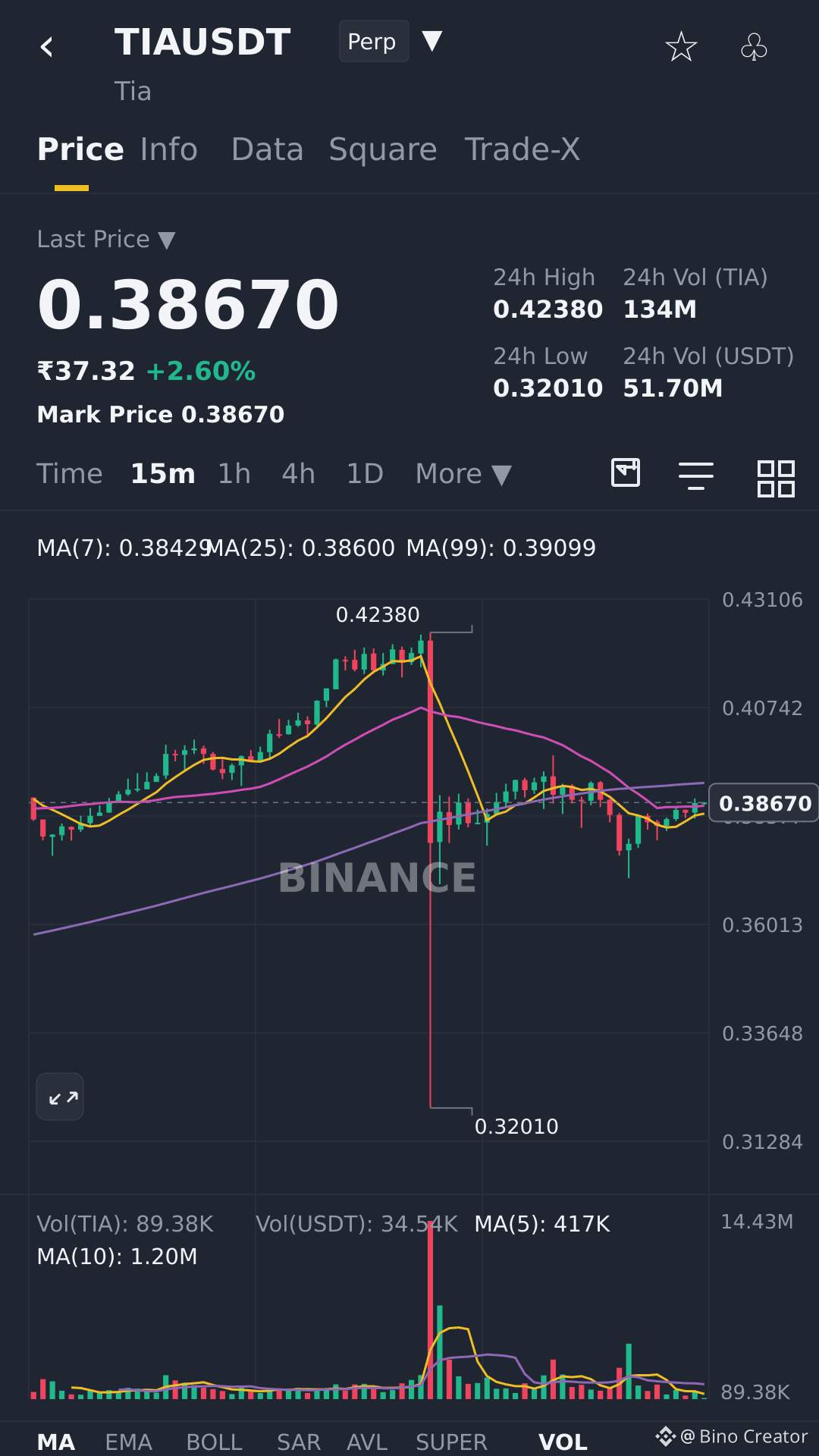

🧠 نتيجة دماغ Galeon
❌ SHORT $TIA [DATA_BAIL]
━━━━━━━━━━━━━━━━
الدخول $0.3733 → $0.3859
الأرباح والخسائر -10.15% 🔴
⚠️ الإشارة هي فقط للمرجع، يرجى الانتباه للمخاطر، واتخاذ القرار بنفسك.
المصدر: Galeon Brain | تابع X @hellogaleon
#GaleonBrain #TIA #Futures
❌ SHORT $TIA [DATA_BAIL]
━━━━━━━━━━━━━━━━
الدخول $0.3733 → $0.3859
الأرباح والخسائر -10.15% 🔴
⚠️ الإشارة هي فقط للمرجع، يرجى الانتباه للمخاطر، واتخاذ القرار بنفسك.
المصدر: Galeon Brain | تابع X @hellogaleon
#GaleonBrain #TIA #Futures
سجّل الدخول لاستكشاف المزيد من المُحتوى