
#traderalert
traderalert
2M مشاهدات
3,146 يقومون بالنقاش
رائج
جديد

⚠️ تحذير من المخاطر: عادةً ما تُظهر أكبر الرابحين (Top gainers) تقلبًا شديدًا وخطر تصفية المراكز. تداول باستخدام رافعة مالية منخفضة (2x–5x كحد أقصى)، مع حجم مركز مناسب، وتنفيذ وقف خسارة صارم. #TradingCommunity #TraderAlert

مخطط $NEAR يومض بإشارة تحذير تشير إلى أن اختراقًا قد يكون وشيكًا، حيث يتم تداوله حاليًا بالقرب من الطرف العلوي لنطاقه خلال الـ 24 ساعة. لقد كانت هذه المنطقة نقطة تعثر في الماضي، مع تركز حركة السعر في نطاق ضيق نسبيًا. ومع ذلك، وبالنظر إلى أن التغير خلال 24 ساعة يُظهر تحولًا ملحوظًا، يجب على المتداولين أن يكونوا على أهبة الاستعداد لاحتمال حدوث حركة.
إن الوضع الحالي داخل النطاق يوحي بأن الجمهور متردد في دفع السعر للأعلى، لكن الزخم الكامن لا يزال يتزايد. ينبغي على المتداولين مراقبة الساعات القليلة القادمة عن كثب، لأن التحرك فوق النطاق الحالي قد يثير موجة من الاهتمام بالشراء، بينما قد يؤدي الفشل في الحفاظ على الطرف الأدنى من النطاق إلى انعكاس سريع. ما الذي تراقبه حاليًا على $NEAR ؟
أراقب $NEAR مقابل هذا النطاق.
#near
#cryptotrading
#breakoutwatch
#traderalert
إن الوضع الحالي داخل النطاق يوحي بأن الجمهور متردد في دفع السعر للأعلى، لكن الزخم الكامن لا يزال يتزايد. ينبغي على المتداولين مراقبة الساعات القليلة القادمة عن كثب، لأن التحرك فوق النطاق الحالي قد يثير موجة من الاهتمام بالشراء، بينما قد يؤدي الفشل في الحفاظ على الطرف الأدنى من النطاق إلى انعكاس سريع. ما الذي تراقبه حاليًا على $NEAR ؟
أراقب $NEAR مقابل هذا النطاق.
#near
#cryptotrading
#breakoutwatch
#traderalert

$BTW 🔴قصيرًا🔴 على الارتداد إلى المقاومة!
الخطة:
🔹 الدخول: 0.1110 – 0.1115 (على الارتداد من القمة)
🔹 SL: 0.1125 (أعلى من أعلى سعر آخر 24 ساعة عند 0.11186)
🔹 TP1: 0.1050
🔹 TP2: 0.0995 (دعم)
🔹 TP3: 0.0950
السعر $0.11099 (+38.36%) ثبت فوق جميع الـ EMA — اتجاه صاعد قوي، لكن RSI 63.4 — ليس تشبعًا بالشراء. عند اختراق 0.11186 سيستمر الاتجاه، وإلغاء صفقة البيع (الShort). الدعم 0.0995 — عند اختراقه يتجه السعر نحو 0.095. الحجم مرتفع، وMA5 ≈ MA10 — الزخم مستقر. البيع (Short) فقط بوقف خسارة قصير.
بدائل: $LINK , $UMA .
🔥 كيف ترى، هل سيخترق BTW 0.11186؟ اكتب في التعليقات!
👉 اشترك في إشاراتنا!
#SHORT📉 #SİGNAL #TraderAlert 👇
الخطة:
🔹 الدخول: 0.1110 – 0.1115 (على الارتداد من القمة)
🔹 SL: 0.1125 (أعلى من أعلى سعر آخر 24 ساعة عند 0.11186)
🔹 TP1: 0.1050
🔹 TP2: 0.0995 (دعم)
🔹 TP3: 0.0950
السعر $0.11099 (+38.36%) ثبت فوق جميع الـ EMA — اتجاه صاعد قوي، لكن RSI 63.4 — ليس تشبعًا بالشراء. عند اختراق 0.11186 سيستمر الاتجاه، وإلغاء صفقة البيع (الShort). الدعم 0.0995 — عند اختراقه يتجه السعر نحو 0.095. الحجم مرتفع، وMA5 ≈ MA10 — الزخم مستقر. البيع (Short) فقط بوقف خسارة قصير.
بدائل: $LINK , $UMA .
🔥 كيف ترى، هل سيخترق BTW 0.11186؟ اكتب في التعليقات!
👉 اشترك في إشاراتنا!
#SHORT📉 #SİGNAL #TraderAlert 👇

$34M ناقص على $BTC والأسهم — ربح خلال 4 ساعات 💰
متداول رئيسي كان قد حقق سابقًا 4.15 مليون دولار على المراكز الطويلة، وقد تحوّل للتو إلى النظرة الهبوطية، مُطلقًا صفقة بيع قصيرة بقيمة 34.9 مليون دولار عبر البيتكوين والأسهم. خلال أربع ساعات من افتتاح السوق الأمريكي، أصبح الربح بالفعل 1.742 مليون دولار مع هبوط حاد للأسواق.
هذا تحوّل كبير عن مُجمِّع مُثبت — عندما ينعطف، غالبًا ما يتبع ذلك تغيّر في البنية. سرعة الربح تشير إلى تموضع عدواني تجاه مسح السيولة. هل تلاحق الأموال الذكية أم تتحدى ذلك؟
ليس نصيحة مالية. دائمًا أدرِك مخاطرك.
#BTC #ShortSetup #MarketSentiment #TraderAlert
💰
متداول رئيسي كان قد حقق سابقًا 4.15 مليون دولار على المراكز الطويلة، وقد تحوّل للتو إلى النظرة الهبوطية، مُطلقًا صفقة بيع قصيرة بقيمة 34.9 مليون دولار عبر البيتكوين والأسهم. خلال أربع ساعات من افتتاح السوق الأمريكي، أصبح الربح بالفعل 1.742 مليون دولار مع هبوط حاد للأسواق.
هذا تحوّل كبير عن مُجمِّع مُثبت — عندما ينعطف، غالبًا ما يتبع ذلك تغيّر في البنية. سرعة الربح تشير إلى تموضع عدواني تجاه مسح السيولة. هل تلاحق الأموال الذكية أم تتحدى ذلك؟
ليس نصيحة مالية. دائمًا أدرِك مخاطرك.
#BTC #ShortSetup #MarketSentiment #TraderAlert
💰

💹 $SOL LONG.
#TraderAlert Setup.
المدخل: $97 - $98
نقطة الهدف (1). 105$
نقطة الهدف (2). 115$
نقطة الهدف (3). 130$
افتح الصفقة الآن Long $SOL
#TraderAlert Setup.
المدخل: $97 - $98
نقطة الهدف (1). 105$
نقطة الهدف (2). 115$
نقطة الهدف (3). 130$
افتح الصفقة الآن Long $SOL


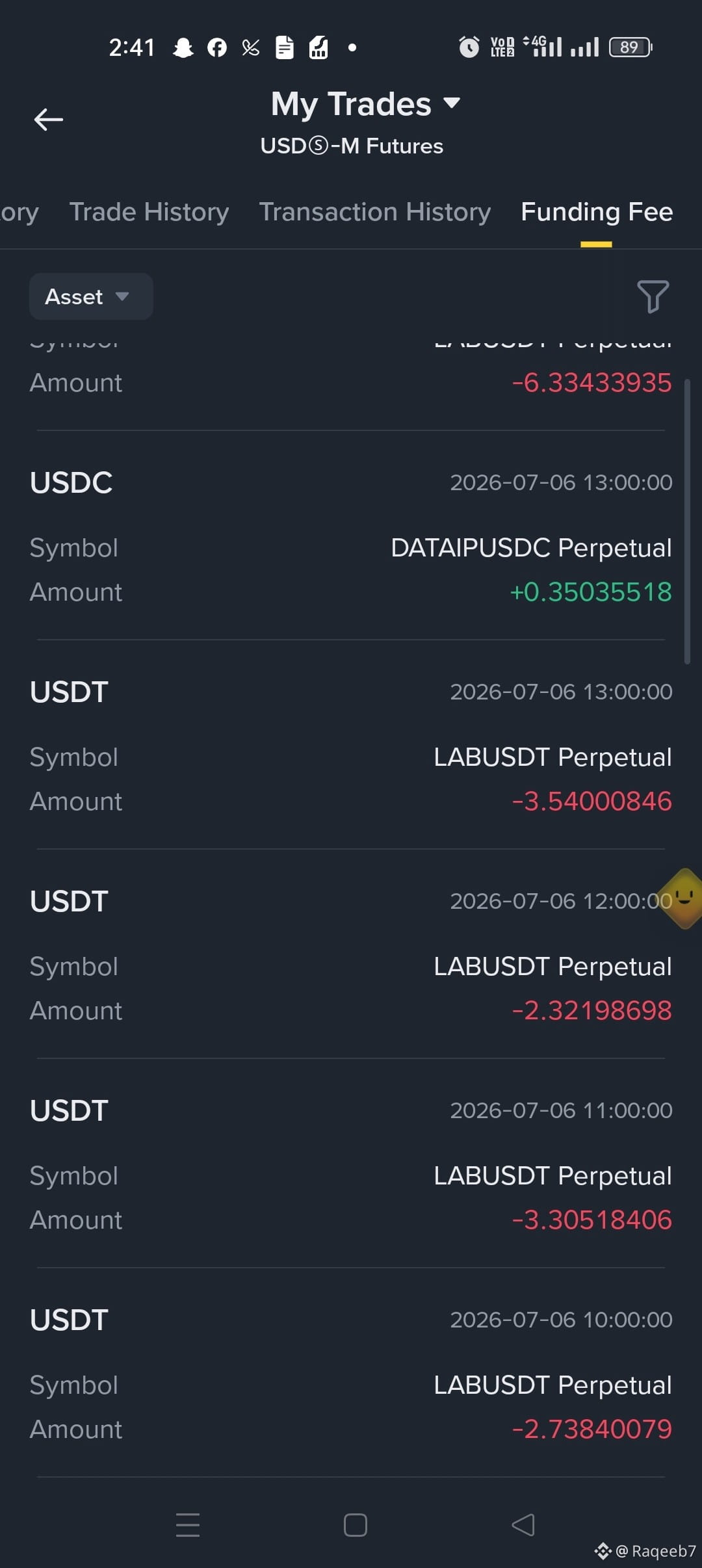
رسوم تمويل DAM، ربما أصفي هذه المراكز 😒😭
نصيحة للجميع، من فضلكم لا تتاجروا في هذا الكوين هذا المختبر لأن كل ساعة تُفرض رسوم تمويل 😭😞 LAB للاستثمار في العملات الرقميةStr #TradingCommunity #market_tips #TraderAlert #CryptocurrencyWealth #TrenddingTopic
نصيحة للجميع، من فضلكم لا تتاجروا في هذا الكوين هذا المختبر لأن كل ساعة تُفرض رسوم تمويل 😭😞 LAB للاستثمار في العملات الرقميةStr #TradingCommunity #market_tips #TraderAlert #CryptocurrencyWealth #TrenddingTopic

#TraderAlert
📈 قائمة أساسية قبل فتح صفقة (Trade) 🚀
يركّز الكثيرون فقط على الدخول إلى السوق، لكن النجاح الحقيقي يكمن في التخطيط. قبل تنفيذ أي أمر، راجع هذه النقاط الأربع الرئيسية:
🔍 الاتجاه الرئيسي: حدّد ما إذا كان السوق في حالة صعود أم هبوط أم ضمن نطاق في الأطر الزمنية الأعلى (4H / 1D). لا تتجه عكس الاتجاه الرئيسي بدون أسس واضحة.
📍 مناطق رئيسية: حدّد مناطق الدعم والمقاومة المهمة التي تفاعل معها السعر سابقًا.
📉 تأكيد حجم التداول: تأكد مما إذا كانت الحركة مدعومة بحجم تداول حقيقي، ما يثبت قوة الحركة.
📐 خطة الخروج: حدّد Take Profit (TP) و Stop Loss (SL) قبل الدخول. إدارة المخاطر تحمي رأس مالك.$AAPLB
📈 قائمة أساسية قبل فتح صفقة (Trade) 🚀
يركّز الكثيرون فقط على الدخول إلى السوق، لكن النجاح الحقيقي يكمن في التخطيط. قبل تنفيذ أي أمر، راجع هذه النقاط الأربع الرئيسية:
🔍 الاتجاه الرئيسي: حدّد ما إذا كان السوق في حالة صعود أم هبوط أم ضمن نطاق في الأطر الزمنية الأعلى (4H / 1D). لا تتجه عكس الاتجاه الرئيسي بدون أسس واضحة.
📍 مناطق رئيسية: حدّد مناطق الدعم والمقاومة المهمة التي تفاعل معها السعر سابقًا.
📉 تأكيد حجم التداول: تأكد مما إذا كانت الحركة مدعومة بحجم تداول حقيقي، ما يثبت قوة الحركة.
📐 خطة الخروج: حدّد Take Profit (TP) و Stop Loss (SL) قبل الدخول. إدارة المخاطر تحمي رأس مالك.$AAPLB



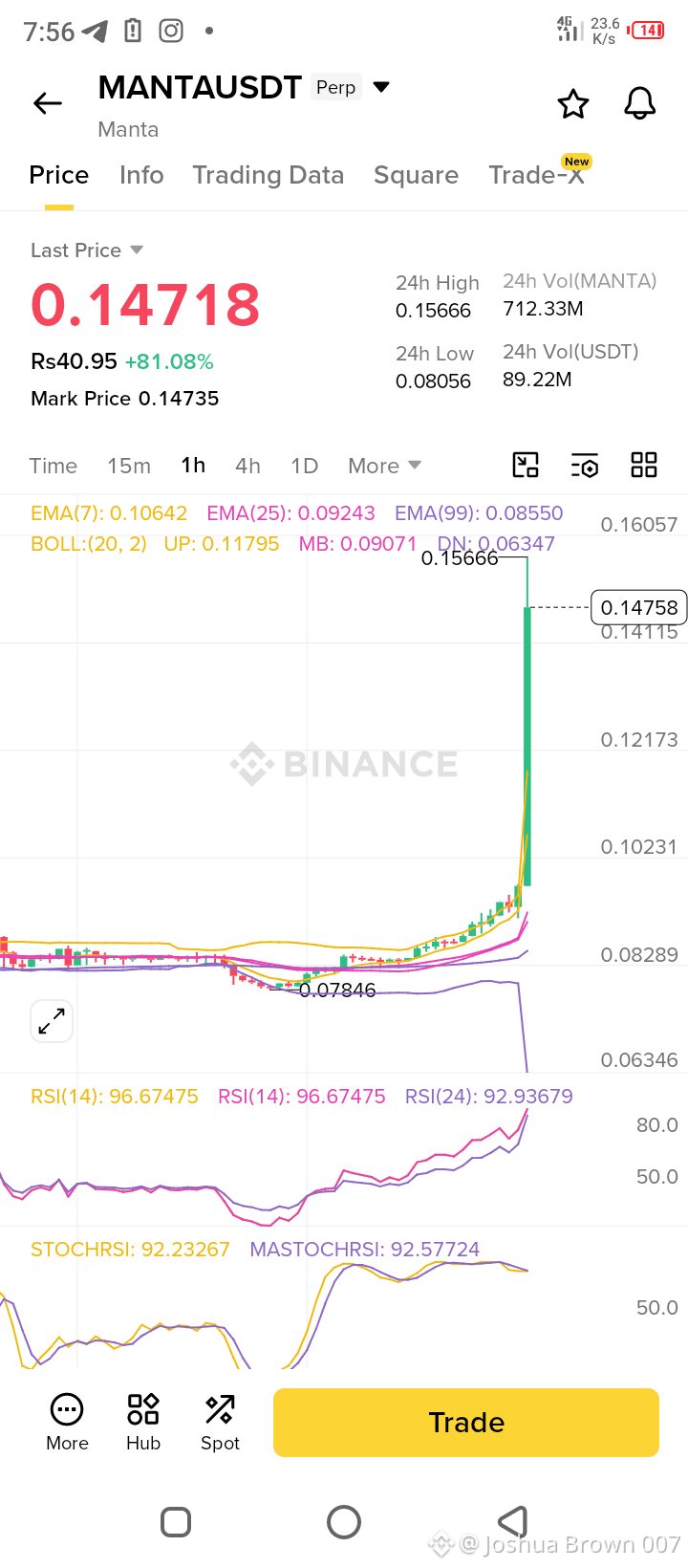
#TraderAlert $MANTA MY WARNING TO MYSELF (AND YOU)
تحليلي – MANTAUSDT (تحذير الضخ والتفريغ)
🔔 تنبيهاتِي مضبوطة على:
0.130 – التحقق من الارتداد
0.118 – منطقة شراء جادة
0.101 – إذا ضربت حالة الذعر، سأتجهز للشراء بكثافة
📌 الخلاصة
هذا ضخ وتفريغ يحدث الآن.
سأظل صبورًا. وسأظل منضبطًا.
سأنتظر الدخول الحقيقي – وليس الوهمي.
تداول آمن. لا تطارد. السوق دائمًا سيمنحك فرصة أخرى.
السعر الحالي: 0.14718 (+81%)
ما الذي أراه:
RSI عند 96 – تشبع شرائي شديد
السعر بعيد جدًا فوق EMA7 – غير مستدام
هذه حالة ضخ كلاسيكية
مستوياتي:
المقاومة: 0.148–0.150
الدعم 1: 0.130
الدعم 2: 0.118
الدعم 3: 0.101
خطتي:
❌ لا شراء هنا – محفوف بالمخاطر
✅ سأنتظر التفريغ إلى:
0.130 – دخول جزئي
0.118 – منطقة الشراء الرئيسية
0.101 – تجميع ثقيل
صفقة قصيرة (إذا كنت من محبي ذلك):
الدخول: 0.147–0.148
SL: 0.151
TP: 0.130 / 0.118
الخلاصة:
هذه عملية ضخ. الحيتان ستقوم بالتفريغ قريبًا.
لا تطارد. انتظر التراجع.
تحليلي – MANTAUSDT (تحذير الضخ والتفريغ)
🔔 تنبيهاتِي مضبوطة على:
0.130 – التحقق من الارتداد
0.118 – منطقة شراء جادة
0.101 – إذا ضربت حالة الذعر، سأتجهز للشراء بكثافة
📌 الخلاصة
هذا ضخ وتفريغ يحدث الآن.
سأظل صبورًا. وسأظل منضبطًا.
سأنتظر الدخول الحقيقي – وليس الوهمي.
تداول آمن. لا تطارد. السوق دائمًا سيمنحك فرصة أخرى.
السعر الحالي: 0.14718 (+81%)
ما الذي أراه:
RSI عند 96 – تشبع شرائي شديد
السعر بعيد جدًا فوق EMA7 – غير مستدام
هذه حالة ضخ كلاسيكية
مستوياتي:
المقاومة: 0.148–0.150
الدعم 1: 0.130
الدعم 2: 0.118
الدعم 3: 0.101
خطتي:
❌ لا شراء هنا – محفوف بالمخاطر
✅ سأنتظر التفريغ إلى:
0.130 – دخول جزئي
0.118 – منطقة الشراء الرئيسية
0.101 – تجميع ثقيل
صفقة قصيرة (إذا كنت من محبي ذلك):
الدخول: 0.147–0.148
SL: 0.151
TP: 0.130 / 0.118
الخلاصة:
هذه عملية ضخ. الحيتان ستقوم بالتفريغ قريبًا.
لا تطارد. انتظر التراجع.


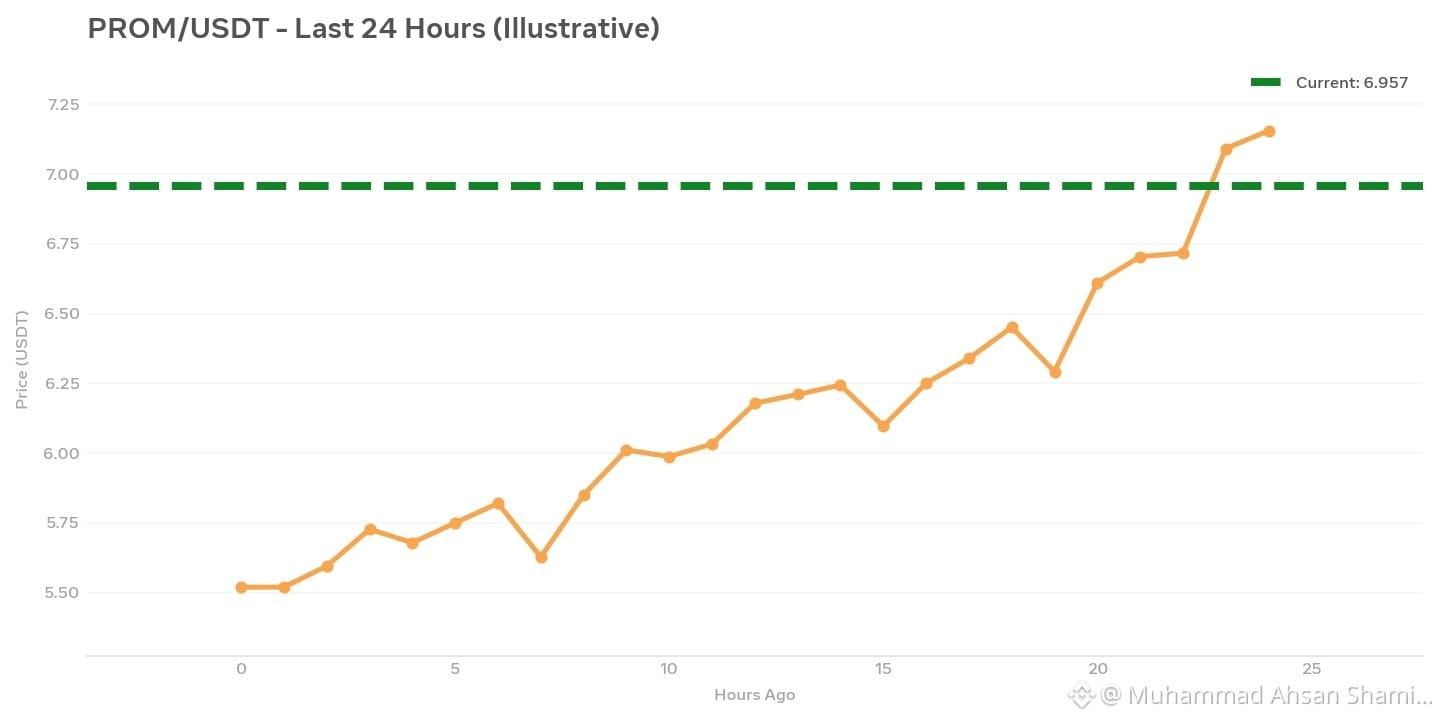
$PROM يتم تداولها حاليًا عند 6.957 دولار أمريكي (USDT)، ما يعادل تقريبًا 1930.71 روبية. لقد ارتفعت بنسبة 32.11 بالمئة خلال الـ 24 ساعة الماضية. وهي ثاني أعلى رابح في القائمة بعد ZKC.
يبدو أن سبب هذا الارتفاع يعود إلى تدوير القطاعات (sector rotation). جميع العملات المتعلقة بـ ZK والذكاء الاصطناعي تعمل اليوم. ZKC مرتفعة بنسبة 73 بالمئة وZKP مرتفعة بنسبة 29 بالمئة. لذا فإن الأموال تتدفق إلى هذا السرد (narrative). PROM جزء من مشروع Prometheus الذي يركز على الذكاء الاصطناعي وسلسلة الكتل (blockchain).
من خلال الرسم البياني يبدو أن هناك صعودًا ثابتًا خلال الـ 24 ساعة. بدأت الأسعار قرب 5.50 USDT ثم تحركت تدريجيًا إلى 6.957. لم يحدث هبوط كبير بينهما. تسارع التحرك خلال الساعات القليلة الأخيرة.
ثلاثة أمور يجب مراقبتها الآن. أولاً: يجب أن يبقى حجم التداول مرتفعًا للاستمرار في هذا التحرك. ثانيًا: 6.957 هو مستوى مهم. إذا استمر فوقه، يمكننا رؤية 7.20 إلى 7.50 لاحقًا. وإذا رفضه، يمكن أن نشهد تراجعًا. ثالثًا: لا تلاحق السعر (لا FOMO). يمكن لتحرك بنسبة 30 بالمئة أن ينقلب إلى هبوط بنسبة 10 إلى 20 بالمئة بسرعة.
بشكل عام، تبدو PROM جيدة للتداول قصير الأجل حاليًا بسبب الزخم (momentum). أما على المدى الطويل، فيجب عليك ما زلت التحقق من الأساسيات الخاصة بالمشروع والأخبار قبل الدخول.
#prom #GoldFalls3.24%ThisWeek #PROM/USDT #TraderAlert
يبدو أن سبب هذا الارتفاع يعود إلى تدوير القطاعات (sector rotation). جميع العملات المتعلقة بـ ZK والذكاء الاصطناعي تعمل اليوم. ZKC مرتفعة بنسبة 73 بالمئة وZKP مرتفعة بنسبة 29 بالمئة. لذا فإن الأموال تتدفق إلى هذا السرد (narrative). PROM جزء من مشروع Prometheus الذي يركز على الذكاء الاصطناعي وسلسلة الكتل (blockchain).
من خلال الرسم البياني يبدو أن هناك صعودًا ثابتًا خلال الـ 24 ساعة. بدأت الأسعار قرب 5.50 USDT ثم تحركت تدريجيًا إلى 6.957. لم يحدث هبوط كبير بينهما. تسارع التحرك خلال الساعات القليلة الأخيرة.
ثلاثة أمور يجب مراقبتها الآن. أولاً: يجب أن يبقى حجم التداول مرتفعًا للاستمرار في هذا التحرك. ثانيًا: 6.957 هو مستوى مهم. إذا استمر فوقه، يمكننا رؤية 7.20 إلى 7.50 لاحقًا. وإذا رفضه، يمكن أن نشهد تراجعًا. ثالثًا: لا تلاحق السعر (لا FOMO). يمكن لتحرك بنسبة 30 بالمئة أن ينقلب إلى هبوط بنسبة 10 إلى 20 بالمئة بسرعة.
بشكل عام، تبدو PROM جيدة للتداول قصير الأجل حاليًا بسبب الزخم (momentum). أما على المدى الطويل، فيجب عليك ما زلت التحقق من الأساسيات الخاصة بالمشروع والأخبار قبل الدخول.
#prom #GoldFalls3.24%ThisWeek #PROM/USDT #TraderAlert

#ETC/USDT تحديث السوق 📊
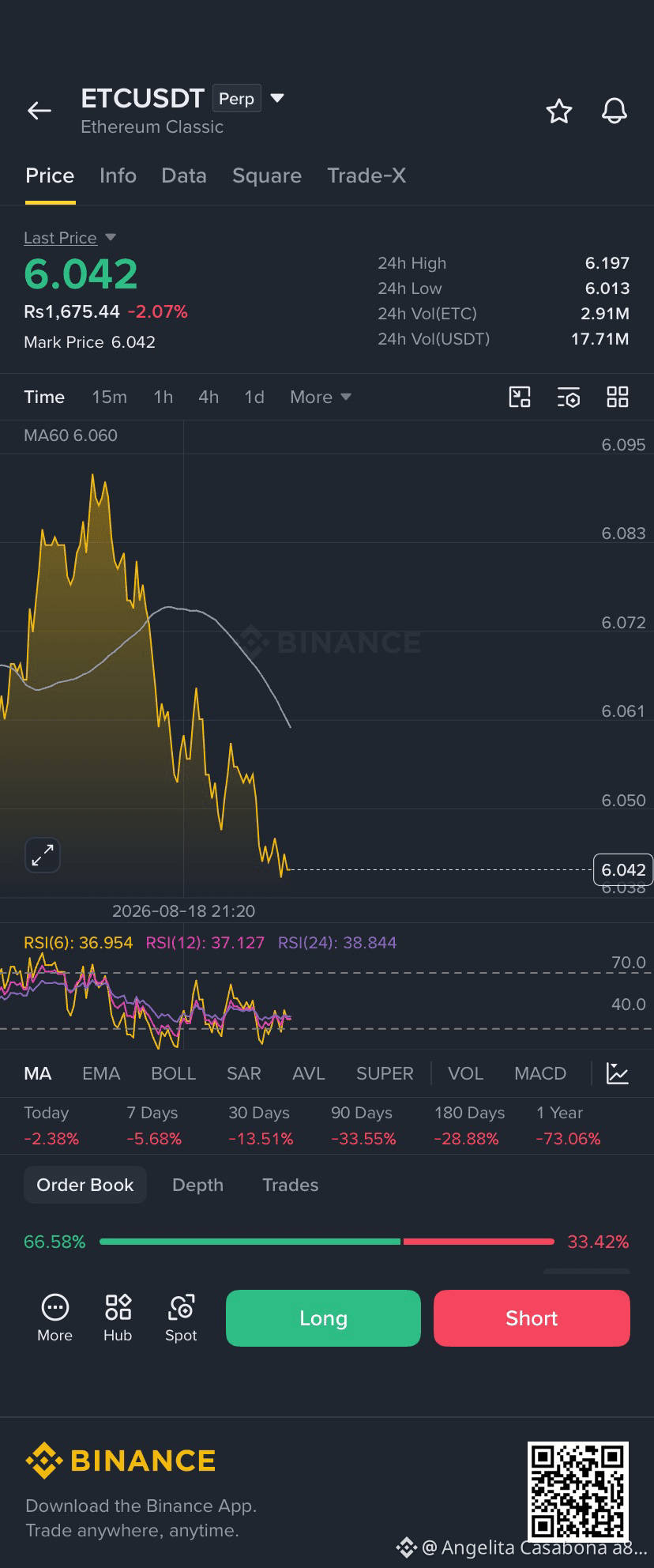
تتداول عملة Ethereum Classic (ETC) حاليًا حول 6.04 USDT، لكن الزخم قصير الأجل يبدو ضعيفًا. يُظهر مخطط 15 دقيقة أن السعر أقل من المتوسط المتحرك MA60 (6.06)، بينما تبلغ قيمة RSI حوالي 37، ما يشير إلى ضغط بيع، لكن ليس بعد حالة تشبع بيع شديدة.
مستويات رئيسية لمتابعتها:
🔹 الدعم: 6.01–6.00
🔹 المقاومة: 6.06–6.08
🔹 قد يؤدي اختراق 6.08 إلى تحسين الزخم قصير الأجل، بينما قد يجلب كسر 6.00 مزيدًا من ضغوط الهبوط.
📌 للمتداولين: لا تدخل صفقة اعتمادًا على مؤشر واحد فقط. انتظر التأكيد، واحرص على إدارة المخاطر بعناية، واستخدم دائمًا وقف الخسارة وفقًا لاستراتيجيتك.
#ETC #crypto #TraderAlert
$ETC
$USDT
تتداول عملة Ethereum Classic (ETC) حاليًا حول 6.04 USDT، لكن الزخم قصير الأجل يبدو ضعيفًا. يُظهر مخطط 15 دقيقة أن السعر أقل من المتوسط المتحرك MA60 (6.06)، بينما تبلغ قيمة RSI حوالي 37، ما يشير إلى ضغط بيع، لكن ليس بعد حالة تشبع بيع شديدة.
مستويات رئيسية لمتابعتها:
🔹 الدعم: 6.01–6.00
🔹 المقاومة: 6.06–6.08
🔹 قد يؤدي اختراق 6.08 إلى تحسين الزخم قصير الأجل، بينما قد يجلب كسر 6.00 مزيدًا من ضغوط الهبوط.
📌 للمتداولين: لا تدخل صفقة اعتمادًا على مؤشر واحد فقط. انتظر التأكيد، واحرص على إدارة المخاطر بعناية، واستخدم دائمًا وقف الخسارة وفقًا لاستراتيجيتك.
#ETC #crypto #TraderAlert
$ETC
$USDT

⚡ TUTUSDT
📊 تحليل الاحتمالات الاتجاهية:
• 📉 احتمال هبوط بنسبة 70%: الأصل يعاني من توزيع شديد بعد عملية الضخ. نلاحظ رفضًا منهجيًا عند المتوسطات المتحركة (1H و4H) إلى جانب فجوة سيولة واضحة (فجوة القيمة العادلة) تسحب السعر باتجاه منطقة 0.055 دولار.
• 📈 احتمال ارتفاع بنسبة 30%: سيتطلب ذلك ضخًا غير اعتيادي لحجم شراء فوري لكسر والتثبيت فوق 0.08200 دولار، مما يلغي هيكل القمة-الأدنى الحالي.
$TUT #TUTUpdate #TraderAlert #UpdateAlert
📊 تحليل الاحتمالات الاتجاهية:
• 📉 احتمال هبوط بنسبة 70%: الأصل يعاني من توزيع شديد بعد عملية الضخ. نلاحظ رفضًا منهجيًا عند المتوسطات المتحركة (1H و4H) إلى جانب فجوة سيولة واضحة (فجوة القيمة العادلة) تسحب السعر باتجاه منطقة 0.055 دولار.
• 📈 احتمال ارتفاع بنسبة 30%: سيتطلب ذلك ضخًا غير اعتيادي لحجم شراء فوري لكسر والتثبيت فوق 0.08200 دولار، مما يلغي هيكل القمة-الأدنى الحالي.
$TUT #TUTUpdate #TraderAlert #UpdateAlert


🚨 تحديث سريع: عملة $TON تختبر مستوى مقاومة حاسم! هل تستمر الإيجابية؟
✍️ نص المنشور:
تشهد شبكة تون حالياً ارتفاعاً ملحوظاً في حجم المعاملات اليومية، مما دفع سعر عملة $TON
لاختبار مستويات مقاومة هامة جداً على الفريم الزمني القصير.
💡 نقاط سريعة للمراقبة:
الزخم الحالي: المؤشرات الفنية تظهر دخول سيولة شرائية جديدة إلى الشبكة.
السيناريو المتوقع: إغلاق شمعة اليوم فوق المقاومة الحالية قد يفتح الباب لارتفاعات جديدة، بينما الفشل في الاختراق قد يؤدي إلى تصحيح مؤقت لجمع الزخم.
📊 ما هو توجهك الحالي؟ هل ترى أن عملة التون ستخترق المقاومة صعوداً أم سيهبط السعر؟ شاركنا توقعك في التعليقات!
👇 تابع حركة السعر الفورية لعملة $TON وافتح صفقتك مباشرة عبر الأداة أدناه:
#TON #Telegram #TraderAlert #CryptoMarkets
✍️ نص المنشور:
تشهد شبكة تون حالياً ارتفاعاً ملحوظاً في حجم المعاملات اليومية، مما دفع سعر عملة $TON
لاختبار مستويات مقاومة هامة جداً على الفريم الزمني القصير.
💡 نقاط سريعة للمراقبة:
الزخم الحالي: المؤشرات الفنية تظهر دخول سيولة شرائية جديدة إلى الشبكة.
السيناريو المتوقع: إغلاق شمعة اليوم فوق المقاومة الحالية قد يفتح الباب لارتفاعات جديدة، بينما الفشل في الاختراق قد يؤدي إلى تصحيح مؤقت لجمع الزخم.
📊 ما هو توجهك الحالي؟ هل ترى أن عملة التون ستخترق المقاومة صعوداً أم سيهبط السعر؟ شاركنا توقعك في التعليقات!
👇 تابع حركة السعر الفورية لعملة $TON وافتح صفقتك مباشرة عبر الأداة أدناه:
#TON #Telegram #TraderAlert #CryptoMarkets

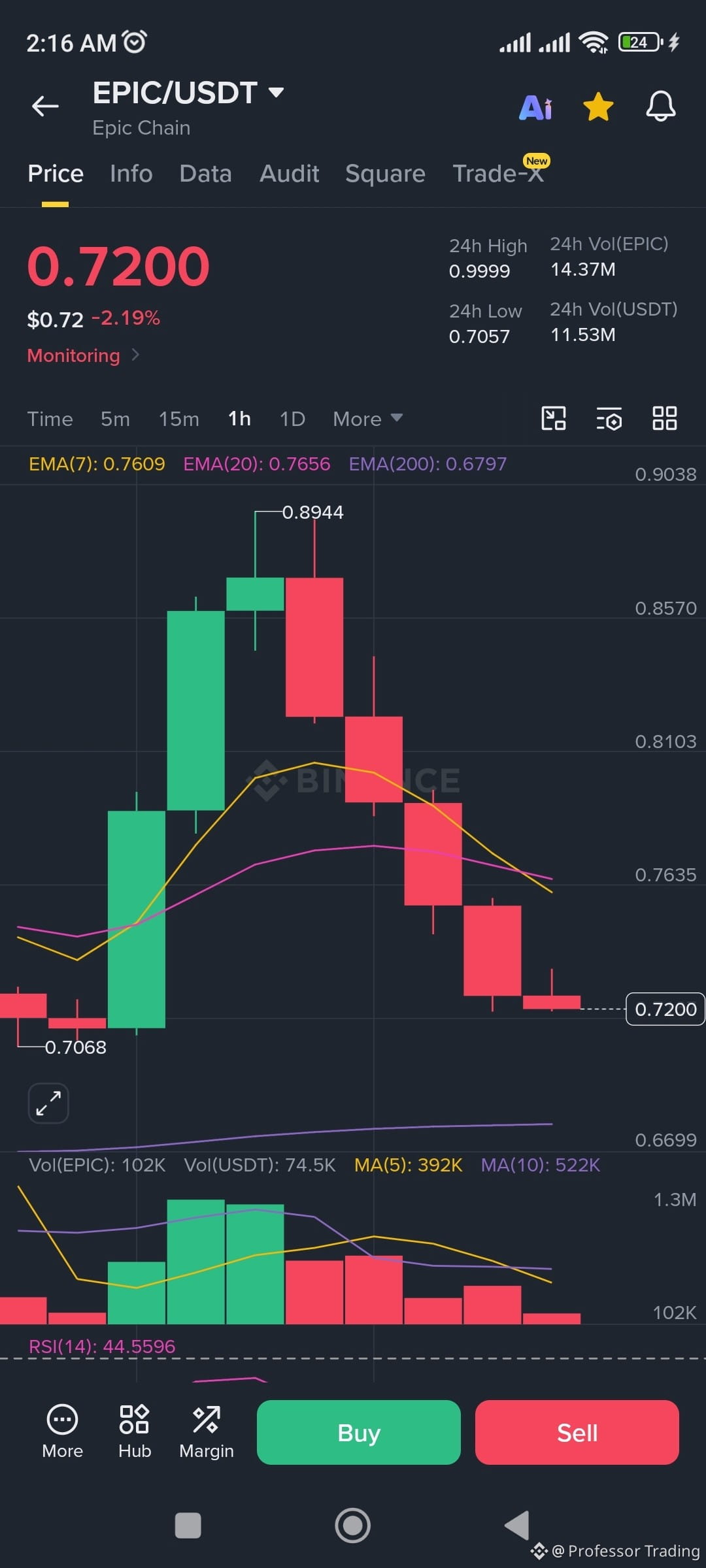
$EPIC – قصير
🎯 الثقة: 70–75%
📍 الدخول: $0.718 – $0.724
🛑 وقف الخسارة: $0.772
🎯 جني الأرباح:
✅ الهدف 1: $0.705
✅ الهدف 2: $0.690
✅ الهدف 3: $0.675
انقر هنا👉$EPIC
#Epic #Binance #BinanceSquare #TraderAlert
🎯 الثقة: 70–75%
📍 الدخول: $0.718 – $0.724
🛑 وقف الخسارة: $0.772
🎯 جني الأرباح:
✅ الهدف 1: $0.705
✅ الهدف 2: $0.690
✅ الهدف 3: $0.675
انقر هنا👉$EPIC
#Epic #Binance #BinanceSquare #TraderAlert

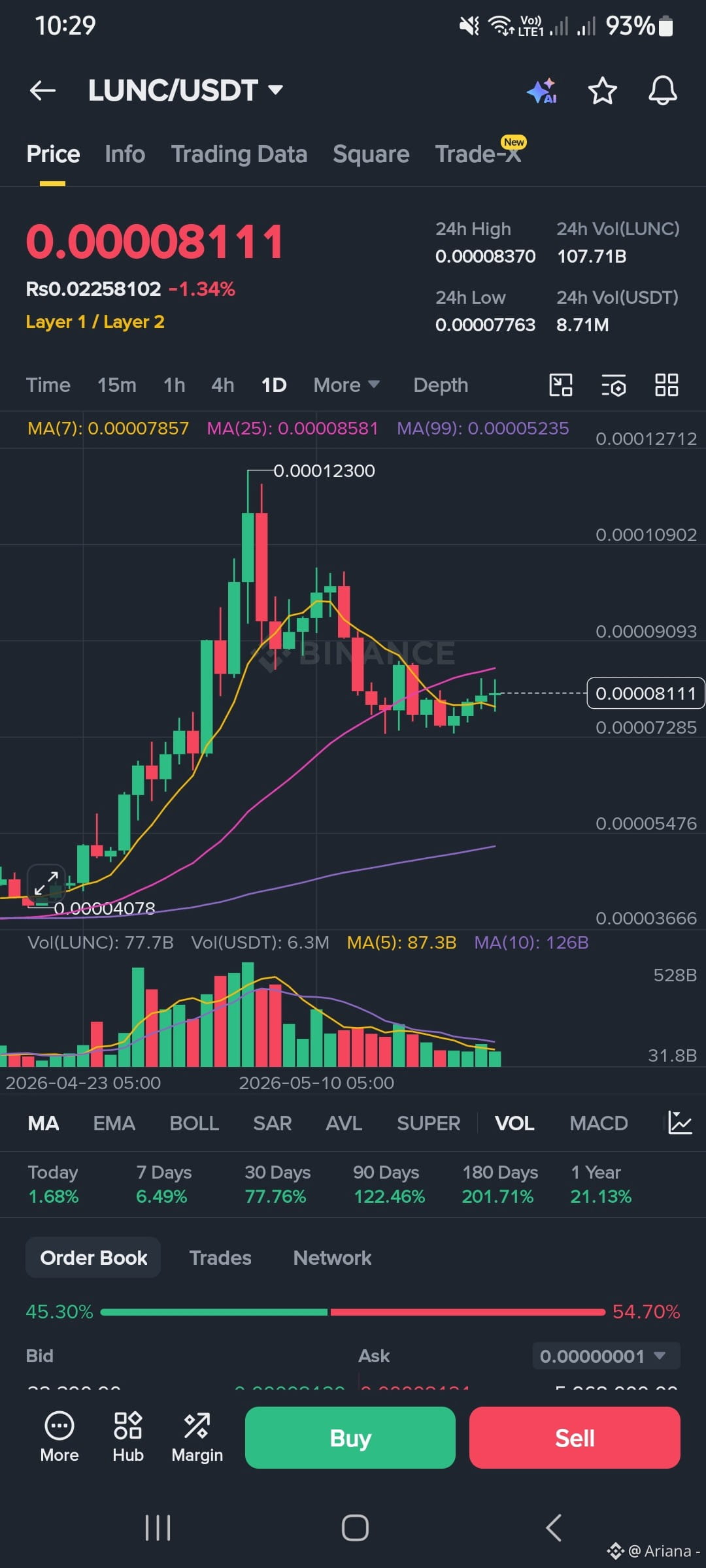
$LUNC واجه رفضًا حادًا عند القمة المحلية للساعات 📉
العزم يبرد حاليًا، ولازم المتداولين يراقبوا منطقة دعم 0.00008000 بدقة بعدين. 👀
هل راح يدخل المشترين هناك، أو في نزول أكثر قادم؟ 🔥
#LUNC #LUNC✅ #TraderAlert #BitcoinBreaksBelow75KAsWarshTakesFedHelm #FenwickWestSettlesFTXFor54M
العزم يبرد حاليًا، ولازم المتداولين يراقبوا منطقة دعم 0.00008000 بدقة بعدين. 👀
هل راح يدخل المشترين هناك، أو في نزول أكثر قادم؟ 🔥
#LUNC #LUNC✅ #TraderAlert #BitcoinBreaksBelow75KAsWarshTakesFedHelm #FenwickWestSettlesFTXFor54M

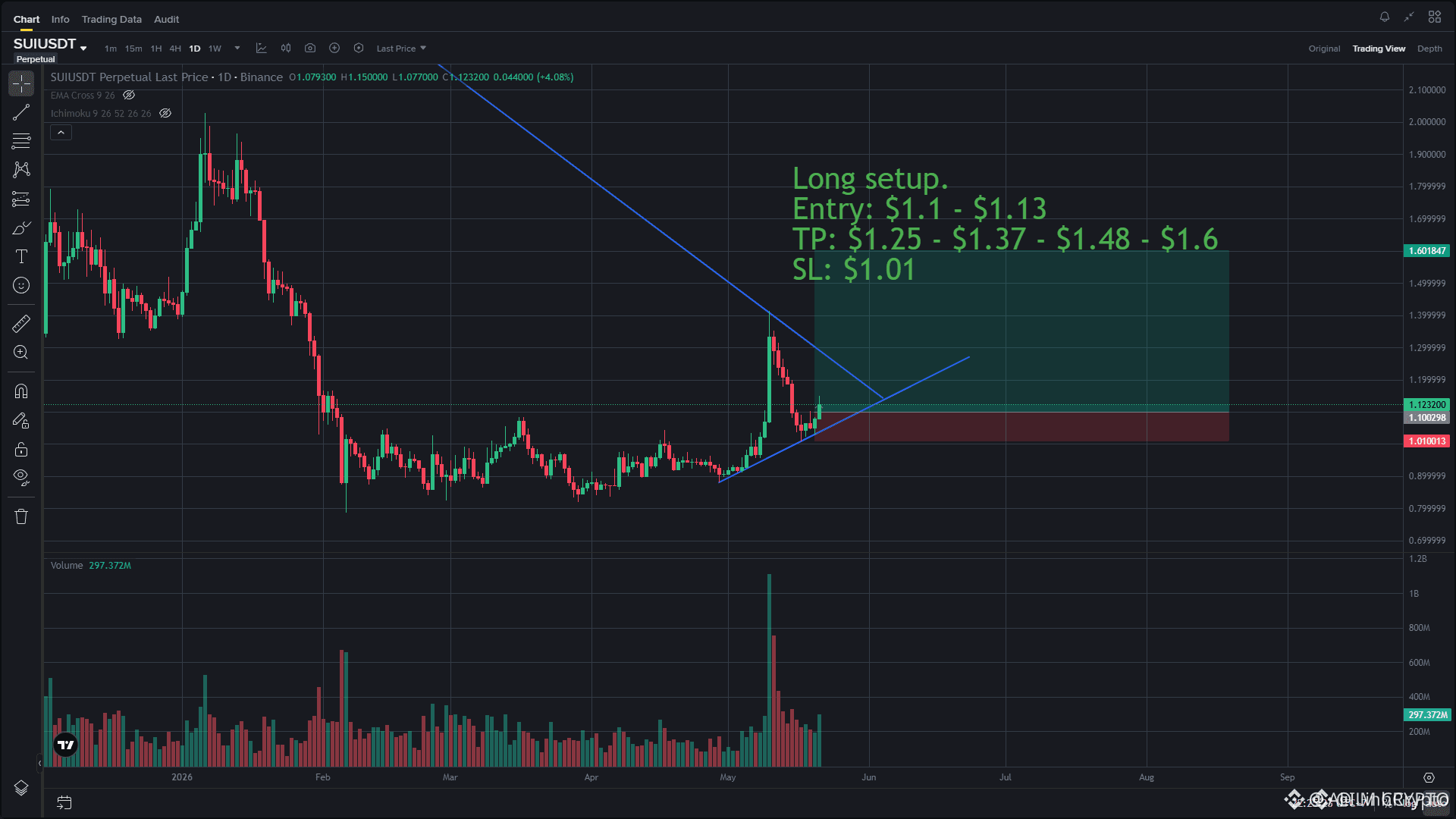
🚀 $SUI إعداد LONG يبدو مثيرًا للاهتمام 👀🔥
سوي تظهر علامات القوة مرة أخرى حيث يعود المشترون ببطء إلى السوق ⚡
📌 منطقة الدخول: $1.10 – $1.13
🎯 الأهداف: $1.25 → $1.37 → $1.48 → $1.60
🛑 وقف الخسارة: $1.01
بعد التماسك الأخير، بدأت الزخم في التزايد مرة أخرى ويتابع المتداولون عن كثب للانفجار 📈💎
إذا استمر الشعور الإيجابي في سوق العملات المشفرة، فقد تشهد $SUI حركة قوية نحو مناطق المقاومة الأعلى 🚀💰
إدارة المخاطر تظل مفتاحًا، لكن هذا الإعداد بالتأكيد يجذب الانتباه الآن 👀🔥
#SUIPricePrediction #TraderAlert #tradeNEarn
سوي تظهر علامات القوة مرة أخرى حيث يعود المشترون ببطء إلى السوق ⚡
📌 منطقة الدخول: $1.10 – $1.13
🎯 الأهداف: $1.25 → $1.37 → $1.48 → $1.60
🛑 وقف الخسارة: $1.01
بعد التماسك الأخير، بدأت الزخم في التزايد مرة أخرى ويتابع المتداولون عن كثب للانفجار 📈💎
إذا استمر الشعور الإيجابي في سوق العملات المشفرة، فقد تشهد $SUI حركة قوية نحو مناطق المقاومة الأعلى 🚀💰
إدارة المخاطر تظل مفتاحًا، لكن هذا الإعداد بالتأكيد يجذب الانتباه الآن 👀🔥
#SUIPricePrediction #TraderAlert #tradeNEarn
سجّل الدخول لاستكشاف المزيد من المُحتوى