
#ton
ton
18M مشاهدات
32,492 يقومون بالنقاش
رائج
جديد

·
--
لا يعني التداول عبر السلاسل ضرورة الوثوق بجسر مُغلف بأموالك.
هذه هي الفكرة وراء Omniston من @ston_fi. @stonfi
بدلًا من الاعتماد على جسور الأصول المغلفة التقليدية، يعمل Omniston كطبقة تنفيذ سيولة لا مركزية باستخدام نموذج RFQ.
إليك ما يجعله مثيرًا للاهتمام:
• يطابق الصفقات عبر Request-For-Quote
• يجمع السيولة عبر TON وBase وEthereum وBNB Chain
• يساعد المتداولين على الوصول إلى سيولة عبر السلاسل مع احتكاك أقل
• يمنح المطورين طريقة أبسط لبناء تجارب تداول عبر السلاسل
الصورة الأكبر بسيطة:
يمكن للبنية التحتية الأفضل للسيولة أن تجعل الانتقال بين النظم البيئية أقل تعقيدًا.
تزداد سيولة ما بين السلاسل بحيث تصبح أقل اعتمادًا على الجسور وأكثر تركيزًا على التنفيذ الفعّال.
#DeFi #STONfi #TON
لا يعني التداول عبر السلاسل ضرورة الوثوق بجسر مُغلف بأموالك.
هذه هي الفكرة وراء Omniston من @ston_fi. @STONfi DEX
بدلًا من الاعتماد على جسور الأصول المغلفة التقليدية، يعمل Omniston كطبقة تنفيذ سيولة لا مركزية باستخدام نموذج RFQ.
إليك ما يجعله مثيرًا للاهتمام:
• يطابق الصفقات عبر Request-For-Quote
• يجمع السيولة عبر TON وBase وEthereum وBNB Chain
• يساعد المتداولين على الوصول إلى سيولة عبر السلاسل مع احتكاك أقل
• يمنح المطورين طريقة أبسط لبناء تجارب تداول عبر السلاسل
الصورة الأكبر بسيطة:
يمكن للبنية التحتية الأفضل للسيولة أن تجعل الانتقال بين النظم البيئية أقل تعقيدًا.
تزداد سيولة ما بين السلاسل بحيث تصبح أقل اعتمادًا على الجسور وأكثر تركيزًا على التنفيذ الفعّال.
#DeFi #STONfi #TON
هذه هي الفكرة وراء Omniston من @ston_fi. @STONfi DEX
بدلًا من الاعتماد على جسور الأصول المغلفة التقليدية، يعمل Omniston كطبقة تنفيذ سيولة لا مركزية باستخدام نموذج RFQ.
إليك ما يجعله مثيرًا للاهتمام:
• يطابق الصفقات عبر Request-For-Quote
• يجمع السيولة عبر TON وBase وEthereum وBNB Chain
• يساعد المتداولين على الوصول إلى سيولة عبر السلاسل مع احتكاك أقل
• يمنح المطورين طريقة أبسط لبناء تجارب تداول عبر السلاسل
الصورة الأكبر بسيطة:
يمكن للبنية التحتية الأفضل للسيولة أن تجعل الانتقال بين النظم البيئية أقل تعقيدًا.
تزداد سيولة ما بين السلاسل بحيث تصبح أقل اعتمادًا على الجسور وأكثر تركيزًا على التنفيذ الفعّال.
#DeFi #STONfi #TON

77

القادة في السوق بمستويات رئيسية — تحرّك قبل عودة الزخم
$HBAR | $ALGO | $TON
تُحافظ HBAR وALGO وTON على مستويات هيكلية محورية بينما يبقى السوق في مرحلة متحكَّم بها. إن قدرتها على امتصاص التقلبات تظل مهمة لمرحلة التوسع المحتملة القادمة.
تواصل HBAR الدفاع عن الدعم الرئيسي. يحافظ ALGO على بنيته الأوسع. يظل TON مرِنًا حول المناطق المهمة في السوق.
الخلاصة الرئيسية: إن الصمود أثناء التوحيد قد يصبح إشارة قوية قبل حدوث تسارع.
#HBAR #ALGO #TON #HighConviction #StrategicEntry
{future}(HBARUSDT)
{future}(ALGOUSDT)
القادة في السوق بمستويات رئيسية — تحرّك قبل عودة الزخم
$HBAR | $ALGO | $TON
تُحافظ HBAR وALGO وTON على مستويات هيكلية محورية بينما يبقى السوق في مرحلة متحكَّم بها. إن قدرتها على امتصاص التقلبات تظل مهمة لمرحلة التوسع المحتملة القادمة.
تواصل HBAR الدفاع عن الدعم الرئيسي. يحافظ ALGO على بنيته الأوسع. يظل TON مرِنًا حول المناطق المهمة في السوق.
الخلاصة الرئيسية: إن الصمود أثناء التوحيد قد يصبح إشارة قوية قبل حدوث تسارع.
#HBAR #ALGO #TON #HighConviction #StrategicEntry
$HBAR | $ALGO | $TON
تُحافظ HBAR وALGO وTON على مستويات هيكلية محورية بينما يبقى السوق في مرحلة متحكَّم بها. إن قدرتها على امتصاص التقلبات تظل مهمة لمرحلة التوسع المحتملة القادمة.
تواصل HBAR الدفاع عن الدعم الرئيسي. يحافظ ALGO على بنيته الأوسع. يظل TON مرِنًا حول المناطق المهمة في السوق.
الخلاصة الرئيسية: إن الصمود أثناء التوحيد قد يصبح إشارة قوية قبل حدوث تسارع.
#HBAR #ALGO #TON #HighConviction #StrategicEntry
1
128

·
--
$TON +0.95% | $WLFI +0.90% | $RUNE +0.82%
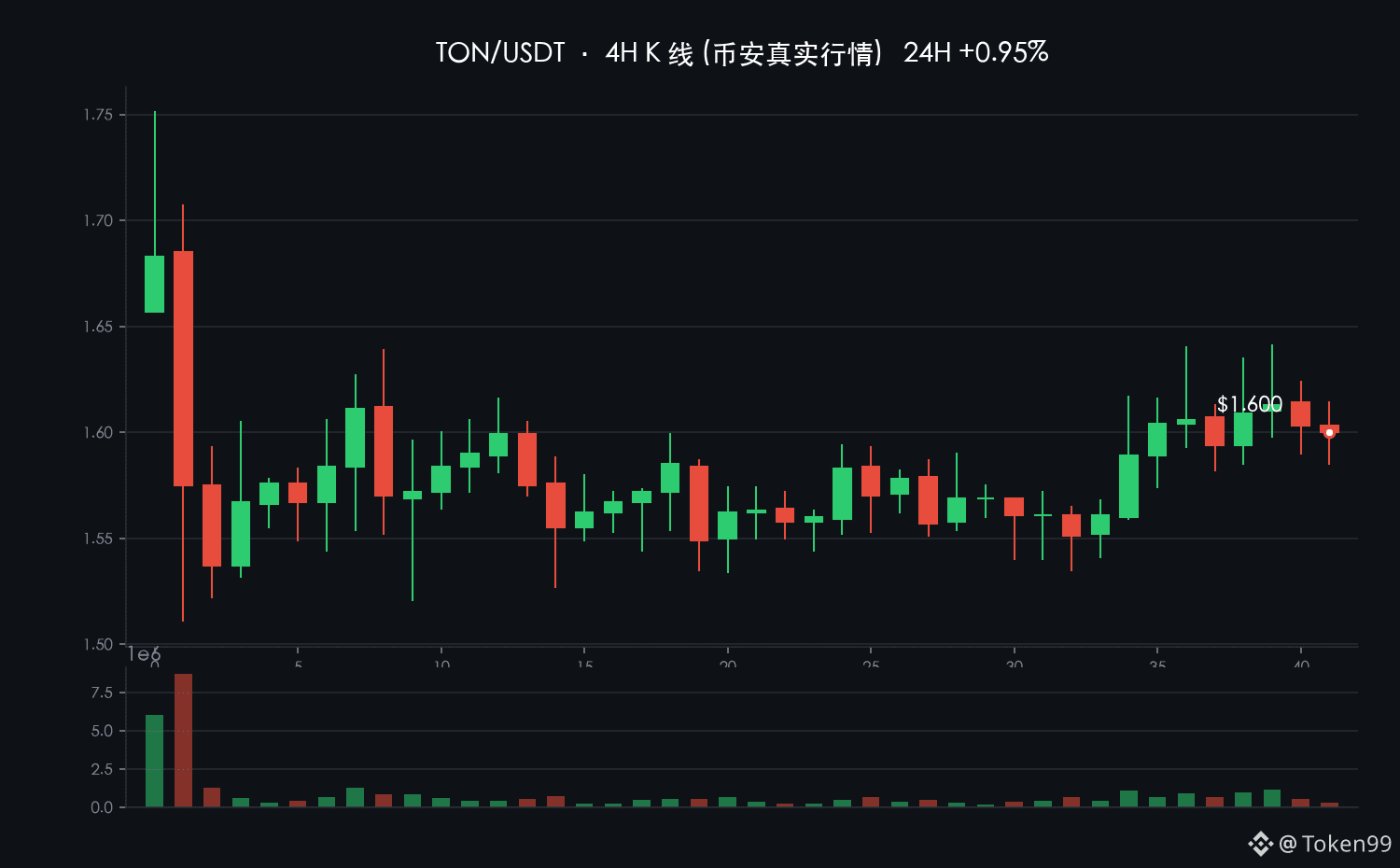
#TON صفقة بسعر $1.60، بارتفاع +0.95% على حجم تداول 7.7 مليون دولار. تهدف شبكة Tokamak Network إلى مطابقة أمان Ethereum مع التوسع، ما قد يجذب المستخدمين الباحثين عن معاملات أرخص.
#WLFI ينتقل إلى $0.0562، بارتفاع +0.90% على حجم تداول 6.9 مليون دولار. يشير الارتفاع المتواضع إلى استمرار الاهتمام رغم انخفاض ظهوره في السوق.
#RUNE يحافظ على سعر $0.4940، بارتفاع +0.82% على حجم تداول 3.5 مليون دولار. يظلّ دور THORChain في توفير وظائف DEX عبر السلاسل عبر السلاسل عاملاً رئيسياً في أدائه المستقر.
📌 راقب حوافز السيولة القادمة من هذه المشاريع، إذ غالباً ما تُحدِث ارتفاعات قصيرة الأجل.
#Binance #Write2Earn
$TON +0.95% | $WLFI +0.90% | $RUNE +0.82%
#TON صفقة بسعر $1.60، بارتفاع +0.95% على حجم تداول 7.7 مليون دولار. تهدف شبكة Tokamak Network إلى مطابقة أمان Ethereum مع التوسع، ما قد يجذب المستخدمين الباحثين عن معاملات أرخص.
#WLFI ينتقل إلى $0.0562، بارتفاع +0.90% على حجم تداول 6.9 مليون دولار. يشير الارتفاع المتواضع إلى استمرار الاهتمام رغم انخفاض ظهوره في السوق.
#RUNE يحافظ على سعر $0.4940، بارتفاع +0.82% على حجم تداول 3.5 مليون دولار. يظلّ دور THORChain في توفير وظائف DEX عبر السلاسل عبر السلاسل عاملاً رئيسياً في أدائه المستقر.
📌 راقب حوافز السيولة القادمة من هذه المشاريع، إذ غالباً ما تُحدِث ارتفاعات قصيرة الأجل.
#Binance #Write2Earn
#TON صفقة بسعر $1.60، بارتفاع +0.95% على حجم تداول 7.7 مليون دولار. تهدف شبكة Tokamak Network إلى مطابقة أمان Ethereum مع التوسع، ما قد يجذب المستخدمين الباحثين عن معاملات أرخص.
#WLFI ينتقل إلى $0.0562، بارتفاع +0.90% على حجم تداول 6.9 مليون دولار. يشير الارتفاع المتواضع إلى استمرار الاهتمام رغم انخفاض ظهوره في السوق.
#RUNE يحافظ على سعر $0.4940، بارتفاع +0.82% على حجم تداول 3.5 مليون دولار. يظلّ دور THORChain في توفير وظائف DEX عبر السلاسل عبر السلاسل عاملاً رئيسياً في أدائه المستقر.
📌 راقب حوافز السيولة القادمة من هذه المشاريع، إذ غالباً ما تُحدِث ارتفاعات قصيرة الأجل.
#Binance #Write2Earn
1
41

·
--
$TON Toncoin تظل مرتبطة بشكل وثيق بالنمو المتزايد لنظام بلوك تشين TON البيئي. يضمن تركيزها على تطبيقات Web3 واعتماد الشبكة بقاء TON ضمن قوائم متابعة العديد من المتداولين في سوق العملات المشفرة. يقوم المتداولون بمراقبة حجم التداول، ونشاط النظام البيئي، ووجهة نظر السوق الأوسع.
#TON #Toncoin #Web3 #BinanceSquare
$TON Toncoin تظل مرتبطة بشكل وثيق بالنمو المتزايد لنظام بلوك تشين TON البيئي. يضمن تركيزها على تطبيقات Web3 واعتماد الشبكة بقاء TON ضمن قوائم متابعة العديد من المتداولين في سوق العملات المشفرة. يقوم المتداولون بمراقبة حجم التداول، ونشاط النظام البيئي، ووجهة نظر السوق الأوسع.
#TON #Toncoin #Web3 #BinanceSquare
#TON #Toncoin #Web3 #BinanceSquare
1
7
·
--
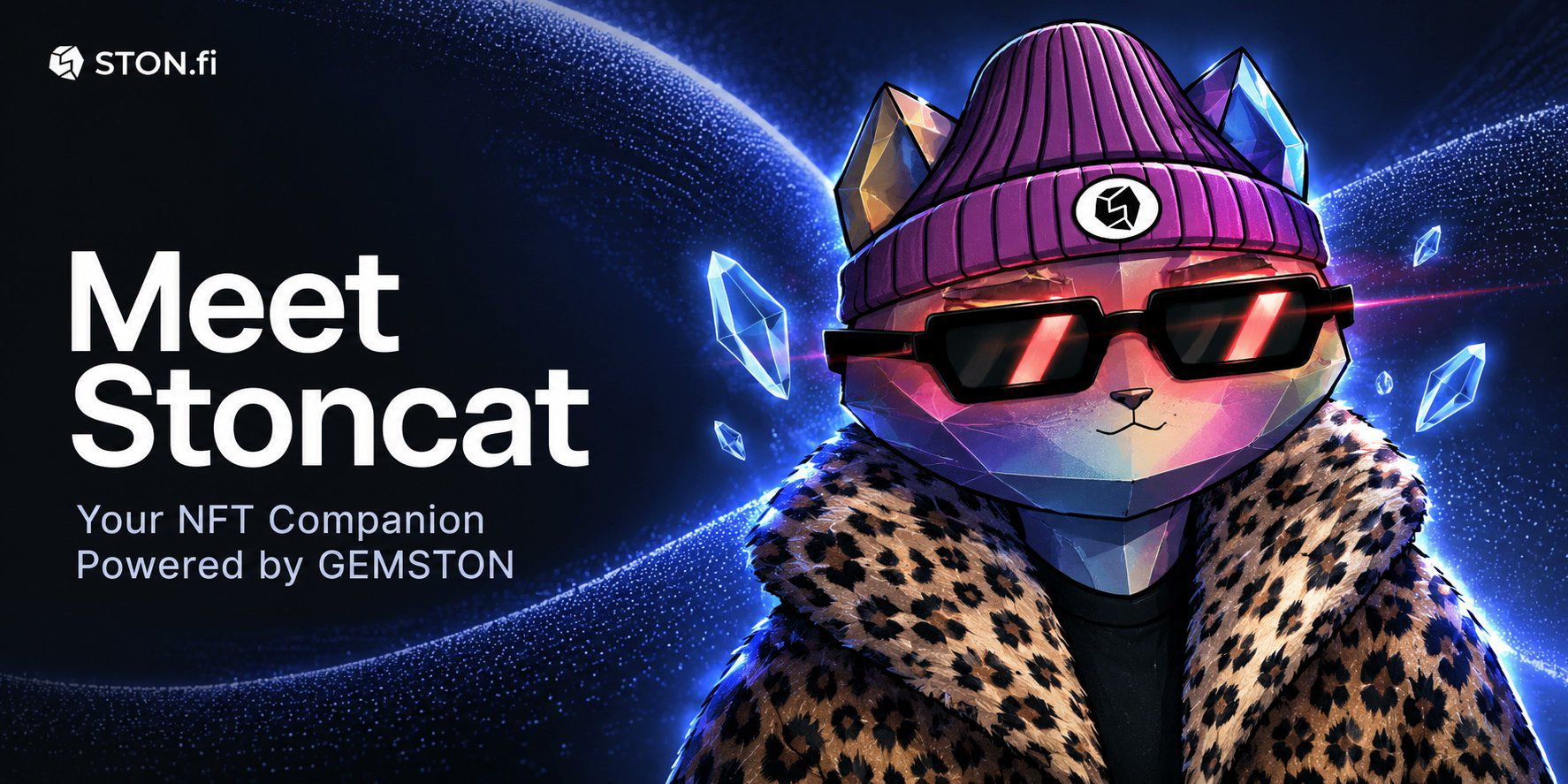
🐱 ماذا لو لم تتوقف NFT الخاصة بك عن التطور بعد عملية الـmint؟
هذه هي الفكرة وراء Stoncat.
تبدأ بقاعدة Stoncat على TON.
ثم تبدأ المتعة.
💎 أطعِمه بـ GEMSTON
🎲 لَف Purrks
🎨 زَيّنه
📈 افتح مراحل جديدة
🏆 ارتقِ بسلم الندرة
Purrks هي السمات البصرية التي تشكّل قطّك.
الجسم، والوجه، والأذنان، والملابس، والخلفية، والشعر، والقبعات، والنظارات وأكثر من ذلك.
والجزء المثير؟
مرحلَتُك وندرتُك مختلفتان.
ترتفع المرحلة كلما أنفقت GEMSTON وفتحت وصولًا إلى Purrks أكثر ندرة.
أما الندرة فتعتمد على Purrks التي تُجهّزها فعليًا.
لذلك يمكن لـ Stoncat أن يتطور من:
Stray → Trained → Elite → Cosmic → Mythic
بينما يمكن أن تتحرك الندرة عبر:
Paper → Hodl → Whale → Genesis → Diamond → Satoshi
وإليك الحقيقة: لا، الإنفاق أكثر لا يضمن سمة نادرة.
اللفّات عشوائية.
فحسب، تحصل على وصول إلى مجموعات أفضل كلما ارتفعت مرحلتك.
هذا ما يجعل Stoncat أكثر إثارة من NFT ثابتة.
أنت لا تقوم فقط بـmint.
أنت تبنيها. 🐱
قم بعمل mint لـ Stoncat
→ قم بعمل mint لـ Stoncat وابدأ اللعب: stoncat.com
#STONfi #Stoncat #GEMSTON #TON
🐱 ماذا لو لم تتوقف NFT الخاصة بك عن التطور بعد عملية الـmint؟
هذه هي الفكرة وراء Stoncat.
تبدأ بقاعدة Stoncat على TON.
ثم تبدأ المتعة.
💎 أطعِمه بـ GEMSTON
🎲 لَف Purrks
🎨 زَيّنه
📈 افتح مراحل جديدة
🏆 ارتقِ بسلم الندرة
Purrks هي السمات البصرية التي تشكّل قطّك.
الجسم، والوجه، والأذنان، والملابس، والخلفية، والشعر، والقبعات، والنظارات وأكثر من ذلك.
والجزء المثير؟
مرحلَتُك وندرتُك مختلفتان.
ترتفع المرحلة كلما أنفقت GEMSTON وفتحت وصولًا إلى Purrks أكثر ندرة.
أما الندرة فتعتمد على Purrks التي تُجهّزها فعليًا.
لذلك يمكن لـ Stoncat أن يتطور من:
Stray → Trained → Elite → Cosmic → Mythic
بينما يمكن أن تتحرك الندرة عبر:
Paper → Hodl → Whale → Genesis → Diamond → Satoshi
وإليك الحقيقة: لا، الإنفاق أكثر لا يضمن سمة نادرة.
اللفّات عشوائية.
فحسب، تحصل على وصول إلى مجموعات أفضل كلما ارتفعت مرحلتك.
هذا ما يجعل Stoncat أكثر إثارة من NFT ثابتة.
أنت لا تقوم فقط بـmint.
أنت تبنيها. 🐱
قم بعمل mint لـ Stoncat
→ قم بعمل mint لـ Stoncat وابدأ اللعب: stoncat.com
#STONfi #Stoncat #GEMSTON #TON
هذه هي الفكرة وراء Stoncat.
تبدأ بقاعدة Stoncat على TON.
ثم تبدأ المتعة.
💎 أطعِمه بـ GEMSTON
🎲 لَف Purrks
🎨 زَيّنه
📈 افتح مراحل جديدة
🏆 ارتقِ بسلم الندرة
Purrks هي السمات البصرية التي تشكّل قطّك.
الجسم، والوجه، والأذنان، والملابس، والخلفية، والشعر، والقبعات، والنظارات وأكثر من ذلك.
والجزء المثير؟
مرحلَتُك وندرتُك مختلفتان.
ترتفع المرحلة كلما أنفقت GEMSTON وفتحت وصولًا إلى Purrks أكثر ندرة.
أما الندرة فتعتمد على Purrks التي تُجهّزها فعليًا.
لذلك يمكن لـ Stoncat أن يتطور من:
Stray → Trained → Elite → Cosmic → Mythic
بينما يمكن أن تتحرك الندرة عبر:
Paper → Hodl → Whale → Genesis → Diamond → Satoshi
وإليك الحقيقة: لا، الإنفاق أكثر لا يضمن سمة نادرة.
اللفّات عشوائية.
فحسب، تحصل على وصول إلى مجموعات أفضل كلما ارتفعت مرحلتك.
هذا ما يجعل Stoncat أكثر إثارة من NFT ثابتة.
أنت لا تقوم فقط بـmint.
أنت تبنيها. 🐱
قم بعمل mint لـ Stoncat
→ قم بعمل mint لـ Stoncat وابدأ اللعب: stoncat.com
#STONfi #Stoncat #GEMSTON #TON
2
68
·
--
تمّ التحقق
لماذا تُصبح STON.fi لاعبًا رئيسيًا في DeFi الخاص بـ TON
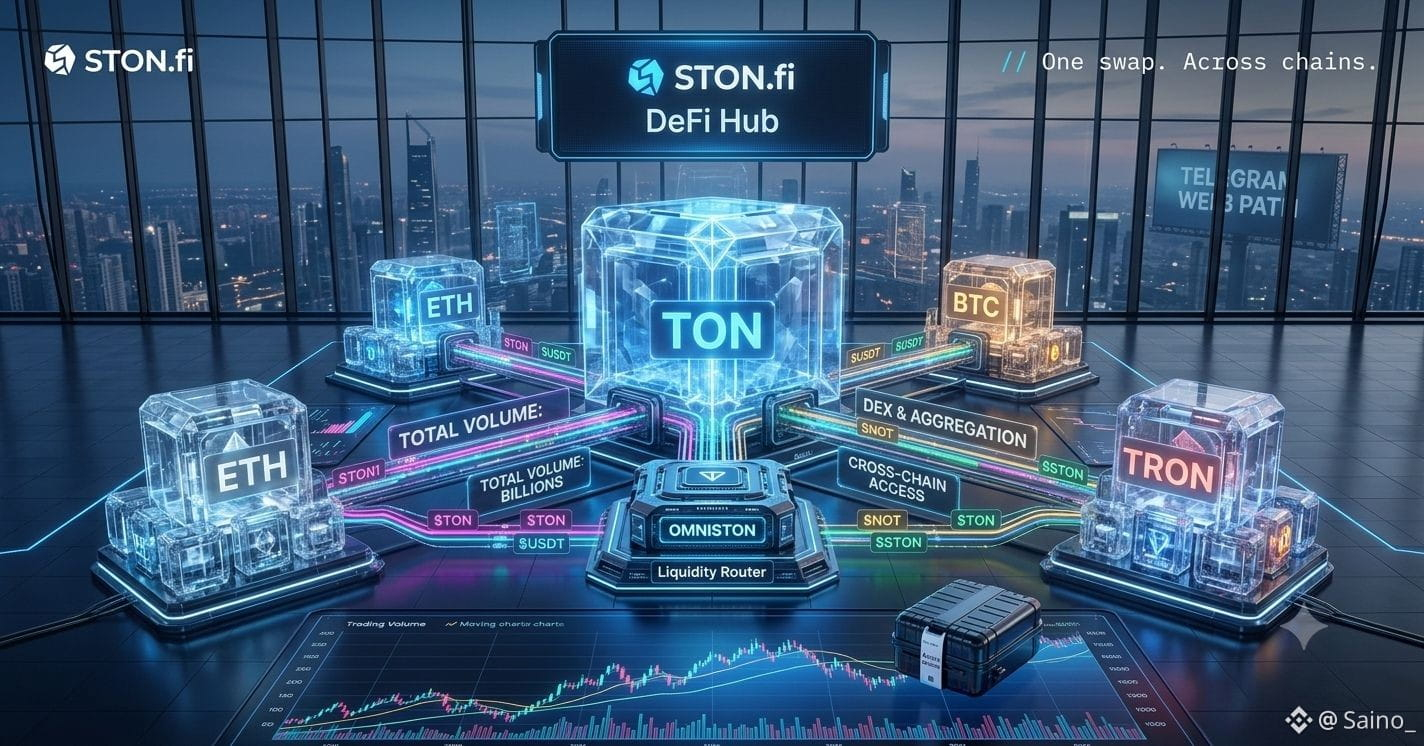
يتطور DeFi الخاص بـ TON بسرعة، وتعمل @ston_fi على ترسيخ نفسها باعتبارها أكثر من مجرد DEX آخر.
في جوهره، يوفر STON.fi سيولة للتداول عبر أصول منظومة TON. لكن القصة الأكبر تتمثل فيما يحدث عندما تتصل تلك السيولة بما يتجاوز TON.
1. سيولة عميقة في TON
لقد عالجت STON.fi مليارات الدولارات في حجم التداول، ويدعم ذلك الأسواق المرتبطة بأصول مثل $TON و$USDt و$NOT.
بالنسبة للمتداولين، تعني السيولة الأعمق عادةً تنفيذًا أفضل وتأثيرًا أقل على السعر.
2. Omniston يُغير قواعد اللعبة
يأخذ Omniston الفكرة إلى أبعد من ذلك عبر تجميع السيولة عبر عدة منظومات، بما في ذلك TON وشبكات EVM وTRON.
بدلًا من إجبار المستخدمين على التنقل يدويًا بين مصادر سيولة مختلفة، تتمثل الفكرة في تحسين التنفيذ عبرها جميعًا من خلال بنية تعتمد على RFQ.
3. جلب الأصول الرئيسية إلى TON
كما تزداد إمكانية التعرض لـ BTC وETH ضمن TON عبر أصول مثل cbBTC وWETH.
وهذا يعني أن المستخدمين يمكنهم الوصول إلى أصول كبرى للعملات المشفرة دون الحاجة إلى التحرك باستمرار بين منظومات مختلفة.
4. طرق أكثر لتوظيف السيولة
يتجاوز STON.fi نطاق المبادلات الأساسية.
قد يتمكن مزودو السيولة من تحقيق رسوم تداول والمشاركة في المزارع (Farms)، بينما يتيح تَخزين/تَكامل $STON الوصول إلى حوافز منظومة وإلى أدوات ذات صلة بالحَوْكمة.
الفكرة الأوسع هنا ليست مجرد “DEX آخر”.
بل تتعلق بجعل سيولة TON أكثر ارتباطًا وقابلية للوصول وأكثر فائدة عبر المنظومات.
ومع دفع تيليجرام لـ TON إلى مزيد من الاستخدام السائد ضمن Web3، قد تصبح البنية التحتية التي تستطيع نقل السيولة بكفاءة ذات أهمية متزايدة.
قم بالبحث بنفسك (DYOR) قبل استخدام أي بروتوكول DeFi، وتأكد دائمًا من التحقق من نسب APR الحالية والرسوم والمخاطر.
#TON #STONfi #ETH🔥🔥🔥🔥🔥🔥
لماذا تُصبح STON.fi لاعبًا رئيسيًا في DeFi الخاص بـ TON
يتطور DeFi الخاص بـ TON بسرعة، وتعمل @ston_fi على ترسيخ نفسها باعتبارها أكثر من مجرد DEX آخر.
في جوهره، يوفر STON.fi سيولة للتداول عبر أصول منظومة TON. لكن القصة الأكبر تتمثل فيما يحدث عندما تتصل تلك السيولة بما يتجاوز TON.
1. سيولة عميقة في TON
لقد عالجت STON.fi مليارات الدولارات في حجم التداول، ويدعم ذلك الأسواق المرتبطة بأصول مثل $TON و$USDt و$NOT.
بالنسبة للمتداولين، تعني السيولة الأعمق عادةً تنفيذًا أفضل وتأثيرًا أقل على السعر.
2. Omniston يُغير قواعد اللعبة
يأخذ Omniston الفكرة إلى أبعد من ذلك عبر تجميع السيولة عبر عدة منظومات، بما في ذلك TON وشبكات EVM وTRON.
بدلًا من إجبار المستخدمين على التنقل يدويًا بين مصادر سيولة مختلفة، تتمثل الفكرة في تحسين التنفيذ عبرها جميعًا من خلال بنية تعتمد على RFQ.
3. جلب الأصول الرئيسية إلى TON
كما تزداد إمكانية التعرض لـ BTC وETH ضمن TON عبر أصول مثل cbBTC وWETH.
وهذا يعني أن المستخدمين يمكنهم الوصول إلى أصول كبرى للعملات المشفرة دون الحاجة إلى التحرك باستمرار بين منظومات مختلفة.
4. طرق أكثر لتوظيف السيولة
يتجاوز STON.fi نطاق المبادلات الأساسية.
قد يتمكن مزودو السيولة من تحقيق رسوم تداول والمشاركة في المزارع (Farms)، بينما يتيح تَخزين/تَكامل $STON الوصول إلى حوافز منظومة وإلى أدوات ذات صلة بالحَوْكمة.
الفكرة الأوسع هنا ليست مجرد “DEX آخر”.
بل تتعلق بجعل سيولة TON أكثر ارتباطًا وقابلية للوصول وأكثر فائدة عبر المنظومات.
ومع دفع تيليجرام لـ TON إلى مزيد من الاستخدام السائد ضمن Web3، قد تصبح البنية التحتية التي تستطيع نقل السيولة بكفاءة ذات أهمية متزايدة.
قم بالبحث بنفسك (DYOR) قبل استخدام أي بروتوكول DeFi، وتأكد دائمًا من التحقق من نسب APR الحالية والرسوم والمخاطر.
#TON #STONfi #ETH🔥🔥🔥🔥🔥🔥
يتطور DeFi الخاص بـ TON بسرعة، وتعمل @ston_fi على ترسيخ نفسها باعتبارها أكثر من مجرد DEX آخر.
في جوهره، يوفر STON.fi سيولة للتداول عبر أصول منظومة TON. لكن القصة الأكبر تتمثل فيما يحدث عندما تتصل تلك السيولة بما يتجاوز TON.
1. سيولة عميقة في TON
لقد عالجت STON.fi مليارات الدولارات في حجم التداول، ويدعم ذلك الأسواق المرتبطة بأصول مثل $TON و$USDt و$NOT.
بالنسبة للمتداولين، تعني السيولة الأعمق عادةً تنفيذًا أفضل وتأثيرًا أقل على السعر.
2. Omniston يُغير قواعد اللعبة
يأخذ Omniston الفكرة إلى أبعد من ذلك عبر تجميع السيولة عبر عدة منظومات، بما في ذلك TON وشبكات EVM وTRON.
بدلًا من إجبار المستخدمين على التنقل يدويًا بين مصادر سيولة مختلفة، تتمثل الفكرة في تحسين التنفيذ عبرها جميعًا من خلال بنية تعتمد على RFQ.
3. جلب الأصول الرئيسية إلى TON
كما تزداد إمكانية التعرض لـ BTC وETH ضمن TON عبر أصول مثل cbBTC وWETH.
وهذا يعني أن المستخدمين يمكنهم الوصول إلى أصول كبرى للعملات المشفرة دون الحاجة إلى التحرك باستمرار بين منظومات مختلفة.
4. طرق أكثر لتوظيف السيولة
يتجاوز STON.fi نطاق المبادلات الأساسية.
قد يتمكن مزودو السيولة من تحقيق رسوم تداول والمشاركة في المزارع (Farms)، بينما يتيح تَخزين/تَكامل $STON الوصول إلى حوافز منظومة وإلى أدوات ذات صلة بالحَوْكمة.
الفكرة الأوسع هنا ليست مجرد “DEX آخر”.
بل تتعلق بجعل سيولة TON أكثر ارتباطًا وقابلية للوصول وأكثر فائدة عبر المنظومات.
ومع دفع تيليجرام لـ TON إلى مزيد من الاستخدام السائد ضمن Web3، قد تصبح البنية التحتية التي تستطيع نقل السيولة بكفاءة ذات أهمية متزايدة.
قم بالبحث بنفسك (DYOR) قبل استخدام أي بروتوكول DeFi، وتأكد دائمًا من التحقق من نسب APR الحالية والرسوم والمخاطر.
#TON #STONfi #ETH🔥🔥🔥🔥🔥🔥
84

·
--
تحتل TON موقعها قرب تيليجرام ولديها نحو 900 مليون مستخدم نشط شهريًا. يحتوي على محفظة TON Space المدمجة، ما يتيح للمستخدمين إرسال واستلام TON وUSDT مباشرةً داخل الدردشة. يبلغ عدد المعاملات اليومية على السلسلة نحو 3 ملايين عملية، ويصل عدد الحَمَلَة إلى أكثر من 150 مليونًا، كما أن المحافظ المدمجة تغطي أكثر من 100 مليون شخص. هذه هي طبقة الدفع في تطبيقات الرسائل، وهي الأقرب إلى التطبيق على أرض الواقع. $TON #TON #Telegram
تحتل TON موقعها قرب تيليجرام ولديها نحو 900 مليون مستخدم نشط شهريًا. يحتوي على محفظة TON Space المدمجة، ما يتيح للمستخدمين إرسال واستلام TON وUSDT مباشرةً داخل الدردشة. يبلغ عدد المعاملات اليومية على السلسلة نحو 3 ملايين عملية، ويصل عدد الحَمَلَة إلى أكثر من 150 مليونًا، كما أن المحافظ المدمجة تغطي أكثر من 100 مليون شخص. هذه هي طبقة الدفع في تطبيقات الرسائل، وهي الأقرب إلى التطبيق على أرض الواقع. $TON #TON #Telegram
10

·
--
مقالة
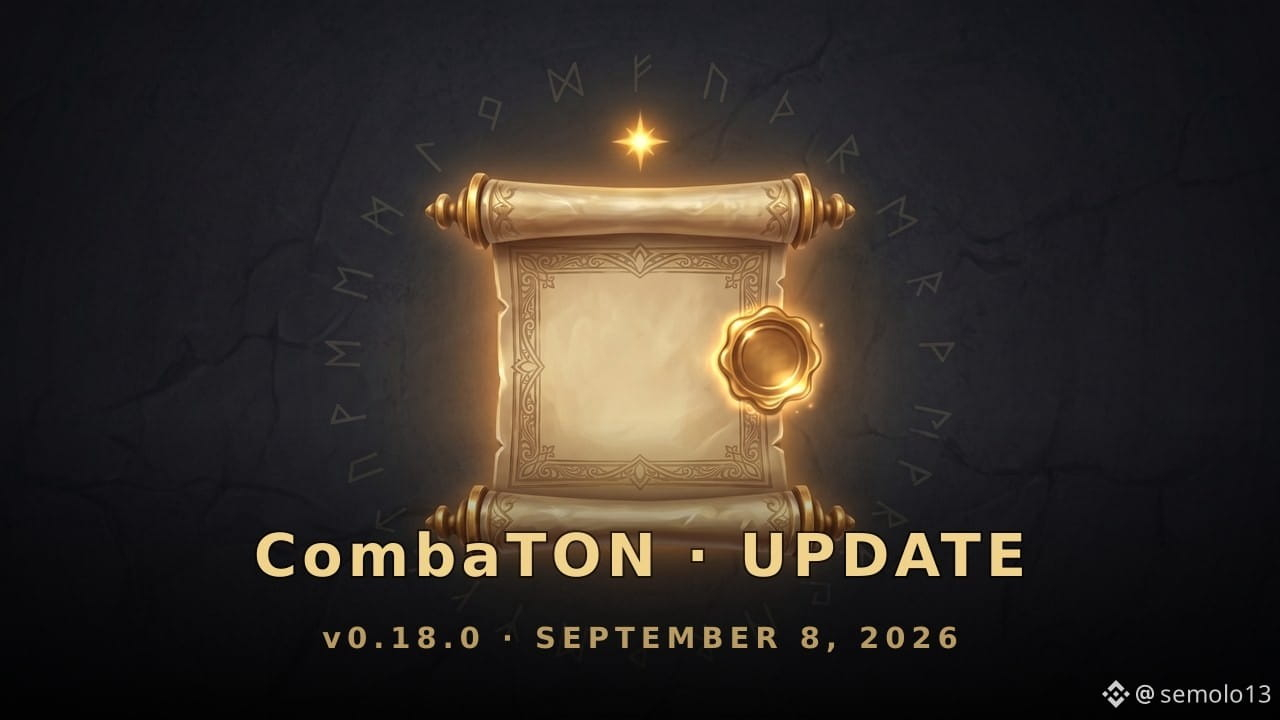
CombaTON — تحديث · v0.18.0أكبر تحديث CombaTON حتى الآن: مقدمة جديدة كليًا، وانفتاح الغابة الحية للرحلات الاستكشافية، ودخول روبوتات الساحة إلى الحلبة، وجبل من الإصلاحات عبر الصياغة، والنهب، والمهام، والقتال.
✨ جديد • محسّن
هل تخطيت المقدمة بالخطأ من قبل؟ تم نقل زر "تخطي المقدمة" من أسفل زر التنقل والآن يطلب تأكيدًا.
• مقدمة جديدة بعنوان "إلى الطريق": الدقائق الأولى لديك أصبحت الآن قتال تجنيد مُسجّل نصيًا عند بوابة المعسكر، وصندوق بداية خاص بكل فئة، وفُقاعات تعليمية، وإجراءات بنقرة واحدة ونوافذ زيادة الإحصائيات — ثم كمين على الطريق، ولوحة "ما الخطوة التالية" مع اختصارات وزر جرعة داخل واجهة HUD مباشرة. يتجه بطلُك تلقائيًا إلى البوابة بمجرد قبول القتال، ولدى الوحوش الثلاثة في المقدمة نماذج ثلاثية الأبعاد حقيقية وصور معركة، وتمت معايرة أول معركة لتكون قابلة للفوز لكل فئة، وليس للقتال القريب فقط.
CombaTON — تحديث · v0.18.0
أكبر تحديث CombaTON حتى الآن: مقدمة جديدة كليًا، وانفتاح الغابة الحية للرحلات الاستكشافية، ودخول روبوتات الساحة إلى الحلبة، وجبل من الإصلاحات عبر الصياغة، والنهب، والمهام، والقتال.
✨ جديد • محسّن
هل تخطيت المقدمة بالخطأ من قبل؟ تم نقل زر "تخطي المقدمة" من أسفل زر التنقل والآن يطلب تأكيدًا.
• مقدمة جديدة بعنوان "إلى الطريق": الدقائق الأولى لديك أصبحت الآن قتال تجنيد مُسجّل نصيًا عند بوابة المعسكر، وصندوق بداية خاص بكل فئة، وفُقاعات تعليمية، وإجراءات بنقرة واحدة ونوافذ زيادة الإحصائيات — ثم كمين على الطريق، ولوحة "ما الخطوة التالية" مع اختصارات وزر جرعة داخل واجهة HUD مباشرة. يتجه بطلُك تلقائيًا إلى البوابة بمجرد قبول القتال، ولدى الوحوش الثلاثة في المقدمة نماذج ثلاثية الأبعاد حقيقية وصور معركة، وتمت معايرة أول معركة لتكون قابلة للفوز لكل فئة، وليس للقتال القريب فقط.
✨ جديد • محسّن
هل تخطيت المقدمة بالخطأ من قبل؟ تم نقل زر "تخطي المقدمة" من أسفل زر التنقل والآن يطلب تأكيدًا.
• مقدمة جديدة بعنوان "إلى الطريق": الدقائق الأولى لديك أصبحت الآن قتال تجنيد مُسجّل نصيًا عند بوابة المعسكر، وصندوق بداية خاص بكل فئة، وفُقاعات تعليمية، وإجراءات بنقرة واحدة ونوافذ زيادة الإحصائيات — ثم كمين على الطريق، ولوحة "ما الخطوة التالية" مع اختصارات وزر جرعة داخل واجهة HUD مباشرة. يتجه بطلُك تلقائيًا إلى البوابة بمجرد قبول القتال، ولدى الوحوش الثلاثة في المقدمة نماذج ثلاثية الأبعاد حقيقية وصور معركة، وتمت معايرة أول معركة لتكون قابلة للفوز لكل فئة، وليس للقتال القريب فقط.
68

تمّ التحقق

مقالة
📈 Gram: التطور، الهوية والمستقبل — من الاسم إلى قلب منظومة TONفي عالم العملات المشفّرة وتقنية البلوك تشين، يسير النموّ والنضج جنبًا إلى جنب مع تطوّرها. فالمشاريع التي تُبنى برؤية طويلة الأمد تُحسّن كل تفصيل في تقنيتها وخدماتها ومجتمعها، وكذلك هويتها الخاصة. ومن أبرز التغييرات التي أثارت أكبر قدر من الاهتمام والأسئلة هو التسمية الخاصة بذلك الأصل الذي اعتدنا خلال فترة طويلة أن نعرفه ونذكره باسم TON Token، والذي يُقدَّم اليوم بوضوح وقوة وباسم مستقل بذاته (GRAM).🚀
📈 Gram: التطور، الهوية والمستقبل — من الاسم إلى قلب منظومة TON
في عالم العملات المشفّرة وتقنية البلوك تشين، يسير النموّ والنضج جنبًا إلى جنب مع تطوّرها. فالمشاريع التي تُبنى برؤية طويلة الأمد تُحسّن كل تفصيل في تقنيتها وخدماتها ومجتمعها، وكذلك هويتها الخاصة. ومن أبرز التغييرات التي أثارت أكبر قدر من الاهتمام والأسئلة هو التسمية الخاصة بذلك الأصل الذي اعتدنا خلال فترة طويلة أن نعرفه ونذكره باسم TON Token، والذي يُقدَّم اليوم بوضوح وقوة وباسم مستقل بذاته (GRAM).🚀
2
326

حيازة $GRAM 3.4 USDT
لا أريد أن أبدو غير محترم تجاه RH أو غيرها من السلاسل — في الواقع، أنا أحترم كثيرًا ما يفعله فلاد تينيف وفريقه لدعم الموجودين في الخنادق.
لكن موسم TON سيكون على مستوى مختلف تمامًا. ستكون المضاعفات هناك كبيرة جدًا لدرجة أنك ستنسى أن Robinhood وكل شيء آخر قد وُجد أصلًا. احفظه في المفضلة.
لماذا يجب أن تبقى في TON وتحتفظ بـ $GRAM بينما يمكن لـ Robinhood أن يمنحك 100x (إذا حالفك الحظ 😁)؟
#TON #GRAM #Robinhood #Telegram #blockchain $HOOD
لا أريد أن أبدو غير محترم تجاه RH أو غيرها من السلاسل — في الواقع، أنا أحترم كثيرًا ما يفعله فلاد تينيف وفريقه لدعم الموجودين في الخنادق.
لكن موسم TON سيكون على مستوى مختلف تمامًا. ستكون المضاعفات هناك كبيرة جدًا لدرجة أنك ستنسى أن Robinhood وكل شيء آخر قد وُجد أصلًا. احفظه في المفضلة.
لماذا يجب أن تبقى في TON وتحتفظ بـ $GRAM بينما يمكن لـ Robinhood أن يمنحك 100x (إذا حالفك الحظ 😁)؟
#TON #GRAM #Robinhood #Telegram #blockchain $HOOD
لكن موسم TON سيكون على مستوى مختلف تمامًا. ستكون المضاعفات هناك كبيرة جدًا لدرجة أنك ستنسى أن Robinhood وكل شيء آخر قد وُجد أصلًا. احفظه في المفضلة.
لماذا يجب أن تبقى في TON وتحتفظ بـ $GRAM بينما يمكن لـ Robinhood أن يمنحك 100x (إذا حالفك الحظ 😁)؟
#TON #GRAM #Robinhood #Telegram #blockchain $HOOD



1
635
·
--
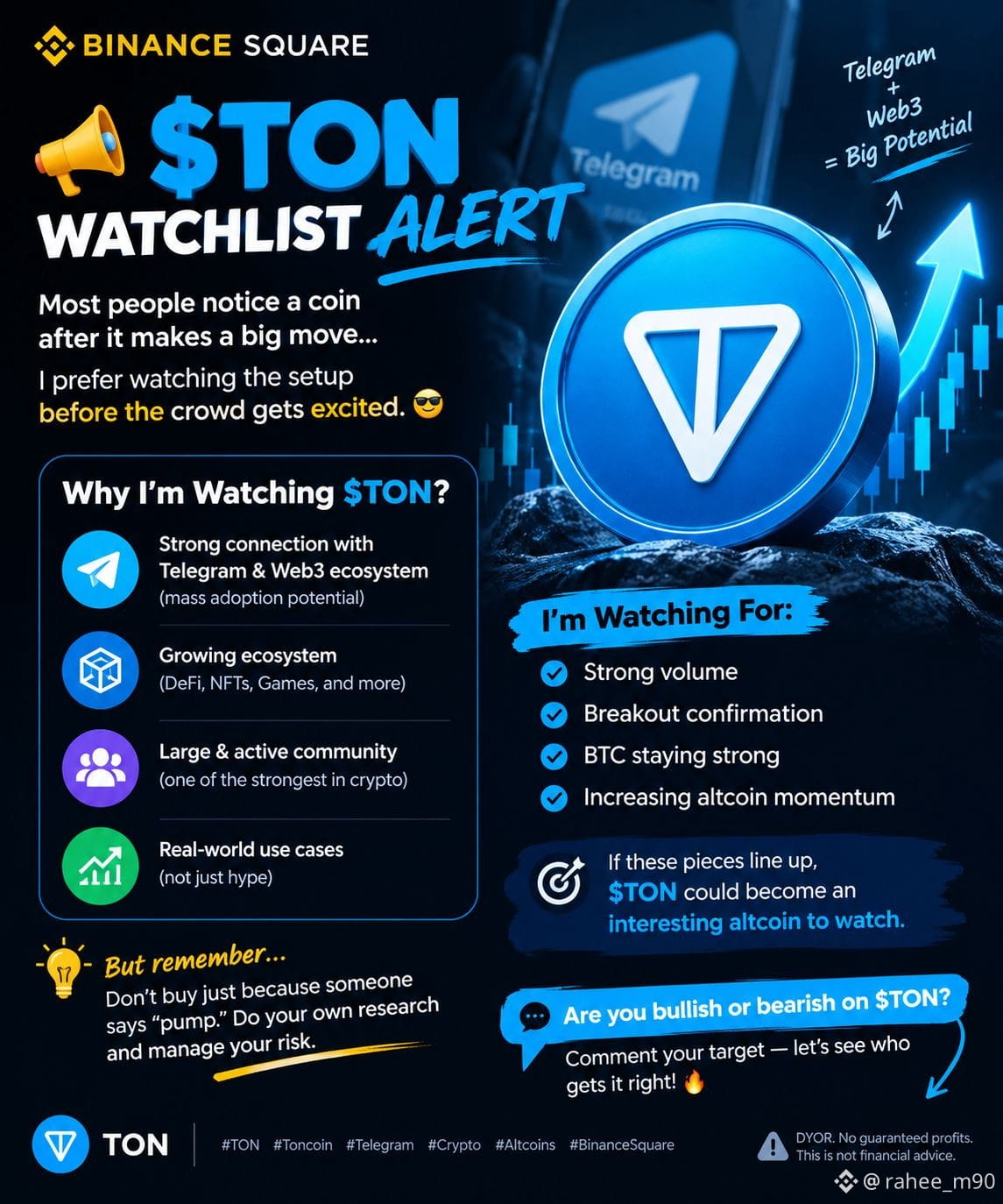
🚨 $TON — هل تتابع هذا الواحد؟ 👀🔥
معظم الناس يلاحظون العملة بعد أن تقوم بحركة كبيرة…
أنا أفضل مراقبة الإعداد قبل أن يتحمس الجمهور. 🧠
$TON لديه نظام بيئي قوي وارتباط كبير مع مساحة Telegram/Web3، مما يجعله عملة مثيرة للاهتمام تستحق المتابعة.
👀 أنا أراقب:
📈 حجم تداول قوي
🚀 تأكيد الاختراق
💪 بقاء BTC قويًا
🔥 زيادة زخم العملات البديلة
إذا اجتمعت هذه العناصر، فقد تصبح $TON عملة بديلة مثيرة للاهتمام للمتابعة.
لكن تذكّر: لا تشتري فقط لأن شخصًا ما قال “pump”.
قم ببحثك الخاص وأدر مخاطرك.
👇 هل أنت متفائل أم متشائم بشأن $TON؟
علّق على هدفك — لنعرف من سيصيب! 🔥
⚠️ DYOR. لا توجد أرباح مضمونة. هذه ليست نصيحة مالية.
#TON #Toncoin #Telegram #Crypto #BinanceSquare
🚨 $TON — هل تتابع هذا الواحد؟ 👀🔥
معظم الناس يلاحظون العملة بعد أن تقوم بحركة كبيرة…
أنا أفضل مراقبة الإعداد قبل أن يتحمس الجمهور. 🧠
$TON لديه نظام بيئي قوي وارتباط كبير مع مساحة Telegram/Web3، مما يجعله عملة مثيرة للاهتمام تستحق المتابعة.
👀 أنا أراقب:
📈 حجم تداول قوي
🚀 تأكيد الاختراق
💪 بقاء BTC قويًا
🔥 زيادة زخم العملات البديلة
إذا اجتمعت هذه العناصر، فقد تصبح $TON عملة بديلة مثيرة للاهتمام للمتابعة.
لكن تذكّر: لا تشتري فقط لأن شخصًا ما قال “pump”.
قم ببحثك الخاص وأدر مخاطرك.
👇 هل أنت متفائل أم متشائم بشأن $TON؟
علّق على هدفك — لنعرف من سيصيب! 🔥
⚠️ DYOR. لا توجد أرباح مضمونة. هذه ليست نصيحة مالية.
#TON #Toncoin #Telegram #Crypto #BinanceSquare
معظم الناس يلاحظون العملة بعد أن تقوم بحركة كبيرة…
أنا أفضل مراقبة الإعداد قبل أن يتحمس الجمهور. 🧠
$TON لديه نظام بيئي قوي وارتباط كبير مع مساحة Telegram/Web3، مما يجعله عملة مثيرة للاهتمام تستحق المتابعة.
👀 أنا أراقب:
📈 حجم تداول قوي
🚀 تأكيد الاختراق
💪 بقاء BTC قويًا
🔥 زيادة زخم العملات البديلة
إذا اجتمعت هذه العناصر، فقد تصبح $TON عملة بديلة مثيرة للاهتمام للمتابعة.
لكن تذكّر: لا تشتري فقط لأن شخصًا ما قال “pump”.
قم ببحثك الخاص وأدر مخاطرك.
👇 هل أنت متفائل أم متشائم بشأن $TON؟
علّق على هدفك — لنعرف من سيصيب! 🔥
⚠️ DYOR. لا توجد أرباح مضمونة. هذه ليست نصيحة مالية.
#TON #Toncoin #Telegram #Crypto #BinanceSquare
2
72

·
--
🟣 ملاحظاتي حول $TON تُظهر أن هذه مرحلة تراكم هادئة للنظام البيئي
يتماسك Toncoin قرب $1.60 (+0.95%)، ويتداول ضمن نطاق $1.58–$1.64 بحجم تداول يومي قدره $7.7 مليون. وبينما تبقى حركة السعر محدودة، فإن النظام البيئي يعزز أساسياته بنشاط: التكامل الأعمق للمحافظ داخل Telegram وسرعة البلوكشين التي تقل عن الثانية يهيئان الأرضية لاعتماد جماهيري جديد. ⚡
هل هذا الهدوء يسبق دفعة قوية أم أن السوق ينتظر إعادة اختبار للمستويات الأدنى؟ 📊
#TON #CryptoNews #Telegram
🟣 ملاحظاتي حول $TON تُظهر أن هذه مرحلة تراكم هادئة للنظام البيئي
يتماسك Toncoin قرب $1.60 (+0.95%)، ويتداول ضمن نطاق $1.58–$1.64 بحجم تداول يومي قدره $7.7 مليون. وبينما تبقى حركة السعر محدودة، فإن النظام البيئي يعزز أساسياته بنشاط: التكامل الأعمق للمحافظ داخل Telegram وسرعة البلوكشين التي تقل عن الثانية يهيئان الأرضية لاعتماد جماهيري جديد. ⚡
هل هذا الهدوء يسبق دفعة قوية أم أن السوق ينتظر إعادة اختبار للمستويات الأدنى؟ 📊
#TON #CryptoNews #Telegram
يتماسك Toncoin قرب $1.60 (+0.95%)، ويتداول ضمن نطاق $1.58–$1.64 بحجم تداول يومي قدره $7.7 مليون. وبينما تبقى حركة السعر محدودة، فإن النظام البيئي يعزز أساسياته بنشاط: التكامل الأعمق للمحافظ داخل Telegram وسرعة البلوكشين التي تقل عن الثانية يهيئان الأرضية لاعتماد جماهيري جديد. ⚡
هل هذا الهدوء يسبق دفعة قوية أم أن السوق ينتظر إعادة اختبار للمستويات الأدنى؟ 📊
#TON #CryptoNews #Telegram
118

·
--
⚡ لا ينبغي أن تبدو DeFi معقّدة
لديك رمز مميز تريد مبادلته.
قد تبدو الطريقة القديمة كقائمة مهام:
اعثر على منصة.
ابحث عن المجمع المناسب.
حدّد المسار.
أكّد المعاملة.
وتمنَّ أن يسير كل شيء بسلاسة.
لكن DeFi لا يجب أن تبدو كألغاز.
مع STON.fi، صُممت التجربة لتجعل مبادلات الرموز المميزة بسيطة وسهلة الوصول داخل منظومة TON.
اختر رمزك المميز.
اختر ما تريد أن تستلمه.
راجع عملية المبادلة.
اتخذ خطوتك.
هذا كل شيء.
لأن أفضل تجربة DeFi ليست تلك التي تجعلك تفكر في كل خطوة تقنية.
بل هي التي تتيح لك التركيز على ما تريد فعله بعد ذلك.
STON.fi أبقِ DeFi في حركة مستمرة.
#STONfi #TON #DeFi #Web3
⚡ لا ينبغي أن تبدو DeFi معقّدة
لديك رمز مميز تريد مبادلته.
قد تبدو الطريقة القديمة كقائمة مهام:
اعثر على منصة.
ابحث عن المجمع المناسب.
حدّد المسار.
أكّد المعاملة.
وتمنَّ أن يسير كل شيء بسلاسة.
لكن DeFi لا يجب أن تبدو كألغاز.
مع STON.fi، صُممت التجربة لتجعل مبادلات الرموز المميزة بسيطة وسهلة الوصول داخل منظومة TON.
اختر رمزك المميز.
اختر ما تريد أن تستلمه.
راجع عملية المبادلة.
اتخذ خطوتك.
هذا كل شيء.
لأن أفضل تجربة DeFi ليست تلك التي تجعلك تفكر في كل خطوة تقنية.
بل هي التي تتيح لك التركيز على ما تريد فعله بعد ذلك.
STON.fi أبقِ DeFi في حركة مستمرة.
#STONfi #TON #DeFi #Web3
لديك رمز مميز تريد مبادلته.
قد تبدو الطريقة القديمة كقائمة مهام:
اعثر على منصة.
ابحث عن المجمع المناسب.
حدّد المسار.
أكّد المعاملة.
وتمنَّ أن يسير كل شيء بسلاسة.
لكن DeFi لا يجب أن تبدو كألغاز.
مع STON.fi، صُممت التجربة لتجعل مبادلات الرموز المميزة بسيطة وسهلة الوصول داخل منظومة TON.
اختر رمزك المميز.
اختر ما تريد أن تستلمه.
راجع عملية المبادلة.
اتخذ خطوتك.
هذا كل شيء.
لأن أفضل تجربة DeFi ليست تلك التي تجعلك تفكر في كل خطوة تقنية.
بل هي التي تتيح لك التركيز على ما تريد فعله بعد ذلك.
STON.fi أبقِ DeFi في حركة مستمرة.
#STONfi #TON #DeFi #Web3
15
·
--
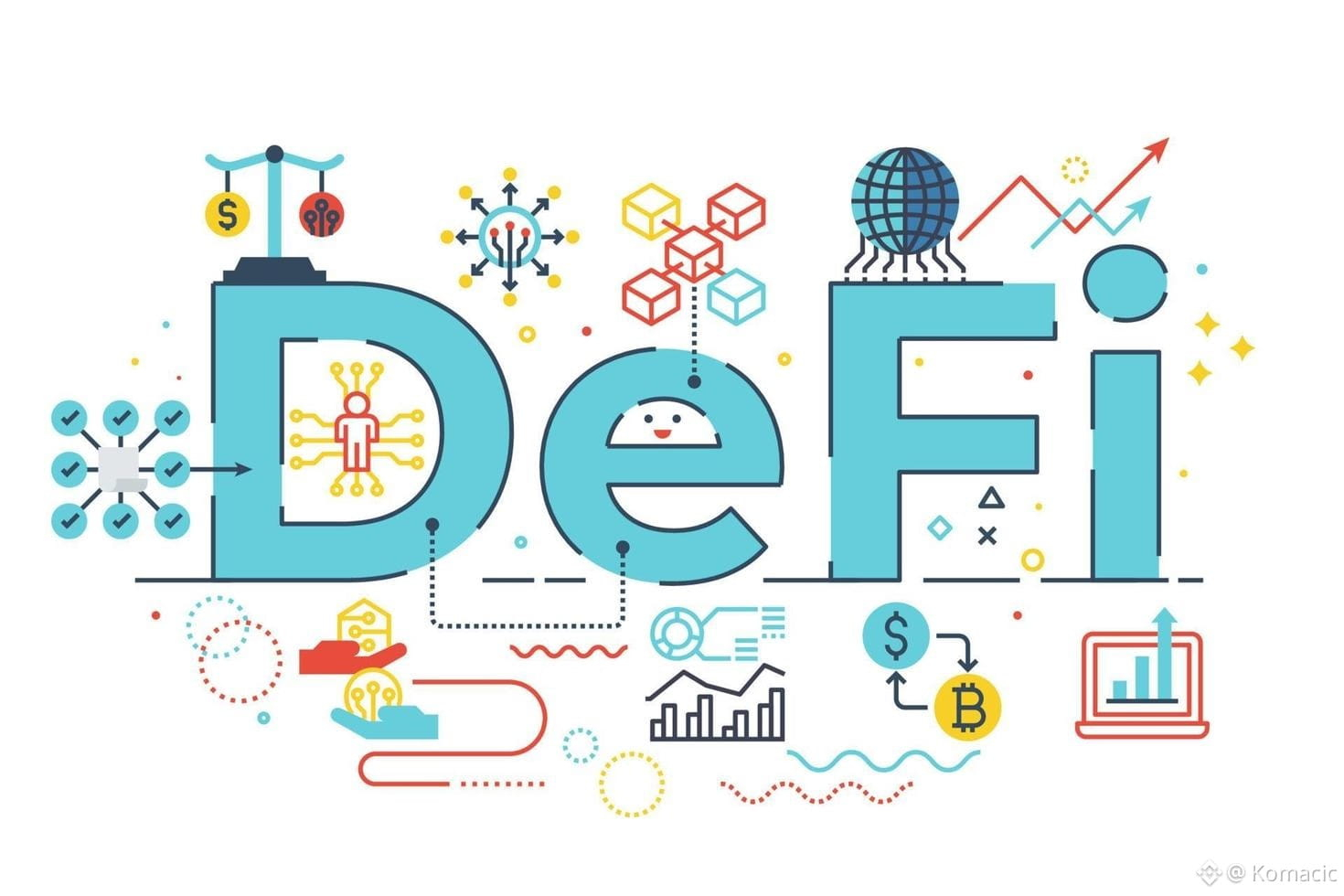
🌆 مرحبًا بك في مدينة DeFi
كانت هناك يومًا ما مدينةٌ لكل رمز فيها مكان، وكل مجمع سيولة كان سوقًا، وكل مبادلة تفتح طريقًا جديدًا.
لكن العثور على طريقك لم يكن سهلاً دائمًا.
ثم جاء STON.fi.
بدلًا من جعل المستخدمين يتجولون عبر مسارات معقدة، أنشأ STON.fi طريقة أكثر سلاسة لاستكشاف مبادلات الرموز والسيولة على TON.
تصل برمزٍ واحد.
وتغادر برمزٍ آخر.
وفي الطريق، يمكنك اكتشاف المجمعات، واستكشاف أصول جديدة، وأن تصبح جزءًا من نظام DeFi البيئي المتنامي.
والمدينة تواصل التوسع.
تصل رموز جديدة.
تظهر سيولة جديدة.
تنبثق فرص جديدة.
وتستمر الرحلة مع كل مبادلة.
STON.fi بوابتك لاستكشاف DeFi على TON.
#STONfi #TON #DeFi #Crypto
🌆 مرحبًا بك في مدينة DeFi
كانت هناك يومًا ما مدينةٌ لكل رمز فيها مكان، وكل مجمع سيولة كان سوقًا، وكل مبادلة تفتح طريقًا جديدًا.
لكن العثور على طريقك لم يكن سهلاً دائمًا.
ثم جاء STON.fi.
بدلًا من جعل المستخدمين يتجولون عبر مسارات معقدة، أنشأ STON.fi طريقة أكثر سلاسة لاستكشاف مبادلات الرموز والسيولة على TON.
تصل برمزٍ واحد.
وتغادر برمزٍ آخر.
وفي الطريق، يمكنك اكتشاف المجمعات، واستكشاف أصول جديدة، وأن تصبح جزءًا من نظام DeFi البيئي المتنامي.
والمدينة تواصل التوسع.
تصل رموز جديدة.
تظهر سيولة جديدة.
تنبثق فرص جديدة.
وتستمر الرحلة مع كل مبادلة.
STON.fi بوابتك لاستكشاف DeFi على TON.
#STONfi #TON #DeFi #Crypto
كانت هناك يومًا ما مدينةٌ لكل رمز فيها مكان، وكل مجمع سيولة كان سوقًا، وكل مبادلة تفتح طريقًا جديدًا.
لكن العثور على طريقك لم يكن سهلاً دائمًا.
ثم جاء STON.fi.
بدلًا من جعل المستخدمين يتجولون عبر مسارات معقدة، أنشأ STON.fi طريقة أكثر سلاسة لاستكشاف مبادلات الرموز والسيولة على TON.
تصل برمزٍ واحد.
وتغادر برمزٍ آخر.
وفي الطريق، يمكنك اكتشاف المجمعات، واستكشاف أصول جديدة، وأن تصبح جزءًا من نظام DeFi البيئي المتنامي.
والمدينة تواصل التوسع.
تصل رموز جديدة.
تظهر سيولة جديدة.
تنبثق فرص جديدة.
وتستمر الرحلة مع كل مبادلة.
STON.fi بوابتك لاستكشاف DeFi على TON.
#STONfi #TON #DeFi #Crypto
1
14
·
--
🚀 المبادلة التي غيّرت الرحلة
تخيّل أن لديك أصلًا في جانب من عالم DeFi، لكن الفرصة التي تريدها موجودة في مكان آخر.
عادةً، هذا يعني التنقل بين المنصات، والبحث عن السيولة، والتعامل مع تعقيد غير ضروري.
ثم تكتشف STON.fi.
تربط محفظتك، وتختار ما تريد مبادلته، وتتحقق من المسار المتاح، ثم تنفّذ خطوتك.
لا رحلة معقدة. فقط طريق بسيط من “لدي هذا” إلى “أحتاج ذلك”.
هذه هي الفكرة وراء STON.fi: جعل DeFi على TON يبدو بسيطًا مع منح المستخدمين إمكانية الوصول إلى المبادلات، والسيولة، ونظام بيئي متنامٍ.
سواء كنت تبدّل الرموز، أو تستكشف مجمعات السيولة، أو تكتشف ما هو التالي في DeFi على TON، يمكن لكل معاملة أن تكون خطوة أخرى إلى الأمام.
STON.fi بدّل. استكشف. واصل التقدّم.
#STONfi #TON #DeFi #Crypto
🚀 المبادلة التي غيّرت الرحلة
تخيّل أن لديك أصلًا في جانب من عالم DeFi، لكن الفرصة التي تريدها موجودة في مكان آخر.
عادةً، هذا يعني التنقل بين المنصات، والبحث عن السيولة، والتعامل مع تعقيد غير ضروري.
ثم تكتشف STON.fi.
تربط محفظتك، وتختار ما تريد مبادلته، وتتحقق من المسار المتاح، ثم تنفّذ خطوتك.
لا رحلة معقدة. فقط طريق بسيط من “لدي هذا” إلى “أحتاج ذلك”.
هذه هي الفكرة وراء STON.fi: جعل DeFi على TON يبدو بسيطًا مع منح المستخدمين إمكانية الوصول إلى المبادلات، والسيولة، ونظام بيئي متنامٍ.
سواء كنت تبدّل الرموز، أو تستكشف مجمعات السيولة، أو تكتشف ما هو التالي في DeFi على TON، يمكن لكل معاملة أن تكون خطوة أخرى إلى الأمام.
STON.fi بدّل. استكشف. واصل التقدّم.
#STONfi #TON #DeFi #Crypto
تخيّل أن لديك أصلًا في جانب من عالم DeFi، لكن الفرصة التي تريدها موجودة في مكان آخر.
عادةً، هذا يعني التنقل بين المنصات، والبحث عن السيولة، والتعامل مع تعقيد غير ضروري.
ثم تكتشف STON.fi.
تربط محفظتك، وتختار ما تريد مبادلته، وتتحقق من المسار المتاح، ثم تنفّذ خطوتك.
لا رحلة معقدة. فقط طريق بسيط من “لدي هذا” إلى “أحتاج ذلك”.
هذه هي الفكرة وراء STON.fi: جعل DeFi على TON يبدو بسيطًا مع منح المستخدمين إمكانية الوصول إلى المبادلات، والسيولة، ونظام بيئي متنامٍ.
سواء كنت تبدّل الرموز، أو تستكشف مجمعات السيولة، أو تكتشف ما هو التالي في DeFi على TON، يمكن لكل معاملة أن تكون خطوة أخرى إلى الأمام.
STON.fi بدّل. استكشف. واصل التقدّم.
#STONfi #TON #DeFi #Crypto
1
36

🚨 تفكيك آليات الغاز متعددة العقود لـ $TON على موجهات DEX ⚡
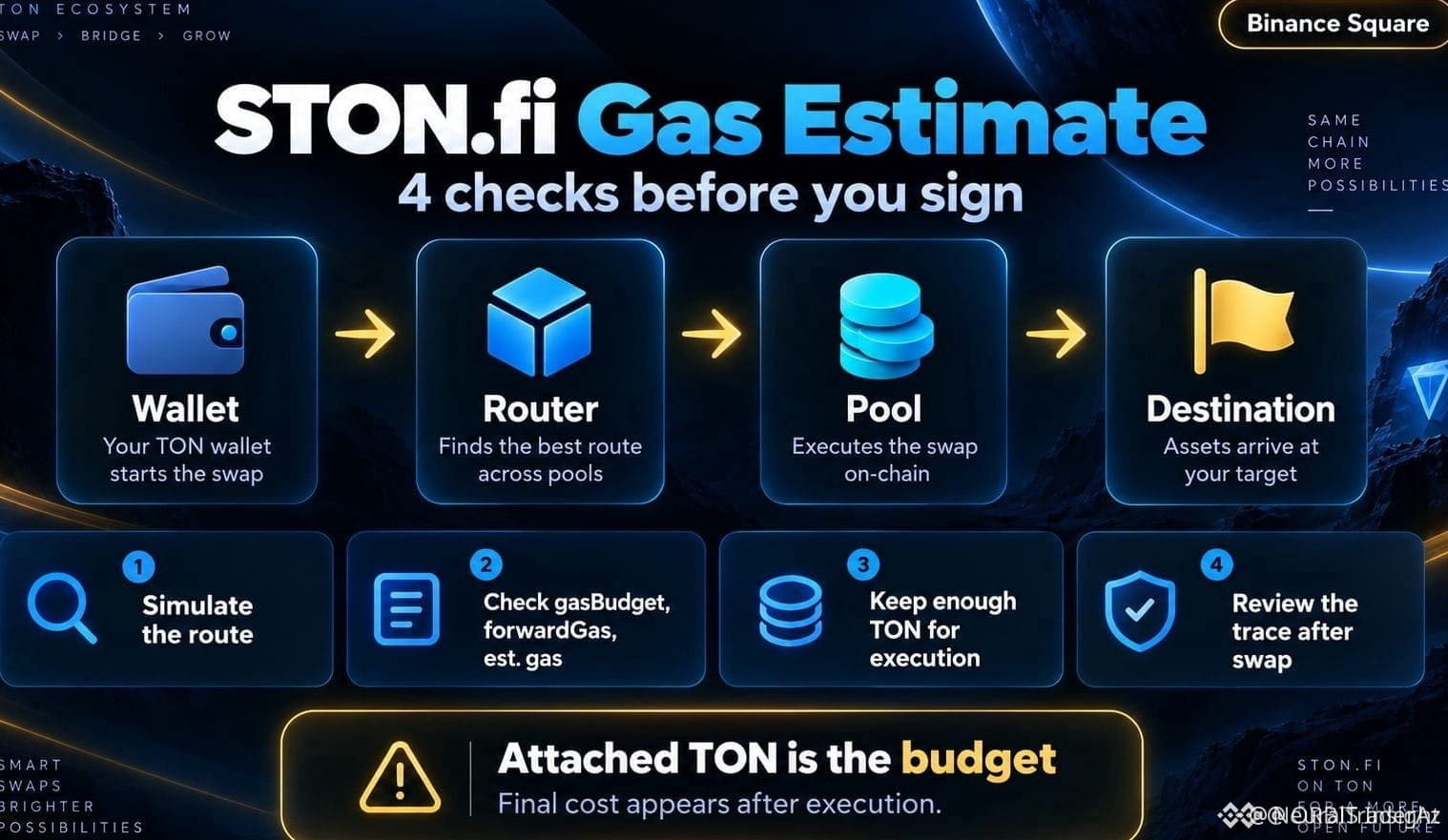
كثير من المتداولين يسيئون فهم تكاليف التنفيذ على موجهات DEX الخاصة بـ $TON مثل STON.fi، فيخلطون بين الحد الأقصى لميزانية الغاز وبين الحرق الفعلي للمعاملة. ضمن معمارية TON متعددة العقود، يمر التوجيه بشكل متسلسل عبر عقود Wallet وJetton/pTON وRouter وPool، حيث تحدد تعقيدات الحساب تخصيص الغاز، وليس حجم الأمر. 📌
الرصيد المطلوب عند التأكيد يعمل حصريًا كتغطية أمان للتنفيذ؛ ويتم استرداد $TON غير المستخدم تلقائيًا بعد التنفيذ. 💡 إن تثبيت المعلمات القديمة أو تخصيص ميزانية غاز غير كافية يعرّضك لارتدادات أثناء المسار وفشل التنفيذ، بينما لا يؤثر حجم الصفقة إطلاقًا على عبء الحساب داخل العقد. 🔍
قم دائمًا بمحاكاة حمولات المبادلة عبر نقاط نهاية API لضمان دقة آليات التوجيه قبل توقيع المعاملات. 💬 هل تأخذ في حسابك مخازن الغاز متعددة العقود في استراتيجيات التنفيذ، أم تسمح لأخطاء المعلمات باستنزاف رأس مالك؟ 👇
⚠️ ليست نصيحة مالية. قم دائمًا بإدارة المخاطر الخاصة بك. 🛡️
🏷️ #TON #TONEcosystem #DeFi #DEX #Execution
🎯 🦈
🚨 تفكيك آليات الغاز متعددة العقود لـ $TON على موجهات DEX ⚡
كثير من المتداولين يسيئون فهم تكاليف التنفيذ على موجهات DEX الخاصة بـ $TON مثل STON.fi، فيخلطون بين الحد الأقصى لميزانية الغاز وبين الحرق الفعلي للمعاملة. ضمن معمارية TON متعددة العقود، يمر التوجيه بشكل متسلسل عبر عقود Wallet وJetton/pTON وRouter وPool، حيث تحدد تعقيدات الحساب تخصيص الغاز، وليس حجم الأمر. 📌
الرصيد المطلوب عند التأكيد يعمل حصريًا كتغطية أمان للتنفيذ؛ ويتم استرداد $TON غير المستخدم تلقائيًا بعد التنفيذ. 💡 إن تثبيت المعلمات القديمة أو تخصيص ميزانية غاز غير كافية يعرّضك لارتدادات أثناء المسار وفشل التنفيذ، بينما لا يؤثر حجم الصفقة إطلاقًا على عبء الحساب داخل العقد. 🔍
قم دائمًا بمحاكاة حمولات المبادلة عبر نقاط نهاية API لضمان دقة آليات التوجيه قبل توقيع المعاملات. 💬 هل تأخذ في حسابك مخازن الغاز متعددة العقود في استراتيجيات التنفيذ، أم تسمح لأخطاء المعلمات باستنزاف رأس مالك؟ 👇
⚠️ ليست نصيحة مالية. قم دائمًا بإدارة المخاطر الخاصة بك. 🛡️
🏷️ #TON #TONEcosystem #DeFi #DEX #Execution
🎯 🦈
كثير من المتداولين يسيئون فهم تكاليف التنفيذ على موجهات DEX الخاصة بـ $TON مثل STON.fi، فيخلطون بين الحد الأقصى لميزانية الغاز وبين الحرق الفعلي للمعاملة. ضمن معمارية TON متعددة العقود، يمر التوجيه بشكل متسلسل عبر عقود Wallet وJetton/pTON وRouter وPool، حيث تحدد تعقيدات الحساب تخصيص الغاز، وليس حجم الأمر. 📌
الرصيد المطلوب عند التأكيد يعمل حصريًا كتغطية أمان للتنفيذ؛ ويتم استرداد $TON غير المستخدم تلقائيًا بعد التنفيذ. 💡 إن تثبيت المعلمات القديمة أو تخصيص ميزانية غاز غير كافية يعرّضك لارتدادات أثناء المسار وفشل التنفيذ، بينما لا يؤثر حجم الصفقة إطلاقًا على عبء الحساب داخل العقد. 🔍
قم دائمًا بمحاكاة حمولات المبادلة عبر نقاط نهاية API لضمان دقة آليات التوجيه قبل توقيع المعاملات. 💬 هل تأخذ في حسابك مخازن الغاز متعددة العقود في استراتيجيات التنفيذ، أم تسمح لأخطاء المعلمات باستنزاف رأس مالك؟ 👇
⚠️ ليست نصيحة مالية. قم دائمًا بإدارة المخاطر الخاصة بك. 🛡️
🏷️ #TON #TONEcosystem #DeFi #DEX #Execution
🎯 🦈
15

🚨 $TON усі دفنوه. وربما كان ذلك مبكرًا جدًا.
بينما يبحث المتداولون عن الميم كوين التالي، تواصل تيليجرام تطوير منظومتها المشفرة الخاصة — وقد بدأ مؤخرًا نشر محفظة جديدة ذاتية الحفظ. (CoinMarketCap)
والآن لننظر إلى السعر 👇
$1.40–1.50 — المنطقة التي يحتاج الثيران لاستعادتها.
🟢 اختراق → قد يبدأ ارتداد قوي.
🟡 حركة جانبية → تراكم.
🔴 فقدان $1.40 → خطر قاع جديد.
المفارقة أن الأساسيات المحيطة بتيليجرام تتطور، بينما يتحرك السعر وكأن المشروع لا يريده أحد.
ربما هذه هي العملات التي تستحق أن تبقى على الرادار قبل أن يتذكرها الجمهور؟
$TON — مفاجأة مستقبلية أم ألت ميت؟ 👀
#TON #Telegram #Crypto #Altcoins #BinanceSquare
🚨 $TON усі دفنوه. وربما كان ذلك مبكرًا جدًا.
بينما يبحث المتداولون عن الميم كوين التالي، تواصل تيليجرام تطوير منظومتها المشفرة الخاصة — وقد بدأ مؤخرًا نشر محفظة جديدة ذاتية الحفظ. (CoinMarketCap)
والآن لننظر إلى السعر 👇
$1.40–1.50 — المنطقة التي يحتاج الثيران لاستعادتها.
🟢 اختراق → قد يبدأ ارتداد قوي.
🟡 حركة جانبية → تراكم.
🔴 فقدان $1.40 → خطر قاع جديد.
المفارقة أن الأساسيات المحيطة بتيليجرام تتطور، بينما يتحرك السعر وكأن المشروع لا يريده أحد.
ربما هذه هي العملات التي تستحق أن تبقى على الرادار قبل أن يتذكرها الجمهور؟
$TON — مفاجأة مستقبلية أم ألت ميت؟ 👀
#TON #Telegram #Crypto #Altcoins #BinanceSquare
بينما يبحث المتداولون عن الميم كوين التالي، تواصل تيليجرام تطوير منظومتها المشفرة الخاصة — وقد بدأ مؤخرًا نشر محفظة جديدة ذاتية الحفظ. (CoinMarketCap)
والآن لننظر إلى السعر 👇
$1.40–1.50 — المنطقة التي يحتاج الثيران لاستعادتها.
🟢 اختراق → قد يبدأ ارتداد قوي.
🟡 حركة جانبية → تراكم.
🔴 فقدان $1.40 → خطر قاع جديد.
المفارقة أن الأساسيات المحيطة بتيليجرام تتطور، بينما يتحرك السعر وكأن المشروع لا يريده أحد.
ربما هذه هي العملات التي تستحق أن تبقى على الرادار قبل أن يتذكرها الجمهور؟
$TON — مفاجأة مستقبلية أم ألت ميت؟ 👀
#TON #Telegram #Crypto #Altcoins #BinanceSquare
184

·
--

مقالة
Miles وMissions والمبادلات عبر السلاسل: داخل حملة STON.fi الجديدة.المبادلة عبر السلاسل تبدو عادةً عملية تقنية.
اختر شبكة، وصِل محفظة، وانقل الأصول، وانتظر التسوية، وأمل أن تكون قد اخترت المسار الصحيح.
STON.fi تتعامل مع التجربة بطريقة مختلفة.
تجعل حملتها الجديدة “One Swap. Across Chains” النشاط عبر السلاسل رحلةً مبنية حول Miles وMissions وFlight Classes وPriority Passengers وFlight Deals محدودة. لكن خلف الواجهة المستوحاة من شركات الطيران يكمن شيء أكثر أهمية: محاولة لجعل التنفيذ عبر السلاسل يبدو كمنتج واحد بدلًا من كونه مجموعة من عمليات البلوكشين المنفصلة.
Miles وMissions والمبادلات عبر السلاسل: داخل حملة STON.fi الجديدة.
المبادلة عبر السلاسل تبدو عادةً عملية تقنية.
اختر شبكة، وصِل محفظة، وانقل الأصول، وانتظر التسوية، وأمل أن تكون قد اخترت المسار الصحيح.
STON.fi تتعامل مع التجربة بطريقة مختلفة.
تجعل حملتها الجديدة “One Swap. Across Chains” النشاط عبر السلاسل رحلةً مبنية حول Miles وMissions وFlight Classes وPriority Passengers وFlight Deals محدودة. لكن خلف الواجهة المستوحاة من شركات الطيران يكمن شيء أكثر أهمية: محاولة لجعل التنفيذ عبر السلاسل يبدو كمنتج واحد بدلًا من كونه مجموعة من عمليات البلوكشين المنفصلة.
اختر شبكة، وصِل محفظة، وانقل الأصول، وانتظر التسوية، وأمل أن تكون قد اخترت المسار الصحيح.
STON.fi تتعامل مع التجربة بطريقة مختلفة.
تجعل حملتها الجديدة “One Swap. Across Chains” النشاط عبر السلاسل رحلةً مبنية حول Miles وMissions وFlight Classes وPriority Passengers وFlight Deals محدودة. لكن خلف الواجهة المستوحاة من شركات الطيران يكمن شيء أكثر أهمية: محاولة لجعل التنفيذ عبر السلاسل يبدو كمنتج واحد بدلًا من كونه مجموعة من عمليات البلوكشين المنفصلة.
2
2
72
·
--
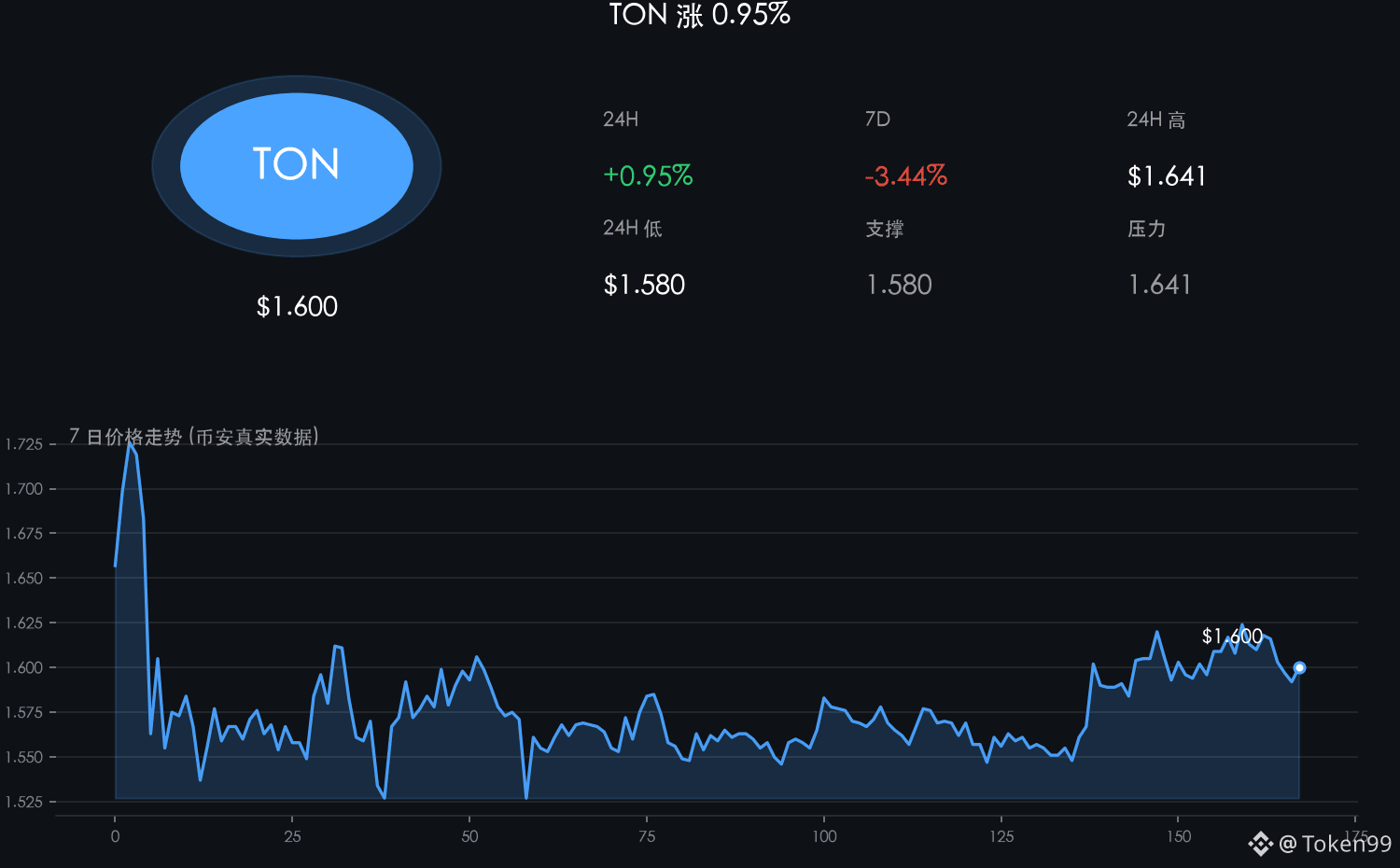
TON عند 1.60، +0.95%. حركة مرور Telegram هي ميزة تنافسية خفية. 1.58 دعم، 1.64 مقاومة. الهيكل يميل إلى الحياد؛ الثبات فوق 1.64 يميل للصعود، وكسر 1.58 يضعف الاتجاه.
$TON #TON #تحليل السوق
TON عند 1.60، +0.95%. حركة مرور Telegram هي ميزة تنافسية خفية. 1.58 دعم، 1.64 مقاومة. الهيكل يميل إلى الحياد؛ الثبات فوق 1.64 يميل للصعود، وكسر 1.58 يضعف الاتجاه.
$TON #TON #تحليل السوق
$TON #TON #تحليل السوق
10
سجّل الدخول لاستكشاف المزيد من المُحتوى
انضم إلى مُستخدمي العملات الرقمية حول العالم على Binance Square
⚡️ احصل على أحدث المعلومات المفيدة عن العملات الرقمية.
💬 موثوقة من قبل أكبر منصّة لتداول العملات الرقمية في العالم.
👍 اكتشف الرؤى الحقيقية من صنّاع المُحتوى الموثوقين.
البريد الإلكتروني / رقم الهاتف
المواضيع الرائجة
1
#ClarityActFacesProceduralVoteSept15
1,319 مشاهدات
64 يقومون بالنقاش
2
#US2YearYieldRisesTo4.61%
8,128 مشاهدات
205 يقومون بالنقاش
3
#US10YearTreasuryYieldNears5%
4,658 مشاهدات
123 يقومون بالنقاش
4
#CryptoLiquidations$674MIn24H
4,784 مشاهدات
56 يقومون بالنقاش
5
#TokenizedStockHoldersUp619.1%
7,616 مشاهدات
171 يقومون بالنقاش
6
#RevolutConfirmsFakeGovEmailDataBreach
24,150 مشاهدات
467 يقومون بالنقاش
7
#CanadaOSFISaysTokenizedDepositsEqualTraditionalDeposits
1,272 مشاهدات
48 يقومون بالنقاش
8
#USBankCompletesCrossBorderPaymentPilotOnStellar
27,694 مشاهدات
683 يقومون بالنقاش
9
#NvidiaInTalksToInvestUpTo$10BInAnthropicIPO
2,320 مشاهدات
57 يقومون بالنقاش
10
#EtherRalliesAsBearishBetsLiquidate
41,569 مشاهدات
861 يقومون بالنقاش