

#predictionmarkets
predictionmarkets
797,043 مشاهدات
3,905 يقومون بالنقاش
رائج
جديد
#polymarketbankfailurebetsdrawfdicconcern
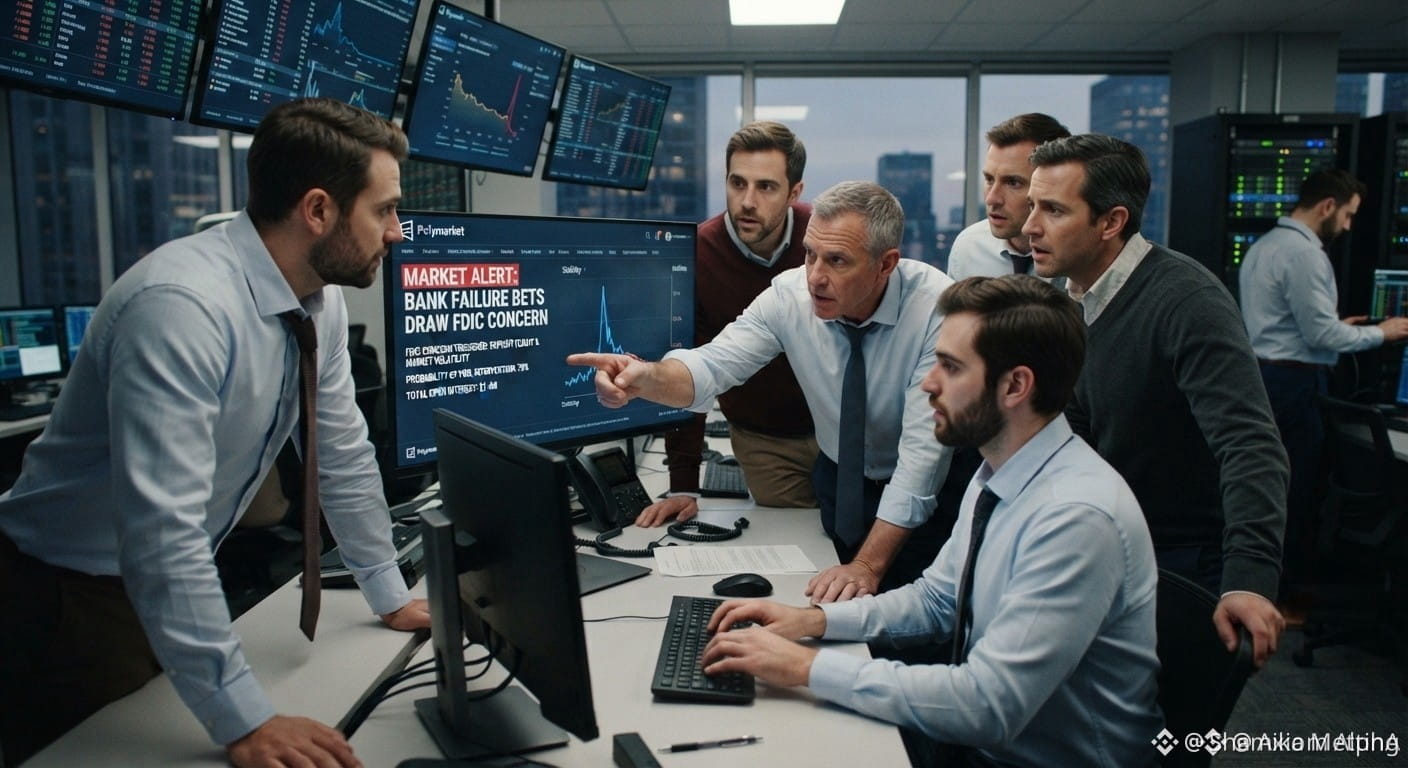
🚨 تنبيه للسوق: رهانات فشل البنوك على Polymarket تثير قلقاً بشأن FDIC
الوضع: عالم المال في حالة ضجّة، إذ حَظِيَ سوق تنبؤات عالي المخاطر على منصة Polymarket—وبالتحديد المراهنة على احتمالية حدوث تعثرات كبيرة في البنوك—باهتمام بالغ وقلق من الجهات التنظيمية، بما في ذلك مؤسسة التأمين على الودائع الفيدرالية (FDIC). وقد أدى ذلك إلى حلقة ردود فعل متقلبة، حيث تؤثر معنويات السوق مباشرة على التدقيق التنظيمي، ما يدفع إلى ارتفاع ضخم في الحجم والتقلبات عبر القطاع.
عملات قابلة للتداول بارزة لمراقبتها:
$BTC (Bitcoin): التحوّط الماكرو النهائي. مع تصاعد المخاوف بشأن استقرار بنوك الفيات، يقوم المتداولون غالباً بتحويل رأس المال إلى البيتكوين باعتباره مخزناً للقيمة لامركزياً وغير خاضع لسيادة.
$ETH (Ethereum): يقود منظومة التمويل اللامركزي (DeFi). إذا واجه قطاع البنوك التقليدي ضغطاً، غالباً ما يتجه الاهتمام المتزايد إلى التمويل داخل السلسلة وبروتوكولات الإقراض المبنية على الإيثيريوم.
$BNB (Binance Coin): بوصفها مؤشراً لصحة منصات التداول ومعنويات السوق الأوسع. إن تتبع كيفية تفاعل رموز أكبر البورصات مع الأخبار المالية المفاجئة يقدّم رؤى حول السيولة العامة في السوق وثقة المتداولين.
متابعة من فضلكم
#Polymarket #FDIC #BankingSector #PredictionMarkets
#polymarketbankfailurebetsdrawfdicconcern
🚨 تنبيه للسوق: رهانات فشل البنوك على Polymarket تثير قلقاً بشأن FDIC
الوضع: عالم المال في حالة ضجّة، إذ حَظِيَ سوق تنبؤات عالي المخاطر على منصة Polymarket—وبالتحديد المراهنة على احتمالية حدوث تعثرات كبيرة في البنوك—باهتمام بالغ وقلق من الجهات التنظيمية، بما في ذلك مؤسسة التأمين على الودائع الفيدرالية (FDIC). وقد أدى ذلك إلى حلقة ردود فعل متقلبة، حيث تؤثر معنويات السوق مباشرة على التدقيق التنظيمي، ما يدفع إلى ارتفاع ضخم في الحجم والتقلبات عبر القطاع.
عملات قابلة للتداول بارزة لمراقبتها:
$BTC (Bitcoin): التحوّط الماكرو النهائي. مع تصاعد المخاوف بشأن استقرار بنوك الفيات، يقوم المتداولون غالباً بتحويل رأس المال إلى البيتكوين باعتباره مخزناً للقيمة لامركزياً وغير خاضع لسيادة.
$ETH (Ethereum): يقود منظومة التمويل اللامركزي (DeFi). إذا واجه قطاع البنوك التقليدي ضغطاً، غالباً ما يتجه الاهتمام المتزايد إلى التمويل داخل السلسلة وبروتوكولات الإقراض المبنية على الإيثيريوم.
$BNB (Binance Coin): بوصفها مؤشراً لصحة منصات التداول ومعنويات السوق الأوسع. إن تتبع كيفية تفاعل رموز أكبر البورصات مع الأخبار المالية المفاجئة يقدّم رؤى حول السيولة العامة في السوق وثقة المتداولين.
متابعة من فضلكم
#Polymarket #FDIC #BankingSector #PredictionMarkets
🚨 تنبيه للسوق: رهانات فشل البنوك على Polymarket تثير قلقاً بشأن FDIC
الوضع: عالم المال في حالة ضجّة، إذ حَظِيَ سوق تنبؤات عالي المخاطر على منصة Polymarket—وبالتحديد المراهنة على احتمالية حدوث تعثرات كبيرة في البنوك—باهتمام بالغ وقلق من الجهات التنظيمية، بما في ذلك مؤسسة التأمين على الودائع الفيدرالية (FDIC). وقد أدى ذلك إلى حلقة ردود فعل متقلبة، حيث تؤثر معنويات السوق مباشرة على التدقيق التنظيمي، ما يدفع إلى ارتفاع ضخم في الحجم والتقلبات عبر القطاع.
عملات قابلة للتداول بارزة لمراقبتها:
$BTC (Bitcoin): التحوّط الماكرو النهائي. مع تصاعد المخاوف بشأن استقرار بنوك الفيات، يقوم المتداولون غالباً بتحويل رأس المال إلى البيتكوين باعتباره مخزناً للقيمة لامركزياً وغير خاضع لسيادة.
$ETH (Ethereum): يقود منظومة التمويل اللامركزي (DeFi). إذا واجه قطاع البنوك التقليدي ضغطاً، غالباً ما يتجه الاهتمام المتزايد إلى التمويل داخل السلسلة وبروتوكولات الإقراض المبنية على الإيثيريوم.
$BNB (Binance Coin): بوصفها مؤشراً لصحة منصات التداول ومعنويات السوق الأوسع. إن تتبع كيفية تفاعل رموز أكبر البورصات مع الأخبار المالية المفاجئة يقدّم رؤى حول السيولة العامة في السوق وثقة المتداولين.
متابعة من فضلكم
#Polymarket #FDIC #BankingSector #PredictionMarkets
1
17

·
--
🚨 رهانات فشل البنوك لدى Polymarket لفتت انتباه مؤسسة التأمين الفيدرالي على الودائع (FDIC)
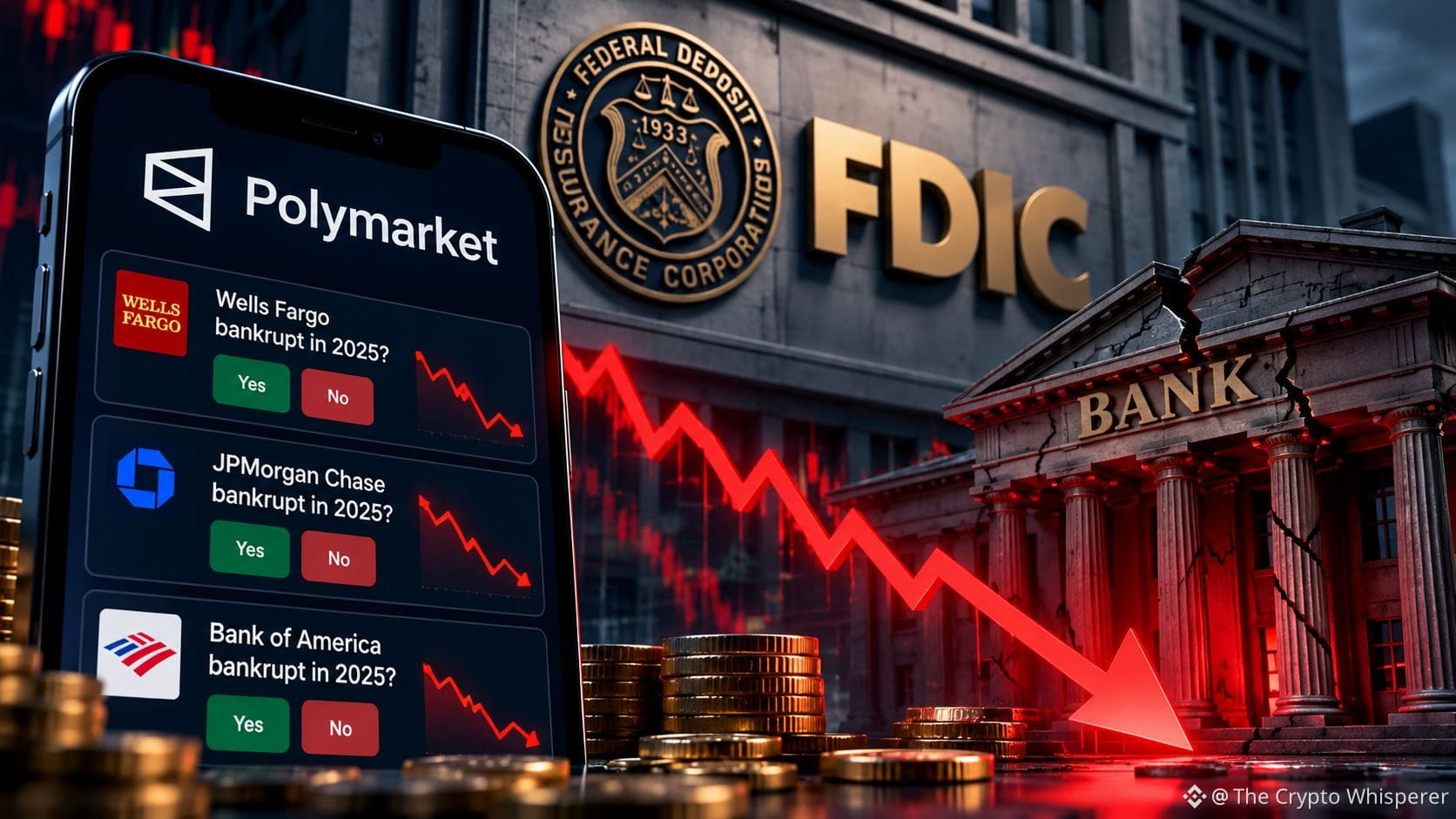
الأسواق التنبؤية على Polymarket التي تتيح للمستخدمين المراهنة على فشل بنوك أمريكية كبرى — بما في ذلك $WFC.US و$JPM و$BAC.US — تجذب تدقيقًا من مسؤولين في الـFDIC ومن أعضاء في الكونغرس.
لا تزال الأحجام الحالية صغيرة جدًا (عقود الفشل في نهاية العام الأخير شهدت تداولًا لا يتجاوز نحو 76,000 دولار). تقول Polymarket إنها تحظر استخدام النظام على المستخدمين في الولايات المتحدة.
ومع ذلك، يقلق المنظمون من أنه إذا نمت هذه الأسواق، فقد تضخم احتمالات العامة حالة الذعر، وربما تدفع إلى موجات فعلية من عمليات سحب أموال من البنوك.
لماذا هذا مهم بالنسبة للـCrypto:
تتزايد تأثيرًا الأسواق التنبؤية. عندما تبدأ بتسعير صحة بنوك مهمة نظاميًا، تطرح أسئلة أكبر حول تأثير المعلومات مقابل تأثير الحوافز — وكيف تقع منصات مثل Polymarket عند تقاطع عالم الـcrypto والتمويل والتنظيم.
ما الذي يجب مراقبته:
• أي رد فعل تنظيمي رسمي أو ضغط على هذه العقود
• ما إذا ظلت الأحجام صغيرة أم بدأت في الارتفاع
• كيف تتعامل منصات أخرى للأسواق التنبؤية مع أسواق حساسة مماثلة
حتى الأسواق الصغيرة يمكنها تشكيل السرديات. السؤال الحقيقي هو ما إذا كانت احتمالات الفشل الواضحة إشارات مفيدة… أم خطًا سيحاول المنظمون إغلاقه.
هل تعتقد أنه ينبغي السماح بالمراهنة على فشل البنوك في الأسواق التنبؤية، أم أن هذا حدّ لا يجب تجاوزه؟
#PolymarketBankFailureBetsDrawFDICConcern #Polymarket #FDIC #PredictionMarkets
{future}(JPMUSDT)
{future}(SPYUSDT)
🚨 رهانات فشل البنوك لدى Polymarket لفتت انتباه مؤسسة التأمين الفيدرالي على الودائع (FDIC)
الأسواق التنبؤية على Polymarket التي تتيح للمستخدمين المراهنة على فشل بنوك أمريكية كبرى — بما في ذلك $WFC.US و$JPM و$BAC.US — تجذب تدقيقًا من مسؤولين في الـFDIC ومن أعضاء في الكونغرس.
لا تزال الأحجام الحالية صغيرة جدًا (عقود الفشل في نهاية العام الأخير شهدت تداولًا لا يتجاوز نحو 76,000 دولار). تقول Polymarket إنها تحظر استخدام النظام على المستخدمين في الولايات المتحدة.
ومع ذلك، يقلق المنظمون من أنه إذا نمت هذه الأسواق، فقد تضخم احتمالات العامة حالة الذعر، وربما تدفع إلى موجات فعلية من عمليات سحب أموال من البنوك.
لماذا هذا مهم بالنسبة للـCrypto: تتزايد تأثيرًا الأسواق التنبؤية. عندما تبدأ بتسعير صحة بنوك مهمة نظاميًا، تطرح أسئلة أكبر حول تأثير المعلومات مقابل تأثير الحوافز — وكيف تقع منصات مثل Polymarket عند تقاطع عالم الـcrypto والتمويل والتنظيم.
ما الذي يجب مراقبته: • أي رد فعل تنظيمي رسمي أو ضغط على هذه العقود
• ما إذا ظلت الأحجام صغيرة أم بدأت في الارتفاع
• كيف تتعامل منصات أخرى للأسواق التنبؤية مع أسواق حساسة مماثلة
حتى الأسواق الصغيرة يمكنها تشكيل السرديات. السؤال الحقيقي هو ما إذا كانت احتمالات الفشل الواضحة إشارات مفيدة… أم خطًا سيحاول المنظمون إغلاقه.
هل تعتقد أنه ينبغي السماح بالمراهنة على فشل البنوك في الأسواق التنبؤية، أم أن هذا حدّ لا يجب تجاوزه؟
#PolymarketBankFailureBetsDrawFDICConcern #Polymarket #FDIC #PredictionMarkets
الأسواق التنبؤية على Polymarket التي تتيح للمستخدمين المراهنة على فشل بنوك أمريكية كبرى — بما في ذلك $WFC.US و$JPM و$BAC.US — تجذب تدقيقًا من مسؤولين في الـFDIC ومن أعضاء في الكونغرس.
لا تزال الأحجام الحالية صغيرة جدًا (عقود الفشل في نهاية العام الأخير شهدت تداولًا لا يتجاوز نحو 76,000 دولار). تقول Polymarket إنها تحظر استخدام النظام على المستخدمين في الولايات المتحدة.
ومع ذلك، يقلق المنظمون من أنه إذا نمت هذه الأسواق، فقد تضخم احتمالات العامة حالة الذعر، وربما تدفع إلى موجات فعلية من عمليات سحب أموال من البنوك.
لماذا هذا مهم بالنسبة للـCrypto: تتزايد تأثيرًا الأسواق التنبؤية. عندما تبدأ بتسعير صحة بنوك مهمة نظاميًا، تطرح أسئلة أكبر حول تأثير المعلومات مقابل تأثير الحوافز — وكيف تقع منصات مثل Polymarket عند تقاطع عالم الـcrypto والتمويل والتنظيم.
ما الذي يجب مراقبته: • أي رد فعل تنظيمي رسمي أو ضغط على هذه العقود
• ما إذا ظلت الأحجام صغيرة أم بدأت في الارتفاع
• كيف تتعامل منصات أخرى للأسواق التنبؤية مع أسواق حساسة مماثلة
حتى الأسواق الصغيرة يمكنها تشكيل السرديات. السؤال الحقيقي هو ما إذا كانت احتمالات الفشل الواضحة إشارات مفيدة… أم خطًا سيحاول المنظمون إغلاقه.
هل تعتقد أنه ينبغي السماح بالمراهنة على فشل البنوك في الأسواق التنبؤية، أم أن هذا حدّ لا يجب تجاوزه؟
#PolymarketBankFailureBetsDrawFDICConcern #Polymarket #FDIC #PredictionMarkets
48

مقالة
رهانات تعثر البنوك تثير قلقًا متزايدًا🚨 تتجه أسواق التنبؤ الآن إلى المراهنة على تعثرات كبرى البنوك الأمريكية — وتنظر الجهات التنظيمية إلى ذلك. 👀🏦
قامت Polymarket بإدراج عقود مرتبطة ببنوك كبيرة، في حين أفادت تقارير بأن الهيئة الفيدرالية للتأمين على الودائع (FDIC) والجهات التنظيمية السابقة وأعضاء في الكونغرس قد أثاروا مخاوف.
النقاش ليس حقًا حول سوق واحدة.
بل حول سؤال أكبر:
🧠 هل يمكن لأسواق التنبؤ تحسين الشفافية من خلال كشف التوقعات العامة؟
⚠️ أم يمكن لاحتمالاتٍ شديدة الوضوح أن تؤثر على المعنويات وتخلق حلقات ردّ فعل خلال فترات الضغوط المالية؟
رهانات تعثر البنوك تثير قلقًا متزايدًا
🚨 تتجه أسواق التنبؤ الآن إلى المراهنة على تعثرات كبرى البنوك الأمريكية — وتنظر الجهات التنظيمية إلى ذلك. 👀🏦
قامت Polymarket بإدراج عقود مرتبطة ببنوك كبيرة، في حين أفادت تقارير بأن الهيئة الفيدرالية للتأمين على الودائع (FDIC) والجهات التنظيمية السابقة وأعضاء في الكونغرس قد أثاروا مخاوف.
النقاش ليس حقًا حول سوق واحدة.
بل حول سؤال أكبر:
🧠 هل يمكن لأسواق التنبؤ تحسين الشفافية من خلال كشف التوقعات العامة؟
⚠️ أم يمكن لاحتمالاتٍ شديدة الوضوح أن تؤثر على المعنويات وتخلق حلقات ردّ فعل خلال فترات الضغوط المالية؟
قامت Polymarket بإدراج عقود مرتبطة ببنوك كبيرة، في حين أفادت تقارير بأن الهيئة الفيدرالية للتأمين على الودائع (FDIC) والجهات التنظيمية السابقة وأعضاء في الكونغرس قد أثاروا مخاوف.
النقاش ليس حقًا حول سوق واحدة.
بل حول سؤال أكبر:
🧠 هل يمكن لأسواق التنبؤ تحسين الشفافية من خلال كشف التوقعات العامة؟
⚠️ أم يمكن لاحتمالاتٍ شديدة الوضوح أن تؤثر على المعنويات وتخلق حلقات ردّ فعل خلال فترات الضغوط المالية؟
94

يشير التعثر القانوني الأخير لشركة كالشي في أوهايو وتينيسي إلى تزايد الاحتكاك بين الإشراف الفيدرالي على المشتقات وقوانين المقامرة على مستوى الولايات. ومن خلال عدم تمكنها من إقناع المحكمة بأن عقودها الرياضية تُعد مقايضات، تواجه أسواق التنبؤ طريقًا تنظيميًا أكثر صعوبة في المرحلة المقبلة. ويُفضي هذا الانقسام بين الدوائر القضائية إلى تحديات امتثال كبيرة للمنصات التجارية المعتمدة على الأحداث التي تسعى إلى التوسع على المستوى الوطني. #PredictionMarkets #Regulation #CryptoNews
يشير التعثر القانوني الأخير لشركة كالشي في أوهايو وتينيسي إلى تزايد الاحتكاك بين الإشراف الفيدرالي على المشتقات وقوانين المقامرة على مستوى الولايات. ومن خلال عدم تمكنها من إقناع المحكمة بأن عقودها الرياضية تُعد مقايضات، تواجه أسواق التنبؤ طريقًا تنظيميًا أكثر صعوبة في المرحلة المقبلة. ويُفضي هذا الانقسام بين الدوائر القضائية إلى تحديات امتثال كبيرة للمنصات التجارية المعتمدة على الأحداث التي تسعى إلى التوسع على المستوى الوطني. #PredictionMarkets #Regulation #CryptoNews
1

·
--
الاستطلاعات تخبرك بما يقوله الناس. الأسواق تخبرك بما سيدفعه الناس ليكونوا على حق.
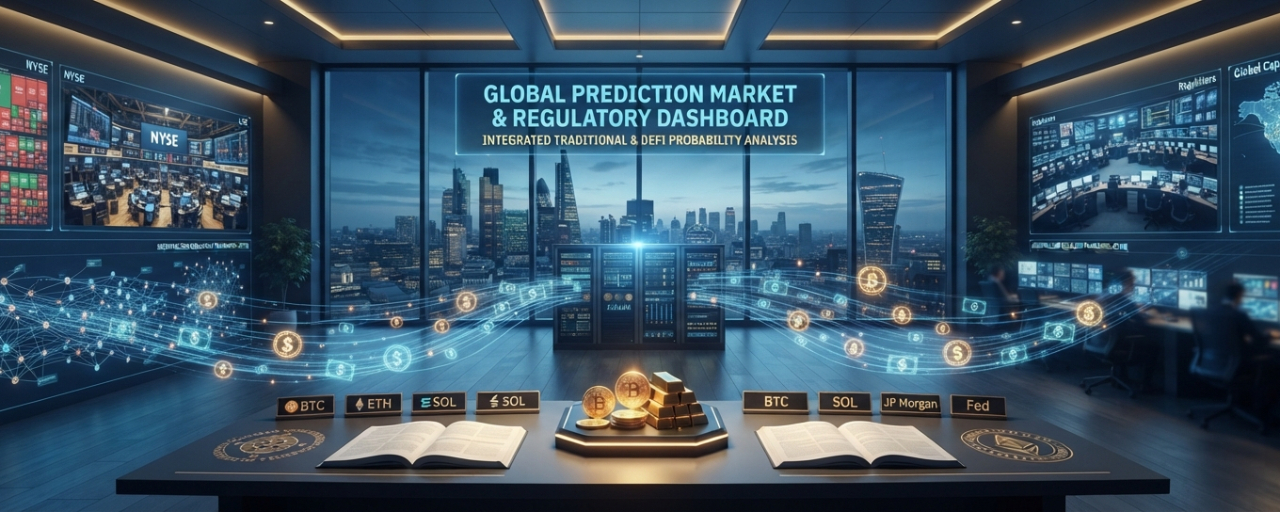
لهذا السبب أصبحت أسواق التنبؤ بهدوء واحدًا من أكثر منتجات العملات المشفرة فائدة — ليس كمراهنات، بل كإحراز/بنية تحتية لاحتمالات في الزمن الحقيقي.
عندما تُنشر بيانات مؤشر أسعار المستهلك (CPI) وتُتخذ قرارات الاحتياطي الفيدرالي وتستقر الأحداث الجيوسياسية خلال دقائق بدلًا من أسابيع، تحصل على شيء لا يمكن أن يقدمه لك الدورية الإخبارية التقليدية: احتمالات محدثة باستمرار، مُسعّرة عبر رأس المال لا عبر التعليق.
ثلاث خصائص تجعل ذلك ممكنًا على السلسلة:
تسوية فورية — الحسم هو كود، وليس مكتبًا خلفيًا لدى وسيط.
وصول مفتوح — أي شخص لديه محفظة يمكنه تسعير احتمال. دون حد أدنى مؤسسي.
قابلية التركيب — تصبح الاحتمالات أصولًا. يصبح التحوّط لمحفظة ضد قرار سعر الفائدة صفقة بدلًا من كونه تفاوضًا.
التحول الأعمق: تحوّل أسواق التنبؤ "المشاعر" إلى رقم قابل للقياس. العناوين تنقل سرديات. الأسواق تعرض توزيعات الاحتمالات.
ليست مثالية — سيولة ضعيفة تشوّه الاحتمالات، والحيتان تحرك دفاتر صغيرة، وقواعد الحسم غالبًا هي المنتج الحقيقي. لكن مع نمو العمق، تتحول من مكان للمراهنة إلى محرك للتنبؤ.
الدليل الذي ينبغي مراقبته ليس الحجم. بل أين توجد مجمّعات السيولة. هناك تُحسم احتمالية الأمور فعلًا.
$BTC $ETH $SOL
#PredictionMarkets #DeFi #OnChain #MarketStructure #Crypto
الاستطلاعات تخبرك بما يقوله الناس. الأسواق تخبرك بما سيدفعه الناس ليكونوا على حق.
لهذا السبب أصبحت أسواق التنبؤ بهدوء واحدًا من أكثر منتجات العملات المشفرة فائدة — ليس كمراهنات، بل كإحراز/بنية تحتية لاحتمالات في الزمن الحقيقي.
عندما تُنشر بيانات مؤشر أسعار المستهلك (CPI) وتُتخذ قرارات الاحتياطي الفيدرالي وتستقر الأحداث الجيوسياسية خلال دقائق بدلًا من أسابيع، تحصل على شيء لا يمكن أن يقدمه لك الدورية الإخبارية التقليدية: احتمالات محدثة باستمرار، مُسعّرة عبر رأس المال لا عبر التعليق.
ثلاث خصائص تجعل ذلك ممكنًا على السلسلة:
تسوية فورية — الحسم هو كود، وليس مكتبًا خلفيًا لدى وسيط.
وصول مفتوح — أي شخص لديه محفظة يمكنه تسعير احتمال. دون حد أدنى مؤسسي.
قابلية التركيب — تصبح الاحتمالات أصولًا. يصبح التحوّط لمحفظة ضد قرار سعر الفائدة صفقة بدلًا من كونه تفاوضًا.
التحول الأعمق: تحوّل أسواق التنبؤ "المشاعر" إلى رقم قابل للقياس. العناوين تنقل سرديات. الأسواق تعرض توزيعات الاحتمالات.
ليست مثالية — سيولة ضعيفة تشوّه الاحتمالات، والحيتان تحرك دفاتر صغيرة، وقواعد الحسم غالبًا هي المنتج الحقيقي. لكن مع نمو العمق، تتحول من مكان للمراهنة إلى محرك للتنبؤ.
الدليل الذي ينبغي مراقبته ليس الحجم. بل أين توجد مجمّعات السيولة. هناك تُحسم احتمالية الأمور فعلًا.
$BTC $ETH $SOL
#PredictionMarkets #DeFi #OnChain #MarketStructure #Crypto
لهذا السبب أصبحت أسواق التنبؤ بهدوء واحدًا من أكثر منتجات العملات المشفرة فائدة — ليس كمراهنات، بل كإحراز/بنية تحتية لاحتمالات في الزمن الحقيقي.
عندما تُنشر بيانات مؤشر أسعار المستهلك (CPI) وتُتخذ قرارات الاحتياطي الفيدرالي وتستقر الأحداث الجيوسياسية خلال دقائق بدلًا من أسابيع، تحصل على شيء لا يمكن أن يقدمه لك الدورية الإخبارية التقليدية: احتمالات محدثة باستمرار، مُسعّرة عبر رأس المال لا عبر التعليق.
ثلاث خصائص تجعل ذلك ممكنًا على السلسلة:
تسوية فورية — الحسم هو كود، وليس مكتبًا خلفيًا لدى وسيط.
وصول مفتوح — أي شخص لديه محفظة يمكنه تسعير احتمال. دون حد أدنى مؤسسي.
قابلية التركيب — تصبح الاحتمالات أصولًا. يصبح التحوّط لمحفظة ضد قرار سعر الفائدة صفقة بدلًا من كونه تفاوضًا.
التحول الأعمق: تحوّل أسواق التنبؤ "المشاعر" إلى رقم قابل للقياس. العناوين تنقل سرديات. الأسواق تعرض توزيعات الاحتمالات.
ليست مثالية — سيولة ضعيفة تشوّه الاحتمالات، والحيتان تحرك دفاتر صغيرة، وقواعد الحسم غالبًا هي المنتج الحقيقي. لكن مع نمو العمق، تتحول من مكان للمراهنة إلى محرك للتنبؤ.
الدليل الذي ينبغي مراقبته ليس الحجم. بل أين توجد مجمّعات السيولة. هناك تُحسم احتمالية الأمور فعلًا.
$BTC $ETH $SOL
#PredictionMarkets #DeFi #OnChain #MarketStructure #Crypto
2
54
واجهت Kalshi للتو عقبة كبيرة في الدائرة السادسة، مما يحافظ على قواعد المراهنة على الرياضات على مستوى الولايات قيد التنفيذ بشكل صارم. أسواق التنبؤ تزدهر، لكن الاحتكاك التنظيمي يتصاعد بالتوازي معها. إذا وصل هذا إلى المحكمة العليا، فقد يعيد تعريف كيفية عمل العقود اللامركزية والمبنية على الأحداث على مستوى البلاد. تم رسم خطوط المعركة القانونية رسميًا من أجل مستقبل منصات التنبؤ. #PredictionMarkets #Regulation #CryptoLaw
واجهت Kalshi للتو عقبة كبيرة في الدائرة السادسة، مما يحافظ على قواعد المراهنة على الرياضات على مستوى الولايات قيد التنفيذ بشكل صارم. أسواق التنبؤ تزدهر، لكن الاحتكاك التنظيمي يتصاعد بالتوازي معها. إذا وصل هذا إلى المحكمة العليا، فقد يعيد تعريف كيفية عمل العقود اللامركزية والمبنية على الأحداث على مستوى البلاد. تم رسم خطوط المعركة القانونية رسميًا من أجل مستقبل منصات التنبؤ. #PredictionMarkets #Regulation #CryptoLaw
لَقَد تَلَقَّت كالشي ضربة تنظيمية هائلة في الدائرة السادسة. وقد قضت المحكمة بأن بإمكان ولايتي أوهايو وتينيسي تطبيق قوانين القمار المحلية على عقودها الرياضية، مما يؤدي فعليًا إلى تَحطيم درع الإعفاء الفدرالي من التنظيم الذي اعتمدت عليه كالشي. ومن خلال الإشارة إلى تحديد المواقع الجغرافي (geofencing) كحل جاهز، وضعت المحكمة سابقة خطِرة. تواجه أسواق التنبؤ الآن مستقبلًا مجزأ حيث تتغلّب الامتثال على مستوى الولايات على الإشراف الفدرالي، ما يخلق احتكاكًا كبيرًا في مسار نموّها. #Regulation #PredictionMarkets #Legal
لَقَد تَلَقَّت كالشي ضربة تنظيمية هائلة في الدائرة السادسة. وقد قضت المحكمة بأن بإمكان ولايتي أوهايو وتينيسي تطبيق قوانين القمار المحلية على عقودها الرياضية، مما يؤدي فعليًا إلى تَحطيم درع الإعفاء الفدرالي من التنظيم الذي اعتمدت عليه كالشي. ومن خلال الإشارة إلى تحديد المواقع الجغرافي (geofencing) كحل جاهز، وضعت المحكمة سابقة خطِرة. تواجه أسواق التنبؤ الآن مستقبلًا مجزأ حيث تتغلّب الامتثال على مستوى الولايات على الإشراف الفدرالي، ما يخلق احتكاكًا كبيرًا في مسار نموّها. #Regulation #PredictionMarkets #Legal
25

عرض الترجمة
Kalshi thua kiện kháng cáo, có thể đưa ra Tối cao pháp viện
• Tòa án Kháng cáo Luật thứ 6 Mỹ phán quyết chống lại Kalshi
• Phía Ohio và Tennessee thắng kiện về việc quản lý hợp đồng dự đoán sự kiện thể thao theo luật bang
• Vụ kiện có thể được đưa lên Tối cao pháp viện Mỹ để xem xét
• Quyết định ảnh hưởng đến khung pháp lý cho thị trường dự đoán (prediction markets) tại Mỹ
#BinanceSquare #CryptoNews #PredictionMarkets #Regulation
$btc $eth
#vlikevn Titanbot
Nguồn: CoinTelegraph
Kalshi thua kiện kháng cáo, có thể đưa ra Tối cao pháp viện
• Tòa án Kháng cáo Luật thứ 6 Mỹ phán quyết chống lại Kalshi
• Phía Ohio và Tennessee thắng kiện về việc quản lý hợp đồng dự đoán sự kiện thể thao theo luật bang
• Vụ kiện có thể được đưa lên Tối cao pháp viện Mỹ để xem xét
• Quyết định ảnh hưởng đến khung pháp lý cho thị trường dự đoán (prediction markets) tại Mỹ
#BinanceSquare #CryptoNews #PredictionMarkets #Regulation
$btc $eth
#vlikevn Titanbot
Nguồn: CoinTelegraph
• Tòa án Kháng cáo Luật thứ 6 Mỹ phán quyết chống lại Kalshi
• Phía Ohio và Tennessee thắng kiện về việc quản lý hợp đồng dự đoán sự kiện thể thao theo luật bang
• Vụ kiện có thể được đưa lên Tối cao pháp viện Mỹ để xem xét
• Quyết định ảnh hưởng đến khung pháp lý cho thị trường dự đoán (prediction markets) tại Mỹ
#BinanceSquare #CryptoNews #PredictionMarkets #Regulation
$btc $eth
#vlikevn Titanbot
Nguồn: CoinTelegraph
173

·
--
رهان-تعثر البنوك قيد التدقيق🏛️ رهان-تعثر البنوك قيد التدقيق 🚨
هل يمكن لأسواق التنبؤ أن تخلق نوعًا جديدًا من مخاطر الاستقرار المالي؟
يُقال إن الجهات التنظيمية في الولايات المتحدة تدرس عقود أسواق التنبؤ التي تتيح للمتداولين المضاربة بشأن ما إذا كان يمكن أن تفشل المؤسسات المالية الكبرى. وتسلّط هذه المناقشة الضوء على سؤال صعب:
هل يمكن للمراهنة على تعثر بنك ما أن تساهم فعلًا في حالة الهلع التي يجري التنبؤ بها؟ ⚠️
🔍 ما الذي يحدث؟
توسّعت أسواق التنبؤ إلى ما هو أبعد بكثير من السياسة والأحداث الكبرى، حيث تشمل العقود الآن نطاقًا واسعًا من النتائج الاقتصادية والمالية.
رهان-تعثر البنوك قيد التدقيق
🏛️ رهان-تعثر البنوك قيد التدقيق 🚨
هل يمكن لأسواق التنبؤ أن تخلق نوعًا جديدًا من مخاطر الاستقرار المالي؟
يُقال إن الجهات التنظيمية في الولايات المتحدة تدرس عقود أسواق التنبؤ التي تتيح للمتداولين المضاربة بشأن ما إذا كان يمكن أن تفشل المؤسسات المالية الكبرى. وتسلّط هذه المناقشة الضوء على سؤال صعب:
هل يمكن للمراهنة على تعثر بنك ما أن تساهم فعلًا في حالة الهلع التي يجري التنبؤ بها؟ ⚠️
🔍 ما الذي يحدث؟
توسّعت أسواق التنبؤ إلى ما هو أبعد بكثير من السياسة والأحداث الكبرى، حيث تشمل العقود الآن نطاقًا واسعًا من النتائج الاقتصادية والمالية.
هل يمكن لأسواق التنبؤ أن تخلق نوعًا جديدًا من مخاطر الاستقرار المالي؟
يُقال إن الجهات التنظيمية في الولايات المتحدة تدرس عقود أسواق التنبؤ التي تتيح للمتداولين المضاربة بشأن ما إذا كان يمكن أن تفشل المؤسسات المالية الكبرى. وتسلّط هذه المناقشة الضوء على سؤال صعب:
هل يمكن للمراهنة على تعثر بنك ما أن تساهم فعلًا في حالة الهلع التي يجري التنبؤ بها؟ ⚠️
🔍 ما الذي يحدث؟
توسّعت أسواق التنبؤ إلى ما هو أبعد بكثير من السياسة والأحداث الكبرى، حيث تشمل العقود الآن نطاقًا واسعًا من النتائج الاقتصادية والمالية.
57

تمّ التحقق
$BTC مراهنات Polymarket على بنوك كبرى تلفت انتباه مؤسسة التأمين على الودائع الفيدراليةتجذب عقود منصة Polymarket التي تراهن على فشل بنوك كبرى مثل JPMorgan وBank of America وWells Fargo انتباه مسؤولين في مؤسسة التأمين على الودائع الفيدرالية. 👀
الجزء المثير للاهتمام:
📊 حجم التداول الحالي لا يزال صغيرًا نسبيًا.
⚠️ يساور الجهات التنظيمية القلق بشأن ما قد يحدث إذا نمت هذه الأسواق وبدأت بتضخيم الخوف حول بنوك محددة.
🏦 المشكلة الأكبر هي احتمال أن تسهم المضاربة في الأسواق في حدوث عمليات سحب فعلية للودائع.
بالنسبة للعملات المشفرة، أراقب:
— المزاج العام للسياسات النقدية والمخاطر
$BTC مراهنات Polymarket على بنوك كبرى تلفت انتباه مؤسسة التأمين على الودائع الفيدرالية
تجذب عقود منصة Polymarket التي تراهن على فشل بنوك كبرى مثل JPMorgan وBank of America وWells Fargo انتباه مسؤولين في مؤسسة التأمين على الودائع الفيدرالية. 👀
الجزء المثير للاهتمام:
📊 حجم التداول الحالي لا يزال صغيرًا نسبيًا.
⚠️ يساور الجهات التنظيمية القلق بشأن ما قد يحدث إذا نمت هذه الأسواق وبدأت بتضخيم الخوف حول بنوك محددة.
🏦 المشكلة الأكبر هي احتمال أن تسهم المضاربة في الأسواق في حدوث عمليات سحب فعلية للودائع.
بالنسبة للعملات المشفرة، أراقب:
— المزاج العام للسياسات النقدية والمخاطر
الجزء المثير للاهتمام:
📊 حجم التداول الحالي لا يزال صغيرًا نسبيًا.
⚠️ يساور الجهات التنظيمية القلق بشأن ما قد يحدث إذا نمت هذه الأسواق وبدأت بتضخيم الخوف حول بنوك محددة.
🏦 المشكلة الأكبر هي احتمال أن تسهم المضاربة في الأسواق في حدوث عمليات سحب فعلية للودائع.
بالنسبة للعملات المشفرة، أراقب:
— المزاج العام للسياسات النقدية والمخاطر
206 Atlas:
FDIC scrutiny on bank failure bets is noise until volume spikes. Don't confuse regulatory curiosity with immediate market impact.
1
628

#PolymarketBankFailureBetsDrawFDICConcern
تجذب عقود التنبؤ بفشل البنوك لدى بوليماركت تدقيقًا من مسؤولين مصرفيين أمريكيين، مع مخاوف من أن أحجام الرهان الأكبر قد تؤدي إلى تغذية الذعر أو حتى المساهمة في عمليات سحب الأموال من البنوك.
تغطي العقود مؤسسات كبرى، بما في ذلك وِلز فارجو و جي بي مورغان تشيس وبنك أوف أمريكا. أفادت بلومبرغ أن عقود فشل البنوك بنهاية العام قد اجتذبت نحو 76,000 دولار من حجم التداول، بينما وصلت مجموعة سابقة إلى حوالي 591,000 دولار.
تجادل بوليماركت بأن أسواق التنبؤ يمكن أن توفر معلومات في الوقت الفعلي، بينما يحذر منتقدون من أن الرهان مباشرةً على حالات فشل البنوك قد يخلق حوافز ضارة.
تُظهر هذه المناظرة سؤالًا متزايد الأهمية لأسواق التنبؤ: إلى أي حد ينبغي أن ينتهي اكتشاف المعلومات وأين يبدأ خطر الاستقرار المالي؟
#Polymarket #Banking #PredictionMarkets
$BTC
{spot}(BTCUSDT)
#PolymarketBankFailureBetsDrawFDICConcern
تجذب عقود التنبؤ بفشل البنوك لدى بوليماركت تدقيقًا من مسؤولين مصرفيين أمريكيين، مع مخاوف من أن أحجام الرهان الأكبر قد تؤدي إلى تغذية الذعر أو حتى المساهمة في عمليات سحب الأموال من البنوك.
تغطي العقود مؤسسات كبرى، بما في ذلك وِلز فارجو و جي بي مورغان تشيس وبنك أوف أمريكا. أفادت بلومبرغ أن عقود فشل البنوك بنهاية العام قد اجتذبت نحو 76,000 دولار من حجم التداول، بينما وصلت مجموعة سابقة إلى حوالي 591,000 دولار.
تجادل بوليماركت بأن أسواق التنبؤ يمكن أن توفر معلومات في الوقت الفعلي، بينما يحذر منتقدون من أن الرهان مباشرةً على حالات فشل البنوك قد يخلق حوافز ضارة.
تُظهر هذه المناظرة سؤالًا متزايد الأهمية لأسواق التنبؤ: إلى أي حد ينبغي أن ينتهي اكتشاف المعلومات وأين يبدأ خطر الاستقرار المالي؟
#Polymarket #Banking #PredictionMarkets
$BTC
تجذب عقود التنبؤ بفشل البنوك لدى بوليماركت تدقيقًا من مسؤولين مصرفيين أمريكيين، مع مخاوف من أن أحجام الرهان الأكبر قد تؤدي إلى تغذية الذعر أو حتى المساهمة في عمليات سحب الأموال من البنوك.
تغطي العقود مؤسسات كبرى، بما في ذلك وِلز فارجو و جي بي مورغان تشيس وبنك أوف أمريكا. أفادت بلومبرغ أن عقود فشل البنوك بنهاية العام قد اجتذبت نحو 76,000 دولار من حجم التداول، بينما وصلت مجموعة سابقة إلى حوالي 591,000 دولار.
تجادل بوليماركت بأن أسواق التنبؤ يمكن أن توفر معلومات في الوقت الفعلي، بينما يحذر منتقدون من أن الرهان مباشرةً على حالات فشل البنوك قد يخلق حوافز ضارة.
تُظهر هذه المناظرة سؤالًا متزايد الأهمية لأسواق التنبؤ: إلى أي حد ينبغي أن ينتهي اكتشاف المعلومات وأين يبدأ خطر الاستقرار المالي؟
#Polymarket #Banking #PredictionMarkets
$BTC
16


·
--
صاعد
تمّ التحقق
#polymarketbankfailurebetsdrawfdicconcern
ترفع رهانات فشل بنك “بوليماركت” أسئلة حول إشارات السوق
قد يؤدي سوق مُصمَّم للتنبؤ بتوترات القطاع المصرفي إلى التأثير أيضًا في كيفية استجابة الناس له.
ذكرت وكالة بلومبرغ في 25 سبتمبر، استنادًا إلى أشخاص مطّلعين على مناقشات داخلية، أن مسؤولين في مؤسسة التأمين الفيدرالية على الودائع (FDIC) أعربوا عن مخاوف بشأن العقود على منصة “بوليماركت” الخارجية المرتبطة بحدوث حالات فشل بنوك فردية. ويتمثل أحد المخاوف في ما إذا كانت الأسواق الأكبر قد تُضخّم في النهاية مخاوف المودعين وتساهم في حدوث جَريانِ سحبٍ جماعي للأموال من البنوك. رفضت مؤسسة الـFDIC التعليق.
وأفاد التقرير بأن حجم التداول في عقود نهاية العام بلغ قرابة 76,000 دولار، وأن بورصة الولايات المتحدة المنفصلة عن “بوليماركت” لا تُتيح هذه الرهانات. وتقول “بوليماركت” إن أسواقها تُوسّع الوصول إلى المعلومات ويمكن أن تساعد في مواجهة هلع غير مبرر.
رأيي: الاحتمال الذي تتم تداوله ليس تشخيصًا لملاءة البنك. في الأسواق ذات السيولة المحدودة، قد تؤثر صفقات قليلة بدرجة كبيرة في الاحتمالات المعروضة. إن مشاركة تلك الاحتمالات دون معلومات عن الحجم أو الفارق السعري أو توقيت التداول قد تُضلل القرّاء.
سأفحص سجل المعاملات، والتركيز بين المشاركين، وقواعد تسوية العقود، قبل اعتبار تغيّر السعر معلومة ذات معنى. تظل إقرارات البنوك والإفصاحات التنظيمية الرسمية ضرورية للتحقق من جوهر القصة.
تعتمد جودة سوق التنبؤ جزئيًا على مدى وضوح توضيح حدوده.
كيف ينبغي للمنصات أن تحافظ على معلومات سوقية مفيدة مع تقليل خطر نشر الهلع؟
#PolymarketBankFailureBetsDrawFDICConcern #PredictionMarkets #Banking
$PHA $ARK $SAGA
{future}(SAGAUSDT)
{future}(ARKUSDT)
{future}(PHAUSDT)
#polymarketbankfailurebetsdrawfdicconcern
ترفع رهانات فشل بنك “بوليماركت” أسئلة حول إشارات السوق
قد يؤدي سوق مُصمَّم للتنبؤ بتوترات القطاع المصرفي إلى التأثير أيضًا في كيفية استجابة الناس له.
ذكرت وكالة بلومبرغ في 25 سبتمبر، استنادًا إلى أشخاص مطّلعين على مناقشات داخلية، أن مسؤولين في مؤسسة التأمين الفيدرالية على الودائع (FDIC) أعربوا عن مخاوف بشأن العقود على منصة “بوليماركت” الخارجية المرتبطة بحدوث حالات فشل بنوك فردية. ويتمثل أحد المخاوف في ما إذا كانت الأسواق الأكبر قد تُضخّم في النهاية مخاوف المودعين وتساهم في حدوث جَريانِ سحبٍ جماعي للأموال من البنوك. رفضت مؤسسة الـFDIC التعليق.
وأفاد التقرير بأن حجم التداول في عقود نهاية العام بلغ قرابة 76,000 دولار، وأن بورصة الولايات المتحدة المنفصلة عن “بوليماركت” لا تُتيح هذه الرهانات. وتقول “بوليماركت” إن أسواقها تُوسّع الوصول إلى المعلومات ويمكن أن تساعد في مواجهة هلع غير مبرر.
رأيي: الاحتمال الذي تتم تداوله ليس تشخيصًا لملاءة البنك. في الأسواق ذات السيولة المحدودة، قد تؤثر صفقات قليلة بدرجة كبيرة في الاحتمالات المعروضة. إن مشاركة تلك الاحتمالات دون معلومات عن الحجم أو الفارق السعري أو توقيت التداول قد تُضلل القرّاء.
سأفحص سجل المعاملات، والتركيز بين المشاركين، وقواعد تسوية العقود، قبل اعتبار تغيّر السعر معلومة ذات معنى. تظل إقرارات البنوك والإفصاحات التنظيمية الرسمية ضرورية للتحقق من جوهر القصة.
تعتمد جودة سوق التنبؤ جزئيًا على مدى وضوح توضيح حدوده.
كيف ينبغي للمنصات أن تحافظ على معلومات سوقية مفيدة مع تقليل خطر نشر الهلع؟
#PolymarketBankFailureBetsDrawFDICConcern #PredictionMarkets #Banking
$PHA $ARK $SAGA
ترفع رهانات فشل بنك “بوليماركت” أسئلة حول إشارات السوق
قد يؤدي سوق مُصمَّم للتنبؤ بتوترات القطاع المصرفي إلى التأثير أيضًا في كيفية استجابة الناس له.
ذكرت وكالة بلومبرغ في 25 سبتمبر، استنادًا إلى أشخاص مطّلعين على مناقشات داخلية، أن مسؤولين في مؤسسة التأمين الفيدرالية على الودائع (FDIC) أعربوا عن مخاوف بشأن العقود على منصة “بوليماركت” الخارجية المرتبطة بحدوث حالات فشل بنوك فردية. ويتمثل أحد المخاوف في ما إذا كانت الأسواق الأكبر قد تُضخّم في النهاية مخاوف المودعين وتساهم في حدوث جَريانِ سحبٍ جماعي للأموال من البنوك. رفضت مؤسسة الـFDIC التعليق.
وأفاد التقرير بأن حجم التداول في عقود نهاية العام بلغ قرابة 76,000 دولار، وأن بورصة الولايات المتحدة المنفصلة عن “بوليماركت” لا تُتيح هذه الرهانات. وتقول “بوليماركت” إن أسواقها تُوسّع الوصول إلى المعلومات ويمكن أن تساعد في مواجهة هلع غير مبرر.
رأيي: الاحتمال الذي تتم تداوله ليس تشخيصًا لملاءة البنك. في الأسواق ذات السيولة المحدودة، قد تؤثر صفقات قليلة بدرجة كبيرة في الاحتمالات المعروضة. إن مشاركة تلك الاحتمالات دون معلومات عن الحجم أو الفارق السعري أو توقيت التداول قد تُضلل القرّاء.
سأفحص سجل المعاملات، والتركيز بين المشاركين، وقواعد تسوية العقود، قبل اعتبار تغيّر السعر معلومة ذات معنى. تظل إقرارات البنوك والإفصاحات التنظيمية الرسمية ضرورية للتحقق من جوهر القصة.
تعتمد جودة سوق التنبؤ جزئيًا على مدى وضوح توضيح حدوده.
كيف ينبغي للمنصات أن تحافظ على معلومات سوقية مفيدة مع تقليل خطر نشر الهلع؟
#PolymarketBankFailureBetsDrawFDICConcern #PredictionMarkets #Banking
$PHA $ARK $SAGA
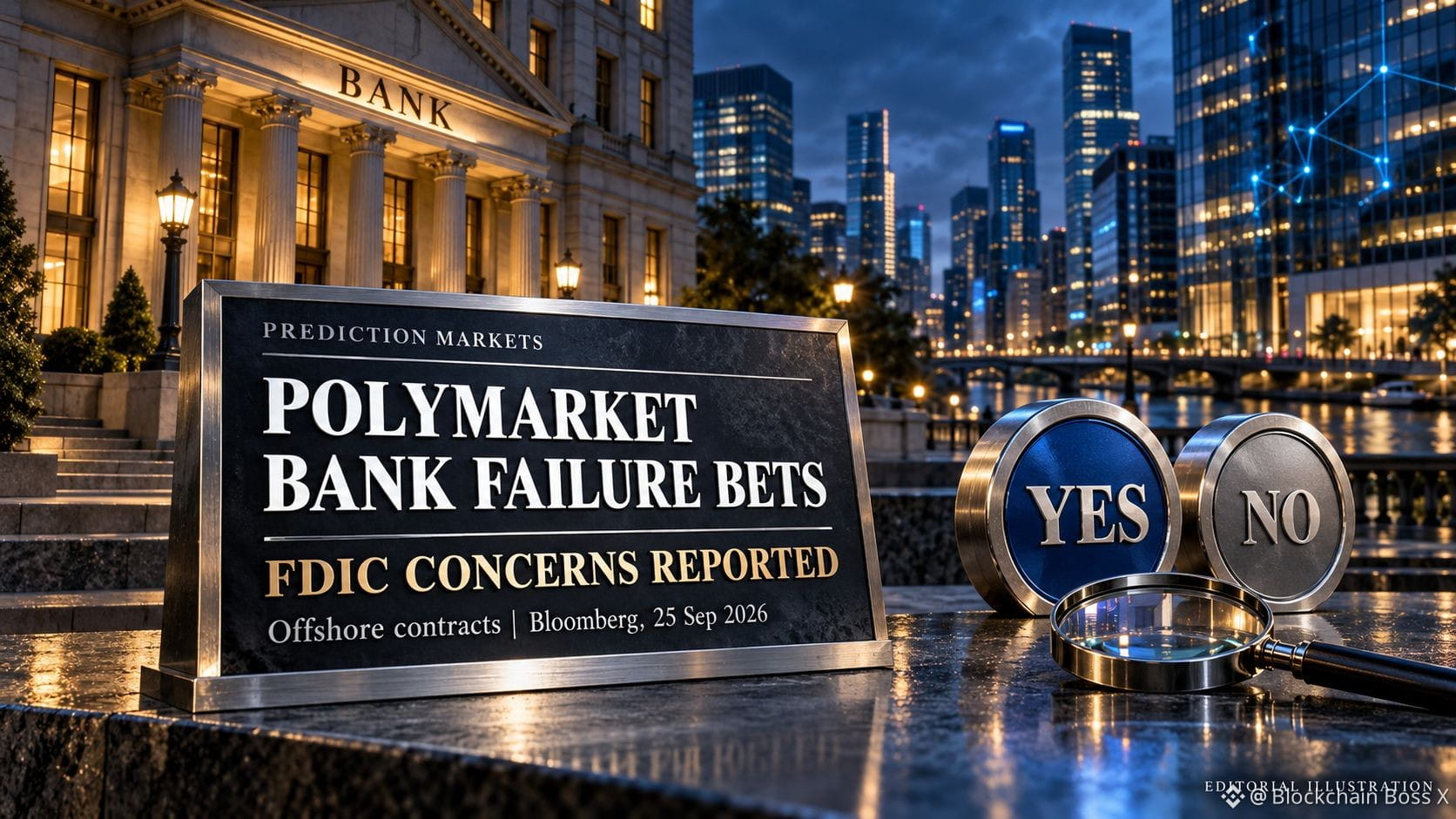
3
3.3k

🚨 تراهن بوليماركت على فشل البنوك
جيم بي مورغان وويلز فارجو وغيرها من البنوك الكبرى لديها الآن أسواق تنبؤات لتوقعات “الفشل” — ويُقال إن مؤسسة التأمين الفيدرالية على الودائع (FDIC) تشعر بالقلق. 👀
هل يمكن لأسواق التنبؤات فعلاً أن تؤثر على معنويات السوق؟ 🏦📉
#Polymarket #CryptoNewss #BankingRevolution #PredictionMarkets
🚨 تراهن بوليماركت على فشل البنوك
جيم بي مورغان وويلز فارجو وغيرها من البنوك الكبرى لديها الآن أسواق تنبؤات لتوقعات “الفشل” — ويُقال إن مؤسسة التأمين الفيدرالية على الودائع (FDIC) تشعر بالقلق. 👀
هل يمكن لأسواق التنبؤات فعلاً أن تؤثر على معنويات السوق؟ 🏦📉
#Polymarket #CryptoNewss #BankingRevolution #PredictionMarkets
جيم بي مورغان وويلز فارجو وغيرها من البنوك الكبرى لديها الآن أسواق تنبؤات لتوقعات “الفشل” — ويُقال إن مؤسسة التأمين الفيدرالية على الودائع (FDIC) تشعر بالقلق. 👀
هل يمكن لأسواق التنبؤات فعلاً أن تؤثر على معنويات السوق؟ 🏦📉
#Polymarket #CryptoNewss #BankingRevolution #PredictionMarkets
1
105

تمّ التحقق
#polymarketbankfailurebetsdrawfdicconcern
Polymarket: تُثير المراهنات على إفلاس بنوك قلقًا لدى هيئة FDIC.
الحجم: ~76.000 دولار أمريكي في عقود نهاية العام.
منصة خارجية. البورصة الأمريكية لا تُتيح هذه المراهنات.
تتساءل هيئة FDIC عما إذا كان هناك فائدة تجارية مشروعة وما إذا كانت قواعد الأخلاقيات تمنع التداول بناءً على معلومات داخلية.
يجادل Polymarket بأن الأسواق توسّع الوصول إلى المعلومات.
رأيي: الاحتمال المُتداول ليس تشخيصًا للملاءة. قد تُشوّه السيولة المحدودة احتمالات.
الملاحظة: سجل المعاملات، وتركيز المشاركين، وقواعد التسوية.
تظل الوثائق الرسمية ضرورية.
جودة سوق التوقعات تعتمد على مدى وضوح قيوده.
#PolymarketBankFailureBetsDrawFDICConcern #PredictionMarkets #Banking $PHA $ARK $SAGA
{spot}(ARKUSDT)
{spot}(PHAUSDT)
{spot}(SAGAUSDT)
#polymarketbankfailurebetsdrawfdicconcern
Polymarket: تُثير المراهنات على إفلاس بنوك قلقًا لدى هيئة FDIC.
الحجم: ~76.000 دولار أمريكي في عقود نهاية العام.
منصة خارجية. البورصة الأمريكية لا تُتيح هذه المراهنات.
تتساءل هيئة FDIC عما إذا كان هناك فائدة تجارية مشروعة وما إذا كانت قواعد الأخلاقيات تمنع التداول بناءً على معلومات داخلية.
يجادل Polymarket بأن الأسواق توسّع الوصول إلى المعلومات.
رأيي: الاحتمال المُتداول ليس تشخيصًا للملاءة. قد تُشوّه السيولة المحدودة احتمالات.
الملاحظة: سجل المعاملات، وتركيز المشاركين، وقواعد التسوية.
تظل الوثائق الرسمية ضرورية.
جودة سوق التوقعات تعتمد على مدى وضوح قيوده.
#PolymarketBankFailureBetsDrawFDICConcern #PredictionMarkets #Banking $PHA $ARK $SAGA
Polymarket: تُثير المراهنات على إفلاس بنوك قلقًا لدى هيئة FDIC.
الحجم: ~76.000 دولار أمريكي في عقود نهاية العام.
منصة خارجية. البورصة الأمريكية لا تُتيح هذه المراهنات.
تتساءل هيئة FDIC عما إذا كان هناك فائدة تجارية مشروعة وما إذا كانت قواعد الأخلاقيات تمنع التداول بناءً على معلومات داخلية.
يجادل Polymarket بأن الأسواق توسّع الوصول إلى المعلومات.
رأيي: الاحتمال المُتداول ليس تشخيصًا للملاءة. قد تُشوّه السيولة المحدودة احتمالات.
الملاحظة: سجل المعاملات، وتركيز المشاركين، وقواعد التسوية.
تظل الوثائق الرسمية ضرورية.
جودة سوق التوقعات تعتمد على مدى وضوح قيوده.
#PolymarketBankFailureBetsDrawFDICConcern #PredictionMarkets #Banking $PHA $ARK $SAGA
4
3k

·
--
#polymarketbankfailurebetsdrawfdicconcern
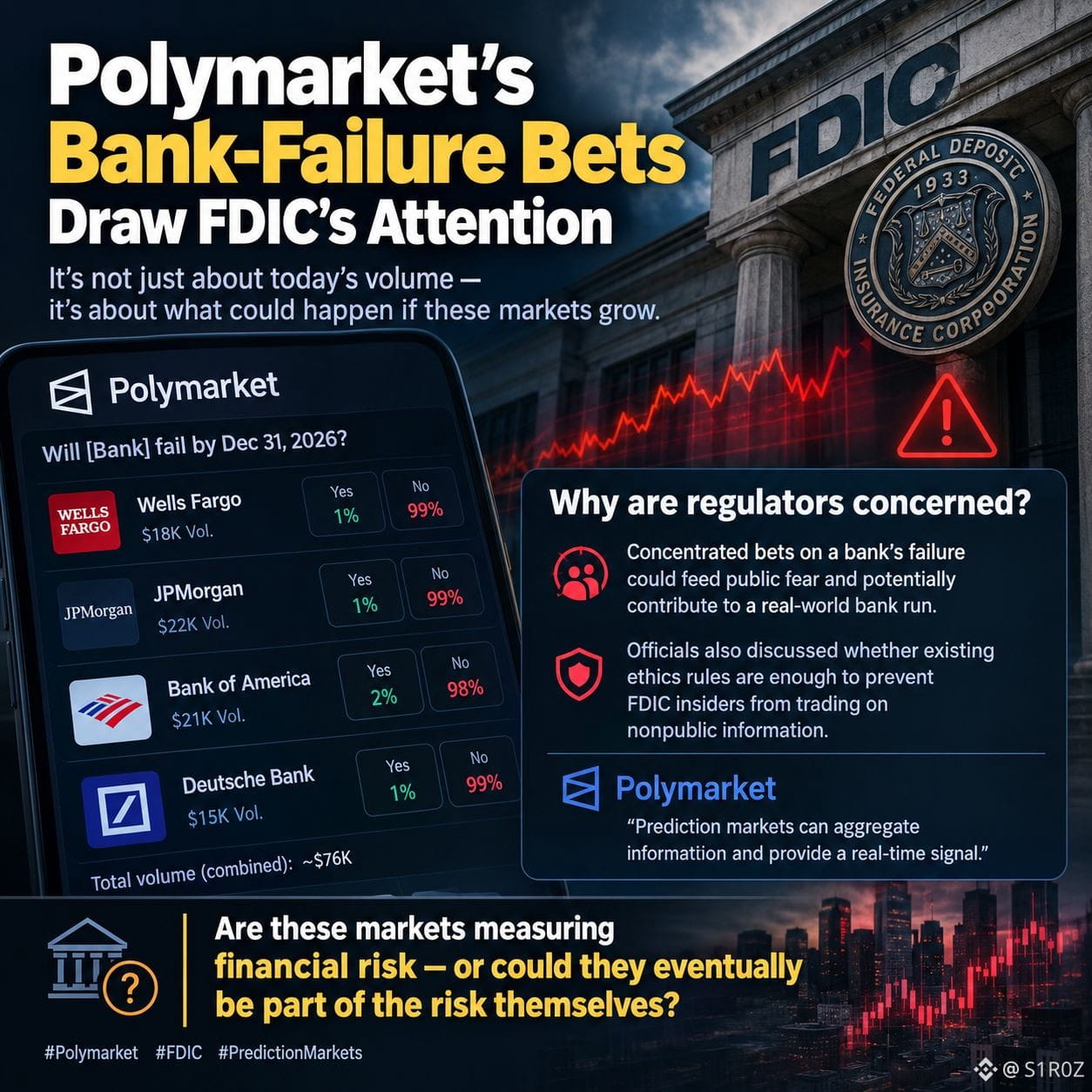
🚨 رهانات تعثر بنوك شركة Polymarket لفتت انتباه هيئة الرقابة على الودائع الفيدرالية (FDIC) — لكن القلق ليس مرتبطاً حقاً بحجم التداول اليوم.
حاليًا، لدى Polymarket أسواق تسأل عما إذا كانت بنوك كبرى مثل Wells Fargo وJPMorgan وBank of America وDeutsche Bank ستفشل بحلول نهاية عام 2026. وما زالت العقود صغيرة جداً، إذ لا يتجاوز حجمها الإجمالي حوالي 76 ألف دولار عبر أسواق تعثر البنوك الحالية.
فلماذا إذن يولي المنظمون اهتماماً؟
وفقاً لوكالة Bloomberg، يَقلق مسؤولو FDIC من أنه إذا نمت هذه الأسواق، فقد تؤدي الرهانات المركزة على تعثر بنكٍ ما إلى تغذية الخوف العام وربما المساهمة في حدوث جولة سحب بنكي في الواقع. كما ناقش المسؤولون ما إذا كانت قواعد الأخلاقيات القائمة تمنع بشكل كافٍ المطلعين في FDIC من التداول بالاستناد إلى معلومات غير عامة.
تدافع Polymarket عن أن أسواق التنبؤ يمكن أن تُجمّع المعلومات بدلاً من ذلك وتوفر إشارة في الوقت الفعلي.
وهذا يطرح سؤالاً أكبر بكثير:
هل تقيس هذه الأسواق المخاطر المالية — أم أنها قد تصبح في النهاية جزءاً من المخاطر نفسها؟
#Polymarket #FDIC #PredictionMarkets
#polymarketbankfailurebetsdrawfdicconcern
🚨 رهانات تعثر بنوك شركة Polymarket لفتت انتباه هيئة الرقابة على الودائع الفيدرالية (FDIC) — لكن القلق ليس مرتبطاً حقاً بحجم التداول اليوم.
حاليًا، لدى Polymarket أسواق تسأل عما إذا كانت بنوك كبرى مثل Wells Fargo وJPMorgan وBank of America وDeutsche Bank ستفشل بحلول نهاية عام 2026. وما زالت العقود صغيرة جداً، إذ لا يتجاوز حجمها الإجمالي حوالي 76 ألف دولار عبر أسواق تعثر البنوك الحالية.
فلماذا إذن يولي المنظمون اهتماماً؟
وفقاً لوكالة Bloomberg، يَقلق مسؤولو FDIC من أنه إذا نمت هذه الأسواق، فقد تؤدي الرهانات المركزة على تعثر بنكٍ ما إلى تغذية الخوف العام وربما المساهمة في حدوث جولة سحب بنكي في الواقع. كما ناقش المسؤولون ما إذا كانت قواعد الأخلاقيات القائمة تمنع بشكل كافٍ المطلعين في FDIC من التداول بالاستناد إلى معلومات غير عامة.
تدافع Polymarket عن أن أسواق التنبؤ يمكن أن تُجمّع المعلومات بدلاً من ذلك وتوفر إشارة في الوقت الفعلي.
وهذا يطرح سؤالاً أكبر بكثير:
هل تقيس هذه الأسواق المخاطر المالية — أم أنها قد تصبح في النهاية جزءاً من المخاطر نفسها؟
#Polymarket #FDIC #PredictionMarkets
🚨 رهانات تعثر بنوك شركة Polymarket لفتت انتباه هيئة الرقابة على الودائع الفيدرالية (FDIC) — لكن القلق ليس مرتبطاً حقاً بحجم التداول اليوم.
حاليًا، لدى Polymarket أسواق تسأل عما إذا كانت بنوك كبرى مثل Wells Fargo وJPMorgan وBank of America وDeutsche Bank ستفشل بحلول نهاية عام 2026. وما زالت العقود صغيرة جداً، إذ لا يتجاوز حجمها الإجمالي حوالي 76 ألف دولار عبر أسواق تعثر البنوك الحالية.
فلماذا إذن يولي المنظمون اهتماماً؟
وفقاً لوكالة Bloomberg، يَقلق مسؤولو FDIC من أنه إذا نمت هذه الأسواق، فقد تؤدي الرهانات المركزة على تعثر بنكٍ ما إلى تغذية الخوف العام وربما المساهمة في حدوث جولة سحب بنكي في الواقع. كما ناقش المسؤولون ما إذا كانت قواعد الأخلاقيات القائمة تمنع بشكل كافٍ المطلعين في FDIC من التداول بالاستناد إلى معلومات غير عامة.
تدافع Polymarket عن أن أسواق التنبؤ يمكن أن تُجمّع المعلومات بدلاً من ذلك وتوفر إشارة في الوقت الفعلي.
وهذا يطرح سؤالاً أكبر بكثير:
هل تقيس هذه الأسواق المخاطر المالية — أم أنها قد تصبح في النهاية جزءاً من المخاطر نفسها؟
#Polymarket #FDIC #PredictionMarkets
2
93
·
--
#nyandpolymarketsueeachother
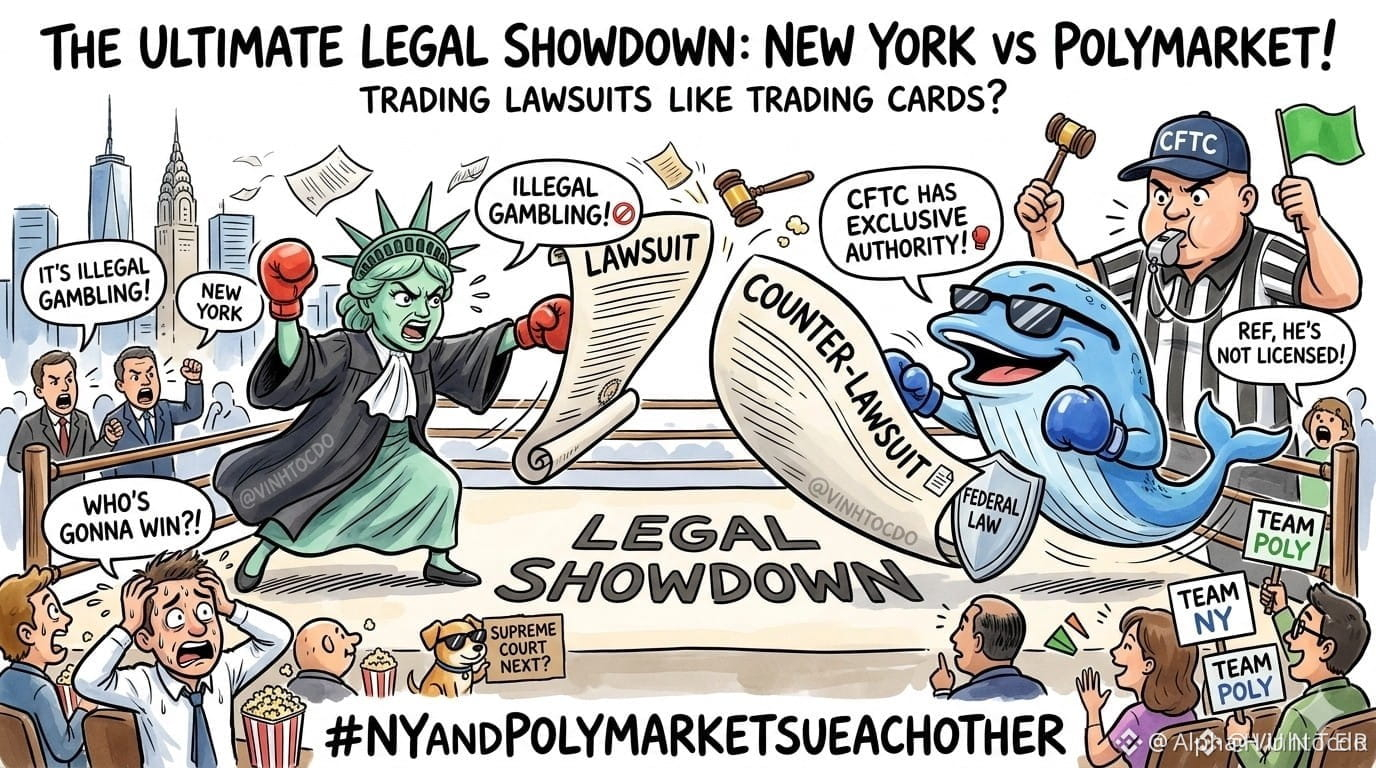
🚨 الآن يتقاضى كلٌّ من نيويورك وPolymarket بعضهما البعض — والاشتباك الأكبر بشأن من يملك الحق في تنظيم أسواق التنبؤ.
رفعت المدعية العامة لولاية نيويورك، ليتيتيا جيمس، دعوى ضد Polymarket في 24 سبتمبر، متهمةً المنصة بإدارة عمل مقامرة غير مرخّص، وساعيةً إلى منعها من العمل داخل الولاية.
ثم ردّت Polymarket.
قدمت الشركة دعوى فيدرالية خاصة بها ضد مسؤولين في نيويورك، بحجة أن الولاية لا ينبغي أن تنظّم أسواق التنبؤ التابعة لها لأنها تقع ضمن إطار المشتقات الفيدرالي.
لذلك فهذه ليست مجرد دعوى أخرى ضد منصة أسواق تنبؤ.
إنها مواجهة مباشرة بين قوانين المقامرة على مستوى الولاية والإشراف الفيدرالي على عقود الأحداث.
وقد يهم ذلك بعيدًا عن Polymarket.
إذا رسمت المحاكم خطًا أوضح بين المقامرة وأسواق التنبؤ المنظمة، فقد يؤثر ذلك على طريقة عمل صناعة أسواق التنبؤ في الولايات المتحدة بأكملها.
السؤال الحاسم الآن: أين تنتهي سلطة الولاية وتبدأ الرقابة التنظيمية الفيدرالية؟
#Polymarket #PredictionMarkets #CFTC
#nyandpolymarketsueeachother
🚨 الآن يتقاضى كلٌّ من نيويورك وPolymarket بعضهما البعض — والاشتباك الأكبر بشأن من يملك الحق في تنظيم أسواق التنبؤ.
رفعت المدعية العامة لولاية نيويورك، ليتيتيا جيمس، دعوى ضد Polymarket في 24 سبتمبر، متهمةً المنصة بإدارة عمل مقامرة غير مرخّص، وساعيةً إلى منعها من العمل داخل الولاية.
ثم ردّت Polymarket.
قدمت الشركة دعوى فيدرالية خاصة بها ضد مسؤولين في نيويورك، بحجة أن الولاية لا ينبغي أن تنظّم أسواق التنبؤ التابعة لها لأنها تقع ضمن إطار المشتقات الفيدرالي.
لذلك فهذه ليست مجرد دعوى أخرى ضد منصة أسواق تنبؤ.
إنها مواجهة مباشرة بين قوانين المقامرة على مستوى الولاية والإشراف الفيدرالي على عقود الأحداث.
وقد يهم ذلك بعيدًا عن Polymarket.
إذا رسمت المحاكم خطًا أوضح بين المقامرة وأسواق التنبؤ المنظمة، فقد يؤثر ذلك على طريقة عمل صناعة أسواق التنبؤ في الولايات المتحدة بأكملها.
السؤال الحاسم الآن: أين تنتهي سلطة الولاية وتبدأ الرقابة التنظيمية الفيدرالية؟
#Polymarket #PredictionMarkets #CFTC
🚨 الآن يتقاضى كلٌّ من نيويورك وPolymarket بعضهما البعض — والاشتباك الأكبر بشأن من يملك الحق في تنظيم أسواق التنبؤ.
رفعت المدعية العامة لولاية نيويورك، ليتيتيا جيمس، دعوى ضد Polymarket في 24 سبتمبر، متهمةً المنصة بإدارة عمل مقامرة غير مرخّص، وساعيةً إلى منعها من العمل داخل الولاية.
ثم ردّت Polymarket.
قدمت الشركة دعوى فيدرالية خاصة بها ضد مسؤولين في نيويورك، بحجة أن الولاية لا ينبغي أن تنظّم أسواق التنبؤ التابعة لها لأنها تقع ضمن إطار المشتقات الفيدرالي.
لذلك فهذه ليست مجرد دعوى أخرى ضد منصة أسواق تنبؤ.
إنها مواجهة مباشرة بين قوانين المقامرة على مستوى الولاية والإشراف الفيدرالي على عقود الأحداث.
وقد يهم ذلك بعيدًا عن Polymarket.
إذا رسمت المحاكم خطًا أوضح بين المقامرة وأسواق التنبؤ المنظمة، فقد يؤثر ذلك على طريقة عمل صناعة أسواق التنبؤ في الولايات المتحدة بأكملها.
السؤال الحاسم الآن: أين تنتهي سلطة الولاية وتبدأ الرقابة التنظيمية الفيدرالية؟
#Polymarket #PredictionMarkets #CFTC
39

·
--
صاعد
🔎 القصة الحقيقية وراء حجم تداول ETH لدى Kalshi
العنوان يذكر 5 مليارات دولار+ في حجم تداول عقود ETH الدائمة. لكن القصة الأكثر إثارة هي ما الذي يكمن تحت هذا الرقم.
تحليل حديث لبيانات التداول العامة لدى Kalshi كشف نمطًا لافتًا: حصة كبيرة من نشاط عقود ETH-perp تتجمع بشكل متكرر حول نحو 5,500 دولار لكل صفقة تقريبًا. وجدت عينة CoinDesk أن الصفقات القريبة من 5,499 دولارًا تمثل 57% من حجم تداول ETH-perp الذي حللته، بينما أشارت تقارير أوسع إلى أن ما يقرب من مليون صفقة بحجم مماثل ساهمت بأكثر من 5 مليارات دولار في حجم التداول.
وحده هذا لا يثبت التداول الوهمي.
تعارض Kalshi بشدة هذا التفسير. وتقول الشركة إن الصفقات جاءت من صانع سوق يستخدم أوامر ثابتة الحجم، بينما أخذ مئات المتداولين المختلفين الطرف الآخر. كما تقول Kalshi إن المطابقة بين الحسابات ذاتها محظورة آليًا ويتم رصد التداول المنسق.
وهنا تبرز الأسئلة الأكبر:
إلى أي مدى يمكن التحقق من النشاط بشكل مستقل؟
يمكن لبيانات التداول العامة أن تُظهر ما تم تداوله ومتى، لكنها لا تحدد علنًا المشاركين وراء كل صفقة. وهذا يجعل من الممكن ملاحظة أنماط غير اعتيادية مع بقاء عدم القدرة على التحقق بشكل مستقل من من كان يتداول مع من، أو ما إذا كانت أي قواعد قد تم انتهاكها.
وهنا يصبح @Polymarket مقارنة مثيرة للاهتمام—ليس بالضرورة لأن أحد النماذج أفضل تلقائيًا، بل لأن الأنظمة الأساسية توفر أشكالًا مختلفة من الشفافية.
يمكن للنشاط على السلسلة أن يترك أثر معاملات يمكن فحصه علنًا. أما نشاط التبادل خارج السلسلة فيعتمد بدرجة أكبر على سجلات المنصة وإفصاحاتها الخاصة.
بنية تحتية مختلفة.
شفافية مختلفة.
طرق مختلفة للتحقق من النشاط.
السؤال الحقيقي ليس فقط:
“كم حجم التداول؟”
بل هو:
“هل يمكن فهم حجم التداول والتحقق منه بشكل مستقل؟”
ففي الأسواق، لا تعني الأرقام الكبيرة شيئًا بقدر ما تعني عندما يتمكن الجميع من التحقق مما أدى إلى ظهورها.
#Kalshi #Polymarket #PredictionMarkets
🔎 القصة الحقيقية وراء حجم تداول ETH لدى Kalshi
العنوان يذكر 5 مليارات دولار+ في حجم تداول عقود ETH الدائمة. لكن القصة الأكثر إثارة هي ما الذي يكمن تحت هذا الرقم.
تحليل حديث لبيانات التداول العامة لدى Kalshi كشف نمطًا لافتًا: حصة كبيرة من نشاط عقود ETH-perp تتجمع بشكل متكرر حول نحو 5,500 دولار لكل صفقة تقريبًا. وجدت عينة CoinDesk أن الصفقات القريبة من 5,499 دولارًا تمثل 57% من حجم تداول ETH-perp الذي حللته، بينما أشارت تقارير أوسع إلى أن ما يقرب من مليون صفقة بحجم مماثل ساهمت بأكثر من 5 مليارات دولار في حجم التداول.
وحده هذا لا يثبت التداول الوهمي.
تعارض Kalshi بشدة هذا التفسير. وتقول الشركة إن الصفقات جاءت من صانع سوق يستخدم أوامر ثابتة الحجم، بينما أخذ مئات المتداولين المختلفين الطرف الآخر. كما تقول Kalshi إن المطابقة بين الحسابات ذاتها محظورة آليًا ويتم رصد التداول المنسق.
وهنا تبرز الأسئلة الأكبر:
إلى أي مدى يمكن التحقق من النشاط بشكل مستقل؟
يمكن لبيانات التداول العامة أن تُظهر ما تم تداوله ومتى، لكنها لا تحدد علنًا المشاركين وراء كل صفقة. وهذا يجعل من الممكن ملاحظة أنماط غير اعتيادية مع بقاء عدم القدرة على التحقق بشكل مستقل من من كان يتداول مع من، أو ما إذا كانت أي قواعد قد تم انتهاكها.
وهنا يصبح @Polymarket مقارنة مثيرة للاهتمام—ليس بالضرورة لأن أحد النماذج أفضل تلقائيًا، بل لأن الأنظمة الأساسية توفر أشكالًا مختلفة من الشفافية.
يمكن للنشاط على السلسلة أن يترك أثر معاملات يمكن فحصه علنًا. أما نشاط التبادل خارج السلسلة فيعتمد بدرجة أكبر على سجلات المنصة وإفصاحاتها الخاصة.
بنية تحتية مختلفة.
شفافية مختلفة.
طرق مختلفة للتحقق من النشاط.
السؤال الحقيقي ليس فقط:
“كم حجم التداول؟”
بل هو:
“هل يمكن فهم حجم التداول والتحقق منه بشكل مستقل؟”
ففي الأسواق، لا تعني الأرقام الكبيرة شيئًا بقدر ما تعني عندما يتمكن الجميع من التحقق مما أدى إلى ظهورها.
#Kalshi #Polymarket #PredictionMarkets
العنوان يذكر 5 مليارات دولار+ في حجم تداول عقود ETH الدائمة. لكن القصة الأكثر إثارة هي ما الذي يكمن تحت هذا الرقم.
تحليل حديث لبيانات التداول العامة لدى Kalshi كشف نمطًا لافتًا: حصة كبيرة من نشاط عقود ETH-perp تتجمع بشكل متكرر حول نحو 5,500 دولار لكل صفقة تقريبًا. وجدت عينة CoinDesk أن الصفقات القريبة من 5,499 دولارًا تمثل 57% من حجم تداول ETH-perp الذي حللته، بينما أشارت تقارير أوسع إلى أن ما يقرب من مليون صفقة بحجم مماثل ساهمت بأكثر من 5 مليارات دولار في حجم التداول.
وحده هذا لا يثبت التداول الوهمي.
تعارض Kalshi بشدة هذا التفسير. وتقول الشركة إن الصفقات جاءت من صانع سوق يستخدم أوامر ثابتة الحجم، بينما أخذ مئات المتداولين المختلفين الطرف الآخر. كما تقول Kalshi إن المطابقة بين الحسابات ذاتها محظورة آليًا ويتم رصد التداول المنسق.
وهنا تبرز الأسئلة الأكبر:
إلى أي مدى يمكن التحقق من النشاط بشكل مستقل؟
يمكن لبيانات التداول العامة أن تُظهر ما تم تداوله ومتى، لكنها لا تحدد علنًا المشاركين وراء كل صفقة. وهذا يجعل من الممكن ملاحظة أنماط غير اعتيادية مع بقاء عدم القدرة على التحقق بشكل مستقل من من كان يتداول مع من، أو ما إذا كانت أي قواعد قد تم انتهاكها.
وهنا يصبح @Polymarket مقارنة مثيرة للاهتمام—ليس بالضرورة لأن أحد النماذج أفضل تلقائيًا، بل لأن الأنظمة الأساسية توفر أشكالًا مختلفة من الشفافية.
يمكن للنشاط على السلسلة أن يترك أثر معاملات يمكن فحصه علنًا. أما نشاط التبادل خارج السلسلة فيعتمد بدرجة أكبر على سجلات المنصة وإفصاحاتها الخاصة.
بنية تحتية مختلفة.
شفافية مختلفة.
طرق مختلفة للتحقق من النشاط.
السؤال الحقيقي ليس فقط:
“كم حجم التداول؟”
بل هو:
“هل يمكن فهم حجم التداول والتحقق منه بشكل مستقل؟”
ففي الأسواق، لا تعني الأرقام الكبيرة شيئًا بقدر ما تعني عندما يتمكن الجميع من التحقق مما أدى إلى ظهورها.
#Kalshi #Polymarket #PredictionMarkets
149

🚨 مورغان ستانلي تدعم أسواق التوقعات بينما يستهدف رأس المال المؤسسي العملات المشفرة وقطارات $BTC ! 🦈
🏦 صارت مجموعة وول ستريت الثقيلة مورغان ستانلي رسمياً في دائرة الضوء، كأول بنك كبير يتعاون علناً مع قمة لأسواق التوقعات. 🌊 بعد مشاركتهم بهدوء في جولة تمويل بقيمة 1 مليار دولار من Kalshi في وقت سابق من هذا العام، يقوم الآن كبار قادة أبحاثهم بتعديل النقاشات حول توظيف رأس المال المؤسسي في نيويورك خلال شهر أكتوبر هذا العام.
📊 في الوقت الحالي، تمثل عقود الرياضة ما يقرب من 90% من حجم التداول، لكن الأموال الذكية تُسعّر تحوّلاً ضخماً نحو أدوات تحوط ماكرو بمستوى مؤسسي. 💡 عندما تبني عمالقة المصارف التقليدية خطوطاً عبر مسارات بديلة لأسواق التوقعات، يحدث التموضع المؤسسي قبل أن يلاحظها التجزئة بوقت طويل. 💬 هل ترى أسواق التوقعات تتطور إلى الأداة الأساسية لتسعير مخاطر الماكرو، أم أن هذا مجرد تموضع مبكر من وول ستريت؟ 👇
⚠️ ليست نصيحة مالية. دائماً أدرِس مخاطرك. 🛡️
🏷️ #BTC #PredictionMarkets #Institutional #Crypto #Macro
🦈 ⚡
🚨 مورغان ستانلي تدعم أسواق التوقعات بينما يستهدف رأس المال المؤسسي العملات المشفرة وقطارات $BTC ! 🦈
🏦 صارت مجموعة وول ستريت الثقيلة مورغان ستانلي رسمياً في دائرة الضوء، كأول بنك كبير يتعاون علناً مع قمة لأسواق التوقعات. 🌊 بعد مشاركتهم بهدوء في جولة تمويل بقيمة 1 مليار دولار من Kalshi في وقت سابق من هذا العام، يقوم الآن كبار قادة أبحاثهم بتعديل النقاشات حول توظيف رأس المال المؤسسي في نيويورك خلال شهر أكتوبر هذا العام.
📊 في الوقت الحالي، تمثل عقود الرياضة ما يقرب من 90% من حجم التداول، لكن الأموال الذكية تُسعّر تحوّلاً ضخماً نحو أدوات تحوط ماكرو بمستوى مؤسسي. 💡 عندما تبني عمالقة المصارف التقليدية خطوطاً عبر مسارات بديلة لأسواق التوقعات، يحدث التموضع المؤسسي قبل أن يلاحظها التجزئة بوقت طويل. 💬 هل ترى أسواق التوقعات تتطور إلى الأداة الأساسية لتسعير مخاطر الماكرو، أم أن هذا مجرد تموضع مبكر من وول ستريت؟ 👇
⚠️ ليست نصيحة مالية. دائماً أدرِس مخاطرك. 🛡️
🏷️ #BTC #PredictionMarkets #Institutional #Crypto #Macro
🦈 ⚡
🏦 صارت مجموعة وول ستريت الثقيلة مورغان ستانلي رسمياً في دائرة الضوء، كأول بنك كبير يتعاون علناً مع قمة لأسواق التوقعات. 🌊 بعد مشاركتهم بهدوء في جولة تمويل بقيمة 1 مليار دولار من Kalshi في وقت سابق من هذا العام، يقوم الآن كبار قادة أبحاثهم بتعديل النقاشات حول توظيف رأس المال المؤسسي في نيويورك خلال شهر أكتوبر هذا العام.
📊 في الوقت الحالي، تمثل عقود الرياضة ما يقرب من 90% من حجم التداول، لكن الأموال الذكية تُسعّر تحوّلاً ضخماً نحو أدوات تحوط ماكرو بمستوى مؤسسي. 💡 عندما تبني عمالقة المصارف التقليدية خطوطاً عبر مسارات بديلة لأسواق التوقعات، يحدث التموضع المؤسسي قبل أن يلاحظها التجزئة بوقت طويل. 💬 هل ترى أسواق التوقعات تتطور إلى الأداة الأساسية لتسعير مخاطر الماكرو، أم أن هذا مجرد تموضع مبكر من وول ستريت؟ 👇
⚠️ ليست نصيحة مالية. دائماً أدرِس مخاطرك. 🛡️
🏷️ #BTC #PredictionMarkets #Institutional #Crypto #Macro
🦈 ⚡
24
·
--
صاعد
#nyandpolymarketsueeachother
نيويورك وبولي ماركت تتخاصمان كلٌّ مع الآخر: من ينظّم عقود الأحداث؟
الصراع القانوني حول
الأسواق أصبح الآن يسير في اتجاهين.
في 24 سبتمبر، رفعت النائبة العامة لولاية نيويورك لتيشيا جيمس دعوى ضد بوليماركت الولايات المتحدة أمام محكمة الولاية، متهمةً إياها بإدارة نشاط مقامرة غير مرخّص. وتطلب الولاية أمراً بوقف هذا النشاط، إلى جانب غرامات ومصادرة المكاسب غير القانونية المزعومة وتعويض العملاء.
ردّت بوليماركت بدعوى منفصلة في محكمة فيدرالية في مانهاتن ضد مسؤولين على مستوى الولاية. وتجادل بأن لجنة تداول السلع الآجلة CFTC تملك سلطةً حصرية على أسواقها، وتسعى إلى منع نيويورك من إنفاذ قوانين المقامرة ضد الشركة.
تطرح كلتا الجهتين ادعاءات قانونية في انتظار حسمٍ قضائي.
رأيي: قد تؤثر النتيجة في المنصات التي تقدم عقوداً، وأين يمكن للمستخدمين المشاركة، ومدى اتساق تطبيق القواعد عبر الولايات. وبالنسبة للشركات التي تبني أسواقاً وطنية، قد تؤثر القيود الجغرافية في السيولة وكذلك تكاليف الامتثال.
وبالنسبة للمستخدمين، يحتاج الإطار القابل للتطبيق أيضاً إلى إجابات واضحة بشأن قيود العمر وآليات التعامل مع النزاعات وحماية المستهلكين. ويعتمد الوصول إلى السوق والثقة فيه على كيفية عمل هذه الضمانات فعلياً.
سأتابع قرارات المحاكم المؤقتة وتغييرات أهلية المستخدمين قبل استخلاص استنتاجات حول الصناعة الأوسع. وستُظهر هذه التطورات كيف تؤثر هذه المنازعة على الوصول اليومي، بينما يبقى سؤال الاختصاص الأوسع محل جدل.
كيف ينبغي أن يوازن الإشراف بين الوصول إلى الأسواق الوطنية وحماية المستهلكين ذات المعنى؟
#NYAndPolymarketSueEachOther #Polymarket #PredictionMarkets
$QNT $XPL $ONDO
{future}(ONDOUSDT)
{future}(XPLUSDT)
{future}(QNTUSDT)
#nyandpolymarketsueeachother
نيويورك وبولي ماركت تتخاصمان كلٌّ مع الآخر: من ينظّم عقود الأحداث؟
الصراع القانوني حول
الأسواق أصبح الآن يسير في اتجاهين.
في 24 سبتمبر، رفعت النائبة العامة لولاية نيويورك لتيشيا جيمس دعوى ضد بوليماركت الولايات المتحدة أمام محكمة الولاية، متهمةً إياها بإدارة نشاط مقامرة غير مرخّص. وتطلب الولاية أمراً بوقف هذا النشاط، إلى جانب غرامات ومصادرة المكاسب غير القانونية المزعومة وتعويض العملاء.
ردّت بوليماركت بدعوى منفصلة في محكمة فيدرالية في مانهاتن ضد مسؤولين على مستوى الولاية. وتجادل بأن لجنة تداول السلع الآجلة CFTC تملك سلطةً حصرية على أسواقها، وتسعى إلى منع نيويورك من إنفاذ قوانين المقامرة ضد الشركة.
تطرح كلتا الجهتين ادعاءات قانونية في انتظار حسمٍ قضائي.
رأيي: قد تؤثر النتيجة في المنصات التي تقدم عقوداً، وأين يمكن للمستخدمين المشاركة، ومدى اتساق تطبيق القواعد عبر الولايات. وبالنسبة للشركات التي تبني أسواقاً وطنية، قد تؤثر القيود الجغرافية في السيولة وكذلك تكاليف الامتثال.
وبالنسبة للمستخدمين، يحتاج الإطار القابل للتطبيق أيضاً إلى إجابات واضحة بشأن قيود العمر وآليات التعامل مع النزاعات وحماية المستهلكين. ويعتمد الوصول إلى السوق والثقة فيه على كيفية عمل هذه الضمانات فعلياً.
سأتابع قرارات المحاكم المؤقتة وتغييرات أهلية المستخدمين قبل استخلاص استنتاجات حول الصناعة الأوسع. وستُظهر هذه التطورات كيف تؤثر هذه المنازعة على الوصول اليومي، بينما يبقى سؤال الاختصاص الأوسع محل جدل.
كيف ينبغي أن يوازن الإشراف بين الوصول إلى الأسواق الوطنية وحماية المستهلكين ذات المعنى؟
#NYAndPolymarketSueEachOther #Polymarket #PredictionMarkets
$QNT $XPL $ONDO
نيويورك وبولي ماركت تتخاصمان كلٌّ مع الآخر: من ينظّم عقود الأحداث؟
الصراع القانوني حول
الأسواق أصبح الآن يسير في اتجاهين.
في 24 سبتمبر، رفعت النائبة العامة لولاية نيويورك لتيشيا جيمس دعوى ضد بوليماركت الولايات المتحدة أمام محكمة الولاية، متهمةً إياها بإدارة نشاط مقامرة غير مرخّص. وتطلب الولاية أمراً بوقف هذا النشاط، إلى جانب غرامات ومصادرة المكاسب غير القانونية المزعومة وتعويض العملاء.
ردّت بوليماركت بدعوى منفصلة في محكمة فيدرالية في مانهاتن ضد مسؤولين على مستوى الولاية. وتجادل بأن لجنة تداول السلع الآجلة CFTC تملك سلطةً حصرية على أسواقها، وتسعى إلى منع نيويورك من إنفاذ قوانين المقامرة ضد الشركة.
تطرح كلتا الجهتين ادعاءات قانونية في انتظار حسمٍ قضائي.
رأيي: قد تؤثر النتيجة في المنصات التي تقدم عقوداً، وأين يمكن للمستخدمين المشاركة، ومدى اتساق تطبيق القواعد عبر الولايات. وبالنسبة للشركات التي تبني أسواقاً وطنية، قد تؤثر القيود الجغرافية في السيولة وكذلك تكاليف الامتثال.
وبالنسبة للمستخدمين، يحتاج الإطار القابل للتطبيق أيضاً إلى إجابات واضحة بشأن قيود العمر وآليات التعامل مع النزاعات وحماية المستهلكين. ويعتمد الوصول إلى السوق والثقة فيه على كيفية عمل هذه الضمانات فعلياً.
سأتابع قرارات المحاكم المؤقتة وتغييرات أهلية المستخدمين قبل استخلاص استنتاجات حول الصناعة الأوسع. وستُظهر هذه التطورات كيف تؤثر هذه المنازعة على الوصول اليومي، بينما يبقى سؤال الاختصاص الأوسع محل جدل.
كيف ينبغي أن يوازن الإشراف بين الوصول إلى الأسواق الوطنية وحماية المستهلكين ذات المعنى؟
#NYAndPolymarketSueEachOther #Polymarket #PredictionMarkets
$QNT $XPL $ONDO
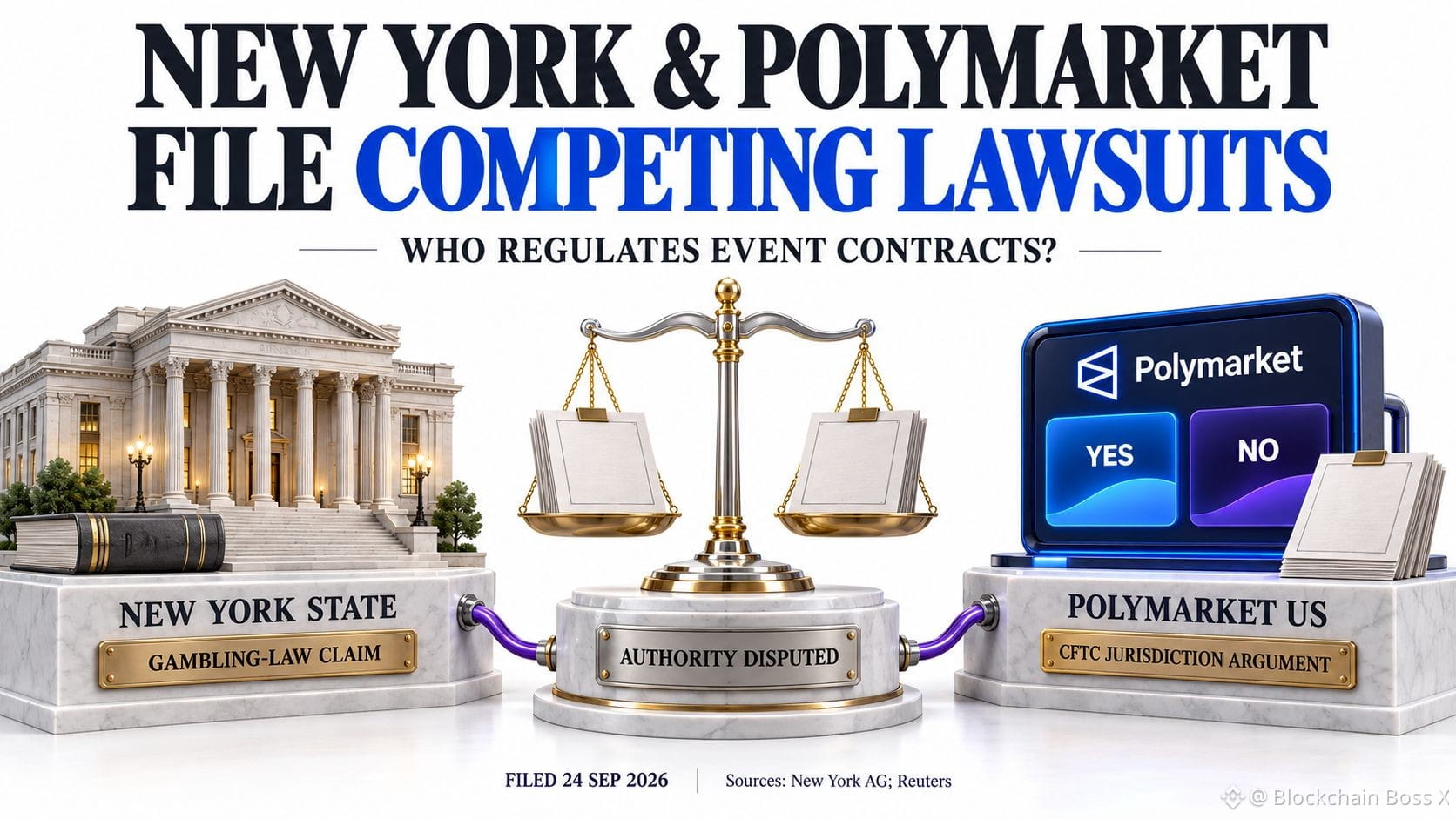
1
2.4k

#NYAndPolymarketSueEachOther
نيويورك وبوليماركت تتصادمان: من الذي ينظّم عقود الأحداث؟
يدور الصراع القضائي حول
الأسواق الآن في اتجاهين.
في 24 سبتمبر/أيلول، رفعت المدّعية العامة لولاية نيويورك، لتيتيا جيمس، دعوى ضد بوليماركت الولايات المتحدة أمام محكمة تابعة للولاية، متهمة إياها بمزاولة نشاط مراهنات/ألعاب قمار دون ترخيص. وتطلب الولاية إصدار أمر قضائي بوقف هذا النشاط، إضافة إلى غرامات، ومصادرة الأرباح المفترضة غير القانونية، وإعادة الأموال إلى العملاء.
ردّت بوليماركت بإيداع دعوى منفصلة أمام المحكمة الفيدرالية في مانهاتن، ضد مسؤولين في الولاية. وتقول الشركة إن لجنة تداول السلع الآجلة (CFTC) تمتلك سلطة حصرية على أسواقها، وتسعى إلى منع نيويورك من تطبيق قوانين ألعاب القمار على الشركة.
تطرح الطرفان حججًا قانونية يتوقع أن تُحسم عبر المحاكم.
رأيي: قد يؤثر هذا على العقود التي تقترحها المنصات، حيث يمكن للمستخدمين المشاركة، ومدى تطبيق القواعد بصورة ثابتة من ولاية إلى أخرى. وبالنسبة إلى الشركات التي تبني أسواقًا وطنية، قد تؤثر القيود الجغرافية على السيولة وعلى تكاليف الامتثال في آن واحد.
أما بالنسبة إلى المستخدمين، فيجب أن يقدّم الإطار القابل للتطبيق أيضًا إجابات واضحة بشأن قيود العمر، والتعامل مع النزاعات، وحماية المستهلكين. إن الوصول إلى السوق والثقة يعتمدان على كيفية عمل هذه الضوابط عمليًا.
#Polymarket #PredictionMarkets
$QNT
{future}(QNTUSDT)
$XPL
{future}(XPLUSDT)
$ONDO
{future}(ONDOUSDT)
#NYAndPolymarketSueEachOther
نيويورك وبوليماركت تتصادمان: من الذي ينظّم عقود الأحداث؟
يدور الصراع القضائي حول
الأسواق الآن في اتجاهين.
في 24 سبتمبر/أيلول، رفعت المدّعية العامة لولاية نيويورك، لتيتيا جيمس، دعوى ضد بوليماركت الولايات المتحدة أمام محكمة تابعة للولاية، متهمة إياها بمزاولة نشاط مراهنات/ألعاب قمار دون ترخيص. وتطلب الولاية إصدار أمر قضائي بوقف هذا النشاط، إضافة إلى غرامات، ومصادرة الأرباح المفترضة غير القانونية، وإعادة الأموال إلى العملاء.
ردّت بوليماركت بإيداع دعوى منفصلة أمام المحكمة الفيدرالية في مانهاتن، ضد مسؤولين في الولاية. وتقول الشركة إن لجنة تداول السلع الآجلة (CFTC) تمتلك سلطة حصرية على أسواقها، وتسعى إلى منع نيويورك من تطبيق قوانين ألعاب القمار على الشركة.
تطرح الطرفان حججًا قانونية يتوقع أن تُحسم عبر المحاكم.
رأيي: قد يؤثر هذا على العقود التي تقترحها المنصات، حيث يمكن للمستخدمين المشاركة، ومدى تطبيق القواعد بصورة ثابتة من ولاية إلى أخرى. وبالنسبة إلى الشركات التي تبني أسواقًا وطنية، قد تؤثر القيود الجغرافية على السيولة وعلى تكاليف الامتثال في آن واحد.
أما بالنسبة إلى المستخدمين، فيجب أن يقدّم الإطار القابل للتطبيق أيضًا إجابات واضحة بشأن قيود العمر، والتعامل مع النزاعات، وحماية المستهلكين. إن الوصول إلى السوق والثقة يعتمدان على كيفية عمل هذه الضوابط عمليًا.
#Polymarket #PredictionMarkets
$QNT
$XPL
$ONDO
نيويورك وبوليماركت تتصادمان: من الذي ينظّم عقود الأحداث؟
يدور الصراع القضائي حول
الأسواق الآن في اتجاهين.
في 24 سبتمبر/أيلول، رفعت المدّعية العامة لولاية نيويورك، لتيتيا جيمس، دعوى ضد بوليماركت الولايات المتحدة أمام محكمة تابعة للولاية، متهمة إياها بمزاولة نشاط مراهنات/ألعاب قمار دون ترخيص. وتطلب الولاية إصدار أمر قضائي بوقف هذا النشاط، إضافة إلى غرامات، ومصادرة الأرباح المفترضة غير القانونية، وإعادة الأموال إلى العملاء.
ردّت بوليماركت بإيداع دعوى منفصلة أمام المحكمة الفيدرالية في مانهاتن، ضد مسؤولين في الولاية. وتقول الشركة إن لجنة تداول السلع الآجلة (CFTC) تمتلك سلطة حصرية على أسواقها، وتسعى إلى منع نيويورك من تطبيق قوانين ألعاب القمار على الشركة.
تطرح الطرفان حججًا قانونية يتوقع أن تُحسم عبر المحاكم.
رأيي: قد يؤثر هذا على العقود التي تقترحها المنصات، حيث يمكن للمستخدمين المشاركة، ومدى تطبيق القواعد بصورة ثابتة من ولاية إلى أخرى. وبالنسبة إلى الشركات التي تبني أسواقًا وطنية، قد تؤثر القيود الجغرافية على السيولة وعلى تكاليف الامتثال في آن واحد.
أما بالنسبة إلى المستخدمين، فيجب أن يقدّم الإطار القابل للتطبيق أيضًا إجابات واضحة بشأن قيود العمر، والتعامل مع النزاعات، وحماية المستهلكين. إن الوصول إلى السوق والثقة يعتمدان على كيفية عمل هذه الضوابط عمليًا.
#Polymarket #PredictionMarkets
$QNT
$XPL
$ONDO
60
سجّل الدخول لاستكشاف المزيد من المُحتوى
انضم إلى مُستخدمي العملات الرقمية حول العالم على Binance Square
⚡️ احصل على أحدث المعلومات المفيدة عن العملات الرقمية.
💬 موثوقة من قبل أكبر منصّة لتداول العملات الرقمية في العالم.
👍 اكتشف الرؤى الحقيقية من صنّاع المُحتوى الموثوقين.
البريد الإلكتروني / رقم الهاتف
المواضيع الرائجة
1
#CircleMints500MUSDCOnSolana
136,315 مشاهدات
2,559 يقومون بالنقاش
2
#PolymarketBankFailureBetsDrawFDICConcern
122,273 مشاهدات
2,095 يقومون بالنقاش
3
#BlackRockBuildsTokenizedPortfoliosForOndo
118,288 مشاهدات
1,508 يقومون بالنقاش
4
#BitwiseFilesToListNEARETFOnNYSEArca
83,698 مشاهدات
1,190 يقومون بالنقاش
5
#SECCommissionerPeirceToLeaveOct2
90,744 مشاهدات
976 يقومون بالنقاش
6
#SECSaysBuybacksUpgradesDontMakeTokenSecurity
68,157 مشاهدات
688 يقومون بالنقاش
7
#StrategyProposesDailyDividendsForPreferreds
18,557 مشاهدات
259 يقومون بالنقاش
8
#CircleTetherFreezeBitgetHackerWallet
16,653 مشاهدات
157 يقومون بالنقاش
9
#CoinMarketCapCompletesCoinglassAcquisition
19,107 مشاهدات
215 يقومون بالنقاش
10
#QNTRises39%
134,186 مشاهدات
1,765 يقومون بالنقاش