

#learnfrommistakes
learnfrommistakes
2.2M مشاهدات
1,781 يقومون بالنقاش
رائج
جديد

·
--
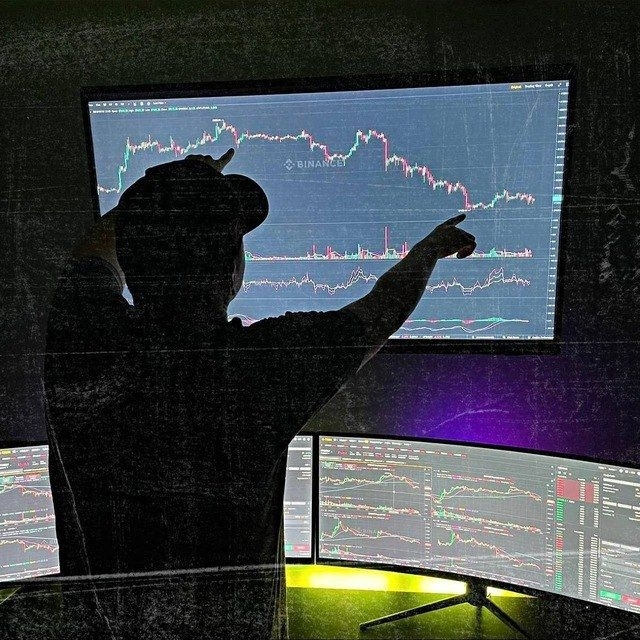
حوّلني تداول قصير إلى -5% — إليك ما تعلمته 📉
قُلت BTC بالـ Short، لكن لم أضع وقف خسارة (SL) وتحوّل السوق للأعلى.
كمبتدئ، تعلّم 3 أشياء:
1️⃣ بدون وقف خسارة (Stop-Loss) = مخاطرة كبيرة
2️⃣ لا تتداول عكس الاتجاه
3️⃣ في كل صفقة، خذ فقط 1-2% كحد أقصى من المخاطرة
الخسارة أيضًا جزء من التعلّم. إذا كنت ترتكب نفس الخطأ، فابتعد عنه.
هذا المنشور تعليمي فقط، وليس نصيحة مالية.
هل خسرت يومًا بسبب عدم وضع SL؟ اكتب في التعليقات 👇
#BTC #TradingLessons #RiskManagement #CryptoEducation #MF7866 #BinanceSquare #LearnFromMistakes
حوّلني تداول قصير إلى -5% — إليك ما تعلمته 📉
قُلت BTC بالـ Short، لكن لم أضع وقف خسارة (SL) وتحوّل السوق للأعلى.
كمبتدئ، تعلّم 3 أشياء:
1️⃣ بدون وقف خسارة (Stop-Loss) = مخاطرة كبيرة
2️⃣ لا تتداول عكس الاتجاه
3️⃣ في كل صفقة، خذ فقط 1-2% كحد أقصى من المخاطرة
الخسارة أيضًا جزء من التعلّم. إذا كنت ترتكب نفس الخطأ، فابتعد عنه.
هذا المنشور تعليمي فقط، وليس نصيحة مالية.
هل خسرت يومًا بسبب عدم وضع SL؟ اكتب في التعليقات 👇
#BTC #TradingLessons #RiskManagement #CryptoEducation #MF7866 #BinanceSquare #LearnFromMistakes
قُلت BTC بالـ Short، لكن لم أضع وقف خسارة (SL) وتحوّل السوق للأعلى.
كمبتدئ، تعلّم 3 أشياء:
1️⃣ بدون وقف خسارة (Stop-Loss) = مخاطرة كبيرة
2️⃣ لا تتداول عكس الاتجاه
3️⃣ في كل صفقة، خذ فقط 1-2% كحد أقصى من المخاطرة
الخسارة أيضًا جزء من التعلّم. إذا كنت ترتكب نفس الخطأ، فابتعد عنه.
هذا المنشور تعليمي فقط، وليس نصيحة مالية.
هل خسرت يومًا بسبب عدم وضع SL؟ اكتب في التعليقات 👇
#BTC #TradingLessons #RiskManagement #CryptoEducation #MF7866 #BinanceSquare #LearnFromMistakes
1
1
85
·
--
بعد أن رأيت الكثير من الناس يخسرون أموالاً في عالم العملات الرقمية، ظلّت أفكر في فتح صفقات نسخ لك أو إنشاء مجموعة هنا لكي تتعلموا وتكسبوا.
الأول: أنا دائمًا أقول لكم أن تحفظوا رأس المال أولاً. رأس المال هو درعكم، ومتى اختفى لا يمكنكم التداول في يوم آخر. احمِ رأس مالك كما لو كان آخر دولار لديك.
الثاني: أنا دائمًا أقول لكم أن تستخدموا أقل قدر ممكن من الرافعة المالية. الرافعة العالية تبدو مثيرة، لكنها تمسح الحساب بسرعة عندما يتحرك السوق ضدّك.
حجم صغير، مخاطرة محدودة، وصبر—تتفوق على المقامرة في كل مرة
إذا بنينا مجموعة، فليس الهدف هو الثراء بين ليلة وضحاها. الهدف هو تعلم الرسوم البيانية، وإدارة المخاطر، ومشاركة الأفكار، وتتبع النتائج بصدق، والنمو معًا ببطء دون انهيار. الاستمرارية والانضباط والتعليم أهم من الضجيج. لِنركّز أولاً على البقاء، ثم الأرباح، وبناء مهارات حقيقية يومًا بعد يوم.
الثالث: حاولوا دائمًا استخدام رافعة أقل وأموال أقل في صفقة واحدة بدلاً من وضع كل أموالكم فيها.
#motivational #تعلّم_من_الأخطاء
بعد أن رأيت الكثير من الناس يخسرون أموالاً في عالم العملات الرقمية، ظلّت أفكر في فتح صفقات نسخ لك أو إنشاء مجموعة هنا لكي تتعلموا وتكسبوا.
الأول: أنا دائمًا أقول لكم أن تحفظوا رأس المال أولاً. رأس المال هو درعكم، ومتى اختفى لا يمكنكم التداول في يوم آخر. احمِ رأس مالك كما لو كان آخر دولار لديك.
الثاني: أنا دائمًا أقول لكم أن تستخدموا أقل قدر ممكن من الرافعة المالية. الرافعة العالية تبدو مثيرة، لكنها تمسح الحساب بسرعة عندما يتحرك السوق ضدّك.
حجم صغير، مخاطرة محدودة، وصبر—تتفوق على المقامرة في كل مرة
إذا بنينا مجموعة، فليس الهدف هو الثراء بين ليلة وضحاها. الهدف هو تعلم الرسوم البيانية، وإدارة المخاطر، ومشاركة الأفكار، وتتبع النتائج بصدق، والنمو معًا ببطء دون انهيار. الاستمرارية والانضباط والتعليم أهم من الضجيج. لِنركّز أولاً على البقاء، ثم الأرباح، وبناء مهارات حقيقية يومًا بعد يوم.
الثالث: حاولوا دائمًا استخدام رافعة أقل وأموال أقل في صفقة واحدة بدلاً من وضع كل أموالكم فيها.
#motivational #تعلّم_من_الأخطاء
الأول: أنا دائمًا أقول لكم أن تحفظوا رأس المال أولاً. رأس المال هو درعكم، ومتى اختفى لا يمكنكم التداول في يوم آخر. احمِ رأس مالك كما لو كان آخر دولار لديك.
الثاني: أنا دائمًا أقول لكم أن تستخدموا أقل قدر ممكن من الرافعة المالية. الرافعة العالية تبدو مثيرة، لكنها تمسح الحساب بسرعة عندما يتحرك السوق ضدّك.
حجم صغير، مخاطرة محدودة، وصبر—تتفوق على المقامرة في كل مرة
إذا بنينا مجموعة، فليس الهدف هو الثراء بين ليلة وضحاها. الهدف هو تعلم الرسوم البيانية، وإدارة المخاطر، ومشاركة الأفكار، وتتبع النتائج بصدق، والنمو معًا ببطء دون انهيار. الاستمرارية والانضباط والتعليم أهم من الضجيج. لِنركّز أولاً على البقاء، ثم الأرباح، وبناء مهارات حقيقية يومًا بعد يوم.
الثالث: حاولوا دائمًا استخدام رافعة أقل وأموال أقل في صفقة واحدة بدلاً من وضع كل أموالكم فيها.
#motivational #تعلّم_من_الأخطاء
1
292

·
--
أفزعت وبعت بخسارة -15٪. ثم صعد +40٪ 😭
الشهر الماضي فعلت شيئًا غبيًا.
انخفض البيتكوين -15٪. خفت. بعت كل شيء بيعًا ذعريًا.
بعد أسبوعين؟ كان مرتفعًا +40٪ عن السعر الذي بعته عنده.
3 أشياء تعلمتها والآن أفعلها بشكل مختلف:
1. لا أتابع الرسوم البيانية كل 5 دقائق
أضبط تنبيهات. إذا لم يكن هذا هو SL أو TP الخاصين بي، لا أنظر. توتر
2. كتبت لماذا اشتريت
"احتفاظ طويل الأجل، 6 أشهر". ورقة غوص قناعة.
3. أقبل بعض الخسائر
ليس كل صفقة تحقق ربحًا. خسارة واحدة لا تعني أن استراتيجيتي خاطئة. فقط أنتقل إلى الإعداد التالي.
هل سبق وحدث وبعت بقلق؟ اكتب قصتك في التعليقات 👇
نتعلم معًا
تابعني: [[***](https://app.binance.com/uni-qr/cpro/Square-Creator-6b9561214?l=ar&r=PUVMUG04&uc=app_square_share_link&us=copylink) ]
#BinanceSquareFamily TradingPsychology #CryptoMistakes #bitcoin.” #LearnFromMistakes
💥هذه ليست نصيحة مالية .
أفزعت وبعت بخسارة -15٪. ثم صعد +40٪ 😭
الشهر الماضي فعلت شيئًا غبيًا.
انخفض البيتكوين -15٪. خفت. بعت كل شيء بيعًا ذعريًا.
بعد أسبوعين؟ كان مرتفعًا +40٪ عن السعر الذي بعته عنده.
3 أشياء تعلمتها والآن أفعلها بشكل مختلف:
1. لا أتابع الرسوم البيانية كل 5 دقائق
أضبط تنبيهات. إذا لم يكن هذا هو SL أو TP الخاصين بي، لا أنظر. توتر
2. كتبت لماذا اشتريت
"احتفاظ طويل الأجل، 6 أشهر". ورقة غوص قناعة.
3. أقبل بعض الخسائر
ليس كل صفقة تحقق ربحًا. خسارة واحدة لا تعني أن استراتيجيتي خاطئة. فقط أنتقل إلى الإعداد التالي.
هل سبق وحدث وبعت بقلق؟ اكتب قصتك في التعليقات 👇
نتعلم معًا
تابعني: [[***](https://app.binance.com/uni-qr/cpro/Square-Creator-6b9561214?l=ar&r=PUVMUG04&uc=app_square_share_link&us=copylink) ]
#BinanceSquareFamily TradingPsychology #CryptoMistakes #bitcoin.” #LearnFromMistakes
💥هذه ليست نصيحة مالية .
الشهر الماضي فعلت شيئًا غبيًا.
انخفض البيتكوين -15٪. خفت. بعت كل شيء بيعًا ذعريًا.
بعد أسبوعين؟ كان مرتفعًا +40٪ عن السعر الذي بعته عنده.
3 أشياء تعلمتها والآن أفعلها بشكل مختلف:
1. لا أتابع الرسوم البيانية كل 5 دقائق
أضبط تنبيهات. إذا لم يكن هذا هو SL أو TP الخاصين بي، لا أنظر. توتر
2. كتبت لماذا اشتريت
"احتفاظ طويل الأجل، 6 أشهر". ورقة غوص قناعة.
3. أقبل بعض الخسائر
ليس كل صفقة تحقق ربحًا. خسارة واحدة لا تعني أن استراتيجيتي خاطئة. فقط أنتقل إلى الإعداد التالي.
هل سبق وحدث وبعت بقلق؟ اكتب قصتك في التعليقات 👇
نتعلم معًا
تابعني: [[***](https://app.binance.com/uni-qr/cpro/Square-Creator-6b9561214?l=ar&r=PUVMUG04&uc=app_square_share_link&us=copylink) ]
#BinanceSquareFamily TradingPsychology #CryptoMistakes #bitcoin.” #LearnFromMistakes
💥هذه ليست نصيحة مالية .
2
4
147
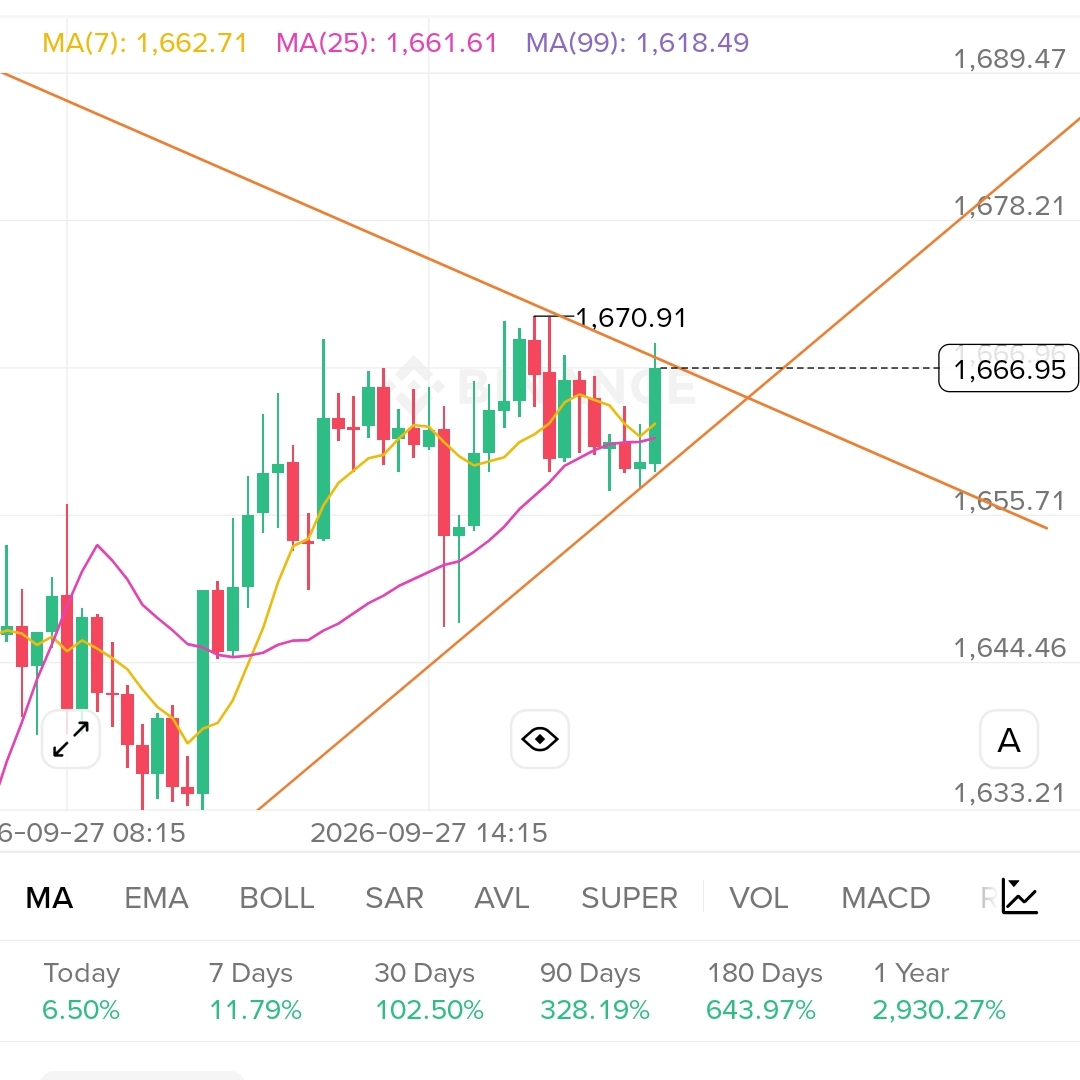
كنت أعتقد أن المتداولين الجيدين فقط «لديهم ذلك». موهبة، غريزة، أيًا كان الأمر. بعد أن شاهدت حسابات ADA وSOL للـ futures تتبخر عند 100x، تعلمت غير ذلك. المسألة ليست أن تُولد ومعك ذلك. بل أن تظهر كل يوم، بعد كل خسارة، وترفض الاستسلام لرفض التوقف عن التعلم. إنها المعركة الهادئة من أجل أن تصبح أفضل. أحيانًا، يعني ذلك معرفة متى حان الوقت لتبتعد لبعض الوقت.
#TradingPsychology #LearnFromMistakes #CryptoJourney #Discipline
كنت أعتقد أن المتداولين الجيدين فقط «لديهم ذلك». موهبة، غريزة، أيًا كان الأمر. بعد أن شاهدت حسابات ADA وSOL للـ futures تتبخر عند 100x، تعلمت غير ذلك. المسألة ليست أن تُولد ومعك ذلك. بل أن تظهر كل يوم، بعد كل خسارة، وترفض الاستسلام لرفض التوقف عن التعلم. إنها المعركة الهادئة من أجل أن تصبح أفضل. أحيانًا، يعني ذلك معرفة متى حان الوقت لتبتعد لبعض الوقت.
#TradingPsychology #LearnFromMistakes #CryptoJourney #Discipline
#TradingPsychology #LearnFromMistakes #CryptoJourney #Discipline
54

رحلتي في الوقت الحقيقي
أول حساب حقيقي لي للربح والخسارة — واقع الأرقام
هذا الأسبوع، فعلت شيئًا كنت أجنبه منذ البداية.
حسبت ربحتي وخسارتي الحقيقية.
الربح والخسارة = Profit and Loss. الأرباح والخسائر.
كنت قد استثمرت مبلغًا ثابتًا منذ البداية. كنت أرى محفظتي ترتفع وتنخفض. لكنني لم أقم أبدًا بالحساب بشكل صحيح.
لذا كتبت كل شيء على ورقة :
→ كم استثمرت إجماليًا.
→ كم تساوي محفظتي اليوم.
→ ما دفعته كرسوم معاملات.
→ ما يجب أن أدفعه كضرائب إذا بعت الآن.
النتيجة؟ أقل إشراقًا مما كنت أعتقد.
ليس كارثيًا — لكن الرسوم والضرائب تأخذ جزءًا حقيقيًا من الربح الظاهر.
وهذا علمني شيئًا: الأداء الإجمالي الذي تراه على شاشتك، ليس ما ستجنيه حقًا.
يجب دائمًا حسابه صافي الرسوم، صافي الضرائب.
هل قمت بالفعل بهذا الحساب لمحفظتك؟ هل فوجئت بالنتيجة؟ 👇
#LearnFromMistakes #tax #Loses #GAINERS
رحلتي في الوقت الحقيقي
أول حساب حقيقي لي للربح والخسارة — واقع الأرقام
هذا الأسبوع، فعلت شيئًا كنت أجنبه منذ البداية.
حسبت ربحتي وخسارتي الحقيقية.
الربح والخسارة = Profit and Loss. الأرباح والخسائر.
كنت قد استثمرت مبلغًا ثابتًا منذ البداية. كنت أرى محفظتي ترتفع وتنخفض. لكنني لم أقم أبدًا بالحساب بشكل صحيح.
لذا كتبت كل شيء على ورقة :
→ كم استثمرت إجماليًا.
→ كم تساوي محفظتي اليوم.
→ ما دفعته كرسوم معاملات.
→ ما يجب أن أدفعه كضرائب إذا بعت الآن.
النتيجة؟ أقل إشراقًا مما كنت أعتقد.
ليس كارثيًا — لكن الرسوم والضرائب تأخذ جزءًا حقيقيًا من الربح الظاهر.
وهذا علمني شيئًا: الأداء الإجمالي الذي تراه على شاشتك، ليس ما ستجنيه حقًا.
يجب دائمًا حسابه صافي الرسوم، صافي الضرائب.
هل قمت بالفعل بهذا الحساب لمحفظتك؟ هل فوجئت بالنتيجة؟ 👇
#LearnFromMistakes #tax #Loses #GAINERS
أول حساب حقيقي لي للربح والخسارة — واقع الأرقام
هذا الأسبوع، فعلت شيئًا كنت أجنبه منذ البداية.
حسبت ربحتي وخسارتي الحقيقية.
الربح والخسارة = Profit and Loss. الأرباح والخسائر.
كنت قد استثمرت مبلغًا ثابتًا منذ البداية. كنت أرى محفظتي ترتفع وتنخفض. لكنني لم أقم أبدًا بالحساب بشكل صحيح.
لذا كتبت كل شيء على ورقة :
→ كم استثمرت إجماليًا.
→ كم تساوي محفظتي اليوم.
→ ما دفعته كرسوم معاملات.
→ ما يجب أن أدفعه كضرائب إذا بعت الآن.
النتيجة؟ أقل إشراقًا مما كنت أعتقد.
ليس كارثيًا — لكن الرسوم والضرائب تأخذ جزءًا حقيقيًا من الربح الظاهر.
وهذا علمني شيئًا: الأداء الإجمالي الذي تراه على شاشتك، ليس ما ستجنيه حقًا.
يجب دائمًا حسابه صافي الرسوم، صافي الضرائب.
هل قمت بالفعل بهذا الحساب لمحفظتك؟ هل فوجئت بالنتيجة؟ 👇
#LearnFromMistakes #tax #Loses #GAINERS
1
222


·
--
⚠️ لقطة شاشة حقيقية.. المكان الحقيقي.. ولكن…🚨
………………………
………………………
………………………
………………………
………………………
………………………
………………………
………………………
………………………
إنها حساب تجريبي!
كلما رأيت عائد استثمار (ROI) خياليًا مثل **+45,306%**، فقد يكون أول ما يخطر ببالك أنه ربما تكون هذه هي استراتيجية التداول النهائية.
هذه اللقطة حقيقية 100% وليست معدّلة أو محرّرة، لكنها جاءت مباشرةً من حسابي التجريبي.
إليك فحصًا سريعًا للواقع حول كيف يمكن لهذه البيئات المحاكاة أن تشوّه المؤشرات وتضلّل الناس بسهولة:
🚨 الهامش: كامل الصفقة مدعومة فقط بـ 4.06$!
🚨سعر التصفية: يعرض رقمًا مستحيلًا (أكثر من 359,768$) ولا يحدث إلا بسبب آليات السيولة والتسعير المماثلة في بيئات الحساب التجريبي.
المقصود هو أن أي شخص يمكنه أخذ لقطة شاشة نظيفة وحقيقية تمامًا لصفقة تجريبية عالية الرافعة لإظهار أرقام خضراء ضخمة، دون وجود أي مخاطرة فعلية.
لا تدع نسبة خضراء تومض أمامك. انظر دائمًا إلى الصورة الكاملة 👉🏻 الهامش، حجم الصفقة، وسعر التصفية 👉🏻 حتى لو كانت اللقطة نفسها حقيقية.
احمِ رأس مالك، لأن السوق الحقيقي لا يمازح.
#StaySAFU #SAFU #LearnFromMistakes
#DYOR
⚠️ لقطة شاشة حقيقية.. المكان الحقيقي.. ولكن…🚨
………………………
………………………
………………………
………………………
………………………
………………………
………………………
………………………
………………………
إنها حساب تجريبي!
كلما رأيت عائد استثمار (ROI) خياليًا مثل **+45,306%**، فقد يكون أول ما يخطر ببالك أنه ربما تكون هذه هي استراتيجية التداول النهائية.
هذه اللقطة حقيقية 100% وليست معدّلة أو محرّرة، لكنها جاءت مباشرةً من حسابي التجريبي.
إليك فحصًا سريعًا للواقع حول كيف يمكن لهذه البيئات المحاكاة أن تشوّه المؤشرات وتضلّل الناس بسهولة:
🚨 الهامش: كامل الصفقة مدعومة فقط بـ 4.06$!
🚨سعر التصفية: يعرض رقمًا مستحيلًا (أكثر من 359,768$) ولا يحدث إلا بسبب آليات السيولة والتسعير المماثلة في بيئات الحساب التجريبي.
المقصود هو أن أي شخص يمكنه أخذ لقطة شاشة نظيفة وحقيقية تمامًا لصفقة تجريبية عالية الرافعة لإظهار أرقام خضراء ضخمة، دون وجود أي مخاطرة فعلية.
لا تدع نسبة خضراء تومض أمامك. انظر دائمًا إلى الصورة الكاملة 👉🏻 الهامش، حجم الصفقة، وسعر التصفية 👉🏻 حتى لو كانت اللقطة نفسها حقيقية.
احمِ رأس مالك، لأن السوق الحقيقي لا يمازح.
#StaySAFU #SAFU #LearnFromMistakes
#DYOR
………………………
………………………
………………………
………………………
………………………
………………………
………………………
………………………
………………………
إنها حساب تجريبي!
كلما رأيت عائد استثمار (ROI) خياليًا مثل **+45,306%**، فقد يكون أول ما يخطر ببالك أنه ربما تكون هذه هي استراتيجية التداول النهائية.
هذه اللقطة حقيقية 100% وليست معدّلة أو محرّرة، لكنها جاءت مباشرةً من حسابي التجريبي.
إليك فحصًا سريعًا للواقع حول كيف يمكن لهذه البيئات المحاكاة أن تشوّه المؤشرات وتضلّل الناس بسهولة:
🚨 الهامش: كامل الصفقة مدعومة فقط بـ 4.06$!
🚨سعر التصفية: يعرض رقمًا مستحيلًا (أكثر من 359,768$) ولا يحدث إلا بسبب آليات السيولة والتسعير المماثلة في بيئات الحساب التجريبي.
المقصود هو أن أي شخص يمكنه أخذ لقطة شاشة نظيفة وحقيقية تمامًا لصفقة تجريبية عالية الرافعة لإظهار أرقام خضراء ضخمة، دون وجود أي مخاطرة فعلية.
لا تدع نسبة خضراء تومض أمامك. انظر دائمًا إلى الصورة الكاملة 👉🏻 الهامش، حجم الصفقة، وسعر التصفية 👉🏻 حتى لو كانت اللقطة نفسها حقيقية.
احمِ رأس مالك، لأن السوق الحقيقي لا يمازح.
#StaySAFU #SAFU #LearnFromMistakes
#DYOR
816
·
--
التعلم أهم في عالم الكريبتو من الفوز بكل صفقة💯
إذا كنت تلاحق المال فقط، ففي يوم من الأيام سيأخذه منك السوق. لكن إذا تعلمت كيف يعمل السوق، وفهمت العقلية خلفه، وأدرت المخاطر ودرست تموضع السيولة، فإنك تمنح نفسك فرصة للاستمرار على المدى الطويل.
وتذكّر، هذا هو الكريبتو. أحيانًا تتجاهل بعض العملات التحليل الفني بالكامل، مثلما رأينا مؤخرًا مع $BTR و $LSK . عندما تتولى السيولة والتموضع زمام الأمور، قد يتصرف الشارت بشكل مختلف تمامًا عمّا نتوقعه عادةً. لذلك نحتاج إلى فهم الاتجاه ومعرفة أين تتمركز السيولة، بدلًا من الثقة العمياء في مؤشر واحد أو إعداد واحد.
نحن مجرد نقاط صغيرة في بحرٍ هائل. لا يمكننا التحكم في السوق. لا يمكننا التحكم في الحيتان. كل ما نستطيع التحكم فيه هو قراراتنا وإدارة مخاطرنا.
تعلّم من كل خسارة. اسأل لماذا فشل مخططك. ماذا فاتك؟ ما الذي تغيّر؟ ماذا ستفعل بشكل مختلف في المرة القادمة؟
أي صفقة يجب أن يكون لها خطة قبل الدخول: نقطة الدخول، نقطة الخروج، وما الذي يُبطل الفكرة.
وفي النهاية، نحن جميعًا مشاركون في نفس حرب الحيتان. أحيانًا نكون في جانب الرابحين. وأحيانًا نصبح نحن السيولة.
#LSK #DYOR🟢 #LearnFromMistakes
التعلم أهم في عالم الكريبتو من الفوز بكل صفقة💯
إذا كنت تلاحق المال فقط، ففي يوم من الأيام سيأخذه منك السوق. لكن إذا تعلمت كيف يعمل السوق، وفهمت العقلية خلفه، وأدرت المخاطر ودرست تموضع السيولة، فإنك تمنح نفسك فرصة للاستمرار على المدى الطويل.
وتذكّر، هذا هو الكريبتو. أحيانًا تتجاهل بعض العملات التحليل الفني بالكامل، مثلما رأينا مؤخرًا مع $BTR و $LSK . عندما تتولى السيولة والتموضع زمام الأمور، قد يتصرف الشارت بشكل مختلف تمامًا عمّا نتوقعه عادةً. لذلك نحتاج إلى فهم الاتجاه ومعرفة أين تتمركز السيولة، بدلًا من الثقة العمياء في مؤشر واحد أو إعداد واحد.
نحن مجرد نقاط صغيرة في بحرٍ هائل. لا يمكننا التحكم في السوق. لا يمكننا التحكم في الحيتان. كل ما نستطيع التحكم فيه هو قراراتنا وإدارة مخاطرنا.
تعلّم من كل خسارة. اسأل لماذا فشل مخططك. ماذا فاتك؟ ما الذي تغيّر؟ ماذا ستفعل بشكل مختلف في المرة القادمة؟
أي صفقة يجب أن يكون لها خطة قبل الدخول: نقطة الدخول، نقطة الخروج، وما الذي يُبطل الفكرة.
وفي النهاية، نحن جميعًا مشاركون في نفس حرب الحيتان. أحيانًا نكون في جانب الرابحين. وأحيانًا نصبح نحن السيولة.
#LSK #DYOR🟢 #LearnFromMistakes
إذا كنت تلاحق المال فقط، ففي يوم من الأيام سيأخذه منك السوق. لكن إذا تعلمت كيف يعمل السوق، وفهمت العقلية خلفه، وأدرت المخاطر ودرست تموضع السيولة، فإنك تمنح نفسك فرصة للاستمرار على المدى الطويل.
وتذكّر، هذا هو الكريبتو. أحيانًا تتجاهل بعض العملات التحليل الفني بالكامل، مثلما رأينا مؤخرًا مع $BTR و $LSK . عندما تتولى السيولة والتموضع زمام الأمور، قد يتصرف الشارت بشكل مختلف تمامًا عمّا نتوقعه عادةً. لذلك نحتاج إلى فهم الاتجاه ومعرفة أين تتمركز السيولة، بدلًا من الثقة العمياء في مؤشر واحد أو إعداد واحد.
نحن مجرد نقاط صغيرة في بحرٍ هائل. لا يمكننا التحكم في السوق. لا يمكننا التحكم في الحيتان. كل ما نستطيع التحكم فيه هو قراراتنا وإدارة مخاطرنا.
تعلّم من كل خسارة. اسأل لماذا فشل مخططك. ماذا فاتك؟ ما الذي تغيّر؟ ماذا ستفعل بشكل مختلف في المرة القادمة؟
أي صفقة يجب أن يكون لها خطة قبل الدخول: نقطة الدخول، نقطة الخروج، وما الذي يُبطل الفكرة.
وفي النهاية، نحن جميعًا مشاركون في نفس حرب الحيتان. أحيانًا نكون في جانب الرابحين. وأحيانًا نصبح نحن السيولة.
#LSK #DYOR🟢 #LearnFromMistakes
3
671
الشاشة كانت تتلألأ، تستهزئ بي بكلمة "التصفية." الأولى لي. $600 راحت في لمحة، بفضل 100x DOGE. رميت هاتفي، ثم التقطته مرة أخرى. قلبي ينبض بشدة. "مستحيل،" فكرت، "ما أقدر أترك الأمور تنتهي كذا." خلال الـ 24 ساعة التالية، النوم كان مزحة. تفقدت الرسوم البيانية، مقتنعًا أنني رأيت "الإعداد المثالي" للتعويض. عقلي كان يجري، والأدرينالين يتدفق. "بس إيداع صغير،" قلت لنفسي، "عشان أستعيد نصف اللي فقدته." هذا القرار، ذلك الدفع المحموم لاستعادة ما فقدته بسرعة، جعلني أسير على طريق أسوأ. الحاجة لـ "إصلاح الوضع الآن" كانت ساحقة.
ماذا فعلت بعد أول تصفية لك؟ هل أخذت استراحة أم غصت مرة أخرى؟
#CryptoLoss #Liquidation #TradingMistakes #تعلم_من_الأخطاء
الشاشة كانت تتلألأ، تستهزئ بي بكلمة "التصفية." الأولى لي. $600 راحت في لمحة، بفضل 100x DOGE. رميت هاتفي، ثم التقطته مرة أخرى. قلبي ينبض بشدة. "مستحيل،" فكرت، "ما أقدر أترك الأمور تنتهي كذا." خلال الـ 24 ساعة التالية، النوم كان مزحة. تفقدت الرسوم البيانية، مقتنعًا أنني رأيت "الإعداد المثالي" للتعويض. عقلي كان يجري، والأدرينالين يتدفق. "بس إيداع صغير،" قلت لنفسي، "عشان أستعيد نصف اللي فقدته." هذا القرار، ذلك الدفع المحموم لاستعادة ما فقدته بسرعة، جعلني أسير على طريق أسوأ. الحاجة لـ "إصلاح الوضع الآن" كانت ساحقة.
ماذا فعلت بعد أول تصفية لك؟ هل أخذت استراحة أم غصت مرة أخرى؟
#CryptoLoss #Liquidation #TradingMistakes #تعلم_من_الأخطاء
ماذا فعلت بعد أول تصفية لك؟ هل أخذت استراحة أم غصت مرة أخرى؟
#CryptoLoss #Liquidation #TradingMistakes #تعلم_من_الأخطاء
1
123
مضحك، شفت كثيرين يجوا ويروحوا في هذا المجال. بعضهم يخلوها تبدو سهلة من البداية، والبعض الآخر يكافح لفترة طويلة. الفرضية السهلة هي الموهبة، صح؟ زي بعض الناس مولودين عشان يتداولوا. لكن بصراحة، لما أرجع وأشوف أخطائي الكارثية، ومتابعة الآخرين، مو موهبة. الموضوع يتعلق إذا كنت فعلاً *تتعلم* من الصفعة. إذا توقفت لفترة كافية عشان تفهم ليش صفقة DOGE اللي استخدمت فيها رافعة 100x فشلت، بدلاً من بس ملاحقة العملة التالية. يتعلق الأمر بالبقاء لفترة كافية عشان تتغير، أو الابتعاد لما تحتاج. وينك في هذه الدورة الآن؟
#CryptoTrading #TradingPsychology #LearnFromMistakes #إدارة_المخاطر
مضحك، شفت كثيرين يجوا ويروحوا في هذا المجال. بعضهم يخلوها تبدو سهلة من البداية، والبعض الآخر يكافح لفترة طويلة. الفرضية السهلة هي الموهبة، صح؟ زي بعض الناس مولودين عشان يتداولوا. لكن بصراحة، لما أرجع وأشوف أخطائي الكارثية، ومتابعة الآخرين، مو موهبة. الموضوع يتعلق إذا كنت فعلاً *تتعلم* من الصفعة. إذا توقفت لفترة كافية عشان تفهم ليش صفقة DOGE اللي استخدمت فيها رافعة 100x فشلت، بدلاً من بس ملاحقة العملة التالية. يتعلق الأمر بالبقاء لفترة كافية عشان تتغير، أو الابتعاد لما تحتاج. وينك في هذه الدورة الآن؟
#CryptoTrading #TradingPsychology #LearnFromMistakes #إدارة_المخاطر
#CryptoTrading #TradingPsychology #LearnFromMistakes #إدارة_المخاطر
52

·
--
لدى باينانس 300+ مليون مستخدم.
معظمهم يخسرون المال.
دعني أخبرك لماذا يفشل 95% من متداولي العملات المشفرة (وكيف لا تكون واحدًا منهم) 🧵
السبب رقم 1: يتداولون بالعواطف، لا بخطة.
السعر يرتفع → يدخلون بنزعة FOMO.
السعر ينخفض → يهلعون ويبيعون بخسارة.
هذا ليس تداولًا. هذا مقامرة.
السبب رقم 2: يطاردون الضخّات.
عندما ترى عملة تتجه ترند على X، يكون اللاعبون الكبار قد حققوا أرباحهم بالفعل.
أنت لست مبكرًا. أنت «سيولة خروج».
السبب رقم 3: لا توجد إدارة للمخاطر.
وضع كل مدخراتك في عملة واحدة ليس ثقة.
بل طريقة سريعة لخسارة كل شيء في أسبوع سيئ واحد.
السبب رقم 4: لا يجنون الأرباح.
يرتفع المحفظة 2x، 3x، 5x — لكنهم يستمرون في الاحتفاظ، منتظرين «المزيد».
ثم يصحّح السوق ويعودون إلى الصفر من المكاسب.
السبب رقم 5: بحثٌ معدوم.
يشرون عملة لأن شخصًا على X قال «ستصل إلى 100x».
لا يقرأون ورقة المشروع (whitepaper). لا يتحققون من الفريق. لا يفهمون حالة الاستخدام.
كيف تكون ضمن الـ5%:
✅ استثمر فقط ما يمكنك خسارته
✅ حدّد هدفًا وخذ الأرباح
✅ ابحث قبل أن تشتري، لا بعد
✅ تحكّم بالعواطف — ضع خطة والتزم بها
✅ ابعد بالنظر — فكّر لسنوات، لا لأيام
العملات المشفرة ليست تذكرة يانصيب.
إنها مهارة.
الناس الذين يربحون ليسوا محظوظين — بل منضبطون.
إذا ساعدك هذا، أعِد نشر التغريدة الأولى (RT) ليشاهدها المزيد 🔁
#LearnFromMistakes #LearntoEarn #HowToEarnOnBinance
{spot}(BTCUSDT)
{spot}(ETHUSDT)
{spot}(BNBUSDT)
لدى باينانس 300+ مليون مستخدم.
معظمهم يخسرون المال.
دعني أخبرك لماذا يفشل 95% من متداولي العملات المشفرة (وكيف لا تكون واحدًا منهم) 🧵
السبب رقم 1: يتداولون بالعواطف، لا بخطة.
السعر يرتفع → يدخلون بنزعة FOMO.
السعر ينخفض → يهلعون ويبيعون بخسارة.
هذا ليس تداولًا. هذا مقامرة.
السبب رقم 2: يطاردون الضخّات.
عندما ترى عملة تتجه ترند على X، يكون اللاعبون الكبار قد حققوا أرباحهم بالفعل.
أنت لست مبكرًا. أنت «سيولة خروج».
السبب رقم 3: لا توجد إدارة للمخاطر.
وضع كل مدخراتك في عملة واحدة ليس ثقة.
بل طريقة سريعة لخسارة كل شيء في أسبوع سيئ واحد.
السبب رقم 4: لا يجنون الأرباح.
يرتفع المحفظة 2x، 3x، 5x — لكنهم يستمرون في الاحتفاظ، منتظرين «المزيد».
ثم يصحّح السوق ويعودون إلى الصفر من المكاسب.
السبب رقم 5: بحثٌ معدوم.
يشرون عملة لأن شخصًا على X قال «ستصل إلى 100x».
لا يقرأون ورقة المشروع (whitepaper). لا يتحققون من الفريق. لا يفهمون حالة الاستخدام.
كيف تكون ضمن الـ5%:
✅ استثمر فقط ما يمكنك خسارته
✅ حدّد هدفًا وخذ الأرباح
✅ ابحث قبل أن تشتري، لا بعد
✅ تحكّم بالعواطف — ضع خطة والتزم بها
✅ ابعد بالنظر — فكّر لسنوات، لا لأيام
العملات المشفرة ليست تذكرة يانصيب.
إنها مهارة.
الناس الذين يربحون ليسوا محظوظين — بل منضبطون.
إذا ساعدك هذا، أعِد نشر التغريدة الأولى (RT) ليشاهدها المزيد 🔁
#LearnFromMistakes #LearntoEarn #HowToEarnOnBinance
معظمهم يخسرون المال.
دعني أخبرك لماذا يفشل 95% من متداولي العملات المشفرة (وكيف لا تكون واحدًا منهم) 🧵
السبب رقم 1: يتداولون بالعواطف، لا بخطة.
السعر يرتفع → يدخلون بنزعة FOMO.
السعر ينخفض → يهلعون ويبيعون بخسارة.
هذا ليس تداولًا. هذا مقامرة.
السبب رقم 2: يطاردون الضخّات.
عندما ترى عملة تتجه ترند على X، يكون اللاعبون الكبار قد حققوا أرباحهم بالفعل.
أنت لست مبكرًا. أنت «سيولة خروج».
السبب رقم 3: لا توجد إدارة للمخاطر.
وضع كل مدخراتك في عملة واحدة ليس ثقة.
بل طريقة سريعة لخسارة كل شيء في أسبوع سيئ واحد.
السبب رقم 4: لا يجنون الأرباح.
يرتفع المحفظة 2x، 3x، 5x — لكنهم يستمرون في الاحتفاظ، منتظرين «المزيد».
ثم يصحّح السوق ويعودون إلى الصفر من المكاسب.
السبب رقم 5: بحثٌ معدوم.
يشرون عملة لأن شخصًا على X قال «ستصل إلى 100x».
لا يقرأون ورقة المشروع (whitepaper). لا يتحققون من الفريق. لا يفهمون حالة الاستخدام.
كيف تكون ضمن الـ5%:
✅ استثمر فقط ما يمكنك خسارته
✅ حدّد هدفًا وخذ الأرباح
✅ ابحث قبل أن تشتري، لا بعد
✅ تحكّم بالعواطف — ضع خطة والتزم بها
✅ ابعد بالنظر — فكّر لسنوات، لا لأيام
العملات المشفرة ليست تذكرة يانصيب.
إنها مهارة.
الناس الذين يربحون ليسوا محظوظين — بل منضبطون.
إذا ساعدك هذا، أعِد نشر التغريدة الأولى (RT) ليشاهدها المزيد 🔁
#LearnFromMistakes #LearntoEarn #HowToEarnOnBinance
1
149
·
--
صاعد
تذكير ودود بأهمية إدارة المخاطر. ⚠️
المركز: RIVERUSDT Perp | 20x Cross PnL: -$15,458 (-81.34%) نسبة الهامش: 0.82%
حركة واحدة وستنتهي اللعبة. لا تكن مثلي — استخدم أوامر وقف الخسارة.
{future}(RIVERUSDT)
#TradingTips #LearnFromMistakes #BinanceFutures
تذكير ودود بأهمية إدارة المخاطر. ⚠️
المركز: RIVERUSDT Perp | 20x Cross PnL: -$15,458 (-81.34%) نسبة الهامش: 0.82%
حركة واحدة وستنتهي اللعبة. لا تكن مثلي — استخدم أوامر وقف الخسارة.
#TradingTips #LearnFromMistakes #BinanceFutures
المركز: RIVERUSDT Perp | 20x Cross PnL: -$15,458 (-81.34%) نسبة الهامش: 0.82%
حركة واحدة وستنتهي اللعبة. لا تكن مثلي — استخدم أوامر وقف الخسارة.
#TradingTips #LearnFromMistakes #BinanceFutures
200

·
--
صاعد
لقد مرّ بنا جميعًا ذلك. ضع أول دفعة من المال في العملات الرقمية (كريبتو)، وبعد بضعة أيام تشعر وكأنها آلة لصنع المال.
تنظر إلى رصيدك، وتقوم ببعض الحسابات السريعة، وتفكر: «يا إلهي، هذا سحر. لماذا لا يفعل هذا الجميع؟ أنا طبيعيّ.»
لكن الحقيقة هي:
الاختبار الحقيقي يأتي عندما يقوم السوق بما يفعله دائمًا. إنه يتحوّل.
فجأةً، تتحول تلك الأرقام الخضراء الجميلة إلى اللون الأحمر العميق، الأحمر الذي ينزف. ينخفض ملفك الاستثماري بنسبة 20% أو 30%، أو في حالتي كان 97%.
يتلاشى الحماس، ويحلّ محله ذلك الفراغ الثقيل وغير المريح في معدتك.
هذه هي اللحظة بالضبط التي تبدأ فيها تعليمك الحقيقي في عالم الكريبتو.
يمكن للسوق أن ينقلك من الأخضر إلى الأحمر في غمضة عين. لكن تحويل ذلك الأحمر مرة أخرى إلى أخضر مستدام؟ هذا يتطلب أمورًا لا يخبرك بها أحد عندما تسجل لأول مرة.
الضغط النفسي:
مشاهدة أموالك التي كدحت من أجلها وهي تهبط يتطلب تحكمًا نفسيًا شديدًا. أصعب جزء ليس الرسوم البيانية؛ بل هو محاربة هلعك أنت، ومقاومة الرغبة في إجراء صفقات عاطفية متهورة فقط لاستعادة أموالك.
العمل الشاق للتعلّم:
تُدرك بسرعة أنك لم تعد تستطيع الاعتماد على الحظ. عليك أن تجلس وتدرس فعليًا. تبدأ في تعلم كيفية قراءة مخططات مدتها 4 ساعات، وكيفية تحديد مستويات الدعم الحقيقية، وكيفية استخدام أدوات آلية مثل روبوتات الشبكات (grid bots) للتعامل بأمان مع الأسواق الجانبية.
الانضباط:
السوق الحمراء يجبرك على تعلم إدارة المخاطر. تتعلم بالطريقة الصعبة لماذا لا تضع أموالك كلها في عملة واحدة، ولماذا إبقاء النقد جانبًا هو الطريقة الوحيدة للبقاء على قيد الحياة أثناء الانهيار.
إن إعادة ملفك الاستثماري إلى اللون الأخضر مرة أخرى تأخذ منك كل شيء—من صحتك النفسية إلى صحتك الجسدية. كل شيء. إنها عملية بطيئة وصارمة، طحن منضبط.
إذا كنت جالسًا الآن في المنطقة الحمراء، خذ نفسًا عميقًا. أنت لست تفشل؛ أنت فقط تدفع مصروفك الدراسي للسوق.
#BTC
#DYOR
#LearnFromMistakes
لقد مرّ بنا جميعًا ذلك. ضع أول دفعة من المال في العملات الرقمية (كريبتو)، وبعد بضعة أيام تشعر وكأنها آلة لصنع المال.
تنظر إلى رصيدك، وتقوم ببعض الحسابات السريعة، وتفكر: «يا إلهي، هذا سحر. لماذا لا يفعل هذا الجميع؟ أنا طبيعيّ.»
لكن الحقيقة هي:
الاختبار الحقيقي يأتي عندما يقوم السوق بما يفعله دائمًا. إنه يتحوّل.
فجأةً، تتحول تلك الأرقام الخضراء الجميلة إلى اللون الأحمر العميق، الأحمر الذي ينزف. ينخفض ملفك الاستثماري بنسبة 20% أو 30%، أو في حالتي كان 97%.
يتلاشى الحماس، ويحلّ محله ذلك الفراغ الثقيل وغير المريح في معدتك.
هذه هي اللحظة بالضبط التي تبدأ فيها تعليمك الحقيقي في عالم الكريبتو.
يمكن للسوق أن ينقلك من الأخضر إلى الأحمر في غمضة عين. لكن تحويل ذلك الأحمر مرة أخرى إلى أخضر مستدام؟ هذا يتطلب أمورًا لا يخبرك بها أحد عندما تسجل لأول مرة.
الضغط النفسي:
مشاهدة أموالك التي كدحت من أجلها وهي تهبط يتطلب تحكمًا نفسيًا شديدًا. أصعب جزء ليس الرسوم البيانية؛ بل هو محاربة هلعك أنت، ومقاومة الرغبة في إجراء صفقات عاطفية متهورة فقط لاستعادة أموالك.
العمل الشاق للتعلّم:
تُدرك بسرعة أنك لم تعد تستطيع الاعتماد على الحظ. عليك أن تجلس وتدرس فعليًا. تبدأ في تعلم كيفية قراءة مخططات مدتها 4 ساعات، وكيفية تحديد مستويات الدعم الحقيقية، وكيفية استخدام أدوات آلية مثل روبوتات الشبكات (grid bots) للتعامل بأمان مع الأسواق الجانبية.
الانضباط:
السوق الحمراء يجبرك على تعلم إدارة المخاطر. تتعلم بالطريقة الصعبة لماذا لا تضع أموالك كلها في عملة واحدة، ولماذا إبقاء النقد جانبًا هو الطريقة الوحيدة للبقاء على قيد الحياة أثناء الانهيار.
إن إعادة ملفك الاستثماري إلى اللون الأخضر مرة أخرى تأخذ منك كل شيء—من صحتك النفسية إلى صحتك الجسدية. كل شيء. إنها عملية بطيئة وصارمة، طحن منضبط.
إذا كنت جالسًا الآن في المنطقة الحمراء، خذ نفسًا عميقًا. أنت لست تفشل؛ أنت فقط تدفع مصروفك الدراسي للسوق.
#BTC
#DYOR
#LearnFromMistakes
تنظر إلى رصيدك، وتقوم ببعض الحسابات السريعة، وتفكر: «يا إلهي، هذا سحر. لماذا لا يفعل هذا الجميع؟ أنا طبيعيّ.»
لكن الحقيقة هي:
الاختبار الحقيقي يأتي عندما يقوم السوق بما يفعله دائمًا. إنه يتحوّل.
فجأةً، تتحول تلك الأرقام الخضراء الجميلة إلى اللون الأحمر العميق، الأحمر الذي ينزف. ينخفض ملفك الاستثماري بنسبة 20% أو 30%، أو في حالتي كان 97%.
يتلاشى الحماس، ويحلّ محله ذلك الفراغ الثقيل وغير المريح في معدتك.
هذه هي اللحظة بالضبط التي تبدأ فيها تعليمك الحقيقي في عالم الكريبتو.
يمكن للسوق أن ينقلك من الأخضر إلى الأحمر في غمضة عين. لكن تحويل ذلك الأحمر مرة أخرى إلى أخضر مستدام؟ هذا يتطلب أمورًا لا يخبرك بها أحد عندما تسجل لأول مرة.
الضغط النفسي:
مشاهدة أموالك التي كدحت من أجلها وهي تهبط يتطلب تحكمًا نفسيًا شديدًا. أصعب جزء ليس الرسوم البيانية؛ بل هو محاربة هلعك أنت، ومقاومة الرغبة في إجراء صفقات عاطفية متهورة فقط لاستعادة أموالك.
العمل الشاق للتعلّم:
تُدرك بسرعة أنك لم تعد تستطيع الاعتماد على الحظ. عليك أن تجلس وتدرس فعليًا. تبدأ في تعلم كيفية قراءة مخططات مدتها 4 ساعات، وكيفية تحديد مستويات الدعم الحقيقية، وكيفية استخدام أدوات آلية مثل روبوتات الشبكات (grid bots) للتعامل بأمان مع الأسواق الجانبية.
الانضباط:
السوق الحمراء يجبرك على تعلم إدارة المخاطر. تتعلم بالطريقة الصعبة لماذا لا تضع أموالك كلها في عملة واحدة، ولماذا إبقاء النقد جانبًا هو الطريقة الوحيدة للبقاء على قيد الحياة أثناء الانهيار.
إن إعادة ملفك الاستثماري إلى اللون الأخضر مرة أخرى تأخذ منك كل شيء—من صحتك النفسية إلى صحتك الجسدية. كل شيء. إنها عملية بطيئة وصارمة، طحن منضبط.
إذا كنت جالسًا الآن في المنطقة الحمراء، خذ نفسًا عميقًا. أنت لست تفشل؛ أنت فقط تدفع مصروفك الدراسي للسوق.
#BTC
#DYOR
#LearnFromMistakes
110
·
--
أغلب المبتدئين يعتقدوا 🤔 أن الدخول المبكر يعني ربح سهل 😱💰
لكن الواقع مختلف ❗
الدخول المبكر يعني شيء واحد: ⚠️ أنك دخلت قبل التأكيد
هذا لا يضمن أن السعر سيرتفع.
📊 ما يهم فعلاً:
✔ هيكل السوق
✔ تأكيد الاتجاه
✔ إدارة المخاطر
✔ خطة خروج واضحة
❌ خطأ شائع:
الشراء مبكرًا → الاحتفاظ بالخسائر → الانتظار على أمل
الأمل ليس استراتيجية.
✅ نهج ذكي-
انتظر التأكيد
ثم ادخل بتحكم
#LearnFromMistakes
#growtogether
أغلب المبتدئين يعتقدوا 🤔 أن الدخول المبكر يعني ربح سهل 😱💰
لكن الواقع مختلف ❗
الدخول المبكر يعني شيء واحد: ⚠️ أنك دخلت قبل التأكيد
هذا لا يضمن أن السعر سيرتفع.
📊 ما يهم فعلاً:
✔ هيكل السوق
✔ تأكيد الاتجاه
✔ إدارة المخاطر
✔ خطة خروج واضحة
❌ خطأ شائع:
الشراء مبكرًا → الاحتفاظ بالخسائر → الانتظار على أمل
الأمل ليس استراتيجية.
✅ نهج ذكي-
انتظر التأكيد
ثم ادخل بتحكم
#LearnFromMistakes
#growtogether
لكن الواقع مختلف ❗
الدخول المبكر يعني شيء واحد: ⚠️ أنك دخلت قبل التأكيد
هذا لا يضمن أن السعر سيرتفع.
📊 ما يهم فعلاً:
✔ هيكل السوق
✔ تأكيد الاتجاه
✔ إدارة المخاطر
✔ خطة خروج واضحة
❌ خطأ شائع:
الشراء مبكرًا → الاحتفاظ بالخسائر → الانتظار على أمل
الأمل ليس استراتيجية.
✅ نهج ذكي-
انتظر التأكيد
ثم ادخل بتحكم
#LearnFromMistakes
#growtogether
80

·
--
العنوان: حوّلت 100 دولار إلى 12 دولار بمطاردة "جوهرة 100x". تعلّم من تجربتي
ماي 2025. كنت أتصفّح Binance Square الساعة 2 صباحًا.
رأيت عملة ارتفعت +200% خلال 4 ساعات. التعليقات مليئة بـ "إلى القمر 🚀".
اشتريت القمة بـ 100 دولار. بدون بحث. مجرد أجواء.
بعد 48 ساعة: -88%. 100 دولار → 12 دولار.
حذفت التطبيق لمدة أسبوع من الخجل.
3 دروس باهظة الثمن تعلّمتها:
1. إذا لم تستطع شرحها، فلا تشتريها. "الذكاء الاصطناعي و البلوكتشين" ليست بحثًا
2. خُذ الأرباح. الجشع حوّل +40% إلى -88%
3. تحديد حجم المركز، واختيار الرابحين. المخاطرة بـ 10 دولارات، لا بـ 100، في الرهانات
والآن؟ 20 دولارًا أسبوعيًا DCA في BTC/ETH. ممل. مربح. وأنام ليلًا.
ما أغلى درس كريبتو تعلّمته؟ لنتعلّم معًا 👇
#BinanceSquare #CryptoNG #FOMO #LearnFromMistakes
العنوان: حوّلت 100 دولار إلى 12 دولار بمطاردة "جوهرة 100x". تعلّم من تجربتي
ماي 2025. كنت أتصفّح Binance Square الساعة 2 صباحًا.
رأيت عملة ارتفعت +200% خلال 4 ساعات. التعليقات مليئة بـ "إلى القمر 🚀".
اشتريت القمة بـ 100 دولار. بدون بحث. مجرد أجواء.
بعد 48 ساعة: -88%. 100 دولار → 12 دولار.
حذفت التطبيق لمدة أسبوع من الخجل.
3 دروس باهظة الثمن تعلّمتها:
1. إذا لم تستطع شرحها، فلا تشتريها. "الذكاء الاصطناعي و البلوكتشين" ليست بحثًا
2. خُذ الأرباح. الجشع حوّل +40% إلى -88%
3. تحديد حجم المركز، واختيار الرابحين. المخاطرة بـ 10 دولارات، لا بـ 100، في الرهانات
والآن؟ 20 دولارًا أسبوعيًا DCA في BTC/ETH. ممل. مربح. وأنام ليلًا.
ما أغلى درس كريبتو تعلّمته؟ لنتعلّم معًا 👇
#BinanceSquare #CryptoNG #FOMO #LearnFromMistakes
ماي 2025. كنت أتصفّح Binance Square الساعة 2 صباحًا.
رأيت عملة ارتفعت +200% خلال 4 ساعات. التعليقات مليئة بـ "إلى القمر 🚀".
اشتريت القمة بـ 100 دولار. بدون بحث. مجرد أجواء.
بعد 48 ساعة: -88%. 100 دولار → 12 دولار.
حذفت التطبيق لمدة أسبوع من الخجل.
3 دروس باهظة الثمن تعلّمتها:
1. إذا لم تستطع شرحها، فلا تشتريها. "الذكاء الاصطناعي و البلوكتشين" ليست بحثًا
2. خُذ الأرباح. الجشع حوّل +40% إلى -88%
3. تحديد حجم المركز، واختيار الرابحين. المخاطرة بـ 10 دولارات، لا بـ 100، في الرهانات
والآن؟ 20 دولارًا أسبوعيًا DCA في BTC/ETH. ممل. مربح. وأنام ليلًا.
ما أغلى درس كريبتو تعلّمته؟ لنتعلّم معًا 👇
#BinanceSquare #CryptoNG #FOMO #LearnFromMistakes
105
كنت أظن أن بعض المتداولين لديهم “الموهبة” فقط—مهارة لم تكن لديّ بالتأكيد بعد أن خسرت 600 دولار من خلال رافعة 100x. لكن الفرق الحقيقي بين شخص ينسحب وشخص يتحسن لا يتعلق بالمواهب على الإطلاق. بل يتعلق بالاستعداد لمواجهة تلك الدروس المؤلمة، والنهوض من جديد، والأهم من ذلك: *تغيير* طريقة تعاملك. الأمر يتعلق بالثبات والعزيمة، وليس العبقرية. أحيانًا، التحسن يعني فقط معرفة متى تتراجع خطوة إلى الوراء وتراقب لبعض الوقت.
#CryptoTrading #LearnFromMistakes #TradingPsychology #BinanceSquare #NoTalentNeeded
كنت أظن أن بعض المتداولين لديهم “الموهبة” فقط—مهارة لم تكن لديّ بالتأكيد بعد أن خسرت 600 دولار من خلال رافعة 100x. لكن الفرق الحقيقي بين شخص ينسحب وشخص يتحسن لا يتعلق بالمواهب على الإطلاق. بل يتعلق بالاستعداد لمواجهة تلك الدروس المؤلمة، والنهوض من جديد، والأهم من ذلك: *تغيير* طريقة تعاملك. الأمر يتعلق بالثبات والعزيمة، وليس العبقرية. أحيانًا، التحسن يعني فقط معرفة متى تتراجع خطوة إلى الوراء وتراقب لبعض الوقت.
#CryptoTrading #LearnFromMistakes #TradingPsychology #BinanceSquare #NoTalentNeeded
#CryptoTrading #LearnFromMistakes #TradingPsychology #BinanceSquare #NoTalentNeeded
1
17
💥💸 حسنًا يا جماعة، خلّينا نتكلم عن العقود المستقبلية (Futures). ما زلت أتحمّس/أحرج لما أتذكّر كيف حطّمت أول 600 دولار. تصرّف مبتدئ: كنت أظنّها مجرد “سبوت مع ستيرويدات”. شوف، في السبوت أنت تشتري ETH وتمتلك ETH. بسيط. أما في الفيوتشرز؟ أنت لا تشتري شيئًا. أنت تدخل في *عقد* للشراء أو البيع بسعر في المستقبل، وتضع وديعة صغيرة باسم “حُسن النية” تُسمّى الهامش (margin).
الفرق الحاسم، والذي سبب تصفية (liquidation) أول 600 دولار، هو الرافعة المالية والتصفية. صفقتي برافعة 50x تعني أن حركة صغيرة بنسبة 2% ضدّي كانت كفيلة بمسح كل شيء. في السبوت، هبوط 2% على 600 دولار يعني أن معك 588 دولار. في الفيوتشرز، ومع الرافعة العالية، تصبح 0. الفيوتشرز لا تنتظر؛ بل تخرجك فورًا.
لذلك، إذا استخدمت 100 دولار لصفقة Long برافعة 20x على ETH، وإذا هبط ETH فجأة بنسبة 4%—كم يتبقى من 100 دولار؟ هل تفهم لماذا؟
#FuturesTrading #CryptoEducation #RiskManagement #LearnFromMistakes
💥💸 حسنًا يا جماعة، خلّينا نتكلم عن العقود المستقبلية (Futures). ما زلت أتحمّس/أحرج لما أتذكّر كيف حطّمت أول 600 دولار. تصرّف مبتدئ: كنت أظنّها مجرد “سبوت مع ستيرويدات”. شوف، في السبوت أنت تشتري ETH وتمتلك ETH. بسيط. أما في الفيوتشرز؟ أنت لا تشتري شيئًا. أنت تدخل في *عقد* للشراء أو البيع بسعر في المستقبل، وتضع وديعة صغيرة باسم “حُسن النية” تُسمّى الهامش (margin).
الفرق الحاسم، والذي سبب تصفية (liquidation) أول 600 دولار، هو الرافعة المالية والتصفية. صفقتي برافعة 50x تعني أن حركة صغيرة بنسبة 2% ضدّي كانت كفيلة بمسح كل شيء. في السبوت، هبوط 2% على 600 دولار يعني أن معك 588 دولار. في الفيوتشرز، ومع الرافعة العالية، تصبح 0. الفيوتشرز لا تنتظر؛ بل تخرجك فورًا.
لذلك، إذا استخدمت 100 دولار لصفقة Long برافعة 20x على ETH، وإذا هبط ETH فجأة بنسبة 4%—كم يتبقى من 100 دولار؟ هل تفهم لماذا؟
#FuturesTrading #CryptoEducation #RiskManagement #LearnFromMistakes
الفرق الحاسم، والذي سبب تصفية (liquidation) أول 600 دولار، هو الرافعة المالية والتصفية. صفقتي برافعة 50x تعني أن حركة صغيرة بنسبة 2% ضدّي كانت كفيلة بمسح كل شيء. في السبوت، هبوط 2% على 600 دولار يعني أن معك 588 دولار. في الفيوتشرز، ومع الرافعة العالية، تصبح 0. الفيوتشرز لا تنتظر؛ بل تخرجك فورًا.
لذلك، إذا استخدمت 100 دولار لصفقة Long برافعة 20x على ETH، وإذا هبط ETH فجأة بنسبة 4%—كم يتبقى من 100 دولار؟ هل تفهم لماذا؟
#FuturesTrading #CryptoEducation #RiskManagement #LearnFromMistakes
26

·
--
صاعد
$BTC $SPCXB
نصيحة لكل شخص داخل جديد
ارجوك ماتطمع ولا تفكر في ربح وخسارة
لو عندك مبلغ صغير شوف اي عملة نازلة وحول المبلغ
وانتظر لمن تصعد
وحاول اتعلم عشان تستفيد أكتر
#LearnFromMistakes
#SpaceXSharesOpen29PercentAboveIPOPrice
$BTC $SPCXB
نصيحة لكل شخص داخل جديد
ارجوك ماتطمع ولا تفكر في ربح وخسارة
لو عندك مبلغ صغير شوف اي عملة نازلة وحول المبلغ
وانتظر لمن تصعد
وحاول اتعلم عشان تستفيد أكتر
#LearnFromMistakes
#SpaceXSharesOpen29PercentAboveIPOPrice
نصيحة لكل شخص داخل جديد
ارجوك ماتطمع ولا تفكر في ربح وخسارة
لو عندك مبلغ صغير شوف اي عملة نازلة وحول المبلغ
وانتظر لمن تصعد
وحاول اتعلم عشان تستفيد أكتر
#LearnFromMistakes
#SpaceXSharesOpen29PercentAboveIPOPrice
434

·
--
هابط
قائمة تحقق قبل كل صفقة قصيرة
اسأل نفسك:
هل الإطار الزمني الأعلى هابط؟
هل السعر تحت المتوسط المتحرك EMA؟
هل الانضغاط واضح بوضوح؟
هل زادت أحجام التداول عند الاختراق؟
هل أغلق الشمعة تحت مستوى الدعم؟
هل نسبة المخاطرة إلى العائد على الأقل 1:2؟
إذا كانت أي إجابة «لا»، فتجاوز الصفقة.
#LearnFromMistakes #learntotrade
قائمة تحقق قبل كل صفقة قصيرة
اسأل نفسك:
هل الإطار الزمني الأعلى هابط؟
هل السعر تحت المتوسط المتحرك EMA؟
هل الانضغاط واضح بوضوح؟
هل زادت أحجام التداول عند الاختراق؟
هل أغلق الشمعة تحت مستوى الدعم؟
هل نسبة المخاطرة إلى العائد على الأقل 1:2؟
إذا كانت أي إجابة «لا»، فتجاوز الصفقة.
#LearnFromMistakes #learntotrade
اسأل نفسك:
هل الإطار الزمني الأعلى هابط؟
هل السعر تحت المتوسط المتحرك EMA؟
هل الانضغاط واضح بوضوح؟
هل زادت أحجام التداول عند الاختراق؟
هل أغلق الشمعة تحت مستوى الدعم؟
هل نسبة المخاطرة إلى العائد على الأقل 1:2؟
إذا كانت أي إجابة «لا»، فتجاوز الصفقة.
#LearnFromMistakes #learntotrade
117

لماذا لا يحقق معظم الناس أرباحاً في الكريبتويومياً، يدخل الآلاف من الناس سوق الكريبتو على أمل أن يصبحوا أحراراً مالياً. يشاهدون الفيديوهات، يتابعون المؤثرين، ويبحثون عن العملة التالية التي قد تحول استثماراً صغيراً إلى ثروة.
ومع ذلك، فإن معظمهم يخسرون المال.
السبب ليس لأن الكريبتو احتيال. السبب هو أن العديد من المستثمرين يقتربون من الكريبتو بعقلية خاطئة.
المستثمر العادي يقضي وقتاً أطول في البحث عن "جواهر 100x" بدلاً من تعلم إدارة المخاطر. يشترون الأصول لأن الجميع يتحدث عنها ويبيعون لأن الجميع في حالة من الذعر. قراراتهم مدفوعة بالعواطف بدلاً من الاستراتيجية.
لماذا لا يحقق معظم الناس أرباحاً في الكريبتو
يومياً، يدخل الآلاف من الناس سوق الكريبتو على أمل أن يصبحوا أحراراً مالياً. يشاهدون الفيديوهات، يتابعون المؤثرين، ويبحثون عن العملة التالية التي قد تحول استثماراً صغيراً إلى ثروة.
ومع ذلك، فإن معظمهم يخسرون المال.
السبب ليس لأن الكريبتو احتيال. السبب هو أن العديد من المستثمرين يقتربون من الكريبتو بعقلية خاطئة.
المستثمر العادي يقضي وقتاً أطول في البحث عن "جواهر 100x" بدلاً من تعلم إدارة المخاطر. يشترون الأصول لأن الجميع يتحدث عنها ويبيعون لأن الجميع في حالة من الذعر. قراراتهم مدفوعة بالعواطف بدلاً من الاستراتيجية.
ومع ذلك، فإن معظمهم يخسرون المال.
السبب ليس لأن الكريبتو احتيال. السبب هو أن العديد من المستثمرين يقتربون من الكريبتو بعقلية خاطئة.
المستثمر العادي يقضي وقتاً أطول في البحث عن "جواهر 100x" بدلاً من تعلم إدارة المخاطر. يشترون الأصول لأن الجميع يتحدث عنها ويبيعون لأن الجميع في حالة من الذعر. قراراتهم مدفوعة بالعواطف بدلاً من الاستراتيجية.
109
الصبر ليس مجرد الانتظار، وقد تعلمت ذلك بالطريقة الأصعب. بالنسبة لي، لمست الفكرة أخيرًا عندما أدركت أنها تعني القدرة على أن تكون مرتاحًا تمامًا مع عدم القيام بأي شيء. إنها السماح للتهيئة بالنضج، لا مطاردة الضخ السريع. إنها الثقة الهادئة بالخطوة إلى الوراء عندما لا توجد ميزة واضحة، بدلًا من محاولة فرض صفقة لأنك *تشعر* أنه يجب عليك فعل شيء. الصبر الحقيقي ليس صراعًا؛ بل قرارٌ هادئ للحفاظ على رأس المال وراحة البال. ربما أحيانًا، أفضل صفقة هي ألا تكون هناك أي صفقة على الإطلاق.
#CryptoPatience #TradingWisdom #MindsetMatters #LearnFromMistakes
الصبر ليس مجرد الانتظار، وقد تعلمت ذلك بالطريقة الأصعب. بالنسبة لي، لمست الفكرة أخيرًا عندما أدركت أنها تعني القدرة على أن تكون مرتاحًا تمامًا مع عدم القيام بأي شيء. إنها السماح للتهيئة بالنضج، لا مطاردة الضخ السريع. إنها الثقة الهادئة بالخطوة إلى الوراء عندما لا توجد ميزة واضحة، بدلًا من محاولة فرض صفقة لأنك *تشعر* أنه يجب عليك فعل شيء. الصبر الحقيقي ليس صراعًا؛ بل قرارٌ هادئ للحفاظ على رأس المال وراحة البال. ربما أحيانًا، أفضل صفقة هي ألا تكون هناك أي صفقة على الإطلاق.
#CryptoPatience #TradingWisdom #MindsetMatters #LearnFromMistakes
#CryptoPatience #TradingWisdom #MindsetMatters #LearnFromMistakes
42
سجّل الدخول لاستكشاف المزيد من المُحتوى
انضم إلى مُستخدمي العملات الرقمية حول العالم على Binance Square
⚡️ احصل على أحدث المعلومات المفيدة عن العملات الرقمية.
💬 موثوقة من قبل أكبر منصّة لتداول العملات الرقمية في العالم.
👍 اكتشف الرؤى الحقيقية من صنّاع المُحتوى الموثوقين.
البريد الإلكتروني / رقم الهاتف
المواضيع الرائجة
1
#CryptoVaultDepositsTop$10Billion
6,536 مشاهدات
126 يقومون بالنقاش
2
#BitcoinSurpasses$83,000
2,844 مشاهدات
20 يقومون بالنقاش
3
#USD1StablecoinLoses$400MMarketCapInTwoWeeks
2,120 مشاهدات
65 يقومون بالنقاش
4
#JapanFSAPublishesOnChainFinanceForumMinutes
115,240 مشاهدات
1,120 يقومون بالنقاش
5
#BitcoinReboundsAbove$82,000
6,520 مشاهدات
19 يقومون بالنقاش
6
#BankOfRussiaSaysSelfCustodyBanStartsJuly2027
93,147 مشاهدات
1,001 يقومون بالنقاش
7
#CFTCAdvancesVoluntaryRegCAMFramework
94,070 مشاهدات
1,154 يقومون بالنقاش
8
#ChinaQ3GDPGrowthQuickensTo4.5%
42,052 مشاهدات
788 يقومون بالنقاش
9
#ZcashNU7ProposalWouldFreezeSproutSpending
57,767 مشاهدات
793 يقومون بالنقاش
10
#KOSPIOpens3.17%Lower
49,347 مشاهدات
634 يقومون بالنقاش