
#gamingcoins
gamingcoins
1M مشاهدات
1,307 يقومون بالنقاش
رائج
جديد

·
--
$ILV JUST GOT INTERESTING AGAIN… 👀
معظم المتداولين يطاردون نفس العملات الكبيرة.
لكن ماذا لو كانت الفرصة القادمة مخبأة في GameFi؟ 🎮
تعرّف على Illuvium ($ILV ) — نظام ألعاب Web3 بيئي مبني حول الألعاب والأصول الرقمية واقتصاد قائم على السلسلة.
#Web3 #GamingCoins
$ILV JUST GOT INTERESTING AGAIN… 👀
معظم المتداولين يطاردون نفس العملات الكبيرة.
لكن ماذا لو كانت الفرصة القادمة مخبأة في GameFi؟ 🎮
تعرّف على Illuvium ($ILV ) — نظام ألعاب Web3 بيئي مبني حول الألعاب والأصول الرقمية واقتصاد قائم على السلسلة.
#Web3 #GamingCoins
معظم المتداولين يطاردون نفس العملات الكبيرة.
لكن ماذا لو كانت الفرصة القادمة مخبأة في GameFi؟ 🎮
تعرّف على Illuvium ($ILV ) — نظام ألعاب Web3 بيئي مبني حول الألعاب والأصول الرقمية واقتصاد قائم على السلسلة.
#Web3 #GamingCoins
121
·
--
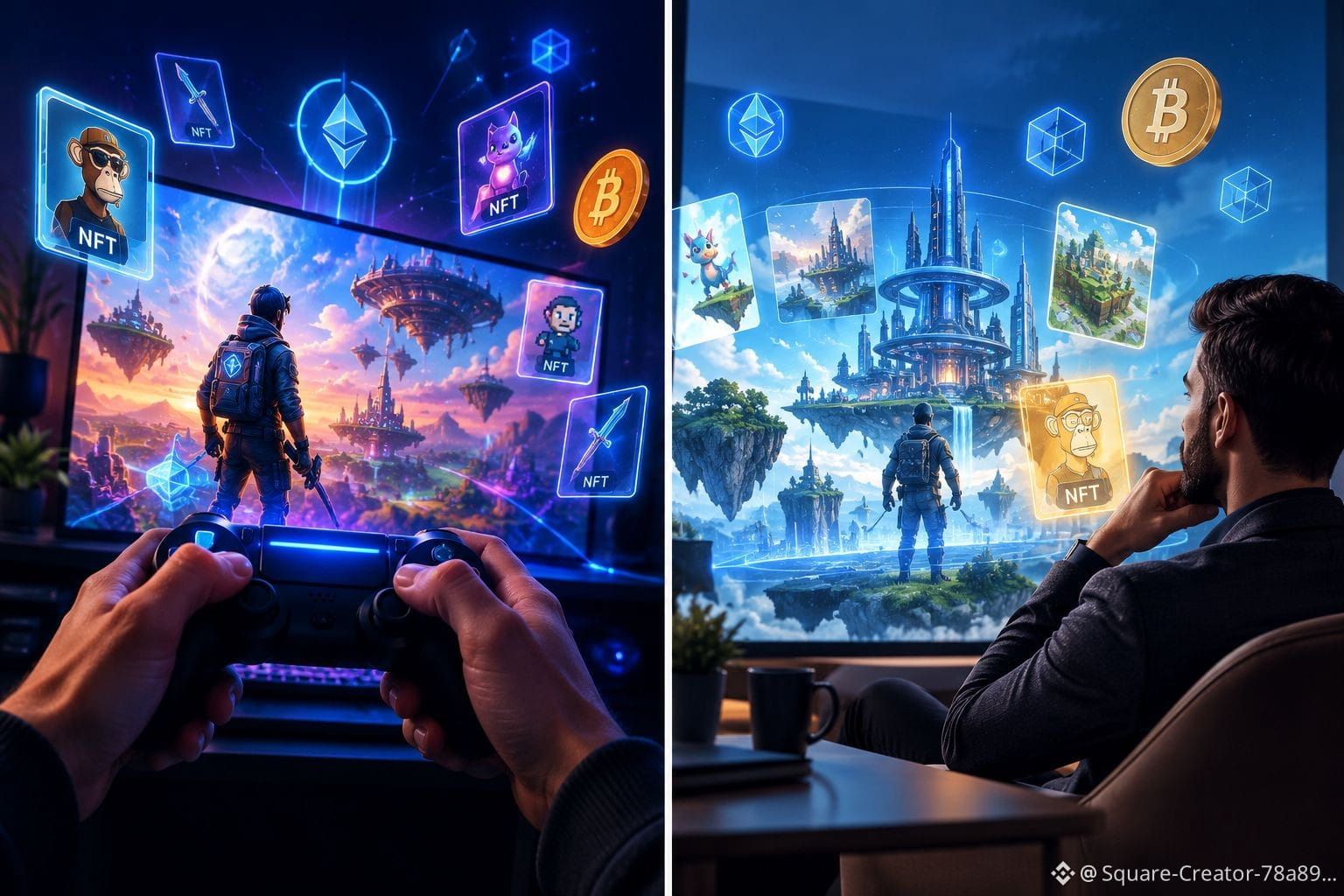
🎮 هل ولى زمن ألعاب الميم.. وجاء عصر ألعاب الويب 3 (Web3 Gaming)؟
الاستثمار في المشاريع التي تقدم "منفعة حقيقية" هو الأبقى دائماً. قطاع الألعاب القائمة على البلوكشين (GameFi) ينمو بسرعة هائلة، والشركات التقليدية بدأت تضخ مليارات الدولارات لتطوير ألعاب تتيح للاعبين ملكية حقيقية لأصولهم داخل اللعبة على شكل NFTs.
💡 نصيحة اليوم: لا تحصر محفظتك في عملات التداول السريع فقط. خصص جزءاً بسيطاً للمشاريع التي تبني بنية تحتية قوية للألعاب والميتافيرس، لأن الطفرة القادمة قد تنطلق من هذا القطاع.
ما هي العملة المفضلة لديك في قطاع الألعاب (GameFi) وتتوقع لها مستقبلاً كبيراً؟ 🚀👇
#Web3Gaming #GamingCoins #NFTs
$BNB $BTC $ETH
🎮 هل ولى زمن ألعاب الميم.. وجاء عصر ألعاب الويب 3 (Web3 Gaming)؟
الاستثمار في المشاريع التي تقدم "منفعة حقيقية" هو الأبقى دائماً. قطاع الألعاب القائمة على البلوكشين (GameFi) ينمو بسرعة هائلة، والشركات التقليدية بدأت تضخ مليارات الدولارات لتطوير ألعاب تتيح للاعبين ملكية حقيقية لأصولهم داخل اللعبة على شكل NFTs.
💡 نصيحة اليوم: لا تحصر محفظتك في عملات التداول السريع فقط. خصص جزءاً بسيطاً للمشاريع التي تبني بنية تحتية قوية للألعاب والميتافيرس، لأن الطفرة القادمة قد تنطلق من هذا القطاع.
ما هي العملة المفضلة لديك في قطاع الألعاب (GameFi) وتتوقع لها مستقبلاً كبيراً؟ 🚀👇
#Web3Gaming #GamingCoins #NFTs
$BNB $BTC $ETH
الاستثمار في المشاريع التي تقدم "منفعة حقيقية" هو الأبقى دائماً. قطاع الألعاب القائمة على البلوكشين (GameFi) ينمو بسرعة هائلة، والشركات التقليدية بدأت تضخ مليارات الدولارات لتطوير ألعاب تتيح للاعبين ملكية حقيقية لأصولهم داخل اللعبة على شكل NFTs.
💡 نصيحة اليوم: لا تحصر محفظتك في عملات التداول السريع فقط. خصص جزءاً بسيطاً للمشاريع التي تبني بنية تحتية قوية للألعاب والميتافيرس، لأن الطفرة القادمة قد تنطلق من هذا القطاع.
ما هي العملة المفضلة لديك في قطاع الألعاب (GameFi) وتتوقع لها مستقبلاً كبيراً؟ 🚀👇
#Web3Gaming #GamingCoins #NFTs
$BNB $BTC $ETH
Jawas Al-Amari:
فكرة جميلة فعلا لأن نجاح ألعاب الويب 3 يعتمد في النهاية على وجود ألعاب ممتعة واقتصاد مستدام وليس على الضجة فقط
2
3
5
34

عملات الألعاب والميتافيرس (Gaming & Metaverse)
🎮 قطاع الـ Gaming يعود إلى الواجهة!
شهدت عملات الألعاب الإلكترونية والبلوكشين انتعاشاً ممتازا اليوم مدعومة بإطلاق تحديثات جديدة وشراكات استراتيجية. 👾
هل تعتقد أن هذا القطاع قادر على قيادة الدورة الصعودية القادمة؟
$GAME
{alpha}(560x825459139c897d769339f295e962396c4f9e4a4d)
#GamingCoins
#metavers
$METAB
{spot}(METABUSDT)
عملات الألعاب والميتافيرس (Gaming & Metaverse)
🎮 قطاع الـ Gaming يعود إلى الواجهة!
شهدت عملات الألعاب الإلكترونية والبلوكشين انتعاشاً ممتازا اليوم مدعومة بإطلاق تحديثات جديدة وشراكات استراتيجية. 👾
هل تعتقد أن هذا القطاع قادر على قيادة الدورة الصعودية القادمة؟
$GAME
#GamingCoins
#metavers
$METAB
🎮 قطاع الـ Gaming يعود إلى الواجهة!
شهدت عملات الألعاب الإلكترونية والبلوكشين انتعاشاً ممتازا اليوم مدعومة بإطلاق تحديثات جديدة وشراكات استراتيجية. 👾
هل تعتقد أن هذا القطاع قادر على قيادة الدورة الصعودية القادمة؟
$GAME
#GamingCoins
#metavers
$METAB
1
67

·
--
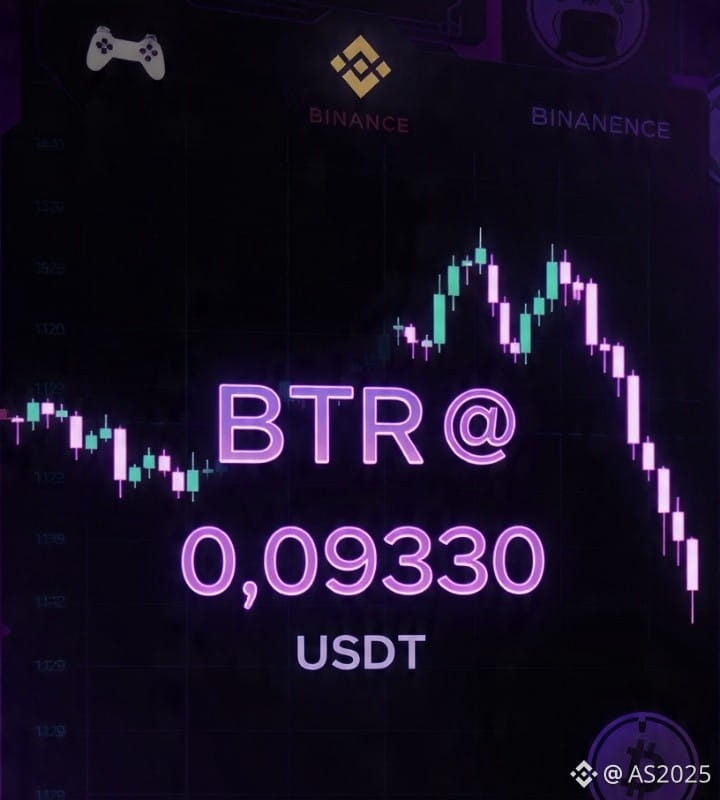
*BTR تسجل 0.09380$ الآن على Binance*
تصحيح قوي -52% من القمة + فرصة تجميع جديدة 🚀
*📊 أهم النقاط:*
- *السعر الحالي*: 0.09380$ على Binance
- *الحركة*: هبوط من 0.19808$ لمنطقة دعم قوية 0.0920$ - 0.0940$
- *المنصة*: تداول SPOT
- *السياق*: $BTR - توكن Gaming + Metaverse. التصحيح ده طبيعي بعد صعود سريع. الفريق أعلن عن إيفنت سيزون جديد + حرق توكنات قريب
الفوليوم بدأ يرجع في منطقة 0.093$ والـ Whales بتشتري. دعم تاريخي اتحترم 3 مرات
*📌 التوقعات*
btr عند 0.09380$
- *الثبات فوق 0.0920$* = استهداف 0.0980$ → 0.1050$ → 0.1120$
- *كسر 0.0900$* = إعادة اختبار 0.0850$ منطقة شراء قوية
*الخلاصة*: btr وصلت منطقة خصم 50%. أي عودة لترند الـ Gaming هتطيرها بسرعة. دخول 0.09380$ - 0.09420$ | هدف 0.105$ | ستوب 0.0890$ | استثمار Gaming طويل 👇
$BTR R #BinanceHerYerde ce #GamingCoins ming #Metaverse rse #DipBuy # #Exclusive #تحليل
$BTR
{future}(BTRUSDT)
*BTR تسجل 0.09380$ الآن على Binance*
تصحيح قوي -52% من القمة + فرصة تجميع جديدة 🚀
*📊 أهم النقاط:*
- *السعر الحالي*: 0.09380$ على Binance
- *الحركة*: هبوط من 0.19808$ لمنطقة دعم قوية 0.0920$ - 0.0940$
- *المنصة*: تداول SPOT
- *السياق*: $BTR - توكن Gaming + Metaverse. التصحيح ده طبيعي بعد صعود سريع. الفريق أعلن عن إيفنت سيزون جديد + حرق توكنات قريب
الفوليوم بدأ يرجع في منطقة 0.093$ والـ Whales بتشتري. دعم تاريخي اتحترم 3 مرات
*📌 التوقعات*
btr عند 0.09380$
- *الثبات فوق 0.0920$* = استهداف 0.0980$ → 0.1050$ → 0.1120$
- *كسر 0.0900$* = إعادة اختبار 0.0850$ منطقة شراء قوية
*الخلاصة*: btr وصلت منطقة خصم 50%. أي عودة لترند الـ Gaming هتطيرها بسرعة. دخول 0.09380$ - 0.09420$ | هدف 0.105$ | ستوب 0.0890$ | استثمار Gaming طويل 👇
$BTR R #BinanceHerYerde ce #GamingCoins ming #Metaverse rse #DipBuy # #Exclusive #تحليل
$BTR
تصحيح قوي -52% من القمة + فرصة تجميع جديدة 🚀
*📊 أهم النقاط:*
- *السعر الحالي*: 0.09380$ على Binance
- *الحركة*: هبوط من 0.19808$ لمنطقة دعم قوية 0.0920$ - 0.0940$
- *المنصة*: تداول SPOT
- *السياق*: $BTR - توكن Gaming + Metaverse. التصحيح ده طبيعي بعد صعود سريع. الفريق أعلن عن إيفنت سيزون جديد + حرق توكنات قريب
الفوليوم بدأ يرجع في منطقة 0.093$ والـ Whales بتشتري. دعم تاريخي اتحترم 3 مرات
*📌 التوقعات*
btr عند 0.09380$
- *الثبات فوق 0.0920$* = استهداف 0.0980$ → 0.1050$ → 0.1120$
- *كسر 0.0900$* = إعادة اختبار 0.0850$ منطقة شراء قوية
*الخلاصة*: btr وصلت منطقة خصم 50%. أي عودة لترند الـ Gaming هتطيرها بسرعة. دخول 0.09380$ - 0.09420$ | هدف 0.105$ | ستوب 0.0890$ | استثمار Gaming طويل 👇
$BTR R #BinanceHerYerde ce #GamingCoins ming #Metaverse rse #DipBuy # #Exclusive #تحليل
$BTR
1
163
·
--
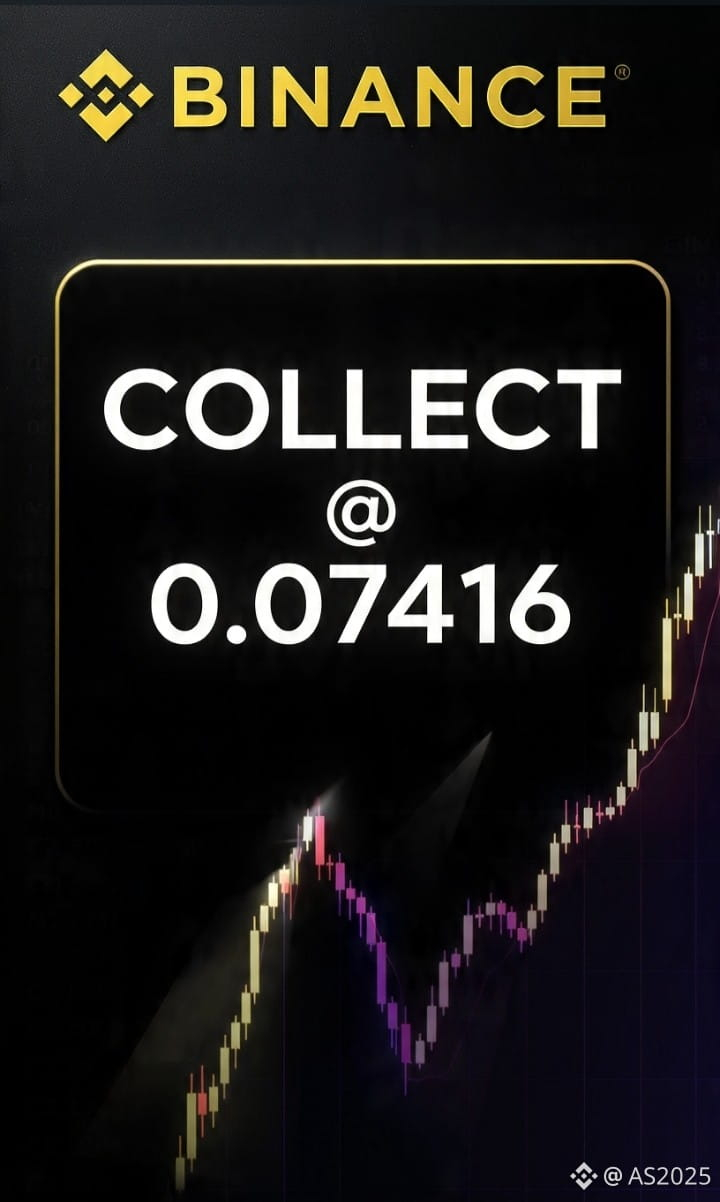
*COLLECT تسجل 0.07416$ الآن على Binance*🚀🚀
اختراق منطقة 0.070$ +6% بفوليوم NFT 🔥
#### *📊 أهم النقاط:*
- *السعر الحالي*: 0.07416$ على Binance
- *الحركة*: كسر مقاومة 0.0700$ وثبات فوقها
- *المنصة*: تداول SPOT
- *السياق*: COLLECT - مشروع NFT + Gaming + Marketplace. القطاع رجع يتحرك مع عودة ترند الـ NFTs والألعاب
الـ RSI عند 58 لسه فيه مساحة للصعود و الـ Volume أعلى من المتوسط 200%
#### *📌 التوقعات* COLLECt عند 0.07416$
- *الثبات فوق 0.0740$* = استهداف 0.0770$ → 0.0800$ → 0.0850$
- *إعادة اختبار 0.0700$* = منطقة شراء ممتازة لو حصل تصحيح
*الخلاصة*: $COLLECT خرجت من القناة 0.065$ - 0.070$ بعد شهر تجميع. أي كولكشن جديد أو شراكة GameFi هتطيرها لـ 0.10$. دخول 0.07416$ - 0.07450$ | هدف 0.080$ | ستوب 0.0690$ 👇
$COLLECT
{alpha}(560x4b3d30992f003c8167699735f5ab2831b2a087d3)
#Binance #GamingCoins #breakouts #Crypto_Jobs🎯 #Exclusive
*COLLECT تسجل 0.07416$ الآن على Binance*🚀🚀
اختراق منطقة 0.070$ +6% بفوليوم NFT 🔥
#### *📊 أهم النقاط:*
- *السعر الحالي*: 0.07416$ على Binance
- *الحركة*: كسر مقاومة 0.0700$ وثبات فوقها
- *المنصة*: تداول SPOT
- *السياق*: COLLECT - مشروع NFT + Gaming + Marketplace. القطاع رجع يتحرك مع عودة ترند الـ NFTs والألعاب
الـ RSI عند 58 لسه فيه مساحة للصعود و الـ Volume أعلى من المتوسط 200%
#### *📌 التوقعات* COLLECt عند 0.07416$
- *الثبات فوق 0.0740$* = استهداف 0.0770$ → 0.0800$ → 0.0850$
- *إعادة اختبار 0.0700$* = منطقة شراء ممتازة لو حصل تصحيح
*الخلاصة*: $COLLECT خرجت من القناة 0.065$ - 0.070$ بعد شهر تجميع. أي كولكشن جديد أو شراكة GameFi هتطيرها لـ 0.10$. دخول 0.07416$ - 0.07450$ | هدف 0.080$ | ستوب 0.0690$ 👇
$COLLECT
#Binance #GamingCoins #breakouts #Crypto_Jobs🎯 #Exclusive
اختراق منطقة 0.070$ +6% بفوليوم NFT 🔥
#### *📊 أهم النقاط:*
- *السعر الحالي*: 0.07416$ على Binance
- *الحركة*: كسر مقاومة 0.0700$ وثبات فوقها
- *المنصة*: تداول SPOT
- *السياق*: COLLECT - مشروع NFT + Gaming + Marketplace. القطاع رجع يتحرك مع عودة ترند الـ NFTs والألعاب
الـ RSI عند 58 لسه فيه مساحة للصعود و الـ Volume أعلى من المتوسط 200%
#### *📌 التوقعات* COLLECt عند 0.07416$
- *الثبات فوق 0.0740$* = استهداف 0.0770$ → 0.0800$ → 0.0850$
- *إعادة اختبار 0.0700$* = منطقة شراء ممتازة لو حصل تصحيح
*الخلاصة*: $COLLECT خرجت من القناة 0.065$ - 0.070$ بعد شهر تجميع. أي كولكشن جديد أو شراكة GameFi هتطيرها لـ 0.10$. دخول 0.07416$ - 0.07450$ | هدف 0.080$ | ستوب 0.0690$ 👇
$COLLECT
#Binance #GamingCoins #breakouts #Crypto_Jobs🎯 #Exclusive
1
153
·
--
صاعد
سبب ارتفاع عملة $TLM اليوم 🚀🚀
أتوقع وصولها إلى 0.0022 usdt 🚀🤴
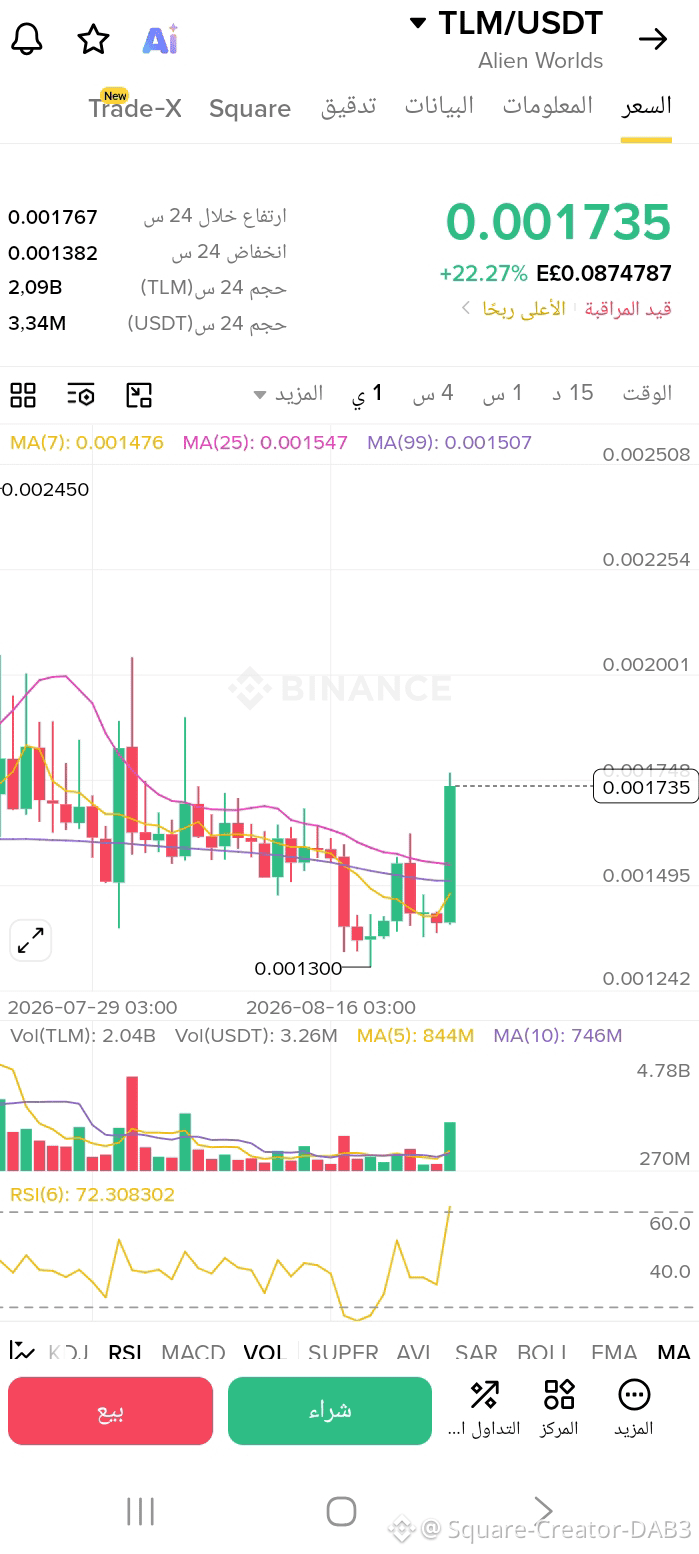
ارتقاد مضاربي وتجميع مفاجئ (Volume Spike): يظهر على الرسم البياني ارتفاع حاد في شمعة اليوم بنسبة تتجاوز +22.27% ليصل السعر إلى 0.001735 USDT، مصحوباً بزيادة ملحوظة في حجم التداول (Volume) ليتجاوز 2.09 مليار عملة TLM (بقيمة تفوق 3.34 مليون دولار) مقارنة بالأيام السابقة.
اختراق المتوسطات المتحركة (MA Breakout): نجح السعر في الاختراق الصعودي المباشر لمتوسطات الحركة الرئيسية MA(7) عند 0.001476 و MA(25) عند 0.001547 و MA(99) عند 0.001507 بشمعة واحدة قوية.
ارتداد من القاع (Technical Rebound): يأتي هذا الصعود بعد فترة هبوط وتجميع امتدت قرب القاع الموضّح عند 0.001300 USDT، حيث تسبب دخول سيولة مفاجئة (Pump) في تدفق عمليات الشراء السريعة وتفعيل أوامر إيقاف الخسارة للمضاربين على الهبوط (Short Squeeze).
دخول مؤشر القوة النسبية في منطقة الزخم (RSI Jump): ارتفع مؤشر RSI(6) ليصل إلى 72.3، مما يشير إلى زخم شرائي قوي ودخول العملة في منطقة الشراء الزائد (Overbought) على الفريمات القصيرة.
هذه الارتفاعات السريعة لعملات ألعاب "Play-to-Earn" والميتافيرس ذات القيمة السوقية المنخفضة (Low Cap) تكون غالباً ناتجة عن مضاربات سيولة سريعة أو حركات تجميع من كبار الماليين (Whale Pumps) للاستفادة من مستويات الدعم المتدنية.
#GamingCoins #Binance #BinanceSquare #memecoins
سبب ارتفاع عملة $TLM اليوم 🚀🚀
أتوقع وصولها إلى 0.0022 usdt 🚀🤴
ارتقاد مضاربي وتجميع مفاجئ (Volume Spike): يظهر على الرسم البياني ارتفاع حاد في شمعة اليوم بنسبة تتجاوز +22.27% ليصل السعر إلى 0.001735 USDT، مصحوباً بزيادة ملحوظة في حجم التداول (Volume) ليتجاوز 2.09 مليار عملة TLM (بقيمة تفوق 3.34 مليون دولار) مقارنة بالأيام السابقة.
اختراق المتوسطات المتحركة (MA Breakout): نجح السعر في الاختراق الصعودي المباشر لمتوسطات الحركة الرئيسية MA(7) عند 0.001476 و MA(25) عند 0.001547 و MA(99) عند 0.001507 بشمعة واحدة قوية.
ارتداد من القاع (Technical Rebound): يأتي هذا الصعود بعد فترة هبوط وتجميع امتدت قرب القاع الموضّح عند 0.001300 USDT، حيث تسبب دخول سيولة مفاجئة (Pump) في تدفق عمليات الشراء السريعة وتفعيل أوامر إيقاف الخسارة للمضاربين على الهبوط (Short Squeeze).
دخول مؤشر القوة النسبية في منطقة الزخم (RSI Jump): ارتفع مؤشر RSI(6) ليصل إلى 72.3، مما يشير إلى زخم شرائي قوي ودخول العملة في منطقة الشراء الزائد (Overbought) على الفريمات القصيرة.
هذه الارتفاعات السريعة لعملات ألعاب "Play-to-Earn" والميتافيرس ذات القيمة السوقية المنخفضة (Low Cap) تكون غالباً ناتجة عن مضاربات سيولة سريعة أو حركات تجميع من كبار الماليين (Whale Pumps) للاستفادة من مستويات الدعم المتدنية.
#GamingCoins #Binance #BinanceSquare #memecoins
أتوقع وصولها إلى 0.0022 usdt 🚀🤴
ارتقاد مضاربي وتجميع مفاجئ (Volume Spike): يظهر على الرسم البياني ارتفاع حاد في شمعة اليوم بنسبة تتجاوز +22.27% ليصل السعر إلى 0.001735 USDT، مصحوباً بزيادة ملحوظة في حجم التداول (Volume) ليتجاوز 2.09 مليار عملة TLM (بقيمة تفوق 3.34 مليون دولار) مقارنة بالأيام السابقة.
اختراق المتوسطات المتحركة (MA Breakout): نجح السعر في الاختراق الصعودي المباشر لمتوسطات الحركة الرئيسية MA(7) عند 0.001476 و MA(25) عند 0.001547 و MA(99) عند 0.001507 بشمعة واحدة قوية.
ارتداد من القاع (Technical Rebound): يأتي هذا الصعود بعد فترة هبوط وتجميع امتدت قرب القاع الموضّح عند 0.001300 USDT، حيث تسبب دخول سيولة مفاجئة (Pump) في تدفق عمليات الشراء السريعة وتفعيل أوامر إيقاف الخسارة للمضاربين على الهبوط (Short Squeeze).
دخول مؤشر القوة النسبية في منطقة الزخم (RSI Jump): ارتفع مؤشر RSI(6) ليصل إلى 72.3، مما يشير إلى زخم شرائي قوي ودخول العملة في منطقة الشراء الزائد (Overbought) على الفريمات القصيرة.
هذه الارتفاعات السريعة لعملات ألعاب "Play-to-Earn" والميتافيرس ذات القيمة السوقية المنخفضة (Low Cap) تكون غالباً ناتجة عن مضاربات سيولة سريعة أو حركات تجميع من كبار الماليين (Whale Pumps) للاستفادة من مستويات الدعم المتدنية.
#GamingCoins #Binance #BinanceSquare #memecoins
2
210
·
--
صاعد
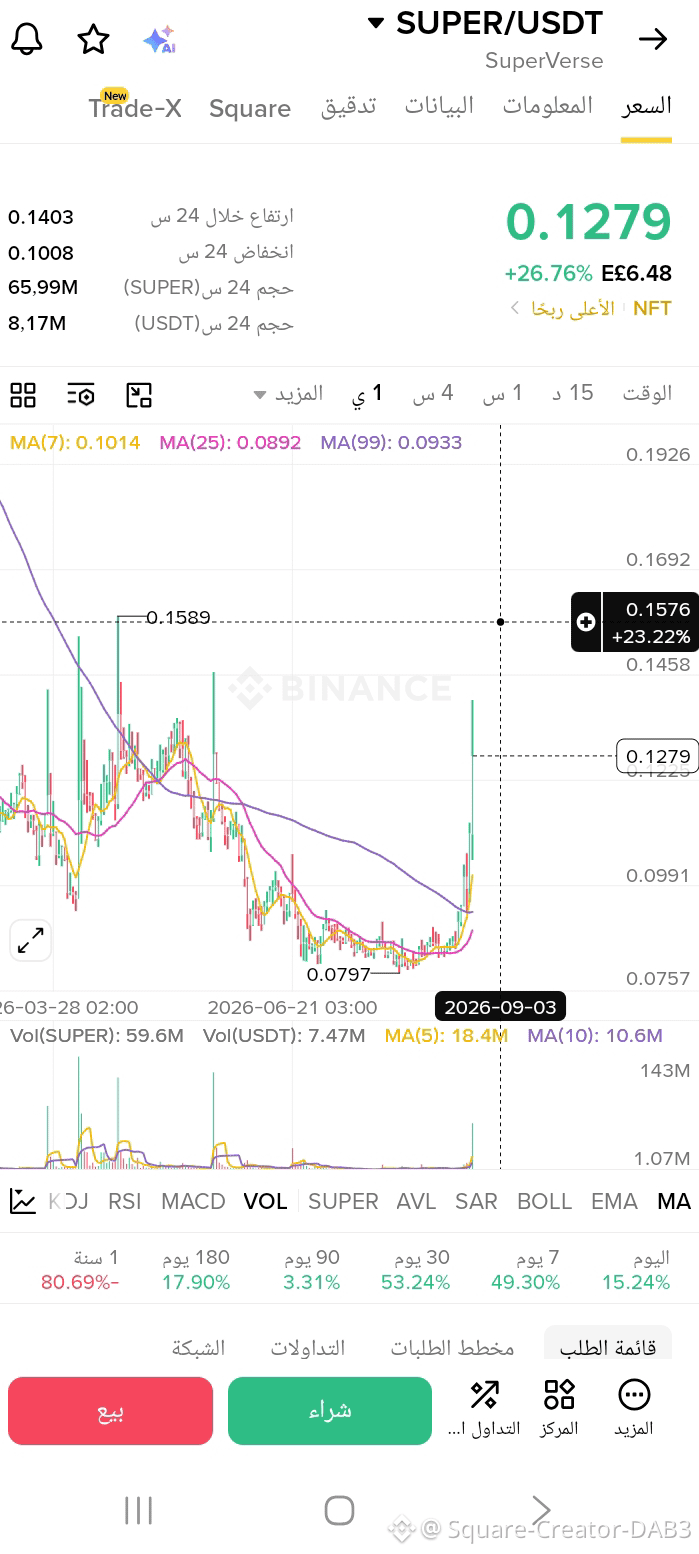
يُظهر الرسم البياني لزوج $SUPER / $USDT ارتفاعاً قويًا بنسبة تجاوزت 26% خلال 24 ساعة، ليصل السعر إلى مستوى 0.1279 دولار.
تجمع هذه الحركة بين عوامل تحليل فني قوية وتحركات في السيولة:
العوامل الفنية والتحليلية:
اختراق فني قوي (Breakout): شمعة اليوم الصاعدة واخترقت مستويات المقاومة السابقة ومتوسطات الحركة (MA7 و MA25 و MA99) على إطار الـ 4 ساعات واليومي، مما يحول الزخم لصالح المشتريين (Bullish Momentum).
ارتفاع كبير في حجم التداول (Volume Spike): ارتفع حجم التداول اليومي إلى أكثر من 65.99 مليون عملة SUPER (ما يعادل 8.17 مليون دولار)، وهو ما يدل على دخول سيولة جديدة أو عمليات تجميع مكثفة (Accumulation).
الارتداد من القاع: العملة سجلت قاعاً سرياً عند مستوى 0.0797 دولار مؤخراً، وشهدت عمليات شراء مكثفة عند منطقة الدعم هذه لاستغلال السعر المنخفض.
عوامل السوق والعملات الرقمية:
زخم قطاع الـ Gaming & NFT: تعافي أو ارتداد العملات المرتبطة بقطاع الألعاب والـ NFTs غالباً ما يدفع عملة SuperVerse للتفاعل الإيجابي السريع.
ارتفاع الشهية للمخاطرة (Risk-on Sentiment): تحرك السيولة نحو العملات ذات القيمة السوقية المتوسطة والصغيرة (Altcoins) يحفز الارتفاعات السريعة خلال فترات زمنية قصيرة.
#nft #GamingCoins #Binance #BinanceSquare
يُظهر الرسم البياني لزوج $SUPER / $USDT ارتفاعاً قويًا بنسبة تجاوزت 26% خلال 24 ساعة، ليصل السعر إلى مستوى 0.1279 دولار.
تجمع هذه الحركة بين عوامل تحليل فني قوية وتحركات في السيولة:
العوامل الفنية والتحليلية:
اختراق فني قوي (Breakout): شمعة اليوم الصاعدة واخترقت مستويات المقاومة السابقة ومتوسطات الحركة (MA7 و MA25 و MA99) على إطار الـ 4 ساعات واليومي، مما يحول الزخم لصالح المشتريين (Bullish Momentum).
ارتفاع كبير في حجم التداول (Volume Spike): ارتفع حجم التداول اليومي إلى أكثر من 65.99 مليون عملة SUPER (ما يعادل 8.17 مليون دولار)، وهو ما يدل على دخول سيولة جديدة أو عمليات تجميع مكثفة (Accumulation).
الارتداد من القاع: العملة سجلت قاعاً سرياً عند مستوى 0.0797 دولار مؤخراً، وشهدت عمليات شراء مكثفة عند منطقة الدعم هذه لاستغلال السعر المنخفض.
عوامل السوق والعملات الرقمية:
زخم قطاع الـ Gaming & NFT: تعافي أو ارتداد العملات المرتبطة بقطاع الألعاب والـ NFTs غالباً ما يدفع عملة SuperVerse للتفاعل الإيجابي السريع.
ارتفاع الشهية للمخاطرة (Risk-on Sentiment): تحرك السيولة نحو العملات ذات القيمة السوقية المتوسطة والصغيرة (Altcoins) يحفز الارتفاعات السريعة خلال فترات زمنية قصيرة.
#nft #GamingCoins #Binance #BinanceSquare
تجمع هذه الحركة بين عوامل تحليل فني قوية وتحركات في السيولة:
العوامل الفنية والتحليلية:
اختراق فني قوي (Breakout): شمعة اليوم الصاعدة واخترقت مستويات المقاومة السابقة ومتوسطات الحركة (MA7 و MA25 و MA99) على إطار الـ 4 ساعات واليومي، مما يحول الزخم لصالح المشتريين (Bullish Momentum).
ارتفاع كبير في حجم التداول (Volume Spike): ارتفع حجم التداول اليومي إلى أكثر من 65.99 مليون عملة SUPER (ما يعادل 8.17 مليون دولار)، وهو ما يدل على دخول سيولة جديدة أو عمليات تجميع مكثفة (Accumulation).
الارتداد من القاع: العملة سجلت قاعاً سرياً عند مستوى 0.0797 دولار مؤخراً، وشهدت عمليات شراء مكثفة عند منطقة الدعم هذه لاستغلال السعر المنخفض.
عوامل السوق والعملات الرقمية:
زخم قطاع الـ Gaming & NFT: تعافي أو ارتداد العملات المرتبطة بقطاع الألعاب والـ NFTs غالباً ما يدفع عملة SuperVerse للتفاعل الإيجابي السريع.
ارتفاع الشهية للمخاطرة (Risk-on Sentiment): تحرك السيولة نحو العملات ذات القيمة السوقية المتوسطة والصغيرة (Altcoins) يحفز الارتفاعات السريعة خلال فترات زمنية قصيرة.
#nft #GamingCoins #Binance #BinanceSquare
1
1
37

·
--
$ENJ
إعداد LONG
💰 السعر الحالي: 0.03270 USDT (-8.61% خلال 24 ساعة)
📥 منطقة الشراء:
🔹 0.03180 – 0.03220
🛑 وقف الخسارة:
❌ 0.03090 (أقل من أدنى مستوى اليوم) → المخاطرة ~5-6%
🎯 الأهداف:
🔥 TP1: 0.03490 – 0.03550 (منطقة التأرجح الأخيرة)
🔥 TP2: 0.03617 (أعلى مستوى خلال 24 ساعة)
🔥 TP3: 3 (ممتد): 0.03850 – 0.03950
⚠️ إعداد عالي المخاطر = عائد عالي.
راقب حركة السعر بعناية داخل منطقة الشراء وتأكد من إدارة المخاطر بشكل صحيح.
#CRYPTOTRADING
#LONGTRADE
#GamingCoins
#ENJ/USDT
{future}(ENJUSDT)
$ENJ
إعداد LONG
💰 السعر الحالي: 0.03270 USDT (-8.61% خلال 24 ساعة)
📥 منطقة الشراء:
🔹 0.03180 – 0.03220
🛑 وقف الخسارة:
❌ 0.03090 (أقل من أدنى مستوى اليوم) → المخاطرة ~5-6%
🎯 الأهداف:
🔥 TP1: 0.03490 – 0.03550 (منطقة التأرجح الأخيرة)
🔥 TP2: 0.03617 (أعلى مستوى خلال 24 ساعة)
🔥 TP3: 3 (ممتد): 0.03850 – 0.03950
⚠️ إعداد عالي المخاطر = عائد عالي.
راقب حركة السعر بعناية داخل منطقة الشراء وتأكد من إدارة المخاطر بشكل صحيح.
#CRYPTOTRADING
#LONGTRADE
#GamingCoins
#ENJ/USDT
إعداد LONG
💰 السعر الحالي: 0.03270 USDT (-8.61% خلال 24 ساعة)
📥 منطقة الشراء:
🔹 0.03180 – 0.03220
🛑 وقف الخسارة:
❌ 0.03090 (أقل من أدنى مستوى اليوم) → المخاطرة ~5-6%
🎯 الأهداف:
🔥 TP1: 0.03490 – 0.03550 (منطقة التأرجح الأخيرة)
🔥 TP2: 0.03617 (أعلى مستوى خلال 24 ساعة)
🔥 TP3: 3 (ممتد): 0.03850 – 0.03950
⚠️ إعداد عالي المخاطر = عائد عالي.
راقب حركة السعر بعناية داخل منطقة الشراء وتأكد من إدارة المخاطر بشكل صحيح.
#CRYPTOTRADING
#LONGTRADE
#GamingCoins
#ENJ/USDT
1
1
82

#GamingCoins لا يشير مصطلح "GameCoin" إلى عملة رقمية واحدة عالمية، بل هو تسمية عامة تُستخدم في منصات وألعاب وبيئات بلوك تشين مختلفة. وبسبب طبيعته، يعتمد وصفه بالكامل على السياق الذي يوجد فيه
#GamingCoins لا يشير مصطلح "GameCoin" إلى عملة رقمية واحدة عالمية، بل هو تسمية عامة تُستخدم في منصات وألعاب وبيئات بلوك تشين مختلفة. وبسبب طبيعته، يعتمد وصفه بالكامل على السياق الذي يوجد فيه
25

·
--
هابط
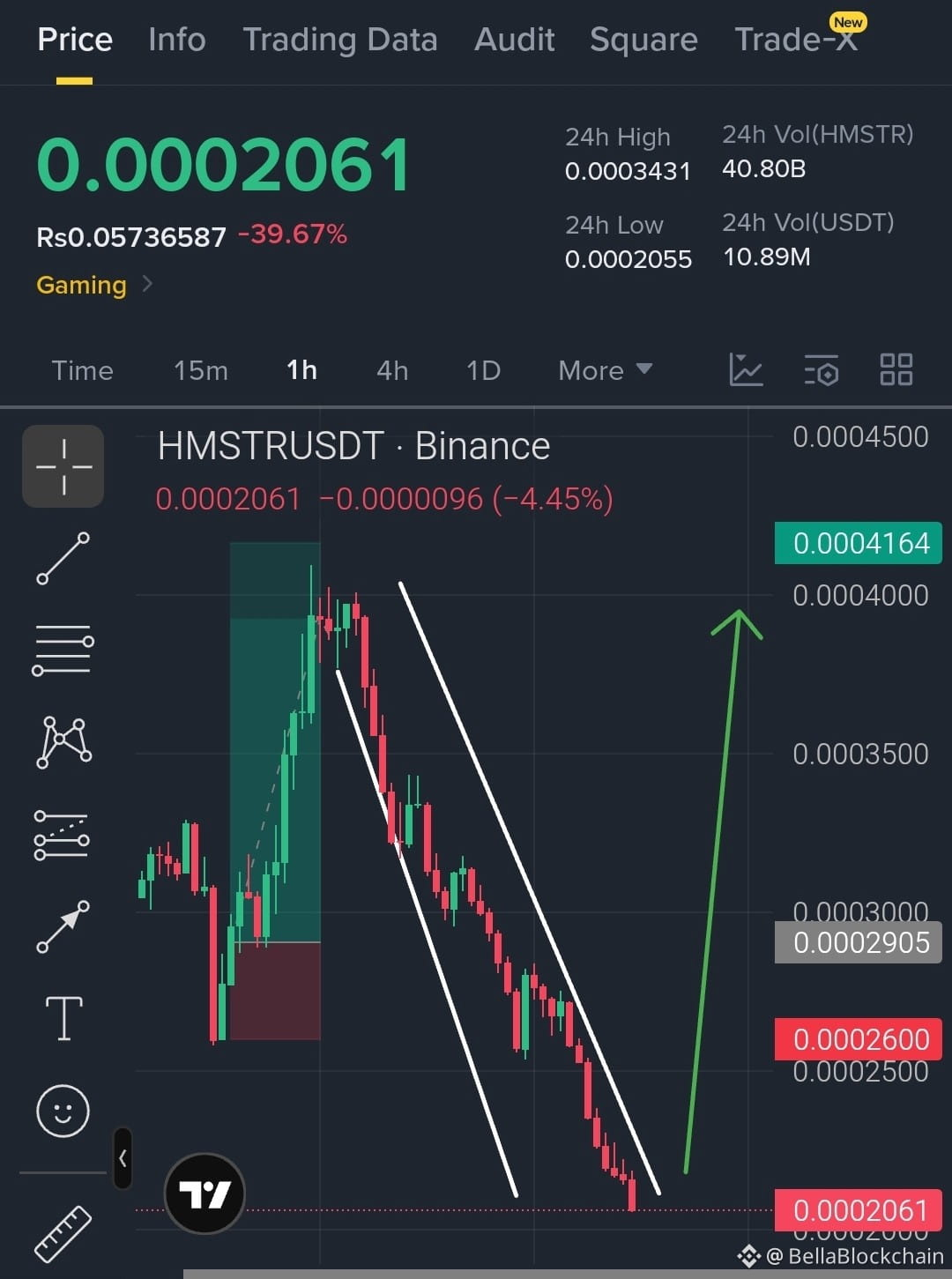
$HMSTR is تقوم بطباعة تصحيح شديد على مخطط الساعة الواحدة، حيث تنخفض بنحو 40% خلال آخر 24 ساعة لتستقر عند مستوى أعلى قليلًا من قاعها المحلي عند 0.0002055. تم قفل حركة السعر داخل قناة هابطة شديدة الانحدار، ما يدفع الأصل إلى منطقة بيع مفرطة بشكل كبير. إذا ظلت مستويات الدعم الحالية ثابتة وبدأ المشترون اختراقًا من هذه القناة المتراجعة، فقد يؤدي ذلك إلى انعكاس قوي على شكل V يستهدف مستويات المقاومة الرئيسية الموضحة على الرسم.
الهدف 1: 0.002600 الهدف 2: 0.003500 الهدف 3: 0.004164
#HMSTR #GamingCoins #CryptoAnalysis
$HMSTR
{future}(HMSTRUSDT)
$HMSTR is تقوم بطباعة تصحيح شديد على مخطط الساعة الواحدة، حيث تنخفض بنحو 40% خلال آخر 24 ساعة لتستقر عند مستوى أعلى قليلًا من قاعها المحلي عند 0.0002055. تم قفل حركة السعر داخل قناة هابطة شديدة الانحدار، ما يدفع الأصل إلى منطقة بيع مفرطة بشكل كبير. إذا ظلت مستويات الدعم الحالية ثابتة وبدأ المشترون اختراقًا من هذه القناة المتراجعة، فقد يؤدي ذلك إلى انعكاس قوي على شكل V يستهدف مستويات المقاومة الرئيسية الموضحة على الرسم.
الهدف 1: 0.002600 الهدف 2: 0.003500 الهدف 3: 0.004164
#HMSTR #GamingCoins #CryptoAnalysis
$HMSTR
الهدف 1: 0.002600 الهدف 2: 0.003500 الهدف 3: 0.004164
#HMSTR #GamingCoins #CryptoAnalysis
$HMSTR
2
175

·
--
صاعد
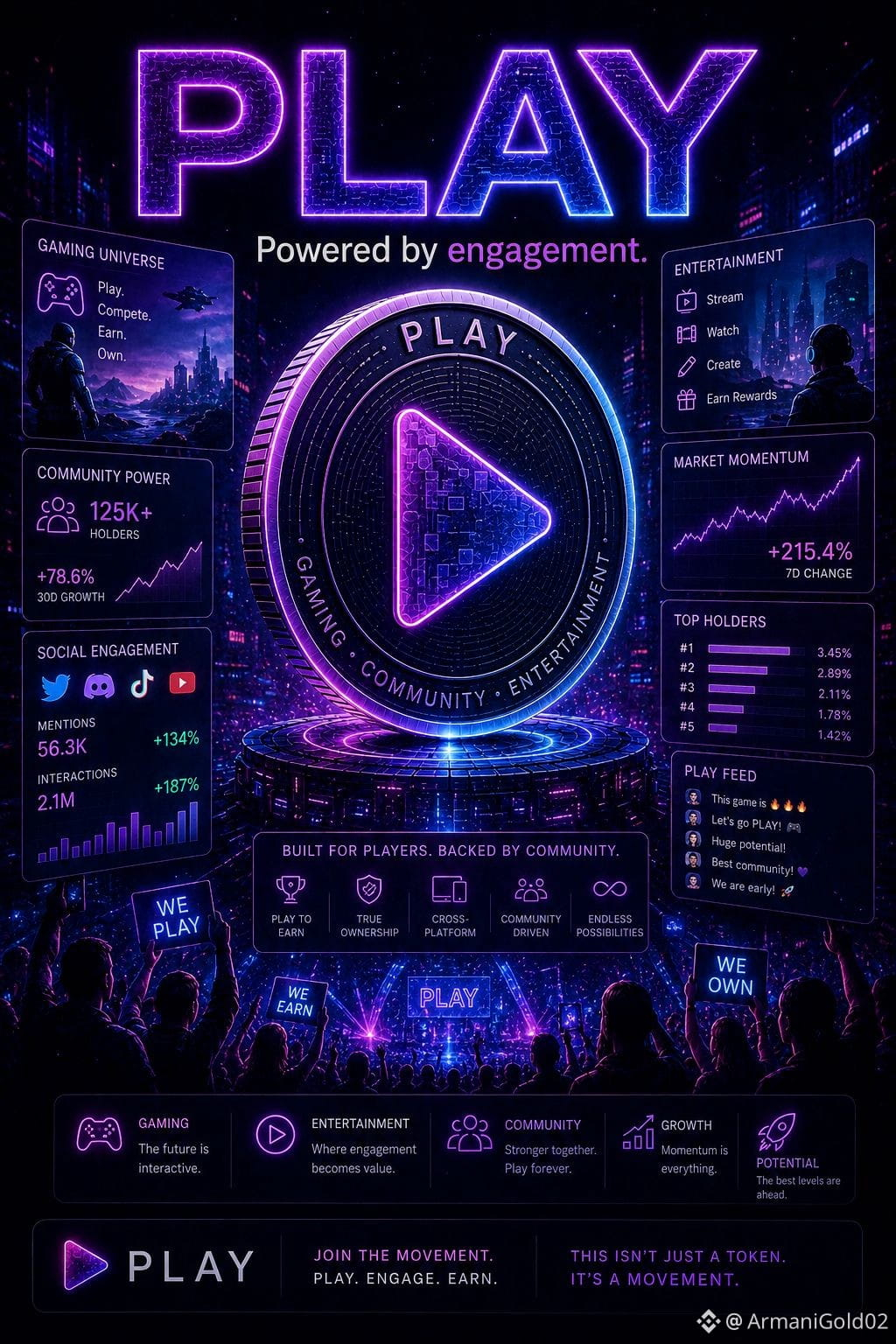
PLAY — هو توكن يتعلق بالتفاعل، وليس بالأساسات.
عندما يعود المستثمرون الأفراد إلى السوق — عادةً ما تتحرك هذه الأصول أسرع من البقية.
PLAY هو توكن عن التفاعل، وليس عن الأساسيات.
عندما يعود المستثمرون الأفراد إلى السوق، تتحرك الأصول مثل هذه بسرعة أكبر عادةً.
#play #gaming #Web3 #GamingCoins #Follow
{alpha}(84530x853a7c99227499dba9db8c3a02aa691afdebf841)
{future}(PLAYUSDT)
PLAY — هو توكن يتعلق بالتفاعل، وليس بالأساسات.
عندما يعود المستثمرون الأفراد إلى السوق — عادةً ما تتحرك هذه الأصول أسرع من البقية.
PLAY هو توكن عن التفاعل، وليس عن الأساسيات.
عندما يعود المستثمرون الأفراد إلى السوق، تتحرك الأصول مثل هذه بسرعة أكبر عادةً.
#play #gaming #Web3 #GamingCoins #Follow
عندما يعود المستثمرون الأفراد إلى السوق — عادةً ما تتحرك هذه الأصول أسرع من البقية.
PLAY هو توكن عن التفاعل، وليس عن الأساسيات.
عندما يعود المستثمرون الأفراد إلى السوق، تتحرك الأصول مثل هذه بسرعة أكبر عادةً.
#play #gaming #Web3 #GamingCoins #Follow
2
294

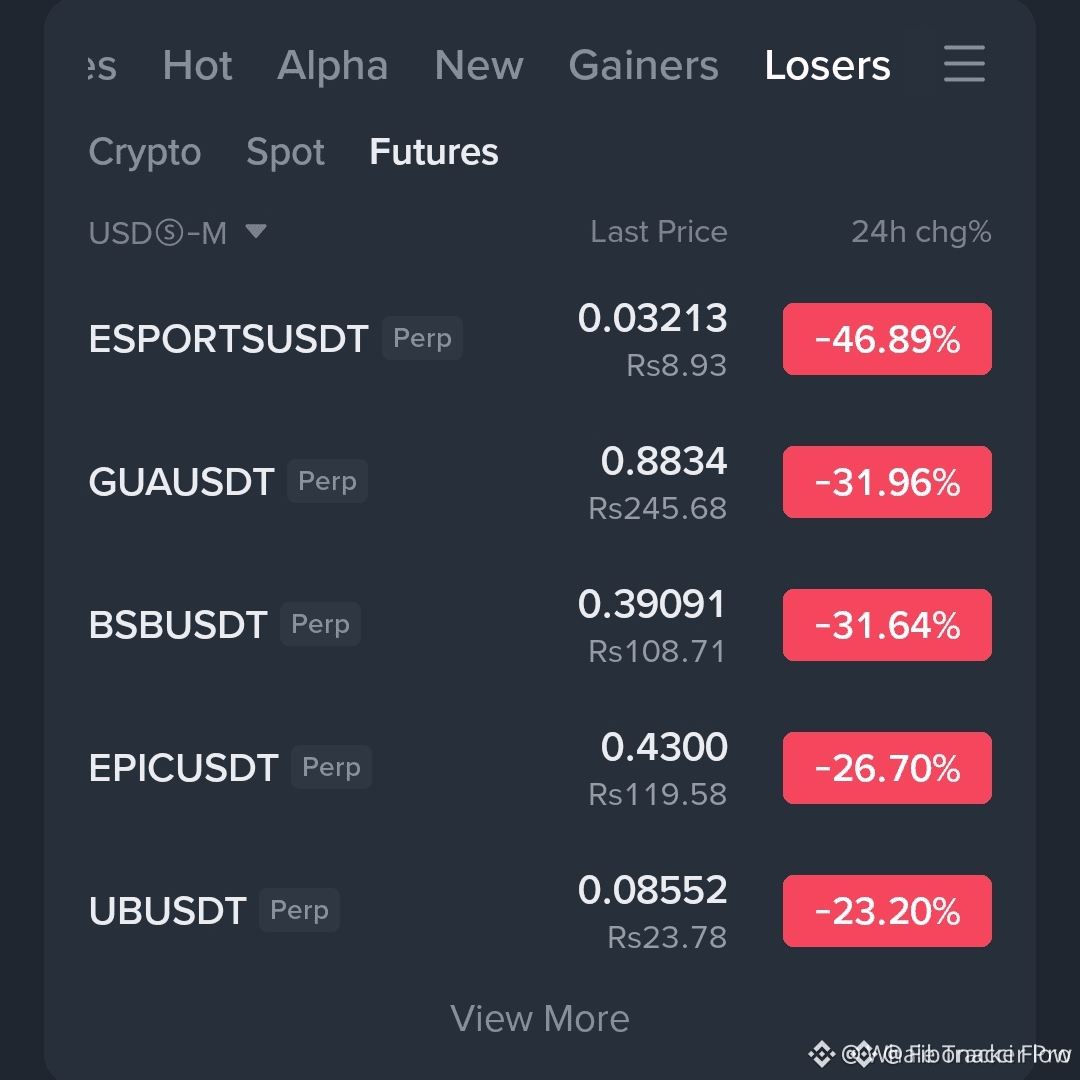
لا يشعر لاعبو Monster Hunter بالألم فقط، بل أيضاً $ESPORTS و $GUA و $BSB يتعرضون لضغوط، حيث تتراجع قيمهم 🚥
الدخول: 0.05
الهدف: 0.10
وقف الخسارة: 0.02
تتعرض هذه العملات لركود كبير، ومن الضروري أن تكون حذراً عند التنقل في هذا السوق. التحول الحالي في هيكل السوق يؤثر على أسعارهم، وهناك حاجة لتأكيد كسر لاستعادة الزخم.
هذا ليس نصيحة مالية. قم بإدارة مخاطرك.
#ESPORTS #GamingCoins #LongSetup
💸
لا يشعر لاعبو Monster Hunter بالألم فقط، بل أيضاً $ESPORTS و $GUA و $BSB يتعرضون لضغوط، حيث تتراجع قيمهم 🚥
الدخول: 0.05
الهدف: 0.10
وقف الخسارة: 0.02
تتعرض هذه العملات لركود كبير، ومن الضروري أن تكون حذراً عند التنقل في هذا السوق. التحول الحالي في هيكل السوق يؤثر على أسعارهم، وهناك حاجة لتأكيد كسر لاستعادة الزخم.
هذا ليس نصيحة مالية. قم بإدارة مخاطرك.
#ESPORTS #GamingCoins #LongSetup
💸
الدخول: 0.05
الهدف: 0.10
وقف الخسارة: 0.02
تتعرض هذه العملات لركود كبير، ومن الضروري أن تكون حذراً عند التنقل في هذا السوق. التحول الحالي في هيكل السوق يؤثر على أسعارهم، وهناك حاجة لتأكيد كسر لاستعادة الزخم.
هذا ليس نصيحة مالية. قم بإدارة مخاطرك.
#ESPORTS #GamingCoins #LongSetup
💸
629
·
--
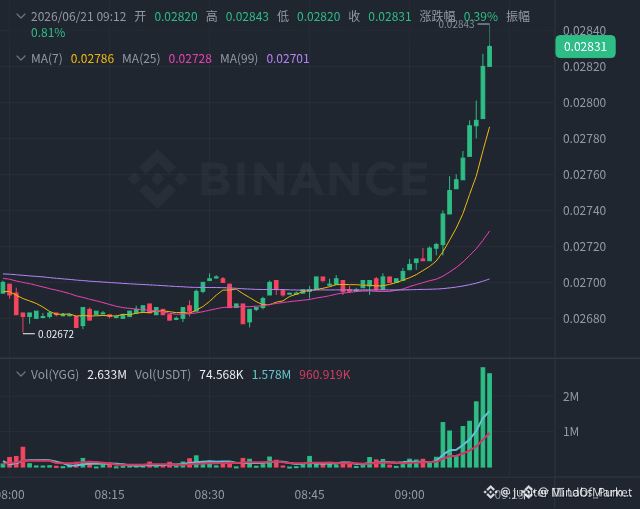
$YGG أدى ارتفاع السعر إلى حركة تزيد عن 15% في الماضي 🚨
الدخول: 0.026 🔥
الهدف: 0.0278–0.0300 🚀
وقف الخسارة: 0.025 ⚠️
الزيادة في سعر $YGG مدفوعة بزيادة كبيرة في الحجم على البورصات المرموقة، مع تركيز المتداولين على اختراقات المقاومة وثبات الدعم، هل ستستمر هذه الزخم وتدفع $YGG إلى مستويات جديدة؟
هذه ليست نصيحة مالية. إدارة المخاطر خاصتك.
#YGG #GamingCoins #LongSetup
⚡️
$YGG أدى ارتفاع السعر إلى حركة تزيد عن 15% في الماضي 🚨
الدخول: 0.026 🔥
الهدف: 0.0278–0.0300 🚀
وقف الخسارة: 0.025 ⚠️
الزيادة في سعر $YGG مدفوعة بزيادة كبيرة في الحجم على البورصات المرموقة، مع تركيز المتداولين على اختراقات المقاومة وثبات الدعم، هل ستستمر هذه الزخم وتدفع $YGG إلى مستويات جديدة؟
هذه ليست نصيحة مالية. إدارة المخاطر خاصتك.
#YGG #GamingCoins #LongSetup
⚡️
الدخول: 0.026 🔥
الهدف: 0.0278–0.0300 🚀
وقف الخسارة: 0.025 ⚠️
الزيادة في سعر $YGG مدفوعة بزيادة كبيرة في الحجم على البورصات المرموقة، مع تركيز المتداولين على اختراقات المقاومة وثبات الدعم، هل ستستمر هذه الزخم وتدفع $YGG إلى مستويات جديدة؟
هذه ليست نصيحة مالية. إدارة المخاطر خاصتك.
#YGG #GamingCoins #LongSetup
⚡️
92

·
--
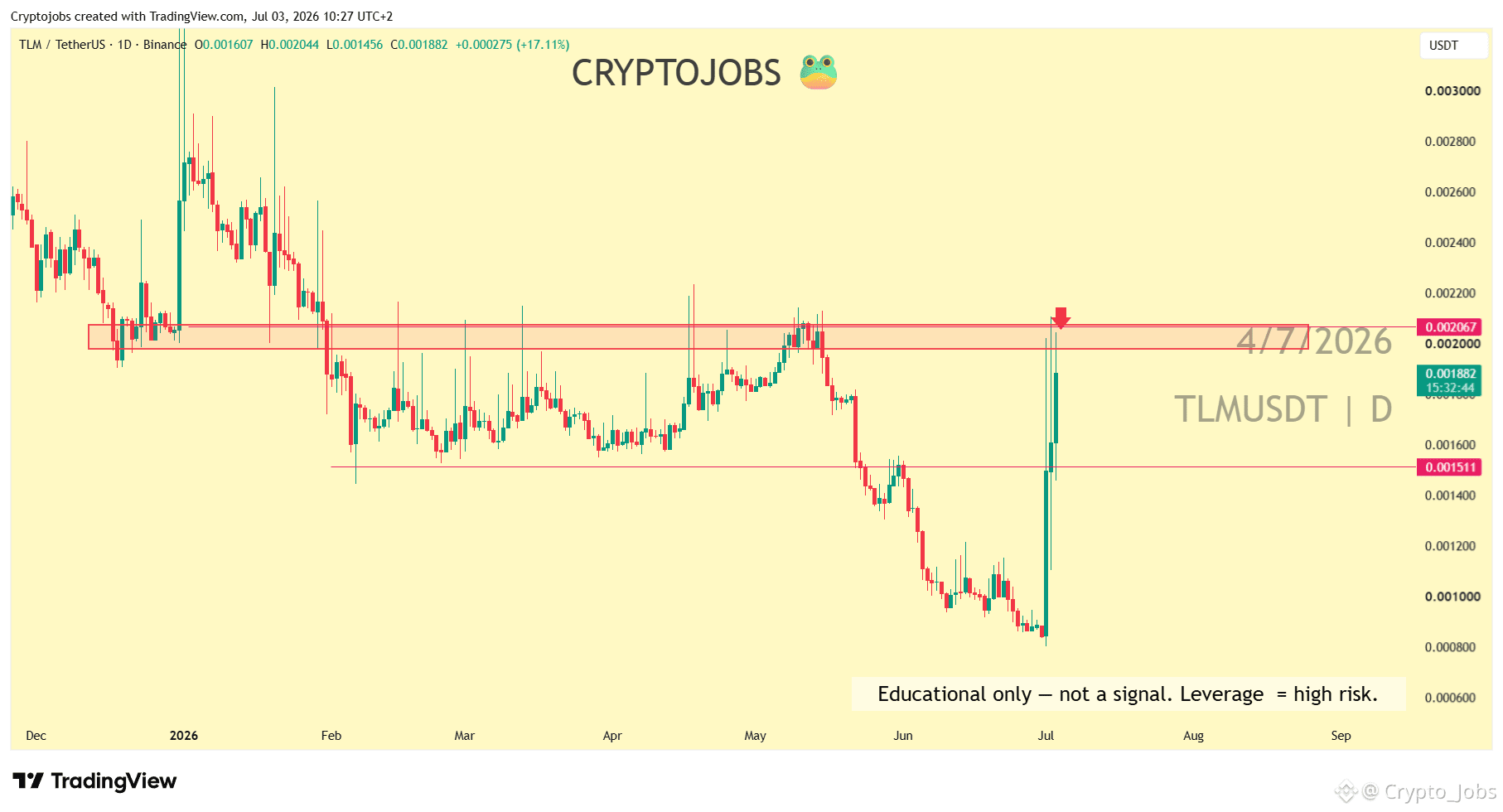
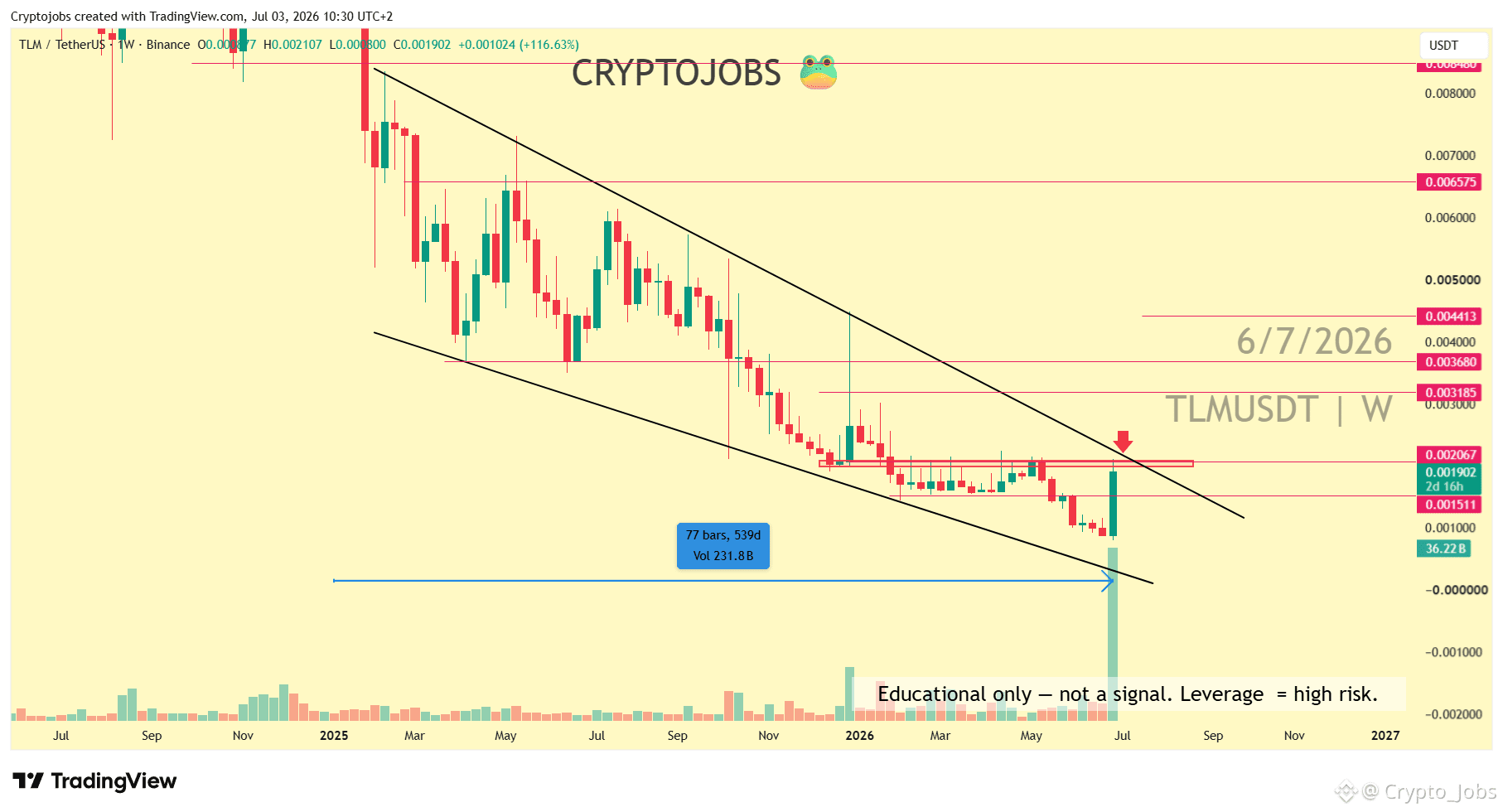
$TLM في حالة اشتعال - ارتفاع +130% خلال أيام قليلة.🔥
تلاعب بالسعر، أم اختراق حقيقي؟
يجب كسر مقاومة 0.02050 - وإلا فقد يحدث رفض قوي.🚩
حجم الشراء يبدو قويًا على أساس أسبوعي - إذا نجح الثيران في كسر وتد الـ 540 يومًا، فقد يتفجر السعر بنسبة 100%+ أخرى بسهولة!
أي معلومات - أخبار عن هذا؟👀
#TLM #GamingCoins
$TLM في حالة اشتعال - ارتفاع +130% خلال أيام قليلة.🔥
تلاعب بالسعر، أم اختراق حقيقي؟
يجب كسر مقاومة 0.02050 - وإلا فقد يحدث رفض قوي.🚩
حجم الشراء يبدو قويًا على أساس أسبوعي - إذا نجح الثيران في كسر وتد الـ 540 يومًا، فقد يتفجر السعر بنسبة 100%+ أخرى بسهولة!
أي معلومات - أخبار عن هذا؟👀
#TLM #GamingCoins
تلاعب بالسعر، أم اختراق حقيقي؟
يجب كسر مقاومة 0.02050 - وإلا فقد يحدث رفض قوي.🚩
حجم الشراء يبدو قويًا على أساس أسبوعي - إذا نجح الثيران في كسر وتد الـ 540 يومًا، فقد يتفجر السعر بنسبة 100%+ أخرى بسهولة!
أي معلومات - أخبار عن هذا؟👀
#TLM #GamingCoins
2
6
2.8k
·
--
هابط
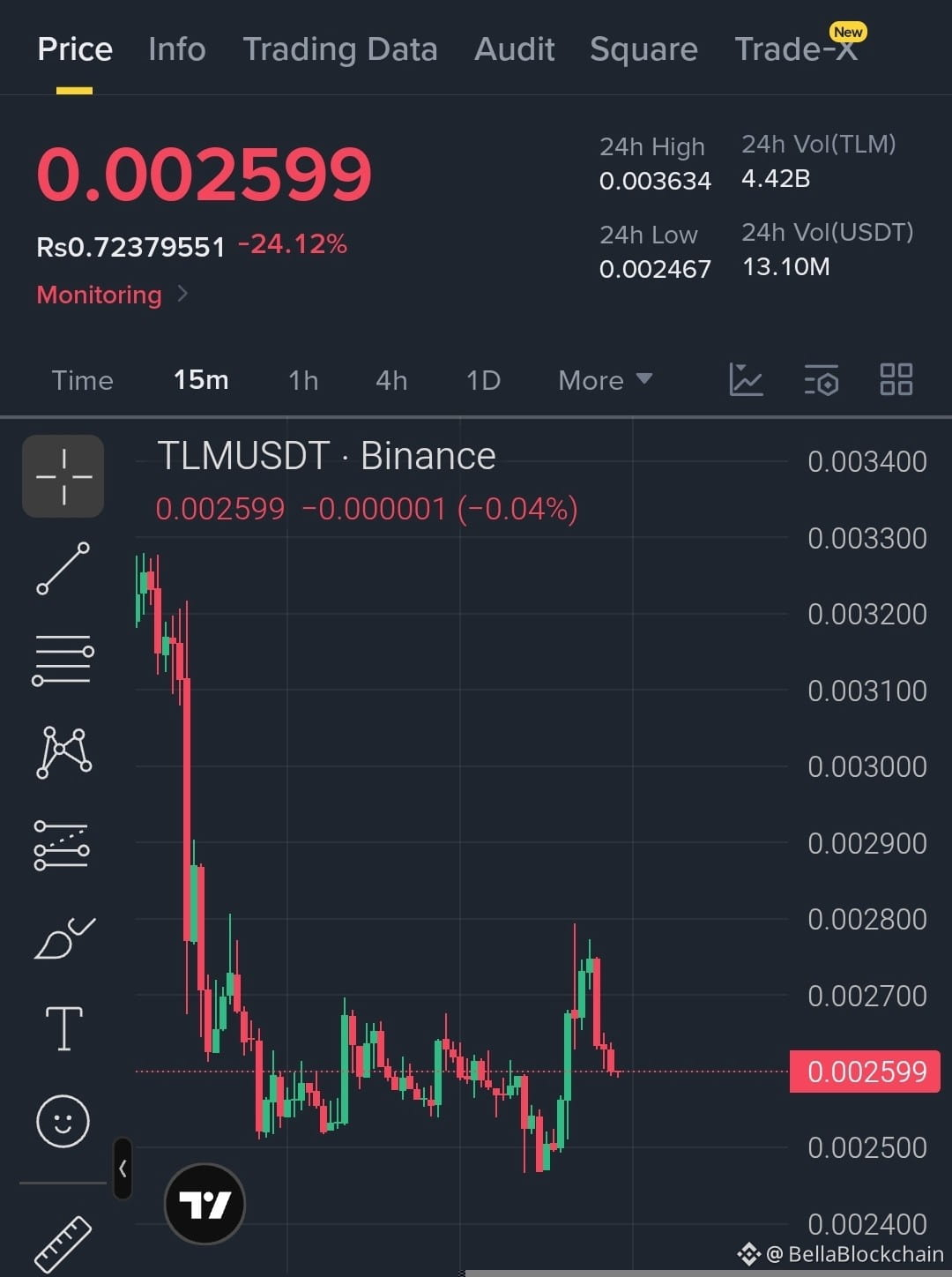
$TLM شهدت تصحيحًا حادًا خلال الـ 24 ساعة الماضية، حيث انخفضت بشكل ملحوظ لاختبار مستوى الدعم القريب من 0.002467. تشير مخططات الـ 15 دقيقة إلى أن السعر يحاول حاليًا تكوين قاعدة تراكمية حول نطاق 0.002500 إلى 0.002600 بعد عملية هبوط حادة. إذا تمكن المشترون من الحفاظ على منطقة التماسك الحالية وبناء زخم صعودي، فمن المرجح جدًا حدوث ارتداد تقني قوي باتجاه مستويات المقاومة المحلية السابقة.
الهدف 1: 0.002850 الهدف 2: 0.003200 الهدف 3: 0.003600
#TLM #GamingCoins #CryptoAnalysis
$TLM
{future}(TLMUSDT)
$TLM شهدت تصحيحًا حادًا خلال الـ 24 ساعة الماضية، حيث انخفضت بشكل ملحوظ لاختبار مستوى الدعم القريب من 0.002467. تشير مخططات الـ 15 دقيقة إلى أن السعر يحاول حاليًا تكوين قاعدة تراكمية حول نطاق 0.002500 إلى 0.002600 بعد عملية هبوط حادة. إذا تمكن المشترون من الحفاظ على منطقة التماسك الحالية وبناء زخم صعودي، فمن المرجح جدًا حدوث ارتداد تقني قوي باتجاه مستويات المقاومة المحلية السابقة.
الهدف 1: 0.002850 الهدف 2: 0.003200 الهدف 3: 0.003600
#TLM #GamingCoins #CryptoAnalysis
$TLM
الهدف 1: 0.002850 الهدف 2: 0.003200 الهدف 3: 0.003600
#TLM #GamingCoins #CryptoAnalysis
$TLM
1
189

·
--
🔎 محلل: $VANRY بناء الزخم مع تقوية روايات الذكاء الاصطناعي والألعاب
تُظهر VANRY قوة متجددة مع عودة رأس المال إلى مشروعات البنية التحتية للذكاء الاصطناعي والألعاب وWeb3. كانت حركة السعر الأخيرة بنّاءة؛ إذ يدافع المشترون عن مستويات دعم محورية بينما يستمر تحسّن حجم التداول، ما يشير إلى تزايد ثقة السوق.
ما يميّز VANRY هو تركيزها على تمكين تطبيقات الذكاء الاصطناعي والألعاب من الجيل التالي عبر بنية بلوكتشين قابلة للتوسع. وبما أنّ رواية الذكاء الاصطناعي تظلّ من أقوى المواضيع في العملات المشفّرة خلال 2026، فإن المشاريع ذات المنفعة الحقيقية داخل النظام البيئي تجذب اهتمامًا متزايدًا من المتداولين والمستثمرين على المدى الطويل.
من الناحية الفنية، تقوم VANRY بالتجميع بعد صعودها الأخير مع الحفاظ على سلسلة من القيعان الأعلى. يشير هذا البناء إلى أن الثيران ما زالت في السيطرة. إذا اخترق الرمز المستوى التالي من المقاومة مع حجم تداول قوي، فقد يفتح ذلك المجال لمرحلة صعود أخرى.
🚀 رأيي في 2026:
تواصل VANRY كونها واحدة من أكثر المشاريع متوسطة القيمة إثارة للاهتمام بفضل تعرضها لكلٍّ من الذكاء الاصطناعي وألعاب البلوكتشين—وهما من أقوى الروايات في السوق الحالي. إذا تسارعت وتيرة اعتماد النظام البيئي واستمرت أنشطة المطورين في النمو، فقد تتفوّق VANRY على كثير من أسهم/توكنات الألعاب التقليدية خلال هذه الدورة.
#GamingCoins #BinanceGaming #VANRYUSDT
{future}(VANRYUSDT)
🔎 محلل: $VANRY بناء الزخم مع تقوية روايات الذكاء الاصطناعي والألعاب
تُظهر VANRY قوة متجددة مع عودة رأس المال إلى مشروعات البنية التحتية للذكاء الاصطناعي والألعاب وWeb3. كانت حركة السعر الأخيرة بنّاءة؛ إذ يدافع المشترون عن مستويات دعم محورية بينما يستمر تحسّن حجم التداول، ما يشير إلى تزايد ثقة السوق.
ما يميّز VANRY هو تركيزها على تمكين تطبيقات الذكاء الاصطناعي والألعاب من الجيل التالي عبر بنية بلوكتشين قابلة للتوسع. وبما أنّ رواية الذكاء الاصطناعي تظلّ من أقوى المواضيع في العملات المشفّرة خلال 2026، فإن المشاريع ذات المنفعة الحقيقية داخل النظام البيئي تجذب اهتمامًا متزايدًا من المتداولين والمستثمرين على المدى الطويل.
من الناحية الفنية، تقوم VANRY بالتجميع بعد صعودها الأخير مع الحفاظ على سلسلة من القيعان الأعلى. يشير هذا البناء إلى أن الثيران ما زالت في السيطرة. إذا اخترق الرمز المستوى التالي من المقاومة مع حجم تداول قوي، فقد يفتح ذلك المجال لمرحلة صعود أخرى.
🚀 رأيي في 2026:
تواصل VANRY كونها واحدة من أكثر المشاريع متوسطة القيمة إثارة للاهتمام بفضل تعرضها لكلٍّ من الذكاء الاصطناعي وألعاب البلوكتشين—وهما من أقوى الروايات في السوق الحالي. إذا تسارعت وتيرة اعتماد النظام البيئي واستمرت أنشطة المطورين في النمو، فقد تتفوّق VANRY على كثير من أسهم/توكنات الألعاب التقليدية خلال هذه الدورة.
#GamingCoins #BinanceGaming #VANRYUSDT
تُظهر VANRY قوة متجددة مع عودة رأس المال إلى مشروعات البنية التحتية للذكاء الاصطناعي والألعاب وWeb3. كانت حركة السعر الأخيرة بنّاءة؛ إذ يدافع المشترون عن مستويات دعم محورية بينما يستمر تحسّن حجم التداول، ما يشير إلى تزايد ثقة السوق.
ما يميّز VANRY هو تركيزها على تمكين تطبيقات الذكاء الاصطناعي والألعاب من الجيل التالي عبر بنية بلوكتشين قابلة للتوسع. وبما أنّ رواية الذكاء الاصطناعي تظلّ من أقوى المواضيع في العملات المشفّرة خلال 2026، فإن المشاريع ذات المنفعة الحقيقية داخل النظام البيئي تجذب اهتمامًا متزايدًا من المتداولين والمستثمرين على المدى الطويل.
من الناحية الفنية، تقوم VANRY بالتجميع بعد صعودها الأخير مع الحفاظ على سلسلة من القيعان الأعلى. يشير هذا البناء إلى أن الثيران ما زالت في السيطرة. إذا اخترق الرمز المستوى التالي من المقاومة مع حجم تداول قوي، فقد يفتح ذلك المجال لمرحلة صعود أخرى.
🚀 رأيي في 2026:
تواصل VANRY كونها واحدة من أكثر المشاريع متوسطة القيمة إثارة للاهتمام بفضل تعرضها لكلٍّ من الذكاء الاصطناعي وألعاب البلوكتشين—وهما من أقوى الروايات في السوق الحالي. إذا تسارعت وتيرة اعتماد النظام البيئي واستمرت أنشطة المطورين في النمو، فقد تتفوّق VANRY على كثير من أسهم/توكنات الألعاب التقليدية خلال هذه الدورة.
#GamingCoins #BinanceGaming #VANRYUSDT
154

·
--
يمكن أن تصبح الضجة حول GTA VI أكبر من معظم الناس يدركون بالنسبة للعملات الرقمية في عالم الألعاب. 🎮🔥
كل دورة ألعاب رئيسية تخلق فرص جديدة في الاقتصاديات الرقمية، الأصول الافتراضية، والمجتمعات على الإنترنت. GTA ليست لعبة قائمة على البلوكتشين، لكن تأثيرها على صناعة الألعاب يمكن أن يجذب انتباهًا هائلًا لمشاريع العملات الرقمية المرتبطة بالألعاب.
لماذا؟
لأن GTA VI من المتوقع أن تدفع:
✅ الاقتصاديات الافتراضية
✅ ثقافة الملكية على الإنترنت
✅ الهوية الرقمية
✅ تحقيق الدخل داخل اللعبة
✅ أنظمة متعددة اللاعبين ضخمة
وهذا بشكل طبيعي يزيد من الاهتمام في سرد القصص المتعلقة بألعاب ويب 3.
تتحرك عملات الألعاب عادةً عندما:
• يعود اهتمام التجزئة
• تتجه الإصدارات الكبيرة للألعاب عالميًا
• تعود مناقشات الميتافيرس
• تصبح المجتمعات الألعاب نشطة للغاية مرة أخرى
المشاريع المرتبطة بـ:
🎮 GameFi
🕹 بنية تحتية للميتافيرس
💰 ملكية الأصول الرقمية
🌐 أنظمة الألعاب المدعومة بالذكاء الاصطناعي
يمكن أن تستفيد إذا انفجر شعور اللاعبين خلال عصر GTA VI.
المفتاح هو فهم شيء واحد:
السرد يحرك الأسواق قبل أن تلحق الأساسيات.
في الدورات السابقة، قدمت رموز الألعاب بعضًا من أقوى الارتفاعات لأنها تجمع بين:
• ضجة المجتمع
• التكنولوجيا
• الترفيه
• مشاركة التجزئة
قد لا تبدأ الموجة القادمة من الألعاب من ألعاب البلوكتشين وحدها. قد تبدأ من اهتمام الألعاب السائدة الذي يتسرب إلى العملات الرقمية.
المستثمرون الأذكياء يراقبون السرد مبكرًا. 👀🚀
#gta #GamingCoins #GamingTokens
$AI $FLOKI $SAND
{spot}(FLOKIUSDT)
{future}(SANDUSDT)
{spot}(AIUSDT)
يمكن أن تصبح الضجة حول GTA VI أكبر من معظم الناس يدركون بالنسبة للعملات الرقمية في عالم الألعاب. 🎮🔥
كل دورة ألعاب رئيسية تخلق فرص جديدة في الاقتصاديات الرقمية، الأصول الافتراضية، والمجتمعات على الإنترنت. GTA ليست لعبة قائمة على البلوكتشين، لكن تأثيرها على صناعة الألعاب يمكن أن يجذب انتباهًا هائلًا لمشاريع العملات الرقمية المرتبطة بالألعاب.
لماذا؟
لأن GTA VI من المتوقع أن تدفع:
✅ الاقتصاديات الافتراضية
✅ ثقافة الملكية على الإنترنت
✅ الهوية الرقمية
✅ تحقيق الدخل داخل اللعبة
✅ أنظمة متعددة اللاعبين ضخمة
وهذا بشكل طبيعي يزيد من الاهتمام في سرد القصص المتعلقة بألعاب ويب 3.
تتحرك عملات الألعاب عادةً عندما:
• يعود اهتمام التجزئة
• تتجه الإصدارات الكبيرة للألعاب عالميًا
• تعود مناقشات الميتافيرس
• تصبح المجتمعات الألعاب نشطة للغاية مرة أخرى
المشاريع المرتبطة بـ:
🎮 GameFi
🕹 بنية تحتية للميتافيرس
💰 ملكية الأصول الرقمية
🌐 أنظمة الألعاب المدعومة بالذكاء الاصطناعي
يمكن أن تستفيد إذا انفجر شعور اللاعبين خلال عصر GTA VI.
المفتاح هو فهم شيء واحد:
السرد يحرك الأسواق قبل أن تلحق الأساسيات.
في الدورات السابقة، قدمت رموز الألعاب بعضًا من أقوى الارتفاعات لأنها تجمع بين:
• ضجة المجتمع
• التكنولوجيا
• الترفيه
• مشاركة التجزئة
قد لا تبدأ الموجة القادمة من الألعاب من ألعاب البلوكتشين وحدها. قد تبدأ من اهتمام الألعاب السائدة الذي يتسرب إلى العملات الرقمية.
المستثمرون الأذكياء يراقبون السرد مبكرًا. 👀🚀
#gta #GamingCoins #GamingTokens
$AI $FLOKI $SAND
كل دورة ألعاب رئيسية تخلق فرص جديدة في الاقتصاديات الرقمية، الأصول الافتراضية، والمجتمعات على الإنترنت. GTA ليست لعبة قائمة على البلوكتشين، لكن تأثيرها على صناعة الألعاب يمكن أن يجذب انتباهًا هائلًا لمشاريع العملات الرقمية المرتبطة بالألعاب.
لماذا؟
لأن GTA VI من المتوقع أن تدفع:
✅ الاقتصاديات الافتراضية
✅ ثقافة الملكية على الإنترنت
✅ الهوية الرقمية
✅ تحقيق الدخل داخل اللعبة
✅ أنظمة متعددة اللاعبين ضخمة
وهذا بشكل طبيعي يزيد من الاهتمام في سرد القصص المتعلقة بألعاب ويب 3.
تتحرك عملات الألعاب عادةً عندما:
• يعود اهتمام التجزئة
• تتجه الإصدارات الكبيرة للألعاب عالميًا
• تعود مناقشات الميتافيرس
• تصبح المجتمعات الألعاب نشطة للغاية مرة أخرى
المشاريع المرتبطة بـ:
🎮 GameFi
🕹 بنية تحتية للميتافيرس
💰 ملكية الأصول الرقمية
🌐 أنظمة الألعاب المدعومة بالذكاء الاصطناعي
يمكن أن تستفيد إذا انفجر شعور اللاعبين خلال عصر GTA VI.
المفتاح هو فهم شيء واحد:
السرد يحرك الأسواق قبل أن تلحق الأساسيات.
في الدورات السابقة، قدمت رموز الألعاب بعضًا من أقوى الارتفاعات لأنها تجمع بين:
• ضجة المجتمع
• التكنولوجيا
• الترفيه
• مشاركة التجزئة
قد لا تبدأ الموجة القادمة من الألعاب من ألعاب البلوكتشين وحدها. قد تبدأ من اهتمام الألعاب السائدة الذي يتسرب إلى العملات الرقمية.
المستثمرون الأذكياء يراقبون السرد مبكرًا. 👀🚀
#gta #GamingCoins #GamingTokens
$AI $FLOKI $SAND
5
359
مقالة
تغريدة سولانا الفيروسية: التسجيل للمعلب الجديد مباشر — ما الذي يمكن أن يتيحه هذا؟لقد استحوذت أحدث الأنشطة على وسائل التواصل الاجتماعي من سولانا على اهتمام مجتمع العملات المشفرة، مما أثار نقاشات واهتمامًا. فقد قامت المنصة بإعادة تغريد منشور من @Heistedxyz بخصوص إطلاق محاكي سرقة، ما يشير إلى تفاعل حيوي مع المستخدمين. يستكشف هذا المقال تداعيات التغريدات الفيروسية لسولانا وتأثيرها على المتداولين والمستخدمين.
لقد عززت إعادة تغريد سولانا لمنشور فيروسي عن محاكي سرقة جديد بشكل ملحوظ تفاعل المستخدمين، مما يبرز مشاركة مجتمعية نشطة. وقد حظي التغريد الذي أعلن أن التسجيل للعبة أصبح متاحًا الآن باهتمام كبير، مع 1,437 إعجابًا و270 إعادة تغريد. يعكس هذا المستوى من التفاعل تنامي تأثير سولانا في مجال العملات المشفرة، لا سيما في قطاع الألعاب. ومع ظهور إشارات مختلطة حاليًا في السوق الأوسع للعملات المشفرة، قد تشكل استراتيجية سولانا الاستباقية على وسائل التواصل الاجتماعي عاملًا حاسمًا في جذب اهتمام المستخدمين ودفع النشاطات المستقبلية.
تغريدة سولانا الفيروسية: التسجيل للمعلب الجديد مباشر — ما الذي يمكن أن يتيحه هذا؟
لقد استحوذت أحدث الأنشطة على وسائل التواصل الاجتماعي من سولانا على اهتمام مجتمع العملات المشفرة، مما أثار نقاشات واهتمامًا. فقد قامت المنصة بإعادة تغريد منشور من @Heistedxyz بخصوص إطلاق محاكي سرقة، ما يشير إلى تفاعل حيوي مع المستخدمين. يستكشف هذا المقال تداعيات التغريدات الفيروسية لسولانا وتأثيرها على المتداولين والمستخدمين.
لقد عززت إعادة تغريد سولانا لمنشور فيروسي عن محاكي سرقة جديد بشكل ملحوظ تفاعل المستخدمين، مما يبرز مشاركة مجتمعية نشطة. وقد حظي التغريد الذي أعلن أن التسجيل للعبة أصبح متاحًا الآن باهتمام كبير، مع 1,437 إعجابًا و270 إعادة تغريد. يعكس هذا المستوى من التفاعل تنامي تأثير سولانا في مجال العملات المشفرة، لا سيما في قطاع الألعاب. ومع ظهور إشارات مختلطة حاليًا في السوق الأوسع للعملات المشفرة، قد تشكل استراتيجية سولانا الاستباقية على وسائل التواصل الاجتماعي عاملًا حاسمًا في جذب اهتمام المستخدمين ودفع النشاطات المستقبلية.
لقد عززت إعادة تغريد سولانا لمنشور فيروسي عن محاكي سرقة جديد بشكل ملحوظ تفاعل المستخدمين، مما يبرز مشاركة مجتمعية نشطة. وقد حظي التغريد الذي أعلن أن التسجيل للعبة أصبح متاحًا الآن باهتمام كبير، مع 1,437 إعجابًا و270 إعادة تغريد. يعكس هذا المستوى من التفاعل تنامي تأثير سولانا في مجال العملات المشفرة، لا سيما في قطاع الألعاب. ومع ظهور إشارات مختلطة حاليًا في السوق الأوسع للعملات المشفرة، قد تشكل استراتيجية سولانا الاستباقية على وسائل التواصل الاجتماعي عاملًا حاسمًا في جذب اهتمام المستخدمين ودفع النشاطات المستقبلية.
327

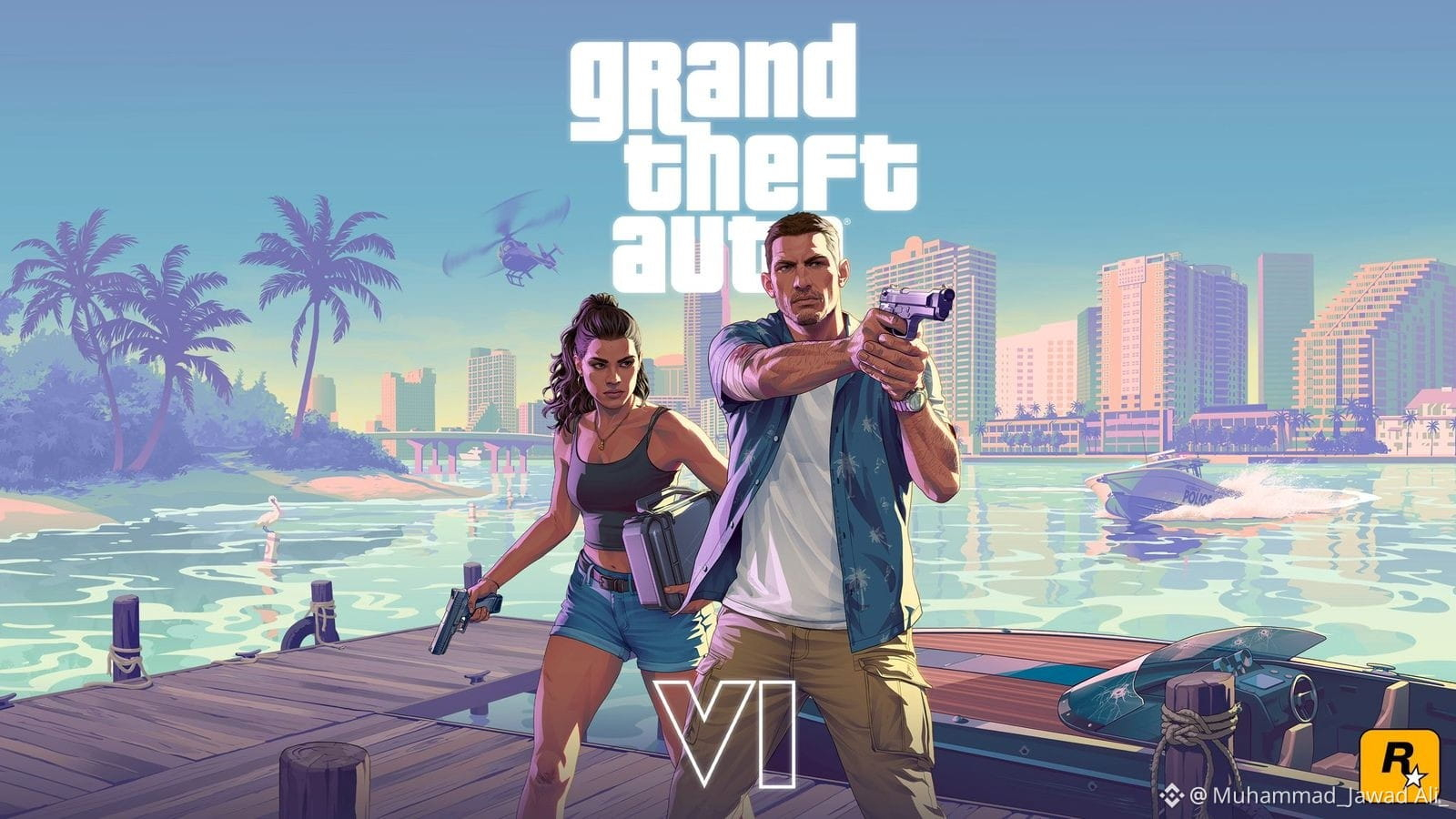
عاجل: تأكيد من Take-Two أن GTA 6 على المسار للإطلاق في 19 نوفمبر 2026.
قريبًا ستبدأ عملات الألعاب في الارتفاع.
$GALA $RONIN
$IMX
#GTA6trailer
#GamingCoins
عاجل: تأكيد من Take-Two أن GTA 6 على المسار للإطلاق في 19 نوفمبر 2026.
قريبًا ستبدأ عملات الألعاب في الارتفاع.
$GALA $RONIN
$IMX
#GTA6trailer
#GamingCoins
قريبًا ستبدأ عملات الألعاب في الارتفاع.
$GALA $RONIN
$IMX
#GTA6trailer
#GamingCoins
3
374
سجّل الدخول لاستكشاف المزيد من المُحتوى
انضم إلى مُستخدمي العملات الرقمية حول العالم على Binance Square
⚡️ احصل على أحدث المعلومات المفيدة عن العملات الرقمية.
💬 موثوقة من قبل أكبر منصّة لتداول العملات الرقمية في العالم.
👍 اكتشف الرؤى الحقيقية من صنّاع المُحتوى الموثوقين.
البريد الإلكتروني / رقم الهاتف
المواضيع الرائجة
1
#AIStocksWhatNext
36,457 مشاهدات
69 يقومون بالنقاش
2
#TokenizedStockPlatformsCouldLaunchNextQuarter
13 مشاهدات
0 يقومون بالنقاش
3
#StrategyAdds950Bitcoin
1,640 مشاهدات
0 يقومون بالنقاش
4
#CardanoAddedToX402KitForADAPayments
6,811 مشاهدات
188 يقومون بالنقاش
5
#XRPRises8%
17,581 مشاهدات
513 يقومون بالنقاش
6
#AMDHits$1TrillionMarketCap
615 مشاهدات
25 يقومون بالنقاش
7
#BitcoinSpotETFs$999MNetInflow
1,327 مشاهدات
40 يقومون بالنقاش
8
#AppleGoogleSeekStablecoinTokenizedDepositTalent
9,723 مشاهدات
376 يقومون بالنقاش
9
#NvidiaToBuyAnother$1.5BSBEnergySharesPreIPO
1,679 مشاهدات
34 يقومون بالنقاش
10
#AgoraGetsPreliminaryOCCApprovalForTrustBank
6,587 مشاهدات
192 يقومون بالنقاش