

#finance
finance
3.7M مشاهدات
11,233 يقومون بالنقاش
رائج
جديد


·
--
📊 البيانات:
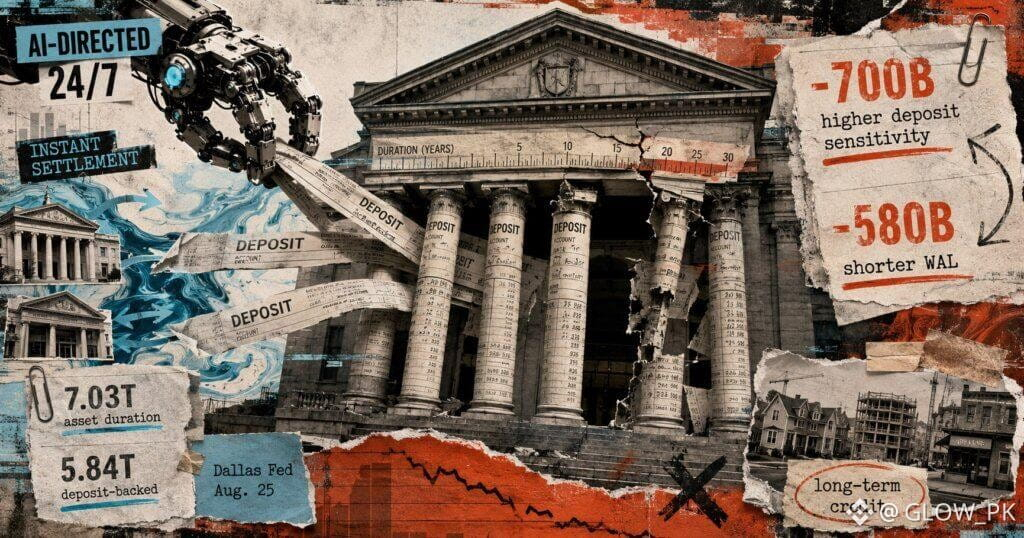
يُشير نموذجٌ تابع لمصرف الاحتياطي الفيدرالي في دالاس إلى أن زيادة بنسبة 10% في حساسية الودائع قد تقلّص شهية البنوك تجاه مخاطر مدة الأصول بنحو 700 مليار دولار.
تتمثل المشكلة الأكبر في ما يحدث عندما يبدأ الذكاء الاصطناعي في نقل الأموال فورًا نحو أفضل العوائد المتاحة.
قد يتعين على البنوك أن تتنافس بجدية أكبر على الودائع، ما قد يرفع تكاليف تمويلها. وعندما تدفع البنوك أكثر مقابل التمويل، فقد تصل هذه التكاليف في نهاية المطاف إلى المقترضين يوميًا عبر ارتفاع معدلات القروض.
ليس الذكاء الاصطناعي مجرد تغيير في التداول والاستثمار—بل يمكنه أن يعيد تشكيل، بهدوء، طريقة تسعير النظام المصرفي بالكامل للأموال.
#AI #Banking #Finance #Crypto #economy
📊 البيانات:
يُشير نموذجٌ تابع لمصرف الاحتياطي الفيدرالي في دالاس إلى أن زيادة بنسبة 10% في حساسية الودائع قد تقلّص شهية البنوك تجاه مخاطر مدة الأصول بنحو 700 مليار دولار.
تتمثل المشكلة الأكبر في ما يحدث عندما يبدأ الذكاء الاصطناعي في نقل الأموال فورًا نحو أفضل العوائد المتاحة.
قد يتعين على البنوك أن تتنافس بجدية أكبر على الودائع، ما قد يرفع تكاليف تمويلها. وعندما تدفع البنوك أكثر مقابل التمويل، فقد تصل هذه التكاليف في نهاية المطاف إلى المقترضين يوميًا عبر ارتفاع معدلات القروض.
ليس الذكاء الاصطناعي مجرد تغيير في التداول والاستثمار—بل يمكنه أن يعيد تشكيل، بهدوء، طريقة تسعير النظام المصرفي بالكامل للأموال.
#AI #Banking #Finance #Crypto #economy
يُشير نموذجٌ تابع لمصرف الاحتياطي الفيدرالي في دالاس إلى أن زيادة بنسبة 10% في حساسية الودائع قد تقلّص شهية البنوك تجاه مخاطر مدة الأصول بنحو 700 مليار دولار.
تتمثل المشكلة الأكبر في ما يحدث عندما يبدأ الذكاء الاصطناعي في نقل الأموال فورًا نحو أفضل العوائد المتاحة.
قد يتعين على البنوك أن تتنافس بجدية أكبر على الودائع، ما قد يرفع تكاليف تمويلها. وعندما تدفع البنوك أكثر مقابل التمويل، فقد تصل هذه التكاليف في نهاية المطاف إلى المقترضين يوميًا عبر ارتفاع معدلات القروض.
ليس الذكاء الاصطناعي مجرد تغيير في التداول والاستثمار—بل يمكنه أن يعيد تشكيل، بهدوء، طريقة تسعير النظام المصرفي بالكامل للأموال.
#AI #Banking #Finance #Crypto #economy
4
153

مقالة
عرض الترجمة
होर्मुज़ की अहमियत सिर्फ तेल के आंकड़ों में नहीं हैवैश्विक ऊर्जा बाजार को समझने के लिए केवल यह देखना पर्याप्त नहीं है कि तेल कहाँ निकाला जाता है। यह भी देखना जरूरी है कि वह दुनिया के उपभोक्ताओं तक किस रास्ते से पहुंचता है।
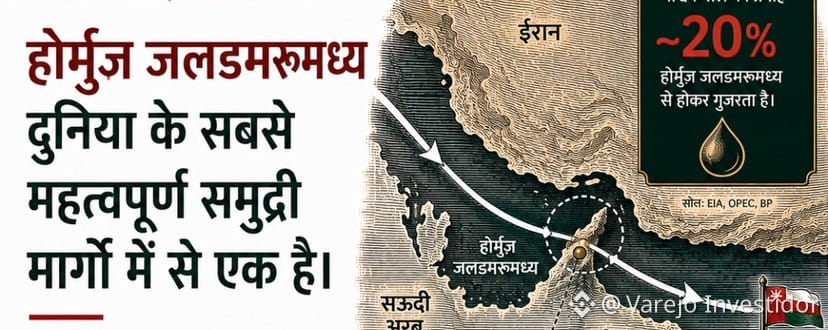
होर्मुज़ जलडमरूमध्य इसी कारण महत्वपूर्ण है। फारस की खाड़ी से निकलने वाले ऊर्जा कार्गो के लिए यह एक प्रमुख समुद्री मार्ग है और इसके आसपास मौजूद देश वैश्विक तेल आपूर्ति में महत्वपूर्ण भूमिका रखते हैं।
इस मार्ग में किसी भी प्रकार का व्यवधान कई आर्थिक चैनलों को प्रभावित कर सकता है।
सबसे पहले समुद्री परिवहन और बीमा की लागत पर दबाव आ सकता है। इसके बाद तेल की कीमतों में जोखिम प्रीमियम दिखाई दे सकता है। यदि ऊर्जा महंगी होती है, तो परिवहन, उद्योग और उत्पादन की लागत भी बदल सकती है।
इसके प्रभाव की श्रृंखला कुछ इस तरह समझी जा सकती है:
होर्मुज़ → ऊर्जा प्रवाह → तेल कीमतें → परिवहन लागत → महंगाई → वैश्विक बाजार
यही वजह है कि भूगोल वित्तीय बाजारों के लिए इतना महत्वपूर्ण है। एक संकीर्ण समुद्री मार्ग कई देशों की ऊर्जा सुरक्षा और व्यापारिक गतिविधियों से जुड़ा हो सकता है।
निवेशकों के लिए महत्वपूर्ण सवाल केवल यह नहीं है कि तेल की कीमत आज कितनी है।
सवाल यह है कि वैश्विक ऊर्जा नेटवर्क में कौन से रास्ते महत्वपूर्ण हैं, कौन से देश उन पर निर्भर हैं और किसी व्यवधान की स्थिति में उसका आर्थिक प्रभाव कितनी दूर तक फैल सकता है।
बाजारों को समझने के लिए नक्शा भी उतना ही महत्वपूर्ण हो सकता है जितना चार्ट।
#oil #USDT #economy #Finance
$USO.ETF
$XOM.US $CVX.US
{stock_us}(CVX.US)
{stock_us}(XOM.US)
{etf_us}(USO.ETF)
होर्मुज़ की अहमियत सिर्फ तेल के आंकड़ों में नहीं है
वैश्विक ऊर्जा बाजार को समझने के लिए केवल यह देखना पर्याप्त नहीं है कि तेल कहाँ निकाला जाता है। यह भी देखना जरूरी है कि वह दुनिया के उपभोक्ताओं तक किस रास्ते से पहुंचता है।
होर्मुज़ जलडमरूमध्य इसी कारण महत्वपूर्ण है। फारस की खाड़ी से निकलने वाले ऊर्जा कार्गो के लिए यह एक प्रमुख समुद्री मार्ग है और इसके आसपास मौजूद देश वैश्विक तेल आपूर्ति में महत्वपूर्ण भूमिका रखते हैं।
इस मार्ग में किसी भी प्रकार का व्यवधान कई आर्थिक चैनलों को प्रभावित कर सकता है।
सबसे पहले समुद्री परिवहन और बीमा की लागत पर दबाव आ सकता है। इसके बाद तेल की कीमतों में जोखिम प्रीमियम दिखाई दे सकता है। यदि ऊर्जा महंगी होती है, तो परिवहन, उद्योग और उत्पादन की लागत भी बदल सकती है।
इसके प्रभाव की श्रृंखला कुछ इस तरह समझी जा सकती है:
होर्मुज़ → ऊर्जा प्रवाह → तेल कीमतें → परिवहन लागत → महंगाई → वैश्विक बाजार
यही वजह है कि भूगोल वित्तीय बाजारों के लिए इतना महत्वपूर्ण है। एक संकीर्ण समुद्री मार्ग कई देशों की ऊर्जा सुरक्षा और व्यापारिक गतिविधियों से जुड़ा हो सकता है।
निवेशकों के लिए महत्वपूर्ण सवाल केवल यह नहीं है कि तेल की कीमत आज कितनी है।
सवाल यह है कि वैश्विक ऊर्जा नेटवर्क में कौन से रास्ते महत्वपूर्ण हैं, कौन से देश उन पर निर्भर हैं और किसी व्यवधान की स्थिति में उसका आर्थिक प्रभाव कितनी दूर तक फैल सकता है।
बाजारों को समझने के लिए नक्शा भी उतना ही महत्वपूर्ण हो सकता है जितना चार्ट।
#oil #USDT #economy #Finance
$USO.ETF
$XOM.US $CVX.US
होर्मुज़ जलडमरूमध्य इसी कारण महत्वपूर्ण है। फारस की खाड़ी से निकलने वाले ऊर्जा कार्गो के लिए यह एक प्रमुख समुद्री मार्ग है और इसके आसपास मौजूद देश वैश्विक तेल आपूर्ति में महत्वपूर्ण भूमिका रखते हैं।
इस मार्ग में किसी भी प्रकार का व्यवधान कई आर्थिक चैनलों को प्रभावित कर सकता है।
सबसे पहले समुद्री परिवहन और बीमा की लागत पर दबाव आ सकता है। इसके बाद तेल की कीमतों में जोखिम प्रीमियम दिखाई दे सकता है। यदि ऊर्जा महंगी होती है, तो परिवहन, उद्योग और उत्पादन की लागत भी बदल सकती है।
इसके प्रभाव की श्रृंखला कुछ इस तरह समझी जा सकती है:
होर्मुज़ → ऊर्जा प्रवाह → तेल कीमतें → परिवहन लागत → महंगाई → वैश्विक बाजार
यही वजह है कि भूगोल वित्तीय बाजारों के लिए इतना महत्वपूर्ण है। एक संकीर्ण समुद्री मार्ग कई देशों की ऊर्जा सुरक्षा और व्यापारिक गतिविधियों से जुड़ा हो सकता है।
निवेशकों के लिए महत्वपूर्ण सवाल केवल यह नहीं है कि तेल की कीमत आज कितनी है।
सवाल यह है कि वैश्विक ऊर्जा नेटवर्क में कौन से रास्ते महत्वपूर्ण हैं, कौन से देश उन पर निर्भर हैं और किसी व्यवधान की स्थिति में उसका आर्थिक प्रभाव कितनी दूर तक फैल सकता है।
बाजारों को समझने के लिए नक्शा भी उतना ही महत्वपूर्ण हो सकता है जितना चार्ट।
#oil #USDT #economy #Finance
$USO.ETF
$XOM.US $CVX.US
Felipe-Brayner:
Mexe com toda economia 😅😂😂.
1
2
79
مقالة
عرض الترجمة
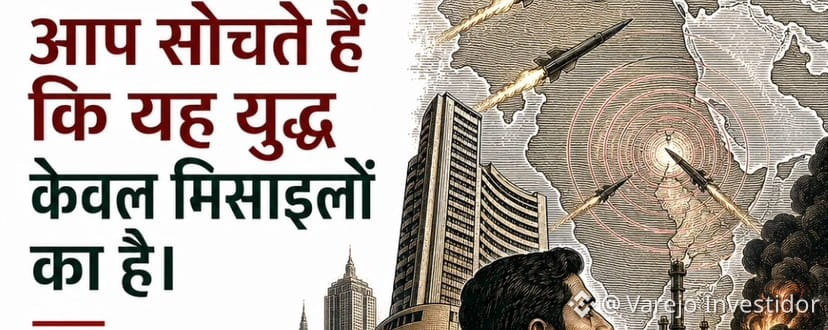
युद्ध का असर मिसाइलों से कहीं आगे जाता हैकिसी भी बड़े क्षेत्रीय संघर्ष को समझने के लिए केवल सैन्य गतिविधियों को देखना पर्याप्त नहीं है। युद्ध का प्रभाव ऊर्जा, व्यापार, महंगाई, मुद्रा और वित्तीय बाजारों तक फैल सकता है।
भारत जैसे बड़े आयातक देश के लिए ऊर्जा की कीमतों में बदलाव विशेष महत्व रखता है। यदि तेल महंगा होता है, तो परिवहन और उत्पादन की लागत बढ़ सकती है। इसका असर कंपनियों के मार्जिन, उपभोक्ता कीमतों और आर्थिक विकास की गति पर पड़ सकता है।
लेकिन प्रभाव केवल तेल तक सीमित नहीं रहता।
ऊर्जा महंगी होने पर मुद्रास्फीति का दबाव बढ़ सकता है। केंद्रीय बैंक ब्याज दरों और मौद्रिक नीति को लेकर अपनी अपेक्षाओं को समायोजित कर सकते हैं। दूसरी ओर, वैश्विक निवेशक जोखिम को दोबारा आंकते हैं, जिससे शेयर बाजार, बॉन्ड, मुद्राओं और कमोडिटीज में उतार-चढ़ाव बढ़ सकता है।
एक संघर्ष इसलिए कई अलग-अलग बाजारों को एक साथ प्रभावित कर सकता है:
युद्ध → ऊर्जा → महंगाई → ब्याज दरें → पूंजी प्रवाह → बाजार
यही कारण है कि भू-राजनीति को केवल राजनीतिक विषय मानना अधूरा है। यह वैश्विक आर्थिक संरचना का हिस्सा है।
निवेशकों के लिए महत्वपूर्ण बात किसी एक घटना की भविष्यवाणी करना नहीं, बल्कि यह समझना है कि एक क्षेत्र में उत्पन्न जोखिम किन आर्थिक चैनलों के माध्यम से दुनिया के दूसरे हिस्सों तक पहुंच सकता है।
युद्ध सीमाओं को बदल सकता है, लेकिन उसके आर्थिक प्रभाव अक्सर सीमाओं से कहीं आगे जाते हैं।
#Finance #economy #investimento #money
$INDA.ETF
$USOY.ETF
{etf_us}(USOY.ETF)
$EEM.ETF
{etf_us}(EEM.ETF)
{etf_us}(INDA.ETF)
युद्ध का असर मिसाइलों से कहीं आगे जाता है
किसी भी बड़े क्षेत्रीय संघर्ष को समझने के लिए केवल सैन्य गतिविधियों को देखना पर्याप्त नहीं है। युद्ध का प्रभाव ऊर्जा, व्यापार, महंगाई, मुद्रा और वित्तीय बाजारों तक फैल सकता है।
भारत जैसे बड़े आयातक देश के लिए ऊर्जा की कीमतों में बदलाव विशेष महत्व रखता है। यदि तेल महंगा होता है, तो परिवहन और उत्पादन की लागत बढ़ सकती है। इसका असर कंपनियों के मार्जिन, उपभोक्ता कीमतों और आर्थिक विकास की गति पर पड़ सकता है।
लेकिन प्रभाव केवल तेल तक सीमित नहीं रहता।
ऊर्जा महंगी होने पर मुद्रास्फीति का दबाव बढ़ सकता है। केंद्रीय बैंक ब्याज दरों और मौद्रिक नीति को लेकर अपनी अपेक्षाओं को समायोजित कर सकते हैं। दूसरी ओर, वैश्विक निवेशक जोखिम को दोबारा आंकते हैं, जिससे शेयर बाजार, बॉन्ड, मुद्राओं और कमोडिटीज में उतार-चढ़ाव बढ़ सकता है।
एक संघर्ष इसलिए कई अलग-अलग बाजारों को एक साथ प्रभावित कर सकता है:
युद्ध → ऊर्जा → महंगाई → ब्याज दरें → पूंजी प्रवाह → बाजार
यही कारण है कि भू-राजनीति को केवल राजनीतिक विषय मानना अधूरा है। यह वैश्विक आर्थिक संरचना का हिस्सा है।
निवेशकों के लिए महत्वपूर्ण बात किसी एक घटना की भविष्यवाणी करना नहीं, बल्कि यह समझना है कि एक क्षेत्र में उत्पन्न जोखिम किन आर्थिक चैनलों के माध्यम से दुनिया के दूसरे हिस्सों तक पहुंच सकता है।
युद्ध सीमाओं को बदल सकता है, लेकिन उसके आर्थिक प्रभाव अक्सर सीमाओं से कहीं आगे जाते हैं।
#Finance #economy #investimento #money
$INDA.ETF
$USOY.ETF
$EEM.ETF
भारत जैसे बड़े आयातक देश के लिए ऊर्जा की कीमतों में बदलाव विशेष महत्व रखता है। यदि तेल महंगा होता है, तो परिवहन और उत्पादन की लागत बढ़ सकती है। इसका असर कंपनियों के मार्जिन, उपभोक्ता कीमतों और आर्थिक विकास की गति पर पड़ सकता है।
लेकिन प्रभाव केवल तेल तक सीमित नहीं रहता।
ऊर्जा महंगी होने पर मुद्रास्फीति का दबाव बढ़ सकता है। केंद्रीय बैंक ब्याज दरों और मौद्रिक नीति को लेकर अपनी अपेक्षाओं को समायोजित कर सकते हैं। दूसरी ओर, वैश्विक निवेशक जोखिम को दोबारा आंकते हैं, जिससे शेयर बाजार, बॉन्ड, मुद्राओं और कमोडिटीज में उतार-चढ़ाव बढ़ सकता है।
एक संघर्ष इसलिए कई अलग-अलग बाजारों को एक साथ प्रभावित कर सकता है:
युद्ध → ऊर्जा → महंगाई → ब्याज दरें → पूंजी प्रवाह → बाजार
यही कारण है कि भू-राजनीति को केवल राजनीतिक विषय मानना अधूरा है। यह वैश्विक आर्थिक संरचना का हिस्सा है।
निवेशकों के लिए महत्वपूर्ण बात किसी एक घटना की भविष्यवाणी करना नहीं, बल्कि यह समझना है कि एक क्षेत्र में उत्पन्न जोखिम किन आर्थिक चैनलों के माध्यम से दुनिया के दूसरे हिस्सों तक पहुंच सकता है।
युद्ध सीमाओं को बदल सकता है, लेकिन उसके आर्थिक प्रभाव अक्सर सीमाओं से कहीं आगे जाते हैं।
#Finance #economy #investimento #money
$INDA.ETF
$USOY.ETF
$EEM.ETF
EEMETF+1.14%
INDAETF+0.64%
USOYETF-2.42%
1
27
مقالة
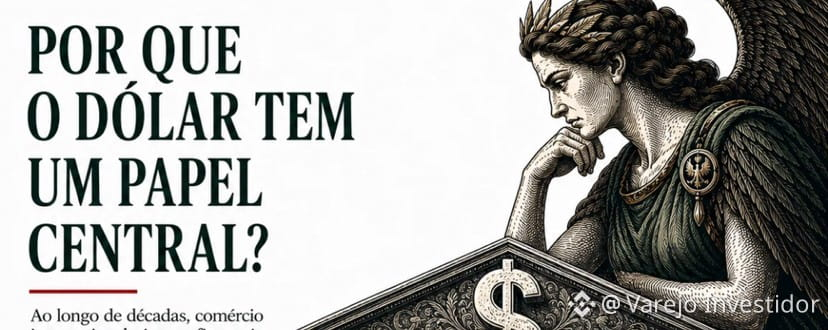
لماذا للدولار دور محوري؟يحتل الدولار موقعًا مركزيًا في النظام المالي الدولي لأن استخدامه يتجاوز بكثير اقتصاد الولايات المتحدة.
على مدى عقود، أصبح الدولار يُستخدم على نطاق واسع في التجارة الدولية، وفي الأسواق المالية، وفي احتياطيات العملات الأجنبية لدى البنوك المركزية.
تُبرز الصورة أربعة أعمدة لهذا الهيكل: الأمان المؤسسي، والتجارة الدولية، والنظام المالي، والطلب العالمي على العملة.
يتم تحديد جزء كبير من المعاملات الدولية للسلع والطاقـة بالدولار. وهذا يخلق طلبًا مستمرًا على السيولة بالعملة الأمريكية بين الشركات والمؤسسات المالية والحكومات.
لماذا للدولار دور محوري؟
يحتل الدولار موقعًا مركزيًا في النظام المالي الدولي لأن استخدامه يتجاوز بكثير اقتصاد الولايات المتحدة.
على مدى عقود، أصبح الدولار يُستخدم على نطاق واسع في التجارة الدولية، وفي الأسواق المالية، وفي احتياطيات العملات الأجنبية لدى البنوك المركزية.
تُبرز الصورة أربعة أعمدة لهذا الهيكل: الأمان المؤسسي، والتجارة الدولية، والنظام المالي، والطلب العالمي على العملة.
يتم تحديد جزء كبير من المعاملات الدولية للسلع والطاقـة بالدولار. وهذا يخلق طلبًا مستمرًا على السيولة بالعملة الأمريكية بين الشركات والمؤسسات المالية والحكومات.
على مدى عقود، أصبح الدولار يُستخدم على نطاق واسع في التجارة الدولية، وفي الأسواق المالية، وفي احتياطيات العملات الأجنبية لدى البنوك المركزية.
تُبرز الصورة أربعة أعمدة لهذا الهيكل: الأمان المؤسسي، والتجارة الدولية، والنظام المالي، والطلب العالمي على العملة.
يتم تحديد جزء كبير من المعاملات الدولية للسلع والطاقـة بالدولار. وهذا يخلق طلبًا مستمرًا على السيولة بالعملة الأمريكية بين الشركات والمؤسسات المالية والحكومات.
Felipe-Brayner:
Estou nessa linha de raciocínio também, moeda estável em relação ao Real, brasileiro.
3
2
220

·
--
#PolymarketBankFailureBetsDrawFDICConcern
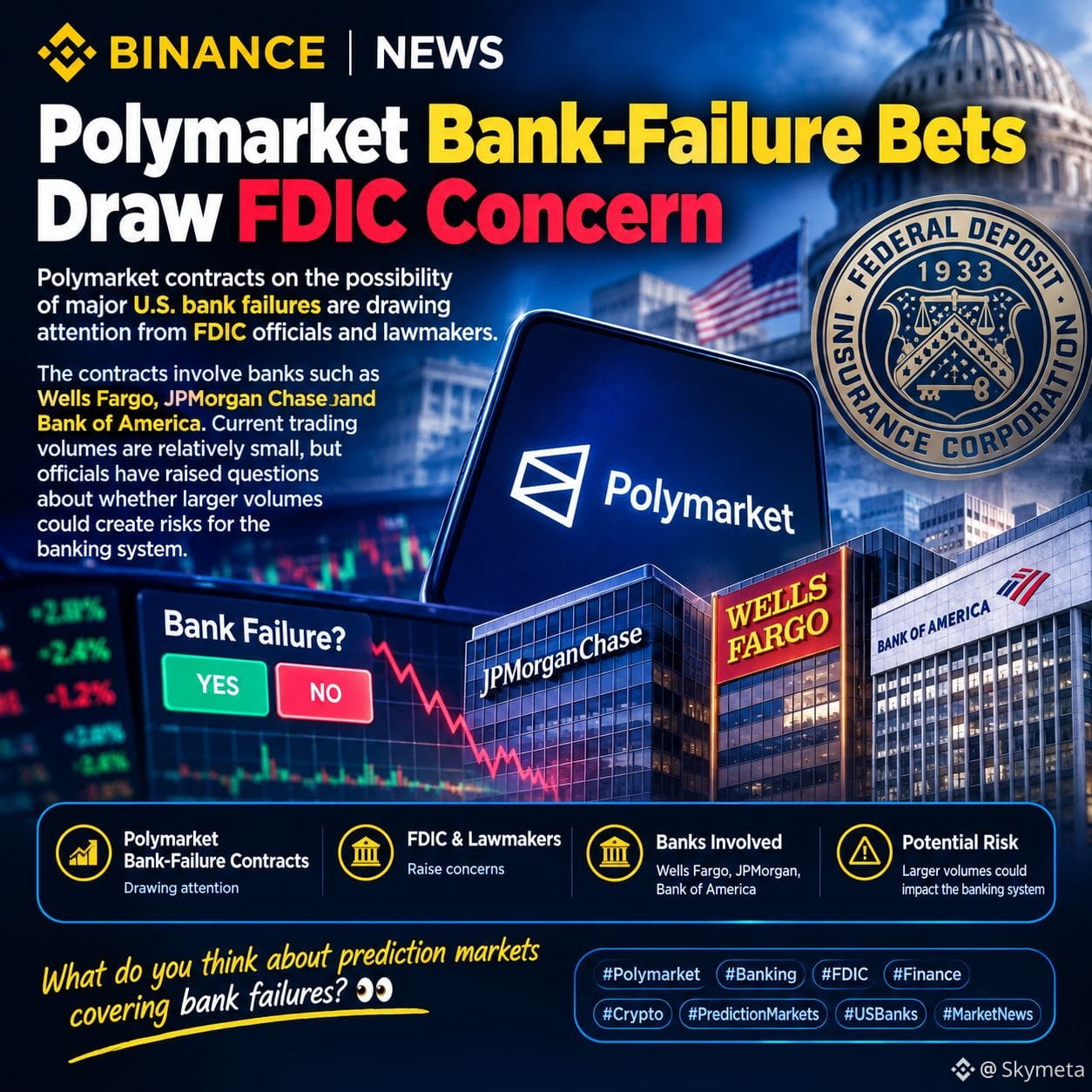
تجذب عقود بوليماركت المتعلقة بإمكانية تعثر/فشل بنوك أمريكية كبرى انتباهاً من مسؤولين في مؤسسة تأمين الودائع الفيدرالية (FDIC) ومن المشرعين.
تشمل العقود بنوكاً مثل Wells Fargo وJPMorgan Chase وBank of America. أحجام التداول الحالية صغيرة نسبياً، لكن المسؤولين طرحوا تساؤلات حول ما إذا كانت أحجام التداول الأكبر قد تخلق مخاطر على النظام المصرفي. �
Yahoo Finance +1
ما رأيك في أسواق التوقعات التي تغطي حالات فشل البنوك؟ 👀
#Polymarket #Banking #FDIC #Finance #PolymarketBankFailureBetsDrawFDICConcern #MarketNews
#PolymarketBankFailureBetsDrawFDICConcern
تجذب عقود بوليماركت المتعلقة بإمكانية تعثر/فشل بنوك أمريكية كبرى انتباهاً من مسؤولين في مؤسسة تأمين الودائع الفيدرالية (FDIC) ومن المشرعين.
تشمل العقود بنوكاً مثل Wells Fargo وJPMorgan Chase وBank of America. أحجام التداول الحالية صغيرة نسبياً، لكن المسؤولين طرحوا تساؤلات حول ما إذا كانت أحجام التداول الأكبر قد تخلق مخاطر على النظام المصرفي. �
Yahoo Finance +1
ما رأيك في أسواق التوقعات التي تغطي حالات فشل البنوك؟ 👀
#Polymarket #Banking #FDIC #Finance #PolymarketBankFailureBetsDrawFDICConcern #MarketNews
تجذب عقود بوليماركت المتعلقة بإمكانية تعثر/فشل بنوك أمريكية كبرى انتباهاً من مسؤولين في مؤسسة تأمين الودائع الفيدرالية (FDIC) ومن المشرعين.
تشمل العقود بنوكاً مثل Wells Fargo وJPMorgan Chase وBank of America. أحجام التداول الحالية صغيرة نسبياً، لكن المسؤولين طرحوا تساؤلات حول ما إذا كانت أحجام التداول الأكبر قد تخلق مخاطر على النظام المصرفي. �
Yahoo Finance +1
ما رأيك في أسواق التوقعات التي تغطي حالات فشل البنوك؟ 👀
#Polymarket #Banking #FDIC #Finance #PolymarketBankFailureBetsDrawFDICConcern #MarketNews
BACUS+1.14%
JPMUS+1.55%
WFCUS+0.94%
52
مقالة
عرض الترجمة
WHY THE DOLLAR SITS AT THE CENTER OF GLOBAL FINANCEThe U.S. dollar’s international role is not based on a single factor. It has developed through decades of trade, financial markets, banking relationships and reserve management.
A major part of the system comes from the fact that international transactions frequently involve dollar-denominated assets and liabilities. Commodities and financial contracts can be priced in dollars, while banks, corporations and governments may hold dollar reserves or borrow in the currency.
This creates a network effect.
GLOBAL TRADE → DOLLAR SETTLEMENT → FINANCIAL MARKETS → RESERVE DEMAND
The more deeply a currency is integrated into international commerce and finance, the more infrastructure exists around it. Banks maintain dollar liquidity, institutions hold dollar assets and companies manage exposures through global currency markets.
That structure also means changes in U.S. monetary conditions can have consequences well beyond the United States. Interest rates, liquidity and the value of the dollar can influence capital flows, emerging markets, commodities and corporate financing conditions.
The important distinction is between the dollar itself and the system built around it.
Reserve currencies are supported not only by economic size, but also by financial infrastructure, market depth, institutional frameworks and international demand.
Understanding that network helps explain why the dollar remains such an important variable in global markets.
#oil #market #finance #economy
$TLTP.ETF
$GLWB
{spot}(GLWBUSDT)
$EEM.ETF
{etf_us}(EEM.ETF)
{stock_us}(UUUU.US)
WHY THE DOLLAR SITS AT THE CENTER OF GLOBAL FINANCE
The U.S. dollar’s international role is not based on a single factor. It has developed through decades of trade, financial markets, banking relationships and reserve management.
A major part of the system comes from the fact that international transactions frequently involve dollar-denominated assets and liabilities. Commodities and financial contracts can be priced in dollars, while banks, corporations and governments may hold dollar reserves or borrow in the currency.
This creates a network effect.
GLOBAL TRADE → DOLLAR SETTLEMENT → FINANCIAL MARKETS → RESERVE DEMAND
The more deeply a currency is integrated into international commerce and finance, the more infrastructure exists around it. Banks maintain dollar liquidity, institutions hold dollar assets and companies manage exposures through global currency markets.
That structure also means changes in U.S. monetary conditions can have consequences well beyond the United States. Interest rates, liquidity and the value of the dollar can influence capital flows, emerging markets, commodities and corporate financing conditions.
The important distinction is between the dollar itself and the system built around it.
Reserve currencies are supported not only by economic size, but also by financial infrastructure, market depth, institutional frameworks and international demand.
Understanding that network helps explain why the dollar remains such an important variable in global markets.
#oil #market #finance #economy
$TLTP.ETF
$GLWB
$EEM.ETF
A major part of the system comes from the fact that international transactions frequently involve dollar-denominated assets and liabilities. Commodities and financial contracts can be priced in dollars, while banks, corporations and governments may hold dollar reserves or borrow in the currency.
This creates a network effect.
GLOBAL TRADE → DOLLAR SETTLEMENT → FINANCIAL MARKETS → RESERVE DEMAND
The more deeply a currency is integrated into international commerce and finance, the more infrastructure exists around it. Banks maintain dollar liquidity, institutions hold dollar assets and companies manage exposures through global currency markets.
That structure also means changes in U.S. monetary conditions can have consequences well beyond the United States. Interest rates, liquidity and the value of the dollar can influence capital flows, emerging markets, commodities and corporate financing conditions.
The important distinction is between the dollar itself and the system built around it.
Reserve currencies are supported not only by economic size, but also by financial infrastructure, market depth, institutional frameworks and international demand.
Understanding that network helps explain why the dollar remains such an important variable in global markets.
#oil #market #finance #economy
$TLTP.ETF
$GLWB
$EEM.ETF
1
8
مقالة
عرض الترجمة
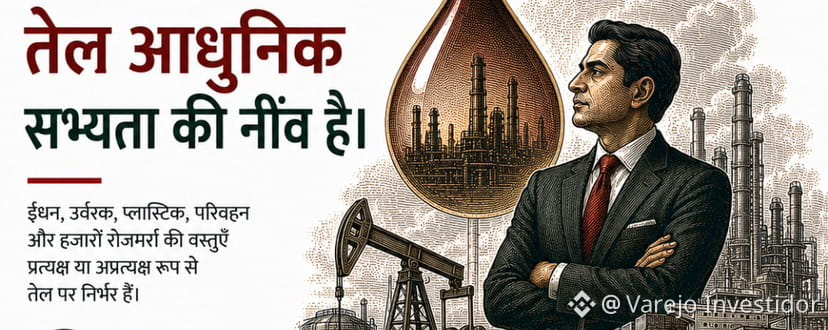
तेल सिर्फ ईंधन नहीं, पूरी अर्थव्यवस्था की कड़ी हैआधुनिक जीवन में तेल की भूमिका पेट्रोल या डीज़ल तक सीमित नहीं है। यह उन असंख्य आर्थिक गतिविधियों के पीछे मौजूद है जिन पर उत्पादन, व्यापार और रोज़मर्रा की खपत निर्भर करती है।
कच्चे तेल से बनने वाले पेट्रोकेमिकल उत्पाद प्लास्टिक, सिंथेटिक सामग्री, पैकेजिंग, औद्योगिक रसायनों और कई उपभोक्ता वस्तुओं में इस्तेमाल होते हैं। दूसरी ओर, ऊर्जा और परिवहन की लागत लगभग हर आपूर्ति श्रृंखला को प्रभावित कर सकती है।
इसका असर कई स्तरों पर दिखाई देता है:
तेल → ऊर्जा → उद्योग → कृषि → परिवहन → उपभोग
कृषि में मशीनरी, परिवहन और कुछ उर्वरक इनपुट ऊर्जा लागत से जुड़े होते हैं। उद्योगों में कच्चे माल की प्रोसेसिंग और माल की आवाजाही ऊर्जा पर निर्भर करती है। अंततः इन लागतों का प्रभाव कंपनियों की कीमतों और उपभोक्ताओं के खर्च तक पहुंच सकता है।
यही कारण है कि तेल की कीमत में बदलाव को केवल ऊर्जा बाजार की घटना समझना पर्याप्त नहीं है। यह मुद्रास्फीति, कॉर्पोरेट लागत, व्यापार और आर्थिक गतिविधि के लिए भी महत्वपूर्ण संकेत बन सकता है।
तेल की वास्तविक शक्ति उसके बैरल में नहीं, बल्कि उस विशाल आर्थिक नेटवर्क में है जिसे वह चलाने में मदद करता है।
जब ऊर्जा की लागत बदलती है, तो उसके प्रभाव को समझने के लिए पूरी आपूर्ति श्रृंखला को देखना पड़ता है।
##market #Finance #economy #Investment $XOM.US
$INDA.ETF $XOP.ETF
{etf_us}(XOP.ETF)
{etf_us}(INDA.ETF)
{stock_us}(XOM.US)
तेल सिर्फ ईंधन नहीं, पूरी अर्थव्यवस्था की कड़ी है
आधुनिक जीवन में तेल की भूमिका पेट्रोल या डीज़ल तक सीमित नहीं है। यह उन असंख्य आर्थिक गतिविधियों के पीछे मौजूद है जिन पर उत्पादन, व्यापार और रोज़मर्रा की खपत निर्भर करती है।
कच्चे तेल से बनने वाले पेट्रोकेमिकल उत्पाद प्लास्टिक, सिंथेटिक सामग्री, पैकेजिंग, औद्योगिक रसायनों और कई उपभोक्ता वस्तुओं में इस्तेमाल होते हैं। दूसरी ओर, ऊर्जा और परिवहन की लागत लगभग हर आपूर्ति श्रृंखला को प्रभावित कर सकती है।
इसका असर कई स्तरों पर दिखाई देता है:
तेल → ऊर्जा → उद्योग → कृषि → परिवहन → उपभोग
कृषि में मशीनरी, परिवहन और कुछ उर्वरक इनपुट ऊर्जा लागत से जुड़े होते हैं। उद्योगों में कच्चे माल की प्रोसेसिंग और माल की आवाजाही ऊर्जा पर निर्भर करती है। अंततः इन लागतों का प्रभाव कंपनियों की कीमतों और उपभोक्ताओं के खर्च तक पहुंच सकता है।
यही कारण है कि तेल की कीमत में बदलाव को केवल ऊर्जा बाजार की घटना समझना पर्याप्त नहीं है। यह मुद्रास्फीति, कॉर्पोरेट लागत, व्यापार और आर्थिक गतिविधि के लिए भी महत्वपूर्ण संकेत बन सकता है।
तेल की वास्तविक शक्ति उसके बैरल में नहीं, बल्कि उस विशाल आर्थिक नेटवर्क में है जिसे वह चलाने में मदद करता है।
जब ऊर्जा की लागत बदलती है, तो उसके प्रभाव को समझने के लिए पूरी आपूर्ति श्रृंखला को देखना पड़ता है।
##market #Finance #economy #Investment $XOM.US
$INDA.ETF $XOP.ETF
कच्चे तेल से बनने वाले पेट्रोकेमिकल उत्पाद प्लास्टिक, सिंथेटिक सामग्री, पैकेजिंग, औद्योगिक रसायनों और कई उपभोक्ता वस्तुओं में इस्तेमाल होते हैं। दूसरी ओर, ऊर्जा और परिवहन की लागत लगभग हर आपूर्ति श्रृंखला को प्रभावित कर सकती है।
इसका असर कई स्तरों पर दिखाई देता है:
तेल → ऊर्जा → उद्योग → कृषि → परिवहन → उपभोग
कृषि में मशीनरी, परिवहन और कुछ उर्वरक इनपुट ऊर्जा लागत से जुड़े होते हैं। उद्योगों में कच्चे माल की प्रोसेसिंग और माल की आवाजाही ऊर्जा पर निर्भर करती है। अंततः इन लागतों का प्रभाव कंपनियों की कीमतों और उपभोक्ताओं के खर्च तक पहुंच सकता है।
यही कारण है कि तेल की कीमत में बदलाव को केवल ऊर्जा बाजार की घटना समझना पर्याप्त नहीं है। यह मुद्रास्फीति, कॉर्पोरेट लागत, व्यापार और आर्थिक गतिविधि के लिए भी महत्वपूर्ण संकेत बन सकता है।
तेल की वास्तविक शक्ति उसके बैरल में नहीं, बल्कि उस विशाल आर्थिक नेटवर्क में है जिसे वह चलाने में मदद करता है।
जब ऊर्जा की लागत बदलती है, तो उसके प्रभाव को समझने के लिए पूरी आपूर्ति श्रृंखला को देखना पड़ता है।
##market #Finance #economy #Investment $XOM.US
$INDA.ETF $XOP.ETF
INDAETF+0.64%
XOMUS-0.92%
XOPETF-1.41%
1
6

·
--
المستخدم يريد منشور مقارنة عن التحويلات المالية بالعملات المشفرة مقارنة بالتحويلات البنكية، مع التركيز على السرعة والتكلفة.
- لا تستخدم تنسيق مارك داون
- 180-220 كلمة
- جدول بسيط باستخدام شرطات عادية (بدون رموز خاصة)
- عرض موضوعي للمزايا والعيوب للطرفين
- ينتهي بـ: "Which side are you on? Let us know!"
- السطر الأخير: #Avalanche #AVAX #CryptoVsTraditional #Finance
- بدون تنسيق إضافي، بدون تفكير—فقط نص المنشور
أحتاج كتابة منشور 180-220 كلمة، يتضمن جدولًا بسيطًا بالشرطات، ويغطي الجانبين بشكل موضوعي، وينتهي بعبارة الصيغة المطلوبة والهاشتاغ.
لنبدأ بالمسودة: فقرة تعريفية أولًا. ثم الجدول. ثم التحليل. ثم الخاتمة.
عدد الكلمات المستهدف: 180-220 كلمة.
تنسيق الجدول: شرطات عادية مثل:
Crypto Remittance | Bank Wire Transfer
--- | ---
Speed | ...
Cost | ...
Accessibility | ...
إلخ.
لكن شرط "بدون رموز خاصة" يعني شرطات عادية فقط. لذلك يمكن أن يكون مثل:
Crypto Remittance - Bank Wire Transfer
Speed - دقائق إلى ساعات - 1-5 أيام عمل
Cost - منخفض (غالبا <1%) - مرتفع ($15-$50 + عمولة صرف)
Accessibility - 24/7 وعالمي - ساعات العمل البنكية ومسارات محدودة
Transparency - واضح على السلسلة - رسوم غير شفافة
Reversibility - غالبا غير قابل للعكس - قابل للعكس (مبالغ مستردة)
Regulation - يختلف حسب الولاية - تنظيم شديد
لكن هذا ليس جدولًا بصفوف وأعمدة. الشرط: "تنسيق جدول بسيط باستخدام شرطات عادية". يمكن جعل الجدول كالتالي:
Feature - Crypto Remittance - Bank Wire Transfer
Speed - دقائق إلى ساعات - 1-5 أيام عمل
Cost - منخفض (غالبا <1%) - مرتفع ($15-$50 + عمولة صرف)
Accessibility - 24/7 وعالمي - ساعات العمل البنكية ومسارات محدودة
Transparency - ظاهر على السلسلة - رسوم غير شفافة
Reversibility - غالبا غير قابل للعكس - قابل للعكس (مبالغ مستردة)
Regulation - يختلف - تنظيم شديد
المستخدم يريد منشور مقارنة عن التحويلات المالية بالعملات المشفرة مقارنة بالتحويلات البنكية، مع التركيز على السرعة والتكلفة.
- لا تستخدم تنسيق مارك داون
- 180-220 كلمة
- جدول بسيط باستخدام شرطات عادية (بدون رموز خاصة)
- عرض موضوعي للمزايا والعيوب للطرفين
- ينتهي بـ: "Which side are you on? Let us know!"
- السطر الأخير: #Avalanche #AVAX #CryptoVsTraditional #Finance
- بدون تنسيق إضافي، بدون تفكير—فقط نص المنشور
أحتاج كتابة منشور 180-220 كلمة، يتضمن جدولًا بسيطًا بالشرطات، ويغطي الجانبين بشكل موضوعي، وينتهي بعبارة الصيغة المطلوبة والهاشتاغ.
لنبدأ بالمسودة: فقرة تعريفية أولًا. ثم الجدول. ثم التحليل. ثم الخاتمة.
عدد الكلمات المستهدف: 180-220 كلمة.
تنسيق الجدول: شرطات عادية مثل:
Crypto Remittance | Bank Wire Transfer
--- | ---
Speed | ...
Cost | ...
Accessibility | ...
إلخ.
لكن شرط "بدون رموز خاصة" يعني شرطات عادية فقط. لذلك يمكن أن يكون مثل:
Crypto Remittance - Bank Wire Transfer
Speed - دقائق إلى ساعات - 1-5 أيام عمل
Cost - منخفض (غالبا <1%) - مرتفع ($15-$50 + عمولة صرف)
Accessibility - 24/7 وعالمي - ساعات العمل البنكية ومسارات محدودة
Transparency - واضح على السلسلة - رسوم غير شفافة
Reversibility - غالبا غير قابل للعكس - قابل للعكس (مبالغ مستردة)
Regulation - يختلف حسب الولاية - تنظيم شديد
لكن هذا ليس جدولًا بصفوف وأعمدة. الشرط: "تنسيق جدول بسيط باستخدام شرطات عادية". يمكن جعل الجدول كالتالي:
Feature - Crypto Remittance - Bank Wire Transfer
Speed - دقائق إلى ساعات - 1-5 أيام عمل
Cost - منخفض (غالبا <1%) - مرتفع ($15-$50 + عمولة صرف)
Accessibility - 24/7 وعالمي - ساعات العمل البنكية ومسارات محدودة
Transparency - ظاهر على السلسلة - رسوم غير شفافة
Reversibility - غالبا غير قابل للعكس - قابل للعكس (مبالغ مستردة)
Regulation - يختلف - تنظيم شديد
- لا تستخدم تنسيق مارك داون
- 180-220 كلمة
- جدول بسيط باستخدام شرطات عادية (بدون رموز خاصة)
- عرض موضوعي للمزايا والعيوب للطرفين
- ينتهي بـ: "Which side are you on? Let us know!"
- السطر الأخير: #Avalanche #AVAX #CryptoVsTraditional #Finance
- بدون تنسيق إضافي، بدون تفكير—فقط نص المنشور
أحتاج كتابة منشور 180-220 كلمة، يتضمن جدولًا بسيطًا بالشرطات، ويغطي الجانبين بشكل موضوعي، وينتهي بعبارة الصيغة المطلوبة والهاشتاغ.
لنبدأ بالمسودة: فقرة تعريفية أولًا. ثم الجدول. ثم التحليل. ثم الخاتمة.
عدد الكلمات المستهدف: 180-220 كلمة.
تنسيق الجدول: شرطات عادية مثل:
Crypto Remittance | Bank Wire Transfer
--- | ---
Speed | ...
Cost | ...
Accessibility | ...
إلخ.
لكن شرط "بدون رموز خاصة" يعني شرطات عادية فقط. لذلك يمكن أن يكون مثل:
Crypto Remittance - Bank Wire Transfer
Speed - دقائق إلى ساعات - 1-5 أيام عمل
Cost - منخفض (غالبا <1%) - مرتفع ($15-$50 + عمولة صرف)
Accessibility - 24/7 وعالمي - ساعات العمل البنكية ومسارات محدودة
Transparency - واضح على السلسلة - رسوم غير شفافة
Reversibility - غالبا غير قابل للعكس - قابل للعكس (مبالغ مستردة)
Regulation - يختلف حسب الولاية - تنظيم شديد
لكن هذا ليس جدولًا بصفوف وأعمدة. الشرط: "تنسيق جدول بسيط باستخدام شرطات عادية". يمكن جعل الجدول كالتالي:
Feature - Crypto Remittance - Bank Wire Transfer
Speed - دقائق إلى ساعات - 1-5 أيام عمل
Cost - منخفض (غالبا <1%) - مرتفع ($15-$50 + عمولة صرف)
Accessibility - 24/7 وعالمي - ساعات العمل البنكية ومسارات محدودة
Transparency - ظاهر على السلسلة - رسوم غير شفافة
Reversibility - غالبا غير قابل للعكس - قابل للعكس (مبالغ مستردة)
Regulation - يختلف - تنظيم شديد
53
مقالة
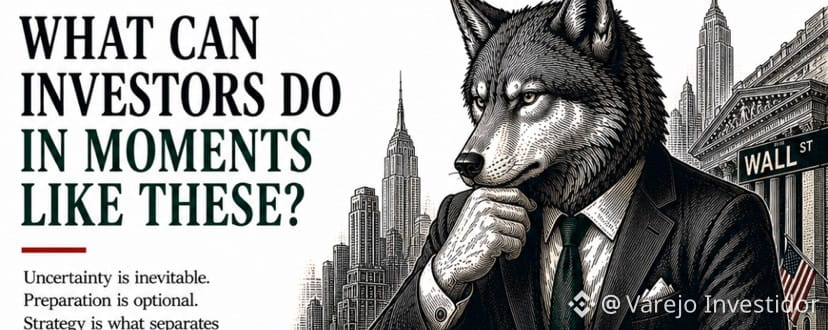
الميزة ليست معرفة ما سيأتي بعد ذلكنادرًا ما تتحرك الأسواق وفقًا لسيناريو واضح ونظيف. إذ يمكن أن تصل صدمات سياسية، وقرارات نقدية، واضطرابات في جانب العرض، وتغيّرات في معنويات المستثمرين في الوقت نفسه، ما يجعل ردود الفعل قصيرة الأجل صعبة التفسير.
وهنا تبرز أهمية هيكل المحفظة.
تبدأ منهجية المرونة بفهم حجم التعرض. يمكن للمستثمر أن يسأل: ما مقدار رأس المال الذي يعتمد على دولة واحدة، أو عملة واحدة، أو قطاع واحد، أو سيناريو اقتصادي واحد، أو مصدر واحد للسيولة.
كما أن الترابط (الارتباط) مهم. فحيازة عدة أصول لا يؤدي تلقائيًا إلى تنويع إذا كانت هذه الأصول تميل إلى الاستجابة لنفس المخاطر الأساسية.
الميزة ليست معرفة ما سيأتي بعد ذلك
نادرًا ما تتحرك الأسواق وفقًا لسيناريو واضح ونظيف. إذ يمكن أن تصل صدمات سياسية، وقرارات نقدية، واضطرابات في جانب العرض، وتغيّرات في معنويات المستثمرين في الوقت نفسه، ما يجعل ردود الفعل قصيرة الأجل صعبة التفسير.
وهنا تبرز أهمية هيكل المحفظة.
تبدأ منهجية المرونة بفهم حجم التعرض. يمكن للمستثمر أن يسأل: ما مقدار رأس المال الذي يعتمد على دولة واحدة، أو عملة واحدة، أو قطاع واحد، أو سيناريو اقتصادي واحد، أو مصدر واحد للسيولة.
كما أن الترابط (الارتباط) مهم. فحيازة عدة أصول لا يؤدي تلقائيًا إلى تنويع إذا كانت هذه الأصول تميل إلى الاستجابة لنفس المخاطر الأساسية.
وهنا تبرز أهمية هيكل المحفظة.
تبدأ منهجية المرونة بفهم حجم التعرض. يمكن للمستثمر أن يسأل: ما مقدار رأس المال الذي يعتمد على دولة واحدة، أو عملة واحدة، أو قطاع واحد، أو سيناريو اقتصادي واحد، أو مصدر واحد للسيولة.
كما أن الترابط (الارتباط) مهم. فحيازة عدة أصول لا يؤدي تلقائيًا إلى تنويع إذا كانت هذه الأصول تميل إلى الاستجابة لنفس المخاطر الأساسية.
TLTPETF+0.10%
EEMAETF+1.15%
QQQETF+0.55%
2
45
مقالة
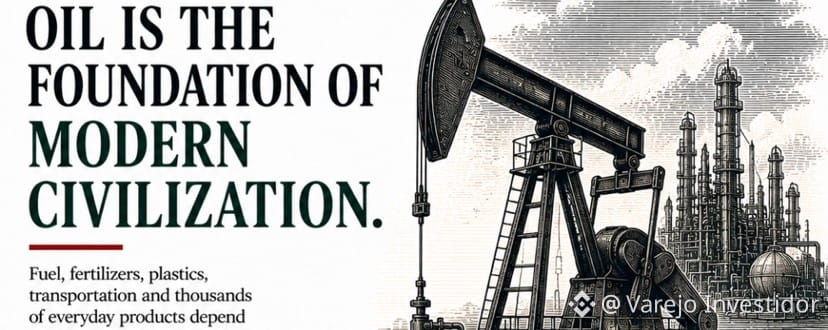
لماذا لا يزال النفط مهمًا تقريبًا لكل شيءتأمل الحياة العصرية؛ فالنفط نادرًا ما يكون مرئيًا، ومع ذلك فإن تأثيره حاضر في كل مكان.
يمتد دوره إلى ما هو أبعد من البنزين. فالنفط الخام متأصل في النقل والإنتاج الصناعي والزراعة والمواد الكيميائية والتغليف والبلاستيك وغير ذلك من المنتجات التي تُستخدم يوميًا في عدد لا يحصى.
وهذا يجعل النفط أكثر من مجرد سلعة طاقة. فهو مدخل أساسي عبر عدة طبقات من الاقتصاد العالمي.
انظر إلى السلسلة:
النفط → النقل → الإنتاج → الزراعة → الاستهلاك
وبالتالي يمكن أن تنتقل تغيّرات تكاليف الطاقة عبر الاقتصاد بطرق غير متوقعة. فقد تؤدي زيادة مصاريف الوقود إلى ارتفاع تكاليف الشحن. ويمكن أن يؤدي ارتفاع تكلفة النقل إلى رفع نفقات الإنتاج. ويمكن أن تتأثر الزراعة أيضًا بالوقود والآلات والأسمدة ومدخلات أخرى مرتبطة بالنفط.
لماذا لا يزال النفط مهمًا تقريبًا لكل شيء
تأمل الحياة العصرية؛ فالنفط نادرًا ما يكون مرئيًا، ومع ذلك فإن تأثيره حاضر في كل مكان.
يمتد دوره إلى ما هو أبعد من البنزين. فالنفط الخام متأصل في النقل والإنتاج الصناعي والزراعة والمواد الكيميائية والتغليف والبلاستيك وغير ذلك من المنتجات التي تُستخدم يوميًا في عدد لا يحصى.
وهذا يجعل النفط أكثر من مجرد سلعة طاقة. فهو مدخل أساسي عبر عدة طبقات من الاقتصاد العالمي.
انظر إلى السلسلة:
النفط → النقل → الإنتاج → الزراعة → الاستهلاك
وبالتالي يمكن أن تنتقل تغيّرات تكاليف الطاقة عبر الاقتصاد بطرق غير متوقعة. فقد تؤدي زيادة مصاريف الوقود إلى ارتفاع تكاليف الشحن. ويمكن أن يؤدي ارتفاع تكلفة النقل إلى رفع نفقات الإنتاج. ويمكن أن تتأثر الزراعة أيضًا بالوقود والآلات والأسمدة ومدخلات أخرى مرتبطة بالنفط.
يمتد دوره إلى ما هو أبعد من البنزين. فالنفط الخام متأصل في النقل والإنتاج الصناعي والزراعة والمواد الكيميائية والتغليف والبلاستيك وغير ذلك من المنتجات التي تُستخدم يوميًا في عدد لا يحصى.
وهذا يجعل النفط أكثر من مجرد سلعة طاقة. فهو مدخل أساسي عبر عدة طبقات من الاقتصاد العالمي.
انظر إلى السلسلة:
النفط → النقل → الإنتاج → الزراعة → الاستهلاك
وبالتالي يمكن أن تنتقل تغيّرات تكاليف الطاقة عبر الاقتصاد بطرق غير متوقعة. فقد تؤدي زيادة مصاريف الوقود إلى ارتفاع تكاليف الشحن. ويمكن أن يؤدي ارتفاع تكلفة النقل إلى رفع نفقات الإنتاج. ويمكن أن تتأثر الزراعة أيضًا بالوقود والآلات والأسمدة ومدخلات أخرى مرتبطة بالنفط.
OXYUS-2.03%
XOMUS-0.92%
CVXUS-0.55%
1
16
مقالة
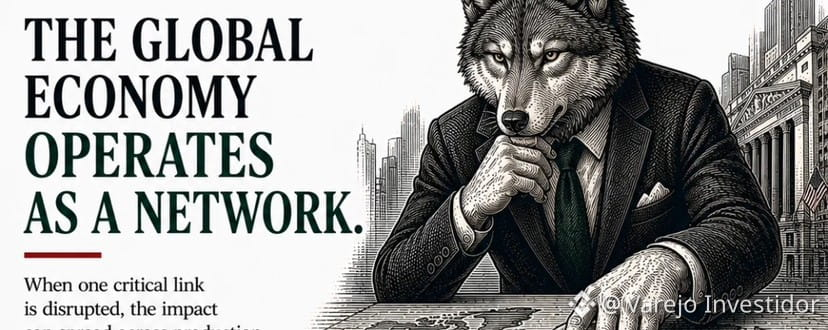
عندما ينقطع رابط واحد، يشعر العالم بأثرهلقد خلق العولمة نظامًا اقتصاديًا تُصبح فيه عملية الإنتاج والنقل والاستهلاك مترابطة بشكل وثيق عبر الحدود.
لذلك يمكن أن ينتقل أي اضطراب يحدث في موقعٍ مهم واحد عبر عدة طبقات من سلسلة الإمداد.
تخيّل شركة مصنِّعة تُقلّل الإنتاج. تُصبح السلع المتاحة للتصدير أقل. يتلقى المستوردون إمدادًا أقل، فتشتدّ حدة نقص المخزون، وتبدأ الأسواق بالتنافس على المنتجات المتبقية. وإذا لم ينخفض الطلب بالسرعة نفسها، فقد ترتفع الأسعار.
إن السلسلة الموضَّحة هنا مباشرة:
عندما ينقطع رابط واحد، يشعر العالم بأثره
لقد خلق العولمة نظامًا اقتصاديًا تُصبح فيه عملية الإنتاج والنقل والاستهلاك مترابطة بشكل وثيق عبر الحدود.
لذلك يمكن أن ينتقل أي اضطراب يحدث في موقعٍ مهم واحد عبر عدة طبقات من سلسلة الإمداد.
تخيّل شركة مصنِّعة تُقلّل الإنتاج. تُصبح السلع المتاحة للتصدير أقل. يتلقى المستوردون إمدادًا أقل، فتشتدّ حدة نقص المخزون، وتبدأ الأسواق بالتنافس على المنتجات المتبقية. وإذا لم ينخفض الطلب بالسرعة نفسها، فقد ترتفع الأسعار.
إن السلسلة الموضَّحة هنا مباشرة:
لذلك يمكن أن ينتقل أي اضطراب يحدث في موقعٍ مهم واحد عبر عدة طبقات من سلسلة الإمداد.
تخيّل شركة مصنِّعة تُقلّل الإنتاج. تُصبح السلع المتاحة للتصدير أقل. يتلقى المستوردون إمدادًا أقل، فتشتدّ حدة نقص المخزون، وتبدأ الأسواق بالتنافس على المنتجات المتبقية. وإذا لم ينخفض الطلب بالسرعة نفسها، فقد ترتفع الأسعار.
إن السلسلة الموضَّحة هنا مباشرة:
2
97
·
--
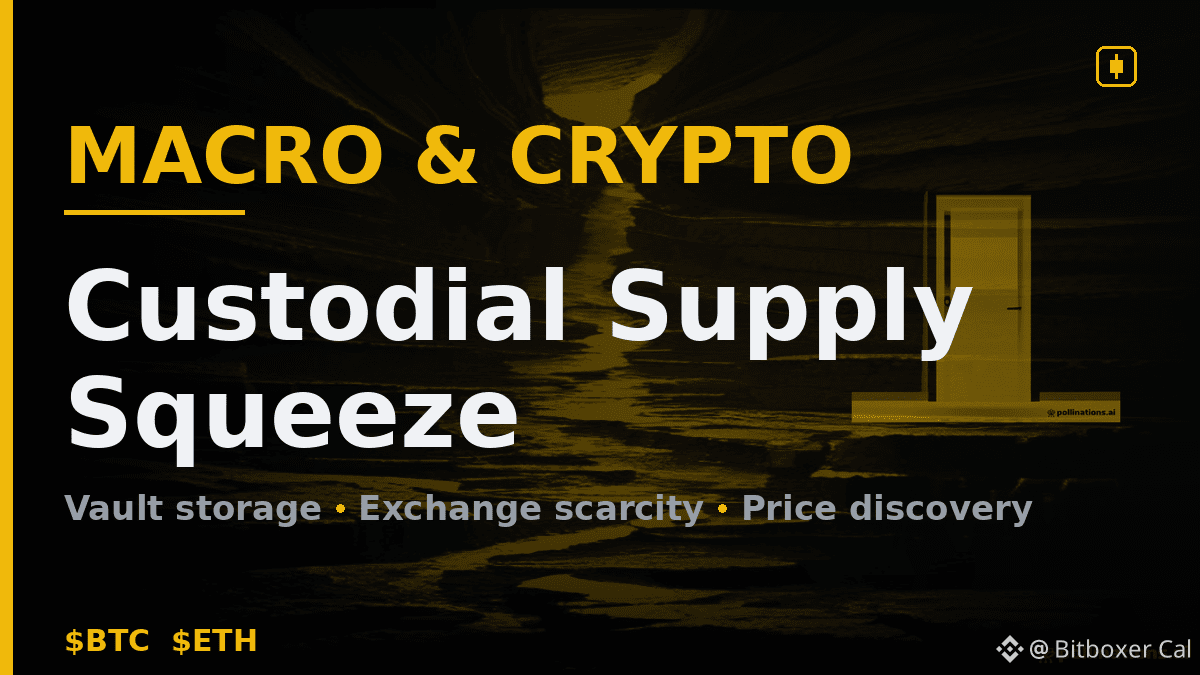
إن الطلب على المؤسسات $BTC يُشعل حصرًا إمداديًا عنيفًا عبر سحب العملات المتداولة إلى خزائن باردة مُنظَّمة.
في كل مرة تقوم فيها الجهات المُصدِرة لِـETF بدعم أسهمها، فإنها تنتزع السيولة من البورصات المفتوحة، تاركة دفتر أوامر أرقّ لامتصاص الضغط. تجاهل الضجيج وراقب صافي التدفق اليومي؛ هناك سترى شدة هذا الفراغ الوصائي الحقيقي.
$BTC $ETH #Bitcoin #Finance #Web3
إن الطلب على المؤسسات $BTC يُشعل حصرًا إمداديًا عنيفًا عبر سحب العملات المتداولة إلى خزائن باردة مُنظَّمة.
في كل مرة تقوم فيها الجهات المُصدِرة لِـETF بدعم أسهمها، فإنها تنتزع السيولة من البورصات المفتوحة، تاركة دفتر أوامر أرقّ لامتصاص الضغط. تجاهل الضجيج وراقب صافي التدفق اليومي؛ هناك سترى شدة هذا الفراغ الوصائي الحقيقي.
$BTC $ETH #Bitcoin #Finance #Web3
في كل مرة تقوم فيها الجهات المُصدِرة لِـETF بدعم أسهمها، فإنها تنتزع السيولة من البورصات المفتوحة، تاركة دفتر أوامر أرقّ لامتصاص الضغط. تجاهل الضجيج وراقب صافي التدفق اليومي؛ هناك سترى شدة هذا الفراغ الوصائي الحقيقي.
$BTC $ETH #Bitcoin #Finance #Web3
77

·
--
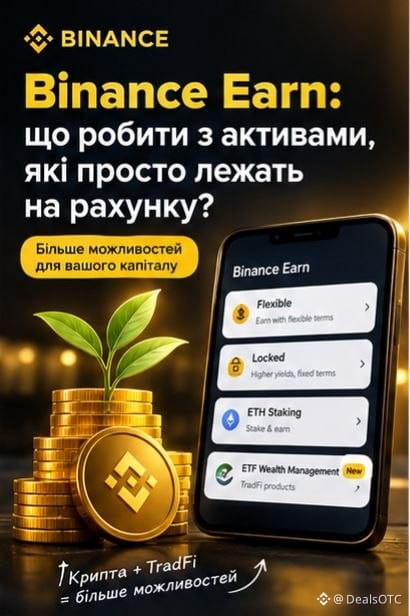
Binance Earn: ما الذي يجب فعله بالأصول التي تظل فقط على الحساب؟ 💰
عندما نتحدث عن العملات المشفرة، فإننا غالبًا نفكر في الشراء والبيع.
لكن هناك نهج آخر — Earn.
تجمع Binance Earn بين منتجات تتيح استخدام الأصول المتاحة لتحقيق دخل محتمل وفقًا لشروط المنتج المحدد.
ومن المثير للاهتمام أن Binance تقوم حاليًا بتوسيع Earn أيضًا باتجاه الأصول المالية التقليدية.
في سبتمبر 2026، قدمت Binance ETF Wealth Management ضمن قسم TradFi. ومن بين الفئات المتاحة — صناديق ETF قصيرة الأجل على سندات خزانة الولايات المتحدة وصناديق ETF على السندات ذات مستوى الاستثمار. �
Binance
وهنا نقطة مهمة: هذا ليس وديعة ولا أرباحًا مضمونة. يمكن أن تتغير قيمة صناديق ETF مع تغير السوق. �
Binance
لذلك، قبل استخدام أي منتج من منتجات Earn، يجدر بك الاطلاع على:
📌 كيف يتم تكوين العائد؛
📌 ما هي المخاطر؛
📌 هل يمكن سحب الأصول مبكرًا؛
📌 ما هي الشروط التي تنطبق تحديدًا الآن.
تصبح المنتجات المالية أكثر تنوعًا. والأهم هو فهم طريقة عملها قبل استخدامها.
#BinanceEarn #Binance #Crypto #Investing #Finance
Binance Earn: ما الذي يجب فعله بالأصول التي تظل فقط على الحساب؟ 💰
عندما نتحدث عن العملات المشفرة، فإننا غالبًا نفكر في الشراء والبيع.
لكن هناك نهج آخر — Earn.
تجمع Binance Earn بين منتجات تتيح استخدام الأصول المتاحة لتحقيق دخل محتمل وفقًا لشروط المنتج المحدد.
ومن المثير للاهتمام أن Binance تقوم حاليًا بتوسيع Earn أيضًا باتجاه الأصول المالية التقليدية.
في سبتمبر 2026، قدمت Binance ETF Wealth Management ضمن قسم TradFi. ومن بين الفئات المتاحة — صناديق ETF قصيرة الأجل على سندات خزانة الولايات المتحدة وصناديق ETF على السندات ذات مستوى الاستثمار. �
Binance
وهنا نقطة مهمة: هذا ليس وديعة ولا أرباحًا مضمونة. يمكن أن تتغير قيمة صناديق ETF مع تغير السوق. �
Binance
لذلك، قبل استخدام أي منتج من منتجات Earn، يجدر بك الاطلاع على:
📌 كيف يتم تكوين العائد؛
📌 ما هي المخاطر؛
📌 هل يمكن سحب الأصول مبكرًا؛
📌 ما هي الشروط التي تنطبق تحديدًا الآن.
تصبح المنتجات المالية أكثر تنوعًا. والأهم هو فهم طريقة عملها قبل استخدامها.
#BinanceEarn #Binance #Crypto #Investing #Finance
عندما نتحدث عن العملات المشفرة، فإننا غالبًا نفكر في الشراء والبيع.
لكن هناك نهج آخر — Earn.
تجمع Binance Earn بين منتجات تتيح استخدام الأصول المتاحة لتحقيق دخل محتمل وفقًا لشروط المنتج المحدد.
ومن المثير للاهتمام أن Binance تقوم حاليًا بتوسيع Earn أيضًا باتجاه الأصول المالية التقليدية.
في سبتمبر 2026، قدمت Binance ETF Wealth Management ضمن قسم TradFi. ومن بين الفئات المتاحة — صناديق ETF قصيرة الأجل على سندات خزانة الولايات المتحدة وصناديق ETF على السندات ذات مستوى الاستثمار. �
Binance
وهنا نقطة مهمة: هذا ليس وديعة ولا أرباحًا مضمونة. يمكن أن تتغير قيمة صناديق ETF مع تغير السوق. �
Binance
لذلك، قبل استخدام أي منتج من منتجات Earn، يجدر بك الاطلاع على:
📌 كيف يتم تكوين العائد؛
📌 ما هي المخاطر؛
📌 هل يمكن سحب الأصول مبكرًا؛
📌 ما هي الشروط التي تنطبق تحديدًا الآن.
تصبح المنتجات المالية أكثر تنوعًا. والأهم هو فهم طريقة عملها قبل استخدامها.
#BinanceEarn #Binance #Crypto #Investing #Finance
86

·
--
أنا ملك الجبن 🧀 مؤشر الجبن اليوم 7/10. السوق حارّ لكن الأموال تتبدّل بهدوء إلى مسار آخر 🔥.
تبيّن أحدث البيانات أن $BTC انخفضت حصته في السوق إلى ما دون 58.28%، ووفقًا لتقارير إعلامية فإنّه تاريخيًا بمجرد أن يهبط متوسط حصة البيتكوين من 60%، غالبًا ما يكون ذلك هو نقطة انطلاق صعود العملات البديلة. يرى صغار المستثمرين أن البيتكوين تتداول بشكل عرضي عند 84,157 دولارًا فيظنون أنها على وشك الانهيار، لكن الكبار في الحقيقة ينقلون أرباحهم المالية إلى قطاع العملات البديلة.
"البيتكوين ليست في وضع سقوط، بل إن المحرّك الرئيسي يهيّئ السيولة لفصل العملات البديلة."
تظل الحيازات لدى الحيتان الضخمة عند 1.43 ضمن المستوى الطبيعي، ما يدل على أن المحرّك الرئيسي ليس في عجلة من أمره لتصفية الأصول وتحقيق السيولة.
📚 فصل الجبن الصغير: نسبة BTC في السوق = نسبة القيمة السوقية للبيتكوين من إجمالي السوق. انخفاض الحصة يعني أن الأموال تتجه نحو العملات البديلة.
🔮 نبوءة الجبن: إذا ظلت حصة BTC في هذا الأسبوع عند أقل من 59%، فإن فهرس فصل العملات البديلة سيخترق 38/50 خلال 5 أيام، مع يوم التحقق 2026-10-02.
💡 ما يمكن للمستثمر الفردي فعله اليوم: راقب تغيّر أحجام التداول في العملات البديلة، وتجنّب مطاردة الارتفاع بشكل أعمى.
(ما سبق مجرد ملاحظات شخصية وليس نصيحة استثمارية)
هل تعتقد أن موجة الحماس للعملات البديلة ستستمر، أم أنها فخ لإغراء المتداولين بعد تمرير/تمويه السوق؟ ملك الجبن يحدّث يوميًا، ولنبحث معًا عن الخطوة التالية للكبار 🧀
#defi #altcoin #finance #markets
أنا ملك الجبن 🧀 مؤشر الجبن اليوم 7/10. السوق حارّ لكن الأموال تتبدّل بهدوء إلى مسار آخر 🔥.
تبيّن أحدث البيانات أن $BTC انخفضت حصته في السوق إلى ما دون 58.28%، ووفقًا لتقارير إعلامية فإنّه تاريخيًا بمجرد أن يهبط متوسط حصة البيتكوين من 60%، غالبًا ما يكون ذلك هو نقطة انطلاق صعود العملات البديلة. يرى صغار المستثمرين أن البيتكوين تتداول بشكل عرضي عند 84,157 دولارًا فيظنون أنها على وشك الانهيار، لكن الكبار في الحقيقة ينقلون أرباحهم المالية إلى قطاع العملات البديلة.
"البيتكوين ليست في وضع سقوط، بل إن المحرّك الرئيسي يهيّئ السيولة لفصل العملات البديلة."
تظل الحيازات لدى الحيتان الضخمة عند 1.43 ضمن المستوى الطبيعي، ما يدل على أن المحرّك الرئيسي ليس في عجلة من أمره لتصفية الأصول وتحقيق السيولة.
📚 فصل الجبن الصغير: نسبة BTC في السوق = نسبة القيمة السوقية للبيتكوين من إجمالي السوق. انخفاض الحصة يعني أن الأموال تتجه نحو العملات البديلة.
🔮 نبوءة الجبن: إذا ظلت حصة BTC في هذا الأسبوع عند أقل من 59%، فإن فهرس فصل العملات البديلة سيخترق 38/50 خلال 5 أيام، مع يوم التحقق 2026-10-02.
💡 ما يمكن للمستثمر الفردي فعله اليوم: راقب تغيّر أحجام التداول في العملات البديلة، وتجنّب مطاردة الارتفاع بشكل أعمى.
(ما سبق مجرد ملاحظات شخصية وليس نصيحة استثمارية)
هل تعتقد أن موجة الحماس للعملات البديلة ستستمر، أم أنها فخ لإغراء المتداولين بعد تمرير/تمويه السوق؟ ملك الجبن يحدّث يوميًا، ولنبحث معًا عن الخطوة التالية للكبار 🧀
#defi #altcoin #finance #markets
تبيّن أحدث البيانات أن $BTC انخفضت حصته في السوق إلى ما دون 58.28%، ووفقًا لتقارير إعلامية فإنّه تاريخيًا بمجرد أن يهبط متوسط حصة البيتكوين من 60%، غالبًا ما يكون ذلك هو نقطة انطلاق صعود العملات البديلة. يرى صغار المستثمرين أن البيتكوين تتداول بشكل عرضي عند 84,157 دولارًا فيظنون أنها على وشك الانهيار، لكن الكبار في الحقيقة ينقلون أرباحهم المالية إلى قطاع العملات البديلة.
"البيتكوين ليست في وضع سقوط، بل إن المحرّك الرئيسي يهيّئ السيولة لفصل العملات البديلة."
تظل الحيازات لدى الحيتان الضخمة عند 1.43 ضمن المستوى الطبيعي، ما يدل على أن المحرّك الرئيسي ليس في عجلة من أمره لتصفية الأصول وتحقيق السيولة.
📚 فصل الجبن الصغير: نسبة BTC في السوق = نسبة القيمة السوقية للبيتكوين من إجمالي السوق. انخفاض الحصة يعني أن الأموال تتجه نحو العملات البديلة.
🔮 نبوءة الجبن: إذا ظلت حصة BTC في هذا الأسبوع عند أقل من 59%، فإن فهرس فصل العملات البديلة سيخترق 38/50 خلال 5 أيام، مع يوم التحقق 2026-10-02.
💡 ما يمكن للمستثمر الفردي فعله اليوم: راقب تغيّر أحجام التداول في العملات البديلة، وتجنّب مطاردة الارتفاع بشكل أعمى.
(ما سبق مجرد ملاحظات شخصية وليس نصيحة استثمارية)
هل تعتقد أن موجة الحماس للعملات البديلة ستستمر، أم أنها فخ لإغراء المتداولين بعد تمرير/تمويه السوق؟ ملك الجبن يحدّث يوميًا، ولنبحث معًا عن الخطوة التالية للكبار 🧀
#defi #altcoin #finance #markets
200
مقالة
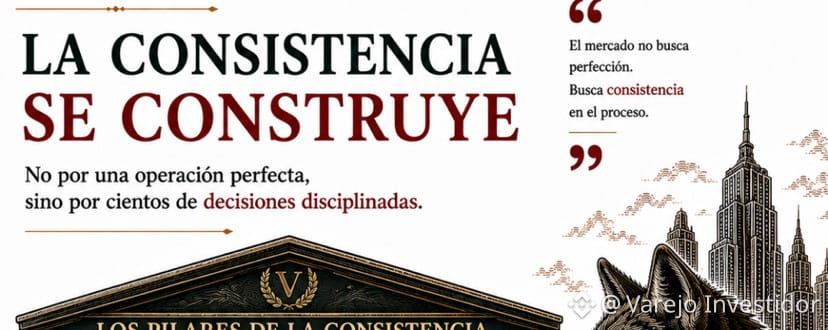
تُبنى الاستمراريةلا تنشأ الاستمرارية في التداول من عملية مثالية. بل تُبنى عبر مئات القرارات التي تُنفَّذ بانضباط ومن خلال عملية محددة.
تُظهر الصورة أربعة أركان أساسية: الطريقة، والانضباط، وإدارة المخاطر، والتكرار.
تضع الطريقة اتجاهًا. وبدون خطة واضحة، قد تتحول القرارات إلى ردود مرتجلة على تحركات السوق.
يتيح الانضباط تنفيذ هذه الخطة حتى عندما لا تكون النتائج الفورية لصالحك. إن امتلاك استراتيجية ثم التخلي عنها بعد خسارة أمران مختلفان تمامًا.
تُبنى الاستمرارية
لا تنشأ الاستمرارية في التداول من عملية مثالية. بل تُبنى عبر مئات القرارات التي تُنفَّذ بانضباط ومن خلال عملية محددة.
تُظهر الصورة أربعة أركان أساسية: الطريقة، والانضباط، وإدارة المخاطر، والتكرار.
تضع الطريقة اتجاهًا. وبدون خطة واضحة، قد تتحول القرارات إلى ردود مرتجلة على تحركات السوق.
يتيح الانضباط تنفيذ هذه الخطة حتى عندما لا تكون النتائج الفورية لصالحك. إن امتلاك استراتيجية ثم التخلي عنها بعد خسارة أمران مختلفان تمامًا.
تُظهر الصورة أربعة أركان أساسية: الطريقة، والانضباط، وإدارة المخاطر، والتكرار.
تضع الطريقة اتجاهًا. وبدون خطة واضحة، قد تتحول القرارات إلى ردود مرتجلة على تحركات السوق.
يتيح الانضباط تنفيذ هذه الخطة حتى عندما لا تكون النتائج الفورية لصالحك. إن امتلاك استراتيجية ثم التخلي عنها بعد خسارة أمران مختلفان تمامًا.
NDAQUS-1.05%
IBKRUS-0.64%
1
27
مقالة
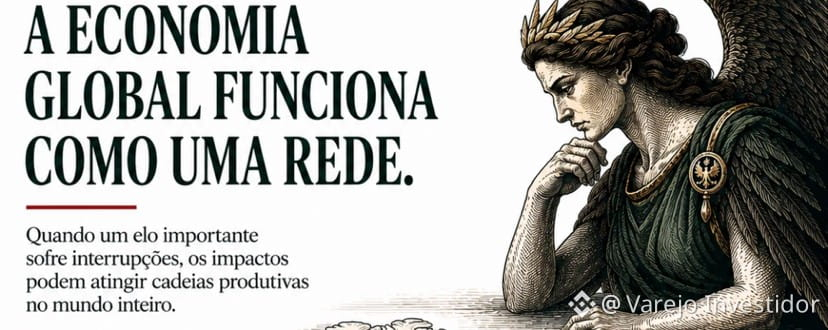
يعمل الاقتصاد العالمي كشَبَكةلا تتكوّن الاقتصاد العالمي من دول منعزلة. بل يعمل كشبكة كبيرة من الإنتاج والتجارة والنقل والاستهلاك، تعتمد فيها مناطق مختلفة على بعضها البعض.
عندما تتعرض حلقة مهمة من هذه الشبكة لِانقطاع، قد يتجاوز الأثر بسرعة حدود المكان الذي بدأت فيه المشكلة.
تُظهر الصورة تسلسلاً بسيطًا:
إنتاج أقل → صادرات أقل → عرض أقل → أسعار أعلى.
يمكن أن يظهر هذا النظام في قطاعات مختلفة. قد يؤدي انقطاع في إنتاج مادة خام إلى تقليل توافرها دوليًا. وقد تؤدي المشكلات اللوجستية إلى تأخير الشحنات. كما يمكن أن يؤدي الازدحام في الموانئ أو طرق النقل البحري أو سلاسل الصناعة إلى زيادة التكاليف أيضًا.
يعمل الاقتصاد العالمي كشَبَكة
لا تتكوّن الاقتصاد العالمي من دول منعزلة. بل يعمل كشبكة كبيرة من الإنتاج والتجارة والنقل والاستهلاك، تعتمد فيها مناطق مختلفة على بعضها البعض.
عندما تتعرض حلقة مهمة من هذه الشبكة لِانقطاع، قد يتجاوز الأثر بسرعة حدود المكان الذي بدأت فيه المشكلة.
تُظهر الصورة تسلسلاً بسيطًا:
إنتاج أقل → صادرات أقل → عرض أقل → أسعار أعلى.
يمكن أن يظهر هذا النظام في قطاعات مختلفة. قد يؤدي انقطاع في إنتاج مادة خام إلى تقليل توافرها دوليًا. وقد تؤدي المشكلات اللوجستية إلى تأخير الشحنات. كما يمكن أن يؤدي الازدحام في الموانئ أو طرق النقل البحري أو سلاسل الصناعة إلى زيادة التكاليف أيضًا.
عندما تتعرض حلقة مهمة من هذه الشبكة لِانقطاع، قد يتجاوز الأثر بسرعة حدود المكان الذي بدأت فيه المشكلة.
تُظهر الصورة تسلسلاً بسيطًا:
إنتاج أقل → صادرات أقل → عرض أقل → أسعار أعلى.
يمكن أن يظهر هذا النظام في قطاعات مختلفة. قد يؤدي انقطاع في إنتاج مادة خام إلى تقليل توافرها دوليًا. وقد تؤدي المشكلات اللوجستية إلى تأخير الشحنات. كما يمكن أن يؤدي الازدحام في الموانئ أو طرق النقل البحري أو سلاسل الصناعة إلى زيادة التكاليف أيضًا.
1
5
مقالة
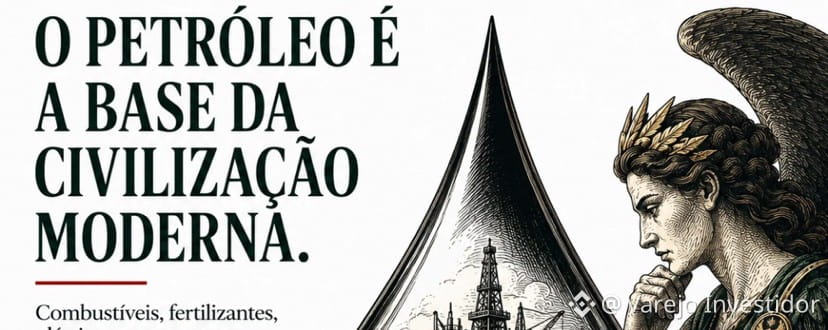
النفط هو أساس الحضارة الحديثةتوجد مادة النفط في ما هو أكثر بكثير من مجرد الوقود. فَسلسلة مشتقاته تشارك بشكل مباشر أو غير مباشر في قطاعات مثل النقل والصناعة والزراعة والطاقة وإنتاج عدد لا يُحصى من السلع الاستهلاكية.
تُظهر الصورة هذه السلسلة بطريقة مبسطة: النفط → الطاقة → الصناعة → الزراعة → الاستهلاك.
الوقود يحرك الشاحنات والسفن والطائرات والآلات الزراعية. كما تُستخدم مشتقات النفط أيضًا كمواد خام لإنتاج المنتجات البتروكيميائية، بما في ذلك البلاستيك والتغليف والمكونات الصناعية والعديد من المواد المستخدمة في الحياة اليومية.
النفط هو أساس الحضارة الحديثة
توجد مادة النفط في ما هو أكثر بكثير من مجرد الوقود. فَسلسلة مشتقاته تشارك بشكل مباشر أو غير مباشر في قطاعات مثل النقل والصناعة والزراعة والطاقة وإنتاج عدد لا يُحصى من السلع الاستهلاكية.
تُظهر الصورة هذه السلسلة بطريقة مبسطة: النفط → الطاقة → الصناعة → الزراعة → الاستهلاك.
الوقود يحرك الشاحنات والسفن والطائرات والآلات الزراعية. كما تُستخدم مشتقات النفط أيضًا كمواد خام لإنتاج المنتجات البتروكيميائية، بما في ذلك البلاستيك والتغليف والمكونات الصناعية والعديد من المواد المستخدمة في الحياة اليومية.
تُظهر الصورة هذه السلسلة بطريقة مبسطة: النفط → الطاقة → الصناعة → الزراعة → الاستهلاك.
الوقود يحرك الشاحنات والسفن والطائرات والآلات الزراعية. كما تُستخدم مشتقات النفط أيضًا كمواد خام لإنتاج المنتجات البتروكيميائية، بما في ذلك البلاستيك والتغليف والمكونات الصناعية والعديد من المواد المستخدمة في الحياة اليومية.
1
65
مقالة
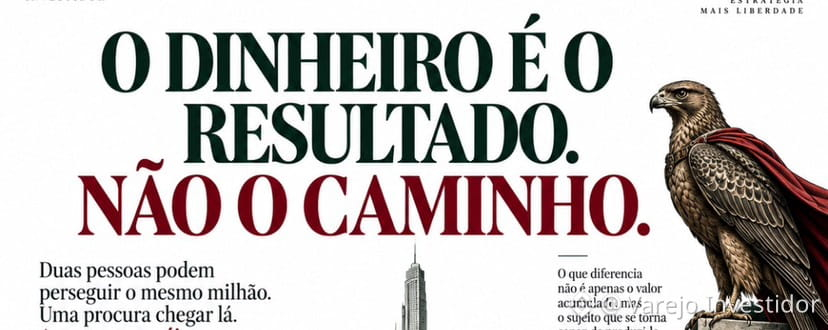
المال هو النتيجة، وليس الطريق!يمكن لشخصين أن يسعيا وراء المليون نفسه وأن يبنيا مستقبلين مختلفين. يركز أحدهما على قيمة يريد الوصول إليها؛ والآخر يطور القدرة اللازمة لإنتاج القيمة بشكل متكرر. هذا الفرق يغيّر كل شيء. يمكن للمال أن يكون نتيجة، لكنه لا ينبغي أن يُخلط بالطريق. عندما يكون التركيز على النهاية فقط، يصبح كل مكسب هدفًا. وعندما يكون التركيز على الشخص، فإن كل قرار يبدأ أيضًا في بناء معرفة وانضباطًا ومنهجًا وقدرة. حسنًا.
المال هو النتيجة، وليس الطريق!
يمكن لشخصين أن يسعيا وراء المليون نفسه وأن يبنيا مستقبلين مختلفين. يركز أحدهما على قيمة يريد الوصول إليها؛ والآخر يطور القدرة اللازمة لإنتاج القيمة بشكل متكرر. هذا الفرق يغيّر كل شيء. يمكن للمال أن يكون نتيجة، لكنه لا ينبغي أن يُخلط بالطريق. عندما يكون التركيز على النهاية فقط، يصبح كل مكسب هدفًا. وعندما يكون التركيز على الشخص، فإن كل قرار يبدأ أيضًا في بناء معرفة وانضباطًا ومنهجًا وقدرة. حسنًا.
NVDAUS+0.22%
1
41

مقالة
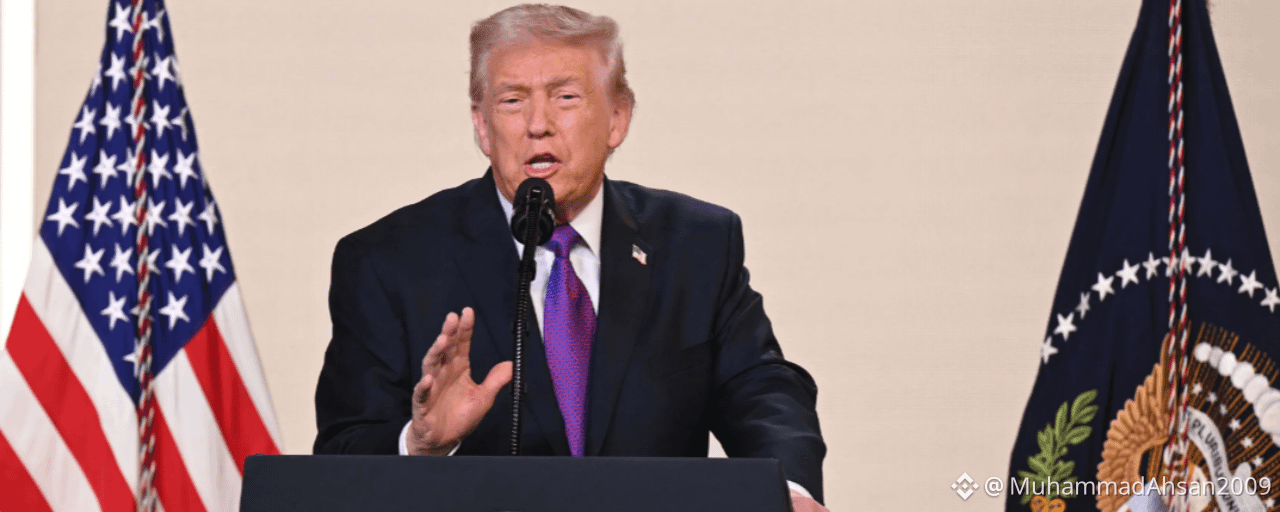
إدارة ترامب تدرس دفع عملة مستقرة عالمية مدعومة بالدولار🚨 إدارة ترامب تدرس دفع عملة مستقرة عالمية مدعومة بالدولار 🇺🇸💵
يُقال إن الحكومة الأمريكية تستكشف شراكات استراتيجية مع شركات كريبتو خاصة للترويج للعملات المستقرة المدعومة بالدولار الأمريكي عالميًا.
أهم النقاط المستخلصة من الخطة المُبلَّغ عنها:
🔹 هيمنة الدولار العالمي: يهدف التوسع في اعتماد الـ stablecoin خارج الولايات المتحدة إلى تعزيز مكانة الدولار الأمريكي باعتباره العملة الاحتياطية الأساسية في العالم. 🔹 دفعة الطلب من الخزانة: قد يؤدي ازدياد اعتماد العملات المستقرة بالدولار (USD) إلى خلق طلب جديد كبير على ديون الخزانة الأمريكية، إذ تحتفظ الجهات المُصدِرة بالأوراق المالية الحكومية كاحتياطي. 🔹 السيطرة على السوق: تسيطر USDT وUSDC حاليًا على ما يقرب من 90% من الحصة السوقية، ما يجعل العملات المستقرة جزءًا ضخمًا من البنية التحتية المالية العالمية.
إدارة ترامب تدرس دفع عملة مستقرة عالمية مدعومة بالدولار
🚨 إدارة ترامب تدرس دفع عملة مستقرة عالمية مدعومة بالدولار 🇺🇸💵
يُقال إن الحكومة الأمريكية تستكشف شراكات استراتيجية مع شركات كريبتو خاصة للترويج للعملات المستقرة المدعومة بالدولار الأمريكي عالميًا.
أهم النقاط المستخلصة من الخطة المُبلَّغ عنها:
🔹 هيمنة الدولار العالمي: يهدف التوسع في اعتماد الـ stablecoin خارج الولايات المتحدة إلى تعزيز مكانة الدولار الأمريكي باعتباره العملة الاحتياطية الأساسية في العالم. 🔹 دفعة الطلب من الخزانة: قد يؤدي ازدياد اعتماد العملات المستقرة بالدولار (USD) إلى خلق طلب جديد كبير على ديون الخزانة الأمريكية، إذ تحتفظ الجهات المُصدِرة بالأوراق المالية الحكومية كاحتياطي. 🔹 السيطرة على السوق: تسيطر USDT وUSDC حاليًا على ما يقرب من 90% من الحصة السوقية، ما يجعل العملات المستقرة جزءًا ضخمًا من البنية التحتية المالية العالمية.
يُقال إن الحكومة الأمريكية تستكشف شراكات استراتيجية مع شركات كريبتو خاصة للترويج للعملات المستقرة المدعومة بالدولار الأمريكي عالميًا.
أهم النقاط المستخلصة من الخطة المُبلَّغ عنها:
🔹 هيمنة الدولار العالمي: يهدف التوسع في اعتماد الـ stablecoin خارج الولايات المتحدة إلى تعزيز مكانة الدولار الأمريكي باعتباره العملة الاحتياطية الأساسية في العالم. 🔹 دفعة الطلب من الخزانة: قد يؤدي ازدياد اعتماد العملات المستقرة بالدولار (USD) إلى خلق طلب جديد كبير على ديون الخزانة الأمريكية، إذ تحتفظ الجهات المُصدِرة بالأوراق المالية الحكومية كاحتياطي. 🔹 السيطرة على السوق: تسيطر USDT وUSDC حاليًا على ما يقرب من 90% من الحصة السوقية، ما يجعل العملات المستقرة جزءًا ضخمًا من البنية التحتية المالية العالمية.
353
سجّل الدخول لاستكشاف المزيد من المُحتوى
انضم إلى مُستخدمي العملات الرقمية حول العالم على Binance Square
⚡️ احصل على أحدث المعلومات المفيدة عن العملات الرقمية.
💬 موثوقة من قبل أكبر منصّة لتداول العملات الرقمية في العالم.
👍 اكتشف الرؤى الحقيقية من صنّاع المُحتوى الموثوقين.
البريد الإلكتروني / رقم الهاتف
المواضيع الرائجة
1
#CircleMints500MUSDCOnSolana
79,680 مشاهدات
1,826 يقومون بالنقاش
2
#PolymarketBankFailureBetsDrawFDICConcern
85,070 مشاهدات
1,700 يقومون بالنقاش
3
#BlackRockBuildsTokenizedPortfoliosForOndo
75,901 مشاهدات
1,206 يقومون بالنقاش
4
#BitwiseFilesToListNEARETFOnNYSEArca
63,313 مشاهدات
983 يقومون بالنقاش
5
#SECCommissionerPeirceToLeaveOct2
62,005 مشاهدات
798 يقومون بالنقاش
6
#SECSaysBuybacksUpgradesDontMakeTokenSecurity
51,246 مشاهدات
596 يقومون بالنقاش
7
#StrategyProposesDailyDividendsForPreferreds
11,207 مشاهدات
218 يقومون بالنقاش
8
#CircleTetherFreezeBitgetHackerWallet
12,786 مشاهدات
133 يقومون بالنقاش
9
#CoinMarketCapCompletesCoinglassAcquisition
12,731 مشاهدات
169 يقومون بالنقاش
10
#QNTRises39%
112,919 مشاهدات
1,673 يقومون بالنقاش