

#earnfreecrypto2024
earnfreecrypto2024
67.5M مشاهدات
34,714 يقومون بالنقاش
Get involved with our #EarnFreeCrypto2024 campaign for a chance to win up to 500 FDUSD! Share your top 6 ways to earn free cryptocurrency in 2024. Include solutions such as airdrops, specifically Binance's Megadrop, features like Binance Earn, Binance Learn and Earn, Binance Launchpool, Write2Earn on Binance Square, referral programmes, and social media giveaways.
رائج
جديد


مقالة
شارك في#EarnFreeCrypto2024واربح ما يصل إلى 500 FDUSD! انغمس في حملتنا #EarnFreeCrypto2024 لاغتنام فرصة الفوز بما يصل إلى 500 FDUSD! 💰 انشر مقالًا إعلاميًا على Binance Square، يوضح أفضل 6 إستراتيجيات لكسب العملات المشفرة مجانًا في عام 2024. انغمس في تقنيات مثل عمليات الإنزال الجوي، ولا سيما تسليط الضوء على Binance’s Megadrop، وأدوات مثل Binance Earn، وBinance Learn and Earn، وBinance Launchpool، وWrite2Earn on Binance Square، برامج الإحالة الجذابة، وهدايا الوسائط الاجتماعية الديناميكية.
فترة الحملة: 2024-05-24 00:00 إلى 2024-05-29 23:59 (التوقيت العالمي الموحد)
شارك في#EarnFreeCrypto2024واربح ما يصل إلى 500 FDUSD!
انغمس في حملتنا #EarnFreeCrypto2024 لاغتنام فرصة الفوز بما يصل إلى 500 FDUSD! 💰 انشر مقالًا إعلاميًا على Binance Square، يوضح أفضل 6 إستراتيجيات لكسب العملات المشفرة مجانًا في عام 2024. انغمس في تقنيات مثل عمليات الإنزال الجوي، ولا سيما تسليط الضوء على Binance’s Megadrop، وأدوات مثل Binance Earn، وBinance Learn and Earn، وBinance Launchpool، وWrite2Earn on Binance Square، برامج الإحالة الجذابة، وهدايا الوسائط الاجتماعية الديناميكية.
فترة الحملة: 2024-05-24 00:00 إلى 2024-05-29 23:59 (التوقيت العالمي الموحد)
فترة الحملة: 2024-05-24 00:00 إلى 2024-05-29 23:59 (التوقيت العالمي الموحد)
605
394
1.8k
81.2k

مقالة
كيفية كسب 2 إلى 3 دولارات يوميًا على باينانس دون أي استثمار1. Binance Learn & Earn (المكافآت التعليمية)
تطلق باينانس بانتظام حملات Learn & Earn بهدف تثقيف المستخدمين حول مشاريع بلوكتشين جديدة.
كيف يعمل: تشاهد مقاطع فيديو تعليمية قصيرة أو تقرأ مقالات قصيرة، ثم تجيب عن اختبار سريع يختبر مدى فهمك.
إمكانات الربح: تكافئك الإجابات الصحيحة في الاختبار بمكافآت عملة رقمية مجانية تُودَع مباشرةً في محفظة الحساب الفوري (spot) أو محفظة مركز المكافآت لديك (عادةً من 1 إلى 3 دولارات لكل حملة).
نصيحة احترافية: تعمل الحملات الجديدة وفق مبدأ أسبقية الحضور. فعّل الإشعارات الخاصة بـ Binance Academy/مركز الحملات حتى تتمكن من إكمال الاختبارات فور إطلاقها.
كيفية كسب 2 إلى 3 دولارات يوميًا على باينانس دون أي استثمار
1. Binance Learn & Earn (المكافآت التعليمية)
تطلق باينانس بانتظام حملات Learn & Earn بهدف تثقيف المستخدمين حول مشاريع بلوكتشين جديدة.
كيف يعمل: تشاهد مقاطع فيديو تعليمية قصيرة أو تقرأ مقالات قصيرة، ثم تجيب عن اختبار سريع يختبر مدى فهمك.
إمكانات الربح: تكافئك الإجابات الصحيحة في الاختبار بمكافآت عملة رقمية مجانية تُودَع مباشرةً في محفظة الحساب الفوري (spot) أو محفظة مركز المكافآت لديك (عادةً من 1 إلى 3 دولارات لكل حملة).
نصيحة احترافية: تعمل الحملات الجديدة وفق مبدأ أسبقية الحضور. فعّل الإشعارات الخاصة بـ Binance Academy/مركز الحملات حتى تتمكن من إكمال الاختبارات فور إطلاقها.
تطلق باينانس بانتظام حملات Learn & Earn بهدف تثقيف المستخدمين حول مشاريع بلوكتشين جديدة.
كيف يعمل: تشاهد مقاطع فيديو تعليمية قصيرة أو تقرأ مقالات قصيرة، ثم تجيب عن اختبار سريع يختبر مدى فهمك.
إمكانات الربح: تكافئك الإجابات الصحيحة في الاختبار بمكافآت عملة رقمية مجانية تُودَع مباشرةً في محفظة الحساب الفوري (spot) أو محفظة مركز المكافآت لديك (عادةً من 1 إلى 3 دولارات لكل حملة).
نصيحة احترافية: تعمل الحملات الجديدة وفق مبدأ أسبقية الحضور. فعّل الإشعارات الخاصة بـ Binance Academy/مركز الحملات حتى تتمكن من إكمال الاختبارات فور إطلاقها.
3
198
مقالة
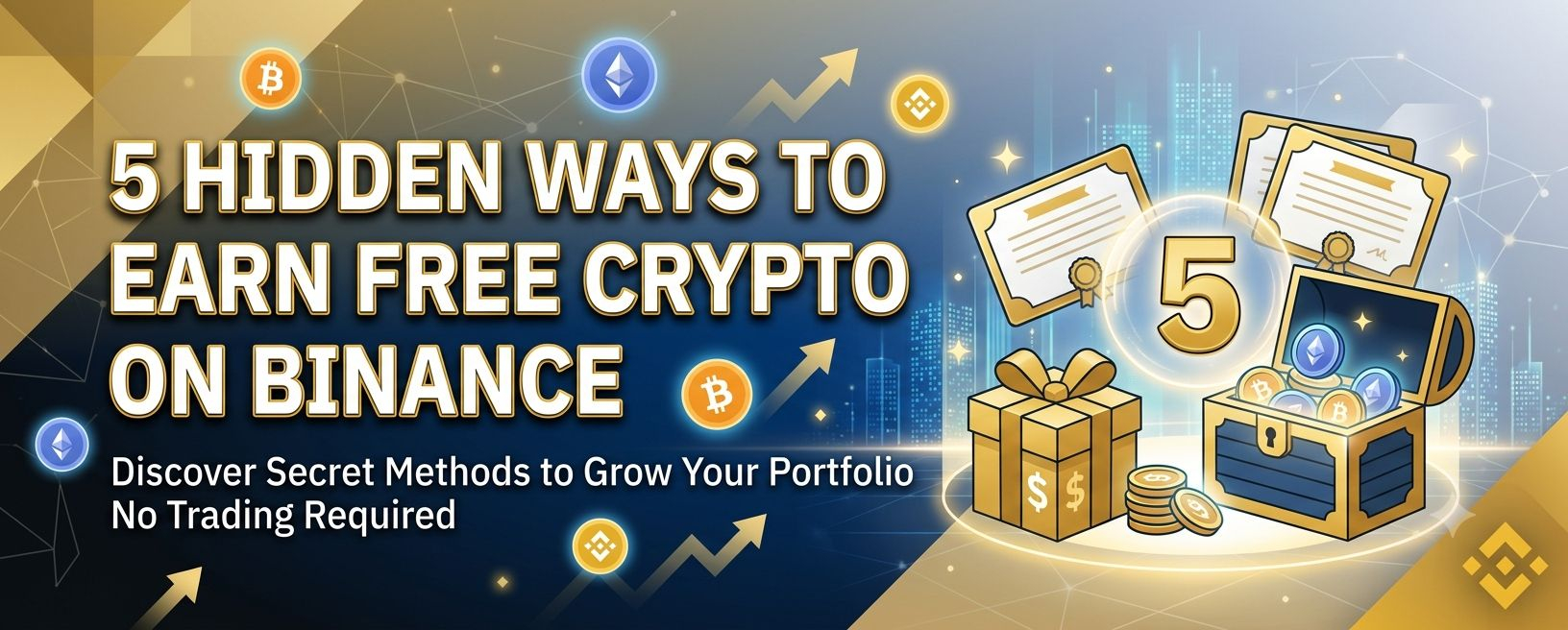
5 طرق مخفية لكسب عملات كريبتو مجانية على Binance 🎁1. Binance Learn & Earn
كيف يعمل: تنظم Binance Academy بانتظام حملات تعليمية ترويجية. تقرأ وحدات تعليمية قصيرة أو تشاهد فيديوهات مدتها 1–2 دقيقة، ثم تجيب عن اختبار قصير في النهاية.
الدفع: بعد إكمال الاختبارات بنجاح، يتم إيداع عملة رقمية مجانية فورًا (مثل SUI أو NEAR أو BNB أو العملات المستقرة) مباشرةً في مركز المكافآت/محفظة Spot الخاصة بك.
* نصيحة احترافية: يتم توزيع المكافآت على أساس من يصل أولاً يخدم أولاً، لذا تحقق من تبويب "التعلم والربح" فورًا بعد الإعلانات على المنصة.
2. الزراعة عبر Launchpool
5 طرق مخفية لكسب عملات كريبتو مجانية على Binance 🎁
1. Binance Learn & Earn
كيف يعمل: تنظم Binance Academy بانتظام حملات تعليمية ترويجية. تقرأ وحدات تعليمية قصيرة أو تشاهد فيديوهات مدتها 1–2 دقيقة، ثم تجيب عن اختبار قصير في النهاية.
الدفع: بعد إكمال الاختبارات بنجاح، يتم إيداع عملة رقمية مجانية فورًا (مثل SUI أو NEAR أو BNB أو العملات المستقرة) مباشرةً في مركز المكافآت/محفظة Spot الخاصة بك.
* نصيحة احترافية: يتم توزيع المكافآت على أساس من يصل أولاً يخدم أولاً، لذا تحقق من تبويب "التعلم والربح" فورًا بعد الإعلانات على المنصة.
2. الزراعة عبر Launchpool
كيف يعمل: تنظم Binance Academy بانتظام حملات تعليمية ترويجية. تقرأ وحدات تعليمية قصيرة أو تشاهد فيديوهات مدتها 1–2 دقيقة، ثم تجيب عن اختبار قصير في النهاية.
الدفع: بعد إكمال الاختبارات بنجاح، يتم إيداع عملة رقمية مجانية فورًا (مثل SUI أو NEAR أو BNB أو العملات المستقرة) مباشرةً في مركز المكافآت/محفظة Spot الخاصة بك.
* نصيحة احترافية: يتم توزيع المكافآت على أساس من يصل أولاً يخدم أولاً، لذا تحقق من تبويب "التعلم والربح" فورًا بعد الإعلانات على المنصة.
2. الزراعة عبر Launchpool
450

·
--
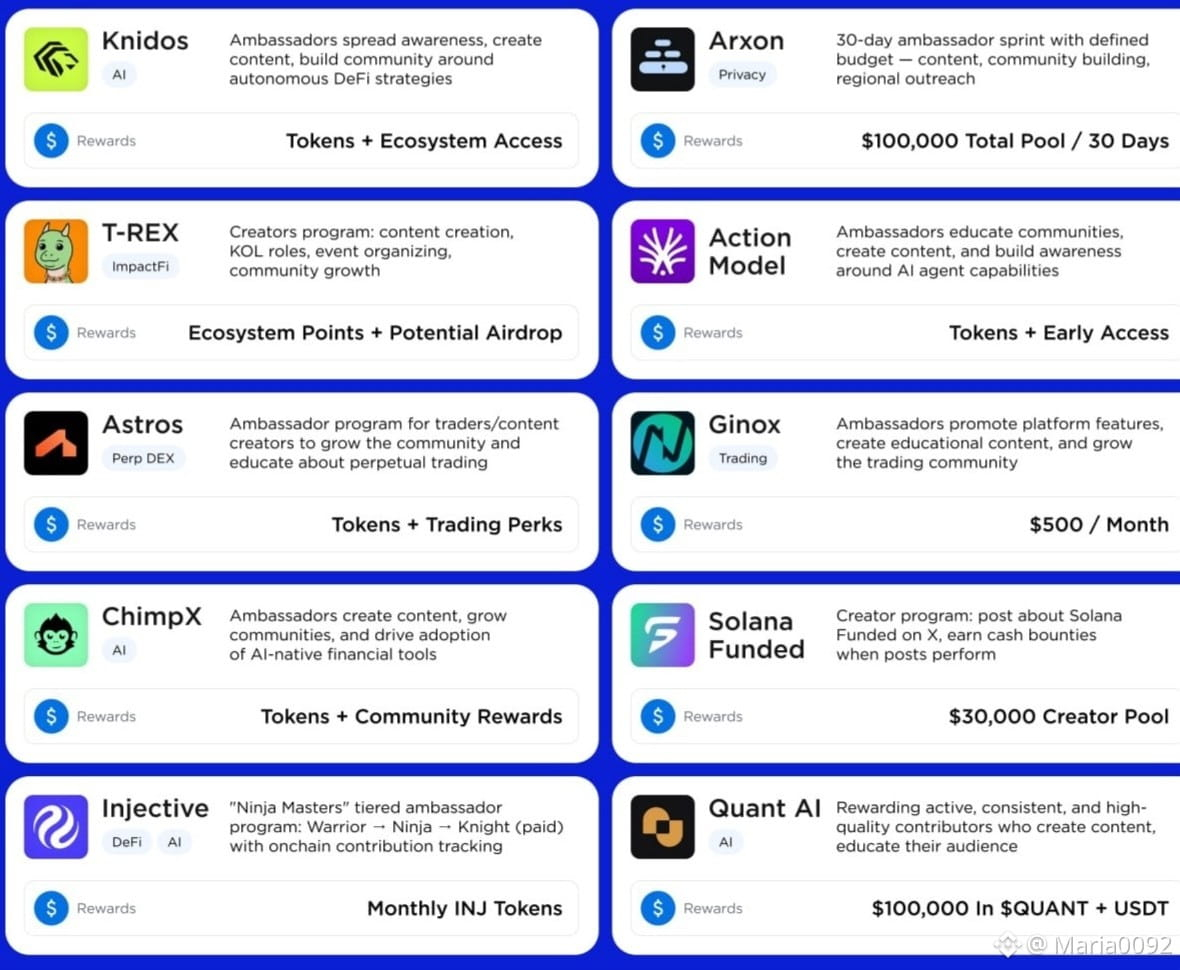
10 برامج سفراء في يونيو
برامج السفراء والمبدعين هي واحدة من أقل الطرق جهدًا لزراعة العملات الرقمية في الوقت الحالي - لا حاجة لرأس المال، فقط محتوى ومجتمع.
إليك 10 برامج حية هذا الشهر، حسب المكافأة:
• كنايدوس - رموز + وصول إلى النظام البيئي
• أركسون - حوض بقيمة 100,000 دولار / 30 يومًا
• تي-ريكس - نقاط النظام البيئي + احتمال إيردروب
• نموذج العمل - رموز + وصول مبكر
• أستروس - رموز + مزايا التداول
• جينوك - 500 دولار/شهريًا
• شيمب إكس - رموز + مكافآت المجتمع
• سولانا الممولة - حوض مبدعين بقيمة 30,000 دولار
• إنجكتيف - رموز INJ شهرية
• كوانت AI - 100,000 دولار في $QUANT + USDT
#AmbassadorCampaign #AmbassadorProgram #EarnFreeCrypto2024
10 برامج سفراء في يونيو
برامج السفراء والمبدعين هي واحدة من أقل الطرق جهدًا لزراعة العملات الرقمية في الوقت الحالي - لا حاجة لرأس المال، فقط محتوى ومجتمع.
إليك 10 برامج حية هذا الشهر، حسب المكافأة:
• كنايدوس - رموز + وصول إلى النظام البيئي
• أركسون - حوض بقيمة 100,000 دولار / 30 يومًا
• تي-ريكس - نقاط النظام البيئي + احتمال إيردروب
• نموذج العمل - رموز + وصول مبكر
• أستروس - رموز + مزايا التداول
• جينوك - 500 دولار/شهريًا
• شيمب إكس - رموز + مكافآت المجتمع
• سولانا الممولة - حوض مبدعين بقيمة 30,000 دولار
• إنجكتيف - رموز INJ شهرية
• كوانت AI - 100,000 دولار في $QUANT + USDT
#AmbassadorCampaign #AmbassadorProgram #EarnFreeCrypto2024
برامج السفراء والمبدعين هي واحدة من أقل الطرق جهدًا لزراعة العملات الرقمية في الوقت الحالي - لا حاجة لرأس المال، فقط محتوى ومجتمع.
إليك 10 برامج حية هذا الشهر، حسب المكافأة:
• كنايدوس - رموز + وصول إلى النظام البيئي
• أركسون - حوض بقيمة 100,000 دولار / 30 يومًا
• تي-ريكس - نقاط النظام البيئي + احتمال إيردروب
• نموذج العمل - رموز + وصول مبكر
• أستروس - رموز + مزايا التداول
• جينوك - 500 دولار/شهريًا
• شيمب إكس - رموز + مكافآت المجتمع
• سولانا الممولة - حوض مبدعين بقيمة 30,000 دولار
• إنجكتيف - رموز INJ شهرية
• كوانت AI - 100,000 دولار في $QUANT + USDT
#AmbassadorCampaign #AmbassadorProgram #EarnFreeCrypto2024
1
338
مقالة
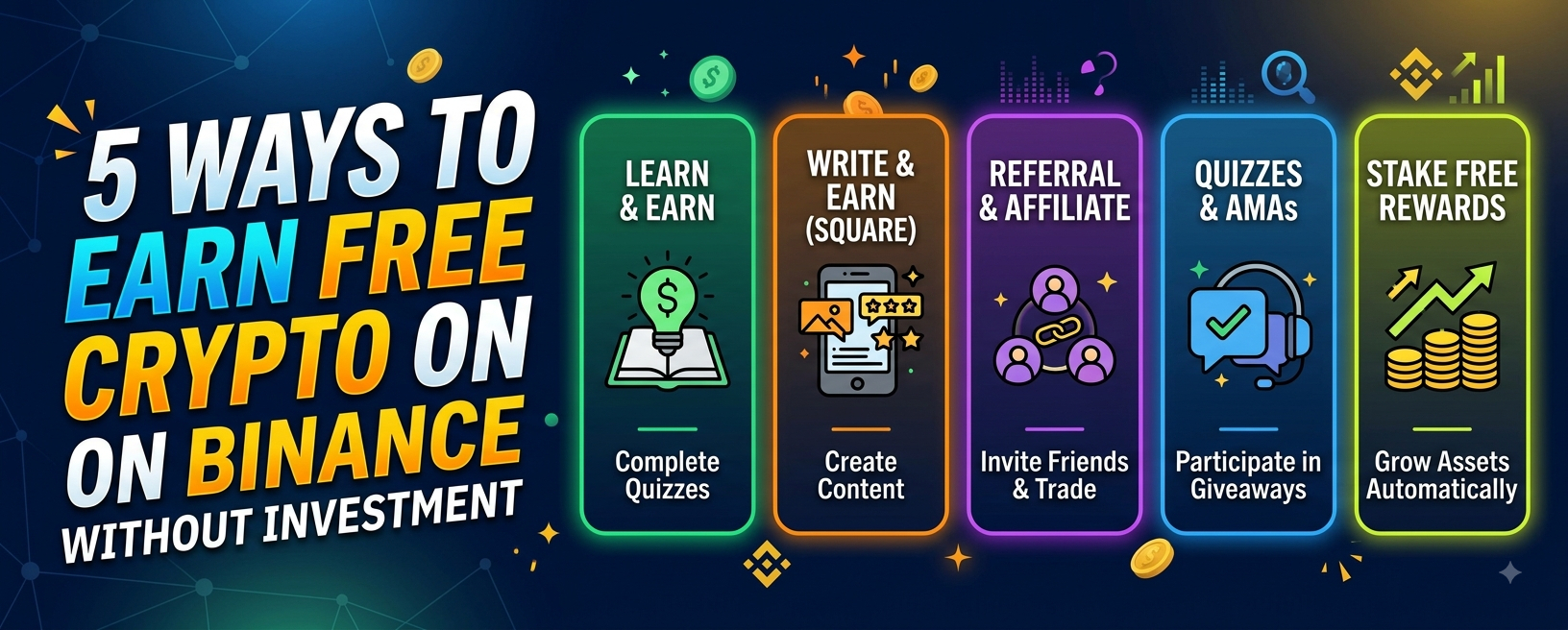
5 طرق لكسب أموال مجانية على بينانس بدون استثمار💸1. Binance Learn & Earn
إحدى أبسط الطرق لكسب عملات رقمية مجانية هي تثقيف نفسك. تتعاون Binance بانتظام مع مشاريع بلوكتشين جديدة لاستضافة دورات قصيرة.
كيف يعمل: شاهد فيديوهات تعليمية قصيرة، واقرأ مقالات قصيرة، وأكمل اختبارًا سريعًا.
الدفع: عند إتمام العملية بنجاح، يتم إيداع الرموز مباشرةً في مركز المكافآت (Rewards Hub) أو في محفظة spot.
2. إنشاء محتوى Binance Square (Write2Earn)
إذا كنت تستمتع بكتابة تحديثات السوق أو التحليل الفني أو المنشورات التعليمية، تتيح لك Binance Square تحقيق الدخل من نشاطك.
5 طرق لكسب أموال مجانية على بينانس بدون استثمار💸
1. Binance Learn & Earn
إحدى أبسط الطرق لكسب عملات رقمية مجانية هي تثقيف نفسك. تتعاون Binance بانتظام مع مشاريع بلوكتشين جديدة لاستضافة دورات قصيرة.
كيف يعمل: شاهد فيديوهات تعليمية قصيرة، واقرأ مقالات قصيرة، وأكمل اختبارًا سريعًا.
الدفع: عند إتمام العملية بنجاح، يتم إيداع الرموز مباشرةً في مركز المكافآت (Rewards Hub) أو في محفظة spot.
2. إنشاء محتوى Binance Square (Write2Earn)
إذا كنت تستمتع بكتابة تحديثات السوق أو التحليل الفني أو المنشورات التعليمية، تتيح لك Binance Square تحقيق الدخل من نشاطك.
إحدى أبسط الطرق لكسب عملات رقمية مجانية هي تثقيف نفسك. تتعاون Binance بانتظام مع مشاريع بلوكتشين جديدة لاستضافة دورات قصيرة.
كيف يعمل: شاهد فيديوهات تعليمية قصيرة، واقرأ مقالات قصيرة، وأكمل اختبارًا سريعًا.
الدفع: عند إتمام العملية بنجاح، يتم إيداع الرموز مباشرةً في مركز المكافآت (Rewards Hub) أو في محفظة spot.
2. إنشاء محتوى Binance Square (Write2Earn)
إذا كنت تستمتع بكتابة تحديثات السوق أو التحليل الفني أو المنشورات التعليمية، تتيح لك Binance Square تحقيق الدخل من نشاطك.
175

·
--
شارك في #EarnFreeCrypto2024 واربح حتى 500 FDUSD!
اغمر نفسك في حملتنا #EarnFreeCrypto2024 لاستغلال الفرصة لكسب حتى 500 FDUSD! 💰 انشر مقالة معلوماتية في Binance Square، تصف فيها استراتيجياتك الستة الرئيسية لكسب العملات المشفرة المجانية في 2024. اغمر نفسك في تقنيات مثل airdrops، مع تسليط الضوء بشكل خاص على Megadrop من Binance، وأدوات مثل Binance Earn، Binance Learn and Earn، Binance Launchpool، Write2Earn في Binance Square، وبرامج الإحالة الجذابة والهدايا الديناميكية على وسائل التواصل الاجتماعي.
فترة الحملة: 2024-05-24 00:00 إلى 2024-05-29 23:59 (UTC) #EarnFreeCrypto2024
شارك في #EarnFreeCrypto2024 واربح حتى 500 FDUSD!
اغمر نفسك في حملتنا #EarnFreeCrypto2024 لاستغلال الفرصة لكسب حتى 500 FDUSD! 💰 انشر مقالة معلوماتية في Binance Square، تصف فيها استراتيجياتك الستة الرئيسية لكسب العملات المشفرة المجانية في 2024. اغمر نفسك في تقنيات مثل airdrops، مع تسليط الضوء بشكل خاص على Megadrop من Binance، وأدوات مثل Binance Earn، Binance Learn and Earn، Binance Launchpool، Write2Earn في Binance Square، وبرامج الإحالة الجذابة والهدايا الديناميكية على وسائل التواصل الاجتماعي.
فترة الحملة: 2024-05-24 00:00 إلى 2024-05-29 23:59 (UTC) #EarnFreeCrypto2024
اغمر نفسك في حملتنا #EarnFreeCrypto2024 لاستغلال الفرصة لكسب حتى 500 FDUSD! 💰 انشر مقالة معلوماتية في Binance Square، تصف فيها استراتيجياتك الستة الرئيسية لكسب العملات المشفرة المجانية في 2024. اغمر نفسك في تقنيات مثل airdrops، مع تسليط الضوء بشكل خاص على Megadrop من Binance، وأدوات مثل Binance Earn، Binance Learn and Earn، Binance Launchpool، Write2Earn في Binance Square، وبرامج الإحالة الجذابة والهدايا الديناميكية على وسائل التواصل الاجتماعي.
فترة الحملة: 2024-05-24 00:00 إلى 2024-05-29 23:59 (UTC) #EarnFreeCrypto2024
1
326
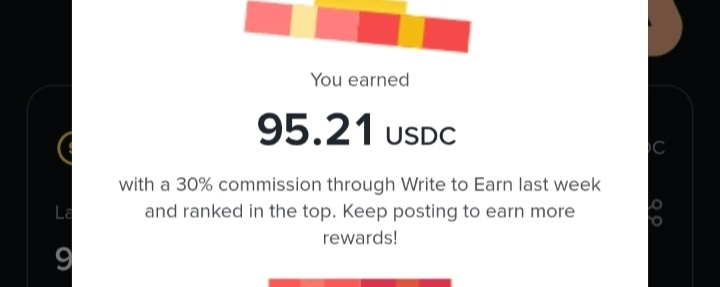
مقالة
كيف تربح من 4 إلى 8 دولارات يوميًا على باينانس دون أي استثمار 💰1. Binance Square "اكتب لتربح"
إذا كنت تستطيع كتابة تحديثات سوقية بسيطة أو مشاركة رؤى التداول، فإن Binance Square هي واحدة من أسرع الطرق لكسب المال دون الحاجة إلى رأس مال. من خلال برنامج Write to Earn، تكافئ Binance المبدعين بعملات كريبتو أو قسائم خصم رسوم التداول بناءً على مقدار التفاعل (الإعجابات، النقرات، والتعليقات) التي تحصل عليها منشوراتك.
كيف تفعل ذلك: انشر تحديثات تحليل فنية قصيرة، أو ملخصات العملات، أو شارك في حملات الهاشتاغ الرسمية الشائعة حيث تمنح Binance صناديق جوائز مباشرة للمبدعين النشطين.
كيف تربح من 4 إلى 8 دولارات يوميًا على باينانس دون أي استثمار 💰
1. Binance Square "اكتب لتربح"
إذا كنت تستطيع كتابة تحديثات سوقية بسيطة أو مشاركة رؤى التداول، فإن Binance Square هي واحدة من أسرع الطرق لكسب المال دون الحاجة إلى رأس مال. من خلال برنامج Write to Earn، تكافئ Binance المبدعين بعملات كريبتو أو قسائم خصم رسوم التداول بناءً على مقدار التفاعل (الإعجابات، النقرات، والتعليقات) التي تحصل عليها منشوراتك.
كيف تفعل ذلك: انشر تحديثات تحليل فنية قصيرة، أو ملخصات العملات، أو شارك في حملات الهاشتاغ الرسمية الشائعة حيث تمنح Binance صناديق جوائز مباشرة للمبدعين النشطين.
إذا كنت تستطيع كتابة تحديثات سوقية بسيطة أو مشاركة رؤى التداول، فإن Binance Square هي واحدة من أسرع الطرق لكسب المال دون الحاجة إلى رأس مال. من خلال برنامج Write to Earn، تكافئ Binance المبدعين بعملات كريبتو أو قسائم خصم رسوم التداول بناءً على مقدار التفاعل (الإعجابات، النقرات، والتعليقات) التي تحصل عليها منشوراتك.
كيف تفعل ذلك: انشر تحديثات تحليل فنية قصيرة، أو ملخصات العملات، أو شارك في حملات الهاشتاغ الرسمية الشائعة حيث تمنح Binance صناديق جوائز مباشرة للمبدعين النشطين.
7
399
#EarnFreeCrypto2024 اربح المال بدون أي استثمار
#EarnFreeCrypto2024 اربح المال بدون أي استثمار

76

·
--
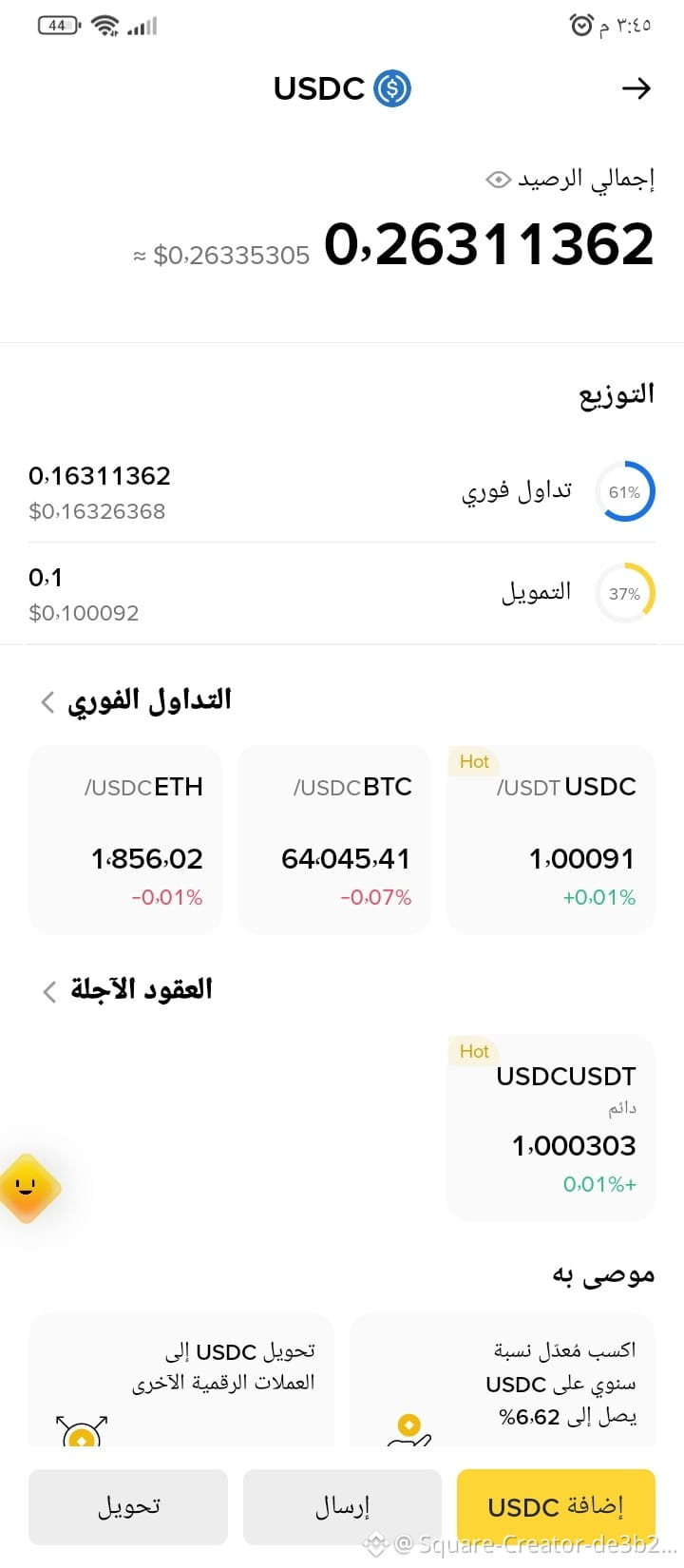
رحلة الوصول إلي الف دولار بدون استثمار من خلال الكتابة فقط على بايننس #EarnFreeCrypto2024
رحلة الوصول إلي الف دولار بدون استثمار من خلال الكتابة فقط على بايننس #EarnFreeCrypto2024
1
70

·
--
#BinancePickAndWin is offering you a chance to win free $BNB $SXT and $C just by guessing on simple football related questions. No investment needed! Yes! So don't waste your time and join now! #EarnFreeCrypto2024
[Join now!](https://www.binance.com/activity/pick-and-win/2026-football-challenge?ref=SLYTERINKLEA)
#BinancePickAndWin is offering you a chance to win free $BNB $SXT and $C just by guessing on simple football related questions. No investment needed! Yes! So don't waste your time and join now! #EarnFreeCrypto2024
Join now!
Join now!
1
199
·
--
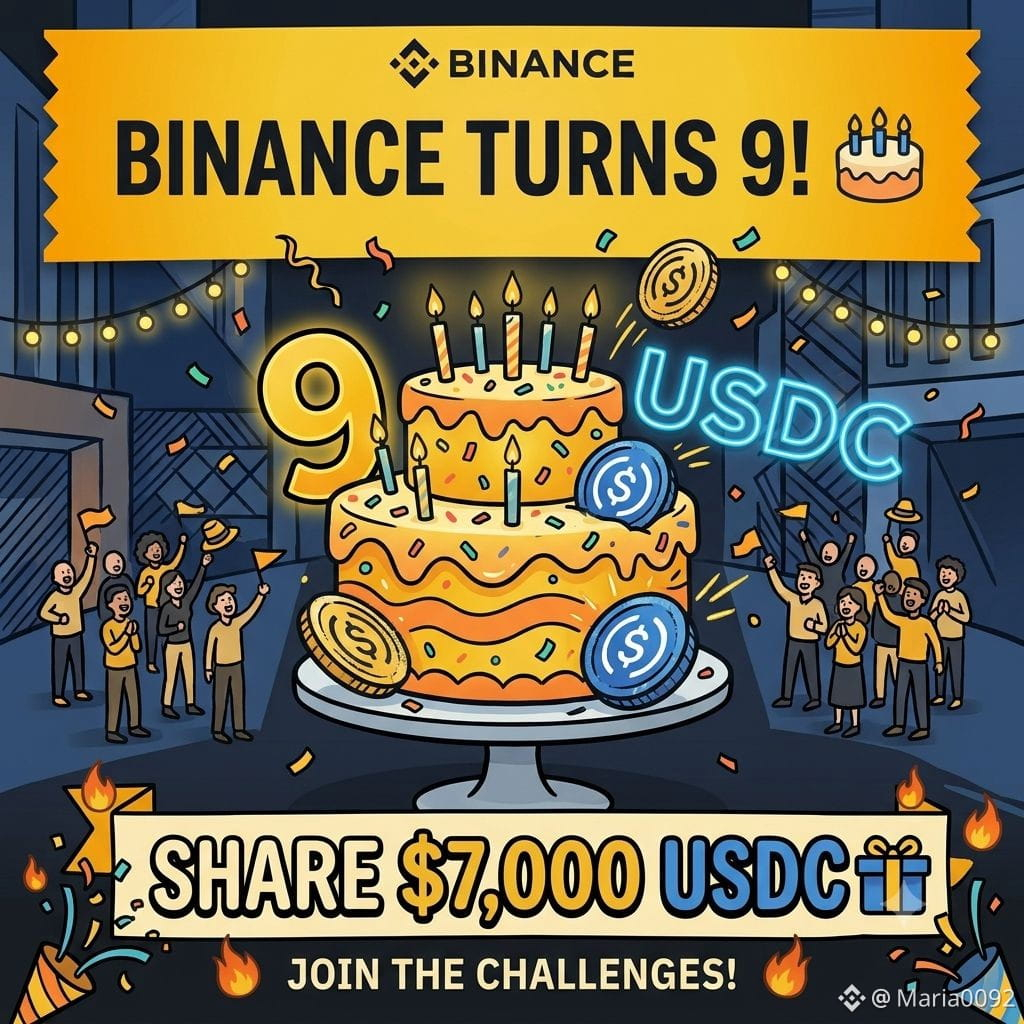
🎉 بينانس تبلغ التاسع! 7,000 USDC على وشك الجوائز 🎂🎈
الأخبار:
بالأمر رسمي—بينانس تحتفل بالذكرى التاسعة لتأسيسها! احتفالًا بهذه المناسبة، تم إطلاق سلسلة جديدة من تحديات المجتمع حيث يمكنك المشاركة في تقاسم 7,000 USDC كمكافآت.
💡 فرصة:
ابحث عن "تحديات الذكرى السنوية" داخل مركز المهام لديك. غالبًا ما يتم توزيع المكافآت على أساس من يصل أولًا يخدم أولًا. السرعة مهمة.
👇 ما هي السنة التي انضممت فيها إلى بينانس؟
أرسل التاريخ!
تابع للحصول على التحديثات
#BinanceTurns9 #CryptoNews #EarnFreeCrypto2024 #Binance $USDC
{spot}(USDCUSDT)
🎉 بينانس تبلغ التاسع! 7,000 USDC على وشك الجوائز 🎂🎈
الأخبار:
بالأمر رسمي—بينانس تحتفل بالذكرى التاسعة لتأسيسها! احتفالًا بهذه المناسبة، تم إطلاق سلسلة جديدة من تحديات المجتمع حيث يمكنك المشاركة في تقاسم 7,000 USDC كمكافآت.
💡 فرصة:
ابحث عن "تحديات الذكرى السنوية" داخل مركز المهام لديك. غالبًا ما يتم توزيع المكافآت على أساس من يصل أولًا يخدم أولًا. السرعة مهمة.
👇 ما هي السنة التي انضممت فيها إلى بينانس؟
أرسل التاريخ!
تابع للحصول على التحديثات
#BinanceTurns9 #CryptoNews #EarnFreeCrypto2024 #Binance $USDC
الأخبار:
بالأمر رسمي—بينانس تحتفل بالذكرى التاسعة لتأسيسها! احتفالًا بهذه المناسبة، تم إطلاق سلسلة جديدة من تحديات المجتمع حيث يمكنك المشاركة في تقاسم 7,000 USDC كمكافآت.
💡 فرصة:
ابحث عن "تحديات الذكرى السنوية" داخل مركز المهام لديك. غالبًا ما يتم توزيع المكافآت على أساس من يصل أولًا يخدم أولًا. السرعة مهمة.
👇 ما هي السنة التي انضممت فيها إلى بينانس؟
أرسل التاريخ!
تابع للحصول على التحديثات
#BinanceTurns9 #CryptoNews #EarnFreeCrypto2024 #Binance $USDC
1
141
·
--
💬 سؤال للنقاش: هل تعتقدون أن الإغلاق الأسبوعي سيكون إيجابياً أم سنرى تصحيحاً؟ شاركوني توقعاتكم!
2. نموذج ميزات Binance (Feature Spotlight) 🚀
العنوان: كيف تجعل أموالك تعمل بدلاً منك؟ 💤💼
المحتوى:
إذا كنت تحتفظ بعملاتك في المحفظة الفورية (Spot) دون استثمارها، فأنت تفوت فرصة ممتازة!
الميزة: Binance Earn (الكسب المرن).
لماذا تستخدمها؟ تتيح لك إيداع عملاتك الرقمية والحصول على عائد يومي (APR) مع ميزة سحب أموالك في أي وقت تريده دون شروط معقدة.
الأمان: مثالية جداً للمستثمرين على المدى الطويل (HODLers) الذين يرغبون في زيادة عدد عملاتهم بأمان.
💡 خطوة سريعة: ابحث عن قسم "Earn" في التطبيق واكتشف العملات المدعومة اليوم!
#BinanceTurns9 #EarnFreeCrypto2024
💬 سؤال للنقاش: هل تعتقدون أن الإغلاق الأسبوعي سيكون إيجابياً أم سنرى تصحيحاً؟ شاركوني توقعاتكم!
2. نموذج ميزات Binance (Feature Spotlight) 🚀
العنوان: كيف تجعل أموالك تعمل بدلاً منك؟ 💤💼
المحتوى:
إذا كنت تحتفظ بعملاتك في المحفظة الفورية (Spot) دون استثمارها، فأنت تفوت فرصة ممتازة!
الميزة: Binance Earn (الكسب المرن).
لماذا تستخدمها؟ تتيح لك إيداع عملاتك الرقمية والحصول على عائد يومي (APR) مع ميزة سحب أموالك في أي وقت تريده دون شروط معقدة.
الأمان: مثالية جداً للمستثمرين على المدى الطويل (HODLers) الذين يرغبون في زيادة عدد عملاتهم بأمان.
💡 خطوة سريعة: ابحث عن قسم "Earn" في التطبيق واكتشف العملات المدعومة اليوم!
#BinanceTurns9 #EarnFreeCrypto2024
2. نموذج ميزات Binance (Feature Spotlight) 🚀
العنوان: كيف تجعل أموالك تعمل بدلاً منك؟ 💤💼
المحتوى:
إذا كنت تحتفظ بعملاتك في المحفظة الفورية (Spot) دون استثمارها، فأنت تفوت فرصة ممتازة!
الميزة: Binance Earn (الكسب المرن).
لماذا تستخدمها؟ تتيح لك إيداع عملاتك الرقمية والحصول على عائد يومي (APR) مع ميزة سحب أموالك في أي وقت تريده دون شروط معقدة.
الأمان: مثالية جداً للمستثمرين على المدى الطويل (HODLers) الذين يرغبون في زيادة عدد عملاتهم بأمان.
💡 خطوة سريعة: ابحث عن قسم "Earn" في التطبيق واكتشف العملات المدعومة اليوم!
#BinanceTurns9 #EarnFreeCrypto2024
143

لم يعد يلزمك أن تكون متداولًا ممتازًا لكسب المال باستخدام Binance.
أفضل منصة تتيح زيادة دخلك عبر عدة برامج بسيطة وسهلة الاستخدام:
Binance Simple Earn
Binance Launchpool & Megadrop
توجد برامج أخرى أيضًا، لكن ببرنامجين فقط يمكن مضاعفة أموالك دون تعقيد.
#EarnFreeCrypto2024
#Launchpool
$BTC
لم يعد يلزمك أن تكون متداولًا ممتازًا لكسب المال باستخدام Binance.
أفضل منصة تتيح زيادة دخلك عبر عدة برامج بسيطة وسهلة الاستخدام:
Binance Simple Earn
Binance Launchpool & Megadrop
توجد برامج أخرى أيضًا، لكن ببرنامجين فقط يمكن مضاعفة أموالك دون تعقيد.
#EarnFreeCrypto2024
#Launchpool
$BTC
أفضل منصة تتيح زيادة دخلك عبر عدة برامج بسيطة وسهلة الاستخدام:
Binance Simple Earn
Binance Launchpool & Megadrop
توجد برامج أخرى أيضًا، لكن ببرنامجين فقط يمكن مضاعفة أموالك دون تعقيد.
#EarnFreeCrypto2024
#Launchpool
$BTC
178

مقالة
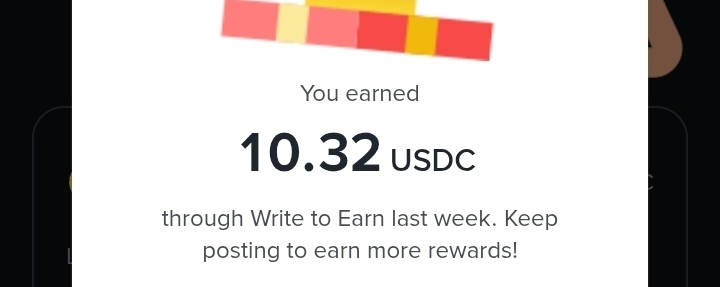
$2 إلى $4 يوميًا على Binance بدون إيداع رأس مال 💸1. إنشاء المحتوى على Binance Square (Write2Earn)
الآلية: نشر تعليقات سوقية، وتحليل تفصيلي لإعدادات التداول، ورسوم بيانية تقنية، أو تحليل أخبار الاقتصاد الكلي مباشرة على Binance Square.
إمكانيات الربح: مرتفعة. برنامج Write2Earn يدفع عمولات بناءً على تفاعل القرّاء، والإكراميات، والصفقات التي تتم عبر روابط المحتوى.
التنفيذ: نشر 2–3 منشورات حادة ومتسقة يوميًا يمكنه بسهولة تحقيق $2–$5+ يوميًا بمجرد بناء جمهور.
2. تعلم وكسب عبر اختبارات
الآلية: إكمال دورات تعليمية قصيرة وكاملة واجتياز اختبارات بسيطة من نوع اختيار من متعدد داخل تطبيق Binance.
$2 إلى $4 يوميًا على Binance بدون إيداع رأس مال 💸
1. إنشاء المحتوى على Binance Square (Write2Earn)
الآلية: نشر تعليقات سوقية، وتحليل تفصيلي لإعدادات التداول، ورسوم بيانية تقنية، أو تحليل أخبار الاقتصاد الكلي مباشرة على Binance Square.
إمكانيات الربح: مرتفعة. برنامج Write2Earn يدفع عمولات بناءً على تفاعل القرّاء، والإكراميات، والصفقات التي تتم عبر روابط المحتوى.
التنفيذ: نشر 2–3 منشورات حادة ومتسقة يوميًا يمكنه بسهولة تحقيق $2–$5+ يوميًا بمجرد بناء جمهور.
2. تعلم وكسب عبر اختبارات
الآلية: إكمال دورات تعليمية قصيرة وكاملة واجتياز اختبارات بسيطة من نوع اختيار من متعدد داخل تطبيق Binance.
الآلية: نشر تعليقات سوقية، وتحليل تفصيلي لإعدادات التداول، ورسوم بيانية تقنية، أو تحليل أخبار الاقتصاد الكلي مباشرة على Binance Square.
إمكانيات الربح: مرتفعة. برنامج Write2Earn يدفع عمولات بناءً على تفاعل القرّاء، والإكراميات، والصفقات التي تتم عبر روابط المحتوى.
التنفيذ: نشر 2–3 منشورات حادة ومتسقة يوميًا يمكنه بسهولة تحقيق $2–$5+ يوميًا بمجرد بناء جمهور.
2. تعلم وكسب عبر اختبارات
الآلية: إكمال دورات تعليمية قصيرة وكاملة واجتياز اختبارات بسيطة من نوع اختيار من متعدد داخل تطبيق Binance.
1
185

·
--
#EarnFreeCrypto2024 10 برامج السفراء في يونيو
برامج السفراء وصناع المحتوى هي إحدى أسهل الطرق لتعدين العملات المشفرة حاليًا — لا تحتاج إلى رأس مال، فقط محتوى ومجتمع.
إليك 10 برامج مباشرة هذا الشهر، كمكافأة:
• Knidos - رموز + وصول إلى النظام البيئي
• Arxon - 100,000 دولار في المسبح / 30 يومًا
• T-REX - نقاط النظام البيئي + احتمال Airdrop
• Action Model - رموز + وصول مُبكر
• Astros - رموز + فوائد التداول
• Ginox - 500 دولار/شهر
• ChimpX - رموز + مكافآت مجتمعية
• Solana Funded - 30,000 دولار في مسبح صناع المحتوى
• Injective - رموز INJ شهرية
• Quant AI - 100,000 دولار في $QUANT + USDT
#EarnFreeCrypto2024 10 برامج السفراء في يونيو
برامج السفراء وصناع المحتوى هي إحدى أسهل الطرق لتعدين العملات المشفرة حاليًا — لا تحتاج إلى رأس مال، فقط محتوى ومجتمع.
إليك 10 برامج مباشرة هذا الشهر، كمكافأة:
• Knidos - رموز + وصول إلى النظام البيئي
• Arxon - 100,000 دولار في المسبح / 30 يومًا
• T-REX - نقاط النظام البيئي + احتمال Airdrop
• Action Model - رموز + وصول مُبكر
• Astros - رموز + فوائد التداول
• Ginox - 500 دولار/شهر
• ChimpX - رموز + مكافآت مجتمعية
• Solana Funded - 30,000 دولار في مسبح صناع المحتوى
• Injective - رموز INJ شهرية
• Quant AI - 100,000 دولار في $QUANT + USDT
برامج السفراء وصناع المحتوى هي إحدى أسهل الطرق لتعدين العملات المشفرة حاليًا — لا تحتاج إلى رأس مال، فقط محتوى ومجتمع.
إليك 10 برامج مباشرة هذا الشهر، كمكافأة:
• Knidos - رموز + وصول إلى النظام البيئي
• Arxon - 100,000 دولار في المسبح / 30 يومًا
• T-REX - نقاط النظام البيئي + احتمال Airdrop
• Action Model - رموز + وصول مُبكر
• Astros - رموز + فوائد التداول
• Ginox - 500 دولار/شهر
• ChimpX - رموز + مكافآت مجتمعية
• Solana Funded - 30,000 دولار في مسبح صناع المحتوى
• Injective - رموز INJ شهرية
• Quant AI - 100,000 دولار في $QUANT + USDT
171

·
--
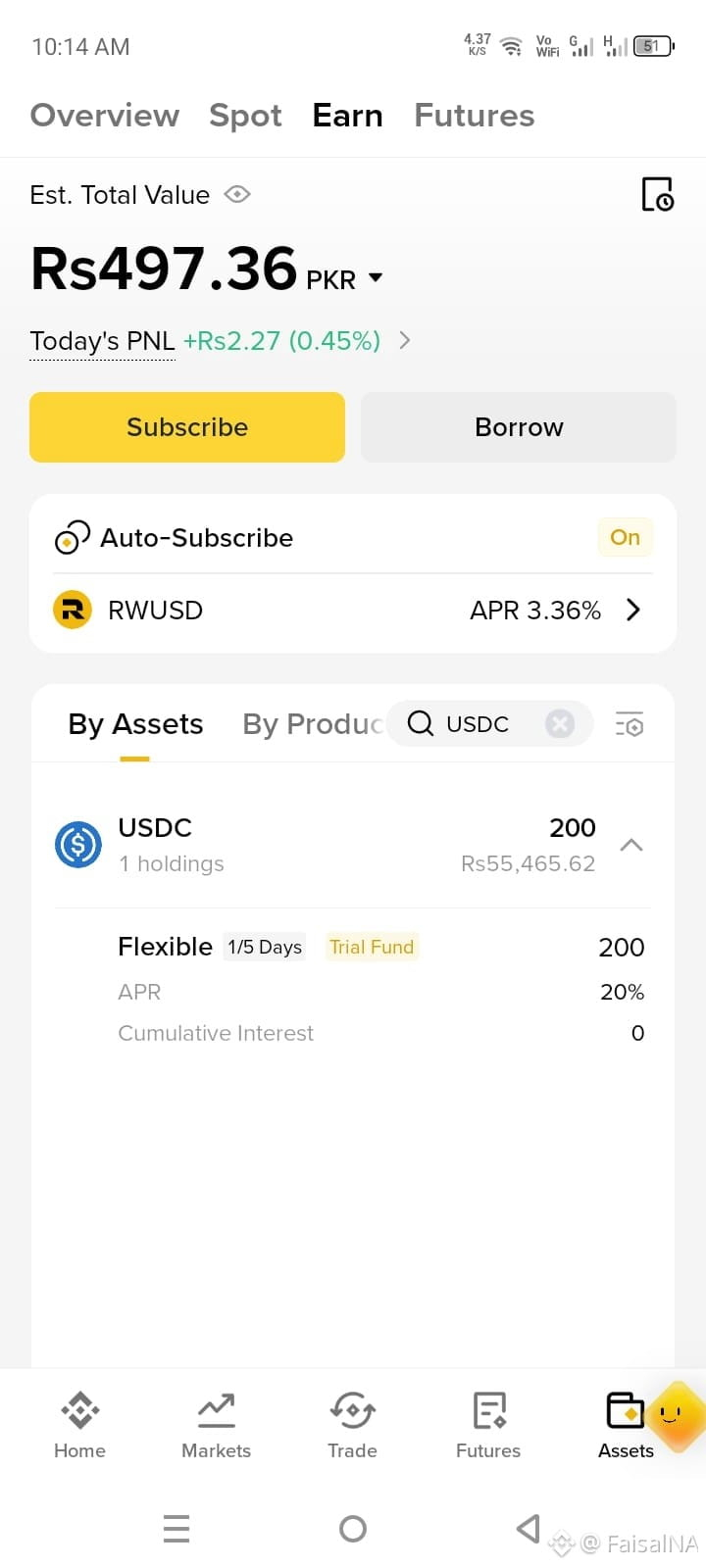
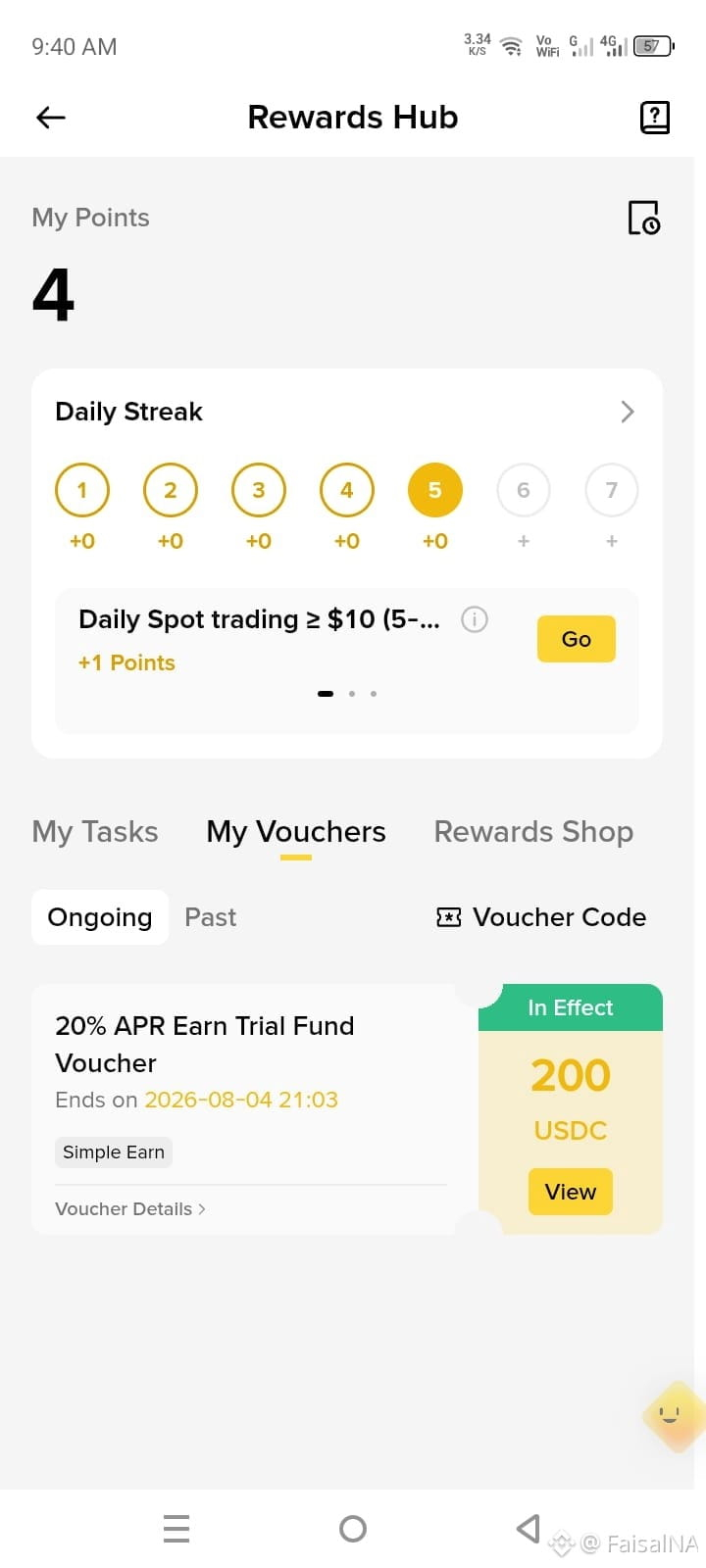
هذا قسيمة تجربة صندوق Binance Earn بقيمة 200 $USDC (حوالي 55,400 ر.ك.ب). ماذا يعني ذلك؟ليس نقودًا مجانية: لا يمكنك سحب أو بيع أو تداول رأس المال 200 $USDC . إنه مؤقت «مال تجريبي» تقدمه البورصة.اربح ربحًا حقيقيًا: قامت Binance باستثمار هذا الصندوق لك بأمان في Simple Earn بعائد مرتفع بنسبة 20% APR (نسبة العائد السنوية) لمدة بضعة أيام.احتفظ بالفائدة: بينما سيختفي رأس المال 200 USDC عند انتهاء صلاحية القسيمة، فإن أي أرباح فوائد ناتجة عنه تخصّك بنسبة 100% للاحتفاظ بها أو سحبها أو تداولها.
#BTC走势分析 #EarnFreeCrypto2024
هذا قسيمة تجربة صندوق Binance Earn بقيمة 200 $USDC (حوالي 55,400 ر.ك.ب). ماذا يعني ذلك؟ليس نقودًا مجانية: لا يمكنك سحب أو بيع أو تداول رأس المال 200 $USDC . إنه مؤقت «مال تجريبي» تقدمه البورصة.اربح ربحًا حقيقيًا: قامت Binance باستثمار هذا الصندوق لك بأمان في Simple Earn بعائد مرتفع بنسبة 20% APR (نسبة العائد السنوية) لمدة بضعة أيام.احتفظ بالفائدة: بينما سيختفي رأس المال 200 USDC عند انتهاء صلاحية القسيمة، فإن أي أرباح فوائد ناتجة عنه تخصّك بنسبة 100% للاحتفاظ بها أو سحبها أو تداولها.
#BTC走势分析 #EarnFreeCrypto2024
#BTC走势分析 #EarnFreeCrypto2024
118

#EarnFreeCrypto2024 شارك في حملتنا
#EarnFreeCrypto2024 شارك في حملتنا
47
أساسيات تداول العملات المشفرة: أرباح فورية على السبوت وP2P 💡
تداول السبوت 📊: الطريقة الأكثر مباشرة. اشترِ أو بِع العملات المشفرة فورًا بأسعار السوق الحالية لتأخذ ملكية مباشرة.
التداول الفوري 🔄: تبديل رموز سهل بنقرة واحدة. بدّل عملة مشفرة واحدة مباشرة بأخرى دون تعقيدات دفتر الأوامر ودون مفاجآت الانزلاق.
الربح 📈: اجعل عملتك المشفرة غير المستغلة تعمل. أودِع الأصول في حسابات ادخار مرنة أو ثابتة لتجني فائدة سلبية مع مرور الوقت—مشابهة لحساب ادخار بنكي تقليدي.
P2P (نظير إلى نظير) 🤝: اشترِ أو بِع مباشرة مع مستخدمين آخرين باستخدام العملات المحلية وطرق الدفع المفضلة (التحويلات البنكية، المحافظ الرقمية)، مع ضمان حماية عبر خدمات الحفظ (Escrow) الخاصة بالمنصة.
سواء كنت تبحث عن تبديل فوري، أو تداول بنشاط، أو نمو سلبي، أو سحب نقدي محلي، فإن اختيار الأداة المناسبة يُحدث فرقًا كبيرًا! 🚀
كما يمكنك التداول هنا $KOMA $RAYSOL $LSK
#SpotTrading. #EarnFreeCrypto2024 #P2PTradingTips
أساسيات تداول العملات المشفرة: أرباح فورية على السبوت وP2P 💡
تداول السبوت 📊: الطريقة الأكثر مباشرة. اشترِ أو بِع العملات المشفرة فورًا بأسعار السوق الحالية لتأخذ ملكية مباشرة.
التداول الفوري 🔄: تبديل رموز سهل بنقرة واحدة. بدّل عملة مشفرة واحدة مباشرة بأخرى دون تعقيدات دفتر الأوامر ودون مفاجآت الانزلاق.
الربح 📈: اجعل عملتك المشفرة غير المستغلة تعمل. أودِع الأصول في حسابات ادخار مرنة أو ثابتة لتجني فائدة سلبية مع مرور الوقت—مشابهة لحساب ادخار بنكي تقليدي.
P2P (نظير إلى نظير) 🤝: اشترِ أو بِع مباشرة مع مستخدمين آخرين باستخدام العملات المحلية وطرق الدفع المفضلة (التحويلات البنكية، المحافظ الرقمية)، مع ضمان حماية عبر خدمات الحفظ (Escrow) الخاصة بالمنصة.
سواء كنت تبحث عن تبديل فوري، أو تداول بنشاط، أو نمو سلبي، أو سحب نقدي محلي، فإن اختيار الأداة المناسبة يُحدث فرقًا كبيرًا! 🚀
كما يمكنك التداول هنا $KOMA $RAYSOL $LSK
#SpotTrading. #EarnFreeCrypto2024 #P2PTradingTips
تداول السبوت 📊: الطريقة الأكثر مباشرة. اشترِ أو بِع العملات المشفرة فورًا بأسعار السوق الحالية لتأخذ ملكية مباشرة.
التداول الفوري 🔄: تبديل رموز سهل بنقرة واحدة. بدّل عملة مشفرة واحدة مباشرة بأخرى دون تعقيدات دفتر الأوامر ودون مفاجآت الانزلاق.
الربح 📈: اجعل عملتك المشفرة غير المستغلة تعمل. أودِع الأصول في حسابات ادخار مرنة أو ثابتة لتجني فائدة سلبية مع مرور الوقت—مشابهة لحساب ادخار بنكي تقليدي.
P2P (نظير إلى نظير) 🤝: اشترِ أو بِع مباشرة مع مستخدمين آخرين باستخدام العملات المحلية وطرق الدفع المفضلة (التحويلات البنكية، المحافظ الرقمية)، مع ضمان حماية عبر خدمات الحفظ (Escrow) الخاصة بالمنصة.
سواء كنت تبحث عن تبديل فوري، أو تداول بنشاط، أو نمو سلبي، أو سحب نقدي محلي، فإن اختيار الأداة المناسبة يُحدث فرقًا كبيرًا! 🚀
كما يمكنك التداول هنا $KOMA $RAYSOL $LSK
#SpotTrading. #EarnFreeCrypto2024 #P2PTradingTips

1
1
301
#BONO فرصة رسمية لفترة قصيرة جداً#BONO<t-6/>#BONO
نتحدث عن العرض الترويجي الحالي الخاص بـ #USDT. أرفق الصورة الرسمية للإعلان من Binance. أوضح كيف يمكن استلامه خطوة بخطوة باستخدام حسابي الخاص. نشارك فقط الإعلانات الرسمية لتجنب أي التباس.
الاستراتيجية: أستوفي جميع المتطلبات قبل المطالبة بالعرض، وأضيف قيمة البونص إلى رأسمالي للوصول إلى الهدف بشكل أسرع. لا أفوّت الفرص الآمنة.
رابط. https://www.binance.com/es/promotions | https://www.binance.com/pe #JtaAB #EarnFreeCrypto2024 #Binance #JtaAB
#JtaAB #BonoGratis #PromocionOficial #JtaAB #TiempoLimitado #AprovechaYa #BinancePromociones
#BONO فرصة رسمية لفترة قصيرة جداً
#BONO<t-6/>#BONO
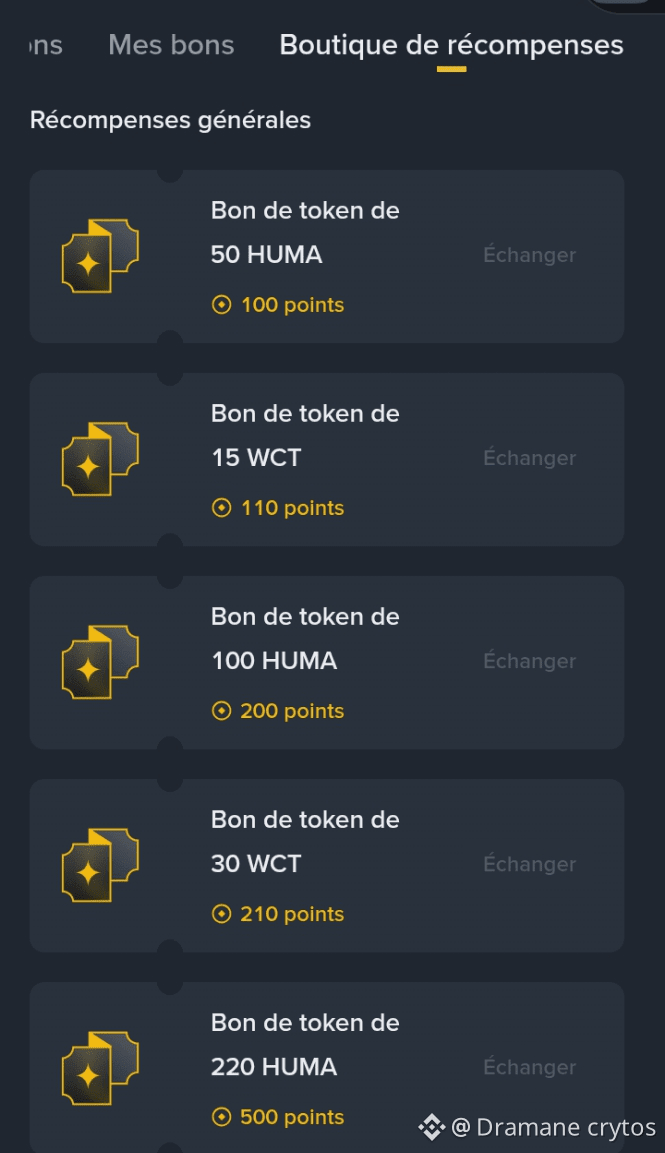
نتحدث عن العرض الترويجي الحالي الخاص بـ #USDT. أرفق الصورة الرسمية للإعلان من Binance. أوضح كيف يمكن استلامه خطوة بخطوة باستخدام حسابي الخاص. نشارك فقط الإعلانات الرسمية لتجنب أي التباس.
الاستراتيجية: أستوفي جميع المتطلبات قبل المطالبة بالعرض، وأضيف قيمة البونص إلى رأسمالي للوصول إلى الهدف بشكل أسرع. لا أفوّت الفرص الآمنة.
رابط. https://www.binance.com/es/promotions | https://www.binance.com/pe #JtaAB #EarnFreeCrypto2024 #Binance #JtaAB
#JtaAB #BonoGratis #PromocionOficial #JtaAB #TiempoLimitado #AprovechaYa #BinancePromociones
نتحدث عن العرض الترويجي الحالي الخاص بـ #USDT. أرفق الصورة الرسمية للإعلان من Binance. أوضح كيف يمكن استلامه خطوة بخطوة باستخدام حسابي الخاص. نشارك فقط الإعلانات الرسمية لتجنب أي التباس.
الاستراتيجية: أستوفي جميع المتطلبات قبل المطالبة بالعرض، وأضيف قيمة البونص إلى رأسمالي للوصول إلى الهدف بشكل أسرع. لا أفوّت الفرص الآمنة.
رابط. https://www.binance.com/es/promotions | https://www.binance.com/pe #JtaAB #EarnFreeCrypto2024 #Binance #JtaAB
#JtaAB #BonoGratis #PromocionOficial #JtaAB #TiempoLimitado #AprovechaYa #BinancePromociones
147
هل كنت تعلم أنه يمكنك كسب العملات بسهولة دون استثمار على بينانس؟ الأمر سهل جداً.
إذا كنت مهتمًا، أعلمني وسأشرح لك
#Binance #EarnFreeCrypto2024
هل كنت تعلم أنه يمكنك كسب العملات بسهولة دون استثمار على بينانس؟ الأمر سهل جداً.
إذا كنت مهتمًا، أعلمني وسأشرح لك
#Binance #EarnFreeCrypto2024
إذا كنت مهتمًا، أعلمني وسأشرح لك
#Binance #EarnFreeCrypto2024
3
346
سجّل الدخول لاستكشاف المزيد من المُحتوى
انضم إلى مُستخدمي العملات الرقمية حول العالم على Binance Square
⚡️ احصل على أحدث المعلومات المفيدة عن العملات الرقمية.
💬 موثوقة من قبل أكبر منصّة لتداول العملات الرقمية في العالم.
👍 اكتشف الرؤى الحقيقية من صنّاع المُحتوى الموثوقين.
البريد الإلكتروني / رقم الهاتف
المواضيع الرائجة
1
#ChainlinkLaunchesBankSWIFTLedgerFramework
314 مشاهدات
23 يقومون بالنقاش
2
#EarningsSeason
409,205 مشاهدات
3,122 يقومون بالنقاش
3
#SECChairWantsStockMarketsOnChain
3,338 مشاهدات
128 يقومون بالنقاش
4
#MulticoinInvestsInGrass
1,748 مشاهدات
83 يقومون بالنقاش
5
#CEARenamesToBNBStandardUnderBNC
2,995 مشاهدات
94 يقومون بالنقاش
6
#BitwiseLaunchesFirstSpotNEARETF
52,773 مشاهدات
735 يقومون بالنقاش
7
#USJobOpeningsFallToFiveMonthLow
56,088 مشاهدات
562 يقومون بالنقاش
8
#ECBToTestAIAgentsInDigitalEuroPayments
36,681 مشاهدات
609 يقومون بالنقاش
9
#JapanFSABacksFourthStablecoinTradeSettlementPilot
41,576 مشاهدات
635 يقومون بالنقاش
10
#BitgetHackerFailsToMoveStolenFunds
59,042 مشاهدات
695 يقومون بالنقاش