
#digitalgold
digitalgold
2.1M مشاهدات
7,019 يقومون بالنقاش
رائج
جديد

تستكشف هيئة السلوك المالي البريطانية (FCA) إعفاءات تنظيمية لمنتجات الذهب المُرمّز. وقد يتيح هذا التحرك دمج السبائك الرقمية بشكل أسهل في الأسواق المالية الرئيسية بالجملة في لندن.
#TokenizedGold #DigitalGold
تستكشف هيئة السلوك المالي البريطانية (FCA) إعفاءات تنظيمية لمنتجات الذهب المُرمّز. وقد يتيح هذا التحرك دمج السبائك الرقمية بشكل أسهل في الأسواق المالية الرئيسية بالجملة في لندن.
#TokenizedGold #DigitalGold
#TokenizedGold #DigitalGold
23

📌 البيتكوين والذهب: ارتباط قياسي خلال 6 سنوات! 📈🟡
ارتفع ترابط البيتكوين والذهب إلى أعلى مستوى له منذ عام 2020! يؤكد البيتكوين أخيرًا مكانته كـ«الذهب الرقمي».
3 أسباب للنمو:
1️⃣ الحماية من التضخم: ديون الولايات المتحدة الحكومية > $40 تريليون. يفر المستثمرون إلى البيتكوين والذهب هربًا من تدهور قيمة العملة الورقية.
2️⃣ اختيار المؤسسات: الصناديق تشتري كلا الأصلين بكثافة عبر صناديق ETF.
3️⃣ الاستقلالية: انفصل البيتكوين عن الأسهم (ناسداك) ويصعد لوحده.
💡 الخلاصة: لم يعد البيتكوين مجرد أصل عالي المخاطر، بل هو الدرع الرئيسي ضد الأزمات العالمية.
كيف تعتقدون، هل ننتظر قممًا جديدة على
BTC؟ 👇#BTC #Bitcoin #DigitalGold
📌 البيتكوين والذهب: ارتباط قياسي خلال 6 سنوات! 📈🟡
ارتفع ترابط البيتكوين والذهب إلى أعلى مستوى له منذ عام 2020! يؤكد البيتكوين أخيرًا مكانته كـ«الذهب الرقمي».
3 أسباب للنمو:
1️⃣ الحماية من التضخم: ديون الولايات المتحدة الحكومية > $40 تريليون. يفر المستثمرون إلى البيتكوين والذهب هربًا من تدهور قيمة العملة الورقية.
2️⃣ اختيار المؤسسات: الصناديق تشتري كلا الأصلين بكثافة عبر صناديق ETF.
3️⃣ الاستقلالية: انفصل البيتكوين عن الأسهم (ناسداك) ويصعد لوحده.
💡 الخلاصة: لم يعد البيتكوين مجرد أصل عالي المخاطر، بل هو الدرع الرئيسي ضد الأزمات العالمية.
كيف تعتقدون، هل ننتظر قممًا جديدة على
BTC؟ 👇#BTC #Bitcoin #DigitalGold
ارتفع ترابط البيتكوين والذهب إلى أعلى مستوى له منذ عام 2020! يؤكد البيتكوين أخيرًا مكانته كـ«الذهب الرقمي».
3 أسباب للنمو:
1️⃣ الحماية من التضخم: ديون الولايات المتحدة الحكومية > $40 تريليون. يفر المستثمرون إلى البيتكوين والذهب هربًا من تدهور قيمة العملة الورقية.
2️⃣ اختيار المؤسسات: الصناديق تشتري كلا الأصلين بكثافة عبر صناديق ETF.
3️⃣ الاستقلالية: انفصل البيتكوين عن الأسهم (ناسداك) ويصعد لوحده.
💡 الخلاصة: لم يعد البيتكوين مجرد أصل عالي المخاطر، بل هو الدرع الرئيسي ضد الأزمات العالمية.
كيف تعتقدون، هل ننتظر قممًا جديدة على
BTC؟ 👇#BTC #Bitcoin #DigitalGold
108

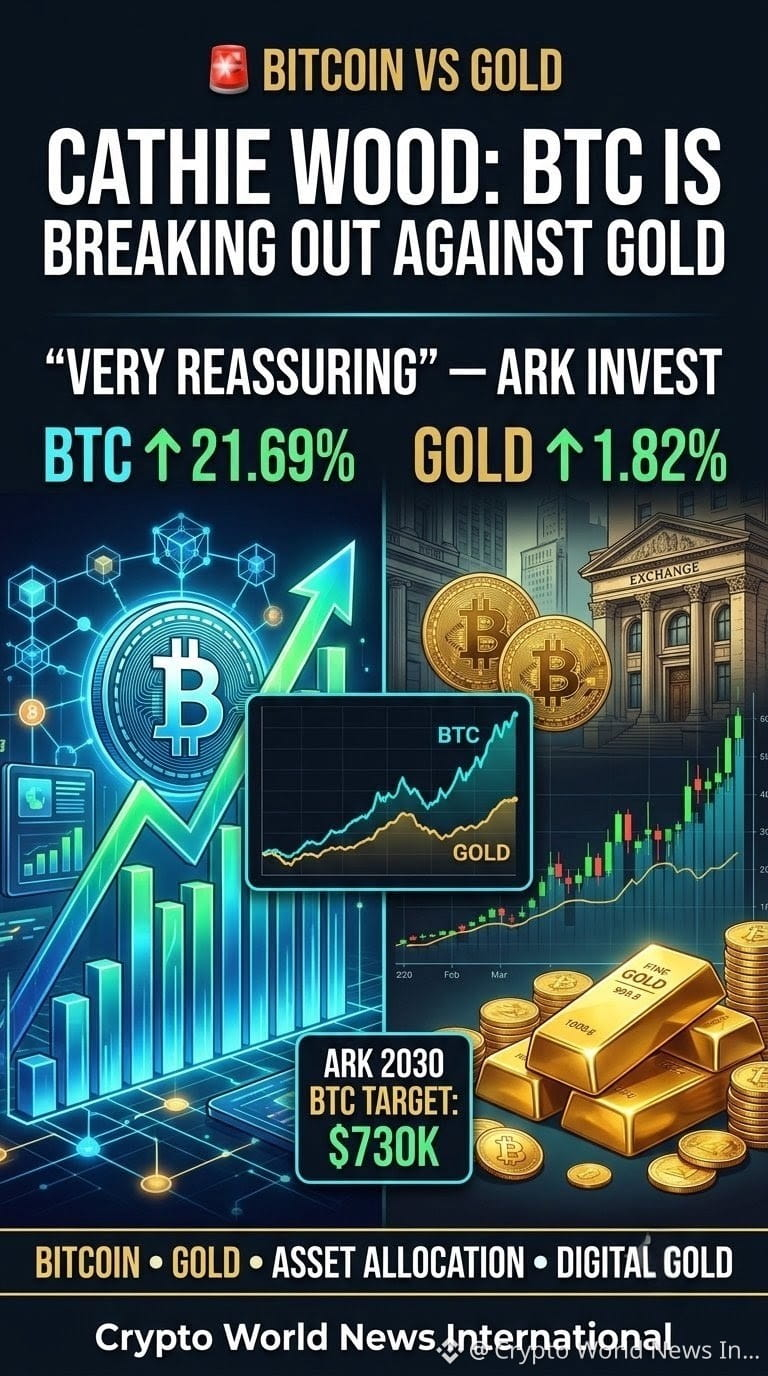
🚨 كاثي وود: البيتكوين يواصل اختراقه مقابل الذهب 🔥₿
تقول كاثي وود، الرئيسة التنفيذية لشركة ARK Invest، إن قوة البيتكوين الأخيرة مقارنةً بالذهب تُعد إشارة مطمئنة للغاية لطرح البيتكوين على المدى الطويل.
خلال حلقة ARK Invest الأخيرة من برنامج “In The Know”، سلطت وود الضوء على أن العلاقة (الارتباط) بين البيتكوين والذهب منخفضة تاريخيًا، وقالت إن BTC بدأت تشق طريقها نحو التفوق مقارنةً بالمعدن الثمين.
🔑 النقاط الرئيسية
• البيتكوين يبدأ في التفوق على الذهب
• تظل علاقة BTC–Gold منخفضة تاريخيًا
• كاثي وود توصف هذا الاختراق النسبي بأنه “مطمئن جدًا”
• ترى وود أن البيتكوين أصلٌ يمكن أن يكون “مخاطرة/أصولًا ذات توجه للمخاطرة” و“ملاذًا آمنًا” في الوقت نفسه
• تقول إن لدى البيتكوين “مزيدًا من المشوار”
• تحافظ ARK على هدف أساسي بقيمة 730,000 دولار لـ BTC بحلول 2030
• حققت BTC ارتفاعًا بنسبة 21.69% خلال آخر 30 يومًا، مقابل 1.82% للذهب
📊 نظرة على السوق
القصة الأكبر ليست مجرد مقارنة بين البيتكوين والذهب.
بل السؤال هو ما إذا كان المستثمرون بدأوا في التعامل مع البيتكوين كبديل نقدي/مالي طويل الأجل إلى جانب — أو ربما منافسًا لـ — الذهب.
لطالما قاد الذهب البيتكوين في عدة دورات كبرى.
والآن تعتقد وود أن القوة النسبية للبيتكوين مقابل الذهب قد تكون إشارة مهمة على أن BTC تدخل مرحلة أخرى ضمن قصة اعتمادها طويلة الأجل.
⚠️ فحص المخاطر
كاثي وود تُعد واحدة من أقوى الداعمين لبيتكوين على المدى الطويل.
هدفها البالغ 730 ألف دولار لعام 2030 هو توقع، وليس ضمانًا.
لا يزال البيتكوين يواجه مخاطر اقتصادية كلية وتنظيمية ومخاطر تقلبات.
🎯 الخلاصة
الذهب كان متقدمًا.
الآن البيتكوين يحاول اللحاق.
إذا استطاعت البيتكوين الاستمرار في التفوق على الذهب، فقد تصبح معركة BTC مقابل الذهب واحدة من أكبر روايات توزيع الأصول في الدورة المقبلة.
₿ بيتكوين مقابل الذهب — المعركة تزداد إثارة.
#bitcoin #CathieWood #ArkInvest #Gold #DigitalGold $XAU $BTC
{future}(BTCUSDT)
{future}(XAUUSDT)
🚨 كاثي وود: البيتكوين يواصل اختراقه مقابل الذهب 🔥₿
تقول كاثي وود، الرئيسة التنفيذية لشركة ARK Invest، إن قوة البيتكوين الأخيرة مقارنةً بالذهب تُعد إشارة مطمئنة للغاية لطرح البيتكوين على المدى الطويل.
خلال حلقة ARK Invest الأخيرة من برنامج “In The Know”، سلطت وود الضوء على أن العلاقة (الارتباط) بين البيتكوين والذهب منخفضة تاريخيًا، وقالت إن BTC بدأت تشق طريقها نحو التفوق مقارنةً بالمعدن الثمين.
🔑 النقاط الرئيسية
• البيتكوين يبدأ في التفوق على الذهب
• تظل علاقة BTC–Gold منخفضة تاريخيًا
• كاثي وود توصف هذا الاختراق النسبي بأنه “مطمئن جدًا”
• ترى وود أن البيتكوين أصلٌ يمكن أن يكون “مخاطرة/أصولًا ذات توجه للمخاطرة” و“ملاذًا آمنًا” في الوقت نفسه
• تقول إن لدى البيتكوين “مزيدًا من المشوار”
• تحافظ ARK على هدف أساسي بقيمة 730,000 دولار لـ BTC بحلول 2030
• حققت BTC ارتفاعًا بنسبة 21.69% خلال آخر 30 يومًا، مقابل 1.82% للذهب
📊 نظرة على السوق
القصة الأكبر ليست مجرد مقارنة بين البيتكوين والذهب.
بل السؤال هو ما إذا كان المستثمرون بدأوا في التعامل مع البيتكوين كبديل نقدي/مالي طويل الأجل إلى جانب — أو ربما منافسًا لـ — الذهب.
لطالما قاد الذهب البيتكوين في عدة دورات كبرى.
والآن تعتقد وود أن القوة النسبية للبيتكوين مقابل الذهب قد تكون إشارة مهمة على أن BTC تدخل مرحلة أخرى ضمن قصة اعتمادها طويلة الأجل.
⚠️ فحص المخاطر
كاثي وود تُعد واحدة من أقوى الداعمين لبيتكوين على المدى الطويل.
هدفها البالغ 730 ألف دولار لعام 2030 هو توقع، وليس ضمانًا.
لا يزال البيتكوين يواجه مخاطر اقتصادية كلية وتنظيمية ومخاطر تقلبات.
🎯 الخلاصة
الذهب كان متقدمًا.
الآن البيتكوين يحاول اللحاق.
إذا استطاعت البيتكوين الاستمرار في التفوق على الذهب، فقد تصبح معركة BTC مقابل الذهب واحدة من أكبر روايات توزيع الأصول في الدورة المقبلة.
₿ بيتكوين مقابل الذهب — المعركة تزداد إثارة.
#bitcoin #CathieWood #ArkInvest #Gold #DigitalGold $XAU $BTC
تقول كاثي وود، الرئيسة التنفيذية لشركة ARK Invest، إن قوة البيتكوين الأخيرة مقارنةً بالذهب تُعد إشارة مطمئنة للغاية لطرح البيتكوين على المدى الطويل.
خلال حلقة ARK Invest الأخيرة من برنامج “In The Know”، سلطت وود الضوء على أن العلاقة (الارتباط) بين البيتكوين والذهب منخفضة تاريخيًا، وقالت إن BTC بدأت تشق طريقها نحو التفوق مقارنةً بالمعدن الثمين.
🔑 النقاط الرئيسية
• البيتكوين يبدأ في التفوق على الذهب
• تظل علاقة BTC–Gold منخفضة تاريخيًا
• كاثي وود توصف هذا الاختراق النسبي بأنه “مطمئن جدًا”
• ترى وود أن البيتكوين أصلٌ يمكن أن يكون “مخاطرة/أصولًا ذات توجه للمخاطرة” و“ملاذًا آمنًا” في الوقت نفسه
• تقول إن لدى البيتكوين “مزيدًا من المشوار”
• تحافظ ARK على هدف أساسي بقيمة 730,000 دولار لـ BTC بحلول 2030
• حققت BTC ارتفاعًا بنسبة 21.69% خلال آخر 30 يومًا، مقابل 1.82% للذهب
📊 نظرة على السوق
القصة الأكبر ليست مجرد مقارنة بين البيتكوين والذهب.
بل السؤال هو ما إذا كان المستثمرون بدأوا في التعامل مع البيتكوين كبديل نقدي/مالي طويل الأجل إلى جانب — أو ربما منافسًا لـ — الذهب.
لطالما قاد الذهب البيتكوين في عدة دورات كبرى.
والآن تعتقد وود أن القوة النسبية للبيتكوين مقابل الذهب قد تكون إشارة مهمة على أن BTC تدخل مرحلة أخرى ضمن قصة اعتمادها طويلة الأجل.
⚠️ فحص المخاطر
كاثي وود تُعد واحدة من أقوى الداعمين لبيتكوين على المدى الطويل.
هدفها البالغ 730 ألف دولار لعام 2030 هو توقع، وليس ضمانًا.
لا يزال البيتكوين يواجه مخاطر اقتصادية كلية وتنظيمية ومخاطر تقلبات.
🎯 الخلاصة
الذهب كان متقدمًا.
الآن البيتكوين يحاول اللحاق.
إذا استطاعت البيتكوين الاستمرار في التفوق على الذهب، فقد تصبح معركة BTC مقابل الذهب واحدة من أكبر روايات توزيع الأصول في الدورة المقبلة.
₿ بيتكوين مقابل الذهب — المعركة تزداد إثارة.
#bitcoin #CathieWood #ArkInvest #Gold #DigitalGold $XAU $BTC
97
🟡 اليوم 1 — ما هو البيتكوين حقًا؟
🧠 درس التشفير #1
ما هو البيتكوين بالضبط؟
البيتكوين ليست شركة.
ليس لها مدير تنفيذي.ولا يتحكم فيها أي بنك مركزي.إذن ما هي؟البيتكوين هي عملة رقمية لامركزية تتيح للناس نقل القيمة مباشرة دون الحاجة إلى وسيط مالي تقليدي.🔐 تُسجَّل المعاملات على سلسلة الكتل.🌎 يمكن لأي شخص المشاركة.💰 لن يكون هناك سوى 21 million BTC.ولهذا السبب يُقارَن البيتكوين غالبًا بالذهب الرقمي.لكن إليك السؤال المثير للاهتمام:إذا لم يكن أحد يتحكم بالبيتكوين… فمن يقرر أي المعاملات صحيحة؟ 🤔
🧠 درس التشفير #1
ما هو البيتكوين بالضبط؟
البيتكوين ليست شركة.
ليس لها مدير تنفيذي.ولا يتحكم فيها أي بنك مركزي.إذن ما هي؟البيتكوين هي عملة رقمية لامركزية تتيح للناس نقل القيمة مباشرة دون الحاجة إلى وسيط مالي تقليدي.🔐 تُسجَّل المعاملات على سلسلة الكتل.🌎 يمكن لأي شخص المشاركة.💰 لن يكون هناك سوى 21 million BTC.ولهذا السبب يُقارَن البيتكوين غالبًا بالذهب الرقمي.لكن إليك السؤال المثير للاهتمام:إذا لم يكن أحد يتحكم بالبيتكوين… فمن يقرر أي المعاملات صحيحة؟ 🤔
🟡 اليوم 1 — ما هو البيتكوين حقًا؟
🧠 درس التشفير #1
ما هو البيتكوين بالضبط؟
البيتكوين ليست شركة.
ليس لها مدير تنفيذي.ولا يتحكم فيها أي بنك مركزي.إذن ما هي؟البيتكوين هي عملة رقمية لامركزية تتيح للناس نقل القيمة مباشرة دون الحاجة إلى وسيط مالي تقليدي.🔐 تُسجَّل المعاملات على سلسلة الكتل.🌎 يمكن لأي شخص المشاركة.💰 لن يكون هناك سوى 21 million BTC.ولهذا السبب يُقارَن البيتكوين غالبًا بالذهب الرقمي.لكن إليك السؤال المثير للاهتمام:إذا لم يكن أحد يتحكم بالبيتكوين… فمن يقرر أي المعاملات صحيحة؟ 🤔
106
·
--
نعم — سأجعله أقل ترويجًا وأكثر تحليلية. عبارة “السعر يؤكد الفرضية” و“قد تتعامل رؤوس الأموال مع BTC مثل الذهب” في النص الأصلي حاسمتان أكثر من اللازم.
نسخة أكثر أمانًا لـ Binance Square / X
⚡ هل أصبح البيتكوين أقرب إلى الذهب الرقمي؟
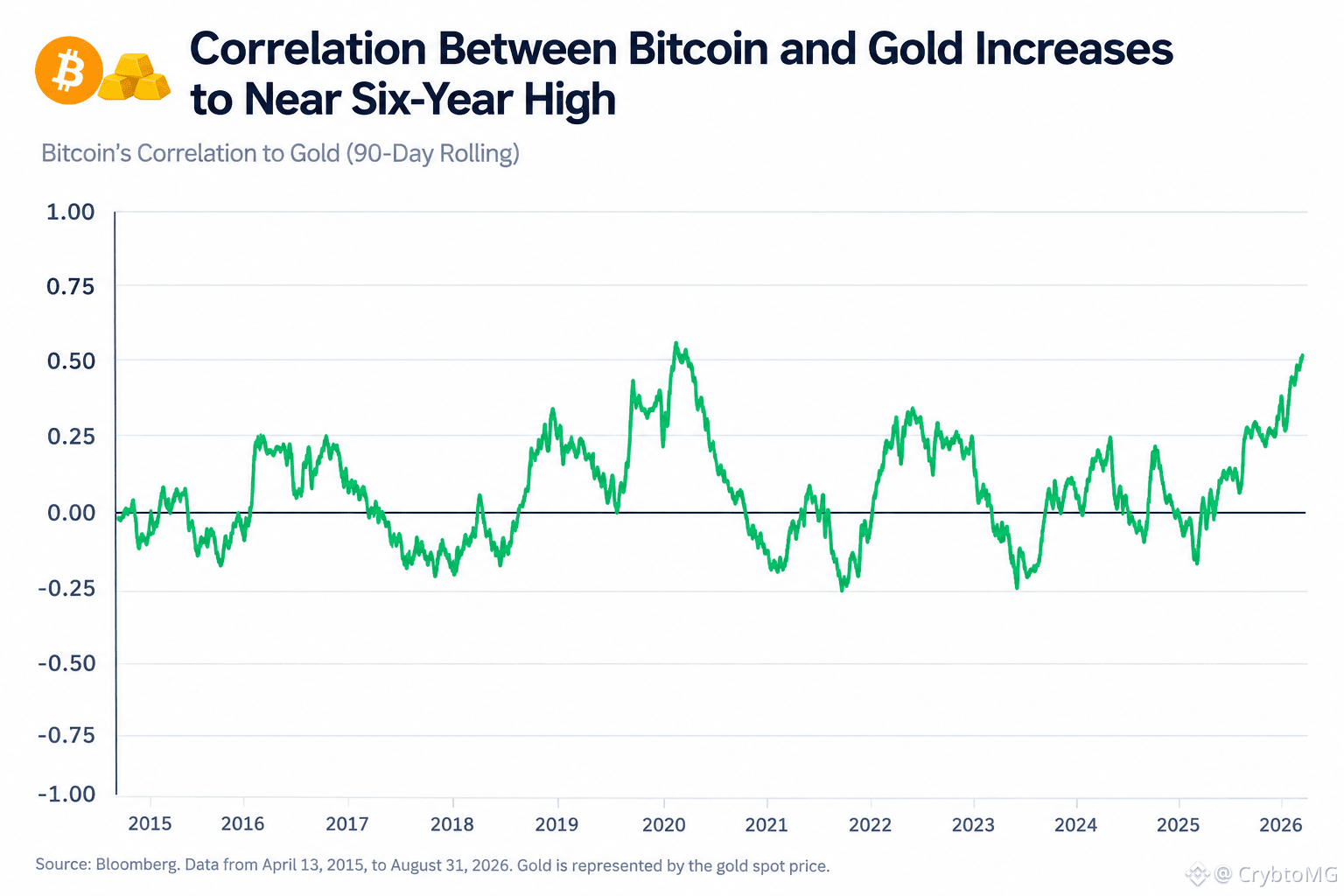
وفقًا لأندريه دراغوش من Bitwise، وصلت علاقة الارتباط بين البيتكوين والذهب إلى أعلى مستوى لها منذ ست سنوات.
وهذا يُعد إشارة مثيرة للاهتمام لسردية “الذهب الرقمي”.
لكن الارتباط وحده لا يعني أن البيتكوين والذهب يتصرفان بالطريقة نفسها. يمكن أن تتغير علاقتهما بسرعة، خاصة مع تطور الظروف الكلية.
🪙 لذا فالسؤال الأكبر هو:
هل ترى البيتكوين في الأساس كأصل عالي المخاطر، أم أنك بدأت تنظر إليه كوسيلة للاحتفاظ بالقيمة مثل الذهب؟
ما رأيك؟ 👇
#Bitcoin #Crypto #DigitalGold #BTC #XAUT
نعم — سأجعله أقل ترويجًا وأكثر تحليلية. عبارة “السعر يؤكد الفرضية” و“قد تتعامل رؤوس الأموال مع BTC مثل الذهب” في النص الأصلي حاسمتان أكثر من اللازم.
نسخة أكثر أمانًا لـ Binance Square / X
⚡ هل أصبح البيتكوين أقرب إلى الذهب الرقمي؟
وفقًا لأندريه دراغوش من Bitwise، وصلت علاقة الارتباط بين البيتكوين والذهب إلى أعلى مستوى لها منذ ست سنوات.
وهذا يُعد إشارة مثيرة للاهتمام لسردية “الذهب الرقمي”.
لكن الارتباط وحده لا يعني أن البيتكوين والذهب يتصرفان بالطريقة نفسها. يمكن أن تتغير علاقتهما بسرعة، خاصة مع تطور الظروف الكلية.
🪙 لذا فالسؤال الأكبر هو:
هل ترى البيتكوين في الأساس كأصل عالي المخاطر، أم أنك بدأت تنظر إليه كوسيلة للاحتفاظ بالقيمة مثل الذهب؟
ما رأيك؟ 👇
#Bitcoin #Crypto #DigitalGold #BTC #XAUT
نسخة أكثر أمانًا لـ Binance Square / X
⚡ هل أصبح البيتكوين أقرب إلى الذهب الرقمي؟
وفقًا لأندريه دراغوش من Bitwise، وصلت علاقة الارتباط بين البيتكوين والذهب إلى أعلى مستوى لها منذ ست سنوات.
وهذا يُعد إشارة مثيرة للاهتمام لسردية “الذهب الرقمي”.
لكن الارتباط وحده لا يعني أن البيتكوين والذهب يتصرفان بالطريقة نفسها. يمكن أن تتغير علاقتهما بسرعة، خاصة مع تطور الظروف الكلية.
🪙 لذا فالسؤال الأكبر هو:
هل ترى البيتكوين في الأساس كأصل عالي المخاطر، أم أنك بدأت تنظر إليه كوسيلة للاحتفاظ بالقيمة مثل الذهب؟
ما رأيك؟ 👇
#Bitcoin #Crypto #DigitalGold #BTC #XAUT
1
113


·
--
صاعد
⚡ #Bitcoin هل يتم تداولها كذهب رقمي
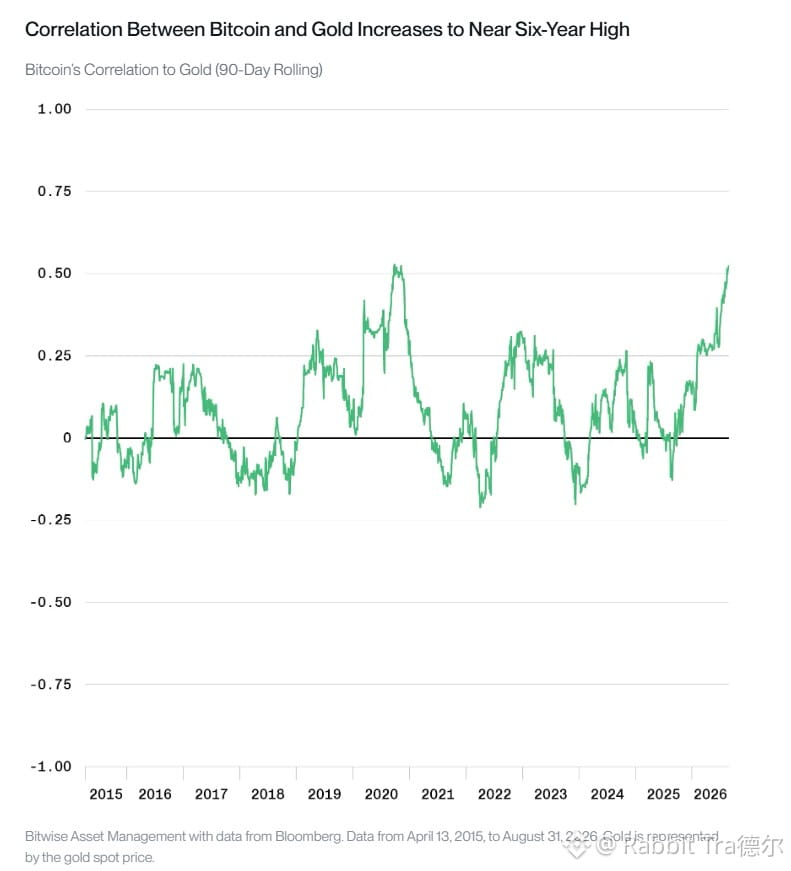
وفقًا لأندريه دراغوش من Bitwise، وصلت علاقة $BTC بالذهب إلى أعلى مستوى لها في ست سنوات.
لم تعد أطروحة "الذهب الرقمي" مجرد سردية الآن، فحركة السعر بدأت تؤكدها.
مع تزايد عدم اليقين الكلي، قد يعامل رأس المال البيتكوين بالطريقة نفسها التي عومل بها الذهب لعقود: مخزنًا للقيمة، وليس مجرد أصل عالي المخاطر. 🪙
$BTC #Bitcoin #crypto #DigitalGold $XAUT
{spot}(BTCUSDT)
{spot}(XAUTUSDT)
⚡ #Bitcoin هل يتم تداولها كذهب رقمي
وفقًا لأندريه دراغوش من Bitwise، وصلت علاقة $BTC بالذهب إلى أعلى مستوى لها في ست سنوات.
لم تعد أطروحة "الذهب الرقمي" مجرد سردية الآن، فحركة السعر بدأت تؤكدها.
مع تزايد عدم اليقين الكلي، قد يعامل رأس المال البيتكوين بالطريقة نفسها التي عومل بها الذهب لعقود: مخزنًا للقيمة، وليس مجرد أصل عالي المخاطر. 🪙
$BTC #Bitcoin #crypto #DigitalGold $XAUT
وفقًا لأندريه دراغوش من Bitwise، وصلت علاقة $BTC بالذهب إلى أعلى مستوى لها في ست سنوات.
لم تعد أطروحة "الذهب الرقمي" مجرد سردية الآن، فحركة السعر بدأت تؤكدها.
مع تزايد عدم اليقين الكلي، قد يعامل رأس المال البيتكوين بالطريقة نفسها التي عومل بها الذهب لعقود: مخزنًا للقيمة، وليس مجرد أصل عالي المخاطر. 🪙
$BTC #Bitcoin #crypto #DigitalGold $XAUT
532

·
--
الخيار 1: تعليمي ومفيد
مستقبل التمويل: ما هو البيتكوين ولماذا يهم؟ 💡🌐
البيتكوين هو أول عملة رقمية لامركزية في العالم، تعمل عبر شبكة نظير إلى نظير دون الحاجة إلى البنوك أو السلطات المركزية.
لماذا يُعد ثوريًا؟
* العرض المحدود: لن يوجد سوى 21 مليون بيتكوين، مما يجعله نادرًا بطبيعته.
* أمان البلوك تشين: مبني على سجل غير قابل للتغيير يضمن الشفافية الكاملة والأمان.
* السيادة المالية: يمنح الأفراد الملكية الكاملة والتحكم الكامل في أصولهم.
في عالم يتجه نحو الرقمنة بسرعة، أصبح فهم الأصول المشفرة أمرًا أساسيًا. تذكّر دائمًا أن تجري بحثك الخاص (DYOR) قبل اتخاذ أي قرارات مالية!
#Bitcoin #Cryptocurrency #Blockchain #DigitalCurrency #TechTrends
الخيار 2: قصير وجذاب
هل الطريقة التي نحرك بها الأموال تتغير إلى الأبد؟ 🚀
عندما أطلق ساتوشي ناكاموتو البيتكوين في عام 2009، لم يأخذه سوى القليلون على محمل الجد. أما اليوم، فيُعد واحدًا من أبرز الابتكارات المالية في القرن الحادي والعشرين.
البيتكوين ليس مجرد نقود رقمية—بل هو نهج جديد تمامًا للاستقلال المالي.
هل تعتقد أن الأصول الرقمية ستستبدل العملة التقليدية في النهاية، أم ستتعايش معها؟ اترك أفكارك أدناه! 👇
#Bitcoin #Crypto #FutureOfMoney #Finance #Tech
الخيار 3: مثير للتفكير
من الذهب المادي إلى الشفرة الرقمية 🪙💻
لعدة قرون، كان الذهب هو مخزن القيمة الأسمى. في العصر الرقمي، يُشار إلى البيتكوين بشكل متزايد باسم "الذهب الرقمي".
من خلال توفير وسيلة للتحوط ضد التضخم وطريقة للاحتفاظ بالثروة بشكل مستقل عن الأنظمة المصرفية التقليدية، جذب البيتكوين انتباه المستثمرين الأفراد والمؤسسات الكبرى على حد سواء.
التكنولوجيا تعيد تعريف التمويل العالمي—هل تواكب هذا التحول؟
#Bitcoin #FinancialFreedom #CryptoTrends #Innovation #DigitalGold $BTC 💥$
الخيار 1: تعليمي ومفيد
مستقبل التمويل: ما هو البيتكوين ولماذا يهم؟ 💡🌐
البيتكوين هو أول عملة رقمية لامركزية في العالم، تعمل عبر شبكة نظير إلى نظير دون الحاجة إلى البنوك أو السلطات المركزية.
لماذا يُعد ثوريًا؟
* العرض المحدود: لن يوجد سوى 21 مليون بيتكوين، مما يجعله نادرًا بطبيعته.
* أمان البلوك تشين: مبني على سجل غير قابل للتغيير يضمن الشفافية الكاملة والأمان.
* السيادة المالية: يمنح الأفراد الملكية الكاملة والتحكم الكامل في أصولهم.
في عالم يتجه نحو الرقمنة بسرعة، أصبح فهم الأصول المشفرة أمرًا أساسيًا. تذكّر دائمًا أن تجري بحثك الخاص (DYOR) قبل اتخاذ أي قرارات مالية!
#Bitcoin #Cryptocurrency #Blockchain #DigitalCurrency #TechTrends
الخيار 2: قصير وجذاب
هل الطريقة التي نحرك بها الأموال تتغير إلى الأبد؟ 🚀
عندما أطلق ساتوشي ناكاموتو البيتكوين في عام 2009، لم يأخذه سوى القليلون على محمل الجد. أما اليوم، فيُعد واحدًا من أبرز الابتكارات المالية في القرن الحادي والعشرين.
البيتكوين ليس مجرد نقود رقمية—بل هو نهج جديد تمامًا للاستقلال المالي.
هل تعتقد أن الأصول الرقمية ستستبدل العملة التقليدية في النهاية، أم ستتعايش معها؟ اترك أفكارك أدناه! 👇
#Bitcoin #Crypto #FutureOfMoney #Finance #Tech
الخيار 3: مثير للتفكير
من الذهب المادي إلى الشفرة الرقمية 🪙💻
لعدة قرون، كان الذهب هو مخزن القيمة الأسمى. في العصر الرقمي، يُشار إلى البيتكوين بشكل متزايد باسم "الذهب الرقمي".
من خلال توفير وسيلة للتحوط ضد التضخم وطريقة للاحتفاظ بالثروة بشكل مستقل عن الأنظمة المصرفية التقليدية، جذب البيتكوين انتباه المستثمرين الأفراد والمؤسسات الكبرى على حد سواء.
التكنولوجيا تعيد تعريف التمويل العالمي—هل تواكب هذا التحول؟
#Bitcoin #FinancialFreedom #CryptoTrends #Innovation #DigitalGold $BTC 💥$
مستقبل التمويل: ما هو البيتكوين ولماذا يهم؟ 💡🌐
البيتكوين هو أول عملة رقمية لامركزية في العالم، تعمل عبر شبكة نظير إلى نظير دون الحاجة إلى البنوك أو السلطات المركزية.
لماذا يُعد ثوريًا؟
* العرض المحدود: لن يوجد سوى 21 مليون بيتكوين، مما يجعله نادرًا بطبيعته.
* أمان البلوك تشين: مبني على سجل غير قابل للتغيير يضمن الشفافية الكاملة والأمان.
* السيادة المالية: يمنح الأفراد الملكية الكاملة والتحكم الكامل في أصولهم.
في عالم يتجه نحو الرقمنة بسرعة، أصبح فهم الأصول المشفرة أمرًا أساسيًا. تذكّر دائمًا أن تجري بحثك الخاص (DYOR) قبل اتخاذ أي قرارات مالية!
#Bitcoin #Cryptocurrency #Blockchain #DigitalCurrency #TechTrends
الخيار 2: قصير وجذاب
هل الطريقة التي نحرك بها الأموال تتغير إلى الأبد؟ 🚀
عندما أطلق ساتوشي ناكاموتو البيتكوين في عام 2009، لم يأخذه سوى القليلون على محمل الجد. أما اليوم، فيُعد واحدًا من أبرز الابتكارات المالية في القرن الحادي والعشرين.
البيتكوين ليس مجرد نقود رقمية—بل هو نهج جديد تمامًا للاستقلال المالي.
هل تعتقد أن الأصول الرقمية ستستبدل العملة التقليدية في النهاية، أم ستتعايش معها؟ اترك أفكارك أدناه! 👇
#Bitcoin #Crypto #FutureOfMoney #Finance #Tech
الخيار 3: مثير للتفكير
من الذهب المادي إلى الشفرة الرقمية 🪙💻
لعدة قرون، كان الذهب هو مخزن القيمة الأسمى. في العصر الرقمي، يُشار إلى البيتكوين بشكل متزايد باسم "الذهب الرقمي".
من خلال توفير وسيلة للتحوط ضد التضخم وطريقة للاحتفاظ بالثروة بشكل مستقل عن الأنظمة المصرفية التقليدية، جذب البيتكوين انتباه المستثمرين الأفراد والمؤسسات الكبرى على حد سواء.
التكنولوجيا تعيد تعريف التمويل العالمي—هل تواكب هذا التحول؟
#Bitcoin #FinancialFreedom #CryptoTrends #Innovation #DigitalGold $BTC 💥$
95
🚨 $BTC — بيتكوين تقترب أكثر من$XAU الذهب 👀
هناك شيء مهم يتغير في هوية بيتكوين السوقية.
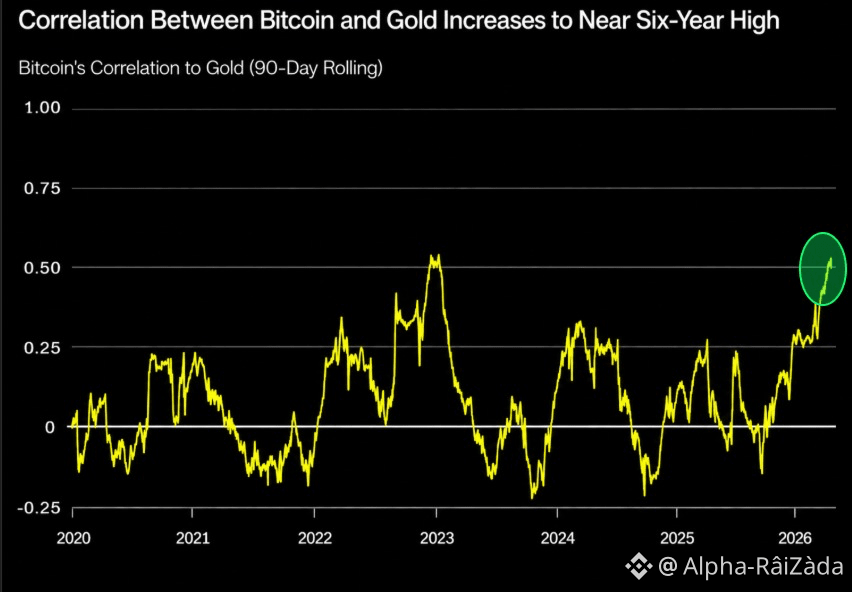
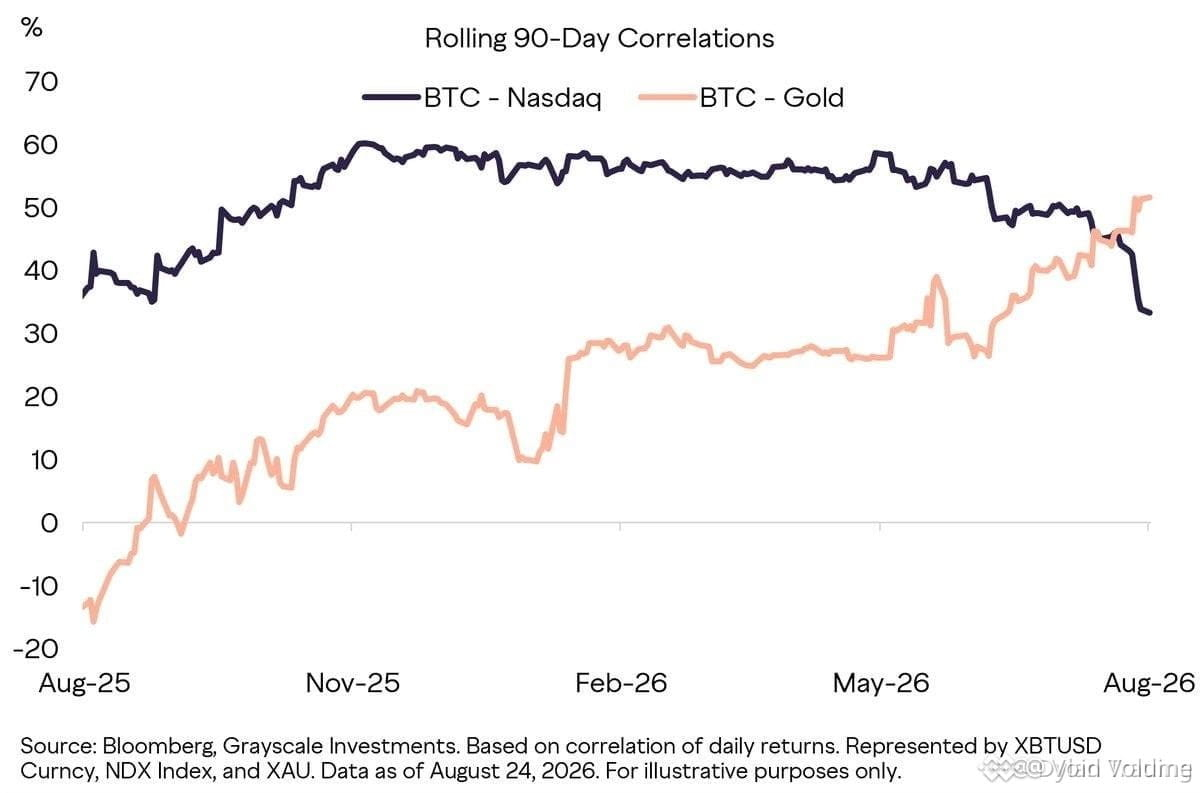
📈 الارتباط بين BTC والذهب: ~55% — الأعلى منذ ما يقرب من 6 سنوات
📉 الارتباط بين BTC وناسداك 100: انخفض إلى ~30–33% من أكثر من 60%
💰 الندرة + السردية النقدية: تكتسب قوة
🏦 مخاوف الدين الأمريكي: تبقي "تجارة تدهور العملة" في دائرة التركيز
لسنوات، كان يُتداول بيتكوين غالبًا كأصل تقني عالي الحساسية.
الآن، تتعزز علاقته بالذهب بينما يتراجع ارتباطه بناسداك — وهي إشارة محتملة إلى أن المستثمرين ينظرون إلى BTC بشكل متزايد كأصل نقدي نادر / ذهب رقمي بدلًا من مجرد رهان تقني آخر عالي المخاطر.
لكن لا تبالغ في تفسير الارتباط.
🔑 الارتباط ≠ السببية، ولا يزال بإمكان بيتكوين أن يتفاعل بعنف مع أسعار الفائدة والسيولة والبيانات الاقتصادية الكلية.
👀 السؤال الكبير:
هل تتحول بيتكوين تدريجيًا إلى ذهب رقمي — أم أن هذا مجرد نظام سوقي مؤقت آخر؟
DYOR • NFA
#BTC #Bitcoin #DigitalGold #Crypto
🚨 $BTC — بيتكوين تقترب أكثر من$XAU الذهب 👀
هناك شيء مهم يتغير في هوية بيتكوين السوقية.
📈 الارتباط بين BTC والذهب: ~55% — الأعلى منذ ما يقرب من 6 سنوات
📉 الارتباط بين BTC وناسداك 100: انخفض إلى ~30–33% من أكثر من 60%
💰 الندرة + السردية النقدية: تكتسب قوة
🏦 مخاوف الدين الأمريكي: تبقي "تجارة تدهور العملة" في دائرة التركيز
لسنوات، كان يُتداول بيتكوين غالبًا كأصل تقني عالي الحساسية.
الآن، تتعزز علاقته بالذهب بينما يتراجع ارتباطه بناسداك — وهي إشارة محتملة إلى أن المستثمرين ينظرون إلى BTC بشكل متزايد كأصل نقدي نادر / ذهب رقمي بدلًا من مجرد رهان تقني آخر عالي المخاطر.
لكن لا تبالغ في تفسير الارتباط.
🔑 الارتباط ≠ السببية، ولا يزال بإمكان بيتكوين أن يتفاعل بعنف مع أسعار الفائدة والسيولة والبيانات الاقتصادية الكلية.
👀 السؤال الكبير:
هل تتحول بيتكوين تدريجيًا إلى ذهب رقمي — أم أن هذا مجرد نظام سوقي مؤقت آخر؟
DYOR • NFA
#BTC #Bitcoin #DigitalGold #Crypto
هناك شيء مهم يتغير في هوية بيتكوين السوقية.
📈 الارتباط بين BTC والذهب: ~55% — الأعلى منذ ما يقرب من 6 سنوات
📉 الارتباط بين BTC وناسداك 100: انخفض إلى ~30–33% من أكثر من 60%
💰 الندرة + السردية النقدية: تكتسب قوة
🏦 مخاوف الدين الأمريكي: تبقي "تجارة تدهور العملة" في دائرة التركيز
لسنوات، كان يُتداول بيتكوين غالبًا كأصل تقني عالي الحساسية.
الآن، تتعزز علاقته بالذهب بينما يتراجع ارتباطه بناسداك — وهي إشارة محتملة إلى أن المستثمرين ينظرون إلى BTC بشكل متزايد كأصل نقدي نادر / ذهب رقمي بدلًا من مجرد رهان تقني آخر عالي المخاطر.
لكن لا تبالغ في تفسير الارتباط.
🔑 الارتباط ≠ السببية، ولا يزال بإمكان بيتكوين أن يتفاعل بعنف مع أسعار الفائدة والسيولة والبيانات الاقتصادية الكلية.
👀 السؤال الكبير:
هل تتحول بيتكوين تدريجيًا إلى ذهب رقمي — أم أن هذا مجرد نظام سوقي مؤقت آخر؟
DYOR • NFA
#BTC #Bitcoin #DigitalGold #Crypto
8
🚨 $BTC يبدأ في التحرك بشكل أقرب إلى $XAU GOLD 🟠🥇
لقد سجّل البيتكوين للتو أقوى مكسب أسبوعي له منذ مارس 2024، في حين ارتفع ارتباطه لمدة 3 أشهر بالذهب إلى أعلى مستوى له منذ 2020.
🔥 BTC + GOLD = نفس الصفقة الكلية؟
🏦 الطلب على الملاذ الآمن في ارتفاع
💵 المخاوف بشأن الدولار/انخفاض قيمته تتزايد
🟠 زخم الذهب لا يزال قوياً
₿ البيتكوين يتصرف بشكل متزايد كذهب رقمي
السؤال الأكبر 👀
هل يدخل BTC حقبة جديدة يتداول فيها كتحوط كلي أكثر من كونه أصلاً عالي المخاطر؟
⚠️ يمكن أن يتغير الارتباط بسرعة. راقب السيولة والعوائد والبيانات الكلية قبل استخلاص استنتاجات طويلة الأجل.
DYOR • NFA
#BTC #Bitcoin #DigitalGold #Crypto
🚨 $BTC يبدأ في التحرك بشكل أقرب إلى $XAU GOLD 🟠🥇
لقد سجّل البيتكوين للتو أقوى مكسب أسبوعي له منذ مارس 2024، في حين ارتفع ارتباطه لمدة 3 أشهر بالذهب إلى أعلى مستوى له منذ 2020.
🔥 BTC + GOLD = نفس الصفقة الكلية؟
🏦 الطلب على الملاذ الآمن في ارتفاع
💵 المخاوف بشأن الدولار/انخفاض قيمته تتزايد
🟠 زخم الذهب لا يزال قوياً
₿ البيتكوين يتصرف بشكل متزايد كذهب رقمي
السؤال الأكبر 👀
هل يدخل BTC حقبة جديدة يتداول فيها كتحوط كلي أكثر من كونه أصلاً عالي المخاطر؟
⚠️ يمكن أن يتغير الارتباط بسرعة. راقب السيولة والعوائد والبيانات الكلية قبل استخلاص استنتاجات طويلة الأجل.
DYOR • NFA
#BTC #Bitcoin #DigitalGold #Crypto
لقد سجّل البيتكوين للتو أقوى مكسب أسبوعي له منذ مارس 2024، في حين ارتفع ارتباطه لمدة 3 أشهر بالذهب إلى أعلى مستوى له منذ 2020.
🔥 BTC + GOLD = نفس الصفقة الكلية؟
🏦 الطلب على الملاذ الآمن في ارتفاع
💵 المخاوف بشأن الدولار/انخفاض قيمته تتزايد
🟠 زخم الذهب لا يزال قوياً
₿ البيتكوين يتصرف بشكل متزايد كذهب رقمي
السؤال الأكبر 👀
هل يدخل BTC حقبة جديدة يتداول فيها كتحوط كلي أكثر من كونه أصلاً عالي المخاطر؟
⚠️ يمكن أن يتغير الارتباط بسرعة. راقب السيولة والعوائد والبيانات الكلية قبل استخلاص استنتاجات طويلة الأجل.
DYOR • NFA
#BTC #Bitcoin #DigitalGold #Crypto
·
--
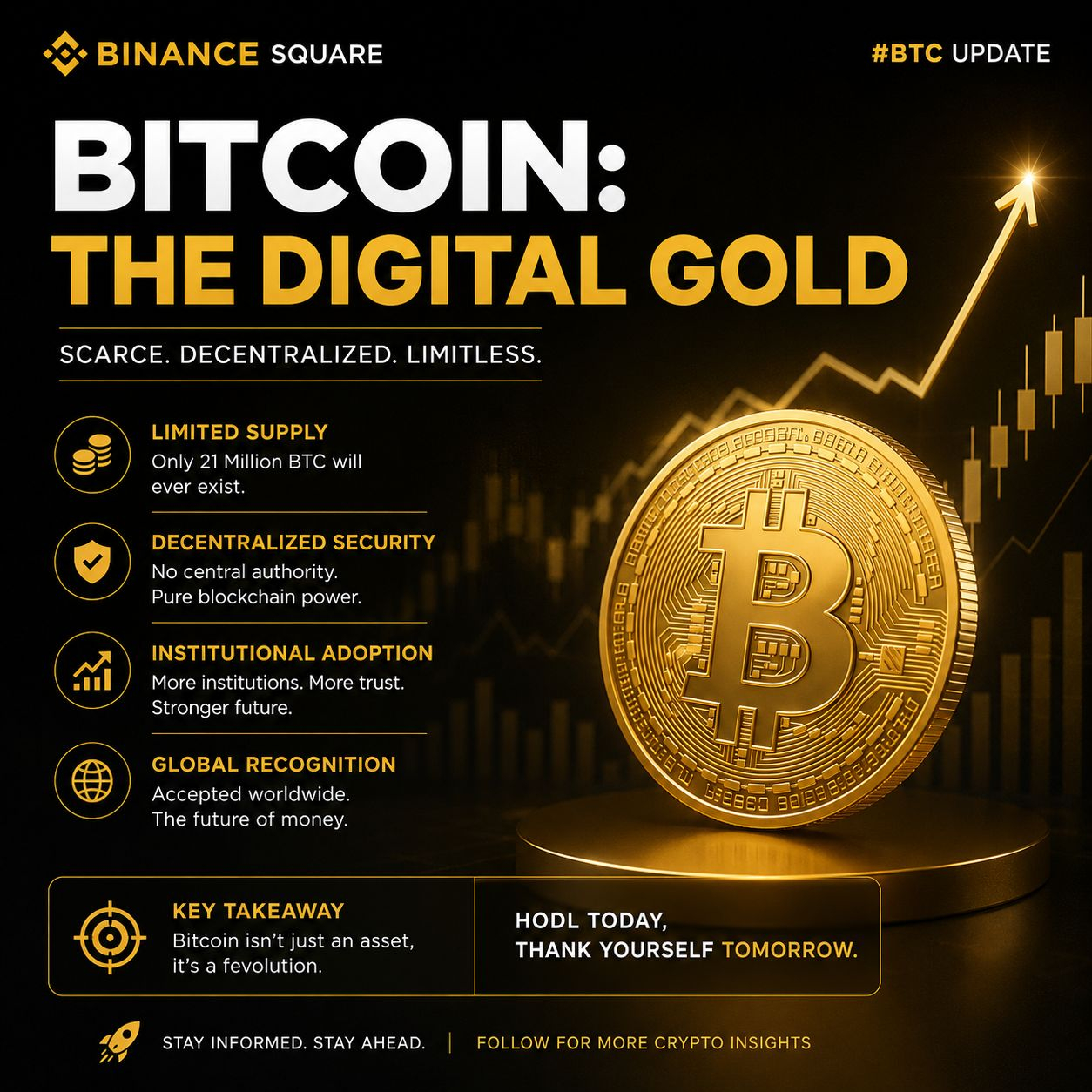
بيتكوين: الذهب الرقمي. 🟠
مع عرض ثابت لا يتجاوز 21 مليون BTC، صُمِّم بيتكوين حول الندرة.
لا توجد سلطة مركزية.
لا يوجد عرض غير محدود.
أصل رقمي عالمي بلا حدود.
السؤال الحقيقي ليس ما إذا كان بيتكوين «مجرد أصل آخر» — بل هل نشهد تطور المال في الوقت الحقيقي.
ابقَ على اطلاع. وابقَ متقدمًا.
#BTC #Crypto #BinanceSquare #DigitalGold
$BTC
{spot}(BTCUSDT)
بيتكوين: الذهب الرقمي. 🟠
مع عرض ثابت لا يتجاوز 21 مليون BTC، صُمِّم بيتكوين حول الندرة.
لا توجد سلطة مركزية.
لا يوجد عرض غير محدود.
أصل رقمي عالمي بلا حدود.
السؤال الحقيقي ليس ما إذا كان بيتكوين «مجرد أصل آخر» — بل هل نشهد تطور المال في الوقت الحقيقي.
ابقَ على اطلاع. وابقَ متقدمًا.
#BTC #Crypto #BinanceSquare #DigitalGold
$BTC
مع عرض ثابت لا يتجاوز 21 مليون BTC، صُمِّم بيتكوين حول الندرة.
لا توجد سلطة مركزية.
لا يوجد عرض غير محدود.
أصل رقمي عالمي بلا حدود.
السؤال الحقيقي ليس ما إذا كان بيتكوين «مجرد أصل آخر» — بل هل نشهد تطور المال في الوقت الحقيقي.
ابقَ على اطلاع. وابقَ متقدمًا.
#BTC #Crypto #BinanceSquare #DigitalGold
$BTC
66
·
--
تجار الذهب في كل مكان بدأوا يتسابقون على النحاس! أعلنت Eldorado عن توسعة مصنع معالجة الخام في منجم McIlvenna Bay للنحاس، وبعد اكتماله ستبلغ الإنتاجية السنوية 41 مليون رطل من النحاس + 20 ألف أونصة من الذهب + 444 ألف أونصة من الفضة
لماذا هذا الاستعجال فجأة؟ مراكز بيانات الذكاء الاصطناعي والسيارات الكهربائية تعمل على استهلاك النحاس إلى أقصى حد. شركات التعدين تراهن جماعياً على دورة عظمى للسلع (Commodity Supercycle)، وقد بدأت بالفعل سباق تجهيزات/سباق قدرات في جانب الطاقة الإنتاجية
المنطق بسيط جداً: ارتفاع السلع معاً = تصاعد ضغوط التضخم = تدفق الأموال بشكل مجنون نحو الأصول الصلبة. الذهب يسجل قمم جديدة باستمرار، بينما BTC — الذهب الرقمي — ما يزال متأخراً عند مستويات منخفضة. هل هذه موجة ارتداد لتعويض التأخر؟
#Bitcoin #DigitalGold $BTC $PAXG
يتجه عمال الذهب بسرعة إلى النحاس! أعلنت Eldorado للتو عن مصنع أكبر في McIlvenna Bay — 41 مليون رطل من النحاس و20 ألف أونصة من الذهب و444 ألف أونصة من الفضة سنوياً
لماذا هذه العجلة؟ مراكز بيانات الذكاء الاصطناعي والسيارات الكهربائية تستنزف إمدادات النحاس. عمال التعدين يراهنون بقوة على دورة فائقة للسلع
حسابات بسيطة: إذا كانت السلع تندفع للأعلى = ترتفع وتيرة التضخم = تتجه الأموال إلى الأصول الصلبة. الذهب يواصل طباعة قمم جديدة بينما BTC — الذهب الرقمي — لا يزال متخلفاً. هل يتم الآن تحميل موجة تعويض للتأخر؟
#Bitcoin #DigitalGold $BTC $PAXG
تجار الذهب في كل مكان بدأوا يتسابقون على النحاس! أعلنت Eldorado عن توسعة مصنع معالجة الخام في منجم McIlvenna Bay للنحاس، وبعد اكتماله ستبلغ الإنتاجية السنوية 41 مليون رطل من النحاس + 20 ألف أونصة من الذهب + 444 ألف أونصة من الفضة
لماذا هذا الاستعجال فجأة؟ مراكز بيانات الذكاء الاصطناعي والسيارات الكهربائية تعمل على استهلاك النحاس إلى أقصى حد. شركات التعدين تراهن جماعياً على دورة عظمى للسلع (Commodity Supercycle)، وقد بدأت بالفعل سباق تجهيزات/سباق قدرات في جانب الطاقة الإنتاجية
المنطق بسيط جداً: ارتفاع السلع معاً = تصاعد ضغوط التضخم = تدفق الأموال بشكل مجنون نحو الأصول الصلبة. الذهب يسجل قمم جديدة باستمرار، بينما BTC — الذهب الرقمي — ما يزال متأخراً عند مستويات منخفضة. هل هذه موجة ارتداد لتعويض التأخر؟
#Bitcoin #DigitalGold $BTC $PAXG
يتجه عمال الذهب بسرعة إلى النحاس! أعلنت Eldorado للتو عن مصنع أكبر في McIlvenna Bay — 41 مليون رطل من النحاس و20 ألف أونصة من الذهب و444 ألف أونصة من الفضة سنوياً
لماذا هذه العجلة؟ مراكز بيانات الذكاء الاصطناعي والسيارات الكهربائية تستنزف إمدادات النحاس. عمال التعدين يراهنون بقوة على دورة فائقة للسلع
حسابات بسيطة: إذا كانت السلع تندفع للأعلى = ترتفع وتيرة التضخم = تتجه الأموال إلى الأصول الصلبة. الذهب يواصل طباعة قمم جديدة بينما BTC — الذهب الرقمي — لا يزال متخلفاً. هل يتم الآن تحميل موجة تعويض للتأخر؟
#Bitcoin #DigitalGold $BTC $PAXG
لماذا هذا الاستعجال فجأة؟ مراكز بيانات الذكاء الاصطناعي والسيارات الكهربائية تعمل على استهلاك النحاس إلى أقصى حد. شركات التعدين تراهن جماعياً على دورة عظمى للسلع (Commodity Supercycle)، وقد بدأت بالفعل سباق تجهيزات/سباق قدرات في جانب الطاقة الإنتاجية
المنطق بسيط جداً: ارتفاع السلع معاً = تصاعد ضغوط التضخم = تدفق الأموال بشكل مجنون نحو الأصول الصلبة. الذهب يسجل قمم جديدة باستمرار، بينما BTC — الذهب الرقمي — ما يزال متأخراً عند مستويات منخفضة. هل هذه موجة ارتداد لتعويض التأخر؟
#Bitcoin #DigitalGold $BTC $PAXG
يتجه عمال الذهب بسرعة إلى النحاس! أعلنت Eldorado للتو عن مصنع أكبر في McIlvenna Bay — 41 مليون رطل من النحاس و20 ألف أونصة من الذهب و444 ألف أونصة من الفضة سنوياً
لماذا هذه العجلة؟ مراكز بيانات الذكاء الاصطناعي والسيارات الكهربائية تستنزف إمدادات النحاس. عمال التعدين يراهنون بقوة على دورة فائقة للسلع
حسابات بسيطة: إذا كانت السلع تندفع للأعلى = ترتفع وتيرة التضخم = تتجه الأموال إلى الأصول الصلبة. الذهب يواصل طباعة قمم جديدة بينما BTC — الذهب الرقمي — لا يزال متخلفاً. هل يتم الآن تحميل موجة تعويض للتأخر؟
#Bitcoin #DigitalGold $BTC $PAXG
81
·
--
إشارة قوية! الارتباط بين البيتكوين والذهب للتو قفز إلى أعلى مستوى له خلال 6 سنوات.
ما معنى هذا؟ ترجمة بالعادي: السوق لم يعد يثق بالدولار، والمستثمرون يندفعون بشكل محموم نحو الأصول الصلبة كملاذٍ آمن. كلما زاد خوف الناس من تدهور قيمة العملة، اشتعلت هذه المخاوف أكثر—فتتحرك البيتكوين مع الذهب.
الذهب حقق قممًا جديدة، فهل ستتأخر البيتكوين؟ تاريخيًا، كل مرة يظهر هذا الترابط، يكون وراءه غالبًا اتجاهات وتحركات كبيرة. كلما تم طباعة النقود الورقية أكثر فأكثر وتزداد قيمتها هبوطًا، تصبح الأصول الصلبة أكثر جاذبية.
على المدى القصير: يبدو أن البيتكوين ستواصل الصعود كملاذٍ آمن وتتبع الذهب. وعلى المدى المتوسط إلى الطويل: مرونة البيتكوين أعلى بكثير من الذهب، والتعويض (اللحاق) لا بد أن يأتي في وقتٍ ما.
احتفظ بتكتيك/حصة ثابتة، ولا تنخدع ولا تُدفَع خارج القطار أثناء عمليات الهزّ.
#Bitcoin #数字黄金 $BTC
ارتباط البيتكوين بالذهب للتو وصل إلى أعلى مستوى خلال 6 سنوات. الترجمة: المستثمرون يفقدون الثقة في الدولار ويتجهون إلى الأصول الصلبة.
عندما تتصرف البيتكوين مثل الذهب، فإن السوق يعاملها كذهبٍ رقمي—تحوطًا ضد تدهور قيمة العملة.
الذهب حقق بالفعل قممًا جديدة. إذا استمر سيناريو الرهان على تدهور العملة، فستضطر البيتكوين إلى اللحاق—بإمكانات صعود أعلى بكثير. هذا النوع من القفزة في الترابط تاريخيًا سبق تحركات كبيرة.
اجمع واحتفظ. هذه هي الإشارة.
#Bitcoin #DigitalGold $BTC
إشارة قوية! الارتباط بين البيتكوين والذهب للتو قفز إلى أعلى مستوى له خلال 6 سنوات.
ما معنى هذا؟ ترجمة بالعادي: السوق لم يعد يثق بالدولار، والمستثمرون يندفعون بشكل محموم نحو الأصول الصلبة كملاذٍ آمن. كلما زاد خوف الناس من تدهور قيمة العملة، اشتعلت هذه المخاوف أكثر—فتتحرك البيتكوين مع الذهب.
الذهب حقق قممًا جديدة، فهل ستتأخر البيتكوين؟ تاريخيًا، كل مرة يظهر هذا الترابط، يكون وراءه غالبًا اتجاهات وتحركات كبيرة. كلما تم طباعة النقود الورقية أكثر فأكثر وتزداد قيمتها هبوطًا، تصبح الأصول الصلبة أكثر جاذبية.
على المدى القصير: يبدو أن البيتكوين ستواصل الصعود كملاذٍ آمن وتتبع الذهب. وعلى المدى المتوسط إلى الطويل: مرونة البيتكوين أعلى بكثير من الذهب، والتعويض (اللحاق) لا بد أن يأتي في وقتٍ ما.
احتفظ بتكتيك/حصة ثابتة، ولا تنخدع ولا تُدفَع خارج القطار أثناء عمليات الهزّ.
#Bitcoin #数字黄金 $BTC
ارتباط البيتكوين بالذهب للتو وصل إلى أعلى مستوى خلال 6 سنوات. الترجمة: المستثمرون يفقدون الثقة في الدولار ويتجهون إلى الأصول الصلبة.
عندما تتصرف البيتكوين مثل الذهب، فإن السوق يعاملها كذهبٍ رقمي—تحوطًا ضد تدهور قيمة العملة.
الذهب حقق بالفعل قممًا جديدة. إذا استمر سيناريو الرهان على تدهور العملة، فستضطر البيتكوين إلى اللحاق—بإمكانات صعود أعلى بكثير. هذا النوع من القفزة في الترابط تاريخيًا سبق تحركات كبيرة.
اجمع واحتفظ. هذه هي الإشارة.
#Bitcoin #DigitalGold $BTC
ما معنى هذا؟ ترجمة بالعادي: السوق لم يعد يثق بالدولار، والمستثمرون يندفعون بشكل محموم نحو الأصول الصلبة كملاذٍ آمن. كلما زاد خوف الناس من تدهور قيمة العملة، اشتعلت هذه المخاوف أكثر—فتتحرك البيتكوين مع الذهب.
الذهب حقق قممًا جديدة، فهل ستتأخر البيتكوين؟ تاريخيًا، كل مرة يظهر هذا الترابط، يكون وراءه غالبًا اتجاهات وتحركات كبيرة. كلما تم طباعة النقود الورقية أكثر فأكثر وتزداد قيمتها هبوطًا، تصبح الأصول الصلبة أكثر جاذبية.
على المدى القصير: يبدو أن البيتكوين ستواصل الصعود كملاذٍ آمن وتتبع الذهب. وعلى المدى المتوسط إلى الطويل: مرونة البيتكوين أعلى بكثير من الذهب، والتعويض (اللحاق) لا بد أن يأتي في وقتٍ ما.
احتفظ بتكتيك/حصة ثابتة، ولا تنخدع ولا تُدفَع خارج القطار أثناء عمليات الهزّ.
#Bitcoin #数字黄金 $BTC
ارتباط البيتكوين بالذهب للتو وصل إلى أعلى مستوى خلال 6 سنوات. الترجمة: المستثمرون يفقدون الثقة في الدولار ويتجهون إلى الأصول الصلبة.
عندما تتصرف البيتكوين مثل الذهب، فإن السوق يعاملها كذهبٍ رقمي—تحوطًا ضد تدهور قيمة العملة.
الذهب حقق بالفعل قممًا جديدة. إذا استمر سيناريو الرهان على تدهور العملة، فستضطر البيتكوين إلى اللحاق—بإمكانات صعود أعلى بكثير. هذا النوع من القفزة في الترابط تاريخيًا سبق تحركات كبيرة.
اجمع واحتفظ. هذه هي الإشارة.
#Bitcoin #DigitalGold $BTC
58
وصلت نسبة البيتكوين إلى الذهب إلى أعلى مستوى منذ يناير. يمكن للبيتكوين الواحدة الآن شراء أكثر من 18 أونصة من الذهب، ما يبرز قوتها المتزايدة كأصل ماكرو.
#BitcoinGoldRatio #DigitalGold
وصلت نسبة البيتكوين إلى الذهب إلى أعلى مستوى منذ يناير. يمكن للبيتكوين الواحدة الآن شراء أكثر من 18 أونصة من الذهب، ما يبرز قوتها المتزايدة كأصل ماكرو.
#BitcoinGoldRatio #DigitalGold
#BitcoinGoldRatio #DigitalGold
1
36

·
--
مقالة
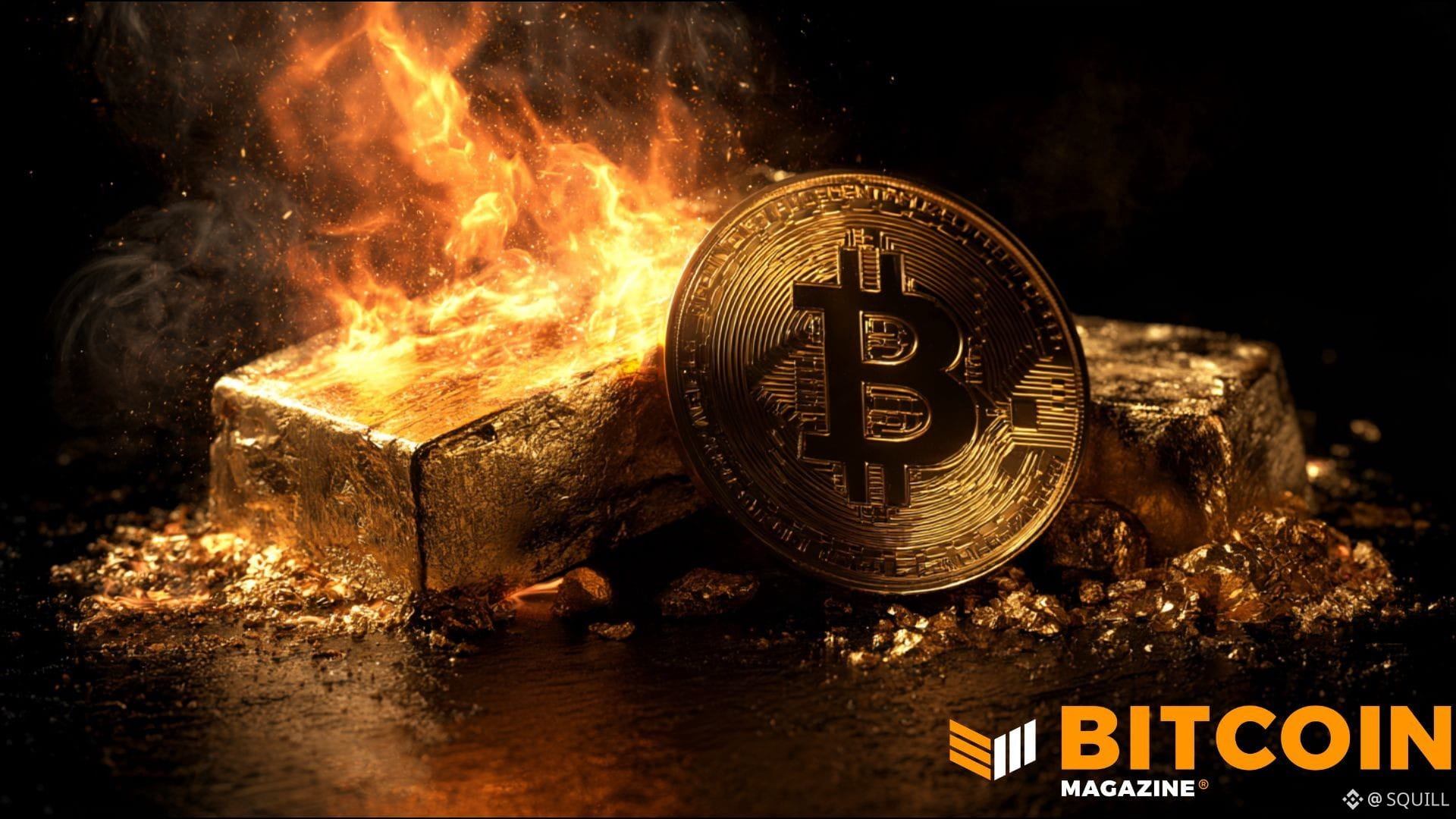
الاندفاع المشابه للذهب في بيتكوين: لماذا $BTC بات يُتداول مثل معدن ثميناندفاع بيتكوين المشابه للذهب: لماذا $BTC باتت تُتداول مثل معدن ثمين
هل سبق لك أن لاحظت كيف يبدأ بيتكوين فجأة بالتحرك جنبًا إلى جنب مع الذهب؟ ليس هذا صدفة—إنها إشارة إلى أن المستثمرين يفقدون الثقة في الدولار ويتحولون إلى أصول يمكنها الحفاظ على القيمة عندما يتم إضعاف قيمة الورق النقدي.
الفكرة ببساطة: الارتباط هو مقياس إحصائي يوضح كيف تتحرك أصولان معًا. عندما $BTC والذهب تكون لهما علاقة ارتباط مرتفعة، ترتفع أسعارهما وتنخفضان معًا. خلال السنوات الست الماضية، ارتفع هذا الارتباط إلى أعلى مستوى له حتى الآن، ما يشير إلى أن بيتكوين يُنظر إليها بشكل متزايد على أنها “ذهب رقمي” وتحوّط ضد تدهور العملة. #CryptoEducation #DigitalGold
الاندفاع المشابه للذهب في بيتكوين: لماذا $BTC بات يُتداول مثل معدن ثمين
اندفاع بيتكوين المشابه للذهب: لماذا $BTC باتت تُتداول مثل معدن ثمين
هل سبق لك أن لاحظت كيف يبدأ بيتكوين فجأة بالتحرك جنبًا إلى جنب مع الذهب؟ ليس هذا صدفة—إنها إشارة إلى أن المستثمرين يفقدون الثقة في الدولار ويتحولون إلى أصول يمكنها الحفاظ على القيمة عندما يتم إضعاف قيمة الورق النقدي.
الفكرة ببساطة: الارتباط هو مقياس إحصائي يوضح كيف تتحرك أصولان معًا. عندما $BTC والذهب تكون لهما علاقة ارتباط مرتفعة، ترتفع أسعارهما وتنخفضان معًا. خلال السنوات الست الماضية، ارتفع هذا الارتباط إلى أعلى مستوى له حتى الآن، ما يشير إلى أن بيتكوين يُنظر إليها بشكل متزايد على أنها “ذهب رقمي” وتحوّط ضد تدهور العملة. #CryptoEducation #DigitalGold
هل سبق لك أن لاحظت كيف يبدأ بيتكوين فجأة بالتحرك جنبًا إلى جنب مع الذهب؟ ليس هذا صدفة—إنها إشارة إلى أن المستثمرين يفقدون الثقة في الدولار ويتحولون إلى أصول يمكنها الحفاظ على القيمة عندما يتم إضعاف قيمة الورق النقدي.
الفكرة ببساطة: الارتباط هو مقياس إحصائي يوضح كيف تتحرك أصولان معًا. عندما $BTC والذهب تكون لهما علاقة ارتباط مرتفعة، ترتفع أسعارهما وتنخفضان معًا. خلال السنوات الست الماضية، ارتفع هذا الارتباط إلى أعلى مستوى له حتى الآن، ما يشير إلى أن بيتكوين يُنظر إليها بشكل متزايد على أنها “ذهب رقمي” وتحوّط ضد تدهور العملة. #CryptoEducation #DigitalGold
37

·
--
🚨 $BTC يفصل عن ناسداك إلى ذهب مرآة في تحول رأسمال مؤسسي تاريخي 📊
تُبلغ Grayscale عن تحول أساسي في النظام حيث $BTC يكسر ارتباطه الممتد لعقد من الزمن بأسهم التكنولوجيا، ويتجه مباشرةً إلى الذهب. يتضح أن رأس المال المؤسسي يتحول بعيدًا عن أعباء ديون سيادية والتعرّض عالي العائد، نحو مخازن قيمة محايدة سياديًا. 🔍
يؤكد هذا التحول الكلي أن «الأموال الذكية» تتعامل مع الأصول الرقمية كضمان احتياطي هيكلي، وليس كمخاطر عالية بيتا فحسب. ومع ترسّخ الارتباط، توقّع اتساع نطاقات التقلب، بينما تعيد التدفقات المؤسسية ضبط تسعير السوق من جديد. ⚡
💬 هل ترى هذا الاصطفاف مع الذهب هو التحقق النهائي من $BTC ، أم أن التقلبات الكلية ستؤدي إلى عمليات سحب أوسع؟ 👇
⚠️ ليس نصيحة مالية. دائمًا أدر مخاطرَك. 🛡️
🏷️ #BTC #DigitalGold #Macro #MarketStructure
🎯 🦈
🚨 $BTC يفصل عن ناسداك إلى ذهب مرآة في تحول رأسمال مؤسسي تاريخي 📊
تُبلغ Grayscale عن تحول أساسي في النظام حيث $BTC يكسر ارتباطه الممتد لعقد من الزمن بأسهم التكنولوجيا، ويتجه مباشرةً إلى الذهب. يتضح أن رأس المال المؤسسي يتحول بعيدًا عن أعباء ديون سيادية والتعرّض عالي العائد، نحو مخازن قيمة محايدة سياديًا. 🔍
يؤكد هذا التحول الكلي أن «الأموال الذكية» تتعامل مع الأصول الرقمية كضمان احتياطي هيكلي، وليس كمخاطر عالية بيتا فحسب. ومع ترسّخ الارتباط، توقّع اتساع نطاقات التقلب، بينما تعيد التدفقات المؤسسية ضبط تسعير السوق من جديد. ⚡
💬 هل ترى هذا الاصطفاف مع الذهب هو التحقق النهائي من $BTC ، أم أن التقلبات الكلية ستؤدي إلى عمليات سحب أوسع؟ 👇
⚠️ ليس نصيحة مالية. دائمًا أدر مخاطرَك. 🛡️
🏷️ #BTC #DigitalGold #Macro #MarketStructure
🎯 🦈
تُبلغ Grayscale عن تحول أساسي في النظام حيث $BTC يكسر ارتباطه الممتد لعقد من الزمن بأسهم التكنولوجيا، ويتجه مباشرةً إلى الذهب. يتضح أن رأس المال المؤسسي يتحول بعيدًا عن أعباء ديون سيادية والتعرّض عالي العائد، نحو مخازن قيمة محايدة سياديًا. 🔍
يؤكد هذا التحول الكلي أن «الأموال الذكية» تتعامل مع الأصول الرقمية كضمان احتياطي هيكلي، وليس كمخاطر عالية بيتا فحسب. ومع ترسّخ الارتباط، توقّع اتساع نطاقات التقلب، بينما تعيد التدفقات المؤسسية ضبط تسعير السوق من جديد. ⚡
💬 هل ترى هذا الاصطفاف مع الذهب هو التحقق النهائي من $BTC ، أم أن التقلبات الكلية ستؤدي إلى عمليات سحب أوسع؟ 👇
⚠️ ليس نصيحة مالية. دائمًا أدر مخاطرَك. 🛡️
🏷️ #BTC #DigitalGold #Macro #MarketStructure
🎯 🦈
54
·
--
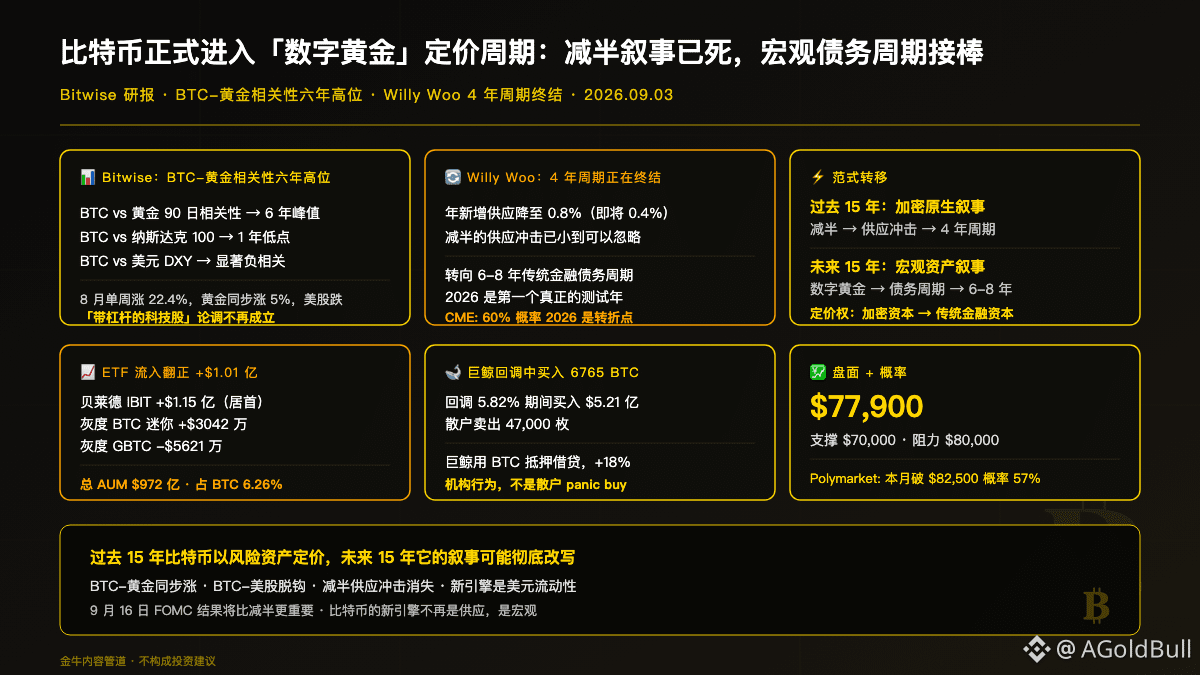
BTC $77,900، في 3 سبتمبر، تشير سلسلتان من التحليلات الثقيلة في اليوم نفسه إلى نتيجة واحدة: منطق تسعير البيتكوين يخضع لتحوّل نموذجي.
كتب أندريه دراغوش، رئيس أبحاث “بيتك وايز أوروبا”، منشورًا يثبت بالأرقام أن البيتكوين بدأت تُسعَّر مثل الذهب.
ثلاث مجموعات من البيانات تتجه إلى الاتجاه نفسه. أولًا، ارتفعت الارتباطية المتدحرجة لمدة 90 يومًا بين BTC والذهب إلى أعلى مستوى في ست سنوات—آخر مرة وصل فيها هذا المستوى كانت في 2020 خلال فترة التيسير المالي العالمي أثناء الجائحة. ثانيًا، هبطت الارتباطية المتدحرجة لمدة 90 يومًا بين BTC وناسداك 100 إلى أدنى مستوى خلال سنة—لم يعد منطق “أسهم التكنولوجيا الممولة بالرافعة” قائمًا. ثالثًا، تُظهر BTC ارتباطًا سلبيًا واضحًا مع مؤشر الدولار DXY—عندما يضعف الدولار، يستفيد BTC والذهب معًا.
بعد تدخل وزير الخزانة الأمريكي بيسنت في أغسطس، ارتفع BTC بنسبة 22.4% خلال أسبوع واحد، بينما ارتفع الذهب بالتزامن بنسبة 5%، في حين تراجعت الأسهم الأمريكية. البيتكوين والذهب يرتفعان معًا، وتم فك الارتباط مع أداء الأسهم الأمريكية.
في اليوم نفسه، أعلن محلل السلسلة ويلي وُو نهاية دورة “النصف كل 4 سنوات”. انخفض إجمالي المعروض الجديد السنوي إلى 0.8% (على وشك أن يصبح 0.4%)، وأصبح تأثير صدمة المعروض الناتجة عن النصف صغيرًا إلى درجة يمكن تجاهلها. البيتكوين تنتقل من دورة “تغذيها الإمدادات” كل 4 سنوات إلى دورة “تغذيها الديون الكلية” تمتد 6-8 سنوات. 2026 هو أول سنة اختبار حقيقية.
بالجمع بين هذه المعطيات: البيتكوين تتحول من “السرد الأصلي للعملات المشفرة” (النصف، صدمة الإمدادات، دورة الأربع سنوات) إلى “سرد الأصول الكلية” (الذهب الرقمي، دورة الديون، دورة 6-8 سنوات). انتقلت سلطة التسعير من رأس المال الأصلي للتشفير إلى رأس المال المالي التقليدي.
شواهد على السلسلة: تحوّل تدفقات ETF من خروج بقيمة 236 مليون إلى تدفق وارد بقيمة 101 مليون (وصول بلاك روك IBIT +115 مليون في الصدارة)، بإجمالي AUM يساوي 97.2 مليار دولار أي ما يمثل 6.26% من القيمة السوقية لـ BTC. اشترت “الحيتان” أثناء فترة التصحيح 6765 عملة BTC (بقيمة 521 مليون دولار)، بينما باعت الأفراد 47000 عملة. تمنح Polymarket احتمالًا بنسبة 57% لتحقيق اختراق هذا الشهر حاجز 82,500 دولار.
خلال السنوات الخمس عشرة الماضية، تم تسعير البيتكوين كأصل عالي المخاطر. وإذا استمر هذا الاتجاه، فقد يُعاد كتابة سردها بالكامل في السنوات الخمس عشرة المقبلة. ستكون نتائج لجنة السوق المفتوحة الفيدرالية FOMC في 16 سبتمبر أكثر أهمية من حدث “النصف”—لأن محرك البيتكوين الجديد لم يعد صدمة العرض، بل سيولة الدولار.
$BTC #Bitcoin #DigitalGold #Bitwise #WillyWoo
BTC $77,900، في 3 سبتمبر، تشير سلسلتان من التحليلات الثقيلة في اليوم نفسه إلى نتيجة واحدة: منطق تسعير البيتكوين يخضع لتحوّل نموذجي.
كتب أندريه دراغوش، رئيس أبحاث “بيتك وايز أوروبا”، منشورًا يثبت بالأرقام أن البيتكوين بدأت تُسعَّر مثل الذهب.
ثلاث مجموعات من البيانات تتجه إلى الاتجاه نفسه. أولًا، ارتفعت الارتباطية المتدحرجة لمدة 90 يومًا بين BTC والذهب إلى أعلى مستوى في ست سنوات—آخر مرة وصل فيها هذا المستوى كانت في 2020 خلال فترة التيسير المالي العالمي أثناء الجائحة. ثانيًا، هبطت الارتباطية المتدحرجة لمدة 90 يومًا بين BTC وناسداك 100 إلى أدنى مستوى خلال سنة—لم يعد منطق “أسهم التكنولوجيا الممولة بالرافعة” قائمًا. ثالثًا، تُظهر BTC ارتباطًا سلبيًا واضحًا مع مؤشر الدولار DXY—عندما يضعف الدولار، يستفيد BTC والذهب معًا.
بعد تدخل وزير الخزانة الأمريكي بيسنت في أغسطس، ارتفع BTC بنسبة 22.4% خلال أسبوع واحد، بينما ارتفع الذهب بالتزامن بنسبة 5%، في حين تراجعت الأسهم الأمريكية. البيتكوين والذهب يرتفعان معًا، وتم فك الارتباط مع أداء الأسهم الأمريكية.
في اليوم نفسه، أعلن محلل السلسلة ويلي وُو نهاية دورة “النصف كل 4 سنوات”. انخفض إجمالي المعروض الجديد السنوي إلى 0.8% (على وشك أن يصبح 0.4%)، وأصبح تأثير صدمة المعروض الناتجة عن النصف صغيرًا إلى درجة يمكن تجاهلها. البيتكوين تنتقل من دورة “تغذيها الإمدادات” كل 4 سنوات إلى دورة “تغذيها الديون الكلية” تمتد 6-8 سنوات. 2026 هو أول سنة اختبار حقيقية.
بالجمع بين هذه المعطيات: البيتكوين تتحول من “السرد الأصلي للعملات المشفرة” (النصف، صدمة الإمدادات، دورة الأربع سنوات) إلى “سرد الأصول الكلية” (الذهب الرقمي، دورة الديون، دورة 6-8 سنوات). انتقلت سلطة التسعير من رأس المال الأصلي للتشفير إلى رأس المال المالي التقليدي.
شواهد على السلسلة: تحوّل تدفقات ETF من خروج بقيمة 236 مليون إلى تدفق وارد بقيمة 101 مليون (وصول بلاك روك IBIT +115 مليون في الصدارة)، بإجمالي AUM يساوي 97.2 مليار دولار أي ما يمثل 6.26% من القيمة السوقية لـ BTC. اشترت “الحيتان” أثناء فترة التصحيح 6765 عملة BTC (بقيمة 521 مليون دولار)، بينما باعت الأفراد 47000 عملة. تمنح Polymarket احتمالًا بنسبة 57% لتحقيق اختراق هذا الشهر حاجز 82,500 دولار.
خلال السنوات الخمس عشرة الماضية، تم تسعير البيتكوين كأصل عالي المخاطر. وإذا استمر هذا الاتجاه، فقد يُعاد كتابة سردها بالكامل في السنوات الخمس عشرة المقبلة. ستكون نتائج لجنة السوق المفتوحة الفيدرالية FOMC في 16 سبتمبر أكثر أهمية من حدث “النصف”—لأن محرك البيتكوين الجديد لم يعد صدمة العرض، بل سيولة الدولار.
$BTC #Bitcoin #DigitalGold #Bitwise #WillyWoo
كتب أندريه دراغوش، رئيس أبحاث “بيتك وايز أوروبا”، منشورًا يثبت بالأرقام أن البيتكوين بدأت تُسعَّر مثل الذهب.
ثلاث مجموعات من البيانات تتجه إلى الاتجاه نفسه. أولًا، ارتفعت الارتباطية المتدحرجة لمدة 90 يومًا بين BTC والذهب إلى أعلى مستوى في ست سنوات—آخر مرة وصل فيها هذا المستوى كانت في 2020 خلال فترة التيسير المالي العالمي أثناء الجائحة. ثانيًا، هبطت الارتباطية المتدحرجة لمدة 90 يومًا بين BTC وناسداك 100 إلى أدنى مستوى خلال سنة—لم يعد منطق “أسهم التكنولوجيا الممولة بالرافعة” قائمًا. ثالثًا، تُظهر BTC ارتباطًا سلبيًا واضحًا مع مؤشر الدولار DXY—عندما يضعف الدولار، يستفيد BTC والذهب معًا.
بعد تدخل وزير الخزانة الأمريكي بيسنت في أغسطس، ارتفع BTC بنسبة 22.4% خلال أسبوع واحد، بينما ارتفع الذهب بالتزامن بنسبة 5%، في حين تراجعت الأسهم الأمريكية. البيتكوين والذهب يرتفعان معًا، وتم فك الارتباط مع أداء الأسهم الأمريكية.
في اليوم نفسه، أعلن محلل السلسلة ويلي وُو نهاية دورة “النصف كل 4 سنوات”. انخفض إجمالي المعروض الجديد السنوي إلى 0.8% (على وشك أن يصبح 0.4%)، وأصبح تأثير صدمة المعروض الناتجة عن النصف صغيرًا إلى درجة يمكن تجاهلها. البيتكوين تنتقل من دورة “تغذيها الإمدادات” كل 4 سنوات إلى دورة “تغذيها الديون الكلية” تمتد 6-8 سنوات. 2026 هو أول سنة اختبار حقيقية.
بالجمع بين هذه المعطيات: البيتكوين تتحول من “السرد الأصلي للعملات المشفرة” (النصف، صدمة الإمدادات، دورة الأربع سنوات) إلى “سرد الأصول الكلية” (الذهب الرقمي، دورة الديون، دورة 6-8 سنوات). انتقلت سلطة التسعير من رأس المال الأصلي للتشفير إلى رأس المال المالي التقليدي.
شواهد على السلسلة: تحوّل تدفقات ETF من خروج بقيمة 236 مليون إلى تدفق وارد بقيمة 101 مليون (وصول بلاك روك IBIT +115 مليون في الصدارة)، بإجمالي AUM يساوي 97.2 مليار دولار أي ما يمثل 6.26% من القيمة السوقية لـ BTC. اشترت “الحيتان” أثناء فترة التصحيح 6765 عملة BTC (بقيمة 521 مليون دولار)، بينما باعت الأفراد 47000 عملة. تمنح Polymarket احتمالًا بنسبة 57% لتحقيق اختراق هذا الشهر حاجز 82,500 دولار.
خلال السنوات الخمس عشرة الماضية، تم تسعير البيتكوين كأصل عالي المخاطر. وإذا استمر هذا الاتجاه، فقد يُعاد كتابة سردها بالكامل في السنوات الخمس عشرة المقبلة. ستكون نتائج لجنة السوق المفتوحة الفيدرالية FOMC في 16 سبتمبر أكثر أهمية من حدث “النصف”—لأن محرك البيتكوين الجديد لم يعد صدمة العرض، بل سيولة الدولار.
$BTC #Bitcoin #DigitalGold #Bitwise #WillyWoo
297

·
--
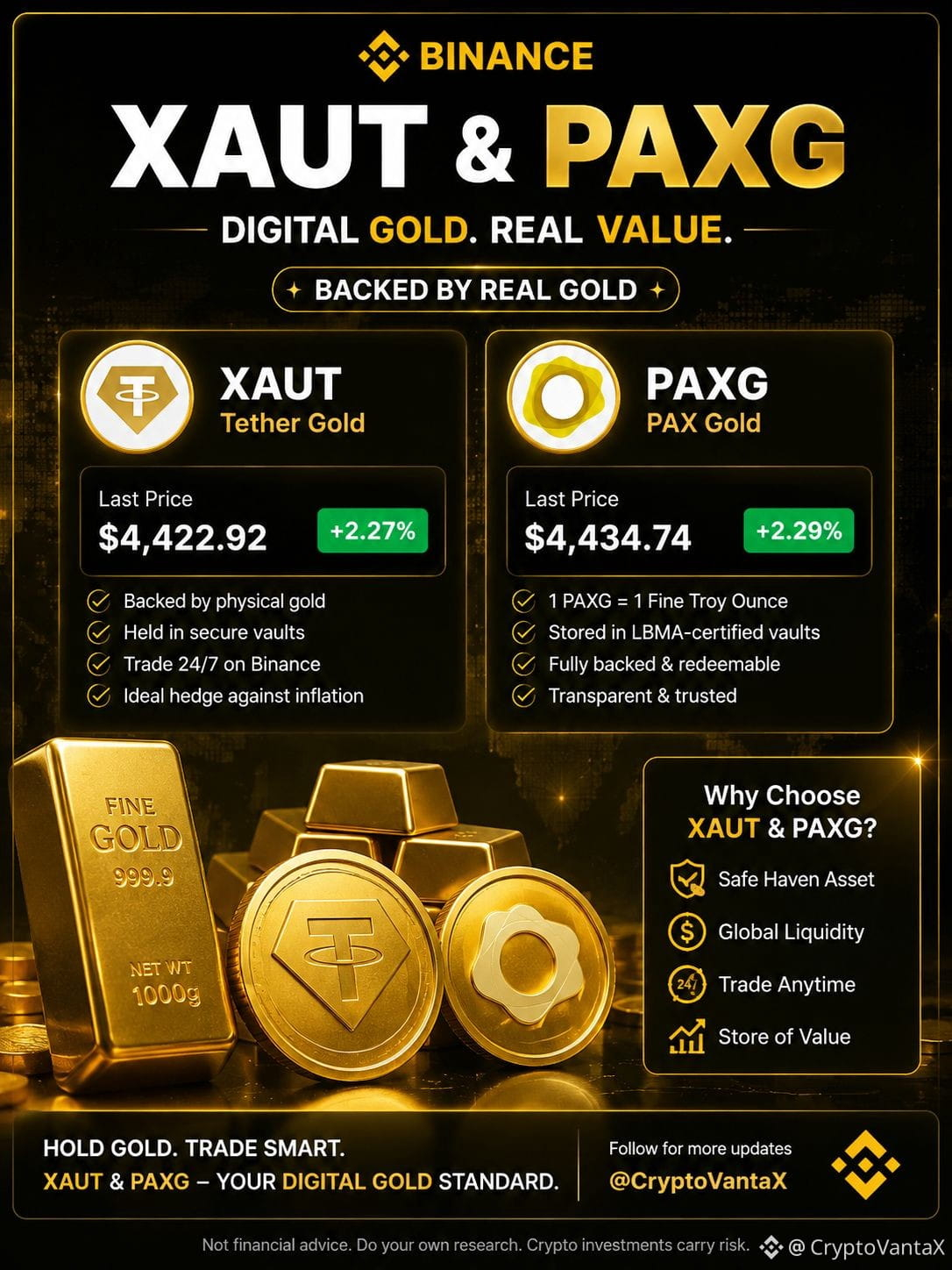
$XAUT & $PAXG — زخم الذهب الرقمي! 🟡
XAUT: $4,422.92 | +2.27%
PAXG: $4,434.74 | +2.29%
الأصول المدعومة بالذهب تُظهر زخمًا قويًا. 📈
أيّهما تفضّل — XAUT أم PAXG؟ 👇
#XAUT #PAXG #DigitalGold #CryptoVantaX #Follow4more
{spot}(PAXGUSDT)
{spot}(XAUTUSDT)
$XAUT & $PAXG — زخم الذهب الرقمي! 🟡
XAUT: $4,422.92 | +2.27%
PAXG: $4,434.74 | +2.29%
الأصول المدعومة بالذهب تُظهر زخمًا قويًا. 📈
أيّهما تفضّل — XAUT أم PAXG؟ 👇
#XAUT #PAXG #DigitalGold #CryptoVantaX #Follow4more
XAUT: $4,422.92 | +2.27%
PAXG: $4,434.74 | +2.29%
الأصول المدعومة بالذهب تُظهر زخمًا قويًا. 📈
أيّهما تفضّل — XAUT أم PAXG؟ 👇
#XAUT #PAXG #DigitalGold #CryptoVantaX #Follow4more
1
86

·
--
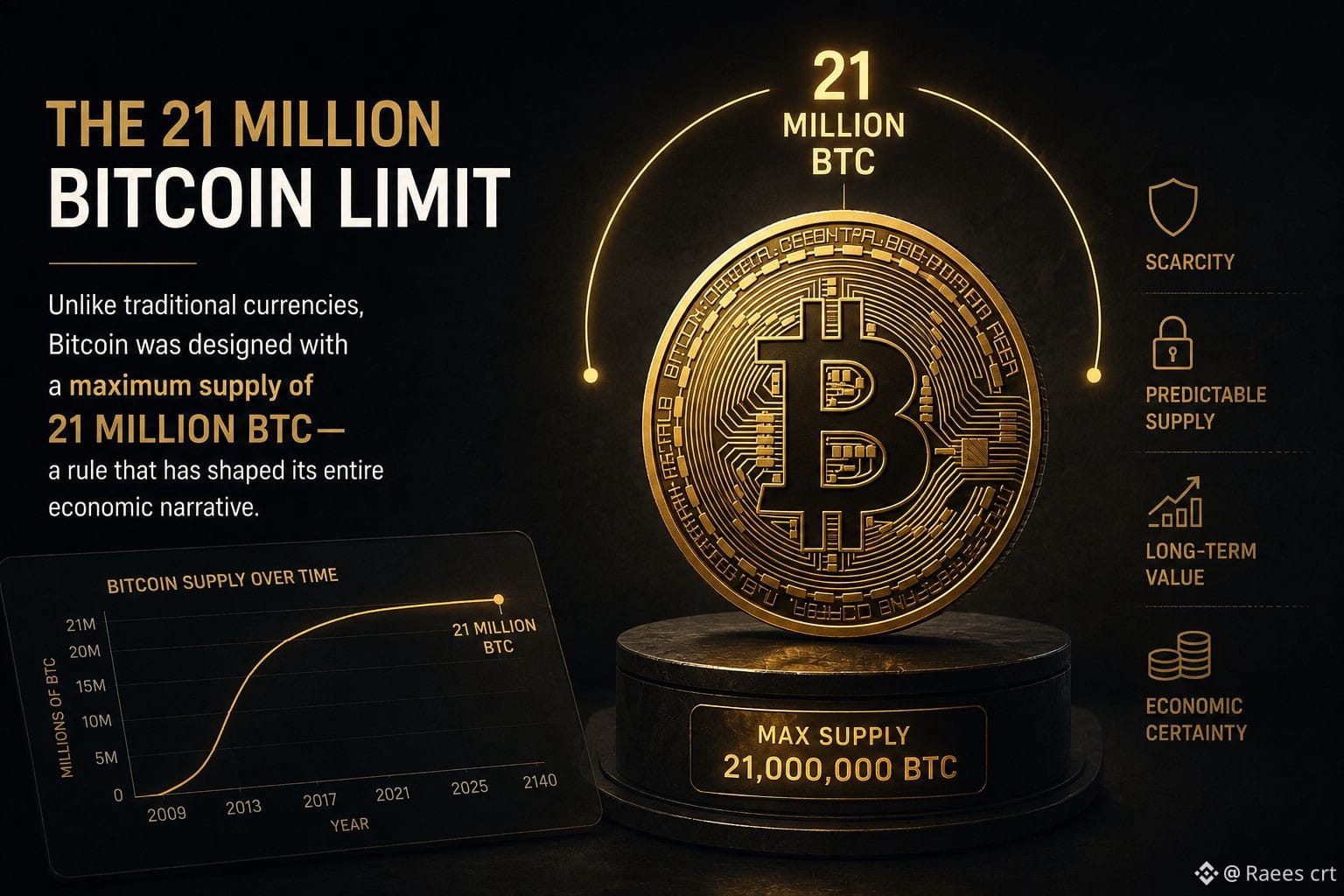
الحد الأقصى لـ 21 مليون بيتكوين
$BTC تم تصميم بيتكوين بحد أقصى ثابت لإجمالي العرض يبلغ 21 مليون BTC، مما يجعلها مختلفة جوهريًا عن العملات التقليدية. لقد أصبحت الندرة المدمجة إحدى السمات المحددة للنموذج الاقتصادي للبيتكوين، حيث تشكل سردها حول العرض المحدود والندرة الرقمية والقيمة طويلة الأجل.
#bitcoin #bitcoin21million #SatoshiNakamoto #DigitalGold
الحد الأقصى لـ 21 مليون بيتكوين
$BTC تم تصميم بيتكوين بحد أقصى ثابت لإجمالي العرض يبلغ 21 مليون BTC، مما يجعلها مختلفة جوهريًا عن العملات التقليدية. لقد أصبحت الندرة المدمجة إحدى السمات المحددة للنموذج الاقتصادي للبيتكوين، حيث تشكل سردها حول العرض المحدود والندرة الرقمية والقيمة طويلة الأجل.
#bitcoin #bitcoin21million #SatoshiNakamoto #DigitalGold
$BTC تم تصميم بيتكوين بحد أقصى ثابت لإجمالي العرض يبلغ 21 مليون BTC، مما يجعلها مختلفة جوهريًا عن العملات التقليدية. لقد أصبحت الندرة المدمجة إحدى السمات المحددة للنموذج الاقتصادي للبيتكوين، حيث تشكل سردها حول العرض المحدود والندرة الرقمية والقيمة طويلة الأجل.
#bitcoin #bitcoin21million #SatoshiNakamoto #DigitalGold
1
155

·
--
$BTC : الشيفرة التي تُشغّل المستقبل 🟠
هذا ليس مجرد "مال رقمي".
$BTC هو كُتيّب قواعد جديد.
لماذا يؤثر بشكل مختلف:
- الندرة بالتصميم: فقط 21 مليون BTC. إلى الأبد.
- بلا حدود: أرسل القيمة خلال 10 دقائق، في أي مكان على وجه الأرض
- شفّاف: كل معاملة تعيش على دفتر أستاذ عام
- بمستوى مؤسسات: تدفقات صناديق ETF بقيمة 2.8 مليار دولار هذا الأسبوع وحده
من 0 دولار إلى 80 ألف دولار. من اهتمامات متخصصة إلى دول.
$BTC لا يطلب الإذن. إنه يبني البديل.
السؤال لم يعد "هل". بل "كم مبكرًا أنت؟"
👇 ما هو السبب رقم 1 الذي يجعلك تؤمن بالبيتكوين؟
#BTC #CryptoRevolution #DigitalGold #BinanceSquare
{spot}(BTCUSDT)
$BTC : الشيفرة التي تُشغّل المستقبل 🟠
هذا ليس مجرد "مال رقمي".
$BTC هو كُتيّب قواعد جديد.
لماذا يؤثر بشكل مختلف:
- الندرة بالتصميم: فقط 21 مليون BTC. إلى الأبد.
- بلا حدود: أرسل القيمة خلال 10 دقائق، في أي مكان على وجه الأرض
- شفّاف: كل معاملة تعيش على دفتر أستاذ عام
- بمستوى مؤسسات: تدفقات صناديق ETF بقيمة 2.8 مليار دولار هذا الأسبوع وحده
من 0 دولار إلى 80 ألف دولار. من اهتمامات متخصصة إلى دول.
$BTC لا يطلب الإذن. إنه يبني البديل.
السؤال لم يعد "هل". بل "كم مبكرًا أنت؟"
👇 ما هو السبب رقم 1 الذي يجعلك تؤمن بالبيتكوين؟
#BTC #CryptoRevolution #DigitalGold #BinanceSquare
هذا ليس مجرد "مال رقمي".
$BTC هو كُتيّب قواعد جديد.
لماذا يؤثر بشكل مختلف:
- الندرة بالتصميم: فقط 21 مليون BTC. إلى الأبد.
- بلا حدود: أرسل القيمة خلال 10 دقائق، في أي مكان على وجه الأرض
- شفّاف: كل معاملة تعيش على دفتر أستاذ عام
- بمستوى مؤسسات: تدفقات صناديق ETF بقيمة 2.8 مليار دولار هذا الأسبوع وحده
من 0 دولار إلى 80 ألف دولار. من اهتمامات متخصصة إلى دول.
$BTC لا يطلب الإذن. إنه يبني البديل.
السؤال لم يعد "هل". بل "كم مبكرًا أنت؟"
👇 ما هو السبب رقم 1 الذي يجعلك تؤمن بالبيتكوين؟
#BTC #CryptoRevolution #DigitalGold #BinanceSquare
50

·
--
هل تعلم أن البيتكوين قد تكون تتصرف مثل “الذهب الرقمي” هذه الأيام؟
إليك التفاصيل: بلغت علاقة البيتكوين بالذهب خلال 90 يومًا للتو نسبة 50%. ماذا يعني ذلك؟ تخيل الأمر بهذه الطريقة: عندما يبدأ الناس بالقلق من أن الأموال التقليدية قد تفقد قيمتها (وهذا ما تشير إليه “مخاوف الديون” من خلال غرايسكيل)، فإنهم غالبًا ما يتجهون إلى الذهب بحثًا عن الأمان. الآن، بدأ البيتكوين يتحرك جنبًا إلى جنب مع الذهب. كأنهما يصبحان صديقين في الأوقات غير المؤكدة. هذا تحول كبير، لأن البيتكوين كثيرًا ما كان يُقارَن بأسهم التكنولوجيا، لكن هذا الارتباط بدأ يضعف. فكرة “صفقة تآكل العملة” تشير إلى أن المستثمرين يرون في البيتكوين تحوّطًا ضد التضخم وتراجع قيمة العملات، تمامًا مثل الذهب. #CryptoEducation #BitcoinAnalysis
تخيل هذا: كانت جدتك دائمًا تحتفظ ببعض مجوهرات الذهب لأنها كانت تثق به ليحافظ على قيمته. والآن، تخيّل أن جيلًا جديدًا ينظر إلى البيتكوين بالثقة نفسها، خصوصًا عندما يسمع عن الحكومات وهي تطبع المزيد من الأموال. هذا هو الإحساس الواقعي هنا—تغير في الطريقة التي يدرك بها الناس القيمة والأمان. #DigitalGold
فما الخلاصة بالنسبة لك؟ إنها تذكير بأن البيتكوين لا يتعلق فقط بالتداول المضاربي؛ بل هو يتطور ويُنظر إليه من قِبل عدد أكبر من الناس كمخزن للقيمة، خصوصًا عندما يرتفع عدم اليقين الاقتصادي. راقب هذه الارتباطات! #CryptoInvesting
ما رأيك في أن يتصرف البيتكوين أكثر مثل الذهب؟ أخبرني في التعليقات!
هل تعلم أن البيتكوين قد تكون تتصرف مثل “الذهب الرقمي” هذه الأيام؟
إليك التفاصيل: بلغت علاقة البيتكوين بالذهب خلال 90 يومًا للتو نسبة 50%. ماذا يعني ذلك؟ تخيل الأمر بهذه الطريقة: عندما يبدأ الناس بالقلق من أن الأموال التقليدية قد تفقد قيمتها (وهذا ما تشير إليه “مخاوف الديون” من خلال غرايسكيل)، فإنهم غالبًا ما يتجهون إلى الذهب بحثًا عن الأمان. الآن، بدأ البيتكوين يتحرك جنبًا إلى جنب مع الذهب. كأنهما يصبحان صديقين في الأوقات غير المؤكدة. هذا تحول كبير، لأن البيتكوين كثيرًا ما كان يُقارَن بأسهم التكنولوجيا، لكن هذا الارتباط بدأ يضعف. فكرة “صفقة تآكل العملة” تشير إلى أن المستثمرين يرون في البيتكوين تحوّطًا ضد التضخم وتراجع قيمة العملات، تمامًا مثل الذهب. #CryptoEducation #BitcoinAnalysis
تخيل هذا: كانت جدتك دائمًا تحتفظ ببعض مجوهرات الذهب لأنها كانت تثق به ليحافظ على قيمته. والآن، تخيّل أن جيلًا جديدًا ينظر إلى البيتكوين بالثقة نفسها، خصوصًا عندما يسمع عن الحكومات وهي تطبع المزيد من الأموال. هذا هو الإحساس الواقعي هنا—تغير في الطريقة التي يدرك بها الناس القيمة والأمان. #DigitalGold
فما الخلاصة بالنسبة لك؟ إنها تذكير بأن البيتكوين لا يتعلق فقط بالتداول المضاربي؛ بل هو يتطور ويُنظر إليه من قِبل عدد أكبر من الناس كمخزن للقيمة، خصوصًا عندما يرتفع عدم اليقين الاقتصادي. راقب هذه الارتباطات! #CryptoInvesting
ما رأيك في أن يتصرف البيتكوين أكثر مثل الذهب؟ أخبرني في التعليقات!
إليك التفاصيل: بلغت علاقة البيتكوين بالذهب خلال 90 يومًا للتو نسبة 50%. ماذا يعني ذلك؟ تخيل الأمر بهذه الطريقة: عندما يبدأ الناس بالقلق من أن الأموال التقليدية قد تفقد قيمتها (وهذا ما تشير إليه “مخاوف الديون” من خلال غرايسكيل)، فإنهم غالبًا ما يتجهون إلى الذهب بحثًا عن الأمان. الآن، بدأ البيتكوين يتحرك جنبًا إلى جنب مع الذهب. كأنهما يصبحان صديقين في الأوقات غير المؤكدة. هذا تحول كبير، لأن البيتكوين كثيرًا ما كان يُقارَن بأسهم التكنولوجيا، لكن هذا الارتباط بدأ يضعف. فكرة “صفقة تآكل العملة” تشير إلى أن المستثمرين يرون في البيتكوين تحوّطًا ضد التضخم وتراجع قيمة العملات، تمامًا مثل الذهب. #CryptoEducation #BitcoinAnalysis
تخيل هذا: كانت جدتك دائمًا تحتفظ ببعض مجوهرات الذهب لأنها كانت تثق به ليحافظ على قيمته. والآن، تخيّل أن جيلًا جديدًا ينظر إلى البيتكوين بالثقة نفسها، خصوصًا عندما يسمع عن الحكومات وهي تطبع المزيد من الأموال. هذا هو الإحساس الواقعي هنا—تغير في الطريقة التي يدرك بها الناس القيمة والأمان. #DigitalGold
فما الخلاصة بالنسبة لك؟ إنها تذكير بأن البيتكوين لا يتعلق فقط بالتداول المضاربي؛ بل هو يتطور ويُنظر إليه من قِبل عدد أكبر من الناس كمخزن للقيمة، خصوصًا عندما يرتفع عدم اليقين الاقتصادي. راقب هذه الارتباطات! #CryptoInvesting
ما رأيك في أن يتصرف البيتكوين أكثر مثل الذهب؟ أخبرني في التعليقات!
15
سجّل الدخول لاستكشاف المزيد من المُحتوى
انضم إلى مُستخدمي العملات الرقمية حول العالم على Binance Square
⚡️ احصل على أحدث المعلومات المفيدة عن العملات الرقمية.
💬 موثوقة من قبل أكبر منصّة لتداول العملات الرقمية في العالم.
👍 اكتشف الرؤى الحقيقية من صنّاع المُحتوى الموثوقين.
البريد الإلكتروني / رقم الهاتف
المواضيع الرائجة
1
#FedRateWatch
1.4M مشاهدات
6,654 يقومون بالنقاش
2
#ZcashRises6%
47,078 مشاهدات
622 يقومون بالنقاش
3
#XRPSinks10%
31,967 مشاهدات
409 يقومون بالنقاش
4
#BitcoinETFsShed$450M
5,649 مشاهدات
83 يقومون بالنقاش
5
#CircleOpensArcMainnet
14,971 مشاهدات
276 يقومون بالنقاش
6
#ZcashHoldersBackNU7Upgrade
25,977 مشاهدات
439 يقومون بالنقاش
7
#MSTRTradingVolumeSurpassesMorganStanley
25,442 مشاهدات
593 يقومون بالنقاش
8
#BitcoinFalls4%
52,420 مشاهدات
921 يقومون بالنقاش
9
#SKHynixInTalksToMakeMemoryChipsInUS
20,872 مشاهدات
359 يقومون بالنقاش
10
#OpenAIDiscussesNewFundingAt$1.2TValuation
5,208 مشاهدات
58 يقومون بالنقاش