

#defi
defi
56.7M مشاهدات
296,859 يقومون بالنقاش
رائج
جديد

·
--
🤔الخبر الذي قد يفجّر التساؤلات: شراكة $KAT مع منظومة Binance لم تعد مجرد إدراج… بل دخول مشروع DeFi إلى واجهة السيولة الكبرى.
إعلان Binance الرسمي عن إدراج KAT وضع المشروع تحت الضوء فجأة.
لكن الزاوية الأهم ليست العملة نفسها، بل ماذا تريد Katana أن تبني حولها؟
المشروع يراهن على جعل السيولة أكثر تركيزًا وفعالية داخل #defi
وهذا يعني أن نجاحه مرتبط بالاستخدام الحقيقي وليس بالحماس الأول فقط.
رأيي: السوق سيتعامل مع KAT كاختبار جديد لفكرة “DeFi المتخصص”؛
هل تجذب سيولة ومستخدمين فعلًا، أم تتحول القصة إلى ضجة إدراج وتنتهي؟
الشراكة والظهور داخل منظومة Binance يمنحانها انتباهًا نادرًا،
لكن الانتباه وحده لا يصنع قيمة مستدامة.
النقطة التي تستحق المراقبة: هل تبدأ بروتوكولات ومشاريع أخرى بالبناء فوق Katana؟
لأن ذلك قد يحولها من اسم جديد إلى بنية تحتية لها وزن.
هل ترى أن شراكات السيولة أصبحت أقوى من ترندات الميم في هذه المرحلة؟
{future}(KATUSDT)
#BinanceSquareTalks #katana
🤔الخبر الذي قد يفجّر التساؤلات: شراكة $KAT مع منظومة Binance لم تعد مجرد إدراج… بل دخول مشروع DeFi إلى واجهة السيولة الكبرى.
إعلان Binance الرسمي عن إدراج KAT وضع المشروع تحت الضوء فجأة.
لكن الزاوية الأهم ليست العملة نفسها، بل ماذا تريد Katana أن تبني حولها؟
المشروع يراهن على جعل السيولة أكثر تركيزًا وفعالية داخل #defi
وهذا يعني أن نجاحه مرتبط بالاستخدام الحقيقي وليس بالحماس الأول فقط.
رأيي: السوق سيتعامل مع KAT كاختبار جديد لفكرة “DeFi المتخصص”؛
هل تجذب سيولة ومستخدمين فعلًا، أم تتحول القصة إلى ضجة إدراج وتنتهي؟
الشراكة والظهور داخل منظومة Binance يمنحانها انتباهًا نادرًا،
لكن الانتباه وحده لا يصنع قيمة مستدامة.
النقطة التي تستحق المراقبة: هل تبدأ بروتوكولات ومشاريع أخرى بالبناء فوق Katana؟
لأن ذلك قد يحولها من اسم جديد إلى بنية تحتية لها وزن.
هل ترى أن شراكات السيولة أصبحت أقوى من ترندات الميم في هذه المرحلة؟
#BinanceSquareTalks #katana
إعلان Binance الرسمي عن إدراج KAT وضع المشروع تحت الضوء فجأة.
لكن الزاوية الأهم ليست العملة نفسها، بل ماذا تريد Katana أن تبني حولها؟
المشروع يراهن على جعل السيولة أكثر تركيزًا وفعالية داخل #defi
وهذا يعني أن نجاحه مرتبط بالاستخدام الحقيقي وليس بالحماس الأول فقط.
رأيي: السوق سيتعامل مع KAT كاختبار جديد لفكرة “DeFi المتخصص”؛
هل تجذب سيولة ومستخدمين فعلًا، أم تتحول القصة إلى ضجة إدراج وتنتهي؟
الشراكة والظهور داخل منظومة Binance يمنحانها انتباهًا نادرًا،
لكن الانتباه وحده لا يصنع قيمة مستدامة.
النقطة التي تستحق المراقبة: هل تبدأ بروتوكولات ومشاريع أخرى بالبناء فوق Katana؟
لأن ذلك قد يحولها من اسم جديد إلى بنية تحتية لها وزن.
هل ترى أن شراكات السيولة أصبحت أقوى من ترندات الميم في هذه المرحلة؟
#BinanceSquareTalks #katana
14

·
--
️ تذكرة واحدة، وفرص متعددة للعوائد على SUN.io! 🫧☀️
التمويل اللامركزي لا يجب أن يكون معقدًا. امتلاك أو تخزين أو استخدام SUN يمنحك وصولًا إلى مجموعة من الفرص تشمل العوائد، المبادلات، والسيولة داخل منظومة TRON.
🌊 توفير السيولة عبر عدة مجمعات
ضع رأس المال في أزواج رئيسية عبر SunSwap V4 واستفد من رسوم التداول الناتجة عن نشاط صانع السوق الآلي، مع كفاءة أعلى لرأس المال.
⚡ دعم يصل إلى 99% من تكاليف الطاقة
يمكن أن يقلل دعم الطاقة من تكاليف معاملات الشبكة، بما في ذلك عمليات المبادلة متعددة المراحل، الموافقات، وإيداعات مجمعات السيولة.
🗳️ مكافآت حوكمة veSUN
قفل SUN يمكن أن يرفع مضاعفات عوائد الـFarming حتى 2.5x، مع إمكانية الحصول على توزيعات من رسوم تداول العملات المستقرة والمشاركة في التصويت على توزيع الحوافز.
🔥 آلية انكماش يمكن تتبعها على السلسلة
إيرادات البروتوكول من SunSwap وSunPump وSunX تموّل عمليات إعادة شراء دورية، ما قد يؤدي إلى تقليص المعروض اSUN$.
1️⃣ تراكم العوائد دون عبء كبير من رسوم الغاز
قم بالإيداع والحصاد وإعادة موازنة مراكزك وفق استراتيجيتك، بينما تساعد تكاليف المعاملات المنخفضة على تقليل تأثير الرسوم على عمليات التراكم المتكررة.
2️⃣ سيولة أعمق وبنية تداول مطوّرة
تعتمد Sقبل اتخاذ أي قرار.
@OfficialSUNio @Justin Sun孙宇晨
#TRONEcoStar #SUN #TRON #DeFi
{stock_us}(TRON.US)
$SUN
{future}(SUNUSDT)
️ تذكرة واحدة، وفرص متعددة للعوائد على SUN.io! 🫧☀️
التمويل اللامركزي لا يجب أن يكون معقدًا. امتلاك أو تخزين أو استخدام SUN يمنحك وصولًا إلى مجموعة من الفرص تشمل العوائد، المبادلات، والسيولة داخل منظومة TRON.
🌊 توفير السيولة عبر عدة مجمعات
ضع رأس المال في أزواج رئيسية عبر SunSwap V4 واستفد من رسوم التداول الناتجة عن نشاط صانع السوق الآلي، مع كفاءة أعلى لرأس المال.
⚡ دعم يصل إلى 99% من تكاليف الطاقة
يمكن أن يقلل دعم الطاقة من تكاليف معاملات الشبكة، بما في ذلك عمليات المبادلة متعددة المراحل، الموافقات، وإيداعات مجمعات السيولة.
🗳️ مكافآت حوكمة veSUN
قفل SUN يمكن أن يرفع مضاعفات عوائد الـFarming حتى 2.5x، مع إمكانية الحصول على توزيعات من رسوم تداول العملات المستقرة والمشاركة في التصويت على توزيع الحوافز.
🔥 آلية انكماش يمكن تتبعها على السلسلة
إيرادات البروتوكول من SunSwap وSunPump وSunX تموّل عمليات إعادة شراء دورية، ما قد يؤدي إلى تقليص المعروض اSUN$.
1️⃣ تراكم العوائد دون عبء كبير من رسوم الغاز
قم بالإيداع والحصاد وإعادة موازنة مراكزك وفق استراتيجيتك، بينما تساعد تكاليف المعاملات المنخفضة على تقليل تأثير الرسوم على عمليات التراكم المتكررة.
2️⃣ سيولة أعمق وبنية تداول مطوّرة
تعتمد Sقبل اتخاذ أي قرار.
@OfficialSUNio @Justin Sun孙宇晨
#TRONEcoStar #SUN #TRON #DeFi
$SUN
التمويل اللامركزي لا يجب أن يكون معقدًا. امتلاك أو تخزين أو استخدام SUN يمنحك وصولًا إلى مجموعة من الفرص تشمل العوائد، المبادلات، والسيولة داخل منظومة TRON.
🌊 توفير السيولة عبر عدة مجمعات
ضع رأس المال في أزواج رئيسية عبر SunSwap V4 واستفد من رسوم التداول الناتجة عن نشاط صانع السوق الآلي، مع كفاءة أعلى لرأس المال.
⚡ دعم يصل إلى 99% من تكاليف الطاقة
يمكن أن يقلل دعم الطاقة من تكاليف معاملات الشبكة، بما في ذلك عمليات المبادلة متعددة المراحل، الموافقات، وإيداعات مجمعات السيولة.
🗳️ مكافآت حوكمة veSUN
قفل SUN يمكن أن يرفع مضاعفات عوائد الـFarming حتى 2.5x، مع إمكانية الحصول على توزيعات من رسوم تداول العملات المستقرة والمشاركة في التصويت على توزيع الحوافز.
🔥 آلية انكماش يمكن تتبعها على السلسلة
إيرادات البروتوكول من SunSwap وSunPump وSunX تموّل عمليات إعادة شراء دورية، ما قد يؤدي إلى تقليص المعروض اSUN$.
1️⃣ تراكم العوائد دون عبء كبير من رسوم الغاز
قم بالإيداع والحصاد وإعادة موازنة مراكزك وفق استراتيجيتك، بينما تساعد تكاليف المعاملات المنخفضة على تقليل تأثير الرسوم على عمليات التراكم المتكررة.
2️⃣ سيولة أعمق وبنية تداول مطوّرة
تعتمد Sقبل اتخاذ أي قرار.
@OfficialSUNio @Justin Sun孙宇晨
#TRONEcoStar #SUN #TRON #DeFi
$SUN

50

·
--
🔮 $PYTH — العمود الفقري الذي لا أحد يتحدث عنه
بينما يلاحق الجميع تحركات السعر، يقوم Pyth بهدوء بتشغيل البيانات الكامنة خلفها — تغذيات أسعار لحظية عبر أكثر من 50 سلسلة بلوكشين، تُستخدم من قبل تطبيقات DeFi، وأسواق التنبؤ، وحتى التداول في أسلوب TradFi للسلع.
إنجازات حديثة: تكاملات مع Polymarket وKalshi جلبت الأسهم والسلع وأسواق التنبؤ إلى السلسلة — بفضل تغذيات Pyth.
لا توجد أوراكل، لا توجد أسعار دقيقة. لا توجد أسعار دقيقة، لا توجد DeFi. ببساطة.
هل هو استثمار ببنية تحتية أقل تقديرًا أم مُسعّر بشكل عادل؟ 🤔
{future}(PYTHUSDT)
{future}(HBARUSDT)
{future}(INXUSDT)
#PYTH #PythNetwork #Oracle #defi #BinanceSquare
🔮 $PYTH — العمود الفقري الذي لا أحد يتحدث عنه
بينما يلاحق الجميع تحركات السعر، يقوم Pyth بهدوء بتشغيل البيانات الكامنة خلفها — تغذيات أسعار لحظية عبر أكثر من 50 سلسلة بلوكشين، تُستخدم من قبل تطبيقات DeFi، وأسواق التنبؤ، وحتى التداول في أسلوب TradFi للسلع.
إنجازات حديثة: تكاملات مع Polymarket وKalshi جلبت الأسهم والسلع وأسواق التنبؤ إلى السلسلة — بفضل تغذيات Pyth.
لا توجد أوراكل، لا توجد أسعار دقيقة. لا توجد أسعار دقيقة، لا توجد DeFi. ببساطة.
هل هو استثمار ببنية تحتية أقل تقديرًا أم مُسعّر بشكل عادل؟ 🤔
#PYTH #PythNetwork #Oracle #defi #BinanceSquare
بينما يلاحق الجميع تحركات السعر، يقوم Pyth بهدوء بتشغيل البيانات الكامنة خلفها — تغذيات أسعار لحظية عبر أكثر من 50 سلسلة بلوكشين، تُستخدم من قبل تطبيقات DeFi، وأسواق التنبؤ، وحتى التداول في أسلوب TradFi للسلع.
إنجازات حديثة: تكاملات مع Polymarket وKalshi جلبت الأسهم والسلع وأسواق التنبؤ إلى السلسلة — بفضل تغذيات Pyth.
لا توجد أوراكل، لا توجد أسعار دقيقة. لا توجد أسعار دقيقة، لا توجد DeFi. ببساطة.
هل هو استثمار ببنية تحتية أقل تقديرًا أم مُسعّر بشكل عادل؟ 🤔
#PYTH #PythNetwork #Oracle #defi #BinanceSquare

3
2
228

·
--
THORChain ترفض تجميد عناوين المهاجمين: halt≠ القائمة السوداءتطالب منصات CEX بتجميد العناوين، ويرد DEX عبر السلاسل المتقاطعة: إن halt هو حماية للبروتوكول وليس تجميدًا انتقائيًا.
نقطة الخلاف ليست في الشجار، بل في حدود التصميم—هل يمكن لـpermissionless فعلاً فتح قائمة سوداء مؤقتًا أم لا.
١️⃣ الرئيسة التنفيذية لشركة Bitget، جراسي تشين، تكشف في عطلة نهاية الأسبوع علنًا وتُشير بالاسم إلى@THORChain، مطالبةً برفض خدمة عناوين الهجوم التي تم تتبّعها بالفعل؛ خلفية ذلك أن مبلغًا قدره ٣٨٨ مليون دولار سُرق في سبتمبر ٢٤، وقد تم تخصيص مكافأة قدرها ٥٪ لاسترداد الخسائر.
٢️⃣ ردّ THORChain يوم الاثنين: إيقاف الشبكة (halt) هو آلية أمان طارئة لحماية البروتوكول نفسه؛ وhalt≠ تجميد انتقائي لمبادلة مفردة/أموال محددة؛ والبروتوكول يعمل بنموذج permissionless ولا يقوم بالرقابة بطبيعته.
THORChain ترفض تجميد عناوين المهاجمين: halt≠ القائمة السوداء
تطالب منصات CEX بتجميد العناوين، ويرد DEX عبر السلاسل المتقاطعة: إن halt هو حماية للبروتوكول وليس تجميدًا انتقائيًا.
نقطة الخلاف ليست في الشجار، بل في حدود التصميم—هل يمكن لـpermissionless فعلاً فتح قائمة سوداء مؤقتًا أم لا.
١️⃣ الرئيسة التنفيذية لشركة Bitget، جراسي تشين، تكشف في عطلة نهاية الأسبوع علنًا وتُشير بالاسم إلى@THORChain، مطالبةً برفض خدمة عناوين الهجوم التي تم تتبّعها بالفعل؛ خلفية ذلك أن مبلغًا قدره ٣٨٨ مليون دولار سُرق في سبتمبر ٢٤، وقد تم تخصيص مكافأة قدرها ٥٪ لاسترداد الخسائر.
٢️⃣ ردّ THORChain يوم الاثنين: إيقاف الشبكة (halt) هو آلية أمان طارئة لحماية البروتوكول نفسه؛ وhalt≠ تجميد انتقائي لمبادلة مفردة/أموال محددة؛ والبروتوكول يعمل بنموذج permissionless ولا يقوم بالرقابة بطبيعته.
نقطة الخلاف ليست في الشجار، بل في حدود التصميم—هل يمكن لـpermissionless فعلاً فتح قائمة سوداء مؤقتًا أم لا.
١️⃣ الرئيسة التنفيذية لشركة Bitget، جراسي تشين، تكشف في عطلة نهاية الأسبوع علنًا وتُشير بالاسم إلى@THORChain، مطالبةً برفض خدمة عناوين الهجوم التي تم تتبّعها بالفعل؛ خلفية ذلك أن مبلغًا قدره ٣٨٨ مليون دولار سُرق في سبتمبر ٢٤، وقد تم تخصيص مكافأة قدرها ٥٪ لاسترداد الخسائر.
٢️⃣ ردّ THORChain يوم الاثنين: إيقاف الشبكة (halt) هو آلية أمان طارئة لحماية البروتوكول نفسه؛ وhalt≠ تجميد انتقائي لمبادلة مفردة/أموال محددة؛ والبروتوكول يعمل بنموذج permissionless ولا يقوم بالرقابة بطبيعته.
841

·
--
UNI يهبط دون 9U، ويبدأ هلع البيع مرة أخرى بالهروب.\n\nفي كل مرة يحدث تراجع، يعيد السوق تكرار نفس السيناريو: عندما يرتفع السعر ينادي الجميع بالاستثمار القيمي، وعندما ينخفض يتسابقون لقطع الخسارة والخروج من السوق. سرعة تراجع المشاعر، تكون دائمًا أسرع بكثير من وتيرة تدهور الأساسيات.\n\nلكن هل تغيّرت أساسيات Uniswap؟ لا. ما زالت الحصة السوقية لعملاق الـ DEX، وإيرادات الرسوم، وآليات إعادة الشراء تعمل كما كانت. ما سقط هذه المرة هو المشاعر، وليس القيمة.\n\nعندما يعود السعر إلى ما دون 9U، فهذا بالضبط هو عملية غسل الكمية العائمة لصالح الأموال طويلة الأجل. فرصة التأسيس الحقيقية، لا تكون أبدًا في شموع الصعود المتتالية، بل تكون في الشموع الهابطة التي لا يجرؤ أغلب الناس على الشراء عندها.\n\nاعمل بخطة وانضباط: الدخول على دفعات، والتحكم في حجم المركز، وتنفيذ الخطة حسب الجدول، وتجنّب تمامًا أسلوب “كل شيء مرة واحدة”.\n\nالذبذبة تزيح الصبر، وما يبقى هو العائد.\n\n#UNI #DeFi #العملات_المقلدة
UNI يهبط دون 9U، ويبدأ هلع البيع مرة أخرى بالهروب.\n\nفي كل مرة يحدث تراجع، يعيد السوق تكرار نفس السيناريو: عندما يرتفع السعر ينادي الجميع بالاستثمار القيمي، وعندما ينخفض يتسابقون لقطع الخسارة والخروج من السوق. سرعة تراجع المشاعر، تكون دائمًا أسرع بكثير من وتيرة تدهور الأساسيات.\n\nلكن هل تغيّرت أساسيات Uniswap؟ لا. ما زالت الحصة السوقية لعملاق الـ DEX، وإيرادات الرسوم، وآليات إعادة الشراء تعمل كما كانت. ما سقط هذه المرة هو المشاعر، وليس القيمة.\n\nعندما يعود السعر إلى ما دون 9U، فهذا بالضبط هو عملية غسل الكمية العائمة لصالح الأموال طويلة الأجل. فرصة التأسيس الحقيقية، لا تكون أبدًا في شموع الصعود المتتالية، بل تكون في الشموع الهابطة التي لا يجرؤ أغلب الناس على الشراء عندها.\n\nاعمل بخطة وانضباط: الدخول على دفعات، والتحكم في حجم المركز، وتنفيذ الخطة حسب الجدول، وتجنّب تمامًا أسلوب “كل شيء مرة واحدة”.\n\nالذبذبة تزيح الصبر، وما يبقى هو العائد.\n\n#UNI #DeFi #العملات_المقلدة
471

·
--
لا يعني التبديل الناجح دائمًا أنه تبديل جيد.
قد يتم تأكيد معاملة، ويمكن أن تصل الأصول، وقد يبدو كل شيء على السلسلة (on-chain) في غاية الجودة.
لكن قد تكونك ما زلت قد خسرت قيمة على طول الطريق.
تزداد أهمية ذلك بشكل خاص مع التبديلات بين السلاسل.
تخيّل أنك تنقل $1,000 من سلسلة إلى أخرى.
تنجح المعاملة.
ثم اسأل:
→ ما هو السعر الذي حصلت عليه فعليًا؟
→ كم قيمة تم فقدها بسبب الانزلاق السعري (slippage)؟
→ ما هي إجمالي الرسوم؟
→ هل كانت السيولة كافية لحجم تجارتك؟
→ ما مدى قابلية التنبؤ بوقت التسوية؟
→ ماذا يحدث إذا فشلت المسار أو تأخر؟
هذه هي الفارق بين نجاح المعاملة وجودة التنفيذ.
عندما أقيم تبديلًا بين السلاسل، أنظر إلى ما وراء شاشة التأكيد:
1. سعر التنفيذ
السعر المُقتبس مجرد تقدير. المبلغ النهائي المستلم هو الأهم.
2. الانزلاق السعري
حتى اختلاف بسيط قد يصبح ذا أثر كبير في المعاملات الأكبر.
3. التكلفة الإجمالية للتنفيذ
قد تؤثر رسوم الشبكة ورسوم البروتوكول وتكاليف التوجيه على النتيجة النهائية.
4. السيولة
المسار الذي يعمل بكفاءة لـ $50 لا يعني أنه يعمل بكفاءة لـ $5,000.
5. سرعة التسوية
السرعة مفيدة، لكن التنفيذ القابل للتنبؤ مهم أيضًا.
6. الاعتمادية
طريقة تعامل النظام مع التأخيرات أو المعاملات الفاشلة أو المشكلات غير المتوقعة لها أهمية كذلك.
7. القيمة النهائية المستلمة
في النهاية، السؤال بسيط: كم قيمة مفيدة وصلت إلى الوجهة؟
لذا بدلًا من السؤال:
"هل مرّ التبديل الخاص بي؟"
أعتقد أن السؤال الأفضل هو:
"هل حصلت على نتيجة جيدة؟"
وهذه إحدى الأسباب التي جعلتني أتابع @ston_fi.
ومع تطور البنية التحتية بين السلاسل، لا يكفي مجرد ربط الشبكات.
التحدي الأكبر هو تحسين تجربة التنفيذ كاملة:
سعر أفضل → سيولة أعمق → احتكاك أقل → نتائج أكثر قابلية للتنبؤ
قد لا تكون المرحلة التالية من التمويل اللامركزي (DeFi) بخصوص ما إذا كانت تبديلات بين السلاسل ممكنة.
قد تكون بخصوص مدى كفاءتها في التنفيذ.
#STONfi #defi #TON
لا يعني التبديل الناجح دائمًا أنه تبديل جيد.
قد يتم تأكيد معاملة، ويمكن أن تصل الأصول، وقد يبدو كل شيء على السلسلة (on-chain) في غاية الجودة.
لكن قد تكونك ما زلت قد خسرت قيمة على طول الطريق.
تزداد أهمية ذلك بشكل خاص مع التبديلات بين السلاسل.
تخيّل أنك تنقل $1,000 من سلسلة إلى أخرى.
تنجح المعاملة.
ثم اسأل:
→ ما هو السعر الذي حصلت عليه فعليًا؟
→ كم قيمة تم فقدها بسبب الانزلاق السعري (slippage)؟
→ ما هي إجمالي الرسوم؟
→ هل كانت السيولة كافية لحجم تجارتك؟
→ ما مدى قابلية التنبؤ بوقت التسوية؟
→ ماذا يحدث إذا فشلت المسار أو تأخر؟
هذه هي الفارق بين نجاح المعاملة وجودة التنفيذ.
عندما أقيم تبديلًا بين السلاسل، أنظر إلى ما وراء شاشة التأكيد:
1. سعر التنفيذ
السعر المُقتبس مجرد تقدير. المبلغ النهائي المستلم هو الأهم.
2. الانزلاق السعري
حتى اختلاف بسيط قد يصبح ذا أثر كبير في المعاملات الأكبر.
3. التكلفة الإجمالية للتنفيذ
قد تؤثر رسوم الشبكة ورسوم البروتوكول وتكاليف التوجيه على النتيجة النهائية.
4. السيولة
المسار الذي يعمل بكفاءة لـ $50 لا يعني أنه يعمل بكفاءة لـ $5,000.
5. سرعة التسوية
السرعة مفيدة، لكن التنفيذ القابل للتنبؤ مهم أيضًا.
6. الاعتمادية
طريقة تعامل النظام مع التأخيرات أو المعاملات الفاشلة أو المشكلات غير المتوقعة لها أهمية كذلك.
7. القيمة النهائية المستلمة
في النهاية، السؤال بسيط: كم قيمة مفيدة وصلت إلى الوجهة؟
لذا بدلًا من السؤال:
"هل مرّ التبديل الخاص بي؟"
أعتقد أن السؤال الأفضل هو:
"هل حصلت على نتيجة جيدة؟"
وهذه إحدى الأسباب التي جعلتني أتابع @ston_fi.
ومع تطور البنية التحتية بين السلاسل، لا يكفي مجرد ربط الشبكات.
التحدي الأكبر هو تحسين تجربة التنفيذ كاملة:
سعر أفضل → سيولة أعمق → احتكاك أقل → نتائج أكثر قابلية للتنبؤ
قد لا تكون المرحلة التالية من التمويل اللامركزي (DeFi) بخصوص ما إذا كانت تبديلات بين السلاسل ممكنة.
قد تكون بخصوص مدى كفاءتها في التنفيذ.
#STONfi #defi #TON
قد يتم تأكيد معاملة، ويمكن أن تصل الأصول، وقد يبدو كل شيء على السلسلة (on-chain) في غاية الجودة.
لكن قد تكونك ما زلت قد خسرت قيمة على طول الطريق.
تزداد أهمية ذلك بشكل خاص مع التبديلات بين السلاسل.
تخيّل أنك تنقل $1,000 من سلسلة إلى أخرى.
تنجح المعاملة.
ثم اسأل:
→ ما هو السعر الذي حصلت عليه فعليًا؟
→ كم قيمة تم فقدها بسبب الانزلاق السعري (slippage)؟
→ ما هي إجمالي الرسوم؟
→ هل كانت السيولة كافية لحجم تجارتك؟
→ ما مدى قابلية التنبؤ بوقت التسوية؟
→ ماذا يحدث إذا فشلت المسار أو تأخر؟
هذه هي الفارق بين نجاح المعاملة وجودة التنفيذ.
عندما أقيم تبديلًا بين السلاسل، أنظر إلى ما وراء شاشة التأكيد:
1. سعر التنفيذ
السعر المُقتبس مجرد تقدير. المبلغ النهائي المستلم هو الأهم.
2. الانزلاق السعري
حتى اختلاف بسيط قد يصبح ذا أثر كبير في المعاملات الأكبر.
3. التكلفة الإجمالية للتنفيذ
قد تؤثر رسوم الشبكة ورسوم البروتوكول وتكاليف التوجيه على النتيجة النهائية.
4. السيولة
المسار الذي يعمل بكفاءة لـ $50 لا يعني أنه يعمل بكفاءة لـ $5,000.
5. سرعة التسوية
السرعة مفيدة، لكن التنفيذ القابل للتنبؤ مهم أيضًا.
6. الاعتمادية
طريقة تعامل النظام مع التأخيرات أو المعاملات الفاشلة أو المشكلات غير المتوقعة لها أهمية كذلك.
7. القيمة النهائية المستلمة
في النهاية، السؤال بسيط: كم قيمة مفيدة وصلت إلى الوجهة؟
لذا بدلًا من السؤال:
"هل مرّ التبديل الخاص بي؟"
أعتقد أن السؤال الأفضل هو:
"هل حصلت على نتيجة جيدة؟"
وهذه إحدى الأسباب التي جعلتني أتابع @ston_fi.
ومع تطور البنية التحتية بين السلاسل، لا يكفي مجرد ربط الشبكات.
التحدي الأكبر هو تحسين تجربة التنفيذ كاملة:
سعر أفضل → سيولة أعمق → احتكاك أقل → نتائج أكثر قابلية للتنبؤ
قد لا تكون المرحلة التالية من التمويل اللامركزي (DeFi) بخصوص ما إذا كانت تبديلات بين السلاسل ممكنة.
قد تكون بخصوص مدى كفاءتها في التنفيذ.
#STONfi #defi #TON
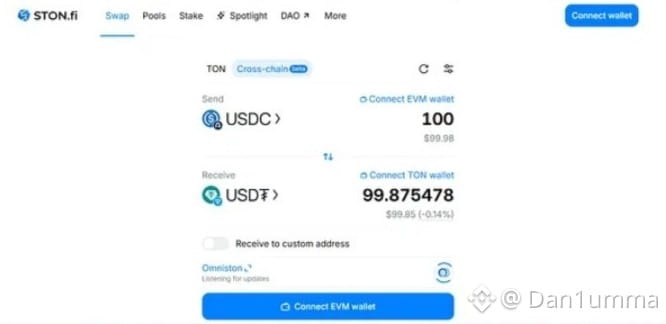
82

·
--
يخترق CRV خط المقاومة 🚀📈
الـ $CRV token اخترق سقف 0.39064$ تمامًا، مُغلقًا عند 0.39260$ قبل القمة مباشرةً، مع تدفّق السيولة الآسيوية إلى دفتر الأوامر. تشير قفزة بنسبة 17.06% خلال 24 ساعة، مدعومةً بـ 12.55 M من حجم التداول، إلى أن مزوّدي السيولة يعيدون توجيه رأس المال إلى مجمّعات عملات Curve المستقرة، حيث ارتفع إجمالي القيمة المقفلة TVL بنسبة 9% أسبوعيًا بالتزامن مع تراجع حماسة إعادة الرهن. بدأت مجمّعات العقود الذكية الآن تُظهر انزلاقًا أقلّ، كما أن جسور السلاسل المتقاطعة تُوفّر مسارات عائد جديدة تجذب مزوّدي السيولة من الأفراد والمؤسسات على حدّ سواء 🚀
تتمثل العقبة التالية عند نطاق 0.415–0.425$، حيث سيؤدي الاختراق إلى تثبيت بنية قمة أعلى وقاع أعلى، ما يستدعي شراءً خوارزميًا. إذا استمر $CRV فوق 0.390$، فمن المرجح أن يعمّق مزوّدو السيولة مراكزهم، مُشدّدين نطاق أمر التداول عند 0.39064$، ويغذّون حلقة زخم مُعزِّزة للذات. ومع استمرار نمو TVL في DeFi وتفوّق حوافز حصة الرسوم لدى Curve على المنافسين، يبقى الميل الصعودي قويًا، ما يوحي بأن موجة الصعود قد تمتد إلى منطقة 0.45$ إذا استمر ضغط الشراء 📈💎
راجع/تحقق بنفسك (DYOR)
تابع للتحديثات
#CRV #DEFI #CryptoTrending #BinanceSquare
يخترق CRV خط المقاومة 🚀📈
الـ $CRV token اخترق سقف 0.39064$ تمامًا، مُغلقًا عند 0.39260$ قبل القمة مباشرةً، مع تدفّق السيولة الآسيوية إلى دفتر الأوامر. تشير قفزة بنسبة 17.06% خلال 24 ساعة، مدعومةً بـ 12.55 M من حجم التداول، إلى أن مزوّدي السيولة يعيدون توجيه رأس المال إلى مجمّعات عملات Curve المستقرة، حيث ارتفع إجمالي القيمة المقفلة TVL بنسبة 9% أسبوعيًا بالتزامن مع تراجع حماسة إعادة الرهن. بدأت مجمّعات العقود الذكية الآن تُظهر انزلاقًا أقلّ، كما أن جسور السلاسل المتقاطعة تُوفّر مسارات عائد جديدة تجذب مزوّدي السيولة من الأفراد والمؤسسات على حدّ سواء 🚀
تتمثل العقبة التالية عند نطاق 0.415–0.425$، حيث سيؤدي الاختراق إلى تثبيت بنية قمة أعلى وقاع أعلى، ما يستدعي شراءً خوارزميًا. إذا استمر $CRV فوق 0.390$، فمن المرجح أن يعمّق مزوّدو السيولة مراكزهم، مُشدّدين نطاق أمر التداول عند 0.39064$، ويغذّون حلقة زخم مُعزِّزة للذات. ومع استمرار نمو TVL في DeFi وتفوّق حوافز حصة الرسوم لدى Curve على المنافسين، يبقى الميل الصعودي قويًا، ما يوحي بأن موجة الصعود قد تمتد إلى منطقة 0.45$ إذا استمر ضغط الشراء 📈💎
راجع/تحقق بنفسك (DYOR)
تابع للتحديثات
#CRV #DEFI #CryptoTrending #BinanceSquare
الـ $CRV token اخترق سقف 0.39064$ تمامًا، مُغلقًا عند 0.39260$ قبل القمة مباشرةً، مع تدفّق السيولة الآسيوية إلى دفتر الأوامر. تشير قفزة بنسبة 17.06% خلال 24 ساعة، مدعومةً بـ 12.55 M من حجم التداول، إلى أن مزوّدي السيولة يعيدون توجيه رأس المال إلى مجمّعات عملات Curve المستقرة، حيث ارتفع إجمالي القيمة المقفلة TVL بنسبة 9% أسبوعيًا بالتزامن مع تراجع حماسة إعادة الرهن. بدأت مجمّعات العقود الذكية الآن تُظهر انزلاقًا أقلّ، كما أن جسور السلاسل المتقاطعة تُوفّر مسارات عائد جديدة تجذب مزوّدي السيولة من الأفراد والمؤسسات على حدّ سواء 🚀
تتمثل العقبة التالية عند نطاق 0.415–0.425$، حيث سيؤدي الاختراق إلى تثبيت بنية قمة أعلى وقاع أعلى، ما يستدعي شراءً خوارزميًا. إذا استمر $CRV فوق 0.390$، فمن المرجح أن يعمّق مزوّدو السيولة مراكزهم، مُشدّدين نطاق أمر التداول عند 0.39064$، ويغذّون حلقة زخم مُعزِّزة للذات. ومع استمرار نمو TVL في DeFi وتفوّق حوافز حصة الرسوم لدى Curve على المنافسين، يبقى الميل الصعودي قويًا، ما يوحي بأن موجة الصعود قد تمتد إلى منطقة 0.45$ إذا استمر ضغط الشراء 📈💎
راجع/تحقق بنفسك (DYOR)
تابع للتحديثات
#CRV #DEFI #CryptoTrending #BinanceSquare
12

·
--
صاعد
أصبحت العملات المستقرة أكثر من مجرد وسيلة للاحتفاظ بقيمة الدولار في عالم العملات المشفرة. إذ تتزايد أهميتها لتصبح طبقة السيولة التي تربط بين مختلف الأنظمة البيئية.
وهذا ما جذب انتباهي إلى تكامل STON.fi مع Arc.
تم بناء Arc مع وضع التمويل بالعملات المستقرة في الحسبان، بينما يعمل USDC كرمز الغاز الأصلي لها. إن إدخال هذه البيئة إلى Omniston يوفّر مسارًا آخر لسيولة العملات المستقرة للتفاعل مع الأصول عبر سلاسل الكتل المدعومة.
ما أجده مثيرًا للاهتمام هو التحول الأوسع في البنية التحتية.
بدلًا من أن تبقى السيولة معزولة داخل الأنظمة البيئية الفردية، يمكن للأنظمة عبر السلاسل أن تساعد في جعل هذه السيولة أكثر إتاحة دون إجبار المستخدمين على إدارة كل شبكة على حدة.
وهنا تزداد الفائدة الحقيقية للبنية التحتية عبر السلاسل وضوحًا: ليس فقط إضافة المزيد من السلاسل، بل جعل السيولة مترابطة وأكثر فائدة.
ومن الجدير أيضًا وضع حد المعاملة الأولي البالغ 1,000 دولار في الاعتبار ضمن تكامل Arc. فالتبنّي يُبنى عبر الاستخدام الفعلي، وتُعد الحدود العملية مهمة إلى جانب التقنية.
@ston_fi #STONfi #Omniston #Arc #USDC #DeFi
#STONfi
أصبحت العملات المستقرة أكثر من مجرد وسيلة للاحتفاظ بقيمة الدولار في عالم العملات المشفرة. إذ تتزايد أهميتها لتصبح طبقة السيولة التي تربط بين مختلف الأنظمة البيئية.
وهذا ما جذب انتباهي إلى تكامل STON.fi مع Arc.
تم بناء Arc مع وضع التمويل بالعملات المستقرة في الحسبان، بينما يعمل USDC كرمز الغاز الأصلي لها. إن إدخال هذه البيئة إلى Omniston يوفّر مسارًا آخر لسيولة العملات المستقرة للتفاعل مع الأصول عبر سلاسل الكتل المدعومة.
ما أجده مثيرًا للاهتمام هو التحول الأوسع في البنية التحتية.
بدلًا من أن تبقى السيولة معزولة داخل الأنظمة البيئية الفردية، يمكن للأنظمة عبر السلاسل أن تساعد في جعل هذه السيولة أكثر إتاحة دون إجبار المستخدمين على إدارة كل شبكة على حدة.
وهنا تزداد الفائدة الحقيقية للبنية التحتية عبر السلاسل وضوحًا: ليس فقط إضافة المزيد من السلاسل، بل جعل السيولة مترابطة وأكثر فائدة.
ومن الجدير أيضًا وضع حد المعاملة الأولي البالغ 1,000 دولار في الاعتبار ضمن تكامل Arc. فالتبنّي يُبنى عبر الاستخدام الفعلي، وتُعد الحدود العملية مهمة إلى جانب التقنية.
@ston_fi #STONfi #Omniston #Arc #USDC #DeFi
#STONfi
وهذا ما جذب انتباهي إلى تكامل STON.fi مع Arc.
تم بناء Arc مع وضع التمويل بالعملات المستقرة في الحسبان، بينما يعمل USDC كرمز الغاز الأصلي لها. إن إدخال هذه البيئة إلى Omniston يوفّر مسارًا آخر لسيولة العملات المستقرة للتفاعل مع الأصول عبر سلاسل الكتل المدعومة.
ما أجده مثيرًا للاهتمام هو التحول الأوسع في البنية التحتية.
بدلًا من أن تبقى السيولة معزولة داخل الأنظمة البيئية الفردية، يمكن للأنظمة عبر السلاسل أن تساعد في جعل هذه السيولة أكثر إتاحة دون إجبار المستخدمين على إدارة كل شبكة على حدة.
وهنا تزداد الفائدة الحقيقية للبنية التحتية عبر السلاسل وضوحًا: ليس فقط إضافة المزيد من السلاسل، بل جعل السيولة مترابطة وأكثر فائدة.
ومن الجدير أيضًا وضع حد المعاملة الأولي البالغ 1,000 دولار في الاعتبار ضمن تكامل Arc. فالتبنّي يُبنى عبر الاستخدام الفعلي، وتُعد الحدود العملية مهمة إلى جانب التقنية.
@ston_fi #STONfi #Omniston #Arc #USDC #DeFi
#STONfi

13


تحديث سريع: وصلت موجة إعادة الرهن الذهبية رسميًا إلى طريق مسدود. 📉 تتكئ الآن أفضل البروتوكولات على هوامش ربح ضئيلة جدًا. إليك ما تحتاج إلى متابعته في الوقت الحالي. 1. انخفضت مكافآت الزراعة العائدية بشكل حاد عبر المنصات الرئيسية. 2. لا تواكب إيرادات المُصدّقين توقعات النمو العدوانية التي كانت في العام الماضي. 3. يتجه رأس المال الذكي بسرعة خارج دورات إعادة الرهن منخفضة الرسوم. $ETH #Write2Earn #CryptoNews #Restaking #DeFi
تحديث سريع: وصلت موجة إعادة الرهن الذهبية رسميًا إلى طريق مسدود. 📉 تتكئ الآن أفضل البروتوكولات على هوامش ربح ضئيلة جدًا. إليك ما تحتاج إلى متابعته في الوقت الحالي. 1. انخفضت مكافآت الزراعة العائدية بشكل حاد عبر المنصات الرئيسية. 2. لا تواكب إيرادات المُصدّقين توقعات النمو العدوانية التي كانت في العام الماضي. 3. يتجه رأس المال الذكي بسرعة خارج دورات إعادة الرهن منخفضة الرسوم. $ETH #Write2Earn #CryptoNews #Restaking #DeFi
6

·
--
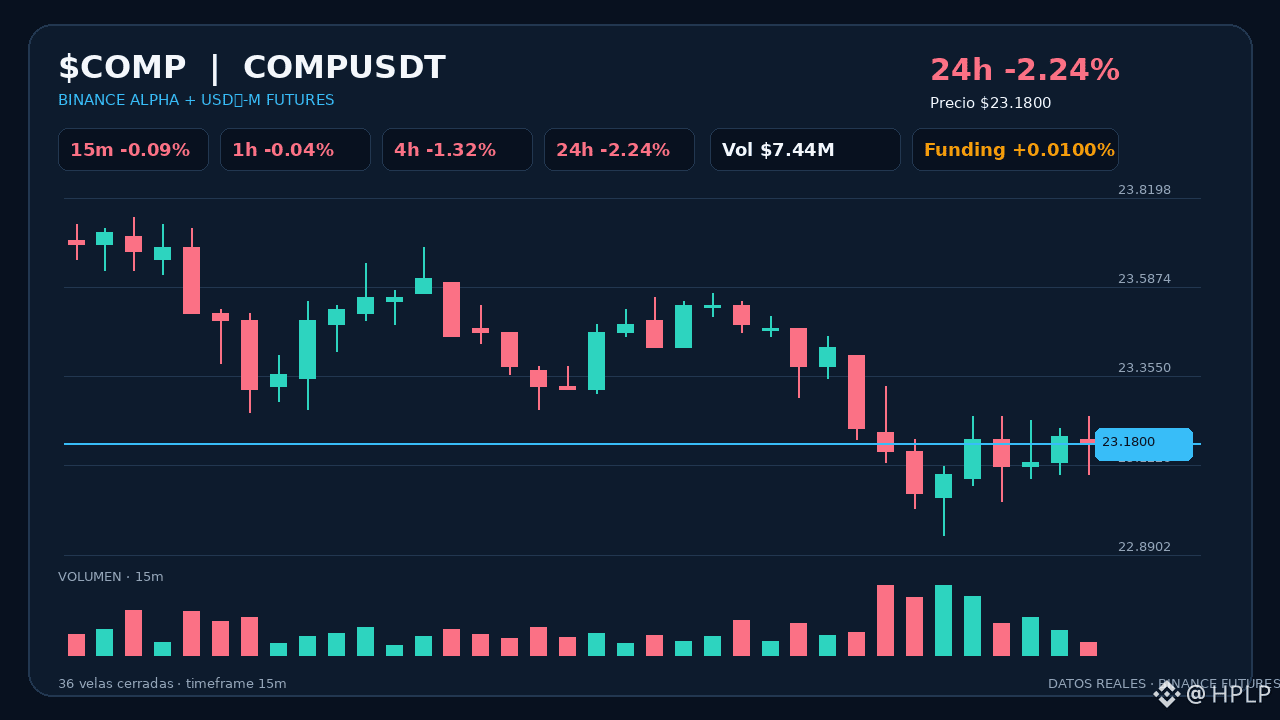
🚨 استخدم Compound DAO الاحتياطيات المخصصة للشراء بقيمة 52 مليون دولار من COMP، ما دفع أصوات المؤيدين إلى تجاوز 50% من القوة المفوضة. ويعتبر المندوبون ذلك خرقًا للتفويض؛ بينما تقول المؤسسة إنه يتماشى مع أهداف الـ DAO. قد تشهد السوق تذبذبًا قصير الأجل مع تصاعد التوترات المتعلقة بالحَوْكمة. هل هذه خطوة ترسيخ للنفوذ أم تجاوز للحدود؟ #DeFi
$COMP #TradingSignal #CryptoAnalysis
🚨 استخدم Compound DAO الاحتياطيات المخصصة للشراء بقيمة 52 مليون دولار من COMP، ما دفع أصوات المؤيدين إلى تجاوز 50% من القوة المفوضة. ويعتبر المندوبون ذلك خرقًا للتفويض؛ بينما تقول المؤسسة إنه يتماشى مع أهداف الـ DAO. قد تشهد السوق تذبذبًا قصير الأجل مع تصاعد التوترات المتعلقة بالحَوْكمة. هل هذه خطوة ترسيخ للنفوذ أم تجاوز للحدود؟ #DeFi
$COMP #TradingSignal #CryptoAnalysis
$COMP #TradingSignal #CryptoAnalysis

18

·
--
🔻 تضاعف خلال شهر، ثم استفرغ خلال 4 أيام 18%: هل تم تدمير هذه الورقة الرابحة $UNI ؟
أولاً راجع البيانات 📊:
السعر الحالي 8.92$ (-7.7%)
بالقرب من قمة 9/23 عند 10.94$ تراجع 18%
حجم التداول خلال 24 ساعة 110 مليون$
قبل شهر فقط كان 4.27$، ثم ارتفع إلى 10.94$ (+112%)
والآن عاد وأعاد كل شيء تقريباً خسر قرابة الخُمس
لماذا هبط؟
① انتهت الأخبار الجيدة: إعلان CME للعقود الآجلة بتاريخ 9/22 (طرح/إدراج 10/19)، وSEC أسئلة وأجوبة إعادة الشراء، وإتاحة جميع مفاتيح الرسوم
② المراكز الطويلة كانت مزدحمة جداً: قبل الإعلان كان OI للعقود الدائمة 1.83 مليار$، و87 سوقاً كلها صفقات شراء (Long)
③ لعنة تاريخية: ADA وLINK بين إعلان CME وبين الإدراج، انخفضت كلٌ منهما 35-38%
كيف أرى الأمور:
🟢 الأساسيات لم تسوء فعلاً — في أغسطس تمت معالجة 140 مليون معاملة (أكثر من Cboe BZX وNYSE American)، وv4 يحتوي بالفعل على 500+ hooks مخصصة، ومفاتيح الرسوم = إعادة شراء حقيقية بأموال حقيقية
🔴 لكن 9.04$ تم كسره بالفعل، والدعم التالي هو 8.68$ (قاع يوم إعلان CME)
مستويات الانضباط:
الارتداد السريع → انتظر حتى يثبت السعر فوق 8.68$
كسر 8.68$ → لا تلتقط “سيفاً ساقطاً”، راقب منطقة 8$ الصحيحة 🕯️
لا يشكل ذلك نصيحة استثمارية، تحكم في موقفك أنت 💎🙌
هل كنت تلاحق عند 10$؟ أم دفنت عند 4$؟ اكتب سعر تكلفة دخولك في التعليقات 👀
$UNI #Uniswap #DeFi
🔻 تضاعف خلال شهر، ثم استفرغ خلال 4 أيام 18%: هل تم تدمير هذه الورقة الرابحة $UNI ؟
أولاً راجع البيانات 📊:
السعر الحالي 8.92$ (-7.7%)
بالقرب من قمة 9/23 عند 10.94$ تراجع 18%
حجم التداول خلال 24 ساعة 110 مليون$
قبل شهر فقط كان 4.27$، ثم ارتفع إلى 10.94$ (+112%)
والآن عاد وأعاد كل شيء تقريباً خسر قرابة الخُمس
لماذا هبط؟
① انتهت الأخبار الجيدة: إعلان CME للعقود الآجلة بتاريخ 9/22 (طرح/إدراج 10/19)، وSEC أسئلة وأجوبة إعادة الشراء، وإتاحة جميع مفاتيح الرسوم
② المراكز الطويلة كانت مزدحمة جداً: قبل الإعلان كان OI للعقود الدائمة 1.83 مليار$، و87 سوقاً كلها صفقات شراء (Long)
③ لعنة تاريخية: ADA وLINK بين إعلان CME وبين الإدراج، انخفضت كلٌ منهما 35-38%
كيف أرى الأمور:
🟢 الأساسيات لم تسوء فعلاً — في أغسطس تمت معالجة 140 مليون معاملة (أكثر من Cboe BZX وNYSE American)، وv4 يحتوي بالفعل على 500+ hooks مخصصة، ومفاتيح الرسوم = إعادة شراء حقيقية بأموال حقيقية
🔴 لكن 9.04$ تم كسره بالفعل، والدعم التالي هو 8.68$ (قاع يوم إعلان CME)
مستويات الانضباط:
الارتداد السريع → انتظر حتى يثبت السعر فوق 8.68$
كسر 8.68$ → لا تلتقط “سيفاً ساقطاً”، راقب منطقة 8$ الصحيحة 🕯️
لا يشكل ذلك نصيحة استثمارية، تحكم في موقفك أنت 💎🙌
هل كنت تلاحق عند 10$؟ أم دفنت عند 4$؟ اكتب سعر تكلفة دخولك في التعليقات 👀
$UNI #Uniswap #DeFi
أولاً راجع البيانات 📊:
السعر الحالي 8.92$ (-7.7%)
بالقرب من قمة 9/23 عند 10.94$ تراجع 18%
حجم التداول خلال 24 ساعة 110 مليون$
قبل شهر فقط كان 4.27$، ثم ارتفع إلى 10.94$ (+112%)
والآن عاد وأعاد كل شيء تقريباً خسر قرابة الخُمس
لماذا هبط؟
① انتهت الأخبار الجيدة: إعلان CME للعقود الآجلة بتاريخ 9/22 (طرح/إدراج 10/19)، وSEC أسئلة وأجوبة إعادة الشراء، وإتاحة جميع مفاتيح الرسوم
② المراكز الطويلة كانت مزدحمة جداً: قبل الإعلان كان OI للعقود الدائمة 1.83 مليار$، و87 سوقاً كلها صفقات شراء (Long)
③ لعنة تاريخية: ADA وLINK بين إعلان CME وبين الإدراج، انخفضت كلٌ منهما 35-38%
كيف أرى الأمور:
🟢 الأساسيات لم تسوء فعلاً — في أغسطس تمت معالجة 140 مليون معاملة (أكثر من Cboe BZX وNYSE American)، وv4 يحتوي بالفعل على 500+ hooks مخصصة، ومفاتيح الرسوم = إعادة شراء حقيقية بأموال حقيقية
🔴 لكن 9.04$ تم كسره بالفعل، والدعم التالي هو 8.68$ (قاع يوم إعلان CME)
مستويات الانضباط:
الارتداد السريع → انتظر حتى يثبت السعر فوق 8.68$
كسر 8.68$ → لا تلتقط “سيفاً ساقطاً”، راقب منطقة 8$ الصحيحة 🕯️
لا يشكل ذلك نصيحة استثمارية، تحكم في موقفك أنت 💎🙌
هل كنت تلاحق عند 10$؟ أم دفنت عند 4$؟ اكتب سعر تكلفة دخولك في التعليقات 👀
$UNI #Uniswap #DeFi

1.1k
·
--
توجد حوكمة شركة Compound DAO في قلب الجدل بعد كشف أنها استخدمت 52 مليون دولار من احتياطياتها الخاصة بالبروتوكولات لشراء رموز COMP. 📉
والتحرك، الذي تُظهره تحليلات السلسلة بأنه ركّز أكثر من نصف قوة التصويت المُفوّضة في أيدي أشخاص ذوي صلات، أثار رفضًا قويًا بين عدد من المفوّضين الذين يزعمون حدوث انتهاك لتكليف الـ DAO الأصلي. وفي المقابل، تدافع المؤسسة عن أن العملية تتوافق مع الإرشادات المحددة.
ويضع هذا الصراع المخاطر الناتجة عن تركّز السلطة في خزائن البروتوكولات اللامركزية على طاولة البحث، ويفتح نقاشًا عاجلًا حول الشفافية في إدارة أموال المجتمع.
هل يجب أن تتمتع الـ DAO باستقلالية كاملة على احتياطياتها، أم يلزم فرض قيود أكثر صرامة؟
#DeFi #Governance #Crypto #Compound
$COMP
توجد حوكمة شركة Compound DAO في قلب الجدل بعد كشف أنها استخدمت 52 مليون دولار من احتياطياتها الخاصة بالبروتوكولات لشراء رموز COMP. 📉
والتحرك، الذي تُظهره تحليلات السلسلة بأنه ركّز أكثر من نصف قوة التصويت المُفوّضة في أيدي أشخاص ذوي صلات، أثار رفضًا قويًا بين عدد من المفوّضين الذين يزعمون حدوث انتهاك لتكليف الـ DAO الأصلي. وفي المقابل، تدافع المؤسسة عن أن العملية تتوافق مع الإرشادات المحددة.
ويضع هذا الصراع المخاطر الناتجة عن تركّز السلطة في خزائن البروتوكولات اللامركزية على طاولة البحث، ويفتح نقاشًا عاجلًا حول الشفافية في إدارة أموال المجتمع.
هل يجب أن تتمتع الـ DAO باستقلالية كاملة على احتياطياتها، أم يلزم فرض قيود أكثر صرامة؟
#DeFi #Governance #Crypto #Compound
$COMP
والتحرك، الذي تُظهره تحليلات السلسلة بأنه ركّز أكثر من نصف قوة التصويت المُفوّضة في أيدي أشخاص ذوي صلات، أثار رفضًا قويًا بين عدد من المفوّضين الذين يزعمون حدوث انتهاك لتكليف الـ DAO الأصلي. وفي المقابل، تدافع المؤسسة عن أن العملية تتوافق مع الإرشادات المحددة.
ويضع هذا الصراع المخاطر الناتجة عن تركّز السلطة في خزائن البروتوكولات اللامركزية على طاولة البحث، ويفتح نقاشًا عاجلًا حول الشفافية في إدارة أموال المجتمع.
هل يجب أن تتمتع الـ DAO باستقلالية كاملة على احتياطياتها، أم يلزم فرض قيود أكثر صرامة؟
#DeFi #Governance #Crypto #Compound
$COMP
Kato Crypto:
the detail that makes this different from an ordinary buyback is what the treasury bought 👀 spending reserves on the governance token converts money the DAO controls into votes whoever signs for the treasury controls, so the budget and the electorate stop being two separate things. that is why a mandate written as "what may we spend on" never settles it. the limit that would actually bite is a rule on whether treasury held tokens get to vote at all 🙌
1
18
·
--
🎯 100 مليار دولار لدعم السوق، خلال أسبوع لم يُحصَّل سوى 100 ألف دولار
📰 ether.fi يقطع تمامًا ارتباطه بـ EigenLayer هذا الموسم، وإعادة الرهن المتبقي أقل من 1% فقط؛ يتم حجز 100 مليار دولار، والرسوم خلال سبعة أيام لا تتجاوز 100 ألف، والكفاءة أقل بـ53 مرة
💬 تمجيد السرد إلى عنان السماء، ولا تكذب السجلات. ميزانية الأمان لا تستطيع تمويل العائد، بمجرد انتهاء القصة يتم سحب السيولة، والمشترين الجدد لم يأتوا بعد. غروب شمس هذا النوع من المسارات يستحق التذكر
🏷️ #EigenLayer #再质押 #etherfi #DeFi
🎯 100 مليار دولار لدعم السوق، خلال أسبوع لم يُحصَّل سوى 100 ألف دولار
📰 ether.fi يقطع تمامًا ارتباطه بـ EigenLayer هذا الموسم، وإعادة الرهن المتبقي أقل من 1% فقط؛ يتم حجز 100 مليار دولار، والرسوم خلال سبعة أيام لا تتجاوز 100 ألف، والكفاءة أقل بـ53 مرة
💬 تمجيد السرد إلى عنان السماء، ولا تكذب السجلات. ميزانية الأمان لا تستطيع تمويل العائد، بمجرد انتهاء القصة يتم سحب السيولة، والمشترين الجدد لم يأتوا بعد. غروب شمس هذا النوع من المسارات يستحق التذكر
🏷️ #EigenLayer #再质押 #etherfi #DeFi
📰 ether.fi يقطع تمامًا ارتباطه بـ EigenLayer هذا الموسم، وإعادة الرهن المتبقي أقل من 1% فقط؛ يتم حجز 100 مليار دولار، والرسوم خلال سبعة أيام لا تتجاوز 100 ألف، والكفاءة أقل بـ53 مرة
💬 تمجيد السرد إلى عنان السماء، ولا تكذب السجلات. ميزانية الأمان لا تستطيع تمويل العائد، بمجرد انتهاء القصة يتم سحب السيولة، والمشترين الجدد لم يأتوا بعد. غروب شمس هذا النوع من المسارات يستحق التذكر
🏷️ #EigenLayer #再质押 #etherfi #DeFi
46
·
--
⚡ سْتاني يلمّح إلى حروق تلقائية عبر آلية $AAVE ضمن تحديث Aavenomics 3.0 المرتقب! 🔥
يطرح ستاني كوليخوف آلية مباشرة لسحب/استنزاف الإمداد لـ $AAVE تحت إعادة هيكلة Aavenomics 3.0 القادمة. 🦈 يتم توجيه إيرادات البروتوكول إلى عمليات شراء-إرجاع (buybacks) آلية ومنهجية على السلسلة، ما يزيل احتكاك الحوكمة من المعادلة.
إن الانتقال من التصويتات اليدوية للحوكمة إلى برنامج دائم من الشراء والاحتراق (burn) آلي يُنشئ طلبًا هيكليًا ثابتًا على الرمز. 📊 عندما يلتقي العائد الحقيقي بالانخفاض التلقائي في المعروض، تنتبه الأموال الذكية إلى التداول المتناقص. 💬 هل سيتسبب هذا الغرق من جهة العرض أخيرًا في إعادة تسعير مستمرة لـ $AAVE مقارنةً بقطاع DeFi الأوسع؟ 👇
⚠️ ليس نصيحة مالية. دائمًا أدرِ المخاطر. 🛡️
🏷️ #AAVE #DeFi #Altcoins #Crypto
🔥 💎
⚡ سْتاني يلمّح إلى حروق تلقائية عبر آلية $AAVE ضمن تحديث Aavenomics 3.0 المرتقب! 🔥
يطرح ستاني كوليخوف آلية مباشرة لسحب/استنزاف الإمداد لـ $AAVE تحت إعادة هيكلة Aavenomics 3.0 القادمة. 🦈 يتم توجيه إيرادات البروتوكول إلى عمليات شراء-إرجاع (buybacks) آلية ومنهجية على السلسلة، ما يزيل احتكاك الحوكمة من المعادلة.
إن الانتقال من التصويتات اليدوية للحوكمة إلى برنامج دائم من الشراء والاحتراق (burn) آلي يُنشئ طلبًا هيكليًا ثابتًا على الرمز. 📊 عندما يلتقي العائد الحقيقي بالانخفاض التلقائي في المعروض، تنتبه الأموال الذكية إلى التداول المتناقص. 💬 هل سيتسبب هذا الغرق من جهة العرض أخيرًا في إعادة تسعير مستمرة لـ $AAVE مقارنةً بقطاع DeFi الأوسع؟ 👇
⚠️ ليس نصيحة مالية. دائمًا أدرِ المخاطر. 🛡️
🏷️ #AAVE #DeFi #Altcoins #Crypto
🔥 💎
يطرح ستاني كوليخوف آلية مباشرة لسحب/استنزاف الإمداد لـ $AAVE تحت إعادة هيكلة Aavenomics 3.0 القادمة. 🦈 يتم توجيه إيرادات البروتوكول إلى عمليات شراء-إرجاع (buybacks) آلية ومنهجية على السلسلة، ما يزيل احتكاك الحوكمة من المعادلة.
إن الانتقال من التصويتات اليدوية للحوكمة إلى برنامج دائم من الشراء والاحتراق (burn) آلي يُنشئ طلبًا هيكليًا ثابتًا على الرمز. 📊 عندما يلتقي العائد الحقيقي بالانخفاض التلقائي في المعروض، تنتبه الأموال الذكية إلى التداول المتناقص. 💬 هل سيتسبب هذا الغرق من جهة العرض أخيرًا في إعادة تسعير مستمرة لـ $AAVE مقارنةً بقطاع DeFi الأوسع؟ 👇
⚠️ ليس نصيحة مالية. دائمًا أدرِ المخاطر. 🛡️
🏷️ #AAVE #DeFi #Altcoins #Crypto
🔥 💎
11
🚨 ارتفع حجم تداول DEX الفوري إلى 465 مليار دولار مع تحوّل السيولة عبر $QNT AND DEFI 📊
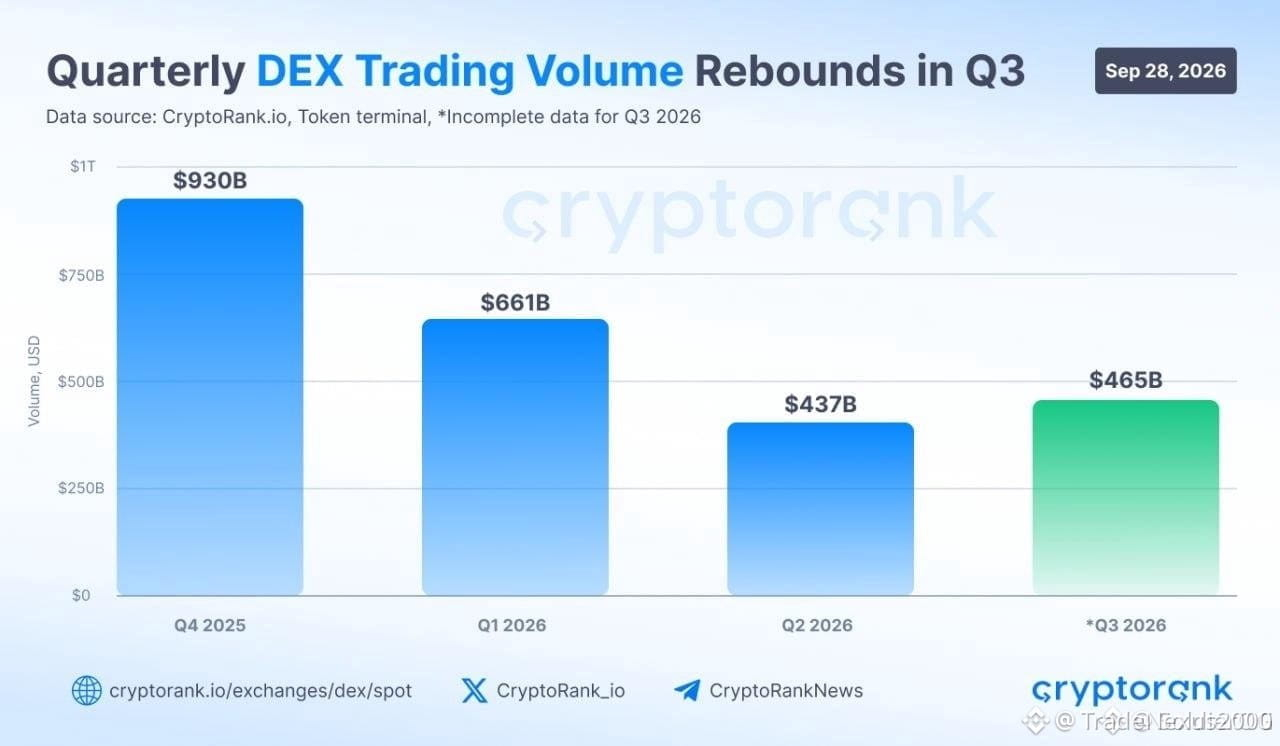
سجلت أحجام تداول DEX الفورية رقمًا ضخمًا بلغ 465 مليار دولار في الربع الثالث، ما يمثل زيادة بنسبة 6% مدفوعة إلى حد كبير بسلسلة واحدة ساهمت بـ53 مليار دولار من تدفقات جديدة. 📊 يراقب «الأموال الذكية» هذا التركّز في السيولة عن كثب لتحديد ما إذا كانت هذه الزيادة الهيكلية تشير إلى تراكم واسع النطاق في DeFi أم إلى توسع منفصل في أوامر التداول.
عندما تتركز أحجام التداول المؤسسية داخل قنوات تنفيذ محددة، تتابع «الأموال الذكية» ما إذا كانت الأصول المحيطة بالبنية التحتية مثل $QNT and $HBAR تستوعب السيولة الثانوية. 🔍 إذا ظل الدعم البنيوي قائمًا عبر كتل أوامر رئيسية، فقد تؤكد هذه القفزة في الحجم وجود تحوّل مستمر بدلًا من مجرد مسح سيولة مؤقت.
💬 هل ترى أن توسع أحجام تداول DEX في الربع الثالث يمثل اتساعًا شاملًا لـ DeFi أم مجرد ضوضاء هيكلية لسلسلة واحدة؟ 👇
⚠️ ليست نصيحة مالية. دائمًا أدرِر مخاطرك. 🛡️
🏷️ #QNT #HBAR #DeFi #MarketStructure #Crypto
🎯 🦈
🚨 ارتفع حجم تداول DEX الفوري إلى 465 مليار دولار مع تحوّل السيولة عبر $QNT AND DEFI 📊
سجلت أحجام تداول DEX الفورية رقمًا ضخمًا بلغ 465 مليار دولار في الربع الثالث، ما يمثل زيادة بنسبة 6% مدفوعة إلى حد كبير بسلسلة واحدة ساهمت بـ53 مليار دولار من تدفقات جديدة. 📊 يراقب «الأموال الذكية» هذا التركّز في السيولة عن كثب لتحديد ما إذا كانت هذه الزيادة الهيكلية تشير إلى تراكم واسع النطاق في DeFi أم إلى توسع منفصل في أوامر التداول.
عندما تتركز أحجام التداول المؤسسية داخل قنوات تنفيذ محددة، تتابع «الأموال الذكية» ما إذا كانت الأصول المحيطة بالبنية التحتية مثل $QNT and $HBAR تستوعب السيولة الثانوية. 🔍 إذا ظل الدعم البنيوي قائمًا عبر كتل أوامر رئيسية، فقد تؤكد هذه القفزة في الحجم وجود تحوّل مستمر بدلًا من مجرد مسح سيولة مؤقت.
💬 هل ترى أن توسع أحجام تداول DEX في الربع الثالث يمثل اتساعًا شاملًا لـ DeFi أم مجرد ضوضاء هيكلية لسلسلة واحدة؟ 👇
⚠️ ليست نصيحة مالية. دائمًا أدرِر مخاطرك. 🛡️
🏷️ #QNT #HBAR #DeFi #MarketStructure #Crypto
🎯 🦈
سجلت أحجام تداول DEX الفورية رقمًا ضخمًا بلغ 465 مليار دولار في الربع الثالث، ما يمثل زيادة بنسبة 6% مدفوعة إلى حد كبير بسلسلة واحدة ساهمت بـ53 مليار دولار من تدفقات جديدة. 📊 يراقب «الأموال الذكية» هذا التركّز في السيولة عن كثب لتحديد ما إذا كانت هذه الزيادة الهيكلية تشير إلى تراكم واسع النطاق في DeFi أم إلى توسع منفصل في أوامر التداول.
عندما تتركز أحجام التداول المؤسسية داخل قنوات تنفيذ محددة، تتابع «الأموال الذكية» ما إذا كانت الأصول المحيطة بالبنية التحتية مثل $QNT and $HBAR تستوعب السيولة الثانوية. 🔍 إذا ظل الدعم البنيوي قائمًا عبر كتل أوامر رئيسية، فقد تؤكد هذه القفزة في الحجم وجود تحوّل مستمر بدلًا من مجرد مسح سيولة مؤقت.
💬 هل ترى أن توسع أحجام تداول DEX في الربع الثالث يمثل اتساعًا شاملًا لـ DeFi أم مجرد ضوضاء هيكلية لسلسلة واحدة؟ 👇
⚠️ ليست نصيحة مالية. دائمًا أدرِر مخاطرك. 🛡️
🏷️ #QNT #HBAR #DeFi #MarketStructure #Crypto
🎯 🦈
171
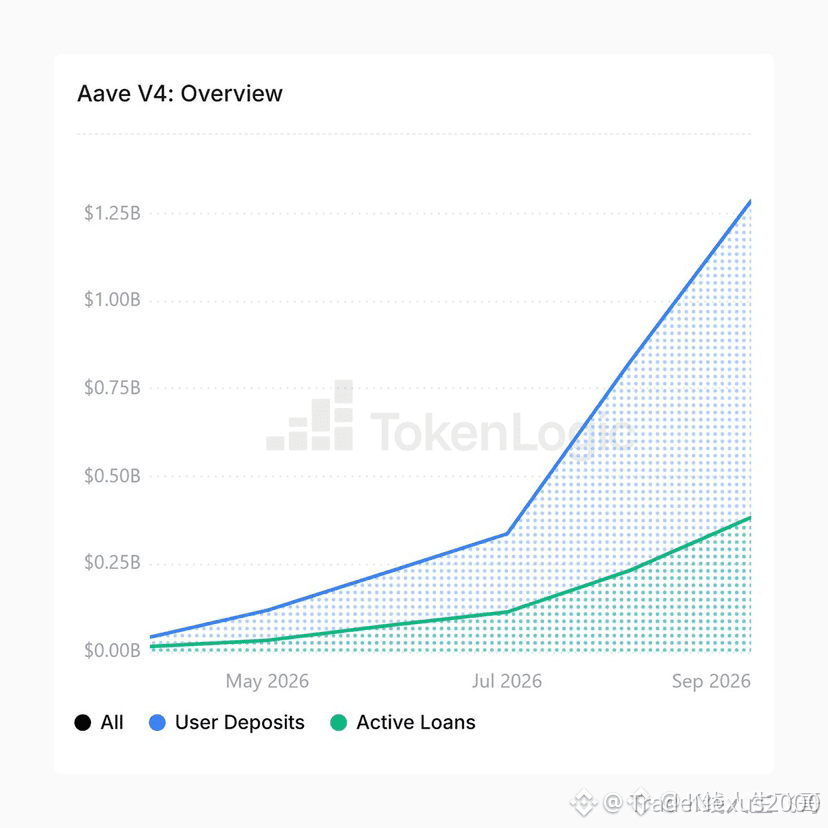
🚨 $AAVE يُظهر توسعًا مؤسسيًا حيث تقفز الودائع والإيرادات عبر V3 وV4! 🦈
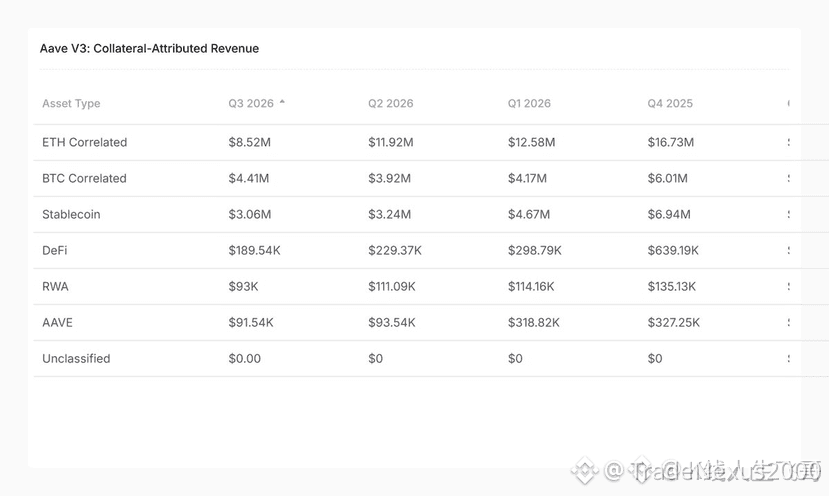
يبدو أن تراكم “الأموال الذكية” واضح في مؤشرات $AAVE TokenLogic للربع الثالث. انفجرت ودائع V4 بمقدار 5.6x لتصل إلى 1.29 مليار دولار، بينما بلغ عدد القروض النشطة 380 مليون دولار، ما يشير إلى طلب حقيقي على الاقتراض المؤسسي وليس مجرد زراعة عائد. 📊
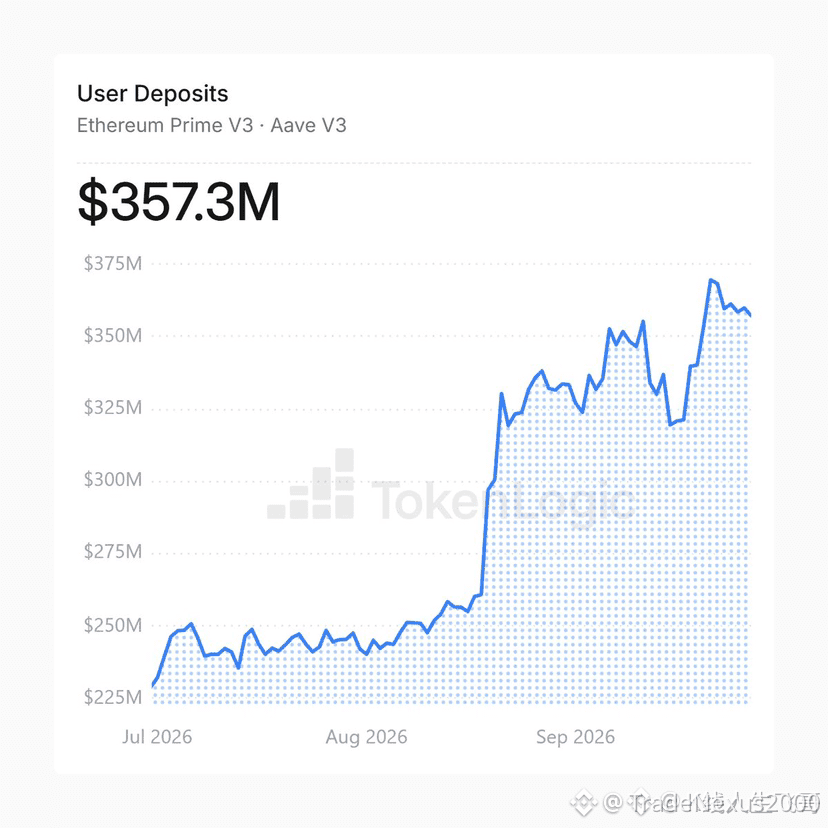
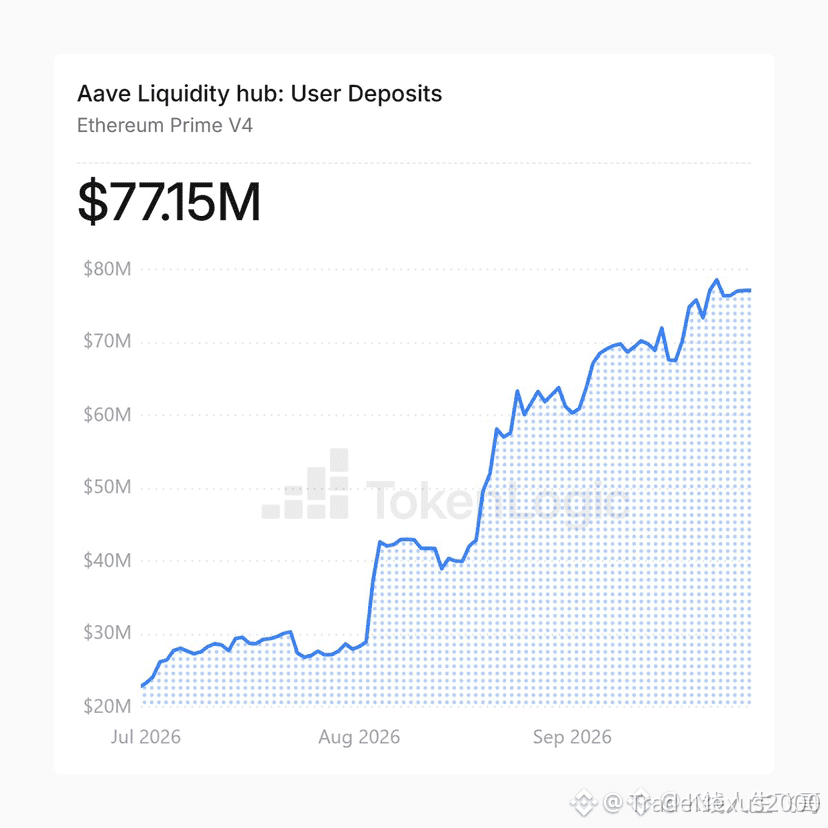
والأهم أن توسع V4 لا يقوم بأكل سيولة V3. ارتفع إيراد Prime في V4 إلى 77 مليون دولار بالتوازي مع صعود Prime V3 إلى 357 مليون دولار، مدعومًا بنمو ثابت في إيرادات ضمان BTC عند 4.41 مليون دولار. 💡 هذا التوسع المزدوج “كمحركين” للبروتوكول يبني أرضية هيكلية قادرة على دفع توسع التقييم على المدى الطويل نحو سقف سوقي قدره 10 مليارات دولار. 💬 هل $AAVE يستعد للسيطرة على قطاع الإقراض في DeFi بالكامل هذه الدورة؟ 👇
⚠️ ليس نصيحة مالية. دائمًا أدرِس/أدر مخاطرَك. 🛡️
🏷️ #AAVE #DeFi #Crypto #MarketStructure
🎯 🦈
🚨 $AAVE يُظهر توسعًا مؤسسيًا حيث تقفز الودائع والإيرادات عبر V3 وV4! 🦈
يبدو أن تراكم “الأموال الذكية” واضح في مؤشرات $AAVE TokenLogic للربع الثالث. انفجرت ودائع V4 بمقدار 5.6x لتصل إلى 1.29 مليار دولار، بينما بلغ عدد القروض النشطة 380 مليون دولار، ما يشير إلى طلب حقيقي على الاقتراض المؤسسي وليس مجرد زراعة عائد. 📊
والأهم أن توسع V4 لا يقوم بأكل سيولة V3. ارتفع إيراد Prime في V4 إلى 77 مليون دولار بالتوازي مع صعود Prime V3 إلى 357 مليون دولار، مدعومًا بنمو ثابت في إيرادات ضمان BTC عند 4.41 مليون دولار. 💡 هذا التوسع المزدوج “كمحركين” للبروتوكول يبني أرضية هيكلية قادرة على دفع توسع التقييم على المدى الطويل نحو سقف سوقي قدره 10 مليارات دولار. 💬 هل $AAVE يستعد للسيطرة على قطاع الإقراض في DeFi بالكامل هذه الدورة؟ 👇
⚠️ ليس نصيحة مالية. دائمًا أدرِس/أدر مخاطرَك. 🛡️
🏷️ #AAVE #DeFi #Crypto #MarketStructure
🎯 🦈
يبدو أن تراكم “الأموال الذكية” واضح في مؤشرات $AAVE TokenLogic للربع الثالث. انفجرت ودائع V4 بمقدار 5.6x لتصل إلى 1.29 مليار دولار، بينما بلغ عدد القروض النشطة 380 مليون دولار، ما يشير إلى طلب حقيقي على الاقتراض المؤسسي وليس مجرد زراعة عائد. 📊
والأهم أن توسع V4 لا يقوم بأكل سيولة V3. ارتفع إيراد Prime في V4 إلى 77 مليون دولار بالتوازي مع صعود Prime V3 إلى 357 مليون دولار، مدعومًا بنمو ثابت في إيرادات ضمان BTC عند 4.41 مليون دولار. 💡 هذا التوسع المزدوج “كمحركين” للبروتوكول يبني أرضية هيكلية قادرة على دفع توسع التقييم على المدى الطويل نحو سقف سوقي قدره 10 مليارات دولار. 💬 هل $AAVE يستعد للسيطرة على قطاع الإقراض في DeFi بالكامل هذه الدورة؟ 👇
⚠️ ليس نصيحة مالية. دائمًا أدرِس/أدر مخاطرَك. 🛡️
🏷️ #AAVE #DeFi #Crypto #MarketStructure
🎯 🦈
17

·
--
صاعد
اليوم 2|يا جماعة، دخلت في خسارة كبيرة… الفاصل عند 0.56 انكسر
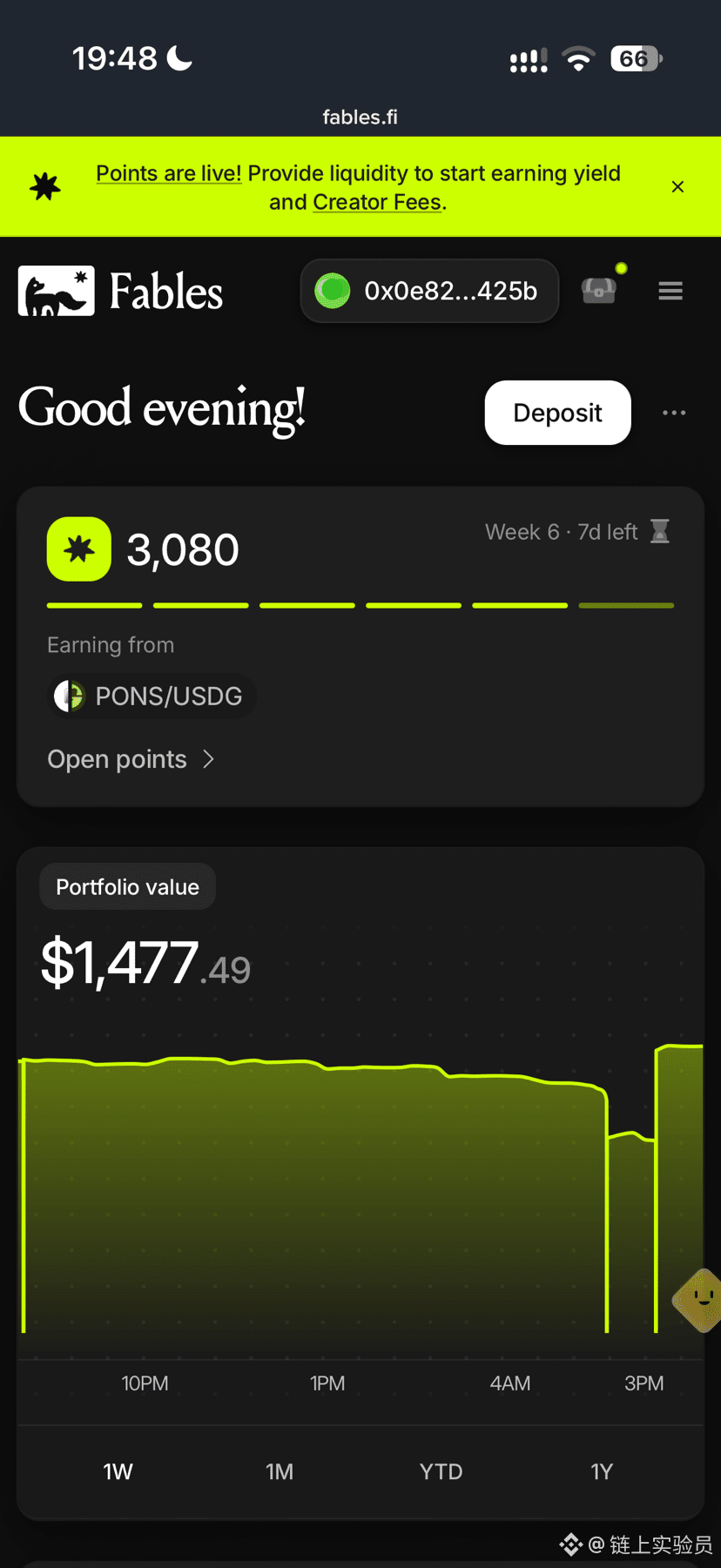
كنت قد جمّعت للتو سيولة LP على زوج PONS/USDG بالأمس. كنت أظن أن الحد العلوي عند 0.56 ما زال يمكنه الصمود مدة، لكن السوق لم يعطِ أي فرصة؛ مباشرةً خرج السعر من نطاق الفاصل.
بعد خروج LP القديم من الفاصل، لن أستطيع كسب الرسوم، لذلك لا بد من سحبه وإعادة توزيع العملات، ثم بناء LP جديد وفقًا للسعر الحالي.
الـ 1477U الظاهر في الصورة هو رصيد المراكز بعد إعادة التجميع، وليس أرباحًا قدرها 1477U. وبشكل صارم، لم يحدث “صفر” كامل؛ بل كان خطأً في تقدير نطاق الفاصل، ثم تم “تعليمي” مرة أخرى عندما أعادتْ السوق توجيه الضربة أثناء إعادة ضبط المراكز.
السيولة المركّزة هي هكذا:
إذا ضيّقت نطاق الفاصل، تبدو العوائد مرتفعة، لكن عندما يتحرك السعر قليلًا باتجاه واحد لمدة قصيرة، يصبح حجم المراكز غير قادر على العمل مباشرةً.
حاليًا رجعت إلى المركبة من جديد، والنقاط 3080.
لنرَ كم يوم سيتمكن هذا الفاصل الجديد من الصمود.
#defi $PONS #Fables
اليوم 2|يا جماعة، دخلت في خسارة كبيرة… الفاصل عند 0.56 انكسر
كنت قد جمّعت للتو سيولة LP على زوج PONS/USDG بالأمس. كنت أظن أن الحد العلوي عند 0.56 ما زال يمكنه الصمود مدة، لكن السوق لم يعطِ أي فرصة؛ مباشرةً خرج السعر من نطاق الفاصل.
بعد خروج LP القديم من الفاصل، لن أستطيع كسب الرسوم، لذلك لا بد من سحبه وإعادة توزيع العملات، ثم بناء LP جديد وفقًا للسعر الحالي.
الـ 1477U الظاهر في الصورة هو رصيد المراكز بعد إعادة التجميع، وليس أرباحًا قدرها 1477U. وبشكل صارم، لم يحدث “صفر” كامل؛ بل كان خطأً في تقدير نطاق الفاصل، ثم تم “تعليمي” مرة أخرى عندما أعادتْ السوق توجيه الضربة أثناء إعادة ضبط المراكز.
السيولة المركّزة هي هكذا:
إذا ضيّقت نطاق الفاصل، تبدو العوائد مرتفعة، لكن عندما يتحرك السعر قليلًا باتجاه واحد لمدة قصيرة، يصبح حجم المراكز غير قادر على العمل مباشرةً.
حاليًا رجعت إلى المركبة من جديد، والنقاط 3080.
لنرَ كم يوم سيتمكن هذا الفاصل الجديد من الصمود.
#defi $PONS #Fables
كنت قد جمّعت للتو سيولة LP على زوج PONS/USDG بالأمس. كنت أظن أن الحد العلوي عند 0.56 ما زال يمكنه الصمود مدة، لكن السوق لم يعطِ أي فرصة؛ مباشرةً خرج السعر من نطاق الفاصل.
بعد خروج LP القديم من الفاصل، لن أستطيع كسب الرسوم، لذلك لا بد من سحبه وإعادة توزيع العملات، ثم بناء LP جديد وفقًا للسعر الحالي.
الـ 1477U الظاهر في الصورة هو رصيد المراكز بعد إعادة التجميع، وليس أرباحًا قدرها 1477U. وبشكل صارم، لم يحدث “صفر” كامل؛ بل كان خطأً في تقدير نطاق الفاصل، ثم تم “تعليمي” مرة أخرى عندما أعادتْ السوق توجيه الضربة أثناء إعادة ضبط المراكز.
السيولة المركّزة هي هكذا:
إذا ضيّقت نطاق الفاصل، تبدو العوائد مرتفعة، لكن عندما يتحرك السعر قليلًا باتجاه واحد لمدة قصيرة، يصبح حجم المراكز غير قادر على العمل مباشرةً.
حاليًا رجعت إلى المركبة من جديد، والنقاط 3080.
لنرَ كم يوم سيتمكن هذا الفاصل الجديد من الصمود.
#defi $PONS #Fables
投研分享 一定要翻身:
这个平台坑散户
1
787

·
--
اليوم خطّه العام يتحسن. ضمن أول 12 بروتوكولًا، فإن 1d بالكامل تقريبًا محصور بين +4 و+7 هذا المستوى، و7d أيضًا كلها باللون الأحمر؛ وبمتوسطٍ حوالي +5% (فوق/تحت). وهذا يتعاكس تمامًا مع أجواء الفترة الأخيرة «انكماش المراكز على مستوى القائمة بأكملها» و«هبوط عنيف لدى كل شركة على حدة».
$SSV 7d ارتفع بنسبة 28.84%، وLido تبعه مباشرةً بزيادة 29.69%. معدلات الارتفاع في 7d لدى بروتوكولات الإسناد الثلاثة الرئيسية جميعها محصورة في هذا النطاق الضيق بين 28%-30%، والإيقاع متزامن لدرجة أنه لا يمكن الجزم من خلال متابعة أي جهة بمفردها من يتصدر.
في خط الإقراض، أكثر جهة كانت متحفظة في ارتفاع 7d هي Morpho؛ إذ ارتفعت فقط 10.62%، بينما كان 1d ارتفاعًا طفيفًا قدره 0.03%. وفي خط الأصول المُعبّأة، ارتفع 7d بنحو 22% تقريبًا، مع بقاء جسور الربط عبر السلاسل على نحوٍ مستقر كأنها «مثبّت استقرار».
بالنسبة للخط الجانبي عبر الأسواق، على سلسلة شركات السمسرة المتوافقة/المرخّصة: 1d +7% و7d +23%، ولم يتأخر الإيقاع أيضًا. نافذة المراقبة التالية: راقب ما إذا كان ارتفاع 1d يمكنه الحفاظ على خط +5%؛ وإذا كُسر هذا المستوى، فسيعود المسار إلى إطار التذبذب.
#DeFi全线回暖 #质押齐头并进 #DeFi
اليوم خطّه العام يتحسن. ضمن أول 12 بروتوكولًا، فإن 1d بالكامل تقريبًا محصور بين +4 و+7 هذا المستوى، و7d أيضًا كلها باللون الأحمر؛ وبمتوسطٍ حوالي +5% (فوق/تحت). وهذا يتعاكس تمامًا مع أجواء الفترة الأخيرة «انكماش المراكز على مستوى القائمة بأكملها» و«هبوط عنيف لدى كل شركة على حدة».
$SSV 7d ارتفع بنسبة 28.84%، وLido تبعه مباشرةً بزيادة 29.69%. معدلات الارتفاع في 7d لدى بروتوكولات الإسناد الثلاثة الرئيسية جميعها محصورة في هذا النطاق الضيق بين 28%-30%، والإيقاع متزامن لدرجة أنه لا يمكن الجزم من خلال متابعة أي جهة بمفردها من يتصدر.
في خط الإقراض، أكثر جهة كانت متحفظة في ارتفاع 7d هي Morpho؛ إذ ارتفعت فقط 10.62%، بينما كان 1d ارتفاعًا طفيفًا قدره 0.03%. وفي خط الأصول المُعبّأة، ارتفع 7d بنحو 22% تقريبًا، مع بقاء جسور الربط عبر السلاسل على نحوٍ مستقر كأنها «مثبّت استقرار».
بالنسبة للخط الجانبي عبر الأسواق، على سلسلة شركات السمسرة المتوافقة/المرخّصة: 1d +7% و7d +23%، ولم يتأخر الإيقاع أيضًا. نافذة المراقبة التالية: راقب ما إذا كان ارتفاع 1d يمكنه الحفاظ على خط +5%؛ وإذا كُسر هذا المستوى، فسيعود المسار إلى إطار التذبذب.
#DeFi全线回暖 #质押齐头并进 #DeFi
$SSV 7d ارتفع بنسبة 28.84%، وLido تبعه مباشرةً بزيادة 29.69%. معدلات الارتفاع في 7d لدى بروتوكولات الإسناد الثلاثة الرئيسية جميعها محصورة في هذا النطاق الضيق بين 28%-30%، والإيقاع متزامن لدرجة أنه لا يمكن الجزم من خلال متابعة أي جهة بمفردها من يتصدر.
في خط الإقراض، أكثر جهة كانت متحفظة في ارتفاع 7d هي Morpho؛ إذ ارتفعت فقط 10.62%، بينما كان 1d ارتفاعًا طفيفًا قدره 0.03%. وفي خط الأصول المُعبّأة، ارتفع 7d بنحو 22% تقريبًا، مع بقاء جسور الربط عبر السلاسل على نحوٍ مستقر كأنها «مثبّت استقرار».
بالنسبة للخط الجانبي عبر الأسواق، على سلسلة شركات السمسرة المتوافقة/المرخّصة: 1d +7% و7d +23%، ولم يتأخر الإيقاع أيضًا. نافذة المراقبة التالية: راقب ما إذا كان ارتفاع 1d يمكنه الحفاظ على خط +5%؛ وإذا كُسر هذا المستوى، فسيعود المسار إلى إطار التذبذب.
#DeFi全线回暖 #质押齐头并进 #DeFi
239
·
--
UNI يكسر 9U، ويعود الذعر ليستولي على الجميع للهروب من الطريق.
في كل مرة يحدث فيها تراجع، يعيد السوق نفس السيناريو: عندما يرتفع السعر يصرخ الجميع بقيمة الاستثمار، وعندما يهبط يتسابق الناس لبيع وخروج السوق. سرعة انحسار المشاعر دائمًا أسرع بكثير من سرعة تدهور الأساسيات.
لكن هل تغيّرت أساسيات Uniswap؟ لا. ما زالت الحصة السوقية لعملاق الـDEX، وإيرادات الرسوم، وآلية إعادة الشراء تعمل كما هي. ما سقط هذه المرة هو المشاعر، لا القيمة.
عند التراجع إلى ما دون 9U، فهذا هو بالضبط سيناريو غسل الأسهم العائمة لصالح الأموال طويلة الأجل. فرص التأسيس الحقيقي لا تكون أبدًا في الشموع المتتالية الصاعدة، بل تكون في الشموع الهابطة التي لا يجرؤ معظم الناس على التقاطها.
خطّط وفقًا للانضباط: دخول على دفعات، والتحكم في حجم المركز، وتنفيذ الخطة حرفيًا، وتجنب تمامًا “المقامرة بكل شيء” مرة واحدة.
الذبذبة هي التي تطرد الصبر، والربح هو ما يبقى.
#UNI #DeFi #العملات_المزيفة
UNI يكسر 9U، ويعود الذعر ليستولي على الجميع للهروب من الطريق.
في كل مرة يحدث فيها تراجع، يعيد السوق نفس السيناريو: عندما يرتفع السعر يصرخ الجميع بقيمة الاستثمار، وعندما يهبط يتسابق الناس لبيع وخروج السوق. سرعة انحسار المشاعر دائمًا أسرع بكثير من سرعة تدهور الأساسيات.
لكن هل تغيّرت أساسيات Uniswap؟ لا. ما زالت الحصة السوقية لعملاق الـDEX، وإيرادات الرسوم، وآلية إعادة الشراء تعمل كما هي. ما سقط هذه المرة هو المشاعر، لا القيمة.
عند التراجع إلى ما دون 9U، فهذا هو بالضبط سيناريو غسل الأسهم العائمة لصالح الأموال طويلة الأجل. فرص التأسيس الحقيقي لا تكون أبدًا في الشموع المتتالية الصاعدة، بل تكون في الشموع الهابطة التي لا يجرؤ معظم الناس على التقاطها.
خطّط وفقًا للانضباط: دخول على دفعات، والتحكم في حجم المركز، وتنفيذ الخطة حرفيًا، وتجنب تمامًا “المقامرة بكل شيء” مرة واحدة.
الذبذبة هي التي تطرد الصبر، والربح هو ما يبقى.
#UNI #DeFi #العملات_المزيفة
في كل مرة يحدث فيها تراجع، يعيد السوق نفس السيناريو: عندما يرتفع السعر يصرخ الجميع بقيمة الاستثمار، وعندما يهبط يتسابق الناس لبيع وخروج السوق. سرعة انحسار المشاعر دائمًا أسرع بكثير من سرعة تدهور الأساسيات.
لكن هل تغيّرت أساسيات Uniswap؟ لا. ما زالت الحصة السوقية لعملاق الـDEX، وإيرادات الرسوم، وآلية إعادة الشراء تعمل كما هي. ما سقط هذه المرة هو المشاعر، لا القيمة.
عند التراجع إلى ما دون 9U، فهذا هو بالضبط سيناريو غسل الأسهم العائمة لصالح الأموال طويلة الأجل. فرص التأسيس الحقيقي لا تكون أبدًا في الشموع المتتالية الصاعدة، بل تكون في الشموع الهابطة التي لا يجرؤ معظم الناس على التقاطها.
خطّط وفقًا للانضباط: دخول على دفعات، والتحكم في حجم المركز، وتنفيذ الخطة حرفيًا، وتجنب تمامًا “المقامرة بكل شيء” مرة واحدة.
الذبذبة هي التي تطرد الصبر، والربح هو ما يبقى.
#UNI #DeFi #العملات_المزيفة
366
·
--
تعرض THORChain لهجوم بسبب معالجة أصول Bitget المسروقة.
أكدت Bitget في 25 سبتمبر أن مبلغ 387.5 مليون دولار وصل إلى عناوين المهاجمين، مقارنةً بـ351.6 مليون دولار بعد إضافة أصول Zcash وTron.
طلبت الرئيسة التنفيذية Gracy Chen من THORChain في 26 سبتمبر رفض تقديم الخدمة لتلك العناوين، قائلة: «إن اللامركزية مبدأ تصميم، وليست درعًا لتسهيل أموال مسروقة معروفة».
ردّت THORChain بأنها لامركزية وغير خاضعة للإذن مثل Bitcoin وEthereum وسلسلة BNB، وسألت عن المسؤولية التي سيتحملها الآخرون في تلك الشبكات.
يُظهر متعقب Bitget العام أن هناك 2,377 عنوانًا للمهاجمين تحمل 378 مليون دولار، حيث يقوم 1,497 منها بتحريك الأموال عبر THORChain لإجراء مبادلات عبر السلاسل.
جادلت باحثة أمنية Taylor Monahan بأن فحص المعاملات يعادل الرقابة؛ واستشهد النقاش بوقف حدث في مايو بعد استغلال بقيمة 10.7 مليون دولار أدى إلى إيقاف التداول لمدة خمسة أسابيع.
قدّمت Bitget مكافآت بنسبة 5% على الأموال المجمدة والمستردة، وأعلنت عن عمليات سحب على مراحل، مع إعادة تشغيل BTC في 28 سبتمبر عند 08:00 بتوقيت UTC.
هل ينبغي لبروتوكولات بلا إذن أن تتدخل عندما تتدفق أصول مسروقة معروفة عبرها؟
#Crypto #DeFi #CrossChain #Security
تعرض THORChain لهجوم بسبب معالجة أصول Bitget المسروقة.
أكدت Bitget في 25 سبتمبر أن مبلغ 387.5 مليون دولار وصل إلى عناوين المهاجمين، مقارنةً بـ351.6 مليون دولار بعد إضافة أصول Zcash وTron.
طلبت الرئيسة التنفيذية Gracy Chen من THORChain في 26 سبتمبر رفض تقديم الخدمة لتلك العناوين، قائلة: «إن اللامركزية مبدأ تصميم، وليست درعًا لتسهيل أموال مسروقة معروفة».
ردّت THORChain بأنها لامركزية وغير خاضعة للإذن مثل Bitcoin وEthereum وسلسلة BNB، وسألت عن المسؤولية التي سيتحملها الآخرون في تلك الشبكات.
يُظهر متعقب Bitget العام أن هناك 2,377 عنوانًا للمهاجمين تحمل 378 مليون دولار، حيث يقوم 1,497 منها بتحريك الأموال عبر THORChain لإجراء مبادلات عبر السلاسل.
جادلت باحثة أمنية Taylor Monahan بأن فحص المعاملات يعادل الرقابة؛ واستشهد النقاش بوقف حدث في مايو بعد استغلال بقيمة 10.7 مليون دولار أدى إلى إيقاف التداول لمدة خمسة أسابيع.
قدّمت Bitget مكافآت بنسبة 5% على الأموال المجمدة والمستردة، وأعلنت عن عمليات سحب على مراحل، مع إعادة تشغيل BTC في 28 سبتمبر عند 08:00 بتوقيت UTC.
هل ينبغي لبروتوكولات بلا إذن أن تتدخل عندما تتدفق أصول مسروقة معروفة عبرها؟
#Crypto #DeFi #CrossChain #Security
أكدت Bitget في 25 سبتمبر أن مبلغ 387.5 مليون دولار وصل إلى عناوين المهاجمين، مقارنةً بـ351.6 مليون دولار بعد إضافة أصول Zcash وTron.
طلبت الرئيسة التنفيذية Gracy Chen من THORChain في 26 سبتمبر رفض تقديم الخدمة لتلك العناوين، قائلة: «إن اللامركزية مبدأ تصميم، وليست درعًا لتسهيل أموال مسروقة معروفة».
ردّت THORChain بأنها لامركزية وغير خاضعة للإذن مثل Bitcoin وEthereum وسلسلة BNB، وسألت عن المسؤولية التي سيتحملها الآخرون في تلك الشبكات.
يُظهر متعقب Bitget العام أن هناك 2,377 عنوانًا للمهاجمين تحمل 378 مليون دولار، حيث يقوم 1,497 منها بتحريك الأموال عبر THORChain لإجراء مبادلات عبر السلاسل.
جادلت باحثة أمنية Taylor Monahan بأن فحص المعاملات يعادل الرقابة؛ واستشهد النقاش بوقف حدث في مايو بعد استغلال بقيمة 10.7 مليون دولار أدى إلى إيقاف التداول لمدة خمسة أسابيع.
قدّمت Bitget مكافآت بنسبة 5% على الأموال المجمدة والمستردة، وأعلنت عن عمليات سحب على مراحل، مع إعادة تشغيل BTC في 28 سبتمبر عند 08:00 بتوقيت UTC.
هل ينبغي لبروتوكولات بلا إذن أن تتدخل عندما تتدفق أصول مسروقة معروفة عبرها؟
#Crypto #DeFi #CrossChain #Security
530
سجّل الدخول لاستكشاف المزيد من المُحتوى
انضم إلى مُستخدمي العملات الرقمية حول العالم على Binance Square
⚡️ احصل على أحدث المعلومات المفيدة عن العملات الرقمية.
💬 موثوقة من قبل أكبر منصّة لتداول العملات الرقمية في العالم.
👍 اكتشف الرؤى الحقيقية من صنّاع المُحتوى الموثوقين.
البريد الإلكتروني / رقم الهاتف
المواضيع الرائجة
1
#NvidiaApproves$150BBuyback
321 مشاهدات
18 يقومون بالنقاش
2
#OpenAIDelaysGPT6.1OverSafetyIssues
1,031 مشاهدات
91 يقومون بالنقاش
3
#AMDToAcquireWorldLabsFor$8.2B
150 مشاهدات
20 يقومون بالنقاش
4
#AnthropicIPOProspectusCouldValueItOver$2T
1,817 مشاهدات
49 يقومون بالنقاش
5
#HackersDrainOver12.4MXRPFromDCENTWallets
11,918 مشاهدات
303 يقومون بالنقاش
6
#SECSaysDecentralizedTokenBuybacksNotInvestmentContracts
894 مشاهدات
19 يقومون بالنقاش
7
#UKFCAWinsCourtOrderToRecover851400Pounds
67,828 مشاهدات
1,194 يقومون بالنقاش
8
#ChainlinkLaunchesCCIP2WithEnterpriseVerification
75,917 مشاهدات
1,310 يقومون بالنقاش
9
#GoldFallsTo$4144
24,215 مشاهدات
186 يقومون بالنقاش
10
#QNTFallsOver40%FromMorningHigh
127,034 مشاهدات
1,675 يقومون بالنقاش