
#cryptotax
cryptotax
557,903 مشاهدات
1,228 يقومون بالنقاش
رائج
جديد

·
--
عرض الترجمة
Test DeFi Tax SoftwareThe best crypto tax software for a DeFi user is not necessarily the product with the largest integration count or the lowest first-year price.
The decision should start with the portfolio’s real workload. List every chain, wallet, exchange and protocol used. Then build a test set that includes swaps, bridges, liquidity positions, staking, lending, rewards, NFTs, wrapped assets, failed transactions and fees.
Run that same workload through each serious candidate. Check whether the platform:
• Imports every required source
• Recognizes multi-step protocol activity
• Connects transfers without inventing disposals
• Preserves asset identity across chains
• Exposes unresolved records clearly
• Allows corrections without destroying the audit trail
• Produces the reports required in the user’s jurisdiction
Koinly, CoinLedger, CoinTracking, Coinpanda and Blockpit each fit different combinations of workflow, region and reporting needs. A broad DeFi label is not enough to choose between them.
Use the free import or review stage where available. Reconcile the ledger before paying for a final report, and have complex treatment reviewed under the rules that apply to you.
Full TokenToolHub comparison:
https://tokentoolhub.com/best-crypto-tax-software-for-defi-users/
#cryptotax #defi #blockchain #Web3 #crypto
Test DeFi Tax Software
The best crypto tax software for a DeFi user is not necessarily the product with the largest integration count or the lowest first-year price.
The decision should start with the portfolio’s real workload. List every chain, wallet, exchange and protocol used. Then build a test set that includes swaps, bridges, liquidity positions, staking, lending, rewards, NFTs, wrapped assets, failed transactions and fees.
Run that same workload through each serious candidate. Check whether the platform:
• Imports every required source
• Recognizes multi-step protocol activity
• Connects transfers without inventing disposals
• Preserves asset identity across chains
• Exposes unresolved records clearly
• Allows corrections without destroying the audit trail
• Produces the reports required in the user’s jurisdiction
Koinly, CoinLedger, CoinTracking, Coinpanda and Blockpit each fit different combinations of workflow, region and reporting needs. A broad DeFi label is not enough to choose between them.
Use the free import or review stage where available. Reconcile the ledger before paying for a final report, and have complex treatment reviewed under the rules that apply to you.
Full TokenToolHub comparison:
https://tokentoolhub.com/best-crypto-tax-software-for-defi-users/
#cryptotax #defi #blockchain #Web3 #crypto
The decision should start with the portfolio’s real workload. List every chain, wallet, exchange and protocol used. Then build a test set that includes swaps, bridges, liquidity positions, staking, lending, rewards, NFTs, wrapped assets, failed transactions and fees.
Run that same workload through each serious candidate. Check whether the platform:
• Imports every required source
• Recognizes multi-step protocol activity
• Connects transfers without inventing disposals
• Preserves asset identity across chains
• Exposes unresolved records clearly
• Allows corrections without destroying the audit trail
• Produces the reports required in the user’s jurisdiction
Koinly, CoinLedger, CoinTracking, Coinpanda and Blockpit each fit different combinations of workflow, region and reporting needs. A broad DeFi label is not enough to choose between them.
Use the free import or review stage where available. Reconcile the ledger before paying for a final report, and have complex treatment reviewed under the rules that apply to you.
Full TokenToolHub comparison:
https://tokentoolhub.com/best-crypto-tax-software-for-defi-users/
#cryptotax #defi #blockchain #Web3 #crypto
45

📌 ضريبة العملات المشفرة في الهند
يتداول كثير من الناس في الهند العملات المشفرة دون معرفة هذه القواعد الأربع:
1️⃣ تُفرض الضريبة على الأرباح بنسبة ثابتة 30% (بالإضافة إلى 4% رسوم إضافية/cess). لا فرق إن كنت تحتفظ لمدة يوم أو سنة.
2️⃣ يمكنك فقط خصم تكلفة الشراء. لا تُحتسب الرسوم ولا الإنترنت ولا غيرها من المصاريف.
3️⃣ لا يمكن تعويض الخسائر مقابل دخل آخر، ولا يمكن ترحيلها.
4️⃣ يوجد اقتطاع TDS بنسبة 1% على المبيعات. لا يُعد ضريبة إضافية. بل هو دفعة مقدمة تظهر في سجلاتك الضريبية.
قدّم كل شيء ضمن الجدول VDA في إقرارك الضريبي (ITR)، حتى لو كنت قد حققت خسارة.
هل تتابع صفقاتك، أم تنوي معرفة ذلك وقت تقديم الإقرار؟ 👇
$BTC $ETH #CryptoTax #India #Binance #LearnWithBinance
ليس نصيحة مالية أو ضريبية. تحقّق مع محاسب قانوني (CA) لحالتك.
لا يمكن تعويض الخسائر في معاملات VDA مقابل دخل آخر أو ترحيلها، كما أن الإبلاغ عن Schedule VDA إلزامي من السنة المالية 2025-26. كانت الضريبة 30% والـTDS بنسبة 1% لا تزال سارية وفقًا لأحدث دليل 2026 الذي وجدته. قد تتغير قواعد الضرائب، لذا راجع شروط Binance Square وأي إشعارات جديدة صادرة عن CBDT قبل النشر.
📌 ضريبة العملات المشفرة في الهند
يتداول كثير من الناس في الهند العملات المشفرة دون معرفة هذه القواعد الأربع:
1️⃣ تُفرض الضريبة على الأرباح بنسبة ثابتة 30% (بالإضافة إلى 4% رسوم إضافية/cess). لا فرق إن كنت تحتفظ لمدة يوم أو سنة.
2️⃣ يمكنك فقط خصم تكلفة الشراء. لا تُحتسب الرسوم ولا الإنترنت ولا غيرها من المصاريف.
3️⃣ لا يمكن تعويض الخسائر مقابل دخل آخر، ولا يمكن ترحيلها.
4️⃣ يوجد اقتطاع TDS بنسبة 1% على المبيعات. لا يُعد ضريبة إضافية. بل هو دفعة مقدمة تظهر في سجلاتك الضريبية.
قدّم كل شيء ضمن الجدول VDA في إقرارك الضريبي (ITR)، حتى لو كنت قد حققت خسارة.
هل تتابع صفقاتك، أم تنوي معرفة ذلك وقت تقديم الإقرار؟ 👇
$BTC $ETH #CryptoTax #India #Binance #LearnWithBinance
ليس نصيحة مالية أو ضريبية. تحقّق مع محاسب قانوني (CA) لحالتك.
لا يمكن تعويض الخسائر في معاملات VDA مقابل دخل آخر أو ترحيلها، كما أن الإبلاغ عن Schedule VDA إلزامي من السنة المالية 2025-26. كانت الضريبة 30% والـTDS بنسبة 1% لا تزال سارية وفقًا لأحدث دليل 2026 الذي وجدته. قد تتغير قواعد الضرائب، لذا راجع شروط Binance Square وأي إشعارات جديدة صادرة عن CBDT قبل النشر.
يتداول كثير من الناس في الهند العملات المشفرة دون معرفة هذه القواعد الأربع:
1️⃣ تُفرض الضريبة على الأرباح بنسبة ثابتة 30% (بالإضافة إلى 4% رسوم إضافية/cess). لا فرق إن كنت تحتفظ لمدة يوم أو سنة.
2️⃣ يمكنك فقط خصم تكلفة الشراء. لا تُحتسب الرسوم ولا الإنترنت ولا غيرها من المصاريف.
3️⃣ لا يمكن تعويض الخسائر مقابل دخل آخر، ولا يمكن ترحيلها.
4️⃣ يوجد اقتطاع TDS بنسبة 1% على المبيعات. لا يُعد ضريبة إضافية. بل هو دفعة مقدمة تظهر في سجلاتك الضريبية.
قدّم كل شيء ضمن الجدول VDA في إقرارك الضريبي (ITR)، حتى لو كنت قد حققت خسارة.
هل تتابع صفقاتك، أم تنوي معرفة ذلك وقت تقديم الإقرار؟ 👇
$BTC $ETH #CryptoTax #India #Binance #LearnWithBinance
ليس نصيحة مالية أو ضريبية. تحقّق مع محاسب قانوني (CA) لحالتك.
لا يمكن تعويض الخسائر في معاملات VDA مقابل دخل آخر أو ترحيلها، كما أن الإبلاغ عن Schedule VDA إلزامي من السنة المالية 2025-26. كانت الضريبة 30% والـTDS بنسبة 1% لا تزال سارية وفقًا لأحدث دليل 2026 الذي وجدته. قد تتغير قواعد الضرائب، لذا راجع شروط Binance Square وأي إشعارات جديدة صادرة عن CBDT قبل النشر.

80


مرحبًا بالجميع، دعونا نتحدث عن تحولٍ هادئ ربما يغيّر بالفعل الطريقة التي نستخدم بها العملات الرقمية يوميًا. اقتراح يهدف إلى منح الأصول الرقمية إعفاءً ضريبيًا من نوع De Minimis بشكل مناسب، يحظى بترتيبات مراجعة داخل مجلس النواب هذا الأسبوع، وهو أمرٌ كبير لأي شخص يحاول شراء قهوة أو الدفع مقابل الأشياء الصغيرة باستخدام $BTC دون الحاجة إلى حساب أرباح رأس المال على كل سنت بالضبط. ما زال الأمر يحتاج إلى موافقة كاملة من الكونغرس، لكن الوصول إلى هذه المرحلة وحده يُظهر أن المشرّعين بدأوا يستمعون إلى المنطق السليم. راقبوا كيف ستسير عملية التصويت هذا الأسبوع لأنها قد تضع نبرة كبيرة لاعتماد هذا المجال مستقبلًا. أخبروني برأيكم في الأسفل. #Bitcoin #CryptoTax #Write2Earn
مرحبًا بالجميع، دعونا نتحدث عن تحولٍ هادئ ربما يغيّر بالفعل الطريقة التي نستخدم بها العملات الرقمية يوميًا. اقتراح يهدف إلى منح الأصول الرقمية إعفاءً ضريبيًا من نوع De Minimis بشكل مناسب، يحظى بترتيبات مراجعة داخل مجلس النواب هذا الأسبوع، وهو أمرٌ كبير لأي شخص يحاول شراء قهوة أو الدفع مقابل الأشياء الصغيرة باستخدام $BTC دون الحاجة إلى حساب أرباح رأس المال على كل سنت بالضبط. ما زال الأمر يحتاج إلى موافقة كاملة من الكونغرس، لكن الوصول إلى هذه المرحلة وحده يُظهر أن المشرّعين بدأوا يستمعون إلى المنطق السليم. راقبوا كيف ستسير عملية التصويت هذا الأسبوع لأنها قد تضع نبرة كبيرة لاعتماد هذا المجال مستقبلًا. أخبروني برأيكم في الأسفل. #Bitcoin #CryptoTax #Write2Earn
246
مشروع إصلاح رئيسي لضريبة العملات المشفرة في الولايات المتحدة ظهر للتو قبل تصويت لجنة مجلس النواب. أصدرت لجنة مجلس النواب الأمريكية للطرق والوسائل مشروع قانون شامل لضرائب العملات المشفرة يعالج نقاط الألم الرئيسية في القطاع. يغطي هذا النموذج مجالات حاسمة مثل العملات المستقرة، ومكافآت التعدين، وعمليات الإتاحة/الستاكينغ، مع محاولة تبسيط الاستخدام اليومي للعملات المشفرة للمستخدمين $BTC و $ETH . ⚡ استثناء الحد الأدنى يعفي من الضرائب رسوم معاملات العملات المشفرة التي تقل عن 10 دولارات. 🪙 تم تقديم قواعد ضريبية أوضح للتعامل مع العملات المستقرة وعوائد الستاكينغ. ⚒️ تُحدَّث إرشادات الضرائب المتعلقة بمكافآت التعدين لتفادي مشكلات الازدواج الضريبي. وضوح تنظيمي حقيقي لضرائب العملات المشفرة يتقدم أخيرًا في واشنطن. #CryptoTax #USRegulation #Bitcoin #Write2Earn
مشروع إصلاح رئيسي لضريبة العملات المشفرة في الولايات المتحدة ظهر للتو قبل تصويت لجنة مجلس النواب. أصدرت لجنة مجلس النواب الأمريكية للطرق والوسائل مشروع قانون شامل لضرائب العملات المشفرة يعالج نقاط الألم الرئيسية في القطاع. يغطي هذا النموذج مجالات حاسمة مثل العملات المستقرة، ومكافآت التعدين، وعمليات الإتاحة/الستاكينغ، مع محاولة تبسيط الاستخدام اليومي للعملات المشفرة للمستخدمين $BTC و $ETH . ⚡ استثناء الحد الأدنى يعفي من الضرائب رسوم معاملات العملات المشفرة التي تقل عن 10 دولارات. 🪙 تم تقديم قواعد ضريبية أوضح للتعامل مع العملات المستقرة وعوائد الستاكينغ. ⚒️ تُحدَّث إرشادات الضرائب المتعلقة بمكافآت التعدين لتفادي مشكلات الازدواج الضريبي. وضوح تنظيمي حقيقي لضرائب العملات المشفرة يتقدم أخيرًا في واشنطن. #CryptoTax #USRegulation #Bitcoin #Write2Earn
1
1.5k

مشروع قانون ضرائب التشفير في مجلس النواب الأمريكي: تم حذف تأجيل ضرائب التعدين والمراهنة! 🚨
أخبار مهمة من كابيتول هيل بخصوص ضرائب العملات المشفرة! فقد تقدمت لجنة مجلس النواب الأميركي للطرق والوسائل بحزمة جديدة لضرائب التشفير، لكن مع تغيير حاسم قد يؤثر على كثيرين في الصناعة.
إليك ملخصًا سريعًا لما تحتاج إلى معرفته:
* تم إحالة حزمة أحدث من ضرائب التشفير في مجلس النواب الأمريكي إلى الأمام.
* وبشكل حاسم، فإنها *لم تعد تتضمن* البنود السابقة التي كانت تهدف إلى تأجيل ضريبة مكافآت التعدين والمراهنة حتى يتم بيع الأصول.
* وهذا يعني أنه بموجب مشروع القانون الحالي، قد تظل مكافآت التعدين والمراهنة خاضعة للضريبة كدخل عادي وفق قيمتها العادلة عند الاستلام.
* كانت لغة التأجيل الأصلية تهدف إلى تبسيط الامتثال وتوفير وضوح للمشاركين، بما ينسّق مكافآت العملات المشفرة مع بعض أحداث الدخل غير النقدي في التمويل التقليدي.
يشير حذف هذه اللغة إلى التحديات التشريعية المستمرة في تحديد الأصول الرقمية وفرض الضرائب عليها. بالنسبة للمنقبين (miners) والمرتهنين (stakers)، فقد يعني ذلك استمرار التعقيد في إدارة التزاماتهم الضريبية.
ما رأيك في هذا التطور المهم؟ وكيف تعتقد أنه يؤثر في مستقبل تعدين العملات المشفرة والمراهنة في الولايات المتحدة؟ شارك وجهة نظرك في التعليقات أدناه! 👇
#CryptoTax #USPolicy #Staking #BinanceSquare
تنبيه بشأن المخاطر: إن تداول العملات المشفرة يخضع لمخاطر سوقية مرتفعة. يُرجى إجراء تداولاتك بحذر. لا تتحمل Binance Square المسؤولية عن خسائرك في التداول.
مشروع قانون ضرائب التشفير في مجلس النواب الأمريكي: تم حذف تأجيل ضرائب التعدين والمراهنة! 🚨
أخبار مهمة من كابيتول هيل بخصوص ضرائب العملات المشفرة! فقد تقدمت لجنة مجلس النواب الأميركي للطرق والوسائل بحزمة جديدة لضرائب التشفير، لكن مع تغيير حاسم قد يؤثر على كثيرين في الصناعة.
إليك ملخصًا سريعًا لما تحتاج إلى معرفته:
* تم إحالة حزمة أحدث من ضرائب التشفير في مجلس النواب الأمريكي إلى الأمام.
* وبشكل حاسم، فإنها *لم تعد تتضمن* البنود السابقة التي كانت تهدف إلى تأجيل ضريبة مكافآت التعدين والمراهنة حتى يتم بيع الأصول.
* وهذا يعني أنه بموجب مشروع القانون الحالي، قد تظل مكافآت التعدين والمراهنة خاضعة للضريبة كدخل عادي وفق قيمتها العادلة عند الاستلام.
* كانت لغة التأجيل الأصلية تهدف إلى تبسيط الامتثال وتوفير وضوح للمشاركين، بما ينسّق مكافآت العملات المشفرة مع بعض أحداث الدخل غير النقدي في التمويل التقليدي.
يشير حذف هذه اللغة إلى التحديات التشريعية المستمرة في تحديد الأصول الرقمية وفرض الضرائب عليها. بالنسبة للمنقبين (miners) والمرتهنين (stakers)، فقد يعني ذلك استمرار التعقيد في إدارة التزاماتهم الضريبية.
ما رأيك في هذا التطور المهم؟ وكيف تعتقد أنه يؤثر في مستقبل تعدين العملات المشفرة والمراهنة في الولايات المتحدة؟ شارك وجهة نظرك في التعليقات أدناه! 👇
#CryptoTax #USPolicy #Staking #BinanceSquare
تنبيه بشأن المخاطر: إن تداول العملات المشفرة يخضع لمخاطر سوقية مرتفعة. يُرجى إجراء تداولاتك بحذر. لا تتحمل Binance Square المسؤولية عن خسائرك في التداول.
أخبار مهمة من كابيتول هيل بخصوص ضرائب العملات المشفرة! فقد تقدمت لجنة مجلس النواب الأميركي للطرق والوسائل بحزمة جديدة لضرائب التشفير، لكن مع تغيير حاسم قد يؤثر على كثيرين في الصناعة.
إليك ملخصًا سريعًا لما تحتاج إلى معرفته:
* تم إحالة حزمة أحدث من ضرائب التشفير في مجلس النواب الأمريكي إلى الأمام.
* وبشكل حاسم، فإنها *لم تعد تتضمن* البنود السابقة التي كانت تهدف إلى تأجيل ضريبة مكافآت التعدين والمراهنة حتى يتم بيع الأصول.
* وهذا يعني أنه بموجب مشروع القانون الحالي، قد تظل مكافآت التعدين والمراهنة خاضعة للضريبة كدخل عادي وفق قيمتها العادلة عند الاستلام.
* كانت لغة التأجيل الأصلية تهدف إلى تبسيط الامتثال وتوفير وضوح للمشاركين، بما ينسّق مكافآت العملات المشفرة مع بعض أحداث الدخل غير النقدي في التمويل التقليدي.
يشير حذف هذه اللغة إلى التحديات التشريعية المستمرة في تحديد الأصول الرقمية وفرض الضرائب عليها. بالنسبة للمنقبين (miners) والمرتهنين (stakers)، فقد يعني ذلك استمرار التعقيد في إدارة التزاماتهم الضريبية.
ما رأيك في هذا التطور المهم؟ وكيف تعتقد أنه يؤثر في مستقبل تعدين العملات المشفرة والمراهنة في الولايات المتحدة؟ شارك وجهة نظرك في التعليقات أدناه! 👇
#CryptoTax #USPolicy #Staking #BinanceSquare
تنبيه بشأن المخاطر: إن تداول العملات المشفرة يخضع لمخاطر سوقية مرتفعة. يُرجى إجراء تداولاتك بحذر. لا تتحمل Binance Square المسؤولية عن خسائرك في التداول.
47

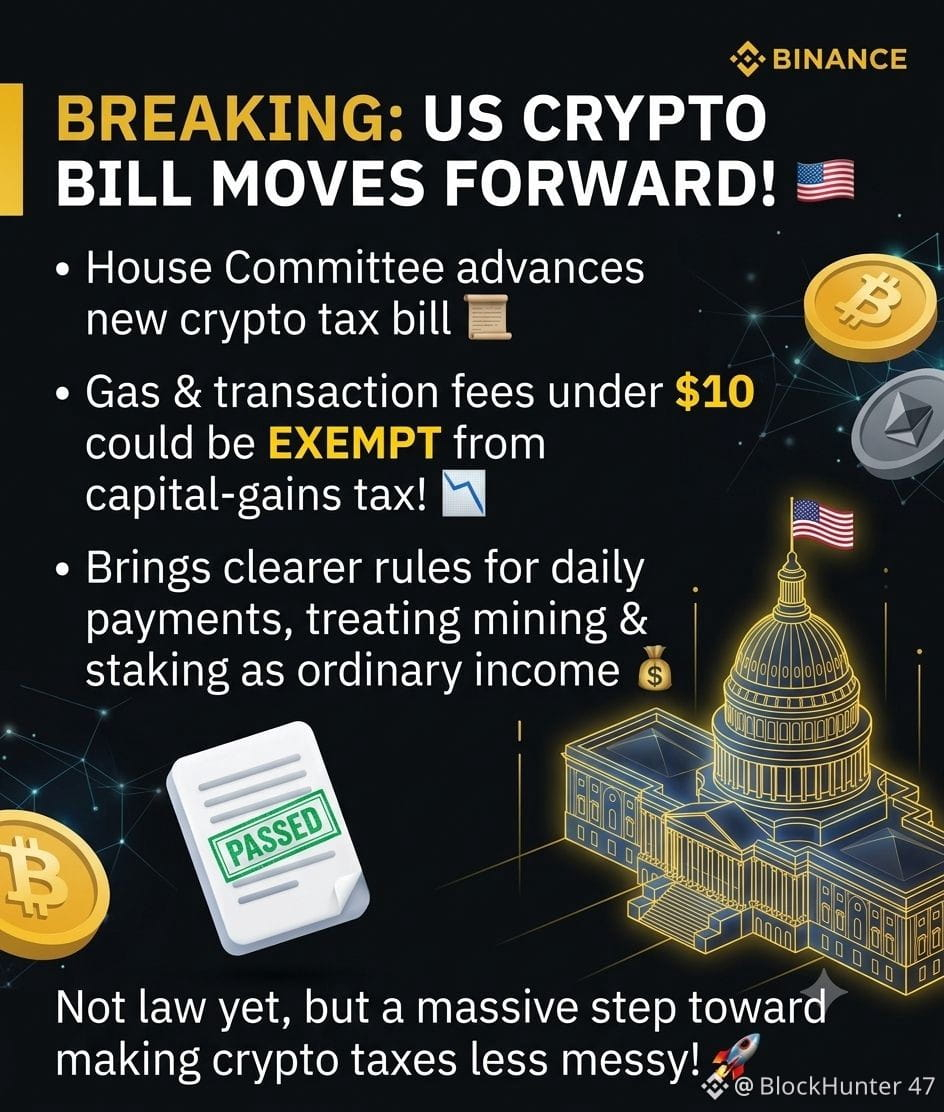
🚨 أخبار عاجلة للعملات الرقمية! 🇺🇸
تأتي أخبار كبيرة من الولايات المتحدة! فقد قامت لجنة مجلس النواب للطرق والوسائل للتو بإحالة مشروع قانون جديد لضرائب العملات الرقمية، وهو ما يُعد خطوة ضخمة نحو جعل ضرائب العملات الرقمية أبسط وأقل فوضوية.
إليك أبرز النقاط:
💰 إعفاء المعاملات الصغيرة: قد يتم استثناء رسوم الغاز ورسوم معاملات الشبكة التي تبلغ 10 دولارات أو أقل من حسابات ضريبة كسب رأس المال!
🔄 قواعد أوضح: قد تحصل مدفوعات العملات الرقمية اليومية على قدر أكبر من الوضوح الذي تحتاجه، بينما ستُعامل مكافآت التعدين والتخزين (staking) كدخل عادي.
الأمر ليس قانونًا بعد، لكن سياسة العملات الرقمية في الولايات المتحدة تتحرك رسميًا في الاتجاه الصحيح! 🚀
ما رأيك في هذا؟ أخبرنا في التعليقات! 👇
#CryptoNews #CryptoTax #Binance #USRegulations #Bitcoin
🚨 أخبار عاجلة للعملات الرقمية! 🇺🇸
تأتي أخبار كبيرة من الولايات المتحدة! فقد قامت لجنة مجلس النواب للطرق والوسائل للتو بإحالة مشروع قانون جديد لضرائب العملات الرقمية، وهو ما يُعد خطوة ضخمة نحو جعل ضرائب العملات الرقمية أبسط وأقل فوضوية.
إليك أبرز النقاط:
💰 إعفاء المعاملات الصغيرة: قد يتم استثناء رسوم الغاز ورسوم معاملات الشبكة التي تبلغ 10 دولارات أو أقل من حسابات ضريبة كسب رأس المال!
🔄 قواعد أوضح: قد تحصل مدفوعات العملات الرقمية اليومية على قدر أكبر من الوضوح الذي تحتاجه، بينما ستُعامل مكافآت التعدين والتخزين (staking) كدخل عادي.
الأمر ليس قانونًا بعد، لكن سياسة العملات الرقمية في الولايات المتحدة تتحرك رسميًا في الاتجاه الصحيح! 🚀
ما رأيك في هذا؟ أخبرنا في التعليقات! 👇
#CryptoNews #CryptoTax #Binance #USRegulations #Bitcoin
تأتي أخبار كبيرة من الولايات المتحدة! فقد قامت لجنة مجلس النواب للطرق والوسائل للتو بإحالة مشروع قانون جديد لضرائب العملات الرقمية، وهو ما يُعد خطوة ضخمة نحو جعل ضرائب العملات الرقمية أبسط وأقل فوضوية.
إليك أبرز النقاط:
💰 إعفاء المعاملات الصغيرة: قد يتم استثناء رسوم الغاز ورسوم معاملات الشبكة التي تبلغ 10 دولارات أو أقل من حسابات ضريبة كسب رأس المال!
🔄 قواعد أوضح: قد تحصل مدفوعات العملات الرقمية اليومية على قدر أكبر من الوضوح الذي تحتاجه، بينما ستُعامل مكافآت التعدين والتخزين (staking) كدخل عادي.
الأمر ليس قانونًا بعد، لكن سياسة العملات الرقمية في الولايات المتحدة تتحرك رسميًا في الاتجاه الصحيح! 🚀
ما رأيك في هذا؟ أخبرنا في التعليقات! 👇
#CryptoNews #CryptoTax #Binance #USRegulations #Bitcoin
3
·
--
العائق الرئيسي أمام الرهان داخل صندوق فوري أمريكي $ETH fund هو قاعدة ضريبية، وليس قانون الأوراق المالية.
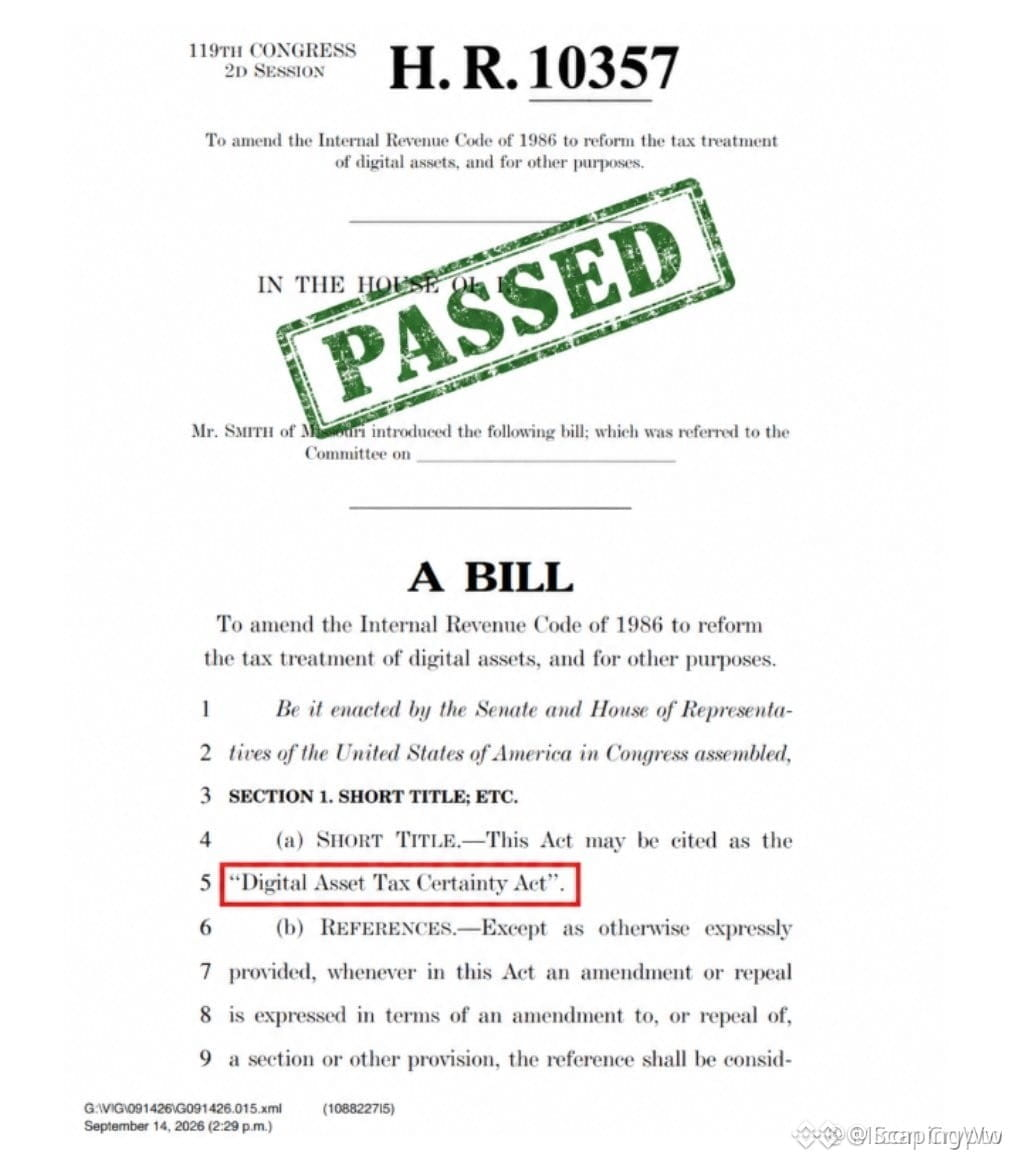
يجب على الصندوق الحفاظ على وضعه الضريبي كاستثمار يملك الثقة (investment-trust)، ويعرّض الرهان هذا الوضع للخطر. لقد اجتاز مشروع القانون H.R. 10357، قانون اليقين الضريبي للأصول الرقمية، لجنة الطرق والوسائل في 16 سبتمبر. ووفقًا لما نُشر، يتيح ذلك للصناديق المؤهلة من نوع investment trusts أن تُجري الرهان دون فقدان صفة الصندوق الاستثماري.
حصة كبيرة من الأموال المؤسسية الأمريكية يمكنها، بشكل قانوني، امتلاك غلاف مُسجّل فقط مثل هذه الصناديق.
حدّان. تمرير اللجنة ليس قانونًا، ويترك مجلس النواب اليوم حتى 9 نوفمبر، لذلك لن يكون هناك تصويت على أرض المجلس قبل «اللام دانك» (lame duck). كما تبقى عوائد الرهان دخلاً عادياً عند استلامها؛ لا يوجد تأجيل مذكور في النص.
التدفقات لم تنتظر. سجلت صناديق US spot $ETH ETFs تدفقات خارجية صافية قدرها 224 مليون دولار في 16 سبتمبر، منها 110.03 مليون دولار من ETHA، و365.47 مليون دولار عبر الفترة من 15 إلى 16 سبتمبر.
#Ethereum #Staking #CryptoTax #ETF
العائق الرئيسي أمام الرهان داخل صندوق فوري أمريكي $ETH fund هو قاعدة ضريبية، وليس قانون الأوراق المالية.
يجب على الصندوق الحفاظ على وضعه الضريبي كاستثمار يملك الثقة (investment-trust)، ويعرّض الرهان هذا الوضع للخطر. لقد اجتاز مشروع القانون H.R. 10357، قانون اليقين الضريبي للأصول الرقمية، لجنة الطرق والوسائل في 16 سبتمبر. ووفقًا لما نُشر، يتيح ذلك للصناديق المؤهلة من نوع investment trusts أن تُجري الرهان دون فقدان صفة الصندوق الاستثماري.
حصة كبيرة من الأموال المؤسسية الأمريكية يمكنها، بشكل قانوني، امتلاك غلاف مُسجّل فقط مثل هذه الصناديق.
حدّان. تمرير اللجنة ليس قانونًا، ويترك مجلس النواب اليوم حتى 9 نوفمبر، لذلك لن يكون هناك تصويت على أرض المجلس قبل «اللام دانك» (lame duck). كما تبقى عوائد الرهان دخلاً عادياً عند استلامها؛ لا يوجد تأجيل مذكور في النص.
التدفقات لم تنتظر. سجلت صناديق US spot $ETH ETFs تدفقات خارجية صافية قدرها 224 مليون دولار في 16 سبتمبر، منها 110.03 مليون دولار من ETHA، و365.47 مليون دولار عبر الفترة من 15 إلى 16 سبتمبر.
#Ethereum #Staking #CryptoTax #ETF
يجب على الصندوق الحفاظ على وضعه الضريبي كاستثمار يملك الثقة (investment-trust)، ويعرّض الرهان هذا الوضع للخطر. لقد اجتاز مشروع القانون H.R. 10357، قانون اليقين الضريبي للأصول الرقمية، لجنة الطرق والوسائل في 16 سبتمبر. ووفقًا لما نُشر، يتيح ذلك للصناديق المؤهلة من نوع investment trusts أن تُجري الرهان دون فقدان صفة الصندوق الاستثماري.
حصة كبيرة من الأموال المؤسسية الأمريكية يمكنها، بشكل قانوني، امتلاك غلاف مُسجّل فقط مثل هذه الصناديق.
حدّان. تمرير اللجنة ليس قانونًا، ويترك مجلس النواب اليوم حتى 9 نوفمبر، لذلك لن يكون هناك تصويت على أرض المجلس قبل «اللام دانك» (lame duck). كما تبقى عوائد الرهان دخلاً عادياً عند استلامها؛ لا يوجد تأجيل مذكور في النص.
التدفقات لم تنتظر. سجلت صناديق US spot $ETH ETFs تدفقات خارجية صافية قدرها 224 مليون دولار في 16 سبتمبر، منها 110.03 مليون دولار من ETHA، و365.47 مليون دولار عبر الفترة من 15 إلى 16 سبتمبر.
#Ethereum #Staking #CryptoTax #ETF
51
تخيّل محاولة بناء لعبة أحجية بينما تتغيّر القواعد باستمرار. هكذا شعرت ضرائب العملات المشفّرة لسنوات. لكن أمس، رأينا تحوّلاً كبيراً. فقد صوّتت لجنة مجلس النواب للطرق والوسائل أخيراً على المضي قدماً في أول إطار ضريبي فيدرالي للّعملات المشفّرة على الإطلاق، لتُرسله بعد ذلك إلى كامل مجلس النواب للنظر فيه. ويأتي ذلك بعد يوم واحد فقط من تعثّر مشروع قانون «الوضوح» في مجلس الشيوخ، ما يجعل تقدّم مجلس النواب أمراً أكثر مفاجأة. لماذا يهم ذلك؟ لأننا كنا في أمسّ الحاجة إلى قواعد واضحة. قد يوقف إطار ضريبي موحّد أخيراً التخمين بالنسبة للمستثمرين الأفراد يومياً والمؤسسات الكبيرة على حد سواء. ويمكنه أن يمنح الشرعية التي تحتاجها أصول مثل $BTC و$ETH لاعتمادها في التيار الرئيسي، دون الخوف المستمر من مفاجآت مفاجئة من مصلحة الضرائب الأمريكية. إذن، ماذا يجب أن نراقب بعد ذلك؟ الآن ينتقل مشروع القانون إلى قاعة مجلس النواب. لا يزال أمامه طريق تشريعي طويل، وتمرّره في كلا المجلسين لن يكون سهلاً، لكن العجلات بدأت أخيراً تتحرّك. راقب ردود فعل المشرّعين في الأسابيع المقبلة. #CryptoTax #Regulation #BTC #Write2Earn
تخيّل محاولة بناء لعبة أحجية بينما تتغيّر القواعد باستمرار. هكذا شعرت ضرائب العملات المشفّرة لسنوات. لكن أمس، رأينا تحوّلاً كبيراً. فقد صوّتت لجنة مجلس النواب للطرق والوسائل أخيراً على المضي قدماً في أول إطار ضريبي فيدرالي للّعملات المشفّرة على الإطلاق، لتُرسله بعد ذلك إلى كامل مجلس النواب للنظر فيه. ويأتي ذلك بعد يوم واحد فقط من تعثّر مشروع قانون «الوضوح» في مجلس الشيوخ، ما يجعل تقدّم مجلس النواب أمراً أكثر مفاجأة. لماذا يهم ذلك؟ لأننا كنا في أمسّ الحاجة إلى قواعد واضحة. قد يوقف إطار ضريبي موحّد أخيراً التخمين بالنسبة للمستثمرين الأفراد يومياً والمؤسسات الكبيرة على حد سواء. ويمكنه أن يمنح الشرعية التي تحتاجها أصول مثل $BTC و$ETH لاعتمادها في التيار الرئيسي، دون الخوف المستمر من مفاجآت مفاجئة من مصلحة الضرائب الأمريكية. إذن، ماذا يجب أن نراقب بعد ذلك؟ الآن ينتقل مشروع القانون إلى قاعة مجلس النواب. لا يزال أمامه طريق تشريعي طويل، وتمرّره في كلا المجلسين لن يكون سهلاً، لكن العجلات بدأت أخيراً تتحرّك. راقب ردود فعل المشرّعين في الأسابيع المقبلة. #CryptoTax #Regulation #BTC #Write2Earn
31

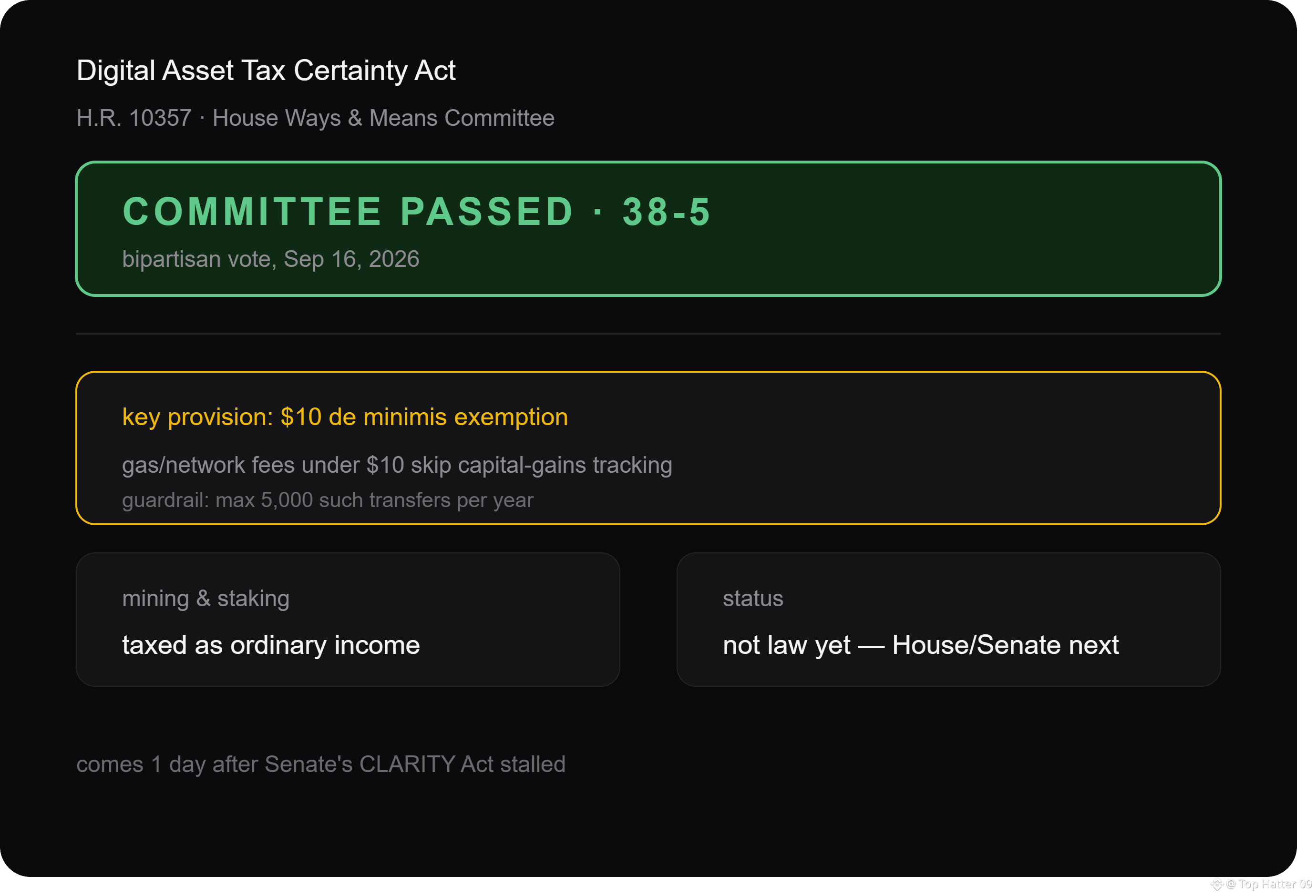
$BTC ... عاجل: مشروع قانون ضريبة العملات المشفرة الأمريكي ينجح في تخطي عقبة كبرى
صوّتت لجنة مجلس النواب للطرق والوسائل لصالح قانون اليقين الضريبي للأصول الرقمية (H.R. 10357) بهامش قوي 38-5 في 16 سبتمبر.
النقطة الرئيسية: سيتم إعفاء رسوم شبكة/غاز العملات المشفرة التي تبلغ 10 دولارات أو أقل من حسابات مكاسب رأس المال — ما يعني أنك لن تضطر إلى تتبّع حدث خاضع للضريبة كل مرة تدفع فيها بضعة سنتات كرسوم غاز.
كما يقدّم مشروع القانون قواعد أوضح بالنسبة للـ stablecoins، ويمدد قواعد البيع الوهمي لتشمل العملات المشفرة، ويُخضع مكافآت التعدين/الحصص (staking) للضريبة كدخل عادي. توجد أيضًا «حماية» إضافية: لا ينطبق الإعفاء من الرسوم إلا إذا لم تكن قد تجاوزت 5000 تحويل من هذا النوع خلال سنة.
سياق مهم: يأتي هذا بعد يوم واحد فقط من فشل تصويت هيئة الشيوخ على مشروع قانون CLARITY في التصويت على الإنهاء الإجرائي (cloture). يرى محللون أن هذه الخطوة من مجلس النواب تهدف إلى إبقاء زخم تنظيم العملات المشفرة مستمرًا بعد هذا التعثر.
ليس قانونًا بعد — ما زال يحتاج إلى المرور في مجلس النواب والشيوخ بالكامل. لكنّه مؤشر مهم على أن سياسة ضرائب العملات المشفرة في الولايات المتحدة تتحرك أخيرًا إلى الأمام.
$BTC #CryptoTax #USRegulation
{future}(BTCUSDT)
$BTC ... عاجل: مشروع قانون ضريبة العملات المشفرة الأمريكي ينجح في تخطي عقبة كبرى
صوّتت لجنة مجلس النواب للطرق والوسائل لصالح قانون اليقين الضريبي للأصول الرقمية (H.R. 10357) بهامش قوي 38-5 في 16 سبتمبر.
النقطة الرئيسية: سيتم إعفاء رسوم شبكة/غاز العملات المشفرة التي تبلغ 10 دولارات أو أقل من حسابات مكاسب رأس المال — ما يعني أنك لن تضطر إلى تتبّع حدث خاضع للضريبة كل مرة تدفع فيها بضعة سنتات كرسوم غاز.
كما يقدّم مشروع القانون قواعد أوضح بالنسبة للـ stablecoins، ويمدد قواعد البيع الوهمي لتشمل العملات المشفرة، ويُخضع مكافآت التعدين/الحصص (staking) للضريبة كدخل عادي. توجد أيضًا «حماية» إضافية: لا ينطبق الإعفاء من الرسوم إلا إذا لم تكن قد تجاوزت 5000 تحويل من هذا النوع خلال سنة.
سياق مهم: يأتي هذا بعد يوم واحد فقط من فشل تصويت هيئة الشيوخ على مشروع قانون CLARITY في التصويت على الإنهاء الإجرائي (cloture). يرى محللون أن هذه الخطوة من مجلس النواب تهدف إلى إبقاء زخم تنظيم العملات المشفرة مستمرًا بعد هذا التعثر.
ليس قانونًا بعد — ما زال يحتاج إلى المرور في مجلس النواب والشيوخ بالكامل. لكنّه مؤشر مهم على أن سياسة ضرائب العملات المشفرة في الولايات المتحدة تتحرك أخيرًا إلى الأمام.
$BTC #CryptoTax #USRegulation
صوّتت لجنة مجلس النواب للطرق والوسائل لصالح قانون اليقين الضريبي للأصول الرقمية (H.R. 10357) بهامش قوي 38-5 في 16 سبتمبر.
النقطة الرئيسية: سيتم إعفاء رسوم شبكة/غاز العملات المشفرة التي تبلغ 10 دولارات أو أقل من حسابات مكاسب رأس المال — ما يعني أنك لن تضطر إلى تتبّع حدث خاضع للضريبة كل مرة تدفع فيها بضعة سنتات كرسوم غاز.
كما يقدّم مشروع القانون قواعد أوضح بالنسبة للـ stablecoins، ويمدد قواعد البيع الوهمي لتشمل العملات المشفرة، ويُخضع مكافآت التعدين/الحصص (staking) للضريبة كدخل عادي. توجد أيضًا «حماية» إضافية: لا ينطبق الإعفاء من الرسوم إلا إذا لم تكن قد تجاوزت 5000 تحويل من هذا النوع خلال سنة.
سياق مهم: يأتي هذا بعد يوم واحد فقط من فشل تصويت هيئة الشيوخ على مشروع قانون CLARITY في التصويت على الإنهاء الإجرائي (cloture). يرى محللون أن هذه الخطوة من مجلس النواب تهدف إلى إبقاء زخم تنظيم العملات المشفرة مستمرًا بعد هذا التعثر.
ليس قانونًا بعد — ما زال يحتاج إلى المرور في مجلس النواب والشيوخ بالكامل. لكنّه مؤشر مهم على أن سياسة ضرائب العملات المشفرة في الولايات المتحدة تتحرك أخيرًا إلى الأمام.
$BTC #CryptoTax #USRegulation
10
عاجل: لجنة مجلس النواب الأمريكي وافقت للتو على مشروع قانون ضريبي كبير خاص بالعملات المشفرة! 🏛️ أبرز النقاط: 🔹 إعفاء رسوم التشفير المؤهلة من حسابات الربح أو الخسارة 🔹 تقييد خصومات خسائر ضريبية على الرموز التي يتم إعادة شرائها بسرعة 🔹 خطوة كبيرة لتعزيز وضوح التنظيم في الولايات المتحدة رغم الانتكاسات الأخيرة. كيف سيؤثر هذا على متداولي <$BTC > و <$ETH > على المدى الطويل؟ المصدر: Decrypt <#CryptoTax #USPolitics #Write2Earn >#CryptoNews
عاجل: لجنة مجلس النواب الأمريكي وافقت للتو على مشروع قانون ضريبي كبير خاص بالعملات المشفرة! 🏛️ أبرز النقاط: 🔹 إعفاء رسوم التشفير المؤهلة من حسابات الربح أو الخسارة 🔹 تقييد خصومات خسائر ضريبية على الرموز التي يتم إعادة شرائها بسرعة 🔹 خطوة كبيرة لتعزيز وضوح التنظيم في الولايات المتحدة رغم الانتكاسات الأخيرة. كيف سيؤثر هذا على متداولي <$BTC > و <$ETH > على المدى الطويل؟ المصدر: Decrypt <#CryptoTax #USPolitics #Write2Earn >#CryptoNews
89

·
--
صاعد
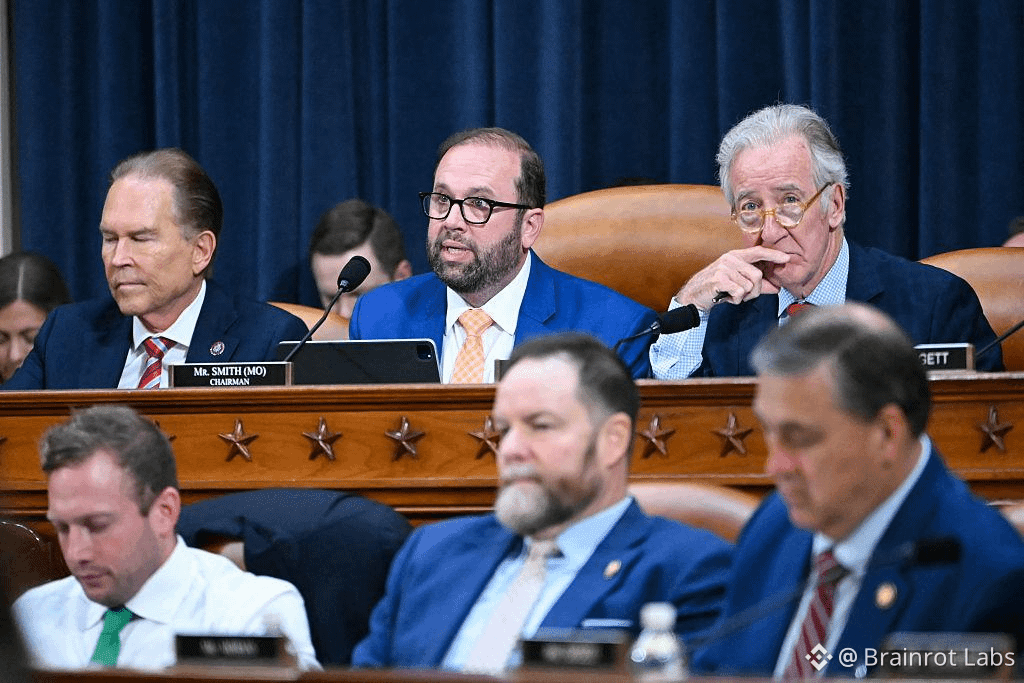
مجلس النواب الأمريكي أقر للتو مشروع قانون ضريبي رئيسي للـكريبتو. 💀
لجنة Ways and Means التابعة لمجلس النواب الأمريكي وافقت للتو على مشروع Digital Asset Tax Certainty Act (H.R. 10357) بنسبة 38–5، ليتقدم مشروع القانون إلى مرحلة النظر فيه على مستوى كامل مجلس النواب.
أبرز النقاط:
• 10 دولارات أو أقل: قد يتم إعفاء بعض الرسوم الخاصة بالشبكة من الاعتراف بأرباح/خسائر خاضعة للضريبة، إذا استوفت الشروط
• توسيع قواعد wash-sale وقواعد constructive-sale لتشمل الأصول الرقمية
• توضيح طريقة احتساب الدخل من التعدين (mining) والستيكينغ (staking)
• نصوص جديدة بخصوص الـstablecoin والإقراض (lending) والإبلاغ من قِبل الوسطاء (broker reporting)
• إنشاء برنامج للإفصاح الطوعي عن الأصول الرقمية
لم تتم الموافقة على اقتراحَي تعديل قدّمهما النائب لويد دوجيت بشأن تقارير 1099 لمنصات DeFi/غير الحافظة (non-custodial) وبشأن دراسة أثر استهلاك الطاقة للتعدين المشفّر.
مهم: هذا ليس قانونًا بعد. يجب أن يمر مشروع القانون عبر كامل مجلس النواب ومجلس الشيوخ وأن يُوقّعه الرئيس ليصبح نافذًا.
Congress: “We need crypto tax clarity.”
Crypto traders: “Please define ‘clarity’ very carefully.” 💀
بعد تصويت 38–5، يبقى السؤال التالي: هل يمكن أن يمضي H.R. 10357 قدمًا عبر تصويت مجلس النواب بالكامل ثم يتخطى مجلس الشيوخ؟
#cryptouniverseofficial #bitcoin #cryptotax
$BTC
{future}(BTCUSDT)
مجلس النواب الأمريكي أقر للتو مشروع قانون ضريبي رئيسي للـكريبتو. 💀
لجنة Ways and Means التابعة لمجلس النواب الأمريكي وافقت للتو على مشروع Digital Asset Tax Certainty Act (H.R. 10357) بنسبة 38–5، ليتقدم مشروع القانون إلى مرحلة النظر فيه على مستوى كامل مجلس النواب.
أبرز النقاط:
• 10 دولارات أو أقل: قد يتم إعفاء بعض الرسوم الخاصة بالشبكة من الاعتراف بأرباح/خسائر خاضعة للضريبة، إذا استوفت الشروط
• توسيع قواعد wash-sale وقواعد constructive-sale لتشمل الأصول الرقمية
• توضيح طريقة احتساب الدخل من التعدين (mining) والستيكينغ (staking)
• نصوص جديدة بخصوص الـstablecoin والإقراض (lending) والإبلاغ من قِبل الوسطاء (broker reporting)
• إنشاء برنامج للإفصاح الطوعي عن الأصول الرقمية
لم تتم الموافقة على اقتراحَي تعديل قدّمهما النائب لويد دوجيت بشأن تقارير 1099 لمنصات DeFi/غير الحافظة (non-custodial) وبشأن دراسة أثر استهلاك الطاقة للتعدين المشفّر.
مهم: هذا ليس قانونًا بعد. يجب أن يمر مشروع القانون عبر كامل مجلس النواب ومجلس الشيوخ وأن يُوقّعه الرئيس ليصبح نافذًا.
Congress: “We need crypto tax clarity.”
Crypto traders: “Please define ‘clarity’ very carefully.” 💀
بعد تصويت 38–5، يبقى السؤال التالي: هل يمكن أن يمضي H.R. 10357 قدمًا عبر تصويت مجلس النواب بالكامل ثم يتخطى مجلس الشيوخ؟
#cryptouniverseofficial #bitcoin #cryptotax
$BTC
لجنة Ways and Means التابعة لمجلس النواب الأمريكي وافقت للتو على مشروع Digital Asset Tax Certainty Act (H.R. 10357) بنسبة 38–5، ليتقدم مشروع القانون إلى مرحلة النظر فيه على مستوى كامل مجلس النواب.
أبرز النقاط:
• 10 دولارات أو أقل: قد يتم إعفاء بعض الرسوم الخاصة بالشبكة من الاعتراف بأرباح/خسائر خاضعة للضريبة، إذا استوفت الشروط
• توسيع قواعد wash-sale وقواعد constructive-sale لتشمل الأصول الرقمية
• توضيح طريقة احتساب الدخل من التعدين (mining) والستيكينغ (staking)
• نصوص جديدة بخصوص الـstablecoin والإقراض (lending) والإبلاغ من قِبل الوسطاء (broker reporting)
• إنشاء برنامج للإفصاح الطوعي عن الأصول الرقمية
لم تتم الموافقة على اقتراحَي تعديل قدّمهما النائب لويد دوجيت بشأن تقارير 1099 لمنصات DeFi/غير الحافظة (non-custodial) وبشأن دراسة أثر استهلاك الطاقة للتعدين المشفّر.
مهم: هذا ليس قانونًا بعد. يجب أن يمر مشروع القانون عبر كامل مجلس النواب ومجلس الشيوخ وأن يُوقّعه الرئيس ليصبح نافذًا.
Congress: “We need crypto tax clarity.”
Crypto traders: “Please define ‘clarity’ very carefully.” 💀
بعد تصويت 38–5، يبقى السؤال التالي: هل يمكن أن يمضي H.R. 10357 قدمًا عبر تصويت مجلس النواب بالكامل ثم يتخطى مجلس الشيوخ؟
#cryptouniverseofficial #bitcoin #cryptotax
$BTC
153

·
--
مقالة
مشروع قانون ضرائب العملات المشفرة يمرر لجنة مجلس النواب بعد تعثر قانون الوضوحمصلحة الضرائب الأمريكية أخيرًا تحصل على صورة أوضح لكيفية فرض ضرائب على مكاسبك من العملات المشفرة، وهذا يعني أنك قد تحتفظ بجزء أكبر من أرباحك التي كسبتها بشقّ الأنفس.
يقدّم مشروع القانون الجديد، الذي أقرته لجنة مجلس النواب، إعفاءً رئيسيًا: تُصبح رسوم العملات المشفرة المؤهلة—مثل رسوم الغاز للمعاملات—لم تعد تُحسب ضمن مكاسبك أو خسارتك. وهذا يعني أنه إذا اشتريت <ETH> ودفعـت رسومًا صغيرة لتحريكها، ثم بعتها، فإن الرسوم لا تضخّم أرباحك الخاضعة للضريبة.
وفي الوقت نفسه، يشدد مشروع القانون قاعدة “غسل البيع” الخاصة بالعملات المشفرة. فإذا بعت رمزًا بخسارة ثم اشتريت الرمز نفسه مرة أخرى خلال 30 يومًا، فلا يمكن خصم الخسارة. وهذا يطابق قانون الضرائب التقليدي للأسهم، لكنه يُعد تغييرًا كبيرًا لمتداولي العملات المشفرة الذين غالبًا ما يستخدمون عمليات انعكاس سريعة لتعويض المكاسب.
مشروع قانون ضرائب العملات المشفرة يمرر لجنة مجلس النواب بعد تعثر قانون الوضوح
مصلحة الضرائب الأمريكية أخيرًا تحصل على صورة أوضح لكيفية فرض ضرائب على مكاسبك من العملات المشفرة، وهذا يعني أنك قد تحتفظ بجزء أكبر من أرباحك التي كسبتها بشقّ الأنفس.
يقدّم مشروع القانون الجديد، الذي أقرته لجنة مجلس النواب، إعفاءً رئيسيًا: تُصبح رسوم العملات المشفرة المؤهلة—مثل رسوم الغاز للمعاملات—لم تعد تُحسب ضمن مكاسبك أو خسارتك. وهذا يعني أنه إذا اشتريت <ETH> ودفعـت رسومًا صغيرة لتحريكها، ثم بعتها، فإن الرسوم لا تضخّم أرباحك الخاضعة للضريبة.
وفي الوقت نفسه، يشدد مشروع القانون قاعدة “غسل البيع” الخاصة بالعملات المشفرة. فإذا بعت رمزًا بخسارة ثم اشتريت الرمز نفسه مرة أخرى خلال 30 يومًا، فلا يمكن خصم الخسارة. وهذا يطابق قانون الضرائب التقليدي للأسهم، لكنه يُعد تغييرًا كبيرًا لمتداولي العملات المشفرة الذين غالبًا ما يستخدمون عمليات انعكاس سريعة لتعويض المكاسب.
يقدّم مشروع القانون الجديد، الذي أقرته لجنة مجلس النواب، إعفاءً رئيسيًا: تُصبح رسوم العملات المشفرة المؤهلة—مثل رسوم الغاز للمعاملات—لم تعد تُحسب ضمن مكاسبك أو خسارتك. وهذا يعني أنه إذا اشتريت <ETH> ودفعـت رسومًا صغيرة لتحريكها، ثم بعتها، فإن الرسوم لا تضخّم أرباحك الخاضعة للضريبة.
وفي الوقت نفسه، يشدد مشروع القانون قاعدة “غسل البيع” الخاصة بالعملات المشفرة. فإذا بعت رمزًا بخسارة ثم اشتريت الرمز نفسه مرة أخرى خلال 30 يومًا، فلا يمكن خصم الخسارة. وهذا يطابق قانون الضرائب التقليدي للأسهم، لكنه يُعد تغييرًا كبيرًا لمتداولي العملات المشفرة الذين غالبًا ما يستخدمون عمليات انعكاس سريعة لتعويض المكاسب.
7

·
--
صاعد
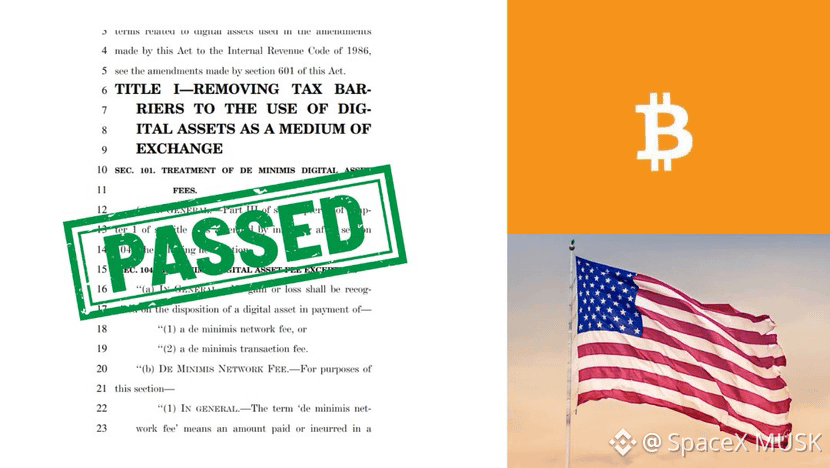
لجنة الضرائب في مجلس النواب الأمريكي أقرت مشروع قانون ضريبة على العملات المشفّرة. 🇺🇸
الأهم: لم يعد الغاز والرسوم عن المعاملات التي تقل عن 10 دولارات خاضعين للضريبة.
وهذا، بصراحة، أمر غير متوقَّع. في السابق، كانت كل معاملة صغيرة على الشبكة تُعتبر حدثًا خاضعًا للضريبة — وكان الناس يختنقون من متطلبات التقارير. اشتريت قهوة، ودَفعت ثمن الغاز — تفضّل احسب وصرّح. الآن تم إخراج الرسوم الصغيرة من نطاق الضريبة. بالنسبة للمستخدمين العاديين، هذا تبسيط حقيقي وليس مجرد تجميل.
مرّ مشروع القانون عبر اللجنة. الخطوة التالية هي التصويت في مجلس النواب وفي مجلس الشيوخ. لكن حقيقة أن المبادرة تحرّكت تقول الكثير: الجهات التنظيمية بدأت تفهم أن العملات المشفّرة ليست فقط مضاربة، بل أيضًا عمليات يومية يجب تبسيطها بدل خنقها.
كيف تعتقدون، هل سيصل إلى توقيع الرئيس أم سيتعثر في مجلس الشيوخ؟ 👇
NFA. DYOR.
#CryptoTax #USCrypto
{future}(BTCUSDT)
$BTC
لجنة الضرائب في مجلس النواب الأمريكي أقرت مشروع قانون ضريبة على العملات المشفّرة. 🇺🇸
الأهم: لم يعد الغاز والرسوم عن المعاملات التي تقل عن 10 دولارات خاضعين للضريبة.
وهذا، بصراحة، أمر غير متوقَّع. في السابق، كانت كل معاملة صغيرة على الشبكة تُعتبر حدثًا خاضعًا للضريبة — وكان الناس يختنقون من متطلبات التقارير. اشتريت قهوة، ودَفعت ثمن الغاز — تفضّل احسب وصرّح. الآن تم إخراج الرسوم الصغيرة من نطاق الضريبة. بالنسبة للمستخدمين العاديين، هذا تبسيط حقيقي وليس مجرد تجميل.
مرّ مشروع القانون عبر اللجنة. الخطوة التالية هي التصويت في مجلس النواب وفي مجلس الشيوخ. لكن حقيقة أن المبادرة تحرّكت تقول الكثير: الجهات التنظيمية بدأت تفهم أن العملات المشفّرة ليست فقط مضاربة، بل أيضًا عمليات يومية يجب تبسيطها بدل خنقها.
كيف تعتقدون، هل سيصل إلى توقيع الرئيس أم سيتعثر في مجلس الشيوخ؟ 👇
NFA. DYOR.
#CryptoTax #USCrypto
$BTC
الأهم: لم يعد الغاز والرسوم عن المعاملات التي تقل عن 10 دولارات خاضعين للضريبة.
وهذا، بصراحة، أمر غير متوقَّع. في السابق، كانت كل معاملة صغيرة على الشبكة تُعتبر حدثًا خاضعًا للضريبة — وكان الناس يختنقون من متطلبات التقارير. اشتريت قهوة، ودَفعت ثمن الغاز — تفضّل احسب وصرّح. الآن تم إخراج الرسوم الصغيرة من نطاق الضريبة. بالنسبة للمستخدمين العاديين، هذا تبسيط حقيقي وليس مجرد تجميل.
مرّ مشروع القانون عبر اللجنة. الخطوة التالية هي التصويت في مجلس النواب وفي مجلس الشيوخ. لكن حقيقة أن المبادرة تحرّكت تقول الكثير: الجهات التنظيمية بدأت تفهم أن العملات المشفّرة ليست فقط مضاربة، بل أيضًا عمليات يومية يجب تبسيطها بدل خنقها.
كيف تعتقدون، هل سيصل إلى توقيع الرئيس أم سيتعثر في مجلس الشيوخ؟ 👇
NFA. DYOR.
#CryptoTax #USCrypto
$BTC
159

·
--
يُقِرُّ مجلس النواب الأمريكي مشروعًا تشريعيًا ضريبيًا للـ«كريبتو» يتضمن اختراقًا قد يُشعل موجة صعود للـ$SOL ! 🏛️ ⚡
لقد قدمت تلال الكابيتول هيل للتو رياحًا داعمة هيكلية لاعتماد الشبكات عبر $SOL and $BNB . 📊 تقدمت لجنة مجلس النواب الأمريكي بتشريع يُعفي رسوم المعاملات التي تبلغ 10 دولارات أو أقل من ضريبة أرباح رأس المال، ما يزيل احتكاكًا ضخمًا من المعاملات الدقيقة اليومية.
💡 إن التخلص من صداع متطلبات الإبلاغ الضريبي على التحويلات الصغيرة يفتح أبوابًا لتدفق الاستخدام الواقعي ووتيرة الحركة على السلسلة (on-chain). 🔍 ترى «الأموال الذكية» أن هذا تحول تنظيمي حاسم يمهد الطريق للنمو طويل الأجل للشبكة.
💬 هل تُعد سياسة الضرائب الرائدة هذه بداية لاعتماد واسع النطاق للمعاملات الدقيقة في عالم العملات المشفرة؟ 👇
⚠️ ليست نصيحة مالية. احرص دائمًا على إدارة مخاطرك. 🛡️
🏷️ #SOL #CryptoTax #BNB #Altcoins #Crypto
⚡ 💎
يُقِرُّ مجلس النواب الأمريكي مشروعًا تشريعيًا ضريبيًا للـ«كريبتو» يتضمن اختراقًا قد يُشعل موجة صعود للـ$SOL ! 🏛️ ⚡
لقد قدمت تلال الكابيتول هيل للتو رياحًا داعمة هيكلية لاعتماد الشبكات عبر $SOL and $BNB . 📊 تقدمت لجنة مجلس النواب الأمريكي بتشريع يُعفي رسوم المعاملات التي تبلغ 10 دولارات أو أقل من ضريبة أرباح رأس المال، ما يزيل احتكاكًا ضخمًا من المعاملات الدقيقة اليومية.
💡 إن التخلص من صداع متطلبات الإبلاغ الضريبي على التحويلات الصغيرة يفتح أبوابًا لتدفق الاستخدام الواقعي ووتيرة الحركة على السلسلة (on-chain). 🔍 ترى «الأموال الذكية» أن هذا تحول تنظيمي حاسم يمهد الطريق للنمو طويل الأجل للشبكة.
💬 هل تُعد سياسة الضرائب الرائدة هذه بداية لاعتماد واسع النطاق للمعاملات الدقيقة في عالم العملات المشفرة؟ 👇
⚠️ ليست نصيحة مالية. احرص دائمًا على إدارة مخاطرك. 🛡️
🏷️ #SOL #CryptoTax #BNB #Altcoins #Crypto
⚡ 💎
لقد قدمت تلال الكابيتول هيل للتو رياحًا داعمة هيكلية لاعتماد الشبكات عبر $SOL and $BNB . 📊 تقدمت لجنة مجلس النواب الأمريكي بتشريع يُعفي رسوم المعاملات التي تبلغ 10 دولارات أو أقل من ضريبة أرباح رأس المال، ما يزيل احتكاكًا ضخمًا من المعاملات الدقيقة اليومية.
💡 إن التخلص من صداع متطلبات الإبلاغ الضريبي على التحويلات الصغيرة يفتح أبوابًا لتدفق الاستخدام الواقعي ووتيرة الحركة على السلسلة (on-chain). 🔍 ترى «الأموال الذكية» أن هذا تحول تنظيمي حاسم يمهد الطريق للنمو طويل الأجل للشبكة.
💬 هل تُعد سياسة الضرائب الرائدة هذه بداية لاعتماد واسع النطاق للمعاملات الدقيقة في عالم العملات المشفرة؟ 👇
⚠️ ليست نصيحة مالية. احرص دائمًا على إدارة مخاطرك. 🛡️
🏷️ #SOL #CryptoTax #BNB #Altcoins #Crypto
⚡ 💎
48

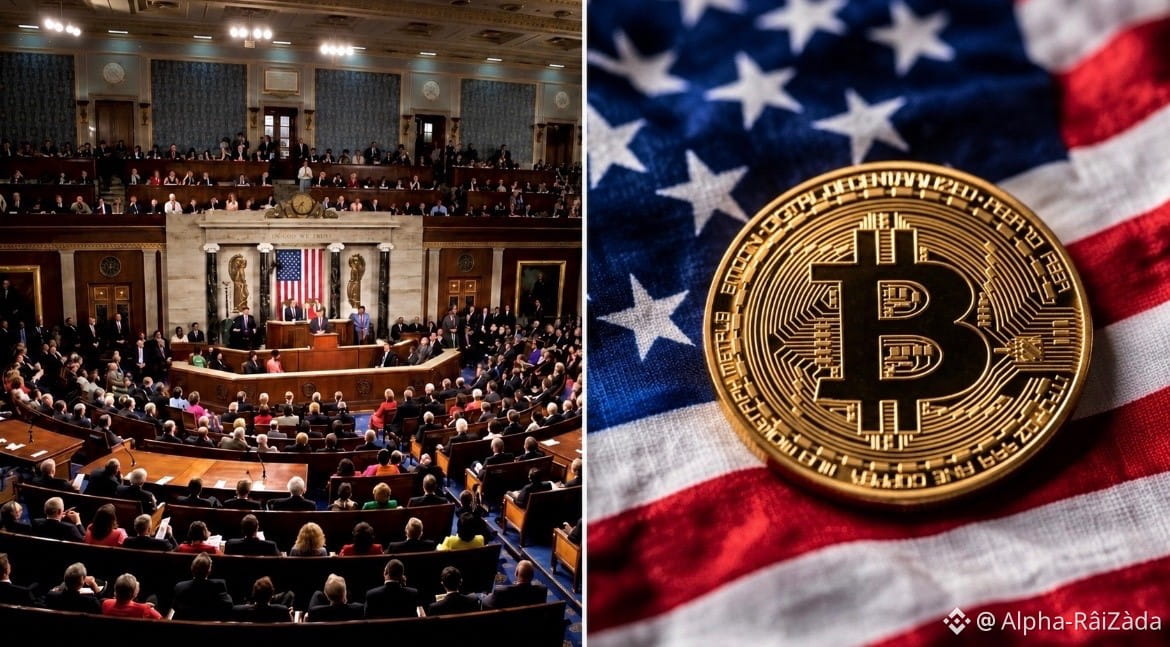
🚨 عاجل: 🇺🇸 مجلس النواب الأمريكي يمضي مشروع قانون ضرائب العملات المشفرة
تقدّمَت لجنة الطرق والوسائل التابعة لمجلس النواب بمشروع قانون رئيسي لضرائب الأصول الرقمية، لتُرسله إلى النظر فيه من قبل كامل مجلس النواب.
💰 الاقتراح الأساسي: ستُمنح إعفاءات ضريبية من نوع الحد الأدنى (de minimis) لرسوم شبكات/معاملات العملات المشفرة المؤهلة التي تبلغ 10 دولارات أو أقل في حال أصبح المشروع قانونًا.
📌 يغطي مشروع القانون أيضًا العملات المستقرة، والتعدين، والرهان (staking)، والإقراض، وقواعد البيع الوهمي (wash-sale).
$BTC
#Crypto #Bitcoin #CryptoTax
🚨 عاجل: 🇺🇸 مجلس النواب الأمريكي يمضي مشروع قانون ضرائب العملات المشفرة
تقدّمَت لجنة الطرق والوسائل التابعة لمجلس النواب بمشروع قانون رئيسي لضرائب الأصول الرقمية، لتُرسله إلى النظر فيه من قبل كامل مجلس النواب.
💰 الاقتراح الأساسي: ستُمنح إعفاءات ضريبية من نوع الحد الأدنى (de minimis) لرسوم شبكات/معاملات العملات المشفرة المؤهلة التي تبلغ 10 دولارات أو أقل في حال أصبح المشروع قانونًا.
📌 يغطي مشروع القانون أيضًا العملات المستقرة، والتعدين، والرهان (staking)، والإقراض، وقواعد البيع الوهمي (wash-sale).
$BTC
#Crypto #Bitcoin #CryptoTax
تقدّمَت لجنة الطرق والوسائل التابعة لمجلس النواب بمشروع قانون رئيسي لضرائب الأصول الرقمية، لتُرسله إلى النظر فيه من قبل كامل مجلس النواب.
💰 الاقتراح الأساسي: ستُمنح إعفاءات ضريبية من نوع الحد الأدنى (de minimis) لرسوم شبكات/معاملات العملات المشفرة المؤهلة التي تبلغ 10 دولارات أو أقل في حال أصبح المشروع قانونًا.
📌 يغطي مشروع القانون أيضًا العملات المستقرة، والتعدين، والرهان (staking)، والإقراض، وقواعد البيع الوهمي (wash-sale).
$BTC
#Crypto #Bitcoin #CryptoTax
2

#southkoreacryptotaxdelaypetitiontops50000
يُسمع المستثمرون الكوريون الجنوبيون أصواتهم! 🇰🇷🗣️
لقد تجاوزت عريضة تأجيل ضريبة العملات المشفرة البالغة 22% المخطط لها في كوريا الجنوبية رسميًا عتبة 50,000 توقيع. ويُطلق هذا الإنجاز الكبير مراجعة إلزامية من قِبل الجمعية الوطنية!
تطالب العريضة بدفع موعد تطبيق الضريبة من يناير 2027 إلى 2029. ما القلق الأساسي؟ البنية التحتية لتتبّع الضرائب ليست جاهزة بعد.
ورغم الضجة، ما زالت الحكومة متمسكة حاليًا بتاريخ البدء في 2027. هل ستجبر هذه العريضة على تأجيل رابع، أم أن الضريبة حتمية?
ما رأيك؟ 👇
متابعة من فضلكم
#CryptoNews #SouthKorea #cryptotax
#southkoreacryptotaxdelaypetitiontops50000
يُسمع المستثمرون الكوريون الجنوبيون أصواتهم! 🇰🇷🗣️
لقد تجاوزت عريضة تأجيل ضريبة العملات المشفرة البالغة 22% المخطط لها في كوريا الجنوبية رسميًا عتبة 50,000 توقيع. ويُطلق هذا الإنجاز الكبير مراجعة إلزامية من قِبل الجمعية الوطنية!
تطالب العريضة بدفع موعد تطبيق الضريبة من يناير 2027 إلى 2029. ما القلق الأساسي؟ البنية التحتية لتتبّع الضرائب ليست جاهزة بعد.
ورغم الضجة، ما زالت الحكومة متمسكة حاليًا بتاريخ البدء في 2027. هل ستجبر هذه العريضة على تأجيل رابع، أم أن الضريبة حتمية?
ما رأيك؟ 👇
متابعة من فضلكم
#CryptoNews #SouthKorea #cryptotax
يُسمع المستثمرون الكوريون الجنوبيون أصواتهم! 🇰🇷🗣️
لقد تجاوزت عريضة تأجيل ضريبة العملات المشفرة البالغة 22% المخطط لها في كوريا الجنوبية رسميًا عتبة 50,000 توقيع. ويُطلق هذا الإنجاز الكبير مراجعة إلزامية من قِبل الجمعية الوطنية!
تطالب العريضة بدفع موعد تطبيق الضريبة من يناير 2027 إلى 2029. ما القلق الأساسي؟ البنية التحتية لتتبّع الضرائب ليست جاهزة بعد.
ورغم الضجة، ما زالت الحكومة متمسكة حاليًا بتاريخ البدء في 2027. هل ستجبر هذه العريضة على تأجيل رابع، أم أن الضريبة حتمية?
ما رأيك؟ 👇
متابعة من فضلكم
#CryptoNews #SouthKorea #cryptotax

ABO3ZAM:
مثل هذه الأخبار التنظيمية تعد محركاً لتدفقات السيولة اللحظية، لكنها لا تغير الاتجاه العام. يجب مراقبة تمركز الزخم عند مناطق الرفض السعري، وتأمين الأرباح دائماً عند الوصول لمستويات المقاومة، فالسوق لا يعترف بالعواطف بل بالبيانات والالتزام الصارم بإدارة المخاطر.
1
2
2.2k
·
--
فحص برامج ضرائب الجسورتصالح ضرائب السلاسل عبر-الحدود (cross-chain) أصعب من مطابقة هاش معاملة واحدة.
تحدث إجراءات المصدر والوجهة على شبكات مختلفة، لذلك غالبًا ما تكون لديها تواريخ/هاشات مختلفة. يعتمد التطابق على اكتمال استيراد المحفظة، وهوية الأصل، والطوابع الزمنية، والتسلسل الزمني (chronology)، والمبالغ المستلمة، والرسوم، والمعالجة المحاسبية المطبقة في الاختصاص القضائي ذي الصلة.
في مقارنة TokenToolHub:
• لدى CoinLedger أحد أوضح سير عمل موثق لتوفيق الجسور (bridge-reconciliation)، بما في ذلك الكشف التلقائي واقتراح أزواج الجسور والدمج اليدوي.
فحص برامج ضرائب الجسور
تصالح ضرائب السلاسل عبر-الحدود (cross-chain) أصعب من مطابقة هاش معاملة واحدة.
تحدث إجراءات المصدر والوجهة على شبكات مختلفة، لذلك غالبًا ما تكون لديها تواريخ/هاشات مختلفة. يعتمد التطابق على اكتمال استيراد المحفظة، وهوية الأصل، والطوابع الزمنية، والتسلسل الزمني (chronology)، والمبالغ المستلمة، والرسوم، والمعالجة المحاسبية المطبقة في الاختصاص القضائي ذي الصلة.
في مقارنة TokenToolHub:
• لدى CoinLedger أحد أوضح سير عمل موثق لتوفيق الجسور (bridge-reconciliation)، بما في ذلك الكشف التلقائي واقتراح أزواج الجسور والدمج اليدوي.
تحدث إجراءات المصدر والوجهة على شبكات مختلفة، لذلك غالبًا ما تكون لديها تواريخ/هاشات مختلفة. يعتمد التطابق على اكتمال استيراد المحفظة، وهوية الأصل، والطوابع الزمنية، والتسلسل الزمني (chronology)، والمبالغ المستلمة، والرسوم، والمعالجة المحاسبية المطبقة في الاختصاص القضائي ذي الصلة.
في مقارنة TokenToolHub:
• لدى CoinLedger أحد أوضح سير عمل موثق لتوفيق الجسور (bridge-reconciliation)، بما في ذلك الكشف التلقائي واقتراح أزواج الجسور والدمج اليدوي.
26

·
--
هابط
#southkoreacryptotaxdelaypetitiontops50000
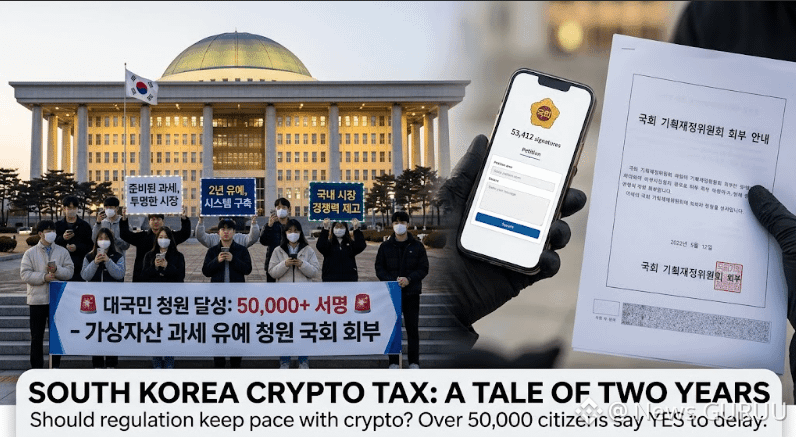
🚨 تواجه ضريبة العملات المشفرة في كوريا الجنوبية تأخيرًا آخر
تجاوزت عريضة تطالب بتأجيل ضريبة العملات المشفرة في كوريا الجنوبية لمدة عامين 50,000 توقيع، ما أدى إلى بدء مراجعة لجنة تابعة للبرلمان الوطني.
⚠️ ومع ذلك، ما زالت الضريبة مقررة في 1 يناير 2027، بمعدل إجمالي 22% على مكاسب العملات المشفرة المؤهلة التي تتجاوز خصم 2.5 مليون وون. ولا تغيّر العريضة القانون نفسه.
التداول عبر Trading View: بيع 🔴
السؤال: هل قد يؤدي عدم اليقين بشأن الضريبة إلى الضغط على سوق العملات المشفرة في كوريا الجنوبية؟ اضغط على وسم العملة الصفراء أدناه للانتقال إلى صفحة التداول المطلوبة للحصول على صفقة مربحة"$BTC $SOL $XRP
#SouthKorea #cryptotax
{spot}(XRPUSDT)
{spot}(SOLUSDT)
{spot}(BTCUSDT)
#southkoreacryptotaxdelaypetitiontops50000
🚨 تواجه ضريبة العملات المشفرة في كوريا الجنوبية تأخيرًا آخر
تجاوزت عريضة تطالب بتأجيل ضريبة العملات المشفرة في كوريا الجنوبية لمدة عامين 50,000 توقيع، ما أدى إلى بدء مراجعة لجنة تابعة للبرلمان الوطني.
⚠️ ومع ذلك، ما زالت الضريبة مقررة في 1 يناير 2027، بمعدل إجمالي 22% على مكاسب العملات المشفرة المؤهلة التي تتجاوز خصم 2.5 مليون وون. ولا تغيّر العريضة القانون نفسه.
التداول عبر Trading View: بيع 🔴
السؤال: هل قد يؤدي عدم اليقين بشأن الضريبة إلى الضغط على سوق العملات المشفرة في كوريا الجنوبية؟ اضغط على وسم العملة الصفراء أدناه للانتقال إلى صفحة التداول المطلوبة للحصول على صفقة مربحة"$BTC $SOL $XRP
#SouthKorea #cryptotax
🚨 تواجه ضريبة العملات المشفرة في كوريا الجنوبية تأخيرًا آخر
تجاوزت عريضة تطالب بتأجيل ضريبة العملات المشفرة في كوريا الجنوبية لمدة عامين 50,000 توقيع، ما أدى إلى بدء مراجعة لجنة تابعة للبرلمان الوطني.
⚠️ ومع ذلك، ما زالت الضريبة مقررة في 1 يناير 2027، بمعدل إجمالي 22% على مكاسب العملات المشفرة المؤهلة التي تتجاوز خصم 2.5 مليون وون. ولا تغيّر العريضة القانون نفسه.
التداول عبر Trading View: بيع 🔴
السؤال: هل قد يؤدي عدم اليقين بشأن الضريبة إلى الضغط على سوق العملات المشفرة في كوريا الجنوبية؟ اضغط على وسم العملة الصفراء أدناه للانتقال إلى صفحة التداول المطلوبة للحصول على صفقة مربحة"$BTC $SOL $XRP
#SouthKorea #cryptotax
1
83

·
--
صاعد
#SouthKoreaCryptoTaxDelayPetitionTops50000
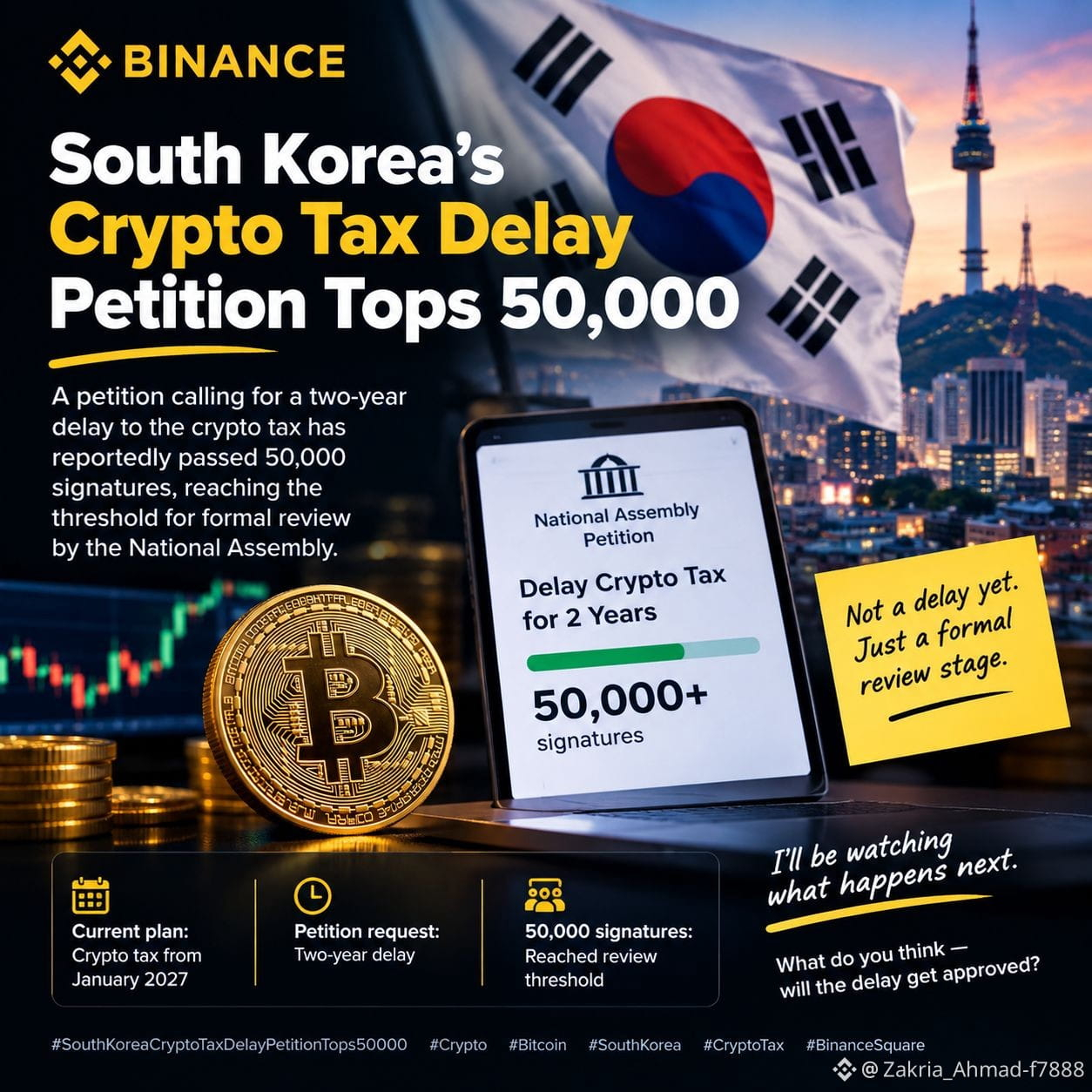
بحثت في هذا الأمر لأن وضع ضرائب العملات المشفرة في كوريا الجنوبية قد يصبح قصة مهمة بالنسبة للسوق.
يُقال إن التماسًا يطالب بتأجيل ضريبة العملات المشفرة لمدة عامين قد تجاوز 50,000 توقيع. وهذا يعني أن القضية وصلت إلى عتبة المراجعة الرسمية، لكن ذلك لا يعني أن الضريبة أُلغيت أو تم تأجيلها بعد.
ما لفت انتباهي هو التوقيت. كوريا الجنوبية تعد بالفعل سوقًا مهمًا للعملات المشفرة، لذا فإن أي تغيير كبير في سياستها الضريبية قد يؤثر في كيفية تصرف المستثمرين والمتداولين.
أنا أتابع ما سيحدث بعد ذلك.
هل سيدعم المشرعون التأجيل، أم سيحافظون على الجدول الزمني الحالي، أم سيجرون تعديلًا آخر؟
في الوقت الحالي، لن أطلق توقعًا كبيرًا.
وصلت القضية إلى الطاولة بعد جمع 50,000 توقيع. والقرار التالي هو ما يهم.
#Crypto #bitcoin #SouthKorea #cryptotax
#SouthKoreaCryptoTaxDelayPetitionTops50000
بحثت في هذا الأمر لأن وضع ضرائب العملات المشفرة في كوريا الجنوبية قد يصبح قصة مهمة بالنسبة للسوق.
يُقال إن التماسًا يطالب بتأجيل ضريبة العملات المشفرة لمدة عامين قد تجاوز 50,000 توقيع. وهذا يعني أن القضية وصلت إلى عتبة المراجعة الرسمية، لكن ذلك لا يعني أن الضريبة أُلغيت أو تم تأجيلها بعد.
ما لفت انتباهي هو التوقيت. كوريا الجنوبية تعد بالفعل سوقًا مهمًا للعملات المشفرة، لذا فإن أي تغيير كبير في سياستها الضريبية قد يؤثر في كيفية تصرف المستثمرين والمتداولين.
أنا أتابع ما سيحدث بعد ذلك.
هل سيدعم المشرعون التأجيل، أم سيحافظون على الجدول الزمني الحالي، أم سيجرون تعديلًا آخر؟
في الوقت الحالي، لن أطلق توقعًا كبيرًا.
وصلت القضية إلى الطاولة بعد جمع 50,000 توقيع. والقرار التالي هو ما يهم.
#Crypto #bitcoin #SouthKorea #cryptotax
بحثت في هذا الأمر لأن وضع ضرائب العملات المشفرة في كوريا الجنوبية قد يصبح قصة مهمة بالنسبة للسوق.
يُقال إن التماسًا يطالب بتأجيل ضريبة العملات المشفرة لمدة عامين قد تجاوز 50,000 توقيع. وهذا يعني أن القضية وصلت إلى عتبة المراجعة الرسمية، لكن ذلك لا يعني أن الضريبة أُلغيت أو تم تأجيلها بعد.
ما لفت انتباهي هو التوقيت. كوريا الجنوبية تعد بالفعل سوقًا مهمًا للعملات المشفرة، لذا فإن أي تغيير كبير في سياستها الضريبية قد يؤثر في كيفية تصرف المستثمرين والمتداولين.
أنا أتابع ما سيحدث بعد ذلك.
هل سيدعم المشرعون التأجيل، أم سيحافظون على الجدول الزمني الحالي، أم سيجرون تعديلًا آخر؟
في الوقت الحالي، لن أطلق توقعًا كبيرًا.
وصلت القضية إلى الطاولة بعد جمع 50,000 توقيع. والقرار التالي هو ما يهم.
#Crypto #bitcoin #SouthKorea #cryptotax
FEDAT - sport digital assets marketplace:
🤝👍
6
2
408

أصدرت لجنة مجلس النواب للطرق والوسائل حزمة جديدة لضرائب العملات المشفرة، تقترح تمديد قواعد البيع المغسول لتشمل الأصول الرقمية وإعفاء الرسوم الشبكية التي تقل عن عشرة دولارات.
#CryptoTax #WashSaleRules
أصدرت لجنة مجلس النواب للطرق والوسائل حزمة جديدة لضرائب العملات المشفرة، تقترح تمديد قواعد البيع المغسول لتشمل الأصول الرقمية وإعفاء الرسوم الشبكية التي تقل عن عشرة دولارات.
#CryptoTax #WashSaleRules
#CryptoTax #WashSaleRules
1
سجّل الدخول لاستكشاف المزيد من المُحتوى
انضم إلى مُستخدمي العملات الرقمية حول العالم على Binance Square
⚡️ احصل على أحدث المعلومات المفيدة عن العملات الرقمية.
💬 موثوقة من قبل أكبر منصّة لتداول العملات الرقمية في العالم.
👍 اكتشف الرؤى الحقيقية من صنّاع المُحتوى الموثوقين.
البريد الإلكتروني / رقم الهاتف
المواضيع الرائجة
1
#BOJRaisesRatesTo31YearHigh
59,258 مشاهدات
1,041 يقومون بالنقاش
2
#BuffettStepsDownAsBerkshireChairman
25,146 مشاهدات
478 يقومون بالنقاش
3
#XRPExchangeReservesHitSevenYearLow
31,049 مشاهدات
451 يقومون بالنقاش
4
#HKCompletesFirstHKDStablecoinUseCase
64,868 مشاهدات
985 يقومون بالنقاش
5
#VietnamPlansFirstCryptoLicensesIn2026
43,323 مشاهدات
677 يقومون بالنقاش
6
#BTCBreaks80K
342,995 مشاهدات
4,394 يقومون بالنقاش
7
#比特币突破8万
154,155 مشاهدات
494 يقومون بالنقاش
8
#BitcoinMarketCapTopsTesla
67,444 مشاهدات
977 يقومون بالنقاش
9
#SOLJumpsAbout10%
76,227 مشاهدات
979 يقومون بالنقاش
10
#EthereumReclaims$2600
6,989 مشاهدات
110 يقومون بالنقاش