


Plasma XPL is a project that starts with a very clear understanding of how people already use stablecoins today. I’m not talking about trading or speculation. I’m talking about saving value, sending support to family, paying for services, and moving money across borders without stress. Plasma is a Layer 1 blockchain designed specifically for this reality. Instead of trying to be everything at once, they’re focused on one core job: stablecoin settlement that works smoothly, quickly, and predictably.
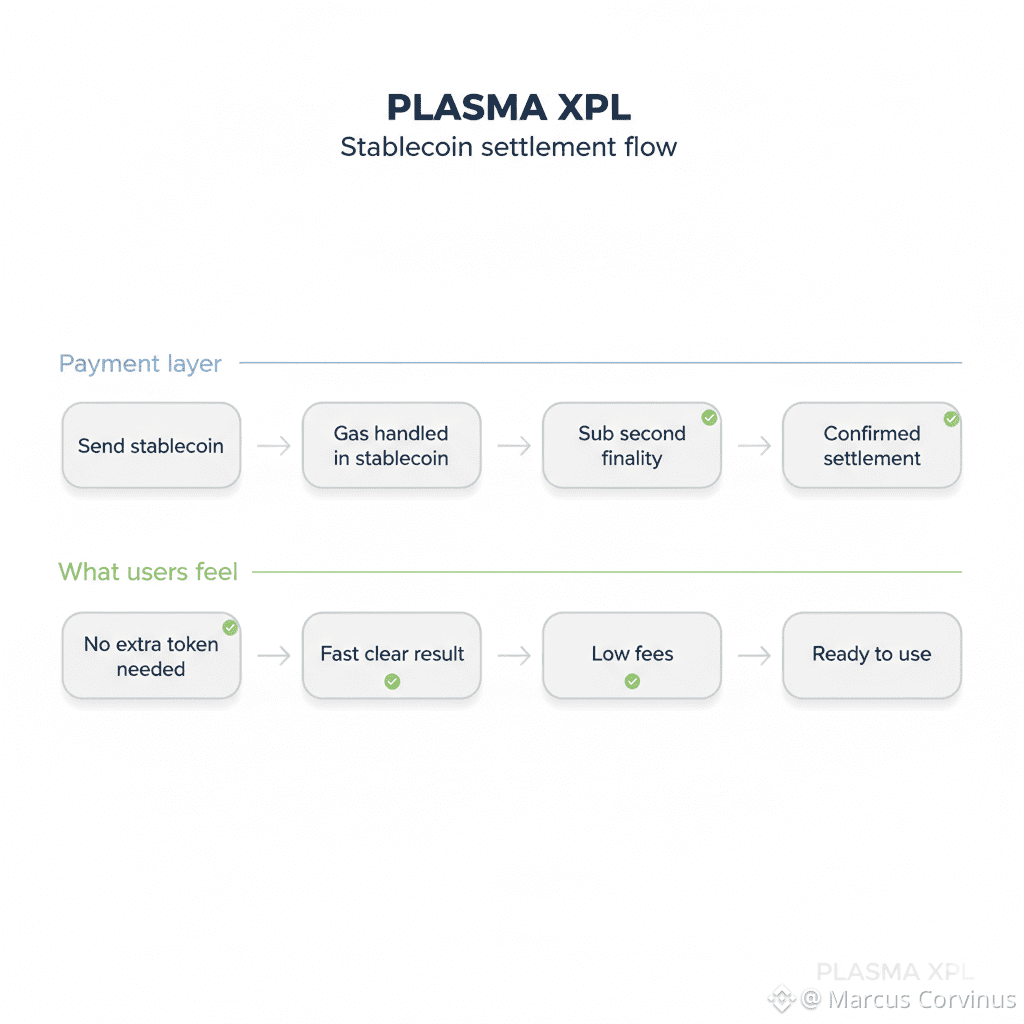
When I look at most blockchains, I see systems built for developers first and users second. Plasma flips that thinking. They’re designing the chain around everyday behavior. If someone holds stablecoins, they should be able to use them directly. They should not need to understand gas mechanics, fee spikes, or extra tokens just to send money. Plasma treats stablecoins as the center of the system, not as an add on. This changes how the entire network behaves.
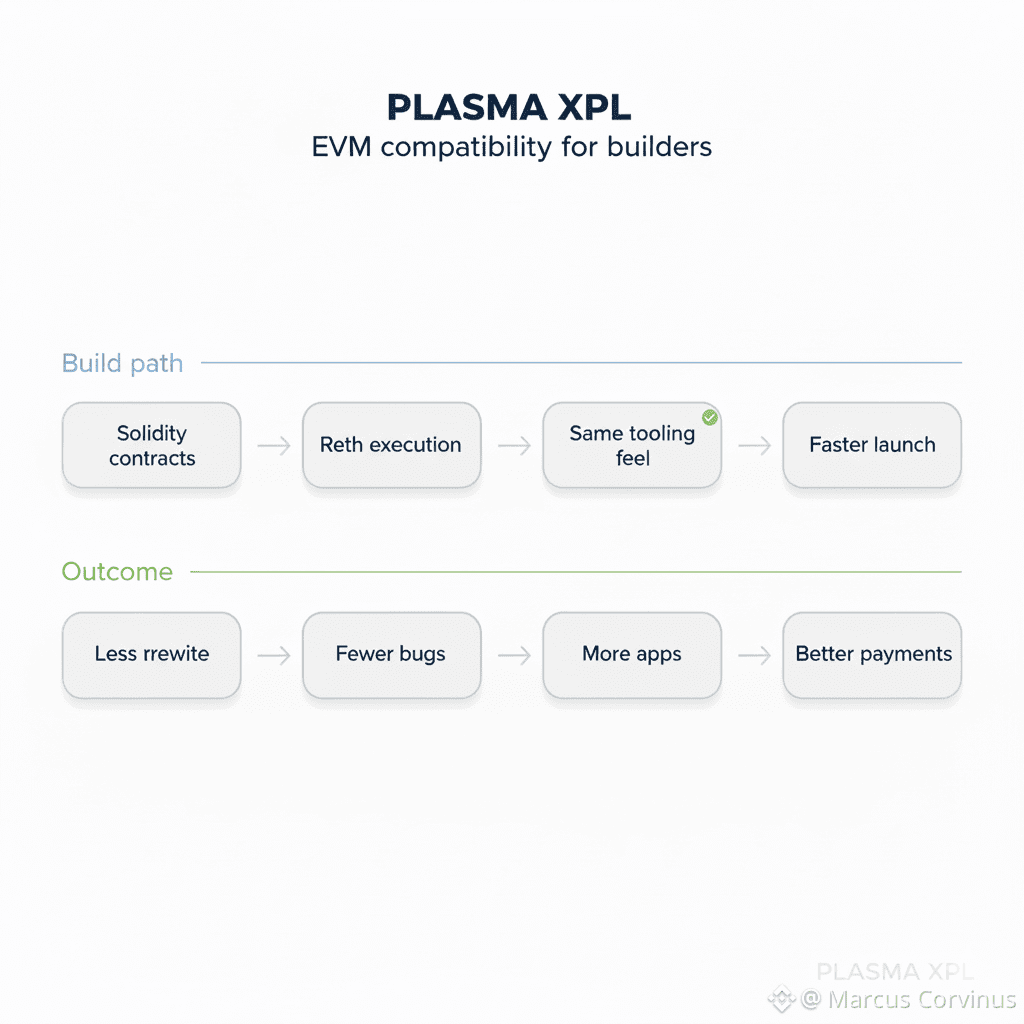
The technical foundation of Plasma supports this focus. They use an Ethereum style execution environment, which means smart contracts built for EVM systems can run here without major changes. This matters because it saves time and reduces risk. Developers already trust these tools. They’re not forced to rebuild everything from scratch. If a wallet, payment app, or finance platform already exists, it can be adapted to Plasma while keeping familiar logic. This lowers the barrier for real products to launch and grow.
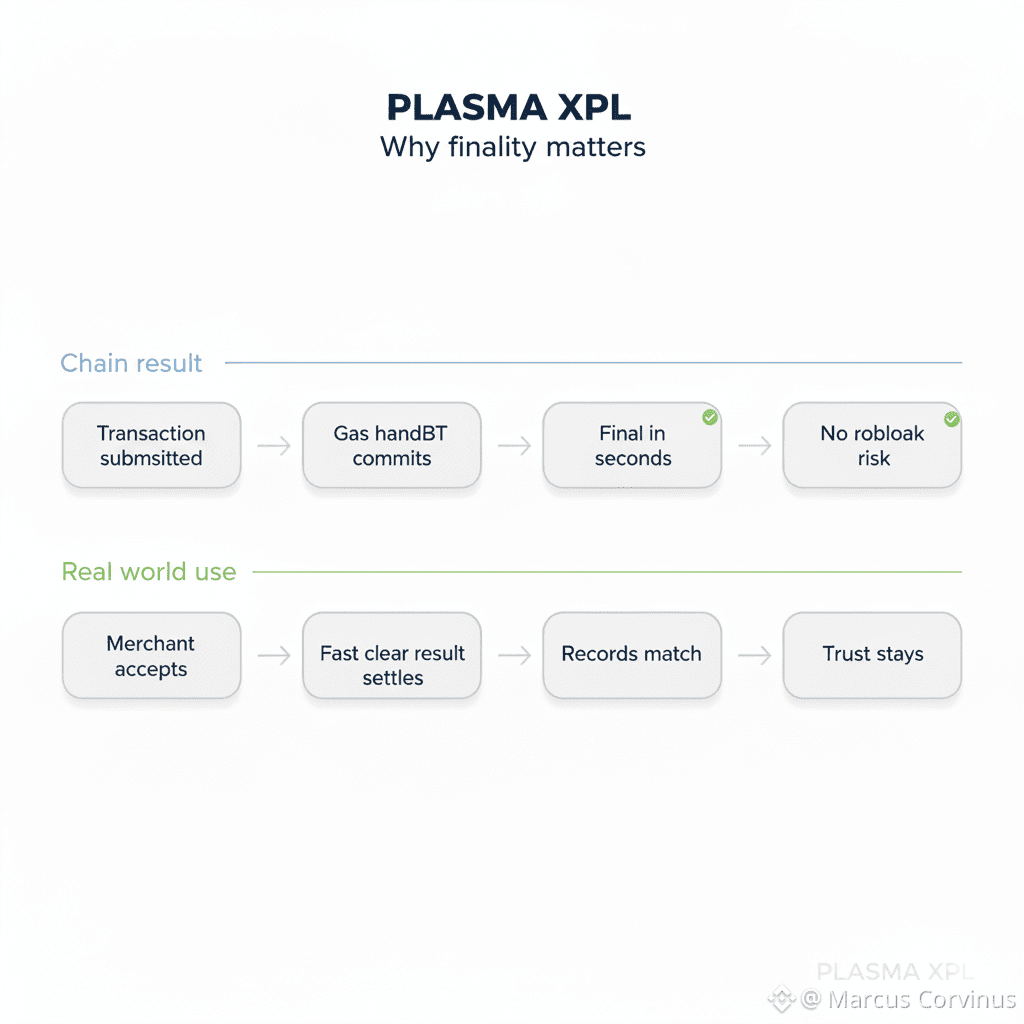
Speed is critical for payments, and Plasma is built around fast finality. Their consensus design is focused on making sure transactions are completed quickly and clearly. Once a transfer is confirmed, it is finished. There is no long waiting period and no uncertainty. For someone receiving funds, that clarity matters. For businesses and payment services, it is essential. They need to know that when money arrives, it is settled and cannot be reversed later. Plasma is built with this requirement at its core.
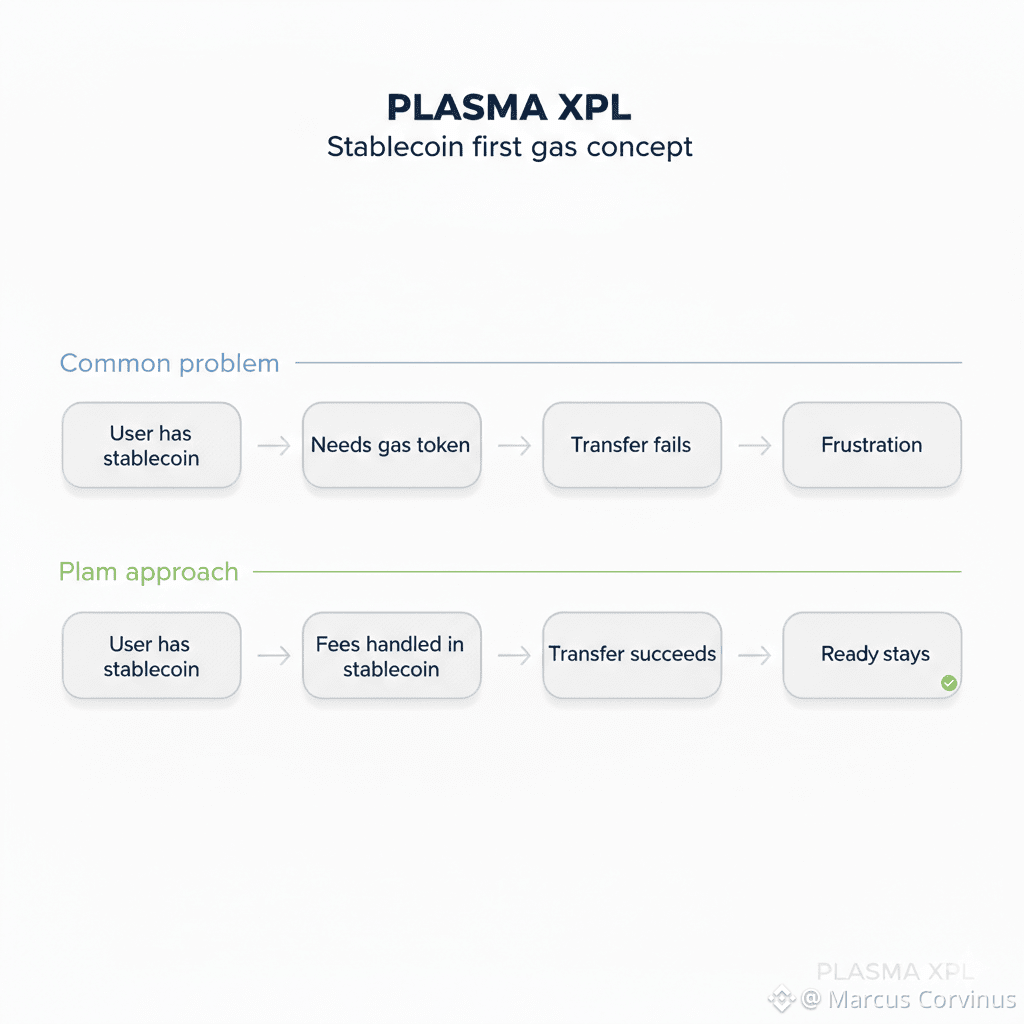
One of the most important ideas behind Plasma is stablecoin first design. On many chains, everything revolves around the native token. Stablecoins are forced to adapt. Plasma reverses this logic. Fees and transaction flows are designed to work naturally with stablecoins. If someone holds stablecoins, they can move them without needing to buy another asset first. This removes friction that has frustrated users for years. I’ve seen people delay payments or abandon transfers because of gas issues. Plasma is built to remove that barrier completely.
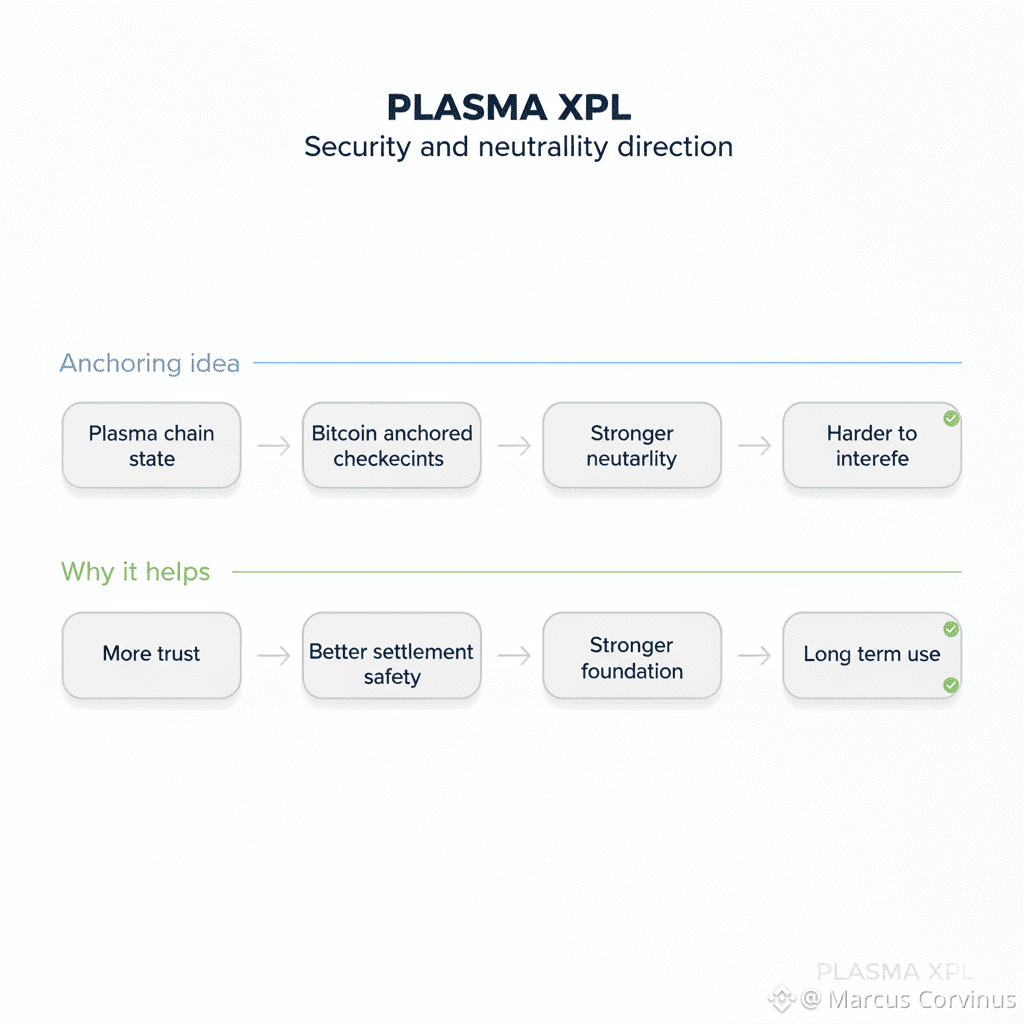
Security is another pillar of the project. Plasma anchors part of its system to Bitcoin to strengthen neutrality and resistance. Bitcoin has a long history and a strong security model. By linking to that foundation, Plasma is signaling that long term safety matters. If stablecoins are used for real economic activity, the base layer must be strong and difficult to interfere with. Plasma is building with that responsibility in mind, not just focusing on short term performance.
Plasma is designed for a wide range of users. Retail users want fast and low cost transfers. They want simplicity and reliability. Businesses want predictable behavior and clear settlement. Payment apps need infrastructure that does not break under pressure. Plasma aims to serve all of these needs by keeping the system focused and disciplined. Fast finality, stable costs, and simple flows are things everyone can understand and trust.
The XPL token supports the network behind the scenes. It plays a role in securing the chain, supporting validators, and enabling governance. The supply and distribution are planned over time rather than rushed. There are structured allocations for ecosystem growth, builders, the team, and early supporters. Unlocks follow a schedule designed to reduce sudden shocks. This approach shows patience and long term thinking. If a network wants to last, it must manage incentives carefully.
Plasma’s growth strategy also reflects this mindset. They are rolling out features in stages, testing systems, and building their community gradually. They’re not promising everything at once. They’re focusing on making sure the foundation works properly before scaling. This is important because payment systems demand trust. If something fails, confidence can disappear quickly. Plasma appears to understand this and is moving carefully.
If I step back and look at the larger picture, Plasma fits into a trend that is already happening. Stablecoins are becoming a key part of global value transfer. People rely on them because they are stable and easy to understand. What has been missing is infrastructure designed specifically for that use. Plasma wants to be that missing layer. If stablecoins are the money people use, Plasma wants to be the system that moves it smoothly and safely.
If Plasma succeeds, most users may never think about the chain itself. They’ll simply send stablecoins and expect everything to work. That is often the sign of good infrastructure. I’m watching Plasma XPL because they’re focused on real needs and real usage. They’re not chasing noise or trends. They’re building a settlement layer that respects how people already use stablecoins. If they continue on this path, Plasma could become an important part of how value moves in the digital economy.

