


Introduction: why this story landed so hard
When OpenClawFounderJoinsOpenAI started spreading, it didn’t feel like a normal “founder gets hired” headline. It felt like a sign that the internet is shifting into a new phase, where AI isn’t just answering questions anymore, it’s touching real buttons, moving through real accounts, and dealing with the same annoying digital life stuff we all hate.
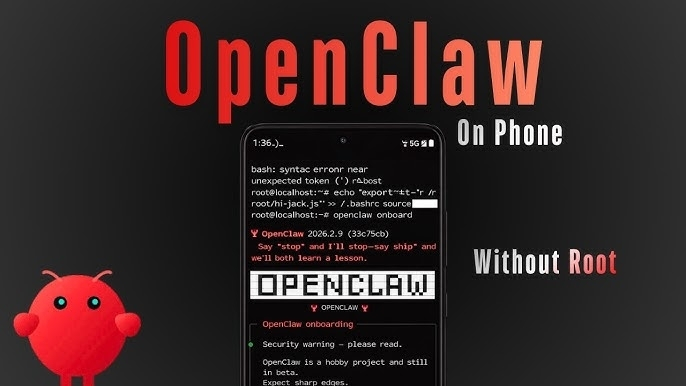
In mid-February 2026, Peter Steinberger, creator of the viral open-source agent OpenClaw, joined OpenAI. OpenAI’s CEO said Steinberger will help push the next generation of personal agents, and OpenClaw will live in a foundation while staying open source, with continued support from OpenAI.
That’s the core of it, and it’s exactly why people are paying attention.
What OpenClaw actually is, in human terms
OpenClaw took off because it promised something that feels personal: an assistant that doesn’t just chat, but can do real chores like managing emails, dealing with admin tasks, and handling everyday digital errands people normally waste hours on.
It’s easy to understand the emotional pull here. If you’ve ever looked at your day and thought, “I’m drowning in tiny tasks,” then an agent that can reduce that load doesn’t feel like a feature, it feels like relief.
That’s why the traction got so loud, so fast. Reuters reported OpenClaw crossed 100,000+ stars on GitHub and drew around 2 million visitors in a week during its surge.
Why OpenAI bringing Steinberger in feels like a real strategic move
This isn’t just about hiring a talented builder. OpenAI’s CEO openly framed Steinberger’s role as driving the next generation of personal agents, which basically translates to: “we’re not only improving models, we’re building systems that can operate inside your life.”
And the timing matters. Agents are becoming the new status symbol in AI, not because they’re flashy, but because they’re hard to make trustworthy. Anyone can demo an agent doing something cool once. The real challenge is making it behave safely and reliably when the world gets weird.
That’s why this hire feels like OpenAI planting a flag in the ground.
The foundation promise: why people are watching this part closely
The foundation angle is the spicy detail, because it’s trying to solve a long-running tension: what happens when something open-source becomes too important to remain a “side project”?
According to reporting and Steinberger’s own post, OpenClaw is expected to move to a foundation and remain open and independent, while OpenAI continues supporting it.
If that structure is real in practice, it’s a strong signal that OpenAI wants the community to keep building openly, while still giving the project stability and resources. If it’s messy, people will immediately suspect the usual storyline: “open for now, absorbed later.” The foundation setup is basically the trust test.
The part nobody can ignore: security fears showed up right alongside the hype
Here’s where the vibe changes.
OpenClaw didn’t only go viral with fans. It also went viral with security teams.
WIRED reported that some tech firms restricted or banned OpenClaw internally over cybersecurity concerns, because a highly capable agent that can control systems with minimal direction can also be unpredictable and vulnerable to manipulation.
And on the regulatory side, Reuters reported that China’s industry ministry warned about security risks tied to misconfigured deployments, including the potential for cyberattacks and data breaches, and urged stronger audits and access controls.
This is the uncomfortable truth about agents: the more useful they become, the more they become a new doorway for problems.
Why this all feels like the start of the “agent era”
If I’m reading the room correctly, this story is bigger than one project.
It’s a preview of what’s coming next:
People will demand agents that feel like a digital helper instead of a chatbot.
Companies will demand agents that feel like audited software, not a wild experiment.
Governments will demand agents that don’t turn into accidental security disasters.
That’s why Steinberger joining OpenAI matters. It’s a signal that the agent future is no longer a side quest. It’s the main path.
What I think this means for builders and users
For builders, the message is simple: agents are the new frontier, but the bar is brutal. You’re not just writing code anymore, you’re designing behavior that touches real lives.
For users, it’s also simple: this is exciting, but you should treat agents like you treat giving someone keys to your house. You want convenience, but you also want locks, limits, and a clear record of what happened.
OpenClaw’s move into a foundation while its founder joins OpenAI is an attempt to make that future feel possible without losing the openness that made people fall in love with it in the first place. Whether it works will depend on what they actually ship, how they govern it, and how seriously they take safety when hype is screaming for speed.