


Kiedy handlujesz kontraktami terminowymi na Binance, zasadniczo zakładasz się, czy cena kryptowaluty wzrośnie, czy spadnie, nie posiadając faktycznie aktywa. Ale oto haczyk - możesz pożyczyć pieniądze, aby postawić większe zakłady, i to właśnie tutaj wchodzi w grę margines. Pomyśl o marginesie jako o kaucji, którą wpłacasz, gdy chcesz pożyczyć samochód od przyjaciela. Bank (w tym przypadku Binance) chce mieć pewność, że masz wystarczająco dużo "skóry w grze", zanim pozwoli ci handlować swoimi pieniędzmi.
The Biggest Opportunity In 2026
Handel na marginesie pozwala ci kontrolować większe pozycje przy mniejszych kwotach własnych dzięki czemuś, co nazywa się dźwignią. Na przykład, przy dźwigni 5x i $1,000 własnych pieniędzy, możesz kontrolować pozycję o wartości $5,000. Brzmi ekscytująco, prawda? Cóż, działa to w obie strony - twoje zyski są mnożone przez 5, ale tak samo są twoje straty. Ten $1,000, który włożyłeś jako margines, to to, co stoi między tobą a całkowitą katastrofą, jeśli transakcja pójdzie źle.
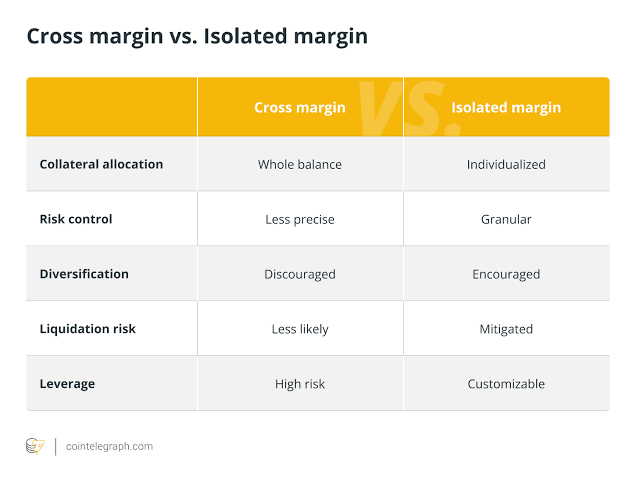
Istnieją dwa główne typy trybów marginesowych w Binance Futures: Cross Margin i Izolowany Margines. Wybór między tymi dwoma może dosłownie decydować o tym, czy stracisz małą kwotę na jednej transakcji, czy stracisz cały saldo swojego konta. Wiele początkujących nawet nie zdaje sobie sprawy, że dokonują tego wyboru, i to tam zaczynają się problemy. Zrozumienie tych trybów nie jest tylko ważne - jest niezbędne do przetrwania w zmiennym świecie handlu futures kryptowalut.
II. Czym jest Cross Margin
Cross Margin jest jak posiadanie jednego dużego wspólnego skarbonki dla wszystkich twoich transakcji futures. Kiedy wybierasz tryb Cross Margin, cały twój bilans portfela Futures staje się zabezpieczeniem dla każdej pojedynczej pozycji, którą otwierasz. Oznacza to, że jeśli masz $10,000 na swoim koncie i handlujesz jednocześnie kontraktami futures na Bitcoin, Ethereum i Solana, wszystkie te transakcje są połączone przez twój wspólny bilans.
Oto, jak to działa w praktyce: Powiedzmy, że masz $5,000 w swoim portfelu Futures i otwierasz długą pozycję na Bitcoinie wartą $15,000, używając dźwigni 3x (więc używasz $5,000 jako marginesu). Jeśli Bitcoin zaczyna spadać, a twoja pozycja obraca się przeciwko tobie, system automatycznie używa całego twojego salda $5,000, aby utrzymać pozycję przy życiu. Ale tutaj robi się interesująco - jeśli masz również zyskowną pozycję Ethereum działającą w tym samym czasie, te zyski automatycznie pomagają wspierać twoją przegrywającą transakcję Bitcoin, bez potrzeby działania z twojej strony.
System oblicza twój poziom marginesu holistycznie, porównując twoje całkowite aktywa z całkowitymi pożyczonymi kwotami we wszystkich pozycjach. Pomyśl o tym jak o domowym budżecie, w którym wszyscy dzielą to samo konto bankowe. Jeśli tata wydaje za dużo na narzędzia, ale mama oszczędza na zakupach, budżet rodzinny pozostaje zrównoważony. Jednak jeśli wszyscy wydają za dużo w tym samym czasie, cały budżet zostaje zniszczony. Cross Margin zapewnia elastyczność i może zapobiec zbyt szybkiemu likwidowaniu poszczególnych pozycji, ale oznacza to również, że całe twoje konto jest ze sobą powiązane i wrażliwe na szersze ruchy rynkowe.
III. Czym jest Izolowany Margines
Izolowany Margines działa całkowicie inaczej - to jak posiadanie osobnych kopert z gotówką dla każdej transakcji, którą wykonujesz. Kiedy wybierasz Izolowany Margines, przeznaczasz konkretną kwotę pieniędzy na każdą indywidualną pozycję, a te pieniądze mogą być używane tylko do tej konkretnej transakcji. Reszta twojego bilansu konta pozostaje całkowicie nietknięta i bezpieczna przed wynikami tej pozycji.
Na przykład, jeśli masz $5,000 w swoim portfelu Futures i chcesz handlować Bitcoinem, możesz przeznaczyć tylko $1,000 na tę pozycję w Bitcoinie, używając Izolowanego Marginesu. Nawet jeśli Bitcoin się załamie i stracisz te całe $1,000, twoje pozostałe $4,000 pozostanie całkowicie bezpieczne i dostępne dla innych transakcji. To jak posiadanie oddzielnych budżetów na hazard dla pokera, blackjacka i automatów - przegrana w pokerze nie wpływa na twoje pieniądze na blackjacka.
Izolacja oznacza, że każda pozycja ma swoje własne obliczenia poziomu marginesu, ceny likwidacji i profil ryzyka. Musisz ręcznie dodać więcej marginesu do pozycji, jeśli zbliża się ona do likwidacji - nie ma automatycznego dzielenia funduszy między pozycjami. Ten układ daje ci dokładną kontrolę nad twoją ekspozycją na ryzyko i znacznie ułatwia śledzenie wyników poszczególnych transakcji. Pomyśl o tym jak o finansowej kompartamentalizacji - dokładnie wiesz, ile ryzykujesz na każdym zakładzie, a straty są ograniczone do tych konkretnych kompartamentów.
IV. Dlaczego powinieneś rozważyć Cross Margin
Cross Margin oferuje kilka przekonujących zalet, szczególnie dla traderów, którzy chcą prowadzić wiele pozycji lub hedgować swoje zakłady w różnych kryptowalutach. Największą korzyścią jest efektywność kapitałowa - twoje pieniądze pracują ciężej, ponieważ są dzielone na wszystkie twoje transakcje. Zamiast przeznaczać konkretne kwoty na każdą pozycję, możesz elastyczniej wykorzystać swój pełny bilans.
Automatyczne dzielenie marginesu może być zbawienne w okresach zmienności. Wyobraź to sobie: jesteś długi na Bitcoinie i krótki na altcoina jako hedż. Bitcoin spada o 10%, co stawia twoją długą pozycję w niebezpieczeństwie, ale twój krótki altcoin staje się zyskowny. W trybie Cross Margin zyski z twojej wygranej krótkiej pozycji automatycznie wspierają twoją zmagającą się długą pozycję, potencjalnie ratując ją przed likwidacją. To dynamiczne przearanżowanie odbywa się bez żadnej akcji z twojej strony.
Cross Margin upraszcza również zarządzanie portfelem, gdy prowadzisz wiele strategii. Nie musisz ciągle monitorować i ręcznie dostosowywać marginesów na poszczególnych pozycjach. System robi to automatycznie, co może być szczególnie cenne podczas szybko zmieniających się rynków, kiedy możesz nie mieć czasu na mikro zarządzanie każdą transakcją. Dla traderów, którzy rozumieją korelacje między różnymi aktywami kryptograficznymi i chcą wdrożyć wyrafinowane strategie hedgingowe, Cross Margin zapewnia elastyczność, aby zwycięzcy naturalnie wspierali przegranych.
Jednak ten tryb działa najlepiej dla doświadczonych traderów, którzy rozumieją powiązane ryzyka i utrzymują dyscyplinę odpowiedniego rozmiaru pozycji w całym swoim portfelu.
V. Dlaczego powinieneś rozważyć Izolowany Margines
Izolowany margines jest często lepszym wyborem dla początkujących i ostrożnych traderów, ponieważ zapewnia wyraźne granice dotyczące twojej ekspozycji na ryzyko. Główną zaletą jest to, że nie możesz stracić więcej niż to, co konkretnie przeznaczasz na każdą transakcję. To znacznie ułatwia przestrzeganie zasad zarządzania ryzykiem, takich jak nigdy nie ryzykowanie więcej niż 2-3% swojego całkowitego portfela na jakąkolwiek pojedynczą transakcję.
Dla nowych traderów, Izolowany Margines służy jako doskonałe kółka treningowe. Możesz eksperymentować z różnymi strategiami, testować wyższe kwoty dźwigni lub handlować niestabilnymi altcoinami, nie martwiąc się o uszkodzenie swojego szerszego portfela. Jeśli chcesz spróbować ryzykownej transakcji z dźwignią 10x na jakimś nowym tokenie DeFi, możesz odizolować tylko $200 na tę transakcję i wiedzieć, że to maksymalna kwota, jaką możesz stracić, kropka.
Korzyści psychologiczne są również znaczące. Kiedy transakcje są izolowane, jesteś mniej skłonny do podejmowania emocjonalnych decyzji, które kumulują straty w wielu pozycjach. Każda transakcja stoi osobno, co ułatwia ci cięcie strat w razie potrzeby i zapobiega pokusie "uśredniania w dół", która często niszczy konta. Otrzymujesz również jaśniejsze śledzenie zysków i strat dla każdej indywidualnej strategii, co pomaga ci nauczyć się, co działa, a co nie.
Izolowany margines jest również idealny dla traderów, którzy chcą używać różnych profili ryzyka dla różnych typów transakcji. Możesz używać konserwatywnej dźwigni 3x dla swojej głównej pozycji w Bitcoinie, jednocześnie podejmując mały, agresywny zakład z dźwignią 20x na altcoin - wszystko to bez wpływu tych pozycji na siebie nawzajem.
VI. Inne czynniki, które powinieneś rozważyć
Poza wyborem między Cross a Izolowanym Marginesem, kilka innych krytycznych czynników może określić twój sukces lub porażkę w handlu futures. Twój ogólny rozmiar portfela odgrywa ogromną rolę w tej decyzji. Mniejsze konta (poniżej $10,000) zazwyczaj bardziej korzystają na Izolowanym Marginesie, ponieważ całkowita likwidacja konta byłaby katastrofalna, podczas gdy większe, bardziej zdywersyfikowane portfele mogą skorzystać na efektywności Cross Margin.
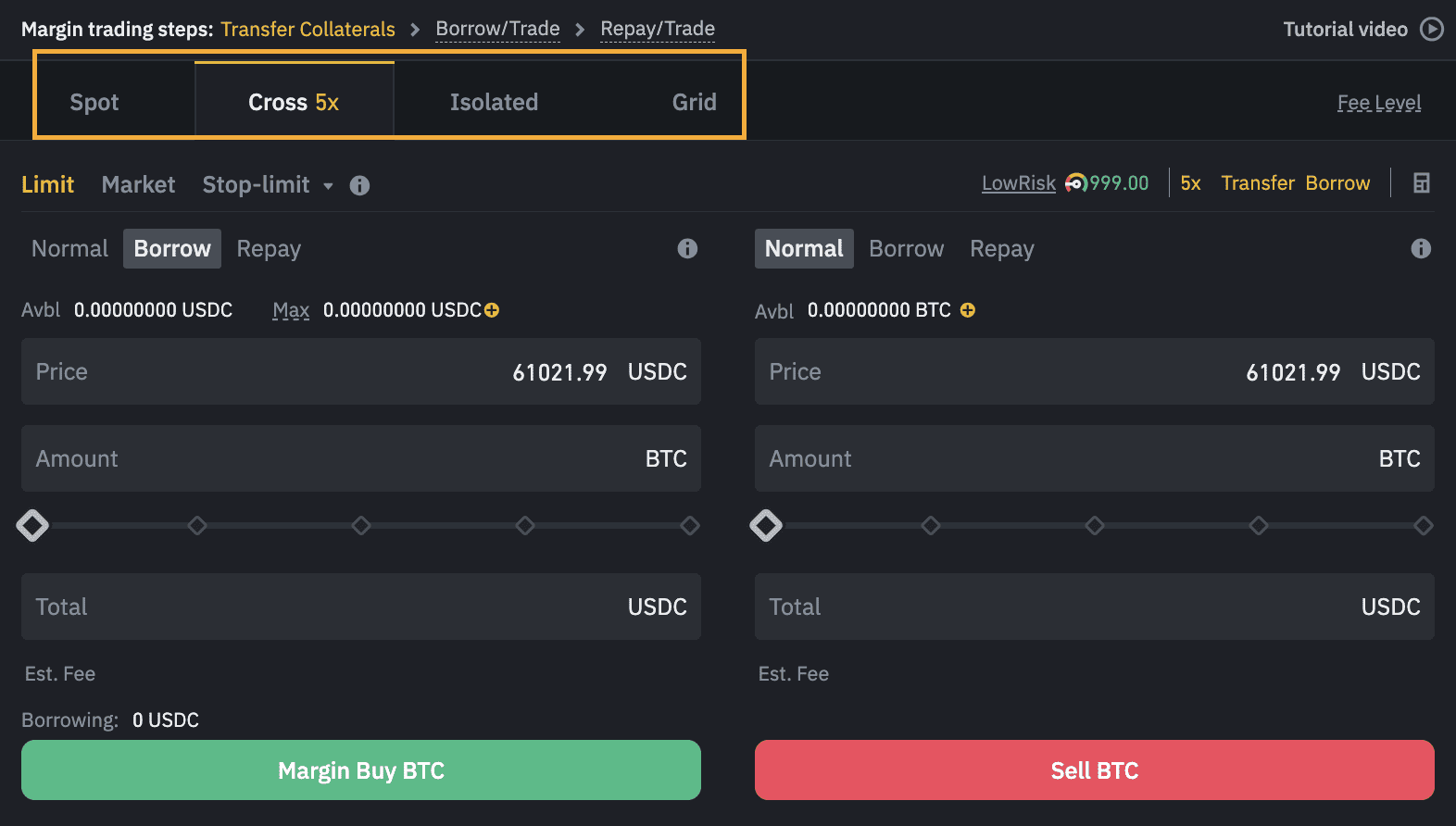
Warunki rynkowe powinny mocno wpływać na twój wybór. W okresach dużej zmienności - jak w październiku 2025 roku, kiedy w jednym dniu zlikwidowano $19.16 miliarda - Izolowany Margines zapewnia lepszą ochronę przed efektami kaskadowymi. Jednak w bardziej stabilnych, trendowych rynkach, Cross Margin może oferować lepsze wykorzystanie kapitału do gier korelacyjnych.
Twój styl handlu i poziom doświadczenia są równie ważnymi czynnikami do rozważenia. Traderzy dzienni i skalpownicy, którzy nieustannie monitorują swoje pozycje, mogą preferować Cross Margin ze względu na jego elastyczność, podczas gdy traderzy swingowi, którzy trzymają pozycje przez dni lub tygodnie, mogą preferować spokój umysłu, który wiąże się z Izolowanym Marginesem. Początkujący powinni niemal zawsze zaczynać od Izolowanego Marginesu, dopóki nie zrozumieją w pełni rozmiaru pozycji, ryzyk korelacji i efektów dźwigni.
Nie zapominaj również o aspektach technicznych. Stawki finansowania, wymagania dotyczące marginesu utrzymania i mechanizmy likwidacji działają nieco inaczej w obu trybach. Użytkownicy Cross Margin muszą monitorować swoją ogólną proporcję marginesu konta, podczas gdy użytkownicy Izolowanego Marginesu muszą śledzić zdrowie pojedynczych pozycji. Oba wymagają ustawienia odpowiednich powiadomień i zleceń stop-loss, ale podejście do monitorowania różni się znacznie.
Na koniec rozważ swój harmonogram snu i strefę czasową w odniesieniu do aktywności rynków kryptowalut. Cross Margin wymaga bardziej czujnego monitorowania, ponieważ problemy mogą kaskadować między pozycjami, podczas gdy Izolowany Margines pozwala ci "ustawić i zapomnieć" o poszczególnych transakcjach z wcześniej określonymi limitami ryzyka.
Zawsze pamiętaj, że "dźwignia" to miecz obosieczny, który może szybko przynieść ci pieniądze i zniszczyć cały twój portfel znacznie szybciej. Zdrowa dźwignia to zawsze poniżej 5x. Zawsze prowadź własne badania przed przystąpieniem.


