
vanar is building a new kind of Web3 foundation—one that doesn’t just run smart contracts, but helps applications act smarter. The idea is to take blockchains beyond “programmable” and into a world where apps can understand context, remember what matters, and respond in a more intelligent way. This matters most for areas where speed, trust, and smooth user experience are critical, like payments-focused finance (PayFi), tokenized real-world assets, and big consumer spaces such as gaming and interactive media.
At its heart, vanar wants Web3 to feel normal for everyday people. Most blockchain products still expect users to understand wallets, gas fees, and complicated steps. vanar’s mission is to remove that friction so apps feel simple and familiar, while still keeping the benefits of decentralization. On the builder side, the goal is just as important: give developers tools to create smart, context-aware products that can scale without turning the user experience into a technical obstacle course.
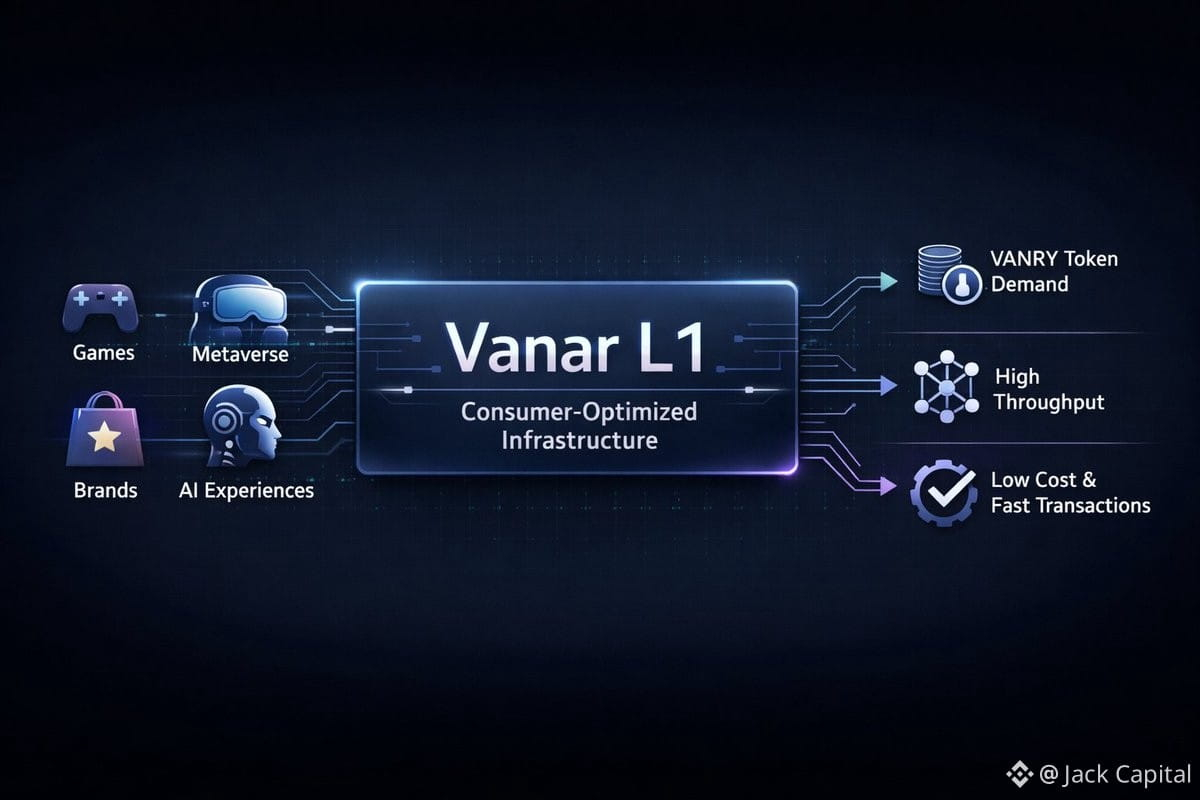
The technology behind vanar is designed like a full stack rather than a single chain. It’s described as an AI-native Layer 1 built around five connected layers. First is a fast base chain meant to handle high throughput. Then comes a semantic memory layer, which is a key part of what makes vanar different: instead of data sitting on-chain as “just storage,” it’s organized in a way that makes it easier to search, understand, and use. On top of that is an on-chain reasoning engine, aiming to let applications do more than execute rules—they can work with context and verification logic in a way that supports real finance and compliance-heavy use cases. The roadmap also includes automation and industry-focused application layers, pointing to a future where the chain doesn’t just host apps, but helps run complex workflows end-to-end.
vanar is also thinking about the reality of building in Web3 today: most teams don’t want to start from scratch. That’s why it highlights Ethereum compatibility, reducing the pain of moving over for developers who already know EVM tools. Its node implementation is publicly described as EVM-compatible and derived from Geth, which helps lower the barrier for builders who want to experiment without abandoning the ecosystem they already use.
What makes vanar feel especially exciting is how it’s aiming for real-time, real-world experiences. Many blockchains struggle when apps need quick responses, steady costs, and reliable performance—things that matter a lot in live economies, fast-moving finance, and interactive games. vanar’s focus on fast finality, predictable execution, and persistent state is meant to make these experiences feel instant and dependable, not delayed or uncertain. Alongside that, it positions developer-friendly SDKs and simple APIs as part of the path to making AI-enabled Web3 apps easier to build and easier to ship.
Recent updates keep pushing the same clear direction: vanar is doubling down on “AI infrastructure for Web3” and continuing to spotlight its five-layer roadmap, with automation and industry application layers marked as coming soon. It also points to ecosystem confidence through a “trusted by” lineup that includes Worldpay, plus other infrastructure and exchange partners. And in its own published updates, vanar has highlighted its participation in NVIDIA’s Inception program, signaling that it’s actively trying to grow its network, visibility, and momentum as it builds.
