
A decade ago, the UK voted to leave the European Union and reclaim what was framed as sovereign independence. Today, the same country is quietly proposing to adopt EU regulations automatically — without requiring a parliamentary vote each time. That is a remarkable reversal, and it deserves to be understood for what it truly represents.
This isn't nostalgia. It isn't political weakness. It is a hard-headed, evidence-driven response to a world that looks nothing like the one that existed in 2016.
The Brexit vote happened before COVID exposed the fragility of global supply chains. Before a land war returned to European soil. Before Trump's tariffs — now at their highest levels since the Second World War — rewrote the rules of transatlantic trade. Before Brexit itself was estimated to have reduced the size of the UK economy by somewhere between 6% and 8%. These are not abstract statistics. They represent real lost output, real reduced living standards, and real diminished influence on the global stage.
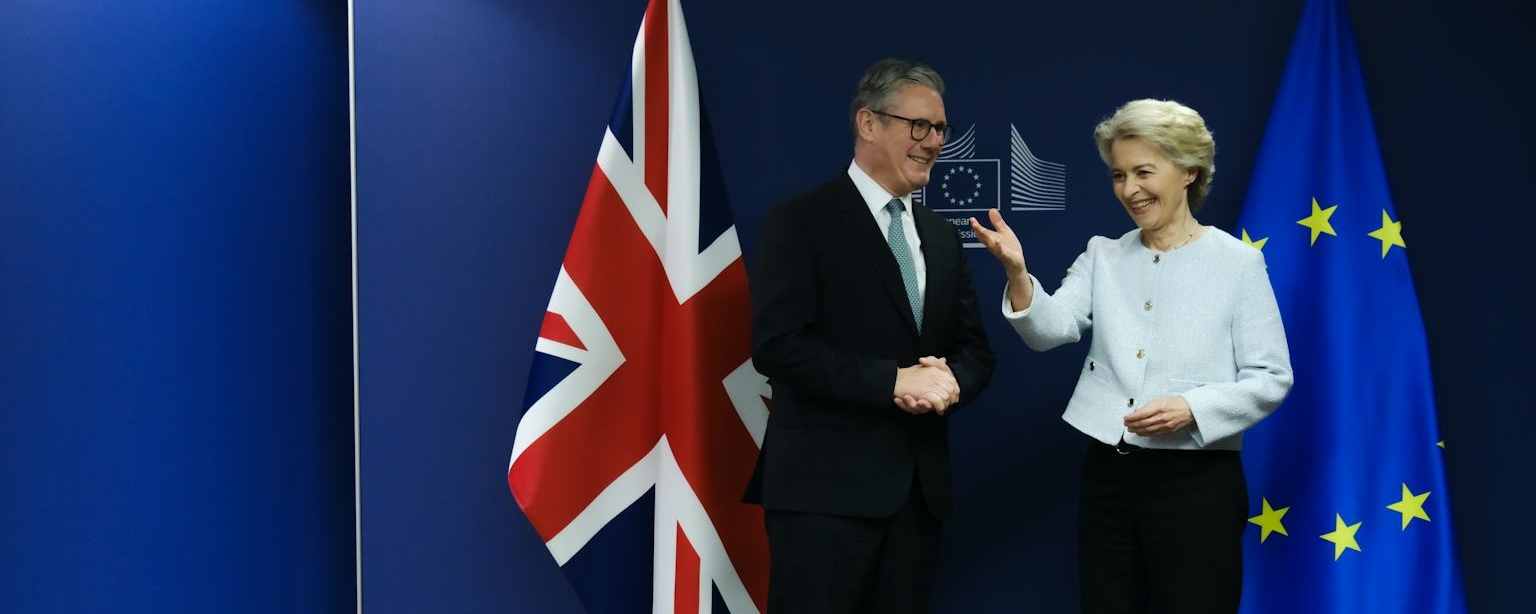
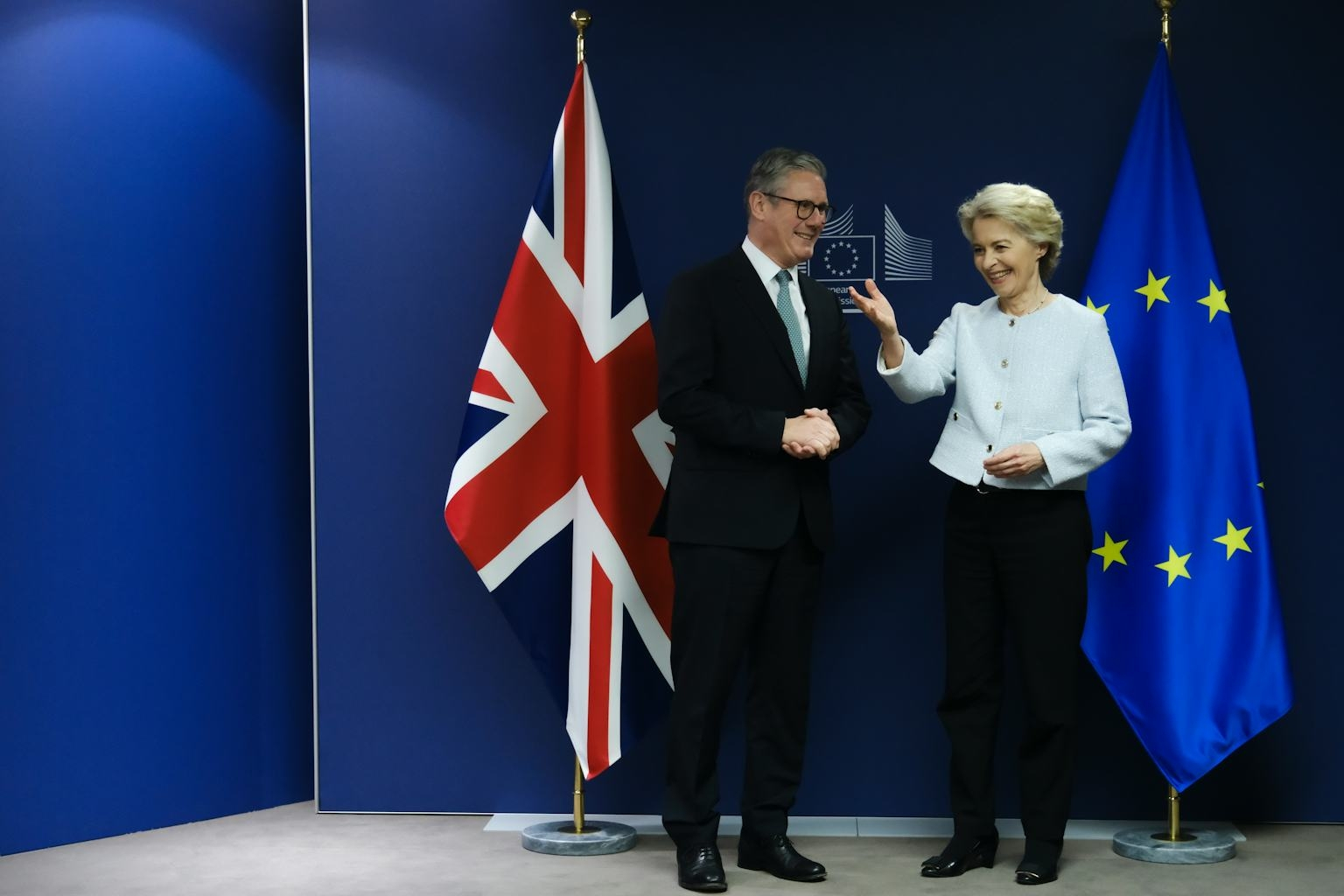
Prime Minister Keir Starmer's proposal to allow the UK to align with EU single market rules through new domestic legislation — bypassing the need for repeated parliamentary votes — is politically courageous in a way that shouldn't be underestimated. It will draw fierce opposition from Conservatives and Reform UK, who will frame it as surrendering the sovereignty that Brexit was supposed to secure. That battle will be loud and it will be prolonged.
But the substantive case for closer alignment is genuinely strong across multiple dimensions.
For businesses, regulatory alignment reduces the bureaucratic burden that has made UK-EU trade measurably more expensive and slower since Brexit. For consumers, it means fresher food reaching shelves faster, fewer border delays, and downward pressure on prices at a time when inflation remains a live concern. For Northern Ireland — where post-Brexit trade disruption between Great Britain and the single market has created ongoing friction — smoother alignment could ease tensions that have never fully resolved.

For foreign investors, it offers something arguably more valuable than any individual incentive: predictability. When the UK aligns with EU regulatory frameworks, investors from outside Europe can commit capital to the UK with confidence that it connects meaningfully to the world's largest single market. In 2025, foreign direct investment began shifting toward capital-intensive, technology-driven projects in developed economies. The UK needs to be in that conversation — and EU alignment strengthens its case considerably.
The broader geopolitical context matters here too. The EU is actively seeking to diversify its trading relationships and reduce supply chain vulnerabilities exposed by COVID, the Ukraine war, and ongoing Middle East instability. The UK, sitting geographically and culturally between the EU and the US, has a genuine opportunity to position itself as an indispensable partner rather than an awkward outsider.
The May 2025 UK-EU trade agreement was an important foundation. What is now being proposed builds meaningfully on it. This is not a return to EU membership — and it should not be framed as one. It is something more pragmatic and perhaps more durable: a mature relationship between neighboring economies choosing cooperation over competition because the evidence overwhelmingly supports it.
Brexit happened. It cannot be undone and relitigating it serves no one. But adapting intelligently to the world as it actually exists — rather than as it was imagined to be in 2016 — is not a betrayal of anything. It is exactly what serious governance looks like.
The UK is signalling that it wants to be a partner Europe can rely on. If that signal is received and reciprocated, both sides stand to benefit considerably.
#Brexit #UKEURelations #Trade #EuropeanUnion #BritishPolitics


