
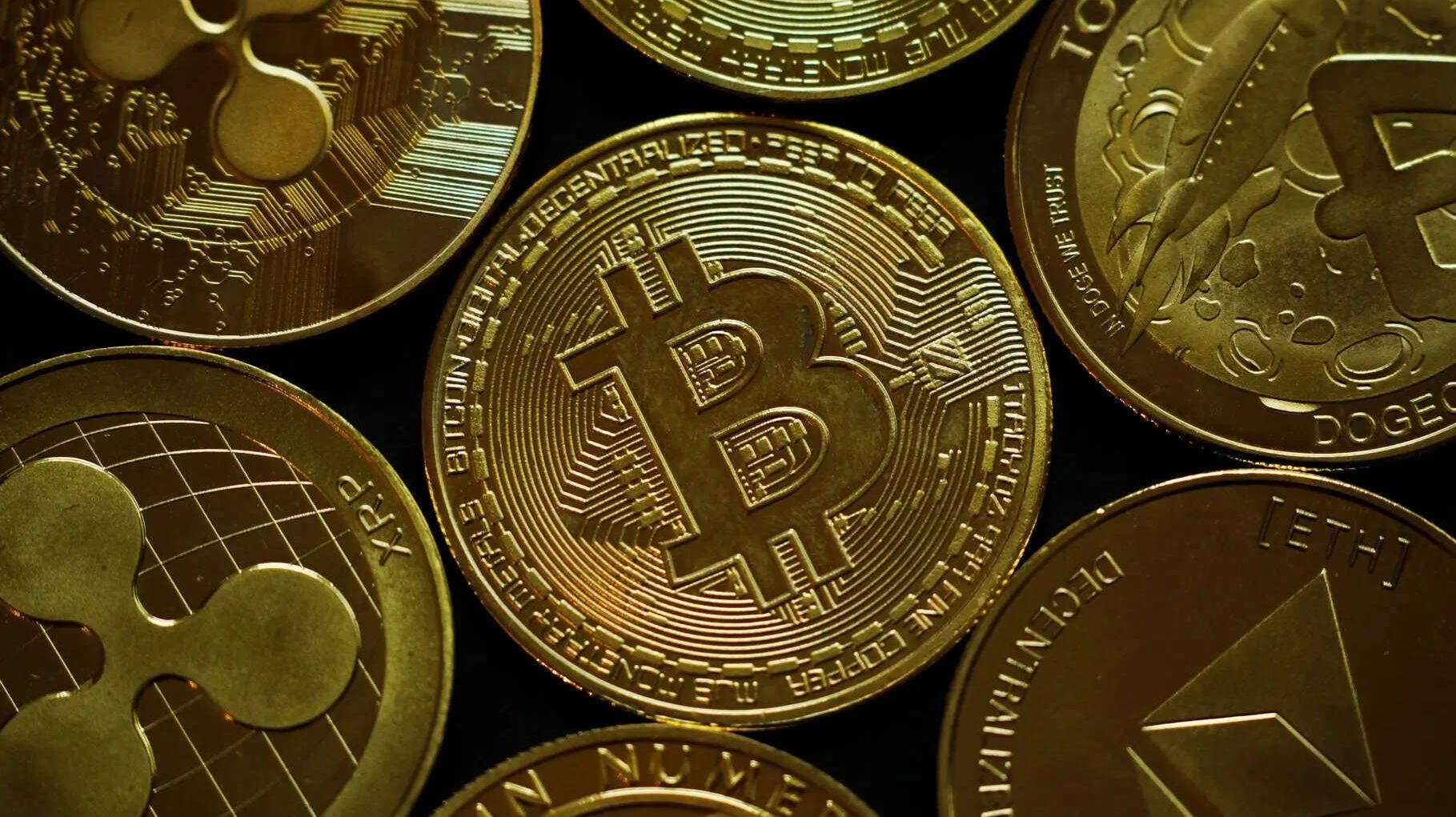
This is exactly how crypto moves during geopolitical events — fast, violent, and in a direction nobody positioned for.
Bitcoin climbed to near $70,000 as traders reacted to reports of potential U.S.-Iran ceasefire talks brokered by Pakistan, triggering a short squeeze that liquidated more than $270 million in bearish positions. Ether jumped 5.39% to $2,153, recovering from below $2,000 — its lowest level since mid-2024. Global 24-hour trading volume surged to $81.1 billion, up 77.8% from the previous day.
Derivatives data show rising open interest and positive funding rates across Bitcoin, Ether, and several major altcoins, with notional open interest in BTC and ETH rising 7% and 11% respectively — outpacing spot price gains, suggesting fresh capital entering the market chasing bullish exposure. ADA, AVAX, and LINK stand out with double-digit OI increases alongside positive funding rates.
Here's the honest context: this rally is fragile. The ceasefire reports haven't been officially confirmed, and Iran has previously rejected U.S. proposals. The $60,000 put and $80,000 call are the most popular options bets on Deribit, each with $1.4 billion in notional open interest — meaning the market is still hedging heavily for both a crash and a breakout simultaneously. Bitcoin's 30-day implied volatility dropped below 50% for the first time since February, signaling calm, but options traders aren't fully convinced this move holds.
The pattern has played out four times already in 2026: Iran news breaks, crypto spikes, then consolidates as reality sets in. That doesn't make this trade wrong — it means you need to know your timeframe and risk tolerance before chasing a move already in progress.
Watch $75,000 as the key level. If BTC holds and closes above it, the narrative changes significantly. Until then, it's still a bear market bounce with geopolitical dependency.
Not financial advice. DYOR.