
I have been thinking about how partnerships are interpreted in Web3, and they often fall into two categories. Some are purely symbolic a logo on a slide or a mention in a tweet. Others signal something deeper a shared direction, a potential integration, or a reason to believe that two systems might actually work together. When I look at the connection between Animoca Brands and Sign Protocol, I try to understand which category this belongs to.
At first, I lean toward caution.
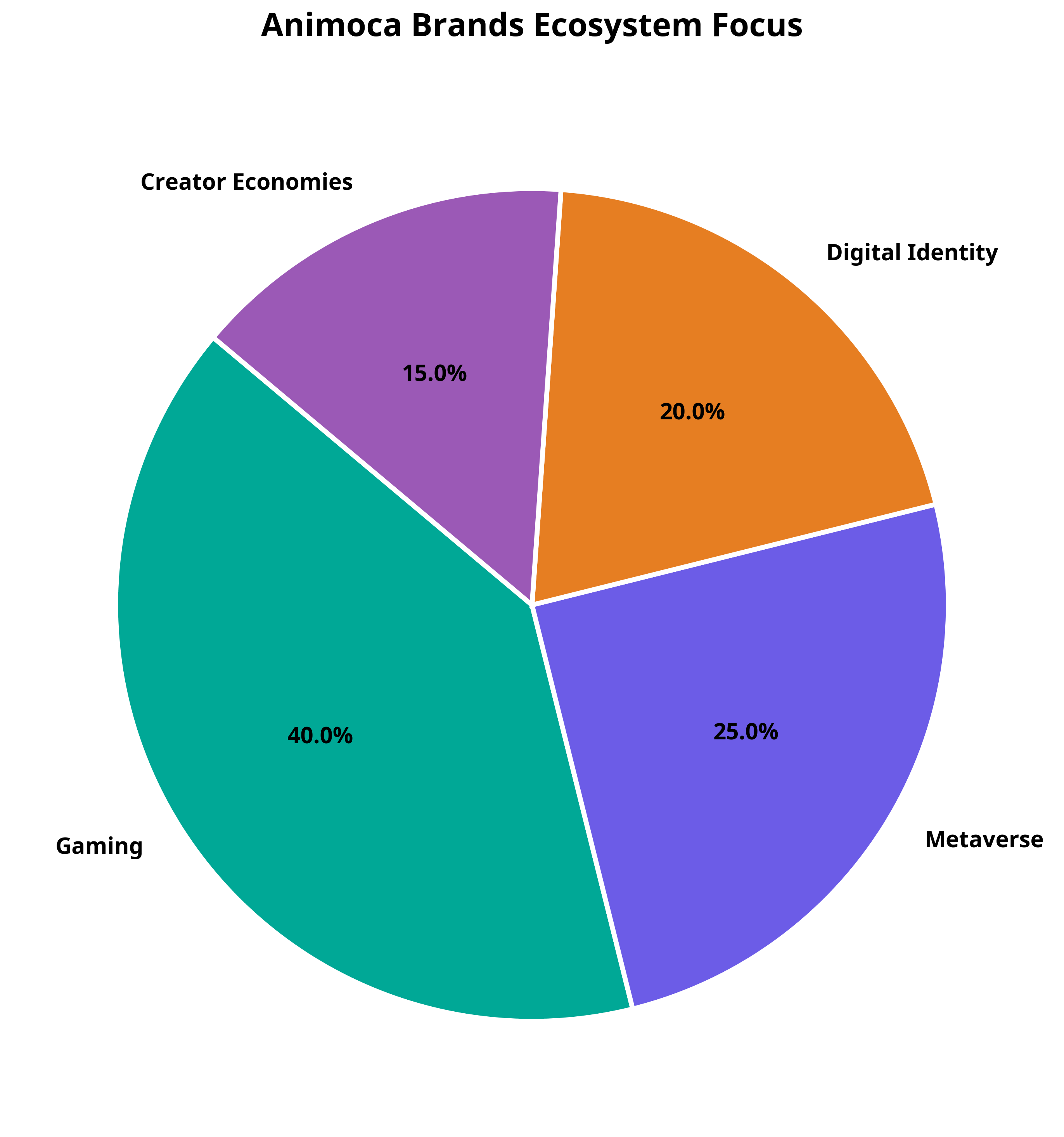
Animoca Brands has been involved in a wide range of projects across gaming, digital identity, and metaverse infrastructure. Their presence alone does not guarantee deep integration; it often signals interest or strategic alignment. But not always execution. That is why I try to look beyond the announcement and think about what each side actually brings.
From one angle, the partnership makes sense.
Animoca operates across ecosystems where identity ownership and digital assets intersect. Gaming platforms, virtual worlds, and creator economies all rely on some form of reputation and verification. Players earn assets. Users build identities. Communities form around digital interactions. Yet much of that data remains siloed within individual platforms.
This is where Sign Protocol starts to look relevant.
It focuses on attestations verifiable claims about identity, achievements, or permissions. If those claims can move across platforms, they could support a more connected digital experience. A player’s reputation in one environment could carry into another. Credentials earned in one system could be recognized elsewhere.
In theory, this aligns with Animoca’s broader vision of digital ownership.
But theory is only part of the story.
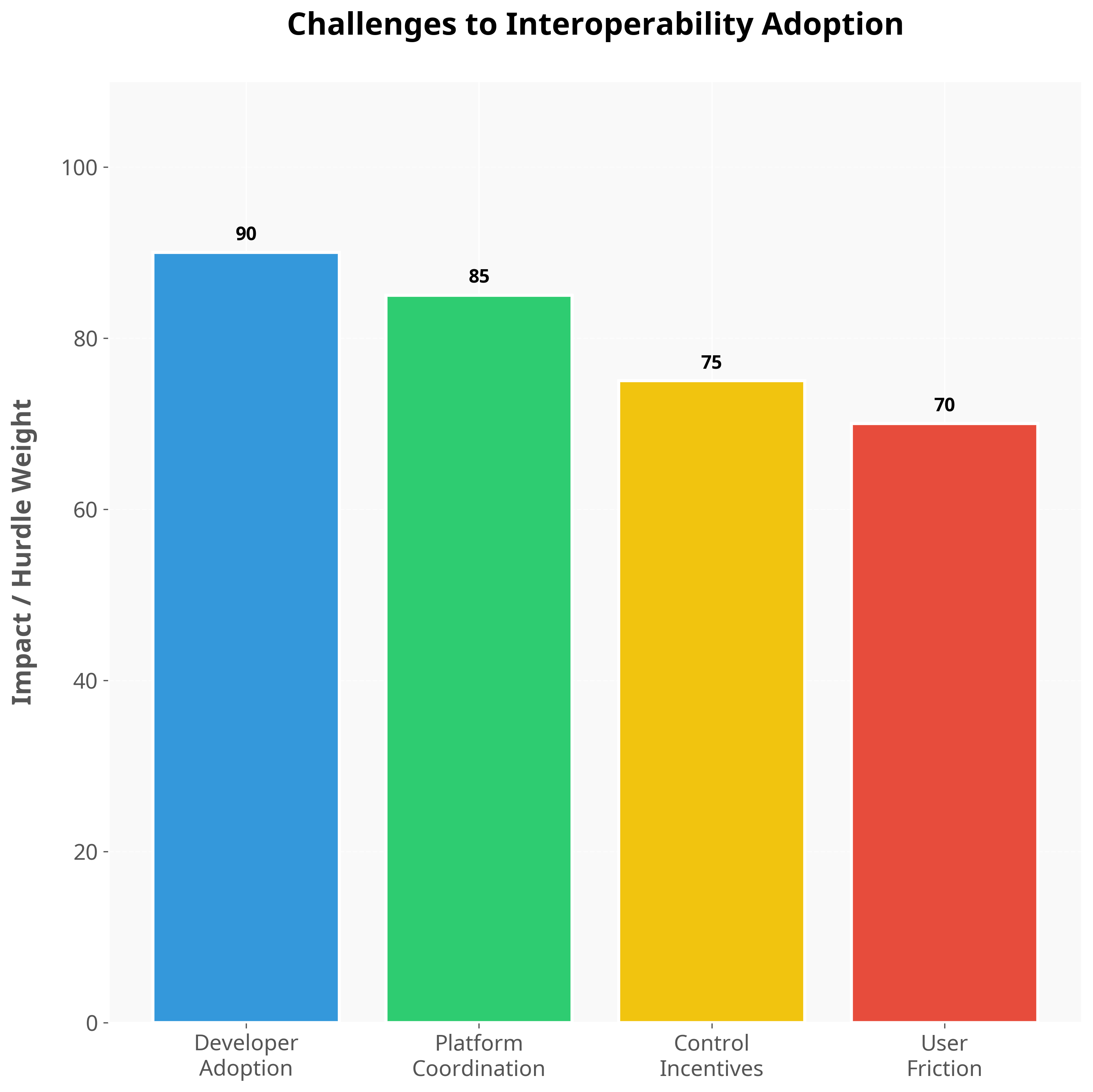
I remain cautious because interoperability is harder than it sounds. Even if Sign provides the infrastructure, each application must choose to adopt it. Game developers must integrate attestation systems. Platforms must agree on how credentials are interpreted. Without that coordination, the system remains technically possible but practically unused.
Another aspect I consider is incentives.
Why would developers adopt a shared attestation layer instead of building their own systems? Control is often valuable. Platforms may prefer to keep user data and reputation within their own environment. A decentralized system only becomes attractive if it offers clear advantages in user experience, scalability, or network effects.
This is where a partner like Animoca could matter.
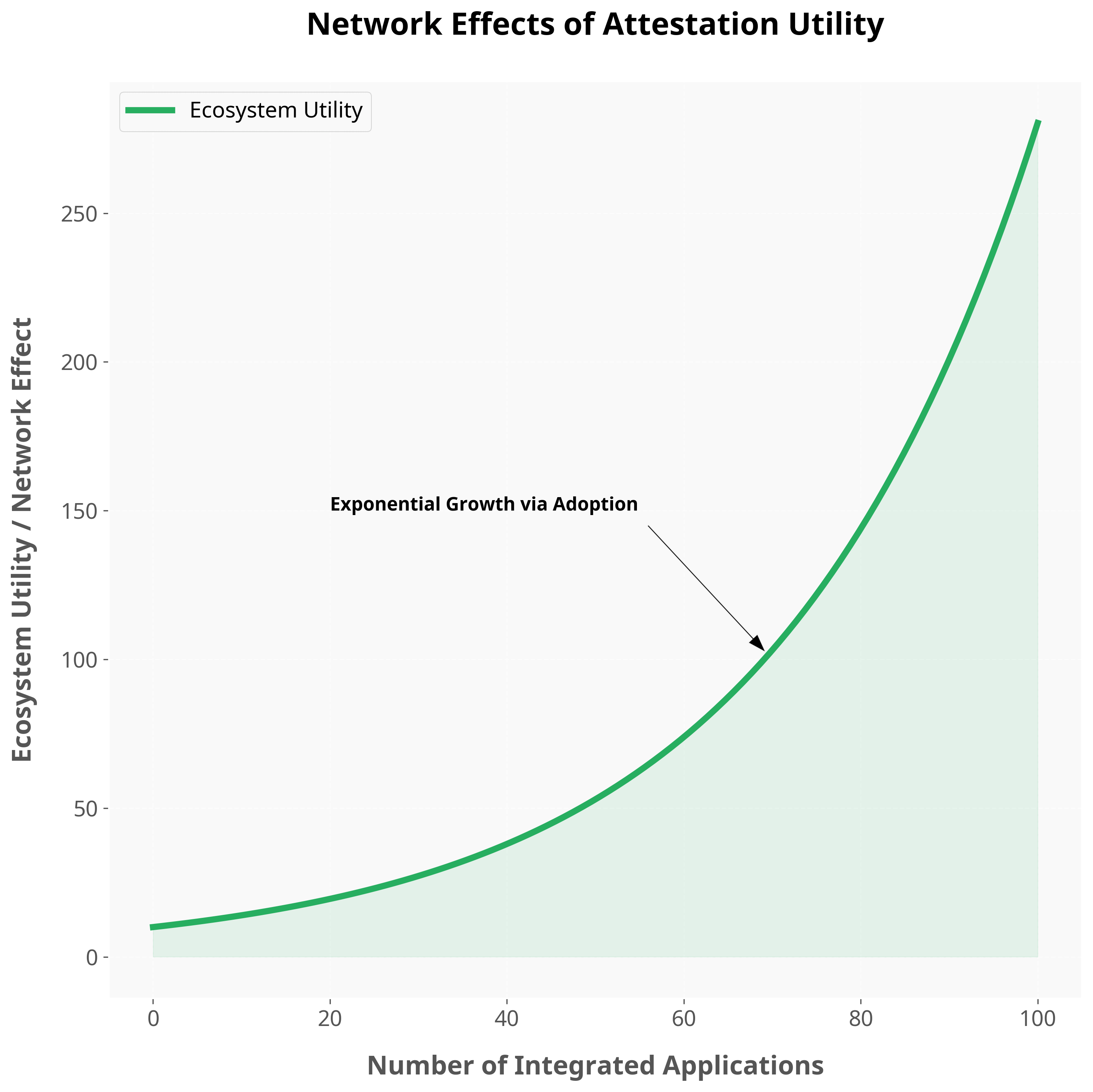
They have influence across multiple projects and ecosystems. If they encourage or standardize the use of attestations within their portfolio, it could create early network effects. A shared approach to identity and reputation might emerge across different platforms rather than being built independently each time.
Still, I hesitate to assume that outcome.
Partnerships often highlight potential rather than commitment. Execution requires time, resources, and alignment across multiple teams. Even within a single organization, achieving consistency across products can be difficult. Across an ecosystem, it becomes even more complex.
There is also the question of user perception.
For most users, the underlying infrastructure is invisible. They care about whether systems feel seamless whether their identity carries across platforms without friction and whether they maintain control over their data. If Sign’s integration remains hidden but improves these experiences, then its value becomes real. If not, it risks remaining an abstract layer that users never notice.
From a broader perspective, this partnership reflects a shift in Web3 priorities.
The focus is moving beyond simple asset ownership toward identity, reputation, and verifiable interactions. Tokens alone are not enough to build persistent digital ecosystems. Systems need ways to represent trust and history across platforms.
That is the space where Sign is trying to operate.
Whether Animoca’s involvement accelerates that vision is still uncertain.
It could provide distribution, encourage adoption, help establish early standards, or remain a strategic alignment that takes time to translate into real integration.
For now, I see this partnership as a signal rather than a conclusion.
It suggests that attestation-based infrastructure is becoming relevant to ecosystems that extend beyond finance into gaming and digital identity.
If that trend continues, then partnerships like this may matter more than they appear today.
If not, they will join the long list of Web3 collaborations that looked promising but never fully materialized.
Either way, the question remains the same:
Can a shared trust layer actually connect fragmented digital worlds?
That is what I would be watching.