
I have noticed something interesting about how blockchain projects talk about adoption. Most stay inside whitepapers and testnets. They describe potential. They describe future use cases. But when I started looking into Sign Protocol and its presence in the UAE the conversation felt slightly different. It was not just about what could happen. It was about what might already be happening in real systems.
At first I approached that idea with caution.
Crypto has a habit of overstating partnerships and deployments. A mention of a country does not always mean real integration. But as I dug deeper I found signals that suggest something more tangible. Reports indicate that Sign Protocol has been working with government aligned entities in the UAE to support identity verification and administrative processes.
If that is accurate then the implication is significant.
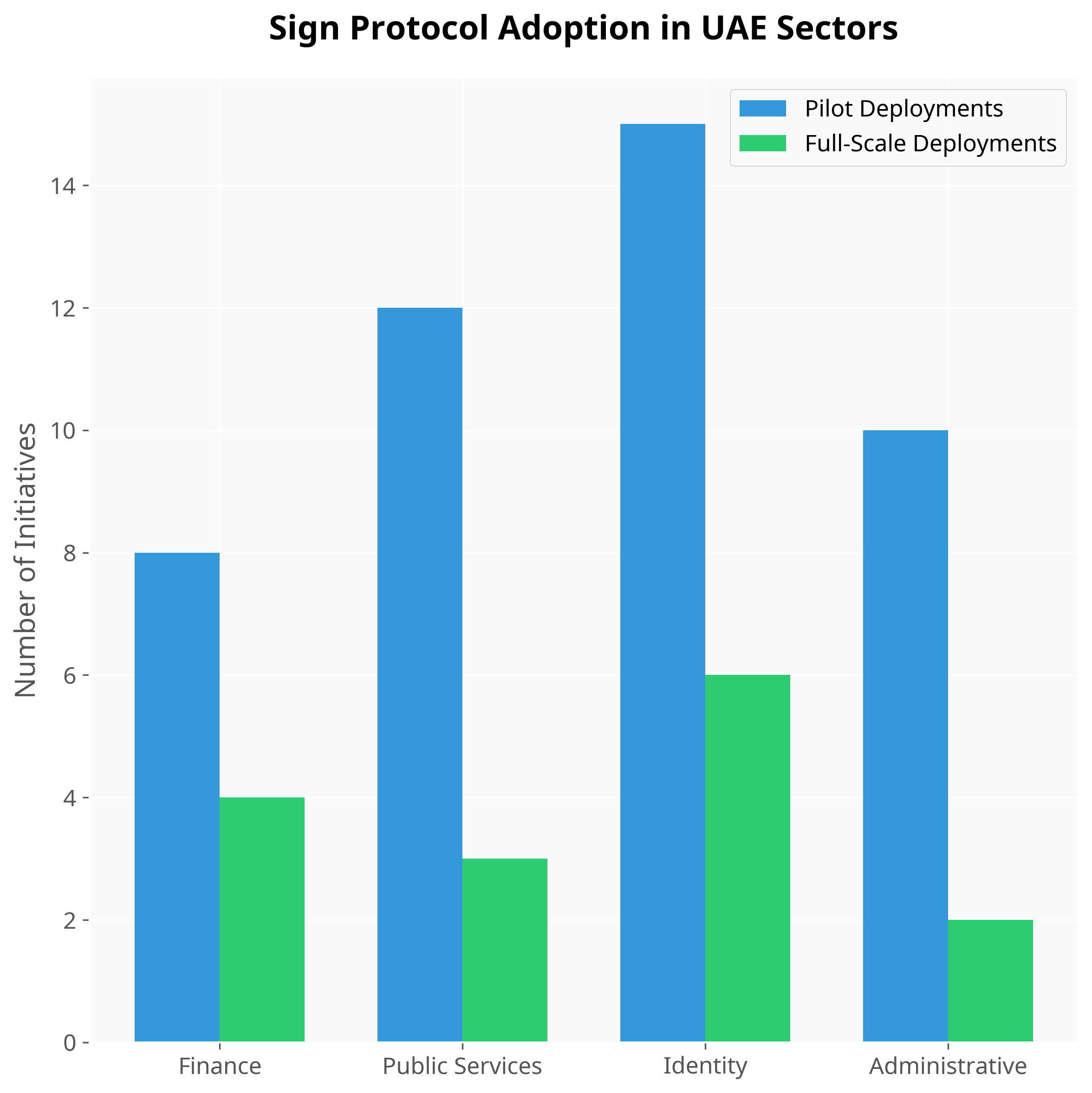
It suggests that blockchain based attestations are being explored not as experimental tools but as part of real digital infrastructure. In the UAE context this matters because the country has already moved beyond blockchain experimentation into regulated large scale deployment across finance and public services.
That broader environment makes adoption more plausible.
The UAE has spent years building digital identity systems e government portals and integrated services. The goal has been efficiency. Reduce paperwork. Streamline verification. Connect systems across agencies. In that setting a protocol that focuses on attestations rather than tokens begins to make sense.
Instead of asking how to move money onchain the question becomes how to verify information across systems.
This is where Sign Protocol’s model starts to fit.
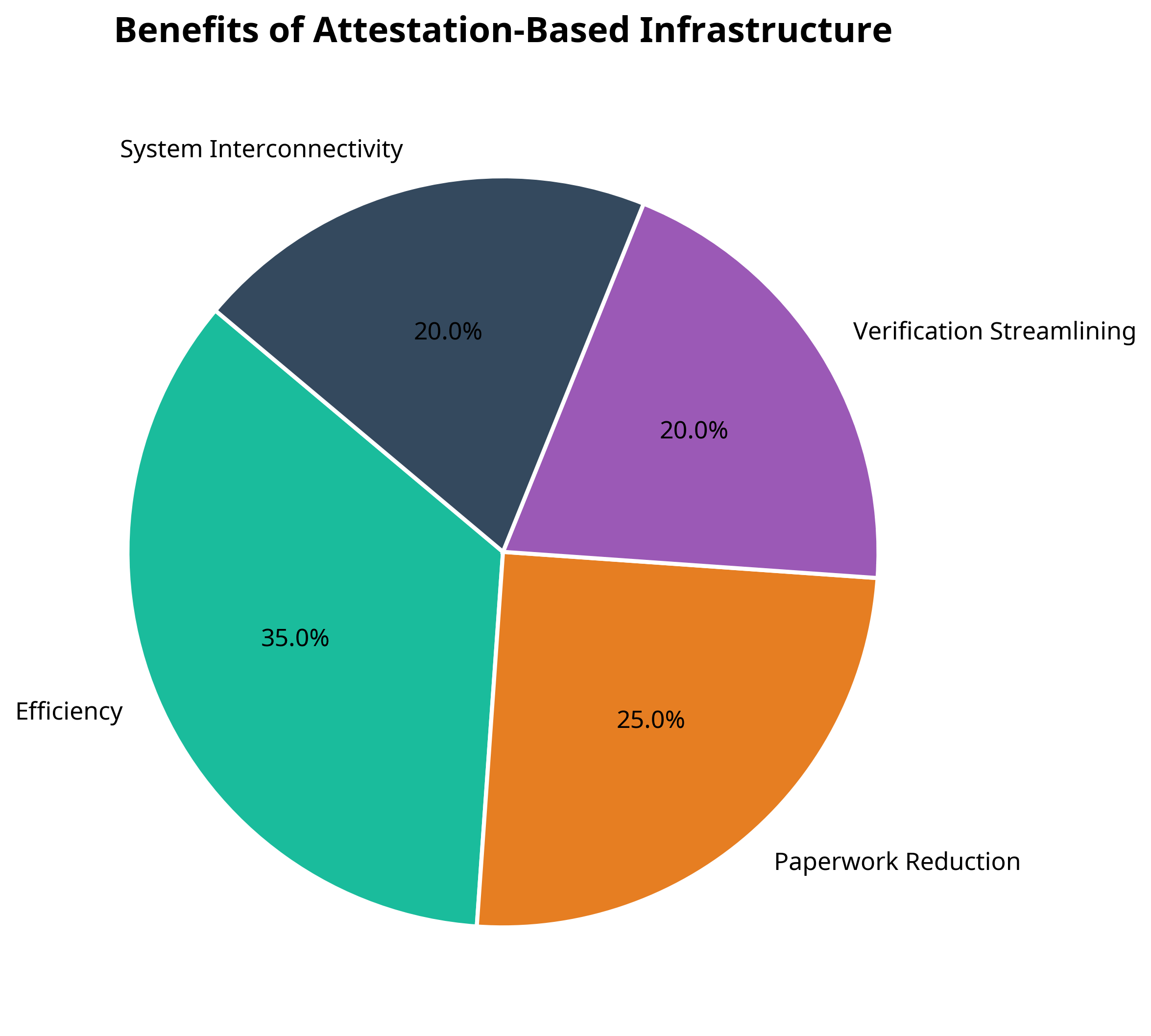
It allows credentials to be issued and verified through cryptographic proofs. Identity data does not need to be exposed. Verification can happen without revealing sensitive details. In theory this could reduce the need for repeated document submission across government services.
I find that idea practical rather than revolutionary.
A resident verifies identity once. That credential becomes reusable. A business proves compliance once. That proof can be checked across multiple platforms. This is not about replacing government systems. It is about connecting them more efficiently.
Still I remain cautious about how deep these deployments actually go.
There is a difference between pilot integration and critical infrastructure. Governments often test new systems in controlled environments before expanding them. Even if Sign Protocol is involved in UAE initiatives it does not necessarily mean it is embedded at the core of national systems.
Another factor is governance.
Identity systems are not purely technical. They are legal frameworks. Governments must maintain control over how credentials are issued and verified. Any external protocol must align with national regulations and security requirements. This creates a natural limit on how decentralized such systems can become.
There is also the question of trust in issuers.
A protocol can verify that an attestation exists but it cannot guarantee that the issuer is credible. In a government context this means official entities must remain the source of authority. The protocol acts as infrastructure. Not as the authority itself.
What I find most interesting is how this shifts the role of blockchain in public systems.
Instead of acting as a financial layer it becomes a verification layer. It supports identity credentials compliance checks and administrative processes. That feels closer to how governments actually operate.
The UAE’s broader strategy supports this direction.

The country has been actively building digital infrastructure that connects public services finance and identity systems into a unified ecosystem.
In that context a protocol focused on attestations could serve as a bridge between different systems rather than a replacement for them.
Whether Sign Protocol becomes a permanent part of that infrastructure is still uncertain.
Government technology evolves slowly even in fast moving regions. Systems must prove reliability security and long term value before becoming foundational. Early deployments may demonstrate potential but not guarantee permanence.
For now I see Sign Protocol’s presence in the UAE as a signal rather than a conclusion.
A signal that blockchain is moving beyond whitepapers and into administrative systems where verification matters more than speculation.
If that trend continues then the most important Web3 infrastructure may not be the systems that move value.
It may be the systems that prove what is true.