
I have been thinking about how fragmented the Web3 ecosystem has become. Every chain seems to build its own environment, standards, and identity layer. Assets move between networks more easily now, but data does not always follow as smoothly. Credentials, approvals, reputation, attestations these pieces often remain stuck in one ecosystem even when users move elsewhere. That is what made me curious about how Sign Protocol approaches cross-chain data availability and migration. At first, the idea sounds straightforward. If a system can store attestations, then those attestations should be usable anywhere. But the moment I think about it more carefully, the complexity becomes obvious. Data on one chain is not automatically trusted on another. Each network has its own validation rules, assumptions, and infrastructure. Moving value is already difficult; moving meaning is even harder.
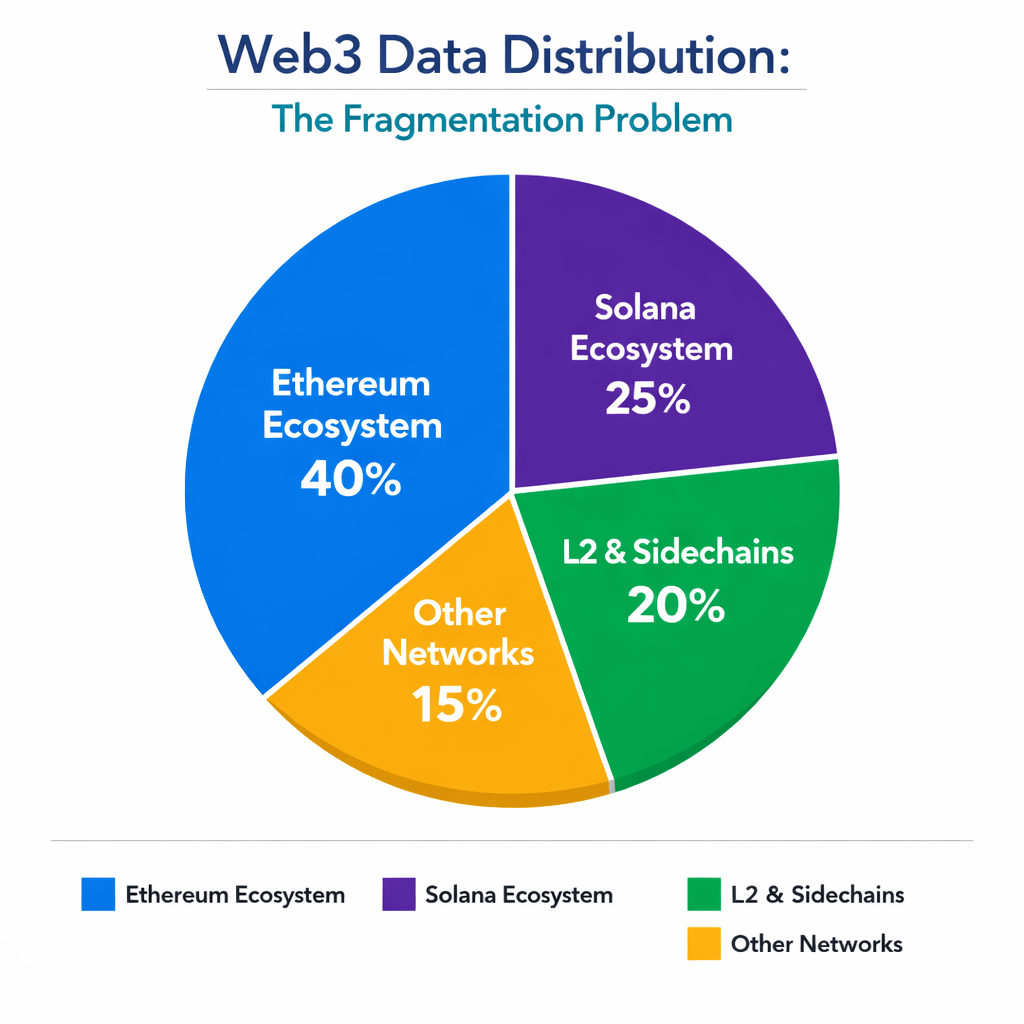
This is where Sign Protocol starts to look interesting. Rather than focusing on assets, it focuses on attestations a structured way to represent claims about identity, credentials, approvals, or events. If these attestations are designed in a standardized format, then they can become portable across different environments. Instead of rebuilding identity or reputation on every chain, a user could carry verifiable claims with them. From my perspective, this shifts the conversation from chain-specific data to chain-agnostic trust. A developer building an application on one network may not care where a credential was originally issued. What matters is whether it can be verified. If Sign Protocol can provide a consistent way to validate attestations across chains, then it begins to function as a bridge for meaning rather than just a bridge for tokens.
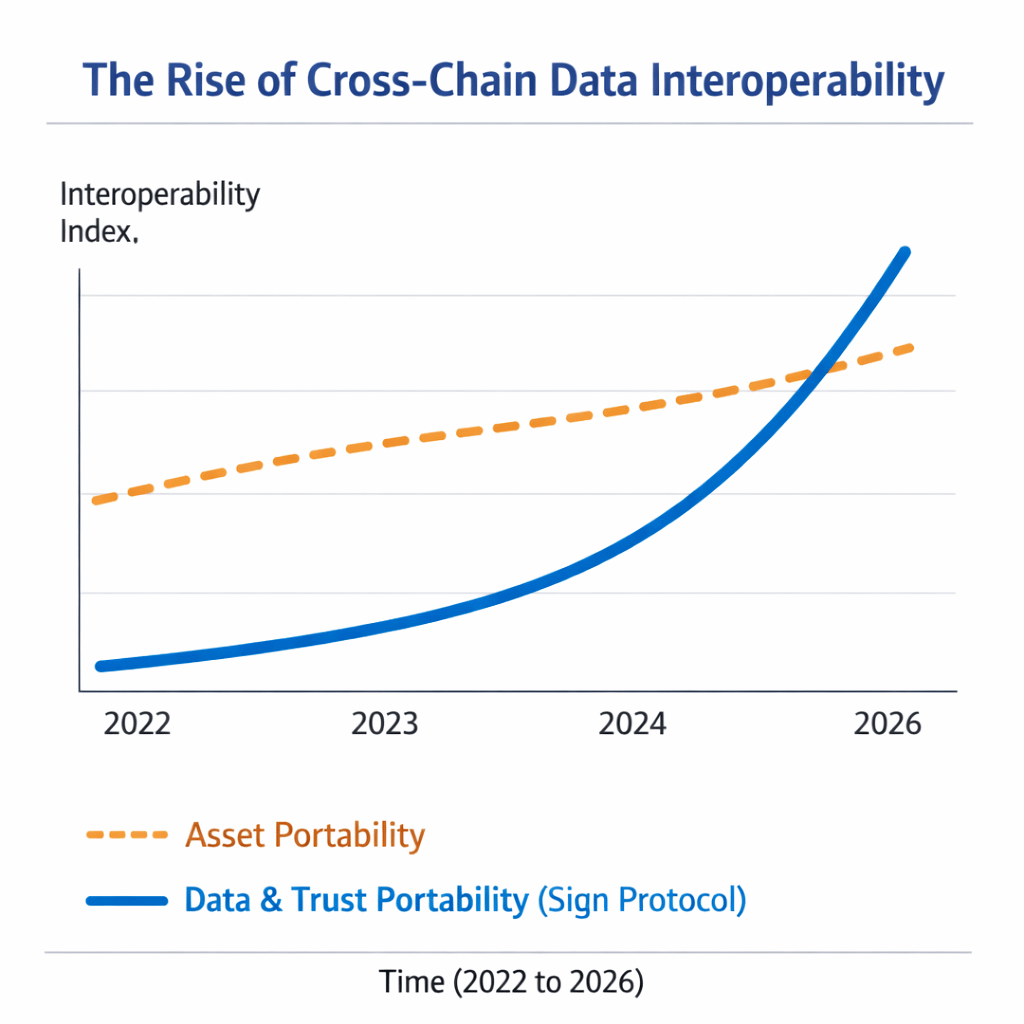
Still, I remain cautious about how easily this works in practice. Cross-chain systems often introduce layers of complexity that are not obvious at first. Data availability depends on whether information remains accessible over time. Migration depends on whether the receiving system can interpret that data correctly. Even small differences in standards can break interoperability. Sign Protocol appears to address this by anchoring attestations in a way that can be referenced across networks. Instead of requiring full duplication of data on every chain, the system can allow proofs or references to attestations to exist in multiple environments. A claim issued in one ecosystem can be verified in another without recreating the entire record. This reduces duplication while maintaining consistency. That approach makes sense conceptually. It treats attestations as portable objects rather than static entries tied to a single ledger. In theory, this allows identity credentials, compliance proofs, or reputation signals to move with the user rather than remaining locked in one place.
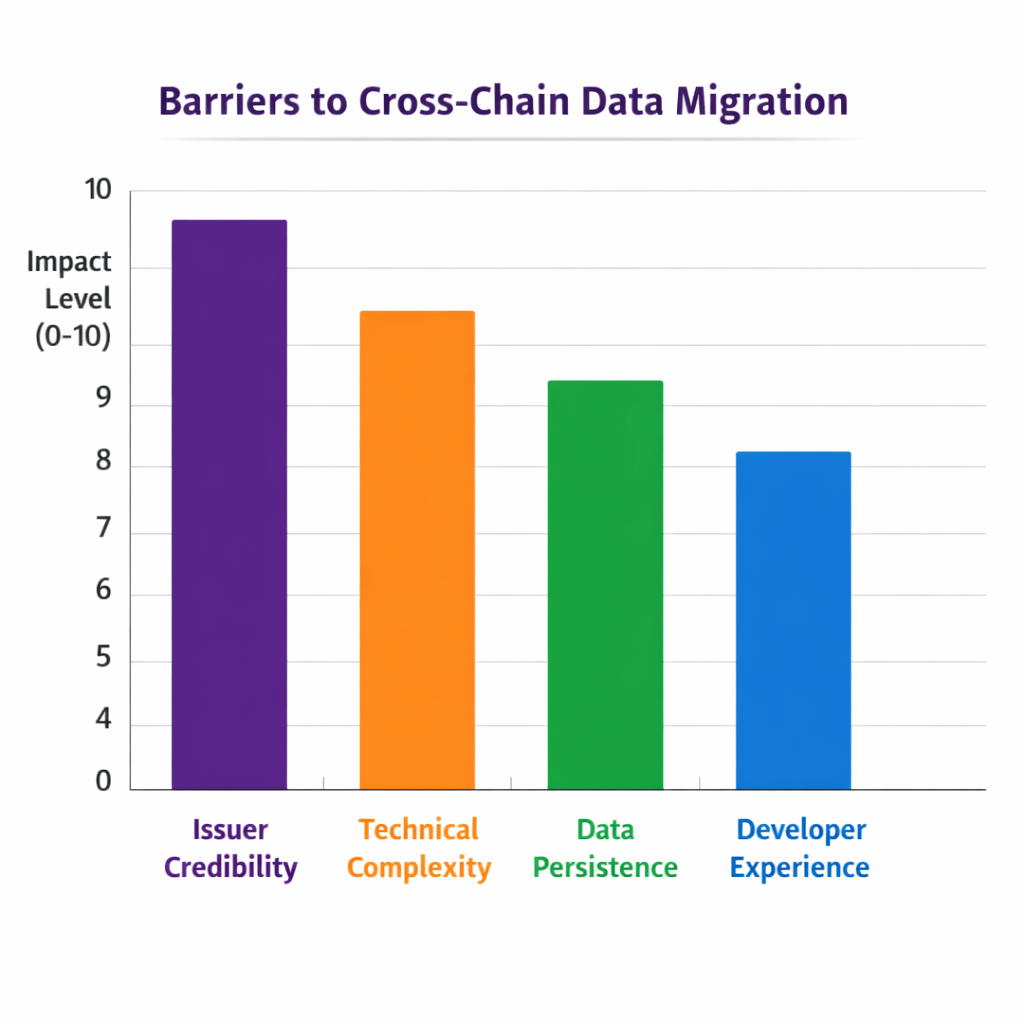
But there are still challenges I keep coming back to. One is trust in the issuer. Even if an attestation can move across chains, its value depends on who issued it. A credential is only as strong as the entity behind it. Cross-chain portability does not automatically solve the problem of credibility. Applications must still decide which issuers they trust and under what conditions. Another challenge is data persistence. If attestations rely on references or off-chain storage, those systems must remain available over time. Broken links or inaccessible data could undermine the reliability of the system. Ensuring long-term availability is just as important as enabling migration. There is also the developer experience. For cross-chain attestation systems to succeed, developers must be able to integrate them easily. If verifying external credentials becomes complicated, many applications may default to simpler, chain-specific solutions even if they are less flexible. What I find interesting about Sign Protocol is that it does not try to solve everything through one chain. It acknowledges that Web3 is already multi-chain and likely to remain that way. Instead of forcing consolidation, it attempts to provide a layer that sits above individual networks and connects them through shared verification logic. That feels like a more realistic approach. Rather than asking users to choose one ecosystem, it allows them to carry their digital identity and credentials across multiple environments. Whether this vision becomes widely adopted is still uncertain.
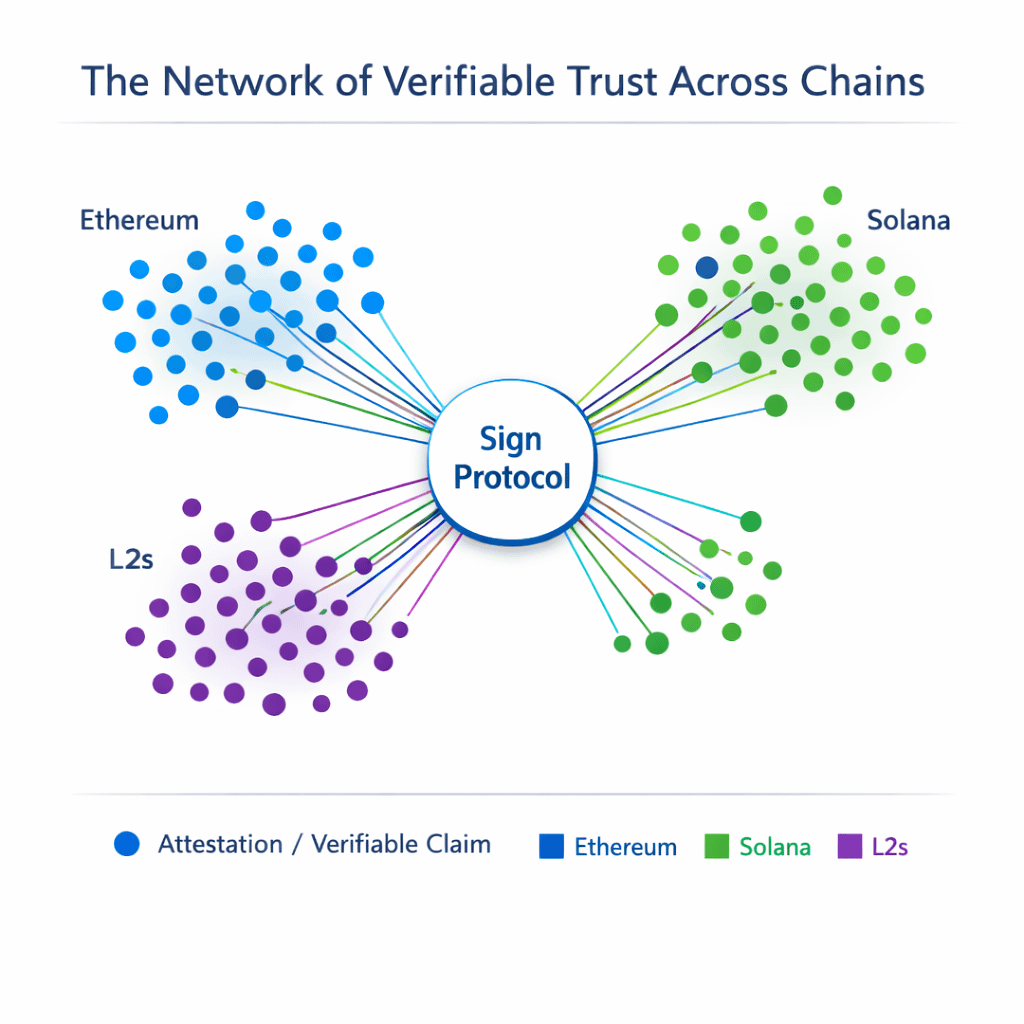
Cross-chain infrastructure has always faced challenges around security, complexity, and standardization. Many solutions look promising before encountering real-world friction. But the problem Sign Protocol is addressing is difficult to ignore. As Web3 continues to expand, the ability to move not just assets but also trust and reputation across chains may become increasingly important. If that happens, then systems that can make data portable, verifiable, and interpretable across networks could become foundational pieces of the ecosystem. For now, I see Sign Protocol as an attempt to build that layer. Not by forcing everything into one place but by making it possible for meaning itself to travel across the boundaries that currently divide Web3.