
I’ve been watching what SignOfficial is doing in the Middle East, and the more I sit with it, the more it feels like a move defined as much by timing as by technology.
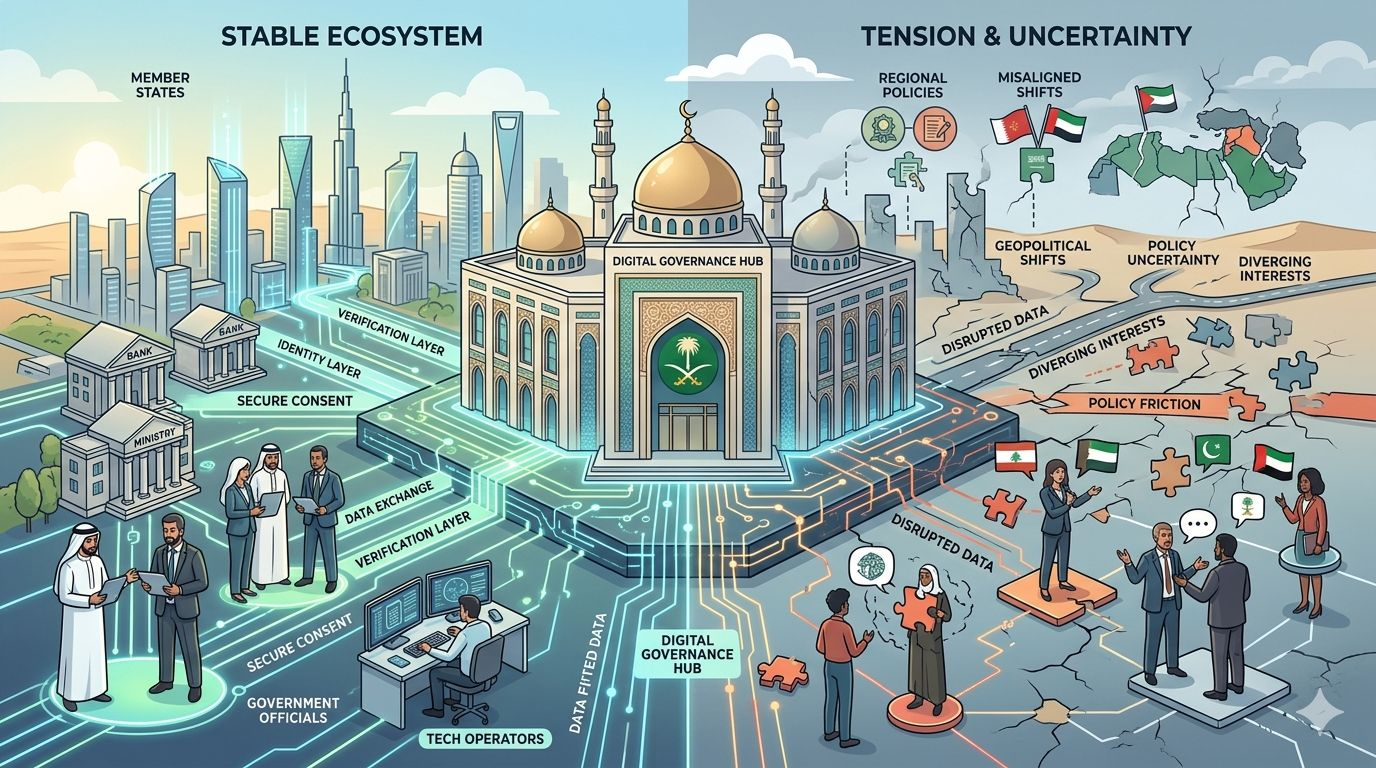
On the surface, the strategy is easy to respect. Partnering with The Blockchain Center Abu Dhabi, planning a regional presence, and focusing on attestation infrastructure for public-sector use cases signals something deeper than a typical expansion narrative. It suggests a willingness to engage directly with governments at the level where systems actually matter—identity, verification, and record integrity. That’s not a short cycle play. That’s infrastructure thinking.
And the demand side is not theoretical. Across the region, governments are accelerating investments in AI, cloud, and digital systems to strengthen economic positioning and state capacity. In that context, verifiable identity and attestation layers are moving from experimental tools into something closer to operational necessity. The need to verify data without exposing it, to coordinate across institutions without duplicating records, to create trust between systems that don’t naturally trust each other—those are real problems. Sign’s model fits into that gap in a way that feels directionally aligned with where the region is heading.
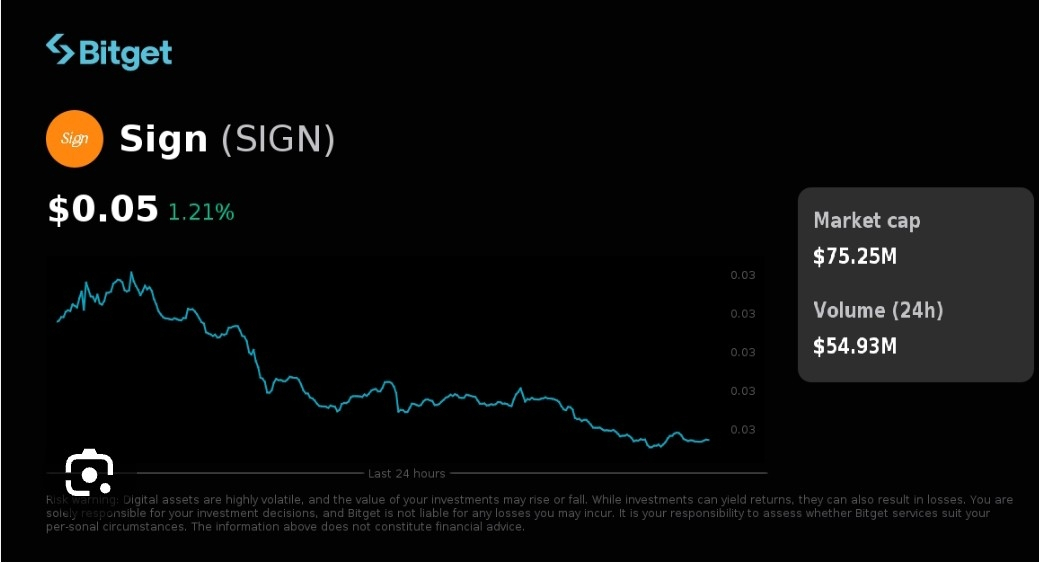
But this is where the picture becomes less straightforward.
The same geopolitical environment that creates urgency for infrastructure like this also introduces a level of fragility that’s hard to ignore. The Middle East operates under conditions where policy, alliances, and priorities can shift quickly, sometimes without much warning. In those environments, long-term technology deployments don’t just depend on technical execution—they depend on continuity of intent. And intent, at the government level, is not always stable.
There’s also a structural nuance that matters more than it might seem at first glance. Sign’s pathway into the region runs through The Blockchain Center Abu Dhabi, which acts as a bridge between public-sector demand and private-sector execution. That positioning creates access, but it also means Sign is part of a broader institutional network that includes multiple infrastructure providers, capital sources, and strategic interests. In other words, it’s not operating as a sole layer of sovereignty, but as one component inside a larger, interconnected system.
That introduces a subtle but important ambiguity. When a project positions itself as “sovereign infrastructure,” the assumption is often control, or at least a clear line of responsibility. But in a multi-actor environment, control becomes distributed. Influence becomes shared. And outcomes depend not just on one protocol’s design, but on how multiple stakeholders interact over time.
That’s where the real tension sits for me.
Because infrastructure like this isn’t tested during announcements or early deployment phases. It’s tested when conditions change. When a government re-evaluates partnerships. When regulatory frameworks shift. When geopolitical pressure forces a reassessment of external dependencies. Those are the moments where the resilience of the system becomes visible.
So the question I keep coming back to isn’t whether Sign’s technology makes sense. It does. And the use cases—attestations, identity, verifiable records—are grounded in real needs.
The question is about continuity under pressure.
If a deployment is mid-cycle and a partner government changes direction, what happens to the infrastructure already built? If external factors—sanctions, regional tensions, policy shifts—alter the operating environment, does the system adapt, persist, or fragment? And in a network where multiple institutional players are involved, who ultimately carries responsibility for maintaining or stabilizing that infrastructure?
These aren’t edge-case concerns. They’re part of the operating reality in regions where technology and geopolitics are closely intertwined.
That’s why this move feels both well-timed and exposed at the same time.
The opportunity is real. The demand is real. The alignment with regional priorities is clear. But the environment introduces variables that don’t show up in technical diagrams or partnership announcements.
And in situations like this, the long-term outcome is rarely determined by the strength of the idea alone. It’s determined by how well the system holds together when the conditions around it stop being predictable.
#SignDigitalSovereignInfra $SIGN @SignOfficial