So my buddy Mike—who builds industrial automation systems for a living, not some crypto bro—texted me last month asking if I'd heard of "this OM1 thing." That's how I found out about Fabric Foundation. Not from Twitter, not from some Discord alpha group. From a guy who spends his days debugging conveyor belts.
He described it like this: imagine you own a warehouse robot from Company A, and you want it to hand off packages to a delivery bot from Company B. Right now? They literally can't talk to each other. Different software, different maps, different everything. It's like trying to get an iPhone to run Android apps, except the apps are worth fifty grand and weigh 200 pounds.
That stuck with me. Because that's a stupid problem. And stupid problems that cost people real money usually get solved eventually.
The Silo Problem Nobody Fixes
I've been around tech long enough to know that "interoperability" is usually corporate speak for "we want you to use our standard instead of theirs." But robotics is genuinely fractured in a way that hurts everyone. You've got Boston Dynamics doing their thing, AgiBot building humanoids, Fourier Intelligence, Unitree—dozens of companies making incredible hardware that exists in complete isolation.
My friend put it bluntly: "It's like if every truck manufacturer built their own private roads and refused to let anyone else use them."
Fabric didn't come out of nowhere. They've been building this thing called OpenMind for a while—basically trying to glue all these separate robot brains together. The blockchain part, the ROBO token, that's the newer layer. But the core idea predates the current crypto cycle, which already makes it different from 90% of what launches these days.
What They Actually Built (As Far As I Can Tell)
Look, I read the whitepaper so you don't have to. It's dense. But here's what I gathered:
OM1 is essentially an operating system that sits between the robot hardware and whatever application you're running. Think about how Android lets the same app work on a Samsung phone or a Google Pixel or whatever Chinese brand you bought cheap. OM1 tries to do that for robots—one skill built once, deployed anywhere.
The blockchain layer handles the stuff that needs trust without a central company running it. Robot identity (so you know which machine did what), task assignment (who's picking up which package), and payment (the robot actually pays for its own charging).
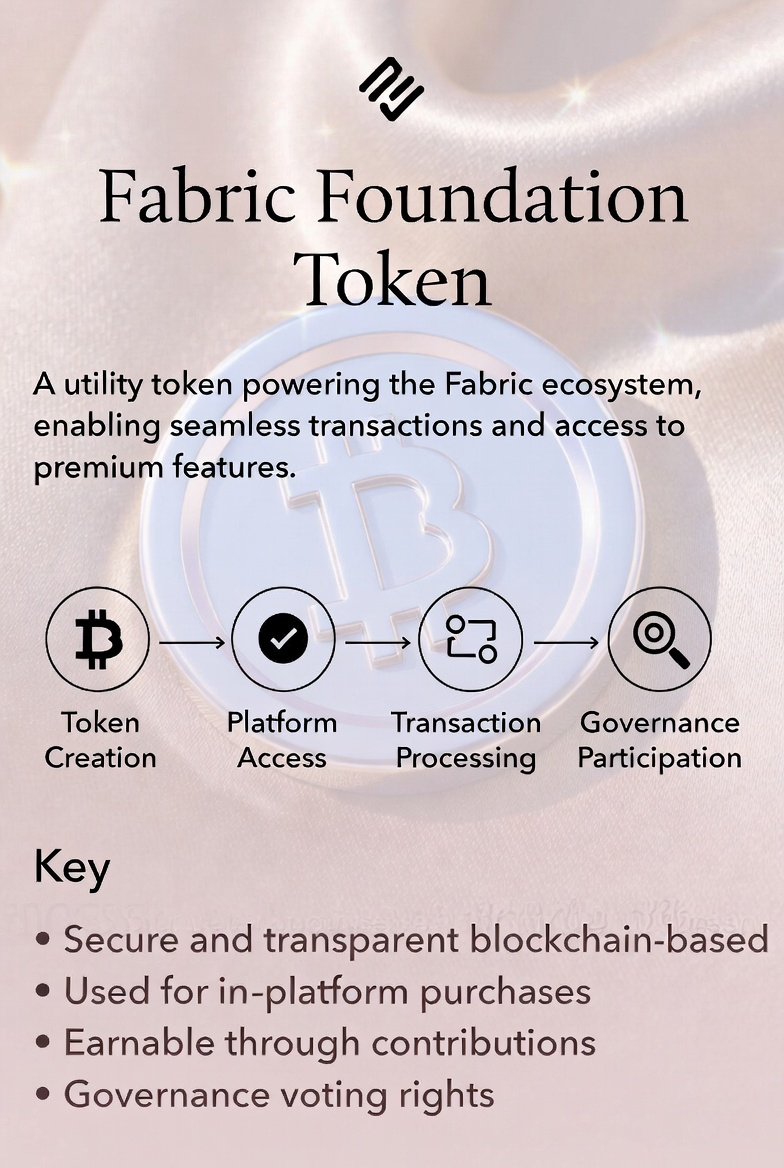
They call it "Proof of Robotic Work," which sounds like buzzword bingo, but the concept is straightforward: verify that physical work actually happened before releasing payment. A delivery bot drops off a package, some combination of sensors and oracles confirms it, then the network releases funds. No human checking paperwork. No 30-day invoicing cycles.
Is it perfect? Probably not. Someone's going to figure out how to spoof the sensors eventually. But it's a real attempt at solving a real coordination problem, not just slapping "AI" on a whitepaper and calling it innovation.
The Launch Felt... Different?
February 27th, they went live. Binance Alpha, Bybit, the usual suspects. But what happened before that was interesting. They ran this airdrop registration from the 20th to the 24th, and they weren't just throwing tokens at anyone with a wallet. They wanted GitHub contributors, people who'd actually built on OpenMind, partner community members.
I mean, there's still plenty of speculation happening. Pre-market on MEXC hit 131 million in volume before spot trading even opened. Price discovery settled around 0.035. That's not nothing.
But Pantera Capital put in 20 million earlier. In this funding environment, that's a statement. VCs can chase AI narrative plays with faster exits. They chose to back infrastructure for physical robots instead. Make of that what you will.
The Part That Made Me Pause
Here's where I started actually paying attention. Fabric isn't selling dreams about future robots. They're solving problems that exist right now with robots that already exist.
Decentralized fleet genesis—basically crowdfunding for robot deployments. Neighborhood wants autonomous delivery? Pool money, deploy the hardware, share the revenue. Machine-to-machine payments—a robot autonomously paying for its own charging, maintenance, insurance. No human in the loop slowing everything down.
The machine identity passport thing is clever too. As these things get more autonomous, someone has to be legally responsible when they mess up. An auditable on-chain history of what specific machine did what specific action? That's not crypto idealism, that's liability management that actual companies need.
But Let's Be Real
I've been burned enough times to know the red flags. Token unlocks are structured with a one-year cliff and then three years of gradual releases. That's good for preventing immediate dumps, but it also means constant sell pressure through 2029. Don't expect parabolic price action with that hanging over the market.
And the competition is no joke. Big robotics manufacturers are building their own coordination systems. If the industry consolidates around three major platforms that all talk to each other anyway, Fabric's whole "cross-manufacturer" value proposition evaporates.
Plus—and this is my personal skepticism talking—we've seen "physical world meets blockchain" projects before. They almost all struggle with the oracle problem. How do you trustlessly verify that something happened in the real world? Every solution I've seen has tradeoffs between security and practicality.
Why I'm Still Watching It
Most crypto projects feel like solutions in search of problems. The founders read about blockchain, then went hunting for something to apply it to. Fabric feels backwards in a good way—they were building robotics software, kept hitting coordination walls, and realized blockchain architecture actually fit.
The ROBO token isn't trying to be the next Bitcoin. It's not digital gold or sound money or whatever narrative is popular this week. It's coordination fuel for machines that make their own economic decisions. That's a narrower use case, but it's also more honest.
When your users are deterministic algorithms instead of emotional humans, you can build economic mechanisms that would never work with people. No FOMO, no panic selling, no irrational holding. Just programmatic agents executing transactions based on actual utility.
The Honest Bottom Line
I don't know if Fabric Foundation succeeds. Nobody does. The robot economy might centralize around Amazon and Tesla's private networks instead of open protocols. The hardware manufacturers might refuse to adopt standards that reduce their lock-in. The whole thing might be too early, like trying to build smartphone apps in 1995.
But I'm tired of crypto projects that exist only to create token yield for other crypto projects. Fabric is building something that robotics engineers—actual engineers who don't care about your bags—might actually want to use. That shouldn't feel revolutionary, but somehow it does.