

When I look at projects like Vanar, I try to step away from the usual habit of judging them by speed, token charts, or bold claims. I’ve started thinking about blockchain more like I think about roads, payment systems, or even school administration structures — things that only become meaningful when they actually support real, everyday activity. The question I keep coming back to is simple: does this system make practical sense in the real world, or is it just technically interesting?
Vanar, to me, feels like an attempt to answer that question from a different angle. Instead of building purely for financial use or abstract technical progress, it seems to be shaped around environments where people already spend time — gaming, entertainment, brand experiences, digital communities. That shift in thinking matters. In traditional systems, infrastructure usually grows around behavior that already exists. Banks didn’t create the need for money movement; they organized it. Media companies didn’t invent storytelling; they built systems to distribute it. Strong systems usually come from observing how people live and then designing something that fits into that flow.
What stands out to me is that the focus here isn’t just on one narrow use case. Gaming economies, virtual environments, AI-driven interactions, and branded digital experiences all have one thing in common: they generate constant activity. People buy, sell, earn, collect, and interact in small ways, repeatedly. That kind of activity needs structure. It needs records. It needs consistency. Not in a dramatic, world-changing sense, but in the quiet, dependable way that real systems work behind the scenes.
I often think about how much of our daily life runs on invisible processes. When a salary arrives in a bank account, we don’t think about settlement layers. When we stream content, we don’t think about server architecture. What matters is that it works, and it keeps working. That’s why the less exciting elements — reliability, traceability, predictable behavior — end up being the most important ones over time. They build trust slowly, almost silently.
From that perspective, building a Layer 1 blockchain around these kinds of environments feels less like a technical experiment and more like an operational choice. If you expect a system to support games, virtual worlds, and brand ecosystems, then it has to manage lots of small interactions consistently. It has to keep track of ownership, identity, and movement in a way that holds up over time. The token, in this context, stops feeling like the center of the story. It becomes more like a tool that helps the system run — something that aligns usage, incentives, and structure.
But I don’t see this as a perfect solution. There are trade-offs in every design. Trying to support multiple industries at once can create opportunity, but it can also create complexity. Gaming moves fast. Brands think in campaigns. AI evolves quickly. Each space has its own expectations and pace. A network that wants to support all of them has to stay adaptable without losing its core direction. That balance is difficult, and it doesn’t always become clear whether it’s working until real usage starts shaping the system.
I also keep comparing this approach to how traditional industries grow. Large systems don’t usually appear overnight. They expand slowly, often in ways people barely notice at first. Payment networks took decades to mature. Entertainment platforms evolved step by step as technology caught up with behavior. Adoption usually happens when something becomes quietly useful, not when it feels revolutionary.
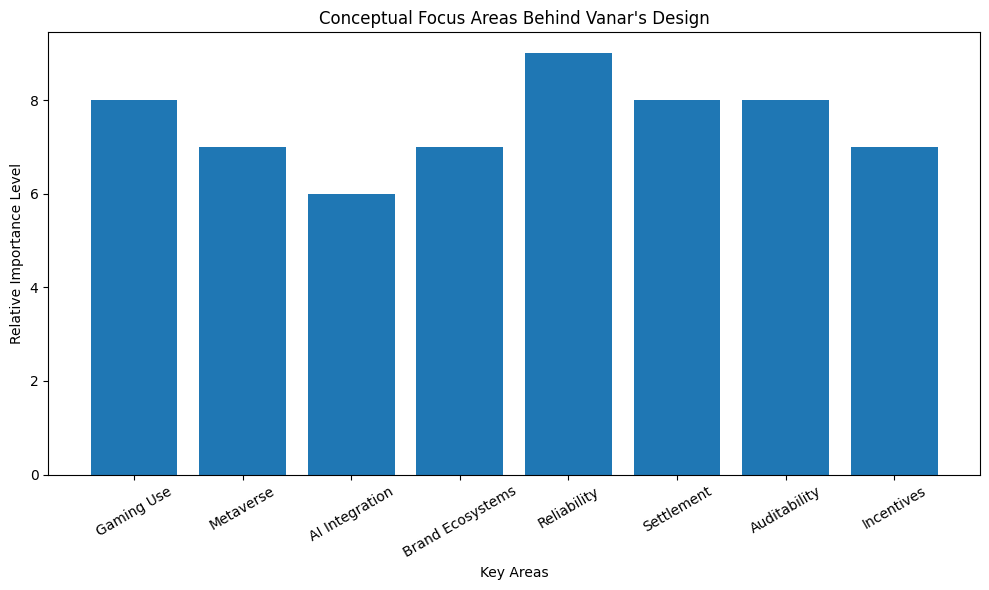
That’s why I find it more meaningful to look at the structure rather than the story. A system designed around everyday interaction has to think about durability. It has to be predictable for developers, understandable for businesses, and simple enough that users don’t feel overwhelmed. If those pieces aren’t strong, the rest doesn’t matter much.
At the same time, I try to stay realistic. Building technology is one thing; building something that people naturally integrate into their lives is another. Even well-designed systems can struggle if they don’t connect with real needs. And sometimes the most promising ideas take years before their value becomes visible.
So when I think about Vanar, I don’t see it as something that needs to be judged by how loud it is or how fast it grows. I see it more as a long-term attempt to shape a foundation under spaces where digital interaction is already happening. The real test isn’t technical performance alone. It’s whether the system can handle routine activity consistently, whether it can support communities without friction, and whether it can stay stable as usage grows.
In the end, the questions that interest me aren’t dramatic ones. They’re practical. Will people use systems like this without even realizing they’re using blockchain? Will businesses see them as dependable tools rather than experimental platforms? And over time, will the quieter, more structured approaches to building infrastructure turn out to matter more than the ones built around attention and excitement?
