

#web3finance
web3finance
138,127 vues
960 mentions
Populaire
Récents

·
--
#SECPreparesTokenizedStockFramework
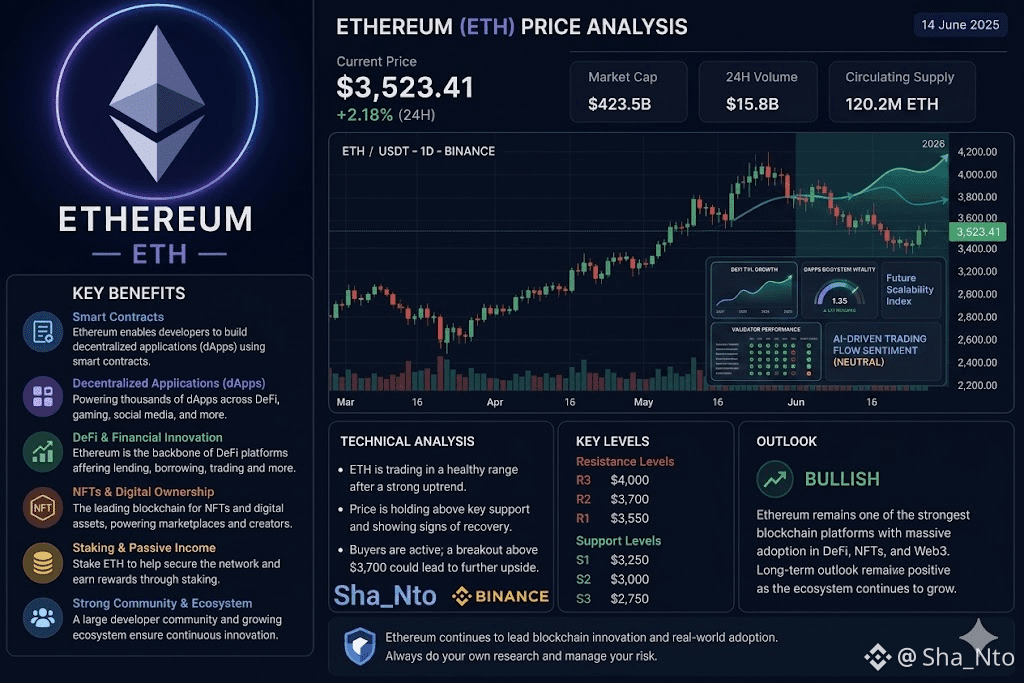
The convergence of traditional equity markets and decentralized networks is taking a historic leap forward as reports indicate the SEC is actively preparing a comprehensive regulatory framework for tokenized stocks. This progressive step aims to bridge institutional liquidity with blockchain efficiency, enabling round-the-clock fractional ownership of mainstream corporate equities via secure ledger protocols. For the broader Web3 ecosystem, this official structural validation provides a massive boost to the real-world asset tokenization narrative, positioning blockchain technology as the future backbone of global financial infrastructure. Understanding these emerging compliance guidelines will be highly vital for navigating upcoming multi-asset trading environments. Do you think tokenized stocks will completely redefine retail investment platforms this decade? ⚖️🏛️ #SECPreparesTokenizedStockFramework #RWA #Web3Finance
{spot}(BNBUSDT)
{future}(BNBUSDT)
{alpha}(560x9c8b5ca345247396bdfac0395638ca9045c6586e)
#SECPreparesTokenizedStockFramework
The convergence of traditional equity markets and decentralized networks is taking a historic leap forward as reports indicate the SEC is actively preparing a comprehensive regulatory framework for tokenized stocks. This progressive step aims to bridge institutional liquidity with blockchain efficiency, enabling round-the-clock fractional ownership of mainstream corporate equities via secure ledger protocols. For the broader Web3 ecosystem, this official structural validation provides a massive boost to the real-world asset tokenization narrative, positioning blockchain technology as the future backbone of global financial infrastructure. Understanding these emerging compliance guidelines will be highly vital for navigating upcoming multi-asset trading environments. Do you think tokenized stocks will completely redefine retail investment platforms this decade? ⚖️🏛️ #SECPreparesTokenizedStockFramework #RWA #Web3Finance
The convergence of traditional equity markets and decentralized networks is taking a historic leap forward as reports indicate the SEC is actively preparing a comprehensive regulatory framework for tokenized stocks. This progressive step aims to bridge institutional liquidity with blockchain efficiency, enabling round-the-clock fractional ownership of mainstream corporate equities via secure ledger protocols. For the broader Web3 ecosystem, this official structural validation provides a massive boost to the real-world asset tokenization narrative, positioning blockchain technology as the future backbone of global financial infrastructure. Understanding these emerging compliance guidelines will be highly vital for navigating upcoming multi-asset trading environments. Do you think tokenized stocks will completely redefine retail investment platforms this decade? ⚖️🏛️ #SECPreparesTokenizedStockFramework #RWA #Web3Finance
85

Real World Assets (RWA) Focus (For Advanced Investors)
Caption:
Real-world assets (RWAs) are bringing trillions of dollars of traditional finance onto the blockchain. But where is the best place to trade them? 🌍💼
Enter @grvt_io — a hybrid exchange designed not just for crypto, but also for trading tokenized real-world assets efficiently.
By combining the lightning speed of traditional order books with the transparent security of on-chain settlement, GRVT bridges the gap between Web2 finance and Web3 innovation. All of this happens from a single, unified balance.
Are you looking to diversify your portfolio with RWAs this year? Let’s talk in the comments! 👇
#grvt #CreatorPad #RWA #Tokenization #Web3Finance
Real World Assets (RWA) Focus (For Advanced Investors)
Caption:
Real-world assets (RWAs) are bringing trillions of dollars of traditional finance onto the blockchain. But where is the best place to trade them? 🌍💼
Enter @grvt_io — a hybrid exchange designed not just for crypto, but also for trading tokenized real-world assets efficiently.
By combining the lightning speed of traditional order books with the transparent security of on-chain settlement, GRVT bridges the gap between Web2 finance and Web3 innovation. All of this happens from a single, unified balance.
Are you looking to diversify your portfolio with RWAs this year? Let’s talk in the comments! 👇
#grvt #CreatorPad #RWA #Tokenization #Web3Finance
Caption:
Real-world assets (RWAs) are bringing trillions of dollars of traditional finance onto the blockchain. But where is the best place to trade them? 🌍💼
Enter @grvt_io — a hybrid exchange designed not just for crypto, but also for trading tokenized real-world assets efficiently.
By combining the lightning speed of traditional order books with the transparent security of on-chain settlement, GRVT bridges the gap between Web2 finance and Web3 innovation. All of this happens from a single, unified balance.
Are you looking to diversify your portfolio with RWAs this year? Let’s talk in the comments! 👇
#grvt #CreatorPad #RWA #Tokenization #Web3Finance
83


·
--
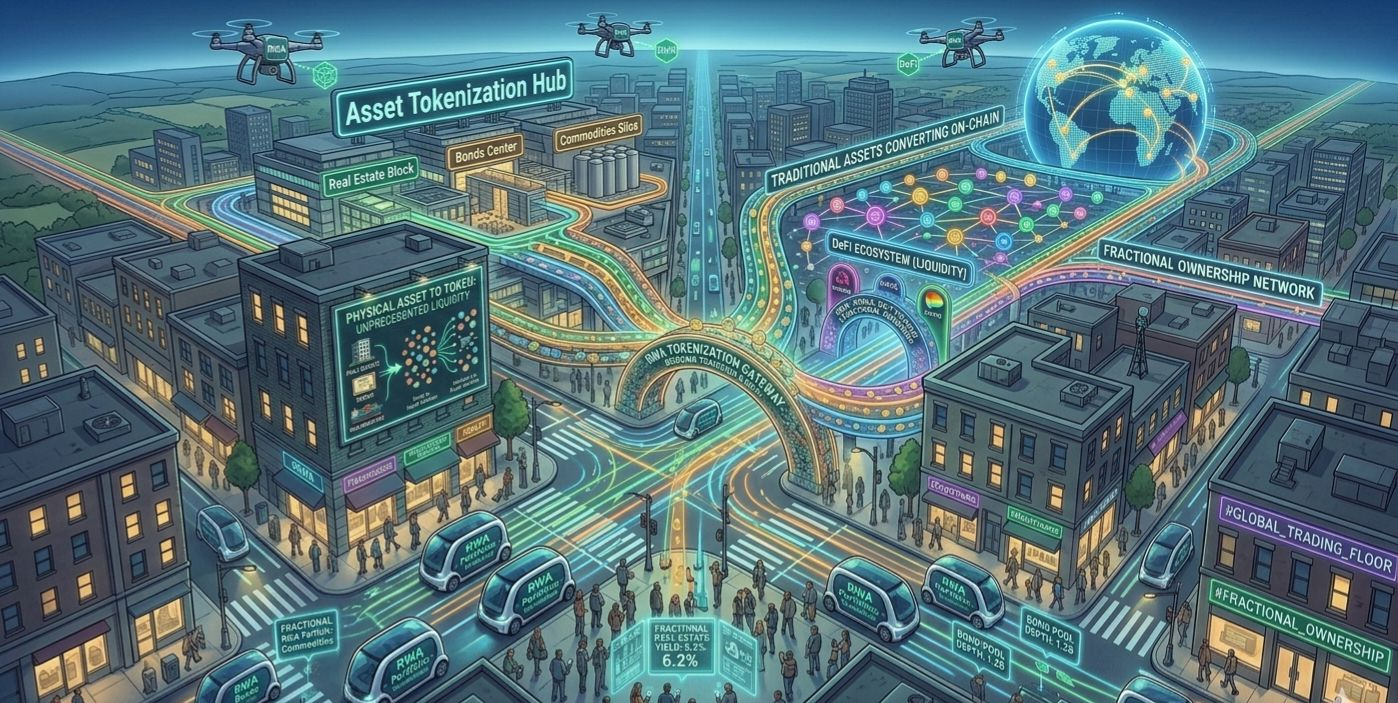
The financial landscape is shifting as Real World Asset (RWA) tokenization gains massive traction. Institutional giants are bringing trillions of dollars in traditional assets—like real estate, bonds, and commodities—on-chain.
By converting physical assets into digital tokens, blockchain technology introduces unprecedented liquidity, fractional ownership, and 24/7 trading to historically illiquid markets. This bridge between traditional finance (FiFi) and DeFi is quickly becoming the backbone of the current crypto bull run.
#RWA #Tokenization #DeFi #CryptoTrends #Web3Finance
The financial landscape is shifting as Real World Asset (RWA) tokenization gains massive traction. Institutional giants are bringing trillions of dollars in traditional assets—like real estate, bonds, and commodities—on-chain.
By converting physical assets into digital tokens, blockchain technology introduces unprecedented liquidity, fractional ownership, and 24/7 trading to historically illiquid markets. This bridge between traditional finance (FiFi) and DeFi is quickly becoming the backbone of the current crypto bull run.
#RWA #Tokenization #DeFi #CryptoTrends #Web3Finance
By converting physical assets into digital tokens, blockchain technology introduces unprecedented liquidity, fractional ownership, and 24/7 trading to historically illiquid markets. This bridge between traditional finance (FiFi) and DeFi is quickly becoming the backbone of the current crypto bull run.
#RWA #Tokenization #DeFi #CryptoTrends #Web3Finance
2
214


Article
What is $LSK : #TokenStudyThe history of digital infrastructure often demands bold pivots, where long-standing architectures yield to new horizons of enterprise utility. Enter Lisk with its token LSK, an enduring project that has embarked on a pivotal transformation from its heritage as an independent Layer 1 and Ethereum Layer 2 into a modern, unified money operations platform designed for international finance teams.
At its core, LSK is undergoing a fundamental structural evolution. The network initiated a massive token burn of 100 million LSK to reshape its baseline tokenomics, reducing total supply from 400 million down to 300 million. With the planned wind-down of the standalone Lisk Chain scheduled for October 31, 2026, and a migration path established alongside ecosystems like Celo, the legacy staking dynamic has shifted into a fully flexible setup, giving holders total liquidity freedom as governance contracts conclude their final operational chapters.
The real-world utility of the token is finding fresh life as the loyalty engine of Lisk's modern financial platform. Built to bridge the gap between B2B stablecoin rails and global banking accounts, the platform enables enterprises to earn rewards in LSK for driving transactional volume and utilize the token for internal platform fees. Interoperability has become seamless through an ERC-20 standard on Ethereum, freeing the asset from the isolated confines of custom mainnet maintenance while ensuring deep integration across liquid Web3 protocols.
Having permanently moved away from legacy Proof-of-Stake chain validation and mining models, the network’s supply dynamics now lean on total supply reduction rather than traditional code-enforced halving schedules. This architectural streamlining eliminates hard fork friction and provides immediate, friction-free upgradeability through standard smart contract deployments anchored on Ethereum's security baseline.
Long-term market analysts view Lisk's strategic shift with intense curiosity, recognizing the immense addressable market in real-world stablecoin payment volume despite the operational risks of winding down legacy chain infrastructure. Supported by a tenaciously loyal community that has weathered multiple technological epochs, LSK stands ready to redefine its identity -not as a standard Layer 1 token, but as a practical financial bridge harmonizing business payments, enterprise controls, and decentralized liquidity.
{spot}(LSKUSDT)
$LSK #Lisk #Web3Finance #CryptoPivots #CoinVahini
What is $LSK : #TokenStudy
The history of digital infrastructure often demands bold pivots, where long-standing architectures yield to new horizons of enterprise utility. Enter Lisk with its token LSK, an enduring project that has embarked on a pivotal transformation from its heritage as an independent Layer 1 and Ethereum Layer 2 into a modern, unified money operations platform designed for international finance teams.
At its core, LSK is undergoing a fundamental structural evolution. The network initiated a massive token burn of 100 million LSK to reshape its baseline tokenomics, reducing total supply from 400 million down to 300 million. With the planned wind-down of the standalone Lisk Chain scheduled for October 31, 2026, and a migration path established alongside ecosystems like Celo, the legacy staking dynamic has shifted into a fully flexible setup, giving holders total liquidity freedom as governance contracts conclude their final operational chapters.
The real-world utility of the token is finding fresh life as the loyalty engine of Lisk's modern financial platform. Built to bridge the gap between B2B stablecoin rails and global banking accounts, the platform enables enterprises to earn rewards in LSK for driving transactional volume and utilize the token for internal platform fees. Interoperability has become seamless through an ERC-20 standard on Ethereum, freeing the asset from the isolated confines of custom mainnet maintenance while ensuring deep integration across liquid Web3 protocols.
Having permanently moved away from legacy Proof-of-Stake chain validation and mining models, the network’s supply dynamics now lean on total supply reduction rather than traditional code-enforced halving schedules. This architectural streamlining eliminates hard fork friction and provides immediate, friction-free upgradeability through standard smart contract deployments anchored on Ethereum's security baseline.
Long-term market analysts view Lisk's strategic shift with intense curiosity, recognizing the immense addressable market in real-world stablecoin payment volume despite the operational risks of winding down legacy chain infrastructure. Supported by a tenaciously loyal community that has weathered multiple technological epochs, LSK stands ready to redefine its identity -not as a standard Layer 1 token, but as a practical financial bridge harmonizing business payments, enterprise controls, and decentralized liquidity.
$LSK #Lisk #Web3Finance #CryptoPivots #CoinVahini
At its core, LSK is undergoing a fundamental structural evolution. The network initiated a massive token burn of 100 million LSK to reshape its baseline tokenomics, reducing total supply from 400 million down to 300 million. With the planned wind-down of the standalone Lisk Chain scheduled for October 31, 2026, and a migration path established alongside ecosystems like Celo, the legacy staking dynamic has shifted into a fully flexible setup, giving holders total liquidity freedom as governance contracts conclude their final operational chapters.
The real-world utility of the token is finding fresh life as the loyalty engine of Lisk's modern financial platform. Built to bridge the gap between B2B stablecoin rails and global banking accounts, the platform enables enterprises to earn rewards in LSK for driving transactional volume and utilize the token for internal platform fees. Interoperability has become seamless through an ERC-20 standard on Ethereum, freeing the asset from the isolated confines of custom mainnet maintenance while ensuring deep integration across liquid Web3 protocols.
Having permanently moved away from legacy Proof-of-Stake chain validation and mining models, the network’s supply dynamics now lean on total supply reduction rather than traditional code-enforced halving schedules. This architectural streamlining eliminates hard fork friction and provides immediate, friction-free upgradeability through standard smart contract deployments anchored on Ethereum's security baseline.
Long-term market analysts view Lisk's strategic shift with intense curiosity, recognizing the immense addressable market in real-world stablecoin payment volume despite the operational risks of winding down legacy chain infrastructure. Supported by a tenaciously loyal community that has weathered multiple technological epochs, LSK stands ready to redefine its identity -not as a standard Layer 1 token, but as a practical financial bridge harmonizing business payments, enterprise controls, and decentralized liquidity.
$LSK #Lisk #Web3Finance #CryptoPivots #CoinVahini
170

·
--
Beware the Silent Killer in Your Crypto Portfolio - Are You Missing Out on Solana's Hidden Gem?
Did you know that Solana's (SOL) secret sauce is not its lightning-fast transaction speed, but rather its thriving ecosystem of decentralized finance (DeFi) protocols? Solstice (SLX), a Solana yield protocol, just might be the hidden gem that propels your crypto portfolio to the next level.
#SolanaYieldProtocol #Web3Finance
Here's the thing: solstice exploded onto Korean exchanges, reached $0.47, and then surrendered most of the gains - but the real total value locked in the protocol shows it's no flash in the pan. The bear case says this is just another meme coin, but the bull case points to real-world adoption and steady growth.
#SolanaEcosystem
Takeaway: don't dismiss protocols like solstice without doing your research. What other DeFi gems might be lurking in the shadows, waiting to surprise you?
What's your strategy for discovering the next big opportunity in crypto? Do you prioritize research, or follow your gut? Share your thoughts!
Beware the Silent Killer in Your Crypto Portfolio - Are You Missing Out on Solana's Hidden Gem?
Did you know that Solana's (SOL) secret sauce is not its lightning-fast transaction speed, but rather its thriving ecosystem of decentralized finance (DeFi) protocols? Solstice (SLX), a Solana yield protocol, just might be the hidden gem that propels your crypto portfolio to the next level.
#SolanaYieldProtocol #Web3Finance
Here's the thing: solstice exploded onto Korean exchanges, reached $0.47, and then surrendered most of the gains - but the real total value locked in the protocol shows it's no flash in the pan. The bear case says this is just another meme coin, but the bull case points to real-world adoption and steady growth.
#SolanaEcosystem
Takeaway: don't dismiss protocols like solstice without doing your research. What other DeFi gems might be lurking in the shadows, waiting to surprise you?
What's your strategy for discovering the next big opportunity in crypto? Do you prioritize research, or follow your gut? Share your thoughts!
Did you know that Solana's (SOL) secret sauce is not its lightning-fast transaction speed, but rather its thriving ecosystem of decentralized finance (DeFi) protocols? Solstice (SLX), a Solana yield protocol, just might be the hidden gem that propels your crypto portfolio to the next level.
#SolanaYieldProtocol #Web3Finance
Here's the thing: solstice exploded onto Korean exchanges, reached $0.47, and then surrendered most of the gains - but the real total value locked in the protocol shows it's no flash in the pan. The bear case says this is just another meme coin, but the bull case points to real-world adoption and steady growth.
#SolanaEcosystem
Takeaway: don't dismiss protocols like solstice without doing your research. What other DeFi gems might be lurking in the shadows, waiting to surprise you?
What's your strategy for discovering the next big opportunity in crypto? Do you prioritize research, or follow your gut? Share your thoughts!
96

·
--
Baissier
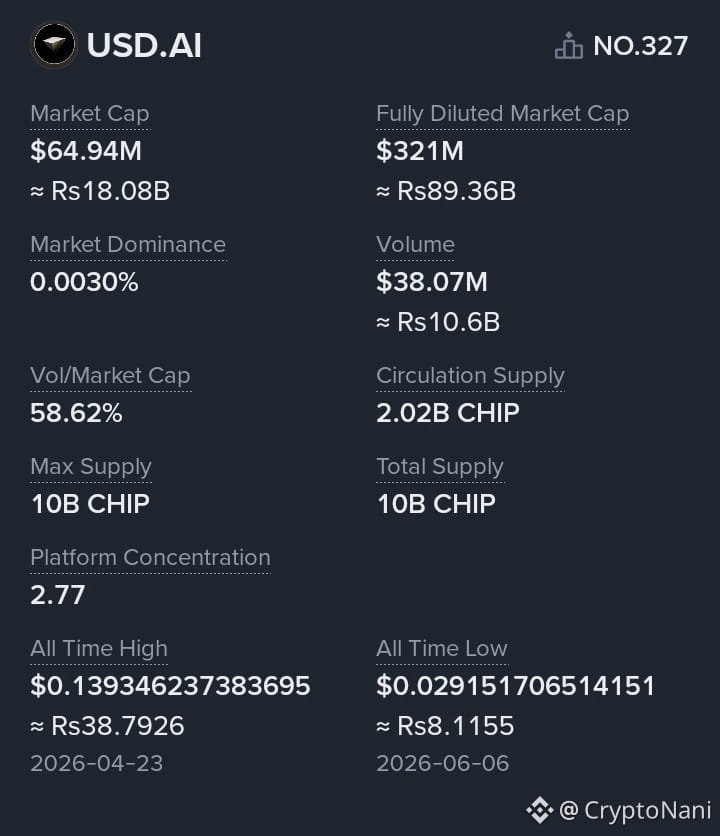
💸 The Interest Rate of AI is Here: The Real World Asset Meta Just Upgraded 🧠🤖
Traditional banks take up to a year to underwrite loans for tech infrastructure, completely choking the growth of artificial intelligence. Meanwhile, AI companies are starving for expensive GPU computing power.
USD.AI just bridged this massive liquidity gap by building a decentralized lending powerhouse backed by physical AI hardware.
Here is how this real world asset protocol is disrupting institutional finance and fueling the AI boom:
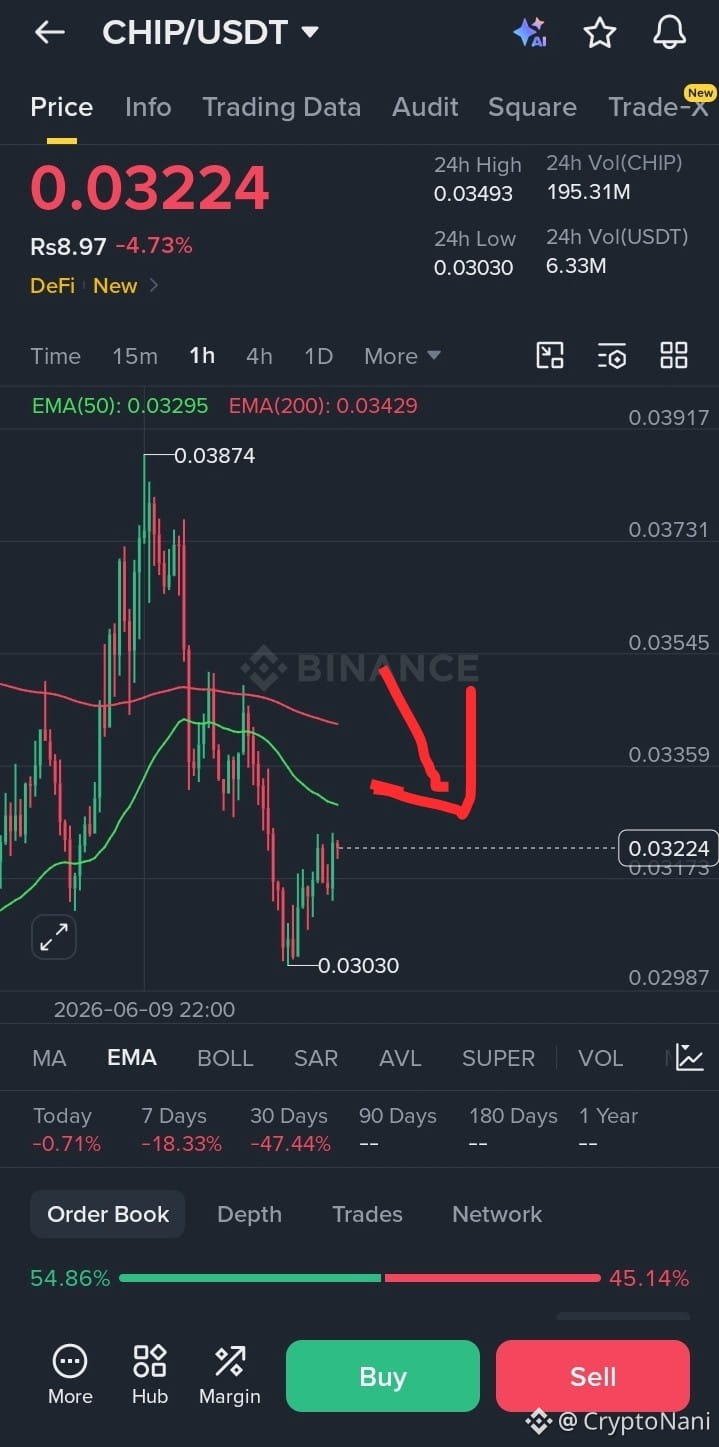
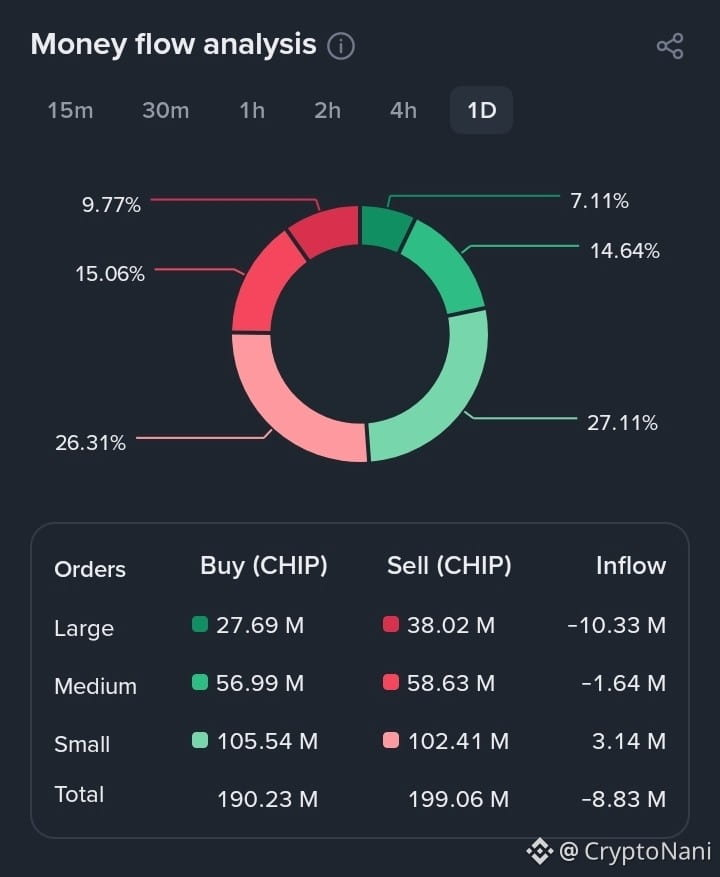
🔹 The CHIP Token Powerhouse: As the core governance asset of the ecosystem, CHIP handles the heavy lifting. Holders control the network by voting on vital protocol parameters, dictate loan terms, and decide exactly which GPU models qualify as collateral.
🔹 Hard Asset Collateral: AI operators can tokenize their physical GPU fleets into on chain non recourse loans in under 30 days. If a borrower defaults, the protocol holds the legal power to repossess and liquidate the physical hardware, securing the entire ecosystem.
🔹 The Dual Token Engine: Users can deposit capital to mint USDai, a synthetic dollar backed by U.S. Treasuries and cash. Staking it transforms it into sUSDai, a yield bearing asset that automatically compounds returns directly from real world GPU loan interest.
Backed by heavyweights like Framework Ventures and Dragonfly, this infrastructure is turning raw computational power into a liquid credit market.
Explore the documentation to see how real world computing power is turning into decentralized yield.
👉 Study the framework here: https://docs.usd.ai/
#CHIP #RealWorldAssets #CryptoAI #DeFiDominance #Binance #Web3Finance
$CHIP
{spot}(CHIPUSDT)
💸 The Interest Rate of AI is Here: The Real World Asset Meta Just Upgraded 🧠🤖
Traditional banks take up to a year to underwrite loans for tech infrastructure, completely choking the growth of artificial intelligence. Meanwhile, AI companies are starving for expensive GPU computing power.
USD.AI just bridged this massive liquidity gap by building a decentralized lending powerhouse backed by physical AI hardware.
Here is how this real world asset protocol is disrupting institutional finance and fueling the AI boom:
🔹 The CHIP Token Powerhouse: As the core governance asset of the ecosystem, CHIP handles the heavy lifting. Holders control the network by voting on vital protocol parameters, dictate loan terms, and decide exactly which GPU models qualify as collateral.
🔹 Hard Asset Collateral: AI operators can tokenize their physical GPU fleets into on chain non recourse loans in under 30 days. If a borrower defaults, the protocol holds the legal power to repossess and liquidate the physical hardware, securing the entire ecosystem.
🔹 The Dual Token Engine: Users can deposit capital to mint USDai, a synthetic dollar backed by U.S. Treasuries and cash. Staking it transforms it into sUSDai, a yield bearing asset that automatically compounds returns directly from real world GPU loan interest.
Backed by heavyweights like Framework Ventures and Dragonfly, this infrastructure is turning raw computational power into a liquid credit market.
Explore the documentation to see how real world computing power is turning into decentralized yield.
👉 Study the framework here: https://docs.usd.ai/
#CHIP #RealWorldAssets #CryptoAI #DeFiDominance #Binance #Web3Finance
$CHIP
Traditional banks take up to a year to underwrite loans for tech infrastructure, completely choking the growth of artificial intelligence. Meanwhile, AI companies are starving for expensive GPU computing power.
USD.AI just bridged this massive liquidity gap by building a decentralized lending powerhouse backed by physical AI hardware.
Here is how this real world asset protocol is disrupting institutional finance and fueling the AI boom:
🔹 The CHIP Token Powerhouse: As the core governance asset of the ecosystem, CHIP handles the heavy lifting. Holders control the network by voting on vital protocol parameters, dictate loan terms, and decide exactly which GPU models qualify as collateral.
🔹 Hard Asset Collateral: AI operators can tokenize their physical GPU fleets into on chain non recourse loans in under 30 days. If a borrower defaults, the protocol holds the legal power to repossess and liquidate the physical hardware, securing the entire ecosystem.
🔹 The Dual Token Engine: Users can deposit capital to mint USDai, a synthetic dollar backed by U.S. Treasuries and cash. Staking it transforms it into sUSDai, a yield bearing asset that automatically compounds returns directly from real world GPU loan interest.
Backed by heavyweights like Framework Ventures and Dragonfly, this infrastructure is turning raw computational power into a liquid credit market.
Explore the documentation to see how real world computing power is turning into decentralized yield.
👉 Study the framework here: https://docs.usd.ai/
#CHIP #RealWorldAssets #CryptoAI #DeFiDominance #Binance #Web3Finance
$CHIP
1
284
·
--
The institutional convergence between aerospace innovation and decentralized finance has reached an unprecedented scale, driven by SpaceX’s official IPO debut featuring a massive $1.2 billion Bitcoin exposure. This structural validation provides an elite gateway for traditional equity investors to participate indirectly in the long-term growth of the digital asset economy. As corporate balance sheets become increasingly transparent through public filings, the narrative around Bitcoin acting as a primary macro hedge continues to solidify globally. This historic financial listing could act as a massive catalyst, prompting other fortune 500 enterprises to evaluate similar treasury allocations. How do you foresee this space tech milestone impacting the upcoming altcoin cycles? 🌌📊 #SpaceXIPODebut12BillionBitcoinExposure #InstitutionalCrypto #Web3Finance
The institutional convergence between aerospace innovation and decentralized finance has reached an unprecedented scale, driven by SpaceX’s official IPO debut featuring a massive $1.2 billion Bitcoin exposure. This structural validation provides an elite gateway for traditional equity investors to participate indirectly in the long-term growth of the digital asset economy. As corporate balance sheets become increasingly transparent through public filings, the narrative around Bitcoin acting as a primary macro hedge continues to solidify globally. This historic financial listing could act as a massive catalyst, prompting other fortune 500 enterprises to evaluate similar treasury allocations. How do you foresee this space tech milestone impacting the upcoming altcoin cycles? 🌌📊 #SpaceXIPODebut12BillionBitcoinExposure #InstitutionalCrypto #Web3Finance


80

·
--
Most traders are still focused on Bitcoin's daily candles. Smart money? They're watching Visa's strategic moves.
Visa just reported a strong Q3, but the real story is their continued multi-coin, multi-chain expansion. They're doubling down on OpenUSD, tokenized deposits, and AI commerce. This isn't just about payment processing; it's about weaving crypto deeper into the global financial fabric. Think about it – a payments giant like Visa making these infrastructure plays signals a massive maturation of the digital asset space. This isn't a fad; it's integration. #CryptoAdoption #Visa #Web3Finance
What does this mean for price? It means continued institutional embrace and utility for digital assets. When giants like Visa build on these rails, the demand for the underlying tokens, and the infrastructure supporting them, is set to grow. This strengthens the narrative that crypto is moving beyond speculation and into real-world application.
Keep an eye on the development and adoption rates of OpenUSD. This cross-chain standard could be a major catalyst for interoperability and wider crypto utilization. #OpenUSD
Are we finally seeing the "killer app" emerge from the TradFi giants?
Most traders are still focused on Bitcoin's daily candles. Smart money? They're watching Visa's strategic moves.
Visa just reported a strong Q3, but the real story is their continued multi-coin, multi-chain expansion. They're doubling down on OpenUSD, tokenized deposits, and AI commerce. This isn't just about payment processing; it's about weaving crypto deeper into the global financial fabric. Think about it – a payments giant like Visa making these infrastructure plays signals a massive maturation of the digital asset space. This isn't a fad; it's integration. #CryptoAdoption #Visa #Web3Finance
What does this mean for price? It means continued institutional embrace and utility for digital assets. When giants like Visa build on these rails, the demand for the underlying tokens, and the infrastructure supporting them, is set to grow. This strengthens the narrative that crypto is moving beyond speculation and into real-world application.
Keep an eye on the development and adoption rates of OpenUSD. This cross-chain standard could be a major catalyst for interoperability and wider crypto utilization. #OpenUSD
Are we finally seeing the "killer app" emerge from the TradFi giants?
Visa just reported a strong Q3, but the real story is their continued multi-coin, multi-chain expansion. They're doubling down on OpenUSD, tokenized deposits, and AI commerce. This isn't just about payment processing; it's about weaving crypto deeper into the global financial fabric. Think about it – a payments giant like Visa making these infrastructure plays signals a massive maturation of the digital asset space. This isn't a fad; it's integration. #CryptoAdoption #Visa #Web3Finance
What does this mean for price? It means continued institutional embrace and utility for digital assets. When giants like Visa build on these rails, the demand for the underlying tokens, and the infrastructure supporting them, is set to grow. This strengthens the narrative that crypto is moving beyond speculation and into real-world application.
Keep an eye on the development and adoption rates of OpenUSD. This cross-chain standard could be a major catalyst for interoperability and wider crypto utilization. #OpenUSD
Are we finally seeing the "killer app" emerge from the TradFi giants?
54

·
--
Haussier
Even the biggest players in crypto are finally waking up to #RWA 🌍⛓️
Top tier global media giant Coin Bureau just warned the market: "Nobody is paying attention to this. 'MASS TOKENIZATION' is coming, and most people have no idea what's coming."
The era of chasing speculative, empty tokens is quickly ending. The smart money is completely shifting toward real-world asset infrastructure. Mirex Network just officially highlighted this exact macro movement, proving their phased ecosystem build is perfectly aligned with where the entire industry is heading. 📊
While casual traders ignore the signs, I just officially passed 858+ LUM tokens on my personal dashboard! Our global mining team has already expanded to 29 members.
The infrastructure is being built right now, and getting positioned early before mass adoption hits is the ultimate play.
👇 Check the very first comment below to activate your session with our team code immediately! 👇
#RWA #CryptoMining #BinanceSquare #Web3Finance
Even the biggest players in crypto are finally waking up to #RWA 🌍⛓️
Top tier global media giant Coin Bureau just warned the market: "Nobody is paying attention to this. 'MASS TOKENIZATION' is coming, and most people have no idea what's coming."
The era of chasing speculative, empty tokens is quickly ending. The smart money is completely shifting toward real-world asset infrastructure. Mirex Network just officially highlighted this exact macro movement, proving their phased ecosystem build is perfectly aligned with where the entire industry is heading. 📊
While casual traders ignore the signs, I just officially passed 858+ LUM tokens on my personal dashboard! Our global mining team has already expanded to 29 members.
The infrastructure is being built right now, and getting positioned early before mass adoption hits is the ultimate play.
👇 Check the very first comment below to activate your session with our team code immediately! 👇
#RWA #CryptoMining #BinanceSquare #Web3Finance
Top tier global media giant Coin Bureau just warned the market: "Nobody is paying attention to this. 'MASS TOKENIZATION' is coming, and most people have no idea what's coming."
The era of chasing speculative, empty tokens is quickly ending. The smart money is completely shifting toward real-world asset infrastructure. Mirex Network just officially highlighted this exact macro movement, proving their phased ecosystem build is perfectly aligned with where the entire industry is heading. 📊
While casual traders ignore the signs, I just officially passed 858+ LUM tokens on my personal dashboard! Our global mining team has already expanded to 29 members.
The infrastructure is being built right now, and getting positioned early before mass adoption hits is the ultimate play.
👇 Check the very first comment below to activate your session with our team code immediately! 👇
#RWA #CryptoMining #BinanceSquare #Web3Finance

2
42
·
--
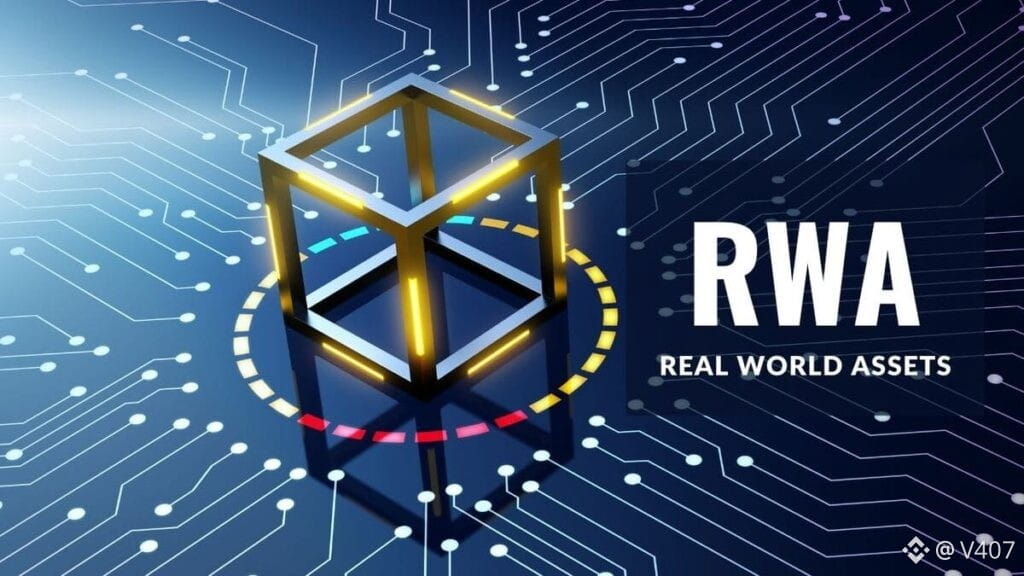
Why waiting until the deadline costs you 90% of your crypto profits 📉🧠
A lot of mobile miners treat test phases, checklists, and app notifications like optional homework. Let me share a painful reality check from my personal journey:
On my legacy Pi Network profile, I hesitated to submit my identity verification out of caution. By the time I pushed through and got my approval, the strict grace-period system permanently penalised 943+ π tokens right out of my balance ledger. It's completely unrecoverable.
Only 12.02 π successfully migrated, and it is locked tight until 2028! 🔒
🛠️ The Lesson for Web3 Infrastructure: Rushing at the last minute or ignoring app updates completely breaks your positioning. This is exactly why I am aggressively staying on top of my Mirex Network development dashboard.
My personal Mirex ledger just officially cleared 878+ LUM tokens entirely for free! Our global community team has scaled up to 29 members.
Don't let hesitation or laziness cost you your early accumulation layer. Keep your active mining sessions turned on, execute your features, and stay positioned! ⚡🚀
#CryptoMining #Web3Finance #RWA #BinanceSquare #Write2Earn
Why waiting until the deadline costs you 90% of your crypto profits 📉🧠
A lot of mobile miners treat test phases, checklists, and app notifications like optional homework. Let me share a painful reality check from my personal journey:
On my legacy Pi Network profile, I hesitated to submit my identity verification out of caution. By the time I pushed through and got my approval, the strict grace-period system permanently penalised 943+ π tokens right out of my balance ledger. It's completely unrecoverable.
Only 12.02 π successfully migrated, and it is locked tight until 2028! 🔒
🛠️ The Lesson for Web3 Infrastructure: Rushing at the last minute or ignoring app updates completely breaks your positioning. This is exactly why I am aggressively staying on top of my Mirex Network development dashboard.
My personal Mirex ledger just officially cleared 878+ LUM tokens entirely for free! Our global community team has scaled up to 29 members.
Don't let hesitation or laziness cost you your early accumulation layer. Keep your active mining sessions turned on, execute your features, and stay positioned! ⚡🚀
#CryptoMining #Web3Finance #RWA #BinanceSquare #Write2Earn
A lot of mobile miners treat test phases, checklists, and app notifications like optional homework. Let me share a painful reality check from my personal journey:
On my legacy Pi Network profile, I hesitated to submit my identity verification out of caution. By the time I pushed through and got my approval, the strict grace-period system permanently penalised 943+ π tokens right out of my balance ledger. It's completely unrecoverable.
Only 12.02 π successfully migrated, and it is locked tight until 2028! 🔒
🛠️ The Lesson for Web3 Infrastructure: Rushing at the last minute or ignoring app updates completely breaks your positioning. This is exactly why I am aggressively staying on top of my Mirex Network development dashboard.
My personal Mirex ledger just officially cleared 878+ LUM tokens entirely for free! Our global community team has scaled up to 29 members.
Don't let hesitation or laziness cost you your early accumulation layer. Keep your active mining sessions turned on, execute your features, and stay positioned! ⚡🚀
#CryptoMining #Web3Finance #RWA #BinanceSquare #Write2Earn
2
1
142

Real-World Asset Tokenization (RWA) and Institutional InflowsThe narrative in the digital asset space has officially shifted from speculative hype to practical, utility-driven infrastructure. At the forefront of this shift is the massive expansion of Real-World Asset (RWA) tokenization.
Traditional financial institutions and corporate treasuries are increasingly bringing assets like government bonds, real estate, and private credit onto the blockchain. This convergence of TradFi and DeFi is creating unprecedented liquidity channels and offering sustainable, yield-bearing alternatives to standard market cycles. With clearer regulatory frameworks paving the way, institutional capital is no longer sitting on the sidelines—it is actively reshaping the global financial architecture.
#RWA #Tokenization #DEFİ i #TradFi #Blockchain #InstitutionalCrypto #Web3Finance
Real-World Asset Tokenization (RWA) and Institutional Inflows
The narrative in the digital asset space has officially shifted from speculative hype to practical, utility-driven infrastructure. At the forefront of this shift is the massive expansion of Real-World Asset (RWA) tokenization.
Traditional financial institutions and corporate treasuries are increasingly bringing assets like government bonds, real estate, and private credit onto the blockchain. This convergence of TradFi and DeFi is creating unprecedented liquidity channels and offering sustainable, yield-bearing alternatives to standard market cycles. With clearer regulatory frameworks paving the way, institutional capital is no longer sitting on the sidelines—it is actively reshaping the global financial architecture.
#RWA #Tokenization #DEFİ i #TradFi #Blockchain #InstitutionalCrypto #Web3Finance
Traditional financial institutions and corporate treasuries are increasingly bringing assets like government bonds, real estate, and private credit onto the blockchain. This convergence of TradFi and DeFi is creating unprecedented liquidity channels and offering sustainable, yield-bearing alternatives to standard market cycles. With clearer regulatory frameworks paving the way, institutional capital is no longer sitting on the sidelines—it is actively reshaping the global financial architecture.
#RWA #Tokenization #DEFİ i #TradFi #Blockchain #InstitutionalCrypto #Web3Finance
28

·
--
Chainlink is having a breakout week, with LINK surging nearly 7% to trade around $11.95 on September 4, its highest level in months. The move follows a major partnership announcement: Bottomline, a top-three SWIFT service provider handling more than $16 trillion in annual payments, is integrating Chainlink's infrastructure to connect its 600-plus bank customers and 1,200 financial institutions to cross-chain, cross-border settlement. Banks can now trigger on-chain transactions using their existing ISO 20022 messaging standards, without rebuilding core banking systems, through Chainlink's Cross-Chain Interoperability Protocol (CCIP) and Runtime Environment (CRE). This adds to Chainlink's growing institutional footprint — Circle's Arc mainnet is set to launch September 16 with Chainlink as its official oracle partner, while Charles Schwab recently added LINK to its retail crypto platform.
#Chainlink #LINK #Web3Finance #CrossBorderPayments #RWA
Chainlink is having a breakout week, with LINK surging nearly 7% to trade around $11.95 on September 4, its highest level in months. The move follows a major partnership announcement: Bottomline, a top-three SWIFT service provider handling more than $16 trillion in annual payments, is integrating Chainlink's infrastructure to connect its 600-plus bank customers and 1,200 financial institutions to cross-chain, cross-border settlement. Banks can now trigger on-chain transactions using their existing ISO 20022 messaging standards, without rebuilding core banking systems, through Chainlink's Cross-Chain Interoperability Protocol (CCIP) and Runtime Environment (CRE). This adds to Chainlink's growing institutional footprint — Circle's Arc mainnet is set to launch September 16 with Chainlink as its official oracle partner, while Charles Schwab recently added LINK to its retail crypto platform.
#Chainlink #LINK #Web3Finance #CrossBorderPayments #RWA
#Chainlink #LINK #Web3Finance #CrossBorderPayments #RWA

66

·
--
Protocol-Owned Liquidity Is Quietly Reshaping How DeFi Survives Bear Markets
For years, DeFi protocols competed by offering inflated token rewards to attract liquidity. The problem? That capital was mercenary — the moment rewards dropped, liquidity evaporated and protocols were left fragile.
Protocol-owned liquidity (POL) flips this model. Instead of renting liquidity from yield farmers, protocols accumulate it on their own balance sheets. The result: deep, stable markets that do not collapse the moment emissions slow.
This matters enormously for $ETH-based DeFi. Layer 2 ecosystems built on Ethereum are increasingly bootstrapping POL through DAO treasuries, turning protocol reserves into productive liquidity that earns fees and compounds over time.
$BNB Chain protocols have taken a similar path — BNB burned through fee mechanisms reduces circulating supply while protocol treasuries absorb liquidity positions long-term.
The $AVAX subnet model is also notable — validator bond capital doubling as a liquidity backstop is a structural innovation that could redefine how new chains launch cleanly.
The shift from rented to owned liquidity is not just a trend — it is a maturation signal. Protocols that survive the next bear cycle will almost certainly be those that built the deepest owned reserves today.
Mercenary capital is a growth tool. Protocol-owned liquidity is a survival tool. The smartest teams know the difference.
#DeFi #ProtocolOwnedLiquidity #CryptoAlpha #Web3Finance #BinanceSquare
Protocol-Owned Liquidity Is Quietly Reshaping How DeFi Survives Bear Markets
For years, DeFi protocols competed by offering inflated token rewards to attract liquidity. The problem? That capital was mercenary — the moment rewards dropped, liquidity evaporated and protocols were left fragile.
Protocol-owned liquidity (POL) flips this model. Instead of renting liquidity from yield farmers, protocols accumulate it on their own balance sheets. The result: deep, stable markets that do not collapse the moment emissions slow.
This matters enormously for $ETH -based DeFi. Layer 2 ecosystems built on Ethereum are increasingly bootstrapping POL through DAO treasuries, turning protocol reserves into productive liquidity that earns fees and compounds over time.
$BNB Chain protocols have taken a similar path — BNB burned through fee mechanisms reduces circulating supply while protocol treasuries absorb liquidity positions long-term.
The $AVAX subnet model is also notable — validator bond capital doubling as a liquidity backstop is a structural innovation that could redefine how new chains launch cleanly.
The shift from rented to owned liquidity is not just a trend — it is a maturation signal. Protocols that survive the next bear cycle will almost certainly be those that built the deepest owned reserves today.
Mercenary capital is a growth tool. Protocol-owned liquidity is a survival tool. The smartest teams know the difference.
#DeFi #ProtocolOwnedLiquidity #CryptoAlpha #Web3Finance #BinanceSquare
For years, DeFi protocols competed by offering inflated token rewards to attract liquidity. The problem? That capital was mercenary — the moment rewards dropped, liquidity evaporated and protocols were left fragile.
Protocol-owned liquidity (POL) flips this model. Instead of renting liquidity from yield farmers, protocols accumulate it on their own balance sheets. The result: deep, stable markets that do not collapse the moment emissions slow.
This matters enormously for $ETH -based DeFi. Layer 2 ecosystems built on Ethereum are increasingly bootstrapping POL through DAO treasuries, turning protocol reserves into productive liquidity that earns fees and compounds over time.
$BNB Chain protocols have taken a similar path — BNB burned through fee mechanisms reduces circulating supply while protocol treasuries absorb liquidity positions long-term.
The $AVAX subnet model is also notable — validator bond capital doubling as a liquidity backstop is a structural innovation that could redefine how new chains launch cleanly.
The shift from rented to owned liquidity is not just a trend — it is a maturation signal. Protocols that survive the next bear cycle will almost certainly be those that built the deepest owned reserves today.
Mercenary capital is a growth tool. Protocol-owned liquidity is a survival tool. The smartest teams know the difference.
#DeFi #ProtocolOwnedLiquidity #CryptoAlpha #Web3Finance #BinanceSquare
137


Article
Bitcoin Is Rallying Again, But More Investors Are Starting to Ask What Comes After the TradeBitcoin is back in the conversation again, and this time the energy around it feels stronger than just another short-lived market bounce. A friendlier risk-on mood across global markets has given BTC another push, while steady demand from U.S. spot Bitcoin ETFs has kept adding support to the move. For a lot of investors, that is enough to renew the usual optimism. The chart looks better, the narrative looks stronger, and the familiar question starts coming back into focus: how much higher can Bitcoin go from here?
But beneath that excitement, a different question is quietly becoming more important. It is not only about where Bitcoin can go next. It is also about what investors are actually getting while they wait. That is where the conversation starts to shift. Price appreciation is one kind of reward, but it is not the same as income. Bitcoin has always been powerful as an exposure asset. It offers liquidity, scarcity, and long-term upside potential for people who believe in the broader digital asset thesis. What it does not offer is clarity. There is no fixed return, no scheduled payout, and no easy way to map what your capital will produce over a set period of time. In other words, Bitcoin can be exciting, but it is still largely a waiting game.
That gap is exactly why products built around structure and predictability are starting to attract more attention. Platforms like Varntix are positioning themselves around a very different kind of value proposition. Instead of asking people to simply hold through volatility and hope the market eventually does the work, they are presenting a model built on defined terms, visible timelines, and more predictable outcomes. That appeal is not really about hype. It is about planning. For investors who are tired of watching price swing up and down without knowing what their money is doing in the meantime, that kind of setup can feel much easier to understand.
The flexible savings side of that model speaks to accessibility. It gives users a way to keep capital moving without locking everything away for long periods, which matters in a market that can change direction quickly. Longer-term fixed APY plans take that idea even further by creating a more disciplined structure around returns. Instead of depending on market sentiment or the next breakout candle, the user knows the term, understands the framework, and can think about capital in a much more organized way. That is a very different experience from staring at a Bitcoin chart and hoping the next leg higher arrives before the market mood changes again.
That does not mean Bitcoin and fixed-income style products are competing on the exact same terms. They solve different problems. Bitcoin is for the investor who wants asymmetric upside, exposure to a monetary alternative, or simply the most recognized asset in crypto. A structured income product is for the investor who values predictability, timing, and a cleaner way to think about returns. The contrast is what makes this discussion interesting. One is built around potential. The other is built around visibility.
And that is probably why the comparison is becoming more relevant now. When markets are strong, people chase upside. When uncertainty returns, they start looking for something they can model. Right now, both instincts are alive at the same time. Bitcoin continues to draw institutional interest, but more investors are also starting to pay attention to products that feel easier to explain, easier to plan around, and easier to fit into a broader financial strategy.
So the real debate is no longer just about whether Bitcoin can continue climbing. It is about what kind of investor experience feels more useful in practice. Some will always prefer the upside of BTC, and that is understandable. Others may decide that predictable income, scheduled payouts, and clearer structure are more valuable than waiting for the next major rally. That is the shift happening underneath the surface of the market.
Bitcoin still represents the possibility of outsized gains. Structured income products are trying to represent something different: a more defined path. In a market where uncertainty never really disappears, that difference may matter more than the next headline move.
#Bitcoin #BTC #CryptoMarket #Web3Finance
Bitcoin Is Rallying Again, But More Investors Are Starting to Ask What Comes After the Trade
Bitcoin is back in the conversation again, and this time the energy around it feels stronger than just another short-lived market bounce. A friendlier risk-on mood across global markets has given BTC another push, while steady demand from U.S. spot Bitcoin ETFs has kept adding support to the move. For a lot of investors, that is enough to renew the usual optimism. The chart looks better, the narrative looks stronger, and the familiar question starts coming back into focus: how much higher can Bitcoin go from here?
But beneath that excitement, a different question is quietly becoming more important. It is not only about where Bitcoin can go next. It is also about what investors are actually getting while they wait. That is where the conversation starts to shift. Price appreciation is one kind of reward, but it is not the same as income. Bitcoin has always been powerful as an exposure asset. It offers liquidity, scarcity, and long-term upside potential for people who believe in the broader digital asset thesis. What it does not offer is clarity. There is no fixed return, no scheduled payout, and no easy way to map what your capital will produce over a set period of time. In other words, Bitcoin can be exciting, but it is still largely a waiting game.
That gap is exactly why products built around structure and predictability are starting to attract more attention. Platforms like Varntix are positioning themselves around a very different kind of value proposition. Instead of asking people to simply hold through volatility and hope the market eventually does the work, they are presenting a model built on defined terms, visible timelines, and more predictable outcomes. That appeal is not really about hype. It is about planning. For investors who are tired of watching price swing up and down without knowing what their money is doing in the meantime, that kind of setup can feel much easier to understand.
The flexible savings side of that model speaks to accessibility. It gives users a way to keep capital moving without locking everything away for long periods, which matters in a market that can change direction quickly. Longer-term fixed APY plans take that idea even further by creating a more disciplined structure around returns. Instead of depending on market sentiment or the next breakout candle, the user knows the term, understands the framework, and can think about capital in a much more organized way. That is a very different experience from staring at a Bitcoin chart and hoping the next leg higher arrives before the market mood changes again.
That does not mean Bitcoin and fixed-income style products are competing on the exact same terms. They solve different problems. Bitcoin is for the investor who wants asymmetric upside, exposure to a monetary alternative, or simply the most recognized asset in crypto. A structured income product is for the investor who values predictability, timing, and a cleaner way to think about returns. The contrast is what makes this discussion interesting. One is built around potential. The other is built around visibility.
And that is probably why the comparison is becoming more relevant now. When markets are strong, people chase upside. When uncertainty returns, they start looking for something they can model. Right now, both instincts are alive at the same time. Bitcoin continues to draw institutional interest, but more investors are also starting to pay attention to products that feel easier to explain, easier to plan around, and easier to fit into a broader financial strategy.
So the real debate is no longer just about whether Bitcoin can continue climbing. It is about what kind of investor experience feels more useful in practice. Some will always prefer the upside of BTC, and that is understandable. Others may decide that predictable income, scheduled payouts, and clearer structure are more valuable than waiting for the next major rally. That is the shift happening underneath the surface of the market.
Bitcoin still represents the possibility of outsized gains. Structured income products are trying to represent something different: a more defined path. In a market where uncertainty never really disappears, that difference may matter more than the next headline move.
#Bitcoin #BTC #CryptoMarket #Web3Finance
But beneath that excitement, a different question is quietly becoming more important. It is not only about where Bitcoin can go next. It is also about what investors are actually getting while they wait. That is where the conversation starts to shift. Price appreciation is one kind of reward, but it is not the same as income. Bitcoin has always been powerful as an exposure asset. It offers liquidity, scarcity, and long-term upside potential for people who believe in the broader digital asset thesis. What it does not offer is clarity. There is no fixed return, no scheduled payout, and no easy way to map what your capital will produce over a set period of time. In other words, Bitcoin can be exciting, but it is still largely a waiting game.
That gap is exactly why products built around structure and predictability are starting to attract more attention. Platforms like Varntix are positioning themselves around a very different kind of value proposition. Instead of asking people to simply hold through volatility and hope the market eventually does the work, they are presenting a model built on defined terms, visible timelines, and more predictable outcomes. That appeal is not really about hype. It is about planning. For investors who are tired of watching price swing up and down without knowing what their money is doing in the meantime, that kind of setup can feel much easier to understand.
The flexible savings side of that model speaks to accessibility. It gives users a way to keep capital moving without locking everything away for long periods, which matters in a market that can change direction quickly. Longer-term fixed APY plans take that idea even further by creating a more disciplined structure around returns. Instead of depending on market sentiment or the next breakout candle, the user knows the term, understands the framework, and can think about capital in a much more organized way. That is a very different experience from staring at a Bitcoin chart and hoping the next leg higher arrives before the market mood changes again.
That does not mean Bitcoin and fixed-income style products are competing on the exact same terms. They solve different problems. Bitcoin is for the investor who wants asymmetric upside, exposure to a monetary alternative, or simply the most recognized asset in crypto. A structured income product is for the investor who values predictability, timing, and a cleaner way to think about returns. The contrast is what makes this discussion interesting. One is built around potential. The other is built around visibility.
And that is probably why the comparison is becoming more relevant now. When markets are strong, people chase upside. When uncertainty returns, they start looking for something they can model. Right now, both instincts are alive at the same time. Bitcoin continues to draw institutional interest, but more investors are also starting to pay attention to products that feel easier to explain, easier to plan around, and easier to fit into a broader financial strategy.
So the real debate is no longer just about whether Bitcoin can continue climbing. It is about what kind of investor experience feels more useful in practice. Some will always prefer the upside of BTC, and that is understandable. Others may decide that predictable income, scheduled payouts, and clearer structure are more valuable than waiting for the next major rally. That is the shift happening underneath the surface of the market.
Bitcoin still represents the possibility of outsized gains. Structured income products are trying to represent something different: a more defined path. In a market where uncertainty never really disappears, that difference may matter more than the next headline move.
#Bitcoin #BTC #CryptoMarket #Web3Finance
2
201

·
--
Article
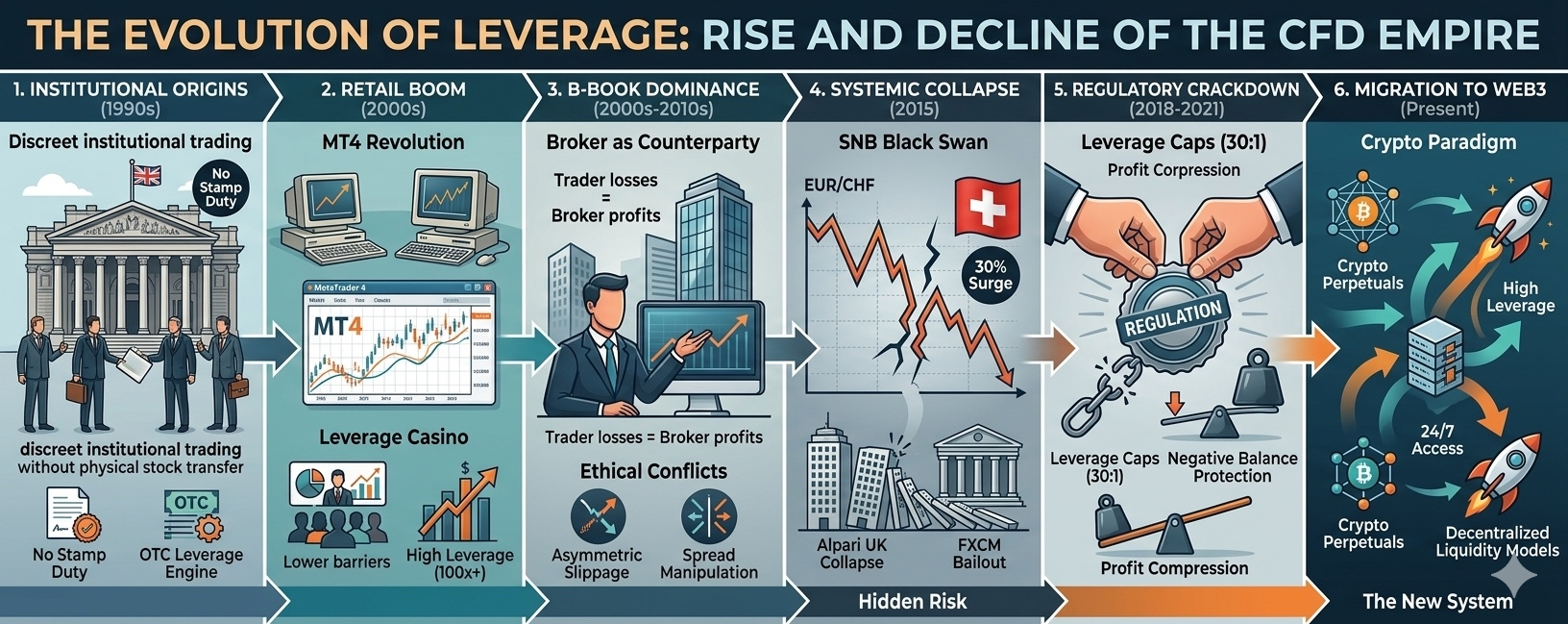
The Evolution of Leverage: The Rise and Regulatory Death of the CFD EmpireIntroduction: From Traditional Leverage to Crypto Transformation
Financial markets have always been driven by one powerful force: leverage. Among the many instruments that enabled traders to amplify returns, Contracts for Difference (CFDs) stood out as one of the most influential—and controversial.
Today, however, the dominance of CFDs is fading. A structural shift is underway:
Traditional CFD brokers are losing their edge due to regulatory pressureCrypto exchanges are absorbing liquidity and usersCapital is migrating toward Web3 derivatives, especially perpetual futures
To understand why this shift is happening, we must first examine how the CFD empire was built—and why it is now collapsing.
The Origins of CFDs: A Smart Institutional Workaround
CFDs were not designed for retail traders. They originated in the early 1990s in London’s institutional trading environment.
At the time, the UK imposed a stamp duty on stock transactions, making frequent trading expensive for hedge funds and investment banks. CFDs solved this problem elegantly:
Traders didn’t own the underlying assetOnly the price difference between entry and exit was settledNo physical transfer = no tax liability
This innovation allowed institutions to:
■ Trade large positions discreetly
■ Use high leverage efficiently
■ Avoid regulatory friction
Initially, CFDs were an exclusive tool—essentially a private leverage engine for institutions.
The Retail Boom: Internet + MT4 Revolution
The transition from institutional tool to retail phenomenon happened in two major waves:
1. Internet & Direct Market Access (Late 1990s)
Online trading platforms allowed retail users to access real-time markets from home. This broke the monopoly of institutions.
2. MetaTrader 4 (2005)
The launch of MT4 changed everything:
■ Introduced automated trading via Expert Advisors (EAs)
■ Enabled retail algorithmic trading
■ Lowered technical barriers dramatically
Combined with high leverage (up to 100x or more) and low capital requirements, CFDs entered a golden era. Millions of retail traders joined what became, effectively, a global leveraged trading casino.
The Hidden Mechanics: A-Book vs. B-Book
Unlike traditional exchanges, CFDs operate in an over-the-counter (OTC) environment. This gave brokers significant control over trade execution.
Two main models emerged:
A-Book Model
Orders are passed to real market liquidityBroker earns from spreads/commissionsLower conflict of interest
B-Book Model
Broker acts as the counterpartyTrader losses = broker profitsHighly profitable but ethically questionable
The reality:
■ Most retail traders lose (often 70–80%)
■ Brokers optimized systems to capitalize on this
This led to controversial practices:
Asymmetric slippageSpread manipulationStop-loss hunting
The system was profitable—but fragile.
The 2015 Black Swan: Systemic Weakness Exposed
On January 15, 2015, a major event reshaped the industry.
The Swiss National Bank unexpectedly removed the EUR/CHF peg. Within minutes:
Swiss Franc surged ~30%Liquidity disappearedStop-loss orders failed
Result:
■ Traders incurred massive negative balances
■ Brokers had to absorb losses
Major consequences:
Alpari UK collapsedFXCM required a $300M bailout
This event exposed a critical flaw:
Brokers carried hidden systemic risk under extreme market conditions.
The Regulatory Crackdown (2018–2021)
After 2015, regulators globally took action to control risk:
Key Measures:
■ Leverage caps (e.g., 30:1 in Europe & Australia)
■ Mandatory Negative Balance Protection
■ Restrictions on retail participation
■ Full bans in some jurisdictions (e.g., USA)
Impact:
Profit margins for brokers shrankHigh-risk retail trading was limitedThe “Wild West” era ended
While these reforms improved safety, they also created a new problem:
Demand for high leverage did not disappear—it was displaced.
The Migration to Web3: A New Frontier
With traditional CFDs constrained, traders and capital began moving elsewhere.
Crypto derivatives emerged as the natural successor because they offered:
■ Higher leverage options
■ 24/7 global access
■ Fewer restrictions
■ Transparent (or semi-transparent) mechanisms
Most importantly, Web3 introduced innovations that addressed CFD flaws:
Decentralized liquidity modelsReduced counterparty conflictsMechanisms like funding rates
This shift represents not just evolution—but replacement.
Conclusion: The Fall of an Empire, The Rise of a New System
The CFD industry followed a clear lifecycle:
Innovation (institutional efficiency tool)Expansion (retail adoption & leverage boom)Exploitation (B-Book dominance)Collapse Trigger (2015 black swan)Regulation (profit compression)Migration (capital flows to crypto)
Today, the CFD empire is no longer the center of leveraged trading. Its limitations—conflicts of interest, systemic risk, and regulatory pressure—have opened the door for a new paradigm.
In the next phase of this evolution, crypto perpetual futures are not just competing—they are redefining leverage itself.
#CryptoDerivatives #LeverageEvolution #Web3Finance #CryptoEducation #ArifAlpha
The Evolution of Leverage: The Rise and Regulatory Death of the CFD Empire
Introduction: From Traditional Leverage to Crypto Transformation
Financial markets have always been driven by one powerful force: leverage. Among the many instruments that enabled traders to amplify returns, Contracts for Difference (CFDs) stood out as one of the most influential—and controversial.
Today, however, the dominance of CFDs is fading. A structural shift is underway:
Traditional CFD brokers are losing their edge due to regulatory pressureCrypto exchanges are absorbing liquidity and usersCapital is migrating toward Web3 derivatives, especially perpetual futures
To understand why this shift is happening, we must first examine how the CFD empire was built—and why it is now collapsing.
The Origins of CFDs: A Smart Institutional Workaround
CFDs were not designed for retail traders. They originated in the early 1990s in London’s institutional trading environment.
At the time, the UK imposed a stamp duty on stock transactions, making frequent trading expensive for hedge funds and investment banks. CFDs solved this problem elegantly:
Traders didn’t own the underlying assetOnly the price difference between entry and exit was settledNo physical transfer = no tax liability
This innovation allowed institutions to:
■ Trade large positions discreetly
■ Use high leverage efficiently
■ Avoid regulatory friction
Initially, CFDs were an exclusive tool—essentially a private leverage engine for institutions.
The Retail Boom: Internet + MT4 Revolution
The transition from institutional tool to retail phenomenon happened in two major waves:
1. Internet & Direct Market Access (Late 1990s)
Online trading platforms allowed retail users to access real-time markets from home. This broke the monopoly of institutions.
2. MetaTrader 4 (2005)
The launch of MT4 changed everything:
■ Introduced automated trading via Expert Advisors (EAs)
■ Enabled retail algorithmic trading
■ Lowered technical barriers dramatically
Combined with high leverage (up to 100x or more) and low capital requirements, CFDs entered a golden era. Millions of retail traders joined what became, effectively, a global leveraged trading casino.
The Hidden Mechanics: A-Book vs. B-Book
Unlike traditional exchanges, CFDs operate in an over-the-counter (OTC) environment. This gave brokers significant control over trade execution.
Two main models emerged:
A-Book Model
Orders are passed to real market liquidityBroker earns from spreads/commissionsLower conflict of interest
B-Book Model
Broker acts as the counterpartyTrader losses = broker profitsHighly profitable but ethically questionable
The reality:
■ Most retail traders lose (often 70–80%)
■ Brokers optimized systems to capitalize on this
This led to controversial practices:
Asymmetric slippageSpread manipulationStop-loss hunting
The system was profitable—but fragile.
The 2015 Black Swan: Systemic Weakness Exposed
On January 15, 2015, a major event reshaped the industry.
The Swiss National Bank unexpectedly removed the EUR/CHF peg. Within minutes:
Swiss Franc surged ~30%Liquidity disappearedStop-loss orders failed
Result:
■ Traders incurred massive negative balances
■ Brokers had to absorb losses
Major consequences:
Alpari UK collapsedFXCM required a $300M bailout
This event exposed a critical flaw:
Brokers carried hidden systemic risk under extreme market conditions.
The Regulatory Crackdown (2018–2021)
After 2015, regulators globally took action to control risk:
Key Measures:
■ Leverage caps (e.g., 30:1 in Europe & Australia)
■ Mandatory Negative Balance Protection
■ Restrictions on retail participation
■ Full bans in some jurisdictions (e.g., USA)
Impact:
Profit margins for brokers shrankHigh-risk retail trading was limitedThe “Wild West” era ended
While these reforms improved safety, they also created a new problem:
Demand for high leverage did not disappear—it was displaced.
The Migration to Web3: A New Frontier
With traditional CFDs constrained, traders and capital began moving elsewhere.
Crypto derivatives emerged as the natural successor because they offered:
■ Higher leverage options
■ 24/7 global access
■ Fewer restrictions
■ Transparent (or semi-transparent) mechanisms
Most importantly, Web3 introduced innovations that addressed CFD flaws:
Decentralized liquidity modelsReduced counterparty conflictsMechanisms like funding rates
This shift represents not just evolution—but replacement.
Conclusion: The Fall of an Empire, The Rise of a New System
The CFD industry followed a clear lifecycle:
Innovation (institutional efficiency tool)Expansion (retail adoption & leverage boom)Exploitation (B-Book dominance)Collapse Trigger (2015 black swan)Regulation (profit compression)Migration (capital flows to crypto)
Today, the CFD empire is no longer the center of leveraged trading. Its limitations—conflicts of interest, systemic risk, and regulatory pressure—have opened the door for a new paradigm.
In the next phase of this evolution, crypto perpetual futures are not just competing—they are redefining leverage itself.
#CryptoDerivatives #LeverageEvolution #Web3Finance #CryptoEducation #ArifAlpha
Financial markets have always been driven by one powerful force: leverage. Among the many instruments that enabled traders to amplify returns, Contracts for Difference (CFDs) stood out as one of the most influential—and controversial.
Today, however, the dominance of CFDs is fading. A structural shift is underway:
Traditional CFD brokers are losing their edge due to regulatory pressureCrypto exchanges are absorbing liquidity and usersCapital is migrating toward Web3 derivatives, especially perpetual futures
To understand why this shift is happening, we must first examine how the CFD empire was built—and why it is now collapsing.
The Origins of CFDs: A Smart Institutional Workaround
CFDs were not designed for retail traders. They originated in the early 1990s in London’s institutional trading environment.
At the time, the UK imposed a stamp duty on stock transactions, making frequent trading expensive for hedge funds and investment banks. CFDs solved this problem elegantly:
Traders didn’t own the underlying assetOnly the price difference between entry and exit was settledNo physical transfer = no tax liability
This innovation allowed institutions to:
■ Trade large positions discreetly
■ Use high leverage efficiently
■ Avoid regulatory friction
Initially, CFDs were an exclusive tool—essentially a private leverage engine for institutions.
The Retail Boom: Internet + MT4 Revolution
The transition from institutional tool to retail phenomenon happened in two major waves:
1. Internet & Direct Market Access (Late 1990s)
Online trading platforms allowed retail users to access real-time markets from home. This broke the monopoly of institutions.
2. MetaTrader 4 (2005)
The launch of MT4 changed everything:
■ Introduced automated trading via Expert Advisors (EAs)
■ Enabled retail algorithmic trading
■ Lowered technical barriers dramatically
Combined with high leverage (up to 100x or more) and low capital requirements, CFDs entered a golden era. Millions of retail traders joined what became, effectively, a global leveraged trading casino.
The Hidden Mechanics: A-Book vs. B-Book
Unlike traditional exchanges, CFDs operate in an over-the-counter (OTC) environment. This gave brokers significant control over trade execution.
Two main models emerged:
A-Book Model
Orders are passed to real market liquidityBroker earns from spreads/commissionsLower conflict of interest
B-Book Model
Broker acts as the counterpartyTrader losses = broker profitsHighly profitable but ethically questionable
The reality:
■ Most retail traders lose (often 70–80%)
■ Brokers optimized systems to capitalize on this
This led to controversial practices:
Asymmetric slippageSpread manipulationStop-loss hunting
The system was profitable—but fragile.
The 2015 Black Swan: Systemic Weakness Exposed
On January 15, 2015, a major event reshaped the industry.
The Swiss National Bank unexpectedly removed the EUR/CHF peg. Within minutes:
Swiss Franc surged ~30%Liquidity disappearedStop-loss orders failed
Result:
■ Traders incurred massive negative balances
■ Brokers had to absorb losses
Major consequences:
Alpari UK collapsedFXCM required a $300M bailout
This event exposed a critical flaw:
Brokers carried hidden systemic risk under extreme market conditions.
The Regulatory Crackdown (2018–2021)
After 2015, regulators globally took action to control risk:
Key Measures:
■ Leverage caps (e.g., 30:1 in Europe & Australia)
■ Mandatory Negative Balance Protection
■ Restrictions on retail participation
■ Full bans in some jurisdictions (e.g., USA)
Impact:
Profit margins for brokers shrankHigh-risk retail trading was limitedThe “Wild West” era ended
While these reforms improved safety, they also created a new problem:
Demand for high leverage did not disappear—it was displaced.
The Migration to Web3: A New Frontier
With traditional CFDs constrained, traders and capital began moving elsewhere.
Crypto derivatives emerged as the natural successor because they offered:
■ Higher leverage options
■ 24/7 global access
■ Fewer restrictions
■ Transparent (or semi-transparent) mechanisms
Most importantly, Web3 introduced innovations that addressed CFD flaws:
Decentralized liquidity modelsReduced counterparty conflictsMechanisms like funding rates
This shift represents not just evolution—but replacement.
Conclusion: The Fall of an Empire, The Rise of a New System
The CFD industry followed a clear lifecycle:
Innovation (institutional efficiency tool)Expansion (retail adoption & leverage boom)Exploitation (B-Book dominance)Collapse Trigger (2015 black swan)Regulation (profit compression)Migration (capital flows to crypto)
Today, the CFD empire is no longer the center of leveraged trading. Its limitations—conflicts of interest, systemic risk, and regulatory pressure—have opened the door for a new paradigm.
In the next phase of this evolution, crypto perpetual futures are not just competing—they are redefining leverage itself.
#CryptoDerivatives #LeverageEvolution #Web3Finance #CryptoEducation #ArifAlpha
217

JustLendDAO: Capital Velocity as Ecosystem Glue
Idle capital is lost potential. JustLendDAO transforms TRON’s native assets into circulating liquidity, supporting lending, borrowing, and yield generation.
Key advantages:
Internal capital cycles reduce exit risk
Liquidity retention strengthens ecosystem cohesion
Users remain embedded via repeated economic interaction
Market depth grows organically
Higher velocity translates into structural resilience: the network survives volatility because capital remains active and productive. TRON isn’t just a settlement network; it’s a self-reinforcing economic engine.
#JustLendDAO #TRONDeFi #CapitalEfficiency #Web3Finance @TRONDAO
JustLendDAO: Capital Velocity as Ecosystem Glue
Idle capital is lost potential. JustLendDAO transforms TRON’s native assets into circulating liquidity, supporting lending, borrowing, and yield generation.
Key advantages:
Internal capital cycles reduce exit risk
Liquidity retention strengthens ecosystem cohesion
Users remain embedded via repeated economic interaction
Market depth grows organically
Higher velocity translates into structural resilience: the network survives volatility because capital remains active and productive. TRON isn’t just a settlement network; it’s a self-reinforcing economic engine.
#JustLendDAO #TRONDeFi #CapitalEfficiency #Web3Finance @TRON DAO
Idle capital is lost potential. JustLendDAO transforms TRON’s native assets into circulating liquidity, supporting lending, borrowing, and yield generation.
Key advantages:
Internal capital cycles reduce exit risk
Liquidity retention strengthens ecosystem cohesion
Users remain embedded via repeated economic interaction
Market depth grows organically
Higher velocity translates into structural resilience: the network survives volatility because capital remains active and productive. TRON isn’t just a settlement network; it’s a self-reinforcing economic engine.
#JustLendDAO #TRONDeFi #CapitalEfficiency #Web3Finance @TRON DAO
1
44

Article
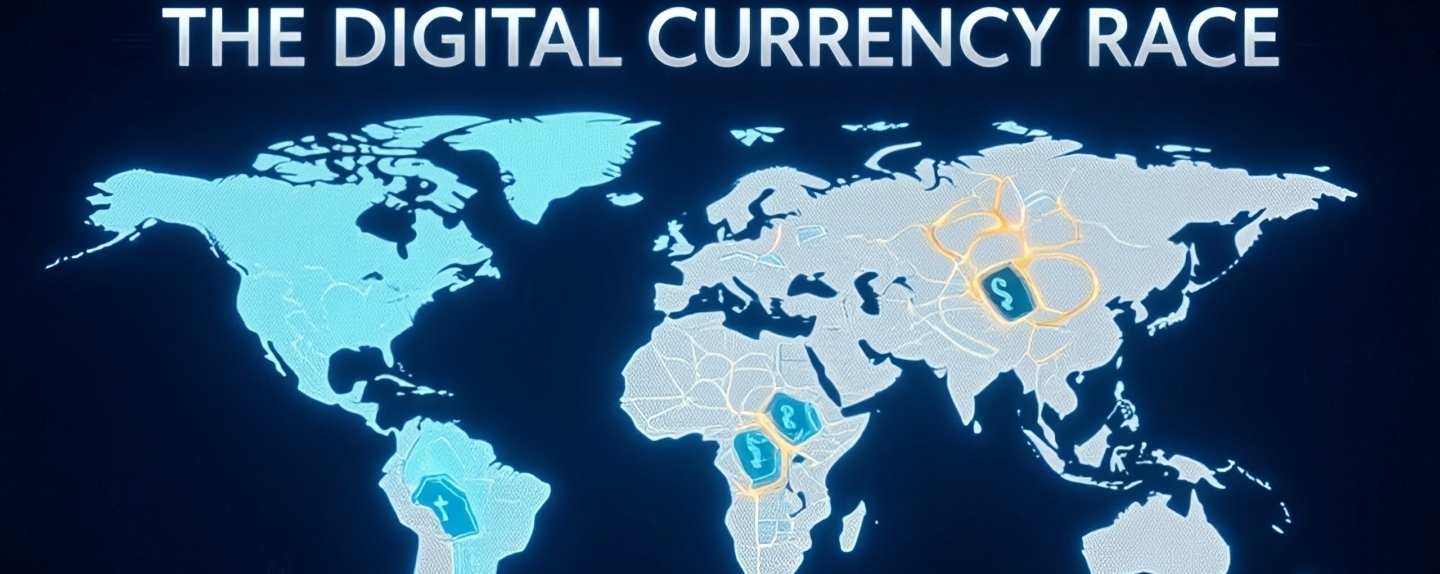
146 Countries Are Now Building Digital Versions Of Their National Currencies — Here's Where Each One146 Countries Are Now Building Digital Versions Of Their National Currencies — Here's Where Each One Actually Stands
While most crypto headlines chase price charts, a quieter revolution is reshaping global finance: central banks themselves are now building their own digital currencies — and the divide between who's leading and who's retreating just got a lot clearer.
According to the Atlantic Council's tracker, 146 countries and currency unions — representing over 98% of global GDP — are currently exploring a Central Bank Digital Currency, a number that has grown from just 87 back in May 2022.
◆ Only three countries worldwide have fully launched a retail CBDC to date: the Bahamas, Jamaica, and Nigeria
◆ 77 countries are now in the advanced exploration phase, covering development, pilot, or launch stages
◆ There are currently 41 active CBDC pilot projects running globally
◆ China's e-CNY remains the largest CBDC pilot on Earth — by December 2025, retail e-CNY had processed over 3.4 billion transactions worth roughly 16.7 trillion renminbi (about $2.3 trillion)
◆ In January 2026, the People's Bank of China reclassified e-CNY as deposit liabilities — a notable shift from its original design as pure digital cash
◆ mBridge, the fastest-growing cross-border wholesale CBDC project, has seen settlement volume climb to $55.49 billion — a roughly 2,500-fold increase since its early 2022 pilot stage
◆ Russia's central bank has confirmed its digital ruble law will take effect on schedule September 1, 2026, with a transition period running until July 2027
◆ The US House passed legislation banning retail CBDC issuance until 2030, making the United States an outlier among G20 peers — 18 of whom are in advanced CBDC exploration stages
◆ The European Central Bank plans to announce the outcome of its digital euro pilot participant screening this month, with potential first issuance targeted for 2029
What's emerging is a clear geographic pattern: advanced Western economies like Canada, Australia, and Norway have deprioritized retail CBDCs, while emerging markets such as Rwanda, Kazakhstan, and Bolivia are accelerating their own programs — largely in response to the rapid growth of dollar-backed stablecoins. Meanwhile, wholesale CBDC infrastructure between institutions, rather than public-facing retail currency, has become the primary focus for most central banks moving forward.
As stablecoins and CBDCs increasingly compete for the same role in global payments, which do you think central banks and citizens will ultimately trust more with their money?
#CBDC #DigitalCurrency #CentralBanks #Web3Finance #GlobalPayments
146 Countries Are Now Building Digital Versions Of Their National Currencies — Here's Where Each One
146 Countries Are Now Building Digital Versions Of Their National Currencies — Here's Where Each One Actually Stands
While most crypto headlines chase price charts, a quieter revolution is reshaping global finance: central banks themselves are now building their own digital currencies — and the divide between who's leading and who's retreating just got a lot clearer.
According to the Atlantic Council's tracker, 146 countries and currency unions — representing over 98% of global GDP — are currently exploring a Central Bank Digital Currency, a number that has grown from just 87 back in May 2022.
◆ Only three countries worldwide have fully launched a retail CBDC to date: the Bahamas, Jamaica, and Nigeria
◆ 77 countries are now in the advanced exploration phase, covering development, pilot, or launch stages
◆ There are currently 41 active CBDC pilot projects running globally
◆ China's e-CNY remains the largest CBDC pilot on Earth — by December 2025, retail e-CNY had processed over 3.4 billion transactions worth roughly 16.7 trillion renminbi (about $2.3 trillion)
◆ In January 2026, the People's Bank of China reclassified e-CNY as deposit liabilities — a notable shift from its original design as pure digital cash
◆ mBridge, the fastest-growing cross-border wholesale CBDC project, has seen settlement volume climb to $55.49 billion — a roughly 2,500-fold increase since its early 2022 pilot stage
◆ Russia's central bank has confirmed its digital ruble law will take effect on schedule September 1, 2026, with a transition period running until July 2027
◆ The US House passed legislation banning retail CBDC issuance until 2030, making the United States an outlier among G20 peers — 18 of whom are in advanced CBDC exploration stages
◆ The European Central Bank plans to announce the outcome of its digital euro pilot participant screening this month, with potential first issuance targeted for 2029
What's emerging is a clear geographic pattern: advanced Western economies like Canada, Australia, and Norway have deprioritized retail CBDCs, while emerging markets such as Rwanda, Kazakhstan, and Bolivia are accelerating their own programs — largely in response to the rapid growth of dollar-backed stablecoins. Meanwhile, wholesale CBDC infrastructure between institutions, rather than public-facing retail currency, has become the primary focus for most central banks moving forward.
As stablecoins and CBDCs increasingly compete for the same role in global payments, which do you think central banks and citizens will ultimately trust more with their money?
#CBDC #DigitalCurrency #CentralBanks #Web3Finance #GlobalPayments
While most crypto headlines chase price charts, a quieter revolution is reshaping global finance: central banks themselves are now building their own digital currencies — and the divide between who's leading and who's retreating just got a lot clearer.
According to the Atlantic Council's tracker, 146 countries and currency unions — representing over 98% of global GDP — are currently exploring a Central Bank Digital Currency, a number that has grown from just 87 back in May 2022.
◆ Only three countries worldwide have fully launched a retail CBDC to date: the Bahamas, Jamaica, and Nigeria
◆ 77 countries are now in the advanced exploration phase, covering development, pilot, or launch stages
◆ There are currently 41 active CBDC pilot projects running globally
◆ China's e-CNY remains the largest CBDC pilot on Earth — by December 2025, retail e-CNY had processed over 3.4 billion transactions worth roughly 16.7 trillion renminbi (about $2.3 trillion)
◆ In January 2026, the People's Bank of China reclassified e-CNY as deposit liabilities — a notable shift from its original design as pure digital cash
◆ mBridge, the fastest-growing cross-border wholesale CBDC project, has seen settlement volume climb to $55.49 billion — a roughly 2,500-fold increase since its early 2022 pilot stage
◆ Russia's central bank has confirmed its digital ruble law will take effect on schedule September 1, 2026, with a transition period running until July 2027
◆ The US House passed legislation banning retail CBDC issuance until 2030, making the United States an outlier among G20 peers — 18 of whom are in advanced CBDC exploration stages
◆ The European Central Bank plans to announce the outcome of its digital euro pilot participant screening this month, with potential first issuance targeted for 2029
What's emerging is a clear geographic pattern: advanced Western economies like Canada, Australia, and Norway have deprioritized retail CBDCs, while emerging markets such as Rwanda, Kazakhstan, and Bolivia are accelerating their own programs — largely in response to the rapid growth of dollar-backed stablecoins. Meanwhile, wholesale CBDC infrastructure between institutions, rather than public-facing retail currency, has become the primary focus for most central banks moving forward.
As stablecoins and CBDCs increasingly compete for the same role in global payments, which do you think central banks and citizens will ultimately trust more with their money?
#CBDC #DigitalCurrency #CentralBanks #Web3Finance #GlobalPayments
60
·
--
Corporate treasuries are no longer stopping at $BTC.
The next wave of institutional adoption is balance sheet diversification — companies holding $ETH and $SOL alongside Bitcoin. Here is why this matters:
When MicroStrategy pioneered the Bitcoin treasury play in 2020, it was a binary bet: fiat depreciation hedge, one asset. But the corporate treasury narrative is evolving. CFOs are now evaluating crypto exposure with the same framework they apply to equity stakes — yield, utility, and network growth potential.
$ETH introduces a yield dimension. A corporate treasury holding ETH can stake it, earning protocol-native yield. That is fundamentally different from a zero-yield commodity holding. For a CFO managing working capital, yield-bearing treasury assets are far easier to justify to a board.
$SOL is entering conversations as a high-throughput infrastructure bet — companies building on-chain operations want balance sheet alignment with their tech stack.
The broader signal: when corporations hold crypto for yield and utility, not just speculation, it compresses the liquid float structurally. That is a long-term supply shock mechanism independent of retail sentiment cycles.
Watch for more public companies disclosing multi-asset crypto treasury strategies in 2026 filings. The playbook is expanding.
$BTC remains the anchor, but the portfolio is growing.
#CryptoTreasury #InstitutionalCrypto #CryptoAdoption #BinanceSquare #Web3Finance
Corporate treasuries are no longer stopping at $BTC .
The next wave of institutional adoption is balance sheet diversification — companies holding $ETH and $SOL alongside Bitcoin. Here is why this matters:
When MicroStrategy pioneered the Bitcoin treasury play in 2020, it was a binary bet: fiat depreciation hedge, one asset. But the corporate treasury narrative is evolving. CFOs are now evaluating crypto exposure with the same framework they apply to equity stakes — yield, utility, and network growth potential.
$ETH introduces a yield dimension. A corporate treasury holding ETH can stake it, earning protocol-native yield. That is fundamentally different from a zero-yield commodity holding. For a CFO managing working capital, yield-bearing treasury assets are far easier to justify to a board.
$SOL is entering conversations as a high-throughput infrastructure bet — companies building on-chain operations want balance sheet alignment with their tech stack.
The broader signal: when corporations hold crypto for yield and utility, not just speculation, it compresses the liquid float structurally. That is a long-term supply shock mechanism independent of retail sentiment cycles.
Watch for more public companies disclosing multi-asset crypto treasury strategies in 2026 filings. The playbook is expanding.
$BTC remains the anchor, but the portfolio is growing.
#CryptoTreasury #InstitutionalCrypto #CryptoAdoption #BinanceSquare #Web3Finance
The next wave of institutional adoption is balance sheet diversification — companies holding $ETH and $SOL alongside Bitcoin. Here is why this matters:
When MicroStrategy pioneered the Bitcoin treasury play in 2020, it was a binary bet: fiat depreciation hedge, one asset. But the corporate treasury narrative is evolving. CFOs are now evaluating crypto exposure with the same framework they apply to equity stakes — yield, utility, and network growth potential.
$ETH introduces a yield dimension. A corporate treasury holding ETH can stake it, earning protocol-native yield. That is fundamentally different from a zero-yield commodity holding. For a CFO managing working capital, yield-bearing treasury assets are far easier to justify to a board.
$SOL is entering conversations as a high-throughput infrastructure bet — companies building on-chain operations want balance sheet alignment with their tech stack.
The broader signal: when corporations hold crypto for yield and utility, not just speculation, it compresses the liquid float structurally. That is a long-term supply shock mechanism independent of retail sentiment cycles.
Watch for more public companies disclosing multi-asset crypto treasury strategies in 2026 filings. The playbook is expanding.
$BTC remains the anchor, but the portfolio is growing.
#CryptoTreasury #InstitutionalCrypto #CryptoAdoption #BinanceSquare #Web3Finance
77

·
--

Article
🏦 الجسر بين "وول ستريت" والـ Web3: لماذا يراقب الحيتان عملة ONDO؟بينما يبحث الكثيرون عن "الانفجارات السعرية" الوهمية، هناك تحرك مؤسسي ضخم يحدث في صمت. عملة ONDO ليست مجرد مشروع عابر، بل هي البوابة التي تعبر من خلالها الأموال التقليدية إلى عالمنا الرقمي.
🔍 لماذا تعتبر ONDO مشروعاً استراتيجياً (RWA)؟
عقود حقيقية: المشروع يقوم بتحويل السندات الحكومية الأمريكية والأصول الورقية عالية الأمان إلى رموز رقمية يمكن تداولها على الشبكة.
شراكات من العيار الثقيل: بدعم من عمالقة مثل BlackRock، أصبحت ONDO الخيار الأول للمؤسسات التي ترغب في الحصول على عوائد "حقيقية" وآمنة داخل الكريبتو.
السيولة المؤسسية: في عام 2026، قطاع الـ RWA هو الوجهة المفضلة لرؤوس الأموال الكبيرة التي تبحث عن الاستقرار والنمو المستدام.
📈 التحليل الذكي للمتداول:
السهم السعري لـ ONDO يظهر تماسكاً كبيراً حتى في أوقات تذبذب البيتكوين، مما يعكس ثقة "الحيتان" والمستثمرين طويلي الأمد.
تقنياً، العملة في مرحلة تجميع استراتيجية، ومع تزايد التبني المؤسسي، ننتقل من مرحلة "إثبات المفهوم" إلى مرحلة "التبني الشامل".
💡 كلمة السر لمتابعينا:
"الثروة الحقيقية لا تأتي من مطاردة الشائعات، بل من فهم أين تضع المؤسسات الكبرى أموالها. ONDO هي المكان الذي تلتقي فيه الثقة التقليدية مع كفاءة المستقبل."
هل تفضل الاستثمار في العملات المرتبطة بالذكاء الاصطناعي (مثل RENDER) أم العملات المرتبطة بالأصول الحقيقية (مثل ONDO)؟ شاركنا وجهة نظرك! 👇
#BinanceSquare #ONDO #CryptoInvesting #Web3Finance
🏦 الجسر بين "وول ستريت" والـ Web3: لماذا يراقب الحيتان عملة ONDO؟
بينما يبحث الكثيرون عن "الانفجارات السعرية" الوهمية، هناك تحرك مؤسسي ضخم يحدث في صمت. عملة ONDO ليست مجرد مشروع عابر، بل هي البوابة التي تعبر من خلالها الأموال التقليدية إلى عالمنا الرقمي.
🔍 لماذا تعتبر ONDO مشروعاً استراتيجياً (RWA)؟
عقود حقيقية: المشروع يقوم بتحويل السندات الحكومية الأمريكية والأصول الورقية عالية الأمان إلى رموز رقمية يمكن تداولها على الشبكة.
شراكات من العيار الثقيل: بدعم من عمالقة مثل BlackRock، أصبحت ONDO الخيار الأول للمؤسسات التي ترغب في الحصول على عوائد "حقيقية" وآمنة داخل الكريبتو.
السيولة المؤسسية: في عام 2026، قطاع الـ RWA هو الوجهة المفضلة لرؤوس الأموال الكبيرة التي تبحث عن الاستقرار والنمو المستدام.
📈 التحليل الذكي للمتداول:
السهم السعري لـ ONDO يظهر تماسكاً كبيراً حتى في أوقات تذبذب البيتكوين، مما يعكس ثقة "الحيتان" والمستثمرين طويلي الأمد.
تقنياً، العملة في مرحلة تجميع استراتيجية، ومع تزايد التبني المؤسسي، ننتقل من مرحلة "إثبات المفهوم" إلى مرحلة "التبني الشامل".
💡 كلمة السر لمتابعينا:
"الثروة الحقيقية لا تأتي من مطاردة الشائعات، بل من فهم أين تضع المؤسسات الكبرى أموالها. ONDO هي المكان الذي تلتقي فيه الثقة التقليدية مع كفاءة المستقبل."
هل تفضل الاستثمار في العملات المرتبطة بالذكاء الاصطناعي (مثل RENDER) أم العملات المرتبطة بالأصول الحقيقية (مثل ONDO)؟ شاركنا وجهة نظرك! 👇
#BinanceSquare #ONDO #CryptoInvesting #Web3Finance
🔍 لماذا تعتبر ONDO مشروعاً استراتيجياً (RWA)؟
عقود حقيقية: المشروع يقوم بتحويل السندات الحكومية الأمريكية والأصول الورقية عالية الأمان إلى رموز رقمية يمكن تداولها على الشبكة.
شراكات من العيار الثقيل: بدعم من عمالقة مثل BlackRock، أصبحت ONDO الخيار الأول للمؤسسات التي ترغب في الحصول على عوائد "حقيقية" وآمنة داخل الكريبتو.
السيولة المؤسسية: في عام 2026، قطاع الـ RWA هو الوجهة المفضلة لرؤوس الأموال الكبيرة التي تبحث عن الاستقرار والنمو المستدام.
📈 التحليل الذكي للمتداول:
السهم السعري لـ ONDO يظهر تماسكاً كبيراً حتى في أوقات تذبذب البيتكوين، مما يعكس ثقة "الحيتان" والمستثمرين طويلي الأمد.
تقنياً، العملة في مرحلة تجميع استراتيجية، ومع تزايد التبني المؤسسي، ننتقل من مرحلة "إثبات المفهوم" إلى مرحلة "التبني الشامل".
💡 كلمة السر لمتابعينا:
"الثروة الحقيقية لا تأتي من مطاردة الشائعات، بل من فهم أين تضع المؤسسات الكبرى أموالها. ONDO هي المكان الذي تلتقي فيه الثقة التقليدية مع كفاءة المستقبل."
هل تفضل الاستثمار في العملات المرتبطة بالذكاء الاصطناعي (مثل RENDER) أم العملات المرتبطة بالأصول الحقيقية (مثل ONDO)؟ شاركنا وجهة نظرك! 👇
#BinanceSquare #ONDO #CryptoInvesting #Web3Finance
1
144
·
--
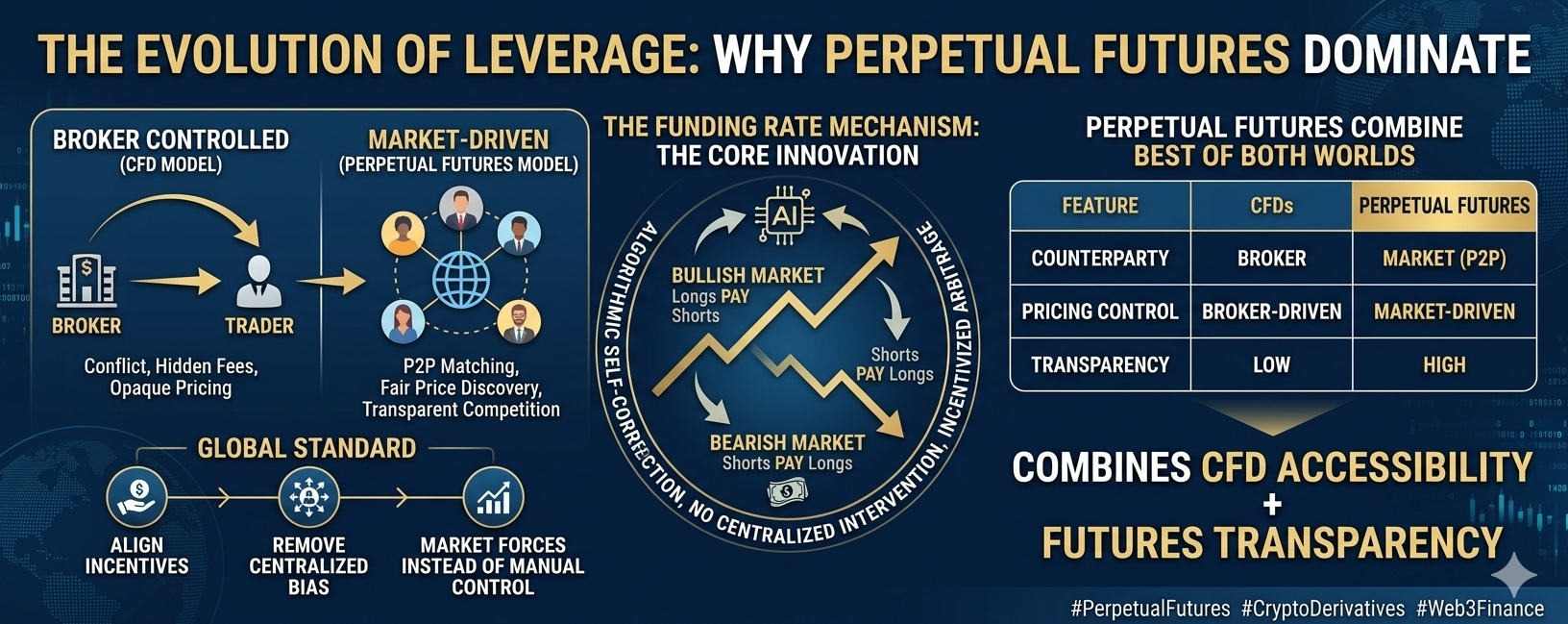
Article
The Evolution of Leverage: Why Perpetual Futures Are Becoming the Global StandardIntroduction: From Regulation Shock to Market Evolution
The aggressive crackdown on traditional leveraged products—especially CFDs—did not eliminate demand. It exposed a fundamental truth:
Traders will always seek capital efficiency, leverage, and flexibility.
As regulators tightened control, a vacuum formed. Into that gap stepped crypto-native derivatives, particularly Perpetual Futures, offering a structurally improved alternative rather than just a replacement.
The Birth of Perpetual Futures
The modern Perpetual Futures market was pioneered by BitMEX in 2016.
At surface level, Perpetual Futures mirror CFDs:
◾ No expiry date
◾ Continuous trading
◾ High leverage access
But structurally, they are fundamentally different.
👉 Core Upgrade:
Instead of a broker acting as the counterparty, Perpetual Futures rely on a peer-to-peer (P2P) matching system.
Why this matters:
◾ No “house vs trader” conflict
◾ Transparent order book dynamics
◾ Fair price discovery driven by market participants
From Broker Control to Market-Driven Pricing
Traditional CFD systems rely on centralized pricing models, where brokers:
◾ Control spreads
◾ Adjust execution
◾ Profit from trader losses (B-Book model)
Perpetual Futures eliminate this asymmetry.
👉 Shift in Power:
◾ Pricing → determined by global traders
◾ Execution → exchange-based matching
◾ Profit model → neutral infrastructure, not trader losses
This transition marks a move from opaque control → transparent competition
Funding Rate Mechanism: The Core Innovation
The most critical advancement in Perpetual Futures is the Funding Rate system.
Unlike CFDs, which charge hidden overnight fees, funding rates are:
◾ Transparent
◾ Algorithmic
◾ Peer-to-peer
How Funding Rates Work
If market sentiment diverges from spot price:
◾ Bullish market → Longs pay Shorts
◾ Bearish market → Shorts pay Longs
👉 Result:
The market self-corrects without centralized intervention.
Why Funding Rates Are Superior
Compared to traditional financing fees:
◾ No broker manipulation
◾ No hidden charges
◾ Incentivized arbitrage keeps prices aligned
This transforms the system into a self-balancing financial mechanism, replacing trust with math.
Derivatives Comparison: Where Perpetuals Stand
CFDs (Contracts for Difference)
◾ Expiry: None
◾ Accessibility: High
◾ Transparency: Low
◾ Counterparty Risk: Broker
◾ Pricing Control: Broker-driven
Standard Futures
◾ Expiry: Fixed
◾ Accessibility: Low
◾ Transparency: High
◾ Counterparty Risk: Exchange
◾ Pricing Control: Market-driven
Perpetual Futures
◾ Expiry: None
◾ Accessibility: Very High
◾ Transparency: High
◾ Counterparty Risk: Market (P2P)
◾ Pricing Control: Market-driven
👉 Insight:
Perpetual Futures combine CFD accessibility + Futures transparency
The Collapse of the Traditional CFD Model
The traditional CFD model is under pressure due to:
◾ Regulatory tightening
◾ Transparency tools
◾ Loss of retail trust
◾ Capital migration to crypto
Platforms are now shifting toward:
◾ A-Book (real market execution)
◾ Hybrid models
◾ Tokenized assets
But the structural disadvantage remains.
TradFi vs Web3: The Lines Are Blurring
A new hybrid financial ecosystem is forming:
Traditional Finance (Defensive Move)
◾ Integrating tokenized securities
◾ Exploring Real World Assets (RWA)
◾ Attempting to retain liquidity
Crypto Platforms (Offensive Move)
Platforms like Coinbase and Crypto.com are:
◾ Acquiring licenses
◾ Expanding into traditional assets
◾ Merging TradFi liquidity with Web3 infrastructure
The Ultimate Endgame
The concept of trading price without owning the asset will always exist.
But the structure delivering it is evolving.
👉 What’s dying:
◾ Broker-controlled pricing
◾ Hidden fee models
◾ Conflict-based execution
👉 What’s winning:
◾ Transparent systems
◾ P2P matching
◾ Algorithmic fairness
Final Insight: Why Perpetual Futures Dominate
Perpetual Futures are not just a crypto innovation—they are a financial evolution.
They succeed because they:
◾ Align incentives between participants
◾ Remove centralized bias
◾ Use market forces instead of manual control
Conclusion:
Perpetual Futures are positioning themselves as the global standard for leveraged trading, bridging the gap between accessibility and fairness.
#PerpetualFutures #CryptoDerivatives #Web3Finance #CryptoEducation #ArifAlpha
The Evolution of Leverage: Why Perpetual Futures Are Becoming the Global Standard
Introduction: From Regulation Shock to Market Evolution
The aggressive crackdown on traditional leveraged products—especially CFDs—did not eliminate demand. It exposed a fundamental truth:
Traders will always seek capital efficiency, leverage, and flexibility.
As regulators tightened control, a vacuum formed. Into that gap stepped crypto-native derivatives, particularly Perpetual Futures, offering a structurally improved alternative rather than just a replacement.
The Birth of Perpetual Futures
The modern Perpetual Futures market was pioneered by BitMEX in 2016.
At surface level, Perpetual Futures mirror CFDs:
◾ No expiry date
◾ Continuous trading
◾ High leverage access
But structurally, they are fundamentally different.
👉 Core Upgrade:
Instead of a broker acting as the counterparty, Perpetual Futures rely on a peer-to-peer (P2P) matching system.
Why this matters:
◾ No “house vs trader” conflict
◾ Transparent order book dynamics
◾ Fair price discovery driven by market participants
From Broker Control to Market-Driven Pricing
Traditional CFD systems rely on centralized pricing models, where brokers:
◾ Control spreads
◾ Adjust execution
◾ Profit from trader losses (B-Book model)
Perpetual Futures eliminate this asymmetry.
👉 Shift in Power:
◾ Pricing → determined by global traders
◾ Execution → exchange-based matching
◾ Profit model → neutral infrastructure, not trader losses
This transition marks a move from opaque control → transparent competition
Funding Rate Mechanism: The Core Innovation
The most critical advancement in Perpetual Futures is the Funding Rate system.
Unlike CFDs, which charge hidden overnight fees, funding rates are:
◾ Transparent
◾ Algorithmic
◾ Peer-to-peer
How Funding Rates Work
If market sentiment diverges from spot price:
◾ Bullish market → Longs pay Shorts
◾ Bearish market → Shorts pay Longs
👉 Result:
The market self-corrects without centralized intervention.
Why Funding Rates Are Superior
Compared to traditional financing fees:
◾ No broker manipulation
◾ No hidden charges
◾ Incentivized arbitrage keeps prices aligned
This transforms the system into a self-balancing financial mechanism, replacing trust with math.
Derivatives Comparison: Where Perpetuals Stand
CFDs (Contracts for Difference)
◾ Expiry: None
◾ Accessibility: High
◾ Transparency: Low
◾ Counterparty Risk: Broker
◾ Pricing Control: Broker-driven
Standard Futures
◾ Expiry: Fixed
◾ Accessibility: Low
◾ Transparency: High
◾ Counterparty Risk: Exchange
◾ Pricing Control: Market-driven
Perpetual Futures
◾ Expiry: None
◾ Accessibility: Very High
◾ Transparency: High
◾ Counterparty Risk: Market (P2P)
◾ Pricing Control: Market-driven
👉 Insight:
Perpetual Futures combine CFD accessibility + Futures transparency
The Collapse of the Traditional CFD Model
The traditional CFD model is under pressure due to:
◾ Regulatory tightening
◾ Transparency tools
◾ Loss of retail trust
◾ Capital migration to crypto
Platforms are now shifting toward:
◾ A-Book (real market execution)
◾ Hybrid models
◾ Tokenized assets
But the structural disadvantage remains.
TradFi vs Web3: The Lines Are Blurring
A new hybrid financial ecosystem is forming:
Traditional Finance (Defensive Move)
◾ Integrating tokenized securities
◾ Exploring Real World Assets (RWA)
◾ Attempting to retain liquidity
Crypto Platforms (Offensive Move)
Platforms like Coinbase and Crypto.com are:
◾ Acquiring licenses
◾ Expanding into traditional assets
◾ Merging TradFi liquidity with Web3 infrastructure
The Ultimate Endgame
The concept of trading price without owning the asset will always exist.
But the structure delivering it is evolving.
👉 What’s dying:
◾ Broker-controlled pricing
◾ Hidden fee models
◾ Conflict-based execution
👉 What’s winning:
◾ Transparent systems
◾ P2P matching
◾ Algorithmic fairness
Final Insight: Why Perpetual Futures Dominate
Perpetual Futures are not just a crypto innovation—they are a financial evolution.
They succeed because they:
◾ Align incentives between participants
◾ Remove centralized bias
◾ Use market forces instead of manual control
Conclusion:
Perpetual Futures are positioning themselves as the global standard for leveraged trading, bridging the gap between accessibility and fairness.
#PerpetualFutures #CryptoDerivatives #Web3Finance #CryptoEducation #ArifAlpha
The aggressive crackdown on traditional leveraged products—especially CFDs—did not eliminate demand. It exposed a fundamental truth:
Traders will always seek capital efficiency, leverage, and flexibility.
As regulators tightened control, a vacuum formed. Into that gap stepped crypto-native derivatives, particularly Perpetual Futures, offering a structurally improved alternative rather than just a replacement.
The Birth of Perpetual Futures
The modern Perpetual Futures market was pioneered by BitMEX in 2016.
At surface level, Perpetual Futures mirror CFDs:
◾ No expiry date
◾ Continuous trading
◾ High leverage access
But structurally, they are fundamentally different.
👉 Core Upgrade:
Instead of a broker acting as the counterparty, Perpetual Futures rely on a peer-to-peer (P2P) matching system.
Why this matters:
◾ No “house vs trader” conflict
◾ Transparent order book dynamics
◾ Fair price discovery driven by market participants
From Broker Control to Market-Driven Pricing
Traditional CFD systems rely on centralized pricing models, where brokers:
◾ Control spreads
◾ Adjust execution
◾ Profit from trader losses (B-Book model)
Perpetual Futures eliminate this asymmetry.
👉 Shift in Power:
◾ Pricing → determined by global traders
◾ Execution → exchange-based matching
◾ Profit model → neutral infrastructure, not trader losses
This transition marks a move from opaque control → transparent competition
Funding Rate Mechanism: The Core Innovation
The most critical advancement in Perpetual Futures is the Funding Rate system.
Unlike CFDs, which charge hidden overnight fees, funding rates are:
◾ Transparent
◾ Algorithmic
◾ Peer-to-peer
How Funding Rates Work
If market sentiment diverges from spot price:
◾ Bullish market → Longs pay Shorts
◾ Bearish market → Shorts pay Longs
👉 Result:
The market self-corrects without centralized intervention.
Why Funding Rates Are Superior
Compared to traditional financing fees:
◾ No broker manipulation
◾ No hidden charges
◾ Incentivized arbitrage keeps prices aligned
This transforms the system into a self-balancing financial mechanism, replacing trust with math.
Derivatives Comparison: Where Perpetuals Stand
CFDs (Contracts for Difference)
◾ Expiry: None
◾ Accessibility: High
◾ Transparency: Low
◾ Counterparty Risk: Broker
◾ Pricing Control: Broker-driven
Standard Futures
◾ Expiry: Fixed
◾ Accessibility: Low
◾ Transparency: High
◾ Counterparty Risk: Exchange
◾ Pricing Control: Market-driven
Perpetual Futures
◾ Expiry: None
◾ Accessibility: Very High
◾ Transparency: High
◾ Counterparty Risk: Market (P2P)
◾ Pricing Control: Market-driven
👉 Insight:
Perpetual Futures combine CFD accessibility + Futures transparency
The Collapse of the Traditional CFD Model
The traditional CFD model is under pressure due to:
◾ Regulatory tightening
◾ Transparency tools
◾ Loss of retail trust
◾ Capital migration to crypto
Platforms are now shifting toward:
◾ A-Book (real market execution)
◾ Hybrid models
◾ Tokenized assets
But the structural disadvantage remains.
TradFi vs Web3: The Lines Are Blurring
A new hybrid financial ecosystem is forming:
Traditional Finance (Defensive Move)
◾ Integrating tokenized securities
◾ Exploring Real World Assets (RWA)
◾ Attempting to retain liquidity
Crypto Platforms (Offensive Move)
Platforms like Coinbase and Crypto.com are:
◾ Acquiring licenses
◾ Expanding into traditional assets
◾ Merging TradFi liquidity with Web3 infrastructure
The Ultimate Endgame
The concept of trading price without owning the asset will always exist.
But the structure delivering it is evolving.
👉 What’s dying:
◾ Broker-controlled pricing
◾ Hidden fee models
◾ Conflict-based execution
👉 What’s winning:
◾ Transparent systems
◾ P2P matching
◾ Algorithmic fairness
Final Insight: Why Perpetual Futures Dominate
Perpetual Futures are not just a crypto innovation—they are a financial evolution.
They succeed because they:
◾ Align incentives between participants
◾ Remove centralized bias
◾ Use market forces instead of manual control
Conclusion:
Perpetual Futures are positioning themselves as the global standard for leveraged trading, bridging the gap between accessibility and fairness.
#PerpetualFutures #CryptoDerivatives #Web3Finance #CryptoEducation #ArifAlpha
95
Connectez-vous pour découvrir plus de contenu
Rejoignez la communauté mondiale des adeptes de cryptomonnaies sur Binance Square
⚡️ Suviez les dernières informations importantes sur les cryptomonnaies.
💬 Jugé digne de confiance par la plus grande plateforme d’échange de cryptomonnaies au monde.
👍 Découvrez les connaissances que partagent les créateurs vérifiés.
Adresse e-mail/Nº de téléphone
Sujets d’actualité
1
#NFPWatch
10.7M vues
18,587 mentions
2
#BitcoinFundingRateTriplesTo10%
65,176 vues
739 mentions
3
#BitcoinSurpasses$86KUp2.99%
18,728 vues
75 mentions
4
#ZcashFalls21%FromSeptemberPeak
43,445 vues
580 mentions
5
#USSeptemberPayrollsAdd29KUnemploymentRises4.2%
35,561 vues
357 mentions
6
#XRPPostsFirstThreeGreenMonthsInQ3
31,427 vues
542 mentions
7
#BNBChainTokenizedStocksTop$1BAt30%Share
9,308 vues
29 mentions
8
#BitcoinRisesToward$85K
79,606 vues
138 mentions
9
#AmazonPlansToSell$8BNvidiaChips
6,800 vues
84 mentions
10
#NEARFallsToAround$4.70Down14%
44,259 vues
110 mentions