

#michaelsaylor
michaelsaylor
3.5M vues
6,896 mentions
Populaire
Récents

·
--
🔥 MICHAEL SAYLOR BUYS MORE BITCOIN!
🚀 Strategy has purchased 1,666 $BTC for $138 million, bringing its total Bitcoin holdings to 847,666 BTC!
🐳 Is this a sign of growing institutional confidence in Bitcoin?
#Bitcoin #BTC #MichaelSaylor #crypto #BinanceSquare
🔥 MICHAEL SAYLOR BUYS MORE BITCOIN!
🚀 Strategy has purchased 1,666 $BTC for $138 million, bringing its total Bitcoin holdings to 847,666 BTC!
🐳 Is this a sign of growing institutional confidence in Bitcoin?
#Bitcoin #BTC #MichaelSaylor #crypto #BinanceSquare
🚀 Strategy has purchased 1,666 $BTC for $138 million, bringing its total Bitcoin holdings to 847,666 BTC!
🐳 Is this a sign of growing institutional confidence in Bitcoin?
#Bitcoin #BTC #MichaelSaylor #crypto #BinanceSquare

·
--
🚨 MICHAEL SAYLOR WANTS BANKS TO GO ALL-IN ON BITCOIN! ₿🏦
Saylor is pushing for U.S. banks to custody Bitcoin for customers and lend money against it.
He says digital assets could grow into a $100 TRILLION INDUSTRY. 🤯
His proposal? Separate Bitcoin custody, lending & proprietary trading while regulators rethink current crypto capital rules.
🔥 The banking system could be entering a Bitcoin era.
$QNT $KITE $BULLA
{future}(KITEUSDT)
{future}(QNTUSDT)
#MichaelSaylor #DigitalAssets #Trending #BreakingNews
🚨 MICHAEL SAYLOR WANTS BANKS TO GO ALL-IN ON BITCOIN! ₿🏦
Saylor is pushing for U.S. banks to custody Bitcoin for customers and lend money against it.
He says digital assets could grow into a $100 TRILLION INDUSTRY. 🤯
His proposal? Separate Bitcoin custody, lending & proprietary trading while regulators rethink current crypto capital rules.
🔥 The banking system could be entering a Bitcoin era.
$QNT $KITE $BULLA
#MichaelSaylor #DigitalAssets #Trending #BreakingNews
Saylor is pushing for U.S. banks to custody Bitcoin for customers and lend money against it.
He says digital assets could grow into a $100 TRILLION INDUSTRY. 🤯
His proposal? Separate Bitcoin custody, lending & proprietary trading while regulators rethink current crypto capital rules.
🔥 The banking system could be entering a Bitcoin era.
$QNT $KITE $BULLA
#MichaelSaylor #DigitalAssets #Trending #BreakingNews

3
869

#MichaelSaylor
🚀 Michael Saylor Proposes a "Digital Bill of Rights" for the AI and Blockchain Era
MicroStrategy co-founder Michael Saylor has published an essay calling for a shift away from strict restrictions in favor of fundamental freedoms for digital assets. He believes that artificial intelligence has the potential to dramatically boost global productivity, but unlocking this potential requires superior forms of money and capital markets.
The value of any asset depends on what the owner can do with it. Restrictions on utility stifle economic potential, so Saylor proposes five fundamental rights:
1️⃣ Creation — the right to develop new digital assets.
2️⃣ Issuance — the ability to bring them to market to finance businesses.
3️⃣ Custody — the right to self-custody assets or choose a custodian.
4️⃣ Transfer — the freedom to move assets between wallets, individuals, and companies.
5️⃣ Usage — the ability to spend, invest, earn, and borrow against digital assets.
📊 Market Context:
Saylor’s strategy is backed by action. After a brief pause, MicroStrategy purchased an additional 950 BTC for $75.7 million (at an average price of $79,670). The company’s total holdings have reached 846,000 BTC (valued at approximately $63.8 billion, with an average purchase price of $75,416). Bitcoin is currently trading around $84,500.
#MichaelSaylor
🚀 Michael Saylor Proposes a "Digital Bill of Rights" for the AI and Blockchain Era
MicroStrategy co-founder Michael Saylor has published an essay calling for a shift away from strict restrictions in favor of fundamental freedoms for digital assets. He believes that artificial intelligence has the potential to dramatically boost global productivity, but unlocking this potential requires superior forms of money and capital markets.
The value of any asset depends on what the owner can do with it. Restrictions on utility stifle economic potential, so Saylor proposes five fundamental rights:
1️⃣ Creation — the right to develop new digital assets.
2️⃣ Issuance — the ability to bring them to market to finance businesses.
3️⃣ Custody — the right to self-custody assets or choose a custodian.
4️⃣ Transfer — the freedom to move assets between wallets, individuals, and companies.
5️⃣ Usage — the ability to spend, invest, earn, and borrow against digital assets.
📊 Market Context:
Saylor’s strategy is backed by action. After a brief pause, MicroStrategy purchased an additional 950 BTC for $75.7 million (at an average price of $79,670). The company’s total holdings have reached 846,000 BTC (valued at approximately $63.8 billion, with an average purchase price of $75,416). Bitcoin is currently trading around $84,500.
🚀 Michael Saylor Proposes a "Digital Bill of Rights" for the AI and Blockchain Era
MicroStrategy co-founder Michael Saylor has published an essay calling for a shift away from strict restrictions in favor of fundamental freedoms for digital assets. He believes that artificial intelligence has the potential to dramatically boost global productivity, but unlocking this potential requires superior forms of money and capital markets.
The value of any asset depends on what the owner can do with it. Restrictions on utility stifle economic potential, so Saylor proposes five fundamental rights:
1️⃣ Creation — the right to develop new digital assets.
2️⃣ Issuance — the ability to bring them to market to finance businesses.
3️⃣ Custody — the right to self-custody assets or choose a custodian.
4️⃣ Transfer — the freedom to move assets between wallets, individuals, and companies.
5️⃣ Usage — the ability to spend, invest, earn, and borrow against digital assets.
📊 Market Context:
Saylor’s strategy is backed by action. After a brief pause, MicroStrategy purchased an additional 950 BTC for $75.7 million (at an average price of $79,670). The company’s total holdings have reached 846,000 BTC (valued at approximately $63.8 billion, with an average purchase price of $75,416). Bitcoin is currently trading around $84,500.

1
2
142

·
--
Haussier
Vérifié
#strategyproposesdailydividendsforpreferreds
Daily dividends? Did Michael Saylor spend all the cash on Bitcoin?! 💸😲
Strategy is asking shareholders to approve DAILY dividends for its preferred stocks (STRC, STRD, STRF, STRK)! Yes, daily payouts—even on weekends and holidays! Did Saylor buy so much BTC that the treasury is literally dripping cash every single day now? 🤑 With a massive yield of around 12%, they are turning these stocks into ultimate yield machines to fund their never-ending Bitcoin shopping spree!
What should smart traders do? 🛠️
📌 Follow the smart money: Daily payouts mean faster compounding if you reinvest immediately.
📈 Watch the Bitcoin treasury: Strategy’s stock liquidity directly fuels its ability to hoard more crypto!
Disclaimer: This is personal opinion, not financial advice.
👇 Click and trade below to support me:
💰 $BTC
{future}(BTCUSDT)
| 💰 $BNB
{future}(BNBUSDT)
| 💰 $ETH
{future}(ETHUSDT)
📌 Referral Code: VINHTOCDO
🔗 Join Binance: [https://www.binance.com/register?ref=VINHTOCDO](https://www.binance.com/register?ref=VINHTOCDO)
#StrategyProposesDailyDividendsForPreferreds #MichaelSaylor #BitcoinTreasury #DailyDividends #VINHTOCDO #CryptoNews
#strategyproposesdailydividendsforpreferreds
Daily dividends? Did Michael Saylor spend all the cash on Bitcoin?! 💸😲
Strategy is asking shareholders to approve DAILY dividends for its preferred stocks (STRC, STRD, STRF, STRK)! Yes, daily payouts—even on weekends and holidays! Did Saylor buy so much BTC that the treasury is literally dripping cash every single day now? 🤑 With a massive yield of around 12%, they are turning these stocks into ultimate yield machines to fund their never-ending Bitcoin shopping spree!
What should smart traders do? 🛠️
📌 Follow the smart money: Daily payouts mean faster compounding if you reinvest immediately.
📈 Watch the Bitcoin treasury: Strategy’s stock liquidity directly fuels its ability to hoard more crypto!
Disclaimer: This is personal opinion, not financial advice.
👇 Click and trade below to support me:
💰 $BTC
| 💰 $BNB
| 💰 $ETH
📌 Referral Code: VINHTOCDO
🔗 Join Binance: https://www.binance.com/register?ref=VINHTOCDO
#StrategyProposesDailyDividendsForPreferreds #MichaelSaylor #BitcoinTreasury #DailyDividends #VINHTOCDO #CryptoNews
Daily dividends? Did Michael Saylor spend all the cash on Bitcoin?! 💸😲
Strategy is asking shareholders to approve DAILY dividends for its preferred stocks (STRC, STRD, STRF, STRK)! Yes, daily payouts—even on weekends and holidays! Did Saylor buy so much BTC that the treasury is literally dripping cash every single day now? 🤑 With a massive yield of around 12%, they are turning these stocks into ultimate yield machines to fund their never-ending Bitcoin shopping spree!
What should smart traders do? 🛠️
📌 Follow the smart money: Daily payouts mean faster compounding if you reinvest immediately.
📈 Watch the Bitcoin treasury: Strategy’s stock liquidity directly fuels its ability to hoard more crypto!
Disclaimer: This is personal opinion, not financial advice.
👇 Click and trade below to support me:
💰 $BTC
| 💰 $BNB
| 💰 $ETH
📌 Referral Code: VINHTOCDO
🔗 Join Binance: https://www.binance.com/register?ref=VINHTOCDO
#StrategyProposesDailyDividendsForPreferreds #MichaelSaylor #BitcoinTreasury #DailyDividends #VINHTOCDO #CryptoNews

2
120

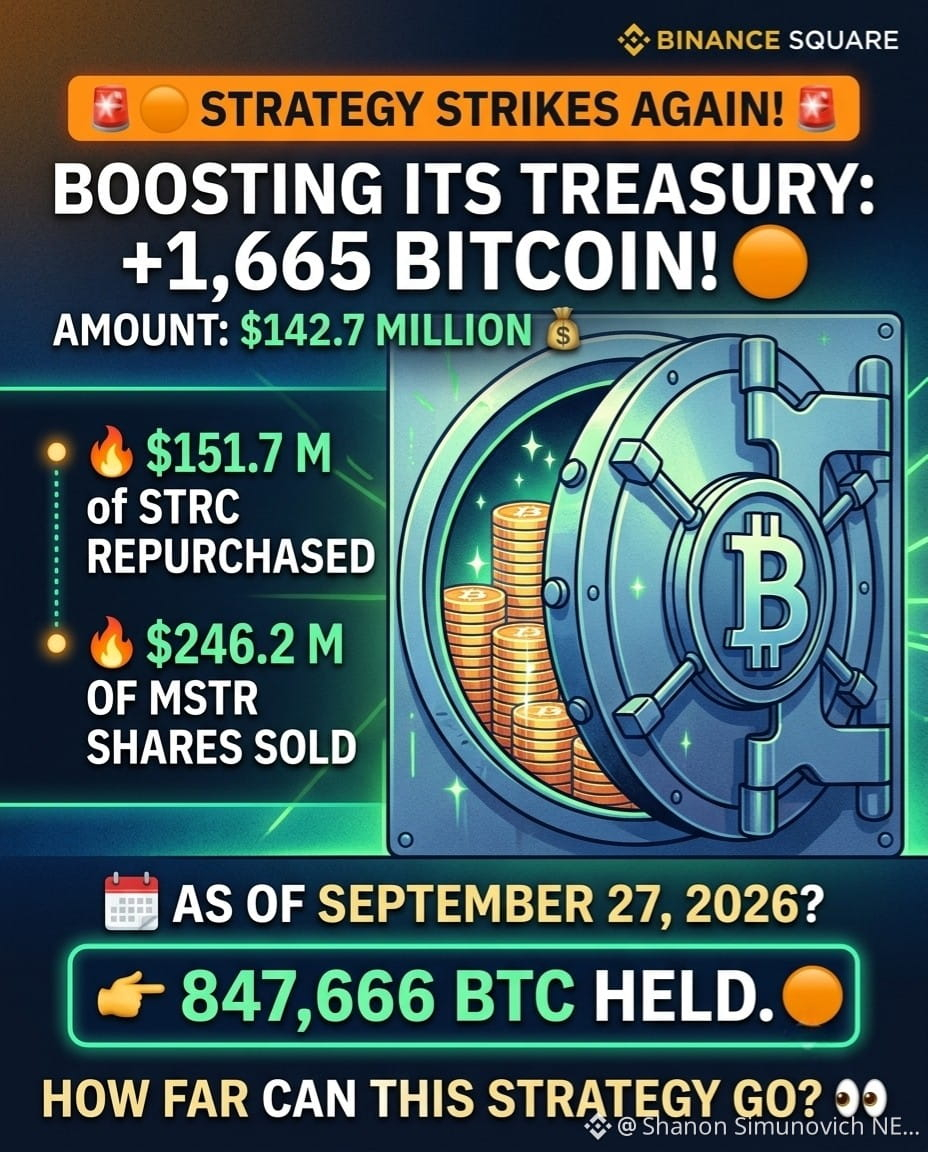
🚨🟠 STRATEGY FRAPPE ENCORE !
Alors que le marché crypto reste sous pression, Strategy vient d’ajouter 1 665 BITCOIN à son immense trésorerie.
💰 Montant : 142,7 MILLIONS $
Mais ce n’est que le début…
🔥 151,7 M$ de STRC rachetés
🔥 246,2 M$ d’actions MSTR vendues
Strategy continue donc de faire tourner sa gigantesque machine financière autour du Bitcoin.
Et au 27 septembre 2026 ?
👉 847 666 BTC détenus. 🟠
Le coffre de Strategy continue de grossir.
La question que tout le marché se pose désormais :
Jusqu’où cette stratégie peut-elle aller ? 👀
#Bitcoin #BTC #Strategy #MSTR #MichaelSaylor
🚨🟠 STRATEGY FRAPPE ENCORE !
Alors que le marché crypto reste sous pression, Strategy vient d’ajouter 1 665 BITCOIN à son immense trésorerie.
💰 Montant : 142,7 MILLIONS $
Mais ce n’est que le début…
🔥 151,7 M$ de STRC rachetés
🔥 246,2 M$ d’actions MSTR vendues
Strategy continue donc de faire tourner sa gigantesque machine financière autour du Bitcoin.
Et au 27 septembre 2026 ?
👉 847 666 BTC détenus. 🟠
Le coffre de Strategy continue de grossir.
La question que tout le marché se pose désormais :
Jusqu’où cette stratégie peut-elle aller ? 👀
#Bitcoin #BTC #Strategy #MSTR #MichaelSaylor
Alors que le marché crypto reste sous pression, Strategy vient d’ajouter 1 665 BITCOIN à son immense trésorerie.
💰 Montant : 142,7 MILLIONS $
Mais ce n’est que le début…
🔥 151,7 M$ de STRC rachetés
🔥 246,2 M$ d’actions MSTR vendues
Strategy continue donc de faire tourner sa gigantesque machine financière autour du Bitcoin.
Et au 27 septembre 2026 ?
👉 847 666 BTC détenus. 🟠
Le coffre de Strategy continue de grossir.
La question que tout le marché se pose désormais :
Jusqu’où cette stratégie peut-elle aller ? 👀
#Bitcoin #BTC #Strategy #MSTR #MichaelSaylor
147

·
--
📰 没想到,Strategy 上周又买了 1665 枚 BTC,成交均价是 85681 美元,总金额约 1.4266 亿美元。买入动作还是 Michael Saylor 主导,仓位一点没松。
🔥 目前 Strategy 持有 84.7666 万枚 BTC,持仓总价值约 707 亿美元,平均持仓成本是 75437 美元。按 Lookonchain 的监测数据计算,这部分仓位浮盈已经达到 67.5 亿美元,账面回报约 10.56%。
说实话,这个数字放在普通投资者身上已经很夸张了,但 Strategy 的操作更像是在持续增加筹码。上周刚用 1.4 亿美元买入,转眼整体仓位已经累积到 84 万多枚 BTC。
💡 当然,浮盈只是账面数字,后面价格怎么走,最终还是会影响这笔收益。但从持仓规模来看,Strategy 现在依然是市场里最激进的企业级 BTC 持有者之一。
🤔 如果是你,手里已经有这么大一笔 BTC 浮盈,还会继续买,还是先落袋一部分?
#BTC #Strategy #MichaelSaylor #比特币
📰 没想到,Strategy 上周又买了 1665 枚 BTC,成交均价是 85681 美元,总金额约 1.4266 亿美元。买入动作还是 Michael Saylor 主导,仓位一点没松。
🔥 目前 Strategy 持有 84.7666 万枚 BTC,持仓总价值约 707 亿美元,平均持仓成本是 75437 美元。按 Lookonchain 的监测数据计算,这部分仓位浮盈已经达到 67.5 亿美元,账面回报约 10.56%。
说实话,这个数字放在普通投资者身上已经很夸张了,但 Strategy 的操作更像是在持续增加筹码。上周刚用 1.4 亿美元买入,转眼整体仓位已经累积到 84 万多枚 BTC。
💡 当然,浮盈只是账面数字,后面价格怎么走,最终还是会影响这笔收益。但从持仓规模来看,Strategy 现在依然是市场里最激进的企业级 BTC 持有者之一。
🤔 如果是你,手里已经有这么大一笔 BTC 浮盈,还会继续买,还是先落袋一部分?
#BTC #Strategy #MichaelSaylor #比特币
🔥 目前 Strategy 持有 84.7666 万枚 BTC,持仓总价值约 707 亿美元,平均持仓成本是 75437 美元。按 Lookonchain 的监测数据计算,这部分仓位浮盈已经达到 67.5 亿美元,账面回报约 10.56%。
说实话,这个数字放在普通投资者身上已经很夸张了,但 Strategy 的操作更像是在持续增加筹码。上周刚用 1.4 亿美元买入,转眼整体仓位已经累积到 84 万多枚 BTC。
💡 当然,浮盈只是账面数字,后面价格怎么走,最终还是会影响这笔收益。但从持仓规模来看,Strategy 现在依然是市场里最激进的企业级 BTC 持有者之一。
🤔 如果是你,手里已经有这么大一笔 BTC 浮盈,还会继续买,还是先落袋一部分?
#BTC #Strategy #MichaelSaylor #比特币

6

Michael Saylor tiếp tục chi đậm mua Bitcoin, nhưng thị trường lại phản ứng bằng bước đi ngang.
Tuần này, Michael Saylor lại thông báo quỹ Strategy tiếp tục gom thêm 1.665 $BTC , đồng thời trích 152 triệu USD để mua lại cổ phiếu STRC.
Tính đến ngày 27/9/2026, quỹ này đang nắm giữ kỷ lục 847.666 BTC cùng khoản tài sản tài chính trị giá 6,02 tỷ USD.
Thế nhưng có một sự thật trớ trêu: Kể từ tuần trước khi "anh zai" quay lại gom BTC là thị trường lập tức khựng lại, giá Bitcoin không thấy đợt bứt phá mạnh nào thêm.
Liệu đây là động thái gom hàng chuẩn bị cho cú nổ tiếp theo hay lại là "vía" gom đến đâu giá đi ngang đến đó của huyền thoại này?
Bài viết chỉ mang tính chất cập nhật tin tức và giải trí, không phải lời khuyên đầu tư. Nếu Michael Saylor gom hàng mà Bitcoin bay lên mặt trăng thì do ông ấy có siêu năng lực, còn nếu giá cứ đi ngang làm bạn sốt ruột thì hoàn toàn do "vía" của anh Saylor chứ người viết hoàn toàn vô tội.
#MichaelSaylor #Strategy #Bitcoin #CryptoNews #BTCGains
Michael Saylor tiếp tục chi đậm mua Bitcoin, nhưng thị trường lại phản ứng bằng bước đi ngang.
Tuần này, Michael Saylor lại thông báo quỹ Strategy tiếp tục gom thêm 1.665 $BTC , đồng thời trích 152 triệu USD để mua lại cổ phiếu STRC.
Tính đến ngày 27/9/2026, quỹ này đang nắm giữ kỷ lục 847.666 BTC cùng khoản tài sản tài chính trị giá 6,02 tỷ USD.
Thế nhưng có một sự thật trớ trêu: Kể từ tuần trước khi "anh zai" quay lại gom BTC là thị trường lập tức khựng lại, giá Bitcoin không thấy đợt bứt phá mạnh nào thêm.
Liệu đây là động thái gom hàng chuẩn bị cho cú nổ tiếp theo hay lại là "vía" gom đến đâu giá đi ngang đến đó của huyền thoại này?
Bài viết chỉ mang tính chất cập nhật tin tức và giải trí, không phải lời khuyên đầu tư. Nếu Michael Saylor gom hàng mà Bitcoin bay lên mặt trăng thì do ông ấy có siêu năng lực, còn nếu giá cứ đi ngang làm bạn sốt ruột thì hoàn toàn do "vía" của anh Saylor chứ người viết hoàn toàn vô tội.
#MichaelSaylor #Strategy #Bitcoin #CryptoNews #BTCGains
Tuần này, Michael Saylor lại thông báo quỹ Strategy tiếp tục gom thêm 1.665 $BTC , đồng thời trích 152 triệu USD để mua lại cổ phiếu STRC.
Tính đến ngày 27/9/2026, quỹ này đang nắm giữ kỷ lục 847.666 BTC cùng khoản tài sản tài chính trị giá 6,02 tỷ USD.
Thế nhưng có một sự thật trớ trêu: Kể từ tuần trước khi "anh zai" quay lại gom BTC là thị trường lập tức khựng lại, giá Bitcoin không thấy đợt bứt phá mạnh nào thêm.
Liệu đây là động thái gom hàng chuẩn bị cho cú nổ tiếp theo hay lại là "vía" gom đến đâu giá đi ngang đến đó của huyền thoại này?
Bài viết chỉ mang tính chất cập nhật tin tức và giải trí, không phải lời khuyên đầu tư. Nếu Michael Saylor gom hàng mà Bitcoin bay lên mặt trăng thì do ông ấy có siêu năng lực, còn nếu giá cứ đi ngang làm bạn sốt ruột thì hoàn toàn do "vía" của anh Saylor chứ người viết hoàn toàn vô tội.
#MichaelSaylor #Strategy #Bitcoin #CryptoNews #BTCGains
1
232

🚨 Strategy eyes daily dividends for preferred shares
Michael Saylor’s Strategy is proposing daily dividend record dates for STRF, STRC, STRK and STRD...
If shareholders approve the plan, dividends would accrue daily, including weekends and holidays, with payments made on the next business day 💰
The proposal does not increase the dividend rates or total dividend obligations
The bigger picture is Strategy’s Bitcoin strategy...
More attractive and liquid preferred securities could help Strategy access capital markets more efficiently, supporting its broader Bitcoin treasury strategy 🪙
The shareholder vote is scheduled for October 28, so this is not active yet
If approved, STRC could begin the daily schedule in November, while STRF, STRK and STRD are expected to follow in January 2027
#MichaelSaylor
🚨 Strategy eyes daily dividends for preferred shares
Michael Saylor’s Strategy is proposing daily dividend record dates for STRF, STRC, STRK and STRD...
If shareholders approve the plan, dividends would accrue daily, including weekends and holidays, with payments made on the next business day 💰
The proposal does not increase the dividend rates or total dividend obligations
The bigger picture is Strategy’s Bitcoin strategy...
More attractive and liquid preferred securities could help Strategy access capital markets more efficiently, supporting its broader Bitcoin treasury strategy 🪙
The shareholder vote is scheduled for October 28, so this is not active yet
If approved, STRC could begin the daily schedule in November, while STRF, STRK and STRD are expected to follow in January 2027
#MichaelSaylor
Michael Saylor’s Strategy is proposing daily dividend record dates for STRF, STRC, STRK and STRD...
If shareholders approve the plan, dividends would accrue daily, including weekends and holidays, with payments made on the next business day 💰
The proposal does not increase the dividend rates or total dividend obligations
The bigger picture is Strategy’s Bitcoin strategy...
More attractive and liquid preferred securities could help Strategy access capital markets more efficiently, supporting its broader Bitcoin treasury strategy 🪙
The shareholder vote is scheduled for October 28, so this is not active yet
If approved, STRC could begin the daily schedule in November, while STRF, STRK and STRD are expected to follow in January 2027
#MichaelSaylor

1
178

·
--

Article
🚨 مايكل سايلور ينشر إشارة شراء جديدة اليوم - هل Strategy ستشتري $BTC غدا؟اليوم 27 شتنبر: Michael Saylor نشر تغريدة "Even more orange" مع تحديث Bitcoin Tracker.
شنو كيعني هادشي؟
تاريخيا، كل مرة كينشر هاد التحديث، اليوم لي من وراه كيعلن شراء جديد لـ $BTC بملايين الدولارات.
شركته Strategy تملك الآن أكثر من 630,000 $BTC!
الى شراو غدا، السوق غينفجر لفوق.
هل تظن أن Saylor سيشتري 1000 $BTC أخرى غدا؟
$BTC #MichaelSaylor lor #StrategicTrading tegy
🚨 مايكل سايلور ينشر إشارة شراء جديدة اليوم - هل Strategy ستشتري $BTC غدا؟
اليوم 27 شتنبر: Michael Saylor نشر تغريدة "Even more orange" مع تحديث Bitcoin Tracker.
شنو كيعني هادشي؟
تاريخيا، كل مرة كينشر هاد التحديث، اليوم لي من وراه كيعلن شراء جديد لـ $BTC بملايين الدولارات.
شركته Strategy تملك الآن أكثر من 630,000 $BTC!
الى شراو غدا، السوق غينفجر لفوق.
هل تظن أن Saylor سيشتري 1000 $BTC أخرى غدا؟
$BTC #MichaelSaylor lor #StrategicTrading tegy
شنو كيعني هادشي؟
تاريخيا، كل مرة كينشر هاد التحديث، اليوم لي من وراه كيعلن شراء جديد لـ $BTC بملايين الدولارات.
شركته Strategy تملك الآن أكثر من 630,000 $BTC!
الى شراو غدا، السوق غينفجر لفوق.
هل تظن أن Saylor سيشتري 1000 $BTC أخرى غدا؟
$BTC #MichaelSaylor lor #StrategicTrading tegy
1
35

💡 Michael Saylor propone una “carta de derechos digitales” basada en cinco libertades:
crear, emitir, custodiar, transferir y usar activos digitales. Su propuesta incluye bitcoin en bancos, KYC portable, pagos cotidianos y una infraestructura financiera preparada para agentes de IA.
#kyc #AI #MichaelSaylor #MicroStrategy #InfrastructureCoins $STRC $MSTR $BTC
💡 Michael Saylor propone una “carta de derechos digitales” basada en cinco libertades:
crear, emitir, custodiar, transferir y usar activos digitales. Su propuesta incluye bitcoin en bancos, KYC portable, pagos cotidianos y una infraestructura financiera preparada para agentes de IA.
#kyc #AI #MichaelSaylor #MicroStrategy #InfrastructureCoins $STRC $MSTR $BTC
crear, emitir, custodiar, transferir y usar activos digitales. Su propuesta incluye bitcoin en bancos, KYC portable, pagos cotidianos y una infraestructura financiera preparada para agentes de IA.
#kyc #AI #MichaelSaylor #MicroStrategy #InfrastructureCoins $STRC $MSTR $BTC
40

·
--
#MichaelSaylor
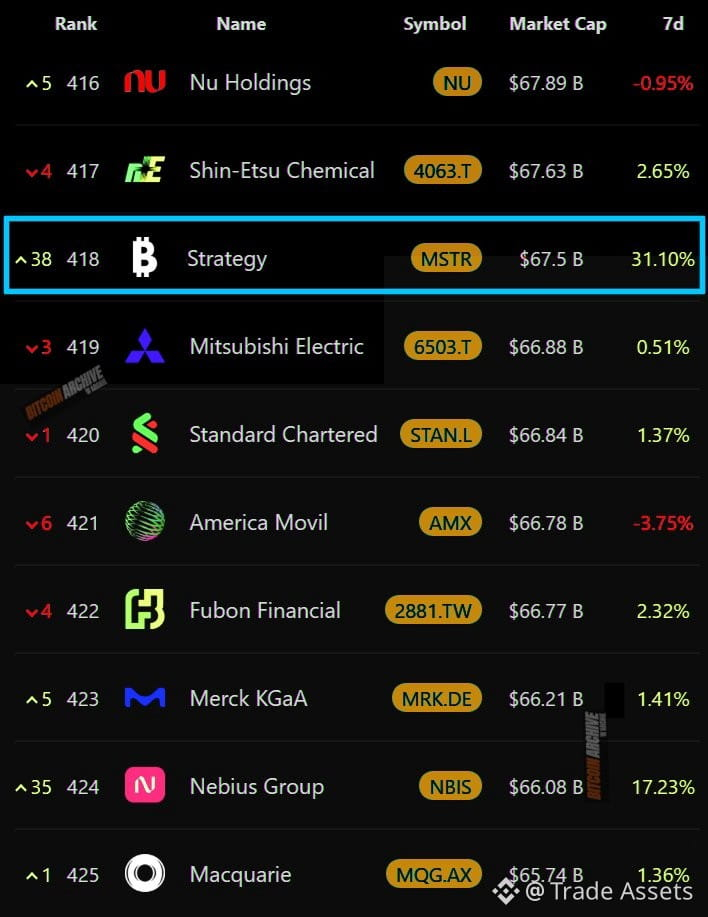
JUST IN: Michael Saylor's Strategy jumps 38 positions to become the 418th largest tradable asset.
Surpassed Standard Chartered and Macquarie!
$MSTR
{future}(MSTRUSDT)
#MichaelSaylor
JUST IN: Michael Saylor's Strategy jumps 38 positions to become the 418th largest tradable asset.
Surpassed Standard Chartered and Macquarie!
$MSTR
JUST IN: Michael Saylor's Strategy jumps 38 positions to become the 418th largest tradable asset.
Surpassed Standard Chartered and Macquarie!
$MSTR
1
161

🚨 SAYLOR IS SIGNALING AGAIN — HERE WE GO
Michael Saylor just dropped his signature move: a cryptic post hinting at another Bitcoin purchase for Strategy (formerly MicroStrategy).
If you've followed this pattern before, you know what it means. Saylor doesn't announce buys directly — he teases them. A chart. A phrase. A "back to work" or "add more dots." Then, like clockwork, a Monday filing confirms Strategy added more $BTC to its treasury.
Strategy is already the largest corporate holder of Bitcoin on the planet, sitting on hundreds of thousands of coins. Every hint like this reignites the same debate:
Is this smart long-term conviction from the biggest whale in the game — or is Strategy stacking risk on risk with a leveraged bet the market hasn't fully priced in?
Either way, when Saylor posts, the market pays attention. And clearly, so is Binance Square right now — 2.4M+ views and counting on this hashtag.
Do you think Saylor's next move is bullish confirmation, or a sign he's doubling down too hard? 👇
Not financial advice. DYOR.
#SaylorHintsStrategyBitcoinBuy #BTC #MichaelSaylor #CryptoNews
{spot}(BTCUSDT)
🚨 SAYLOR IS SIGNALING AGAIN — HERE WE GO
Michael Saylor just dropped his signature move: a cryptic post hinting at another Bitcoin purchase for Strategy (formerly MicroStrategy).
If you've followed this pattern before, you know what it means. Saylor doesn't announce buys directly — he teases them. A chart. A phrase. A "back to work" or "add more dots." Then, like clockwork, a Monday filing confirms Strategy added more $BTC to its treasury.
Strategy is already the largest corporate holder of Bitcoin on the planet, sitting on hundreds of thousands of coins. Every hint like this reignites the same debate:
Is this smart long-term conviction from the biggest whale in the game — or is Strategy stacking risk on risk with a leveraged bet the market hasn't fully priced in?
Either way, when Saylor posts, the market pays attention. And clearly, so is Binance Square right now — 2.4M+ views and counting on this hashtag.
Do you think Saylor's next move is bullish confirmation, or a sign he's doubling down too hard? 👇
Not financial advice. DYOR.
#SaylorHintsStrategyBitcoinBuy #BTC #MichaelSaylor #CryptoNews
Michael Saylor just dropped his signature move: a cryptic post hinting at another Bitcoin purchase for Strategy (formerly MicroStrategy).
If you've followed this pattern before, you know what it means. Saylor doesn't announce buys directly — he teases them. A chart. A phrase. A "back to work" or "add more dots." Then, like clockwork, a Monday filing confirms Strategy added more $BTC to its treasury.
Strategy is already the largest corporate holder of Bitcoin on the planet, sitting on hundreds of thousands of coins. Every hint like this reignites the same debate:
Is this smart long-term conviction from the biggest whale in the game — or is Strategy stacking risk on risk with a leveraged bet the market hasn't fully priced in?
Either way, when Saylor posts, the market pays attention. And clearly, so is Binance Square right now — 2.4M+ views and counting on this hashtag.
Do you think Saylor's next move is bullish confirmation, or a sign he's doubling down too hard? 👇
Not financial advice. DYOR.
#SaylorHintsStrategyBitcoinBuy #BTC #MichaelSaylor #CryptoNews

52

🚨 IS STRATEGY GETTING READY TO BUY MORE BITCOIN? 🟠
Michael Saylor has once again caught the attention of the crypto community with a subtle Bitcoin-related post.
His latest message has sparked speculation that Strategy may be preparing for another BTC purchase. 👀
If confirmed, another large accumulation from Strategy could put fresh attention on Bitcoin and the broader crypto market.
For now, nothing is officially confirmed—so traders are watching for the next announcement closely. 📊
More Bitcoin accumulation or just a hint?
$BTC $MSTR
#Bitcoin #BTC #Strategy #MichaelSaylor #Binance
🚨 IS STRATEGY GETTING READY TO BUY MORE BITCOIN? 🟠
Michael Saylor has once again caught the attention of the crypto community with a subtle Bitcoin-related post.
His latest message has sparked speculation that Strategy may be preparing for another BTC purchase. 👀
If confirmed, another large accumulation from Strategy could put fresh attention on Bitcoin and the broader crypto market.
For now, nothing is officially confirmed—so traders are watching for the next announcement closely. 📊
More Bitcoin accumulation or just a hint?
$BTC $MSTR
#Bitcoin #BTC #Strategy #MichaelSaylor #Binance
Michael Saylor has once again caught the attention of the crypto community with a subtle Bitcoin-related post.
His latest message has sparked speculation that Strategy may be preparing for another BTC purchase. 👀
If confirmed, another large accumulation from Strategy could put fresh attention on Bitcoin and the broader crypto market.
For now, nothing is officially confirmed—so traders are watching for the next announcement closely. 📊
More Bitcoin accumulation or just a hint?
$BTC $MSTR
#Bitcoin #BTC #Strategy #MichaelSaylor #Binance

88


·
--
⚡ Clarity Act Stalls: Saylor Calls It a Win
🏛️ Saylor’s View
🚀 Strategy founder Michael Saylor argues that blocking the Clarity Act could ultimately benefit the digital-asset industry.
📜 He said legislation can make both restrictions and rights permanent, while regulators can continue adapting rules as the market evolves.
⚖️ Crypto Regulation Moves Forward
🏦 The Clarity Act was blocked in the Senate after a 49–50 vote, despite aiming to clarify oversight of digital assets.
🔄 Meanwhile, the SEC and CFTC are continuing efforts to modernize crypto and tokenized-asset regulation.
💡 Saylor’s Strategy
🌐 Saylor urged policymakers to give the crypto industry room to innovate through free-market competition.
💰 He also questioned provisions that could restrict rewards for customers holding payment stablecoins.
📊 Market Implications
🔥 The debate highlights an ongoing tension between clear legislation and flexible regulatory rulemaking, with major implications for crypto companies, stablecoins, and tokenized assets.
🏷️ #CryptoRegulation #ClarityAct #MichaelSaylor
⚡ Clarity Act Stalls: Saylor Calls It a Win
🏛️ Saylor’s View
🚀 Strategy founder Michael Saylor argues that blocking the Clarity Act could ultimately benefit the digital-asset industry.
📜 He said legislation can make both restrictions and rights permanent, while regulators can continue adapting rules as the market evolves.
⚖️ Crypto Regulation Moves Forward
🏦 The Clarity Act was blocked in the Senate after a 49–50 vote, despite aiming to clarify oversight of digital assets.
🔄 Meanwhile, the SEC and CFTC are continuing efforts to modernize crypto and tokenized-asset regulation.
💡 Saylor’s Strategy
🌐 Saylor urged policymakers to give the crypto industry room to innovate through free-market competition.
💰 He also questioned provisions that could restrict rewards for customers holding payment stablecoins.
📊 Market Implications
🔥 The debate highlights an ongoing tension between clear legislation and flexible regulatory rulemaking, with major implications for crypto companies, stablecoins, and tokenized assets.
🏷️ #CryptoRegulation #ClarityAct #MichaelSaylor
🏛️ Saylor’s View
🚀 Strategy founder Michael Saylor argues that blocking the Clarity Act could ultimately benefit the digital-asset industry.
📜 He said legislation can make both restrictions and rights permanent, while regulators can continue adapting rules as the market evolves.
⚖️ Crypto Regulation Moves Forward
🏦 The Clarity Act was blocked in the Senate after a 49–50 vote, despite aiming to clarify oversight of digital assets.
🔄 Meanwhile, the SEC and CFTC are continuing efforts to modernize crypto and tokenized-asset regulation.
💡 Saylor’s Strategy
🌐 Saylor urged policymakers to give the crypto industry room to innovate through free-market competition.
💰 He also questioned provisions that could restrict rewards for customers holding payment stablecoins.
📊 Market Implications
🔥 The debate highlights an ongoing tension between clear legislation and flexible regulatory rulemaking, with major implications for crypto companies, stablecoins, and tokenized assets.
🏷️ #CryptoRegulation #ClarityAct #MichaelSaylor

1
5
70

·
--
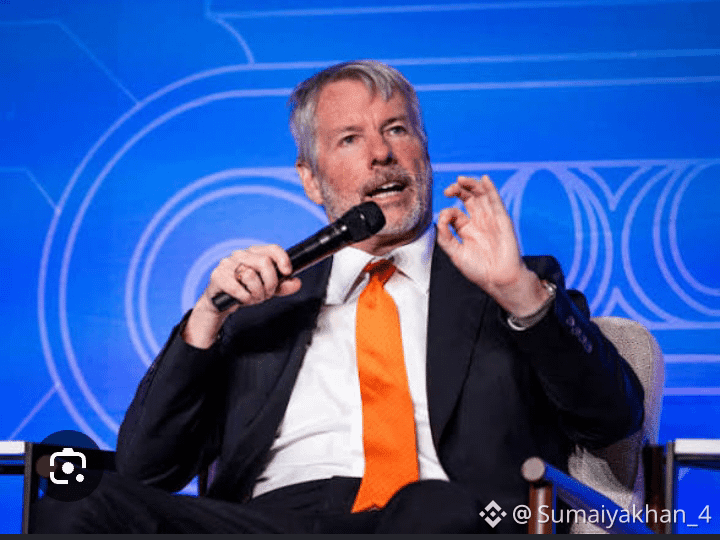
🚨 Michael Saylor might be buying MORE Bitcoin again!
The Strategy founder just dropped a simple but loaded message: "A little more orange" 🟠 — a phrase he's famously used right before major BTC purchases.
His company already holds a jaw-dropping $67.9 BILLION in Bitcoin. If history repeats, another big buy could be on the way. 👀
$BTC +1.26% | $MSTR +1.21%
💭 Is Saylor about to make headlines again? Drop your thoughts below 👇
#bitcoin #BTC #MichaelSaylor #crypto #strategy
🚨 Michael Saylor might be buying MORE Bitcoin again!
The Strategy founder just dropped a simple but loaded message: "A little more orange" 🟠 — a phrase he's famously used right before major BTC purchases.
His company already holds a jaw-dropping $67.9 BILLION in Bitcoin. If history repeats, another big buy could be on the way. 👀
$BTC +1.26% | $MSTR +1.21%
💭 Is Saylor about to make headlines again? Drop your thoughts below 👇
#bitcoin #BTC #MichaelSaylor #crypto #strategy
The Strategy founder just dropped a simple but loaded message: "A little more orange" 🟠 — a phrase he's famously used right before major BTC purchases.
His company already holds a jaw-dropping $67.9 BILLION in Bitcoin. If history repeats, another big buy could be on the way. 👀
$BTC +1.26% | $MSTR +1.21%
💭 Is Saylor about to make headlines again? Drop your thoughts below 👇
#bitcoin #BTC #MichaelSaylor #crypto #strategy
278

·
--
Haussier
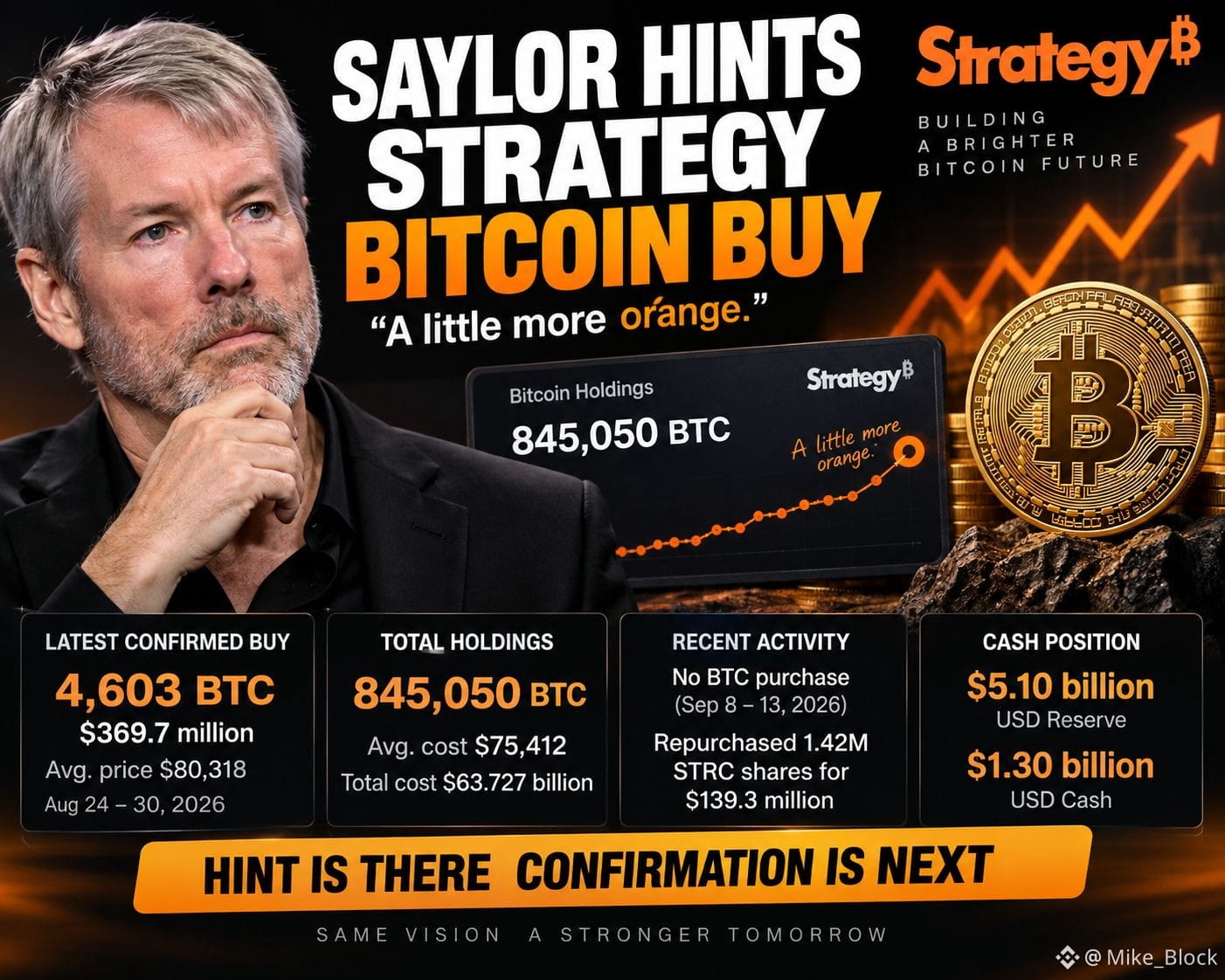
I have been watching #SaylorHintsStrategyBitcoinBuy closely, and something interesting is starting to develop.
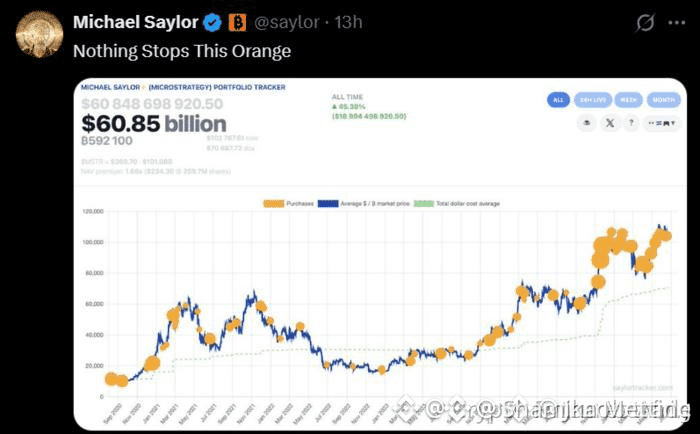
Michael Saylor recently shared Strategy’s Bitcoin accumulation chart with the words “A little more orange.” That caught my attention because the orange marks on the chart represent Bitcoin purchases.
But there is an important detail here: this is still a hint, not official confirmation of a new BTC purchase.
The latest confirmed numbers show Strategy holding around 845,050 BTC, with an average purchase price near $75,412 per Bitcoin. Its most recently confirmed buy was 4,603 BTC for roughly $369.7 million, at an average price of about $80,318.
What makes this more interesting is that Strategy had recently paused Bitcoin purchases while allocating capital toward its preferred shares and maintaining a large cash reserve.
So right now, I see this as a signal worth watching rather than confirmed news.
If the next disclosure shows another BTC purchase, Saylor’s “little more orange” comment will make much more sense.
#strategy #MichaelSaylor #SaylorHintsStrategyBitcoinBuy #Crypto
$BTC
{future}(BTCUSDT)
I have been watching #SaylorHintsStrategyBitcoinBuy closely, and something interesting is starting to develop.
Michael Saylor recently shared Strategy’s Bitcoin accumulation chart with the words “A little more orange.” That caught my attention because the orange marks on the chart represent Bitcoin purchases.
But there is an important detail here: this is still a hint, not official confirmation of a new BTC purchase.
The latest confirmed numbers show Strategy holding around 845,050 BTC, with an average purchase price near $75,412 per Bitcoin. Its most recently confirmed buy was 4,603 BTC for roughly $369.7 million, at an average price of about $80,318.
What makes this more interesting is that Strategy had recently paused Bitcoin purchases while allocating capital toward its preferred shares and maintaining a large cash reserve.
So right now, I see this as a signal worth watching rather than confirmed news.
If the next disclosure shows another BTC purchase, Saylor’s “little more orange” comment will make much more sense.
#strategy #MichaelSaylor #SaylorHintsStrategyBitcoinBuy #Crypto
$BTC
Michael Saylor recently shared Strategy’s Bitcoin accumulation chart with the words “A little more orange.” That caught my attention because the orange marks on the chart represent Bitcoin purchases.
But there is an important detail here: this is still a hint, not official confirmation of a new BTC purchase.
The latest confirmed numbers show Strategy holding around 845,050 BTC, with an average purchase price near $75,412 per Bitcoin. Its most recently confirmed buy was 4,603 BTC for roughly $369.7 million, at an average price of about $80,318.
What makes this more interesting is that Strategy had recently paused Bitcoin purchases while allocating capital toward its preferred shares and maintaining a large cash reserve.
So right now, I see this as a signal worth watching rather than confirmed news.
If the next disclosure shows another BTC purchase, Saylor’s “little more orange” comment will make much more sense.
#strategy #MichaelSaylor #SaylorHintsStrategyBitcoinBuy #Crypto
$BTC
2
3
532

·
--
Vérifié
#MichaelSaylor no se detiene!
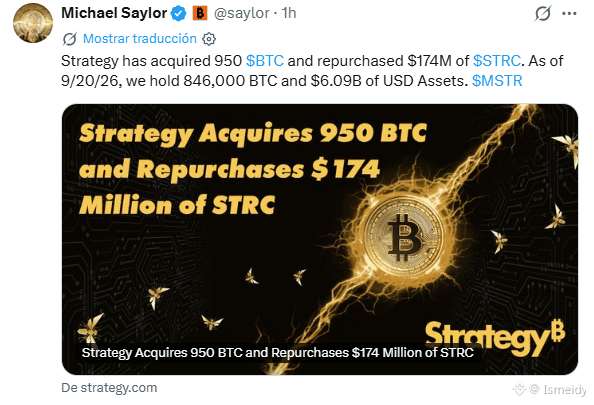
#strategy rompe su silencio de compras y suma 950 #BTC más a su tesorería imperial
La firma liderada por Michael #Saylor , Strategy, ha realizado su primera adquisición de #bitcoin desde finales de agosto, agregando 950 BTC a su tesorería por un monto de 75.7 millones de dólares a un precio promedio de 79.670 dólares por unidad.
Financiación de la compra: La operación fue respaldada con fondos provenientes de su reserva en dólares estadounidenses.
Recompra de STRC y Dividendos: Además del impulso en Bitcoin, Strategy destinó 174 millones de dólares en efectivo a la recompra de acciones STRC y empleó 57,4 millones de dólares para el pago de dividendos de sus acciones preferentes.
Estado de reservas: Tras los movimientos, la empresa conserva 5.000 millones de dólares en su reserva de USD y mantiene 1.000 millones de dólares en efectivo líquido.
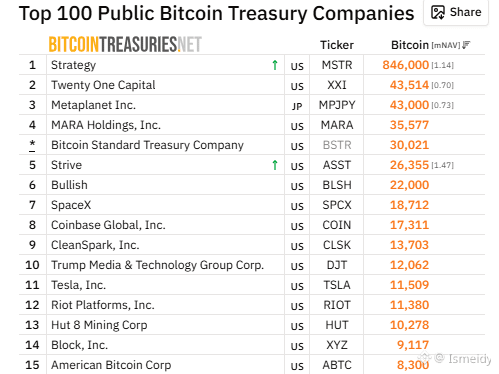
Dominio Absoluto en el Mercado: Con este nuevo movimiento, Strategy eleva sus reservas totales a 846.000 BTC (adquiridos por un total de 63.810 millones de dólares a un costo medio de 74.417 dólares por moneda), consolidando con creces su lugar en el puesto #1 del ranking mundial de tesorerías corporativas en Bitcoin.
$BTC
{future}(BTCUSDT)
$MSTRB
{spot}(MSTRBUSDT)
#$MSTR
{future}(MSTRUSDT)
#MichaelSaylor no se detiene!
#strategy rompe su silencio de compras y suma 950 #BTC más a su tesorería imperial
La firma liderada por Michael #Saylor , Strategy, ha realizado su primera adquisición de #bitcoin desde finales de agosto, agregando 950 BTC a su tesorería por un monto de 75.7 millones de dólares a un precio promedio de 79.670 dólares por unidad.
Financiación de la compra: La operación fue respaldada con fondos provenientes de su reserva en dólares estadounidenses.
Recompra de STRC y Dividendos: Además del impulso en Bitcoin, Strategy destinó 174 millones de dólares en efectivo a la recompra de acciones STRC y empleó 57,4 millones de dólares para el pago de dividendos de sus acciones preferentes.
Estado de reservas: Tras los movimientos, la empresa conserva 5.000 millones de dólares en su reserva de USD y mantiene 1.000 millones de dólares en efectivo líquido.
Dominio Absoluto en el Mercado: Con este nuevo movimiento, Strategy eleva sus reservas totales a 846.000 BTC (adquiridos por un total de 63.810 millones de dólares a un costo medio de 74.417 dólares por moneda), consolidando con creces su lugar en el puesto #1 del ranking mundial de tesorerías corporativas en Bitcoin.
$BTC
$MSTRB
#$MSTR
#strategy rompe su silencio de compras y suma 950 #BTC más a su tesorería imperial
La firma liderada por Michael #Saylor , Strategy, ha realizado su primera adquisición de #bitcoin desde finales de agosto, agregando 950 BTC a su tesorería por un monto de 75.7 millones de dólares a un precio promedio de 79.670 dólares por unidad.
Financiación de la compra: La operación fue respaldada con fondos provenientes de su reserva en dólares estadounidenses.
Recompra de STRC y Dividendos: Además del impulso en Bitcoin, Strategy destinó 174 millones de dólares en efectivo a la recompra de acciones STRC y empleó 57,4 millones de dólares para el pago de dividendos de sus acciones preferentes.
Estado de reservas: Tras los movimientos, la empresa conserva 5.000 millones de dólares en su reserva de USD y mantiene 1.000 millones de dólares en efectivo líquido.
Dominio Absoluto en el Mercado: Con este nuevo movimiento, Strategy eleva sus reservas totales a 846.000 BTC (adquiridos por un total de 63.810 millones de dólares a un costo medio de 74.417 dólares por moneda), consolidando con creces su lugar en el puesto #1 del ranking mundial de tesorerías corporativas en Bitcoin.
$BTC
$MSTRB
#$MSTR
1
4
3.5k

🟠 Saylor Drops "A Little More Orange": Is Strategy Buying More Bitcoin?
#SaylorHintsStrategyBitcoinBuy
What happened
On Sunday, Sept 20, Michael Saylor posted Strategy's Bitcoin acquisition chart on X with the caption "A little more orange."
These orange-dot posts have often been followed by a purchase disclosure on Monday, so the hashtag now has 2.2M views and 12K+ people discussing it.
Where Strategy stands
Holdings: 845,050 BTC (over 4% of the 21M supply)
Total cost: about $63.7B, at an average of about $75,412 per BTC
Last confirmed buy: 4,603 BTC (about $369.7M) at about $80,318, on Aug 31
Holdings were unchanged in the most recent weekly filing (Sept 14)
The position is back in profit, roughly $4B unrealized gain, after sitting underwater earlier this year
The macro backdrop
The hint came in the same week as a Fed rate hike and a setback for crypto legislation in Congress. Neither seems to have changed Strategy's signaling pattern.
Hint ≠ confirmation ⚠️
A post is not a purchase. The only confirmation is Strategy's official disclosure (8-K filing). Until then, treat it as speculation.
What to watch after the filing
Size: is it a large buy or a small top-up?
Price paid, compared with the $75.4K average cost
Funding: cash, share sales, or preferred stock (STRC)? Financing matters as much as the headline
MSTR and BTC reaction: does the market still react, or is accumulation now "priced in"?
Community takes
🐂 Bullish: it signals continued institutional conviction
🧊 Skeptical: routine reposts are noise until the on-chain and filing data show up
❓ Long-term: how long can one company keep buying at this scale, and could selling ever become part of the strategy?
Saylor's orange dots create attention, but the filings tell the real story. Wait for the official announcement before trading on the headline.
Do you think the market still reacts to Strategy's buys, or is it routine now? 👇
⚠️ Not financial advice. Do your own research.
#MichaelSaylor #MSTR #BinanceSquare $BTC
#SaylorHintsStrategyBitcoinBuy
🟠 Saylor Drops "A Little More Orange": Is Strategy Buying More Bitcoin?
#SaylorHintsStrategyBitcoinBuy
What happened
On Sunday, Sept 20, Michael Saylor posted Strategy's Bitcoin acquisition chart on X with the caption "A little more orange."
These orange-dot posts have often been followed by a purchase disclosure on Monday, so the hashtag now has 2.2M views and 12K+ people discussing it.
Where Strategy stands
Holdings: 845,050 BTC (over 4% of the 21M supply)
Total cost: about $63.7B, at an average of about $75,412 per BTC
Last confirmed buy: 4,603 BTC (about $369.7M) at about $80,318, on Aug 31
Holdings were unchanged in the most recent weekly filing (Sept 14)
The position is back in profit, roughly $4B unrealized gain, after sitting underwater earlier this year
The macro backdrop
The hint came in the same week as a Fed rate hike and a setback for crypto legislation in Congress. Neither seems to have changed Strategy's signaling pattern.
Hint ≠ confirmation ⚠️
A post is not a purchase. The only confirmation is Strategy's official disclosure (8-K filing). Until then, treat it as speculation.
What to watch after the filing
Size: is it a large buy or a small top-up?
Price paid, compared with the $75.4K average cost
Funding: cash, share sales, or preferred stock (STRC)? Financing matters as much as the headline
MSTR and BTC reaction: does the market still react, or is accumulation now "priced in"?
Community takes
🐂 Bullish: it signals continued institutional conviction
🧊 Skeptical: routine reposts are noise until the on-chain and filing data show up
❓ Long-term: how long can one company keep buying at this scale, and could selling ever become part of the strategy?
Saylor's orange dots create attention, but the filings tell the real story. Wait for the official announcement before trading on the headline.
Do you think the market still reacts to Strategy's buys, or is it routine now? 👇
⚠️ Not financial advice. Do your own research.
#MichaelSaylor #MSTR #BinanceSquare $BTC
#SaylorHintsStrategyBitcoinBuy
#SaylorHintsStrategyBitcoinBuy
What happened
On Sunday, Sept 20, Michael Saylor posted Strategy's Bitcoin acquisition chart on X with the caption "A little more orange."
These orange-dot posts have often been followed by a purchase disclosure on Monday, so the hashtag now has 2.2M views and 12K+ people discussing it.
Where Strategy stands
Holdings: 845,050 BTC (over 4% of the 21M supply)
Total cost: about $63.7B, at an average of about $75,412 per BTC
Last confirmed buy: 4,603 BTC (about $369.7M) at about $80,318, on Aug 31
Holdings were unchanged in the most recent weekly filing (Sept 14)
The position is back in profit, roughly $4B unrealized gain, after sitting underwater earlier this year
The macro backdrop
The hint came in the same week as a Fed rate hike and a setback for crypto legislation in Congress. Neither seems to have changed Strategy's signaling pattern.
Hint ≠ confirmation ⚠️
A post is not a purchase. The only confirmation is Strategy's official disclosure (8-K filing). Until then, treat it as speculation.
What to watch after the filing
Size: is it a large buy or a small top-up?
Price paid, compared with the $75.4K average cost
Funding: cash, share sales, or preferred stock (STRC)? Financing matters as much as the headline
MSTR and BTC reaction: does the market still react, or is accumulation now "priced in"?
Community takes
🐂 Bullish: it signals continued institutional conviction
🧊 Skeptical: routine reposts are noise until the on-chain and filing data show up
❓ Long-term: how long can one company keep buying at this scale, and could selling ever become part of the strategy?
Saylor's orange dots create attention, but the filings tell the real story. Wait for the official announcement before trading on the headline.
Do you think the market still reacts to Strategy's buys, or is it routine now? 👇
⚠️ Not financial advice. Do your own research.
#MichaelSaylor #MSTR #BinanceSquare $BTC
#SaylorHintsStrategyBitcoinBuy

135

$BTC $MSTR
🚨 SAYLOR DROPS ANOTHER BITCOIN HINT 👀🟠
Michael Saylor is back with another Bitcoin chart featuring those familiar orange dots — and the crypto community is watching closely.
Historically, similar posts have appeared around periods when Strategy disclosed new BTC purchases. But this time, there’s an important distinction:
⚠️ A Saylor post is NOT confirmation of a new Bitcoin purchase.
The real confirmation will come from Strategy’s official disclosure.
📌 Why traders are watching:
• Strategy remains one of the largest corporate Bitcoin holders
• Saylor continues to publicly signal his long-term Bitcoin focus
• Another purchase could attract fresh market attention
• The key question is whether Strategy has resumed regular accumulation
Strategy currently holds 845,050 BTC, according to its latest reported holdings, while recent reports say the company has paused new BTC purchases for two consecutive weeks.
👀 Now the market waits for the official announcement.
If Strategy announces another major BTC purchase, will traders react strongly — or has Saylor’s accumulation strategy become too familiar to create the same impact?
#BTC #Bitcoin #MichaelSaylor #Strategy #MSTR #Crypto #BitcoinNews #CryptoNews
$BTC $MSTR
$BTC $MSTR
🚨 SAYLOR DROPS ANOTHER BITCOIN HINT 👀🟠
Michael Saylor is back with another Bitcoin chart featuring those familiar orange dots — and the crypto community is watching closely.
Historically, similar posts have appeared around periods when Strategy disclosed new BTC purchases. But this time, there’s an important distinction:
⚠️ A Saylor post is NOT confirmation of a new Bitcoin purchase.
The real confirmation will come from Strategy’s official disclosure.
📌 Why traders are watching:
• Strategy remains one of the largest corporate Bitcoin holders
• Saylor continues to publicly signal his long-term Bitcoin focus
• Another purchase could attract fresh market attention
• The key question is whether Strategy has resumed regular accumulation
Strategy currently holds 845,050 BTC, according to its latest reported holdings, while recent reports say the company has paused new BTC purchases for two consecutive weeks.
👀 Now the market waits for the official announcement.
If Strategy announces another major BTC purchase, will traders react strongly — or has Saylor’s accumulation strategy become too familiar to create the same impact?
#BTC #Bitcoin #MichaelSaylor #Strategy #MSTR #Crypto #BitcoinNews #CryptoNews
$BTC $MSTR
🚨 SAYLOR DROPS ANOTHER BITCOIN HINT 👀🟠
Michael Saylor is back with another Bitcoin chart featuring those familiar orange dots — and the crypto community is watching closely.
Historically, similar posts have appeared around periods when Strategy disclosed new BTC purchases. But this time, there’s an important distinction:
⚠️ A Saylor post is NOT confirmation of a new Bitcoin purchase.
The real confirmation will come from Strategy’s official disclosure.
📌 Why traders are watching:
• Strategy remains one of the largest corporate Bitcoin holders
• Saylor continues to publicly signal his long-term Bitcoin focus
• Another purchase could attract fresh market attention
• The key question is whether Strategy has resumed regular accumulation
Strategy currently holds 845,050 BTC, according to its latest reported holdings, while recent reports say the company has paused new BTC purchases for two consecutive weeks.
👀 Now the market waits for the official announcement.
If Strategy announces another major BTC purchase, will traders react strongly — or has Saylor’s accumulation strategy become too familiar to create the same impact?
#BTC #Bitcoin #MichaelSaylor #Strategy #MSTR #Crypto #BitcoinNews #CryptoNews
$BTC $MSTR

1
153

#SaylorHintsStrategyBitcoinBuy
أطلقَت عبارة سايلور « Un peu plus d’orange » (قليلٌ من البرتقال أكثر) تكهّناتٍ حول عمليات شراء البيتكوين
قام مايكل سايلور مرةً أخرى بوضع تركيزٍ على الاحتياطيات النقدية بالبيتكوين لدى شركة Strategy.
في 20 سبتمبر، نشر سايلور « Un peu plus d’orange » مع رسمٍ يوضح حيازات Strategy من البيتكوين. ذكرت Binance News أن الرسالة فُسِّرت على أنها إشارة محتملة تُلمّح إلى أن توقف عمليات شراء الشركة الأخيرة قد يكون على وشك الانتهاء.
لم تكن Strategy قد أفصحت عن أي شراء أو بيع للبيتكوين خلال الأسبوعين السابقين لـ 13 سبتمبر، ما ترك حيازاتها عند 845 050 BTC.
تأتي هذه النشرات لافتة لأن سايلور سبق أن استخدم منشورات ذات طابع بيتكوين قبل إفصاحات تتعلق بعمليات شراء. ومع ذلك، لا تؤكد الرسالة الأحدث وحدها تنفيذ أي صفقة.
ستقدّم الإفصاحات الرسمية المقبلة للشركة الإجابة الحاسمة.
متابعة من فضلكم
#BTC #MichaelSaylor #CryptoNews
$BTC
{future}(BTCUSDT)
#SaylorHintsStrategyBitcoinBuy
أطلقَت عبارة سايلور « Un peu plus d’orange » (قليلٌ من البرتقال أكثر) تكهّناتٍ حول عمليات شراء البيتكوين
قام مايكل سايلور مرةً أخرى بوضع تركيزٍ على الاحتياطيات النقدية بالبيتكوين لدى شركة Strategy.
في 20 سبتمبر، نشر سايلور « Un peu plus d’orange » مع رسمٍ يوضح حيازات Strategy من البيتكوين. ذكرت Binance News أن الرسالة فُسِّرت على أنها إشارة محتملة تُلمّح إلى أن توقف عمليات شراء الشركة الأخيرة قد يكون على وشك الانتهاء.
لم تكن Strategy قد أفصحت عن أي شراء أو بيع للبيتكوين خلال الأسبوعين السابقين لـ 13 سبتمبر، ما ترك حيازاتها عند 845 050 BTC.
تأتي هذه النشرات لافتة لأن سايلور سبق أن استخدم منشورات ذات طابع بيتكوين قبل إفصاحات تتعلق بعمليات شراء. ومع ذلك، لا تؤكد الرسالة الأحدث وحدها تنفيذ أي صفقة.
ستقدّم الإفصاحات الرسمية المقبلة للشركة الإجابة الحاسمة.
متابعة من فضلكم
#BTC #MichaelSaylor #CryptoNews
$BTC
أطلقَت عبارة سايلور « Un peu plus d’orange » (قليلٌ من البرتقال أكثر) تكهّناتٍ حول عمليات شراء البيتكوين
قام مايكل سايلور مرةً أخرى بوضع تركيزٍ على الاحتياطيات النقدية بالبيتكوين لدى شركة Strategy.
في 20 سبتمبر، نشر سايلور « Un peu plus d’orange » مع رسمٍ يوضح حيازات Strategy من البيتكوين. ذكرت Binance News أن الرسالة فُسِّرت على أنها إشارة محتملة تُلمّح إلى أن توقف عمليات شراء الشركة الأخيرة قد يكون على وشك الانتهاء.
لم تكن Strategy قد أفصحت عن أي شراء أو بيع للبيتكوين خلال الأسبوعين السابقين لـ 13 سبتمبر، ما ترك حيازاتها عند 845 050 BTC.
تأتي هذه النشرات لافتة لأن سايلور سبق أن استخدم منشورات ذات طابع بيتكوين قبل إفصاحات تتعلق بعمليات شراء. ومع ذلك، لا تؤكد الرسالة الأحدث وحدها تنفيذ أي صفقة.
ستقدّم الإفصاحات الرسمية المقبلة للشركة الإجابة الحاسمة.
متابعة من فضلكم
#BTC #MichaelSaylor #CryptoNews
$BTC
1
75
Connectez-vous pour découvrir plus de contenu
Rejoignez la communauté mondiale des adeptes de cryptomonnaies sur Binance Square
⚡️ Suviez les dernières informations importantes sur les cryptomonnaies.
💬 Jugé digne de confiance par la plus grande plateforme d’échange de cryptomonnaies au monde.
👍 Découvrez les connaissances que partagent les créateurs vérifiés.
Adresse e-mail/Nº de téléphone
Sujets d’actualité
1
#UKFCAWinsCourtOrderToRecover851400Pounds
14,692 vues
582 mentions
2
#ChainlinkLaunchesCCIP2WithEnterpriseVerification
28,721 vues
785 mentions
3
#GoldFallsTo$4144
10,731 vues
134 mentions
4
#QNTFallsOver40%FromMorningHigh
67,625 vues
1,208 mentions
5
#USDTAdds845900HoldersInPast7Days
9,669 vues
332 mentions
6
#KospiFalls2.7%SamsungSKHynixDropOver5%
19,360 vues
509 mentions
7
#BitgetCEOConfirms$388MStolenInHack
4,617 vues
41 mentions
8
#BTCFallsBelow$83000
26,768 vues
160 mentions
9
#BitgetDetailsSecurityIncidentTimeline
36,814 vues
660 mentions
10
#BitcoinSpotETFs$2.39BWeeklyNetInflow
12,320 vues
47 mentions